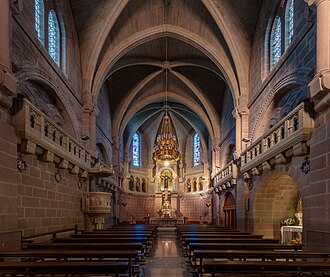
Day: November 25, 2025

1. “Woman, behold your Son!” (Jn 19:26).
As we near the end of this Jubilee Year,
when you, O Mother, have offered us Jesus anew,
the blessed fruit of your womb most pure,
the Word made flesh, the world’s Redeemer,
we hear more clearly the sweet echo of his words
entrusting us to you, making you our Mother:
“Woman, behold your Son!”
When he entrusted to you the Apostle John,
and with him the children of the Church and all people,
Christ did not diminish but affirmed anew …

Read More
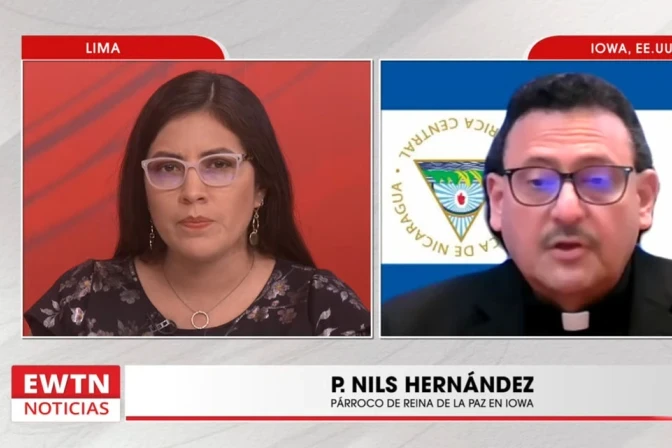
Activist Nicaraguan priest: The Ortega dictatorship ‘can’t take away our faith’ - #Catholic - 
 
 Father Nils de Jesús Hernández speaks out for Nicaragua from exile in the United States. / Credit: “EWTN Noticias”/Screenshot

ACI Prensa Staff, Nov 25, 2025 / 18:01 pm (CNA).
Nils de Jesús Hernández, 56, has lived in the United States for 36 years, far from his native Nicaragua. Forced to leave the country in 1988 in the midst of the civil war, he serves a parish in Iowa where he ministers to the Hispanic community and speaks out for the Nicaraguan people.Hernández, known as the “vandal priest” for having led a student strike and supporting the 2018 protests in Nicaragua, is now the parish priest at Queen of Peace Church in Waterloo, Iowa, in the Archdiocese of Dubuque.“Vandal priest” was the defamatory, derisive label the dictatorship gave to him for his role in the protests, but the title has now turned into a sort of badge of honor.The pain of leaving NicaraguaAfter being declared a target of the government at the age of 19 when he was a candidate for the priesthood, Hernández said in an interview with “EWTN Noticias,” the Spanish-language broadcast edition of EWTN News, that leaving the country “meant that I was never going to return to Nicaragua. Leaving my parents, my family, everything that was familiar to me: my language, my culture, my food, everything; that is, everything that is one’s own ... that was the cruelest thing I was experiencing.”The priest said he inherited his fighting spirit from his mother, who also helped with the student protests at the time.“In the 1980s, I was also fighting against those [the Sandinistas] who promised us that everything was going to be fine, and everything turned into a dictatorship, a government that was repressing the Nicaraguan people,” Hernández told “EWTN Noticias.”The priest traveled to Guatemala, then on to Tijuana, Mexico, and continuing to San Diego. He spent six years in Los Angeles before being sent to Iowa.Having already obtained U.S. citizenship, he was ordained a priest in 2004 for the Archdiocese of Dubuque, and now in his parish he serves Mexicans, Guatemalans, Venezuelans, Chileans, Hondurans, and, of course, members of the Nicaraguan diaspora.“I have organized marches here against laws that are very aggressive against immigrants under this administration of President Donald Trump,” the priest said. “This has also been my battleground here to continue denouncing the dictatorship of [Nicaraguan Vice President Rosario] Murillo and [President] Daniel Ortega,” he added.The persecution against the Catholic Church in Nicaragua“I believe that the persecution against the Church in Nicaragua is becoming much more aggressive, with confiscations [of Church property] that they have carried out and continue to carry out,” the priest lamented.According to Hernández, the dictatorship wants to “eradicate the Church.” “But I always say the following: They will steal all the buildings, they can close all the churches they want to close … but they cannot take away the faith from the hearts of every Nicaraguan, because wherever there is a Nicaraguan in Nicaragua, even though they are being repressed and oppressed, there is the Catholic faith, because all of us Nicaraguans are devoted to Mary and we trust in the will of God.”“We also have great faith that the Lord will prevail and will be victorious, because the Lord triumphed on the cross and overcame death with his resurrection,” he said.“We will be returning to Nicaragua triumphantly, because we will indeed return to Nicaragua, because this dictatorship will not last forever. They’re old and they’re not going to continue [in power] for all eternity,” he predicted.Silence of the Church in Nicaragua and reality in Venezuela“The silence in Nicaragua is due to the repression that exists. The people are silent,” Hernández pointed out. “But that doesn’t mean the people are content. The silence reflects the discontent of the people, because when the drums sound, Nicaragua will roar. That’s a very Nicaraguan saying,” he explained.“The Nicaraguan people, when they muster the courage, overthrow any dictatorship. This silence is a preparatory silence for what could happen at any moment in Nicaragua,” the exiled priest continued.“If Nicolás Maduro falls [in Venezuela], the Nicaraguan and Cuban dictatorships will also fall. So the silence on the part of the Church is out of prudence, but here in the United States there are voices that are trying to make people aware that the repression in Nicaragua is not good. We have Bishop [Silvio] Báez, who is a prophetic and very strong voice: He continues to speak very consistently about all the deception that this dictatorship is engaging in,” Hernández told EWTN.Pope Leo XIV, Nicaragua, and the award to Bishop Silvio BáezThe priest also referred to the meetings that Pope Leo XIV has held with the bishops of Nicaragua, first with bishops Silvio Báez, Carlos Enrique Herrera, and Isidoro Mora; and later with Rolando Álvarez, all of whom are in exile.In his opinion, these meetings “are a slap in the face to the dictatorship. That’s what grieves them the most, that the Holy Father is saying, ‘Catholic Nicaragua, persecuted Church, your mother is with you. The Holy Father loves you and you are not alone.’”“That is a very powerful message that the Holy Father is giving to the Nicaraguan people and also to the Church, and that is the most wonderful thing that we must understand. Nicaraguan people, you’ve got to have a lot of courage, because this is not going to continue forever. Once again, these old men are going to die,” he emphasized.Hernández also shared that it was he who nominated Báez for the 2025 Pacem in Terris Award for peace and freedom — which has also been awarded to Martin Luther King Jr. and St. Teresa of Calcutta and which was presented to him in July of this year in Davenport — to recognize “the role that the prelate has played in the struggle in Nicaragua and from exile” at St. Agatha Parish in Miami.“My dream for the Nicaraguan Church is that we continue praying for the unity of all the opposition, so that there may be authentic and genuine unity, that they set aside all their political agendas, and that we all unite to fight to overthrow the dictatorship,” he said.The priest finally emphasized that for him it is “a great source of pride to be the ‘vandal priest,’ because I continue to denounce this criminal dictatorship for crimes against humanity, because they will not escape God’s justice. They will escape human justice, but not God’s justice.This story was first published by ACI Prensa, CNA’s Spanish-language news partner. It has been translated and adapted by CNA.

Activist Nicaraguan priest: The Ortega dictatorship ‘can’t take away our faith’ – #Catholic – Father Nils de Jesús Hernández speaks out for Nicaragua from exile in the United States. / Credit: “EWTN Noticias”/Screenshot ACI Prensa Staff, Nov 25, 2025 / 18:01 pm (CNA). Nils de Jesús Hernández, 56, has lived in the United States for 36 years, far from his native Nicaragua. Forced to leave the country in 1988 in the midst of the civil war, he serves a parish in Iowa where he ministers to the Hispanic community and speaks out for the Nicaraguan people.Hernández, known as the “vandal priest” for having led a student strike and supporting the 2018 protests in Nicaragua, is now the parish priest at Queen of Peace Church in Waterloo, Iowa, in the Archdiocese of Dubuque.“Vandal priest” was the defamatory, derisive label the dictatorship gave to him for his role in the protests, but the title has now turned into a sort of badge of honor.The pain of leaving NicaraguaAfter being declared a target of the government at the age of 19 when he was a candidate for the priesthood, Hernández said in an interview with “EWTN Noticias,” the Spanish-language broadcast edition of EWTN News, that leaving the country “meant that I was never going to return to Nicaragua. Leaving my parents, my family, everything that was familiar to me: my language, my culture, my food, everything; that is, everything that is one’s own … that was the cruelest thing I was experiencing.”The priest said he inherited his fighting spirit from his mother, who also helped with the student protests at the time.“In the 1980s, I was also fighting against those [the Sandinistas] who promised us that everything was going to be fine, and everything turned into a dictatorship, a government that was repressing the Nicaraguan people,” Hernández told “EWTN Noticias.”The priest traveled to Guatemala, then on to Tijuana, Mexico, and continuing to San Diego. He spent six years in Los Angeles before being sent to Iowa.Having already obtained U.S. citizenship, he was ordained a priest in 2004 for the Archdiocese of Dubuque, and now in his parish he serves Mexicans, Guatemalans, Venezuelans, Chileans, Hondurans, and, of course, members of the Nicaraguan diaspora.“I have organized marches here against laws that are very aggressive against immigrants under this administration of President Donald Trump,” the priest said. “This has also been my battleground here to continue denouncing the dictatorship of [Nicaraguan Vice President Rosario] Murillo and [President] Daniel Ortega,” he added.The persecution against the Catholic Church in Nicaragua“I believe that the persecution against the Church in Nicaragua is becoming much more aggressive, with confiscations [of Church property] that they have carried out and continue to carry out,” the priest lamented.According to Hernández, the dictatorship wants to “eradicate the Church.” “But I always say the following: They will steal all the buildings, they can close all the churches they want to close … but they cannot take away the faith from the hearts of every Nicaraguan, because wherever there is a Nicaraguan in Nicaragua, even though they are being repressed and oppressed, there is the Catholic faith, because all of us Nicaraguans are devoted to Mary and we trust in the will of God.”“We also have great faith that the Lord will prevail and will be victorious, because the Lord triumphed on the cross and overcame death with his resurrection,” he said.“We will be returning to Nicaragua triumphantly, because we will indeed return to Nicaragua, because this dictatorship will not last forever. They’re old and they’re not going to continue [in power] for all eternity,” he predicted.Silence of the Church in Nicaragua and reality in Venezuela“The silence in Nicaragua is due to the repression that exists. The people are silent,” Hernández pointed out. “But that doesn’t mean the people are content. The silence reflects the discontent of the people, because when the drums sound, Nicaragua will roar. That’s a very Nicaraguan saying,” he explained.“The Nicaraguan people, when they muster the courage, overthrow any dictatorship. This silence is a preparatory silence for what could happen at any moment in Nicaragua,” the exiled priest continued.“If Nicolás Maduro falls [in Venezuela], the Nicaraguan and Cuban dictatorships will also fall. So the silence on the part of the Church is out of prudence, but here in the United States there are voices that are trying to make people aware that the repression in Nicaragua is not good. We have Bishop [Silvio] Báez, who is a prophetic and very strong voice: He continues to speak very consistently about all the deception that this dictatorship is engaging in,” Hernández told EWTN.Pope Leo XIV, Nicaragua, and the award to Bishop Silvio BáezThe priest also referred to the meetings that Pope Leo XIV has held with the bishops of Nicaragua, first with bishops Silvio Báez, Carlos Enrique Herrera, and Isidoro Mora; and later with Rolando Álvarez, all of whom are in exile.In his opinion, these meetings “are a slap in the face to the dictatorship. That’s what grieves them the most, that the Holy Father is saying, ‘Catholic Nicaragua, persecuted Church, your mother is with you. The Holy Father loves you and you are not alone.’”“That is a very powerful message that the Holy Father is giving to the Nicaraguan people and also to the Church, and that is the most wonderful thing that we must understand. Nicaraguan people, you’ve got to have a lot of courage, because this is not going to continue forever. Once again, these old men are going to die,” he emphasized.Hernández also shared that it was he who nominated Báez for the 2025 Pacem in Terris Award for peace and freedom — which has also been awarded to Martin Luther King Jr. and St. Teresa of Calcutta and which was presented to him in July of this year in Davenport — to recognize “the role that the prelate has played in the struggle in Nicaragua and from exile” at St. Agatha Parish in Miami.“My dream for the Nicaraguan Church is that we continue praying for the unity of all the opposition, so that there may be authentic and genuine unity, that they set aside all their political agendas, and that we all unite to fight to overthrow the dictatorship,” he said.The priest finally emphasized that for him it is “a great source of pride to be the ‘vandal priest,’ because I continue to denounce this criminal dictatorship for crimes against humanity, because they will not escape God’s justice. They will escape human justice, but not God’s justice.This story was first published by ACI Prensa, CNA’s Spanish-language news partner. It has been translated and adapted by CNA.


Father Nils de Jesús Hernández speaks out for Nicaragua from exile in the United States. / Credit: “EWTN Noticias”/Screenshot

ACI Prensa Staff, Nov 25, 2025 / 18:01 pm (CNA).

Nils de Jesús Hernández, 56, has lived in the United States for 36 years, far from his native Nicaragua. Forced to leave the country in 1988 in the midst of the civil war, he serves a parish in Iowa where he ministers to the Hispanic community and speaks out for the Nicaraguan people.

Hernández, known as the “vandal priest” for having led a student strike and supporting the 2018 protests in Nicaragua, is now the parish priest at Queen of Peace Church in Waterloo, Iowa, in the Archdiocese of Dubuque.

“Vandal priest” was the defamatory, derisive label the dictatorship gave to him for his role in the protests, but the title has now turned into a sort of badge of honor.

The pain of leaving Nicaragua

After being declared a target of the government at the age of 19 when he was a candidate for the priesthood, Hernández said in an interview with “EWTN Noticias,” the Spanish-language broadcast edition of EWTN News, that leaving the country “meant that I was never going to return to Nicaragua. Leaving my parents, my family, everything that was familiar to me: my language, my culture, my food, everything; that is, everything that is one’s own … that was the cruelest thing I was experiencing.”

The priest said he inherited his fighting spirit from his mother, who also helped with the student protests at the time.

“In the 1980s, I was also fighting against those [the Sandinistas] who promised us that everything was going to be fine, and everything turned into a dictatorship, a government that was repressing the Nicaraguan people,” Hernández told “EWTN Noticias.”

The priest traveled to Guatemala, then on to Tijuana, Mexico, and continuing to San Diego. He spent six years in Los Angeles before being sent to Iowa.

Having already obtained U.S. citizenship, he was ordained a priest in 2004 for the Archdiocese of Dubuque, and now in his parish he serves Mexicans, Guatemalans, Venezuelans, Chileans, Hondurans, and, of course, members of the Nicaraguan diaspora.

“I have organized marches here against laws that are very aggressive against immigrants under this administration of President Donald Trump,” the priest said. “This has also been my battleground here to continue denouncing the dictatorship of [Nicaraguan Vice President Rosario] Murillo and [President] Daniel Ortega,” he added.

The persecution against the Catholic Church in Nicaragua

“I believe that the persecution against the Church in Nicaragua is becoming much more aggressive, with confiscations [of Church property] that they have carried out and continue to carry out,” the priest lamented.

According to Hernández, the dictatorship wants to “eradicate the Church.”

“But I always say the following: They will steal all the buildings, they can close all the churches they want to close … but they cannot take away the faith from the hearts of every Nicaraguan, because wherever there is a Nicaraguan in Nicaragua, even though they are being repressed and oppressed, there is the Catholic faith, because all of us Nicaraguans are devoted to Mary and we trust in the will of God.”

“We also have great faith that the Lord will prevail and will be victorious, because the Lord triumphed on the cross and overcame death with his resurrection,” he said.

“We will be returning to Nicaragua triumphantly, because we will indeed return to Nicaragua, because this dictatorship will not last forever. They’re old and they’re not going to continue [in power] for all eternity,” he predicted.

Silence of the Church in Nicaragua and reality in Venezuela

“The silence in Nicaragua is due to the repression that exists. The people are silent,” Hernández pointed out. “But that doesn’t mean the people are content. The silence reflects the discontent of the people, because when the drums sound, Nicaragua will roar. That’s a very Nicaraguan saying,” he explained.

“The Nicaraguan people, when they muster the courage, overthrow any dictatorship. This silence is a preparatory silence for what could happen at any moment in Nicaragua,” the exiled priest continued.

“If Nicolás Maduro falls [in Venezuela], the Nicaraguan and Cuban dictatorships will also fall. So the silence on the part of the Church is out of prudence, but here in the United States there are voices that are trying to make people aware that the repression in Nicaragua is not good. We have Bishop [Silvio] Báez, who is a prophetic and very strong voice: He continues to speak very consistently about all the deception that this dictatorship is engaging in,” Hernández told EWTN.

Pope Leo XIV, Nicaragua, and the award to Bishop Silvio Báez

The priest also referred to the meetings that Pope Leo XIV has held with the bishops of Nicaragua, first with bishops Silvio Báez, Carlos Enrique Herrera, and Isidoro Mora; and later with Rolando Álvarez, all of whom are in exile.

In his opinion, these meetings “are a slap in the face to the dictatorship. That’s what grieves them the most, that the Holy Father is saying, ‘Catholic Nicaragua, persecuted Church, your mother is with you. The Holy Father loves you and you are not alone.’”

“That is a very powerful message that the Holy Father is giving to the Nicaraguan people and also to the Church, and that is the most wonderful thing that we must understand. Nicaraguan people, you’ve got to have a lot of courage, because this is not going to continue forever. Once again, these old men are going to die,” he emphasized.

Hernández also shared that it was he who nominated Báez for the 2025 Pacem in Terris Award for peace and freedom — which has also been awarded to Martin Luther King Jr. and St. Teresa of Calcutta and which was presented to him in July of this year in Davenport — to recognize “the role that the prelate has played in the struggle in Nicaragua and from exile” at St. Agatha Parish in Miami.

“My dream for the Nicaraguan Church is that we continue praying for the unity of all the opposition, so that there may be authentic and genuine unity, that they set aside all their political agendas, and that we all unite to fight to overthrow the dictatorship,” he said.

The priest finally emphasized that for him it is “a great source of pride to be the ‘vandal priest,’ because I continue to denounce this criminal dictatorship for crimes against humanity, because they will not escape God’s justice. They will escape human justice, but not God’s justice.

This story was first published by ACI Prensa, CNA’s Spanish-language news partner. It has been translated and adapted by CNA.

Read More

Gospel and Word of the Day – 26 November 2025 – A reading from the Book of Daniel 5:1-6, 13-14, 16-17, 23-28 King Belshazzar gave a great banquet for a thousand of his lords, with whom he drank. Under the influence of the wine, he ordered the gold and silver vessels which Nebuchadnezzar, his father, had taken from the temple in Jerusalem, to be brought in so that the king, his lords, his wives and his entertainers might drink from them. When the gold and silver vessels taken from the house of God in Jerusalem had been brought in, and while the king, his lords, his wives and his entertainers were drinking wine from them, they praised their gods of gold and silver, bronze and iron, wood and stone. Suddenly, opposite the lampstand, the fingers of a human hand appeared, writing on the plaster of the wall in the king’s palace. When the king saw the wrist and hand that wrote, his face blanched; his thoughts terrified him, his hip joints shook, and his knees knocked. Then Daniel was brought into the presence of the king. The king asked him, "Are you the Daniel, the Jewish exile, whom my father, the king, brought from Judah? I have heard that the Spirit of God is in you, that you possess brilliant knowledge and extraordinary wisdom. I have heard that you can interpret dreams and solve difficulties; if you are able to read the writing and tell me what it means, you shall be clothed in purple, wear a gold collar about your neck, and be third in the government of the kingdom." Daniel answered the king: "You may keep your gifts, or give your presents to someone else; but the writing I will read for you, O king, and tell you what it means. You have rebelled against the Lord of heaven. You had the vessels of his temple brought before you, so that you and your nobles, your wives and your entertainers, might drink wine from them; and you praised the gods of silver and gold, bronze and iron, wood and stone, that neither see nor hear nor have intelligence. But the God in whose hand is your life breath and the whole course of your life, you did not glorify. By him were the wrist and hand sent, and the writing set down. "This is the writing that was inscribed: MENE, TEKEL, and PERES. These words mean: MENE, God has numbered your kingdom and put an end to it; TEKEL, you have been weighed on the scales and found wanting; PERES, your kingdom has been divided and given to the Medes and Persians."From the Gospel according to Luke 21:12-19 Jesus said to the crowd: "They will seize and persecute you, they will hand you over to the synagogues and to prisons, and they will have you led before kings and governors because of my name. It will lead to your giving testimony. Remember, you are not to prepare your defense beforehand, for I myself shall give you a wisdom in speaking that all your adversaries will be powerless to resist or refute. You will even be handed over by parents, brothers, relatives, and friends, and they will put some of you to death. You will be hated by all because of my name, but not a hair on your head will be destroyed. By your perseverance you will secure your lives."Jesus predicts that his disciples will have to suffer painful trials and persecution for his sake. He reassures them, however, saying: “Not a hair of your head will perish” (v. 18). This reminds us that we are completely in God’s hands! The trials we encounter for our faith and our commitment to the Gospel are occasions to give witness; we must not distance ourselves from the Lord, but instead abandon ourselves even more to him, to the power of his Spirit and his grace. (…) At the end Jesus makes a promise which is a guarantee of victory: “By your endurance you will gain your lives” (v. 19). There is so much hope in these words! They are a call to hope and patience, to be able to wait for the certain fruits of salvation, trusting in the profound meaning of life and of history: the trials and difficulties are part of the bigger picture; the Lord, the Lord of history, leads all to fulfillment. Despite the turmoil and disasters that upset the world, God’s design of goodness and mercy will be fulfilled! And this is our hope: go forward on this path, in God’s plan which will be fulfilled. This is our hope. (Pope Francis, Angelus, 17 November 2013)

A reading from the Book of Daniel
5:1-6, 13-14, 16-17, 23-28

King Belshazzar gave a great banquet for a thousand of his lords,
with whom he drank.
Under the influence of the wine,
he ordered the gold and silver vessels
which Nebuchadnezzar, his father,
had taken from the temple in Jerusalem,
to be brought in so that the king, his lords,
his wives and his entertainers might drink from them.
When the gold and silver vessels
taken from the house of God in Jerusalem had been brought in,
and while the king, his lords, his wives and his entertainers
were drinking wine from them,
they praised their gods of gold and silver,
bronze and iron, wood and stone.

Suddenly, opposite the lampstand,
the fingers of a human hand appeared,
writing on the plaster of the wall in the king’s palace.
When the king saw the wrist and hand that wrote, his face blanched;
his thoughts terrified him, his hip joints shook,
and his knees knocked.

Then Daniel was brought into the presence of the king.
The king asked him, "Are you the Daniel, the Jewish exile,
whom my father, the king, brought from Judah?
I have heard that the Spirit of God is in you,
that you possess brilliant knowledge and extraordinary wisdom.
I have heard that you can interpret dreams and solve difficulties;
if you are able to read the writing and tell me what it means,
you shall be clothed in purple,
wear a gold collar about your neck,
and be third in the government of the kingdom."

Daniel answered the king:
"You may keep your gifts, or give your presents to someone else;
but the writing I will read for you, O king,
and tell you what it means.
You have rebelled against the Lord of heaven.
You had the vessels of his temple brought before you,
so that you and your nobles, your wives and your entertainers,
might drink wine from them;
and you praised the gods of silver and gold,
bronze and iron, wood and stone,
that neither see nor hear nor have intelligence.
But the God in whose hand is your life breath
and the whole course of your life, you did not glorify.
By him were the wrist and hand sent, and the writing set down.

"This is the writing that was inscribed:
MENE, TEKEL, and PERES.
These words mean:
MENE, God has numbered your kingdom and put an end to it;
TEKEL, you have been weighed on the scales and found wanting;
PERES, your kingdom has been divided and given to the Medes and Persians."

From the Gospel according to Luke
21:12-19

Jesus said to the crowd:
"They will seize and persecute you,
they will hand you over to the synagogues and to prisons,
and they will have you led before kings and governors
because of my name.
It will lead to your giving testimony.
Remember, you are not to prepare your defense beforehand,
for I myself shall give you a wisdom in speaking
that all your adversaries will be powerless to resist or refute.
You will even be handed over by parents,
brothers, relatives, and friends,
and they will put some of you to death.
You will be hated by all because of my name,
but not a hair on your head will be destroyed.
By your perseverance you will secure your lives."

Jesus predicts that his disciples will have to suffer painful trials and persecution for his sake. He reassures them, however, saying: “Not a hair of your head will perish” (v. 18). This reminds us that we are completely in God’s hands! The trials we encounter for our faith and our commitment to the Gospel are occasions to give witness; we must not distance ourselves from the Lord, but instead abandon ourselves even more to him, to the power of his Spirit and his grace. (…)

At the end Jesus makes a promise which is a guarantee of victory: “By your endurance you will gain your lives” (v. 19). There is so much hope in these words! They are a call to hope and patience, to be able to wait for the certain fruits of salvation, trusting in the profound meaning of life and of history: the trials and difficulties are part of the bigger picture; the Lord, the Lord of history, leads all to fulfillment. Despite the turmoil and disasters that upset the world, God’s design of goodness and mercy will be fulfilled! And this is our hope: go forward on this path, in God’s plan which will be fulfilled. This is our hope. (Pope Francis, Angelus, 17 November 2013)

Read More
Texas attorney general sues state housing agency for alleged religious discrimination – #Catholic – 
 
 Texas Attorney General Ken Paxton on Nov. 24, 2025, sued his own state’s housing agency for rules that allegedly restrict Christian and other religious organizations from receiving public funds to serve homeless and low-income people. / Credit: Drew Angerer/Getty Images

Washington, D.C. Newsroom, Nov 25, 2025 / 17:31 pm (CNA).
Texas Attorney General Ken Paxton sued his own state’s housing agency for rules that allegedly restrict Christian and other religious organizations from receiving public funds to serve homeless and low-income people. The lawsuit alleges that rules established by the Texas Department of Housing and Community Affairs (TDHCA) only allow organizations to receive federal and state funds for homeless and low-income housing programs if they agree those programs will be entirely secular and will not include any religious activities.According to the lawsuit, those rules violate religious liberty protections in the First Amendment of the U.S. Constitution and in Article 1, Sec. 6-7 of the Texas Constitution because they put restrictions on religious entities for participation in public programs in which secular entities can freely participate.“State agencies have no authority to force Christians and other religious organizations to censor their beliefs just to serve their communities,” Paxton said in a Nov. 24 news release.“Constitutionally protected religious liberty must be upheld in Texas and across the country,” he added. “These TDHCA’s provisions within certain programs, which deter funding from going towards churches and religious organizations, must be struck down.”The lawsuit challenges TDHCA rules for two programs.It states the homelessness program prohibits funds from being used for “sectarian or explicitly religious activities such as worship, religious instruction, or proselytization.” It similarly states the Bootstrap Loan Program blocks funding that supports “any explicitly religious activities such as worship, religious instruction, or proselytizing” and requires recipients to enshrine the prohibition in its official policies.The lawsuit argues that the government must maintain neutrality on religious matters, adding: “It cannot exclude religious organizations from public benefits because of their faith, nor may it condition participation on theological choices about worship, instruction, or proselytization.”Paxton is asking the district court of Travis County to issue an injunction that blocks TDHCA from enforcing those rules, which he argues are discrimination against religious entities.TDHCA did not respond to a request for comment from CNA.Less than two weeks ago, Paxton sued the Texas Higher Education Coordinating Board over similar concerns. The lawsuit argues that three university work-study programs exclude religious organizations and students receiving religious instruction.In a Nov. 14 statement, he said: “These anti-Christian laws targeting religious students must be completely wiped off the books.”Paxton is on the opposite side of another lawsuit related to religious freedom that began in February 2024. In that lawsuit, the attorney general is trying to shut down Annunciation House, a Catholic nonprofit that provides assistance to migrants.The attorney general accused Annunciation House of “alien harboring,” which it denies. The nonprofit argues it has never violated state law and that its charitable activities are rooted in its religious mission.

Texas attorney general sues state housing agency for alleged religious discrimination – #Catholic – Texas Attorney General Ken Paxton on Nov. 24, 2025, sued his own state’s housing agency for rules that allegedly restrict Christian and other religious organizations from receiving public funds to serve homeless and low-income people. / Credit: Drew Angerer/Getty Images Washington, D.C. Newsroom, Nov 25, 2025 / 17:31 pm (CNA). Texas Attorney General Ken Paxton sued his own state’s housing agency for rules that allegedly restrict Christian and other religious organizations from receiving public funds to serve homeless and low-income people. The lawsuit alleges that rules established by the Texas Department of Housing and Community Affairs (TDHCA) only allow organizations to receive federal and state funds for homeless and low-income housing programs if they agree those programs will be entirely secular and will not include any religious activities.According to the lawsuit, those rules violate religious liberty protections in the First Amendment of the U.S. Constitution and in Article 1, Sec. 6-7 of the Texas Constitution because they put restrictions on religious entities for participation in public programs in which secular entities can freely participate.“State agencies have no authority to force Christians and other religious organizations to censor their beliefs just to serve their communities,” Paxton said in a Nov. 24 news release.“Constitutionally protected religious liberty must be upheld in Texas and across the country,” he added. “These TDHCA’s provisions within certain programs, which deter funding from going towards churches and religious organizations, must be struck down.”The lawsuit challenges TDHCA rules for two programs.It states the homelessness program prohibits funds from being used for “sectarian or explicitly religious activities such as worship, religious instruction, or proselytization.” It similarly states the Bootstrap Loan Program blocks funding that supports “any explicitly religious activities such as worship, religious instruction, or proselytizing” and requires recipients to enshrine the prohibition in its official policies.The lawsuit argues that the government must maintain neutrality on religious matters, adding: “It cannot exclude religious organizations from public benefits because of their faith, nor may it condition participation on theological choices about worship, instruction, or proselytization.”Paxton is asking the district court of Travis County to issue an injunction that blocks TDHCA from enforcing those rules, which he argues are discrimination against religious entities.TDHCA did not respond to a request for comment from CNA.Less than two weeks ago, Paxton sued the Texas Higher Education Coordinating Board over similar concerns. The lawsuit argues that three university work-study programs exclude religious organizations and students receiving religious instruction.In a Nov. 14 statement, he said: “These anti-Christian laws targeting religious students must be completely wiped off the books.”Paxton is on the opposite side of another lawsuit related to religious freedom that began in February 2024. In that lawsuit, the attorney general is trying to shut down Annunciation House, a Catholic nonprofit that provides assistance to migrants.The attorney general accused Annunciation House of “alien harboring,” which it denies. The nonprofit argues it has never violated state law and that its charitable activities are rooted in its religious mission.


Texas Attorney General Ken Paxton on Nov. 24, 2025, sued his own state’s housing agency for rules that allegedly restrict Christian and other religious organizations from receiving public funds to serve homeless and low-income people. / Credit: Drew Angerer/Getty Images

Washington, D.C. Newsroom, Nov 25, 2025 / 17:31 pm (CNA).

Texas Attorney General Ken Paxton sued his own state’s housing agency for rules that allegedly restrict Christian and other religious organizations from receiving public funds to serve homeless and low-income people. The lawsuit alleges that rules established by the Texas Department of Housing and Community Affairs (TDHCA) only allow organizations to receive federal and state funds for homeless and low-income housing programs if they agree those programs will be entirely secular and will not include any religious activities.

According to the lawsuit, those rules violate religious liberty protections in the First Amendment of the U.S. Constitution and in Article 1, Sec. 6-7 of the Texas Constitution because they put restrictions on religious entities for participation in public programs in which secular entities can freely participate.

“State agencies have no authority to force Christians and other religious organizations to censor their beliefs just to serve their communities,” Paxton said in a Nov. 24 news release.

“Constitutionally protected religious liberty must be upheld in Texas and across the country,” he added. “These TDHCA’s provisions within certain programs, which deter funding from going towards churches and religious organizations, must be struck down.”

The lawsuit challenges TDHCA rules for two programs.

It states the homelessness program prohibits funds from being used for “sectarian or explicitly religious activities such as worship, religious instruction, or proselytization.” It similarly states the Bootstrap Loan Program blocks funding that supports “any explicitly religious activities such as worship, religious instruction, or proselytizing” and requires recipients to enshrine the prohibition in its official policies.

The lawsuit argues that the government must maintain neutrality on religious matters, adding: “It cannot exclude religious organizations from public benefits because of their faith, nor may it condition participation on theological choices about worship, instruction, or proselytization.”

Paxton is asking the district court of Travis County to issue an injunction that blocks TDHCA from enforcing those rules, which he argues are discrimination against religious entities.

TDHCA did not respond to a request for comment from CNA.

Less than two weeks ago, Paxton sued the Texas Higher Education Coordinating Board over similar concerns. The lawsuit argues that three university work-study programs exclude religious organizations and students receiving religious instruction.

In a Nov. 14 statement, he said: “These anti-Christian laws targeting religious students must be completely wiped off the books.”

Paxton is on the opposite side of another lawsuit related to religious freedom that began in February 2024. In that lawsuit, the attorney general is trying to shut down Annunciation House, a Catholic nonprofit that provides assistance to migrants.

The attorney general accused Annunciation House of “alien harboring,” which it denies. The nonprofit argues it has never violated state law and that its charitable activities are rooted in its religious mission.

Read More
Prince Albert II blocks bill expanding abortion law in defense of Monaco’s Catholic identity – #Catholic – 
 
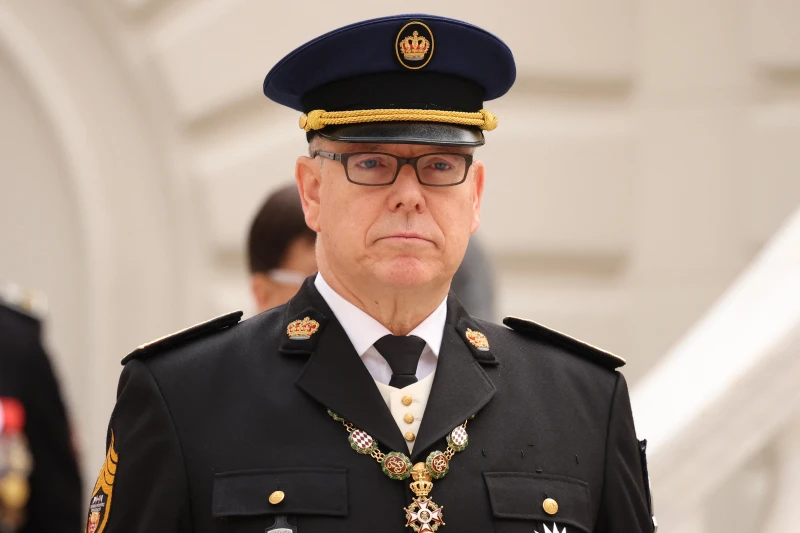
 Prince Albert II of Monaco in 2025. / Credit: VALERY HACHE/Getty Images

ACI Prensa Staff, Nov 25, 2025 / 17:01 pm (CNA).
Prince Albert II of Monaco has announced that he will not sign into law a bill that aims to relax the conditions for accessing abortion in the European microstate.The monarch confirmed his rejection of the new bill — passed by the National Council by a margin of 19-2 last May — during an interview given to the Monaco-Matin newspaper on Nov. 18 on the occasion of the holiday celebrating the principality’s nationhood.The legislative proposal aimed to authorize abortion up to 12 weeks of pregnancy and up to 16 weeks in cases of rape, and to lower the minimum age for waiving parental consent from 18 to 15 years old.While he said he understands “the sensitivity of this issue,” the monarch pointed out that the current legal framework “respects our identity and the place that the Catholic religion occupies in our country, while simultaneously guaranteeing safe and more humane support.”Consequently, Monaco will maintain its current abortion legislation. Although the practice was decriminalized in 2019, it remains formally illegal and is only permitted in three exceptional circumstances established by the 2009 law: rape, a life-threatening risk to the mother, and severe fetal malformations.The principality’s constitution recognizes the Catholic religion as the state religion, and currently more than 90% of the population identifies as Catholic.Furthermore, the constitution stipulates that executive power is exercised jointly by the prince and the Parliament, meaning the monarch must sign bills into law for them to take effect.This story was first published by ACI Prensa, CNA’s Spanish-language news partner. It has been translated and adapted by CNA.

Prince Albert II blocks bill expanding abortion law in defense of Monaco’s Catholic identity – #Catholic – Prince Albert II of Monaco in 2025. / Credit: VALERY HACHE/Getty Images ACI Prensa Staff, Nov 25, 2025 / 17:01 pm (CNA). Prince Albert II of Monaco has announced that he will not sign into law a bill that aims to relax the conditions for accessing abortion in the European microstate.The monarch confirmed his rejection of the new bill — passed by the National Council by a margin of 19-2 last May — during an interview given to the Monaco-Matin newspaper on Nov. 18 on the occasion of the holiday celebrating the principality’s nationhood.The legislative proposal aimed to authorize abortion up to 12 weeks of pregnancy and up to 16 weeks in cases of rape, and to lower the minimum age for waiving parental consent from 18 to 15 years old.While he said he understands “the sensitivity of this issue,” the monarch pointed out that the current legal framework “respects our identity and the place that the Catholic religion occupies in our country, while simultaneously guaranteeing safe and more humane support.”Consequently, Monaco will maintain its current abortion legislation. Although the practice was decriminalized in 2019, it remains formally illegal and is only permitted in three exceptional circumstances established by the 2009 law: rape, a life-threatening risk to the mother, and severe fetal malformations.The principality’s constitution recognizes the Catholic religion as the state religion, and currently more than 90% of the population identifies as Catholic.Furthermore, the constitution stipulates that executive power is exercised jointly by the prince and the Parliament, meaning the monarch must sign bills into law for them to take effect.This story was first published by ACI Prensa, CNA’s Spanish-language news partner. It has been translated and adapted by CNA.


Prince Albert II of Monaco in 2025. / Credit: VALERY HACHE/Getty Images

ACI Prensa Staff, Nov 25, 2025 / 17:01 pm (CNA).

Prince Albert II of Monaco has announced that he will not sign into law a bill that aims to relax the conditions for accessing abortion in the European microstate.

The monarch confirmed his rejection of the new bill — passed by the National Council by a margin of 19-2 last May — during an interview given to the Monaco-Matin newspaper on Nov. 18 on the occasion of the holiday celebrating the principality’s nationhood.

The legislative proposal aimed to authorize abortion up to 12 weeks of pregnancy and up to 16 weeks in cases of rape, and to lower the minimum age for waiving parental consent from 18 to 15 years old.

While he said he understands “the sensitivity of this issue,” the monarch pointed out that the current legal framework “respects our identity and the place that the Catholic religion occupies in our country, while simultaneously guaranteeing safe and more humane support.”

Consequently, Monaco will maintain its current abortion legislation. Although the practice was decriminalized in 2019, it remains formally illegal and is only permitted in three exceptional circumstances established by the 2009 law: rape, a life-threatening risk to the mother, and severe fetal malformations.

The principality’s constitution recognizes the Catholic religion as the state religion, and currently more than 90% of the population identifies as Catholic.

Furthermore, the constitution stipulates that executive power is exercised jointly by the prince and the Parliament, meaning the monarch must sign bills into law for them to take effect.

This story was first published by ACI Prensa, CNA’s Spanish-language news partner. It has been translated and adapted by CNA.

Read More
Archdiocese of Chicago kept ‘known serial predators’ in ministry for years, lawsuits say #Catholic 
 
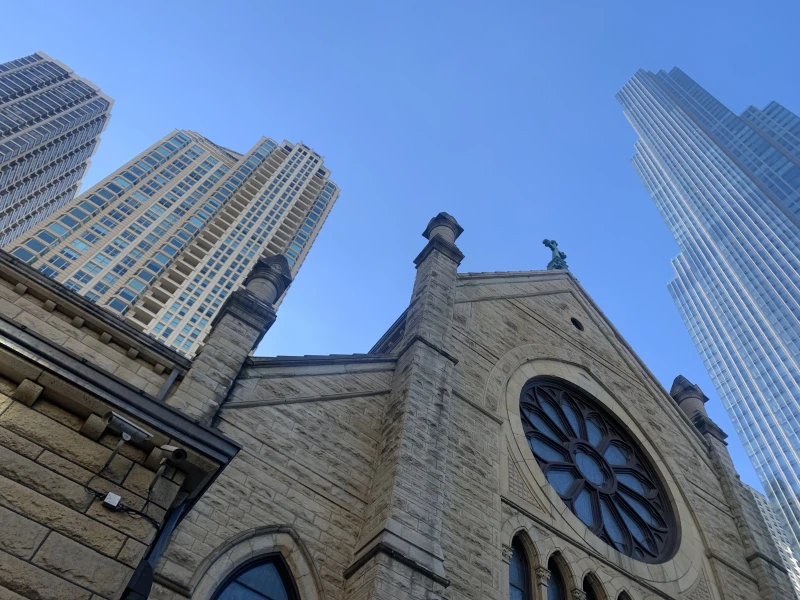
 Holy Name Cathedral, the seat of the Archdiocese of Chicago. / Credit: Photo courtesy of Maddy Johnson/Church Properties Initiative

CNA Staff, Nov 25, 2025 / 16:31 pm (CNA).
Multiple lawsuits allege that the Archdiocese of Chicago kept two priests in active ministry in spite of years of “mounting complaints” of child sexual abuse leveled against them.The suits, filed by the Chicago-based law firm Gould, Grieco, & Hensley, allege that archdiocesan officials allowed Father Daniel Holihan and Father John Curran to continue ministry “even after Church officials were aware of their history abusing children.”The suits were filed on behalf of students from two archdiocesan schools, Quigley Preparatory Seminary and St. Christina Catholic School. Holihan is alleged to have abused a male student at the now-closed preparatory seminary during the 1980s, while Curran allegedly abused two students at St. Christina around the same time.The law firm claims the archdiocese had been warned about both Holihan and Curran as early as the 1960s. The alleged abuse victims said they were unaware of the archdiocese’s alleged prior knowledge until recently, when “previously concealed internal documents became accessible.”The law firm alleged that the archdiocese “relied on a pattern of relocating clergy with known problems rather than addressing the underlying misconduct.”“For decades, the archdiocese relied on secrecy and reassignment instead of transparency and accountability,” attorney Mike Grieco said in a press release. “That structure is what allowed priests like Holihan and Curran to stay in ministry for years, putting children in harm’s way.”The Chicago Archdiocese did not immediately respond to a request for comment on the lawsuits.As part of its investigations into clergy abuse, the Illinois attorney general’s office described Holihan as “one of the more notorious abusers in archdiocesan history.”“The archdiocese knew what Holihan was doing to children years before it removed him from the pastorate — but during that time, it did nothing to stop him, taking him at his word that he could turn over a new leaf of his own accord,” the prosecutor’s office said.The attorney general’s office also identified Curran as an alleged abuser. Holihan died in 2016, while Curran died in 2000.Both Curran and Holihan are on the archdiocese’s list of priests with “substantiated” allegations of abuse leveled against them, and both are listed as having served at eight different locations in the archdiocese. Holihan was removed from public ministry in 2002 and laicized in 2010, while Curran was removed from public ministry in 1994.

Archdiocese of Chicago kept ‘known serial predators’ in ministry for years, lawsuits say #Catholic Holy Name Cathedral, the seat of the Archdiocese of Chicago. / Credit: Photo courtesy of Maddy Johnson/Church Properties Initiative CNA Staff, Nov 25, 2025 / 16:31 pm (CNA). Multiple lawsuits allege that the Archdiocese of Chicago kept two priests in active ministry in spite of years of “mounting complaints” of child sexual abuse leveled against them.The suits, filed by the Chicago-based law firm Gould, Grieco, & Hensley, allege that archdiocesan officials allowed Father Daniel Holihan and Father John Curran to continue ministry “even after Church officials were aware of their history abusing children.”The suits were filed on behalf of students from two archdiocesan schools, Quigley Preparatory Seminary and St. Christina Catholic School. Holihan is alleged to have abused a male student at the now-closed preparatory seminary during the 1980s, while Curran allegedly abused two students at St. Christina around the same time.The law firm claims the archdiocese had been warned about both Holihan and Curran as early as the 1960s. The alleged abuse victims said they were unaware of the archdiocese’s alleged prior knowledge until recently, when “previously concealed internal documents became accessible.”The law firm alleged that the archdiocese “relied on a pattern of relocating clergy with known problems rather than addressing the underlying misconduct.”“For decades, the archdiocese relied on secrecy and reassignment instead of transparency and accountability,” attorney Mike Grieco said in a press release. “That structure is what allowed priests like Holihan and Curran to stay in ministry for years, putting children in harm’s way.”The Chicago Archdiocese did not immediately respond to a request for comment on the lawsuits.As part of its investigations into clergy abuse, the Illinois attorney general’s office described Holihan as “one of the more notorious abusers in archdiocesan history.”“The archdiocese knew what Holihan was doing to children years before it removed him from the pastorate — but during that time, it did nothing to stop him, taking him at his word that he could turn over a new leaf of his own accord,” the prosecutor’s office said.The attorney general’s office also identified Curran as an alleged abuser. Holihan died in 2016, while Curran died in 2000.Both Curran and Holihan are on the archdiocese’s list of priests with “substantiated” allegations of abuse leveled against them, and both are listed as having served at eight different locations in the archdiocese. Holihan was removed from public ministry in 2002 and laicized in 2010, while Curran was removed from public ministry in 1994.


Holy Name Cathedral, the seat of the Archdiocese of Chicago. / Credit: Photo courtesy of Maddy Johnson/Church Properties Initiative

CNA Staff, Nov 25, 2025 / 16:31 pm (CNA).

Multiple lawsuits allege that the Archdiocese of Chicago kept two priests in active ministry in spite of years of “mounting complaints” of child sexual abuse leveled against them.

The suits, filed by the Chicago-based law firm Gould, Grieco, & Hensley, allege that archdiocesan officials allowed Father Daniel Holihan and Father John Curran to continue ministry “even after Church officials were aware of their history abusing children.”

The suits were filed on behalf of students from two archdiocesan schools, Quigley Preparatory Seminary and St. Christina Catholic School. Holihan is alleged to have abused a male student at the now-closed preparatory seminary during the 1980s, while Curran allegedly abused two students at St. Christina around the same time.

The law firm claims the archdiocese had been warned about both Holihan and Curran as early as the 1960s. The alleged abuse victims said they were unaware of the archdiocese’s alleged prior knowledge until recently, when “previously concealed internal documents became accessible.”

The law firm alleged that the archdiocese “relied on a pattern of relocating clergy with known problems rather than addressing the underlying misconduct.”

“For decades, the archdiocese relied on secrecy and reassignment instead of transparency and accountability,” attorney Mike Grieco said in a press release. “That structure is what allowed priests like Holihan and Curran to stay in ministry for years, putting children in harm’s way.”

The Chicago Archdiocese did not immediately respond to a request for comment on the lawsuits.

As part of its investigations into clergy abuse, the Illinois attorney general’s office described Holihan as “one of the more notorious abusers in archdiocesan history.”

“The archdiocese knew what Holihan was doing to children years before it removed him from the pastorate — but during that time, it did nothing to stop him, taking him at his word that he could turn over a new leaf of his own accord,” the prosecutor’s office said.

The attorney general’s office also identified Curran as an alleged abuser. Holihan died in 2016, while Curran died in 2000.

Both Curran and Holihan are on the archdiocese’s list of priests with “substantiated” allegations of abuse leveled against them, and both are listed as having served at eight different locations in the archdiocese. Holihan was removed from public ministry in 2002 and laicized in 2010, while Curran was removed from public ministry in 1994.

Read More
Secret Service chaplain marks Golden Anniversary in Washington Township #Catholic - With great jubilation, Msgr. Raymond Lopatesky reflected on the “magnificent adventure” of his 50 years as a priest so far during a well-attended Mass to commemorate his Golden Anniversary on Nov. 11 at St. Luke Parish in the Long Valley neighborhood of Washington Township, N.J.

Click here to subscribe to our weekly newsletter.

Msgr. Lopatesky, who serves in law enforcement ministry as a full-time chaplain to the U.S. Secret Service’s Newark Division and director of the Morris County Police Critical Incident Debriefing Team, was the principal celebrant and homilist of the Mass. Several fellow priests concelebrated the liturgy, including Father Michael Szwarc, pastor of St. Luke’s. Msgr. Lopatesky is also a retired priest of the Paterson Diocese in New Jersey and a weekend assistant at St. Luke’s.
BEACON PHOTOS | JOE GIGLI
 [See image gallery at beaconnj.org]  

Secret Service chaplain marks Golden Anniversary in Washington Township #Catholic –
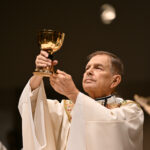
With great jubilation, Msgr. Raymond Lopatesky reflected on the “magnificent adventure” of his 50 years as a priest so far during a well-attended Mass to commemorate his Golden Anniversary on Nov. 11 at St. Luke Parish in the Long Valley neighborhood of Washington Township, N.J.


Click here to subscribe to our weekly newsletter.

Msgr. Lopatesky, who serves in law enforcement ministry as a full-time chaplain to the U.S. Secret Service’s Newark Division and director of the Morris County Police Critical Incident Debriefing Team, was the principal celebrant and homilist of the Mass. Several fellow priests concelebrated the liturgy, including Father Michael Szwarc, pastor of St. Luke’s. Msgr. Lopatesky is also a retired priest of the Paterson Diocese in New Jersey and a weekend assistant at St. Luke’s.

BEACON PHOTOS | JOE GIGLI

With great jubilation, Msgr. Raymond Lopatesky reflected on the “magnificent adventure” of his 50 years as a priest so far during a well-attended Mass to commemorate his Golden Anniversary on Nov. 11 at St. Luke Parish in the Long Valley neighborhood of Washington Township, N.J. Click here to subscribe to our weekly newsletter. Msgr. Lopatesky, who serves in law enforcement ministry as a full-time chaplain to the U.S. Secret Service’s Newark Division and director of the Morris County Police Critical Incident Debriefing Team, was the principal celebrant and homilist of the Mass. Several fellow priests concelebrated the liturgy, including Father

Read More
‘Say thank you to someone’ this Thanksgiving, Pope Leo XIV says #Catholic 
 
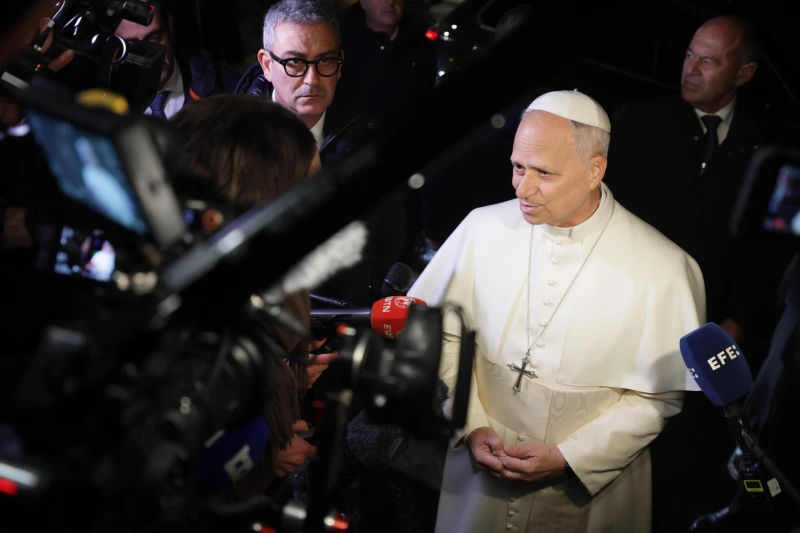
 Pope Leo XIV speaks to reporters after a daylong stay at the papal villa of Castel Gandolfo on Nov. 25, 2025. / Credit: Daniel Ibáñez/CNA

Castel Gandolfo, Italy, Nov 25, 2025 / 15:31 pm (CNA).
Pope Leo XIV on Tuesday suggested that people “say thank you to someone” this Thanksgiving and he addressed concerns about violence in Lebanon ahead of his trip there later this week.Speaking two days before Thanksgiving, the first U.S.-born pope celebrated what he called “this beautiful feast that we have in the United States, which unites all people, people of different faiths, people who perhaps do not have the gift of faith.” The pope urged all people, not just Americans, to take the occasion “to recognize that we all have received so many gifts, first and foremost, the gift of life, the gift of faith, the gift of unity … and to give thanks to God for the many gifts we’ve been given.” Pope Leo answered questions from reporters as he left for Rome after a daylong stay at the papal villa of Castel Gandolfo.Pope Leo XIV speaks to reporters after a daylong stay at the papal villa of Castel Gandolfo on Nov. 25, 2025. Credit: Daniel Ibáñez/CNALeo is set to begin his first international trip as pope Nov. 27, a six-day visit to Turkey and Lebanon. The foreign trip is the fulfillment of a promise made by Pope Francis to visit Lebanon, a Muslim-majority country. Regional instability and internal crises have battered the small country where about a third of the population is Christian.Reporters asked Leo if violence in Lebanon is a concern.“It’s always a concern,” the pope said. “Again, I would invite all people to look for ways, to abandon the use of arms as a way of solving problems, and to come together, to respect one another, to sit down together at the table, to dialogue and to work together for solutions for the problems that affect us.”Pope Leo XIV answers questions from reporters as he leaves for Rome after a daylong stay at the papal villa of Castel Gandolfo on Nov. 25, 2025. Credit: Daniel Ibáñez/CNARegarding a message for Israel, the pope said he likewise encourages all people “to look for peace, to look for justice, because oftentimes violence occurs as a result of injustices. And I think we have to work together, look for greater unity, respect for all people and all religions.”Pope Leo XIV exits the papal villa of Castel Gandolfo on Nov. 25, 2025. Credit: Daniel Ibáñez/CNA

‘Say thank you to someone’ this Thanksgiving, Pope Leo XIV says #Catholic Pope Leo XIV speaks to reporters after a daylong stay at the papal villa of Castel Gandolfo on Nov. 25, 2025. / Credit: Daniel Ibáñez/CNA Castel Gandolfo, Italy, Nov 25, 2025 / 15:31 pm (CNA). Pope Leo XIV on Tuesday suggested that people “say thank you to someone” this Thanksgiving and he addressed concerns about violence in Lebanon ahead of his trip there later this week.Speaking two days before Thanksgiving, the first U.S.-born pope celebrated what he called “this beautiful feast that we have in the United States, which unites all people, people of different faiths, people who perhaps do not have the gift of faith.” The pope urged all people, not just Americans, to take the occasion “to recognize that we all have received so many gifts, first and foremost, the gift of life, the gift of faith, the gift of unity … and to give thanks to God for the many gifts we’ve been given.” Pope Leo answered questions from reporters as he left for Rome after a daylong stay at the papal villa of Castel Gandolfo.Pope Leo XIV speaks to reporters after a daylong stay at the papal villa of Castel Gandolfo on Nov. 25, 2025. Credit: Daniel Ibáñez/CNALeo is set to begin his first international trip as pope Nov. 27, a six-day visit to Turkey and Lebanon. The foreign trip is the fulfillment of a promise made by Pope Francis to visit Lebanon, a Muslim-majority country. Regional instability and internal crises have battered the small country where about a third of the population is Christian.Reporters asked Leo if violence in Lebanon is a concern.“It’s always a concern,” the pope said. “Again, I would invite all people to look for ways, to abandon the use of arms as a way of solving problems, and to come together, to respect one another, to sit down together at the table, to dialogue and to work together for solutions for the problems that affect us.”Pope Leo XIV answers questions from reporters as he leaves for Rome after a daylong stay at the papal villa of Castel Gandolfo on Nov. 25, 2025. Credit: Daniel Ibáñez/CNARegarding a message for Israel, the pope said he likewise encourages all people “to look for peace, to look for justice, because oftentimes violence occurs as a result of injustices. And I think we have to work together, look for greater unity, respect for all people and all religions.”Pope Leo XIV exits the papal villa of Castel Gandolfo on Nov. 25, 2025. Credit: Daniel Ibáñez/CNA


Pope Leo XIV speaks to reporters after a daylong stay at the papal villa of Castel Gandolfo on Nov. 25, 2025. / Credit: Daniel Ibáñez/CNA

Castel Gandolfo, Italy, Nov 25, 2025 / 15:31 pm (CNA).

Pope Leo XIV on Tuesday suggested that people “say thank you to someone” this Thanksgiving and he addressed concerns about violence in Lebanon ahead of his trip there later this week.

Speaking two days before Thanksgiving, the first U.S.-born pope celebrated what he called “this beautiful feast that we have in the United States, which unites all people, people of different faiths, people who perhaps do not have the gift of faith.” 

The pope urged all people, not just Americans, to take the occasion “to recognize that we all have received so many gifts, first and foremost, the gift of life, the gift of faith, the gift of unity … and to give thanks to God for the many gifts we’ve been given.” 

Pope Leo answered questions from reporters as he left for Rome after a daylong stay at the papal villa of Castel Gandolfo.

Pope Leo XIV speaks to reporters after a daylong stay at the papal villa of Castel Gandolfo on Nov. 25, 2025. Credit: Daniel Ibáñez/CNA

Leo is set to begin his first international trip as pope Nov. 27, a six-day visit to Turkey and Lebanon. The foreign trip is the fulfillment of a promise made by Pope Francis to visit Lebanon, a Muslim-majority country. Regional instability and internal crises have battered the small country where about a third of the population is Christian.

Reporters asked Leo if violence in Lebanon is a concern.

“It’s always a concern,” the pope said. “Again, I would invite all people to look for ways, to abandon the use of arms as a way of solving problems, and to come together, to respect one another, to sit down together at the table, to dialogue and to work together for solutions for the problems that affect us.”

Pope Leo XIV answers questions from reporters as he leaves for Rome after a daylong stay at the papal villa of Castel Gandolfo on Nov. 25, 2025. Credit: Daniel Ibáñez/CNA

Regarding a message for Israel, the pope said he likewise encourages all people “to look for peace, to look for justice, because oftentimes violence occurs as a result of injustices. And I think we have to work together, look for greater unity, respect for all people and all religions.”

Pope Leo XIV exits the papal villa of Castel Gandolfo on Nov. 25, 2025. Credit: Daniel Ibáñez/CNA

Read More
Bishops lead Stations of the Cross at Colorado ICE center, urges dignity for migrants #Catholic 
 
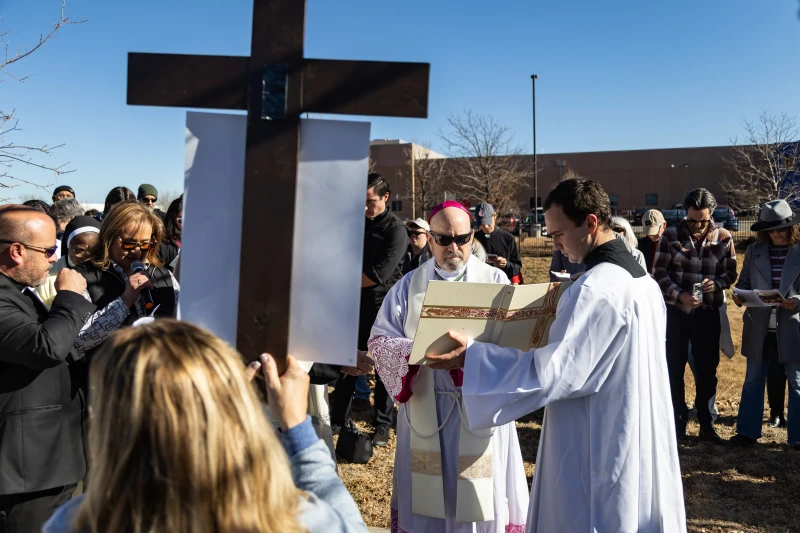
 Archbishop Samuel Aquila of Denver leads hundreds in the Stations of the Cross outside an ICE detention center in Aurora, Colorado, on Nov. 22, 2025. / Credit: André Escaleira Jr./Denver Catholic

CNA Staff, Nov 25, 2025 / 13:48 pm (CNA).
Hundreds of Catholics gathered in front of the Denver Contract Detention Facility — an ICE detention facility in Aurora, Colorado — on Nov. 22 for Stations of the Cross led by Archbishop Samuel Aquila and Auxiliary Bishop Jorge Rodriguez of the Archdiocese of Denver. Sponsored by the Committee for Pastoral Care for Migrants, individuals from over 36 local parishes gathered for a peaceful procession and to stand in solidarity with undocumented immigrants who are being impacted by the mass deportations taking place across the United States.Hundreds of Catholics gather outside an ICE detention facility in Aurora, Colorado, on Nov. 22, 2025, for Stations of the Cross led by Archbishop Samuel Aquila of Denver. Credit: André Escaleira Jr./Denver Catholic“I want to thank all of you for coming today as we have prayed and walked the Stations of the Cross. They are reminders to us of God’s love for all people and for the immigrant, for the stranger, for those who are sick and suffering, and for all those who are in need of our prayer,” Aquila said according to a statement in the Denver Catholic. Aquila reminded the faithful in attendance that “we must remember the dignity of every human being. That dignity is not bestowed by any government. That dignity comes from God and God alone.”The archbishop also called out both political parties for having “failed horribly when it comes to immigration. They have treated immigrants as pawns for their own elections, for their own desires, and they have failed every immigrant. Both political parties.”Archbishop Samuel Aquila of Denver leads hundreds in the Stations of the Cross outside an ICE detention center in Aurora, Colorado, on Nov. 22, 2025. Credit: André Escaleira Jr./Denver CatholicEarlier this month, the United States Conference of Catholic Bishops (USCCB) overwhelmingly voted to adopt a statement that opposes the indiscriminate mass deportation of immigrants who lack legal status and urged the government to uphold the dignity of migrants.The bishops approved their special message on immigration at the 2025 Fall Plenary Assembly on Nov. 12 in Baltimore. The motion passed with support from more than 95% of the American bishops who voted. It received 216 votes in favor, just five against, and only three abstentions.“We oppose the indiscriminate mass deportation of people,” the message emphasized.“We pray for an end to dehumanizing rhetoric and violence, whether directed at immigrants or at law enforcement,” it added. “We pray that the Lord may guide the leaders of our nation, and we are grateful for past and present opportunities to dialogue with public and elected officials.”Archbishop Samuel Aquila of Denver leads hundreds in the Stations of the Cross outside an ICE detention center in Aurora, Colorado, on Nov. 22, 2025. Credit: André Escaleira Jr./Denver CatholicOn Sunday Aquila also touched on the “Dignity Act,” a bipartisan immigration reform bill that would give undocumented immigrants a way to obtain legal status. “They may not have come with documents, but they have been living here peacefully for 10, 20, 30 years. Many of us know them, and they need a path to citizenship,” he said. He added: “The only ones who can mess that up are the political parties and the people of Congress, as they add their special preferences to the bill. If they just did not touch the bill the way it is today, it would be fine. But our system is broken, and it is because we put political parties before the dignity of the human being.”“And so I encourage you, my sisters and brothers, and I thank you for being here today to give witness to the dignity of the human person and to the goodness of every human being from the moment of their conception through natural death,” Aquila concluded. “Let us continue to work for the immigrant and to proclaim Jesus Christ, no matter what the cost. May the Lord bless all of you and thank you for your witness.”

Bishops lead Stations of the Cross at Colorado ICE center, urges dignity for migrants #Catholic Archbishop Samuel Aquila of Denver leads hundreds in the Stations of the Cross outside an ICE detention center in Aurora, Colorado, on Nov. 22, 2025. / Credit: André Escaleira Jr./Denver Catholic CNA Staff, Nov 25, 2025 / 13:48 pm (CNA). Hundreds of Catholics gathered in front of the Denver Contract Detention Facility — an ICE detention facility in Aurora, Colorado — on Nov. 22 for Stations of the Cross led by Archbishop Samuel Aquila and Auxiliary Bishop Jorge Rodriguez of the Archdiocese of Denver. Sponsored by the Committee for Pastoral Care for Migrants, individuals from over 36 local parishes gathered for a peaceful procession and to stand in solidarity with undocumented immigrants who are being impacted by the mass deportations taking place across the United States.Hundreds of Catholics gather outside an ICE detention facility in Aurora, Colorado, on Nov. 22, 2025, for Stations of the Cross led by Archbishop Samuel Aquila of Denver. Credit: André Escaleira Jr./Denver Catholic“I want to thank all of you for coming today as we have prayed and walked the Stations of the Cross. They are reminders to us of God’s love for all people and for the immigrant, for the stranger, for those who are sick and suffering, and for all those who are in need of our prayer,” Aquila said according to a statement in the Denver Catholic. Aquila reminded the faithful in attendance that “we must remember the dignity of every human being. That dignity is not bestowed by any government. That dignity comes from God and God alone.”The archbishop also called out both political parties for having “failed horribly when it comes to immigration. They have treated immigrants as pawns for their own elections, for their own desires, and they have failed every immigrant. Both political parties.”Archbishop Samuel Aquila of Denver leads hundreds in the Stations of the Cross outside an ICE detention center in Aurora, Colorado, on Nov. 22, 2025. Credit: André Escaleira Jr./Denver CatholicEarlier this month, the United States Conference of Catholic Bishops (USCCB) overwhelmingly voted to adopt a statement that opposes the indiscriminate mass deportation of immigrants who lack legal status and urged the government to uphold the dignity of migrants.The bishops approved their special message on immigration at the 2025 Fall Plenary Assembly on Nov. 12 in Baltimore. The motion passed with support from more than 95% of the American bishops who voted. It received 216 votes in favor, just five against, and only three abstentions.“We oppose the indiscriminate mass deportation of people,” the message emphasized.“We pray for an end to dehumanizing rhetoric and violence, whether directed at immigrants or at law enforcement,” it added. “We pray that the Lord may guide the leaders of our nation, and we are grateful for past and present opportunities to dialogue with public and elected officials.”Archbishop Samuel Aquila of Denver leads hundreds in the Stations of the Cross outside an ICE detention center in Aurora, Colorado, on Nov. 22, 2025. Credit: André Escaleira Jr./Denver CatholicOn Sunday Aquila also touched on the “Dignity Act,” a bipartisan immigration reform bill that would give undocumented immigrants a way to obtain legal status. “They may not have come with documents, but they have been living here peacefully for 10, 20, 30 years. Many of us know them, and they need a path to citizenship,” he said. He added: “The only ones who can mess that up are the political parties and the people of Congress, as they add their special preferences to the bill. If they just did not touch the bill the way it is today, it would be fine. But our system is broken, and it is because we put political parties before the dignity of the human being.”“And so I encourage you, my sisters and brothers, and I thank you for being here today to give witness to the dignity of the human person and to the goodness of every human being from the moment of their conception through natural death,” Aquila concluded. “Let us continue to work for the immigrant and to proclaim Jesus Christ, no matter what the cost. May the Lord bless all of you and thank you for your witness.”


Archbishop Samuel Aquila of Denver leads hundreds in the Stations of the Cross outside an ICE detention center in Aurora, Colorado, on Nov. 22, 2025. / Credit: André Escaleira Jr./Denver Catholic

CNA Staff, Nov 25, 2025 / 13:48 pm (CNA).

Hundreds of Catholics gathered in front of the Denver Contract Detention Facility — an ICE detention facility in Aurora, Colorado — on Nov. 22 for Stations of the Cross led by Archbishop Samuel Aquila and Auxiliary Bishop Jorge Rodriguez of the Archdiocese of Denver. 

Sponsored by the Committee for Pastoral Care for Migrants, individuals from over 36 local parishes gathered for a peaceful procession and to stand in solidarity with undocumented immigrants who are being impacted by the mass deportations taking place across the United States.

Hundreds of Catholics gather outside an ICE detention facility in Aurora, Colorado, on Nov. 22, 2025, for Stations of the Cross led by Archbishop Samuel Aquila of Denver. Credit: André Escaleira Jr./Denver Catholic

“I want to thank all of you for coming today as we have prayed and walked the Stations of the Cross. They are reminders to us of God’s love for all people and for the immigrant, for the stranger, for those who are sick and suffering, and for all those who are in need of our prayer,” Aquila said according to a statement in the Denver Catholic. 

Aquila reminded the faithful in attendance that “we must remember the dignity of every human being. That dignity is not bestowed by any government. That dignity comes from God and God alone.”

The archbishop also called out both political parties for having “failed horribly when it comes to immigration. They have treated immigrants as pawns for their own elections, for their own desires, and they have failed every immigrant. Both political parties.”

Archbishop Samuel Aquila of Denver leads hundreds in the Stations of the Cross outside an ICE detention center in Aurora, Colorado, on Nov. 22, 2025. Credit: André Escaleira Jr./Denver Catholic

Earlier this month, the United States Conference of Catholic Bishops (USCCB) overwhelmingly voted to adopt a statement that opposes the indiscriminate mass deportation of immigrants who lack legal status and urged the government to uphold the dignity of migrants.

The bishops approved their special message on immigration at the 2025 Fall Plenary Assembly on Nov. 12 in Baltimore. The motion passed with support from more than 95% of the American bishops who voted. It received 216 votes in favor, just five against, and only three abstentions.

“We oppose the indiscriminate mass deportation of people,” the message emphasized.

“We pray for an end to dehumanizing rhetoric and violence, whether directed at immigrants or at law enforcement,” it added. “We pray that the Lord may guide the leaders of our nation, and we are grateful for past and present opportunities to dialogue with public and elected officials.”

Archbishop Samuel Aquila of Denver leads hundreds in the Stations of the Cross outside an ICE detention center in Aurora, Colorado, on Nov. 22, 2025. Credit: André Escaleira Jr./Denver Catholic

On Sunday Aquila also touched on the “Dignity Act,” a bipartisan immigration reform bill that would give undocumented immigrants a way to obtain legal status. 

“They may not have come with documents, but they have been living here peacefully for 10, 20, 30 years. Many of us know them, and they need a path to citizenship,” he said. 

He added: “The only ones who can mess that up are the political parties and the people of Congress, as they add their special preferences to the bill. If they just did not touch the bill the way it is today, it would be fine. But our system is broken, and it is because we put political parties before the dignity of the human being.”

“And so I encourage you, my sisters and brothers, and I thank you for being here today to give witness to the dignity of the human person and to the goodness of every human being from the moment of their conception through natural death,” Aquila concluded. “Let us continue to work for the immigrant and to proclaim Jesus Christ, no matter what the cost. May the Lord bless all of you and thank you for your witness.”

Read More
Fact check: Did Pope Leo host a rave last week in Slovakia #Catholic 
 
 Pope Leo XIV greets the faithful in Piazza della Libertà in August 2025. / Credit: Marco Iacobucci Epp/Shutterstock

CNA Staff, Nov 25, 2025 / 13:18 pm (CNA).
Social media lit up last week with claims that Pope Leo XIV “threw a rave” outside St. Elisabeth Cathedral in Košice, Slovakia. The viral stories included images of laser lights, electronic dance music, and a priest serving as DJ. But what really happened? Here’s what you need to know.What was the event?An outdoor electronic music event in front of the city’s iconic 14th-century cathedral was organized by the Archdiocese of Košice to celebrate the Jubilee of Young People and the 75th birthday of Archbishop Bernard Bober. It took place on Nov. 8 and included a Mass celebrated by Bober, who is also the president of the Slovakian Episcopal Conference, with the apostolic nuncio to the country, Archbishop Nicola Girasoli.Who was there?The main performer was Father Guilherme Peixoto, 51, a Portuguese priest and electronic music DJ, who led attendees in a mix of electronic and spiritual music. Peixoto also performed at the 2023 World Youth Day in Lisbon. “Electronic music is a privileged way to build a better world,” Peixoto has said.Catholic leaders in Košice also attended the event.Guilherme Peixoto, a priest and DJ, performs onstage during a fair in Coimbra, Portugal, on July 4, 2024. Credit: Felipe Amorim/Getty ImagesDid the pope attend or host the rave?Contrary to sensational headlines, Pope Leo XIV did not throw or personally attend a rave. Instead, the pope appeared on large LED screens via a prerecorded video message, greeting the young people and offering his apostolic blessing: “Dear young people, with joy, I greet you, as you gather before the splendid cathedral of Košice, which is a beating heart of faith and hope. Coming from different nations, yet united by the same faith, your presence is a tangible sign of the fraternity and peace that is instilled in our hearts by friendship with Christ.”What really happened?The DJ set blended techno music with fragments of the pope’s message and performed an unreleased track, “Dear Young People,” which included phrases spoken by Leo in his address. Lasers and lights lit up the cathedral, and the crowd — largely composed of young people — danced in celebration. According to press coverage at the time, the event aimed to connect faith with youth culture by “promoting inclusion, tolerance, and respect on the dance floor.”The pope’s video message included a final “amen,” which was woven into the musical performance. While the Vatican supported the event, it was local clergy and the DJ priest who were hands-on organizers and hosts.CNA finds: Claims that “the pope hosted or threw a rave” exaggerate the reality. The Vatican supported the event, the pope gave a prerecorded blessing, but the actual rave was organized and performed by Peixoto and the diocese in Košice. The pope did not attend in person nor DJ, but his message to young people and blessing were central to the celebration.

Fact check: Did Pope Leo host a rave last week in Slovakia #Catholic Pope Leo XIV greets the faithful in Piazza della Libertà in August 2025. / Credit: Marco Iacobucci Epp/Shutterstock CNA Staff, Nov 25, 2025 / 13:18 pm (CNA). Social media lit up last week with claims that Pope Leo XIV “threw a rave” outside St. Elisabeth Cathedral in Košice, Slovakia. The viral stories included images of laser lights, electronic dance music, and a priest serving as DJ. But what really happened? Here’s what you need to know.What was the event?An outdoor electronic music event in front of the city’s iconic 14th-century cathedral was organized by the Archdiocese of Košice to celebrate the Jubilee of Young People and the 75th birthday of Archbishop Bernard Bober. It took place on Nov. 8 and included a Mass celebrated by Bober, who is also the president of the Slovakian Episcopal Conference, with the apostolic nuncio to the country, Archbishop Nicola Girasoli.Who was there?The main performer was Father Guilherme Peixoto, 51, a Portuguese priest and electronic music DJ, who led attendees in a mix of electronic and spiritual music. Peixoto also performed at the 2023 World Youth Day in Lisbon. “Electronic music is a privileged way to build a better world,” Peixoto has said.Catholic leaders in Košice also attended the event.Guilherme Peixoto, a priest and DJ, performs onstage during a fair in Coimbra, Portugal, on July 4, 2024. Credit: Felipe Amorim/Getty ImagesDid the pope attend or host the rave?Contrary to sensational headlines, Pope Leo XIV did not throw or personally attend a rave. Instead, the pope appeared on large LED screens via a prerecorded video message, greeting the young people and offering his apostolic blessing: “Dear young people, with joy, I greet you, as you gather before the splendid cathedral of Košice, which is a beating heart of faith and hope. Coming from different nations, yet united by the same faith, your presence is a tangible sign of the fraternity and peace that is instilled in our hearts by friendship with Christ.”What really happened?The DJ set blended techno music with fragments of the pope’s message and performed an unreleased track, “Dear Young People,” which included phrases spoken by Leo in his address. Lasers and lights lit up the cathedral, and the crowd — largely composed of young people — danced in celebration. According to press coverage at the time, the event aimed to connect faith with youth culture by “promoting inclusion, tolerance, and respect on the dance floor.”The pope’s video message included a final “amen,” which was woven into the musical performance. While the Vatican supported the event, it was local clergy and the DJ priest who were hands-on organizers and hosts.CNA finds: Claims that “the pope hosted or threw a rave” exaggerate the reality. The Vatican supported the event, the pope gave a prerecorded blessing, but the actual rave was organized and performed by Peixoto and the diocese in Košice. The pope did not attend in person nor DJ, but his message to young people and blessing were central to the celebration.


Pope Leo XIV greets the faithful in Piazza della Libertà in August 2025. / Credit: Marco Iacobucci Epp/Shutterstock

CNA Staff, Nov 25, 2025 / 13:18 pm (CNA).

Social media lit up last week with claims that Pope Leo XIV “threw a rave” outside St. Elisabeth Cathedral in Košice, Slovakia. The viral stories included images of laser lights, electronic dance music, and a priest serving as DJ. But what really happened? Here’s what you need to know.

What was the event?

An outdoor electronic music event in front of the city’s iconic 14th-century cathedral was organized by the Archdiocese of Košice to celebrate the Jubilee of Young People and the 75th birthday of Archbishop Bernard Bober. It took place on Nov. 8 and included a Mass celebrated by Bober, who is also the president of the Slovakian Episcopal Conference, with the apostolic nuncio to the country, Archbishop Nicola Girasoli.

Who was there?

The main performer was Father Guilherme Peixoto, 51, a Portuguese priest and electronic music DJ, who led attendees in a mix of electronic and spiritual music. Peixoto also performed at the 2023 World Youth Day in Lisbon. “Electronic music is a privileged way to build a better world,” Peixoto has said.

Catholic leaders in Košice also attended the event.

Guilherme Peixoto, a priest and DJ, performs onstage during a fair in Coimbra, Portugal, on July 4, 2024. Credit: Felipe Amorim/Getty Images

Did the pope attend or host the rave?

Contrary to sensational headlines, Pope Leo XIV did not throw or personally attend a rave. Instead, the pope appeared on large LED screens via a prerecorded video message, greeting the young people and offering his apostolic blessing: “Dear young people, with joy, I greet you, as you gather before the splendid cathedral of Košice, which is a beating heart of faith and hope. Coming from different nations, yet united by the same faith, your presence is a tangible sign of the fraternity and peace that is instilled in our hearts by friendship with Christ.”

What really happened?

The DJ set blended techno music with fragments of the pope’s message and performed an unreleased track, “Dear Young People,” which included phrases spoken by Leo in his address. Lasers and lights lit up the cathedral, and the crowd — largely composed of young people — danced in celebration. According to press coverage at the time, the event aimed to connect faith with youth culture by “promoting inclusion, tolerance, and respect on the dance floor.”

The pope’s video message included a final “amen,” which was woven into the musical performance. While the Vatican supported the event, it was local clergy and the DJ priest who were hands-on organizers and hosts.

CNA finds: Claims that “the pope hosted or threw a rave” exaggerate the reality. The Vatican supported the event, the pope gave a prerecorded blessing, but the actual rave was organized and performed by Peixoto and the diocese in Košice. The pope did not attend in person nor DJ, but his message to young people and blessing were central to the celebration.

Read More
Give thanks for God’s presence #Catholic – As we look toward Thanksgiving and Christmas, I realize that 2025 is quickly coming to an end, and so is the Jubilee Year of Hope. What will be our take-aways from this special time of grace?
Hope has become more real for me this year thanks to a certain definition I could really lean into: “For a Christian, to hope means the certainty of being on a journey with Christ toward the Father who awaits us,” Pope Francis once said during a general audience. “Hope is never still; hope is always journeying and it makes us journey.”
In his encyclical Spe Salvi, Pope Benedict XVI defined hope in a similar way with a quote from St. Josephine Bakhita, a former Sudanese slave: “I am definitively loved and whatever happens to me — I am awaited by this Love. And so, my life is good.”
Benedict elaborated, “We see as a distinguishing mark of Christians the fact that they have a future: it is not that they know the details of what awaits them but they know in general terms that their life will not end in emptiness. Only when the future is certain as a positive reality does it become possible to live the present as well.”

Click here to subscribe to our weekly newsletter.

Finally, this famous line from Pope Benedict XVI is one that often comes to mind: “The one who has hope lives differently; the one who hopes has been granted the gift of a new life.”
And so, as the close of this Jubilee Year draws near, let us ask ourselves how we will live differently thanks to hope.
How will we live our lives more fully in the present, while also looking forward in hope to the certain future that awaits us?
One of this year’s defining moments for me was a talk given by a young religious sister to a group of teens and young women at a discernment event this summer.
She suggested that we employ two interrelated practices to prepare the soil of our souls to receive the gift of hope. They are memory and gratitude.
She suggested that we make a list of 15 or so extraordinary moments in our lives and that we read through them on a regular basis to bring to mind the presence of God on our journey and to express our gratitude to him.
Through gratitude, she said, we fix our gaze on God; we see him at work in our lives, creating for us a positive reality and a certain future.
Each of us has a number of these extraordinary events in our lives — when Jesus became real to us in a personal way, when he showed us our vocation, or changed us in some way, when the Lord visited us at a difficult time.
Pope Francis also encouraged the faithful to think back on such moments of inspiration and to relive them in order to find strength and to be able to continue moving forward, even when the journey is difficult.
“Christian memory is the salt of life,” he said.
There are a number of passages from Scripture that can help us to remember and give thanks.
Psalm 103 invites us, “Bless the Lord my soul, and do not forget all his gifts …;” and Psalm 136 repeatedly evokes the everlasting mercy of God.
We can make both psalms our own as we incorporate our experiences into the texts.
An uplifting passage from the prophet Isaiah (63:7 ff) may serve as an introduction to our own prayers of gratitude: “The loving deeds of the LORD I will recall, the glorious acts of the LORD, because of all the LORD has done for us, the immense goodness to the house of Israel which he has granted according to his mercy and his many loving deeds.”
But my favorite Scripture passage for remembering and expressing gratitude is Mary’s Magnificat (Luke 1:46-55), in which Our Lady recalls the amazing things God has done for her and her people. May each of us be able to say, “The Almighty has done great things for me and holy is his name!”
As you prepare for Thanksgiving this year, take time to remember and give thanks for God’s loving presence in your life. Encourage those with whom you gather to do the same.
And may you take hold of hope in a future of unending life with God!
Sister Constance Veit is the communications director for the Little Sisters of the Poor in the United States and an occupational therapist.
 

Give thanks for God’s presence #Catholic – As we look toward Thanksgiving and Christmas, I realize that 2025 is quickly coming to an end, and so is the Jubilee Year of Hope. What will be our take-aways from this special time of grace? Hope has become more real for me this year thanks to a certain definition I could really lean into: “For a Christian, to hope means the certainty of being on a journey with Christ toward the Father who awaits us,” Pope Francis once said during a general audience. “Hope is never still; hope is always journeying and it makes us journey.” In his encyclical Spe Salvi, Pope Benedict XVI defined hope in a similar way with a quote from St. Josephine Bakhita, a former Sudanese slave: “I am definitively loved and whatever happens to me — I am awaited by this Love. And so, my life is good.” Benedict elaborated, “We see as a distinguishing mark of Christians the fact that they have a future: it is not that they know the details of what awaits them but they know in general terms that their life will not end in emptiness. Only when the future is certain as a positive reality does it become possible to live the present as well.” Click here to subscribe to our weekly newsletter. Finally, this famous line from Pope Benedict XVI is one that often comes to mind: “The one who has hope lives differently; the one who hopes has been granted the gift of a new life.” And so, as the close of this Jubilee Year draws near, let us ask ourselves how we will live differently thanks to hope. How will we live our lives more fully in the present, while also looking forward in hope to the certain future that awaits us? One of this year’s defining moments for me was a talk given by a young religious sister to a group of teens and young women at a discernment event this summer. She suggested that we employ two interrelated practices to prepare the soil of our souls to receive the gift of hope. They are memory and gratitude. She suggested that we make a list of 15 or so extraordinary moments in our lives and that we read through them on a regular basis to bring to mind the presence of God on our journey and to express our gratitude to him. Through gratitude, she said, we fix our gaze on God; we see him at work in our lives, creating for us a positive reality and a certain future. Each of us has a number of these extraordinary events in our lives — when Jesus became real to us in a personal way, when he showed us our vocation, or changed us in some way, when the Lord visited us at a difficult time. Pope Francis also encouraged the faithful to think back on such moments of inspiration and to relive them in order to find strength and to be able to continue moving forward, even when the journey is difficult. “Christian memory is the salt of life,” he said. There are a number of passages from Scripture that can help us to remember and give thanks. Psalm 103 invites us, “Bless the Lord my soul, and do not forget all his gifts …;” and Psalm 136 repeatedly evokes the everlasting mercy of God. We can make both psalms our own as we incorporate our experiences into the texts. An uplifting passage from the prophet Isaiah (63:7 ff) may serve as an introduction to our own prayers of gratitude: “The loving deeds of the LORD I will recall, the glorious acts of the LORD, because of all the LORD has done for us, the immense goodness to the house of Israel which he has granted according to his mercy and his many loving deeds.” But my favorite Scripture passage for remembering and expressing gratitude is Mary’s Magnificat (Luke 1:46-55), in which Our Lady recalls the amazing things God has done for her and her people. May each of us be able to say, “The Almighty has done great things for me and holy is his name!” As you prepare for Thanksgiving this year, take time to remember and give thanks for God’s loving presence in your life. Encourage those with whom you gather to do the same. And may you take hold of hope in a future of unending life with God! Sister Constance Veit is the communications director for the Little Sisters of the Poor in the United States and an occupational therapist.  

Give thanks for God’s presence #Catholic –

As we look toward Thanksgiving and Christmas, I realize that 2025 is quickly coming to an end, and so is the Jubilee Year of Hope. What will be our take-aways from this special time of grace?

Hope has become more real for me this year thanks to a certain definition I could really lean into: “For a Christian, to hope means the certainty of being on a journey with Christ toward the Father who awaits us,” Pope Francis once said during a general audience. “Hope is never still; hope is always journeying and it makes us journey.”

In his encyclical Spe Salvi, Pope Benedict XVI defined hope in a similar way with a quote from St. Josephine Bakhita, a former Sudanese slave: “I am definitively loved and whatever happens to me — I am awaited by this Love. And so, my life is good.”

Benedict elaborated, “We see as a distinguishing mark of Christians the fact that they have a future: it is not that they know the details of what awaits them but they know in general terms that their life will not end in emptiness. Only when the future is certain as a positive reality does it become possible to live the present as well.”


Click here to subscribe to our weekly newsletter.

Finally, this famous line from Pope Benedict XVI is one that often comes to mind: “The one who has hope lives differently; the one who hopes has been granted the gift of a new life.”

And so, as the close of this Jubilee Year draws near, let us ask ourselves how we will live differently thanks to hope.

How will we live our lives more fully in the present, while also looking forward in hope to the certain future that awaits us?

One of this year’s defining moments for me was a talk given by a young religious sister to a group of teens and young women at a discernment event this summer.

She suggested that we employ two interrelated practices to prepare the soil of our souls to receive the gift of hope. They are memory and gratitude.

She suggested that we make a list of 15 or so extraordinary moments in our lives and that we read through them on a regular basis to bring to mind the presence of God on our journey and to express our gratitude to him.

Through gratitude, she said, we fix our gaze on God; we see him at work in our lives, creating for us a positive reality and a certain future.

Each of us has a number of these extraordinary events in our lives — when Jesus became real to us in a personal way, when he showed us our vocation, or changed us in some way, when the Lord visited us at a difficult time.

Pope Francis also encouraged the faithful to think back on such moments of inspiration and to relive them in order to find strength and to be able to continue moving forward, even when the journey is difficult.

“Christian memory is the salt of life,” he said.

There are a number of passages from Scripture that can help us to remember and give thanks.

Psalm 103 invites us, “Bless the Lord my soul, and do not forget all his gifts …;” and Psalm 136 repeatedly evokes the everlasting mercy of God.

We can make both psalms our own as we incorporate our experiences into the texts.

An uplifting passage from the prophet Isaiah (63:7 ff) may serve as an introduction to our own prayers of gratitude: “The loving deeds of the LORD I will recall, the glorious acts of the LORD, because of all the LORD has done for us, the immense goodness to the house of Israel which he has granted according to his mercy and his many loving deeds.”

But my favorite Scripture passage for remembering and expressing gratitude is Mary’s Magnificat (Luke 1:46-55), in which Our Lady recalls the amazing things God has done for her and her people. May each of us be able to say, “The Almighty has done great things for me and holy is his name!”

As you prepare for Thanksgiving this year, take time to remember and give thanks for God’s loving presence in your life. Encourage those with whom you gather to do the same.

And may you take hold of hope in a future of unending life with God!

Sister Constance Veit is the communications director for the Little Sisters of the Poor in the United States and an occupational therapist.


As we look toward Thanksgiving and Christmas, I realize that 2025 is quickly coming to an end, and so is the Jubilee Year of Hope. What will be our take-aways from this special time of grace? Hope has become more real for me this year thanks to a certain definition I could really lean into: “For a Christian, to hope means the certainty of being on a journey with Christ toward the Father who awaits us,” Pope Francis once said during a general audience. “Hope is never still; hope is always journeying and it makes us journey.” In his encyclical
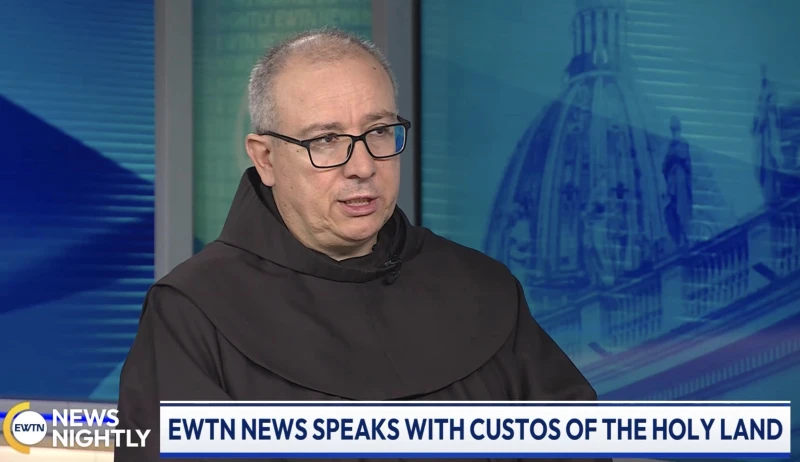
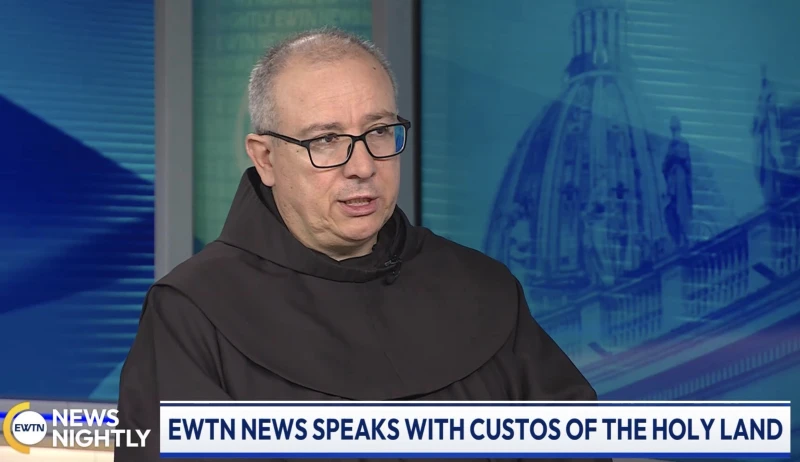
Read More
Giving people hope is greatest challenge, custos of Holy Land says in U.S. visit #Catholic 
 
 Custos of the Holy Land Father Franceso Ielpo speaks with EWTN News in a two-part interview that began airing on “EWTN News Nightly” on Nov. 24, 2025. / Credit: “EWTN News Nightly”/Screenshot

Washington, D.C. Newsroom, Nov 25, 2025 / 09:00 am (CNA).
The custos of the Holy Land said in an interview with EWTN News that the “greatest challenge” is to be a source of hope amid perpetual devastation due to conflict. “The greatest challenge is to always be able to give people hope. One can have food, one can have a home, one can have medicine, one can have the best schools, but to live, we all need hope. And this hope always arises when you see, when you feel the presence of God through the presence of the Church beside you,” Father Franceso Ielpo told EWTN News’ Matthew Bunson in a two-part interview that began airing Nov. 24 on “EWTN News Nightly.” Ielpo has served as custos of the Holy Land since his appointment by Pope Leo XIV in June, when he succeeded Father Francesdo Patton. It is Ielpo’s first visit to the United States as custos, a Latin term for “guardian” associated with the Franciscan order’s special responsibility to oversee and care for holy sites in the Holy Land.Ielpo explained this challenge confronts the Christian community not only in Israel and Palestine but also in Lebanon and Syria. Custodians in these countries, he said, are faced with having “to grow and continue to live in a context of tension, in a context of perpetual conflict.” The Custody of the Holy Land is made up of 325 friars from over 40 countries. Ielpo said the latest conflict in Israel “has had very serious consequences” for “all communities in the Holy Land,” particularly in the employment sphere due to a lack of pilgrims to the region, which depends on religious tourism to generate income. He further emphasized the “tension of uncertainty about the future, especially for one’s children.” “The custody continues first and foremost to support and sustain the salaries of all our employees, of all our Christians, and also seeks to continue the educational work that is the schools,” Ielpo said. “We currently have 18 schools with about 10,000 students, both Christian and Muslim. Even for families who can no longer pay for school, we continue to guarantee education because we are convinced that the future is built in the classroom.” The work of the custody is not limited to the Christian community alone, he said, noting that 90% of the student population attending the Franciscan school in Jericho are Muslim. “They understand and appreciate that the service we offer is for everyone and is of high quality,” he said. At Magnificat, a music school that just celebrated its 30th anniversary, students and teachers are Christian, Muslim, and Jewish, he added.“The thing that gives me the most hope is that God’s timing is not our timing, that history is carried forward despite all its contradictions by someone else,” he said. Even amid conflict, he continued, “hope always arises from the fact that God is the true protagonist of history, even in storms, even when it seems that he is on the boat and sleeping.” Concretely, the custos emphasized the need for pilgrims to return, not only for economic reasons, but to demonstrate to residents of the Holy Land that they are “seen, recognized, wanted, loved.” “The invitation is to return to the Holy Land,” he said. “The shrines are safe — come back, visit, and don’t just visit the shrines. Always ask to meet the communities, even if only for a prayer together … even if only for a greeting, because it is good for everyone.”

Giving people hope is greatest challenge, custos of Holy Land says in U.S. visit #Catholic Custos of the Holy Land Father Franceso Ielpo speaks with EWTN News in a two-part interview that began airing on “EWTN News Nightly” on Nov. 24, 2025. / Credit: “EWTN News Nightly”/Screenshot Washington, D.C. Newsroom, Nov 25, 2025 / 09:00 am (CNA). The custos of the Holy Land said in an interview with EWTN News that the “greatest challenge” is to be a source of hope amid perpetual devastation due to conflict. “The greatest challenge is to always be able to give people hope. One can have food, one can have a home, one can have medicine, one can have the best schools, but to live, we all need hope. And this hope always arises when you see, when you feel the presence of God through the presence of the Church beside you,” Father Franceso Ielpo told EWTN News’ Matthew Bunson in a two-part interview that began airing Nov. 24 on “EWTN News Nightly.” Ielpo has served as custos of the Holy Land since his appointment by Pope Leo XIV in June, when he succeeded Father Francesdo Patton. It is Ielpo’s first visit to the United States as custos, a Latin term for “guardian” associated with the Franciscan order’s special responsibility to oversee and care for holy sites in the Holy Land.Ielpo explained this challenge confronts the Christian community not only in Israel and Palestine but also in Lebanon and Syria. Custodians in these countries, he said, are faced with having “to grow and continue to live in a context of tension, in a context of perpetual conflict.” The Custody of the Holy Land is made up of 325 friars from over 40 countries. Ielpo said the latest conflict in Israel “has had very serious consequences” for “all communities in the Holy Land,” particularly in the employment sphere due to a lack of pilgrims to the region, which depends on religious tourism to generate income. He further emphasized the “tension of uncertainty about the future, especially for one’s children.” “The custody continues first and foremost to support and sustain the salaries of all our employees, of all our Christians, and also seeks to continue the educational work that is the schools,” Ielpo said. “We currently have 18 schools with about 10,000 students, both Christian and Muslim. Even for families who can no longer pay for school, we continue to guarantee education because we are convinced that the future is built in the classroom.” The work of the custody is not limited to the Christian community alone, he said, noting that 90% of the student population attending the Franciscan school in Jericho are Muslim. “They understand and appreciate that the service we offer is for everyone and is of high quality,” he said. At Magnificat, a music school that just celebrated its 30th anniversary, students and teachers are Christian, Muslim, and Jewish, he added.“The thing that gives me the most hope is that God’s timing is not our timing, that history is carried forward despite all its contradictions by someone else,” he said. Even amid conflict, he continued, “hope always arises from the fact that God is the true protagonist of history, even in storms, even when it seems that he is on the boat and sleeping.” Concretely, the custos emphasized the need for pilgrims to return, not only for economic reasons, but to demonstrate to residents of the Holy Land that they are “seen, recognized, wanted, loved.” “The invitation is to return to the Holy Land,” he said. “The shrines are safe — come back, visit, and don’t just visit the shrines. Always ask to meet the communities, even if only for a prayer together … even if only for a greeting, because it is good for everyone.”


Custos of the Holy Land Father Franceso Ielpo speaks with EWTN News in a two-part interview that began airing on “EWTN News Nightly” on Nov. 24, 2025. / Credit: “EWTN News Nightly”/Screenshot

Washington, D.C. Newsroom, Nov 25, 2025 / 09:00 am (CNA).

The custos of the Holy Land said in an interview with EWTN News that the “greatest challenge” is to be a source of hope amid perpetual devastation due to conflict. 

“The greatest challenge is to always be able to give people hope. One can have food, one can have a home, one can have medicine, one can have the best schools, but to live, we all need hope. And this hope always arises when you see, when you feel the presence of God through the presence of the Church beside you,” Father Franceso Ielpo told EWTN News’ Matthew Bunson in a two-part interview that began airing Nov. 24 on “EWTN News Nightly.” 

Ielpo has served as custos of the Holy Land since his appointment by Pope Leo XIV in June, when he succeeded Father Francesdo Patton. It is Ielpo’s first visit to the United States as custos, a Latin term for “guardian” associated with the Franciscan order’s special responsibility to oversee and care for holy sites in the Holy Land.

Ielpo explained this challenge confronts the Christian community not only in Israel and Palestine but also in Lebanon and Syria. Custodians in these countries, he said, are faced with having “to grow and continue to live in a context of tension, in a context of perpetual conflict.” The Custody of the Holy Land is made up of 325 friars from over 40 countries. 

Ielpo said the latest conflict in Israel “has had very serious consequences” for “all communities in the Holy Land,” particularly in the employment sphere due to a lack of pilgrims to the region, which depends on religious tourism to generate income. He further emphasized the “tension of uncertainty about the future, especially for one’s children.” 

“The custody continues first and foremost to support and sustain the salaries of all our employees, of all our Christians, and also seeks to continue the educational work that is the schools,” Ielpo said. “We currently have 18 schools with about 10,000 students, both Christian and Muslim. Even for families who can no longer pay for school, we continue to guarantee education because we are convinced that the future is built in the classroom.” 

The work of the custody is not limited to the Christian community alone, he said, noting that 90% of the student population attending the Franciscan school in Jericho are Muslim. “They understand and appreciate that the service we offer is for everyone and is of high quality,” he said. At Magnificat, a music school that just celebrated its 30th anniversary, students and teachers are Christian, Muslim, and Jewish, he added.

“The thing that gives me the most hope is that God’s timing is not our timing, that history is carried forward despite all its contradictions by someone else,” he said. Even amid conflict, he continued, “hope always arises from the fact that God is the true protagonist of history, even in storms, even when it seems that he is on the boat and sleeping.” 

Concretely, the custos emphasized the need for pilgrims to return, not only for economic reasons, but to demonstrate to residents of the Holy Land that they are “seen, recognized, wanted, loved.” 

“The invitation is to return to the Holy Land,” he said. “The shrines are safe — come back, visit, and don’t just visit the shrines. Always ask to meet the communities, even if only for a prayer together … even if only for a greeting, because it is good for everyone.”

Read More

Born in Macon, France, on Nov. 25, 1783, Claude-Louis Mathieu showed an aptitude for mathematics from a young age. Despite his family’s poverty and his father’s wish for him to be a carpenter, Mathieu moved to Paris in 1801 to study for admission into the prestigious Ecole Polytechnique. He became a student at Ecole PolytechniqueContinue reading “Nov. 25, 1783: The birth of Claude-Louis Mathieu”

The post Nov. 25, 1783: The birth of Claude-Louis Mathieu appeared first on Astronomy Magazine.

Read More
Grateful and blessed to be with the enthusiastic and joyful ‘young Church’ – and for a ‘virtual encounter’ with Pope Leo XIV #Catholic – “But,” said Moses to God, “if I go to the Israelites and say to them, ‘The God of your ancestors has sent me to you,’ and they ask me, ‘What is his name?’ what do I tell them?”
God replied to Moses: I am who I am. Then he added: This is what you will tell the Israelites: 
I AM has sent me to you.” 
Ex. 3:13–14

BISHOP KEVIN J. SWEENEY

On Thursday and Friday, Nov. 20 and 21, I was very blessed to have had the opportunity to participate in the National Catholic Youth Conference (NCYC) in Indianapolis. I first attended NCYC many years ago, when I served as Vocation director in the Diocese of Brooklyn. Since 1993, NCYC has been an “annual three-day event for high school-aged Catholic youth in the United States. Hosted by the National Federation for Catholic Youth Ministry … and organized with the host city’s diocese, NCYC aims to offer a transformative experience centered on prayer, community, faith, and empowerment.” For more information, you can go to the NCYC website.
On the NCYC website, you can watch a brief (90 second) “promo video” during which a young narrator says, “…when I feel disconnected, through the waters of Baptism, I am chosen; when I feel unworthy, through the Eucharist I am transformed; when I feel unsure or lost, through Confirmation I am anointed; when I feel broken, through reconciliation I am healed; when I feel purposeless, through my vocation, I am called; it is through the Sacraments that I can meet the great I AM …”
The theme for this year’s NCYC was “I AM – YO SOY” and the theme of Thursday evening’s gathering, talks, and testimonies was focused on the encounter between Moses and God at the “burning bush,” as God revealed His presence and His name while revealing to Moses that he was being called to by God to assist in God’s “rescue mission,” saving God’s people from slavery in Egypt. On Friday, the theme would be the Gifts of the Holy Spirit. I believe that Saturday would focus on the Eucharist, culminating in the closing Mass that evening. This year’s NCYC offered a “special treat.” On Friday morning, there was a unique and historic opportunity for the young people, all 17,000 in attendance and many more online, to “meet” with Pope Leo XIV by means of a “livestream” video call.
We are aware that young people face many challenges in our culture. The growing impact of technology and “screen-time” and the isolation experienced during the pandemic are among the reasons that some point to as we try to understand why so many teens struggle with their mental health. The number of teens being prescribed medication for anxiety and depression is growing at an alarming rate, so much so that they are being described by some as “The Anxious Generation.” (See: The Anxious Generation: How the Great Rewiring of Childhood Is Causing an Epidemic of Mental Illness.)
Many of us are also aware, and have been for decades, that the Church could often do better when it comes to connecting with young people, inviting them to be excited about living and practicing their faith, and encouraging them to continue practicing their faith after they receive the Gifts of the Holy Spirit in Confirmation. Yes, we could do better, but NCYC is one of many reasons we can cite to say that “all is not lost” and the Church is “reaching” and connecting with young people, even amid all the challenges we face.
Pope Leo XIV is another reason for us to be hopeful and excited that we are “going in the right direction” as a Church, not only in our outreach to and ministry with our young people, but on many levels and in many areas. I encourage you to take the time to watch and listen to the full video of the nearly one-hour encounter between the Holy Father and the young people at NCYC – I believe that you will be able to feel the joy, enthusiasm, and mutual respect and affection that were such a gift for all those present.

There is a great deal of information and coverage of NCYC and the meeting with the Holy Father available online. One article that I think is particularly well done is available on the Catholic News Agency website. It describes “10 Takeaways from Pope Leo XIV’s address to youth at NCYC.” 
Although I was not able to stay for the whole conference, I was very grateful to our Diocesan Director of Youth Ministry John Cammarata, and the pastors, parents, and leaders from four of our parishes, whose efforts allowed more than 40 young people from our diocese to attend NCYC. It was a great blessing to be with them and to meet Catholic young people and youth ministry leaders from all over the country.
As we look forward to Thanksgiving and the beginning of the Season of Advent, NCYC was a reminder to me of the gratitude that we can have for the vibrancy and enthusiasm of the “young Church.” We can also be grateful for the gift of Pope Leo XIV, for his enthusiastic, joyful witness to Hope. One example of this was his message encouraging the young people to believe that “We were made for something greater”:
“Now is the time to dream big, be open to what God can do through your lives. Being young often comes with the desire to do something meaningful, something that makes a real difference. Many of you are ready to be generous, to help those who love, to work for something greater than yourself, …  
That is why it is not true that life is only about doing what feels good to yourself, makes you feel comfortable, as some people claim. Sure, comfort can be nice, but as Pope Benedict XIV reminded us: ‘We weren’t made for comfort. We were made for greatness. We were made for God himself.’ 
Deep down, we long for truth, for beauty, and goodness, because we were created for them.” 
– Pope Leo XIV
10 Takeaways from Pope Leo XIV’s address

Click here to subscribe to our weekly newsletter.


Grateful and blessed to be with the enthusiastic and joyful ‘young Church’ – and for a ‘virtual encounter’ with Pope Leo XIV #Catholic – “But,” said Moses to God, “if I go to the Israelites and say to them, ‘The God of your ancestors has sent me to you,’ and they ask me, ‘What is his name?’ what do I tell them?” God replied to Moses: I am who I am. Then he added: This is what you will tell the Israelites: I AM has sent me to you.” Ex. 3:13–14 BISHOP KEVIN J. SWEENEY On Thursday and Friday, Nov. 20 and 21, I was very blessed to have had the opportunity to participate in the National Catholic Youth Conference (NCYC) in Indianapolis. I first attended NCYC many years ago, when I served as Vocation director in the Diocese of Brooklyn. Since 1993, NCYC has been an “annual three-day event for high school-aged Catholic youth in the United States. Hosted by the National Federation for Catholic Youth Ministry … and organized with the host city’s diocese, NCYC aims to offer a transformative experience centered on prayer, community, faith, and empowerment.” For more information, you can go to the NCYC website. On the NCYC website, you can watch a brief (90 second) “promo video” during which a young narrator says, “…when I feel disconnected, through the waters of Baptism, I am chosen; when I feel unworthy, through the Eucharist I am transformed; when I feel unsure or lost, through Confirmation I am anointed; when I feel broken, through reconciliation I am healed; when I feel purposeless, through my vocation, I am called; it is through the Sacraments that I can meet the great I AM …” The theme for this year’s NCYC was “I AM – YO SOY” and the theme of Thursday evening’s gathering, talks, and testimonies was focused on the encounter between Moses and God at the “burning bush,” as God revealed His presence and His name while revealing to Moses that he was being called to by God to assist in God’s “rescue mission,” saving God’s people from slavery in Egypt. On Friday, the theme would be the Gifts of the Holy Spirit. I believe that Saturday would focus on the Eucharist, culminating in the closing Mass that evening. This year’s NCYC offered a “special treat.” On Friday morning, there was a unique and historic opportunity for the young people, all 17,000 in attendance and many more online, to “meet” with Pope Leo XIV by means of a “livestream” video call. We are aware that young people face many challenges in our culture. The growing impact of technology and “screen-time” and the isolation experienced during the pandemic are among the reasons that some point to as we try to understand why so many teens struggle with their mental health. The number of teens being prescribed medication for anxiety and depression is growing at an alarming rate, so much so that they are being described by some as “The Anxious Generation.” (See: The Anxious Generation: How the Great Rewiring of Childhood Is Causing an Epidemic of Mental Illness.) Many of us are also aware, and have been for decades, that the Church could often do better when it comes to connecting with young people, inviting them to be excited about living and practicing their faith, and encouraging them to continue practicing their faith after they receive the Gifts of the Holy Spirit in Confirmation. Yes, we could do better, but NCYC is one of many reasons we can cite to say that “all is not lost” and the Church is “reaching” and connecting with young people, even amid all the challenges we face. Pope Leo XIV is another reason for us to be hopeful and excited that we are “going in the right direction” as a Church, not only in our outreach to and ministry with our young people, but on many levels and in many areas. I encourage you to take the time to watch and listen to the full video of the nearly one-hour encounter between the Holy Father and the young people at NCYC – I believe that you will be able to feel the joy, enthusiasm, and mutual respect and affection that were such a gift for all those present. There is a great deal of information and coverage of NCYC and the meeting with the Holy Father available online. One article that I think is particularly well done is available on the Catholic News Agency website. It describes “10 Takeaways from Pope Leo XIV’s address to youth at NCYC.”  Although I was not able to stay for the whole conference, I was very grateful to our Diocesan Director of Youth Ministry John Cammarata, and the pastors, parents, and leaders from four of our parishes, whose efforts allowed more than 40 young people from our diocese to attend NCYC. It was a great blessing to be with them and to meet Catholic young people and youth ministry leaders from all over the country. As we look forward to Thanksgiving and the beginning of the Season of Advent, NCYC was a reminder to me of the gratitude that we can have for the vibrancy and enthusiasm of the “young Church.” We can also be grateful for the gift of Pope Leo XIV, for his enthusiastic, joyful witness to Hope. One example of this was his message encouraging the young people to believe that “We were made for something greater”: “Now is the time to dream big, be open to what God can do through your lives. Being young often comes with the desire to do something meaningful, something that makes a real difference. Many of you are ready to be generous, to help those who love, to work for something greater than yourself, …   That is why it is not true that life is only about doing what feels good to yourself, makes you feel comfortable, as some people claim. Sure, comfort can be nice, but as Pope Benedict XIV reminded us: ‘We weren’t made for comfort. We were made for greatness. We were made for God himself.’ Deep down, we long for truth, for beauty, and goodness, because we were created for them.” – Pope Leo XIV 10 Takeaways from Pope Leo XIV’s address Click here to subscribe to our weekly newsletter.  

Grateful and blessed to be with the enthusiastic and joyful ‘young Church’ – and for a ‘virtual encounter’ with Pope Leo XIV #Catholic –

“But,” said Moses to God, “if I go to the Israelites and say to them, ‘The God of your ancestors has sent me to you,’ and they ask me, ‘What is his name?’ what do I tell them?”

God replied to Moses: I am who I am. Then he added: This is what you will tell the Israelites:

I AM has sent me to you.”

Ex. 3:13–14

BISHOP KEVIN J. SWEENEY

On Thursday and Friday, Nov. 20 and 21, I was very blessed to have had the opportunity to participate in the National Catholic Youth Conference (NCYC) in Indianapolis. I first attended NCYC many years ago, when I served as Vocation director in the Diocese of Brooklyn. Since 1993, NCYC has been an “annual three-day event for high school-aged Catholic youth in the United States. Hosted by the National Federation for Catholic Youth Ministry … and organized with the host city’s diocese, NCYC aims to offer a transformative experience centered on prayer, community, faith, and empowerment.” For more information, you can go to the NCYC website.

On the NCYC website, you can watch a brief (90 second) “promo video” during which a young narrator says, “…when I feel disconnected, through the waters of Baptism, I am chosen; when I feel unworthy, through the Eucharist I am transformed; when I feel unsure or lost, through Confirmation I am anointed; when I feel broken, through reconciliation I am healed; when I feel purposeless, through my vocation, I am called; it is through the Sacraments that I can meet the great I AM …

The theme for this year’s NCYC was “I AM – YO SOY” and the theme of Thursday evening’s gathering, talks, and testimonies was focused on the encounter between Moses and God at the “burning bush,” as God revealed His presence and His name while revealing to Moses that he was being called to by God to assist in God’s “rescue mission,” saving God’s people from slavery in Egypt. On Friday, the theme would be the Gifts of the Holy Spirit. I believe that Saturday would focus on the Eucharist, culminating in the closing Mass that evening. This year’s NCYC offered a “special treat.” On Friday morning, there was a unique and historic opportunity for the young people, all 17,000 in attendance and many more online, to “meet” with Pope Leo XIV by means of a “livestream” video call.

We are aware that young people face many challenges in our culture. The growing impact of technology and “screen-time” and the isolation experienced during the pandemic are among the reasons that some point to as we try to understand why so many teens struggle with their mental health. The number of teens being prescribed medication for anxiety and depression is growing at an alarming rate, so much so that they are being described by some as “The Anxious Generation.” (See: The Anxious Generation: How the Great Rewiring of Childhood Is Causing an Epidemic of Mental Illness.)

Many of us are also aware, and have been for decades, that the Church could often do better when it comes to connecting with young people, inviting them to be excited about living and practicing their faith, and encouraging them to continue practicing their faith after they receive the Gifts of the Holy Spirit in Confirmation. Yes, we could do better, but NCYC is one of many reasons we can cite to say that “all is not lost” and the Church is “reaching” and connecting with young people, even amid all the challenges we face.

Pope Leo XIV is another reason for us to be hopeful and excited that we are “going in the right direction” as a Church, not only in our outreach to and ministry with our young people, but on many levels and in many areas. I encourage you to take the time to watch and listen to the full video of the nearly one-hour encounter between the Holy Father and the young people at NCYC – I believe that you will be able to feel the joy, enthusiasm, and mutual respect and affection that were such a gift for all those present.

YouTube player

There is a great deal of information and coverage of NCYC and the meeting with the Holy Father available online. One article that I think is particularly well done is available on the Catholic News Agency website. It describes “10 Takeaways from Pope Leo XIV’s address to youth at NCYC.” 

Although I was not able to stay for the whole conference, I was very grateful to our Diocesan Director of Youth Ministry John Cammarata, and the pastors, parents, and leaders from four of our parishes, whose efforts allowed more than 40 young people from our diocese to attend NCYC. It was a great blessing to be with them and to meet Catholic young people and youth ministry leaders from all over the country.

As we look forward to Thanksgiving and the beginning of the Season of Advent, NCYC was a reminder to me of the gratitude that we can have for the vibrancy and enthusiasm of the “young Church.” We can also be grateful for the gift of Pope Leo XIV, for his enthusiastic, joyful witness to Hope. One example of this was his message encouraging the young people to believe that “We were made for something greater”:

“Now is the time to dream big, be open to what God can do through your lives. Being young often comes with the desire to do something meaningful, something that makes a real difference. Many of you are ready to be generous, to help those who love, to work for something greater than yourself, …  

That is why it is not true that life is only about doing what feels good to yourself, makes you feel comfortable, as some people claim. Sure, comfort can be nice, but as Pope Benedict XIV reminded us: ‘We weren’t made for comfort. We were made for greatness. We were made for God himself.’

Deep down, we long for truth, for beauty, and goodness, because we were created for them.”

– Pope Leo XIV
10 Takeaways from Pope Leo XIV’s address


Click here to subscribe to our weekly newsletter.


“But,” said Moses to God, “if I go to the Israelites and say to them, ‘The God of your ancestors has sent me to you,’ and they ask me, ‘What is his name?’ what do I tell them?” God replied to Moses: I am who I am. Then he added: This is what you will tell the Israelites: I AM has sent me to you.” Ex. 3:13–14 BISHOP KEVIN J. SWEENEY On Thursday and Friday, Nov. 20 and 21, I was very blessed to have had the opportunity to participate in the National Catholic Youth Conference (NCYC) in Indianapolis. I first

Read More
Picture of the day


Basilica, Xavier, Navarre, Spain. The basilica belongs to the ensemble of the Castle of Xavier, built in the 10th century, although the basilica was not built until end of the 19th and beginning of the 20th century. Of eclectic style, the interior has a unique neogothic nave built with grey stone and white marble. The stained glass is a work of painter Marcelino Santamaría from Burgos. The main altar is an artistic decorative work, carved in stone inlaid with mosaics, bronzes and enamels by the Biais house in Paris. The tabernacle is located on a high relief that represents San Francisco baptizing and preaching.
 #ImageOfTheDay
Picture of the day
Basilica, Xavier, Navarre, Spain. The basilica belongs to the ensemble of the Castle of Xavier, built in the 10th century, although the basilica was not built until end of the 19th and beginning of the 20th century. Of eclectic style, the interior has a unique neogothic nave built with grey stone and white marble. The stained glass is a work of painter Marcelino Santamaría from Burgos. The main altar is an artistic decorative work, carved in stone inlaid with mosaics, bronzes and enamels by the Biais house in Paris. The tabernacle is located on a high relief that represents San Francisco baptizing and preaching.
Read More
City Lights and Atmospheric Glow – The atmospheric glow blankets southern Europe and the northwestern Mediterranean coast, outlined by city lights. At left, the Po Valley urban corridor in Italy shines with the metropolitan areas of Milan and Turin and their surrounding suburbs.

The atmospheric glow blankets southern Europe and the northwestern Mediterranean coast, outlined by city lights. At left, the Po Valley urban corridor in Italy shines with the metropolitan areas of Milan and Turin and their surrounding suburbs.

Read More