Month: December 2025

O God, who by the Immaculate Conception of the Blessed Virgin Mary, didst prepare a worthy dwelling place for thy Son, we beseech thee that, as by the foreseen death of this, thy Son, thou didst preserve her from all stain, so too thou wouldst permit us, purified through her intercession, to come unto thee. Through the same Lord Jesus Christ, thy Son, who livest and reignest with thee in the unity of the Holy Ghost, God, world without end. Amen.

Read More

By the time Apollo 17 launched at on Dec. 7, 1972, NASA was already looking ahead. It was planning a first-ever joint mission with the USSR, preparing to launch the Skylab space station, and soliciting proposals from contractors for a new, reusable launch system dubbed the space shuttle. But even as public interest waned, ApolloContinue reading “Dec. 7, 1972: Apollo 17 launches”

The post Dec. 7, 1972: Apollo 17 launches appeared first on Astronomy Magazine.

Read More
New print journal for ‘intellectual Catholic women’ to be released in April #Catholic 
 
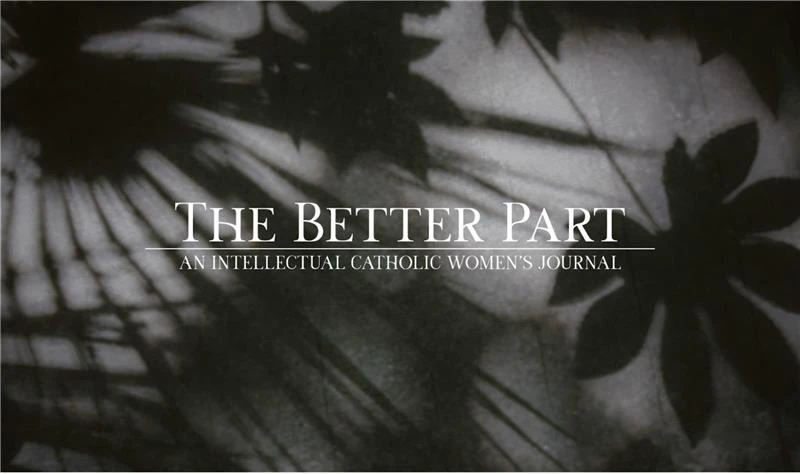
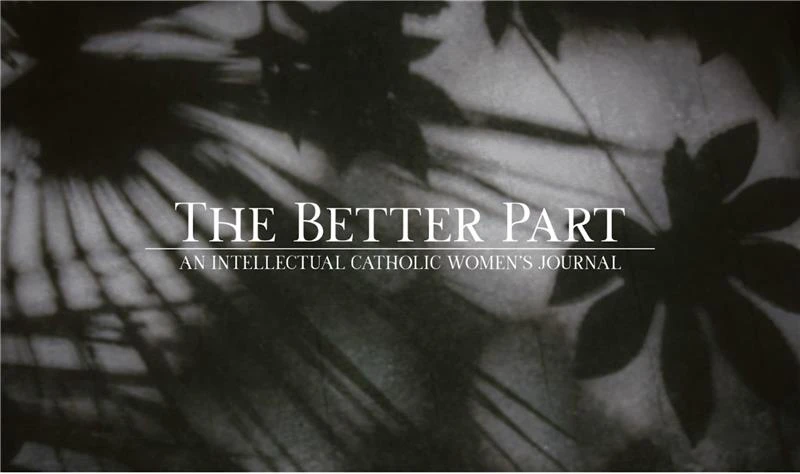
 Promo photo for the The Better Part Journal of shadows of Madonna lilies for the Blessed Virgin Mary. / Credit: Photo courtesy of Heidi Bollich-Erne

Washington, D.C. Newsroom, Dec 7, 2025 / 09:00 am (CNA).
While teaching an ethics and culture course, Heidi Bollich-Erne was looking for a journal featuring the work of Catholic women for her students to read. After being told that it simply didn’t exist, she decided to create one herself.With the help of a team of women, Bollich-Erne has founded what she calls the “first intellectual Catholic women’s journal.” Its purpose is to not only define the feminine genius but also to show how faithful women can embody its beauty in their daily lives. “I want women to find a home, a place that values their work. The journal itself is edited, written, and published solely by Catholic women,” Bollich-Erne told CNA. “The way that women write, the way that we express ourselves is very different. That’s just who we are. That’s part of the genius of women.”The Better Part Journal is intended to give women of the Church “hope” by discussing issues that are relevant to them. The first edition of the journal will be released in April 2026. Before starting the journal, Bollich-Erne studied theology at the University of St. Thomas, where she “fell in love with philosophy.” She went to the Center for Thomistic Studies for her master’s degree in Thomistic philosophy but took a break from her doctorate and started teaching. She is now based in Texas where she has taught high school, college preparation, college, and adults. While teaching, she tried to find content to help guide discussion on gender complementarity but couldn’t find much written by Catholic women.“I thought, ‘I want to read more intellectual women,’ but it was a struggle… So I found a friend who works at a university and I said: ‘Can you recommend … an intellectual Catholic women’s magazine? She got back to me a few days later and said, ‘It doesn’t exist.’”Bollich-Erne started The Better Part Journal by first launching a company called JBG Publishings as “a home” for the journal. She wanted to ensure the publication would not be independently published but be part of a company that would help it to grow.Bollich-Erne named the company with the initials of her father, who passed away a few years prior. His passing “was a realization that ‘life is too short,’”  Bollich-Erne said. “I need to love what I do; I need to really work to find meaning.’”Heidi Bollich-Erne is the founding editor and editor-in-chief of The Better Part Journal, the first intellectual Catholic women’s journal. She holds an undergraduate degree in theology from the University of St. Thomas and a master’s in Thomistic Philosophy from the Center for Thomistic Studies. Credit: Photo courtesy of Heidi Bollich-ErneThe Better Part Journal’s mission“The purpose of the journal is to bring together the voices of intellectual Catholic women who are faithful to the magisterium,” Bollich-Erne said. “I want voices of all backgrounds. I want women of all areas of discipline. I want academics. I want nonacademics. I want all women contributing to this conversation.”“We all throw around the ‘feminine genius,’ but when you ask someone to stop and give an actual definition, most people can’t,” Bollich-Erne said. Most people define it with a quote by St. John Paul II who coined the term in his apostolic letter Mulieris Dignitatem to describe the unique gifts and qualities women possess, but, she said, “that’s a quote, not a definition.” “There’s a lot of work that needs to be done in this area, and I know there’s room for it to be done on a theological, philosophical level. So the idea was that we would … define the feminine genius and then show it. Live it. It’s not a theology journal and it’s not a philosophy journal. It’s truly interdisciplinary.”The first issue of the journal is called “Uncharted” and will tackle a number of topics.“As soon as women realized that I was serious about truly hearing their voices and not editing them out or telling them what they can and can’t write about, they gave us some really amazing work. I’ve just been blown away. I’m only so creative, but I have a great team.”The journal will feature articles covering neuroscience and theology and apply it to Mary and the Incarnation. It will have columns by doctors and scientists to look at “faith in the formula” and “applying science to religion.”There will be discussion of issues women face including body image, infertility, and violence. Articles will explore “the psychology of fairy tales and what that does to young girls growing up, whether that be positive or negative,” Bollich-Erne said. It will look into “what we are exposed to …from the media and what it does to us.”“The beauty behind the journal has been the women that have come forth to lend their voices,” Bollich-Erne said. “It’s been really amazing to see how excited they are about freedom of voice. It’s been something I wasn’t expecting.”A print journal in a digital eraDespite a shift in media from print to online formats, The Better Part Journal will only be released in print copies because, Bollich-Erne said, “I want it to be lasting.”“I am a tactile person. I like to hold a book. I wanted it to be something that is kept. So obviously that’s print,” Bollich-Erne said. “But then if you want to keep it has to be high quality.”The journal will use original photographs and crafted artwork to accompany the written works. “It is stunning. It looks like a book,” Bollich-Erne said. “The idea is that you read it, you keep it, and you put it on your bookshelf and you never get rid of it because the topics are lasting.”For an article to be included, it has to be “something that I think women will find valuable, whether you’re an academic or a high school student,” Bollich-Erne said. “It has to be something that all women find valuable, or we cannot print it.”“Many women have said they’re excited to hold their work and see it in print as opposed to scrolling past the work. There’s nothing wrong with online formats; it gives voices to a lot of people, but this is just different.”“I had an author tell me, ‘I don’t write anymore for anyone,’ because, she said, ‘I am so tired of my work just disappearing. It’s online for a week. I spent all this work, all this time, and it was something substantial that I really cared about, and it’s just gone.’” “She signed up with us for a column specifically because we are in print. The idea is that this work is kept forever.”The print journals will be published twice a year only, because “I want it to be something that takes a while to digest,” Bollich-Erne said. “Beautiful things take time.”Looking to the futureJGB Publishings has “goals to expand substantially over the next five to 10 years,” Bollich-Erne said. The company will “take care of” the journal to ensure its message can “grow and expand.”“To be able, as women in the Church, to truly have a serious conversation about all of these things … we are going to forge our future,” Bollich-Erne said. “We’re going to step forward in hope and show the world this is what an intelligent Catholic woman looks like.”“We’re not stifled. We’re not sad. We’re not miserable people. We are happy. We are excited about life, and we are treated with respect. We are loved and we love who we are,” Bollich-Erne said. “I want people, especially women, of all ages to see that and to understand that.”

New print journal for ‘intellectual Catholic women’ to be released in April #Catholic Promo photo for the The Better Part Journal of shadows of Madonna lilies for the Blessed Virgin Mary. / Credit: Photo courtesy of Heidi Bollich-Erne Washington, D.C. Newsroom, Dec 7, 2025 / 09:00 am (CNA). While teaching an ethics and culture course, Heidi Bollich-Erne was looking for a journal featuring the work of Catholic women for her students to read. After being told that it simply didn’t exist, she decided to create one herself.With the help of a team of women, Bollich-Erne has founded what she calls the “first intellectual Catholic women’s journal.” Its purpose is to not only define the feminine genius but also to show how faithful women can embody its beauty in their daily lives. “I want women to find a home, a place that values their work. The journal itself is edited, written, and published solely by Catholic women,” Bollich-Erne told CNA. “The way that women write, the way that we express ourselves is very different. That’s just who we are. That’s part of the genius of women.”The Better Part Journal is intended to give women of the Church “hope” by discussing issues that are relevant to them. The first edition of the journal will be released in April 2026. Before starting the journal, Bollich-Erne studied theology at the University of St. Thomas, where she “fell in love with philosophy.” She went to the Center for Thomistic Studies for her master’s degree in Thomistic philosophy but took a break from her doctorate and started teaching. She is now based in Texas where she has taught high school, college preparation, college, and adults. While teaching, she tried to find content to help guide discussion on gender complementarity but couldn’t find much written by Catholic women.“I thought, ‘I want to read more intellectual women,’ but it was a struggle… So I found a friend who works at a university and I said: ‘Can you recommend … an intellectual Catholic women’s magazine? She got back to me a few days later and said, ‘It doesn’t exist.’”Bollich-Erne started The Better Part Journal by first launching a company called JBG Publishings as “a home” for the journal. She wanted to ensure the publication would not be independently published but be part of a company that would help it to grow.Bollich-Erne named the company with the initials of her father, who passed away a few years prior. His passing “was a realization that ‘life is too short,’”  Bollich-Erne said. “I need to love what I do; I need to really work to find meaning.’”Heidi Bollich-Erne is the founding editor and editor-in-chief of The Better Part Journal, the first intellectual Catholic women’s journal. She holds an undergraduate degree in theology from the University of St. Thomas and a master’s in Thomistic Philosophy from the Center for Thomistic Studies. Credit: Photo courtesy of Heidi Bollich-ErneThe Better Part Journal’s mission“The purpose of the journal is to bring together the voices of intellectual Catholic women who are faithful to the magisterium,” Bollich-Erne said. “I want voices of all backgrounds. I want women of all areas of discipline. I want academics. I want nonacademics. I want all women contributing to this conversation.”“We all throw around the ‘feminine genius,’ but when you ask someone to stop and give an actual definition, most people can’t,” Bollich-Erne said. Most people define it with a quote by St. John Paul II who coined the term in his apostolic letter Mulieris Dignitatem to describe the unique gifts and qualities women possess, but, she said, “that’s a quote, not a definition.” “There’s a lot of work that needs to be done in this area, and I know there’s room for it to be done on a theological, philosophical level. So the idea was that we would … define the feminine genius and then show it. Live it. It’s not a theology journal and it’s not a philosophy journal. It’s truly interdisciplinary.”The first issue of the journal is called “Uncharted” and will tackle a number of topics.“As soon as women realized that I was serious about truly hearing their voices and not editing them out or telling them what they can and can’t write about, they gave us some really amazing work. I’ve just been blown away. I’m only so creative, but I have a great team.”The journal will feature articles covering neuroscience and theology and apply it to Mary and the Incarnation. It will have columns by doctors and scientists to look at “faith in the formula” and “applying science to religion.”There will be discussion of issues women face including body image, infertility, and violence. Articles will explore “the psychology of fairy tales and what that does to young girls growing up, whether that be positive or negative,” Bollich-Erne said. It will look into “what we are exposed to …from the media and what it does to us.”“The beauty behind the journal has been the women that have come forth to lend their voices,” Bollich-Erne said. “It’s been really amazing to see how excited they are about freedom of voice. It’s been something I wasn’t expecting.”A print journal in a digital eraDespite a shift in media from print to online formats, The Better Part Journal will only be released in print copies because, Bollich-Erne said, “I want it to be lasting.”“I am a tactile person. I like to hold a book. I wanted it to be something that is kept. So obviously that’s print,” Bollich-Erne said. “But then if you want to keep it has to be high quality.”The journal will use original photographs and crafted artwork to accompany the written works. “It is stunning. It looks like a book,” Bollich-Erne said. “The idea is that you read it, you keep it, and you put it on your bookshelf and you never get rid of it because the topics are lasting.”For an article to be included, it has to be “something that I think women will find valuable, whether you’re an academic or a high school student,” Bollich-Erne said. “It has to be something that all women find valuable, or we cannot print it.”“Many women have said they’re excited to hold their work and see it in print as opposed to scrolling past the work. There’s nothing wrong with online formats; it gives voices to a lot of people, but this is just different.”“I had an author tell me, ‘I don’t write anymore for anyone,’ because, she said, ‘I am so tired of my work just disappearing. It’s online for a week. I spent all this work, all this time, and it was something substantial that I really cared about, and it’s just gone.’” “She signed up with us for a column specifically because we are in print. The idea is that this work is kept forever.”The print journals will be published twice a year only, because “I want it to be something that takes a while to digest,” Bollich-Erne said. “Beautiful things take time.”Looking to the futureJGB Publishings has “goals to expand substantially over the next five to 10 years,” Bollich-Erne said. The company will “take care of” the journal to ensure its message can “grow and expand.”“To be able, as women in the Church, to truly have a serious conversation about all of these things … we are going to forge our future,” Bollich-Erne said. “We’re going to step forward in hope and show the world this is what an intelligent Catholic woman looks like.”“We’re not stifled. We’re not sad. We’re not miserable people. We are happy. We are excited about life, and we are treated with respect. We are loved and we love who we are,” Bollich-Erne said. “I want people, especially women, of all ages to see that and to understand that.”


Promo photo for the The Better Part Journal of shadows of Madonna lilies for the Blessed Virgin Mary. / Credit: Photo courtesy of Heidi Bollich-Erne

Washington, D.C. Newsroom, Dec 7, 2025 / 09:00 am (CNA).

While teaching an ethics and culture course, Heidi Bollich-Erne was looking for a journal featuring the work of Catholic women for her students to read. After being told that it simply didn’t exist, she decided to create one herself.

With the help of a team of women, Bollich-Erne has founded what she calls the “first intellectual Catholic women’s journal.” Its purpose is to not only define the feminine genius but also to show how faithful women can embody its beauty in their daily lives. 

“I want women to find a home, a place that values their work. The journal itself is edited, written, and published solely by Catholic women,” Bollich-Erne told CNA. “The way that women write, the way that we express ourselves is very different. That’s just who we are. That’s part of the genius of women.”

The Better Part Journal is intended to give women of the Church “hope” by discussing issues that are relevant to them. The first edition of the journal will be released in April 2026. 

Before starting the journal, Bollich-Erne studied theology at the University of St. Thomas, where she “fell in love with philosophy.” She went to the Center for Thomistic Studies for her master’s degree in Thomistic philosophy but took a break from her doctorate and started teaching. 

She is now based in Texas where she has taught high school, college preparation, college, and adults. While teaching, she tried to find content to help guide discussion on gender complementarity but couldn’t find much written by Catholic women.

“I thought, ‘I want to read more intellectual women,’ but it was a struggle… So I found a friend who works at a university and I said: ‘Can you recommend … an intellectual Catholic women’s magazine? She got back to me a few days later and said, ‘It doesn’t exist.’”

Bollich-Erne started The Better Part Journal by first launching a company called JBG Publishings as “a home” for the journal. She wanted to ensure the publication would not be independently published but be part of a company that would help it to grow.

Bollich-Erne named the company with the initials of her father, who passed away a few years prior. His passing “was a realization that ‘life is too short,’”  Bollich-Erne said. “I need to love what I do; I need to really work to find meaning.’”

Heidi Bollich-Erne is the founding editor and editor-in-chief of The Better Part Journal, the first intellectual Catholic women’s journal. She holds an undergraduate degree in theology from the University of St. Thomas and a master's in Thomistic Philosophy from the Center for Thomistic Studies. Credit: Photo courtesy of  Heidi Bollich-Erne
Heidi Bollich-Erne is the founding editor and editor-in-chief of The Better Part Journal, the first intellectual Catholic women’s journal. She holds an undergraduate degree in theology from the University of St. Thomas and a master’s in Thomistic Philosophy from the Center for Thomistic Studies. Credit: Photo courtesy of Heidi Bollich-Erne

The Better Part Journal’s mission

“The purpose of the journal is to bring together the voices of intellectual Catholic women who are faithful to the magisterium,” Bollich-Erne said. “I want voices of all backgrounds. I want women of all areas of discipline. I want academics. I want nonacademics. I want all women contributing to this conversation.”

“We all throw around the ‘feminine genius,’ but when you ask someone to stop and give an actual definition, most people can’t,” Bollich-Erne said. Most people define it with a quote by St. John Paul II who coined the term in his apostolic letter Mulieris Dignitatem to describe the unique gifts and qualities women possess, but, she said, “that’s a quote, not a definition.” 

“There’s a lot of work that needs to be done in this area, and I know there’s room for it to be done on a theological, philosophical level. So the idea was that we would … define the feminine genius and then show it. Live it. It’s not a theology journal and it’s not a philosophy journal. It’s truly interdisciplinary.”

The first issue of the journal is called “Uncharted” and will tackle a number of topics.

“As soon as women realized that I was serious about truly hearing their voices and not editing them out or telling them what they can and can’t write about, they gave us some really amazing work. I’ve just been blown away. I’m only so creative, but I have a great team.”

The journal will feature articles covering neuroscience and theology and apply it to Mary and the Incarnation. It will have columns by doctors and scientists to look at “faith in the formula” and “applying science to religion.”

There will be discussion of issues women face including body image, infertility, and violence. Articles will explore “the psychology of fairy tales and what that does to young girls growing up, whether that be positive or negative,” Bollich-Erne said. It will look into “what we are exposed to …from the media and what it does to us.”

“The beauty behind the journal has been the women that have come forth to lend their voices,” Bollich-Erne said. “It’s been really amazing to see how excited they are about freedom of voice. It’s been something I wasn’t expecting.”

A print journal in a digital era

Despite a shift in media from print to online formats, The Better Part Journal will only be released in print copies because, Bollich-Erne said, “I want it to be lasting.”

“I am a tactile person. I like to hold a book. I wanted it to be something that is kept. So obviously that’s print,” Bollich-Erne said. “But then if you want to keep it has to be high quality.”

The journal will use original photographs and crafted artwork to accompany the written works. 

“It is stunning. It looks like a book,” Bollich-Erne said. “The idea is that you read it, you keep it, and you put it on your bookshelf and you never get rid of it because the topics are lasting.”

For an article to be included, it has to be “something that I think women will find valuable, whether you’re an academic or a high school student,” Bollich-Erne said. “It has to be something that all women find valuable, or we cannot print it.”

“Many women have said they’re excited to hold their work and see it in print as opposed to scrolling past the work. There’s nothing wrong with online formats; it gives voices to a lot of people, but this is just different.”

“I had an author tell me, ‘I don’t write anymore for anyone,’ because, she said, ‘I am so tired of my work just disappearing. It’s online for a week. I spent all this work, all this time, and it was something substantial that I really cared about, and it’s just gone.’” 

“She signed up with us for a column specifically because we are in print. The idea is that this work is kept forever.”

The print journals will be published twice a year only, because “I want it to be something that takes a while to digest,” Bollich-Erne said. “Beautiful things take time.”

Looking to the future

JGB Publishings has “goals to expand substantially over the next five to 10 years,” Bollich-Erne said. The company will “take care of” the journal to ensure its message can “grow and expand.”

“To be able, as women in the Church, to truly have a serious conversation about all of these things … we are going to forge our future,” Bollich-Erne said. “We’re going to step forward in hope and show the world this is what an intelligent Catholic woman looks like.”

“We’re not stifled. We’re not sad. We’re not miserable people. We are happy. We are excited about life, and we are treated with respect. We are loved and we love who we are,” Bollich-Erne said. “I want people, especially women, of all ages to see that and to understand that.”

Read More
You heard of the popemobile, now meet the papal lawn mower – #Catholic – 
 
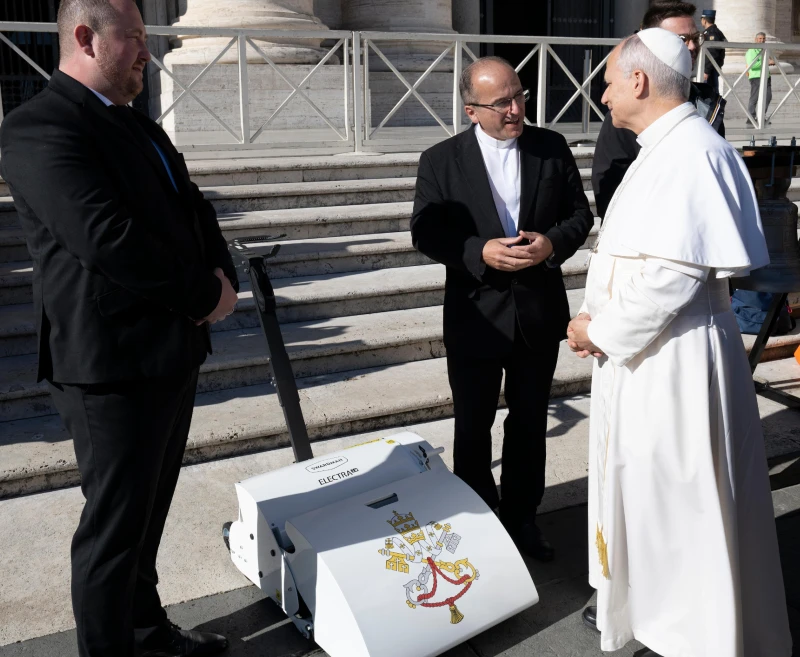
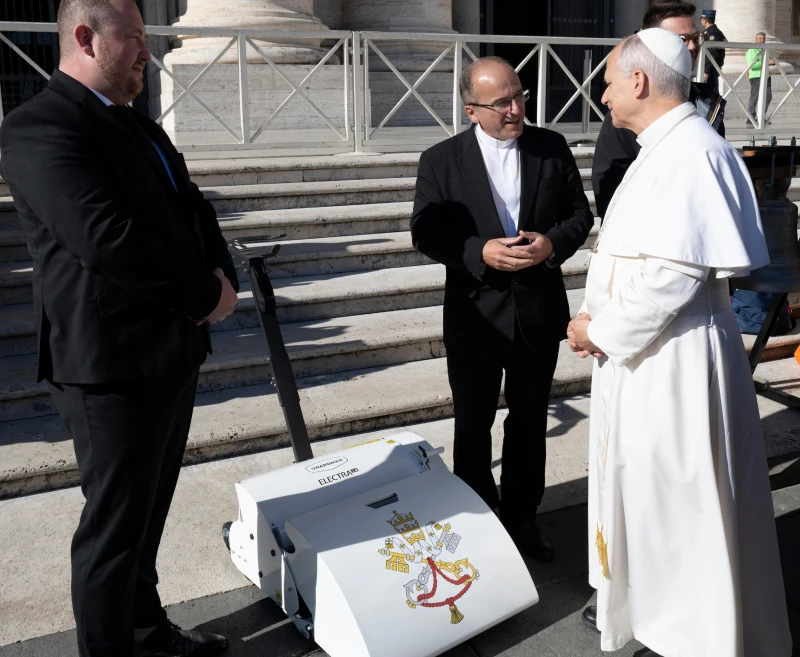
 Pope Leo XIV receives an electric lawn mower from Czech manufacturer Swardman during a general audience in mid-November 2025. / Credit: Photo courtesy of Swardman

Rome Newsroom, Dec 7, 2025 / 08:00 am (CNA).
The Vatican’s gardeners have a new tool for maintaining the papal grounds: a custom-designed electric lawn mower bearing the Holy See’s coat of arms.Pope Leo XIV received the white Electra 2.0 mower during a general audience in mid-November, a gift from Czech manufacturer Swardman.The specially commissioned model features leather-lined handles and was hand-assembled at the company’s facility in Šardice, Czech Republic. “It was an incredibly powerful experience full of humility and respect,” Jakub Dvořák, the company’s sales manager who personally presented the gift, told CNA. “The pontiff appreciated the Vatican’s coat of arms placed on the appliance, listened with interest as we explained how it functions, and thanked us very politely.”The quiet, precision-cutting mower is destined for use in the Vatican Gardens or possibly at the papal summer residence in Castel Gandolfo, according to a press release from the Czech Ministry of Foreign Affairs, which facilitated the presentation.Founded in 2013, the company manufactures lawn care equipment that it describes as combining functionality with “timeless elegance” suited to historic settings. The Czech Embassy to the Holy See played a key role in arranging the gift, which Dvořák called “a moment of unmistakable magic.”Vatican gardeners will put the electric mower to work maintaining the manicured lawns that provide green respite within the world’s smallest state.

You heard of the popemobile, now meet the papal lawn mower – #Catholic – Pope Leo XIV receives an electric lawn mower from Czech manufacturer Swardman during a general audience in mid-November 2025. / Credit: Photo courtesy of Swardman Rome Newsroom, Dec 7, 2025 / 08:00 am (CNA). The Vatican’s gardeners have a new tool for maintaining the papal grounds: a custom-designed electric lawn mower bearing the Holy See’s coat of arms.Pope Leo XIV received the white Electra 2.0 mower during a general audience in mid-November, a gift from Czech manufacturer Swardman.The specially commissioned model features leather-lined handles and was hand-assembled at the company’s facility in Šardice, Czech Republic. “It was an incredibly powerful experience full of humility and respect,” Jakub Dvořák, the company’s sales manager who personally presented the gift, told CNA. “The pontiff appreciated the Vatican’s coat of arms placed on the appliance, listened with interest as we explained how it functions, and thanked us very politely.”The quiet, precision-cutting mower is destined for use in the Vatican Gardens or possibly at the papal summer residence in Castel Gandolfo, according to a press release from the Czech Ministry of Foreign Affairs, which facilitated the presentation.Founded in 2013, the company manufactures lawn care equipment that it describes as combining functionality with “timeless elegance” suited to historic settings. The Czech Embassy to the Holy See played a key role in arranging the gift, which Dvořák called “a moment of unmistakable magic.”Vatican gardeners will put the electric mower to work maintaining the manicured lawns that provide green respite within the world’s smallest state.


Pope Leo XIV receives an electric lawn mower from Czech manufacturer Swardman during a general audience in mid-November 2025. / Credit: Photo courtesy of Swardman

Rome Newsroom, Dec 7, 2025 / 08:00 am (CNA).

The Vatican’s gardeners have a new tool for maintaining the papal grounds: a custom-designed electric lawn mower bearing the Holy See’s coat of arms.

Pope Leo XIV received the white Electra 2.0 mower during a general audience in mid-November, a gift from Czech manufacturer Swardman.

The specially commissioned model features leather-lined handles and was hand-assembled at the company’s facility in Šardice, Czech Republic. “It was an incredibly powerful experience full of humility and respect,” Jakub Dvořák, the company’s sales manager who personally presented the gift, told CNA. “The pontiff appreciated the Vatican’s coat of arms placed on the appliance, listened with interest as we explained how it functions, and thanked us very politely.”

The quiet, precision-cutting mower is destined for use in the Vatican Gardens or possibly at the papal summer residence in Castel Gandolfo, according to a press release from the Czech Ministry of Foreign Affairs, which facilitated the presentation.

Founded in 2013, the company manufactures lawn care equipment that it describes as combining functionality with “timeless elegance” suited to historic settings. The Czech Embassy to the Holy See played a key role in arranging the gift, which Dvořák called “a moment of unmistakable magic.”

Vatican gardeners will put the electric mower to work maintaining the manicured lawns that provide green respite within the world’s smallest state.

Read More
Obituary: Father Luciano Cruz, retired Paterson priest, 80 #Catholic – A Mass of Christian Burial will be held on Wednesday, Dec. 10, at 10 a.m. at St. Therese Church in Paterson, N.J., for Father Luciano Cruz, a retired priest of the Paterson Diocese in New Jersey, who died on Nov. 29 at Merry Heart Senior Care Services in the Succasunna neighborhood of Roxbury Township, N.J. He was 80.
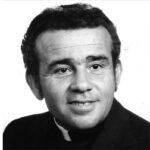
Originally from Puerto Rico, Father Cruz was ordained to the priesthood by Bishop Frank J. Rodimer in 1986. During his ministry, he served Our Lady of Fatima Parish in Passaic, N.J., St. Margaret of Scotland Parish in Morristown, N.J., St. Agnes Parish in Paterson, N.J., and, for the last 15 years of his active ministry, St. Therese Parish in Paterson, including as pastor.
For the diocese, Father Cruz also served on the Clergy Personnel Board, representing Spanish-speaking priests, and on the Preysbertal Council and the College of Consultors, both representing the Hispanic community.
Visitation for Father Cruz will be held on Tuesday, Dec. 9, at St. Therese Church in Paterson, from 3 to 6:30 p.m., followed by a prayer service at 6:30 p.m. A Mass of Christian Burial will take place on Wednesday, Dec. 10, at 10 a.m.
Interment will follow in Holy Sepulchre Cemetery in Totowa, N.J.
Condolences may be sent to the Office of Clergy Personnel, c/o St. Paul Inside the Walls, 205 Madison Ave., Madison, N.J. 07940.

Click here to subscribe to our weekly newsletter.

Obituary: Father Luciano Cruz, retired Paterson priest, 80 #Catholic –

A Mass of Christian Burial will be held on Wednesday, Dec. 10, at 10 a.m. at St. Therese Church in Paterson, N.J., for Father Luciano Cruz, a retired priest of the Paterson Diocese in New Jersey, who died on Nov. 29 at Merry Heart Senior Care Services in the Succasunna neighborhood of Roxbury Township, N.J. He was 80.

Originally from Puerto Rico, Father Cruz was ordained to the priesthood by Bishop Frank J. Rodimer in 1986. During his ministry, he served Our Lady of Fatima Parish in Passaic, N.J., St. Margaret of Scotland Parish in Morristown, N.J., St. Agnes Parish in Paterson, N.J., and, for the last 15 years of his active ministry, St. Therese Parish in Paterson, including as pastor.

For the diocese, Father Cruz also served on the Clergy Personnel Board, representing Spanish-speaking priests, and on the Preysbertal Council and the College of Consultors, both representing the Hispanic community.

Visitation for Father Cruz will be held on Tuesday, Dec. 9, at St. Therese Church in Paterson, from 3 to 6:30 p.m., followed by a prayer service at 6:30 p.m. A Mass of Christian Burial will take place on Wednesday, Dec. 10, at 10 a.m.

Interment will follow in Holy Sepulchre Cemetery in Totowa, N.J.

Condolences may be sent to the Office of Clergy Personnel, c/o St. Paul Inside the Walls, 205 Madison Ave., Madison, N.J. 07940.


Click here to subscribe to our weekly newsletter.

A Mass of Christian Burial will be held on Wednesday, Dec. 10, at 10 a.m. at St. Therese Church in Paterson, N.J., for Father Luciano Cruz, a retired priest of the Paterson Diocese in New Jersey, who died on Nov. 29 at Merry Heart Senior Care Services in the Succasunna neighborhood of Roxbury Township, N.J. He was 80. Originally from Puerto Rico, Father Cruz was ordained to the priesthood by Bishop Frank J. Rodimer in 1986. During his ministry, he served Our Lady of Fatima Parish in Passaic, N.J., St. Margaret of Scotland Parish in Morristown, N.J., St. Agnes Parish
Read More
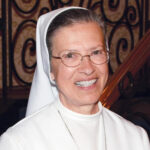
Obituary: Salesian Sister Mary C. Rinaldi, long-time development director, 81 #Catholic – A Mass of Christian Burial will be held at St. Joseph Chapel at the provincial motherhouse of Salesian Sisters of St. John Bosco in North Haledon, N.J., on Friday, Dec. 5, at 5 p.m. for Sister Mary C. Rinaldi. She died on Nov. 30 at St. Joseph Provincial Center in Haledon, N.J., surrounded by her religious sisters. She was 81.
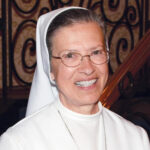
Sister Rinaldi was also a member of the Salesian Sisters, also known as the Daughters of Mary,
Help of Christians, for 61 years.
In 1944, Sister Rinaldi was born to Augustus and Nancy Rinaldi, the third of seven children. Throughout her time as a Salesian Sister, she served as a primary school teacher, director of Camp Auxilium in Newton, N.J., and founder of the Auxilium School for children ages three to five. The camp thrived under her leadership for 18 years.
In 1989, Sister Rinaldi was asked to open the first Development Office of the Eastern Province — a significant shift from her years in education. After almost 40 years in development, she said, “I learned to raise money, but best of all, I learned to make many friends.”
As development director, Sister Rinaldi “devoted herself to opening doors for many young people to receive quality education and participate in Salesian summer camps. She also cared lovingly and attentively for the senior sisters at the Provincial House,” the Salesian Sisters community posted on social media.
The Mass of Christian Burial for Sister Rinaldi on Dec. 5, the memorial of Blessed Philip Rinaldi, will follow a wake at 2:30 p.m. and a rosary at 4 p.m. Repast will be held in the gym of Mary Help of Christians Academy on the campus after the Mass.
Make memorial donations in Sister Rinaldi’s name to the Sr. Mary C. Rinaldi Endowment for Salesian Sisters.

Click here to subscribe to our weekly newsletter.

Obituary: Salesian Sister Mary C. Rinaldi, long-time development director, 81 #Catholic – A Mass of Christian Burial will be held at St. Joseph Chapel at the provincial motherhouse of Salesian Sisters of St. John Bosco in North Haledon, N.J., on Friday, Dec. 5, at 5 p.m. for Sister Mary C. Rinaldi. She died on Nov. 30 at St. Joseph Provincial Center in Haledon, N.J., surrounded by her religious sisters. She was 81. Sister Rinaldi was also a member of the Salesian Sisters, also known as the Daughters of Mary, Help of Christians, for 61 years. In 1944, Sister Rinaldi was born to Augustus and Nancy Rinaldi, the third of seven children. Throughout her time as a Salesian Sister, she served as a primary school teacher, director of Camp Auxilium in Newton, N.J., and founder of the Auxilium School for children ages three to five. The camp thrived under her leadership for 18 years. In 1989, Sister Rinaldi was asked to open the first Development Office of the Eastern Province — a significant shift from her years in education. After almost 40 years in development, she said, “I learned to raise money, but best of all, I learned to make many friends.” As development director, Sister Rinaldi “devoted herself to opening doors for many young people to receive quality education and participate in Salesian summer camps. She also cared lovingly and attentively for the senior sisters at the Provincial House,” the Salesian Sisters community posted on social media. The Mass of Christian Burial for Sister Rinaldi on Dec. 5, the memorial of Blessed Philip Rinaldi, will follow a wake at 2:30 p.m. and a rosary at 4 p.m. Repast will be held in the gym of Mary Help of Christians Academy on the campus after the Mass. Make memorial donations in Sister Rinaldi’s name to the Sr. Mary C. Rinaldi Endowment for Salesian Sisters. Click here to subscribe to our weekly newsletter.

Obituary: Salesian Sister Mary C. Rinaldi, long-time development director, 81 #Catholic –

A Mass of Christian Burial will be held at St. Joseph Chapel at the provincial motherhouse of Salesian Sisters of St. John Bosco in North Haledon, N.J., on Friday, Dec. 5, at 5 p.m. for Sister Mary C. Rinaldi. She died on Nov. 30 at St. Joseph Provincial Center in Haledon, N.J., surrounded by her religious sisters. She was 81.

Sister Rinaldi was also a member of the Salesian Sisters, also known as the Daughters of Mary,
Help of Christians, for 61 years.

In 1944, Sister Rinaldi was born to Augustus and Nancy Rinaldi, the third of seven children. Throughout her time as a Salesian Sister, she served as a primary school teacher, director of Camp Auxilium in Newton, N.J., and founder of the Auxilium School for children ages three to five. The camp thrived under her leadership for 18 years.

In 1989, Sister Rinaldi was asked to open the first Development Office of the Eastern Province — a significant shift from her years in education. After almost 40 years in development, she said, “I learned to raise money, but best of all, I learned to make many friends.”

As development director, Sister Rinaldi “devoted herself to opening doors for many young people to receive quality education and participate in Salesian summer camps. She also cared lovingly and attentively for the senior sisters at the Provincial House,” the Salesian Sisters community posted on social media.

The Mass of Christian Burial for Sister Rinaldi on Dec. 5, the memorial of Blessed Philip Rinaldi, will follow a wake at 2:30 p.m. and a rosary at 4 p.m. Repast will be held in the gym of Mary Help of Christians Academy on the campus after the Mass.

Make memorial donations in Sister Rinaldi’s name to the Sr. Mary C. Rinaldi Endowment for Salesian Sisters.


Click here to subscribe to our weekly newsletter.

A Mass of Christian Burial will be held at St. Joseph Chapel at the provincial motherhouse of Salesian Sisters of St. John Bosco in North Haledon, N.J., on Friday, Dec. 5, at 5 p.m. for Sister Mary C. Rinaldi. She died on Nov. 30 at St. Joseph Provincial Center in Haledon, N.J., surrounded by her religious sisters. She was 81. Sister Rinaldi was also a member of the Salesian Sisters, also known as the Daughters of Mary, Help of Christians, for 61 years. In 1944, Sister Rinaldi was born to Augustus and Nancy Rinaldi, the third of seven children. Throughout
Read More
Hidden Catholic histories come alive in new Black and Native American films #Catholic 
 
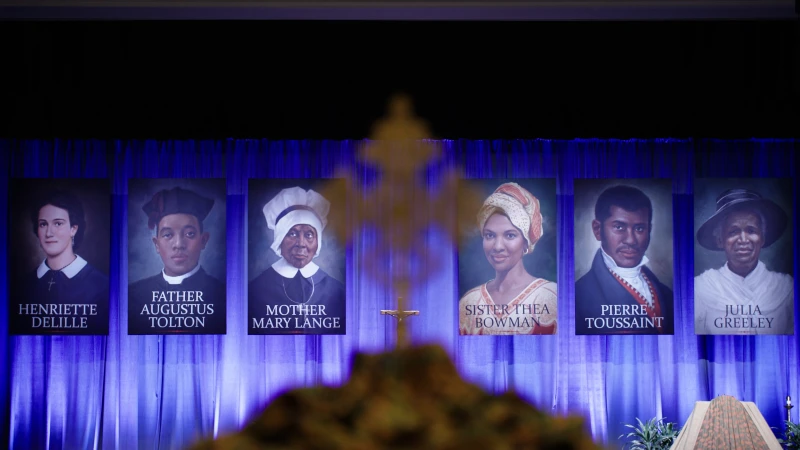
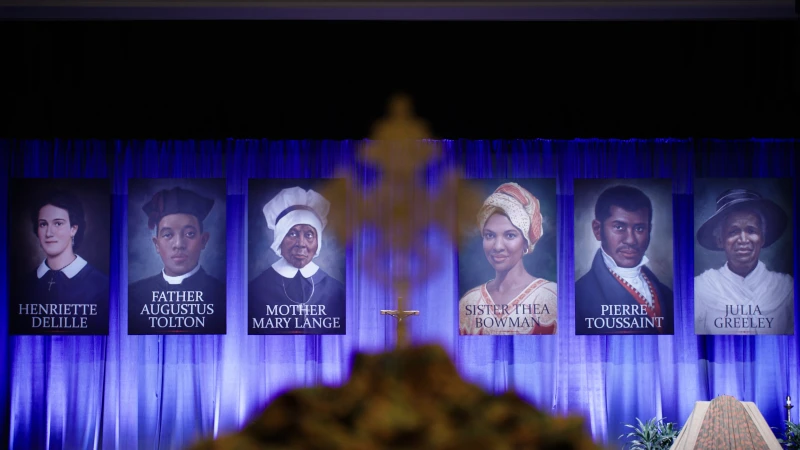
 A still from “Trailblazers of Faith: The Legacy of African American Catholics,” which tells the inspiring story of how African Americans found a home in Catholicism without abandoning their identity or culture. Those pictured are the African Americans currently on the path to sainthood: Venerable Henriette DeLille, Julia Greeley, Father Augustus Tolton, Mother Mary Lange, Pierre Toussaint, and Sister Thea Bowman. / Credit: Black and Indian Mission Office

CNA Staff, Dec 7, 2025 / 07:00 am (CNA).
The Black and Indian Mission Office in Washington, D.C., recently released two documentaries — one highlighting African American Catholics on the path to sainthood and the focusing on Native American Catholic communities in the United States. “Trailblazers of Faith: The Legacy of African American Catholics” tells the inspiring story of how African Americans found a home in Catholicism without abandoning their identity or culture. From the pioneering Oblate Sisters of Providence and St. Frances Academy to the lives of Venerable Henriette DeLille, Julia Greeley, Father Augustus Tolton, and Sister Thea Bowman, the documentary celebrates a legacy of leadership and faith.The second film, “Walking the Sacred Path: The Story of the Black and Indian Mission Office,” uncovers the often-hidden story of Native American Catholics in the United States. The film explores the powerful intersection of faith and culture — where the beauty of Native traditions and the universality of Catholicism meet — and highlights more than 140 years of the Black and Indian Mission Office’s mission to walk alongside Native American communities. Father Maurice Henry Sands is the executive director of the Black and Indian Mission Office. He told CNA in an interview that these documentaries were created “to educate people about these two groups of people that a lot of people don’t know much about,” as well as “to educate people about the work that our office is doing with these two groups of people.”The Black and Indian Mission Collection was the first national collection established at the Third Plenary Council of Baltimore in 1884 and is still taken up yearly funding the Black and Indian Mission Office.The United States bishops recognized the need to support missionary work among African American and Native American Catholics and since its creation the collection has allowed for grants to be given to dioceses across the country to operate schools, parishes, and other missionary services that build the body of Christ in Native American, Alaska Native, and Black Catholic communities.Sands shared that it is important for Catholics to walk alongside these communities because “we are all part of the human race that the Lord directs his work of salvation towards.”“It’s important that we learn how to live together and walk together because as human beings we do put up walls and barriers and we see differences among ourselves,” he said, adding that racism “has caused a lot of difficulties for the two groups of people.” “So, we have a fundamental call as disciples of Christ, as Catholics, as Christians, to help the Lord and his work of salvation to love one another and to have a special concern for those of our brothers and sisters who are disadvantaged and in need,” he said.Speaking specifically to the documentary on the African American Catholics on their way to sainthood, Sands explained that the six individuals included all serve as great role models for the faithful because “each of them had very challenging beginnings but went on to be great lovers of Our Lord and were a great witness to others and helped people in need as they saw the needs of people around them and were very effective in doing that.”He added that the early Church missionaries who served Native Americans also serve as role models in how to “help people where they are to come to know Christ, to love him, and to have a relationship with him.”Sands said he hopes viewers will feel moved to “learn more about how they can support the ministry to these two groups of people and to learn more about how they can support the work that we are doing in our office.”Both documentaries can be viewed on Formed.

Hidden Catholic histories come alive in new Black and Native American films #Catholic A still from “Trailblazers of Faith: The Legacy of African American Catholics,” which tells the inspiring story of how African Americans found a home in Catholicism without abandoning their identity or culture. Those pictured are the African Americans currently on the path to sainthood: Venerable Henriette DeLille, Julia Greeley, Father Augustus Tolton, Mother Mary Lange, Pierre Toussaint, and Sister Thea Bowman. / Credit: Black and Indian Mission Office CNA Staff, Dec 7, 2025 / 07:00 am (CNA). The Black and Indian Mission Office in Washington, D.C., recently released two documentaries — one highlighting African American Catholics on the path to sainthood and the focusing on Native American Catholic communities in the United States. “Trailblazers of Faith: The Legacy of African American Catholics” tells the inspiring story of how African Americans found a home in Catholicism without abandoning their identity or culture. From the pioneering Oblate Sisters of Providence and St. Frances Academy to the lives of Venerable Henriette DeLille, Julia Greeley, Father Augustus Tolton, and Sister Thea Bowman, the documentary celebrates a legacy of leadership and faith.The second film, “Walking the Sacred Path: The Story of the Black and Indian Mission Office,” uncovers the often-hidden story of Native American Catholics in the United States. The film explores the powerful intersection of faith and culture — where the beauty of Native traditions and the universality of Catholicism meet — and highlights more than 140 years of the Black and Indian Mission Office’s mission to walk alongside Native American communities. Father Maurice Henry Sands is the executive director of the Black and Indian Mission Office. He told CNA in an interview that these documentaries were created “to educate people about these two groups of people that a lot of people don’t know much about,” as well as “to educate people about the work that our office is doing with these two groups of people.”The Black and Indian Mission Collection was the first national collection established at the Third Plenary Council of Baltimore in 1884 and is still taken up yearly funding the Black and Indian Mission Office.The United States bishops recognized the need to support missionary work among African American and Native American Catholics and since its creation the collection has allowed for grants to be given to dioceses across the country to operate schools, parishes, and other missionary services that build the body of Christ in Native American, Alaska Native, and Black Catholic communities.Sands shared that it is important for Catholics to walk alongside these communities because “we are all part of the human race that the Lord directs his work of salvation towards.”“It’s important that we learn how to live together and walk together because as human beings we do put up walls and barriers and we see differences among ourselves,” he said, adding that racism “has caused a lot of difficulties for the two groups of people.” “So, we have a fundamental call as disciples of Christ, as Catholics, as Christians, to help the Lord and his work of salvation to love one another and to have a special concern for those of our brothers and sisters who are disadvantaged and in need,” he said.Speaking specifically to the documentary on the African American Catholics on their way to sainthood, Sands explained that the six individuals included all serve as great role models for the faithful because “each of them had very challenging beginnings but went on to be great lovers of Our Lord and were a great witness to others and helped people in need as they saw the needs of people around them and were very effective in doing that.”He added that the early Church missionaries who served Native Americans also serve as role models in how to “help people where they are to come to know Christ, to love him, and to have a relationship with him.”Sands said he hopes viewers will feel moved to “learn more about how they can support the ministry to these two groups of people and to learn more about how they can support the work that we are doing in our office.”Both documentaries can be viewed on Formed.


A still from “Trailblazers of Faith: The Legacy of African American Catholics,” which tells the inspiring story of how African Americans found a home in Catholicism without abandoning their identity or culture. Those pictured are the African Americans currently on the path to sainthood: Venerable Henriette DeLille, Julia Greeley, Father Augustus Tolton, Mother Mary Lange, Pierre Toussaint, and Sister Thea Bowman. / Credit: Black and Indian Mission Office

CNA Staff, Dec 7, 2025 / 07:00 am (CNA).

The Black and Indian Mission Office in Washington, D.C., recently released two documentaries — one highlighting African American Catholics on the path to sainthood and the focusing on Native American Catholic communities in the United States. 

“Trailblazers of Faith: The Legacy of African American Catholics” tells the inspiring story of how African Americans found a home in Catholicism without abandoning their identity or culture. 

From the pioneering Oblate Sisters of Providence and St. Frances Academy to the lives of Venerable Henriette DeLille, Julia Greeley, Father Augustus Tolton, and Sister Thea Bowman, the documentary celebrates a legacy of leadership and faith.

The second film, “Walking the Sacred Path: The Story of the Black and Indian Mission Office,” uncovers the often-hidden story of Native American Catholics in the United States. The film explores the powerful intersection of faith and culture — where the beauty of Native traditions and the universality of Catholicism meet — and highlights more than 140 years of the Black and Indian Mission Office’s mission to walk alongside Native American communities. 

Father Maurice Henry Sands is the executive director of the Black and Indian Mission Office. He told CNA in an interview that these documentaries were created “to educate people about these two groups of people that a lot of people don’t know much about,” as well as “to educate people about the work that our office is doing with these two groups of people.”

The Black and Indian Mission Collection was the first national collection established at the Third Plenary Council of Baltimore in 1884 and is still taken up yearly funding the Black and Indian Mission Office.

The United States bishops recognized the need to support missionary work among African American and Native American Catholics and since its creation the collection has allowed for grants to be given to dioceses across the country to operate schools, parishes, and other missionary services that build the body of Christ in Native American, Alaska Native, and Black Catholic communities.

Sands shared that it is important for Catholics to walk alongside these communities because “we are all part of the human race that the Lord directs his work of salvation towards.”

“It’s important that we learn how to live together and walk together because as human beings we do put up walls and barriers and we see differences among ourselves,” he said, adding that racism “has caused a lot of difficulties for the two groups of people.” 

“So, we have a fundamental call as disciples of Christ, as Catholics, as Christians, to help the Lord and his work of salvation to love one another and to have a special concern for those of our brothers and sisters who are disadvantaged and in need,” he said.

Speaking specifically to the documentary on the African American Catholics on their way to sainthood, Sands explained that the six individuals included all serve as great role models for the faithful because “each of them had very challenging beginnings but went on to be great lovers of Our Lord and were a great witness to others and helped people in need as they saw the needs of people around them and were very effective in doing that.”

He added that the early Church missionaries who served Native Americans also serve as role models in how to “help people where they are to come to know Christ, to love him, and to have a relationship with him.”

Sands said he hopes viewers will feel moved to “learn more about how they can support the ministry to these two groups of people and to learn more about how they can support the work that we are doing in our office.”

Both documentaries can be viewed on Formed.

Read More
‘Sons of Thunder’ vocations group teaches boys how to be Catholic men – #Catholic – 
 
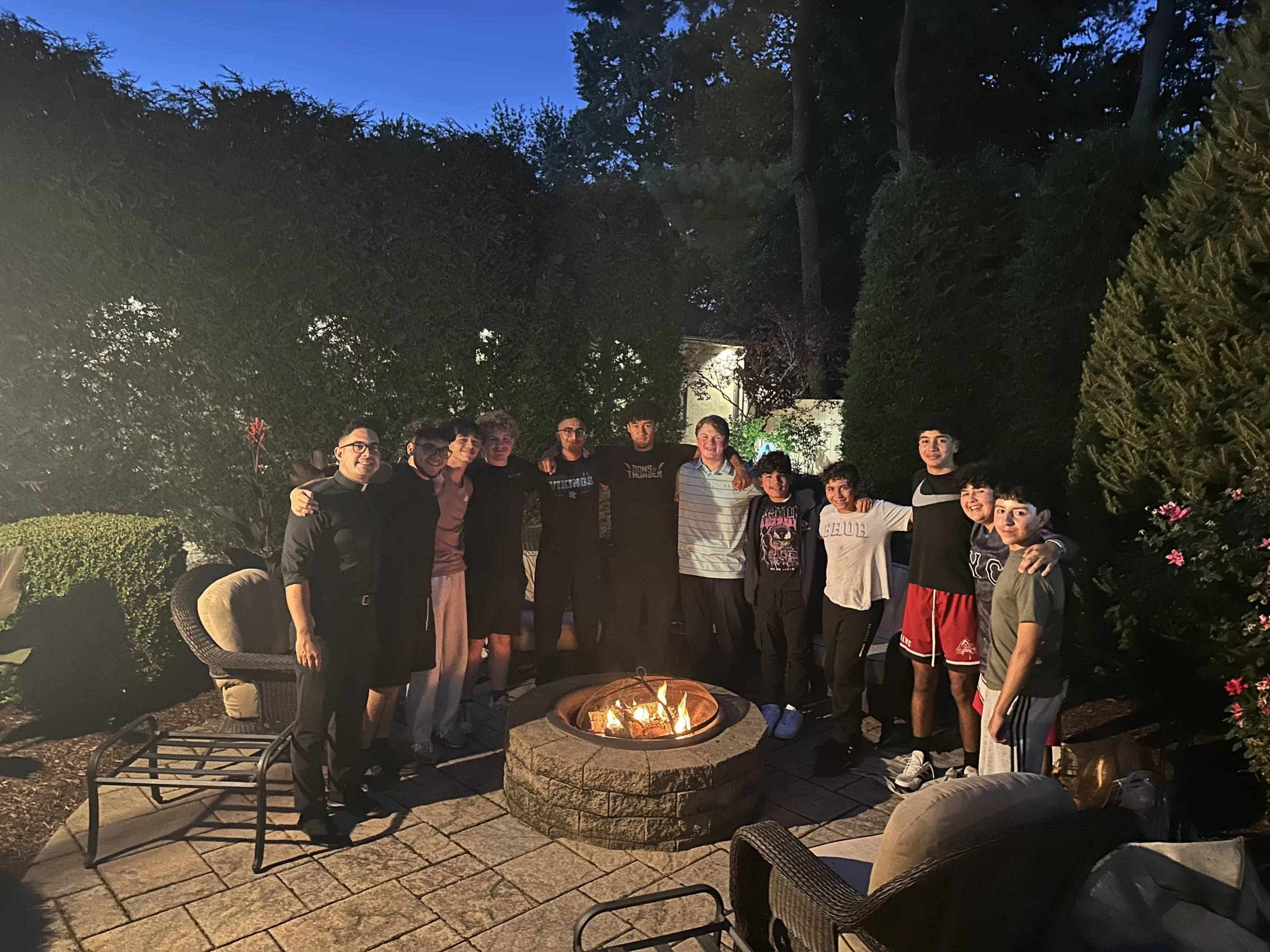
 The “Sons of Thunder” vocations club at St. Bartholomew Church in Scotch Plains, New Jersey. / Credit: Photo courtesy of Father Matthew Gonzalez

CNA Staff, Dec 7, 2025 / 06:00 am (CNA).
A little over a year ago, Father Matthew Gonzalez, a priest in the Archdiocese of Newark, New Jersey, had the idea to create a group for boys in grades eight to 12 that focuses on vocations and what it means to be a Catholic man in today’s world.“The Lord has placed a strong desire for vocations on my heart. I am convinced the Lord is still calling young men today,” Gonzalez told CNA.“A few years ago, I brought several of our parish young men to the Quo Vadis summer camp, a weeklong experience focused on authentic Christian manhood. They came home with a hunger for more — more faith, more fraternity, more service. That experience planted the seed,” he explained.Soon afterward, Gonzalez started the Sons of Thunder, which takes its name from Mark 3:17, where Jesus gave that nickname to the apostles James and John. The group meets once a month at St. Bartholomew Church in Scotch Plains, New Jersey, and currently has 12 members who come together for prayer and fellowship.Father Matthew Gonzalez (far right) takes part in community service with members from the Sons of Thunder vocations club. Credit: Courtesy of Father Matthew GonzalezEach monthly meeting starts with one of the boys leading evening prayer and another one handling the readings. Then the group watches a video from the Knights of Columbus called “Into the Breach,” a series on authentic masculinity that explores topics such as the importance of prayer and how to become a leader. A discussion follows the video.Gonzalez shared that the aim of the group is to inspire the boys to model themselves after the ultimate Catholic man — Jesus.“Every meeting always includes three pillars: prayer, faith formation, and fun. We pray together, learn together, and build brotherhood together,” he said.The group also frequently visits the local seminary and takes part in community service projects.“We’ve done a garden project in the rectory backyard, organized service for the needy and for religious communities, and held a beach cleanup day. Serving others is central to our mission,” Gonzalez said.Another central focus of the group is to introduce the boys to the priesthood.“People often say we have a vocations crisis. I don’t believe that. There is no crisis in vocations — the Lord is still calling, just as he always has. What we are facing is a crisis of meaning and purpose in our culture, and this affects young people deeply,” Gonzalez said.“Sons of Thunder exists to help restore a sense of identity as Christian men, of purpose, and of mission. When young men know who they are and what they’re made for, they can hear the Lord’s call more clearly.”Father Matthew Gonzalez (far left) with members of the “Sons of Thunder” vocations club. Credit: Photo courtesy of Father Matthew GonzalezGonzalez recently started a new assignment as rector of the Cathedral Basilica of the Sacred Heart in Newark, so the Sons of Thunder will look slightly different going forward. The group’s lay leader, who has helped Gonzalez run the group since its creation, will now be taking over the responsibilities of running the group.   “As I begin my new mission as the rector of the Cathedral Basilica of the Sacred Heart in Newark, I’m spending time learning the heartbeat of this parish family. But I absolutely hope to expand youth ministry here, and one way to do that is by beginning a new chapter of Sons of Thunder,” Gonzalez said. “I want the young men of this community to experience what our first group experienced.”For members who are currently in the group, were previously in the group, or will join one day, Gonzalez said his “greatest hope is that they learn the faith is worth living — even when it demands sacrifice and self-gift. And at the heart of it all is relationship: a relationship with God and the relationships they build with one another. If they leave knowing they are loved by God and made for greatness, the mission of Sons of Thunder is fulfilled.”

‘Sons of Thunder’ vocations group teaches boys how to be Catholic men – #Catholic – The “Sons of Thunder” vocations club at St. Bartholomew Church in Scotch Plains, New Jersey. / Credit: Photo courtesy of Father Matthew Gonzalez CNA Staff, Dec 7, 2025 / 06:00 am (CNA). A little over a year ago, Father Matthew Gonzalez, a priest in the Archdiocese of Newark, New Jersey, had the idea to create a group for boys in grades eight to 12 that focuses on vocations and what it means to be a Catholic man in today’s world.“The Lord has placed a strong desire for vocations on my heart. I am convinced the Lord is still calling young men today,” Gonzalez told CNA.“A few years ago, I brought several of our parish young men to the Quo Vadis summer camp, a weeklong experience focused on authentic Christian manhood. They came home with a hunger for more — more faith, more fraternity, more service. That experience planted the seed,” he explained.Soon afterward, Gonzalez started the Sons of Thunder, which takes its name from Mark 3:17, where Jesus gave that nickname to the apostles James and John. The group meets once a month at St. Bartholomew Church in Scotch Plains, New Jersey, and currently has 12 members who come together for prayer and fellowship.Father Matthew Gonzalez (far right) takes part in community service with members from the Sons of Thunder vocations club. Credit: Courtesy of Father Matthew GonzalezEach monthly meeting starts with one of the boys leading evening prayer and another one handling the readings. Then the group watches a video from the Knights of Columbus called “Into the Breach,” a series on authentic masculinity that explores topics such as the importance of prayer and how to become a leader. A discussion follows the video.Gonzalez shared that the aim of the group is to inspire the boys to model themselves after the ultimate Catholic man — Jesus.“Every meeting always includes three pillars: prayer, faith formation, and fun. We pray together, learn together, and build brotherhood together,” he said.The group also frequently visits the local seminary and takes part in community service projects.“We’ve done a garden project in the rectory backyard, organized service for the needy and for religious communities, and held a beach cleanup day. Serving others is central to our mission,” Gonzalez said.Another central focus of the group is to introduce the boys to the priesthood.“People often say we have a vocations crisis. I don’t believe that. There is no crisis in vocations — the Lord is still calling, just as he always has. What we are facing is a crisis of meaning and purpose in our culture, and this affects young people deeply,” Gonzalez said.“Sons of Thunder exists to help restore a sense of identity as Christian men, of purpose, and of mission. When young men know who they are and what they’re made for, they can hear the Lord’s call more clearly.”Father Matthew Gonzalez (far left) with members of the “Sons of Thunder” vocations club. Credit: Photo courtesy of Father Matthew GonzalezGonzalez recently started a new assignment as rector of the Cathedral Basilica of the Sacred Heart in Newark, so the Sons of Thunder will look slightly different going forward. The group’s lay leader, who has helped Gonzalez run the group since its creation, will now be taking over the responsibilities of running the group.   “As I begin my new mission as the rector of the Cathedral Basilica of the Sacred Heart in Newark, I’m spending time learning the heartbeat of this parish family. But I absolutely hope to expand youth ministry here, and one way to do that is by beginning a new chapter of Sons of Thunder,” Gonzalez said. “I want the young men of this community to experience what our first group experienced.”For members who are currently in the group, were previously in the group, or will join one day, Gonzalez said his “greatest hope is that they learn the faith is worth living — even when it demands sacrifice and self-gift. And at the heart of it all is relationship: a relationship with God and the relationships they build with one another. If they leave knowing they are loved by God and made for greatness, the mission of Sons of Thunder is fulfilled.”


The “Sons of Thunder” vocations club at St. Bartholomew Church in Scotch Plains, New Jersey. / Credit: Photo courtesy of Father Matthew Gonzalez

CNA Staff, Dec 7, 2025 / 06:00 am (CNA).

A little over a year ago, Father Matthew Gonzalez, a priest in the Archdiocese of Newark, New Jersey, had the idea to create a group for boys in grades eight to 12 that focuses on vocations and what it means to be a Catholic man in today’s world.

“The Lord has placed a strong desire for vocations on my heart. I am convinced the Lord is still calling young men today,” Gonzalez told CNA.

“A few years ago, I brought several of our parish young men to the Quo Vadis summer camp, a weeklong experience focused on authentic Christian manhood. They came home with a hunger for more — more faith, more fraternity, more service. That experience planted the seed,” he explained.

Soon afterward, Gonzalez started the Sons of Thunder, which takes its name from Mark 3:17, where Jesus gave that nickname to the apostles James and John. The group meets once a month at St. Bartholomew Church in Scotch Plains, New Jersey, and currently has 12 members who come together for prayer and fellowship.

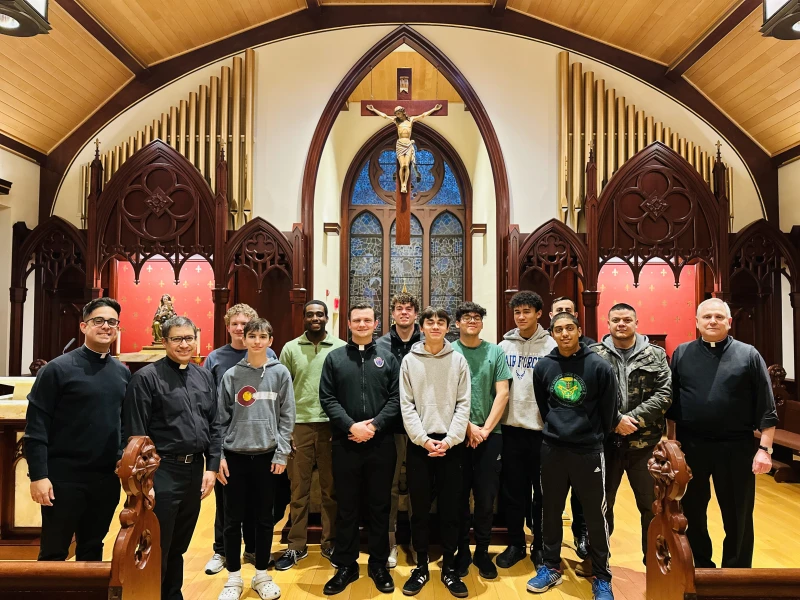
Father Matthew Gonzalez (far right) takes part in community service with members from the Sons of Thunder vocations club. Credit: Courtesy of Father Matthew Gonzalez

Each monthly meeting starts with one of the boys leading evening prayer and another one handling the readings. Then the group watches a video from the Knights of Columbus called “Into the Breach,” a series on authentic masculinity that explores topics such as the importance of prayer and how to become a leader. A discussion follows the video.

Gonzalez shared that the aim of the group is to inspire the boys to model themselves after the ultimate Catholic man — Jesus.

“Every meeting always includes three pillars: prayer, faith formation, and fun. We pray together, learn together, and build brotherhood together,” he said.

The group also frequently visits the local seminary and takes part in community service projects.

“We’ve done a garden project in the rectory backyard, organized service for the needy and for religious communities, and held a beach cleanup day. Serving others is central to our mission,” Gonzalez said.

Another central focus of the group is to introduce the boys to the priesthood.

“People often say we have a vocations crisis. I don’t believe that. There is no crisis in vocations — the Lord is still calling, just as he always has. What we are facing is a crisis of meaning and purpose in our culture, and this affects young people deeply,” Gonzalez said.

“Sons of Thunder exists to help restore a sense of identity as Christian men, of purpose, and of mission. When young men know who they are and what they’re made for, they can hear the Lord’s call more clearly.”

Father Matthew Gonzalez (far left) with members of the "Sons of Thunder" vocations club. Credit: Photo courtesy of Father Matthew Gonzalez
Father Matthew Gonzalez (far left) with members of the “Sons of Thunder” vocations club. Credit: Photo courtesy of Father Matthew Gonzalez

Gonzalez recently started a new assignment as rector of the Cathedral Basilica of the Sacred Heart in Newark, so the Sons of Thunder will look slightly different going forward. The group’s lay leader, who has helped Gonzalez run the group since its creation, will now be taking over the responsibilities of running the group.   

“As I begin my new mission as the rector of the Cathedral Basilica of the Sacred Heart in Newark, I’m spending time learning the heartbeat of this parish family. But I absolutely hope to expand youth ministry here, and one way to do that is by beginning a new chapter of Sons of Thunder,” Gonzalez said. “I want the young men of this community to experience what our first group experienced.”

For members who are currently in the group, were previously in the group, or will join one day, Gonzalez said his “greatest hope is that they learn the faith is worth living — even when it demands sacrifice and self-gift. And at the heart of it all is relationship: a relationship with God and the relationships they build with one another. If they leave knowing they are loved by God and made for greatness, the mission of Sons of Thunder is fulfilled.”

Read More

Sagittarius B2 Molecular Cloud – NASA’s James Webb Space Telescope took a look at the Sagittarius B2 molecular cloud, the most massive, and active star-forming region in our galaxy, located only a few hundred light years from our central supermassive black hole.

NASA’s James Webb Space Telescope took a look at the Sagittarius B2 molecular cloud, the most massive, and active star-forming region in our galaxy, located only a few hundred light years from our central supermassive black hole.

Read More

Lord God,
no one is a stranger to you
and no one is ever far from your loving care.
In your kindness, watch over refugees and victims of war,
those separated from their loved ones,
young people who are lost,
and those who have left home or who have run away from home.
Bring them back safely to the place where they long to be
and help us always to show your kindness
to strangers and to all in need
Grant this through Christ our Lord.

Read More

Gospel and Word of the Day – 07 December 2025 – A reading from the Book of Isaiah 11:1-10 On that day, a shoot shall sprout from the stump of Jesse, and from his roots a bud shall blossom. The spirit of the LORD shall rest upon him: a spirit of wisdom and of understanding, a spirit of counsel and of strength, a spirit of knowledge and of fear of the LORD, and his delight shall be the fear of the LORD. Not by appearance shall he judge, nor by hearsay shall he decide, but he shall judge the poor with justice, and decide aright for the land’s afflicted. He shall strike the ruthless with the rod of his mouth, and with the breath of his lips he shall slay the wicked. Justice shall be the band around his waist, and faithfulness a belt upon his hips. Then the wolf shall be a guest of the lamb, and the leopard shall lie down with the kid; the calf and the young lion shall browse together, with a little child to guide them. The cow and the bear shall be neighbors, together their young shall rest; the lion shall eat hay like the ox. The baby shall play by the cobra’s den, and the child lay his hand on the adder’s lair. There shall be no harm or ruin on all my holy mountain; for the earth shall be filled with knowledge of the LORD, as water covers the sea. On that day, the root of Jesse, set up as a signal for the nations, the Gentiles shall seek out, for his dwelling shall be glorious.   A reading from the Letter of St. Paul to the Romans 15:4-9 Brothers and sisters: Whatever was written previously was written for our instruction, that by endurance and by the encouragement of the Scriptures we might have hope. May the God of endurance and encouragement grant you to think in harmony with one another, in keeping with Christ Jesus, that with one accord you may with one voice glorify the God and Father of our Lord Jesus Christ. Welcome one another, then, as Christ welcomed you, for the glory of God. For I say that Christ became a minister of the circumcised to show God’s truthfulness, to confirm the promises to the patriarchs, but so that the Gentiles might glorify God for his mercy. As it is written: Therefore, I will praise you among the Gentiles and sing praises to your name.From hte Gospel according to Matthew 3:1-12 John the Baptist appeared, preaching in the desert of Judea and saying, "Repent, for the kingdom of heaven is at hand!" It was of him that the prophet Isaiah had spoken when he said: A voice of one crying out in the desert, Prepare the way of the Lord, make straight his paths. John wore clothing made of camel’s hair and had a leather belt around his waist. His food was locusts and wild honey. At that time Jerusalem, all Judea, and the whole region around the Jordan were going out to him and were being baptized by him in the Jordan River as they acknowledged their sins. When he saw many of the Pharisees and Sadducees coming to his baptism, he said to them, "You brood of vipers! Who warned you to flee from the coming wrath? Produce good fruit as evidence of your repentance. And do not presume to say to yourselves, ‘We have Abraham as our father.’ For I tell you, God can raise up children to Abraham from these stones. Even now the ax lies at the root of the trees. Therefore every tree that does not bear good fruit will be cut down and thrown into the fire. I am baptizing you with water, for repentance, but the one who is coming after me is mightier than I. I am not worthy to carry his sandals. He will baptize you with the Holy Spirit and fire. His winnowing fan is in his hand. He will clear his threshing floor and gather his wheat into his barn, but the chaff he will burn with unquenchable fire."Today, the Second Sunday of Advent, the Gospel for the Liturgy presents the figure of John the Baptist. The text says that John “wore a garment of camel’s hair”, that “his food was locusts and wild honey” (Mt 3:4), and that he invited everyone to conversion: “Repent, for the kingdom of heaven is at hand”! (v. 2). He preached the nearness of the Kingdom. In short, he was an austere and radical man, who at first sight might appear somewhat harsh and could instil a certain fear. (…) In reality, the Baptist, more than being a harsh man, was a man who was allergic to duplicity. Listen well to this: allergic to duplicity. For example, when the Pharisees and Sadducees, who were known for their hypocrisy, approached him, his “allergic reaction” was very strong! In fact, some of them probably went to him out of curiosity or opportunism because John had become quite popular. (…) So, John says to them: “Bear fruit that befits repentance!” (v. 8). This is a cry of love, like the cry of a father who sees his son ruining himself and tells him: “Don’t throw your life away”! In essence, dear brothers and sisters, hypocrisy is the greatest danger because it can ruin even the most sacred realities. (…) With his “allergic reactions” John makes us reflect. Are we not at times a bit like those Pharisees? (…) Advent is a time of grace to take off our masks — each one of us has them — and line up with those who are humble, to be liberated from the presumption of believing we are self-sufficient, to go to confess our sins, the hidden ones, and to welcome God’s pardon, to ask forgiveness from those we offended. This is how to begin a new life. (Pope Francis, Angelus, 4 December 2022)

A reading from the Book of Isaiah
11:1-10

On that day, a shoot shall sprout from the stump of Jesse,
and from his roots a bud shall blossom.
The spirit of the LORD shall rest upon him:
a spirit of wisdom and of understanding,
a spirit of counsel and of strength,
a spirit of knowledge and of fear of the LORD,
and his delight shall be the fear of the LORD.
Not by appearance shall he judge,
nor by hearsay shall he decide,
but he shall judge the poor with justice,
and decide aright for the land’s afflicted.
He shall strike the ruthless with the rod of his mouth,
and with the breath of his lips he shall slay the wicked.
Justice shall be the band around his waist,
and faithfulness a belt upon his hips.
Then the wolf shall be a guest of the lamb,
and the leopard shall lie down with the kid;
the calf and the young lion shall browse together,
with a little child to guide them.
The cow and the bear shall be neighbors,
together their young shall rest;
the lion shall eat hay like the ox.
The baby shall play by the cobra’s den,
and the child lay his hand on the adder’s lair.
There shall be no harm or ruin on all my holy mountain;
for the earth shall be filled with knowledge of the LORD,
as water covers the sea.
On that day, the root of Jesse,
set up as a signal for the nations,
the Gentiles shall seek out,
for his dwelling shall be glorious.


A reading from the Letter of St. Paul to the Romans
15:4-9

Brothers and sisters:
Whatever was written previously was written for our instruction,
that by endurance and by the encouragement of the Scriptures
we might have hope.
May the God of endurance and encouragement
grant you to think in harmony with one another,
in keeping with Christ Jesus,
that with one accord you may with one voice
glorify the God and Father of our Lord Jesus Christ.

Welcome one another, then, as Christ welcomed you,
for the glory of God.
For I say that Christ became a minister of the circumcised
to show God’s truthfulness,
to confirm the promises to the patriarchs,
but so that the Gentiles might glorify God for his mercy.
As it is written:
Therefore, I will praise you among the Gentiles
and sing praises to your name.

From hte Gospel according to Matthew
3:1-12

John the Baptist appeared, preaching in the desert of Judea
and saying, "Repent, for the kingdom of heaven is at hand!"
It was of him that the prophet Isaiah had spoken when he said:
A voice of one crying out in the desert,
Prepare the way of the Lord,
make straight his paths.
John wore clothing made of camel’s hair
and had a leather belt around his waist.
His food was locusts and wild honey.
At that time Jerusalem, all Judea,
and the whole region around the Jordan
were going out to him
and were being baptized by him in the Jordan River
as they acknowledged their sins.

When he saw many of the Pharisees and Sadducees
coming to his baptism, he said to them, "You brood of vipers!
Who warned you to flee from the coming wrath?
Produce good fruit as evidence of your repentance.
And do not presume to say to yourselves,
‘We have Abraham as our father.’
For I tell you,
God can raise up children to Abraham from these stones.
Even now the ax lies at the root of the trees.
Therefore every tree that does not bear good fruit
will be cut down and thrown into the fire.
I am baptizing you with water, for repentance,
but the one who is coming after me is mightier than I.
I am not worthy to carry his sandals.
He will baptize you with the Holy Spirit and fire.
His winnowing fan is in his hand.
He will clear his threshing floor
and gather his wheat into his barn,
but the chaff he will burn with unquenchable fire."

Today, the Second Sunday of Advent, the Gospel for the Liturgy presents the figure of John the Baptist. The text says that John “wore a garment of camel’s hair”, that “his food was locusts and wild honey” (Mt 3:4), and that he invited everyone to conversion: “Repent, for the kingdom of heaven is at hand”! (v. 2). He preached the nearness of the Kingdom. In short, he was an austere and radical man, who at first sight might appear somewhat harsh and could instil a certain fear. (…) In reality, the Baptist, more than being a harsh man, was a man who was allergic to duplicity. Listen well to this: allergic to duplicity. For example, when the Pharisees and Sadducees, who were known for their hypocrisy, approached him, his “allergic reaction” was very strong! In fact, some of them probably went to him out of curiosity or opportunism because John had become quite popular. (…) So, John says to them: “Bear fruit that befits repentance!” (v. 8). This is a cry of love, like the cry of a father who sees his son ruining himself and tells him: “Don’t throw your life away”! In essence, dear brothers and sisters, hypocrisy is the greatest danger because it can ruin even the most sacred realities. (…) With his “allergic reactions” John makes us reflect. Are we not at times a bit like those Pharisees? (…) Advent is a time of grace to take off our masks — each one of us has them — and line up with those who are humble, to be liberated from the presumption of believing we are self-sufficient, to go to confess our sins, the hidden ones, and to welcome God’s pardon, to ask forgiveness from those we offended. This is how to begin a new life. (Pope Francis, Angelus, 4 December 2022)

Read More
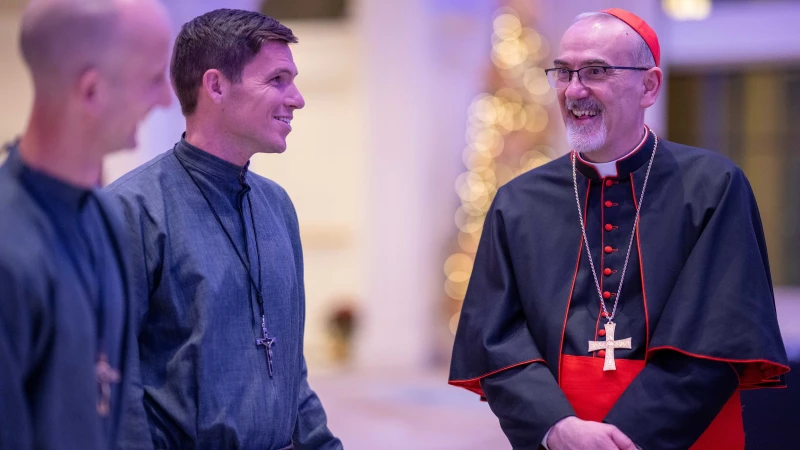
On visit to Detroit, patriarch of Jerusalem focuses on hope for Holy Land Christians – #Catholic – 
 
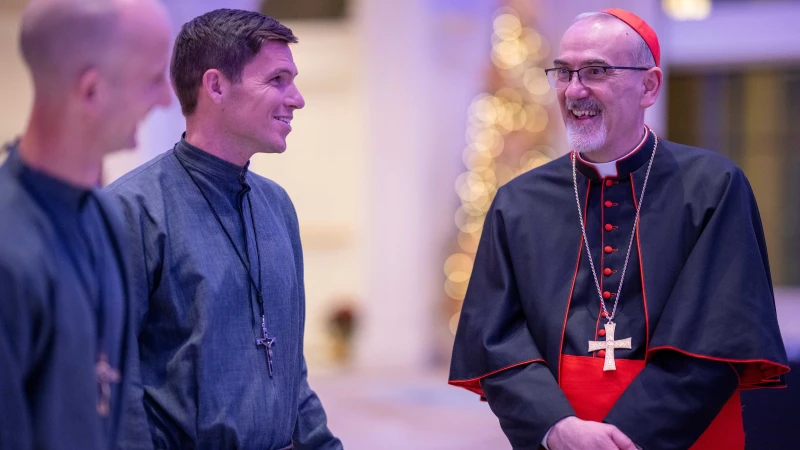
 Cardinal Pierbattista Pizzaballa, the Latin Patriarch of Jerusalem, speaks with members of Society of Our Lady of the Most Holy Trinity (SOLT), during a Dec. 5, 2025 fundraising dinner to support of Christians in the Holy Land at St. John's Resort in Plymouth, Michigan. / Credit: Courtesy of Detroit Catholic, photos by Tim Fuller.

Ann Arbor, Michigan, Dec 6, 2025 / 15:30 pm (CNA).
Cardinal Pierbattista Pizzaballa, the Latin Patriarch of Jerusalem, expressed cautious hope for peace in Gaza, calling on people of the region to combat hatred and “think differently” about each other. Pizzaballa, whose authority extends over Latin Catholics in Israel, Palestine, Jordan, and Cyprus, also holds the office of grand prior of the Order of the Holy Sepulchre. He began a four-day pastoral visit to metro Detroit on Dec. 4, celebrating Mass with the Chaldean community at St. Thomas Chaldean Catholic Church in West Bloomfield, Michigan. Detroit Archbishop Edward J. Weisenburger and Chaldean Bishop Francis Y. Kalabat joined him. Throughout the visit, the cardinal offered a sober yet grounded message of hope for Christians in the Holy Land.At a press conference on Dec. 5, Weisenburger welcomed the cardinal and praised his efforts to promote a “just and lasting peace” in Gaza. Asked by CNA what hope remains for Holy Land Christians amid what he had described as some of the worst devastation in decades, Pizzaballa cautioned against equating hope with immediate political solutions.“Hope is a complicated word,” he said. “You must not confuse hope with a political solution, which will not arrive soon, not in Gaza, the Holy Land, or the Palestinian-Israeli conflict. If you put your hope in this, you will be frustrated.” He emphasized that both political and religious institutions must work to nurture hope.“Hope,” the cardinal continued, “is a word that cannot remain alone. It has to put roots in something else,” namely, faith and desire. He added, “There needs to be a desire for it to be realized. A second consideration is that if institutions fail, we need people to think differently, to act differently, both Israelis and Palestinians. This may not resolve all the problems, but it says to people, ‘All is not lost.’”Christians represent only about 1% of Gaza’s population—roughly 500 people—and about 2% of the population in both Israel and the West Bank, where there are about 190,000 and 45,000 Christians, respectively. Many continue to emigrate, raising fears about the future of Christianity in the region. Gaza has only one Catholic parish, for example.The patriarch described the increasingly dire conditions in Gaza since the Oct. 7, 2023, Hamas terrorist attack on Israel. Most infrastructure—homes, hospitals, and schools—has been reduced to rubble, he said, leaving families in tents as winter approaches and food remains scarce. During a visit after Hamas and Israel concluded a ceasefire this fall, he brought food, including chicken, to Christians sheltering at the Holy Family parish compound. “It was the first meat they had seen in nine months,” he said. Although food enters Gaza, much of it ends up in markets, where many have no cash to purchase it, he said.Despite the devastation, sacramental life continues. Hosting some 500 displaced Gazans, the parish has school activities and daily liturgies, including Mass, Vespers, the Rosary, and Eucharistic Adoration. First Communions and even a wedding have taken place. The parish’s sacramental life has emboldened solidarity among those taking shelter at the church, but has been a spiritual aid, Pizzaballa said. “Every time I speak with them, I never hear a word of anger; never,” Pizzaballa said. “And one person, I can’t even say the name, he was the director of the hospital. One evening, in Gaza, between the bombs falling not far from the compound, he said, ‘You know, bishop, we Christians have a problem. Amidst all the violence, we are not able to hate them.’”While Israel and Hamas agreed to a ceasefire on Oct. 9, Pizzaballa said Gazans are only now emerging from “survival mode.” He said, “They ask, ‘What do we do now? When will rebuilding start? What governance will there be? Who will decide? What about our children?’ There was no emotional space for these questions before, but now they are coming out.”Weisenburger acknowledged the complexity of the situation, saying it cannot be “simplified into sound bites.” He reflected on the human cost of the war: “Too many of those bombs that killed some 70,000 people, wiped their homes from the face of the earth, and destroyed their cities, schools, and hospitals, were from us. I think we in America must accept some responsibility for rebuilding.” He expressed gratitude for the cardinal’s message of hope, adding that generous Detroiters had already pledged about 0,000 for needs in the Holy Land. “By doing something, we can nurture hope,” he said.In his homily at the Chaldean community Mass, Pizzaballa compared Isaiah’s vision of restoration with present-day devastation in the Middle East, including the suffering of Chaldeans in Iraq at the hands of ISIS. He stressed the Church’s mission of fostering peace. Regarding the Hamas attack, he said, “We have to say this very clearly: it is not acceptable at all.” He added, however, that Israel’s “retaliation, what happened after in Gaza, is an even more difficult answer.” He emphasized, “We are not against Israel,” while insisting that “The situation will never change as long as the Palestinians are not recognized as people with their dignity and a right of self-determination.”On Dec. 5, the cardinal visited fellow Franciscans at St. Bonaventure Monastery and prayed at the tomb of Blessed Solanus Casey. He received a first-class relic of Blessed Solanus to bring to Jerusalem. The Chaldean community also presented him with relics of four Chaldean martyrs. The next day, he visited Sacred Heart Seminary and spoke with seminarians and faculty.About 500 people attended the Dec. 5 fundraising dinner held at St. John’s Resort, the former seminary campus dedicated to charitable hospitality. Weisenburger said the resort’s owner, the Pulte Family Charitable Foundation, donates 100% of its net profits for such events to charity.Pilgrimages to Holy Land to resumeHoly Land Christians continue to feel the economic repercussions of the war, particularly in Bethlehem, which is located in the West Bank area of Jordan that is administered by Israel and where tourism has plummeted. Author and filmmaker Steve Ray, who has led more than 200 pilgrimages, plans to guide a group of over 50 pilgrims from Dec. 28 to Jan. 6. “I’ve heard that 70% to 80% of the revenue of Christians comes from pilgrims. To have all the tour buses parked for two years is financially devastating,” he said. On the question of safety, he added, “Social media blows things way out of proportion. No pilgrims have ever been hurt. We are not concerned.” He plans four more pilgrimages in 2026, including one for Ave Maria University students.Concluding his sweep through Detroit, Pizzaballa is set to celebrate Mass at the Shrine of the Little Flower, which treasures the relics of St. Therese de Lisieux.

On visit to Detroit, patriarch of Jerusalem focuses on hope for Holy Land Christians – #Catholic – Cardinal Pierbattista Pizzaballa, the Latin Patriarch of Jerusalem, speaks with members of Society of Our Lady of the Most Holy Trinity (SOLT), during a Dec. 5, 2025 fundraising dinner to support of Christians in the Holy Land at St. John's Resort in Plymouth, Michigan. / Credit: Courtesy of Detroit Catholic, photos by Tim Fuller. Ann Arbor, Michigan, Dec 6, 2025 / 15:30 pm (CNA). Cardinal Pierbattista Pizzaballa, the Latin Patriarch of Jerusalem, expressed cautious hope for peace in Gaza, calling on people of the region to combat hatred and “think differently” about each other. Pizzaballa, whose authority extends over Latin Catholics in Israel, Palestine, Jordan, and Cyprus, also holds the office of grand prior of the Order of the Holy Sepulchre. He began a four-day pastoral visit to metro Detroit on Dec. 4, celebrating Mass with the Chaldean community at St. Thomas Chaldean Catholic Church in West Bloomfield, Michigan. Detroit Archbishop Edward J. Weisenburger and Chaldean Bishop Francis Y. Kalabat joined him. Throughout the visit, the cardinal offered a sober yet grounded message of hope for Christians in the Holy Land.At a press conference on Dec. 5, Weisenburger welcomed the cardinal and praised his efforts to promote a “just and lasting peace” in Gaza. Asked by CNA what hope remains for Holy Land Christians amid what he had described as some of the worst devastation in decades, Pizzaballa cautioned against equating hope with immediate political solutions.“Hope is a complicated word,” he said. “You must not confuse hope with a political solution, which will not arrive soon, not in Gaza, the Holy Land, or the Palestinian-Israeli conflict. If you put your hope in this, you will be frustrated.” He emphasized that both political and religious institutions must work to nurture hope.“Hope,” the cardinal continued, “is a word that cannot remain alone. It has to put roots in something else,” namely, faith and desire. He added, “There needs to be a desire for it to be realized. A second consideration is that if institutions fail, we need people to think differently, to act differently, both Israelis and Palestinians. This may not resolve all the problems, but it says to people, ‘All is not lost.’”Christians represent only about 1% of Gaza’s population—roughly 500 people—and about 2% of the population in both Israel and the West Bank, where there are about 190,000 and 45,000 Christians, respectively. Many continue to emigrate, raising fears about the future of Christianity in the region. Gaza has only one Catholic parish, for example.The patriarch described the increasingly dire conditions in Gaza since the Oct. 7, 2023, Hamas terrorist attack on Israel. Most infrastructure—homes, hospitals, and schools—has been reduced to rubble, he said, leaving families in tents as winter approaches and food remains scarce. During a visit after Hamas and Israel concluded a ceasefire this fall, he brought food, including chicken, to Christians sheltering at the Holy Family parish compound. “It was the first meat they had seen in nine months,” he said. Although food enters Gaza, much of it ends up in markets, where many have no cash to purchase it, he said.Despite the devastation, sacramental life continues. Hosting some 500 displaced Gazans, the parish has school activities and daily liturgies, including Mass, Vespers, the Rosary, and Eucharistic Adoration. First Communions and even a wedding have taken place. The parish’s sacramental life has emboldened solidarity among those taking shelter at the church, but has been a spiritual aid, Pizzaballa said. “Every time I speak with them, I never hear a word of anger; never,” Pizzaballa said. “And one person, I can’t even say the name, he was the director of the hospital. One evening, in Gaza, between the bombs falling not far from the compound, he said, ‘You know, bishop, we Christians have a problem. Amidst all the violence, we are not able to hate them.’”While Israel and Hamas agreed to a ceasefire on Oct. 9, Pizzaballa said Gazans are only now emerging from “survival mode.” He said, “They ask, ‘What do we do now? When will rebuilding start? What governance will there be? Who will decide? What about our children?’ There was no emotional space for these questions before, but now they are coming out.”Weisenburger acknowledged the complexity of the situation, saying it cannot be “simplified into sound bites.” He reflected on the human cost of the war: “Too many of those bombs that killed some 70,000 people, wiped their homes from the face of the earth, and destroyed their cities, schools, and hospitals, were from us. I think we in America must accept some responsibility for rebuilding.” He expressed gratitude for the cardinal’s message of hope, adding that generous Detroiters had already pledged about $500,000 for needs in the Holy Land. “By doing something, we can nurture hope,” he said.In his homily at the Chaldean community Mass, Pizzaballa compared Isaiah’s vision of restoration with present-day devastation in the Middle East, including the suffering of Chaldeans in Iraq at the hands of ISIS. He stressed the Church’s mission of fostering peace. Regarding the Hamas attack, he said, “We have to say this very clearly: it is not acceptable at all.” He added, however, that Israel’s “retaliation, what happened after in Gaza, is an even more difficult answer.” He emphasized, “We are not against Israel,” while insisting that “The situation will never change as long as the Palestinians are not recognized as people with their dignity and a right of self-determination.”On Dec. 5, the cardinal visited fellow Franciscans at St. Bonaventure Monastery and prayed at the tomb of Blessed Solanus Casey. He received a first-class relic of Blessed Solanus to bring to Jerusalem. The Chaldean community also presented him with relics of four Chaldean martyrs. The next day, he visited Sacred Heart Seminary and spoke with seminarians and faculty.About 500 people attended the Dec. 5 fundraising dinner held at St. John’s Resort, the former seminary campus dedicated to charitable hospitality. Weisenburger said the resort’s owner, the Pulte Family Charitable Foundation, donates 100% of its net profits for such events to charity.Pilgrimages to Holy Land to resumeHoly Land Christians continue to feel the economic repercussions of the war, particularly in Bethlehem, which is located in the West Bank area of Jordan that is administered by Israel and where tourism has plummeted. Author and filmmaker Steve Ray, who has led more than 200 pilgrimages, plans to guide a group of over 50 pilgrims from Dec. 28 to Jan. 6. “I’ve heard that 70% to 80% of the revenue of Christians comes from pilgrims. To have all the tour buses parked for two years is financially devastating,” he said. On the question of safety, he added, “Social media blows things way out of proportion. No pilgrims have ever been hurt. We are not concerned.” He plans four more pilgrimages in 2026, including one for Ave Maria University students.Concluding his sweep through Detroit, Pizzaballa is set to celebrate Mass at the Shrine of the Little Flower, which treasures the relics of St. Therese de Lisieux.


Cardinal Pierbattista Pizzaballa, the Latin Patriarch of Jerusalem, speaks with members of Society of Our Lady of the Most Holy Trinity (SOLT), during a Dec. 5, 2025 fundraising dinner to support of Christians in the Holy Land at St. John's Resort in Plymouth, Michigan. / Credit: Courtesy of Detroit Catholic, photos by Tim Fuller.

Ann Arbor, Michigan, Dec 6, 2025 / 15:30 pm (CNA).

Cardinal Pierbattista Pizzaballa, the Latin Patriarch of Jerusalem, expressed cautious hope for peace in Gaza, calling on people of the region to combat hatred and “think differently” about each other. 

Pizzaballa, whose authority extends over Latin Catholics in Israel, Palestine, Jordan, and Cyprus, also holds the office of grand prior of the Order of the Holy Sepulchre. He began a four-day pastoral visit to metro Detroit on Dec. 4, celebrating Mass with the Chaldean community at St. Thomas Chaldean Catholic Church in West Bloomfield, Michigan. Detroit Archbishop Edward J. Weisenburger and Chaldean Bishop Francis Y. Kalabat joined him. Throughout the visit, the cardinal offered a sober yet grounded message of hope for Christians in the Holy Land.

At a press conference on Dec. 5, Weisenburger welcomed the cardinal and praised his efforts to promote a “just and lasting peace” in Gaza. Asked by CNA what hope remains for Holy Land Christians amid what he had described as some of the worst devastation in decades, Pizzaballa cautioned against equating hope with immediate political solutions.

“Hope is a complicated word,” he said. “You must not confuse hope with a political solution, which will not arrive soon, not in Gaza, the Holy Land, or the Palestinian-Israeli conflict. If you put your hope in this, you will be frustrated.” He emphasized that both political and religious institutions must work to nurture hope.

“Hope,” the cardinal continued, “is a word that cannot remain alone. It has to put roots in something else,” namely, faith and desire. He added, “There needs to be a desire for it to be realized. A second consideration is that if institutions fail, we need people to think differently, to act differently, both Israelis and Palestinians. This may not resolve all the problems, but it says to people, ‘All is not lost.’”

Christians represent only about 1% of Gaza’s population—roughly 500 people—and about 2% of the population in both Israel and the West Bank, where there are about 190,000 and 45,000 Christians, respectively. Many continue to emigrate, raising fears about the future of Christianity in the region. Gaza has only one Catholic parish, for example.

The patriarch described the increasingly dire conditions in Gaza since the Oct. 7, 2023, Hamas terrorist attack on Israel. Most infrastructure—homes, hospitals, and schools—has been reduced to rubble, he said, leaving families in tents as winter approaches and food remains scarce. During a visit after Hamas and Israel concluded a ceasefire this fall, he brought food, including chicken, to Christians sheltering at the Holy Family parish compound. “It was the first meat they had seen in nine months,” he said. Although food enters Gaza, much of it ends up in markets, where many have no cash to purchase it, he said.

Despite the devastation, sacramental life continues. Hosting some 500 displaced Gazans, the parish has school activities and daily liturgies, including Mass, Vespers, the Rosary, and Eucharistic Adoration. First Communions and even a wedding have taken place. The parish’s sacramental life has emboldened solidarity among those taking shelter at the church, but has been a spiritual aid, Pizzaballa said. 

“Every time I speak with them, I never hear a word of anger; never,” Pizzaballa said. “And one person, I can’t even say the name, he was the director of the hospital. One evening, in Gaza, between the bombs falling not far from the compound, he said, ‘You know, bishop, we Christians have a problem. Amidst all the violence, we are not able to hate them.’”

While Israel and Hamas agreed to a ceasefire on Oct. 9, Pizzaballa said Gazans are only now emerging from “survival mode.” He said, “They ask, ‘What do we do now? When will rebuilding start? What governance will there be? Who will decide? What about our children?’ There was no emotional space for these questions before, but now they are coming out.”

Weisenburger acknowledged the complexity of the situation, saying it cannot be “simplified into sound bites.” He reflected on the human cost of the war: “Too many of those bombs that killed some 70,000 people, wiped their homes from the face of the earth, and destroyed their cities, schools, and hospitals, were from us. I think we in America must accept some responsibility for rebuilding.” He expressed gratitude for the cardinal’s message of hope, adding that generous Detroiters had already pledged about $500,000 for needs in the Holy Land. “By doing something, we can nurture hope,” he said.

In his homily at the Chaldean community Mass, Pizzaballa compared Isaiah’s vision of restoration with present-day devastation in the Middle East, including the suffering of Chaldeans in Iraq at the hands of ISIS. He stressed the Church’s mission of fostering peace. Regarding the Hamas attack, he said, “We have to say this very clearly: it is not acceptable at all.” He added, however, that Israel’s “retaliation, what happened after in Gaza, is an even more difficult answer.” He emphasized, “We are not against Israel,” while insisting that “The situation will never change as long as the Palestinians are not recognized as people with their dignity and a right of self-determination.”

On Dec. 5, the cardinal visited fellow Franciscans at St. Bonaventure Monastery and prayed at the tomb of Blessed Solanus Casey. He received a first-class relic of Blessed Solanus to bring to Jerusalem. The Chaldean community also presented him with relics of four Chaldean martyrs. The next day, he visited Sacred Heart Seminary and spoke with seminarians and faculty.

About 500 people attended the Dec. 5 fundraising dinner held at St. John’s Resort, the former seminary campus dedicated to charitable hospitality. Weisenburger said the resort’s owner, the Pulte Family Charitable Foundation, donates 100% of its net profits for such events to charity.

Pilgrimages to Holy Land to resume

Holy Land Christians continue to feel the economic repercussions of the war, particularly in Bethlehem, which is located in the West Bank area of Jordan that is administered by Israel and where tourism has plummeted. Author and filmmaker Steve Ray, who has led more than 200 pilgrimages, plans to guide a group of over 50 pilgrims from Dec. 28 to Jan. 6. 

“I’ve heard that 70% to 80% of the revenue of Christians comes from pilgrims. To have all the tour buses parked for two years is financially devastating,” he said. On the question of safety, he added, “Social media blows things way out of proportion. No pilgrims have ever been hurt. We are not concerned.” He plans four more pilgrimages in 2026, including one for Ave Maria University students.

Concluding his sweep through Detroit, Pizzaballa is set to celebrate Mass at the Shrine of the Little Flower, which treasures the relics of St. Therese de Lisieux.

Read More


Christ Pratt to release documentary on tomb of St. Peter – #Catholic – 
 
 Chris Pratt speaks at the 2016 San Diego Comic Con International for “Guardians of the Galaxy Vol. 2” at the San Diego Convention Center in San Diego. / Credit: Gage Skidmore from Peoria, AZ, United States of America, CC BY-SA 2.0, via Wikimedia Commons

CNA Staff, Dec 6, 2025 / 12:00 pm (CNA).
American actor Chris Pratt, best known for his roles in “Guardians of the Galaxy” and “Jurassic World,” is currently filming a documentary on the Vatican Necropolis, which lies underneath Vatican City containing tombs dating from the first to fourth century A.D., at depths varying between 16 and 39 feet below St. Peter’s Basilica. The film, which is being produced by Vatican Media, the Fabric of St. Peter, and AF Films, will be released in 2026 for the 400th anniversary of the inauguration and dedication of the basilica. Pratt will guide viewers on a journey to discover the tomb of St. Peter through stories of faith, history, and archaeology.“It is an extraordinary honor to partner with Pope Leo and the Vatican on this project. St. Peter’s story is foundational to the Christian faith, and I’m deeply grateful for the trust and access granted to help bring his legacy to the screen,” Pratt told Vatican News in an interview. 
  While Pratt is not Catholic, he and his wife, Katherine Schwarzenegger, a practicing Catholic, attend Mass regularly and are raising their children Catholic. Pratt speaks openly about his faith and the importance he places on praying daily. He has also partnered with Hallow, a Catholic prayer and meditation app, on multiple occasions and been featured in its Lent, Advent, and daily prayer challenges. Through historical evidence and archaeological discoveries, viewers of the new film are invited to discover St. Peter’s burial place in the Vatican Necropolis, which was officially announced by Pope Pius XII in 1950. In 1939, Pope Pius XII had workers begin excavations under the basilica in order to try to find the location of the beloved apostle’s burial place. In 1950, the pope officially announced that the location of the tomb was found, along with bone fragments likely belonging to the saint. In 1968, Pope Pius XII announced that the bone fragments found were indeed those of St. Peter. St. Peter’s bones were publicly displayed for the first time in 2013 by Pope Francis. The late pontiff held the relics during a Mass at St. Peter’s Square, which marked the end of the Church’s Year of Faith.

Christ Pratt to release documentary on tomb of St. Peter – #Catholic – Chris Pratt speaks at the 2016 San Diego Comic Con International for “Guardians of the Galaxy Vol. 2” at the San Diego Convention Center in San Diego. / Credit: Gage Skidmore from Peoria, AZ, United States of America, CC BY-SA 2.0, via Wikimedia Commons CNA Staff, Dec 6, 2025 / 12:00 pm (CNA). American actor Chris Pratt, best known for his roles in “Guardians of the Galaxy” and “Jurassic World,” is currently filming a documentary on the Vatican Necropolis, which lies underneath Vatican City containing tombs dating from the first to fourth century A.D., at depths varying between 16 and 39 feet below St. Peter’s Basilica. The film, which is being produced by Vatican Media, the Fabric of St. Peter, and AF Films, will be released in 2026 for the 400th anniversary of the inauguration and dedication of the basilica. Pratt will guide viewers on a journey to discover the tomb of St. Peter through stories of faith, history, and archaeology.“It is an extraordinary honor to partner with Pope Leo and the Vatican on this project. St. Peter’s story is foundational to the Christian faith, and I’m deeply grateful for the trust and access granted to help bring his legacy to the screen,” Pratt told Vatican News in an interview.  While Pratt is not Catholic, he and his wife, Katherine Schwarzenegger, a practicing Catholic, attend Mass regularly and are raising their children Catholic. Pratt speaks openly about his faith and the importance he places on praying daily. He has also partnered with Hallow, a Catholic prayer and meditation app, on multiple occasions and been featured in its Lent, Advent, and daily prayer challenges. Through historical evidence and archaeological discoveries, viewers of the new film are invited to discover St. Peter’s burial place in the Vatican Necropolis, which was officially announced by Pope Pius XII in 1950. In 1939, Pope Pius XII had workers begin excavations under the basilica in order to try to find the location of the beloved apostle’s burial place. In 1950, the pope officially announced that the location of the tomb was found, along with bone fragments likely belonging to the saint. In 1968, Pope Pius XII announced that the bone fragments found were indeed those of St. Peter. St. Peter’s bones were publicly displayed for the first time in 2013 by Pope Francis. The late pontiff held the relics during a Mass at St. Peter’s Square, which marked the end of the Church’s Year of Faith.


Chris Pratt speaks at the 2016 San Diego Comic Con International for “Guardians of the Galaxy Vol. 2” at the San Diego Convention Center in San Diego. / Credit: Gage Skidmore from Peoria, AZ, United States of America, CC BY-SA 2.0, via Wikimedia Commons

CNA Staff, Dec 6, 2025 / 12:00 pm (CNA).

American actor Chris Pratt, best known for his roles in “Guardians of the Galaxy” and “Jurassic World,” is currently filming a documentary on the Vatican Necropolis, which lies underneath Vatican City containing tombs dating from the first to fourth century A.D., at depths varying between 16 and 39 feet below St. Peter’s Basilica. 

The film, which is being produced by Vatican Media, the Fabric of St. Peter, and AF Films, will be released in 2026 for the 400th anniversary of the inauguration and dedication of the basilica. 

Pratt will guide viewers on a journey to discover the tomb of St. Peter through stories of faith, history, and archaeology.

“It is an extraordinary honor to partner with Pope Leo and the Vatican on this project. St. Peter’s story is foundational to the Christian faith, and I’m deeply grateful for the trust and access granted to help bring his legacy to the screen,” Pratt told Vatican News in an interview

While Pratt is not Catholic, he and his wife, Katherine Schwarzenegger, a practicing Catholic, attend Mass regularly and are raising their children Catholic. Pratt speaks openly about his faith and the importance he places on praying daily. He has also partnered with Hallow, a Catholic prayer and meditation app, on multiple occasions and been featured in its Lent, Advent, and daily prayer challenges. 

Through historical evidence and archaeological discoveries, viewers of the new film are invited to discover St. Peter’s burial place in the Vatican Necropolis, which was officially announced by Pope Pius XII in 1950. 

In 1939, Pope Pius XII had workers begin excavations under the basilica in order to try to find the location of the beloved apostle’s burial place. In 1950, the pope officially announced that the location of the tomb was found, along with bone fragments likely belonging to the saint. In 1968, Pope Pius XII announced that the bone fragments found were indeed those of St. Peter. 

St. Peter’s bones were publicly displayed for the first time in 2013 by Pope Francis. The late pontiff held the relics during a Mass at St. Peter’s Square, which marked the end of the Church’s Year of Faith.

Read More

10 Changes Coming To Warner Bros Films After Netflix Acquisition #BabylonBee – After a bidding war, Netflix has secured a deal to buy Warner Bros. Discovery for a reported .7 billion. Once the deal is finalized, fans will notice significant changes to beloved WB properties like Harry Potter, Looney Tunes, and Superman IV: The Quest for Peace.

After a bidding war, Netflix has secured a deal to buy Warner Bros. Discovery for a reported $82.7 billion. Once the deal is finalized, fans will notice significant changes to beloved WB properties like Harry Potter, Looney Tunes, and Superman IV: The Quest for Peace.

Read More

Picture of the day


A shattered ceiling light fixture on a bamboo floor mat. The lamp was a semi flush mounted light fixture with a shallow glass dome of clear glass coated with white glass on the inside. In the fixture are LED light bulbs with E27 Edison screw. The hook in the ceiling suddenly came lose one day and the lamp crashed to the floor in an apartment in Brastad, Lysekil Municipality, Sweden. Photographed in natural light from the window. Focus stacked from 10 photos.
 #ImageOfTheDay
Picture of the day
A shattered ceiling light fixture on a bamboo floor mat. The lamp was a semi flush mounted light fixture with a shallow glass dome of clear glass coated with white glass on the inside. In the fixture are LED light bulbs with E27 Edison screw. The hook in the ceiling suddenly came lose one day and the lamp crashed to the floor in an apartment in Brastad, Lysekil Municipality, Sweden. Photographed in natural light from the window. Focus stacked from 10 photos.
Read More

On Dec. 6, 1957, the Naval Research Laboratory attempted to launch Vanguard Test Vehicle 3, an answer to Sputnik and part of the American effort to put a satellite in orbit during the International Geophysical Year (July 1957-December 1958). Vanguard TV3 was diminutive, weighing only 3 pounds (1.36 kilograms) and only 6 inches (15.24 centimeters)Continue reading “Dec. 6, 1957: Vanguard TV3 explodes”

The post Dec. 6, 1957: Vanguard TV3 explodes appeared first on Astronomy Magazine.

Read More
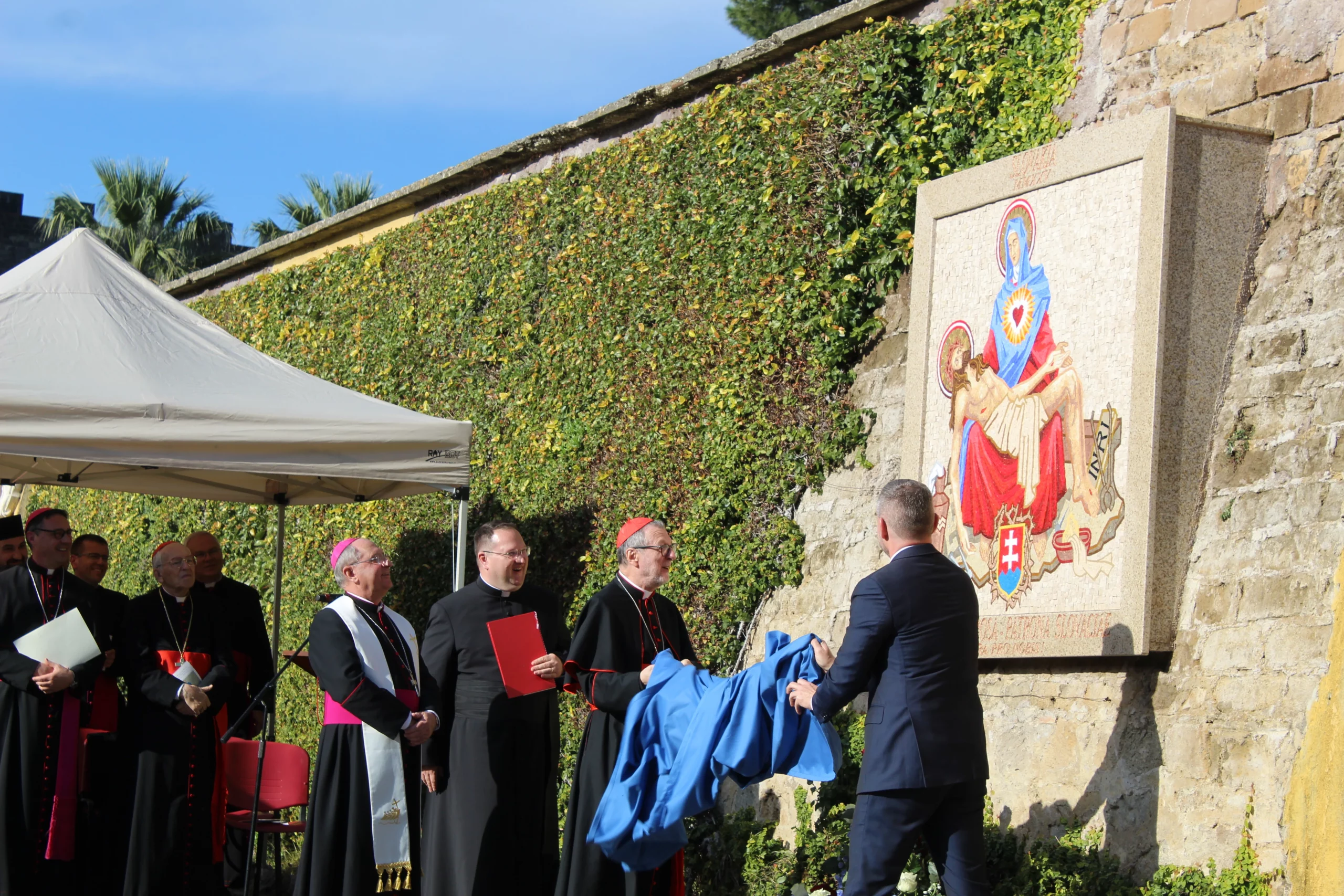
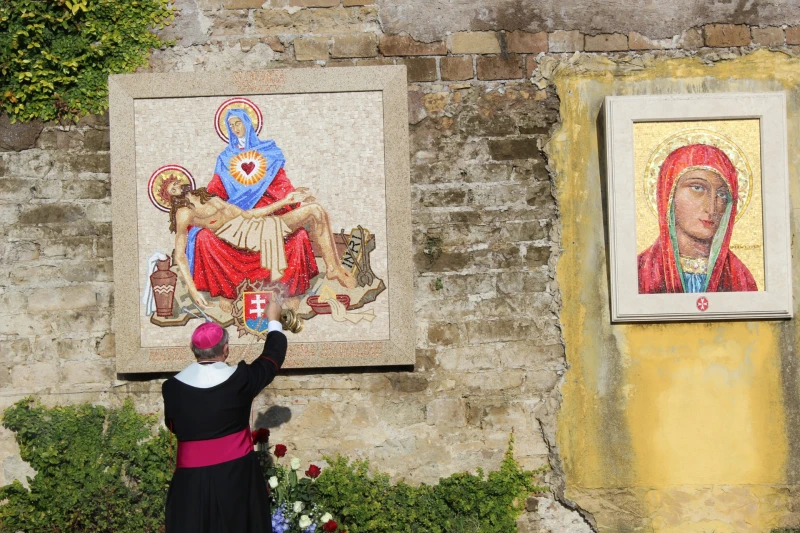
New Slovak Virgin Mary mosaic highlights spiritual bonds between Slovakia and Vatican – #Catholic – 
 
 Archbishop Bernard Bober of Košice, president of the Slovak Bishops’ Conference, blesses the new mosaic of Our Lady of Sorrows in the Vatican Gardens at a ceremony attended by Slovak President Peter Pellegrini and Vatican officials on Dec. 5, 2025 / Credit: Bohumil Petrík

EWTN News, Dec 6, 2025 / 08:00 am (CNA).
Just before the feast of the Immaculate Conception, a mosaic of Our Lady of Sorrows, Protectress of Slovakia, was inaugurated in the Vatican Gardens. Archbishop Bernard Bober of Košice, president of the Slovak Bishops’ Conference, blessed the artwork during a ceremony attended by Slovak President Peter Pellegrini, whom Pope Leo XIV received in audience the day before.Among other bishops and diplomats, two cardinals took part: the dean of the College of Cardinals, Cardinal Giovanni Re, and Cardinal Claudio Gugerotti, prefect of the Dicastery for the Eastern Churches.Slovak President Peter Pellegrini and Cardinal Claudio Gugerotti unveil the new Slovak Our Lady of Sorrows mosaic in the Vatican Gardens on Dec. 5, 2025. Credit: Bohumil PetríkThe Slovak president said he was happy to see the Slovak Virgin Mary image inside the Vatican as she “is a source of hope, faith and unity.” Peter Pellegrini stressed that his Central European country and the Holy See “share common values, such as the dignity of human person, true liberty and open dialog.”During the audience with Pope Leo XIV, the Vatican said, pontiff and president reaffirmed their commitment to supporting social cohesion, promoting justice, and safeguarding the family, and discussed the war in Ukraine, its impact on European security, and the situation in the Middle East.Each time we pass by this beautiful artwork, Cardinal Gugerotti underlined in his speech at the inauguration, “we will pray for the Slovak people” who suffered during atheist communism, and yet “were able to maintain and renew its Christian roots.”Likewise, Cardinal Giovanni Re told CNA that he is very happy for the new artwork. “I have always loved Slovakia because it is still very Catholic,” the prelate said.It is a great honor for us that the mosaic of Our Lady of Sorrows has reached the heart of the Church, Archbishop Bober underscored. The Slovak Virgin Mary is “a symbol of the spiritual connection between Slovakia and the Vatican.” It reminds us, the archbishop continued, that “Our Lady of Sorrows has a special place in our nation, but also in the lives of all believers.”The colorful mosaic, created by Greek Catholic priest and artist Father Kamil Dráb, is a copy of an image in the chapel of the Pontifical Slovak College of St. Cyril and Methodius in Rome and has been installed in the Vatican Gardens near the bell used during the Great Jubilee of 2000.

New Slovak Virgin Mary mosaic highlights spiritual bonds between Slovakia and Vatican – #Catholic – Archbishop Bernard Bober of Košice, president of the Slovak Bishops’ Conference, blesses the new mosaic of Our Lady of Sorrows in the Vatican Gardens at a ceremony attended by Slovak President Peter Pellegrini and Vatican officials on Dec. 5, 2025 / Credit: Bohumil Petrík EWTN News, Dec 6, 2025 / 08:00 am (CNA). Just before the feast of the Immaculate Conception, a mosaic of Our Lady of Sorrows, Protectress of Slovakia, was inaugurated in the Vatican Gardens. Archbishop Bernard Bober of Košice, president of the Slovak Bishops’ Conference, blessed the artwork during a ceremony attended by Slovak President Peter Pellegrini, whom Pope Leo XIV received in audience the day before.Among other bishops and diplomats, two cardinals took part: the dean of the College of Cardinals, Cardinal Giovanni Re, and Cardinal Claudio Gugerotti, prefect of the Dicastery for the Eastern Churches.Slovak President Peter Pellegrini and Cardinal Claudio Gugerotti unveil the new Slovak Our Lady of Sorrows mosaic in the Vatican Gardens on Dec. 5, 2025. Credit: Bohumil PetríkThe Slovak president said he was happy to see the Slovak Virgin Mary image inside the Vatican as she “is a source of hope, faith and unity.” Peter Pellegrini stressed that his Central European country and the Holy See “share common values, such as the dignity of human person, true liberty and open dialog.”During the audience with Pope Leo XIV, the Vatican said, pontiff and president reaffirmed their commitment to supporting social cohesion, promoting justice, and safeguarding the family, and discussed the war in Ukraine, its impact on European security, and the situation in the Middle East.Each time we pass by this beautiful artwork, Cardinal Gugerotti underlined in his speech at the inauguration, “we will pray for the Slovak people” who suffered during atheist communism, and yet “were able to maintain and renew its Christian roots.”Likewise, Cardinal Giovanni Re told CNA that he is very happy for the new artwork. “I have always loved Slovakia because it is still very Catholic,” the prelate said.It is a great honor for us that the mosaic of Our Lady of Sorrows has reached the heart of the Church, Archbishop Bober underscored. The Slovak Virgin Mary is “a symbol of the spiritual connection between Slovakia and the Vatican.” It reminds us, the archbishop continued, that “Our Lady of Sorrows has a special place in our nation, but also in the lives of all believers.”The colorful mosaic, created by Greek Catholic priest and artist Father Kamil Dráb, is a copy of an image in the chapel of the Pontifical Slovak College of St. Cyril and Methodius in Rome and has been installed in the Vatican Gardens near the bell used during the Great Jubilee of 2000.


Archbishop Bernard Bober of Košice, president of the Slovak Bishops’ Conference, blesses the new mosaic of Our Lady of Sorrows in the Vatican Gardens at a ceremony attended by Slovak President Peter Pellegrini and Vatican officials on Dec. 5, 2025 / Credit: Bohumil Petrík

EWTN News, Dec 6, 2025 / 08:00 am (CNA).

Just before the feast of the Immaculate Conception, a mosaic of Our Lady of Sorrows, Protectress of Slovakia, was inaugurated in the Vatican Gardens. Archbishop Bernard Bober of Košice, president of the Slovak Bishops’ Conference, blessed the artwork during a ceremony attended by Slovak President Peter Pellegrini, whom Pope Leo XIV received in audience the day before.

Among other bishops and diplomats, two cardinals took part: the dean of the College of Cardinals, Cardinal Giovanni Re, and Cardinal Claudio Gugerotti, prefect of the Dicastery for the Eastern Churches.

Slovak President Peter Pellegrini and Cardinal Claudio Gugerotti unveil the new Slovak Our Lady of Sorrows mosaic in the Vatican Gardens on Dec. 5, 2025. Credit: Bohumil Petrík

The Slovak president said he was happy to see the Slovak Virgin Mary image inside the Vatican as she “is a source of hope, faith and unity.” Peter Pellegrini stressed that his Central European country and the Holy See “share common values, such as the dignity of human person, true liberty and open dialog.”

During the audience with Pope Leo XIV, the Vatican said, pontiff and president reaffirmed their commitment to supporting social cohesion, promoting justice, and safeguarding the family, and discussed the war in Ukraine, its impact on European security, and the situation in the Middle East.

Each time we pass by this beautiful artwork, Cardinal Gugerotti underlined in his speech at the inauguration, “we will pray for the Slovak people” who suffered during atheist communism, and yet “were able to maintain and renew its Christian roots.”

Likewise, Cardinal Giovanni Re told CNA that he is very happy for the new artwork. “I have always loved Slovakia because it is still very Catholic,” the prelate said.

It is a great honor for us that the mosaic of Our Lady of Sorrows has reached the heart of the Church, Archbishop Bober underscored. The Slovak Virgin Mary is “a symbol of the spiritual connection between Slovakia and the Vatican.” It reminds us, the archbishop continued, that “Our Lady of Sorrows has a special place in our nation, but also in the lives of all believers.”

The colorful mosaic, created by Greek Catholic priest and artist Father Kamil Dráb, is a copy of an image in the chapel of the Pontifical Slovak College of St. Cyril and Methodius in Rome and has been installed in the Vatican Gardens near the bell used during the Great Jubilee of 2000.

Read More
Jefferson parish marks more than 65 years since church completion #Catholic - With joy, St. Jude Parish in the Lake Hopatcong neighborhood of Jefferson, N.J., marked more than 65 years of the construction of the church and even longer as a significant — and constantly improving — part of the spiritual and civic life of the community on Nov. 15 during a Mass with Bishop Kevin J. Sweeney.
Bishop Sweeney was the principal celebrant and homilist of the Mass. Father Kamil (Peter) Wierzbicki, pastor of St. Jude’s, concelebrated the Mass. Deacon Thomas Friel of St. Jude’s, John Meyer of St. Michael Parish in Netcong, N.J., and Timothy Dunmyer of Our Lady of the Lake Parish in Mount Arlington, N.J., who is studying for the permanent diaconate in the Paterson Diocese in New Jersey, assisted with the liturgy. The parish’s anniversary celebrations have been delayed, initially starting with COVID-19.
“The parishioners at St. Jude’s are close to each other, are good to each other, and help each other. They do what they can to make things happen. They are family,” said Father Wierzbicki, who was named the parish’s administrator in 2018 and pastor the following year. “Lake Hopatcong is a beautiful small rural community. It’s quiet, except in the summer, when people come to their vacation homes around the lake. The community recognizes St. Jude’s importance spiritually, historically, and socially and relies on us.”

Click here to subscribe to our weekly newsletter.

The 400-family St. Jude’s has groups such as the Rosary Altar Society, the Knights of Columbus, and the Men’s Prayer Group. The parish has supported outreaches such as food and holiday gift drives for families in need, programs such as Boy Scouts, Girl Scouts, and Alcoholics Anonymous, and community activities, such as blood drives, carnivals, dances, card parties, variety shows, Bingo, and school events. St. Jude’s belongs to the Lakeland Association of Churches of Lake Hopatcong.
To help meet the needs of the parish and community, St. Jude’s has made improvements to its facilities, including to its parish center and the parking lot, which was repaved. Renovations to the church have included a new altar of the tabernacle, an organ, a choir loft, and the renovation of the readers’ stands.
The heritage of St. Jude parish lies in the mission churches that sprang up around Lake Hopatcong in the early 20th century to serve the needs of the resort community’s large summer population.
In the fall of 1958, church construction began, with the formal dedication occurring Aug. 16, 1959, as a mission church of Our Lady of the Lake Parish in Mount Arlington, N.J. In 1966, the mission church St. Jude was promoted to parish status and assumed responsibility for the mission church St. Joseph in the Northwood section of Hopatcong, N.J. Father Joseph W. Molloy was the first pastor of St. Jude’s, which initially served 90 families.
BEACON PHOTOS | JOE GIGLI
 [See image gallery at beaconnj.org]  

Jefferson parish marks more than 65 years since church completion #Catholic – With joy, St. Jude Parish in the Lake Hopatcong neighborhood of Jefferson, N.J., marked more than 65 years of the construction of the church and even longer as a significant — and constantly improving — part of the spiritual and civic life of the community on Nov. 15 during a Mass with Bishop Kevin J. Sweeney. Bishop Sweeney was the principal celebrant and homilist of the Mass. Father Kamil (Peter) Wierzbicki, pastor of St. Jude’s, concelebrated the Mass. Deacon Thomas Friel of St. Jude’s, John Meyer of St. Michael Parish in Netcong, N.J., and Timothy Dunmyer of Our Lady of the Lake Parish in Mount Arlington, N.J., who is studying for the permanent diaconate in the Paterson Diocese in New Jersey, assisted with the liturgy. The parish’s anniversary celebrations have been delayed, initially starting with COVID-19. “The parishioners at St. Jude’s are close to each other, are good to each other, and help each other. They do what they can to make things happen. They are family,” said Father Wierzbicki, who was named the parish’s administrator in 2018 and pastor the following year. “Lake Hopatcong is a beautiful small rural community. It’s quiet, except in the summer, when people come to their vacation homes around the lake. The community recognizes St. Jude’s importance spiritually, historically, and socially and relies on us.” Click here to subscribe to our weekly newsletter. The 400-family St. Jude’s has groups such as the Rosary Altar Society, the Knights of Columbus, and the Men’s Prayer Group. The parish has supported outreaches such as food and holiday gift drives for families in need, programs such as Boy Scouts, Girl Scouts, and Alcoholics Anonymous, and community activities, such as blood drives, carnivals, dances, card parties, variety shows, Bingo, and school events. St. Jude’s belongs to the Lakeland Association of Churches of Lake Hopatcong. To help meet the needs of the parish and community, St. Jude’s has made improvements to its facilities, including to its parish center and the parking lot, which was repaved. Renovations to the church have included a new altar of the tabernacle, an organ, a choir loft, and the renovation of the readers’ stands. The heritage of St. Jude parish lies in the mission churches that sprang up around Lake Hopatcong in the early 20th century to serve the needs of the resort community’s large summer population. In the fall of 1958, church construction began, with the formal dedication occurring Aug. 16, 1959, as a mission church of Our Lady of the Lake Parish in Mount Arlington, N.J. In 1966, the mission church St. Jude was promoted to parish status and assumed responsibility for the mission church St. Joseph in the Northwood section of Hopatcong, N.J. Father Joseph W. Molloy was the first pastor of St. Jude’s, which initially served 90 families. BEACON PHOTOS | JOE GIGLI [See image gallery at beaconnj.org]  
Jefferson parish marks more than 65 years since church completion #Catholic –

With joy, St. Jude Parish in the Lake Hopatcong neighborhood of Jefferson, N.J., marked more than 65 years of the construction of the church and even longer as a significant — and constantly improving — part of the spiritual and civic life of the community on Nov. 15 during a Mass with Bishop Kevin J. Sweeney.

Bishop Sweeney was the principal celebrant and homilist of the Mass. Father Kamil (Peter) Wierzbicki, pastor of St. Jude’s, concelebrated the Mass. Deacon Thomas Friel of St. Jude’s, John Meyer of St. Michael Parish in Netcong, N.J., and Timothy Dunmyer of Our Lady of the Lake Parish in Mount Arlington, N.J., who is studying for the permanent diaconate in the Paterson Diocese in New Jersey, assisted with the liturgy. The parish’s anniversary celebrations have been delayed, initially starting with COVID-19.

“The parishioners at St. Jude’s are close to each other, are good to each other, and help each other. They do what they can to make things happen. They are family,” said Father Wierzbicki, who was named the parish’s administrator in 2018 and pastor the following year. “Lake Hopatcong is a beautiful small rural community. It’s quiet, except in the summer, when people come to their vacation homes around the lake. The community recognizes St. Jude’s importance spiritually, historically, and socially and relies on us.”


Click here to subscribe to our weekly newsletter.

The 400-family St. Jude’s has groups such as the Rosary Altar Society, the Knights of Columbus, and the Men’s Prayer Group. The parish has supported outreaches such as food and holiday gift drives for families in need, programs such as Boy Scouts, Girl Scouts, and Alcoholics Anonymous, and community activities, such as blood drives, carnivals, dances, card parties, variety shows, Bingo, and school events. St. Jude’s belongs to the Lakeland Association of Churches of Lake Hopatcong.

To help meet the needs of the parish and community, St. Jude’s has made improvements to its facilities, including to its parish center and the parking lot, which was repaved. Renovations to the church have included a new altar of the tabernacle, an organ, a choir loft, and the renovation of the readers’ stands.

The heritage of St. Jude parish lies in the mission churches that sprang up around Lake Hopatcong in the early 20th century to serve the needs of the resort community’s large summer population.

In the fall of 1958, church construction began, with the formal dedication occurring Aug. 16, 1959, as a mission church of Our Lady of the Lake Parish in Mount Arlington, N.J. In 1966, the mission church St. Jude was promoted to parish status and assumed responsibility for the mission church St. Joseph in the Northwood section of Hopatcong, N.J. Father Joseph W. Molloy was the first pastor of St. Jude’s, which initially served 90 families.

BEACON PHOTOS | JOE GIGLI

With joy, St. Jude Parish in the Lake Hopatcong neighborhood of Jefferson, N.J., marked more than 65 years of the construction of the church and even longer as a significant — and constantly improving — part of the spiritual and civic life of the community on Nov. 15 during a Mass with Bishop Kevin J. Sweeney. Bishop Sweeney was the principal celebrant and homilist of the Mass. Father Kamil (Peter) Wierzbicki, pastor of St. Jude’s, concelebrated the Mass. Deacon Thomas Friel of St. Jude’s, John Meyer of St. Michael Parish in Netcong, N.J., and Timothy Dunmyer of Our Lady of

Read More
2 Filippini Sisters mark 50 years of service in Morristown #Catholic - Sister Elizabeth Seton Dalessio and Sister Donna Gaglioti of the Religious Teachers Filippini of the Province of St. Lucy Filippini on Nov. 15 rejoiced in each celebrating 50 years in consecrated life during a Mass in the community’s motherhouse chapel in Morristown, N.J.
Bishop Emeritus Arthur J. Serratelli of the Paterson Diocese in New Jersey celebrated the Mass for the two Jubilarians. Father Robert Kaeding, a retired priest of the Trenton Diocese, also in New Jersey, and a longtime associate of Sister Gaglioti’s, concelebrated the liturgy.

Click here to subscribe to our weekly newsletter.

The Filippini Sisters schedule a Mass for their Jubilarians close to Nov. 12, the Feast of the Presentation of the Blessed Virgin Mary. That’s when the sisters renew their oblation, their vows to the Pontifical Order Teachers Filippini.
BEACON PHOTOS | JOE GIGLI
 [See image gallery at beaconnj.org]  

2 Filippini Sisters mark 50 years of service in Morristown #Catholic –
Sister Elizabeth Seton Dalessio and Sister Donna Gaglioti of the Religious Teachers Filippini of the Province of St. Lucy Filippini on Nov. 15 rejoiced in each celebrating 50 years in consecrated life during a Mass in the community’s motherhouse chapel in Morristown, N.J.

Bishop Emeritus Arthur J. Serratelli of the Paterson Diocese in New Jersey celebrated the Mass for the two Jubilarians. Father Robert Kaeding, a retired priest of the Trenton Diocese, also in New Jersey, and a longtime associate of Sister Gaglioti’s, concelebrated the liturgy.


Click here to subscribe to our weekly newsletter.

The Filippini Sisters schedule a Mass for their Jubilarians close to Nov. 12, the Feast of the Presentation of the Blessed Virgin Mary. That’s when the sisters renew their oblation, their vows to the Pontifical Order Teachers Filippini.

BEACON PHOTOS | JOE GIGLI

Sister Elizabeth Seton Dalessio and Sister Donna Gaglioti of the Religious Teachers Filippini of the Province of St. Lucy Filippini on Nov. 15 rejoiced in each celebrating 50 years in consecrated life during a Mass in the community’s motherhouse chapel in Morristown, N.J. Bishop Emeritus Arthur J. Serratelli of the Paterson Diocese in New Jersey celebrated the Mass for the two Jubilarians. Father Robert Kaeding, a retired priest of the Trenton Diocese, also in New Jersey, and a longtime associate of Sister Gaglioti’s, concelebrated the liturgy. Click here to subscribe to our weekly newsletter. The Filippini Sisters schedule a Mass

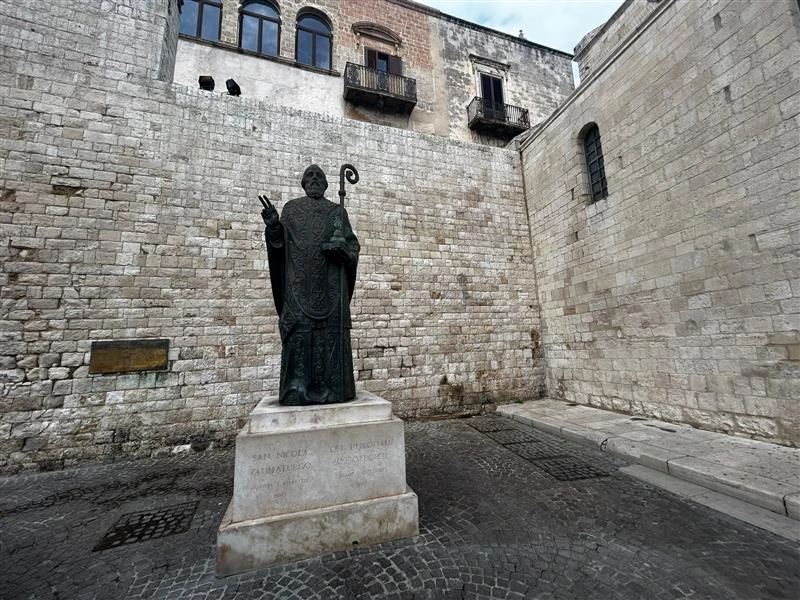
Read More
The saint of Christmas and ecumenism: Bari celebrates St. Nicholas – #Catholic – 
 
 Statue of St. Nicholas, the patron saint of Bari, Italy, at the Pontifical Basilica of St. Nicholas. / Credit: Veronica Giacometti/ACI Stampa

ACI Stampa, Dec 6, 2025 / 07:00 am (CNA).
The people of Bari, a city in southern Italy, have a deep devotion to St. Nicholas, their patron saint and beloved protector.“How can you not love St. Nicholas? And how can you not feel loved by St. Nicholas?” Father Giovanni Distante, the rector of Bari’s Pontifical Basilica of St. Nicholas, told ACI Stampa, CNA’s Italian-language news partner.“The relationship between the people of Bari and St. Nicholas is one of love,” the rector continued, “a relationship that began in 1087 and continues to this day.”On Dec. 6, Bari, Italy, is filled with “illuminations,” a choreographed display of lights in the narrow streets of the city that are lit up for the feast of St. Nicholas and also for Christmas. This year’s program is once again full of events and celebrations. Credit: Veronica Giacometti/ACI Stampa.It all began in 1087 when 62 brave sailors managed to rescue the relics of St. Nicholas, bringing them from the city of Myra in Asia, St. Nicholas’ hometown, to their beloved city in southern Italy, Bari, in Puglia. The Basilica of St. Nicholas was built to hold the relics, which it still does today. Every year, countless pilgrims continue to pay homage at the tomb of St. Nicholas, the saint of Christmas, who is loved by adults and children alike.St. Nicholas is also an important figure in ecumenical dialogue, uniting Catholics, Orthodox Christians, and Protestants.“St. Nicholas, as bishop of Myra, naturally influenced millions of faithful in the East and West, not only as bishop of Myra but also as patron, if we may say so, of Eastern and Western Christianity.  So much so that St. Nicholas is venerated as the ‘Saint of Ecumenism,’ because he manages to unite the two realities, the two Christian traditions, both Eastern and Western,” Distante said.St. Nicholas occupies a special place in everyone’s hearts in December. Considered the saint of Christmas and remembered for his care for children, he was much loved for the protection he offered them. Many miracles are attributed to his intercession, particularly for the benefit of young women and children.“St. Nicholas intervenes where concrete action is needed in love, practicality, justice, and, of course, sharing,” Distante explained.St. Nicholas is celebrated twice a year in Bari: on Dec. 6 and on May 9.“Dec. 6 is the liturgical feast of the saint, commemorating the day of his death, which becomes the new birth of St. Nicholas in heaven,” the rector of the Basilica of St. Nicholas explained. On May 9, he continued, “we celebrate the event of the transfer of St. Nicholas’ relics to Bari with a large procession by sea.”On Dec. 6, Bari is filled with “illuminations,” a choreographed display of lights in the narrow streets of the city that are lit up for the feast of St. Nicholas and also for Christmas. This year’s program is once again full of events and celebrations.On the feast of St. Nicholas, the Pontifical Basilica of St. Nicholas in Bari opened at 4 a.m. and at 5 a.m., the first Mass was celebrated, followed by five more Masses throughout the morning. Credit: Veronica Giacometti/ACI Stampa.The Pontifical Basilica of St. Nicholas in Bari opened at 4 a.m. on Dec. 6. At 5 a.m., the first Mass was celebrated, presided over by Distante, and followed by five more Masses throughout the morning.The start of the first Mass was preceded, at 4:30 a.m., by the sounding of reveille and the arrival of the St. Nicholas torchlight procession. In the early hours of the day, a group of bagpipers will enliven the alleys of the old town around the basilica. At 6 p.m., there will be a solemn Mass celebrated by Archbishop Giuseppe Baturi of Cagliari and Archbishop Giuseppe Satriano of Bari-Bitonto. At the end of Mass, the procession with a statue of the saint will pass through the streets of the old town. In the evening, at 8:30 p.m., there will be a fireworks display from the Sant’Antonio pier.On the feast of St. Nicholas, Dec. 6, the faithful flock to the Pontifical Basilica of St. Nicholas in Bari, Italy, where Masses are celebrated throughout the day. Credit: Veronica Giacometti/ACI StampaOne of the essential customs of the feast of St. Nicholas for the people of Bari is hot chocolate, enjoyed in the alleys of old Bari to warm up after Mass in the basilica.This story was first published by ACI Stampa, CNA’s Italian-language news partner. It has been translated and adapted by CNA.

The saint of Christmas and ecumenism: Bari celebrates St. Nicholas – #Catholic – Statue of St. Nicholas, the patron saint of Bari, Italy, at the Pontifical Basilica of St. Nicholas. / Credit: Veronica Giacometti/ACI Stampa ACI Stampa, Dec 6, 2025 / 07:00 am (CNA). The people of Bari, a city in southern Italy, have a deep devotion to St. Nicholas, their patron saint and beloved protector.“How can you not love St. Nicholas? And how can you not feel loved by St. Nicholas?” Father Giovanni Distante, the rector of Bari’s Pontifical Basilica of St. Nicholas, told ACI Stampa, CNA’s Italian-language news partner.“The relationship between the people of Bari and St. Nicholas is one of love,” the rector continued, “a relationship that began in 1087 and continues to this day.”On Dec. 6, Bari, Italy, is filled with “illuminations,” a choreographed display of lights in the narrow streets of the city that are lit up for the feast of St. Nicholas and also for Christmas. This year’s program is once again full of events and celebrations. Credit: Veronica Giacometti/ACI Stampa.It all began in 1087 when 62 brave sailors managed to rescue the relics of St. Nicholas, bringing them from the city of Myra in Asia, St. Nicholas’ hometown, to their beloved city in southern Italy, Bari, in Puglia. The Basilica of St. Nicholas was built to hold the relics, which it still does today. Every year, countless pilgrims continue to pay homage at the tomb of St. Nicholas, the saint of Christmas, who is loved by adults and children alike.St. Nicholas is also an important figure in ecumenical dialogue, uniting Catholics, Orthodox Christians, and Protestants.“St. Nicholas, as bishop of Myra, naturally influenced millions of faithful in the East and West, not only as bishop of Myra but also as patron, if we may say so, of Eastern and Western Christianity.  So much so that St. Nicholas is venerated as the ‘Saint of Ecumenism,’ because he manages to unite the two realities, the two Christian traditions, both Eastern and Western,” Distante said.St. Nicholas occupies a special place in everyone’s hearts in December. Considered the saint of Christmas and remembered for his care for children, he was much loved for the protection he offered them. Many miracles are attributed to his intercession, particularly for the benefit of young women and children.“St. Nicholas intervenes where concrete action is needed in love, practicality, justice, and, of course, sharing,” Distante explained.St. Nicholas is celebrated twice a year in Bari: on Dec. 6 and on May 9.“Dec. 6 is the liturgical feast of the saint, commemorating the day of his death, which becomes the new birth of St. Nicholas in heaven,” the rector of the Basilica of St. Nicholas explained. On May 9, he continued, “we celebrate the event of the transfer of St. Nicholas’ relics to Bari with a large procession by sea.”On Dec. 6, Bari is filled with “illuminations,” a choreographed display of lights in the narrow streets of the city that are lit up for the feast of St. Nicholas and also for Christmas. This year’s program is once again full of events and celebrations.On the feast of St. Nicholas, the Pontifical Basilica of St. Nicholas in Bari opened at 4 a.m. and at 5 a.m., the first Mass was celebrated, followed by five more Masses throughout the morning. Credit: Veronica Giacometti/ACI Stampa.The Pontifical Basilica of St. Nicholas in Bari opened at 4 a.m. on Dec. 6. At 5 a.m., the first Mass was celebrated, presided over by Distante, and followed by five more Masses throughout the morning.The start of the first Mass was preceded, at 4:30 a.m., by the sounding of reveille and the arrival of the St. Nicholas torchlight procession. In the early hours of the day, a group of bagpipers will enliven the alleys of the old town around the basilica. At 6 p.m., there will be a solemn Mass celebrated by Archbishop Giuseppe Baturi of Cagliari and Archbishop Giuseppe Satriano of Bari-Bitonto. At the end of Mass, the procession with a statue of the saint will pass through the streets of the old town. In the evening, at 8:30 p.m., there will be a fireworks display from the Sant’Antonio pier.On the feast of St. Nicholas, Dec. 6, the faithful flock to the Pontifical Basilica of St. Nicholas in Bari, Italy, where Masses are celebrated throughout the day. Credit: Veronica Giacometti/ACI StampaOne of the essential customs of the feast of St. Nicholas for the people of Bari is hot chocolate, enjoyed in the alleys of old Bari to warm up after Mass in the basilica.This story was first published by ACI Stampa, CNA’s Italian-language news partner. It has been translated and adapted by CNA.


Statue of St. Nicholas, the patron saint of Bari, Italy, at the Pontifical Basilica of St. Nicholas. / Credit: Veronica Giacometti/ACI Stampa

ACI Stampa, Dec 6, 2025 / 07:00 am (CNA).

The people of Bari, a city in southern Italy, have a deep devotion to St. Nicholas, their patron saint and beloved protector.

“How can you not love St. Nicholas? And how can you not feel loved by St. Nicholas?” Father Giovanni Distante, the rector of Bari’s Pontifical Basilica of St. Nicholas, told ACI Stampa, CNA’s Italian-language news partner.

“The relationship between the people of Bari and St. Nicholas is one of love,” the rector continued, “a relationship that began in 1087 and continues to this day.”

On Dec. 6, Bari, Italy, is filled with “illuminations,” a choreographed display of lights in the narrow streets of the city that are lit up for the feast of St. Nicholas and also for Christmas. This year’s program is once again full of events and celebrations. Credit: Veronica Giacometti/ACI Stampa.

It all began in 1087 when 62 brave sailors managed to rescue the relics of St. Nicholas, bringing them from the city of Myra in Asia, St. Nicholas’ hometown, to their beloved city in southern Italy, Bari, in Puglia. The Basilica of St. Nicholas was built to hold the relics, which it still does today. Every year, countless pilgrims continue to pay homage at the tomb of St. Nicholas, the saint of Christmas, who is loved by adults and children alike.

St. Nicholas is also an important figure in ecumenical dialogue, uniting Catholics, Orthodox Christians, and Protestants.

“St. Nicholas, as bishop of Myra, naturally influenced millions of faithful in the East and West, not only as bishop of Myra but also as patron, if we may say so, of Eastern and Western Christianity.  So much so that St. Nicholas is venerated as the ‘Saint of Ecumenism,’ because he manages to unite the two realities, the two Christian traditions, both Eastern and Western,” Distante said.

St. Nicholas occupies a special place in everyone’s hearts in December. Considered the saint of Christmas and remembered for his care for children, he was much loved for the protection he offered them. Many miracles are attributed to his intercession, particularly for the benefit of young women and children.

“St. Nicholas intervenes where concrete action is needed in love, practicality, justice, and, of course, sharing,” Distante explained.

St. Nicholas is celebrated twice a year in Bari: on Dec. 6 and on May 9.

“Dec. 6 is the liturgical feast of the saint, commemorating the day of his death, which becomes the new birth of St. Nicholas in heaven,” the rector of the Basilica of St. Nicholas explained. 

On May 9, he continued, “we celebrate the event of the transfer of St. Nicholas’ relics to Bari with a large procession by sea.”

On Dec. 6, Bari is filled with “illuminations,” a choreographed display of lights in the narrow streets of the city that are lit up for the feast of St. Nicholas and also for Christmas. This year’s program is once again full of events and celebrations.

On the feast of St. Nicholas, the Pontifical Basilica of St. Nicholas in Bari opened at 4 a.m. and at 5 a.m., the first Mass was celebrated, followed by five more Masses throughout the morning. Credit: Veronica Giacometti/ACI Stampa.

The Pontifical Basilica of St. Nicholas in Bari opened at 4 a.m. on Dec. 6. At 5 a.m., the first Mass was celebrated, presided over by Distante, and followed by five more Masses throughout the morning.

The start of the first Mass was preceded, at 4:30 a.m., by the sounding of reveille and the arrival of the St. Nicholas torchlight procession. In the early hours of the day, a group of bagpipers will enliven the alleys of the old town around the basilica. At 6 p.m., there will be a solemn Mass celebrated by Archbishop Giuseppe Baturi of Cagliari and Archbishop Giuseppe Satriano of Bari-Bitonto. At the end of Mass, the procession with a statue of the saint will pass through the streets of the old town. In the evening, at 8:30 p.m., there will be a fireworks display from the Sant’Antonio pier.

On the feast of St. Nicholas, Dec. 6, the faithful flock to the Pontifical Basilica of St. Nicholas in Bari, Italy, where Masses are celebrated throughout the day. Credit: Veronica Giacometti/ACI Stampa

One of the essential customs of the feast of St. Nicholas for the people of Bari is hot chocolate, enjoyed in the alleys of old Bari to warm up after Mass in the basilica.

This story was first published by ACI Stampa, CNA’s Italian-language news partner. It has been translated and adapted by CNA.

Read More
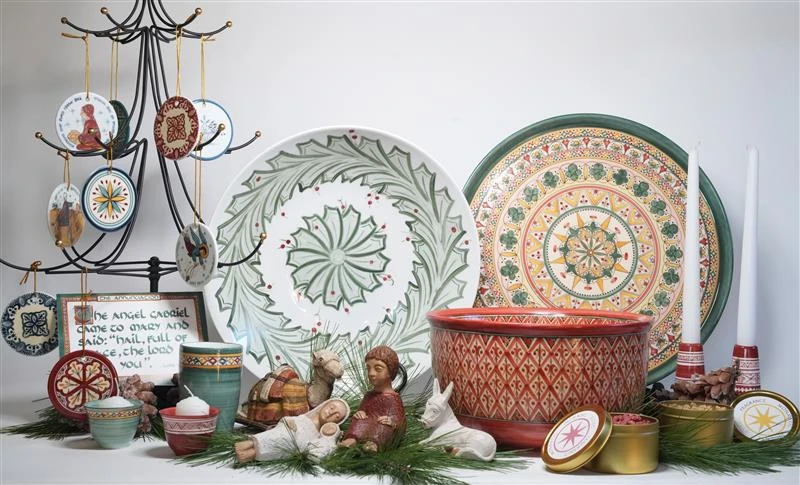
Christmas 2025: Handmade gifts from 14 Catholic monasteries #Catholic 
 
 The contemplative Sisters of the Monastery of Bethlehem in Livingston Manor, New York, support themselves by offering their hand-painted chinaware and other unique gifts for sale. / Credit: Monastery of Bethlehem

Washington, D.C. Newsroom, Dec 6, 2025 / 06:00 am (CNA).
Many monasteries and communities of religious brothers and sisters depend on proceeds from the sales of their products to sustain their lives of prayer and service throughout the year. These days, most have online gift shops that will ship your purchases to arrive before Christmas.Here’s a guide to some of our favorite handmade gifts to give and receive this year:Fudge and candyMonk Bakery Gifts, Monastery of the Holy Spirit: Monks in Conyers, Georgia, make their famous fudge with premium chocolate and real butter. Try a 12-ounce gift box for . And for a taste of Georgia, try their Southern Touch fudge, “made with real peach morsels, pecans, and a touch of peach brandy.”Monastery Candy, Our Lady of the Mississippi Abbey: These contemplative nuns in Dubuque, Iowa, are known for their delicious caramels, which they make by hand to support their way of life. A 9-ounce box of chocolate-covered caramels sells for .55.Monastery Creamed Honey, Holy Cross Abbey: The monks at Our Lady of the Holy Cross Abbey in Berryville, Virginia, support themselves financially through their own labor, a characteristic of the Cistercian order’s way of life. Their 100% natural Monastery Creamed Honey, locally sourced in the Shenandoah Valley of Virginia, makes a great gift. A set of four 10-ounce tubs includes natural-, cinnamon-, almond-, and brandy-flavored honey and sells for .95. Add some delicious chocolate truffles to the order for a sure-to-be-appreciated Christmas gift.CookiesClarisa Cookies, Capuchin Poor Clare Sisters: The Capuchin Poor Clare nuns make their famous butter cookies from their monastery in Denver. The “Clarisas” come in a beautiful gift box featuring an image of St. Clare and sell for  for a 1.5-pound box.Monks’ Biscotti, Abbey of the Genesee: The Trappist monks of the Abbey of the Genesee have been baking from their monastery in western New York since 1953. As their website explains: “The bakery supports the monastery’s primary mission, which is to pray for the world.” The twice-baked biscotti is a popular item, which makes a great gift basket when combined with monk-made coffee and a mug. A bundle of four boxes of biscotti in a variety of flavors sells for .99. Springerele Christmas cookies, Sisters of St. Benedict: The Benedictine religious sisters are known for their Springerele cookies, a traditional German treat with an “Old World” charm. A package of six cookies, each bearing a different, intricate design, sells for . CoffeeMystic Monk Coffee, Carmelites Monks of Wyoming Monastery: The Monks of the Most Blessed Virgin Mary of Mount Carmel live a cloistered life in the Rocky Mountains in the Diocese of Cheyenne, Wyoming. They help support themselves through Mystic Monk Coffee, which they roast in small batches. The website CoffeeReview.com ranks their coffee among the highest of the coffees it reviews. A 12-ounce bag of their most popular flavor, Jingle Bell Java, sells for .95 in the EWTN Religious Catalogue. Visit their website for more coffee selections.FruitcakeBrandy-dipped fruitcake, New Camaldoli Hermitage: With all due respect, this is not your grandmother’s fruitcake. The monks of New Camaldoli Hermitage in Big Sur, California, offer a fruitcake soaked in brandy and aged for three months. It “has converted many a fruitcake ‘atheist,’” according to its creators. Order a 1-pound fruitcake for .98.Kentucky Bourbon Fruitcake, Monks of the Abbey of Gethsemani: At their monastery in New Haven, Kentucky, Trappist monks offer a 20-ounce Kentucky Bourbon Fruitcake along with a jar of Trappist Apricot-Pineapple preserves and a jar of Trappist Quince Jelly, which makes a lovely Christmas gift for .50.BeerBirra Nursia, Benedictine Monks of Norcia: In 2012, a community of Benedictine monks revived the order’s ancient beer-making tradition at their 16th-century monastery in Nursia, the birthplace of St. Benedict. Tragically, four years later, a devastating earthquake struck, seriously damaging their monastery and threatening their way of life. Today, their monastery is open again thanks to money raised in part from the beer they make and sell and export to the United States and elsewhere. Beer in 750-milliliter (25-ounce) bottles is available at their U.S. online store for .99 each.Handmade Christmas-themed giftsChristmas Boutique, Monastery of Bethlehem: The contemplative Sisters of the Monastery of Bethlehem in Livingston Manor, New York, support themselves by offering their hand-painted chinaware and other unique gifts for sale. This Christmas their online shop features several Christmas-related items that would make wonderful gifts. A beautiful hand-carved Nativity, made in the sisters’ monastery in Mougères, France, includes Joseph, Mary, the baby Jesus, and a wooden manger, and sells for 0. This is a great value for a keepsake that is sure to be passed down from generation to generation. Or why not come bearing the gift of myrrh this Christmas with an attractive tin of imported incense ()? Also available: a pack of five Christmas greeting cards, hand-calligraphed by the sisters and duplicated on fine paper. Each card features a mystery of the lives of Jesus and Mary.Custom rosaries, Carmelite Monastery of the Sacred Hearts: The cloistered nuns of the Carmelite Monastery of the Sacred Hearts in Colorado also offer several handmade items that would make beautiful gifts including custom, handmade rosaries. Those interested can choose their own beads, crucifix, centerpiece, the option to add decorative caps and side medals, and whether you would like the rosary to be a one-decade, five-decade, or 15-decade rosary.Gifts from the Holy LandHoly Land gifts, Franciscan Monastery of the Holy Land in America: The Franciscan friars based at their monastery in Washington, D.C., are dedicated to supporting and protecting the sacred sites and people of the Holy Land. They sell products made by artisans in the Holy Land to help their businesses so they can continue to live in the land of their forefathers. Among the gifts at the Holy Land gift shop are hand-painted ceramic candleholders made by a young artist in Bethlehem; olive wood Nativity sets, crosses, and rosaries; and olive oil soap. Visit the Holy Land Gift Shop here. Soaps and candlesCloister Shoppe, Summit Dominicans: The nuns from the Dominican Monastery of Our Lady of the Rosary in Summit, New Jersey, live a life of prayer through Eucharistic adoration and dedication to the rosary. To support this way of life they create handmade candles and skin-care products, which they sell at their Cloister Shoppe. Create your own Christmas gift bag of two bars of soap, a hand cream, a jar candle, a face moisturizer, and a handmade rosary made from olive wood beads from the Holy Land for . Throw in a pair of Bayberry Christmas Eve Tapers for  to give your holiday table a festive glow.

Christmas 2025: Handmade gifts from 14 Catholic monasteries #Catholic The contemplative Sisters of the Monastery of Bethlehem in Livingston Manor, New York, support themselves by offering their hand-painted chinaware and other unique gifts for sale. / Credit: Monastery of Bethlehem Washington, D.C. Newsroom, Dec 6, 2025 / 06:00 am (CNA). Many monasteries and communities of religious brothers and sisters depend on proceeds from the sales of their products to sustain their lives of prayer and service throughout the year. These days, most have online gift shops that will ship your purchases to arrive before Christmas.Here’s a guide to some of our favorite handmade gifts to give and receive this year:Fudge and candyMonk Bakery Gifts, Monastery of the Holy Spirit: Monks in Conyers, Georgia, make their famous fudge with premium chocolate and real butter. Try a 12-ounce gift box for $15. And for a taste of Georgia, try their Southern Touch fudge, “made with real peach morsels, pecans, and a touch of peach brandy.”Monastery Candy, Our Lady of the Mississippi Abbey: These contemplative nuns in Dubuque, Iowa, are known for their delicious caramels, which they make by hand to support their way of life. A 9-ounce box of chocolate-covered caramels sells for $16.55.Monastery Creamed Honey, Holy Cross Abbey: The monks at Our Lady of the Holy Cross Abbey in Berryville, Virginia, support themselves financially through their own labor, a characteristic of the Cistercian order’s way of life. Their 100% natural Monastery Creamed Honey, locally sourced in the Shenandoah Valley of Virginia, makes a great gift. A set of four 10-ounce tubs includes natural-, cinnamon-, almond-, and brandy-flavored honey and sells for $35.95. Add some delicious chocolate truffles to the order for a sure-to-be-appreciated Christmas gift.CookiesClarisa Cookies, Capuchin Poor Clare Sisters: The Capuchin Poor Clare nuns make their famous butter cookies from their monastery in Denver. The “Clarisas” come in a beautiful gift box featuring an image of St. Clare and sell for $18 for a 1.5-pound box.Monks’ Biscotti, Abbey of the Genesee: The Trappist monks of the Abbey of the Genesee have been baking from their monastery in western New York since 1953. As their website explains: “The bakery supports the monastery’s primary mission, which is to pray for the world.” The twice-baked biscotti is a popular item, which makes a great gift basket when combined with monk-made coffee and a mug. A bundle of four boxes of biscotti in a variety of flavors sells for $33.99. Springerele Christmas cookies, Sisters of St. Benedict: The Benedictine religious sisters are known for their Springerele cookies, a traditional German treat with an “Old World” charm. A package of six cookies, each bearing a different, intricate design, sells for $11. CoffeeMystic Monk Coffee, Carmelites Monks of Wyoming Monastery: The Monks of the Most Blessed Virgin Mary of Mount Carmel live a cloistered life in the Rocky Mountains in the Diocese of Cheyenne, Wyoming. They help support themselves through Mystic Monk Coffee, which they roast in small batches. The website CoffeeReview.com ranks their coffee among the highest of the coffees it reviews. A 12-ounce bag of their most popular flavor, Jingle Bell Java, sells for $14.95 in the EWTN Religious Catalogue. Visit their website for more coffee selections.FruitcakeBrandy-dipped fruitcake, New Camaldoli Hermitage: With all due respect, this is not your grandmother’s fruitcake. The monks of New Camaldoli Hermitage in Big Sur, California, offer a fruitcake soaked in brandy and aged for three months. It “has converted many a fruitcake ‘atheist,’” according to its creators. Order a 1-pound fruitcake for $27.98.Kentucky Bourbon Fruitcake, Monks of the Abbey of Gethsemani: At their monastery in New Haven, Kentucky, Trappist monks offer a 20-ounce Kentucky Bourbon Fruitcake along with a jar of Trappist Apricot-Pineapple preserves and a jar of Trappist Quince Jelly, which makes a lovely Christmas gift for $33.50.BeerBirra Nursia, Benedictine Monks of Norcia: In 2012, a community of Benedictine monks revived the order’s ancient beer-making tradition at their 16th-century monastery in Nursia, the birthplace of St. Benedict. Tragically, four years later, a devastating earthquake struck, seriously damaging their monastery and threatening their way of life. Today, their monastery is open again thanks to money raised in part from the beer they make and sell and export to the United States and elsewhere. Beer in 750-milliliter (25-ounce) bottles is available at their U.S. online store for $15.99 each.Handmade Christmas-themed giftsChristmas Boutique, Monastery of Bethlehem: The contemplative Sisters of the Monastery of Bethlehem in Livingston Manor, New York, support themselves by offering their hand-painted chinaware and other unique gifts for sale. This Christmas their online shop features several Christmas-related items that would make wonderful gifts. A beautiful hand-carved Nativity, made in the sisters’ monastery in Mougères, France, includes Joseph, Mary, the baby Jesus, and a wooden manger, and sells for $180. This is a great value for a keepsake that is sure to be passed down from generation to generation. Or why not come bearing the gift of myrrh this Christmas with an attractive tin of imported incense ($56)? Also available: a pack of five Christmas greeting cards, hand-calligraphed by the sisters and duplicated on fine paper. Each card features a mystery of the lives of Jesus and Mary.Custom rosaries, Carmelite Monastery of the Sacred Hearts: The cloistered nuns of the Carmelite Monastery of the Sacred Hearts in Colorado also offer several handmade items that would make beautiful gifts including custom, handmade rosaries. Those interested can choose their own beads, crucifix, centerpiece, the option to add decorative caps and side medals, and whether you would like the rosary to be a one-decade, five-decade, or 15-decade rosary.Gifts from the Holy LandHoly Land gifts, Franciscan Monastery of the Holy Land in America: The Franciscan friars based at their monastery in Washington, D.C., are dedicated to supporting and protecting the sacred sites and people of the Holy Land. They sell products made by artisans in the Holy Land to help their businesses so they can continue to live in the land of their forefathers. Among the gifts at the Holy Land gift shop are hand-painted ceramic candleholders made by a young artist in Bethlehem; olive wood Nativity sets, crosses, and rosaries; and olive oil soap. Visit the Holy Land Gift Shop here. Soaps and candlesCloister Shoppe, Summit Dominicans: The nuns from the Dominican Monastery of Our Lady of the Rosary in Summit, New Jersey, live a life of prayer through Eucharistic adoration and dedication to the rosary. To support this way of life they create handmade candles and skin-care products, which they sell at their Cloister Shoppe. Create your own Christmas gift bag of two bars of soap, a hand cream, a jar candle, a face moisturizer, and a handmade rosary made from olive wood beads from the Holy Land for $50. Throw in a pair of Bayberry Christmas Eve Tapers for $18 to give your holiday table a festive glow.


The contemplative Sisters of the Monastery of Bethlehem in Livingston Manor, New York, support themselves by offering their hand-painted chinaware and other unique gifts for sale. / Credit: Monastery of Bethlehem

Washington, D.C. Newsroom, Dec 6, 2025 / 06:00 am (CNA).

Many monasteries and communities of religious brothers and sisters depend on proceeds from the sales of their products to sustain their lives of prayer and service throughout the year. These days, most have online gift shops that will ship your purchases to arrive before Christmas.

Here’s a guide to some of our favorite handmade gifts to give and receive this year:

Fudge and candy

Monk Bakery Gifts, Monastery of the Holy Spirit: Monks in Conyers, Georgia, make their famous fudge with premium chocolate and real butter. Try a 12-ounce gift box for $15. And for a taste of Georgia, try their Southern Touch fudge, “made with real peach morsels, pecans, and a touch of peach brandy.”

Monastery Candy, Our Lady of the Mississippi Abbey: These contemplative nuns in Dubuque, Iowa, are known for their delicious caramels, which they make by hand to support their way of life. A 9-ounce box of chocolate-covered caramels sells for $16.55.

Monastery Creamed Honey, Holy Cross Abbey: The monks at Our Lady of the Holy Cross Abbey in Berryville, Virginia, support themselves financially through their own labor, a characteristic of the Cistercian order’s way of life. Their 100% natural Monastery Creamed Honey, locally sourced in the Shenandoah Valley of Virginia, makes a great gift. A set of four 10-ounce tubs includes natural-, cinnamon-, almond-, and brandy-flavored honey and sells for $35.95. Add some delicious chocolate truffles to the order for a sure-to-be-appreciated Christmas gift.

Cookies

Clarisa Cookies, Capuchin Poor Clare Sisters: The Capuchin Poor Clare nuns make their famous butter cookies from their monastery in Denver. The “Clarisas” come in a beautiful gift box featuring an image of St. Clare and sell for $18 for a 1.5-pound box.

Monks’ Biscotti, Abbey of the Genesee: The Trappist monks of the Abbey of the Genesee have been baking from their monastery in western New York since 1953. As their website explains: “The bakery supports the monastery’s primary mission, which is to pray for the world.” The twice-baked biscotti is a popular item, which makes a great gift basket when combined with monk-made coffee and a mug. A bundle of four boxes of biscotti in a variety of flavors sells for $33.99

Springerele Christmas cookies, Sisters of St. Benedict: The Benedictine religious sisters are known for their Springerele cookies, a traditional German treat with an “Old World” charm. A package of six cookies, each bearing a different, intricate design, sells for $11. 

Coffee

Mystic Monk Coffee, Carmelites Monks of Wyoming Monastery: The Monks of the Most Blessed Virgin Mary of Mount Carmel live a cloistered life in the Rocky Mountains in the Diocese of Cheyenne, Wyoming. They help support themselves through Mystic Monk Coffee, which they roast in small batches. The website CoffeeReview.com ranks their coffee among the highest of the coffees it reviews. A 12-ounce bag of their most popular flavor, Jingle Bell Java, sells for $14.95 in the EWTN Religious Catalogue. Visit their website for more coffee selections.

Fruitcake

Brandy-dipped fruitcake, New Camaldoli Hermitage: With all due respect, this is not your grandmother’s fruitcake. The monks of New Camaldoli Hermitage in Big Sur, California, offer a fruitcake soaked in brandy and aged for three months. It “has converted many a fruitcake ‘atheist,’” according to its creators. Order a 1-pound fruitcake for $27.98.

Kentucky Bourbon Fruitcake, Monks of the Abbey of Gethsemani: At their monastery in New Haven, Kentucky, Trappist monks offer a 20-ounce Kentucky Bourbon Fruitcake along with a jar of Trappist Apricot-Pineapple preserves and a jar of Trappist Quince Jelly, which makes a lovely Christmas gift for $33.50.

Beer

Birra Nursia, Benedictine Monks of Norcia: In 2012, a community of Benedictine monks revived the order’s ancient beer-making tradition at their 16th-century monastery in Nursia, the birthplace of St. Benedict. Tragically, four years later, a devastating earthquake struck, seriously damaging their monastery and threatening their way of life. Today, their monastery is open again thanks to money raised in part from the beer they make and sell and export to the United States and elsewhere. Beer in 750-milliliter (25-ounce) bottles is available at their U.S. online store for $15.99 each.

Handmade Christmas-themed gifts

Christmas Boutique, Monastery of Bethlehem: The contemplative Sisters of the Monastery of Bethlehem in Livingston Manor, New York, support themselves by offering their hand-painted chinaware and other unique gifts for sale. This Christmas their online shop features several Christmas-related items that would make wonderful gifts. 

A beautiful hand-carved Nativity, made in the sisters’ monastery in Mougères, France, includes Joseph, Mary, the baby Jesus, and a wooden manger, and sells for $180. This is a great value for a keepsake that is sure to be passed down from generation to generation. Or why not come bearing the gift of myrrh this Christmas with an attractive tin of imported incense ($56)? Also available: a pack of five Christmas greeting cards, hand-calligraphed by the sisters and duplicated on fine paper. Each card features a mystery of the lives of Jesus and Mary.

Custom rosaries, Carmelite Monastery of the Sacred Hearts: The cloistered nuns of the Carmelite Monastery of the Sacred Hearts in Colorado also offer several handmade items that would make beautiful gifts including custom, handmade rosaries. Those interested can choose their own beads, crucifix, centerpiece, the option to add decorative caps and side medals, and whether you would like the rosary to be a one-decade, five-decade, or 15-decade rosary.

Gifts from the Holy Land

Holy Land gifts, Franciscan Monastery of the Holy Land in America: The Franciscan friars based at their monastery in Washington, D.C., are dedicated to supporting and protecting the sacred sites and people of the Holy Land. They sell products made by artisans in the Holy Land to help their businesses so they can continue to live in the land of their forefathers. Among the gifts at the Holy Land gift shop are hand-painted ceramic candleholders made by a young artist in Bethlehem; olive wood Nativity sets, crosses, and rosaries; and olive oil soap. Visit the Holy Land Gift Shop here

Soaps and candles

Cloister Shoppe, Summit Dominicans: The nuns from the Dominican Monastery of Our Lady of the Rosary in Summit, New Jersey, live a life of prayer through Eucharistic adoration and dedication to the rosary. To support this way of life they create handmade candles and skin-care products, which they sell at their Cloister Shoppe. Create your own Christmas gift bag of two bars of soap, a hand cream, a jar candle, a face moisturizer, and a handmade rosary made from olive wood beads from the Holy Land for $50. Throw in a pair of Bayberry Christmas Eve Tapers for $18 to give your holiday table a festive glow.

Read More

Testing Drones for Mars in the Mojave Desert – Researchers from NASA’s Jet Propulsion Laboratory in Southern California monitor a research drone in the Dumont Dunes area of the Mojave Desert in September 2025 as part of a test campaign to develop navigation software to guide future rotorcraft on Mars.

Researchers from NASA’s Jet Propulsion Laboratory in Southern California monitor a research drone in the Dumont Dunes area of the Mojave Desert in September 2025 as part of a test campaign to develop navigation software to guide future rotorcraft on Mars.

Read More

For everything there is a season,
and a time for every matter under heaven:

a time to be born,
and a time to die;
a time to plant,
and a time to pluck up what is planted;
a time to kill,
and a time to heal;
a time to break down,
and a time to build up;
a time to weep,
and a time to laugh;
a time to mourn,
and a time to dance;
a time to throw away stones,
and a time to gather stones …

Read More
Leader of schismatic Colorado Springs group disregards excommunication #Catholic 
 
 null / Credit: Paul Gueu/Shutterstock

Denver, Colorado, Dec 5, 2025 / 18:18 pm (CNA).
After receiving a letter of excommunication from the Vatican, the leader of a schismatic group in Colorado Springs told congregants he would ignore it — furthering the divide between the small splinter group and the Catholic Church.Anthony Ward heads the Servants of the Holy Family, a group that labels itself as Catholic in spite of the Diocese of Colorado Springs’ declaration that the group is schismatic.  In a 40-minute speech to his congregation in which he called Church authorities “a kangaroo court” of “heretics” and “freemasons,” Ward went public on Nov. 16 about his excommunication and his plans to continue ignoring the Catholic Church’s directives. During a secret ceremony in 2024, a bishop whose name was withheld at the time consecrated Ward as a bishop without papal permission.In the Catholic Church, only the pope can appoint bishops. Consecrating a bishop without papal mandate is considered illicit and incurs an automatic “latae sententiae” excommunication for both parties.During the meeting at the Servants’ chapel on Nov. 16, Ward told his congregation that the Catholic Church had made a declaration of excommunication against him due to what he described as “persistent, rebellious disobedience.”Though excommunication is a “medicinal penalty” designed to urge an individual to repent, Ward has said he is “ignoring” the letter and will not be responding within the 30-day window given to him. Embracing the claims of the letter, Ward said he will continue to disobey, instead putting his loyalty toward what he called “the true Catholic faith.” “I have not and will not obey commands from the kangaroo court composed of heretics, schismatics, Freemasons, representatives of the most vile sinful perversions, enemies of the cross of Christ,” Ward told the congregation, “of whom the majority of bishops — particularly in this country — no longer believe in the real presence of Our Lord and Savior, Jesus, Christ in the Eucharist.”The U.S. Catholic bishops recently led a yearslong Eucharistic Revival that centered on the Catholic belief that the Eucharist is the body, blood, soul, and divinity of Jesus Christ.Despite the local Catholic diocese’s denouncement of the Servants, the group continues to hold Eucharistic celebrations and is recruiting minors as well as adult men to be trained as priests.The Servants’ website advertises the group as “faithful to the Latin Mass” as well as to “Catholic doctrine and morals” and claims it is “endorsed by Catholic bishops worldwide.” Ward named Archbishop Telesphore George Mpundu Lusaka, the African archbishop emeritus of Zambia, as the bishop who illicitly consecrated him, but the other bishops are not specified readily on the website. When asked to comment, a spokesperson for the Diocese of Colorado Springs referred to the most recent public statement by Bishop James Golka in April 2024. Since 2013, the Diocese of Colorado Springs has publicly held that the Servants are “not in good standing” with the Church.   Pointing to continued “obstinate ill will” by the Servants, Golka declared last year that Ward and other priests affiliated with the Servants “are not in good standing with the diocesan or the universal Catholic Church” and declared it “a schismatic group.” Pointing to canon law, Golka declared that its Eucharistic celebration “is illicit and a grave moral offense” and that its celebration of baptism “is illicit.” The bishop also declared celebrations of penance, the sacrament of matrimony, confirmation, and holy orders by this group to be invalid. Golka said it would be “an act of spiritual danger” for Catholics to attend celebrations led by the Servants and encouraged the faithful to pray for reconciliation. The Servants did not respond to a request for comment in time for publication.

Leader of schismatic Colorado Springs group disregards excommunication #Catholic null / Credit: Paul Gueu/Shutterstock Denver, Colorado, Dec 5, 2025 / 18:18 pm (CNA). After receiving a letter of excommunication from the Vatican, the leader of a schismatic group in Colorado Springs told congregants he would ignore it — furthering the divide between the small splinter group and the Catholic Church.Anthony Ward heads the Servants of the Holy Family, a group that labels itself as Catholic in spite of the Diocese of Colorado Springs’ declaration that the group is schismatic.  In a 40-minute speech to his congregation in which he called Church authorities “a kangaroo court” of “heretics” and “freemasons,” Ward went public on Nov. 16 about his excommunication and his plans to continue ignoring the Catholic Church’s directives. During a secret ceremony in 2024, a bishop whose name was withheld at the time consecrated Ward as a bishop without papal permission.In the Catholic Church, only the pope can appoint bishops. Consecrating a bishop without papal mandate is considered illicit and incurs an automatic “latae sententiae” excommunication for both parties.During the meeting at the Servants’ chapel on Nov. 16, Ward told his congregation that the Catholic Church had made a declaration of excommunication against him due to what he described as “persistent, rebellious disobedience.”Though excommunication is a “medicinal penalty” designed to urge an individual to repent, Ward has said he is “ignoring” the letter and will not be responding within the 30-day window given to him. Embracing the claims of the letter, Ward said he will continue to disobey, instead putting his loyalty toward what he called “the true Catholic faith.” “I have not and will not obey commands from the kangaroo court composed of heretics, schismatics, Freemasons, representatives of the most vile sinful perversions, enemies of the cross of Christ,” Ward told the congregation, “of whom the majority of bishops — particularly in this country — no longer believe in the real presence of Our Lord and Savior, Jesus, Christ in the Eucharist.”The U.S. Catholic bishops recently led a yearslong Eucharistic Revival that centered on the Catholic belief that the Eucharist is the body, blood, soul, and divinity of Jesus Christ.Despite the local Catholic diocese’s denouncement of the Servants, the group continues to hold Eucharistic celebrations and is recruiting minors as well as adult men to be trained as priests.The Servants’ website advertises the group as “faithful to the Latin Mass” as well as to “Catholic doctrine and morals” and claims it is “endorsed by Catholic bishops worldwide.” Ward named Archbishop Telesphore George Mpundu Lusaka, the African archbishop emeritus of Zambia, as the bishop who illicitly consecrated him, but the other bishops are not specified readily on the website. When asked to comment, a spokesperson for the Diocese of Colorado Springs referred to the most recent public statement by Bishop James Golka in April 2024. Since 2013, the Diocese of Colorado Springs has publicly held that the Servants are “not in good standing” with the Church.   Pointing to continued “obstinate ill will” by the Servants, Golka declared last year that Ward and other priests affiliated with the Servants “are not in good standing with the diocesan or the universal Catholic Church” and declared it “a schismatic group.” Pointing to canon law, Golka declared that its Eucharistic celebration “is illicit and a grave moral offense” and that its celebration of baptism “is illicit.” The bishop also declared celebrations of penance, the sacrament of matrimony, confirmation, and holy orders by this group to be invalid. Golka said it would be “an act of spiritual danger” for Catholics to attend celebrations led by the Servants and encouraged the faithful to pray for reconciliation. The Servants did not respond to a request for comment in time for publication.


null / Credit: Paul Gueu/Shutterstock

Denver, Colorado, Dec 5, 2025 / 18:18 pm (CNA).

After receiving a letter of excommunication from the Vatican, the leader of a schismatic group in Colorado Springs told congregants he would ignore it — furthering the divide between the small splinter group and the Catholic Church.

Anthony Ward heads the Servants of the Holy Family, a group that labels itself as Catholic in spite of the Diocese of Colorado Springs’ declaration that the group is schismatic.  

In a 40-minute speech to his congregation in which he called Church authorities “a kangaroo court” of “heretics” and “freemasons,” Ward went public on Nov. 16 about his excommunication and his plans to continue ignoring the Catholic Church’s directives. 

During a secret ceremony in 2024, a bishop whose name was withheld at the time consecrated Ward as a bishop without papal permission.

In the Catholic Church, only the pope can appoint bishops. Consecrating a bishop without papal mandate is considered illicit and incurs an automatic “latae sententiae” excommunication for both parties.

During the meeting at the Servants’ chapel on Nov. 16, Ward told his congregation that the Catholic Church had made a declaration of excommunication against him due to what he described as “persistent, rebellious disobedience.”

Though excommunication is a “medicinal penalty” designed to urge an individual to repent, Ward has said he is “ignoring” the letter and will not be responding within the 30-day window given to him. 

Embracing the claims of the letter, Ward said he will continue to disobey, instead putting his loyalty toward what he called “the true Catholic faith.” 

“I have not and will not obey commands from the kangaroo court composed of heretics, schismatics, Freemasons, representatives of the most vile sinful perversions, enemies of the cross of Christ,” Ward told the congregation, “of whom the majority of bishops — particularly in this country — no longer believe in the real presence of Our Lord and Savior, Jesus, Christ in the Eucharist.”

The U.S. Catholic bishops recently led a yearslong Eucharistic Revival that centered on the Catholic belief that the Eucharist is the body, blood, soul, and divinity of Jesus Christ.

Despite the local Catholic diocese’s denouncement of the Servants, the group continues to hold Eucharistic celebrations and is recruiting minors as well as adult men to be trained as priests.

The Servants’ website advertises the group as “faithful to the Latin Mass” as well as to “Catholic doctrine and morals” and claims it is “endorsed by Catholic bishops worldwide.” 

Ward named Archbishop Telesphore George Mpundu Lusaka, the African archbishop emeritus of Zambia, as the bishop who illicitly consecrated him, but the other bishops are not specified readily on the website. 

When asked to comment, a spokesperson for the Diocese of Colorado Springs referred to the most recent public statement by Bishop James Golka in April 2024. 

Since 2013, the Diocese of Colorado Springs has publicly held that the Servants are “not in good standing” with the Church.   

Pointing to continued “obstinate ill will” by the Servants, Golka declared last year that Ward and other priests affiliated with the Servants “are not in good standing with the diocesan or the universal Catholic Church” and declared it “a schismatic group.” 

Pointing to canon law, Golka declared that its Eucharistic celebration “is illicit and a grave moral offense” and that its celebration of baptism “is illicit.” The bishop also declared celebrations of penance, the sacrament of matrimony, confirmation, and holy orders by this group to be invalid. 

Golka said it would be “an act of spiritual danger” for Catholics to attend celebrations led by the Servants and encouraged the faithful to pray for reconciliation. 

The Servants did not respond to a request for comment in time for publication.

Read More

Gospel and Word of the Day – 06 December 2025 – A reading from the Book of Isaiah 30:19-21, 23-26 Thus says the Lord GOD, the Holy One of Israel: O people of Zion, who dwell in Jerusalem, no more will you weep; He will be gracious to you when you cry out, as soon as he hears he will answer you. The Lord will give you the bread you need and the water for which you thirst. No longer will your Teacher hide himself, but with your own eyes you shall see your Teacher, While from behind, a voice shall sound in your ears: "This is the way; walk in it," when you would turn to the right or to the left. He will give rain for the seed that you sow in the ground, And the wheat that the soil produces will be rich and abundant. On that day your flock will be given pasture and the lamb will graze in spacious meadows; The oxen and the asses that till the ground will eat silage tossed to them with shovel and pitchfork. Upon every high mountain and lofty hill there will be streams of running water. On the day of the great slaughter, when the towers fall, The light of the moon will be like that of the sun and the light of the sun will be seven times greater like the light of seven days. On the day the LORD binds up the wounds of his people, he will heal the bruises left by his blows.From the Gospel according to Matthew 9:35–10:1, 5a, 6-8 Jesus went around to all the towns and villages, teaching in their synagogues, proclaiming the Gospel of the Kingdom, and curing every disease and illness. At the sight of the crowds, his heart was moved with pity for them because they were troubled and abandoned, like sheep without a shepherd. Then he said to his disciples, "The harvest is abundant but the laborers are few; so ask the master of the harvest to send out laborers for his harvest." Then he summoned his Twelve disciples and gave them authority over unclean spirits to drive them out and to cure every disease and every illness. Jesus sent out these Twelve after instructing them thus, "Go to the lost sheep of the house of Israel. As you go, make this proclamation: ‘The Kingdom of heaven is at hand.’ Cure the sick, raise the dead, cleanse lepers, drive out demons. Without cost you have received; without cost you are to give."Why   proclaim: The motivation lies in a few words of Jesus, which it is good for us to remember: “Freely you have received, freely give” (v. 8). They are just a few words. But why proclaim? Because I have received freely, and I should give freely. The proclamation does not begin from us, but from the beauty of what we have received for free, without merit: meeting Jesus, knowing him, discovering that we are loved and saved. It is such a great gift that we cannot keep it to ourselves, we feel the need to spread it; but in the same style, right? That is, in gratuitousness. In other words: we have a gift, so we are called to make a gift of ourselves; we have received a gift and our vocation is to make a gift of ourselves to others; there is in us the joy of being children of God, it must be shared with our brothers and sisters who do not yet know it! This is the reason for the proclamation. Going forth and bringing the joy of what we have received. (Pope Francis, General Audience, 15 February 2023)

A reading from the Book of Isaiah
30:19-21, 23-26

Thus says the Lord GOD,
the Holy One of Israel:
O people of Zion, who dwell in Jerusalem,
no more will you weep;
He will be gracious to you when you cry out,
as soon as he hears he will answer you.
The Lord will give you the bread you need
and the water for which you thirst.
No longer will your Teacher hide himself,
but with your own eyes you shall see your Teacher,
While from behind, a voice shall sound in your ears:
"This is the way; walk in it,"
when you would turn to the right or to the left.

He will give rain for the seed
that you sow in the ground,
And the wheat that the soil produces
will be rich and abundant.
On that day your flock will be given pasture
and the lamb will graze in spacious meadows;
The oxen and the asses that till the ground
will eat silage tossed to them
with shovel and pitchfork.
Upon every high mountain and lofty hill
there will be streams of running water.
On the day of the great slaughter,
when the towers fall,
The light of the moon will be like that of the sun
and the light of the sun will be seven times greater
like the light of seven days.
On the day the LORD binds up the wounds of his people,
he will heal the bruises left by his blows.

From the Gospel according to Matthew
9:35–10:1, 5a, 6-8

Jesus went around to all the towns and villages,
teaching in their synagogues,
proclaiming the Gospel of the Kingdom,
and curing every disease and illness.
At the sight of the crowds, his heart was moved with pity for them
because they were troubled and abandoned,
like sheep without a shepherd.
Then he said to his disciples,
"The harvest is abundant but the laborers are few;
so ask the master of the harvest
to send out laborers for his harvest."

Then he summoned his Twelve disciples
and gave them authority over unclean spirits to drive them out
and to cure every disease and every illness.

Jesus sent out these Twelve after instructing them thus,
"Go to the lost sheep of the house of Israel.
As you go, make this proclamation: ‘The Kingdom of heaven is at hand.’
Cure the sick, raise the dead,
cleanse lepers, drive out demons.
Without cost you have received; without cost you are to give."

Why   proclaim: The motivation lies in a few words of Jesus, which it is good for us to remember: “Freely you have received, freely give” (v. 8). They are just a few words. But why proclaim? Because I have received freely, and I should give freely. The proclamation does not begin from us, but from the beauty of what we have received for free, without merit: meeting Jesus, knowing him, discovering that we are loved and saved. It is such a great gift that we cannot keep it to ourselves, we feel the need to spread it; but in the same style, right? That is, in gratuitousness. In other words: we have a gift, so we are called to make a gift of ourselves; we have received a gift and our vocation is to make a gift of ourselves to others; there is in us the joy of being children of God, it must be shared with our brothers and sisters who do not yet know it! This is the reason for the proclamation. Going forth and bringing the joy of what we have received. (Pope Francis, General Audience, 15 February 2023)

Read More

A paper, published in Astronomy and Astrophysics, details the discovery of a grand-design spiral galaxy that formed just 1.5 billion years after the Big Bang. Grand design galaxies are similar to the Milky Way in that they display well-formed spiral arms. Prior to this discovery, astronomers thought such objects took billions of years to achieve grand-designContinue reading “Researchers discover a grand-design spiral that shouldn’t exist”

The post Researchers discover a grand-design spiral that shouldn’t exist appeared first on Astronomy Magazine.

Read More
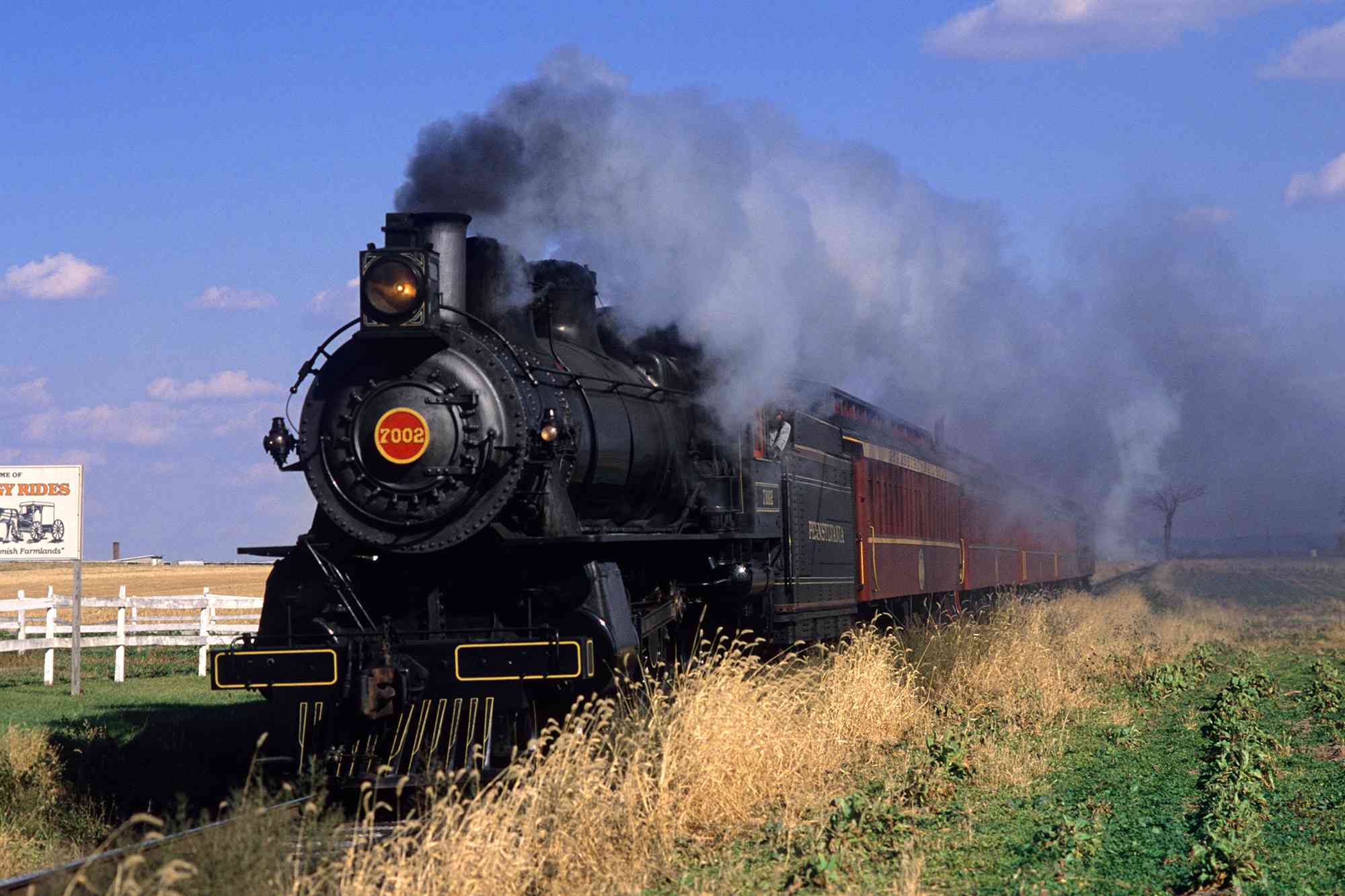
Pope Leo sends surprise video message to Australian Catholic youth festival #Catholic 
 
 Thousands of young pilgrims gather for the closing Mass of the Australian Catholic Youth Festival at the Melbourne Convention and Exhibition Centre on Tuesday, Dec. 2, 2025. / Credit: Theresa Wimmer

Washington, D.C. Newsroom, Dec 5, 2025 / 08:00 am (CNA).
Here is a roundup of Catholic world news from the past week that you might have missed:Pope Leo sends surprise video message to Australian Catholic youth festival Pope Leo XIV sent a surprise video message to thousands of young Catholics at the Australian Catholic Youth Festival on Nov. 30, urging them to turn to God, “especially through prayer and the sacraments. That’s where you’ll hear your Heavenly Father’s voice most clearly.”The papal message — played during the opening plenary at the Melbourne Convention and Exhibition Centre — drew cheers from young Catholics who gathered from around the country under the 2025 Jubilee theme “Pilgrims of Hope.” The three-day event, held Nov. 30–Dec. 2, opened with a five-kilometer (three-mile) pilgrimage walk from St. Patrick’s Cathedral. Participants accompanied the World Youth Day Cross and Icon through the city streets to the convention center.“Our lives find their ultimate purpose in becoming who God made us to be, by living out his will,” Leo said. He reminded pilgrims of the words of Pope Benedict XVI: “You are not the result of a random process. Each of you is willed, each of you is loved, each of you is necessary.”Holy See Permanent Observer Mission to U.N. calls for end of Ukraine war ‘right now’The Holy See’s Permanent Observer Mission to the U.N. called for the end of Russia’s military offensive in Ukraine immediately during a Dec. 3 emergency session. Monsignor Robert Murphy, chargé d’affaires, said the war in Ukraine must halt “not at some undefined moment in the future, but right now.” Murphy emphasized the need for both sides of the conflict to bring about the return of children to their families and urged all nations represented in the assembly interested in ending the war “to reject passivity and provide tangible support for any initiative that could lead to genuine negotiations and lasting peace.”Bishops praise ‘historic decision’ to end child marriage in west Pakistan provinceThe western province of Balochistan in Pakistan has passed a law criminalizing child marriages, eliciting praise from Catholic bishops in the region. The 2025 Law on the Restriction of Child Marriage in Balochistan penalizes adults who facilitate arranged marriages for minors under the age of 18, repealing a previous law that set the minimum age for girls to be married at 14 years old. Bishop Samson Shukardin, OFM, of Hyderabad and president of the Pakistan Bishops’ Conference, called the new law “a historic decision to protect children and an important step toward strengthening the rights of minors,” according to a Fides report on Monday. The bishop further expressed gratitude to lawmakers for passing the law, noting that “the Church promotes the fundamental rights of every human being, especially those of girls,” adding: “Early marriage deprives them of their education, their health, and their self-confidence.” Sri Lankan cardinal urges Catholics to join emergency response amid natural disasterCardinal Malcolm Ranjith is urging Catholics to join emergency response efforts across Sri Lanka as the country recovers from Cyclone Ditwah, the worst natural disaster in its history.“We request our priests, religious, brothers, sisters, and lay leaders to work together with all the societies and organizations to provide relief to the people who are helpless at this moment,” Ranjith said in a statement, according to UCA News. Bishop Jude N. Silva of the Diocese of Badulla, one of the “worst affected,” according to UCA, instructed all priests to cancel Masses and programs “until the situation improved.” Caritas Sri Lanka has led the emergency response, according to AsiaNews.  European bishops talk Catholic-Muslim relations at three-day meeting on Nostra AetateThe Council of the Bishops’ Conferences of Europe discussed Catholic-Muslim dialogue at a three-day conference titled “Nostra Aetate, 60 Years On: Perspectives on Catholic-Muslim Dialogue.”The meeting took place in Augsburg, Germany, and included “over 30 participants, representatives of European Bishops’ Conferences, theologians, and witnesses from 20 European countries,” according to a press release from the council.In his keynote address, Cardinal Michael Louis Fitzgerald reflected on ways Nostra Aetate may frame encounters where interreligious dialogue takes place, the release said, noting that “the three days of the meeting were characterized by a wide-ranging exchange in the plenary conversations as well as beautiful liturgies celebrated in the churches of St. Moritz, St. Peter in Perlach, and the Basilica of Sts. Ulrich and Afra.” Capuchin Friars in Sumatra welcome those displaced by severe floodingCapuchin Friars in the Sibolga province of Indonesia welcomed those displaced by flooding in the country due to Cyclone Senyar, according to Fides. “The worst is over, but the emergency continues. Floods and landslides have swept away entire villages. Many people are homeless. Rescue teams are now trying to reach the displaced: for some it is possible, for others it is not, because the areas remain isolated,” said Provincial Superior of the Capuchin Friars in Sibolga Friar Yoseph Norbert Sinaga. The cyclone has affected 1.5 million people and displaced more than 570,000, according to the report.Archdiocese of Raipur, India, completes historic Eucharistic pilgrimage The Archdiocese of Raipur in India has concluded a historic Eucharistic yatra, or pilgrimage, covering 1,655 miles across 72 parishes. The Eucharistic yatra lasted 14 days, with pilgrims traveling through 19 civil districts of the Central Indian state of Chhattisgarh, stopping in each parish for an hour of Eucharistic adoration, according to a Catholic Connect report. Participants in the yatra used a vehicle that was converted into a mobile chapel donated by the Mid India Province of the SCSC Sisters.

Pope Leo sends surprise video message to Australian Catholic youth festival #Catholic Thousands of young pilgrims gather for the closing Mass of the Australian Catholic Youth Festival at the Melbourne Convention and Exhibition Centre on Tuesday, Dec. 2, 2025. / Credit: Theresa Wimmer Washington, D.C. Newsroom, Dec 5, 2025 / 08:00 am (CNA). Here is a roundup of Catholic world news from the past week that you might have missed:Pope Leo sends surprise video message to Australian Catholic youth festival Pope Leo XIV sent a surprise video message to thousands of young Catholics at the Australian Catholic Youth Festival on Nov. 30, urging them to turn to God, “especially through prayer and the sacraments. That’s where you’ll hear your Heavenly Father’s voice most clearly.”The papal message — played during the opening plenary at the Melbourne Convention and Exhibition Centre — drew cheers from young Catholics who gathered from around the country under the 2025 Jubilee theme “Pilgrims of Hope.” The three-day event, held Nov. 30–Dec. 2, opened with a five-kilometer (three-mile) pilgrimage walk from St. Patrick’s Cathedral. Participants accompanied the World Youth Day Cross and Icon through the city streets to the convention center.“Our lives find their ultimate purpose in becoming who God made us to be, by living out his will,” Leo said. He reminded pilgrims of the words of Pope Benedict XVI: “You are not the result of a random process. Each of you is willed, each of you is loved, each of you is necessary.”Holy See Permanent Observer Mission to U.N. calls for end of Ukraine war ‘right now’The Holy See’s Permanent Observer Mission to the U.N. called for the end of Russia’s military offensive in Ukraine immediately during a Dec. 3 emergency session. Monsignor Robert Murphy, chargé d’affaires, said the war in Ukraine must halt “not at some undefined moment in the future, but right now.” Murphy emphasized the need for both sides of the conflict to bring about the return of children to their families and urged all nations represented in the assembly interested in ending the war “to reject passivity and provide tangible support for any initiative that could lead to genuine negotiations and lasting peace.”Bishops praise ‘historic decision’ to end child marriage in west Pakistan provinceThe western province of Balochistan in Pakistan has passed a law criminalizing child marriages, eliciting praise from Catholic bishops in the region. The 2025 Law on the Restriction of Child Marriage in Balochistan penalizes adults who facilitate arranged marriages for minors under the age of 18, repealing a previous law that set the minimum age for girls to be married at 14 years old. Bishop Samson Shukardin, OFM, of Hyderabad and president of the Pakistan Bishops’ Conference, called the new law “a historic decision to protect children and an important step toward strengthening the rights of minors,” according to a Fides report on Monday. The bishop further expressed gratitude to lawmakers for passing the law, noting that “the Church promotes the fundamental rights of every human being, especially those of girls,” adding: “Early marriage deprives them of their education, their health, and their self-confidence.” Sri Lankan cardinal urges Catholics to join emergency response amid natural disasterCardinal Malcolm Ranjith is urging Catholics to join emergency response efforts across Sri Lanka as the country recovers from Cyclone Ditwah, the worst natural disaster in its history.“We request our priests, religious, brothers, sisters, and lay leaders to work together with all the societies and organizations to provide relief to the people who are helpless at this moment,” Ranjith said in a statement, according to UCA News. Bishop Jude N. Silva of the Diocese of Badulla, one of the “worst affected,” according to UCA, instructed all priests to cancel Masses and programs “until the situation improved.” Caritas Sri Lanka has led the emergency response, according to AsiaNews.  European bishops talk Catholic-Muslim relations at three-day meeting on Nostra AetateThe Council of the Bishops’ Conferences of Europe discussed Catholic-Muslim dialogue at a three-day conference titled “Nostra Aetate, 60 Years On: Perspectives on Catholic-Muslim Dialogue.”The meeting took place in Augsburg, Germany, and included “over 30 participants, representatives of European Bishops’ Conferences, theologians, and witnesses from 20 European countries,” according to a press release from the council.In his keynote address, Cardinal Michael Louis Fitzgerald reflected on ways Nostra Aetate may frame encounters where interreligious dialogue takes place, the release said, noting that “the three days of the meeting were characterized by a wide-ranging exchange in the plenary conversations as well as beautiful liturgies celebrated in the churches of St. Moritz, St. Peter in Perlach, and the Basilica of Sts. Ulrich and Afra.” Capuchin Friars in Sumatra welcome those displaced by severe floodingCapuchin Friars in the Sibolga province of Indonesia welcomed those displaced by flooding in the country due to Cyclone Senyar, according to Fides. “The worst is over, but the emergency continues. Floods and landslides have swept away entire villages. Many people are homeless. Rescue teams are now trying to reach the displaced: for some it is possible, for others it is not, because the areas remain isolated,” said Provincial Superior of the Capuchin Friars in Sibolga Friar Yoseph Norbert Sinaga. The cyclone has affected 1.5 million people and displaced more than 570,000, according to the report.Archdiocese of Raipur, India, completes historic Eucharistic pilgrimage The Archdiocese of Raipur in India has concluded a historic Eucharistic yatra, or pilgrimage, covering 1,655 miles across 72 parishes. The Eucharistic yatra lasted 14 days, with pilgrims traveling through 19 civil districts of the Central Indian state of Chhattisgarh, stopping in each parish for an hour of Eucharistic adoration, according to a Catholic Connect report. Participants in the yatra used a vehicle that was converted into a mobile chapel donated by the Mid India Province of the SCSC Sisters.


Thousands of young pilgrims gather for the closing Mass of the Australian Catholic Youth Festival at the Melbourne Convention and Exhibition Centre on Tuesday, Dec. 2, 2025. / Credit: Theresa Wimmer

Washington, D.C. Newsroom, Dec 5, 2025 / 08:00 am (CNA).

Here is a roundup of Catholic world news from the past week that you might have missed:

Pope Leo sends surprise video message to Australian Catholic youth festival 

Pope Leo XIV sent a surprise video message to thousands of young Catholics at the Australian Catholic Youth Festival on Nov. 30, urging them to turn to God, “especially through prayer and the sacraments. That’s where you’ll hear your Heavenly Father’s voice most clearly.”

The papal message — played during the opening plenary at the Melbourne Convention and Exhibition Centre — drew cheers from young Catholics who gathered from around the country under the 2025 Jubilee theme “Pilgrims of Hope.” The three-day event, held Nov. 30–Dec. 2, opened with a five-kilometer (three-mile) pilgrimage walk from St. Patrick’s Cathedral. Participants accompanied the World Youth Day Cross and Icon through the city streets to the convention center.

“Our lives find their ultimate purpose in becoming who God made us to be, by living out his will,” Leo said. He reminded pilgrims of the words of Pope Benedict XVI: “You are not the result of a random process. Each of you is willed, each of you is loved, each of you is necessary.”

Holy See Permanent Observer Mission to U.N. calls for end of Ukraine war ‘right now’

The Holy See’s Permanent Observer Mission to the U.N. called for the end of Russia’s military offensive in Ukraine immediately during a Dec. 3 emergency session. 

Monsignor Robert Murphy, chargé d’affaires, said the war in Ukraine must halt “not at some undefined moment in the future, but right now.” Murphy emphasized the need for both sides of the conflict to bring about the return of children to their families and urged all nations represented in the assembly interested in ending the war “to reject passivity and provide tangible support for any initiative that could lead to genuine negotiations and lasting peace.”

Bishops praise ‘historic decision’ to end child marriage in west Pakistan province

The western province of Balochistan in Pakistan has passed a law criminalizing child marriages, eliciting praise from Catholic bishops in the region. 

The 2025 Law on the Restriction of Child Marriage in Balochistan penalizes adults who facilitate arranged marriages for minors under the age of 18, repealing a previous law that set the minimum age for girls to be married at 14 years old. Bishop Samson Shukardin, OFM, of Hyderabad and president of the Pakistan Bishops’ Conference, called the new law “a historic decision to protect children and an important step toward strengthening the rights of minors,” according to a Fides report on Monday

The bishop further expressed gratitude to lawmakers for passing the law, noting that “the Church promotes the fundamental rights of every human being, especially those of girls,” adding: “Early marriage deprives them of their education, their health, and their self-confidence.” 

Sri Lankan cardinal urges Catholics to join emergency response amid natural disaster

Cardinal Malcolm Ranjith is urging Catholics to join emergency response efforts across Sri Lanka as the country recovers from Cyclone Ditwah, the worst natural disaster in its history.

“We request our priests, religious, brothers, sisters, and lay leaders to work together with all the societies and organizations to provide relief to the people who are helpless at this moment,” Ranjith said in a statement, according to UCA News. 

Bishop Jude N. Silva of the Diocese of Badulla, one of the “worst affected,” according to UCA, instructed all priests to cancel Masses and programs “until the situation improved.” Caritas Sri Lanka has led the emergency response, according to AsiaNews.  

European bishops talk Catholic-Muslim relations at three-day meeting on Nostra Aetate

The Council of the Bishops’ Conferences of Europe discussed Catholic-Muslim dialogue at a three-day conference titled “Nostra Aetate, 60 Years On: Perspectives on Catholic-Muslim Dialogue.”

The meeting took place in Augsburg, Germany, and included “over 30 participants, representatives of European Bishops’ Conferences, theologians, and witnesses from 20 European countries,” according to a press release from the council.

In his keynote address, Cardinal Michael Louis Fitzgerald reflected on ways Nostra Aetate may frame encounters where interreligious dialogue takes place, the release said, noting that “the three days of the meeting were characterized by a wide-ranging exchange in the plenary conversations as well as beautiful liturgies celebrated in the churches of St. Moritz, St. Peter in Perlach, and the Basilica of Sts. Ulrich and Afra.” 

Capuchin Friars in Sumatra welcome those displaced by severe flooding

Capuchin Friars in the Sibolga province of Indonesia welcomed those displaced by flooding in the country due to Cyclone Senyar, according to Fides

“The worst is over, but the emergency continues. Floods and landslides have swept away entire villages. Many people are homeless. Rescue teams are now trying to reach the displaced: for some it is possible, for others it is not, because the areas remain isolated,” said Provincial Superior of the Capuchin Friars in Sibolga Friar Yoseph Norbert Sinaga. The cyclone has affected 1.5 million people and displaced more than 570,000, according to the report.

Archdiocese of Raipur, India, completes historic Eucharistic pilgrimage

The Archdiocese of Raipur in India has concluded a historic Eucharistic yatra, or pilgrimage, covering 1,655 miles across 72 parishes. 

The Eucharistic yatra lasted 14 days, with pilgrims traveling through 19 civil districts of the Central Indian state of Chhattisgarh, stopping in each parish for an hour of Eucharistic adoration, according to a Catholic Connect report. Participants in the yatra used a vehicle that was converted into a mobile chapel donated by the Mid India Province of the SCSC Sisters.

Read More
Honorees recognized for service at Catholic Charities’ Caritas Gala #Catholic - Catholic Charities of the Paterson Diocese in New Jersey honored five people whose exceptional contributions are giving help and hope to improve the lives of people who are in need during its Caritas Gala 2025 at The Meadow Wood in Randolph, N.J., on Nov. 13. This year, two priests, a lay woman, and a married couple were recognized.
At the event, Catholic Charities celebrated the impact of its 70 programs and services, which promote dignity, well-being, and independence to thousands of people in need. The agency also honored its outstanding volunteers, supporters, and staff. Financial support of the Caritas Gala will make a difference in the lives of those Catholic Charities serves.
That evening, Scott Milliken, Catholic Charities’ CEO; Hazel Yaptangco, development director; and Father Martin Glynn, board president and pastor of St. Mary Parish in Denville, N.J., delivered their remarks. Bishop Kevin J. Sweeney gave the invocation. In place of a physical Missing Man table display, Ariel Jacob Luna, Catholic Charities Veteran Partner of the Year, presented a video honoring Veterans Day on Nov. 11 and reflecting on the symbolism of the Missing Man Table.
 “We pray that our gratitude to Almighty God and our celebration of the work of our honorees will strengthen each of us in God’s service and make us ever more committed to caring for those in need of your generous, open hearts,” Bishop Sweeney wrote in the gala program.
Bishop Sweeney presented Paul and Anne Krump of St. Joseph Parish in Mendham, N.J., parents of three and grandparents of five, with the Diocese of Paterson Bishop’s Award for promoting Catholic education and supporting the renovation of the Father English Food Pantry in Paterson, N.J. Locally, they have been involved with the Tri-County Scholarship Fund and Assumption College for Sisters in Denville. The Krumps are active in their parish and the Order of Malta.

Click here to subscribe to our weekly newsletter.

Father Owen B. Moran, pastor of St. Vincent Martyr Parish in Madison, N.J., received the Msgr. Mark Giordani Award for more than three decades of pastoral service, social outreach, and spiritual leadership. He initiated a collaborative effort among St. Vincent’s parishioners to help struggling families in Paterson and Dover. He established food pantries at two previous parishes. Father Moran is an Order of Malta chaplain and ministers to the Morris County Correctional Facility, hospice patients, and bereavement groups.
Msgr. John E. Hart, pastor of Assumption Parish in Morristown, N.J., and diocesan director of Clergy Personnel, was honored with the Father Jack Wehrlen Award, “recognizing his priestly heart that reaches out to the brokenhearted and marginalized, giving them hope born of unshakable zeal,” Bishop Sweeney wrote. Msgr. Hart served in many diocesan positions, including as chancellor and in the Tribunal. He is a Fourth Degree member of the Knights of Columbus and a Knight of the Equestrian Order of the Holy Sepulchre of Jerusalem.
Harpreet Peleg received the Father Norman James O’Connor Award for “her visionary efforts in the world of finance that build up communities which need new life and hope,” according to the bishop. She is the CEO of Building America CDE and the CFO of the AFL-CIO Housing Investment Trust, a leader in impact investing. Formally Building America’s CFO, Peleg played a critical role in its successful allocation of $263 million in New Markets Tax Credits to 31 projects to date.
BEACON PHOTOS | JOE GIGLI
 [See image gallery at beaconnj.org]  

Honorees recognized for service at Catholic Charities’ Caritas Gala #Catholic – Catholic Charities of the Paterson Diocese in New Jersey honored five people whose exceptional contributions are giving help and hope to improve the lives of people who are in need during its Caritas Gala 2025 at The Meadow Wood in Randolph, N.J., on Nov. 13. This year, two priests, a lay woman, and a married couple were recognized. At the event, Catholic Charities celebrated the impact of its 70 programs and services, which promote dignity, well-being, and independence to thousands of people in need. The agency also honored its outstanding volunteers, supporters, and staff. Financial support of the Caritas Gala will make a difference in the lives of those Catholic Charities serves. That evening, Scott Milliken, Catholic Charities’ CEO; Hazel Yaptangco, development director; and Father Martin Glynn, board president and pastor of St. Mary Parish in Denville, N.J., delivered their remarks. Bishop Kevin J. Sweeney gave the invocation. In place of a physical Missing Man table display, Ariel Jacob Luna, Catholic Charities Veteran Partner of the Year, presented a video honoring Veterans Day on Nov. 11 and reflecting on the symbolism of the Missing Man Table.  “We pray that our gratitude to Almighty God and our celebration of the work of our honorees will strengthen each of us in God’s service and make us ever more committed to caring for those in need of your generous, open hearts,” Bishop Sweeney wrote in the gala program. Bishop Sweeney presented Paul and Anne Krump of St. Joseph Parish in Mendham, N.J., parents of three and grandparents of five, with the Diocese of Paterson Bishop’s Award for promoting Catholic education and supporting the renovation of the Father English Food Pantry in Paterson, N.J. Locally, they have been involved with the Tri-County Scholarship Fund and Assumption College for Sisters in Denville. The Krumps are active in their parish and the Order of Malta. Click here to subscribe to our weekly newsletter. Father Owen B. Moran, pastor of St. Vincent Martyr Parish in Madison, N.J., received the Msgr. Mark Giordani Award for more than three decades of pastoral service, social outreach, and spiritual leadership. He initiated a collaborative effort among St. Vincent’s parishioners to help struggling families in Paterson and Dover. He established food pantries at two previous parishes. Father Moran is an Order of Malta chaplain and ministers to the Morris County Correctional Facility, hospice patients, and bereavement groups. Msgr. John E. Hart, pastor of Assumption Parish in Morristown, N.J., and diocesan director of Clergy Personnel, was honored with the Father Jack Wehrlen Award, “recognizing his priestly heart that reaches out to the brokenhearted and marginalized, giving them hope born of unshakable zeal,” Bishop Sweeney wrote. Msgr. Hart served in many diocesan positions, including as chancellor and in the Tribunal. He is a Fourth Degree member of the Knights of Columbus and a Knight of the Equestrian Order of the Holy Sepulchre of Jerusalem. Harpreet Peleg received the Father Norman James O’Connor Award for “her visionary efforts in the world of finance that build up communities which need new life and hope,” according to the bishop. She is the CEO of Building America CDE and the CFO of the AFL-CIO Housing Investment Trust, a leader in impact investing. Formally Building America’s CFO, Peleg played a critical role in its successful allocation of $263 million in New Markets Tax Credits to 31 projects to date. BEACON PHOTOS | JOE GIGLI [See image gallery at beaconnj.org]  
Honorees recognized for service at Catholic Charities’ Caritas Gala #Catholic –

Catholic Charities of the Paterson Diocese in New Jersey honored five people whose exceptional contributions are giving help and hope to improve the lives of people who are in need during its Caritas Gala 2025 at The Meadow Wood in Randolph, N.J., on Nov. 13. This year, two priests, a lay woman, and a married couple were recognized.

At the event, Catholic Charities celebrated the impact of its 70 programs and services, which promote dignity, well-being, and independence to thousands of people in need. The agency also honored its outstanding volunteers, supporters, and staff. Financial support of the Caritas Gala will make a difference in the lives of those Catholic Charities serves.

That evening, Scott Milliken, Catholic Charities’ CEO; Hazel Yaptangco, development director; and Father Martin Glynn, board president and pastor of St. Mary Parish in Denville, N.J., delivered their remarks. Bishop Kevin J. Sweeney gave the invocation. In place of a physical Missing Man table display, Ariel Jacob Luna, Catholic Charities Veteran Partner of the Year, presented a video honoring Veterans Day on Nov. 11 and reflecting on the symbolism of the Missing Man Table.

 “We pray that our gratitude to Almighty God and our celebration of the work of our honorees will strengthen each of us in God’s service and make us ever more committed to caring for those in need of your generous, open hearts,” Bishop Sweeney wrote in the gala program.

Bishop Sweeney presented Paul and Anne Krump of St. Joseph Parish in Mendham, N.J., parents of three and grandparents of five, with the Diocese of Paterson Bishop’s Award for promoting Catholic education and supporting the renovation of the Father English Food Pantry in Paterson, N.J. Locally, they have been involved with the Tri-County Scholarship Fund and Assumption College for Sisters in Denville. The Krumps are active in their parish and the Order of Malta.


Click here to subscribe to our weekly newsletter.

Father Owen B. Moran, pastor of St. Vincent Martyr Parish in Madison, N.J., received the Msgr. Mark Giordani Award for more than three decades of pastoral service, social outreach, and spiritual leadership. He initiated a collaborative effort among St. Vincent’s parishioners to help struggling families in Paterson and Dover. He established food pantries at two previous parishes. Father Moran is an Order of Malta chaplain and ministers to the Morris County Correctional Facility, hospice patients, and bereavement groups.

Msgr. John E. Hart, pastor of Assumption Parish in Morristown, N.J., and diocesan director of Clergy Personnel, was honored with the Father Jack Wehrlen Award, “recognizing his priestly heart that reaches out to the brokenhearted and marginalized, giving them hope born of unshakable zeal,” Bishop Sweeney wrote. Msgr. Hart served in many diocesan positions, including as chancellor and in the Tribunal. He is a Fourth Degree member of the Knights of Columbus and a Knight of the Equestrian Order of the Holy Sepulchre of Jerusalem.

Harpreet Peleg received the Father Norman James O’Connor Award for “her visionary efforts in the world of finance that build up communities which need new life and hope,” according to the bishop. She is the CEO of Building America CDE and the CFO of the AFL-CIO Housing Investment Trust, a leader in impact investing. Formally Building America’s CFO, Peleg played a critical role in its successful allocation of $263 million in New Markets Tax Credits to 31 projects to date.

BEACON PHOTOS | JOE GIGLI

Catholic Charities of the Paterson Diocese in New Jersey honored five people whose exceptional contributions are giving help and hope to improve the lives of people who are in need during its Caritas Gala 2025 at The Meadow Wood in Randolph, N.J., on Nov. 13. This year, two priests, a lay woman, and a married couple were recognized. At the event, Catholic Charities celebrated the impact of its 70 programs and services, which promote dignity, well-being, and independence to thousands of people in need. The agency also honored its outstanding volunteers, supporters, and staff. Financial support of the Caritas Gala

Read More
DR Congo’s bishops announce construction of national shrine honoring Blessed Anuarite – #Catholic – 
 
 The president of the National Episcopal Conference of Congo (CENCO) has announced the construction of a national shrine dedicated to Blessed Marie-Clémentine Anuarite Nengapeta, a Congolese sister beatified in August 1985. / Credit: DiaCENCO

ACI Africa, Dec 5, 2025 / 07:00 am (CNA).
The president of the National Episcopal Conference of Congo (CENCO) has announced the construction of a national shrine dedicated to Blessed Marie-Clémentine Anuarite Nengapeta, a Congolese sister beatified in August 1985.Announcing the launch of construction on Dec. 1, Archbishop Fulgence Muteba Mugalu described Blessed Anuarite as a timeless model of hope for a nation scarred by violence and social injustice.“I am pleased to address this message to you on the feast of Blessed Anuarite, during which the construction works for the great shrine dedicated to her are being launched,” Muteba said of the construction, which will take place in the Diocese of Isiro-Niangara.He said the initiative is a “significant moment” for the Church in the Democratic Republic of Congo (DRC) as it nears the end of the Catholic Church’s 2025 Jubilee Year, themed “Pilgrims of Hope.”The bishop of the Archdiocese of Lubumbashi emphasized that the shrine will serve both as a dignified resting place honoring the martyr’s legacy and as a spiritual wellspring for pilgrims who seek her intercession. He thanked all individuals who contributed to the construction project.Muteba described Blessed Anuarite as a symbol of moral courage and unwavering faith and hope whose life was “offered to the Lord.”“We bless the Lord God for the gift he has given our country in the person of Blessed Anuarite, a courageous witness of faith whose life offered to the Lord — even unto the supreme sacrifice — echoes the words of St. Paul the Apostle: Hope does not disappoint,” the archbishop said.He added: “Indeed, Blessed Anuarite has been, and will always remain, a bearer of hope in this country where human dignity is violated at various levels and in many forms. She is truly the sign of the grain of wheat that falls to the earth and bears much fruit.” The CENCO president noted that Blessed Anuarite is a “bearer of hope” for the entire Congolese people. He said the martyr is especially a bearer of hope for the women and children who are victims of violence and for the Congolese people who suffer in regions devastated by war and recurrent insecurity. “Her blood is a seed of peace in the Democratic Republic of Congo,” the Congolese Church leader said.Muteba expressed special gratitude to Prime Minister Judith Suminwa for her personal support and for authorizing the allocation of remaining government funds — initially earmarked for the 2024 60th anniversary pilgrimage — to be redirected toward the shrine’s construction.While acknowledging the progress made, he noted that “much remains to be done” and appealed for continued support, calling every contribution “a precious and pleasing offering in the eyes of the Lord.”“May they help us keep hope alive in all circumstances of our lives and obtain for our nation peace and unity,” Muteba implored.Born on Dec. 29, 1939, the fourth child among six sisters, Anuarite Nengapeta ran away from home, against her mother’s approval, to join the Congregation of the Sisters of the Holy Family of Kisiangani at the age of 20. Upon her profession, she assumed the name Marie-Clementine.Anuarite became a victim of the 1964 Mulele rebellion across DRC, when Simba rebels, opposed to the westerners in the country and suspicious of the local religious men and women for cooperating with foreigners, kidnapped her alongside 45 other nuns and led them to a rebel camp. Attempts by the rebels’ leader, Col. Pierre Olombe, to rape Anuarite were resisted with success.Determined to have her by any means, Olombe forced Anuarite and her colleague, Sister Bokuma Jean-Baptiste, into a car before going back to the house for the keys. The two tried to escape but were intercepted and beaten. Sister Bokuma, who suffered multiple fractures, fainted. The rebel leader ordered fellow rebels to stab Anuarite before he shot her in the chest. “I forgive you, for you know not what you are doing,” Anuarite told her attackers. She died on Dec. 1, 1964.Anuarite’s attackers buried her in a common grave. Eight months later, her remains were exhumed and reburied. Her remains were exhumed again in December 1978 and moved to Isiro Cathedral in northeastern DRC.Pope John Paul II beatified Anuarite on Aug. 15, 1985, during his visit to the country, an event that was attended by an estimated 60,000 people. Among them were Anuarite’s parents, Olombe — who had become a devout Catholic and sought audience with the pope to express his remorse — among other significant personalities including the then-country’s president Mobutu Sese Seko.Blessed Anuarite was the first Bantu woman to receive such a rank in the Catholic Church. She is the patron of the African Jesuit AIDS Network.This story was first published by ACI Africa, CNA’s news partner in Africa, and has been adapted by CNA.

DR Congo’s bishops announce construction of national shrine honoring Blessed Anuarite – #Catholic – The president of the National Episcopal Conference of Congo (CENCO) has announced the construction of a national shrine dedicated to Blessed Marie-Clémentine Anuarite Nengapeta, a Congolese sister beatified in August 1985. / Credit: DiaCENCO ACI Africa, Dec 5, 2025 / 07:00 am (CNA). The president of the National Episcopal Conference of Congo (CENCO) has announced the construction of a national shrine dedicated to Blessed Marie-Clémentine Anuarite Nengapeta, a Congolese sister beatified in August 1985.Announcing the launch of construction on Dec. 1, Archbishop Fulgence Muteba Mugalu described Blessed Anuarite as a timeless model of hope for a nation scarred by violence and social injustice.“I am pleased to address this message to you on the feast of Blessed Anuarite, during which the construction works for the great shrine dedicated to her are being launched,” Muteba said of the construction, which will take place in the Diocese of Isiro-Niangara.He said the initiative is a “significant moment” for the Church in the Democratic Republic of Congo (DRC) as it nears the end of the Catholic Church’s 2025 Jubilee Year, themed “Pilgrims of Hope.”The bishop of the Archdiocese of Lubumbashi emphasized that the shrine will serve both as a dignified resting place honoring the martyr’s legacy and as a spiritual wellspring for pilgrims who seek her intercession. He thanked all individuals who contributed to the construction project.Muteba described Blessed Anuarite as a symbol of moral courage and unwavering faith and hope whose life was “offered to the Lord.”“We bless the Lord God for the gift he has given our country in the person of Blessed Anuarite, a courageous witness of faith whose life offered to the Lord — even unto the supreme sacrifice — echoes the words of St. Paul the Apostle: Hope does not disappoint,” the archbishop said.He added: “Indeed, Blessed Anuarite has been, and will always remain, a bearer of hope in this country where human dignity is violated at various levels and in many forms. She is truly the sign of the grain of wheat that falls to the earth and bears much fruit.” The CENCO president noted that Blessed Anuarite is a “bearer of hope” for the entire Congolese people. He said the martyr is especially a bearer of hope for the women and children who are victims of violence and for the Congolese people who suffer in regions devastated by war and recurrent insecurity. “Her blood is a seed of peace in the Democratic Republic of Congo,” the Congolese Church leader said.Muteba expressed special gratitude to Prime Minister Judith Suminwa for her personal support and for authorizing the allocation of remaining government funds — initially earmarked for the 2024 60th anniversary pilgrimage — to be redirected toward the shrine’s construction.While acknowledging the progress made, he noted that “much remains to be done” and appealed for continued support, calling every contribution “a precious and pleasing offering in the eyes of the Lord.”“May they help us keep hope alive in all circumstances of our lives and obtain for our nation peace and unity,” Muteba implored.Born on Dec. 29, 1939, the fourth child among six sisters, Anuarite Nengapeta ran away from home, against her mother’s approval, to join the Congregation of the Sisters of the Holy Family of Kisiangani at the age of 20. Upon her profession, she assumed the name Marie-Clementine.Anuarite became a victim of the 1964 Mulele rebellion across DRC, when Simba rebels, opposed to the westerners in the country and suspicious of the local religious men and women for cooperating with foreigners, kidnapped her alongside 45 other nuns and led them to a rebel camp. Attempts by the rebels’ leader, Col. Pierre Olombe, to rape Anuarite were resisted with success.Determined to have her by any means, Olombe forced Anuarite and her colleague, Sister Bokuma Jean-Baptiste, into a car before going back to the house for the keys. The two tried to escape but were intercepted and beaten. Sister Bokuma, who suffered multiple fractures, fainted. The rebel leader ordered fellow rebels to stab Anuarite before he shot her in the chest. “I forgive you, for you know not what you are doing,” Anuarite told her attackers. She died on Dec. 1, 1964.Anuarite’s attackers buried her in a common grave. Eight months later, her remains were exhumed and reburied. Her remains were exhumed again in December 1978 and moved to Isiro Cathedral in northeastern DRC.Pope John Paul II beatified Anuarite on Aug. 15, 1985, during his visit to the country, an event that was attended by an estimated 60,000 people. Among them were Anuarite’s parents, Olombe — who had become a devout Catholic and sought audience with the pope to express his remorse — among other significant personalities including the then-country’s president Mobutu Sese Seko.Blessed Anuarite was the first Bantu woman to receive such a rank in the Catholic Church. She is the patron of the African Jesuit AIDS Network.This story was first published by ACI Africa, CNA’s news partner in Africa, and has been adapted by CNA.


The president of the National Episcopal Conference of Congo (CENCO) has announced the construction of a national shrine dedicated to Blessed Marie-Clémentine Anuarite Nengapeta, a Congolese sister beatified in August 1985. / Credit: DiaCENCO

ACI Africa, Dec 5, 2025 / 07:00 am (CNA).

The president of the National Episcopal Conference of Congo (CENCO) has announced the construction of a national shrine dedicated to Blessed Marie-Clémentine Anuarite Nengapeta, a Congolese sister beatified in August 1985.

Announcing the launch of construction on Dec. 1, Archbishop Fulgence Muteba Mugalu described Blessed Anuarite as a timeless model of hope for a nation scarred by violence and social injustice.

“I am pleased to address this message to you on the feast of Blessed Anuarite, during which the construction works for the great shrine dedicated to her are being launched,” Muteba said of the construction, which will take place in the Diocese of Isiro-Niangara.

He said the initiative is a “significant moment” for the Church in the Democratic Republic of Congo (DRC) as it nears the end of the Catholic Church’s 2025 Jubilee Year, themed “Pilgrims of Hope.”

The bishop of the Archdiocese of Lubumbashi emphasized that the shrine will serve both as a dignified resting place honoring the martyr’s legacy and as a spiritual wellspring for pilgrims who seek her intercession. 

He thanked all individuals who contributed to the construction project.

Muteba described Blessed Anuarite as a symbol of moral courage and unwavering faith and hope whose life was “offered to the Lord.”

“We bless the Lord God for the gift he has given our country in the person of Blessed Anuarite, a courageous witness of faith whose life offered to the Lord — even unto the supreme sacrifice — echoes the words of St. Paul the Apostle: Hope does not disappoint,” the archbishop said.

He added: “Indeed, Blessed Anuarite has been, and will always remain, a bearer of hope in this country where human dignity is violated at various levels and in many forms. She is truly the sign of the grain of wheat that falls to the earth and bears much fruit.” 

The CENCO president noted that Blessed Anuarite is a “bearer of hope” for the entire Congolese people. 

He said the martyr is especially a bearer of hope for the women and children who are victims of violence and for the Congolese people who suffer in regions devastated by war and recurrent insecurity. 

“Her blood is a seed of peace in the Democratic Republic of Congo,” the Congolese Church leader said.

Muteba expressed special gratitude to Prime Minister Judith Suminwa for her personal support and for authorizing the allocation of remaining government funds — initially earmarked for the 2024 60th anniversary pilgrimage — to be redirected toward the shrine’s construction.

While acknowledging the progress made, he noted that “much remains to be done” and appealed for continued support, calling every contribution “a precious and pleasing offering in the eyes of the Lord.”

“May they help us keep hope alive in all circumstances of our lives and obtain for our nation peace and unity,” Muteba implored.

Born on Dec. 29, 1939, the fourth child among six sisters, Anuarite Nengapeta ran away from home, against her mother’s approval, to join the Congregation of the Sisters of the Holy Family of Kisiangani at the age of 20. Upon her profession, she assumed the name Marie-Clementine.

Anuarite became a victim of the 1964 Mulele rebellion across DRC, when Simba rebels, opposed to the westerners in the country and suspicious of the local religious men and women for cooperating with foreigners, kidnapped her alongside 45 other nuns and led them to a rebel camp. Attempts by the rebels’ leader, Col. Pierre Olombe, to rape Anuarite were resisted with success.

Determined to have her by any means, Olombe forced Anuarite and her colleague, Sister Bokuma Jean-Baptiste, into a car before going back to the house for the keys. The two tried to escape but were intercepted and beaten. Sister Bokuma, who suffered multiple fractures, fainted. The rebel leader ordered fellow rebels to stab Anuarite before he shot her in the chest. “I forgive you, for you know not what you are doing,” Anuarite told her attackers. She died on Dec. 1, 1964.

Anuarite’s attackers buried her in a common grave. Eight months later, her remains were exhumed and reburied. Her remains were exhumed again in December 1978 and moved to Isiro Cathedral in northeastern DRC.

Pope John Paul II beatified Anuarite on Aug. 15, 1985, during his visit to the country, an event that was attended by an estimated 60,000 people. Among them were Anuarite’s parents, Olombe — who had become a devout Catholic and sought audience with the pope to express his remorse — among other significant personalities including the then-country’s president Mobutu Sese Seko.

Blessed Anuarite was the first Bantu woman to receive such a rank in the Catholic Church. She is the patron of the African Jesuit AIDS Network.

This story was first published by ACI Africa, CNA’s news partner in Africa, and has been adapted by CNA.

Read More
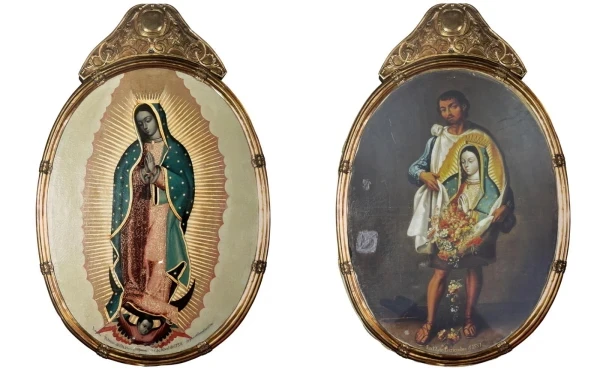
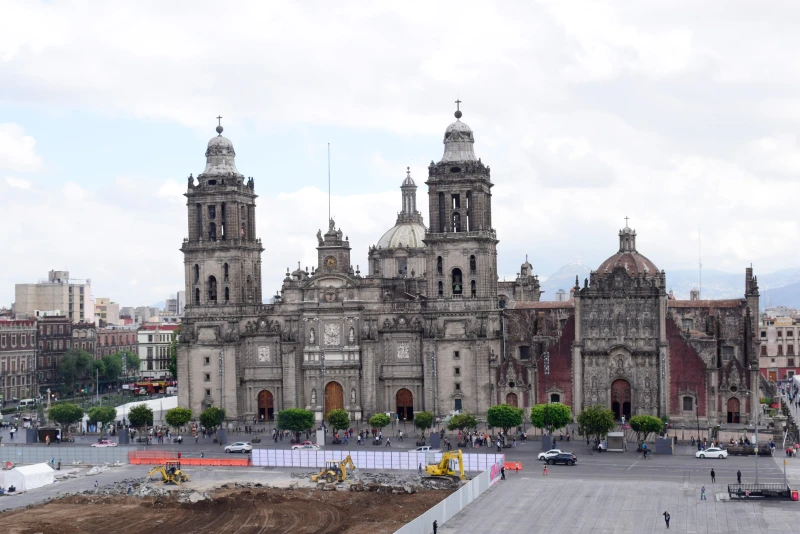
Mexico City cathedral organizes ‘Guadalupe Night’ to celebrate Our Lady – #Catholic – 
 
 Metropolitan Cathedral of Mexico City. / Credit: Salvador alc, CC BY-SA 4.0, via Wikimedia Commons

Puebla, Mexico, Dec 5, 2025 / 06:00 am (CNA).
The metropolitan cathedral of the Archdiocese of Mexico will host a special program to celebrate Our Lady of Guadalupe on the night of Dec. 11, the eve of the solemnity of the Virgin of Tepeyac.  Under the title “Guadalupe Night,” a program is planned that will begin at 6 p.m. local time with a procession that will depart from the Church of Santa Inés (St. Agnes) carrying the “Virgin of the Oath” (of loyalty) which, as explained on the cathedral’s social media, is “the historical image before which the Virgin of Guadalupe was proclaimed patroness of New Spain.”Midway between Santa Inés Church and the metropolitan cathedral stands what was once the archbishop’s palace, built by the first bishop of Mexico, Friar Juan de Zumárraga. It was precisely to this place that St. Juan Diego, the visionary who saw Our Lady of Guadalupe, came to present his request that a “sacred little house” be built at the foot of Tepeyac Hill.As proof of the veracity of the apparitions, St. Juan Diego carried his cloak filled with roses to the bishop’s residence and when he showed its contents to Zumárraga, the image of the Blessed Virgin was miraculously imprinted on it, an image that is preserved to this day in the Guadalupe Basilica.Along the route to the metropolitan cathedral’s entrance, four stations are planned, commemorating the four apparitions of Our Lady of Guadalupe, which occurred Dec. 9–12, 1531.Inside the church, the rosary will be recited at 8 p.m., and an hour later, the “Mañanitas” — a traditional Mexican song sung to celebrate birthdays — will be sung to Our Lady of Guadalupe, accompanied by mariachi music.At 10 p.m. Mass will be celebrated, and at 11 p.m. the program concludes with a “ringing of bells in celebration of the solemnity of the Virgin of Guadalupe.”The Virgin of Guadalupe ‘continues to walk with us’In an interview with ACI Prensa, CNA’s Spanish-language news partner, Father José A. Carballo, rector of the metropolitan cathedral and dean of the metropolitan chapter, emphasized that celebrating Our Lady of Guadalupe “is to recognize that she continues to walk with us, interceding for our families, our needs, and our nation.”“Her image, miraculously imprinted on the tilma of St. Juan Diego, is a source of comfort for those seeking refuge, strength for those who bear suffering, and guidance for those who wish to follow Christ.”This celebration, he added, “is, on its deepest level, an act of filial love toward the Virgin of Guadalupe, who chose to remain forever in the midst of her people.”The ‘Virgin of the Oath’The rector of the metropolitan cathedral and dean of the metropolitan chapter emphasized the importance of the presence of the “Virgin of the Oath” at this tribute, since “it recalls the profound historical and spiritual bond that this devotion has had with the life of the Church in Mexico.”Front and back of the image of the Virgin of the Oath. Credit: Courtesy of the Metropolitan Cathedral of the Archdiocese of Mexico“This image was specifically chosen for its significance as a symbol of the renewal of faith and Christian commitment,” he said, because “it represents the solemn act by which past generations expressed their fidelity to God and to the maternal protection of Holy Mary.”Carballo also highlighted the coordination between the Mexico City cathedral and the Basilica of Guadalupe, which will also draw large crowds for the solemnity of the Virgin of Tepeyac.“We walk in synodality, always seeking the good of the people of God,” he said, emphasizing that “dialogue has allowed us to harmonize schedules and activities, so that the celebrations on Dec. 11 and 12 complement each other and do not conflict.”“Both the basilica and the cathedral offer distinct, yet converging, spaces to experience the Guadalupan event in a spirit of communion, collaboration, and service to the faithful,” he stated.Father Eduardo Chávez, master theologian on the apparitions of the Guadalupe Basilica and postulator of the cause for the canonization of St. Juan Diego, emphasized in a statement to ACI Prensa the “significance” of both the celebration in the metropolitan cathedral and the event itself of the imprinting of the image of the Virgin in the house of Bishop Fray Juan de Zumárraga.“That is where the image of the Virgin of Guadalupe was formed” on Dec. 12, 1531, he emphasized, and explained that “it is very significant because certainly from the beginning the Virgin of Guadalupe builds the Church, forms the Church, is Mother of the Church.”Chávez, director of the Superior Institute of Guadalupan Studies, noted that it was Zumárraga himself who, before the apparitions, “in a moment of so much anguish, so many problems, injustices, so much innocent blood shed” by the First Royal High Court of the Spanish Crown in Mexico, “cried out to heaven in that letter he wrote to the king in 1529” in which he says, “If God does not provide a remedy with his own hand, the land is on the verge of being completely lost.”This story was first published by ACI Prensa, CNA’s Spanish-language news partner. It has been translated and adapted by CNA.

Mexico City cathedral organizes ‘Guadalupe Night’ to celebrate Our Lady – #Catholic – Metropolitan Cathedral of Mexico City. / Credit: Salvador alc, CC BY-SA 4.0, via Wikimedia Commons Puebla, Mexico, Dec 5, 2025 / 06:00 am (CNA). The metropolitan cathedral of the Archdiocese of Mexico will host a special program to celebrate Our Lady of Guadalupe on the night of Dec. 11, the eve of the solemnity of the Virgin of Tepeyac.  Under the title “Guadalupe Night,” a program is planned that will begin at 6 p.m. local time with a procession that will depart from the Church of Santa Inés (St. Agnes) carrying the “Virgin of the Oath” (of loyalty) which, as explained on the cathedral’s social media, is “the historical image before which the Virgin of Guadalupe was proclaimed patroness of New Spain.”Midway between Santa Inés Church and the metropolitan cathedral stands what was once the archbishop’s palace, built by the first bishop of Mexico, Friar Juan de Zumárraga. It was precisely to this place that St. Juan Diego, the visionary who saw Our Lady of Guadalupe, came to present his request that a “sacred little house” be built at the foot of Tepeyac Hill.As proof of the veracity of the apparitions, St. Juan Diego carried his cloak filled with roses to the bishop’s residence and when he showed its contents to Zumárraga, the image of the Blessed Virgin was miraculously imprinted on it, an image that is preserved to this day in the Guadalupe Basilica.Along the route to the metropolitan cathedral’s entrance, four stations are planned, commemorating the four apparitions of Our Lady of Guadalupe, which occurred Dec. 9–12, 1531.Inside the church, the rosary will be recited at 8 p.m., and an hour later, the “Mañanitas” — a traditional Mexican song sung to celebrate birthdays — will be sung to Our Lady of Guadalupe, accompanied by mariachi music.At 10 p.m. Mass will be celebrated, and at 11 p.m. the program concludes with a “ringing of bells in celebration of the solemnity of the Virgin of Guadalupe.”The Virgin of Guadalupe ‘continues to walk with us’In an interview with ACI Prensa, CNA’s Spanish-language news partner, Father José A. Carballo, rector of the metropolitan cathedral and dean of the metropolitan chapter, emphasized that celebrating Our Lady of Guadalupe “is to recognize that she continues to walk with us, interceding for our families, our needs, and our nation.”“Her image, miraculously imprinted on the tilma of St. Juan Diego, is a source of comfort for those seeking refuge, strength for those who bear suffering, and guidance for those who wish to follow Christ.”This celebration, he added, “is, on its deepest level, an act of filial love toward the Virgin of Guadalupe, who chose to remain forever in the midst of her people.”The ‘Virgin of the Oath’The rector of the metropolitan cathedral and dean of the metropolitan chapter emphasized the importance of the presence of the “Virgin of the Oath” at this tribute, since “it recalls the profound historical and spiritual bond that this devotion has had with the life of the Church in Mexico.”Front and back of the image of the Virgin of the Oath. Credit: Courtesy of the Metropolitan Cathedral of the Archdiocese of Mexico“This image was specifically chosen for its significance as a symbol of the renewal of faith and Christian commitment,” he said, because “it represents the solemn act by which past generations expressed their fidelity to God and to the maternal protection of Holy Mary.”Carballo also highlighted the coordination between the Mexico City cathedral and the Basilica of Guadalupe, which will also draw large crowds for the solemnity of the Virgin of Tepeyac.“We walk in synodality, always seeking the good of the people of God,” he said, emphasizing that “dialogue has allowed us to harmonize schedules and activities, so that the celebrations on Dec. 11 and 12 complement each other and do not conflict.”“Both the basilica and the cathedral offer distinct, yet converging, spaces to experience the Guadalupan event in a spirit of communion, collaboration, and service to the faithful,” he stated.Father Eduardo Chávez, master theologian on the apparitions of the Guadalupe Basilica and postulator of the cause for the canonization of St. Juan Diego, emphasized in a statement to ACI Prensa the “significance” of both the celebration in the metropolitan cathedral and the event itself of the imprinting of the image of the Virgin in the house of Bishop Fray Juan de Zumárraga.“That is where the image of the Virgin of Guadalupe was formed” on Dec. 12, 1531, he emphasized, and explained that “it is very significant because certainly from the beginning the Virgin of Guadalupe builds the Church, forms the Church, is Mother of the Church.”Chávez, director of the Superior Institute of Guadalupan Studies, noted that it was Zumárraga himself who, before the apparitions, “in a moment of so much anguish, so many problems, injustices, so much innocent blood shed” by the First Royal High Court of the Spanish Crown in Mexico, “cried out to heaven in that letter he wrote to the king in 1529” in which he says, “If God does not provide a remedy with his own hand, the land is on the verge of being completely lost.”This story was first published by ACI Prensa, CNA’s Spanish-language news partner. It has been translated and adapted by CNA.


Metropolitan Cathedral of Mexico City. / Credit: Salvador alc, CC BY-SA 4.0, via Wikimedia Commons

Puebla, Mexico, Dec 5, 2025 / 06:00 am (CNA).

The metropolitan cathedral of the Archdiocese of Mexico will host a special program to celebrate Our Lady of Guadalupe on the night of Dec. 11, the eve of the solemnity of the Virgin of Tepeyac.  

Under the title “Guadalupe Night,” a program is planned that will begin at 6 p.m. local time with a procession that will depart from the Church of Santa Inés (St. Agnes) carrying the “Virgin of the Oath” (of loyalty) which, as explained on the cathedral’s social media, is “the historical image before which the Virgin of Guadalupe was proclaimed patroness of New Spain.”

Midway between Santa Inés Church and the metropolitan cathedral stands what was once the archbishop’s palace, built by the first bishop of Mexico, Friar Juan de Zumárraga. It was precisely to this place that St. Juan Diego, the visionary who saw Our Lady of Guadalupe, came to present his request that a “sacred little house” be built at the foot of Tepeyac Hill.

As proof of the veracity of the apparitions, St. Juan Diego carried his cloak filled with roses to the bishop’s residence and when he showed its contents to Zumárraga, the image of the Blessed Virgin was miraculously imprinted on it, an image that is preserved to this day in the Guadalupe Basilica.

Along the route to the metropolitan cathedral’s entrance, four stations are planned, commemorating the four apparitions of Our Lady of Guadalupe, which occurred Dec. 9–12, 1531.

Inside the church, the rosary will be recited at 8 p.m., and an hour later, the “Mañanitas” — a traditional Mexican song sung to celebrate birthdays — will be sung to Our Lady of Guadalupe, accompanied by mariachi music.

At 10 p.m. Mass will be celebrated, and at 11 p.m. the program concludes with a “ringing of bells in celebration of the solemnity of the Virgin of Guadalupe.”

The Virgin of Guadalupe ‘continues to walk with us’

In an interview with ACI Prensa, CNA’s Spanish-language news partner, Father José A. Carballo, rector of the metropolitan cathedral and dean of the metropolitan chapter, emphasized that celebrating Our Lady of Guadalupe “is to recognize that she continues to walk with us, interceding for our families, our needs, and our nation.”

“Her image, miraculously imprinted on the tilma of St. Juan Diego, is a source of comfort for those seeking refuge, strength for those who bear suffering, and guidance for those who wish to follow Christ.”

This celebration, he added, “is, on its deepest level, an act of filial love toward the Virgin of Guadalupe, who chose to remain forever in the midst of her people.”

The ‘Virgin of the Oath’

The rector of the metropolitan cathedral and dean of the metropolitan chapter emphasized the importance of the presence of the “Virgin of the Oath” at this tribute, since “it recalls the profound historical and spiritual bond that this devotion has had with the life of the Church in Mexico.”

Front and back of the image of the Virgin of the Oath. Credit: Courtesy of the Metropolitan Cathedral of the Archdiocese of Mexico

“This image was specifically chosen for its significance as a symbol of the renewal of faith and Christian commitment,” he said, because “it represents the solemn act by which past generations expressed their fidelity to God and to the maternal protection of Holy Mary.”

Carballo also highlighted the coordination between the Mexico City cathedral and the Basilica of Guadalupe, which will also draw large crowds for the solemnity of the Virgin of Tepeyac.

“We walk in synodality, always seeking the good of the people of God,” he said, emphasizing that “dialogue has allowed us to harmonize schedules and activities, so that the celebrations on Dec. 11 and 12 complement each other and do not conflict.”

“Both the basilica and the cathedral offer distinct, yet converging, spaces to experience the Guadalupan event in a spirit of communion, collaboration, and service to the faithful,” he stated.

Father Eduardo Chávez, master theologian on the apparitions of the Guadalupe Basilica and postulator of the cause for the canonization of St. Juan Diego, emphasized in a statement to ACI Prensa the “significance” of both the celebration in the metropolitan cathedral and the event itself of the imprinting of the image of the Virgin in the house of Bishop Fray Juan de Zumárraga.

“That is where the image of the Virgin of Guadalupe was formed” on Dec. 12, 1531, he emphasized, and explained that “it is very significant because certainly from the beginning the Virgin of Guadalupe builds the Church, forms the Church, is Mother of the Church.”

Chávez, director of the Superior Institute of Guadalupan Studies, noted that it was Zumárraga himself who, before the apparitions, “in a moment of so much anguish, so many problems, injustices, so much innocent blood shed” by the First Royal High Court of the Spanish Crown in Mexico, “cried out to heaven in that letter he wrote to the king in 1529” in which he says, “If God does not provide a remedy with his own hand, the land is on the verge of being completely lost.”

This story was first published by ACI Prensa, CNA’s Spanish-language news partner. It has been translated and adapted by CNA.

Read More

O Jesus, Who has said, “Ask and you shall receive, seek and you shall find, knock and it shall be opened,” through the intercession of Mary, Your Most Holy Mother, I knock, I seek, I ask that my prayer be granted.
(Make your request)

O Jesus, Who has said, “All that you ask of the Father in My Name, He will grant you,” through the intercession of Mary Your Most Holy Mother, I humbly and urgently ask your Father in your name that my prayer will be granted.
(Make your request)

O …

Read More