Day: December 1, 2025

Bad At Praying? Here Are 11 Surefire Ways To Improve Your Prayer Life #BabylonBee – Prayer is among the most powerful tools Christians have, yet like a sad houseplant, it’s often neglected. That’s why we consulted with the world’s most faithful and holy Christians to learn the best tips to maintaining a healthy prayer life. Check them out below.

Prayer is among the most powerful tools Christians have, yet like a sad houseplant, it’s often neglected. That’s why we consulted with the world’s most faithful and holy Christians to learn the best tips to maintaining a healthy prayer life. Check them out below.

Read More
Husbands: 17 Things They Are Good For #BabylonBee – Marriage is an endless bouquet of blessings and discoveries, with each new day bringing new joys and delights to those who join in the divine covenant. That being said, what are husbands good for, exactly?

Marriage is an endless bouquet of blessings and discoveries, with each new day bringing new joys and delights to those who join in the divine covenant. That being said, what are husbands good for, exactly?

Read More
Picture of the day


A full-size test article of the SpaceX Crew Dragon named DragonFly fires its eight SuperDraco engines in a development test of its ability to land with the accuracy of a helicopter using only the thrusters. The company conducted two tethered tests vehicle attached to a crane so engineers could refine the landing software and systems on the spacecraft. SpaceX envisions returning people to Earth from space on the power of thrust instead of beneath parachutes. SpaceX, in partnership with NASA’s Commercial Crew Program, is developing the Crew Dragon and Falcon 9 integrated system to take astronauts to launch astronauts to the International Space Station from the United States.
 #ImageOfTheDay
Picture of the day
A full-size test article of the SpaceX Crew Dragon named DragonFly fires its eight SuperDraco engines in a development test of its ability to land with the accuracy of a helicopter using only the thrusters. The company conducted two tethered tests vehicle attached to a crane so engineers could refine the landing software and systems on the spacecraft. SpaceX envisions returning people to Earth from space on the power of thrust instead of beneath parachutes. SpaceX, in partnership with NASA’s Commercial Crew Program, is developing the Crew Dragon and Falcon 9 integrated system to take astronauts to launch astronauts to the International Space Station from the United States.
Read More

V. The Angel of the Lord declared unto Mary,
R. And she conceived of the Holy Spirit.

Hail Mary, etc…

V. Behold the handmaid of the Lord.
R. Be it done unto me according to Your Word.

Hail Mary, etc…

V. And the Word was made flesh,
R. And dwelt among us.

Hail Mary, etc…

V. Pray for us, O holy Mother of God.
R. That we may be made worthy of the promises of Christ.

Let us pray:

Pour forth, we beseech You, O …

Read More

Gospel and Word of the Day – 02 December 2025 – A reading from the Book of Isaiah 11:1-10 On that day, A shoot shall sprout from the stump of Jesse, and from his roots a bud shall blossom. The Spirit of the LORD shall rest upon him: a Spirit of wisdom and of understanding, A Spirit of counsel and of strength, a Spirit of knowledge and of fear of the LORD, and his delight shall be the fear of the LORD. Not by appearance shall he judge, nor by hearsay shall he decide, But he shall judge the poor with justice, and decide aright for the land’s afflicted. He shall strike the ruthless with the rod of his mouth, and with the breath of his lips he shall slay the wicked. Justice shall be the band around his waist, and faithfulness a belt upon his hips. Then the wolf shall be a guest of the lamb, and the leopard shall lie down with the kid; The calf and the young lion shall browse together, with a little child to guide them. The cow and the bear shall be neighbors, together their young shall rest; the lion shall eat hay like the ox. The baby shall play by the cobra’s den, and the child lay his hand on the adder’s lair. There shall be no harm or ruin on all my holy mountain; for the earth shall be filled with knowledge of the LORD, as water covers the sea. On that day, The root of Jesse, set up as a signal for the nations, The Gentiles shall seek out, for his dwelling shall be glorious.From the Gospel according to Luke 10:21-24 Jesus rejoiced in the Holy Spirit and said, "I give you praise, Father, Lord of heaven and earth, for although you have hidden these things from the wise and the learned you have revealed them to the childlike. Yes, Father, such has been your gracious will. All things have been handed over to me by my Father. No one knows who the Son is except the Father, and who the Father is except the Son and anyone to whom the Son wishes to reveal him." Turning to the disciples in private he said, "Blessed are the eyes that see what you see. For I say to you, many prophets and kings desired to see what you see, but did not see it, and to hear what you hear, but did not hear it."The little ones are those who, like children, feel their need and are not self-sufficient. They are open to God and allow themselves to be amazed at his works. They know how to read his signs, to marvel at the miracles of his love! Our lives are filled with miracles. They are filled with deeds of love, signs of God’s goodness. Before these, however, even our hearts can remain indifferent and become habitual, curious but not capable of being amazed, of allowing themselves to be “impressed”. A closed heart, an armoured heart, is incapable of being amazed. To impress is a beautiful verb that brings to mind photographic film. This is the correct behaviour to have before God’s works: to take a photograph of his works in our minds so that they may be impressed in our hearts, and then developed in our lives through many good deeds, so that this “photograph” of God, who is love, becomes ever brighter in us and through us. (Pope Francis, Angelus, 9 July 2023)

A reading from the Book of Isaiah
11:1-10

On that day,
A shoot shall sprout from the stump of Jesse,
and from his roots a bud shall blossom.
The Spirit of the LORD shall rest upon him:
a Spirit of wisdom and of understanding,
A Spirit of counsel and of strength,
a Spirit of knowledge and of fear of the LORD,
and his delight shall be the fear of the LORD.
Not by appearance shall he judge,
nor by hearsay shall he decide,
But he shall judge the poor with justice,
and decide aright for the land’s afflicted.
He shall strike the ruthless with the rod of his mouth,
and with the breath of his lips he shall slay the wicked.
Justice shall be the band around his waist,
and faithfulness a belt upon his hips.

Then the wolf shall be a guest of the lamb,
and the leopard shall lie down with the kid;
The calf and the young lion shall browse together,
with a little child to guide them.
The cow and the bear shall be neighbors,
together their young shall rest;
the lion shall eat hay like the ox.
The baby shall play by the cobra’s den,
and the child lay his hand on the adder’s lair.
There shall be no harm or ruin on all my holy mountain;
for the earth shall be filled with knowledge of the LORD,
as water covers the sea.

On that day,
The root of Jesse,
set up as a signal for the nations,
The Gentiles shall seek out,
for his dwelling shall be glorious.

From the Gospel according to Luke
10:21-24

Jesus rejoiced in the Holy Spirit and said,
"I give you praise, Father, Lord of heaven and earth,
for although you have hidden these things
from the wise and the learned
you have revealed them to the childlike.
Yes, Father, such has been your gracious will.
All things have been handed over to me by my Father.
No one knows who the Son is except the Father,
and who the Father is except the Son
and anyone to whom the Son wishes to reveal him."

Turning to the disciples in private he said,
"Blessed are the eyes that see what you see.
For I say to you,
many prophets and kings desired to see what you see,
but did not see it,
and to hear what you hear, but did not hear it."

The little ones are those who, like children, feel their need and are not self-sufficient. They are open to God and allow themselves to be amazed at his works. They know how to read his signs, to marvel at the miracles of his love! Our lives are filled with miracles. They are filled with deeds of love, signs of God’s goodness. Before these, however, even our hearts can remain indifferent and become habitual, curious but not capable of being amazed, of allowing themselves to be “impressed”. A closed heart, an armoured heart, is incapable of being amazed. To impress is a beautiful verb that brings to mind photographic film. This is the correct behaviour to have before God’s works: to take a photograph of his works in our minds so that they may be impressed in our hearts, and then developed in our lives through many good deeds, so that this “photograph” of God, who is love, becomes ever brighter in us and through us. (Pope Francis, Angelus, 9 July 2023)

Read More
Pope Leo appoints Mexican-born Oratorian as bishop of Corpus Christi, Texas #Catholic 
 
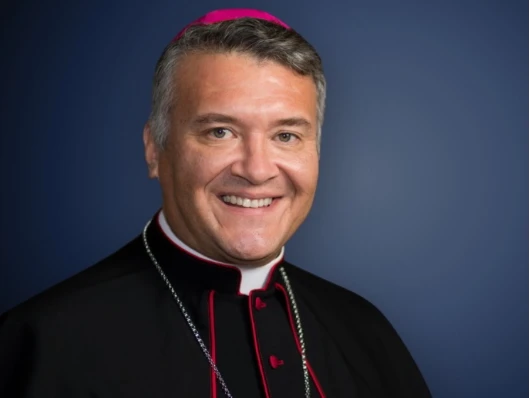
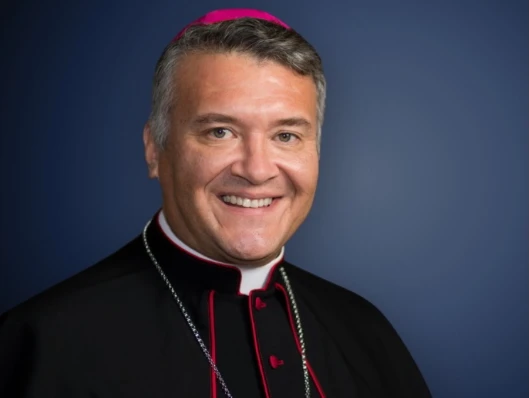
 Bishop Mario Avilés. / Credit: Photo courtesy of the Diocese of Brownsville

Vatican City, Dec 1, 2025 / 13:44 pm (CNA).
Pope Leo XIV on Monday appointed Bishop Mario Avilés as the new bishop of Corpus Christi, selecting the Mexican-born Oratorian to lead the south Texas diocese. Avilés, 56, who has served as auxiliary bishop of Brownsville, Texas, since February 2018, will succeed Bishop Michael Mulvey, 76. Mulvey has led the Diocese of Corpus Christi since 2010.  “We welcome Bishop-designate Avilés with open hearts and deep prayer,” Mulvey said in a statement after the Vatican announcement on Dec. 1. As the ninth bishop of Corpus Christi, Avilés will take responsibility for the spiritual leadership of more than 200,000 Catholics across a 12-county region in south Texas. “The Diocese of Brownsville will greatly miss Bishop Mario’s wise counsel and good judgment, his joyful presence in our parish communities, and his administrative skills in the service of our diocesan offices and Catholic schools. Yet at the same time we share in the special joy of the Diocese of Corpus Christi at the news of Bishop Mario’s appointment,” Brownsville Bishop Daniel Flores said in a statement. Avilés was born on Sept. 16, 1969, in Mexico City. In 1986, he joined the Congregation of the Oratory of St. Philip Neri, a pontifical society of apostolic life composed of priests and lay brothers founded in 1575, which now has more than 70 oratories worldwide.He studied for the priesthood in Mexico City before continuing his education in Rome, earning bachelor’s degrees in philosophy and sacred theology at the Pontifical Athenaeum Regina Apostolorum. He also holds a master’s degree in education administration and supervision and is a certified teacher in the state of Texas.At the age of 28, Avilés was ordained a priest in the Basilica of Our Lady of San Juan del Valle National Shrine in San Juan, Texas. He became parochial vicar at St. Jude Thaddeus Church in Pharr and worked in the Pharr Oratory Schools as a governance board member, teacher, principal, and rector. He also served as vicar, secretary, treasurer, and novice master for the Oratorian congregation. From 2000 to 2012, he served on the Permanent Deputation of the Confederation of the Oratory of St. Philip Neri for Latin America. At the congregation’s 2012 General Congress, he was elected procurator general of the confederation, a Rome-based role representing Oratorian communities to the Holy See. He speaks Spanish, English, and Italian.Avilés’ episcopal motto is “Caritas Dei diffusa est in cordibus nostris,” meaning “The love of God has been poured out into our hearts,” a reference to Romans 5:5 and the introit of the Mass for the feast of St. Philip Neri. His crest includes red roses honoring Our Lady of Guadalupe and his Mexican heritage as well as three gold stars drawn from the Neri family crest, symbolizing his long affiliation with the oratory.“I ask all the faithful of the Diocese of Brownsville to pray for Bishop Mario as he prepares to take up his new mission of service in Corpus Christi,” Flores said. “May God bless Bishop Mario Avilés and may the maternal care of the blessed and ever-immaculate Virgin Mary accompany him always.”

Pope Leo appoints Mexican-born Oratorian as bishop of Corpus Christi, Texas #Catholic Bishop Mario Avilés. / Credit: Photo courtesy of the Diocese of Brownsville Vatican City, Dec 1, 2025 / 13:44 pm (CNA). Pope Leo XIV on Monday appointed Bishop Mario Avilés as the new bishop of Corpus Christi, selecting the Mexican-born Oratorian to lead the south Texas diocese. Avilés, 56, who has served as auxiliary bishop of Brownsville, Texas, since February 2018, will succeed Bishop Michael Mulvey, 76. Mulvey has led the Diocese of Corpus Christi since 2010.  “We welcome Bishop-designate Avilés with open hearts and deep prayer,” Mulvey said in a statement after the Vatican announcement on Dec. 1. As the ninth bishop of Corpus Christi, Avilés will take responsibility for the spiritual leadership of more than 200,000 Catholics across a 12-county region in south Texas. “The Diocese of Brownsville will greatly miss Bishop Mario’s wise counsel and good judgment, his joyful presence in our parish communities, and his administrative skills in the service of our diocesan offices and Catholic schools. Yet at the same time we share in the special joy of the Diocese of Corpus Christi at the news of Bishop Mario’s appointment,” Brownsville Bishop Daniel Flores said in a statement. Avilés was born on Sept. 16, 1969, in Mexico City. In 1986, he joined the Congregation of the Oratory of St. Philip Neri, a pontifical society of apostolic life composed of priests and lay brothers founded in 1575, which now has more than 70 oratories worldwide.He studied for the priesthood in Mexico City before continuing his education in Rome, earning bachelor’s degrees in philosophy and sacred theology at the Pontifical Athenaeum Regina Apostolorum. He also holds a master’s degree in education administration and supervision and is a certified teacher in the state of Texas.At the age of 28, Avilés was ordained a priest in the Basilica of Our Lady of San Juan del Valle National Shrine in San Juan, Texas. He became parochial vicar at St. Jude Thaddeus Church in Pharr and worked in the Pharr Oratory Schools as a governance board member, teacher, principal, and rector. He also served as vicar, secretary, treasurer, and novice master for the Oratorian congregation. From 2000 to 2012, he served on the Permanent Deputation of the Confederation of the Oratory of St. Philip Neri for Latin America. At the congregation’s 2012 General Congress, he was elected procurator general of the confederation, a Rome-based role representing Oratorian communities to the Holy See. He speaks Spanish, English, and Italian.Avilés’ episcopal motto is “Caritas Dei diffusa est in cordibus nostris,” meaning “The love of God has been poured out into our hearts,” a reference to Romans 5:5 and the introit of the Mass for the feast of St. Philip Neri. His crest includes red roses honoring Our Lady of Guadalupe and his Mexican heritage as well as three gold stars drawn from the Neri family crest, symbolizing his long affiliation with the oratory.“I ask all the faithful of the Diocese of Brownsville to pray for Bishop Mario as he prepares to take up his new mission of service in Corpus Christi,” Flores said. “May God bless Bishop Mario Avilés and may the maternal care of the blessed and ever-immaculate Virgin Mary accompany him always.”


Bishop Mario Avilés. / Credit: Photo courtesy of the Diocese of Brownsville

Vatican City, Dec 1, 2025 / 13:44 pm (CNA).

Pope Leo XIV on Monday appointed Bishop Mario Avilés as the new bishop of Corpus Christi, selecting the Mexican-born Oratorian to lead the south Texas diocese. 

Avilés, 56, who has served as auxiliary bishop of Brownsville, Texas, since February 2018, will succeed Bishop Michael Mulvey, 76. Mulvey has led the Diocese of Corpus Christi since 2010.  

“We welcome Bishop-designate Avilés with open hearts and deep prayer,” Mulvey said in a statement after the Vatican announcement on Dec. 1. 

As the ninth bishop of Corpus Christi, Avilés will take responsibility for the spiritual leadership of more than 200,000 Catholics across a 12-county region in south Texas. 

“The Diocese of Brownsville will greatly miss Bishop Mario’s wise counsel and good judgment, his joyful presence in our parish communities, and his administrative skills in the service of our diocesan offices and Catholic schools. Yet at the same time we share in the special joy of the Diocese of Corpus Christi at the news of Bishop Mario’s appointment,” Brownsville Bishop Daniel Flores said in a statement. 

Avilés was born on Sept. 16, 1969, in Mexico City. In 1986, he joined the Congregation of the Oratory of St. Philip Neri, a pontifical society of apostolic life composed of priests and lay brothers founded in 1575, which now has more than 70 oratories worldwide.

He studied for the priesthood in Mexico City before continuing his education in Rome, earning bachelor’s degrees in philosophy and sacred theology at the Pontifical Athenaeum Regina Apostolorum. He also holds a master’s degree in education administration and supervision and is a certified teacher in the state of Texas.

At the age of 28, Avilés was ordained a priest in the Basilica of Our Lady of San Juan del Valle National Shrine in San Juan, Texas. He became parochial vicar at St. Jude Thaddeus Church in Pharr and worked in the Pharr Oratory Schools as a governance board member, teacher, principal, and rector. He also served as vicar, secretary, treasurer, and novice master for the Oratorian congregation. 

From 2000 to 2012, he served on the Permanent Deputation of the Confederation of the Oratory of St. Philip Neri for Latin America. At the congregation’s 2012 General Congress, he was elected procurator general of the confederation, a Rome-based role representing Oratorian communities to the Holy See. He speaks Spanish, English, and Italian.

Avilés’ episcopal motto is “Caritas Dei diffusa est in cordibus nostris,” meaning “The love of God has been poured out into our hearts,” a reference to Romans 5:5 and the introit of the Mass for the feast of St. Philip Neri. His crest includes red roses honoring Our Lady of Guadalupe and his Mexican heritage as well as three gold stars drawn from the Neri family crest, symbolizing his long affiliation with the oratory.

“I ask all the faithful of the Diocese of Brownsville to pray for Bishop Mario as he prepares to take up his new mission of service in Corpus Christi,” Flores said. “May God bless Bishop Mario Avilés and may the maternal care of the blessed and ever-immaculate Virgin Mary accompany him always.”

Read More
The Cabrini Pledge: An Invitation To Be the Keepers of Hope #Catholic – 
On Nov. 13, the Church celebrates the feast of St. Frances Xavier Cabrini, Patroness of All Immigrants. On that occasion, the bishops of the United States and the bishops of the State of New York issued statements regarding the current situation of migrants in our country. 
The concerns are cited in the body of this article. However, the most important element — as emphasized by the Bishops of New York State — is a willingness to correctly understand the current situation of migration in our country as informed by Catholic social teaching. 
To that end, the bishops of the Committee on Migration of the United States Conference of Catholic Bishops have asked our people to pledge in seeking the intercession of Mother Cabrini by committing ourselves to prayer and discernment. 
Many concerns form the basis of a pledge to attend to these concerns for migrants. 
Click here to sign the Cabrini Pledge.
Welcome 
Our nation has, for most of our history, been a welcoming place for immigrants who have built our society, our culture, and our Church. Migration should always be safe, legal, and orderly, and immigration reforms must produce these goals. 
The discrimination and the abuses of the past need to be eliminated as we return to the ugly history of 100 years ago, when nativism and racism guided our laws and practices. We are facing a similar situation today. 
Catholic social teaching states that persons should be able to remain in their homeland and, if they cannot live there peacefully, they have a right to migrate to countries that can accept them. 
The United States has been a haven for migrants, and closing the door on our history is not a positive development. 
The enforcement of administrative immigration laws should be distinguished from criminal offenses, and enforcement practices should adhere to humane standards, including due process, family unity, and alternatives to detention. 

Click here to subscribe to our weekly newsletter.

To maintain our moral leadership in the free world, our country should continue the refugee resettlement program for all who qualify in accordance with their protection needs and our ability to accept them. 
Asylum seekers should be able to file applications outside of the United States. Family reunification and non-separation of families should remain an important aspect of immigration legislation and practice. 
Protection 
Protection of basic human dignity should be accorded to migrants irrespective of their legal status. Other options to protect our security exist besides mass deportation. Updating the registry provision of immigration law to allow long-term migrants to gain legal status will help them avoid the excesses of roundups and ensure security. Granting status to long-term migrants would prevent many problems and protect the labor market. 
Although those convicted of a felony should be deported when necessary and possible, those abiding by our laws while here should be treated differently. Racial profiling should not be used as a means of enforcement, nor should families be separated in the process. 
Birthright citizenship, which is conferred on those born on U.S. soil, has been the norm both legally and culturally in the United States since its founding, enshrined in our Constitution after the Civil War. This should be protected. Otherwise, we will make millions of U.S.-born children stateless. 
The protection of religious liberty should not be diminished by threats, surveillance, and arrests at places of worship. Visas should be available to religious workers who assist both migrants and native-born churchgoers. 
Temporary protected status already granted should not be arbitrarily removed when recipients cannot return to perilous conditions in their home countries. The often-dangerous conditions or circumstances in the home countries of these individuals — so-called “push factors” which cause them to flee in the first place — need our attention. 
Promotion 
A straightforward path to earn U.S. citizenship should be offered to all legal residents and newly documented individuals. The language and cultural heritage of migrants should be respected, especially in providing pastoral care. Foreign-born agricultural workers should have equal rights and wages to those of other domestic workers. 
Integration 
Integration does not mean assimilation, whereby language and cultural differences are obliterated from the lives of migrants who need assistance in adapting to a new culture and language. The media should share positive stories about the contributions of migrants across all platforms. 
The Cabrini Pledge 
St. Frances Xavier Cabrini is the patron saint of all migrants. We seek her intercession for the concerns mentioned above. By signing the pledge, we commit our prayers and energy to the welcome, protection, promotion, and integration of migrants. 
I PLEDGE: 
To affirm, in word and deed, the inherent dignity of every person, regardless of immigration status or country of origin, seeing each as a child of God before all else. 
To engage with Scripture and the Church’s social teaching, reflecting on the role of migration in salvation history, the history of the United States, and the history of my own family. 
To listen and learn about the circumstances facing migrants and refugees, including those in my community, with an open heart and mind. 
To seek opportunities for encounter, so as to grow in deeper understanding and communion that leads to an authentic solidarity with those in need. 
To consider what it means to be a good neighbor and how I am called to reflect the love and hope of Christ to others. 
To encourage civic dialogue that places the human person and the sanctity of families at the center of policymaking, especially toward the end of meaningful immigration reform. 
To join with Pope Leo in praying for all migrants and refugees as fellow travelers on our journey to our true homeland. 
Bishop Nicholas DiMarzio, who served as the seventh bishop of the Diocese of Brooklyn, is continuing his research on undocumented migration in the United States.
 

The Cabrini Pledge: An Invitation To Be the Keepers of Hope #Catholic – On Nov. 13, the Church celebrates the feast of St. Frances Xavier Cabrini, Patroness of All Immigrants. On that occasion, the bishops of the United States and the bishops of the State of New York issued statements regarding the current situation of migrants in our country.  The concerns are cited in the body of this article. However, the most important element — as emphasized by the Bishops of New York State — is a willingness to correctly understand the current situation of migration in our country as informed by Catholic social teaching.  To that end, the bishops of the Committee on Migration of the United States Conference of Catholic Bishops have asked our people to pledge in seeking the intercession of Mother Cabrini by committing ourselves to prayer and discernment.  Many concerns form the basis of a pledge to attend to these concerns for migrants.  Click here to sign the Cabrini Pledge. Welcome  Our nation has, for most of our history, been a welcoming place for immigrants who have built our society, our culture, and our Church. Migration should always be safe, legal, and orderly, and immigration reforms must produce these goals.  The discrimination and the abuses of the past need to be eliminated as we return to the ugly history of 100 years ago, when nativism and racism guided our laws and practices. We are facing a similar situation today.  Catholic social teaching states that persons should be able to remain in their homeland and, if they cannot live there peacefully, they have a right to migrate to countries that can accept them.  The United States has been a haven for migrants, and closing the door on our history is not a positive development.  The enforcement of administrative immigration laws should be distinguished from criminal offenses, and enforcement practices should adhere to humane standards, including due process, family unity, and alternatives to detention.  Click here to subscribe to our weekly newsletter. To maintain our moral leadership in the free world, our country should continue the refugee resettlement program for all who qualify in accordance with their protection needs and our ability to accept them.  Asylum seekers should be able to file applications outside of the United States. Family reunification and non-separation of families should remain an important aspect of immigration legislation and practice.  Protection  Protection of basic human dignity should be accorded to migrants irrespective of their legal status. Other options to protect our security exist besides mass deportation. Updating the registry provision of immigration law to allow long-term migrants to gain legal status will help them avoid the excesses of roundups and ensure security. Granting status to long-term migrants would prevent many problems and protect the labor market.  Although those convicted of a felony should be deported when necessary and possible, those abiding by our laws while here should be treated differently. Racial profiling should not be used as a means of enforcement, nor should families be separated in the process.  Birthright citizenship, which is conferred on those born on U.S. soil, has been the norm both legally and culturally in the United States since its founding, enshrined in our Constitution after the Civil War. This should be protected. Otherwise, we will make millions of U.S.-born children stateless.  The protection of religious liberty should not be diminished by threats, surveillance, and arrests at places of worship. Visas should be available to religious workers who assist both migrants and native-born churchgoers.  Temporary protected status already granted should not be arbitrarily removed when recipients cannot return to perilous conditions in their home countries. The often-dangerous conditions or circumstances in the home countries of these individuals — so-called “push factors” which cause them to flee in the first place — need our attention.  Promotion  A straightforward path to earn U.S. citizenship should be offered to all legal residents and newly documented individuals. The language and cultural heritage of migrants should be respected, especially in providing pastoral care. Foreign-born agricultural workers should have equal rights and wages to those of other domestic workers.  Integration  Integration does not mean assimilation, whereby language and cultural differences are obliterated from the lives of migrants who need assistance in adapting to a new culture and language. The media should share positive stories about the contributions of migrants across all platforms.  The Cabrini Pledge  St. Frances Xavier Cabrini is the patron saint of all migrants. We seek her intercession for the concerns mentioned above. By signing the pledge, we commit our prayers and energy to the welcome, protection, promotion, and integration of migrants.  I PLEDGE:  To affirm, in word and deed, the inherent dignity of every person, regardless of immigration status or country of origin, seeing each as a child of God before all else.  To engage with Scripture and the Church’s social teaching, reflecting on the role of migration in salvation history, the history of the United States, and the history of my own family.  To listen and learn about the circumstances facing migrants and refugees, including those in my community, with an open heart and mind.  To seek opportunities for encounter, so as to grow in deeper understanding and communion that leads to an authentic solidarity with those in need.  To consider what it means to be a good neighbor and how I am called to reflect the love and hope of Christ to others.  To encourage civic dialogue that places the human person and the sanctity of families at the center of policymaking, especially toward the end of meaningful immigration reform.  To join with Pope Leo in praying for all migrants and refugees as fellow travelers on our journey to our true homeland.  Bishop Nicholas DiMarzio, who served as the seventh bishop of the Diocese of Brooklyn, is continuing his research on undocumented migration in the United States.  

The Cabrini Pledge: An Invitation To Be the Keepers of Hope #Catholic –

On Nov. 13, the Church celebrates the feast of St. Frances Xavier Cabrini, Patroness of All Immigrants. On that occasion, the bishops of the United States and the bishops of the State of New York issued statements regarding the current situation of migrants in our country. 

The concerns are cited in the body of this article. However, the most important element — as emphasized by the Bishops of New York State — is a willingness to correctly understand the current situation of migration in our country as informed by Catholic social teaching. 

To that end, the bishops of the Committee on Migration of the United States Conference of Catholic Bishops have asked our people to pledge in seeking the intercession of Mother Cabrini by committing ourselves to prayer and discernment. 

Many concerns form the basis of a pledge to attend to these concerns for migrants. 

Click here to sign the Cabrini Pledge.

Welcome 

Our nation has, for most of our history, been a welcoming place for immigrants who have built our society, our culture, and our Church. Migration should always be safe, legal, and orderly, and immigration reforms must produce these goals. 

The discrimination and the abuses of the past need to be eliminated as we return to the ugly history of 100 years ago, when nativism and racism guided our laws and practices. We are facing a similar situation today. 

Catholic social teaching states that persons should be able to remain in their homeland and, if they cannot live there peacefully, they have a right to migrate to countries that can accept them. 

The United States has been a haven for migrants, and closing the door on our history is not a positive development. 

The enforcement of administrative immigration laws should be distinguished from criminal offenses, and enforcement practices should adhere to humane standards, including due process, family unity, and alternatives to detention. 


Click here to subscribe to our weekly newsletter.

To maintain our moral leadership in the free world, our country should continue the refugee resettlement program for all who qualify in accordance with their protection needs and our ability to accept them. 

Asylum seekers should be able to file applications outside of the United States. Family reunification and non-separation of families should remain an important aspect of immigration legislation and practice. 

Protection 

Protection of basic human dignity should be accorded to migrants irrespective of their legal status. Other options to protect our security exist besides mass deportation. Updating the registry provision of immigration law to allow long-term migrants to gain legal status will help them avoid the excesses of roundups and ensure security. Granting status to long-term migrants would prevent many problems and protect the labor market. 

Although those convicted of a felony should be deported when necessary and possible, those abiding by our laws while here should be treated differently. Racial profiling should not be used as a means of enforcement, nor should families be separated in the process. 

Birthright citizenship, which is conferred on those born on U.S. soil, has been the norm both legally and culturally in the United States since its founding, enshrined in our Constitution after the Civil War. This should be protected. Otherwise, we will make millions of U.S.-born children stateless. 

The protection of religious liberty should not be diminished by threats, surveillance, and arrests at places of worship. Visas should be available to religious workers who assist both migrants and native-born churchgoers. 

Temporary protected status already granted should not be arbitrarily removed when recipients cannot return to perilous conditions in their home countries. The often-dangerous conditions or circumstances in the home countries of these individuals — so-called “push factors” which cause them to flee in the first place — need our attention. 

Promotion 

A straightforward path to earn U.S. citizenship should be offered to all legal residents and newly documented individuals. The language and cultural heritage of migrants should be respected, especially in providing pastoral care. Foreign-born agricultural workers should have equal rights and wages to those of other domestic workers. 

Integration 

Integration does not mean assimilation, whereby language and cultural differences are obliterated from the lives of migrants who need assistance in adapting to a new culture and language. The media should share positive stories about the contributions of migrants across all platforms. 

The Cabrini Pledge 

St. Frances Xavier Cabrini is the patron saint of all migrants. We seek her intercession for the concerns mentioned above. By signing the pledge, we commit our prayers and energy to the welcome, protection, promotion, and integration of migrants. 

I PLEDGE: 

To affirm, in word and deed, the inherent dignity of every person, regardless of immigration status or country of origin, seeing each as a child of God before all else. 

To engage with Scripture and the Church’s social teaching, reflecting on the role of migration in salvation history, the history of the United States, and the history of my own family. 

To listen and learn about the circumstances facing migrants and refugees, including those in my community, with an open heart and mind. 

To seek opportunities for encounter, so as to grow in deeper understanding and communion that leads to an authentic solidarity with those in need. 

To consider what it means to be a good neighbor and how I am called to reflect the love and hope of Christ to others. 

To encourage civic dialogue that places the human person and the sanctity of families at the center of policymaking, especially toward the end of meaningful immigration reform. 

To join with Pope Leo in praying for all migrants and refugees as fellow travelers on our journey to our true homeland. 

Bishop Nicholas DiMarzio, who served as the seventh bishop of the Diocese of Brooklyn, is continuing his research on undocumented migration in the United States.


On Nov. 13, the Church celebrates the feast of St. Frances Xavier Cabrini, Patroness of All Immigrants. On that occasion, the bishops of the United States and the bishops of the State of New York issued statements regarding the current situation of migrants in our country.  The concerns are cited in the body of this article. However, the most important element — as emphasized by the Bishops of New York State — is a willingness to correctly understand the current situation of migration in our country as informed by Catholic social teaching.  To that end, the bishops of the Committee on Migration of

Read More

Looking for a sky event this week? Check out our full Sky This Week column.  November 30: Watch Titan reappear Jupiter is the object you’ll want to be watching this evening, as Ganymede prepares to transit along with its shadow. About an hour before that event starts, Ganymede and Europa line up as the two moons passContinue reading “The Sky Today on Monday, December 1: Ganymede and its shadow transit Jupiter”

The post The Sky Today on Monday, December 1: Ganymede and its shadow transit Jupiter appeared first on Astronomy Magazine.

Read More
Pope Leo entrusts Lebanon to Saint Charbel’s intercession, prays at his tomb – #Catholic – 
 
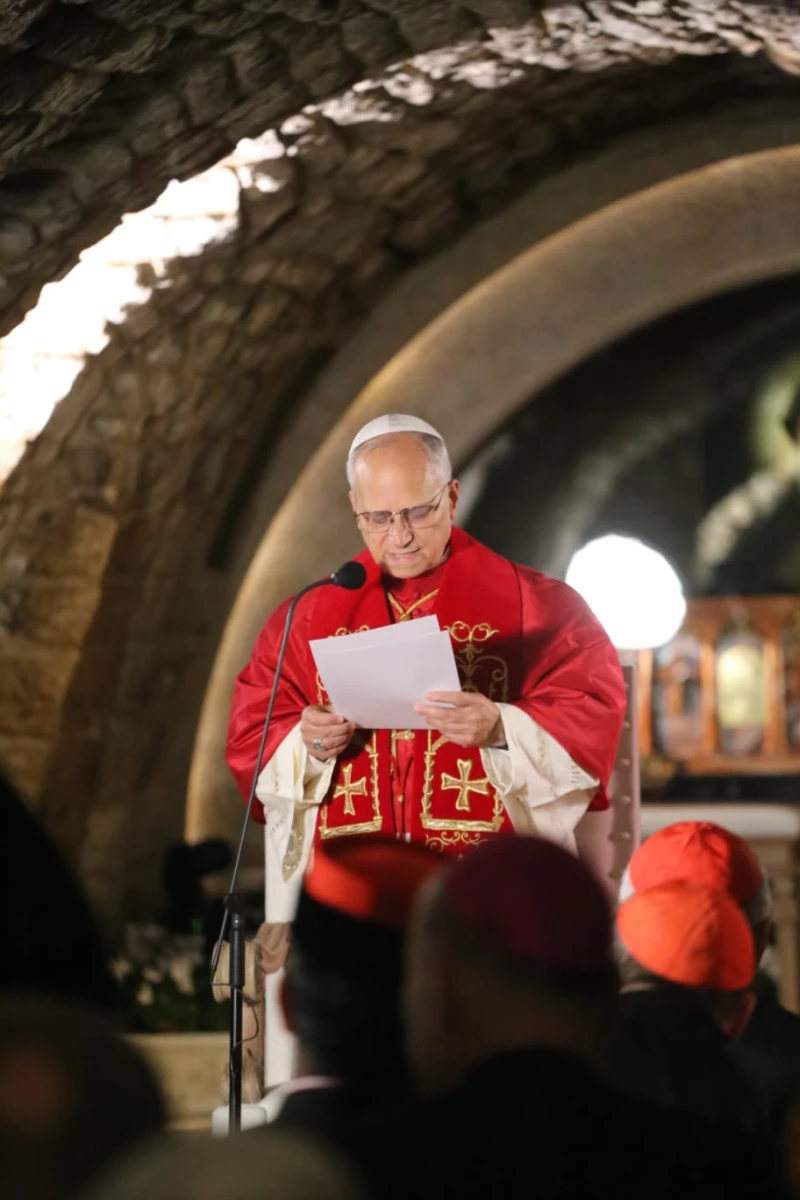
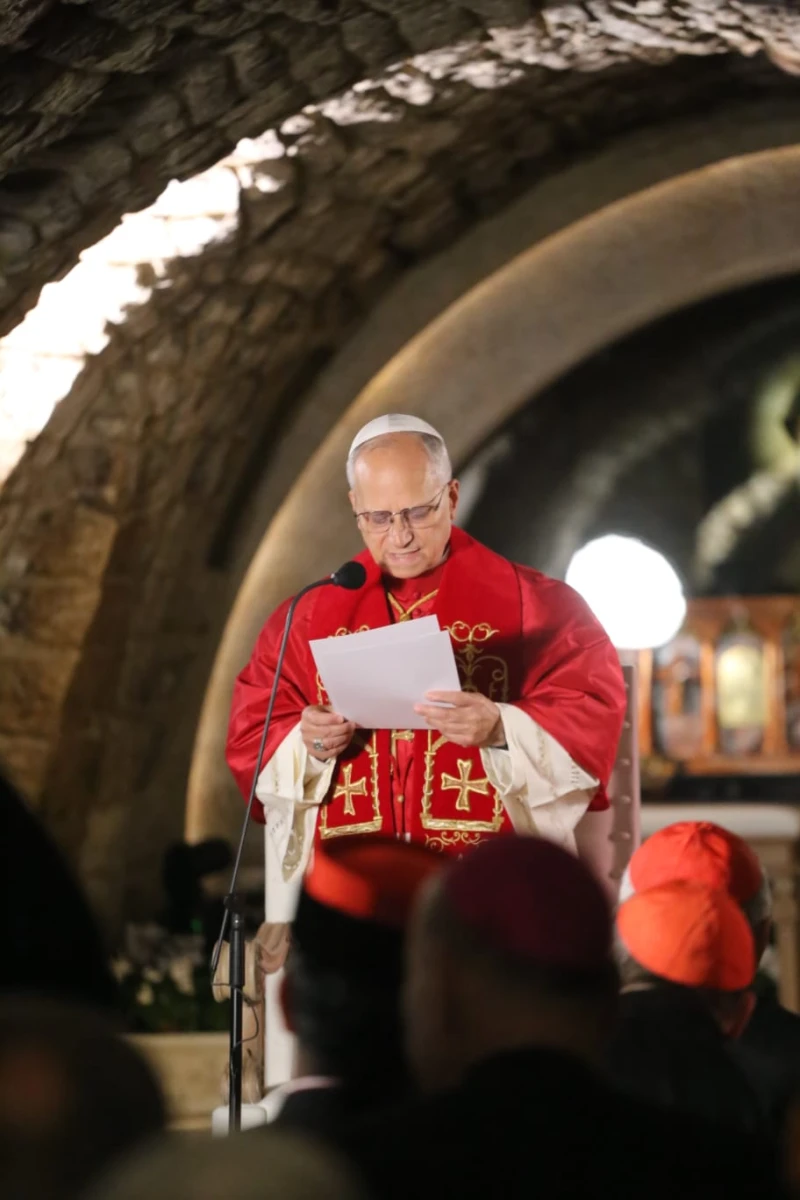
 Pope Leo XIV speaks at the Monastery of St. Maron in Annaya, Lebanon, location of the tomb of Saint Charbel Makhlouf, on December 1, 2025. / Elias Tirk/AIGAV Pool

Annaya, Lebanon, Dec 1, 2025 / 03:37 am (CNA).
Pope Leo XIV began his second day in Lebanon on Monday with a deeply symbolic pilgrimage to the tomb of Saint Charbel Makhlouf, entrusting the country and the wider Middle East to the intercession of the saint whom many Lebanese, Christians and Muslims alike, invoke as the “heavenly physician.”The pope traveled roughly 25 miles (40 kilometers) by car from the Apostolic Nunciature in Harissa to the hilltop monastery of St. Maron in Annaya, where thousands of pilgrims come each year seeking healing and consolation. The monastery’s archives record nearly 30,000 miracles attributed to Saint Charbel’s intercession, including many reported by Muslims, a sign, the pope noted, of Charbel’s unique place in Lebanon’s spiritual landscape.Pope Leo prayed in silence at the saint’s tomb before being welcomed by Abbot Hady Mahfouz, Superior General of the Lebanese Maronite Order. He then offered a reflection on Saint Charbel’s enduring message.“What does Saint Charbel teach us today?” Pope Leo asked. Despite leaving behind no writings, he said, the hermit of Annaya continues to speak with surprising power. “The Holy Spirit formed him so that he could teach those who live without God how to pray, those immersed in noise how to be silent.” Charbel also teaches “those who live ostentatiously how to be modest, and those who seek riches how to be poor.”This message, he added, is addressed to all Christians and “reminds us, bishops and ordained ministers, of the evangelical demands of our vocation.”The pope described the saint’s intercession as “a river of mercy,” recalling in particular the monthly pilgrimage held every 22nd of the month in memory of a miracle granted to a woman named Nouhad El Chami, a devotion that still draws thousands.Pope Leo prayed for unity within the Church and for peace in Lebanon and the Levant. “There is no peace without conversion of hearts,” he warned. As a sign of entrustment, he offered a lit lamp to the monastery, praying that Lebanon “may always walk in the light of Christ.” He concluded by reciting a prayer in French, asking God, through Saint Charbel’s example, to grant the Lebanese people faith, inner silence, healing of body and soul, and renewed strength in trials.Born Yousef Antoun Makhlouf in 1828 in the remote village of Bkaakafra, Saint Charbel is one of the most beloved saints of the Maronite Church. Known from childhood for his devotion and simplicity, he entered the Lebanese Maronite Order in 1851, was ordained a priest in 1859, and later embraced a life of strict solitude at the Hermitage of Saints Peter and Paul near Annaya.For 23 years he lived in silence, fasting, and continuous prayer. After his death on Christmas Eve in 1898, reports of extraordinary signs around his tomb, including the incorrupt state of his body, drew global attention. He was beatified in 1965 and canonized in 1977 by Pope Paul VI. Today he is venerated worldwide as a model of humility and a powerful intercessor for the sick.Saint Charbel’s tomb lies within the St. Maron Monastery, perched at 1,200 meters above sea level. Founded by the Lebanese Maronite Order, the site grew significantly after Charbel’s beatification to accommodate the rising number of pilgrims. A larger church dedicated to the saint was inaugurated in 1974. The monks continue to welcome visitors and maintain the grounds, sustaining themselves through agricultural work, a balance of labor and prayer inspired by the saint they guard.Pope Leo’s visit to Annaya, the first by any pontiff, reinforced the central message of his pilgrimage to Lebanon: a call to conversion, hope, and unity rooted in the spiritual heritage of a country longing for peace — and in the intercession of one of its most beloved saints.

Pope Leo entrusts Lebanon to Saint Charbel’s intercession, prays at his tomb – #Catholic – Pope Leo XIV speaks at the Monastery of St. Maron in Annaya, Lebanon, location of the tomb of Saint Charbel Makhlouf, on December 1, 2025. / Elias Tirk/AIGAV Pool Annaya, Lebanon, Dec 1, 2025 / 03:37 am (CNA). Pope Leo XIV began his second day in Lebanon on Monday with a deeply symbolic pilgrimage to the tomb of Saint Charbel Makhlouf, entrusting the country and the wider Middle East to the intercession of the saint whom many Lebanese, Christians and Muslims alike, invoke as the “heavenly physician.”The pope traveled roughly 25 miles (40 kilometers) by car from the Apostolic Nunciature in Harissa to the hilltop monastery of St. Maron in Annaya, where thousands of pilgrims come each year seeking healing and consolation. The monastery’s archives record nearly 30,000 miracles attributed to Saint Charbel’s intercession, including many reported by Muslims, a sign, the pope noted, of Charbel’s unique place in Lebanon’s spiritual landscape.Pope Leo prayed in silence at the saint’s tomb before being welcomed by Abbot Hady Mahfouz, Superior General of the Lebanese Maronite Order. He then offered a reflection on Saint Charbel’s enduring message.“What does Saint Charbel teach us today?” Pope Leo asked. Despite leaving behind no writings, he said, the hermit of Annaya continues to speak with surprising power. “The Holy Spirit formed him so that he could teach those who live without God how to pray, those immersed in noise how to be silent.” Charbel also teaches “those who live ostentatiously how to be modest, and those who seek riches how to be poor.”This message, he added, is addressed to all Christians and “reminds us, bishops and ordained ministers, of the evangelical demands of our vocation.”The pope described the saint’s intercession as “a river of mercy,” recalling in particular the monthly pilgrimage held every 22nd of the month in memory of a miracle granted to a woman named Nouhad El Chami, a devotion that still draws thousands.Pope Leo prayed for unity within the Church and for peace in Lebanon and the Levant. “There is no peace without conversion of hearts,” he warned. As a sign of entrustment, he offered a lit lamp to the monastery, praying that Lebanon “may always walk in the light of Christ.” He concluded by reciting a prayer in French, asking God, through Saint Charbel’s example, to grant the Lebanese people faith, inner silence, healing of body and soul, and renewed strength in trials.Born Yousef Antoun Makhlouf in 1828 in the remote village of Bkaakafra, Saint Charbel is one of the most beloved saints of the Maronite Church. Known from childhood for his devotion and simplicity, he entered the Lebanese Maronite Order in 1851, was ordained a priest in 1859, and later embraced a life of strict solitude at the Hermitage of Saints Peter and Paul near Annaya.For 23 years he lived in silence, fasting, and continuous prayer. After his death on Christmas Eve in 1898, reports of extraordinary signs around his tomb, including the incorrupt state of his body, drew global attention. He was beatified in 1965 and canonized in 1977 by Pope Paul VI. Today he is venerated worldwide as a model of humility and a powerful intercessor for the sick.Saint Charbel’s tomb lies within the St. Maron Monastery, perched at 1,200 meters above sea level. Founded by the Lebanese Maronite Order, the site grew significantly after Charbel’s beatification to accommodate the rising number of pilgrims. A larger church dedicated to the saint was inaugurated in 1974. The monks continue to welcome visitors and maintain the grounds, sustaining themselves through agricultural work, a balance of labor and prayer inspired by the saint they guard.Pope Leo’s visit to Annaya, the first by any pontiff, reinforced the central message of his pilgrimage to Lebanon: a call to conversion, hope, and unity rooted in the spiritual heritage of a country longing for peace — and in the intercession of one of its most beloved saints.


Pope Leo XIV speaks at the Monastery of St. Maron in Annaya, Lebanon, location of the tomb of Saint Charbel Makhlouf, on December 1, 2025. / Elias Tirk/AIGAV Pool

Annaya, Lebanon, Dec 1, 2025 / 03:37 am (CNA).

Pope Leo XIV began his second day in Lebanon on Monday with a deeply symbolic pilgrimage to the tomb of Saint Charbel Makhlouf, entrusting the country and the wider Middle East to the intercession of the saint whom many Lebanese, Christians and Muslims alike, invoke as the “heavenly physician.”

The pope traveled roughly 25 miles (40 kilometers) by car from the Apostolic Nunciature in Harissa to the hilltop monastery of St. Maron in Annaya, where thousands of pilgrims come each year seeking healing and consolation. The monastery’s archives record nearly 30,000 miracles attributed to Saint Charbel’s intercession, including many reported by Muslims, a sign, the pope noted, of Charbel’s unique place in Lebanon’s spiritual landscape.

Pope Leo prayed in silence at the saint’s tomb before being welcomed by Abbot Hady Mahfouz, Superior General of the Lebanese Maronite Order. He then offered a reflection on Saint Charbel’s enduring message.

“What does Saint Charbel teach us today?” Pope Leo asked. Despite leaving behind no writings, he said, the hermit of Annaya continues to speak with surprising power. “The Holy Spirit formed him so that he could teach those who live without God how to pray, those immersed in noise how to be silent.” Charbel also teaches “those who live ostentatiously how to be modest, and those who seek riches how to be poor.”

This message, he added, is addressed to all Christians and “reminds us, bishops and ordained ministers, of the evangelical demands of our vocation.”

The pope described the saint’s intercession as “a river of mercy,” recalling in particular the monthly pilgrimage held every 22nd of the month in memory of a miracle granted to a woman named Nouhad El Chami, a devotion that still draws thousands.

Pope Leo prayed for unity within the Church and for peace in Lebanon and the Levant. “There is no peace without conversion of hearts,” he warned. As a sign of entrustment, he offered a lit lamp to the monastery, praying that Lebanon “may always walk in the light of Christ.” He concluded by reciting a prayer in French, asking God, through Saint Charbel’s example, to grant the Lebanese people faith, inner silence, healing of body and soul, and renewed strength in trials.

Born Yousef Antoun Makhlouf in 1828 in the remote village of Bkaakafra, Saint Charbel is one of the most beloved saints of the Maronite Church. Known from childhood for his devotion and simplicity, he entered the Lebanese Maronite Order in 1851, was ordained a priest in 1859, and later embraced a life of strict solitude at the Hermitage of Saints Peter and Paul near Annaya.

For 23 years he lived in silence, fasting, and continuous prayer. After his death on Christmas Eve in 1898, reports of extraordinary signs around his tomb, including the incorrupt state of his body, drew global attention. He was beatified in 1965 and canonized in 1977 by Pope Paul VI. Today he is venerated worldwide as a model of humility and a powerful intercessor for the sick.

Saint Charbel’s tomb lies within the St. Maron Monastery, perched at 1,200 meters above sea level. Founded by the Lebanese Maronite Order, the site grew significantly after Charbel’s beatification to accommodate the rising number of pilgrims. A larger church dedicated to the saint was inaugurated in 1974. The monks continue to welcome visitors and maintain the grounds, sustaining themselves through agricultural work, a balance of labor and prayer inspired by the saint they guard.

Pope Leo’s visit to Annaya, the first by any pontiff, reinforced the central message of his pilgrimage to Lebanon: a call to conversion, hope, and unity rooted in the spiritual heritage of a country longing for peace — and in the intercession of one of its most beloved saints.

Read More