Day: December 20, 2025

Father of our Lord Jesus Christ, ever faithful to your promises and ever close to your Church: the earth rejoices in hope of the Savior’s coming and looks forward with longing to his return at the end of time. Prepare our hearts and remove the sadness that hinders us from feeling the joy and hope which his presence will bestow, for he is Lord for ever and ever. Amen.

Read More

On Dec. 20, 1900, astronomer Michel Giacobini spotted a 10th-magnitude comet while working at Nice Observatory, in France. Calculations following his discovery suggested the comet had an orbital period of a bit less than seven years. When German astronomer Ernst Zinner rediscovered the comet on Oct. 23, 1913, happening across it by accident while observingContinue reading “Dec. 20, 1900: The discovery of 21P/Giacobini-Zinner”

The post Dec. 20, 1900: The discovery of 21P/Giacobini-Zinner appeared first on Astronomy Magazine.

Read More

CNA explains: What is natural family planning? #Catholic 
 
 Credit: Chinnapong/Shutterstock

CNA Staff, Dec 20, 2025 / 07:00 am (CNA).
In an era when artificial contraception often dominates public discussions on family planning, the Catholic Church continues to champion natural family planning (NFP). Far from merely another birth control technique, NFP invites couples to cooperate with God’s plan for married love, which “is a ‘great mystery,’ a sign of the love between Christ and his Church (Eph 5:32),” according to the U.S. Conference of Catholic Bishops (USCCB).  NFP — also known as a fertility awareness-based method (FABM) — relies on observing and measuring a woman’s natural signs of fertility, such as basal body temperature, cervical mucus, and hormone levels, in order to identify fertile and infertile phases of her menstrual cycle. Unlike chemical or mechanical contraceptives, which suppress or block fertility, NFP respects the woman’s body and its natural rhythms and allows spouses to achieve or postpone pregnancy, after mutual discernment, through informed abstinence during fertile windows. Most importantly, NFP honors the sacredness of the unitive and procreative aspects of the conjugal act, which the Church teaches must always be a total gift of self between the spouses and open to the gift of new human life. “Suppressing fertility by using contraception denies part of the inherent meaning of married sexuality and does harm to the couple’s unity,” according to the USCCB. “The total giving of oneself, body and soul, to one’s beloved is no time to say: ‘I give you everything I am — except…’ The Church’s teaching is not only about observing a rule but about preserving that total, mutual gift of two persons in its integrity.”In his 1968 encyclical Humanae Vitae, St. Paul VI affirmed that couples may space births for serious reasons, using natural methods that honor the “inseparable connection between the unitive and procreative meanings” of the marital act. The USCCB explains that “NFP is not a contraceptive, it does nothing to suppress or block conception.”“On the surface, there may seem to be little difference (between NFP and contraception),” according to the bishops. “But the end result is not the only thing that matters, and the way we get to that result may make an enormous moral difference. Some ways respect God’s gifts to us while others do not.”The bishops continue: “When couples use contraception, either physical or chemical, they suppress their fertility, asserting that they alone have ultimate control over this power to create a new human life. With NFP, spouses respect God’s design for life and love. They may choose to refrain from sexual union during the woman’s fertile time, doing nothing to destroy the love-giving or life-giving meaning that is present. This is the difference between choosing to falsify the full marital language of the body and choosing at certain times not to speak that language.”The practice of NFP traces its modern roots to the mid-20th century, evolving from early, relatively unreliable calendar-based methods in the 1930s to the smartphone app-based approaches of today. Common methods include the Billings Ovulation Method, which tracks cervical mucus changes, and sympto-thermal methods, which combine the charting of mucus observations, temperature shifts, and cervical changes. The Marquette Model uses “several different biomarker devices to detect urinary biomarkers (estrogen, LH, and progesterone),” according to its website.Per USCCB data, NFP, with perfect use, yields 88% to 100% effectiveness in avoiding pregnancy, with imperfect use at 70% to 98%. For couples trying to achieve pregnancy, it typically occurs in about one year for approximately 85% of couples not using NFP, and within three to six months for those who are. Pope Francis praised the Billings method in 2023 as “a valuable tool” for “responsible management of procreative choices,” urging a “new revolution in our way of thinking” to value the body’s “great book of nature.” He noted its simplicity amid a “contraceptive culture,” promoting tenderness between the spouses and an authentic freedom.Beyond efficacy at planning, preventing, or postponing pregnancy in a morally licit way, couples who use NFP acknowledge that it can be difficult but say it builds intimacy and improves communication as well as self-mastery, transforming what can be otherwise difficult times of periodic abstinence into opportunities for deeper intimacy.Jessica Vanderhyde, a nurse and mother of seven who is using the Marquette method because she and her husband do not feel ready to welcome another child, told CNA that while NFP can be frustrating because of the periods of abstinence it requires, it also “leads to a lot more closeness in the marriage.”“If it’s been a long period of abstinence, we try to come up with other ways to be close. I need to make sure I’m more affectionate with him because sexual intimacy is one of the primary ways he feels I love him. If that can’t happen, I have to be conscious of that,” she said.“We have become good at taking each other’s feelings and needs into consideration. I work at providing what he needs as much as I can.”Vanderhyde also noted how charting symptoms can bring the couple closer as it allows the husband to really appreciate his wife’s body as well as her needs.“The husband should be involved in the tracking of it,” she continued, “so that he fully participates in the process and doesn’t feel like he’s at the whims of his wife’s moods.”She said it can also reveal underlying health issues like infertility or hormonal imbalances, which artificial forms of birth control can mask.

CNA explains: What is natural family planning? #Catholic Credit: Chinnapong/Shutterstock CNA Staff, Dec 20, 2025 / 07:00 am (CNA). In an era when artificial contraception often dominates public discussions on family planning, the Catholic Church continues to champion natural family planning (NFP). Far from merely another birth control technique, NFP invites couples to cooperate with God’s plan for married love, which “is a ‘great mystery,’ a sign of the love between Christ and his Church (Eph 5:32),” according to the U.S. Conference of Catholic Bishops (USCCB).  NFP — also known as a fertility awareness-based method (FABM) — relies on observing and measuring a woman’s natural signs of fertility, such as basal body temperature, cervical mucus, and hormone levels, in order to identify fertile and infertile phases of her menstrual cycle. Unlike chemical or mechanical contraceptives, which suppress or block fertility, NFP respects the woman’s body and its natural rhythms and allows spouses to achieve or postpone pregnancy, after mutual discernment, through informed abstinence during fertile windows. Most importantly, NFP honors the sacredness of the unitive and procreative aspects of the conjugal act, which the Church teaches must always be a total gift of self between the spouses and open to the gift of new human life. “Suppressing fertility by using contraception denies part of the inherent meaning of married sexuality and does harm to the couple’s unity,” according to the USCCB. “The total giving of oneself, body and soul, to one’s beloved is no time to say: ‘I give you everything I am — except…’ The Church’s teaching is not only about observing a rule but about preserving that total, mutual gift of two persons in its integrity.”In his 1968 encyclical Humanae Vitae, St. Paul VI affirmed that couples may space births for serious reasons, using natural methods that honor the “inseparable connection between the unitive and procreative meanings” of the marital act. The USCCB explains that “NFP is not a contraceptive, it does nothing to suppress or block conception.”“On the surface, there may seem to be little difference (between NFP and contraception),” according to the bishops. “But the end result is not the only thing that matters, and the way we get to that result may make an enormous moral difference. Some ways respect God’s gifts to us while others do not.”The bishops continue: “When couples use contraception, either physical or chemical, they suppress their fertility, asserting that they alone have ultimate control over this power to create a new human life. With NFP, spouses respect God’s design for life and love. They may choose to refrain from sexual union during the woman’s fertile time, doing nothing to destroy the love-giving or life-giving meaning that is present. This is the difference between choosing to falsify the full marital language of the body and choosing at certain times not to speak that language.”The practice of NFP traces its modern roots to the mid-20th century, evolving from early, relatively unreliable calendar-based methods in the 1930s to the smartphone app-based approaches of today. Common methods include the Billings Ovulation Method, which tracks cervical mucus changes, and sympto-thermal methods, which combine the charting of mucus observations, temperature shifts, and cervical changes. The Marquette Model uses “several different biomarker devices to detect urinary biomarkers (estrogen, LH, and progesterone),” according to its website.Per USCCB data, NFP, with perfect use, yields 88% to 100% effectiveness in avoiding pregnancy, with imperfect use at 70% to 98%. For couples trying to achieve pregnancy, it typically occurs in about one year for approximately 85% of couples not using NFP, and within three to six months for those who are. Pope Francis praised the Billings method in 2023 as “a valuable tool” for “responsible management of procreative choices,” urging a “new revolution in our way of thinking” to value the body’s “great book of nature.” He noted its simplicity amid a “contraceptive culture,” promoting tenderness between the spouses and an authentic freedom.Beyond efficacy at planning, preventing, or postponing pregnancy in a morally licit way, couples who use NFP acknowledge that it can be difficult but say it builds intimacy and improves communication as well as self-mastery, transforming what can be otherwise difficult times of periodic abstinence into opportunities for deeper intimacy.Jessica Vanderhyde, a nurse and mother of seven who is using the Marquette method because she and her husband do not feel ready to welcome another child, told CNA that while NFP can be frustrating because of the periods of abstinence it requires, it also “leads to a lot more closeness in the marriage.”“If it’s been a long period of abstinence, we try to come up with other ways to be close. I need to make sure I’m more affectionate with him because sexual intimacy is one of the primary ways he feels I love him. If that can’t happen, I have to be conscious of that,” she said.“We have become good at taking each other’s feelings and needs into consideration. I work at providing what he needs as much as I can.”Vanderhyde also noted how charting symptoms can bring the couple closer as it allows the husband to really appreciate his wife’s body as well as her needs.“The husband should be involved in the tracking of it,” she continued, “so that he fully participates in the process and doesn’t feel like he’s at the whims of his wife’s moods.”She said it can also reveal underlying health issues like infertility or hormonal imbalances, which artificial forms of birth control can mask.


Credit: Chinnapong/Shutterstock

CNA Staff, Dec 20, 2025 / 07:00 am (CNA).

In an era when artificial contraception often dominates public discussions on family planning, the Catholic Church continues to champion natural family planning (NFP). 

Far from merely another birth control technique, NFP invites couples to cooperate with God’s plan for married love, which “is a ‘great mystery,’ a sign of the love between Christ and his Church (Eph 5:32),” according to the U.S. Conference of Catholic Bishops (USCCB).  

NFP — also known as a fertility awareness-based method (FABM) — relies on observing and measuring a woman’s natural signs of fertility, such as basal body temperature, cervical mucus, and hormone levels, in order to identify fertile and infertile phases of her menstrual cycle. 

Unlike chemical or mechanical contraceptives, which suppress or block fertility, NFP respects the woman’s body and its natural rhythms and allows spouses to achieve or postpone pregnancy, after mutual discernment, through informed abstinence during fertile windows. 

Most importantly, NFP honors the sacredness of the unitive and procreative aspects of the conjugal act, which the Church teaches must always be a total gift of self between the spouses and open to the gift of new human life. 

“Suppressing fertility by using contraception denies part of the inherent meaning of married sexuality and does harm to the couple’s unity,” according to the USCCB. “The total giving of oneself, body and soul, to one’s beloved is no time to say: ‘I give you everything I am — except…’ The Church’s teaching is not only about observing a rule but about preserving that total, mutual gift of two persons in its integrity.”

In his 1968 encyclical Humanae Vitae, St. Paul VI affirmed that couples may space births for serious reasons, using natural methods that honor the “inseparable connection between the unitive and procreative meanings” of the marital act. 

The USCCB explains that “NFP is not a contraceptive, it does nothing to suppress or block conception.”

“On the surface, there may seem to be little difference (between NFP and contraception),” according to the bishops. “But the end result is not the only thing that matters, and the way we get to that result may make an enormous moral difference. Some ways respect God’s gifts to us while others do not.”

The bishops continue: “When couples use contraception, either physical or chemical, they suppress their fertility, asserting that they alone have ultimate control over this power to create a new human life. With NFP, spouses respect God’s design for life and love. They may choose to refrain from sexual union during the woman’s fertile time, doing nothing to destroy the love-giving or life-giving meaning that is present. This is the difference between choosing to falsify the full marital language of the body and choosing at certain times not to speak that language.”

The practice of NFP traces its modern roots to the mid-20th century, evolving from early, relatively unreliable calendar-based methods in the 1930s to the smartphone app-based approaches of today. 

Common methods include the Billings Ovulation Method, which tracks cervical mucus changes, and sympto-thermal methods, which combine the charting of mucus observations, temperature shifts, and cervical changes. The Marquette Model uses “several different biomarker devices to detect urinary biomarkers (estrogen, LH, and progesterone),” according to its website.

Per USCCB data, NFP, with perfect use, yields 88% to 100% effectiveness in avoiding pregnancy, with imperfect use at 70% to 98%. For couples trying to achieve pregnancy, it typically occurs in about one year for approximately 85% of couples not using NFP, and within three to six months for those who are. 

Pope Francis praised the Billings method in 2023 as “a valuable tool” for “responsible management of procreative choices,” urging a “new revolution in our way of thinking” to value the body’s “great book of nature.” He noted its simplicity amid a “contraceptive culture,” promoting tenderness between the spouses and an authentic freedom.

Beyond efficacy at planning, preventing, or postponing pregnancy in a morally licit way, couples who use NFP acknowledge that it can be difficult but say it builds intimacy and improves communication as well as self-mastery, transforming what can be otherwise difficult times of periodic abstinence into opportunities for deeper intimacy.

Jessica Vanderhyde, a nurse and mother of seven who is using the Marquette method because she and her husband do not feel ready to welcome another child, told CNA that while NFP can be frustrating because of the periods of abstinence it requires, it also “leads to a lot more closeness in the marriage.”

“If it’s been a long period of abstinence, we try to come up with other ways to be close. I need to make sure I’m more affectionate with him because sexual intimacy is one of the primary ways he feels I love him. If that can’t happen, I have to be conscious of that,” she said.

“We have become good at taking each other’s feelings and needs into consideration. I work at providing what he needs as much as I can.”

Vanderhyde also noted how charting symptoms can bring the couple closer as it allows the husband to really appreciate his wife’s body as well as her needs.

“The husband should be involved in the tracking of it,” she continued, “so that he fully participates in the process and doesn’t feel like he’s at the whims of his wife’s moods.”

She said it can also reveal underlying health issues like infertility or hormonal imbalances, which artificial forms of birth control can mask.

Read More
How Iskali is helping young Latino Catholics encounter God and find their purpose #Catholic 
 
 Iskali, a ministry that serves young Hispanic Catholics in the United States, seeks to form active missionary disciples. / Credit: Iskali

CNA Staff, Dec 20, 2025 / 06:00 am (CNA).
Fifteen years ago, Vicente Del Real felt called to create a way to reach out to young Hispanic Catholics in the U.S. and provide them with a space to encounter God and use their gifts and talents for the Church. He went on to found Iskali, a nonprofit based in Chicago that promotes the leadership and holistic development of Latino youth, helping them flourish spiritually, personally, academically, and socially. Inspired by Our Lady of Guadalupe’s role in the Americas as “the star of the new evangelization,” Iskali works to form, empower, and equip young Latinos to become transformative leaders and to invigorate the Catholic Church.The name “Iskali” comes from the Nahuatl, or Aztec, language symbolizing growth, resurgence, and new beginnings. This was also the language Our Lady of Guadalupe spoke when she appeared to Juan Diego. Despite Juan Diego being from the Chichimeca people, and not an Aztec, the two groups of people shared the same language. Del Real told CNA in an interview that he felt the need to “respond to the urgent need to walk with young Hispanics as they navigate the questions of life, the struggles of life, and to be able to provide to them what the Church has to say and has to offer.”He added that “at the heart of Iskali is the work of evangelization.” This is done through providing young Latinos with an “adequate formation so they can understand the faith,” which will hopefully lead them to have a “personal encounter with God.”Iskali, a ministry that serves young Hispanic Catholics in the United States, received major grants to help it continue its evangelization efforts. Credit: IskaliIskali is founded on four pillars: faith and community, mentorship and scholarship, sports and wellness, and service to the poor. The pillar of faith and community involves members coming together each week for fellowship. Anywhere from five to 600 young adults gather to spend time getting to know one another and learning more about God and the Catholic faith. Through Iskali’s mentorship program, individuals are matched with a Latino professional who serves as a mentor and helps them with professional development. Iskali also provides scholarships for young people to attend colleges and trade schools, and works with parishes to set up a variety of sports leagues to help young people build relationships, provide another form of faith formation, and stay active. Additionally, once a month, Iskali communities serve those most in need — the homeless, people in hospitals, nursing homes, and immigrant families who have been affected by detentions or deportations.Members of Iskali gather for fellowship. Credit: IskaliSeveral recent studies show that the Latino population is the fastest-growing demographic in the Catholic Church. Del Real said he believes this is because “Latino young people are very attentive to the faith.”“They have seen their faith lived in their families, our home, with their grandmas, with their mothers. Faith is kind of embedded in our culture,” he added.In response to this growth being seen among Latinos in parishes, Iskali is launching a missionary program where a full-time missionary will be assigned to a parish that has a Hispanic population of over 50% to work in Hispanic ministry.“We are very, very excited … this is the first missionary program that helps to serve the Latino Church in the U.S., and we hope that this missionary program will bear the fruits of vocations to marriage, vocation to priesthood in the Hispanic community,” Del Real shared.Del Real said he also hopes that those who are a part of Iskali leave the formation knowing that they “are beloved, know that God is seeking intimacy with you, and know that he wants you to flourish as a person.”“We always say that we hope the people flourish,” he said. “God is a God of love and he wants to see us flourish. If we are a flower in his garden, he wants us to bloom.”

How Iskali is helping young Latino Catholics encounter God and find their purpose #Catholic Iskali, a ministry that serves young Hispanic Catholics in the United States, seeks to form active missionary disciples. / Credit: Iskali CNA Staff, Dec 20, 2025 / 06:00 am (CNA). Fifteen years ago, Vicente Del Real felt called to create a way to reach out to young Hispanic Catholics in the U.S. and provide them with a space to encounter God and use their gifts and talents for the Church. He went on to found Iskali, a nonprofit based in Chicago that promotes the leadership and holistic development of Latino youth, helping them flourish spiritually, personally, academically, and socially. Inspired by Our Lady of Guadalupe’s role in the Americas as “the star of the new evangelization,” Iskali works to form, empower, and equip young Latinos to become transformative leaders and to invigorate the Catholic Church.The name “Iskali” comes from the Nahuatl, or Aztec, language symbolizing growth, resurgence, and new beginnings. This was also the language Our Lady of Guadalupe spoke when she appeared to Juan Diego. Despite Juan Diego being from the Chichimeca people, and not an Aztec, the two groups of people shared the same language. Del Real told CNA in an interview that he felt the need to “respond to the urgent need to walk with young Hispanics as they navigate the questions of life, the struggles of life, and to be able to provide to them what the Church has to say and has to offer.”He added that “at the heart of Iskali is the work of evangelization.” This is done through providing young Latinos with an “adequate formation so they can understand the faith,” which will hopefully lead them to have a “personal encounter with God.”Iskali, a ministry that serves young Hispanic Catholics in the United States, received major grants to help it continue its evangelization efforts. Credit: IskaliIskali is founded on four pillars: faith and community, mentorship and scholarship, sports and wellness, and service to the poor. The pillar of faith and community involves members coming together each week for fellowship. Anywhere from five to 600 young adults gather to spend time getting to know one another and learning more about God and the Catholic faith. Through Iskali’s mentorship program, individuals are matched with a Latino professional who serves as a mentor and helps them with professional development. Iskali also provides scholarships for young people to attend colleges and trade schools, and works with parishes to set up a variety of sports leagues to help young people build relationships, provide another form of faith formation, and stay active. Additionally, once a month, Iskali communities serve those most in need — the homeless, people in hospitals, nursing homes, and immigrant families who have been affected by detentions or deportations.Members of Iskali gather for fellowship. Credit: IskaliSeveral recent studies show that the Latino population is the fastest-growing demographic in the Catholic Church. Del Real said he believes this is because “Latino young people are very attentive to the faith.”“They have seen their faith lived in their families, our home, with their grandmas, with their mothers. Faith is kind of embedded in our culture,” he added.In response to this growth being seen among Latinos in parishes, Iskali is launching a missionary program where a full-time missionary will be assigned to a parish that has a Hispanic population of over 50% to work in Hispanic ministry.“We are very, very excited … this is the first missionary program that helps to serve the Latino Church in the U.S., and we hope that this missionary program will bear the fruits of vocations to marriage, vocation to priesthood in the Hispanic community,” Del Real shared.Del Real said he also hopes that those who are a part of Iskali leave the formation knowing that they “are beloved, know that God is seeking intimacy with you, and know that he wants you to flourish as a person.”“We always say that we hope the people flourish,” he said. “God is a God of love and he wants to see us flourish. If we are a flower in his garden, he wants us to bloom.”


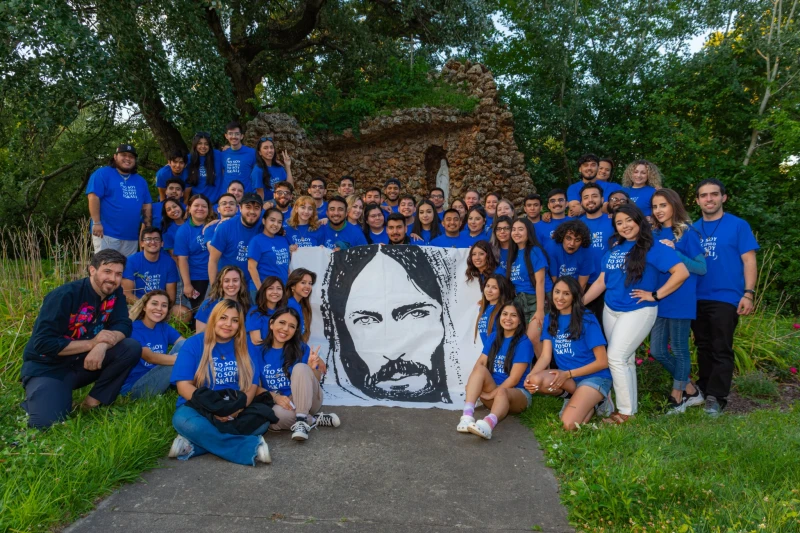
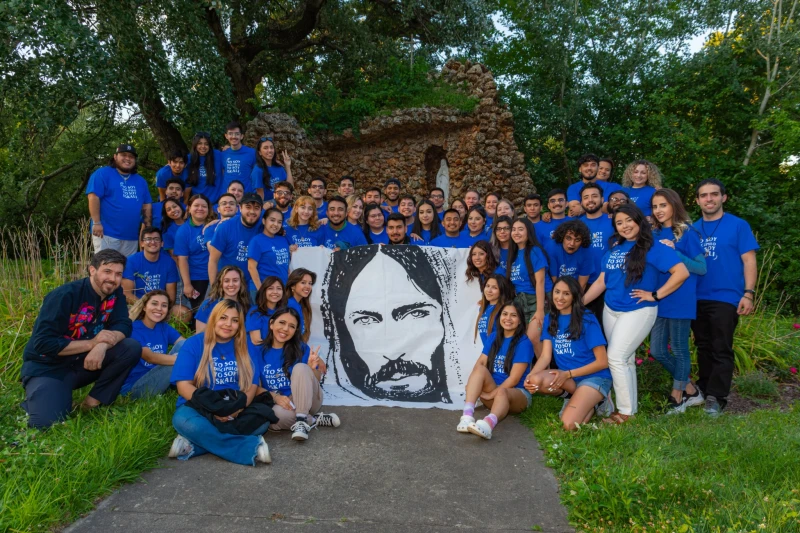
Iskali, a ministry that serves young Hispanic Catholics in the United States, seeks to form active missionary disciples. / Credit: Iskali

CNA Staff, Dec 20, 2025 / 06:00 am (CNA).

Fifteen years ago, Vicente Del Real felt called to create a way to reach out to young Hispanic Catholics in the U.S. and provide them with a space to encounter God and use their gifts and talents for the Church. He went on to found Iskali, a nonprofit based in Chicago that promotes the leadership and holistic development of Latino youth, helping them flourish spiritually, personally, academically, and socially. 

Inspired by Our Lady of Guadalupe’s role in the Americas as “the star of the new evangelization,” Iskali works to form, empower, and equip young Latinos to become transformative leaders and to invigorate the Catholic Church.

The name “Iskali” comes from the Nahuatl, or Aztec, language symbolizing growth, resurgence, and new beginnings. This was also the language Our Lady of Guadalupe spoke when she appeared to Juan Diego. Despite Juan Diego being from the Chichimeca people, and not an Aztec, the two groups of people shared the same language. 

Del Real told CNA in an interview that he felt the need to “respond to the urgent need to walk with young Hispanics as they navigate the questions of life, the struggles of life, and to be able to provide to them what the Church has to say and has to offer.”

He added that “at the heart of Iskali is the work of evangelization.” This is done through providing young Latinos with an “adequate formation so they can understand the faith,” which will hopefully lead them to have a “personal encounter with God.”

Iskali, a ministry that serves young Hispanic Catholics in the United States, received major grants to help it continue its evangelization efforts. Credit: Iskali

Iskali is founded on four pillars: faith and community, mentorship and scholarship, sports and wellness, and service to the poor. 

The pillar of faith and community involves members coming together each week for fellowship. Anywhere from five to 600 young adults gather to spend time getting to know one another and learning more about God and the Catholic faith. 

Through Iskali’s mentorship program, individuals are matched with a Latino professional who serves as a mentor and helps them with professional development. Iskali also provides scholarships for young people to attend colleges and trade schools, and works with parishes to set up a variety of sports leagues to help young people build relationships, provide another form of faith formation, and stay active. 

Additionally, once a month, Iskali communities serve those most in need — the homeless, people in hospitals, nursing homes, and immigrant families who have been affected by detentions or deportations.

Members of Iskali gather for fellowship. Credit: Iskali

Several recent studies show that the Latino population is the fastest-growing demographic in the Catholic Church. Del Real said he believes this is because “Latino young people are very attentive to the faith.”

“They have seen their faith lived in their families, our home, with their grandmas, with their mothers. Faith is kind of embedded in our culture,” he added.

In response to this growth being seen among Latinos in parishes, Iskali is launching a missionary program where a full-time missionary will be assigned to a parish that has a Hispanic population of over 50% to work in Hispanic ministry.

“We are very, very excited … this is the first missionary program that helps to serve the Latino Church in the U.S., and we hope that this missionary program will bear the fruits of vocations to marriage, vocation to priesthood in the Hispanic community,” Del Real shared.

Del Real said he also hopes that those who are a part of Iskali leave the formation knowing that they “are beloved, know that God is seeking intimacy with you, and know that he wants you to flourish as a person.”

“We always say that we hope the people flourish,” he said. “God is a God of love and he wants to see us flourish. If we are a flower in his garden, he wants us to bloom.”

Read More