
:max_bytes(150000):strip_icc():format(jpeg)/TAL-header-sycamore-falls-arizona-ELUSIVEWATERFALL0126-64f5df449edd445bb5b915baf85f3e31.jpg)
O my God,
trusting in your promises
and because you are faithful,
powerful and merciful,
I hope, through the merits of Jesus Christ,
for the pardon of my sins,
final perseverance
and the blessed glory of heaven


This artist’s concept depicts a smaller white dwarf star pulling material from a larger star, right, into an accretion disk. Scientists used NASA’s IXPE (Imaging X-ray Polarization Explorer) to study a white dwarf star and its X-ray polarization.
Read More![Catholic Church in Panama calls for new constitution - #Catholic -
Bishops of Panama at a Mass during their 224th ordinary assembly. | Credit: Panamanian Bishops’ Conference
Jan 12, 2026 / 18:41 pm (CNA).
The Catholic bishops in Panama addressed the “urgent need to give ourselves a new constitution” in a message following the 224th ordinary assembly of bishops, which took place this week.“It’s not just a matter of reforming texts but about renewing consensus, strengthening democratic institutions, guaranteeing social justice, and ensuring that the country’s legal framework is in line with the times we live in and those to come,” the prelates stated after their assembly, which was held from Jan. 5–8.“Embracing the legacy of Jan. 9 [1964] requires a clear-sighted understanding of the challenges of the present time. Among them is the urgent need to give ourselves a new constitution that responds realistically and with a vision for the future to the aspirations of the Panamanian people,” the prelates stated.On Jan. 9, 1964, a group of Panamanian students attempted to raise the Panamanian flag in the Panama Canal Zone, then under U.S. control, which sparked violent clashes with U.S. troops, leaving 21 dead and leading to the rupture of diplomatic relations. This event paved the way for the negotiations that ultimately returned control of the canal to Panama.In their statement, the bishops noted that the sacrifice of these young people “reminds us that sovereignty is not inherited passively but is defended with conviction, unity, and generous dedication.”Poverty that cries out to heaven“The poor cannot wait. These are not just numbers or statistics; they are people with faces and stories. They are children, elderly people, women, young people, and entire communities whose dignity is violated every day. And we cannot remain indifferent either,” the bishops stated.The bishops also emphasized the importance of caring for the environment and reaffirmed their “pastoral support for our brothers and sisters in Río Indio, and for those who must make decisions, so that discernment and decisions guarantee a decent life and secure land, without exclusions or impositions.”In that area of the country, the Panama Canal Authority (ACP by its Spanish acronym) is developing a large project to build a new reservoir to ensure water for the canal, which has generated opposition from local communities that will be flooded and relocated. The ACP promises compensation and a better standard of living, however.The Panamanian bishops also expressed their “deep concern over the increase in violence that is becoming normalized in daily life” and emphasized that “no form of violence is acceptable, because it denies the dignity of the human person, created in the image and likeness of God, and is radically opposed to the Gospel of life and peace.”They urged “that the justice system act responsibly and effectively, guaranteeing the real protection of victims and unrestricted respect for life.”Solidarity with VenezuelaThe bishops reiterated their “closeness and solidarity with the Church and the Venezuelan people. You are not alone. And in communion with the successor of Peter, we affirm that ‘the good of the beloved Venezuelan people must prevail above any other consideration and lead to overcoming violence and embarking on paths of justice and peace, guaranteeing the country’s sovereignty, ensuring the rule of law enshrined in the constitution, and respecting the human and civil rights of all.”“We unite in prayer so that the Lord may grant that nation the gift of reconciliation, harmony, and a future of cooperation, stability, and peace,” they emphasized.This story was first published by ACI Prensa, CNA’s Spanish-language news partner. It has been translated and adapted by CNA.](http://unitedyam.com/wp-content/uploads/2026/01/catholic-church-in-panama-calls-for-new-constitution-catholic-bishops-of-panama-at-a-mass-during-their-224th-ordinary-assembly-credit-panamanian-bishops-conferencejan-12-2026.webp)
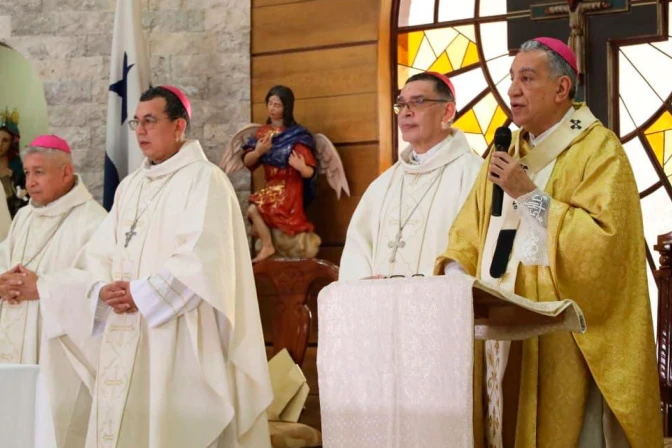
Bishops of Panama at a Mass during their 224th ordinary assembly. | Credit: Panamanian Bishops’ Conference
Jan 12, 2026 / 18:41 pm (CNA).
The Catholic bishops in Panama addressed the “urgent need to give ourselves a new constitution” in a message following the 224th ordinary assembly of bishops, which took place this week.
“It’s not just a matter of reforming texts but about renewing consensus, strengthening democratic institutions, guaranteeing social justice, and ensuring that the country’s legal framework is in line with the times we live in and those to come,” the prelates stated after their assembly, which was held from Jan. 5–8.
“Embracing the legacy of Jan. 9 [1964] requires a clear-sighted understanding of the challenges of the present time. Among them is the urgent need to give ourselves a new constitution that responds realistically and with a vision for the future to the aspirations of the Panamanian people,” the prelates stated.
On Jan. 9, 1964, a group of Panamanian students attempted to raise the Panamanian flag in the Panama Canal Zone, then under U.S. control, which sparked violent clashes with U.S. troops, leaving 21 dead and leading to the rupture of diplomatic relations. This event paved the way for the negotiations that ultimately returned control of the canal to Panama.
In their statement, the bishops noted that the sacrifice of these young people “reminds us that sovereignty is not inherited passively but is defended with conviction, unity, and generous dedication.”
Poverty that cries out to heaven
“The poor cannot wait. These are not just numbers or statistics; they are people with faces and stories. They are children, elderly people, women, young people, and entire communities whose dignity is violated every day. And we cannot remain indifferent either,” the bishops stated.
The bishops also emphasized the importance of caring for the environment and reaffirmed their “pastoral support for our brothers and sisters in Río Indio, and for those who must make decisions, so that discernment and decisions guarantee a decent life and secure land, without exclusions or impositions.”
In that area of the country, the Panama Canal Authority (ACP by its Spanish acronym) is developing a large project to build a new reservoir to ensure water for the canal, which has generated opposition from local communities that will be flooded and relocated. The ACP promises compensation and a better standard of living, however.
The Panamanian bishops also expressed their “deep concern over the increase in violence that is becoming normalized in daily life” and emphasized that “no form of violence is acceptable, because it denies the dignity of the human person, created in the image and likeness of God, and is radically opposed to the Gospel of life and peace.”
They urged “that the justice system act responsibly and effectively, guaranteeing the real protection of victims and unrestricted respect for life.”
Solidarity with Venezuela
The bishops reiterated their “closeness and solidarity with the Church and the Venezuelan people. You are not alone. And in communion with the successor of Peter, we affirm that ‘the good of the beloved Venezuelan people must prevail above any other consideration and lead to overcoming violence and embarking on paths of justice and peace, guaranteeing the country’s sovereignty, ensuring the rule of law enshrined in the constitution, and respecting the human and civil rights of all.”
“We unite in prayer so that the Lord may grant that nation the gift of reconciliation, harmony, and a future of cooperation, stability, and peace,” they emphasized.
This story was first published by ACI Prensa, CNA’s Spanish-language news partner. It has been translated and adapted by CNA.
Read More![President Trump meets with Archbishop Coakley - #Catholic -
Archbishop Paul Coakley of Oklahoma City, president of the United States Conference of Catholic bishops, meets with President Donald Trump on Jan. 12, 2026. | Credit: Archdiocese of Oklahoma City
Jan 12, 2026 / 18:07 pm (CNA).
Archbishop Paul Coakley and President Donald Trump met on Jan. 12 to discuss areas of “mutual concern,” which likely included topics related to immigration enforcement and Venezuela’s sovereignty. The archbishop of Oklahoma City, Coakley, who was elected president of the United States Conference of Catholic Bishops (USCCB) in November 2025, visited with Trump at the White House on Monday.Chieko Noguchi, USCCB spokesperson, said in a statement after the meeting: “Archbishop Coakley had the opportunity for introductory meetings with President Trump, Vice President [JD] Vance, and other administration officials, in which they discussed areas of mutual concern, as well as areas for further dialogue. Archbishop Coakley is grateful for the engagement and looks forward to ongoing discussions.”The meeting was closed to the press, but White House spokesperson Karoline Leavitt told EWTN News correspondent Owen Jensen she would ask the president about providing a readout of the meeting. Pope Leo XIV has said immigrants must be treated with dignity and encouraged all people in the United States to heed the U.S. bishops’ message on immigration. Coakley, appearing on CBS News’ “Face the Nation” on Dec. 21, 2025, predicted immigration would be a discussion topic with Trump and said: “I think we have opportunities to work together. We have opportunities to speak frankly with one another.”After U.S. military action to capture Venezuela’s president, the pope on Jan. 4 called for full respect for Venezuela’s national sovereignty and for the human and civil rights of its people. Earlier in the day on Jan. 12, Pope Leo XIV met with Venezuelan opposition leader María Corina Machado at the Vatican.](http://unitedyam.com/wp-content/uploads/2026/01/president-trump-meets-with-archbishop-coakley-catholic-archbishop-paul-coakley-of-oklahoma-city-president-of-the-united-states-conference-of-catholic-bishops-meets-with-president-donald-tru.jpg)

Archbishop Paul Coakley of Oklahoma City, president of the United States Conference of Catholic bishops, meets with President Donald Trump on Jan. 12, 2026. | Credit: Archdiocese of Oklahoma City
Jan 12, 2026 / 18:07 pm (CNA).
Archbishop Paul Coakley and President Donald Trump met on Jan. 12 to discuss areas of “mutual concern,” which likely included topics related to immigration enforcement and Venezuela’s sovereignty.
The archbishop of Oklahoma City, Coakley, who was elected president of the United States Conference of Catholic Bishops (USCCB) in November 2025, visited with Trump at the White House on Monday.
Chieko Noguchi, USCCB spokesperson, said in a statement after the meeting: “Archbishop Coakley had the opportunity for introductory meetings with President Trump, Vice President [JD] Vance, and other administration officials, in which they discussed areas of mutual concern, as well as areas for further dialogue. Archbishop Coakley is grateful for the engagement and looks forward to ongoing discussions.”
The meeting was closed to the press, but White House spokesperson Karoline Leavitt told EWTN News correspondent Owen Jensen she would ask the president about providing a readout of the meeting.
Pope Leo XIV has said immigrants must be treated with dignity and encouraged all people in the United States to heed the U.S. bishops’ message on immigration.
Coakley, appearing on CBS News’ “Face the Nation” on Dec. 21, 2025, predicted immigration would be a discussion topic with Trump and said: “I think we have opportunities to work together. We have opportunities to speak frankly with one another.”
After U.S. military action to capture Venezuela’s president, the pope on Jan. 4 called for full respect for Venezuela’s national sovereignty and for the human and civil rights of its people.
Earlier in the day on Jan. 12, Pope Leo XIV met with Venezuelan opposition leader María Corina Machado at the Vatican.
Read MoreA reading from the Book of Samuel
1 Samuel 1:9-20
Hannah rose after a meal at Shiloh,
and presented herself before the LORD;
at the time, Eli the priest was sitting on a chair
near the doorpost of the LORD’s temple.
In her bitterness she prayed to the LORD, weeping copiously,
and she made a vow, promising: “O LORD of hosts,
if you look with pity on the misery of your handmaid,
if you remember me and do not forget me,
if you give your handmaid a male child,
I will give him to the LORD for as long as he lives;
neither wine nor liquor shall he drink,
and no razor shall ever touch his head.”
As she remained long at prayer before the LORD,
Eli watched her mouth, for Hannah was praying silently;
though her lips were moving, her voice could not be heard.
Eli, thinking her drunk, said to her,
“How long will you make a drunken show of yourself?
Sober up from your wine!”
“It isn’t that, my lord,” Hannah answered.
“I am an unhappy woman.
I have had neither wine nor liquor;
I was only pouring out my troubles to the LORD.
Do not think your handmaid a ne’er-do-well;
my prayer has been prompted by my deep sorrow and misery.”
Eli said, “Go in peace,
and may the God of Israel grant you what you have asked of him.”
She replied, “Think kindly of your maidservant,” and left.
She went to her quarters, ate and drank with her husband,
and no longer appeared downcast.
Early the next morning they worshiped before the LORD,
and then returned to their home in Ramah.
When Elkanah had relations with his wife Hannah,
the LORD remembered her.
She conceived, and at the end of her term bore a son
whom she called Samuel, since she had asked the LORD for him.
From the Gospel according to Mark
1:21-28
Jesus came to Capernaum with his followers,
and on the sabbath he entered the synagogue and taught.
The people were astonished at his teaching,
for he taught them as one having authority and not as the scribes.
In their synagogue was a man with an unclean spirit;
he cried out, “What have you to do with us, Jesus of Nazareth?
Have you come to destroy us?
I know who you are–the Holy One of God!”
Jesus rebuked him and said, “Quiet! Come out of him!”
The unclean spirit convulsed him and with a loud cry came out of him.
All were amazed and asked one another,
“What is this?
A new teaching with authority.
He commands even the unclean spirits and they obey him.”
His fame spread everywhere throughout the whole region of Galilee.
The power of Jesus confirms the authority of his teaching. He does not just speak with words, but he takes action. In this way, he manifests God’s plan with words and with the power of his deeds. In the Gospel in fact, we see that in his earthly mission, Jesus reveals the love of God both through preaching and through countless gestures of attention and aid to the sick, the needy, children and sinners. Jesus is our Teacher, powerful in word and deed. Jesus imparts to us all the light that illuminates the sometimes dark paths of our lives. He also transmits to us the necessary strength to overcome difficulties, trials and temptations. Let us consider what a great grace it is for us to have known this God who is so powerful and so good! A teacher and a friend who shows us the path and takes care of us especially when we are in need. (Pope Francis – Angelus, 28 January 2018)
Read MoreMission Highlight: NROL-105 SpaceX plans to launch the NROL-105 mission for the National Reconnaissance Office (NRO) on Friday, Jan. 16, at 11:18 p.m. EST. The Falcon 9 will lift off from Space Launch Complex 4E at Vandenberg Space Force Base in California. The NRO is the U.S. government agency responsible for developing, launching, and operatingContinue reading “National Reconnaissance Office adds to its growing eye in the sky”
The post National Reconnaissance Office adds to its growing eye in the sky appeared first on Astronomy Magazine.
Read More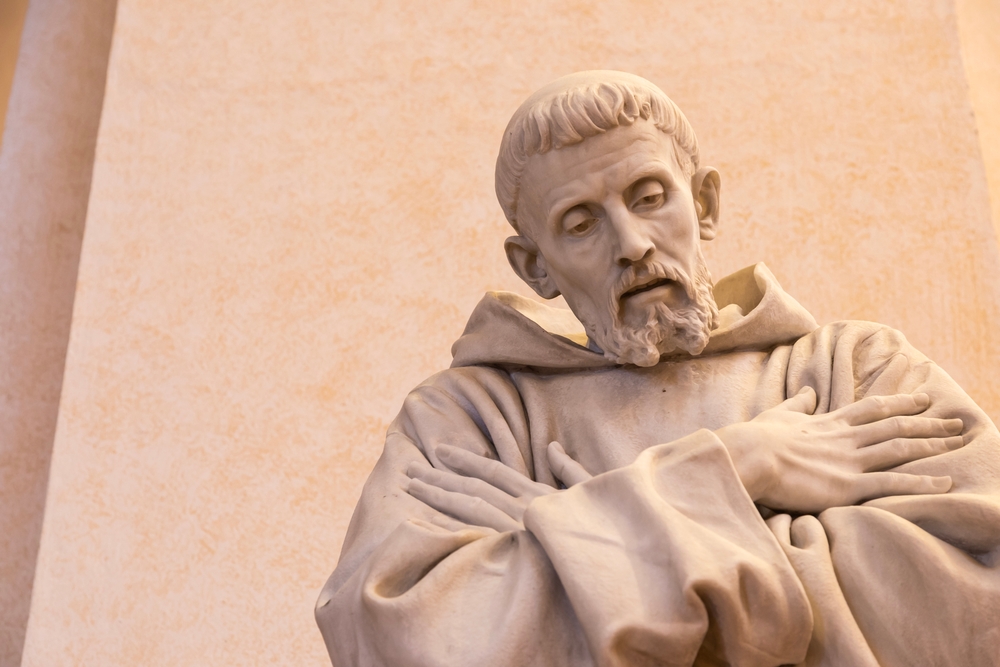
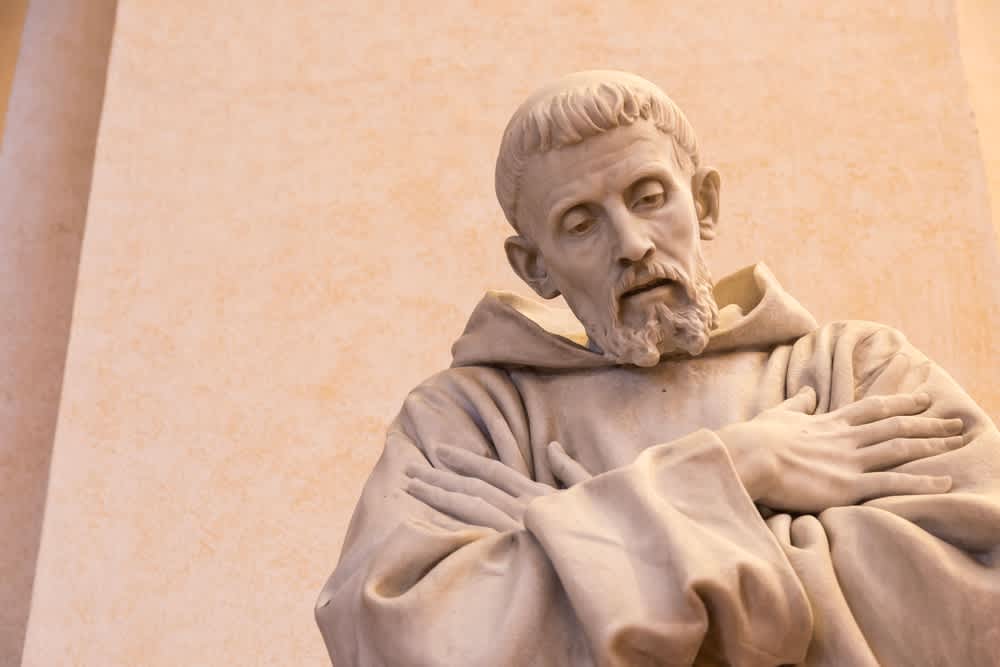
St. Francis of Assisi. | Credit: Paolo Gallo/Shutterstock
Jan 12, 2026 / 17:21 pm (CNA).
Pope Leo XIV has proclaimed a “Special Year of St. Francis” to commemorate the 800th anniversary of the saint’s death. During this time of grace, which will extend until January 2027, the faithful are granted the opportunity to obtain a plenary indulgence.
This Franciscan Jubilee Year, considered a gift for the entire Church and an occasion for authentic spiritual renewal, was inaugurated on Jan. 10 with a decree issued by the Apostolic Penitentiary of the Holy See.
Until Jan. 10 of next year, the faithful can obtain this grace under the usual conditions — sacramental confession, Communion, and prayer for the intentions of the pope — by making a pilgrimage to any Franciscan conventual church or place of worship dedicated to St. Francis anywhere in the world.
Furthermore, the elderly, the sick, and those who, for serious reasons, cannot leave their homes can obtain the plenary indulgence by spiritually joining in the jubilee celebrations and offering their prayers, pains, or sufferings to God.
In a world where “the virtual takes over the real, disagreements and social violence are part of everyday life, and peace becomes more insecure and distant every day, this Year of St. Francis spurs all of us, each according to our possibilities, to imitate the poor man of Assisi, to form ourselves as far as possible on the model of Christ,” the decree states.
For the Order of Friars Minor, this time is also an opportunity for the faithful to become “models of holiness of life and constant witnesses of peace.”
On the occasion of this anniversary, Pope Leo XIV addressed a letter to the ministers general of the Franciscan Family Conference in which he emphasized that “in this era, marked by so many seemingly endless wars, by internal and social divisions that create distrust and fear, he continues to speak. Not because he offers technical solutions, but because his life points to the authentic source of peace.”
In this regard, he highlighted that St. Francis reminds us that “peace with God, peace among people, and peace with creation are inseparable dimensions of a single call to universal reconciliation.”
This story was first published by ACI Prensa, CNA’s Spanish-language news partner. It has been translated and adapted by CNA.
Read More
U.S. — In its ongoing effort to make watching football as difficult as possible, the National Football League announced today that each quarter of the playoff games will be exclusively streamed on a different streaming network.
Read More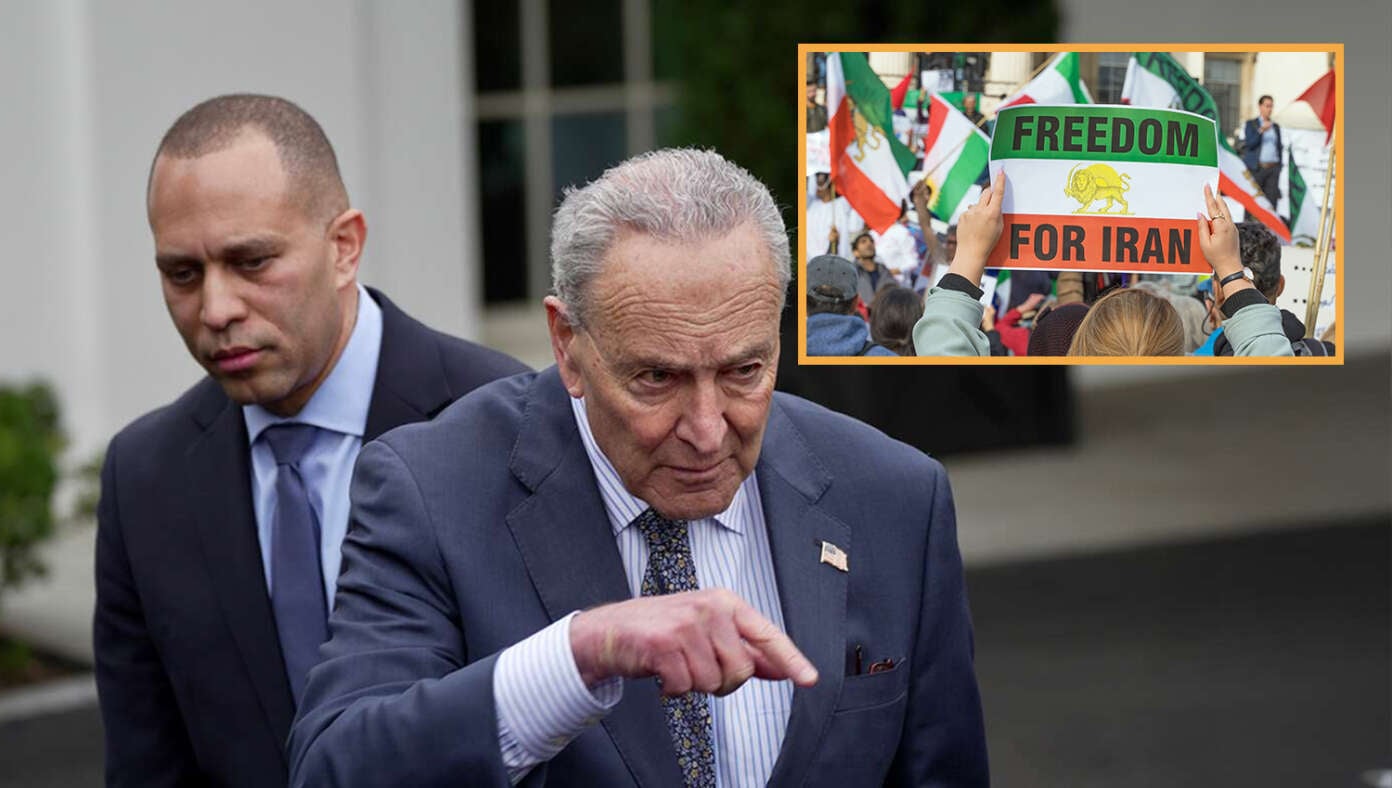
U.S. — With the fall of the Ayatollah regime appearing to be imminent, prominent Democrats expressed fear that the dangerous Iranian desire for freedom could potentially spread to the United States.
Read More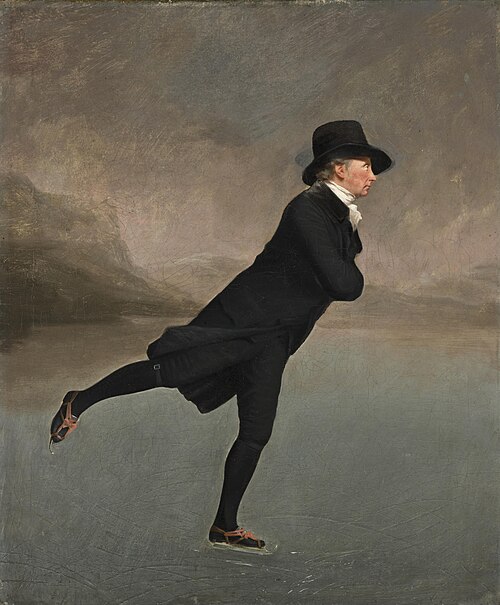
| Picture of the day |
|---|
_Skating_on_Duddingston_Loch.jpg)
|
|
The Reverend Robert Walker Skating on Duddingston Loch, better known as The Skating Minister (1790s), by Henry Raeburn.
|
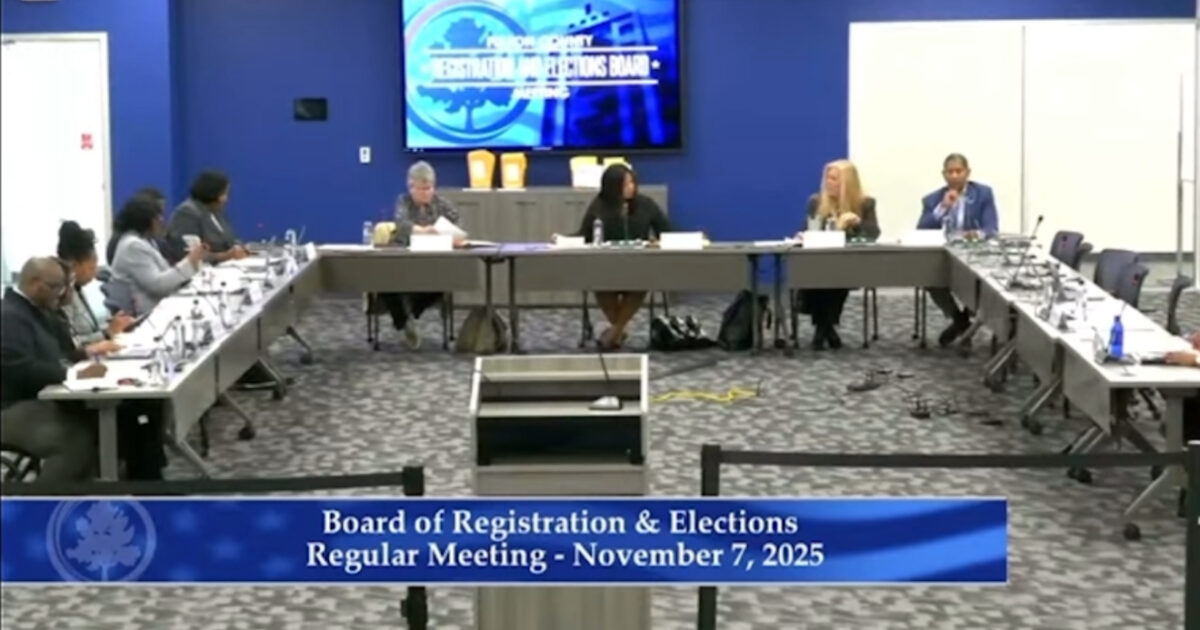


Last month, The Gateway Pundit reported that Judge Robert McBurney had ruled that the Fulton County Board of Registration and Elections (BRE) was required to comply with a subpoena from the Georgia State Election Board that seeks access to physical records from the 2020 election.
The post Fulton County Submits $435k Proposal For Records Processing, Including Physical Ballots and Envelopes – Despite Numerous Violations Already Discovered appeared first on The Gateway Pundit.
Read More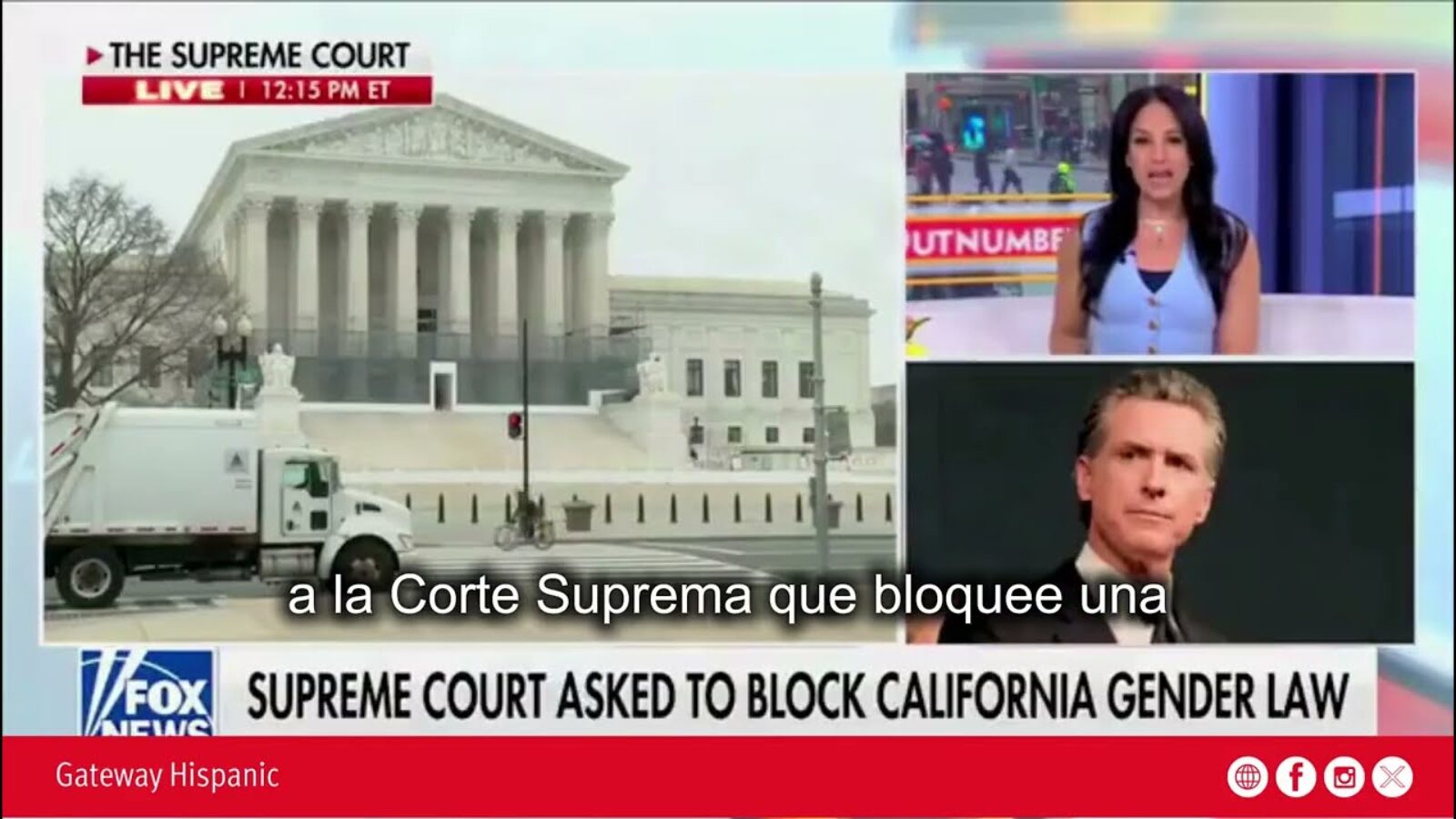


The debate over parental rights has returned to the center of the national agenda after a Catholic legal group asked the Supreme Court to block a controversial California law that exempts public schools from having to notify parents about the gender identity of transgender students.
The post Legal Battle Over Parental Rights in California Schools (VIDEO) appeared first on The Gateway Pundit.
Read More


(Note: Thank you for supporting businesses like those presenting a sponsored message below and ordering through the links below, which benefits Gateway Pundit.
The post Amazon Prime Members: This Card Could Be Worth $100s Every Year appeared first on The Gateway Pundit.
Read More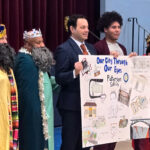
Mayor visits Paterson school on Thee Kings Day #Catholic – 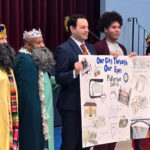
Paterson Mayor André Sayegh visited St. Gerard Majella School in Paterson, N.J., to distribute Christmas gifts to students on Three Kings Day, Jan. 6. The the mayor’s office coordinates the annual event.
Click here to subscribe to our weekly newsletter.
– Paterson Mayor André Sayegh visited St. Gerard Majella School in Paterson, N.J., to distribute Christmas gifts to students on Three Kings Day, Jan. 6. The the mayor’s office coordinates the annual event. Click here to subscribe to our weekly newsletter.


Credit: CDC/Debora Cartagena
Jan 12, 2026 / 06:00 am (CNA).
Catholic medical professionals and ethicists had mixed reactions to the Centers for Disease Control and Prevention’s (CDC) announcement last week that it has revised the recommended childhood and adolescent vaccine schedule.
In a press release on Jan. 5, the CDC announced a revised recommended childhood immunization schedule, which reduces the number of universally recommended vaccines from 18 to 11. It retains routine recommendations for all children against measles, mumps, rubella, polio, pertussis, tetanus, diphtheria, Haemophilus influenzae type b, pneumococcal disease, human papillomavirus (HPV), and varicella (chickenpox).
Vaccines for rotavirus, influenza, COVID-19, hepatitis A, hepatitis B, meningococcal disease, and RSV now shift to recommendations for high-risk groups or after “shared clinical decision-making” between providers and families.
According to a Department of Health and Human Services (HHS) memo, the CDC “applies shared clinical decision-making recommendations when evidence indicates that individuals may benefit from vaccination based on an analysis of the individual’s characteristics, values, and preferences, the provider’s medical judgment, and the characteristics of the vaccine being considered.”
Insurance companies must continue to cover all vaccines.
The changes come after President Donald Trump directed the heads of the CDC and HHS in December 2025 to “review best practices from peer, developed nations regarding childhood vaccination recommendations and the scientific evidence underlying those practices” and to make changes accordingly.
After reviewing the vaccination practices of 20 peer nations, a scientific assessment found that “the U.S. is a global outlier among developed nations in both the number of diseases addressed in its routine childhood vaccination schedule and the total number of recommended doses but does not have higher vaccination rates than such countries.”
“Science demands continuous evaluation,” Dr. Jay Bhattacharya, director of the National Institutes of Health (NIH), said in the CDC press release. “This decision commits NIH, CDC, and the Food and Drug Administration (FDA) to gold standard science, greater transparency, and ongoing reassessment as new data emerge.”
Dr. Tim Millea, chair of the health care policy committee at the Catholic Medical Association (CMA), welcomed the changes, telling CNA that he thought the CDC approached the revisions “in a very logical way.”
“There has been a huge drop in trust surrounding vaccines since the COVID-19 pandemic,” Millea said. “The suggestions during COVID that the science was ‘settled’ rubbed a lot of us the wrong way.”
“The loudest critics of these new recommendations say this is ideology over science,” he said. “Science is a process, not an end. If we need more evidence, let’s get it,” he said, pointing out Bhattacharya’s call for “gold standard” science and “ongoing reassessment.”
Millea, a retired orthopedic surgeon, said he has confidence that Bhattacharya and Dr. Marty Makary, head of the FDA, are “not going to let ideology get ahead of science.”
The president of the National Catholic Bioethics Center (NCBC), John Di Camillo, told CNA in a statement regarding the updated immunization recommendations: “The people look to public health authorities precisely for this kind of guidance, which is responsive to continually evolving research, ongoing discussions among professionals in the medical field, and ethical principles that promote the common good, respect the dignity of the human person, and limit the interference of financial and ideological conflicts.”
‘Let those closest to the children make the decisions’
Millea acknowledged that critics of the CDC’s revised recommendations say comparing the U.S. vaccine schedule to that of much smaller, more homogeneous nations such as Denmark is like “comparing apples to oranges.”
However, he pointed out that the CDC’s revised schedule is simply a recommendation, and each of the 50 U.S. states is free to do what it deems best. “It’s like 50 laboratories. Let’s see what works the best.”
Invoking the Catholic principle of subsidiarity, Millea said “let those closest to the children who are getting the vaccinations make the decisions.”
“One of the positive aspects of the pandemic is that now we can take a step back and we’re questioning, not because something may be wrong, but maybe because it could be improved upon,” Millea said.
John F. Brehany, executive vice president and director of Institutional Relations at the NCBC, told CNA that “the new schedule appears to have been designed with good intent; that is, … to have gained public trust in the absence of mandates and to have contributed to population health outcomes that meet or exceed those of the U.S.”
“The new schedule does not take a ‘one size fits all’ approach but rather structures recommendations based on the nature of the diseases, vaccines in question, and characteristics of the children or patients who may receive them,” he continued. “This approach appears to be well-founded and to provide a sound foundation for respecting the dignity and rights of every unique human person.”
This will ‘sow more confusion’
Dr. Gwyneth Spaeder, a Catholic pediatrician in North Carolina, did not welcome the changes to the immunization schedule.
While she acknowledged that the damage to trust in institutions was substantial after the COVID-19 pandemic, she thinks the issues surrounding the COVID-19 vaccine’s safety and efficacy “cannot be compared” with the decades of studies demonstrating the safety of common children’s immunizations.
“It is not the same moral calculus,” she said.
She does not believe revising the immunization schedule this way will restore trust in institutions, which she said might take “years or even generations” to rebuild.
This method will “sow more confusion,” Spaeder said. “Instead of trying to rebuild trust in transparent, evidence-based practices, we have created a situation where everyone is told different things … For this child, we think this schedule is the best, for that child, there’s a different one. That’s not how public health works.”
She also said that comparing the homogeneous, relatively tiny population of 6 million in Denmark to that of the diverse population of 340 million in the U.S. is “a false comparison.”
“Their children are at less risk from falling through the cracks and contracting these diseases we try to vaccinate against,” she said, noting the protective public health effects of Denmark’s universal health care and generous parental leave policies.
“The children who will be most harmed in the U.S. are the underserved,” Spaeder said. “That’s being lost in this conversation. We can have a lot of high-level political arguments, but I am most concerned about my patients from single-parent homes who attend day care from young ages, or who are born to mothers who don’t have adequate prenatal care.”
“They will lose out the most from not being protected from these diseases.”
Read More