Day: January 13, 2026

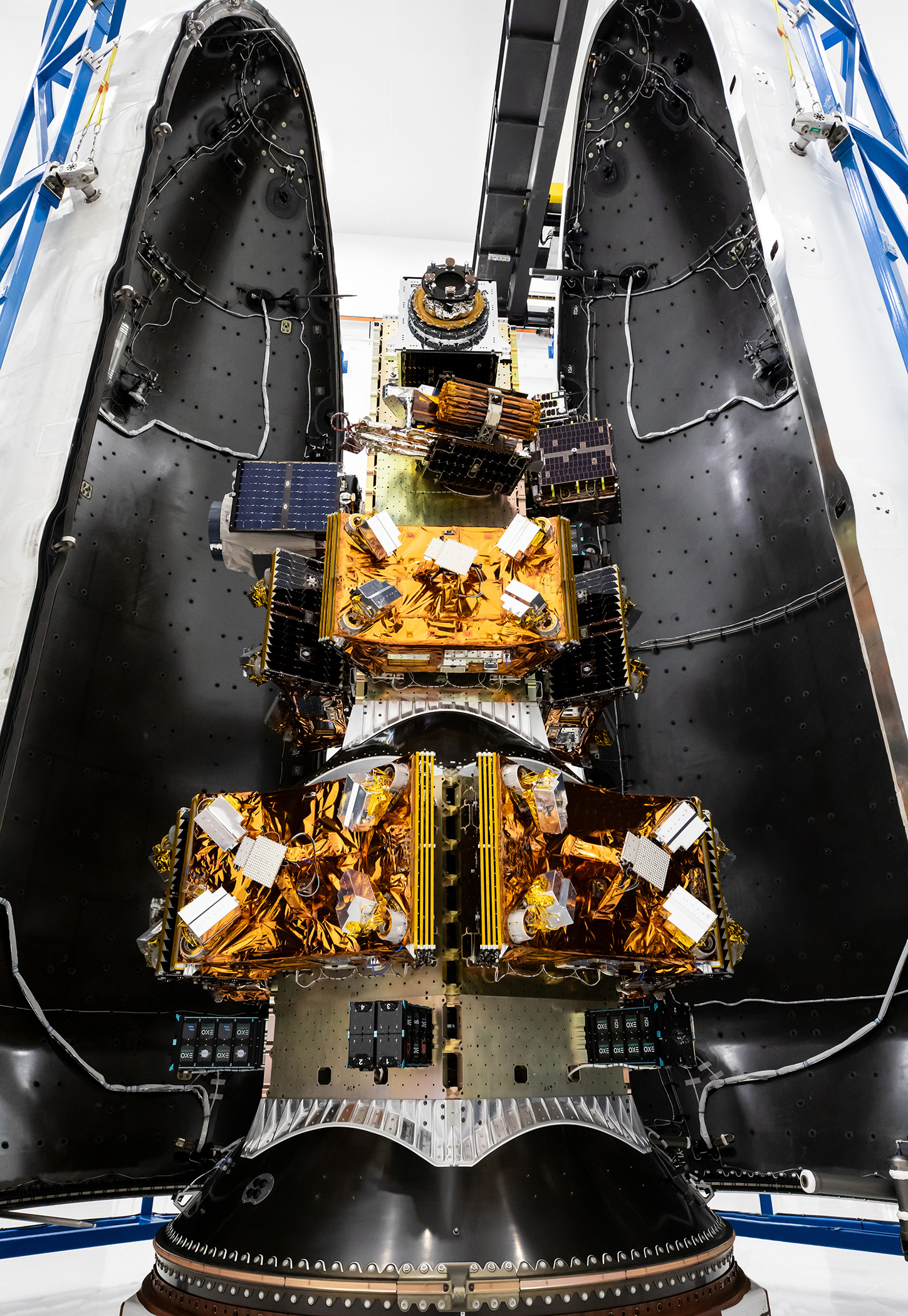
NASA’s Pandora Small Satellite Launched – NASA’s Pandora small satellite, and NASA-sponsored Star-Planet Activity Research CubeSat (SPARCS), and Black Hole Coded Aperture Telescope (BlackCAT) CubeSat, are ready to be encapsulated inside a SpaceX Falcon 9 payload fairing in this early January 2026 photo. Pandora and the CubeSats launched Sunday, Jan. 11, from Vandenberg Space Force Base located on California’s central coast.

NASA’s Pandora small satellite, and NASA-sponsored Star-Planet Activity Research CubeSat (SPARCS), and Black Hole Coded Aperture Telescope (BlackCAT) CubeSat, are ready to be encapsulated inside a SpaceX Falcon 9 payload fairing in this early January 2026 photo. Pandora and the CubeSats launched Sunday, Jan. 11, from Vandenberg Space Force Base located on California’s central coast.

Read More

Come Holy Spirit, fill the hearts of your faithful and kindle in them the fire of your love. Send forth your Spirit and they shall be created. And You shall renew the face of the earth.

O, God, who by the light of the Holy Spirit, did instruct the hearts of the faithful, grant that by the same Holy Spirit we may be truly wise and ever enjoy His consolations, Through Christ Our Lord, Amen.

Read More

Gospel and Word of the Day – 14 January 2026 – A reading from the Book of Samuel 3:1-10, 19-20 During the time young Samuel was minister to the LORD under Eli, a revelation of the LORD was uncommon and vision infrequent. One day Eli was asleep in his usual place. His eyes had lately grown so weak that he could not see. The lamp of God was not yet extinguished, and Samuel was sleeping in the temple of the LORD where the ark of God was. The LORD called to Samuel, who answered, “Here I am.” Samuel ran to Eli and said, “Here I am. You called me.” “I did not call you,” Eli said. “Go back to sleep.” So he went back to sleep. Again the LORD called Samuel, who rose and went to Eli. “Here I am,” he said. “You called me.” But Eli answered, “I did not call you, my son. Go back to sleep.” At that time Samuel was not familiar with the LORD, because the LORD had not revealed anything to him as yet. The LORD called Samuel again, for the third time. Getting up and going to Eli, he said, “Here I am. You called me.” Then Eli understood that the LORD was calling the youth. So Eli said to Samuel, “Go to sleep, and if you are called, reply, ‘Speak, LORD, for your servant is listening.’” When Samuel went to sleep in his place, the LORD came and revealed his presence, calling out as before, “Samuel, Samuel!” Samuel answered, “Speak, for your servant is listening.” Samuel grew up, and the LORD was with him, not permitting any word of his to be without effect. Thus all Israel from Dan to Beersheba came to know that Samuel was an accredited prophet of the LORD.From the Gospel according to Mark 1:29-39 On leaving the synagogue Jesus entered the house of Simon and Andrew with James and John. Simon’s mother-in-law lay sick with a fever. They immediately told him about her. He approached, grasped her hand, and helped her up. Then the fever left her and she waited on them. When it was evening, after sunset, they brought to him all who were ill or possessed by demons. The whole town was gathered at the door. He cured many who were sick with various diseases, and he drove out many demons, not permitting them to speak because they knew him. Rising very early before dawn, he left and went off to a deserted place, where he prayed. Simon and those who were with him pursued him and on finding him said, “Everyone is looking for you.” He told them, “Let us go on to the nearby villages that I may preach there also. For this purpose have I come.” So he went into their synagogues, preaching and driving out demons throughout the whole of Galilee.Thus, from the very beginning, Jesus shows his predilection for people suffering in body and in spirit: it is a predilection of Jesus to draw near to people who suffer both in body and in spirit. It is the Father’s predilection, which he incarnates and manifests with deeds and words. His disciples were eyewitnesses to this; they saw this and then witnessed to it. But Jesus did not want them to be mere spectators of his mission: he involved them; he sent them; he also gave them the power to heal the sick and cast out demons (cf. Mt 10:1; Mk 6:7). And this has continued without interruption in the life of the Church, until today. And this is important. Taking care of the sick of every kind is not an “optional activity” for the Church, no! It is not something extra, no. Taking care of the sick of every kind is an integral part of the Church’s mission, as it was for Jesus. And this mission is to bring God’s tenderness to a suffering humanity.  (Pope Francis – Angelus,  7 February 2021)

A reading from the Book of Samuel
3:1-10, 19-20

During the time young Samuel was minister to the LORD under Eli,
a revelation of the LORD was uncommon and vision infrequent.
One day Eli was asleep in his usual place.
His eyes had lately grown so weak that he could not see.
The lamp of God was not yet extinguished,
and Samuel was sleeping in the temple of the LORD
where the ark of God was.
The LORD called to Samuel, who answered, “Here I am.”

Samuel ran to Eli and said, “Here I am. You called me.”
“I did not call you,” Eli said. “Go back to sleep.”
So he went back to sleep.
Again the LORD called Samuel, who rose and went to Eli.
“Here I am,” he said. “You called me.”
But Eli answered, “I did not call you, my son. Go back to sleep.”
At that time Samuel was not familiar with the LORD,
because the LORD had not revealed anything to him as yet.
The LORD called Samuel again, for the third time.
Getting up and going to Eli, he said, “Here I am.
You called me.”
Then Eli understood that the LORD was calling the youth.
So Eli said to Samuel, “Go to sleep, and if you are called, reply,
‘Speak, LORD, for your servant is listening.’”
When Samuel went to sleep in his place,
the LORD came and revealed his presence,
calling out as before, “Samuel, Samuel!”
Samuel answered, “Speak, for your servant is listening.”

Samuel grew up, and the LORD was with him,
not permitting any word of his to be without effect.
Thus all Israel from Dan to Beersheba
came to know that Samuel was an accredited prophet of the LORD.

From the Gospel according to Mark
1:29-39

On leaving the synagogue
Jesus entered the house of Simon and Andrew with James and John.
Simon’s mother-in-law lay sick with a fever.
They immediately told him about her.
He approached, grasped her hand, and helped her up.
Then the fever left her and she waited on them.

When it was evening, after sunset,
they brought to him all who were ill or possessed by demons.
The whole town was gathered at the door.
He cured many who were sick with various diseases,
and he drove out many demons,
not permitting them to speak because they knew him.

Rising very early before dawn,
he left and went off to a deserted place, where he prayed.
Simon and those who were with him pursued him
and on finding him said, “Everyone is looking for you.”
He told them, “Let us go on to the nearby villages
that I may preach there also.
For this purpose have I come.”
So he went into their synagogues, preaching and driving out demons
throughout the whole of Galilee.

Thus, from the very beginning, Jesus shows his predilection for people suffering in body and in spirit: it is a predilection of Jesus to draw near to people who suffer both in body and in spirit. It is the Father’s predilection, which he incarnates and manifests with deeds and words. His disciples were eyewitnesses to this; they saw this and then witnessed to it. But Jesus did not want them to be mere spectators of his mission: he involved them; he sent them; he also gave them the power to heal the sick and cast out demons (cf. Mt 10:1; Mk 6:7). And this has continued without interruption in the life of the Church, until today. And this is important. Taking care of the sick of every kind is not an “optional activity” for the Church, no! It is not something extra, no. Taking care of the sick of every kind is an integral part of the Church’s mission, as it was for Jesus. And this mission is to bring God’s tenderness to a suffering humanity.  (Pope Francis – Angelus,  7 February 2021)

Read More

Quito – San Cristóbal – Bartolomé – Isabela – Fernandina – Floreana – Santa CruzJanuary 19 – February 2, 2028 Embark on a refined 11-day journey that explores the volcanic wonders of the Galápagos Islands and the colonial history of the Andes, all centered around the annular solar eclipse of January 26, 2028. The expeditionContinue reading “2028 Galápagos Annular Eclipse Luxury Cruise”

The post 2028 Galápagos Annular Eclipse Luxury Cruise appeared first on Astronomy Magazine.

Read More
Archbishop Hebda calls for hope, healing as community suffers ‘heaviness’ after shooting – #Catholic – 
 
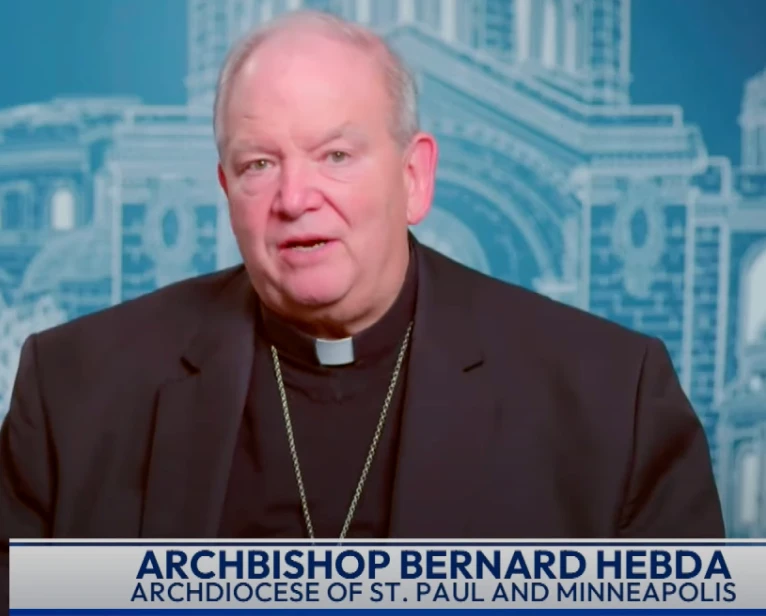
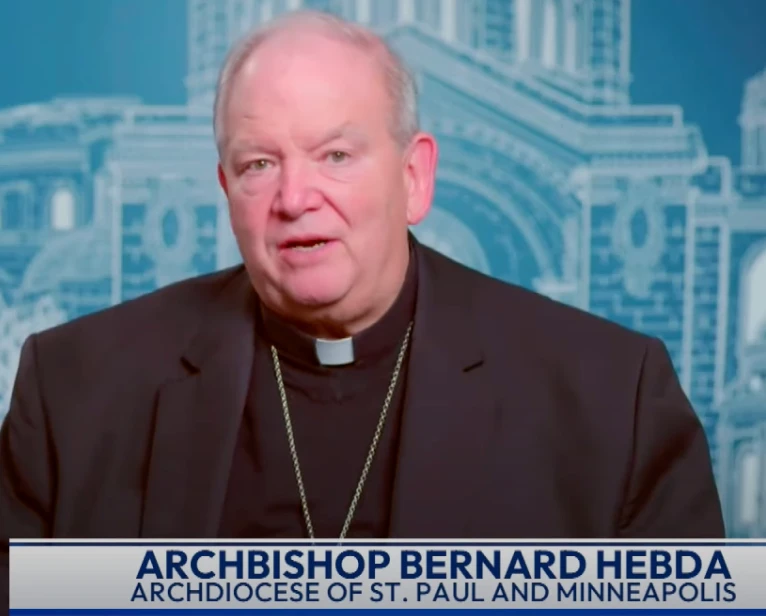
 Archbishop Hebda speaks to EWTN News in August 2025. | Credit: “EWTN News Nightly”/Screenshot

Jan 13, 2026 / 13:11 pm (CNA).
Archbishop Bernard Hebda of St. Paul and Minneapolis described a pervasive “heaviness” in the community over federal agents’ deadly shooting of a U.S. citizen.In his pastoral reflection on Jan. 12, the archbishop said he was on retreat with regional bishops last week when the shooting of Renee Good by an Immigration and Customs Enforcement official occurred.“I find myself Googling ‘Minneapolis’ every few hours to learn of the latest developments in a situation that truly tears at the heart,” he wrote, noting that some parishes with large Latino populations are seeing fewer than 50% of usual congregants at recent Masses.“I hope that you might think about contacting any of our parishes serving immigrant communities to see how you might support them in their ministry,” Hebda wrote.During the retreat, he said he prayed for consolation for the Good family, wisdom for political leaders, prudence and safety for law enforcement, temperance among protesters, healing for those wounded by political divisions (especially young people), and courage for immigrants living in fear of deportation.Hebda said he also prayed for parish priests, deacons, educators, and others who are navigating these tensions while striving to “bring the light of the Gospel and the balm of Jesus’ love into these difficult situations.”After the shooting last week, Hebda in a statement pleaded for “all people of goodwill to join me in prayer for the person who was killed, for their loved ones, and for our community.”“We continue to be at a time in this country when we need to lower the temperature of rhetoric, stop fear-filled speculation, and start seeing all people as created in the image and likeness of God,” he said.Good was behind the wheel of an SUV after dropping off her 6-year-old at school when she was killed. Dueling narratives emerged, with the president and Homeland Security secretary saying the ICE officer’s actions were justified against an “act of domestic terrorism,” while Democratic officials said the administration is lying and urged the public to review videos of the shooting themselves.In his Jan. 12 letter, the prelate noted the “providential” timing of the Church’s psalm response at this past Sunday’s Mass: “The Lord will bless his people with peace” (Psalm 29), adding: “I am confident that the Lord keeps his promises, but I am hoping that he won’t keep us waiting too long. Maybe I should be praying for patience.”To address the ongoing wounds, the archdiocese hosted Bishop Andrew Cozzens of the Diocese of Crookston on Monday evening for a public presentation titled “A Wounded Church: Finding Peace and Healing,” originally intended to address the shooting that occurred during the all-school Mass at Annunciation Church in August 2025. The event began with a Mass and concluded with Eucharistic adoration.“How providential that the evening event, planned months ago, would have been scheduled to coincide with this challenging time,” Hebda remarked in his letter. Cozzens also led a morning of recollection for archdiocesan staff on Jan. 13 on the same theme.The archbishop urged the faithful to support immigrant parishes facing sharp declines in attendance since early December.“A number of parishioners expressed to me their concerns about how the parishes will be able to continue their excellent ministry and outreach to the needy if Mass attendance (and offertory) remains low,” he wrote. “I am confident that it would be a shot in the arm for them if you could join them some weekend.”Hebda also requested continued prayers for Father Greg Schaffer, an archdiocesan priest serving at a mission parish in Venezuela. Amid heightened dangers following the Trump administration’s military operation that led to the capture of President Nicolás Maduro on Jan. 3, the U.S. State Department has warned of risks for Americans, prompting the archbishop to ask for prayers for Schaffer.Daniel Payne contributed to this story.

Archbishop Hebda calls for hope, healing as community suffers ‘heaviness’ after shooting – #Catholic – Archbishop Hebda speaks to EWTN News in August 2025. | Credit: “EWTN News Nightly”/Screenshot Jan 13, 2026 / 13:11 pm (CNA). Archbishop Bernard Hebda of St. Paul and Minneapolis described a pervasive “heaviness” in the community over federal agents’ deadly shooting of a U.S. citizen.In his pastoral reflection on Jan. 12, the archbishop said he was on retreat with regional bishops last week when the shooting of Renee Good by an Immigration and Customs Enforcement official occurred.“I find myself Googling ‘Minneapolis’ every few hours to learn of the latest developments in a situation that truly tears at the heart,” he wrote, noting that some parishes with large Latino populations are seeing fewer than 50% of usual congregants at recent Masses.“I hope that you might think about contacting any of our parishes serving immigrant communities to see how you might support them in their ministry,” Hebda wrote.During the retreat, he said he prayed for consolation for the Good family, wisdom for political leaders, prudence and safety for law enforcement, temperance among protesters, healing for those wounded by political divisions (especially young people), and courage for immigrants living in fear of deportation.Hebda said he also prayed for parish priests, deacons, educators, and others who are navigating these tensions while striving to “bring the light of the Gospel and the balm of Jesus’ love into these difficult situations.”After the shooting last week, Hebda in a statement pleaded for “all people of goodwill to join me in prayer for the person who was killed, for their loved ones, and for our community.”“We continue to be at a time in this country when we need to lower the temperature of rhetoric, stop fear-filled speculation, and start seeing all people as created in the image and likeness of God,” he said.Good was behind the wheel of an SUV after dropping off her 6-year-old at school when she was killed. Dueling narratives emerged, with the president and Homeland Security secretary saying the ICE officer’s actions were justified against an “act of domestic terrorism,” while Democratic officials said the administration is lying and urged the public to review videos of the shooting themselves.In his Jan. 12 letter, the prelate noted the “providential” timing of the Church’s psalm response at this past Sunday’s Mass: “The Lord will bless his people with peace” (Psalm 29), adding: “I am confident that the Lord keeps his promises, but I am hoping that he won’t keep us waiting too long. Maybe I should be praying for patience.”To address the ongoing wounds, the archdiocese hosted Bishop Andrew Cozzens of the Diocese of Crookston on Monday evening for a public presentation titled “A Wounded Church: Finding Peace and Healing,” originally intended to address the shooting that occurred during the all-school Mass at Annunciation Church in August 2025. The event began with a Mass and concluded with Eucharistic adoration.“How providential that the evening event, planned months ago, would have been scheduled to coincide with this challenging time,” Hebda remarked in his letter. Cozzens also led a morning of recollection for archdiocesan staff on Jan. 13 on the same theme.The archbishop urged the faithful to support immigrant parishes facing sharp declines in attendance since early December.“A number of parishioners expressed to me their concerns about how the parishes will be able to continue their excellent ministry and outreach to the needy if Mass attendance (and offertory) remains low,” he wrote. “I am confident that it would be a shot in the arm for them if you could join them some weekend.”Hebda also requested continued prayers for Father Greg Schaffer, an archdiocesan priest serving at a mission parish in Venezuela. Amid heightened dangers following the Trump administration’s military operation that led to the capture of President Nicolás Maduro on Jan. 3, the U.S. State Department has warned of risks for Americans, prompting the archbishop to ask for prayers for Schaffer.Daniel Payne contributed to this story.


Archbishop Hebda speaks to EWTN News in August 2025. | Credit: “EWTN News Nightly”/Screenshot

Jan 13, 2026 / 13:11 pm (CNA).

Archbishop Bernard Hebda of St. Paul and Minneapolis described a pervasive “heaviness” in the community over federal agents’ deadly shooting of a U.S. citizen.

In his pastoral reflection on Jan. 12, the archbishop said he was on retreat with regional bishops last week when the shooting of Renee Good by an Immigration and Customs Enforcement official occurred.

“I find myself Googling ‘Minneapolis’ every few hours to learn of the latest developments in a situation that truly tears at the heart,” he wrote, noting that some parishes with large Latino populations are seeing fewer than 50% of usual congregants at recent Masses.

“I hope that you might think about contacting any of our parishes serving immigrant communities to see how you might support them in their ministry,” Hebda wrote.

During the retreat, he said he prayed for consolation for the Good family, wisdom for political leaders, prudence and safety for law enforcement, temperance among protesters, healing for those wounded by political divisions (especially young people), and courage for immigrants living in fear of deportation.

Hebda said he also prayed for parish priests, deacons, educators, and others who are navigating these tensions while striving to “bring the light of the Gospel and the balm of Jesus’ love into these difficult situations.”

After the shooting last week, Hebda in a statement pleaded for “all people of goodwill to join me in prayer for the person who was killed, for their loved ones, and for our community.”

“We continue to be at a time in this country when we need to lower the temperature of rhetoric, stop fear-filled speculation, and start seeing all people as created in the image and likeness of God,” he said.

Good was behind the wheel of an SUV after dropping off her 6-year-old at school when she was killed. Dueling narratives emerged, with the president and Homeland Security secretary saying the ICE officer’s actions were justified against an “act of domestic terrorism,” while Democratic officials said the administration is lying and urged the public to review videos of the shooting themselves.

In his Jan. 12 letter, the prelate noted the “providential” timing of the Church’s psalm response at this past Sunday’s Mass: “The Lord will bless his people with peace” (Psalm 29), adding: “I am confident that the Lord keeps his promises, but I am hoping that he won’t keep us waiting too long. Maybe I should be praying for patience.”

To address the ongoing wounds, the archdiocese hosted Bishop Andrew Cozzens of the Diocese of Crookston on Monday evening for a public presentation titled “A Wounded Church: Finding Peace and Healing,” originally intended to address the shooting that occurred during the all-school Mass at Annunciation Church in August 2025. The event began with a Mass and concluded with Eucharistic adoration.

“How providential that the evening event, planned months ago, would have been scheduled to coincide with this challenging time,” Hebda remarked in his letter. Cozzens also led a morning of recollection for archdiocesan staff on Jan. 13 on the same theme.

The archbishop urged the faithful to support immigrant parishes facing sharp declines in attendance since early December.

“A number of parishioners expressed to me their concerns about how the parishes will be able to continue their excellent ministry and outreach to the needy if Mass attendance (and offertory) remains low,” he wrote. “I am confident that it would be a shot in the arm for them if you could join them some weekend.”

Hebda also requested continued prayers for Father Greg Schaffer, an archdiocesan priest serving at a mission parish in Venezuela. Amid heightened dangers following the Trump administration’s military operation that led to the capture of President Nicolás Maduro on Jan. 3, the U.S. State Department has warned of risks for Americans, prompting the archbishop to ask for prayers for Schaffer.

Daniel Payne contributed to this story.

Read More
Retreat in Newton equips men for life’s faith challenges #Catholic – On the weekend of Jan. 9 to 11, the 5th Annual Called To Courage (CTC) retreat was held at the Sacred Heart Center in Newton.
Forty-two Catholic men from the following local parishes in New Jersey participated: St. Kateri Tekakwitha in Sparta; St. Matthew the Apostle and Resurrection, both in Randolph; Annunciation and Our Lady of the Valley, both in Wayne; Corpus Christi in Chatham Township; and St. Mary in Wharton — all in the Paterson Diocese — as well as St Michael in Cranford in the Newark Archdiocese.
The CTC retreat theme is “Sacred Journey: Transitions and Transformation.” The theme focused on the various ways in which men share in the Paschal Mystery of Christ, dying and rising in life experiences such as growing from childhood to adulthood, transitioning through the aging process and retirement, and facing other losses and disappointments, including recovery from addictions.
During this annual retreat, men listen and speak from the heart, developing lasting friendships and support systems. This year, four laymen and Salesian Sister Theresa Kelly, director of the Sacred Heart Center, gave witness talks about their spiritual journeys of transformation.

Click here to subscribe to our weekly newsletter.

The retreat also featured small- and large-group discussions and several liturgical services. These services included morning prayer services, Stations of the Cross, a reconciliation service, Eucharistic adoration and Benediction, and a Sunday-morning Mass. Father Daniel Murphy, a retired priest of the Paterson Diocese and the CTC’s spiritual director, celebrated the Mass.
Bishop Kevin J. Sweeney visited the men on retreat on Saturday for lunch. Then, he listened to one of the talks, participated in a small-group discussion, was present for the reconciliation service, and heard individual confessions along with other priests. The men also had free time to spend as they wished, which included fellowship with the other men and quiet time for prayer and reflection.
The CTC retreat program originated in the various Cornerstone and Men’s retreat programs in the Paterson Diocese, which have been very successful over the years. These retreats are designed to equip men to face faith challenges, focusing on themes such as brotherhood, discipline, and living a holy Catholic life. Father Murphy and a team of laymen lead CTC, which offers a retreat experience for all men, including those from parishes without a men’s retreat ministry.
 

Retreat in Newton equips men for life’s faith challenges #Catholic – On the weekend of Jan. 9 to 11, the 5th Annual Called To Courage (CTC) retreat was held at the Sacred Heart Center in Newton. Forty-two Catholic men from the following local parishes in New Jersey participated: St. Kateri Tekakwitha in Sparta; St. Matthew the Apostle and Resurrection, both in Randolph; Annunciation and Our Lady of the Valley, both in Wayne; Corpus Christi in Chatham Township; and St. Mary in Wharton — all in the Paterson Diocese — as well as St Michael in Cranford in the Newark Archdiocese. The CTC retreat theme is “Sacred Journey: Transitions and Transformation.” The theme focused on the various ways in which men share in the Paschal Mystery of Christ, dying and rising in life experiences such as growing from childhood to adulthood, transitioning through the aging process and retirement, and facing other losses and disappointments, including recovery from addictions. During this annual retreat, men listen and speak from the heart, developing lasting friendships and support systems. This year, four laymen and Salesian Sister Theresa Kelly, director of the Sacred Heart Center, gave witness talks about their spiritual journeys of transformation. Click here to subscribe to our weekly newsletter. The retreat also featured small- and large-group discussions and several liturgical services. These services included morning prayer services, Stations of the Cross, a reconciliation service, Eucharistic adoration and Benediction, and a Sunday-morning Mass. Father Daniel Murphy, a retired priest of the Paterson Diocese and the CTC’s spiritual director, celebrated the Mass. Bishop Kevin J. Sweeney visited the men on retreat on Saturday for lunch. Then, he listened to one of the talks, participated in a small-group discussion, was present for the reconciliation service, and heard individual confessions along with other priests. The men also had free time to spend as they wished, which included fellowship with the other men and quiet time for prayer and reflection. The CTC retreat program originated in the various Cornerstone and Men’s retreat programs in the Paterson Diocese, which have been very successful over the years. These retreats are designed to equip men to face faith challenges, focusing on themes such as brotherhood, discipline, and living a holy Catholic life. Father Murphy and a team of laymen lead CTC, which offers a retreat experience for all men, including those from parishes without a men’s retreat ministry.  

Retreat in Newton equips men for life’s faith challenges #Catholic –

On the weekend of Jan. 9 to 11, the 5th Annual Called To Courage (CTC) retreat was held at the Sacred Heart Center in Newton.

Forty-two Catholic men from the following local parishes in New Jersey participated: St. Kateri Tekakwitha in Sparta; St. Matthew the Apostle and Resurrection, both in Randolph; Annunciation and Our Lady of the Valley, both in Wayne; Corpus Christi in Chatham Township; and St. Mary in Wharton — all in the Paterson Diocese — as well as St Michael in Cranford in the Newark Archdiocese.

The CTC retreat theme is “Sacred Journey: Transitions and Transformation.” The theme focused on the various ways in which men share in the Paschal Mystery of Christ, dying and rising in life experiences such as growing from childhood to adulthood, transitioning through the aging process and retirement, and facing other losses and disappointments, including recovery from addictions.

During this annual retreat, men listen and speak from the heart, developing lasting friendships and support systems. This year, four laymen and Salesian Sister Theresa Kelly, director of the Sacred Heart Center, gave witness talks about their spiritual journeys of transformation.


Click here to subscribe to our weekly newsletter.

The retreat also featured small- and large-group discussions and several liturgical services. These services included morning prayer services, Stations of the Cross, a reconciliation service, Eucharistic adoration and Benediction, and a Sunday-morning Mass. Father Daniel Murphy, a retired priest of the Paterson Diocese and the CTC’s spiritual director, celebrated the Mass.

Bishop Kevin J. Sweeney visited the men on retreat on Saturday for lunch. Then, he listened to one of the talks, participated in a small-group discussion, was present for the reconciliation service, and heard individual confessions along with other priests. The men also had free time to spend as they wished, which included fellowship with the other men and quiet time for prayer and reflection.

The CTC retreat program originated in the various Cornerstone and Men’s retreat programs in the Paterson Diocese, which have been very successful over the years. These retreats are designed to equip men to face faith challenges, focusing on themes such as brotherhood, discipline, and living a holy Catholic life. Father Murphy and a team of laymen lead CTC, which offers a retreat experience for all men, including those from parishes without a men’s retreat ministry.


On the weekend of Jan. 9 to 11, the 5th Annual Called To Courage (CTC) retreat was held at the Sacred Heart Center in Newton. Forty-two Catholic men from the following local parishes in New Jersey participated: St. Kateri Tekakwitha in Sparta; St. Matthew the Apostle and Resurrection, both in Randolph; Annunciation and Our Lady of the Valley, both in Wayne; Corpus Christi in Chatham Township; and St. Mary in Wharton — all in the Paterson Diocese — as well as St Michael in Cranford in the Newark Archdiocese. The CTC retreat theme is “Sacred Journey: Transitions and Transformation.” The

Read More
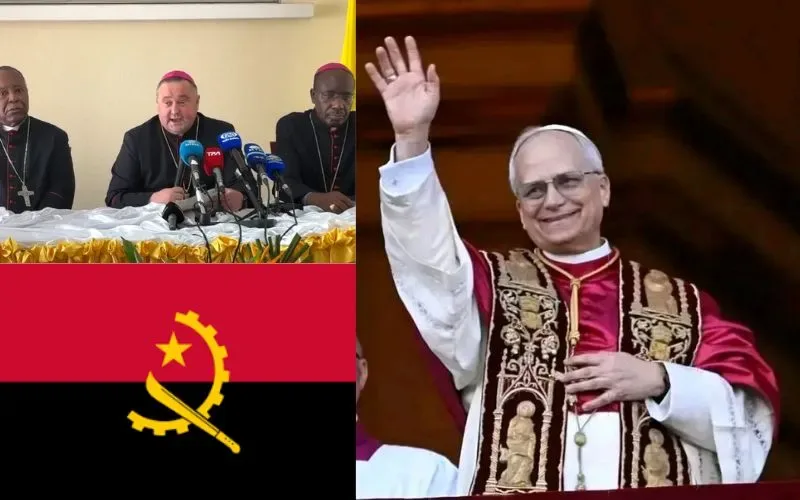
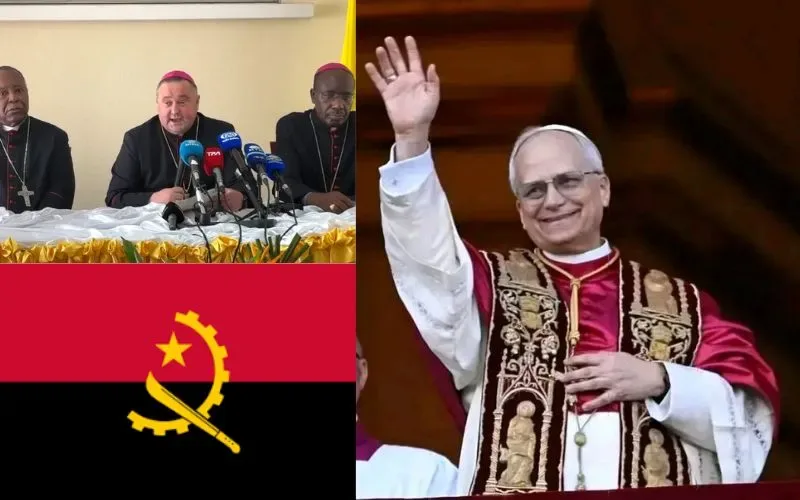
Angola among African countries Pope Leo XIV to visit; dates being finalized – #Catholic – 
 
 Angola is one of the African countries Pope Leo XIV plans to visit in what will be his first pastoral trip to the continent as Pontiff. | Credit: Vatican Media/Catholic Archdiocese of Luanda

Jan 13, 2026 / 12:41 pm (CNA).
Angola is one of the countries Pope Leo XIV plans to visit in what will be his first pastoral trip to the continent of Africa as pontiff, the apostolic nuncio in the southern African nation has announced.Addressing journalists during a press conference on Tuesday, Archbishop Kryspin Witold Dubiel confirmed that the Holy Father had accepted invitations from both the Catholic bishops of Angola and the country’s President João Lourenço, adding that the timelines and itinerary of the visit and program are still being finalized.“At this moment, we are preparing the plan and program for Pope Leo XIV’s visit to Africa. We do not yet have details on the exact date or program, but these will be communicated as soon as they are defined,” Dubiel said.The native of Poland’s  Diocese of Przemyśl invited all Angolan citizens to prepare for this significant event.“I hope that the Holy Father’s visit will be an opportunity to rediscover the values that have shaped the Angolan people and to share these values with the diverse communities that live and work around the world,” said the Vatican diplomat in Angola, who also represents the Holy Father in São Tomé and Príncipe.Also speaking at the press conference was the president of the Bishops’ Conference of Angola and São Tomé and Príncipe, who called upon Angolans to participate in the committees that will be established to prepare for the papal visit.“Each of these committees should give their best in the preparation, promotion, and realization of all tasks assigned,” Archbishop José Manuel Imbamba of Angola’s Saurimo Archdiocese said.Imbamba thanked Pope Leo XIV for accepting the invitation to visit Angola.Archbishop Filomeno do Nascimento Vieira Dias of Angola’s Archdiocese of Luanda described the planned papal trip as a “moment of great human and spiritual comfort,” occurring during a special period in the history of Christianity and in the year marking the “grand jubilee of Luanda — 450 years as a city, 450 years celebrating the faith.”Dias emphasized that the visit places Angola on the path of evangelization and universality.He went on to thank the Angolan government for “opening the doors” and for accepting to collaborate with faith-based leaders to facilitate the papal visit.In December 2025, Pope Leo XIV reportedly indicated that he would visit Africa in 2026, naming Algeria as a possible initial destination. Angola, Equatorial Guinea, and Cameroon were also mentioned as potential stops.Pope Leo is the first pontiff in modern history with firsthand knowledge of Africa. Unlike his predecessors, he has already been to eastern, western, southern, northern, and central Africa in person.As he began his papacy following his May 2025 election, the American-born member of the Order of St. Augustine had already visited Kenya at least half a dozen times, the regional vicar of the order in the east African nation told ACI Africa — the last visit to the country having taken place in December 2024.In a May 12, 2025, interview, Father Robert Karanja Ireri, superior of the Order of St. Augustine in Kenya, recalled that Pope Leo XIV had visited the neighboring Tanzania, confirming the country’s Daily News report that he had visited the East African nation multiple times.Karanja also confirmed that Pope Leo XIV visited Algeria in North Africa.Some members of the Augustinian Sisters of the Mercy of Jesus in South Africa recalled their interaction with Pope Leo XIV, then Father Robert Francis Prevost, when he visited the southern African nation.According to the Nigeria Catholic Network’s May 10 report, Pope Leo would not be “a stranger to Nigeria, as records show that he has visited the country on at least nine occasions between 2001 and 2016.”In his capacity as Augustinian prior general, Prevost presided over the inauguration of the Augustinian University in the capital city of the Democratic Republic of Congo, Kinshasa, in 2009.This story was first published by ACI Africa, CNA’s news partner in Africa, and has been adapted by CNA.

Angola among African countries Pope Leo XIV to visit; dates being finalized – #Catholic – Angola is one of the African countries Pope Leo XIV plans to visit in what will be his first pastoral trip to the continent as Pontiff. | Credit: Vatican Media/Catholic Archdiocese of Luanda Jan 13, 2026 / 12:41 pm (CNA). Angola is one of the countries Pope Leo XIV plans to visit in what will be his first pastoral trip to the continent of Africa as pontiff, the apostolic nuncio in the southern African nation has announced.Addressing journalists during a press conference on Tuesday, Archbishop Kryspin Witold Dubiel confirmed that the Holy Father had accepted invitations from both the Catholic bishops of Angola and the country’s President João Lourenço, adding that the timelines and itinerary of the visit and program are still being finalized.“At this moment, we are preparing the plan and program for Pope Leo XIV’s visit to Africa. We do not yet have details on the exact date or program, but these will be communicated as soon as they are defined,” Dubiel said.The native of Poland’s Diocese of Przemyśl invited all Angolan citizens to prepare for this significant event.“I hope that the Holy Father’s visit will be an opportunity to rediscover the values that have shaped the Angolan people and to share these values with the diverse communities that live and work around the world,” said the Vatican diplomat in Angola, who also represents the Holy Father in São Tomé and Príncipe.Also speaking at the press conference was the president of the Bishops’ Conference of Angola and São Tomé and Príncipe, who called upon Angolans to participate in the committees that will be established to prepare for the papal visit.“Each of these committees should give their best in the preparation, promotion, and realization of all tasks assigned,” Archbishop José Manuel Imbamba of Angola’s Saurimo Archdiocese said.Imbamba thanked Pope Leo XIV for accepting the invitation to visit Angola.Archbishop Filomeno do Nascimento Vieira Dias of Angola’s Archdiocese of Luanda described the planned papal trip as a “moment of great human and spiritual comfort,” occurring during a special period in the history of Christianity and in the year marking the “grand jubilee of Luanda — 450 years as a city, 450 years celebrating the faith.”Dias emphasized that the visit places Angola on the path of evangelization and universality.He went on to thank the Angolan government for “opening the doors” and for accepting to collaborate with faith-based leaders to facilitate the papal visit.In December 2025, Pope Leo XIV reportedly indicated that he would visit Africa in 2026, naming Algeria as a possible initial destination. Angola, Equatorial Guinea, and Cameroon were also mentioned as potential stops.Pope Leo is the first pontiff in modern history with firsthand knowledge of Africa. Unlike his predecessors, he has already been to eastern, western, southern, northern, and central Africa in person.As he began his papacy following his May 2025 election, the American-born member of the Order of St. Augustine had already visited Kenya at least half a dozen times, the regional vicar of the order in the east African nation told ACI Africa — the last visit to the country having taken place in December 2024.In a May 12, 2025, interview, Father Robert Karanja Ireri, superior of the Order of St. Augustine in Kenya, recalled that Pope Leo XIV had visited the neighboring Tanzania, confirming the country’s Daily News report that he had visited the East African nation multiple times.Karanja also confirmed that Pope Leo XIV visited Algeria in North Africa.Some members of the Augustinian Sisters of the Mercy of Jesus in South Africa recalled their interaction with Pope Leo XIV, then Father Robert Francis Prevost, when he visited the southern African nation.According to the Nigeria Catholic Network’s May 10 report, Pope Leo would not be “a stranger to Nigeria, as records show that he has visited the country on at least nine occasions between 2001 and 2016.”In his capacity as Augustinian prior general, Prevost presided over the inauguration of the Augustinian University in the capital city of the Democratic Republic of Congo, Kinshasa, in 2009.This story was first published by ACI Africa, CNA’s news partner in Africa, and has been adapted by CNA.


Angola is one of the African countries Pope Leo XIV plans to visit in what will be his first pastoral trip to the continent as Pontiff. | Credit: Vatican Media/Catholic Archdiocese of Luanda

Jan 13, 2026 / 12:41 pm (CNA).

Angola is one of the countries Pope Leo XIV plans to visit in what will be his first pastoral trip to the continent of Africa as pontiff, the apostolic nuncio in the southern African nation has announced.

Addressing journalists during a press conference on Tuesday, Archbishop Kryspin Witold Dubiel confirmed that the Holy Father had accepted invitations from both the Catholic bishops of Angola and the country’s President João Lourenço, adding that the timelines and itinerary of the visit and program are still being finalized.

“At this moment, we are preparing the plan and program for Pope Leo XIV’s visit to Africa. We do not yet have details on the exact date or program, but these will be communicated as soon as they are defined,” Dubiel said.

The native of Poland’s Diocese of Przemyśl invited all Angolan citizens to prepare for this significant event.

“I hope that the Holy Father’s visit will be an opportunity to rediscover the values that have shaped the Angolan people and to share these values with the diverse communities that live and work around the world,” said the Vatican diplomat in Angola, who also represents the Holy Father in São Tomé and Príncipe.

Also speaking at the press conference was the president of the Bishops’ Conference of Angola and São Tomé and Príncipe, who called upon Angolans to participate in the committees that will be established to prepare for the papal visit.

“Each of these committees should give their best in the preparation, promotion, and realization of all tasks assigned,” Archbishop José Manuel Imbamba of Angola’s Saurimo Archdiocese said.

Imbamba thanked Pope Leo XIV for accepting the invitation to visit Angola.

Archbishop Filomeno do Nascimento Vieira Dias of Angola’s Archdiocese of Luanda described the planned papal trip as a “moment of great human and spiritual comfort,” occurring during a special period in the history of Christianity and in the year marking the “grand jubilee of Luanda — 450 years as a city, 450 years celebrating the faith.”

Dias emphasized that the visit places Angola on the path of evangelization and universality.

He went on to thank the Angolan government for “opening the doors” and for accepting to collaborate with faith-based leaders to facilitate the papal visit.

In December 2025, Pope Leo XIV reportedly indicated that he would visit Africa in 2026, naming Algeria as a possible initial destination. Angola, Equatorial Guinea, and Cameroon were also mentioned as potential stops.

Pope Leo is the first pontiff in modern history with firsthand knowledge of Africa. Unlike his predecessors, he has already been to eastern, western, southern, northern, and central Africa in person.

As he began his papacy following his May 2025 election, the American-born member of the Order of St. Augustine had already visited Kenya at least half a dozen times, the regional vicar of the order in the east African nation told ACI Africa — the last visit to the country having taken place in December 2024.

In a May 12, 2025, interview, Father Robert Karanja Ireri, superior of the Order of St. Augustine in Kenya, recalled that Pope Leo XIV had visited the neighboring Tanzania, confirming the country’s Daily News report that he had visited the East African nation multiple times.

Karanja also confirmed that Pope Leo XIV visited Algeria in North Africa.

Some members of the Augustinian Sisters of the Mercy of Jesus in South Africa recalled their interaction with Pope Leo XIV, then Father Robert Francis Prevost, when he visited the southern African nation.

According to the Nigeria Catholic Network’s May 10 report, Pope Leo would not be “a stranger to Nigeria, as records show that he has visited the country on at least nine occasions between 2001 and 2016.”

In his capacity as Augustinian prior general, Prevost presided over the inauguration of the Augustinian University in the capital city of the Democratic Republic of Congo, Kinshasa, in 2009.

This story was first published by ACI Africa, CNA’s news partner in Africa, and has been adapted by CNA.

Read More
Czech bishop declares Year of Reconciliation 80 years after World War II expulsions – #Catholic – 
 
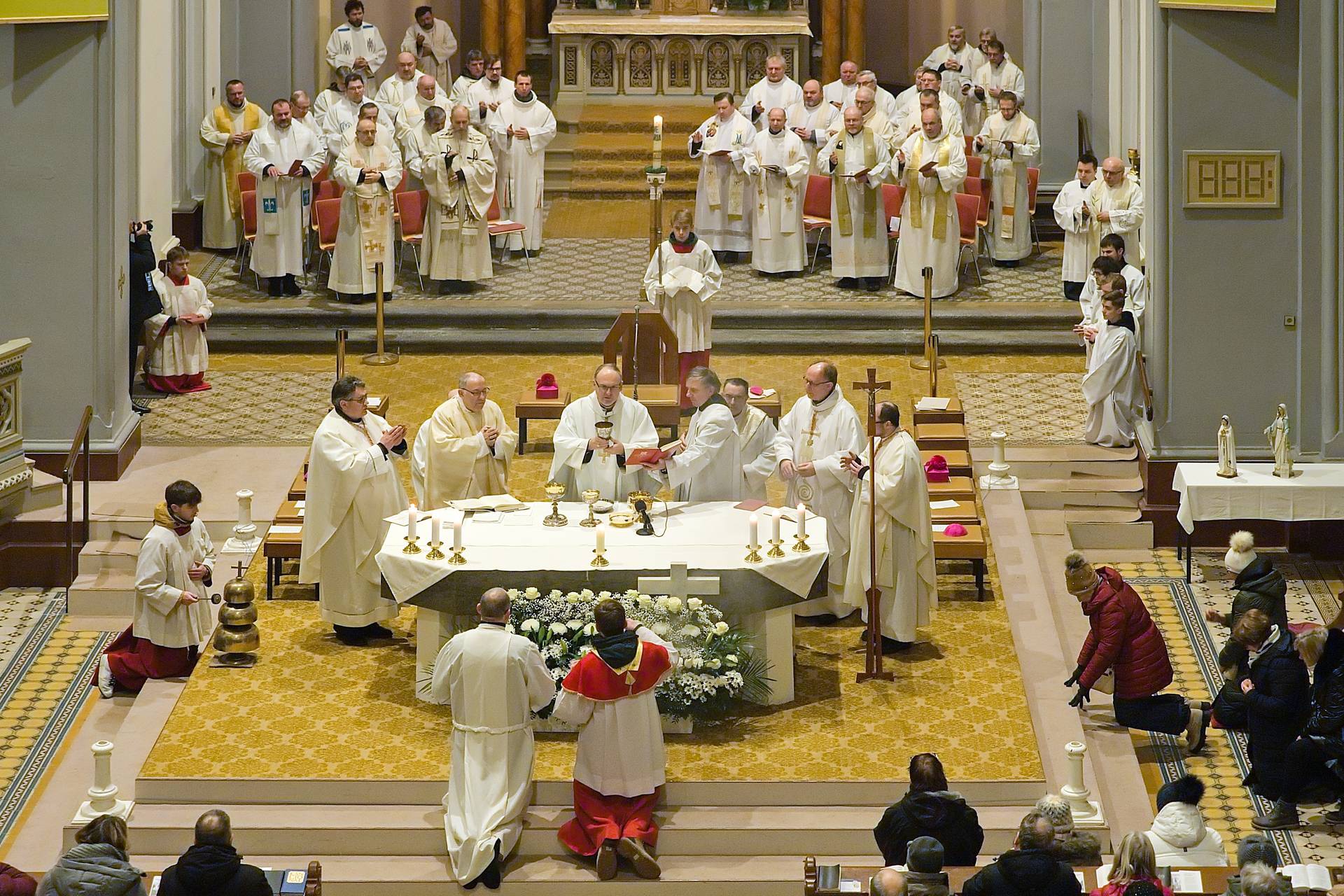
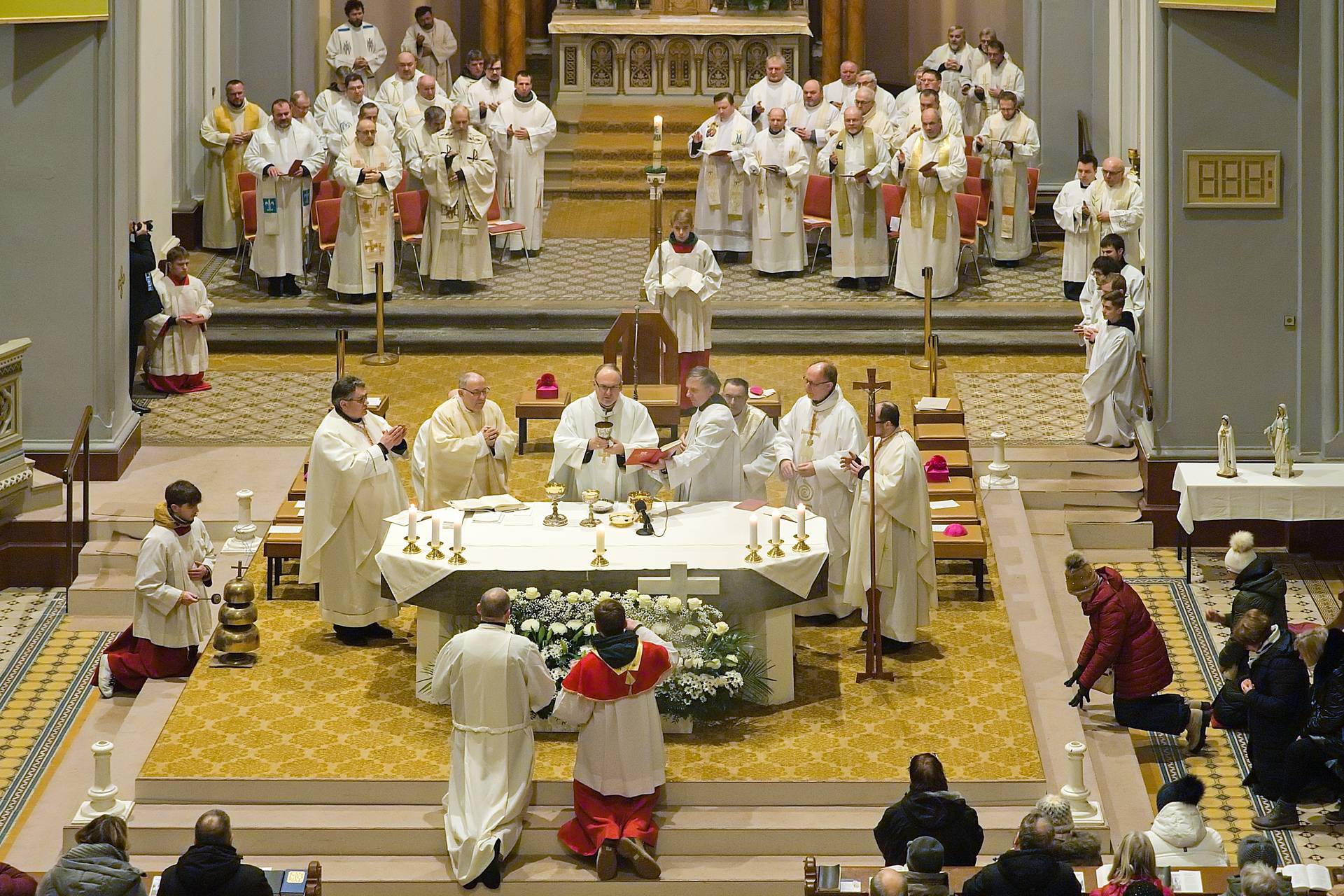
 Bishop Stanislav Přibyl of Litoměřice celebrates Mass with Bishop Wolfgang Ipolt of Görlitz, Germany, and other clergy at the Basilica of Mary, Help of Christians in Filipov, Czech Republic, on Jan. 13, 2025, during the annual pilgrimage commemorating the 1866 healing of Magdalena Kade. | Credit: Lubomír Holý/Člověk a víra

Jan 13, 2026 / 12:11 pm (CNA).
Eighty years after the expulsion of ethnic Germans from Czechoslovakia, a Czech bishop has declared a local Year of Reconciliation to address wounds that remain from World War II and its aftermath.Bishop Stanislav Přibyl of Litoměřice announced the initiative in a pastoral letter dated Dec. 31, 2025, following the end of the Jubilee of Hope on Jan. 6. The year marks two anniversaries on Jan. 13: the 1866 healing of Magdalena Kade and the 1946 founding of Ackermann-Gemeinde, a Catholic reconciliation group established by expelled Germans.“The end of World War II brought not just joy and relief but also reckoning with people and the past,” Přibyl wrote in his letter. The war’s aftermath caused displacement and resettlement of populations across Central Europe, leaving lasting scars on the region.After Nazi Germany annexed the Sudetenland in 1938 and established the Protectorate of Bohemia and Moravia, the majority-German region became part of the Reich. Following Germany’s defeat, Czechoslovakia expelled approximately 3 million ethnic Germans between 1945 and 1946, primarily from the Sudetenland region that now forms part of the Diocese of Litoměřice.The bishop acknowledged that the question of whether the expulsions were justified remains a matter for historical debate. However, the displacement remains visible in demolished houses without owners and in churches that are abandoned or slowly being rebuilt.Confronting collective guiltThe bishop emphasized that collective guilt, anger, and desire for revenge accompanied the displacement, along with “the sudden acquisition of property without work and closer ties to the place.” Some departing Germans were robbed, raped, or humiliated, a few committed suicide, and there were several massacres, Přibyl wrote.Following a meeting of the diocese’s priests’ council in November, Přibyl declared the local jubilee of forgiveness and reconciliation. Monthly gatherings will take place in locations where the deportation was particularly cruel, including Terezín (Theresienstadt), which hosted a Nazi transit camp during World War II.The events will include Christian-Jewish prayer services and Masses of reconciliation. The bishop hopes for “an ecumenical and interfaith spirit” at these gatherings, welcoming Christians, Jews, and Heimatsleute — Germans with deep historical ties to the region.The press office of the Diocese of Litoměřice told CNA that the jubilee is local and invitations were not sent out broadly. “This is not politics or a revision of history, although historians partake in the preparation,” the press office said.Heinrich Rüdiger, military attaché from the German embassy to the Czech Republic, joined the first event at Filipov on Jan. 13 marking the anniversary of the healing miracle. Ackermann-Gemeinde’s reconciliation workThe Ackermann-Gemeinde was founded in Munich on Jan. 13, 1946 — the feast day of the Marian apparition at Filipov — by expelled Sudeten German Catholics who sought reconciliation with the Czech people despite their own suffering. The organization took its name from “Der Ackermann aus Böhmen” (“The Plowman from Bohemia”), a medieval German literary work from Bohemia symbolizing the deep cultural roots of Germans in the region.The organization has worked for decades on cross-border partnerships, supporting the restoration of damaged churches and cemeteries in the Czech Republic and advocating for human rights. Since 1991, Ackermann-Gemeinde has maintained an office in Prague.Filipov shrineFilipov, a Marian sanctuary in northern Bohemia near the German border, is sometimes called “the Czech Lourdes.” On Jan. 13, 1866, Magdalena Kade, bedridden with severe illnesses, received a vision of the Blessed Virgin Mary, who told her: “My daughter, now you are healed.”Kade immediately recovered, and Bishop Augustin Pavel Wahala of Litoměřice initiated a commission that recognized the healing and its supernatural character. Between 1870 and 1885, a neo-Romanesque church was built at the site, which Pope Leo XIII elevated to a minor basilica and dedicated to Mary, Help of Christians. The Redemptorist order took custody of the shrine in 1884 and continues to care for pilgrims. Přibyl is himself a Redemptorist.Opening old wounds to heal“You might think that we should stop this reconciliation, as it has been 80 years, it is like taking corpses out of graves,” the bishop wrote in his letter. However, he argued that old wounds must be opened to be healed.The reconciliation effort “may not be definitive, but an important step towards the healing process that our region still needs so much,” the bishop said. He noted that in some places, reconciliation is only beginning.“Although we did not do wrong to our neighbors 80 years ago, we still live from the life-giving movement of forgiveness, as we pray in the prayer that Our Lord Jesus Christ himself taught us: ‘Forgive us our trespasses, as we forgive those who trespass against us,’” Přibyl wrote.The bishop concluded: “Prejudices survive and the reluctance to talk about them or to admit that we have all sinned is still here.”The reconciliation initiative follows recent Czech-Polish-German efforts to address the war’s legacy. In November 2025, Polish and German bishops signed a new declaration in Wrocław marking the 60th anniversary of historic 1965 reconciliation letters.

Czech bishop declares Year of Reconciliation 80 years after World War II expulsions – #Catholic – Bishop Stanislav Přibyl of Litoměřice celebrates Mass with Bishop Wolfgang Ipolt of Görlitz, Germany, and other clergy at the Basilica of Mary, Help of Christians in Filipov, Czech Republic, on Jan. 13, 2025, during the annual pilgrimage commemorating the 1866 healing of Magdalena Kade. | Credit: Lubomír Holý/Člověk a víra Jan 13, 2026 / 12:11 pm (CNA). Eighty years after the expulsion of ethnic Germans from Czechoslovakia, a Czech bishop has declared a local Year of Reconciliation to address wounds that remain from World War II and its aftermath.Bishop Stanislav Přibyl of Litoměřice announced the initiative in a pastoral letter dated Dec. 31, 2025, following the end of the Jubilee of Hope on Jan. 6. The year marks two anniversaries on Jan. 13: the 1866 healing of Magdalena Kade and the 1946 founding of Ackermann-Gemeinde, a Catholic reconciliation group established by expelled Germans.“The end of World War II brought not just joy and relief but also reckoning with people and the past,” Přibyl wrote in his letter. The war’s aftermath caused displacement and resettlement of populations across Central Europe, leaving lasting scars on the region.After Nazi Germany annexed the Sudetenland in 1938 and established the Protectorate of Bohemia and Moravia, the majority-German region became part of the Reich. Following Germany’s defeat, Czechoslovakia expelled approximately 3 million ethnic Germans between 1945 and 1946, primarily from the Sudetenland region that now forms part of the Diocese of Litoměřice.The bishop acknowledged that the question of whether the expulsions were justified remains a matter for historical debate. However, the displacement remains visible in demolished houses without owners and in churches that are abandoned or slowly being rebuilt.Confronting collective guiltThe bishop emphasized that collective guilt, anger, and desire for revenge accompanied the displacement, along with “the sudden acquisition of property without work and closer ties to the place.” Some departing Germans were robbed, raped, or humiliated, a few committed suicide, and there were several massacres, Přibyl wrote.Following a meeting of the diocese’s priests’ council in November, Přibyl declared the local jubilee of forgiveness and reconciliation. Monthly gatherings will take place in locations where the deportation was particularly cruel, including Terezín (Theresienstadt), which hosted a Nazi transit camp during World War II.The events will include Christian-Jewish prayer services and Masses of reconciliation. The bishop hopes for “an ecumenical and interfaith spirit” at these gatherings, welcoming Christians, Jews, and Heimatsleute — Germans with deep historical ties to the region.The press office of the Diocese of Litoměřice told CNA that the jubilee is local and invitations were not sent out broadly. “This is not politics or a revision of history, although historians partake in the preparation,” the press office said.Heinrich Rüdiger, military attaché from the German embassy to the Czech Republic, joined the first event at Filipov on Jan. 13 marking the anniversary of the healing miracle. Ackermann-Gemeinde’s reconciliation workThe Ackermann-Gemeinde was founded in Munich on Jan. 13, 1946 — the feast day of the Marian apparition at Filipov — by expelled Sudeten German Catholics who sought reconciliation with the Czech people despite their own suffering. The organization took its name from “Der Ackermann aus Böhmen” (“The Plowman from Bohemia”), a medieval German literary work from Bohemia symbolizing the deep cultural roots of Germans in the region.The organization has worked for decades on cross-border partnerships, supporting the restoration of damaged churches and cemeteries in the Czech Republic and advocating for human rights. Since 1991, Ackermann-Gemeinde has maintained an office in Prague.Filipov shrineFilipov, a Marian sanctuary in northern Bohemia near the German border, is sometimes called “the Czech Lourdes.” On Jan. 13, 1866, Magdalena Kade, bedridden with severe illnesses, received a vision of the Blessed Virgin Mary, who told her: “My daughter, now you are healed.”Kade immediately recovered, and Bishop Augustin Pavel Wahala of Litoměřice initiated a commission that recognized the healing and its supernatural character. Between 1870 and 1885, a neo-Romanesque church was built at the site, which Pope Leo XIII elevated to a minor basilica and dedicated to Mary, Help of Christians. The Redemptorist order took custody of the shrine in 1884 and continues to care for pilgrims. Přibyl is himself a Redemptorist.Opening old wounds to heal“You might think that we should stop this reconciliation, as it has been 80 years, it is like taking corpses out of graves,” the bishop wrote in his letter. However, he argued that old wounds must be opened to be healed.The reconciliation effort “may not be definitive, but an important step towards the healing process that our region still needs so much,” the bishop said. He noted that in some places, reconciliation is only beginning.“Although we did not do wrong to our neighbors 80 years ago, we still live from the life-giving movement of forgiveness, as we pray in the prayer that Our Lord Jesus Christ himself taught us: ‘Forgive us our trespasses, as we forgive those who trespass against us,’” Přibyl wrote.The bishop concluded: “Prejudices survive and the reluctance to talk about them or to admit that we have all sinned is still here.”The reconciliation initiative follows recent Czech-Polish-German efforts to address the war’s legacy. In November 2025, Polish and German bishops signed a new declaration in Wrocław marking the 60th anniversary of historic 1965 reconciliation letters.


Bishop Stanislav Přibyl of Litoměřice celebrates Mass with Bishop Wolfgang Ipolt of Görlitz, Germany, and other clergy at the Basilica of Mary, Help of Christians in Filipov, Czech Republic, on Jan. 13, 2025, during the annual pilgrimage commemorating the 1866 healing of Magdalena Kade. | Credit: Lubomír Holý/Člověk a víra

Jan 13, 2026 / 12:11 pm (CNA).

Eighty years after the expulsion of ethnic Germans from Czechoslovakia, a Czech bishop has declared a local Year of Reconciliation to address wounds that remain from World War II and its aftermath.

Bishop Stanislav Přibyl of Litoměřice announced the initiative in a pastoral letter dated Dec. 31, 2025, following the end of the Jubilee of Hope on Jan. 6. The year marks two anniversaries on Jan. 13: the 1866 healing of Magdalena Kade and the 1946 founding of Ackermann-Gemeinde, a Catholic reconciliation group established by expelled Germans.

“The end of World War II brought not just joy and relief but also reckoning with people and the past,” Přibyl wrote in his letter. The war’s aftermath caused displacement and resettlement of populations across Central Europe, leaving lasting scars on the region.

After Nazi Germany annexed the Sudetenland in 1938 and established the Protectorate of Bohemia and Moravia, the majority-German region became part of the Reich. Following Germany’s defeat, Czechoslovakia expelled approximately 3 million ethnic Germans between 1945 and 1946, primarily from the Sudetenland region that now forms part of the Diocese of Litoměřice.

The bishop acknowledged that the question of whether the expulsions were justified remains a matter for historical debate. However, the displacement remains visible in demolished houses without owners and in churches that are abandoned or slowly being rebuilt.

Confronting collective guilt

The bishop emphasized that collective guilt, anger, and desire for revenge accompanied the displacement, along with “the sudden acquisition of property without work and closer ties to the place.” Some departing Germans were robbed, raped, or humiliated, a few committed suicide, and there were several massacres, Přibyl wrote.

Following a meeting of the diocese’s priests’ council in November, Přibyl declared the local jubilee of forgiveness and reconciliation. Monthly gatherings will take place in locations where the deportation was particularly cruel, including Terezín (Theresienstadt), which hosted a Nazi transit camp during World War II.

The events will include Christian-Jewish prayer services and Masses of reconciliation. The bishop hopes for “an ecumenical and interfaith spirit” at these gatherings, welcoming Christians, Jews, and Heimatsleute — Germans with deep historical ties to the region.

The press office of the Diocese of Litoměřice told CNA that the jubilee is local and invitations were not sent out broadly. “This is not politics or a revision of history, although historians partake in the preparation,” the press office said.

Heinrich Rüdiger, military attaché from the German embassy to the Czech Republic, joined the first event at Filipov on Jan. 13 marking the anniversary of the healing miracle.

Ackermann-Gemeinde’s reconciliation work

The Ackermann-Gemeinde was founded in Munich on Jan. 13, 1946 — the feast day of the Marian apparition at Filipov — by expelled Sudeten German Catholics who sought reconciliation with the Czech people despite their own suffering. The organization took its name from “Der Ackermann aus Böhmen” (“The Plowman from Bohemia”), a medieval German literary work from Bohemia symbolizing the deep cultural roots of Germans in the region.

The organization has worked for decades on cross-border partnerships, supporting the restoration of damaged churches and cemeteries in the Czech Republic and advocating for human rights. Since 1991, Ackermann-Gemeinde has maintained an office in Prague.

Filipov shrine

Filipov, a Marian sanctuary in northern Bohemia near the German border, is sometimes called “the Czech Lourdes.” On Jan. 13, 1866, Magdalena Kade, bedridden with severe illnesses, received a vision of the Blessed Virgin Mary, who told her: “My daughter, now you are healed.”

Kade immediately recovered, and Bishop Augustin Pavel Wahala of Litoměřice initiated a commission that recognized the healing and its supernatural character. Between 1870 and 1885, a neo-Romanesque church was built at the site, which Pope Leo XIII elevated to a minor basilica and dedicated to Mary, Help of Christians.

The Redemptorist order took custody of the shrine in 1884 and continues to care for pilgrims. Přibyl is himself a Redemptorist.

Opening old wounds to heal

“You might think that we should stop this reconciliation, as it has been 80 years, it is like taking corpses out of graves,” the bishop wrote in his letter. However, he argued that old wounds must be opened to be healed.

The reconciliation effort “may not be definitive, but an important step towards the healing process that our region still needs so much,” the bishop said. He noted that in some places, reconciliation is only beginning.

“Although we did not do wrong to our neighbors 80 years ago, we still live from the life-giving movement of forgiveness, as we pray in the prayer that Our Lord Jesus Christ himself taught us: ‘Forgive us our trespasses, as we forgive those who trespass against us,’” Přibyl wrote.

The bishop concluded: “Prejudices survive and the reluctance to talk about them or to admit that we have all sinned is still here.”

The reconciliation initiative follows recent Czech-Polish-German efforts to address the war’s legacy. In November 2025, Polish and German bishops signed a new declaration in Wrocław marking the 60th anniversary of historic 1965 reconciliation letters.

Read More
National Catholic Partnership on Disability wins service award from Catholic historians #Catholic 
 
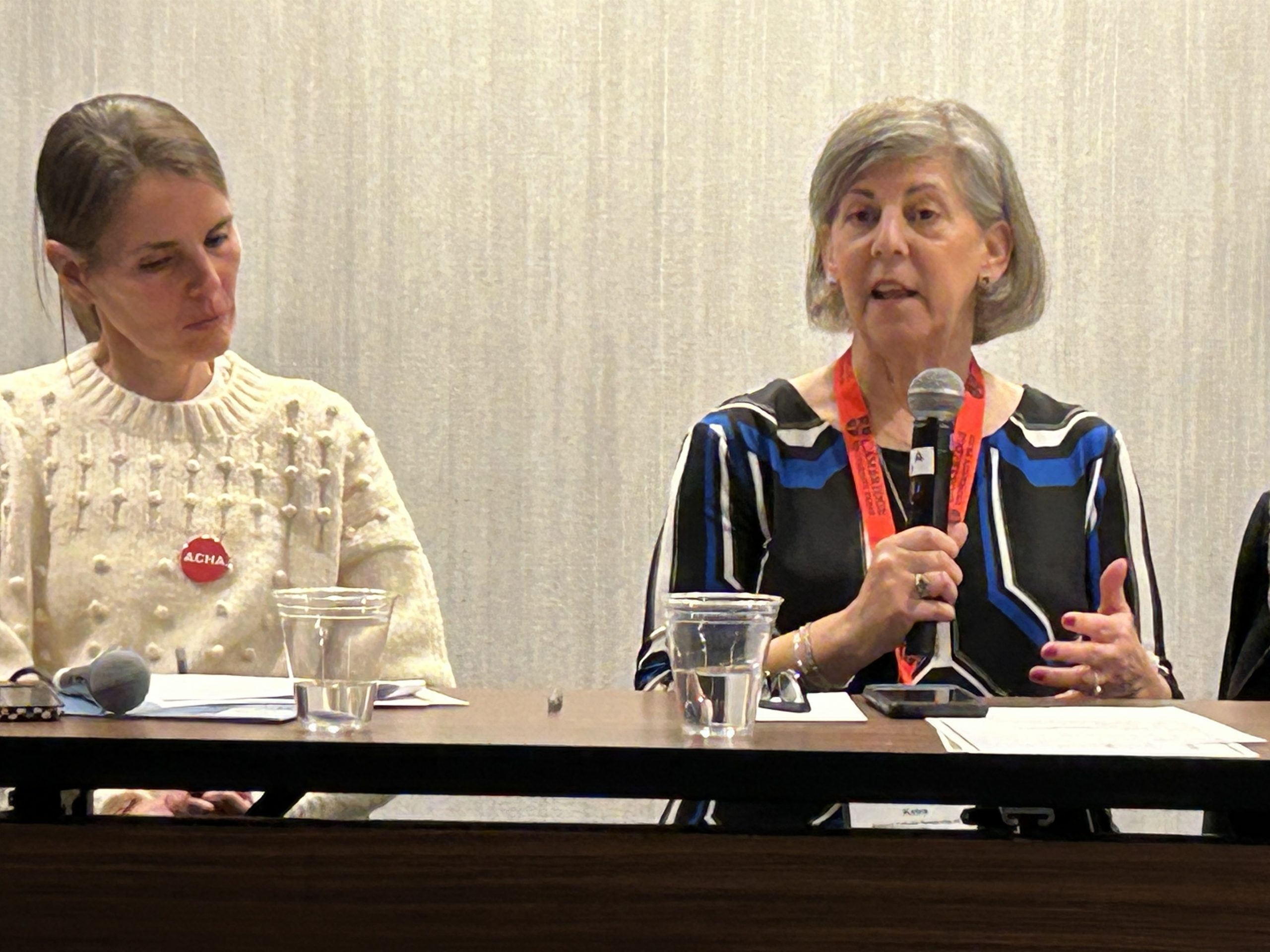
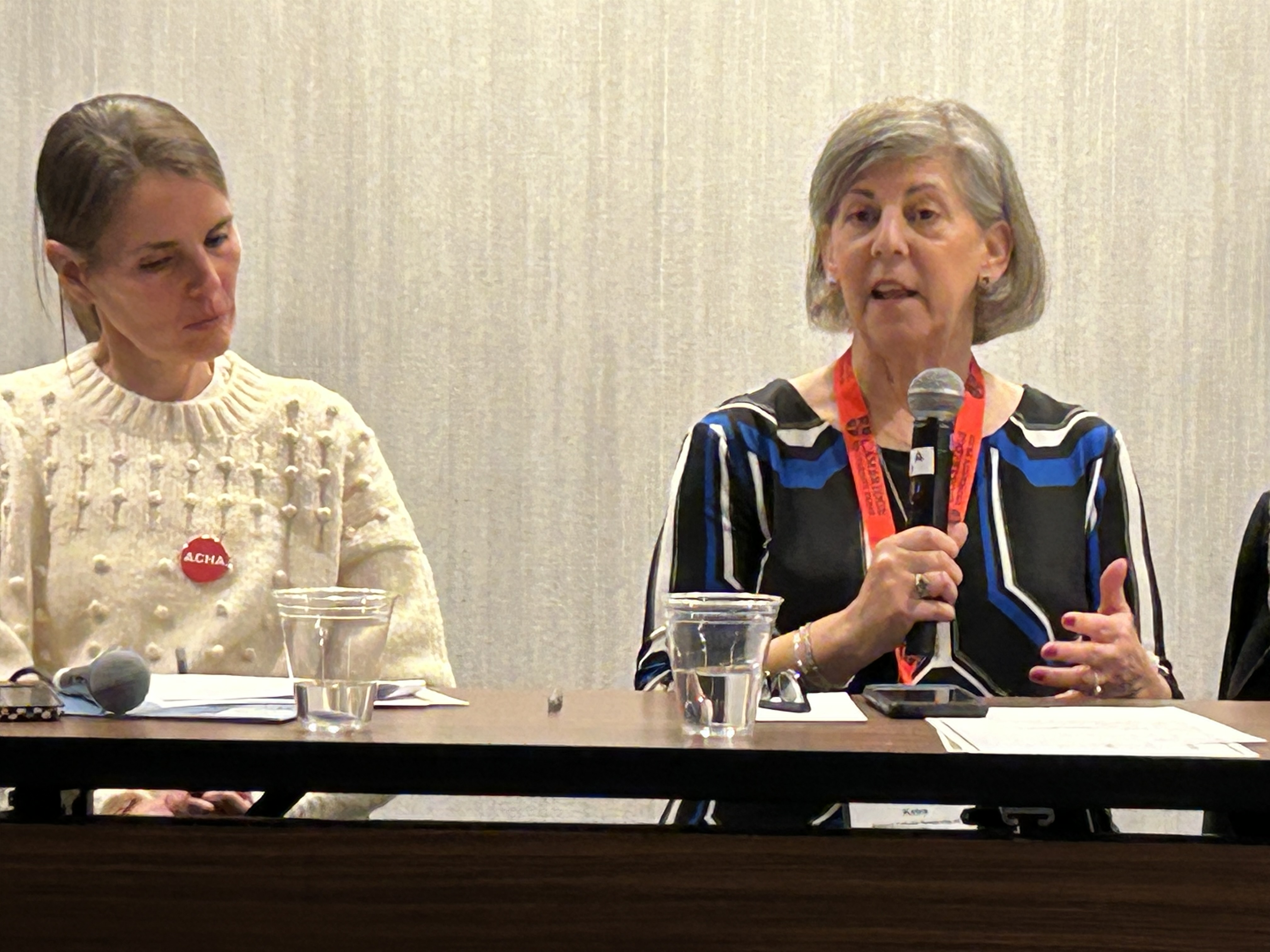
 The National Catholic Partnership on Disability’s Charleen Katra (right) speaks at a panel accompanied by former American Catholic Historical Association President Mary Dunn (left). | Credit: Ken Oliver-Méndez/CNA

Jan 13, 2026 / 10:41 am (CNA).
CHICAGO — A Catholic nonprofit that helps parishes and schools provide faith formation and catechesis for people with disabilities was selected to win the 2026 award for service to Catholic studies from the American Catholic Historical Association (ACHA).The National Catholic Partnership on Disability (NCPD) was presented the award during a panel discussion about the historical and modern interactions between the Church and Catholics with disabilities at the annual ACHA meeting in Chicago on Jan. 8.During the discussion, panelists highlighted the ongoing efforts to make Catholic parish and school life more welcoming to members of the faithful who have disabilities and also spoke about persistent struggles to ensure that inclusivity is comprehensive throughout the Church.“Though this recognition of our mission and ministry was very unexpected, it is both energizing and affirming,” Charleen Katra, executive director of NCPD, told CNA in a statement.Katra said the award helps bring attention to the NCPD’s efforts to ensure Catholics with disabilities receive access to their baptismal rights: “To be educated in the faith; to live a sacramental life; and to respond to God’s call.”“Persons with disabilities have unique gifts that bless the Church,” she said. “Thank you for blessing NCPD with this honor. We gratefully accept it on behalf of Catholics living with disabilities, and their families, who seek meaningful participation in the Church!”Mary Dunn, outgoing ACHA president, said NCPD was selected because of its efforts to “promote real belonging” for those with disabilities and said “the lines between history and practice are always thin.”Katra, who has a background in special education, said in the panel discussion that she first became involved in special religious education when she tutored a child with an intellectual disability named Brandon, who needed catechesis to prepare for the sacraments.She said there are “a lot of different ways” to learn about God. Brandon needed multisensory learning that included a lot of visuals, which was not a learning experience offered at the parish at that time. In her current role, she helps provide training and resources to parishes to make sure Catholics with disabilities have access to a learning experience that fits their needs.Although many parishes have incorporated these options into their catechesis, Katra said she still hears from families whose needs are not met by the Church. In some cases, she warned, families will leave the Catholic Church altogether if those needs are not met: “The Church can’t not look at this.”“What happens?” she said. “They go somewhere else that will meet their needs or their loved one’s needs.”“No one should not feel at home in the house of the Lord,” she added.University of Southern Mississippi English professor Leah Parker, who has expertise in disability studies related to literature, said 15% of children in American public schools receive some form of special education, which highlights the need for greater inclusion.“We’re all made in the image of God,” she said. “… I need my brothers and sisters with disabilities. We are incomplete without each other.”The ACHA gave out two other awards during its 2026 annual meeting.The Excellence in Teaching award was presented to Harvard ecclesiastical history professor Kevin Madigan. The Lifetime of Distinguished Scholarship Award was given to Yale history and religious studies professor Carlos Eire.

National Catholic Partnership on Disability wins service award from Catholic historians #Catholic The National Catholic Partnership on Disability’s Charleen Katra (right) speaks at a panel accompanied by former American Catholic Historical Association President Mary Dunn (left). | Credit: Ken Oliver-Méndez/CNA Jan 13, 2026 / 10:41 am (CNA). CHICAGO — A Catholic nonprofit that helps parishes and schools provide faith formation and catechesis for people with disabilities was selected to win the 2026 award for service to Catholic studies from the American Catholic Historical Association (ACHA).The National Catholic Partnership on Disability (NCPD) was presented the award during a panel discussion about the historical and modern interactions between the Church and Catholics with disabilities at the annual ACHA meeting in Chicago on Jan. 8.During the discussion, panelists highlighted the ongoing efforts to make Catholic parish and school life more welcoming to members of the faithful who have disabilities and also spoke about persistent struggles to ensure that inclusivity is comprehensive throughout the Church.“Though this recognition of our mission and ministry was very unexpected, it is both energizing and affirming,” Charleen Katra, executive director of NCPD, told CNA in a statement.Katra said the award helps bring attention to the NCPD’s efforts to ensure Catholics with disabilities receive access to their baptismal rights: “To be educated in the faith; to live a sacramental life; and to respond to God’s call.”“Persons with disabilities have unique gifts that bless the Church,” she said. “Thank you for blessing NCPD with this honor. We gratefully accept it on behalf of Catholics living with disabilities, and their families, who seek meaningful participation in the Church!”Mary Dunn, outgoing ACHA president, said NCPD was selected because of its efforts to “promote real belonging” for those with disabilities and said “the lines between history and practice are always thin.”Katra, who has a background in special education, said in the panel discussion that she first became involved in special religious education when she tutored a child with an intellectual disability named Brandon, who needed catechesis to prepare for the sacraments.She said there are “a lot of different ways” to learn about God. Brandon needed multisensory learning that included a lot of visuals, which was not a learning experience offered at the parish at that time. In her current role, she helps provide training and resources to parishes to make sure Catholics with disabilities have access to a learning experience that fits their needs.Although many parishes have incorporated these options into their catechesis, Katra said she still hears from families whose needs are not met by the Church. In some cases, she warned, families will leave the Catholic Church altogether if those needs are not met: “The Church can’t not look at this.”“What happens?” she said. “They go somewhere else that will meet their needs or their loved one’s needs.”“No one should not feel at home in the house of the Lord,” she added.University of Southern Mississippi English professor Leah Parker, who has expertise in disability studies related to literature, said 15% of children in American public schools receive some form of special education, which highlights the need for greater inclusion.“We’re all made in the image of God,” she said. “… I need my brothers and sisters with disabilities. We are incomplete without each other.”The ACHA gave out two other awards during its 2026 annual meeting.The Excellence in Teaching award was presented to Harvard ecclesiastical history professor Kevin Madigan. The Lifetime of Distinguished Scholarship Award was given to Yale history and religious studies professor Carlos Eire.


The National Catholic Partnership on Disability’s Charleen Katra (right) speaks at a panel accompanied by former American Catholic Historical Association President Mary Dunn (left). | Credit: Ken Oliver-Méndez/CNA

Jan 13, 2026 / 10:41 am (CNA).

CHICAGO — A Catholic nonprofit that helps parishes and schools provide faith formation and catechesis for people with disabilities was selected to win the 2026 award for service to Catholic studies from the American Catholic Historical Association (ACHA).

The National Catholic Partnership on Disability (NCPD) was presented the award during a panel discussion about the historical and modern interactions between the Church and Catholics with disabilities at the annual ACHA meeting in Chicago on Jan. 8.

During the discussion, panelists highlighted the ongoing efforts to make Catholic parish and school life more welcoming to members of the faithful who have disabilities and also spoke about persistent struggles to ensure that inclusivity is comprehensive throughout the Church.

“Though this recognition of our mission and ministry was very unexpected, it is both energizing and affirming,” Charleen Katra, executive director of NCPD, told CNA in a statement.

Katra said the award helps bring attention to the NCPD’s efforts to ensure Catholics with disabilities receive access to their baptismal rights: “To be educated in the faith; to live a sacramental life; and to respond to God’s call.”

“Persons with disabilities have unique gifts that bless the Church,” she said. “Thank you for blessing NCPD with this honor. We gratefully accept it on behalf of Catholics living with disabilities, and their families, who seek meaningful participation in the Church!”

Mary Dunn, outgoing ACHA president, said NCPD was selected because of its efforts to “promote real belonging” for those with disabilities and said “the lines between history and practice are always thin.”

Katra, who has a background in special education, said in the panel discussion that she first became involved in special religious education when she tutored a child with an intellectual disability named Brandon, who needed catechesis to prepare for the sacraments.

She said there are “a lot of different ways” to learn about God. Brandon needed multisensory learning that included a lot of visuals, which was not a learning experience offered at the parish at that time. In her current role, she helps provide training and resources to parishes to make sure Catholics with disabilities have access to a learning experience that fits their needs.

Although many parishes have incorporated these options into their catechesis, Katra said she still hears from families whose needs are not met by the Church. In some cases, she warned, families will leave the Catholic Church altogether if those needs are not met: “The Church can’t not look at this.”

“What happens?” she said. “They go somewhere else that will meet their needs or their loved one’s needs.”

“No one should not feel at home in the house of the Lord,” she added.

University of Southern Mississippi English professor Leah Parker, who has expertise in disability studies related to literature, said 15% of children in American public schools receive some form of special education, which highlights the need for greater inclusion.

“We’re all made in the image of God,” she said. “… I need my brothers and sisters with disabilities. We are incomplete without each other.”

The ACHA gave out two other awards during its 2026 annual meeting.

The Excellence in Teaching award was presented to Harvard ecclesiastical history professor Kevin Madigan. The Lifetime of Distinguished Scholarship Award was given to Yale history and religious studies professor Carlos Eire.

Read More
Pope Leo XIV proclaims Franciscan Jubilee Year #Catholic – Pope Leo XIV has proclaimed a “Special Year of St. Francis” to commemorate the 800th anniversary of the saint’s death. During this time of grace, which will extend until January 2027, the faithful are granted the opportunity to obtain a plenary indulgence.
This Franciscan Jubilee Year, considered a gift for the entire Church and an occasion for authentic spiritual renewal, was inaugurated on Jan. 10 with a decree issued by the Apostolic Penitentiary of the Holy See.
Until Jan. 10 of next year, the faithful can obtain this grace under the usual conditions — sacramental confession, Communion, and prayer for the intentions of the pope — by making a pilgrimage to any Franciscan conventual church or place of worship dedicated to St. Francis anywhere in the world.

Click here to subscribe to our weekly newsletter.

Furthermore, the elderly, the sick, and those who, for serious reasons, cannot leave their homes can obtain the plenary indulgence by spiritually joining in the jubilee celebrations and offering their prayers, pains, or sufferings to God.
In a world where “the virtual takes over the real, disagreements and social violence are part of everyday life, and peace becomes more insecure and distant every day, this Year of St. Francis spurs all of us, each according to our possibilities, to imitate the poor man of Assisi, to form ourselves as far as possible on the model of Christ,” the decree states.
For the Order of Friars Minor, this time is also an opportunity for the faithful to become “models of holiness of life and constant witnesses of peace.”
On the occasion of this anniversary, Pope Leo XIV addressed a letter to the ministers general of the Franciscan Family Conference in which he emphasized that “in this era, marked by so many seemingly endless wars, by internal and social divisions that create distrust and fear, he continues to speak. Not because he offers technical solutions, but because his life points to the authentic source of peace.”
In this regard, he highlighted that St. Francis reminds us that “peace with God, peace among people, and peace with creation are inseparable dimensions of a single call to universal reconciliation.”
This story was first published by ACI Prensa, Catholic News Agency’s Spanish-language news partner. Almudena Martínez-Bordiú is Rome correspondent for ACI Prensa and EWTN.

Pope Leo XIV proclaims Franciscan Jubilee Year #Catholic – Pope Leo XIV has proclaimed a “Special Year of St. Francis” to commemorate the 800th anniversary of the saint’s death. During this time of grace, which will extend until January 2027, the faithful are granted the opportunity to obtain a plenary indulgence. This Franciscan Jubilee Year, considered a gift for the entire Church and an occasion for authentic spiritual renewal, was inaugurated on Jan. 10 with a decree issued by the Apostolic Penitentiary of the Holy See. Until Jan. 10 of next year, the faithful can obtain this grace under the usual conditions — sacramental confession, Communion, and prayer for the intentions of the pope — by making a pilgrimage to any Franciscan conventual church or place of worship dedicated to St. Francis anywhere in the world. Click here to subscribe to our weekly newsletter. Furthermore, the elderly, the sick, and those who, for serious reasons, cannot leave their homes can obtain the plenary indulgence by spiritually joining in the jubilee celebrations and offering their prayers, pains, or sufferings to God. In a world where “the virtual takes over the real, disagreements and social violence are part of everyday life, and peace becomes more insecure and distant every day, this Year of St. Francis spurs all of us, each according to our possibilities, to imitate the poor man of Assisi, to form ourselves as far as possible on the model of Christ,” the decree states. For the Order of Friars Minor, this time is also an opportunity for the faithful to become “models of holiness of life and constant witnesses of peace.” On the occasion of this anniversary, Pope Leo XIV addressed a letter to the ministers general of the Franciscan Family Conference in which he emphasized that “in this era, marked by so many seemingly endless wars, by internal and social divisions that create distrust and fear, he continues to speak. Not because he offers technical solutions, but because his life points to the authentic source of peace.” In this regard, he highlighted that St. Francis reminds us that “peace with God, peace among people, and peace with creation are inseparable dimensions of a single call to universal reconciliation.” This story was first published by ACI Prensa, Catholic News Agency’s Spanish-language news partner. Almudena Martínez-Bordiú is Rome correspondent for ACI Prensa and EWTN.

Pope Leo XIV proclaims Franciscan Jubilee Year #Catholic –

Pope Leo XIV has proclaimed a “Special Year of St. Francis” to commemorate the 800th anniversary of the saint’s death. During this time of grace, which will extend until January 2027, the faithful are granted the opportunity to obtain a plenary indulgence.

This Franciscan Jubilee Year, considered a gift for the entire Church and an occasion for authentic spiritual renewal, was inaugurated on Jan. 10 with a decree issued by the Apostolic Penitentiary of the Holy See.

Until Jan. 10 of next year, the faithful can obtain this grace under the usual conditions — sacramental confession, Communion, and prayer for the intentions of the pope — by making a pilgrimage to any Franciscan conventual church or place of worship dedicated to St. Francis anywhere in the world.


Click here to subscribe to our weekly newsletter.

Furthermore, the elderly, the sick, and those who, for serious reasons, cannot leave their homes can obtain the plenary indulgence by spiritually joining in the jubilee celebrations and offering their prayers, pains, or sufferings to God.

In a world where “the virtual takes over the real, disagreements and social violence are part of everyday life, and peace becomes more insecure and distant every day, this Year of St. Francis spurs all of us, each according to our possibilities, to imitate the poor man of Assisi, to form ourselves as far as possible on the model of Christ,” the decree states.

For the Order of Friars Minor, this time is also an opportunity for the faithful to become “models of holiness of life and constant witnesses of peace.”

On the occasion of this anniversary, Pope Leo XIV addressed a letter to the ministers general of the Franciscan Family Conference in which he emphasized that “in this era, marked by so many seemingly endless wars, by internal and social divisions that create distrust and fear, he continues to speak. Not because he offers technical solutions, but because his life points to the authentic source of peace.”

In this regard, he highlighted that St. Francis reminds us that “peace with God, peace among people, and peace with creation are inseparable dimensions of a single call to universal reconciliation.”

This story was first published by ACI Prensa, Catholic News Agency’s Spanish-language news partner. Almudena Martínez-Bordiú is Rome correspondent for ACI Prensa and EWTN.

Pope Leo XIV has proclaimed a “Special Year of St. Francis” to commemorate the 800th anniversary of the saint’s death. During this time of grace, which will extend until January 2027, the faithful are granted the opportunity to obtain a plenary indulgence. This Franciscan Jubilee Year, considered a gift for the entire Church and an occasion for authentic spiritual renewal, was inaugurated on Jan. 10 with a decree issued by the Apostolic Penitentiary of the Holy See. Until Jan. 10 of next year, the faithful can obtain this grace under the usual conditions — sacramental confession, Communion, and prayer for

Read More
Eyes fixed on Jesus #Catholic - Meg Hunter-Kilmer spent 12 years living in her car and traveling around the U.S. to share her love for Jesus with individuals and audiences. Despite her devotion to her Catholic faith, she became aware of a serious shortcoming in her spiritual life.
Like a lot of people, she had heard and read the gospels so many times that she thought she knew all there was to know about them. If the priest at Mass started the parable of the Prodigal Son, she would think, “I know what happens next, so I don’t have to listen.” Then, her mind might drift to her grocery list or plans for next weekend.
But after reading the books “The Robe” by Lloyd C. Douglas and “To Know Christ Jesus” by Frank Sheed, Meg began to see that Jesus was not just a figure in heaven who loved her; He was someone who had “smile lines [and] scars on His fingers from working in the carpenter shop,” she explained on “Christopher Closeup.”
That idea of Jesus’ humanity overwhelmed her, so she spent six months reading the gospels and gospel commentaries. Those efforts led to her latest book, “Eyes Fixed on Jesus, Volume 1.” Meg noted. “The gospels are so familiar to us that we let them wash over us, but they’re also so foreign that we don’t pick up on the connections that are being made.”

Click here to subscribe to our weekly newsletter.

Learning “biblical context” was key to Meg’s new understanding of the gospels. For instance, in modern times, we use the term “Good Samaritan” to refer to anyone who does a kind deed. But Jewish audiences in Jesus’ time “loathed” the Samaritans. The fact that Jesus approached the Samaritan woman at the well as Bridegroom rather than an enemy demonstrates there is nothing we can do to keep Jesus from loving us.
Jesus’ eagerness to approach anybody speaks to His humility. Another example is when He encountered Matthew, the tax collector. Meg explained, “This, for me, was one of the biggest things in starting to understand more about context in Scripture. A tax collector is not a pencil pusher. A tax collector is a Nazi collaborator. This is a guy who looked at the violent and vicious oppressors of his people and [thought], ‘Those guys seem like they tip well.’ And Jesus still wanted him.”
It’s important to note that Jesus doesn’t condemn Matthew for his actions and then say, “Follow me.” Instead, Jesus gets to know him first as a person, just like He does with the other “sinners” who come as guests to the meal Matthew hosts for Jesus. The Pharisees do not look kindly on this gathering or Jesus’ approach.
Meg said, “[Jesus] is calling everybody to conversion, but He comes out hard against the Pharisees and those who congratulate themselves on their religiosity. And He says, ‘Hey, I actually don’t care how many Divine Mercy chaplets you pray if you despise the poor,’ analogously. Whereas with sinners, He comes in gentle and draws them closer. That’s important for us to recognize. If we are standing on a street corner with signs about how God hates you, we have lost this battle for a soul. We need to encounter the person in front of us and love them wildly with the love of Jesus. And when they believe that they are safely loved, that’s when they’re willing to hear an invitation to conversion. But you can’t start with condemnation. It’s not effective, and it’s not what Jesus did.”
Tony Rossi is director of communications for The Christophers. For free copies of the Christopher News Note Imitating Christ’s Humility, write: The Christophers, 264 West 40th Street, Room 603, New York, NY 10018; or e-mail: mail@christophers.org
 

Eyes fixed on Jesus #Catholic – Meg Hunter-Kilmer spent 12 years living in her car and traveling around the U.S. to share her love for Jesus with individuals and audiences. Despite her devotion to her Catholic faith, she became aware of a serious shortcoming in her spiritual life. Like a lot of people, she had heard and read the gospels so many times that she thought she knew all there was to know about them. If the priest at Mass started the parable of the Prodigal Son, she would think, “I know what happens next, so I don’t have to listen.” Then, her mind might drift to her grocery list or plans for next weekend. But after reading the books “The Robe” by Lloyd C. Douglas and “To Know Christ Jesus” by Frank Sheed, Meg began to see that Jesus was not just a figure in heaven who loved her; He was someone who had “smile lines [and] scars on His fingers from working in the carpenter shop,” she explained on “Christopher Closeup.” That idea of Jesus’ humanity overwhelmed her, so she spent six months reading the gospels and gospel commentaries. Those efforts led to her latest book, “Eyes Fixed on Jesus, Volume 1.” Meg noted. “The gospels are so familiar to us that we let them wash over us, but they’re also so foreign that we don’t pick up on the connections that are being made.” Click here to subscribe to our weekly newsletter. Learning “biblical context” was key to Meg’s new understanding of the gospels. For instance, in modern times, we use the term “Good Samaritan” to refer to anyone who does a kind deed. But Jewish audiences in Jesus’ time “loathed” the Samaritans. The fact that Jesus approached the Samaritan woman at the well as Bridegroom rather than an enemy demonstrates there is nothing we can do to keep Jesus from loving us. Jesus’ eagerness to approach anybody speaks to His humility. Another example is when He encountered Matthew, the tax collector. Meg explained, “This, for me, was one of the biggest things in starting to understand more about context in Scripture. A tax collector is not a pencil pusher. A tax collector is a Nazi collaborator. This is a guy who looked at the violent and vicious oppressors of his people and [thought], ‘Those guys seem like they tip well.’ And Jesus still wanted him.” It’s important to note that Jesus doesn’t condemn Matthew for his actions and then say, “Follow me.” Instead, Jesus gets to know him first as a person, just like He does with the other “sinners” who come as guests to the meal Matthew hosts for Jesus. The Pharisees do not look kindly on this gathering or Jesus’ approach. Meg said, “[Jesus] is calling everybody to conversion, but He comes out hard against the Pharisees and those who congratulate themselves on their religiosity. And He says, ‘Hey, I actually don’t care how many Divine Mercy chaplets you pray if you despise the poor,’ analogously. Whereas with sinners, He comes in gentle and draws them closer. That’s important for us to recognize. If we are standing on a street corner with signs about how God hates you, we have lost this battle for a soul. We need to encounter the person in front of us and love them wildly with the love of Jesus. And when they believe that they are safely loved, that’s when they’re willing to hear an invitation to conversion. But you can’t start with condemnation. It’s not effective, and it’s not what Jesus did.” Tony Rossi is director of communications for The Christophers. For free copies of the Christopher News Note Imitating Christ’s Humility, write: The Christophers, 264 West 40th Street, Room 603, New York, NY 10018; or e-mail: mail@christophers.org  

Eyes fixed on Jesus #Catholic –

Meg Hunter-Kilmer spent 12 years living in her car and traveling around the U.S. to share her love for Jesus with individuals and audiences. Despite her devotion to her Catholic faith, she became aware of a serious shortcoming in her spiritual life.

Like a lot of people, she had heard and read the gospels so many times that she thought she knew all there was to know about them. If the priest at Mass started the parable of the Prodigal Son, she would think, “I know what happens next, so I don’t have to listen.” Then, her mind might drift to her grocery list or plans for next weekend.

But after reading the books “The Robe” by Lloyd C. Douglas and “To Know Christ Jesus” by Frank Sheed, Meg began to see that Jesus was not just a figure in heaven who loved her; He was someone who had “smile lines [and] scars on His fingers from working in the carpenter shop,” she explained on “Christopher Closeup.”

That idea of Jesus’ humanity overwhelmed her, so she spent six months reading the gospels and gospel commentaries. Those efforts led to her latest book, “Eyes Fixed on Jesus, Volume 1.” Meg noted. “The gospels are so familiar to us that we let them wash over us, but they’re also so foreign that we don’t pick up on the connections that are being made.”


Click here to subscribe to our weekly newsletter.

Learning “biblical context” was key to Meg’s new understanding of the gospels. For instance, in modern times, we use the term “Good Samaritan” to refer to anyone who does a kind deed. But Jewish audiences in Jesus’ time “loathed” the Samaritans. The fact that Jesus approached the Samaritan woman at the well as Bridegroom rather than an enemy demonstrates there is nothing we can do to keep Jesus from loving us.

Jesus’ eagerness to approach anybody speaks to His humility. Another example is when He encountered Matthew, the tax collector. Meg explained, “This, for me, was one of the biggest things in starting to understand more about context in Scripture. A tax collector is not a pencil pusher. A tax collector is a Nazi collaborator. This is a guy who looked at the violent and vicious oppressors of his people and [thought], ‘Those guys seem like they tip well.’ And Jesus still wanted him.”

It’s important to note that Jesus doesn’t condemn Matthew for his actions and then say, “Follow me.” Instead, Jesus gets to know him first as a person, just like He does with the other “sinners” who come as guests to the meal Matthew hosts for Jesus. The Pharisees do not look kindly on this gathering or Jesus’ approach.

Meg said, “[Jesus] is calling everybody to conversion, but He comes out hard against the Pharisees and those who congratulate themselves on their religiosity. And He says, ‘Hey, I actually don’t care how many Divine Mercy chaplets you pray if you despise the poor,’ analogously. Whereas with sinners, He comes in gentle and draws them closer. That’s important for us to recognize. If we are standing on a street corner with signs about how God hates you, we have lost this battle for a soul. We need to encounter the person in front of us and love them wildly with the love of Jesus. And when they believe that they are safely loved, that’s when they’re willing to hear an invitation to conversion. But you can’t start with condemnation. It’s not effective, and it’s not what Jesus did.”

Tony Rossi is director of communications for The Christophers. For free copies of the Christopher News Note Imitating Christ’s Humility, write: The Christophers, 264 West 40th Street, Room 603, New York, NY 10018; or e-mail: mail@christophers.org


Meg Hunter-Kilmer spent 12 years living in her car and traveling around the U.S. to share her love for Jesus with individuals and audiences. Despite her devotion to her Catholic faith, she became aware of a serious shortcoming in her spiritual life. Like a lot of people, she had heard and read the gospels so many times that she thought she knew all there was to know about them. If the priest at Mass started the parable of the Prodigal Son, she would think, “I know what happens next, so I don’t have to listen.” Then, her mind might drift

Read More