Armed

Report details persecution of Turkish Christians ahead of Pope Leo XIV's visit #Catholic 
 
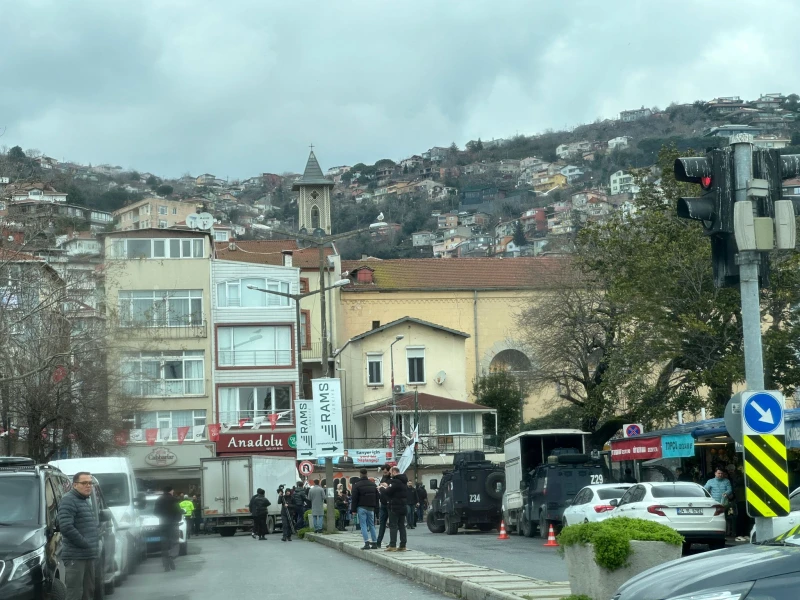
 The scene outside a Catholic church in Istanbul, Turkey, where a reported armed attack took place on Jan. 28, 2024. / Credit: Rudolf Gehrig/EWTN

Washington, D.C. Newsroom, Nov 26, 2025 / 16:15 pm (CNA).
A Christian advocacy group’s report details “legal, institutional, and social hostility” toward Turkish Christians as Pope Leo XIV begins his six-day visit to Turkey and Lebanon Thursday.The report from The European Centre for Law and Justice (ECLJ), titled “The Persecution of Christians in Turkey,” explores government interference against clergy and Christian entities, restrictions on foreign Christians who visit the country, and widespread social animosity toward the faithful, which sometimes includes direct violence.“Communities that were once integral to the cultural, religious, and historical fabric of Anatolia have been reduced to a fragile remnant,” the authors state.“Their disappearance is not the product of a single event but the cumulative result of restrictive legislation, administrative obstruction, property confiscations, denial of legal personality, and — more recently — arbitrary expulsions of clergy, missionaries, and converts,” they add.Modern-day Turkey, which was governed by Christians prior to the Ottoman Empire invasions in late Middle Ages, is still home to about 257,000 Christians. In 1915, Christians still accounted for about 20% of the Turkish population, but the number has dwindled over the past century and they now account for less than 0.3% of the population.Persecution of ChristiansThe report says hostility toward Christians is kept alive through environmental factors, such as Turkey’s refusal to recognize its past by continuing to deny the genocide of Armenians and other Christians during World War I. At that time, about 1.5 million Armenians and 500,000 other Christians were forcibly deported or massacred, and Turkey’s criminalization of “insulting the Turkish nation” and “insulting Turkishness” is often enforced to quell speech about the historical events, according to the report.It notes that politicians and state-run media frequently scapegoat Christians for societal issues and depict them as an external and internal threat, with one example being President Recep Tayyip Erdoğan referring to survivors of the genocide as “terrorists escaped from the sword” and another being the state-run Yeni Akit allegedly editing Wikipedia to smear Christians, Jews, and other groups.In some cases, this hostility yields violence, including a 2024 terrorist attack on a Catholic church that killed one person, and other acts of violence and vandalism.The report notes that Turkey signed the Treaty of Lausanne after the Armenian genocide, which granted people who believe some non-majority faiths full legal recognition and property rights.Yet, a narrow interpretation of the treaty ensures “a national narrative that presents Sunni Islam as the primary marker of Turkish identity,” the report says. The treaty also fails to recognize all Christians, only giving a specific reference to Greek Orthodox, Armenian Apostolic Christians, and Jews, but not Catholics or Protestants, according to the report.It states that Sunni Islam is often tied to Turkish identity in public education and the process to be exempt from compulsory Islamic education is burdensome for Christians not covered under the treaty.No church holds legal personality as a religious institution, which means patriarchates, dioceses, and churches cannot “own property in their own name, initiate legal proceedings, employ staff, open bank accounts, or formally interact with public authorities,” the report states.The government also interferes with religious leadership, prohibiting non-Turkish citizens from being elected as Ecumenical Patriarch, sitting on the Holy Synod, or participating in patriarchal elections in the Greek Orthodox Church. The government also regulates elections for leadership in the Armenian Apostolic Church.Turkey shut down the Greek Orthodox Halki Seminary in 1971 and — despite promises to let it reopen — keeps it shut down, according to the report.The report also says Turkey imposes legal constraints and administrative obstruction on Christian “community foundations,” which operate churches, schools, hospitals, and charitable institutions.This includes blocking board elections and failing to enforce court orders. One of the more egregious violations is imposing “mazbut” trusteeship, which ends Christian institutions’ legal recognition and grants control to the government, which essentially confiscates property, the report said.“These practices reveal a structural system designed to undermine the autonomy, continuity, and survival of Christian communities in Turkey,” the report states.According to the report, foreign Protestant pastors are often expelled from seminaries. More broadly, it states that foreign missionaries and converts are often targeted as “national security” threats and frequently expelled from Turkey. The authors encouraged Turkey to grant full legal recognition to all churches, halt interference in Christian organizations, protect places of worship, end arbitrary expulsions, and return property that has been confiscated.

Report details persecution of Turkish Christians ahead of Pope Leo XIV's visit #Catholic The scene outside a Catholic church in Istanbul, Turkey, where a reported armed attack took place on Jan. 28, 2024. / Credit: Rudolf Gehrig/EWTN Washington, D.C. Newsroom, Nov 26, 2025 / 16:15 pm (CNA). A Christian advocacy group’s report details “legal, institutional, and social hostility” toward Turkish Christians as Pope Leo XIV begins his six-day visit to Turkey and Lebanon Thursday.The report from The European Centre for Law and Justice (ECLJ), titled “The Persecution of Christians in Turkey,” explores government interference against clergy and Christian entities, restrictions on foreign Christians who visit the country, and widespread social animosity toward the faithful, which sometimes includes direct violence.“Communities that were once integral to the cultural, religious, and historical fabric of Anatolia have been reduced to a fragile remnant,” the authors state.“Their disappearance is not the product of a single event but the cumulative result of restrictive legislation, administrative obstruction, property confiscations, denial of legal personality, and — more recently — arbitrary expulsions of clergy, missionaries, and converts,” they add.Modern-day Turkey, which was governed by Christians prior to the Ottoman Empire invasions in late Middle Ages, is still home to about 257,000 Christians. In 1915, Christians still accounted for about 20% of the Turkish population, but the number has dwindled over the past century and they now account for less than 0.3% of the population.Persecution of ChristiansThe report says hostility toward Christians is kept alive through environmental factors, such as Turkey’s refusal to recognize its past by continuing to deny the genocide of Armenians and other Christians during World War I. At that time, about 1.5 million Armenians and 500,000 other Christians were forcibly deported or massacred, and Turkey’s criminalization of “insulting the Turkish nation” and “insulting Turkishness” is often enforced to quell speech about the historical events, according to the report.It notes that politicians and state-run media frequently scapegoat Christians for societal issues and depict them as an external and internal threat, with one example being President Recep Tayyip Erdoğan referring to survivors of the genocide as “terrorists escaped from the sword” and another being the state-run Yeni Akit allegedly editing Wikipedia to smear Christians, Jews, and other groups.In some cases, this hostility yields violence, including a 2024 terrorist attack on a Catholic church that killed one person, and other acts of violence and vandalism.The report notes that Turkey signed the Treaty of Lausanne after the Armenian genocide, which granted people who believe some non-majority faiths full legal recognition and property rights.Yet, a narrow interpretation of the treaty ensures “a national narrative that presents Sunni Islam as the primary marker of Turkish identity,” the report says. The treaty also fails to recognize all Christians, only giving a specific reference to Greek Orthodox, Armenian Apostolic Christians, and Jews, but not Catholics or Protestants, according to the report.It states that Sunni Islam is often tied to Turkish identity in public education and the process to be exempt from compulsory Islamic education is burdensome for Christians not covered under the treaty.No church holds legal personality as a religious institution, which means patriarchates, dioceses, and churches cannot “own property in their own name, initiate legal proceedings, employ staff, open bank accounts, or formally interact with public authorities,” the report states.The government also interferes with religious leadership, prohibiting non-Turkish citizens from being elected as Ecumenical Patriarch, sitting on the Holy Synod, or participating in patriarchal elections in the Greek Orthodox Church. The government also regulates elections for leadership in the Armenian Apostolic Church.Turkey shut down the Greek Orthodox Halki Seminary in 1971 and — despite promises to let it reopen — keeps it shut down, according to the report.The report also says Turkey imposes legal constraints and administrative obstruction on Christian “community foundations,” which operate churches, schools, hospitals, and charitable institutions.This includes blocking board elections and failing to enforce court orders. One of the more egregious violations is imposing “mazbut” trusteeship, which ends Christian institutions’ legal recognition and grants control to the government, which essentially confiscates property, the report said.“These practices reveal a structural system designed to undermine the autonomy, continuity, and survival of Christian communities in Turkey,” the report states.According to the report, foreign Protestant pastors are often expelled from seminaries. More broadly, it states that foreign missionaries and converts are often targeted as “national security” threats and frequently expelled from Turkey. The authors encouraged Turkey to grant full legal recognition to all churches, halt interference in Christian organizations, protect places of worship, end arbitrary expulsions, and return property that has been confiscated.


The scene outside a Catholic church in Istanbul, Turkey, where a reported armed attack took place on Jan. 28, 2024. / Credit: Rudolf Gehrig/EWTN

Washington, D.C. Newsroom, Nov 26, 2025 / 16:15 pm (CNA).

A Christian advocacy group’s report details “legal, institutional, and social hostility” toward Turkish Christians as Pope Leo XIV begins his six-day visit to Turkey and Lebanon Thursday.

The report from The European Centre for Law and Justice (ECLJ), titled “The Persecution of Christians in Turkey,” explores government interference against clergy and Christian entities, restrictions on foreign Christians who visit the country, and widespread social animosity toward the faithful, which sometimes includes direct violence.

“Communities that were once integral to the cultural, religious, and historical fabric of Anatolia have been reduced to a fragile remnant,” the authors state.

“Their disappearance is not the product of a single event but the cumulative result of restrictive legislation, administrative obstruction, property confiscations, denial of legal personality, and — more recently — arbitrary expulsions of clergy, missionaries, and converts,” they add.

Modern-day Turkey, which was governed by Christians prior to the Ottoman Empire invasions in late Middle Ages, is still home to about 257,000 Christians. In 1915, Christians still accounted for about 20% of the Turkish population, but the number has dwindled over the past century and they now account for less than 0.3% of the population.

Persecution of Christians

The report says hostility toward Christians is kept alive through environmental factors, such as Turkey’s refusal to recognize its past by continuing to deny the genocide of Armenians and other Christians during World War I. 

At that time, about 1.5 million Armenians and 500,000 other Christians were forcibly deported or massacred, and Turkey’s criminalization of “insulting the Turkish nation” and “insulting Turkishness” is often enforced to quell speech about the historical events, according to the report.

It notes that politicians and state-run media frequently scapegoat Christians for societal issues and depict them as an external and internal threat, with one example being President Recep Tayyip Erdoğan referring to survivors of the genocide as “terrorists escaped from the sword” and another being the state-run Yeni Akit allegedly editing Wikipedia to smear Christians, Jews, and other groups.

In some cases, this hostility yields violence, including a 2024 terrorist attack on a Catholic church that killed one person, and other acts of violence and vandalism.

The report notes that Turkey signed the Treaty of Lausanne after the Armenian genocide, which granted people who believe some non-majority faiths full legal recognition and property rights.

Yet, a narrow interpretation of the treaty ensures “a national narrative that presents Sunni Islam as the primary marker of Turkish identity,” the report says. The treaty also fails to recognize all Christians, only giving a specific reference to Greek Orthodox, Armenian Apostolic Christians, and Jews, but not Catholics or Protestants, according to the report.

It states that Sunni Islam is often tied to Turkish identity in public education and the process to be exempt from compulsory Islamic education is burdensome for Christians not covered under the treaty.

No church holds legal personality as a religious institution, which means patriarchates, dioceses, and churches cannot “own property in their own name, initiate legal proceedings, employ staff, open bank accounts, or formally interact with public authorities,” the report states.

The government also interferes with religious leadership, prohibiting non-Turkish citizens from being elected as Ecumenical Patriarch, sitting on the Holy Synod, or participating in patriarchal elections in the Greek Orthodox Church. The government also regulates elections for leadership in the Armenian Apostolic Church.

Turkey shut down the Greek Orthodox Halki Seminary in 1971 and — despite promises to let it reopen — keeps it shut down, according to the report.

The report also says Turkey imposes legal constraints and administrative obstruction on Christian “community foundations,” which operate churches, schools, hospitals, and charitable institutions.

This includes blocking board elections and failing to enforce court orders. One of the more egregious violations is imposing “mazbut” trusteeship, which ends Christian institutions’ legal recognition and grants control to the government, which essentially confiscates property, the report said.

“These practices reveal a structural system designed to undermine the autonomy, continuity, and survival of Christian communities in Turkey,” the report states.

According to the report, foreign Protestant pastors are often expelled from seminaries. More broadly, it states that foreign missionaries and converts are often targeted as “national security” threats and frequently expelled from Turkey. 

The authors encouraged Turkey to grant full legal recognition to all churches, halt interference in Christian organizations, protect places of worship, end arbitrary expulsions, and return property that has been confiscated.

Read More
More than half a million people to participate in Aid to the Church in Need ‘Red Week’ #Catholic 
 
 The Austrian Parliament building is lit red as part of the international “Red Week” in honor of persecuted Christians across the globe. / Credit: Aid to the Church in Need

Washington, D.C. Newsroom, Nov 14, 2025 / 06:00 am (CNA).
Here is a roundup of Catholic world news from the past week that you might have missed:More than half a million people to participate in Aid to the Church in Need ‘Red Week’ Over 500,000 people will take part in Aid to the Church in Need International’s Red Week 2025, which will see churches and landmarks around the world illuminated in red to raise awareness of religious persecution internationally.Set to take place Nov. 15–23, the global initiative is expected to see “over 10,000 direct participants for prayers, public events, school gatherings, concerts, and marches,” and to draw in “more than 500,000 participants through media outreach and online platforms,” according to an ACN International press release.More than 100 events are scheduled around the world, including in Australia, Austria, Germany, Portugal, the Netherlands, the United Kingdom, France, Italy, Ireland, Switzerland, Hungary, Canada, Mexico, Colombia, and more.Catholic bishops in Ghana express closeness with stampede victimsCatholic bishops in Ghana have expressed their closeness with victims of a stampede at the El-Wak Stadium in Accra that left six people dead and several others injured during a Ghana Armed Forces recruitment exercise, ACI Africa, CNA’s news partner in Africa, reported Nov. 13. “We unite our hearts with the bereaved families in grief and lift our prayers to Almighty God for the eternal repose of the departed and the swift recovery of all who are injured,” Ghana’s Catholic bishops said in a statement following the Nov. 12 stampede. Citing figures released by the acting minister of defense, Cassiel Ato Forson, the bishops noted that 34 casualties were recorded. Of these, six were reportedly confirmed dead, five were in critical condition, 12 were in fairly critical condition, and others were under observation.Oman opens Catholic pastoral center in MuscatOman has inaugurated a new Catholic pastoral center in Muscat — an important sign of the country’s long-standing respect for religious diversity, according to ACI MENA, CNA’s Arabic-language news partner.Built on land donated in 1977 by the late Sultan Qaboos, the center provides formation programs, catechesis, and housing for clergy.Omani Ambassador Mahmoud al-Hassani said the project reflects the nation’s vision of peaceful coexistence and aligns with the Vatican’s mission of dialogue. The center also strengthens ties between Oman and the Holy See, which formally established diplomatic relations in 2023.International contemplative congregation of sisters celebrates 200 years The Sisters of Our Lady of Charity of the Good Shepherd (RGS) officially concluded the yearlong celebration of their 200th anniversary on Nov. 11. The contemplative order was founded in 1825 by St. Mary Euphrasia Pelletier in Myanmar.“I hope it rekindles in all of us a renewed openness to be shaped and made radiant by grace, so that together, as one congregation, and, as one people of God, we allow the fire of God’s love to warm, illumine, and shine through us into the heart of the world,” said Sister Joan Marie Lopez, RGS congregational leader, on her hope for the bicentenary year, according to Vatican News. Cardinal Luis Antonio Tagle, pro-prefect of the Dicastery for Evangelization, presided over a Mass in Rome for the bicentennial celebration.Christian families return to al-Ghassaniyah, Syria, after 13 yearsAfter more than a decade of displacement, Christian families have begun returning to the village of al-Ghassaniyah in Idlib, Syria, ACI MENA reported Nov. 13. Their return was made possible by a firm government decision to remove foreign extremist groups and by sustained efforts from the Franciscan community. Although many homes are damaged or looted, residents spoke of renewed hope as the Church offered support for the first returning families. The development comes amid wider security shifts in the region and ongoing diplomatic efforts related to extremist fighters.Typhoons, floods devastate Vietnam; Catholic communities respond The Catholic Church is calling for communities to respond after Typhoon Kalmaegi destroyed buildings across the Qui Nhon Diocese, including the house of the bishop and Lang Song Seminary. “The main house of the Congregation of the Lovers of the Holy Cross in Qui Nhon, the Congregation of the Handmaids of Jesus of Mercy, and many parish churches like Qui Nhon Cathedral and other churches throughout the diocese were severely damaged,” Fides News Agency reported. This comes after severe flooding the week prior, which left 13 dead, 34 injured, and 11 missing. Maria Vu Thi Hong Anh, head of Da Nang Cathedral Parish Caritas, said in wake of the flooding: “Seeing the images of this historic flood, I feel very sorry for the residents in the rural areas; they are poor and now their life is much more difficult when losing their properties.”Youth Encounter Triduum in Baghdad encourages holinessThe Catholic Youth Committee in Baghdad held a three-day gathering titled “Think, Discern, Decide,” bringing together young people from several dioceses, according to a Nov. 10 report from ACI MENA.The event focused on the call to holiness, drawing inspiration from biblical teaching and modern Iraqi witnesses of faith such as Father Ragheed Ganni and other martyrs. Workshops, talks, and prayer times encouraged young participants to live holiness through everyday acts of love and commitment.Catholic patriarchs and bishops open 58th session in LebanonLebanon’s Catholic leaders gathered in Bkerke, Lebanon, for the opening of the 58th session of the Council of Catholic Patriarchs and Bishops, ACI MENA reported. The meeting focuses on building a synodal Church that listens and acts with spiritual discernment. Maronite Patriarch Cardinal Bechara Boutros al-Rahi highlighted preparations for Pope Leo XIV’s upcoming visit and called for nationwide prayers and the ringing of church bells upon his arrival. Apostolic Nuncio Paolo Borgia noted that the papal visit will include meetings with all segments of Lebanese society.

More than half a million people to participate in Aid to the Church in Need ‘Red Week’ #Catholic The Austrian Parliament building is lit red as part of the international “Red Week” in honor of persecuted Christians across the globe. / Credit: Aid to the Church in Need Washington, D.C. Newsroom, Nov 14, 2025 / 06:00 am (CNA). Here is a roundup of Catholic world news from the past week that you might have missed:More than half a million people to participate in Aid to the Church in Need ‘Red Week’ Over 500,000 people will take part in Aid to the Church in Need International’s Red Week 2025, which will see churches and landmarks around the world illuminated in red to raise awareness of religious persecution internationally.Set to take place Nov. 15–23, the global initiative is expected to see “over 10,000 direct participants for prayers, public events, school gatherings, concerts, and marches,” and to draw in “more than 500,000 participants through media outreach and online platforms,” according to an ACN International press release.More than 100 events are scheduled around the world, including in Australia, Austria, Germany, Portugal, the Netherlands, the United Kingdom, France, Italy, Ireland, Switzerland, Hungary, Canada, Mexico, Colombia, and more.Catholic bishops in Ghana express closeness with stampede victimsCatholic bishops in Ghana have expressed their closeness with victims of a stampede at the El-Wak Stadium in Accra that left six people dead and several others injured during a Ghana Armed Forces recruitment exercise, ACI Africa, CNA’s news partner in Africa, reported Nov. 13. “We unite our hearts with the bereaved families in grief and lift our prayers to Almighty God for the eternal repose of the departed and the swift recovery of all who are injured,” Ghana’s Catholic bishops said in a statement following the Nov. 12 stampede. Citing figures released by the acting minister of defense, Cassiel Ato Forson, the bishops noted that 34 casualties were recorded. Of these, six were reportedly confirmed dead, five were in critical condition, 12 were in fairly critical condition, and others were under observation.Oman opens Catholic pastoral center in MuscatOman has inaugurated a new Catholic pastoral center in Muscat — an important sign of the country’s long-standing respect for religious diversity, according to ACI MENA, CNA’s Arabic-language news partner.Built on land donated in 1977 by the late Sultan Qaboos, the center provides formation programs, catechesis, and housing for clergy.Omani Ambassador Mahmoud al-Hassani said the project reflects the nation’s vision of peaceful coexistence and aligns with the Vatican’s mission of dialogue. The center also strengthens ties between Oman and the Holy See, which formally established diplomatic relations in 2023.International contemplative congregation of sisters celebrates 200 years The Sisters of Our Lady of Charity of the Good Shepherd (RGS) officially concluded the yearlong celebration of their 200th anniversary on Nov. 11. The contemplative order was founded in 1825 by St. Mary Euphrasia Pelletier in Myanmar.“I hope it rekindles in all of us a renewed openness to be shaped and made radiant by grace, so that together, as one congregation, and, as one people of God, we allow the fire of God’s love to warm, illumine, and shine through us into the heart of the world,” said Sister Joan Marie Lopez, RGS congregational leader, on her hope for the bicentenary year, according to Vatican News. Cardinal Luis Antonio Tagle, pro-prefect of the Dicastery for Evangelization, presided over a Mass in Rome for the bicentennial celebration.Christian families return to al-Ghassaniyah, Syria, after 13 yearsAfter more than a decade of displacement, Christian families have begun returning to the village of al-Ghassaniyah in Idlib, Syria, ACI MENA reported Nov. 13. Their return was made possible by a firm government decision to remove foreign extremist groups and by sustained efforts from the Franciscan community. Although many homes are damaged or looted, residents spoke of renewed hope as the Church offered support for the first returning families. The development comes amid wider security shifts in the region and ongoing diplomatic efforts related to extremist fighters.Typhoons, floods devastate Vietnam; Catholic communities respond The Catholic Church is calling for communities to respond after Typhoon Kalmaegi destroyed buildings across the Qui Nhon Diocese, including the house of the bishop and Lang Song Seminary. “The main house of the Congregation of the Lovers of the Holy Cross in Qui Nhon, the Congregation of the Handmaids of Jesus of Mercy, and many parish churches like Qui Nhon Cathedral and other churches throughout the diocese were severely damaged,” Fides News Agency reported. This comes after severe flooding the week prior, which left 13 dead, 34 injured, and 11 missing. Maria Vu Thi Hong Anh, head of Da Nang Cathedral Parish Caritas, said in wake of the flooding: “Seeing the images of this historic flood, I feel very sorry for the residents in the rural areas; they are poor and now their life is much more difficult when losing their properties.”Youth Encounter Triduum in Baghdad encourages holinessThe Catholic Youth Committee in Baghdad held a three-day gathering titled “Think, Discern, Decide,” bringing together young people from several dioceses, according to a Nov. 10 report from ACI MENA.The event focused on the call to holiness, drawing inspiration from biblical teaching and modern Iraqi witnesses of faith such as Father Ragheed Ganni and other martyrs. Workshops, talks, and prayer times encouraged young participants to live holiness through everyday acts of love and commitment.Catholic patriarchs and bishops open 58th session in LebanonLebanon’s Catholic leaders gathered in Bkerke, Lebanon, for the opening of the 58th session of the Council of Catholic Patriarchs and Bishops, ACI MENA reported. The meeting focuses on building a synodal Church that listens and acts with spiritual discernment. Maronite Patriarch Cardinal Bechara Boutros al-Rahi highlighted preparations for Pope Leo XIV’s upcoming visit and called for nationwide prayers and the ringing of church bells upon his arrival. Apostolic Nuncio Paolo Borgia noted that the papal visit will include meetings with all segments of Lebanese society.


The Austrian Parliament building is lit red as part of the international “Red Week” in honor of persecuted Christians across the globe. / Credit: Aid to the Church in Need

Washington, D.C. Newsroom, Nov 14, 2025 / 06:00 am (CNA).

Here is a roundup of Catholic world news from the past week that you might have missed:

More than half a million people to participate in Aid to the Church in Need ‘Red Week’ 

Over 500,000 people will take part in Aid to the Church in Need International’s Red Week 2025, which will see churches and landmarks around the world illuminated in red to raise awareness of religious persecution internationally.

Set to take place Nov. 15–23, the global initiative is expected to see “over 10,000 direct participants for prayers, public events, school gatherings, concerts, and marches,” and to draw in “more than 500,000 participants through media outreach and online platforms,” according to an ACN International press release.

More than 100 events are scheduled around the world, including in Australia, Austria, Germany, Portugal, the Netherlands, the United Kingdom, France, Italy, Ireland, Switzerland, Hungary, Canada, Mexico, Colombia, and more.

Catholic bishops in Ghana express closeness with stampede victims

Catholic bishops in Ghana have expressed their closeness with victims of a stampede at the El-Wak Stadium in Accra that left six people dead and several others injured during a Ghana Armed Forces recruitment exercise, ACI Africa, CNA’s news partner in Africa, reported Nov. 13

“We unite our hearts with the bereaved families in grief and lift our prayers to Almighty God for the eternal repose of the departed and the swift recovery of all who are injured,” Ghana’s Catholic bishops said in a statement following the Nov. 12 stampede.

Citing figures released by the acting minister of defense, Cassiel Ato Forson, the bishops noted that 34 casualties were recorded. Of these, six were reportedly confirmed dead, five were in critical condition, 12 were in fairly critical condition, and others were under observation.

Oman opens Catholic pastoral center in Muscat

Oman has inaugurated a new Catholic pastoral center in Muscat — an important sign of the country’s long-standing respect for religious diversity, according to ACI MENA, CNA’s Arabic-language news partner.

Built on land donated in 1977 by the late Sultan Qaboos, the center provides formation programs, catechesis, and housing for clergy.

Omani Ambassador Mahmoud al-Hassani said the project reflects the nation’s vision of peaceful coexistence and aligns with the Vatican’s mission of dialogue. The center also strengthens ties between Oman and the Holy See, which formally established diplomatic relations in 2023.

International contemplative congregation of sisters celebrates 200 years 

The Sisters of Our Lady of Charity of the Good Shepherd (RGS) officially concluded the yearlong celebration of their 200th anniversary on Nov. 11. The contemplative order was founded in 1825 by St. Mary Euphrasia Pelletier in Myanmar.

“I hope it rekindles in all of us a renewed openness to be shaped and made radiant by grace, so that together, as one congregation, and, as one people of God, we allow the fire of God’s love to warm, illumine, and shine through us into the heart of the world,” said Sister Joan Marie Lopez, RGS congregational leader, on her hope for the bicentenary year, according to Vatican News.

Cardinal Luis Antonio Tagle, pro-prefect of the Dicastery for Evangelization, presided over a Mass in Rome for the bicentennial celebration.

Christian families return to al-Ghassaniyah, Syria, after 13 years

After more than a decade of displacement, Christian families have begun returning to the village of al-Ghassaniyah in Idlib, Syria, ACI MENA reported Nov. 13

Their return was made possible by a firm government decision to remove foreign extremist groups and by sustained efforts from the Franciscan community. Although many homes are damaged or looted, residents spoke of renewed hope as the Church offered support for the first returning families. The development comes amid wider security shifts in the region and ongoing diplomatic efforts related to extremist fighters.

Typhoons, floods devastate Vietnam; Catholic communities respond 

The Catholic Church is calling for communities to respond after Typhoon Kalmaegi destroyed buildings across the Qui Nhon Diocese, including the house of the bishop and Lang Song Seminary.

“The main house of the Congregation of the Lovers of the Holy Cross in Qui Nhon, the Congregation of the Handmaids of Jesus of Mercy, and many parish churches like Qui Nhon Cathedral and other churches throughout the diocese were severely damaged,” Fides News Agency reported. This comes after severe flooding the week prior, which left 13 dead, 34 injured, and 11 missing.

Maria Vu Thi Hong Anh, head of Da Nang Cathedral Parish Caritas, said in wake of the flooding: “Seeing the images of this historic flood, I feel very sorry for the residents in the rural areas; they are poor and now their life is much more difficult when losing their properties.”

Youth Encounter Triduum in Baghdad encourages holiness

The Catholic Youth Committee in Baghdad held a three-day gathering titled “Think, Discern, Decide,” bringing together young people from several dioceses, according to a Nov. 10 report from ACI MENA.

The event focused on the call to holiness, drawing inspiration from biblical teaching and modern Iraqi witnesses of faith such as Father Ragheed Ganni and other martyrs. Workshops, talks, and prayer times encouraged young participants to live holiness through everyday acts of love and commitment.

Catholic patriarchs and bishops open 58th session in Lebanon

Lebanon’s Catholic leaders gathered in Bkerke, Lebanon, for the opening of the 58th session of the Council of Catholic Patriarchs and Bishops, ACI MENA reported

The meeting focuses on building a synodal Church that listens and acts with spiritual discernment.

Maronite Patriarch Cardinal Bechara Boutros al-Rahi highlighted preparations for Pope Leo XIV’s upcoming visit and called for nationwide prayers and the ringing of church bells upon his arrival. Apostolic Nuncio Paolo Borgia noted that the papal visit will include meetings with all segments of Lebanese society.

Read More