blessings

CNA explains: Why does the Catholic Church prohibit ‘gay marriage’? #Catholic 
 
 null / Credit: Daniel Jedzura/Shutterstock

CNA Staff, Nov 17, 2025 / 06:00 am (CNA).
Slightly over 10 years after it redefined marriage to include same-sex couples, the U.S. Supreme Court on Nov. 10 declined to revisit that controversial decision, upholding at least for now its ruling in Obergefell v. Hodges that made “gay marriage” the law of the land.A decade after that ruling, nearly a million same-sex couples in the U.S. are participating in what the law now defines as marriage. Yet the Catholic Church has continued to affirm the definition of marriage as being exclusively a union between a man and a woman. That has been the prevailing definition of marriage around the world for at least about 5,000 years of human history, though many societies have allowed polygamy, or multiple spouses, in various forms. The same-sex variant of marriage, meanwhile, only became accepted in recent decades. The Church has held since its beginning that marriage is strictly between one man and one woman. The Catechism of the Catholic Church directs that marriage occurs when “a man and a woman establish between themselves a partnership of the whole of life.” It is “by its nature ordered toward the good of the spouses and the procreation and education of offspring.”Church Fathers and theologians from the earliest days of Catholicism have consistently upheld that marriage is meant to be a lifelong, permanent union between one man and one woman, with St. Augustine explicitly naming “offspring” as one of the blessings of marriage, along with “fidelity” and “the sacramental bond.”Gay marriage a ‘misnomer’ by Church teachingJohn Grabowski, a professor of moral theology at The Catholic University of America, told CNA that marriage in the Catholic Church’s teaching is based on “unity, indissolubility, and [is ordered] toward life,” or the begetting of children.“Those criteria can only be met in a union between a man and a woman,” he said. “They cannot be met in a union between two men and two women. ‘Gay marriage’ is thus a misnomer in the Church’s understanding.”The Supreme Court’s redefinition of marriage, Grabowski argued, was an act of “judicial fiat” rather than a recognition of what marriage actually is. He said the high court was functioning more as a “cultural barometer” reflecting an erroneous shift in perception on what marriage is.“It would be similar to if the court passed a rule saying we could call a square a circle,” he said. “It’s just not based on the reality of the natural world.”The Obergefell ruling came after years of LGBT activist efforts to redefine marriage both within individual states and at the federal level. Advocates had argued that there was no meaningful reason to restrict marriage to opposite-sex couples and that to do so constituted discrimination. Many critics have claimed that the Church’s broader teaching on marriage actually left the door open for same-sex couples to marry — for instance, they argued, by allowing opposite-sex couples to marry even if one or both of the spouses are infertile, the Church implicitly divorces biological childbearing from marriage itself. Grabowski acknowledged that the Church does allow infertile couples to get married (and to stay married if infertility occurs at a later date). But he pointed out that the Church does in fact prohibit marriage for those who are impotent, or constitutionally incapable of intercourse. The key point for the Church, he said, is what St. John Paul II called the “spousal meaning of the body.” The late pope argued that men and women “exist in the relationship of the reciprocal gift of self,” ordered to the communion of “one flesh” of which the Bible speaks in Genesis. The Church’s teaching, Grabowski said, “is based on the natural law. It tells us that the way God designed us is for the good of our flourishing, both as individuals and as the good of society.”Though marriage advocates have continued to criticize the Supreme Court’s decision over the past decade, others have at times suggested a pivot away from directly challenging it at the legal level. In 2017, for instance, Winona-Rochester, Minnesota, Bishop Robert Barron affirmed his opposition to gay marriage but questioned “the prudence and wisdom” of attempting to legislatively outlaw it at that time. The bishop suggested instead that “personal witness and education” were better tools for the current political climate.Grabowski acknowledged that one “could say, realistically, the ship has sailed and the political question is dead.”“But that’s a political judgment,” he said. Catholics should not lose sight of the goal to reestablish correct laws on marriage, he argued.“In terms of something to hope for, pray for, and to the degree that we’re able to, work for it — that’s something Catholics should aspire to.”

CNA explains: Why does the Catholic Church prohibit ‘gay marriage’? #Catholic null / Credit: Daniel Jedzura/Shutterstock CNA Staff, Nov 17, 2025 / 06:00 am (CNA). Slightly over 10 years after it redefined marriage to include same-sex couples, the U.S. Supreme Court on Nov. 10 declined to revisit that controversial decision, upholding at least for now its ruling in Obergefell v. Hodges that made “gay marriage” the law of the land.A decade after that ruling, nearly a million same-sex couples in the U.S. are participating in what the law now defines as marriage. Yet the Catholic Church has continued to affirm the definition of marriage as being exclusively a union between a man and a woman. That has been the prevailing definition of marriage around the world for at least about 5,000 years of human history, though many societies have allowed polygamy, or multiple spouses, in various forms. The same-sex variant of marriage, meanwhile, only became accepted in recent decades. The Church has held since its beginning that marriage is strictly between one man and one woman. The Catechism of the Catholic Church directs that marriage occurs when “a man and a woman establish between themselves a partnership of the whole of life.” It is “by its nature ordered toward the good of the spouses and the procreation and education of offspring.”Church Fathers and theologians from the earliest days of Catholicism have consistently upheld that marriage is meant to be a lifelong, permanent union between one man and one woman, with St. Augustine explicitly naming “offspring” as one of the blessings of marriage, along with “fidelity” and “the sacramental bond.”Gay marriage a ‘misnomer’ by Church teachingJohn Grabowski, a professor of moral theology at The Catholic University of America, told CNA that marriage in the Catholic Church’s teaching is based on “unity, indissolubility, and [is ordered] toward life,” or the begetting of children.“Those criteria can only be met in a union between a man and a woman,” he said. “They cannot be met in a union between two men and two women. ‘Gay marriage’ is thus a misnomer in the Church’s understanding.”The Supreme Court’s redefinition of marriage, Grabowski argued, was an act of “judicial fiat” rather than a recognition of what marriage actually is. He said the high court was functioning more as a “cultural barometer” reflecting an erroneous shift in perception on what marriage is.“It would be similar to if the court passed a rule saying we could call a square a circle,” he said. “It’s just not based on the reality of the natural world.”The Obergefell ruling came after years of LGBT activist efforts to redefine marriage both within individual states and at the federal level. Advocates had argued that there was no meaningful reason to restrict marriage to opposite-sex couples and that to do so constituted discrimination. Many critics have claimed that the Church’s broader teaching on marriage actually left the door open for same-sex couples to marry — for instance, they argued, by allowing opposite-sex couples to marry even if one or both of the spouses are infertile, the Church implicitly divorces biological childbearing from marriage itself. Grabowski acknowledged that the Church does allow infertile couples to get married (and to stay married if infertility occurs at a later date). But he pointed out that the Church does in fact prohibit marriage for those who are impotent, or constitutionally incapable of intercourse. The key point for the Church, he said, is what St. John Paul II called the “spousal meaning of the body.” The late pope argued that men and women “exist in the relationship of the reciprocal gift of self,” ordered to the communion of “one flesh” of which the Bible speaks in Genesis. The Church’s teaching, Grabowski said, “is based on the natural law. It tells us that the way God designed us is for the good of our flourishing, both as individuals and as the good of society.”Though marriage advocates have continued to criticize the Supreme Court’s decision over the past decade, others have at times suggested a pivot away from directly challenging it at the legal level. In 2017, for instance, Winona-Rochester, Minnesota, Bishop Robert Barron affirmed his opposition to gay marriage but questioned “the prudence and wisdom” of attempting to legislatively outlaw it at that time. The bishop suggested instead that “personal witness and education” were better tools for the current political climate.Grabowski acknowledged that one “could say, realistically, the ship has sailed and the political question is dead.”“But that’s a political judgment,” he said. Catholics should not lose sight of the goal to reestablish correct laws on marriage, he argued.“In terms of something to hope for, pray for, and to the degree that we’re able to, work for it — that’s something Catholics should aspire to.”


null / Credit: Daniel Jedzura/Shutterstock

CNA Staff, Nov 17, 2025 / 06:00 am (CNA).

Slightly over 10 years after it redefined marriage to include same-sex couples, the U.S. Supreme Court on Nov. 10 declined to revisit that controversial decision, upholding at least for now its ruling in Obergefell v. Hodges that made “gay marriage” the law of the land.

A decade after that ruling, nearly a million same-sex couples in the U.S. are participating in what the law now defines as marriage. Yet the Catholic Church has continued to affirm the definition of marriage as being exclusively a union between a man and a woman. 

That has been the prevailing definition of marriage around the world for at least about 5,000 years of human history, though many societies have allowed polygamy, or multiple spouses, in various forms. The same-sex variant of marriage, meanwhile, only became accepted in recent decades. 

The Church has held since its beginning that marriage is strictly between one man and one woman. The Catechism of the Catholic Church directs that marriage occurs when “a man and a woman establish between themselves a partnership of the whole of life.” It is “by its nature ordered toward the good of the spouses and the procreation and education of offspring.”

Church Fathers and theologians from the earliest days of Catholicism have consistently upheld that marriage is meant to be a lifelong, permanent union between one man and one woman, with St. Augustine explicitly naming “offspring” as one of the blessings of marriage, along with “fidelity” and “the sacramental bond.”

Gay marriage a ‘misnomer’ by Church teaching

John Grabowski, a professor of moral theology at The Catholic University of America, told CNA that marriage in the Catholic Church’s teaching is based on “unity, indissolubility, and [is ordered] toward life,” or the begetting of children.

“Those criteria can only be met in a union between a man and a woman,” he said. “They cannot be met in a union between two men and two women. ‘Gay marriage’ is thus a misnomer in the Church’s understanding.”

The Supreme Court’s redefinition of marriage, Grabowski argued, was an act of “judicial fiat” rather than a recognition of what marriage actually is. He said the high court was functioning more as a “cultural barometer” reflecting an erroneous shift in perception on what marriage is.

“It would be similar to if the court passed a rule saying we could call a square a circle,” he said. “It’s just not based on the reality of the natural world.”

The Obergefell ruling came after years of LGBT activist efforts to redefine marriage both within individual states and at the federal level. Advocates had argued that there was no meaningful reason to restrict marriage to opposite-sex couples and that to do so constituted discrimination. 

Many critics have claimed that the Church’s broader teaching on marriage actually left the door open for same-sex couples to marry — for instance, they argued, by allowing opposite-sex couples to marry even if one or both of the spouses are infertile, the Church implicitly divorces biological childbearing from marriage itself. 

Grabowski acknowledged that the Church does allow infertile couples to get married (and to stay married if infertility occurs at a later date). But he pointed out that the Church does in fact prohibit marriage for those who are impotent, or constitutionally incapable of intercourse. 

The key point for the Church, he said, is what St. John Paul II called the “spousal meaning of the body.” The late pope argued that men and women “exist in the relationship of the reciprocal gift of self,” ordered to the communion of “one flesh” of which the Bible speaks in Genesis. 

The Church’s teaching, Grabowski said, “is based on the natural law. It tells us that the way God designed us is for the good of our flourishing, both as individuals and as the good of society.”

Though marriage advocates have continued to criticize the Supreme Court’s decision over the past decade, others have at times suggested a pivot away from directly challenging it at the legal level. 

In 2017, for instance, Winona-Rochester, Minnesota, Bishop Robert Barron affirmed his opposition to gay marriage but questioned “the prudence and wisdom” of attempting to legislatively outlaw it at that time. The bishop suggested instead that “personal witness and education” were better tools for the current political climate.

Grabowski acknowledged that one “could say, realistically, the ship has sailed and the political question is dead.”

“But that’s a political judgment,” he said. Catholics should not lose sight of the goal to reestablish correct laws on marriage, he argued.

“In terms of something to hope for, pray for, and to the degree that we’re able to, work for it — that’s something Catholics should aspire to.”

Read More
Volunteering at a maternity home for crisis pregnancies: What to know #Catholic 
 
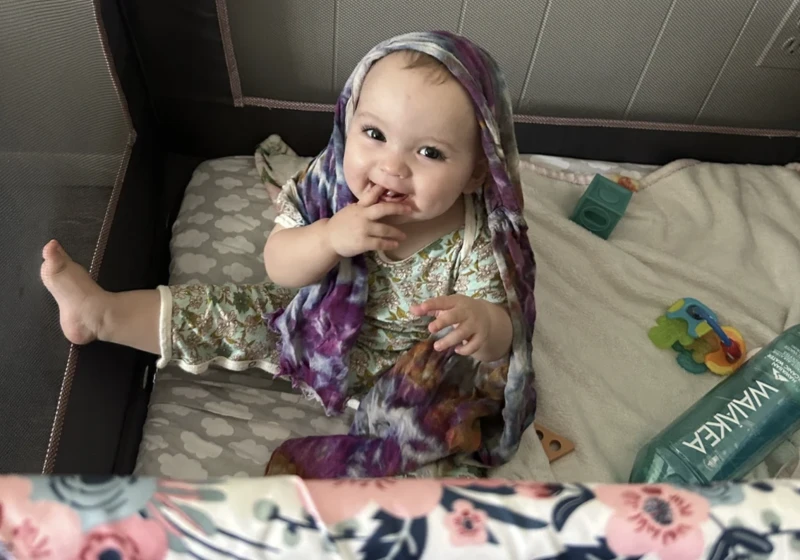
 A baby girl at Mary’s Comfort maternity home in Springfield, Virginia. / Credit: Courtesy of Mary’s Comfort

CNA Staff, Oct 31, 2025 / 09:00 am (CNA).
After a homily inspired a group of parishioners to live out their pro-life beliefs and start a maternity home in Springfield, Virginia, for mothers with crisis pregnancies, one woman shared her experience working there.Kathleen Moyer, president of the Mary’s Comfort Board of Directors and a dedicated volunteer, shared about what it is like to volunteer with the maternity home in an interview with CNA.CNA: What inspired you to volunteer at the maternity home? How does your faith play a role in your volunteer work?Moyer: My faith is at the core of my volunteerism and specifically my involvement in Mary’s Comfort. Let me explain: The call to serve others is one I take seriously as a Christian and Catholic. As for Mary’s Comfort, the initial inspiration for a small group of volunteers to take on the challenge of creating it came from my pastor at St. Bernadette, Father Don Rooney, who challenged the congregation to live out our pro-life beliefs. He noted that pregnant women in crisis — whether financial, physical, or otherwise — don’t really have a viable option to bring new life into this world. They need to know there is support out there. They need to be given a reason to hope. So, that’s how it all started. That was three years ago. I’m sometimes amazed by how far we’ve come. I want to be clear, though, that we welcome women of all backgrounds and creeds. We are fortunate to have donors and supporters from several faiths, as well as secular groups. Our volunteers are diverse, too. Many of us are Catholic, but certainly not all. I think it speaks volumes that it is an interfaith effort.What would you say to a woman facing an unexpected pregnancy? What would you say to someone considering volunteering at a maternity clinic?  Here’s what I would like to say to women facing unexpected pregnancies: We’re here for you. There is reason to hope. There are people who care. Mary’s Comfort is a safe haven where you can take a deep breath, regroup, reassess, and contemplate the future with a clear mind. Of course, there are other shelters for pregnant moms waiting to welcome you, too. You are not alone.To those considering volunteering at a home for pregnant moms, I would say take the leap — you’ll never regret it. You might miss a rerun of your favorite TV show, have a little less time to read, or slow your ascent to becoming a pickleball pro, but I would ask you to stack any of those sacrifices against the joy of knowing you helped bring hope to someone desperately in need of it. Even more special, you may get the chance to play a role in welcoming a new life into this world. There are no words to describe the emotions that flooded over me the first time I held one of the babies born to a Mary’s Comfort mom. It’s powerful.What is it like to be with these women as they choose life? Is there a particular moment that stands out to you?  There isn’t just one single moment that stands out to me because there are so many important moments between the time our guests arrive and when we get to welcome new life into this world. For example, one of our guests walked into Mary’s Comfort for the first time and just cried. They were tears of joy. She said she never expected it to be so nice and welcoming. Another guest kept asking, “Why would you do this for me?” Their utter disbelief that strangers would care so deeply about them was striking. We helped another guest attend a class to achieve a higher level of certification and get a better job. When she passed the test, a collective cheer rang out among the volunteers. It was a small but critical milestone on the road to independence and self-sufficiency.Of course, the crowning moment was when I met the first baby born to a Mary’s Comfort mom. As I said before, there are no words to describe the emotions that flooded over me. It’s powerful stuff.A baby girl at Mary’s Comfort maternity home in Springfield, Virginia. Credit: Photo courtesy of Mary’s ComfortWhat is it like to volunteer at a maternity home? What is a day or week in your life like? How do you balance volunteering with your other responsibilities? Volunteering at a home for pregnant moms is incredibly rewarding and also full of surprises — no two months have been the same. The needs and challenges each guest faces have been different, so we must be nimble and creative to provide the level of support needed to give them hope and confidence. Similarly, there is no typical week for me. I work a full-time job in addition to being president of the Mary’s Comfort board of directors and an active volunteer who jumps in when needed. If I had a message for those who might be thinking about volunteering but worry it would be too much with a full-time job, I’d say go for it! Many of our volunteers work full time and still find ways to contribute in very meaningful ways. As an all-volunteer-run charity, we are very flexible and, frankly, wouldn’t succeed without volunteers of many different backgrounds and stages in life — working and retired.Kathleen Moyer has been volunteering at Mary’s Comfort maternity home in Springfield, Virginia, for several years. Credit: Photo courtesy of Mary’s ComfortYou asked how I balance volunteering and other parts of life. I guess my mindset is that volunteering is an important part of life if I’m living the life I believe I was called to live. But volunteering is not just about checking the box on a moral obligation, it’s about doing something that brings joy to others, and in this case, has played some small role in new life being welcomed into this world. It has brought new perspective and new joy to the rest of my life, so finding balance isn’t so hard.If you could put your experience at Mary’s Comfort into one word, what would that word be and why?  Grateful. Why? Because this experience has taught me to be grateful on so many levels: grateful for all the blessings in my life; grateful to work alongside such committed volunteers who just don’t give up no matter what challenges lie before us; grateful for the opportunity to serve others in this consequential way. 

Volunteering at a maternity home for crisis pregnancies: What to know #Catholic A baby girl at Mary’s Comfort maternity home in Springfield, Virginia. / Credit: Courtesy of Mary’s Comfort CNA Staff, Oct 31, 2025 / 09:00 am (CNA). After a homily inspired a group of parishioners to live out their pro-life beliefs and start a maternity home in Springfield, Virginia, for mothers with crisis pregnancies, one woman shared her experience working there.Kathleen Moyer, president of the Mary’s Comfort Board of Directors and a dedicated volunteer, shared about what it is like to volunteer with the maternity home in an interview with CNA.CNA: What inspired you to volunteer at the maternity home? How does your faith play a role in your volunteer work?Moyer: My faith is at the core of my volunteerism and specifically my involvement in Mary’s Comfort. Let me explain: The call to serve others is one I take seriously as a Christian and Catholic. As for Mary’s Comfort, the initial inspiration for a small group of volunteers to take on the challenge of creating it came from my pastor at St. Bernadette, Father Don Rooney, who challenged the congregation to live out our pro-life beliefs. He noted that pregnant women in crisis — whether financial, physical, or otherwise — don’t really have a viable option to bring new life into this world. They need to know there is support out there. They need to be given a reason to hope. So, that’s how it all started. That was three years ago. I’m sometimes amazed by how far we’ve come. I want to be clear, though, that we welcome women of all backgrounds and creeds. We are fortunate to have donors and supporters from several faiths, as well as secular groups. Our volunteers are diverse, too. Many of us are Catholic, but certainly not all. I think it speaks volumes that it is an interfaith effort.What would you say to a woman facing an unexpected pregnancy? What would you say to someone considering volunteering at a maternity clinic?  Here’s what I would like to say to women facing unexpected pregnancies: We’re here for you. There is reason to hope. There are people who care. Mary’s Comfort is a safe haven where you can take a deep breath, regroup, reassess, and contemplate the future with a clear mind. Of course, there are other shelters for pregnant moms waiting to welcome you, too. You are not alone.To those considering volunteering at a home for pregnant moms, I would say take the leap — you’ll never regret it. You might miss a rerun of your favorite TV show, have a little less time to read, or slow your ascent to becoming a pickleball pro, but I would ask you to stack any of those sacrifices against the joy of knowing you helped bring hope to someone desperately in need of it. Even more special, you may get the chance to play a role in welcoming a new life into this world. There are no words to describe the emotions that flooded over me the first time I held one of the babies born to a Mary’s Comfort mom. It’s powerful.What is it like to be with these women as they choose life? Is there a particular moment that stands out to you?  There isn’t just one single moment that stands out to me because there are so many important moments between the time our guests arrive and when we get to welcome new life into this world. For example, one of our guests walked into Mary’s Comfort for the first time and just cried. They were tears of joy. She said she never expected it to be so nice and welcoming. Another guest kept asking, “Why would you do this for me?” Their utter disbelief that strangers would care so deeply about them was striking. We helped another guest attend a class to achieve a higher level of certification and get a better job. When she passed the test, a collective cheer rang out among the volunteers. It was a small but critical milestone on the road to independence and self-sufficiency.Of course, the crowning moment was when I met the first baby born to a Mary’s Comfort mom. As I said before, there are no words to describe the emotions that flooded over me. It’s powerful stuff.A baby girl at Mary’s Comfort maternity home in Springfield, Virginia. Credit: Photo courtesy of Mary’s ComfortWhat is it like to volunteer at a maternity home? What is a day or week in your life like? How do you balance volunteering with your other responsibilities? Volunteering at a home for pregnant moms is incredibly rewarding and also full of surprises — no two months have been the same. The needs and challenges each guest faces have been different, so we must be nimble and creative to provide the level of support needed to give them hope and confidence. Similarly, there is no typical week for me. I work a full-time job in addition to being president of the Mary’s Comfort board of directors and an active volunteer who jumps in when needed. If I had a message for those who might be thinking about volunteering but worry it would be too much with a full-time job, I’d say go for it! Many of our volunteers work full time and still find ways to contribute in very meaningful ways. As an all-volunteer-run charity, we are very flexible and, frankly, wouldn’t succeed without volunteers of many different backgrounds and stages in life — working and retired.Kathleen Moyer has been volunteering at Mary’s Comfort maternity home in Springfield, Virginia, for several years. Credit: Photo courtesy of Mary’s ComfortYou asked how I balance volunteering and other parts of life. I guess my mindset is that volunteering is an important part of life if I’m living the life I believe I was called to live. But volunteering is not just about checking the box on a moral obligation, it’s about doing something that brings joy to others, and in this case, has played some small role in new life being welcomed into this world. It has brought new perspective and new joy to the rest of my life, so finding balance isn’t so hard.If you could put your experience at Mary’s Comfort into one word, what would that word be and why?  Grateful. Why? Because this experience has taught me to be grateful on so many levels: grateful for all the blessings in my life; grateful to work alongside such committed volunteers who just don’t give up no matter what challenges lie before us; grateful for the opportunity to serve others in this consequential way. 


A baby girl at Mary’s Comfort maternity home in Springfield, Virginia. / Credit: Courtesy of Mary’s Comfort

CNA Staff, Oct 31, 2025 / 09:00 am (CNA).

After a homily inspired a group of parishioners to live out their pro-life beliefs and start a maternity home in Springfield, Virginia, for mothers with crisis pregnancies, one woman shared her experience working there.

Kathleen Moyer, president of the Mary’s Comfort Board of Directors and a dedicated volunteer, shared about what it is like to volunteer with the maternity home in an interview with CNA.

CNA: What inspired you to volunteer at the maternity home? How does your faith play a role in your volunteer work?

Moyer: My faith is at the core of my volunteerism and specifically my involvement in Mary’s Comfort. Let me explain: The call to serve others is one I take seriously as a Christian and Catholic. As for Mary’s Comfort, the initial inspiration for a small group of volunteers to take on the challenge of creating it came from my pastor at St. Bernadette, Father Don Rooney, who challenged the congregation to live out our pro-life beliefs. 

He noted that pregnant women in crisis — whether financial, physical, or otherwise — don’t really have a viable option to bring new life into this world. They need to know there is support out there. They need to be given a reason to hope. So, that’s how it all started. 

That was three years ago. I’m sometimes amazed by how far we’ve come. I want to be clear, though, that we welcome women of all backgrounds and creeds. We are fortunate to have donors and supporters from several faiths, as well as secular groups. Our volunteers are diverse, too. Many of us are Catholic, but certainly not all. I think it speaks volumes that it is an interfaith effort.

What would you say to a woman facing an unexpected pregnancy? What would you say to someone considering volunteering at a maternity clinic?  

Here’s what I would like to say to women facing unexpected pregnancies: We’re here for you. There is reason to hope. There are people who care. Mary’s Comfort is a safe haven where you can take a deep breath, regroup, reassess, and contemplate the future with a clear mind. Of course, there are other shelters for pregnant moms waiting to welcome you, too. You are not alone.

To those considering volunteering at a home for pregnant moms, I would say take the leap — you’ll never regret it. You might miss a rerun of your favorite TV show, have a little less time to read, or slow your ascent to becoming a pickleball pro, but I would ask you to stack any of those sacrifices against the joy of knowing you helped bring hope to someone desperately in need of it. 

Even more special, you may get the chance to play a role in welcoming a new life into this world. There are no words to describe the emotions that flooded over me the first time I held one of the babies born to a Mary’s Comfort mom. It’s powerful.

What is it like to be with these women as they choose life? Is there a particular moment that stands out to you?  

There isn’t just one single moment that stands out to me because there are so many important moments between the time our guests arrive and when we get to welcome new life into this world. For example, one of our guests walked into Mary’s Comfort for the first time and just cried. They were tears of joy. She said she never expected it to be so nice and welcoming. 

Another guest kept asking, “Why would you do this for me?” Their utter disbelief that strangers would care so deeply about them was striking. 

We helped another guest attend a class to achieve a higher level of certification and get a better job. When she passed the test, a collective cheer rang out among the volunteers. It was a small but critical milestone on the road to independence and self-sufficiency.

Of course, the crowning moment was when I met the first baby born to a Mary’s Comfort mom. As I said before, there are no words to describe the emotions that flooded over me. It’s powerful stuff.

A baby girl at Mary’s Comfort maternity home in Springfield, Virginia. Credit: Photo courtesy of Mary’s Comfort

What is it like to volunteer at a maternity home? What is a day or week in your life like? How do you balance volunteering with your other responsibilities? 

Volunteering at a home for pregnant moms is incredibly rewarding and also full of surprises — no two months have been the same. The needs and challenges each guest faces have been different, so we must be nimble and creative to provide the level of support needed to give them hope and confidence. 

Similarly, there is no typical week for me. I work a full-time job in addition to being president of the Mary’s Comfort board of directors and an active volunteer who jumps in when needed. 

If I had a message for those who might be thinking about volunteering but worry it would be too much with a full-time job, I’d say go for it! Many of our volunteers work full time and still find ways to contribute in very meaningful ways. As an all-volunteer-run charity, we are very flexible and, frankly, wouldn’t succeed without volunteers of many different backgrounds and stages in life — working and retired.

Kathleen Moyer has been volunteering at Mary’s Comfort maternity home in Springfield, Virginia, for several years. Credit: Photo courtesy of Mary’s Comfort

You asked how I balance volunteering and other parts of life. I guess my mindset is that volunteering is an important part of life if I’m living the life I believe I was called to live. But volunteering is not just about checking the box on a moral obligation, it’s about doing something that brings joy to others, and in this case, has played some small role in new life being welcomed into this world. 

It has brought new perspective and new joy to the rest of my life, so finding balance isn’t so hard.

If you could put your experience at Mary’s Comfort into one word, what would that word be and why?  

Grateful. Why? Because this experience has taught me to be grateful on so many levels: grateful for all the blessings in my life; grateful to work alongside such committed volunteers who just don’t give up no matter what challenges lie before us; grateful for the opportunity to serve others in this consequential way. 

Read More