bob

Top 2025 religious freedom developments included mix of persecution, protection #Catholic 
 
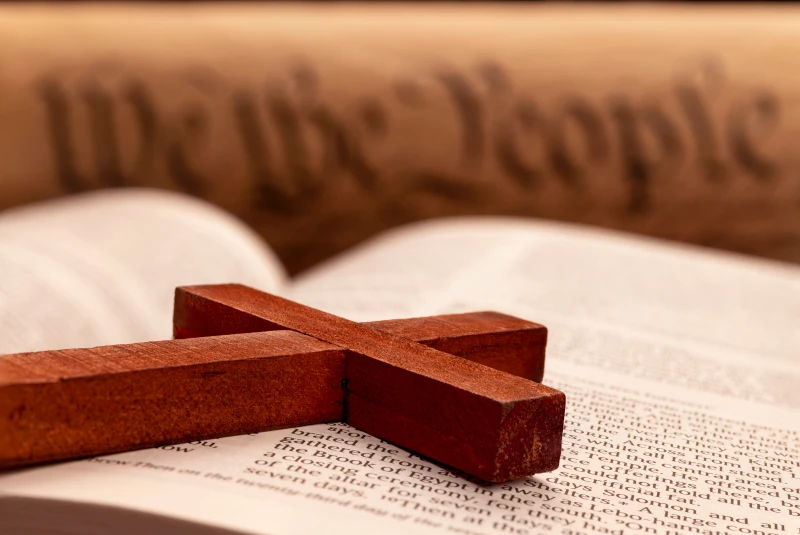
 null / Credit: Joe Belanger/Shutterstock

Washington, D.C. Newsroom, Dec 19, 2025 / 06:00 am (CNA).
Here is an overview of some of the religious freedom developments and news in the United States and abroad in 2025:White House started the Religious Liberty CommissionPresident Donald Trump established the White House Religious Liberty Commission in May to report on threats to religious freedom in the U.S. and seek to advance legal protections. The commission and advisory boards include members of various religions. Catholic members on the commission include Cardinal Timothy Dolan and Bishop Robert Barron. Catholic advisory board members include Archbishop Salvatore J. Cordileone, Bishop Thomas Paprocki, Bishop Kevin Rhoades, and Father Thomas Ferguson.Lawmakers condemned persecution of Christians Rep. Riley Moore, R-West Virginia, and Sen. Josh Hawley, R-Missouri, introduced a joint resolution condemning the persecution of Christians in Muslim-majority countries across the world.The measure called on the Trump administration to leverage trade, security negotiations, and other diplomatic tools to advocate for religious freedom. Court blocked law that would require priests to violate the seal of confessionWashington Gov. Bob Ferguson signed a state law in May that would require priests to report child abuse to authorities even if they hear about it during the sacrament of confession. Catholic bishops brought a lawsuit against the measure. A federal judge blocked the controversial law.Trump announced federal guidelines to protect prayer at public schoolsPresident Donald Trump announced the U.S. Department of Education will issue federal guidelines to protect prayer at public schools during a Sept. 8 Religious Liberty Commission hearing. He said the guidelines will “protect the right to prayer in our public schools and [provide for] its total protection.”The president said he sought the guidelines after hearing about instances of public school students and staff being censored and facing disciplinary action for engaging in prayer, reading the Bible, and publicly expressing their faith.Report found most states fail to safeguard religious liberty About three-fourths of states scored less than 50% on Napa Legal Institute’s religious freedom index, which measures how well states safeguard religious liberty for faith-based organizations. The October report was part of Napa’s Faith & Freedom Index that showed Alabama scored the highest and Michigan scored the lowest.Lawmakers urged federal court to allow Ten Commandments displayFirst Liberty Institute and Heather Gebelin Hacker of Hacker Stephens LLP filed an amicus brief in December on behalf of 46 United States lawmakers urging the federal court to allow the Ten Commandments to be displayed in public schools.Speaker of the U.S. House of Representatives Mike Johnson, R-Louisiana; Rep. Chip Roy, R-Texas; and Sens. Ted Cruz and John Cornyn, R-Texas, were among the lawmakers who supported the cause after federal judges blocked Texas and Louisiana laws requiring the display of the commandments.Supreme Court ruled on religious freedom cases The U.S. Supreme Court ruled in favor of a group of Maryland parents who sued a school district over its refusal to allow families to opt their children out of reading LGBT-themed books. In a 6-3 decision on July 27 in Mahmoud v. Taylor, the court ruled the Catholic, Orthodox, and Muslim parents “are likely to succeed on their claim that the board’s policies unconstitutionally burden their religious exercise.” In July, the Supreme Court ordered the New York Court of Appeals to revisit Diocese of Albany v. Harris, which challenged a 2017 New York state mandate requiring employers to cover abortions in health insurance plans.In October, a Native American group working to stop the destruction of a centuries-old religious ritual site in Arizona lost its appeal to the Supreme Court.Religious liberty abroad: Religious freedom diminished in AfghanistanThe U.S. Commission on International Religious Freedom (USCIRF) said in a report that “religious freedom conditions in Afghanistan continue to decline dramatically under Taliban rule.”The USCIRF wrote in an Aug. 15 report examining the Taliban’s Law on the Propagation of Virtue and Prevention of Vice one year after its enactment: The morality law “impacts all Afghans” but “disproportionately affects religious minorities and women, eradicating their participation in public life and systematically eliminating their right to [freedom of religious belief].”Chinese government banned Catholic priests from evangelizing onlineIn September, the State Administration for Religious Affairs in China banned several forms of online evangelization for religious clergy of all religions, including Catholic priests.The Code of Conduct for Religious Clergy was made up of 18 articles including one that said faith leaders are banned from performing religious rituals through live broadcasts, short videos, or online meetings. U.S. commission said China should be designated as a country of particular concernThe USCIRF reported China tries to exert total control over religion and said the U.S. Department of State should redesignate China as a “country of particular concern” (CPC) regarding religious freedom.USCIRF said in September that China uses surveillance, fines, retribution against family members, imprisonment, enforced disappearance, torture, and other forms of abuse to control the Catholic Church and other religious communities in the nation.In its annual report, USCIRF also recommended Afghanistan, Burma, Cuba, Eritrea, India, Iran, Nicaragua, Nigeria, North Korea, Pakistan, Russia, Saudi Arabia, Tajikistan, Turkmenistan, and Vietnam be designated as CPCs.

Top 2025 religious freedom developments included mix of persecution, protection #Catholic null / Credit: Joe Belanger/Shutterstock Washington, D.C. Newsroom, Dec 19, 2025 / 06:00 am (CNA). Here is an overview of some of the religious freedom developments and news in the United States and abroad in 2025:White House started the Religious Liberty CommissionPresident Donald Trump established the White House Religious Liberty Commission in May to report on threats to religious freedom in the U.S. and seek to advance legal protections. The commission and advisory boards include members of various religions. Catholic members on the commission include Cardinal Timothy Dolan and Bishop Robert Barron. Catholic advisory board members include Archbishop Salvatore J. Cordileone, Bishop Thomas Paprocki, Bishop Kevin Rhoades, and Father Thomas Ferguson.Lawmakers condemned persecution of Christians Rep. Riley Moore, R-West Virginia, and Sen. Josh Hawley, R-Missouri, introduced a joint resolution condemning the persecution of Christians in Muslim-majority countries across the world.The measure called on the Trump administration to leverage trade, security negotiations, and other diplomatic tools to advocate for religious freedom. Court blocked law that would require priests to violate the seal of confessionWashington Gov. Bob Ferguson signed a state law in May that would require priests to report child abuse to authorities even if they hear about it during the sacrament of confession. Catholic bishops brought a lawsuit against the measure. A federal judge blocked the controversial law.Trump announced federal guidelines to protect prayer at public schoolsPresident Donald Trump announced the U.S. Department of Education will issue federal guidelines to protect prayer at public schools during a Sept. 8 Religious Liberty Commission hearing. He said the guidelines will “protect the right to prayer in our public schools and [provide for] its total protection.”The president said he sought the guidelines after hearing about instances of public school students and staff being censored and facing disciplinary action for engaging in prayer, reading the Bible, and publicly expressing their faith.Report found most states fail to safeguard religious liberty About three-fourths of states scored less than 50% on Napa Legal Institute’s religious freedom index, which measures how well states safeguard religious liberty for faith-based organizations. The October report was part of Napa’s Faith & Freedom Index that showed Alabama scored the highest and Michigan scored the lowest.Lawmakers urged federal court to allow Ten Commandments displayFirst Liberty Institute and Heather Gebelin Hacker of Hacker Stephens LLP filed an amicus brief in December on behalf of 46 United States lawmakers urging the federal court to allow the Ten Commandments to be displayed in public schools.Speaker of the U.S. House of Representatives Mike Johnson, R-Louisiana; Rep. Chip Roy, R-Texas; and Sens. Ted Cruz and John Cornyn, R-Texas, were among the lawmakers who supported the cause after federal judges blocked Texas and Louisiana laws requiring the display of the commandments.Supreme Court ruled on religious freedom cases The U.S. Supreme Court ruled in favor of a group of Maryland parents who sued a school district over its refusal to allow families to opt their children out of reading LGBT-themed books. In a 6-3 decision on July 27 in Mahmoud v. Taylor, the court ruled the Catholic, Orthodox, and Muslim parents “are likely to succeed on their claim that the board’s policies unconstitutionally burden their religious exercise.” In July, the Supreme Court ordered the New York Court of Appeals to revisit Diocese of Albany v. Harris, which challenged a 2017 New York state mandate requiring employers to cover abortions in health insurance plans.In October, a Native American group working to stop the destruction of a centuries-old religious ritual site in Arizona lost its appeal to the Supreme Court.Religious liberty abroad: Religious freedom diminished in AfghanistanThe U.S. Commission on International Religious Freedom (USCIRF) said in a report that “religious freedom conditions in Afghanistan continue to decline dramatically under Taliban rule.”The USCIRF wrote in an Aug. 15 report examining the Taliban’s Law on the Propagation of Virtue and Prevention of Vice one year after its enactment: The morality law “impacts all Afghans” but “disproportionately affects religious minorities and women, eradicating their participation in public life and systematically eliminating their right to [freedom of religious belief].”Chinese government banned Catholic priests from evangelizing onlineIn September, the State Administration for Religious Affairs in China banned several forms of online evangelization for religious clergy of all religions, including Catholic priests.The Code of Conduct for Religious Clergy was made up of 18 articles including one that said faith leaders are banned from performing religious rituals through live broadcasts, short videos, or online meetings. U.S. commission said China should be designated as a country of particular concernThe USCIRF reported China tries to exert total control over religion and said the U.S. Department of State should redesignate China as a “country of particular concern” (CPC) regarding religious freedom.USCIRF said in September that China uses surveillance, fines, retribution against family members, imprisonment, enforced disappearance, torture, and other forms of abuse to control the Catholic Church and other religious communities in the nation.In its annual report, USCIRF also recommended Afghanistan, Burma, Cuba, Eritrea, India, Iran, Nicaragua, Nigeria, North Korea, Pakistan, Russia, Saudi Arabia, Tajikistan, Turkmenistan, and Vietnam be designated as CPCs.


null / Credit: Joe Belanger/Shutterstock

Washington, D.C. Newsroom, Dec 19, 2025 / 06:00 am (CNA).

Here is an overview of some of the religious freedom developments and news in the United States and abroad in 2025:

White House started the Religious Liberty Commission

President Donald Trump established the White House Religious Liberty Commission in May to report on threats to religious freedom in the U.S. and seek to advance legal protections. 

The commission and advisory boards include members of various religions. Catholic members on the commission include Cardinal Timothy Dolan and Bishop Robert Barron. Catholic advisory board members include Archbishop Salvatore J. Cordileone, Bishop Thomas Paprocki, Bishop Kevin Rhoades, and Father Thomas Ferguson.

Lawmakers condemned persecution of Christians

Rep. Riley Moore, R-West Virginia, and Sen. Josh Hawley, R-Missouri, introduced a joint resolution condemning the persecution of Christians in Muslim-majority countries across the world.

The measure called on the Trump administration to leverage trade, security negotiations, and other diplomatic tools to advocate for religious freedom. 

Court blocked law that would require priests to violate the seal of confession

Washington Gov. Bob Ferguson signed a state law in May that would require priests to report child abuse to authorities even if they hear about it during the sacrament of confession. Catholic bishops brought a lawsuit against the measure. A federal judge blocked the controversial law.

Trump announced federal guidelines to protect prayer at public schools

President Donald Trump announced the U.S. Department of Education will issue federal guidelines to protect prayer at public schools during a Sept. 8 Religious Liberty Commission hearing. He said the guidelines will “protect the right to prayer in our public schools and [provide for] its total protection.”

The president said he sought the guidelines after hearing about instances of public school students and staff being censored and facing disciplinary action for engaging in prayer, reading the Bible, and publicly expressing their faith.

Report found most states fail to safeguard religious liberty 

About three-fourths of states scored less than 50% on Napa Legal Institute’s religious freedom index, which measures how well states safeguard religious liberty for faith-based organizations. The October report was part of Napa’s Faith & Freedom Index that showed Alabama scored the highest and Michigan scored the lowest.

Lawmakers urged federal court to allow Ten Commandments display

First Liberty Institute and Heather Gebelin Hacker of Hacker Stephens LLP filed an amicus brief in December on behalf of 46 United States lawmakers urging the federal court to allow the Ten Commandments to be displayed in public schools.

Speaker of the U.S. House of Representatives Mike Johnson, R-Louisiana; Rep. Chip Roy, R-Texas; and Sens. Ted Cruz and John Cornyn, R-Texas, were among the lawmakers who supported the cause after federal judges blocked Texas and Louisiana laws requiring the display of the commandments.

Supreme Court ruled on religious freedom cases 

The U.S. Supreme Court ruled in favor of a group of Maryland parents who sued a school district over its refusal to allow families to opt their children out of reading LGBT-themed books. 

In a 6-3 decision on July 27 in Mahmoud v. Taylor, the court ruled the Catholic, Orthodox, and Muslim parents “are likely to succeed on their claim that the board’s policies unconstitutionally burden their religious exercise.” 

In July, the Supreme Court ordered the New York Court of Appeals to revisit Diocese of Albany v. Harris, which challenged a 2017 New York state mandate requiring employers to cover abortions in health insurance plans.

In October, a Native American group working to stop the destruction of a centuries-old religious ritual site in Arizona lost its appeal to the Supreme Court.

Religious liberty abroad: Religious freedom diminished in Afghanistan

The U.S. Commission on International Religious Freedom (USCIRF) said in a report that “religious freedom conditions in Afghanistan continue to decline dramatically under Taliban rule.”

The USCIRF wrote in an Aug. 15 report examining the Taliban’s Law on the Propagation of Virtue and Prevention of Vice one year after its enactment: The morality law “impacts all Afghans” but “disproportionately affects religious minorities and women, eradicating their participation in public life and systematically eliminating their right to [freedom of religious belief].”

Chinese government banned Catholic priests from evangelizing online

In September, the State Administration for Religious Affairs in China banned several forms of online evangelization for religious clergy of all religions, including Catholic priests.

The Code of Conduct for Religious Clergy was made up of 18 articles including one that said faith leaders are banned from performing religious rituals through live broadcasts, short videos, or online meetings. 

U.S. commission said China should be designated as a country of particular concern

The USCIRF reported China tries to exert total control over religion and said the U.S. Department of State should redesignate China as a “country of particular concern” (CPC) regarding religious freedom.

USCIRF said in September that China uses surveillance, fines, retribution against family members, imprisonment, enforced disappearance, torture, and other forms of abuse to control the Catholic Church and other religious communities in the nation.

In its annual report, USCIRF also recommended Afghanistan, Burma, Cuba, Eritrea, India, Iran, Nicaragua, Nigeria, North Korea, Pakistan, Russia, Saudi Arabia, Tajikistan, Turkmenistan, and Vietnam be designated as CPCs.

Read More
St. Gianna Molla award to go to Catholic father, farmer, potential saint  #Catholic 
 
 Tom Vander Woude with baby Joseph “Josie” Vander Woude. / Credit: Photo courtesy of the Tom Vander Woude Guild

CNA Staff, Dec 11, 2025 / 09:30 am (CNA).
When Virginia father Tom Vander Woude’s 19-year-old son, a boy with Down syndrome, fell into a toxic sewage tank, Tom jumped into the tank with him, pushing him to the surface even as the toxic fumes filled his own lungs.The father of seven, whose sainthood cause is now under investigation, will be posthumously awarded this year’s Walk for Life “Saint Gianna Molla Award for Pro-Life Heroism” on Jan. 24, 2026 at the West Coast Walk for Life in San Francisco. “When we heard Tom’s story years ago, we were touched by the love of a father for his child,” Dolores Meehan, co-chair of the West Coast Walk for Life, told CNA. “The fact that his son has Down syndrome made it all the more important to share his story of love and sacrifice and joy.”Unborn children with Down syndrome often become victims of abortion.The award named for St. Gianna Molla — an Italian doctor who chose to carry her child to term after a cancer diagnosis at the cost of her own life — honors those who show “heroic virtue in the defense of the unborn and their mothers and fathers, usually to the extent of profound sacrifice,” according to Meehan.Chris Vander Woude, who is travelling the U.S. and promoting his father’s cause, told CNA that “Dad was deeply committed to honoring and safeguarding the sanctity of human life.”     “He lived by these values right up to his last breath when he saved my brother Joseph’s life,” said Vander Woude. “Following St. Gianna’s example, Dad selflessly gave his life out of love for his child.” “In a world that often devalues people with Down Syndrome, Dad’s final act of love for my brother serves as a powerful testament to the sanctity and dignity of every human life,” Vander Woude continued. Openness to life “I don’t think Dad ever missed a March for Life,” Chris said. “It didn’t matter if it was snowing or super cold, Dad would take as many family members as possible because he understood the importance of standing up for innocent unborn babies and their right to life.” Tom, who worked as a farmer and a commercial pilot, made time for his family, faith, and pro-life beliefs. Held in late January, the March for Life is the pro-life movement’s annual march in Washington, D.C. to oppose abortion and defend human life.  Tom and his wife also frequently prayed the Rosary outside of an abortion clinic  that has since closed and is now a life-affirming medical clinic that serves women in need, according to Vander Woude. Tom and his wife also taught Natural Family Planning (NFP), a life-affirming fertility-awareness method of family planning, to young couples.  “He and Mom were always open to life in their marriage,” Vander Woude said. “Dad believed in the age-old saying that ‘it takes a village to raise a child,’ and he was quick to do his part in ‘the village’ to help,”“They had many reasons not to have a large family, but they chose the courageous path of faith, hope, and openness to God’s will,” Chris said. When a woman tracks her cycle using an NFP method, NFP works with her fertility rather than against it. Because various NFP methods don’t obstruct conception like contraception does, the Catholic Church accepts it as a form of family planning that is open to life. Bob and Karen Fioramonti still remember going to NFP classes with the Vander Woude’s in the early 1990s as a young married couple. “We learned about NFP, but we learned even more about what it looked like to be a faithful couple who had been open to life,” Karen Fioramonti told CNA. “At that point, neither of us knew any big families and the Vander Woude’s were a joyful couple raising seven sons encouraging us to trust God’s plan for our family,” said Karen Fioramonti. “They shared what a blessing each child is and that a parents’ mission is to raise saints. In short, they shared their faith.”“Years later, we have raised our own seven sons and two daughters, and we are so grateful for that message shared many years ago,” Bob Fioramonti said.  A pro-life hero As Vander Woude has been sharing the story of his father’s self-sacrifice with parishes around the U.S., he has seen how his father’s story moves people of all ages. “I’ve seen the story move people to tears and motivate them to follow Dad’s sacrificial example,” Vander Woude said. Meehan said that she hopes Tom Vander Woude’s story will inspire men to take up the pro-life mantle. “Men are so in need of heroes,” said Meehan. “Our hope is that the men who hear his story will be encouraged, inspired, and motivated to emulate not just his final act of sacrifice, but his life of sacrifice and the joy he derived from his pro-life heart.” “Men need to hear that they, too, can be the pro-life hero to their family — to step up and be present day in and day out,” Meehan said. 

St. Gianna Molla award to go to Catholic father, farmer, potential saint  #Catholic Tom Vander Woude with baby Joseph “Josie” Vander Woude. / Credit: Photo courtesy of the Tom Vander Woude Guild CNA Staff, Dec 11, 2025 / 09:30 am (CNA). When Virginia father Tom Vander Woude’s 19-year-old son, a boy with Down syndrome, fell into a toxic sewage tank, Tom jumped into the tank with him, pushing him to the surface even as the toxic fumes filled his own lungs.The father of seven, whose sainthood cause is now under investigation, will be posthumously awarded this year’s Walk for Life “Saint Gianna Molla Award for Pro-Life Heroism” on Jan. 24, 2026 at the West Coast Walk for Life in San Francisco. “When we heard Tom’s story years ago, we were touched by the love of a father for his child,” Dolores Meehan, co-chair of the West Coast Walk for Life, told CNA. “The fact that his son has Down syndrome made it all the more important to share his story of love and sacrifice and joy.”Unborn children with Down syndrome often become victims of abortion.The award named for St. Gianna Molla — an Italian doctor who chose to carry her child to term after a cancer diagnosis at the cost of her own life — honors those who show “heroic virtue in the defense of the unborn and their mothers and fathers, usually to the extent of profound sacrifice,” according to Meehan.Chris Vander Woude, who is travelling the U.S. and promoting his father’s cause, told CNA that “Dad was deeply committed to honoring and safeguarding the sanctity of human life.”     “He lived by these values right up to his last breath when he saved my brother Joseph’s life,” said Vander Woude. “Following St. Gianna’s example, Dad selflessly gave his life out of love for his child.” “In a world that often devalues people with Down Syndrome, Dad’s final act of love for my brother serves as a powerful testament to the sanctity and dignity of every human life,” Vander Woude continued. Openness to life “I don’t think Dad ever missed a March for Life,” Chris said. “It didn’t matter if it was snowing or super cold, Dad would take as many family members as possible because he understood the importance of standing up for innocent unborn babies and their right to life.” Tom, who worked as a farmer and a commercial pilot, made time for his family, faith, and pro-life beliefs. Held in late January, the March for Life is the pro-life movement’s annual march in Washington, D.C. to oppose abortion and defend human life.  Tom and his wife also frequently prayed the Rosary outside of an abortion clinic  that has since closed and is now a life-affirming medical clinic that serves women in need, according to Vander Woude. Tom and his wife also taught Natural Family Planning (NFP), a life-affirming fertility-awareness method of family planning, to young couples.  “He and Mom were always open to life in their marriage,” Vander Woude said. “Dad believed in the age-old saying that ‘it takes a village to raise a child,’ and he was quick to do his part in ‘the village’ to help,”“They had many reasons not to have a large family, but they chose the courageous path of faith, hope, and openness to God’s will,” Chris said. When a woman tracks her cycle using an NFP method, NFP works with her fertility rather than against it. Because various NFP methods don’t obstruct conception like contraception does, the Catholic Church accepts it as a form of family planning that is open to life. Bob and Karen Fioramonti still remember going to NFP classes with the Vander Woude’s in the early 1990s as a young married couple. “We learned about NFP, but we learned even more about what it looked like to be a faithful couple who had been open to life,” Karen Fioramonti told CNA. “At that point, neither of us knew any big families and the Vander Woude’s were a joyful couple raising seven sons encouraging us to trust God’s plan for our family,” said Karen Fioramonti. “They shared what a blessing each child is and that a parents’ mission is to raise saints. In short, they shared their faith.”“Years later, we have raised our own seven sons and two daughters, and we are so grateful for that message shared many years ago,” Bob Fioramonti said.  A pro-life hero As Vander Woude has been sharing the story of his father’s self-sacrifice with parishes around the U.S., he has seen how his father’s story moves people of all ages. “I’ve seen the story move people to tears and motivate them to follow Dad’s sacrificial example,” Vander Woude said. Meehan said that she hopes Tom Vander Woude’s story will inspire men to take up the pro-life mantle. “Men are so in need of heroes,” said Meehan. “Our hope is that the men who hear his story will be encouraged, inspired, and motivated to emulate not just his final act of sacrifice, but his life of sacrifice and the joy he derived from his pro-life heart.” “Men need to hear that they, too, can be the pro-life hero to their family — to step up and be present day in and day out,” Meehan said. 


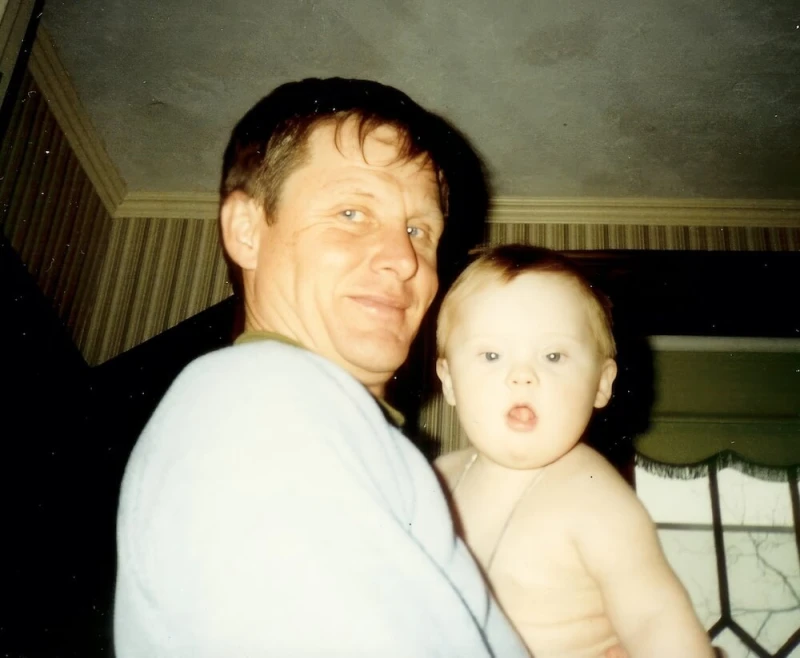
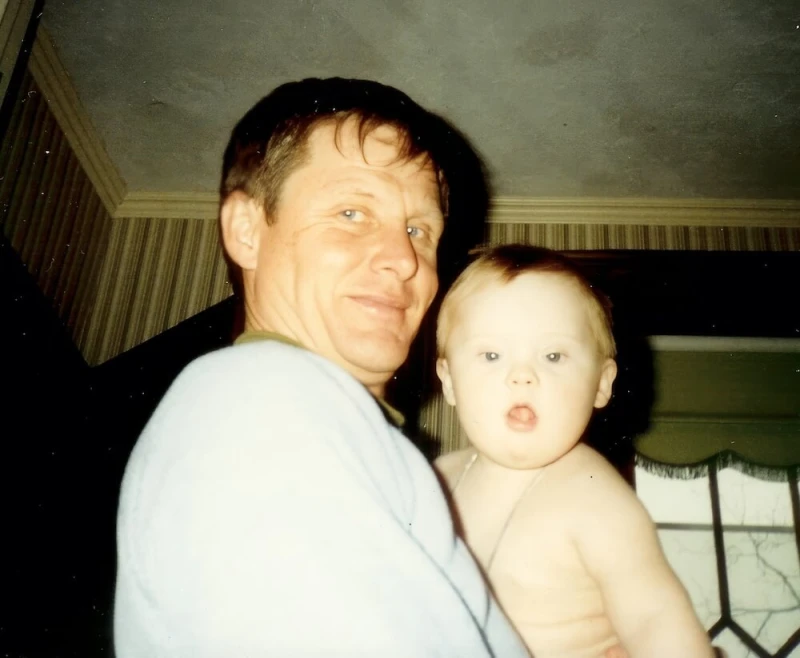
Tom Vander Woude with baby Joseph “Josie” Vander Woude. / Credit: Photo courtesy of the Tom Vander Woude Guild

CNA Staff, Dec 11, 2025 / 09:30 am (CNA).

When Virginia father Tom Vander Woude’s 19-year-old son, a boy with Down syndrome, fell into a toxic sewage tank, Tom jumped into the tank with him, pushing him to the surface even as the toxic fumes filled his own lungs.

The father of seven, whose sainthood cause is now under investigation, will be posthumously awarded this year’s Walk for Life “Saint Gianna Molla Award for Pro-Life Heroism” on Jan. 24, 2026 at the West Coast Walk for Life in San Francisco. 

“When we heard Tom’s story years ago, we were touched by the love of a father for his child,” Dolores Meehan, co-chair of the West Coast Walk for Life, told CNA. “The fact that his son has Down syndrome made it all the more important to share his story of love and sacrifice and joy.”

Unborn children with Down syndrome often become victims of abortion.

The award named for St. Gianna Molla — an Italian doctor who chose to carry her child to term after a cancer diagnosis at the cost of her own life — honors those who show “heroic virtue in the defense of the unborn and their mothers and fathers, usually to the extent of profound sacrifice,” according to Meehan.

Chris Vander Woude, who is travelling the U.S. and promoting his father’s cause, told CNA that “Dad was deeply committed to honoring and safeguarding the sanctity of human life.”     

“He lived by these values right up to his last breath when he saved my brother Joseph’s life,” said Vander Woude. “Following St. Gianna’s example, Dad selflessly gave his life out of love for his child.” 

“In a world that often devalues people with Down Syndrome, Dad’s final act of love for my brother serves as a powerful testament to the sanctity and dignity of every human life,” Vander Woude continued. 

Openness to life 

“I don’t think Dad ever missed a March for Life,” Chris said. “It didn’t matter if it was snowing or super cold, Dad would take as many family members as possible because he understood the importance of standing up for innocent unborn babies and their right to life.” 

Tom, who worked as a farmer and a commercial pilot, made time for his family, faith, and pro-life beliefs. 

Held in late January, the March for Life is the pro-life movement’s annual march in Washington, D.C. to oppose abortion and defend human life.  

Tom and his wife also frequently prayed the Rosary outside of an abortion clinic  that has since closed and is now a life-affirming medical clinic that serves women in need, according to Vander Woude. 

Tom and his wife also taught Natural Family Planning (NFP), a life-affirming fertility-awareness method of family planning, to young couples.  

“He and Mom were always open to life in their marriage,” Vander Woude said. “Dad believed in the age-old saying that ‘it takes a village to raise a child,’ and he was quick to do his part in ‘the village’ to help,”

“They had many reasons not to have a large family, but they chose the courageous path of faith, hope, and openness to God’s will,” Chris said. 

When a woman tracks her cycle using an NFP method, NFP works with her fertility rather than against it. Because various NFP methods don’t obstruct conception like contraception does, the Catholic Church accepts it as a form of family planning that is open to life. 

Bob and Karen Fioramonti still remember going to NFP classes with the Vander Woude’s in the early 1990s as a young married couple. 

“We learned about NFP, but we learned even more about what it looked like to be a faithful couple who had been open to life,” Karen Fioramonti told CNA. 

“At that point, neither of us knew any big families and the Vander Woude’s were a joyful couple raising seven sons encouraging us to trust God’s plan for our family,” said Karen Fioramonti. “They shared what a blessing each child is and that a parents’ mission is to raise saints. In short, they shared their faith.”

“Years later, we have raised our own seven sons and two daughters, and we are so grateful for that message shared many years ago,” Bob Fioramonti said.  

A pro-life hero 

As Vander Woude has been sharing the story of his father’s self-sacrifice with parishes around the U.S., he has seen how his father’s story moves people of all ages. 

“I’ve seen the story move people to tears and motivate them to follow Dad’s sacrificial example,” Vander Woude said. 

Meehan said that she hopes Tom Vander Woude’s story will inspire men to take up the pro-life mantle. 

“Men are so in need of heroes,” said Meehan. “Our hope is that the men who hear his story will be encouraged, inspired, and motivated to emulate not just his final act of sacrifice, but his life of sacrifice and the joy he derived from his pro-life heart.” 

“Men need to hear that they, too, can be the pro-life hero to their family — to step up and be present day in and day out,” Meehan said. 

Read More
Pro-life, Christian health insurance company launches in Texas   #Catholic 
 
 Co-founder Bob Hogan (left) and CEO and co-founder Daniel Cruz (right) are launching a pro-life health insurance plan that is in line with Catholic morality. / Credit: Courtesy of Presidio Healthcare

CNA Staff, Nov 28, 2025 / 07:00 am (CNA).
Two Texas pro-lifers are launching a health care plan that embraces Catholic life ethics, creating an ethical option for Christians.Health insurance companies often cover things that are in tension with Catholic Church teaching or a Christian pro-life ethic, such as abortion, contraceptives, or assisted suicide.Daniel Cruz and Bob Hogan founded the FortressPlan by Presidio Healthcare because they wanted a pro-life, Christian alternative. “FortressPlan,” which launched in November, does not cover any health care offerings that go against Catholic teaching. While making a start in Texas, the co-founders hope to expand across the U.S. Hogan, co-founder of Presidio and an alum of Franciscan University of Steubenville in Ohio, said that health care sharing ministries “are largely unregulated and are not legally required to pay families’ medical bills,” which can “cause tremendous financial stress for families.”As a more realistic alternative, he and Cruz “set out to create a real insurance company,” Hogan said in a statement shared with CNA. Cruz spoke with CNA about the Catholic values behind the FortressPlan. CNA: What makes Presidio Healthcare’s FortressPlan unique among insurance options in the U.S.?Daniel Cruz: The FortressPlan stands out as the only health insurance plan that aligns with the culture of life. Unlike other insurers, it does not cover abortifacients, contraception, transgender treatments or surgeries, euthanasia, in vitro fertilization, or similar practices.What makes the Fortress Plan pro-life and Christian? What inspired you to align the plan with the “Ethical and Religious Directives for Catholic Health Care Services”?Presidio Healthcare Insurance Company is the first health insurer in the United States to be filed as a Catholic entity. Designed to respect the dignity of every person, the FortressPlan aligns with the “Ethical and Religious Directives [ERDs] for Catholic Health Care Services.”The ERDs represent a formally recognized expression of Catholic moral doctrine, protected under federal conscience and religious-freedom laws, which allows us to operate in the private market with an authentically Catholic health plan. A major element of our mission is to promote life-affirming physicians and services, and the ERDs serve as a concrete guide to help us accomplish that aim.What inspired you to launch the pro-life Christian health insurance option, the FortressPlan? What challenges have you faced in launching it?I was approached by a former client to estimate the cost of an abortion for their health plan. This request ignited a passion to apply my skills as an actuary in a different direction. After discovering that no insurance companies were entirely pro-life or that sharing ministries fell short of offering true financial protection for families, I decided to establish the first pro-life Christian insurance company.What are your future goals for the FortressPlan and this movement toward pro-life, Christian insurance? How do you hope it will impact people?Our future objectives include expanding nationwide and entering both the ACA [Affordable Care Act] and employer markets, building a well-recognized brand that represents Christian health care.

Pro-life, Christian health insurance company launches in Texas   #Catholic Co-founder Bob Hogan (left) and CEO and co-founder Daniel Cruz (right) are launching a pro-life health insurance plan that is in line with Catholic morality. / Credit: Courtesy of Presidio Healthcare CNA Staff, Nov 28, 2025 / 07:00 am (CNA). Two Texas pro-lifers are launching a health care plan that embraces Catholic life ethics, creating an ethical option for Christians.Health insurance companies often cover things that are in tension with Catholic Church teaching or a Christian pro-life ethic, such as abortion, contraceptives, or assisted suicide.Daniel Cruz and Bob Hogan founded the FortressPlan by Presidio Healthcare because they wanted a pro-life, Christian alternative. “FortressPlan,” which launched in November, does not cover any health care offerings that go against Catholic teaching. While making a start in Texas, the co-founders hope to expand across the U.S. Hogan, co-founder of Presidio and an alum of Franciscan University of Steubenville in Ohio, said that health care sharing ministries “are largely unregulated and are not legally required to pay families’ medical bills,” which can “cause tremendous financial stress for families.”As a more realistic alternative, he and Cruz “set out to create a real insurance company,” Hogan said in a statement shared with CNA. Cruz spoke with CNA about the Catholic values behind the FortressPlan. CNA: What makes Presidio Healthcare’s FortressPlan unique among insurance options in the U.S.?Daniel Cruz: The FortressPlan stands out as the only health insurance plan that aligns with the culture of life. Unlike other insurers, it does not cover abortifacients, contraception, transgender treatments or surgeries, euthanasia, in vitro fertilization, or similar practices.What makes the Fortress Plan pro-life and Christian? What inspired you to align the plan with the “Ethical and Religious Directives for Catholic Health Care Services”?Presidio Healthcare Insurance Company is the first health insurer in the United States to be filed as a Catholic entity. Designed to respect the dignity of every person, the FortressPlan aligns with the “Ethical and Religious Directives [ERDs] for Catholic Health Care Services.”The ERDs represent a formally recognized expression of Catholic moral doctrine, protected under federal conscience and religious-freedom laws, which allows us to operate in the private market with an authentically Catholic health plan. A major element of our mission is to promote life-affirming physicians and services, and the ERDs serve as a concrete guide to help us accomplish that aim.What inspired you to launch the pro-life Christian health insurance option, the FortressPlan? What challenges have you faced in launching it?I was approached by a former client to estimate the cost of an abortion for their health plan. This request ignited a passion to apply my skills as an actuary in a different direction. After discovering that no insurance companies were entirely pro-life or that sharing ministries fell short of offering true financial protection for families, I decided to establish the first pro-life Christian insurance company.What are your future goals for the FortressPlan and this movement toward pro-life, Christian insurance? How do you hope it will impact people?Our future objectives include expanding nationwide and entering both the ACA [Affordable Care Act] and employer markets, building a well-recognized brand that represents Christian health care.


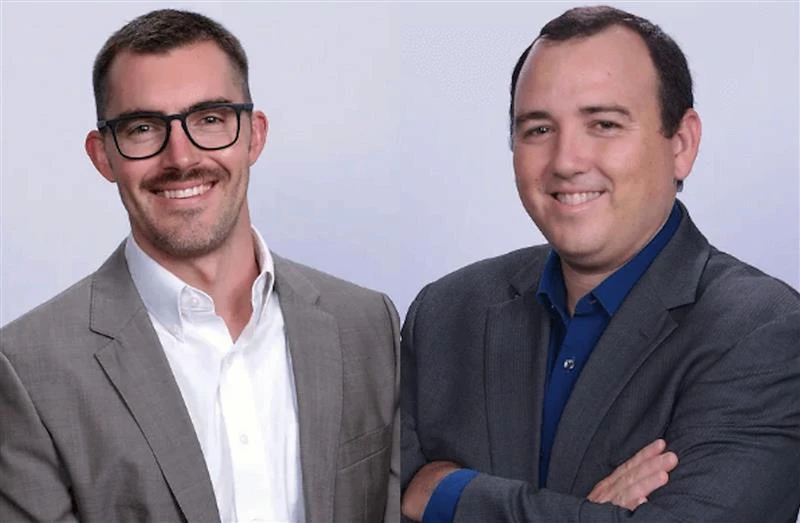
Co-founder Bob Hogan (left) and CEO and co-founder Daniel Cruz (right) are launching a pro-life health insurance plan that is in line with Catholic morality. / Credit: Courtesy of Presidio Healthcare

CNA Staff, Nov 28, 2025 / 07:00 am (CNA).

Two Texas pro-lifers are launching a health care plan that embraces Catholic life ethics, creating an ethical option for Christians.

Health insurance companies often cover things that are in tension with Catholic Church teaching or a Christian pro-life ethic, such as abortion, contraceptives, or assisted suicide.

Daniel Cruz and Bob Hogan founded the FortressPlan by Presidio Healthcare because they wanted a pro-life, Christian alternative. 

“FortressPlan,” which launched in November, does not cover any health care offerings that go against Catholic teaching. 

While making a start in Texas, the co-founders hope to expand across the U.S. 

Hogan, co-founder of Presidio and an alum of Franciscan University of Steubenville in Ohio, said that health care sharing ministries “are largely unregulated and are not legally required to pay families’ medical bills,” which can “cause tremendous financial stress for families.”

As a more realistic alternative, he and Cruz “set out to create a real insurance company,” Hogan said in a statement shared with CNA. 

Cruz spoke with CNA about the Catholic values behind the FortressPlan. 

CNA: What makes Presidio Healthcare’s FortressPlan unique among insurance options in the U.S.?

Daniel Cruz: The FortressPlan stands out as the only health insurance plan that aligns with the culture of life. Unlike other insurers, it does not cover abortifacients, contraception, transgender treatments or surgeries, euthanasia, in vitro fertilization, or similar practices.

What makes the Fortress Plan pro-life and Christian? What inspired you to align the plan with the “Ethical and Religious Directives for Catholic Health Care Services”?

Presidio Healthcare Insurance Company is the first health insurer in the United States to be filed as a Catholic entity. Designed to respect the dignity of every person, the FortressPlan aligns with the “Ethical and Religious Directives [ERDs] for Catholic Health Care Services.”

The ERDs represent a formally recognized expression of Catholic moral doctrine, protected under federal conscience and religious-freedom laws, which allows us to operate in the private market with an authentically Catholic health plan. A major element of our mission is to promote life-affirming physicians and services, and the ERDs serve as a concrete guide to help us accomplish that aim.

What inspired you to launch the pro-life Christian health insurance option, the FortressPlan? What challenges have you faced in launching it?

I was approached by a former client to estimate the cost of an abortion for their health plan. This request ignited a passion to apply my skills as an actuary in a different direction. 

After discovering that no insurance companies were entirely pro-life or that sharing ministries fell short of offering true financial protection for families, I decided to establish the first pro-life Christian insurance company.

What are your future goals for the FortressPlan and this movement toward pro-life, Christian insurance? How do you hope it will impact people?

Our future objectives include expanding nationwide and entering both the ACA [Affordable Care Act] and employer markets, building a well-recognized brand that represents Christian health care.

Read More