brothers

Hidden Catholic histories come alive in new Black and Native American films #Catholic 
 
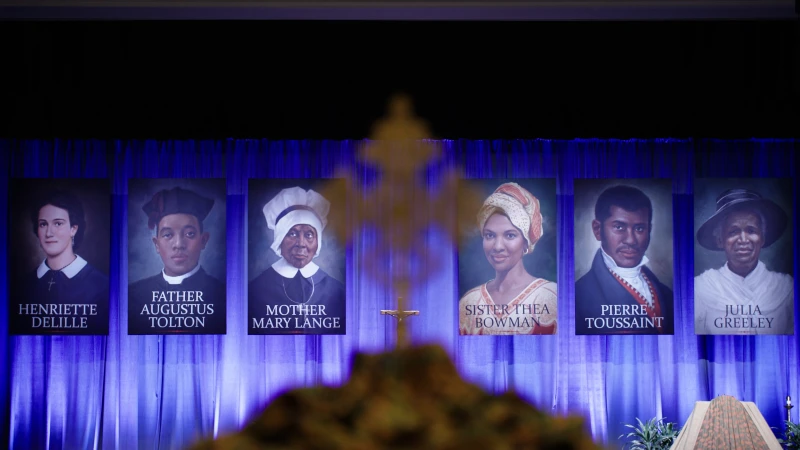
 A still from “Trailblazers of Faith: The Legacy of African American Catholics,” which tells the inspiring story of how African Americans found a home in Catholicism without abandoning their identity or culture. Those pictured are the African Americans currently on the path to sainthood: Venerable Henriette DeLille, Julia Greeley, Father Augustus Tolton, Mother Mary Lange, Pierre Toussaint, and Sister Thea Bowman. / Credit: Black and Indian Mission Office

CNA Staff, Dec 7, 2025 / 07:00 am (CNA).
The Black and Indian Mission Office in Washington, D.C., recently released two documentaries — one highlighting African American Catholics on the path to sainthood and the focusing on Native American Catholic communities in the United States. “Trailblazers of Faith: The Legacy of African American Catholics” tells the inspiring story of how African Americans found a home in Catholicism without abandoning their identity or culture. From the pioneering Oblate Sisters of Providence and St. Frances Academy to the lives of Venerable Henriette DeLille, Julia Greeley, Father Augustus Tolton, and Sister Thea Bowman, the documentary celebrates a legacy of leadership and faith.The second film, “Walking the Sacred Path: The Story of the Black and Indian Mission Office,” uncovers the often-hidden story of Native American Catholics in the United States. The film explores the powerful intersection of faith and culture — where the beauty of Native traditions and the universality of Catholicism meet — and highlights more than 140 years of the Black and Indian Mission Office’s mission to walk alongside Native American communities. Father Maurice Henry Sands is the executive director of the Black and Indian Mission Office. He told CNA in an interview that these documentaries were created “to educate people about these two groups of people that a lot of people don’t know much about,” as well as “to educate people about the work that our office is doing with these two groups of people.”The Black and Indian Mission Collection was the first national collection established at the Third Plenary Council of Baltimore in 1884 and is still taken up yearly funding the Black and Indian Mission Office.The United States bishops recognized the need to support missionary work among African American and Native American Catholics and since its creation the collection has allowed for grants to be given to dioceses across the country to operate schools, parishes, and other missionary services that build the body of Christ in Native American, Alaska Native, and Black Catholic communities.Sands shared that it is important for Catholics to walk alongside these communities because “we are all part of the human race that the Lord directs his work of salvation towards.”“It’s important that we learn how to live together and walk together because as human beings we do put up walls and barriers and we see differences among ourselves,” he said, adding that racism “has caused a lot of difficulties for the two groups of people.” “So, we have a fundamental call as disciples of Christ, as Catholics, as Christians, to help the Lord and his work of salvation to love one another and to have a special concern for those of our brothers and sisters who are disadvantaged and in need,” he said.Speaking specifically to the documentary on the African American Catholics on their way to sainthood, Sands explained that the six individuals included all serve as great role models for the faithful because “each of them had very challenging beginnings but went on to be great lovers of Our Lord and were a great witness to others and helped people in need as they saw the needs of people around them and were very effective in doing that.”He added that the early Church missionaries who served Native Americans also serve as role models in how to “help people where they are to come to know Christ, to love him, and to have a relationship with him.”Sands said he hopes viewers will feel moved to “learn more about how they can support the ministry to these two groups of people and to learn more about how they can support the work that we are doing in our office.”Both documentaries can be viewed on Formed.

Hidden Catholic histories come alive in new Black and Native American films #Catholic A still from “Trailblazers of Faith: The Legacy of African American Catholics,” which tells the inspiring story of how African Americans found a home in Catholicism without abandoning their identity or culture. Those pictured are the African Americans currently on the path to sainthood: Venerable Henriette DeLille, Julia Greeley, Father Augustus Tolton, Mother Mary Lange, Pierre Toussaint, and Sister Thea Bowman. / Credit: Black and Indian Mission Office CNA Staff, Dec 7, 2025 / 07:00 am (CNA). The Black and Indian Mission Office in Washington, D.C., recently released two documentaries — one highlighting African American Catholics on the path to sainthood and the focusing on Native American Catholic communities in the United States. “Trailblazers of Faith: The Legacy of African American Catholics” tells the inspiring story of how African Americans found a home in Catholicism without abandoning their identity or culture. From the pioneering Oblate Sisters of Providence and St. Frances Academy to the lives of Venerable Henriette DeLille, Julia Greeley, Father Augustus Tolton, and Sister Thea Bowman, the documentary celebrates a legacy of leadership and faith.The second film, “Walking the Sacred Path: The Story of the Black and Indian Mission Office,” uncovers the often-hidden story of Native American Catholics in the United States. The film explores the powerful intersection of faith and culture — where the beauty of Native traditions and the universality of Catholicism meet — and highlights more than 140 years of the Black and Indian Mission Office’s mission to walk alongside Native American communities. Father Maurice Henry Sands is the executive director of the Black and Indian Mission Office. He told CNA in an interview that these documentaries were created “to educate people about these two groups of people that a lot of people don’t know much about,” as well as “to educate people about the work that our office is doing with these two groups of people.”The Black and Indian Mission Collection was the first national collection established at the Third Plenary Council of Baltimore in 1884 and is still taken up yearly funding the Black and Indian Mission Office.The United States bishops recognized the need to support missionary work among African American and Native American Catholics and since its creation the collection has allowed for grants to be given to dioceses across the country to operate schools, parishes, and other missionary services that build the body of Christ in Native American, Alaska Native, and Black Catholic communities.Sands shared that it is important for Catholics to walk alongside these communities because “we are all part of the human race that the Lord directs his work of salvation towards.”“It’s important that we learn how to live together and walk together because as human beings we do put up walls and barriers and we see differences among ourselves,” he said, adding that racism “has caused a lot of difficulties for the two groups of people.” “So, we have a fundamental call as disciples of Christ, as Catholics, as Christians, to help the Lord and his work of salvation to love one another and to have a special concern for those of our brothers and sisters who are disadvantaged and in need,” he said.Speaking specifically to the documentary on the African American Catholics on their way to sainthood, Sands explained that the six individuals included all serve as great role models for the faithful because “each of them had very challenging beginnings but went on to be great lovers of Our Lord and were a great witness to others and helped people in need as they saw the needs of people around them and were very effective in doing that.”He added that the early Church missionaries who served Native Americans also serve as role models in how to “help people where they are to come to know Christ, to love him, and to have a relationship with him.”Sands said he hopes viewers will feel moved to “learn more about how they can support the ministry to these two groups of people and to learn more about how they can support the work that we are doing in our office.”Both documentaries can be viewed on Formed.


A still from “Trailblazers of Faith: The Legacy of African American Catholics,” which tells the inspiring story of how African Americans found a home in Catholicism without abandoning their identity or culture. Those pictured are the African Americans currently on the path to sainthood: Venerable Henriette DeLille, Julia Greeley, Father Augustus Tolton, Mother Mary Lange, Pierre Toussaint, and Sister Thea Bowman. / Credit: Black and Indian Mission Office

CNA Staff, Dec 7, 2025 / 07:00 am (CNA).

The Black and Indian Mission Office in Washington, D.C., recently released two documentaries — one highlighting African American Catholics on the path to sainthood and the focusing on Native American Catholic communities in the United States. 

“Trailblazers of Faith: The Legacy of African American Catholics” tells the inspiring story of how African Americans found a home in Catholicism without abandoning their identity or culture. 

From the pioneering Oblate Sisters of Providence and St. Frances Academy to the lives of Venerable Henriette DeLille, Julia Greeley, Father Augustus Tolton, and Sister Thea Bowman, the documentary celebrates a legacy of leadership and faith.

The second film, “Walking the Sacred Path: The Story of the Black and Indian Mission Office,” uncovers the often-hidden story of Native American Catholics in the United States. The film explores the powerful intersection of faith and culture — where the beauty of Native traditions and the universality of Catholicism meet — and highlights more than 140 years of the Black and Indian Mission Office’s mission to walk alongside Native American communities. 

Father Maurice Henry Sands is the executive director of the Black and Indian Mission Office. He told CNA in an interview that these documentaries were created “to educate people about these two groups of people that a lot of people don’t know much about,” as well as “to educate people about the work that our office is doing with these two groups of people.”

The Black and Indian Mission Collection was the first national collection established at the Third Plenary Council of Baltimore in 1884 and is still taken up yearly funding the Black and Indian Mission Office.

The United States bishops recognized the need to support missionary work among African American and Native American Catholics and since its creation the collection has allowed for grants to be given to dioceses across the country to operate schools, parishes, and other missionary services that build the body of Christ in Native American, Alaska Native, and Black Catholic communities.

Sands shared that it is important for Catholics to walk alongside these communities because “we are all part of the human race that the Lord directs his work of salvation towards.”

“It’s important that we learn how to live together and walk together because as human beings we do put up walls and barriers and we see differences among ourselves,” he said, adding that racism “has caused a lot of difficulties for the two groups of people.” 

“So, we have a fundamental call as disciples of Christ, as Catholics, as Christians, to help the Lord and his work of salvation to love one another and to have a special concern for those of our brothers and sisters who are disadvantaged and in need,” he said.

Speaking specifically to the documentary on the African American Catholics on their way to sainthood, Sands explained that the six individuals included all serve as great role models for the faithful because “each of them had very challenging beginnings but went on to be great lovers of Our Lord and were a great witness to others and helped people in need as they saw the needs of people around them and were very effective in doing that.”

He added that the early Church missionaries who served Native Americans also serve as role models in how to “help people where they are to come to know Christ, to love him, and to have a relationship with him.”

Sands said he hopes viewers will feel moved to “learn more about how they can support the ministry to these two groups of people and to learn more about how they can support the work that we are doing in our office.”

Both documentaries can be viewed on Formed.

Read More

Christmas 2025: Handmade gifts from 14 Catholic monasteries #Catholic 
 
 The contemplative Sisters of the Monastery of Bethlehem in Livingston Manor, New York, support themselves by offering their hand-painted chinaware and other unique gifts for sale. / Credit: Monastery of Bethlehem

Washington, D.C. Newsroom, Dec 6, 2025 / 06:00 am (CNA).
Many monasteries and communities of religious brothers and sisters depend on proceeds from the sales of their products to sustain their lives of prayer and service throughout the year. These days, most have online gift shops that will ship your purchases to arrive before Christmas.Here’s a guide to some of our favorite handmade gifts to give and receive this year:Fudge and candyMonk Bakery Gifts, Monastery of the Holy Spirit: Monks in Conyers, Georgia, make their famous fudge with premium chocolate and real butter. Try a 12-ounce gift box for . And for a taste of Georgia, try their Southern Touch fudge, “made with real peach morsels, pecans, and a touch of peach brandy.”Monastery Candy, Our Lady of the Mississippi Abbey: These contemplative nuns in Dubuque, Iowa, are known for their delicious caramels, which they make by hand to support their way of life. A 9-ounce box of chocolate-covered caramels sells for .55.Monastery Creamed Honey, Holy Cross Abbey: The monks at Our Lady of the Holy Cross Abbey in Berryville, Virginia, support themselves financially through their own labor, a characteristic of the Cistercian order’s way of life. Their 100% natural Monastery Creamed Honey, locally sourced in the Shenandoah Valley of Virginia, makes a great gift. A set of four 10-ounce tubs includes natural-, cinnamon-, almond-, and brandy-flavored honey and sells for .95. Add some delicious chocolate truffles to the order for a sure-to-be-appreciated Christmas gift.CookiesClarisa Cookies, Capuchin Poor Clare Sisters: The Capuchin Poor Clare nuns make their famous butter cookies from their monastery in Denver. The “Clarisas” come in a beautiful gift box featuring an image of St. Clare and sell for  for a 1.5-pound box.Monks’ Biscotti, Abbey of the Genesee: The Trappist monks of the Abbey of the Genesee have been baking from their monastery in western New York since 1953. As their website explains: “The bakery supports the monastery’s primary mission, which is to pray for the world.” The twice-baked biscotti is a popular item, which makes a great gift basket when combined with monk-made coffee and a mug. A bundle of four boxes of biscotti in a variety of flavors sells for .99. Springerele Christmas cookies, Sisters of St. Benedict: The Benedictine religious sisters are known for their Springerele cookies, a traditional German treat with an “Old World” charm. A package of six cookies, each bearing a different, intricate design, sells for . CoffeeMystic Monk Coffee, Carmelites Monks of Wyoming Monastery: The Monks of the Most Blessed Virgin Mary of Mount Carmel live a cloistered life in the Rocky Mountains in the Diocese of Cheyenne, Wyoming. They help support themselves through Mystic Monk Coffee, which they roast in small batches. The website CoffeeReview.com ranks their coffee among the highest of the coffees it reviews. A 12-ounce bag of their most popular flavor, Jingle Bell Java, sells for .95 in the EWTN Religious Catalogue. Visit their website for more coffee selections.FruitcakeBrandy-dipped fruitcake, New Camaldoli Hermitage: With all due respect, this is not your grandmother’s fruitcake. The monks of New Camaldoli Hermitage in Big Sur, California, offer a fruitcake soaked in brandy and aged for three months. It “has converted many a fruitcake ‘atheist,’” according to its creators. Order a 1-pound fruitcake for .98.Kentucky Bourbon Fruitcake, Monks of the Abbey of Gethsemani: At their monastery in New Haven, Kentucky, Trappist monks offer a 20-ounce Kentucky Bourbon Fruitcake along with a jar of Trappist Apricot-Pineapple preserves and a jar of Trappist Quince Jelly, which makes a lovely Christmas gift for .50.BeerBirra Nursia, Benedictine Monks of Norcia: In 2012, a community of Benedictine monks revived the order’s ancient beer-making tradition at their 16th-century monastery in Nursia, the birthplace of St. Benedict. Tragically, four years later, a devastating earthquake struck, seriously damaging their monastery and threatening their way of life. Today, their monastery is open again thanks to money raised in part from the beer they make and sell and export to the United States and elsewhere. Beer in 750-milliliter (25-ounce) bottles is available at their U.S. online store for .99 each.Handmade Christmas-themed giftsChristmas Boutique, Monastery of Bethlehem: The contemplative Sisters of the Monastery of Bethlehem in Livingston Manor, New York, support themselves by offering their hand-painted chinaware and other unique gifts for sale. This Christmas their online shop features several Christmas-related items that would make wonderful gifts. A beautiful hand-carved Nativity, made in the sisters’ monastery in Mougères, France, includes Joseph, Mary, the baby Jesus, and a wooden manger, and sells for 0. This is a great value for a keepsake that is sure to be passed down from generation to generation. Or why not come bearing the gift of myrrh this Christmas with an attractive tin of imported incense ()? Also available: a pack of five Christmas greeting cards, hand-calligraphed by the sisters and duplicated on fine paper. Each card features a mystery of the lives of Jesus and Mary.Custom rosaries, Carmelite Monastery of the Sacred Hearts: The cloistered nuns of the Carmelite Monastery of the Sacred Hearts in Colorado also offer several handmade items that would make beautiful gifts including custom, handmade rosaries. Those interested can choose their own beads, crucifix, centerpiece, the option to add decorative caps and side medals, and whether you would like the rosary to be a one-decade, five-decade, or 15-decade rosary.Gifts from the Holy LandHoly Land gifts, Franciscan Monastery of the Holy Land in America: The Franciscan friars based at their monastery in Washington, D.C., are dedicated to supporting and protecting the sacred sites and people of the Holy Land. They sell products made by artisans in the Holy Land to help their businesses so they can continue to live in the land of their forefathers. Among the gifts at the Holy Land gift shop are hand-painted ceramic candleholders made by a young artist in Bethlehem; olive wood Nativity sets, crosses, and rosaries; and olive oil soap. Visit the Holy Land Gift Shop here. Soaps and candlesCloister Shoppe, Summit Dominicans: The nuns from the Dominican Monastery of Our Lady of the Rosary in Summit, New Jersey, live a life of prayer through Eucharistic adoration and dedication to the rosary. To support this way of life they create handmade candles and skin-care products, which they sell at their Cloister Shoppe. Create your own Christmas gift bag of two bars of soap, a hand cream, a jar candle, a face moisturizer, and a handmade rosary made from olive wood beads from the Holy Land for . Throw in a pair of Bayberry Christmas Eve Tapers for  to give your holiday table a festive glow.

Christmas 2025: Handmade gifts from 14 Catholic monasteries #Catholic The contemplative Sisters of the Monastery of Bethlehem in Livingston Manor, New York, support themselves by offering their hand-painted chinaware and other unique gifts for sale. / Credit: Monastery of Bethlehem Washington, D.C. Newsroom, Dec 6, 2025 / 06:00 am (CNA). Many monasteries and communities of religious brothers and sisters depend on proceeds from the sales of their products to sustain their lives of prayer and service throughout the year. These days, most have online gift shops that will ship your purchases to arrive before Christmas.Here’s a guide to some of our favorite handmade gifts to give and receive this year:Fudge and candyMonk Bakery Gifts, Monastery of the Holy Spirit: Monks in Conyers, Georgia, make their famous fudge with premium chocolate and real butter. Try a 12-ounce gift box for $15. And for a taste of Georgia, try their Southern Touch fudge, “made with real peach morsels, pecans, and a touch of peach brandy.”Monastery Candy, Our Lady of the Mississippi Abbey: These contemplative nuns in Dubuque, Iowa, are known for their delicious caramels, which they make by hand to support their way of life. A 9-ounce box of chocolate-covered caramels sells for $16.55.Monastery Creamed Honey, Holy Cross Abbey: The monks at Our Lady of the Holy Cross Abbey in Berryville, Virginia, support themselves financially through their own labor, a characteristic of the Cistercian order’s way of life. Their 100% natural Monastery Creamed Honey, locally sourced in the Shenandoah Valley of Virginia, makes a great gift. A set of four 10-ounce tubs includes natural-, cinnamon-, almond-, and brandy-flavored honey and sells for $35.95. Add some delicious chocolate truffles to the order for a sure-to-be-appreciated Christmas gift.CookiesClarisa Cookies, Capuchin Poor Clare Sisters: The Capuchin Poor Clare nuns make their famous butter cookies from their monastery in Denver. The “Clarisas” come in a beautiful gift box featuring an image of St. Clare and sell for $18 for a 1.5-pound box.Monks’ Biscotti, Abbey of the Genesee: The Trappist monks of the Abbey of the Genesee have been baking from their monastery in western New York since 1953. As their website explains: “The bakery supports the monastery’s primary mission, which is to pray for the world.” The twice-baked biscotti is a popular item, which makes a great gift basket when combined with monk-made coffee and a mug. A bundle of four boxes of biscotti in a variety of flavors sells for $33.99. Springerele Christmas cookies, Sisters of St. Benedict: The Benedictine religious sisters are known for their Springerele cookies, a traditional German treat with an “Old World” charm. A package of six cookies, each bearing a different, intricate design, sells for $11. CoffeeMystic Monk Coffee, Carmelites Monks of Wyoming Monastery: The Monks of the Most Blessed Virgin Mary of Mount Carmel live a cloistered life in the Rocky Mountains in the Diocese of Cheyenne, Wyoming. They help support themselves through Mystic Monk Coffee, which they roast in small batches. The website CoffeeReview.com ranks their coffee among the highest of the coffees it reviews. A 12-ounce bag of their most popular flavor, Jingle Bell Java, sells for $14.95 in the EWTN Religious Catalogue. Visit their website for more coffee selections.FruitcakeBrandy-dipped fruitcake, New Camaldoli Hermitage: With all due respect, this is not your grandmother’s fruitcake. The monks of New Camaldoli Hermitage in Big Sur, California, offer a fruitcake soaked in brandy and aged for three months. It “has converted many a fruitcake ‘atheist,’” according to its creators. Order a 1-pound fruitcake for $27.98.Kentucky Bourbon Fruitcake, Monks of the Abbey of Gethsemani: At their monastery in New Haven, Kentucky, Trappist monks offer a 20-ounce Kentucky Bourbon Fruitcake along with a jar of Trappist Apricot-Pineapple preserves and a jar of Trappist Quince Jelly, which makes a lovely Christmas gift for $33.50.BeerBirra Nursia, Benedictine Monks of Norcia: In 2012, a community of Benedictine monks revived the order’s ancient beer-making tradition at their 16th-century monastery in Nursia, the birthplace of St. Benedict. Tragically, four years later, a devastating earthquake struck, seriously damaging their monastery and threatening their way of life. Today, their monastery is open again thanks to money raised in part from the beer they make and sell and export to the United States and elsewhere. Beer in 750-milliliter (25-ounce) bottles is available at their U.S. online store for $15.99 each.Handmade Christmas-themed giftsChristmas Boutique, Monastery of Bethlehem: The contemplative Sisters of the Monastery of Bethlehem in Livingston Manor, New York, support themselves by offering their hand-painted chinaware and other unique gifts for sale. This Christmas their online shop features several Christmas-related items that would make wonderful gifts. A beautiful hand-carved Nativity, made in the sisters’ monastery in Mougères, France, includes Joseph, Mary, the baby Jesus, and a wooden manger, and sells for $180. This is a great value for a keepsake that is sure to be passed down from generation to generation. Or why not come bearing the gift of myrrh this Christmas with an attractive tin of imported incense ($56)? Also available: a pack of five Christmas greeting cards, hand-calligraphed by the sisters and duplicated on fine paper. Each card features a mystery of the lives of Jesus and Mary.Custom rosaries, Carmelite Monastery of the Sacred Hearts: The cloistered nuns of the Carmelite Monastery of the Sacred Hearts in Colorado also offer several handmade items that would make beautiful gifts including custom, handmade rosaries. Those interested can choose their own beads, crucifix, centerpiece, the option to add decorative caps and side medals, and whether you would like the rosary to be a one-decade, five-decade, or 15-decade rosary.Gifts from the Holy LandHoly Land gifts, Franciscan Monastery of the Holy Land in America: The Franciscan friars based at their monastery in Washington, D.C., are dedicated to supporting and protecting the sacred sites and people of the Holy Land. They sell products made by artisans in the Holy Land to help their businesses so they can continue to live in the land of their forefathers. Among the gifts at the Holy Land gift shop are hand-painted ceramic candleholders made by a young artist in Bethlehem; olive wood Nativity sets, crosses, and rosaries; and olive oil soap. Visit the Holy Land Gift Shop here. Soaps and candlesCloister Shoppe, Summit Dominicans: The nuns from the Dominican Monastery of Our Lady of the Rosary in Summit, New Jersey, live a life of prayer through Eucharistic adoration and dedication to the rosary. To support this way of life they create handmade candles and skin-care products, which they sell at their Cloister Shoppe. Create your own Christmas gift bag of two bars of soap, a hand cream, a jar candle, a face moisturizer, and a handmade rosary made from olive wood beads from the Holy Land for $50. Throw in a pair of Bayberry Christmas Eve Tapers for $18 to give your holiday table a festive glow.


The contemplative Sisters of the Monastery of Bethlehem in Livingston Manor, New York, support themselves by offering their hand-painted chinaware and other unique gifts for sale. / Credit: Monastery of Bethlehem

Washington, D.C. Newsroom, Dec 6, 2025 / 06:00 am (CNA).

Many monasteries and communities of religious brothers and sisters depend on proceeds from the sales of their products to sustain their lives of prayer and service throughout the year. These days, most have online gift shops that will ship your purchases to arrive before Christmas.

Here’s a guide to some of our favorite handmade gifts to give and receive this year:

Fudge and candy

Monk Bakery Gifts, Monastery of the Holy Spirit: Monks in Conyers, Georgia, make their famous fudge with premium chocolate and real butter. Try a 12-ounce gift box for $15. And for a taste of Georgia, try their Southern Touch fudge, “made with real peach morsels, pecans, and a touch of peach brandy.”

Monastery Candy, Our Lady of the Mississippi Abbey: These contemplative nuns in Dubuque, Iowa, are known for their delicious caramels, which they make by hand to support their way of life. A 9-ounce box of chocolate-covered caramels sells for $16.55.

Monastery Creamed Honey, Holy Cross Abbey: The monks at Our Lady of the Holy Cross Abbey in Berryville, Virginia, support themselves financially through their own labor, a characteristic of the Cistercian order’s way of life. Their 100% natural Monastery Creamed Honey, locally sourced in the Shenandoah Valley of Virginia, makes a great gift. A set of four 10-ounce tubs includes natural-, cinnamon-, almond-, and brandy-flavored honey and sells for $35.95. Add some delicious chocolate truffles to the order for a sure-to-be-appreciated Christmas gift.

Cookies

Clarisa Cookies, Capuchin Poor Clare Sisters: The Capuchin Poor Clare nuns make their famous butter cookies from their monastery in Denver. The “Clarisas” come in a beautiful gift box featuring an image of St. Clare and sell for $18 for a 1.5-pound box.

Monks’ Biscotti, Abbey of the Genesee: The Trappist monks of the Abbey of the Genesee have been baking from their monastery in western New York since 1953. As their website explains: “The bakery supports the monastery’s primary mission, which is to pray for the world.” The twice-baked biscotti is a popular item, which makes a great gift basket when combined with monk-made coffee and a mug. A bundle of four boxes of biscotti in a variety of flavors sells for $33.99

Springerele Christmas cookies, Sisters of St. Benedict: The Benedictine religious sisters are known for their Springerele cookies, a traditional German treat with an “Old World” charm. A package of six cookies, each bearing a different, intricate design, sells for $11. 

Coffee

Mystic Monk Coffee, Carmelites Monks of Wyoming Monastery: The Monks of the Most Blessed Virgin Mary of Mount Carmel live a cloistered life in the Rocky Mountains in the Diocese of Cheyenne, Wyoming. They help support themselves through Mystic Monk Coffee, which they roast in small batches. The website CoffeeReview.com ranks their coffee among the highest of the coffees it reviews. A 12-ounce bag of their most popular flavor, Jingle Bell Java, sells for $14.95 in the EWTN Religious Catalogue. Visit their website for more coffee selections.

Fruitcake

Brandy-dipped fruitcake, New Camaldoli Hermitage: With all due respect, this is not your grandmother’s fruitcake. The monks of New Camaldoli Hermitage in Big Sur, California, offer a fruitcake soaked in brandy and aged for three months. It “has converted many a fruitcake ‘atheist,’” according to its creators. Order a 1-pound fruitcake for $27.98.

Kentucky Bourbon Fruitcake, Monks of the Abbey of Gethsemani: At their monastery in New Haven, Kentucky, Trappist monks offer a 20-ounce Kentucky Bourbon Fruitcake along with a jar of Trappist Apricot-Pineapple preserves and a jar of Trappist Quince Jelly, which makes a lovely Christmas gift for $33.50.

Beer

Birra Nursia, Benedictine Monks of Norcia: In 2012, a community of Benedictine monks revived the order’s ancient beer-making tradition at their 16th-century monastery in Nursia, the birthplace of St. Benedict. Tragically, four years later, a devastating earthquake struck, seriously damaging their monastery and threatening their way of life. Today, their monastery is open again thanks to money raised in part from the beer they make and sell and export to the United States and elsewhere. Beer in 750-milliliter (25-ounce) bottles is available at their U.S. online store for $15.99 each.

Handmade Christmas-themed gifts

Christmas Boutique, Monastery of Bethlehem: The contemplative Sisters of the Monastery of Bethlehem in Livingston Manor, New York, support themselves by offering their hand-painted chinaware and other unique gifts for sale. This Christmas their online shop features several Christmas-related items that would make wonderful gifts. 

A beautiful hand-carved Nativity, made in the sisters’ monastery in Mougères, France, includes Joseph, Mary, the baby Jesus, and a wooden manger, and sells for $180. This is a great value for a keepsake that is sure to be passed down from generation to generation. Or why not come bearing the gift of myrrh this Christmas with an attractive tin of imported incense ($56)? Also available: a pack of five Christmas greeting cards, hand-calligraphed by the sisters and duplicated on fine paper. Each card features a mystery of the lives of Jesus and Mary.

Custom rosaries, Carmelite Monastery of the Sacred Hearts: The cloistered nuns of the Carmelite Monastery of the Sacred Hearts in Colorado also offer several handmade items that would make beautiful gifts including custom, handmade rosaries. Those interested can choose their own beads, crucifix, centerpiece, the option to add decorative caps and side medals, and whether you would like the rosary to be a one-decade, five-decade, or 15-decade rosary.

Gifts from the Holy Land

Holy Land gifts, Franciscan Monastery of the Holy Land in America: The Franciscan friars based at their monastery in Washington, D.C., are dedicated to supporting and protecting the sacred sites and people of the Holy Land. They sell products made by artisans in the Holy Land to help their businesses so they can continue to live in the land of their forefathers. Among the gifts at the Holy Land gift shop are hand-painted ceramic candleholders made by a young artist in Bethlehem; olive wood Nativity sets, crosses, and rosaries; and olive oil soap. Visit the Holy Land Gift Shop here

Soaps and candles

Cloister Shoppe, Summit Dominicans: The nuns from the Dominican Monastery of Our Lady of the Rosary in Summit, New Jersey, live a life of prayer through Eucharistic adoration and dedication to the rosary. To support this way of life they create handmade candles and skin-care products, which they sell at their Cloister Shoppe. Create your own Christmas gift bag of two bars of soap, a hand cream, a jar candle, a face moisturizer, and a handmade rosary made from olive wood beads from the Holy Land for $50. Throw in a pair of Bayberry Christmas Eve Tapers for $18 to give your holiday table a festive glow.

Read More
Pope Leo sends surprise video message to Australian Catholic youth festival #Catholic 
 
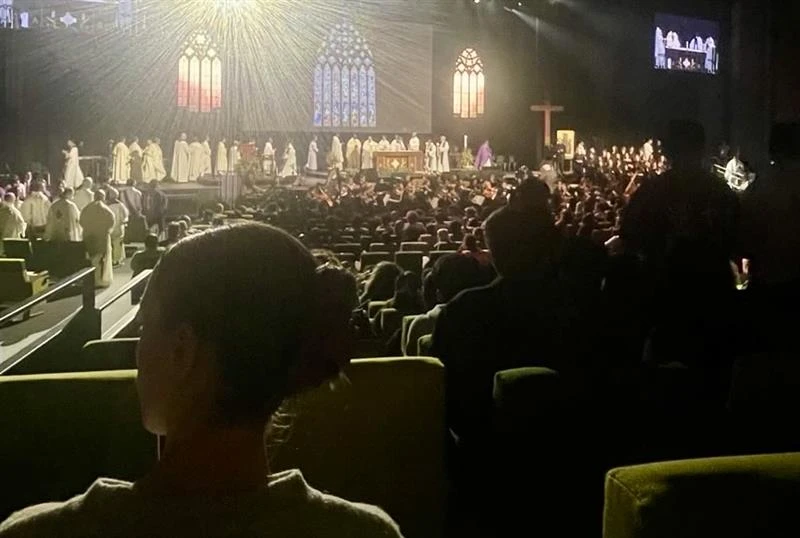
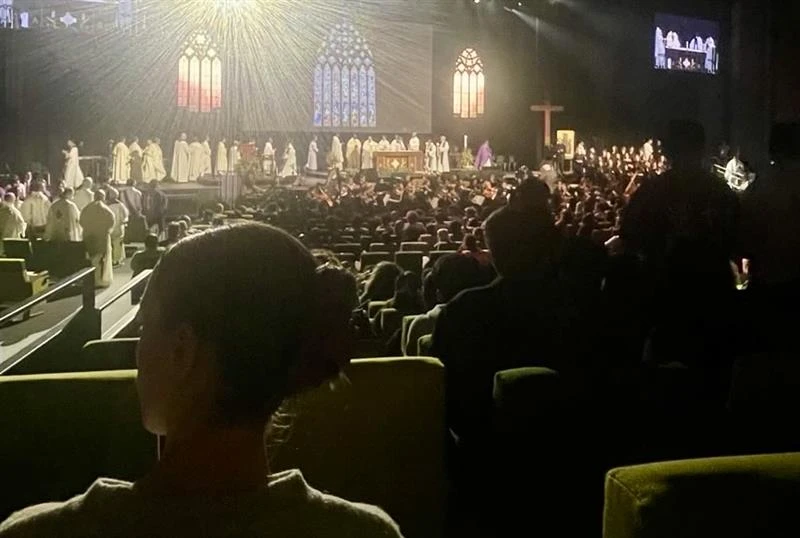
 Thousands of young pilgrims gather for the closing Mass of the Australian Catholic Youth Festival at the Melbourne Convention and Exhibition Centre on Tuesday, Dec. 2, 2025. / Credit: Theresa Wimmer

Washington, D.C. Newsroom, Dec 5, 2025 / 08:00 am (CNA).
Here is a roundup of Catholic world news from the past week that you might have missed:Pope Leo sends surprise video message to Australian Catholic youth festival Pope Leo XIV sent a surprise video message to thousands of young Catholics at the Australian Catholic Youth Festival on Nov. 30, urging them to turn to God, “especially through prayer and the sacraments. That’s where you’ll hear your Heavenly Father’s voice most clearly.”The papal message — played during the opening plenary at the Melbourne Convention and Exhibition Centre — drew cheers from young Catholics who gathered from around the country under the 2025 Jubilee theme “Pilgrims of Hope.” The three-day event, held Nov. 30–Dec. 2, opened with a five-kilometer (three-mile) pilgrimage walk from St. Patrick’s Cathedral. Participants accompanied the World Youth Day Cross and Icon through the city streets to the convention center.“Our lives find their ultimate purpose in becoming who God made us to be, by living out his will,” Leo said. He reminded pilgrims of the words of Pope Benedict XVI: “You are not the result of a random process. Each of you is willed, each of you is loved, each of you is necessary.”Holy See Permanent Observer Mission to U.N. calls for end of Ukraine war ‘right now’The Holy See’s Permanent Observer Mission to the U.N. called for the end of Russia’s military offensive in Ukraine immediately during a Dec. 3 emergency session. Monsignor Robert Murphy, chargé d’affaires, said the war in Ukraine must halt “not at some undefined moment in the future, but right now.” Murphy emphasized the need for both sides of the conflict to bring about the return of children to their families and urged all nations represented in the assembly interested in ending the war “to reject passivity and provide tangible support for any initiative that could lead to genuine negotiations and lasting peace.”Bishops praise ‘historic decision’ to end child marriage in west Pakistan provinceThe western province of Balochistan in Pakistan has passed a law criminalizing child marriages, eliciting praise from Catholic bishops in the region. The 2025 Law on the Restriction of Child Marriage in Balochistan penalizes adults who facilitate arranged marriages for minors under the age of 18, repealing a previous law that set the minimum age for girls to be married at 14 years old. Bishop Samson Shukardin, OFM, of Hyderabad and president of the Pakistan Bishops’ Conference, called the new law “a historic decision to protect children and an important step toward strengthening the rights of minors,” according to a Fides report on Monday. The bishop further expressed gratitude to lawmakers for passing the law, noting that “the Church promotes the fundamental rights of every human being, especially those of girls,” adding: “Early marriage deprives them of their education, their health, and their self-confidence.” Sri Lankan cardinal urges Catholics to join emergency response amid natural disasterCardinal Malcolm Ranjith is urging Catholics to join emergency response efforts across Sri Lanka as the country recovers from Cyclone Ditwah, the worst natural disaster in its history.“We request our priests, religious, brothers, sisters, and lay leaders to work together with all the societies and organizations to provide relief to the people who are helpless at this moment,” Ranjith said in a statement, according to UCA News. Bishop Jude N. Silva of the Diocese of Badulla, one of the “worst affected,” according to UCA, instructed all priests to cancel Masses and programs “until the situation improved.” Caritas Sri Lanka has led the emergency response, according to AsiaNews.  European bishops talk Catholic-Muslim relations at three-day meeting on Nostra AetateThe Council of the Bishops’ Conferences of Europe discussed Catholic-Muslim dialogue at a three-day conference titled “Nostra Aetate, 60 Years On: Perspectives on Catholic-Muslim Dialogue.”The meeting took place in Augsburg, Germany, and included “over 30 participants, representatives of European Bishops’ Conferences, theologians, and witnesses from 20 European countries,” according to a press release from the council.In his keynote address, Cardinal Michael Louis Fitzgerald reflected on ways Nostra Aetate may frame encounters where interreligious dialogue takes place, the release said, noting that “the three days of the meeting were characterized by a wide-ranging exchange in the plenary conversations as well as beautiful liturgies celebrated in the churches of St. Moritz, St. Peter in Perlach, and the Basilica of Sts. Ulrich and Afra.” Capuchin Friars in Sumatra welcome those displaced by severe floodingCapuchin Friars in the Sibolga province of Indonesia welcomed those displaced by flooding in the country due to Cyclone Senyar, according to Fides. “The worst is over, but the emergency continues. Floods and landslides have swept away entire villages. Many people are homeless. Rescue teams are now trying to reach the displaced: for some it is possible, for others it is not, because the areas remain isolated,” said Provincial Superior of the Capuchin Friars in Sibolga Friar Yoseph Norbert Sinaga. The cyclone has affected 1.5 million people and displaced more than 570,000, according to the report.Archdiocese of Raipur, India, completes historic Eucharistic pilgrimage The Archdiocese of Raipur in India has concluded a historic Eucharistic yatra, or pilgrimage, covering 1,655 miles across 72 parishes. The Eucharistic yatra lasted 14 days, with pilgrims traveling through 19 civil districts of the Central Indian state of Chhattisgarh, stopping in each parish for an hour of Eucharistic adoration, according to a Catholic Connect report. Participants in the yatra used a vehicle that was converted into a mobile chapel donated by the Mid India Province of the SCSC Sisters.

Pope Leo sends surprise video message to Australian Catholic youth festival #Catholic Thousands of young pilgrims gather for the closing Mass of the Australian Catholic Youth Festival at the Melbourne Convention and Exhibition Centre on Tuesday, Dec. 2, 2025. / Credit: Theresa Wimmer Washington, D.C. Newsroom, Dec 5, 2025 / 08:00 am (CNA). Here is a roundup of Catholic world news from the past week that you might have missed:Pope Leo sends surprise video message to Australian Catholic youth festival Pope Leo XIV sent a surprise video message to thousands of young Catholics at the Australian Catholic Youth Festival on Nov. 30, urging them to turn to God, “especially through prayer and the sacraments. That’s where you’ll hear your Heavenly Father’s voice most clearly.”The papal message — played during the opening plenary at the Melbourne Convention and Exhibition Centre — drew cheers from young Catholics who gathered from around the country under the 2025 Jubilee theme “Pilgrims of Hope.” The three-day event, held Nov. 30–Dec. 2, opened with a five-kilometer (three-mile) pilgrimage walk from St. Patrick’s Cathedral. Participants accompanied the World Youth Day Cross and Icon through the city streets to the convention center.“Our lives find their ultimate purpose in becoming who God made us to be, by living out his will,” Leo said. He reminded pilgrims of the words of Pope Benedict XVI: “You are not the result of a random process. Each of you is willed, each of you is loved, each of you is necessary.”Holy See Permanent Observer Mission to U.N. calls for end of Ukraine war ‘right now’The Holy See’s Permanent Observer Mission to the U.N. called for the end of Russia’s military offensive in Ukraine immediately during a Dec. 3 emergency session. Monsignor Robert Murphy, chargé d’affaires, said the war in Ukraine must halt “not at some undefined moment in the future, but right now.” Murphy emphasized the need for both sides of the conflict to bring about the return of children to their families and urged all nations represented in the assembly interested in ending the war “to reject passivity and provide tangible support for any initiative that could lead to genuine negotiations and lasting peace.”Bishops praise ‘historic decision’ to end child marriage in west Pakistan provinceThe western province of Balochistan in Pakistan has passed a law criminalizing child marriages, eliciting praise from Catholic bishops in the region. The 2025 Law on the Restriction of Child Marriage in Balochistan penalizes adults who facilitate arranged marriages for minors under the age of 18, repealing a previous law that set the minimum age for girls to be married at 14 years old. Bishop Samson Shukardin, OFM, of Hyderabad and president of the Pakistan Bishops’ Conference, called the new law “a historic decision to protect children and an important step toward strengthening the rights of minors,” according to a Fides report on Monday. The bishop further expressed gratitude to lawmakers for passing the law, noting that “the Church promotes the fundamental rights of every human being, especially those of girls,” adding: “Early marriage deprives them of their education, their health, and their self-confidence.” Sri Lankan cardinal urges Catholics to join emergency response amid natural disasterCardinal Malcolm Ranjith is urging Catholics to join emergency response efforts across Sri Lanka as the country recovers from Cyclone Ditwah, the worst natural disaster in its history.“We request our priests, religious, brothers, sisters, and lay leaders to work together with all the societies and organizations to provide relief to the people who are helpless at this moment,” Ranjith said in a statement, according to UCA News. Bishop Jude N. Silva of the Diocese of Badulla, one of the “worst affected,” according to UCA, instructed all priests to cancel Masses and programs “until the situation improved.” Caritas Sri Lanka has led the emergency response, according to AsiaNews.  European bishops talk Catholic-Muslim relations at three-day meeting on Nostra AetateThe Council of the Bishops’ Conferences of Europe discussed Catholic-Muslim dialogue at a three-day conference titled “Nostra Aetate, 60 Years On: Perspectives on Catholic-Muslim Dialogue.”The meeting took place in Augsburg, Germany, and included “over 30 participants, representatives of European Bishops’ Conferences, theologians, and witnesses from 20 European countries,” according to a press release from the council.In his keynote address, Cardinal Michael Louis Fitzgerald reflected on ways Nostra Aetate may frame encounters where interreligious dialogue takes place, the release said, noting that “the three days of the meeting were characterized by a wide-ranging exchange in the plenary conversations as well as beautiful liturgies celebrated in the churches of St. Moritz, St. Peter in Perlach, and the Basilica of Sts. Ulrich and Afra.” Capuchin Friars in Sumatra welcome those displaced by severe floodingCapuchin Friars in the Sibolga province of Indonesia welcomed those displaced by flooding in the country due to Cyclone Senyar, according to Fides. “The worst is over, but the emergency continues. Floods and landslides have swept away entire villages. Many people are homeless. Rescue teams are now trying to reach the displaced: for some it is possible, for others it is not, because the areas remain isolated,” said Provincial Superior of the Capuchin Friars in Sibolga Friar Yoseph Norbert Sinaga. The cyclone has affected 1.5 million people and displaced more than 570,000, according to the report.Archdiocese of Raipur, India, completes historic Eucharistic pilgrimage The Archdiocese of Raipur in India has concluded a historic Eucharistic yatra, or pilgrimage, covering 1,655 miles across 72 parishes. The Eucharistic yatra lasted 14 days, with pilgrims traveling through 19 civil districts of the Central Indian state of Chhattisgarh, stopping in each parish for an hour of Eucharistic adoration, according to a Catholic Connect report. Participants in the yatra used a vehicle that was converted into a mobile chapel donated by the Mid India Province of the SCSC Sisters.


Thousands of young pilgrims gather for the closing Mass of the Australian Catholic Youth Festival at the Melbourne Convention and Exhibition Centre on Tuesday, Dec. 2, 2025. / Credit: Theresa Wimmer

Washington, D.C. Newsroom, Dec 5, 2025 / 08:00 am (CNA).

Here is a roundup of Catholic world news from the past week that you might have missed:

Pope Leo sends surprise video message to Australian Catholic youth festival 

Pope Leo XIV sent a surprise video message to thousands of young Catholics at the Australian Catholic Youth Festival on Nov. 30, urging them to turn to God, “especially through prayer and the sacraments. That’s where you’ll hear your Heavenly Father’s voice most clearly.”

The papal message — played during the opening plenary at the Melbourne Convention and Exhibition Centre — drew cheers from young Catholics who gathered from around the country under the 2025 Jubilee theme “Pilgrims of Hope.” The three-day event, held Nov. 30–Dec. 2, opened with a five-kilometer (three-mile) pilgrimage walk from St. Patrick’s Cathedral. Participants accompanied the World Youth Day Cross and Icon through the city streets to the convention center.

“Our lives find their ultimate purpose in becoming who God made us to be, by living out his will,” Leo said. He reminded pilgrims of the words of Pope Benedict XVI: “You are not the result of a random process. Each of you is willed, each of you is loved, each of you is necessary.”

Holy See Permanent Observer Mission to U.N. calls for end of Ukraine war ‘right now’

The Holy See’s Permanent Observer Mission to the U.N. called for the end of Russia’s military offensive in Ukraine immediately during a Dec. 3 emergency session. 

Monsignor Robert Murphy, chargé d’affaires, said the war in Ukraine must halt “not at some undefined moment in the future, but right now.” Murphy emphasized the need for both sides of the conflict to bring about the return of children to their families and urged all nations represented in the assembly interested in ending the war “to reject passivity and provide tangible support for any initiative that could lead to genuine negotiations and lasting peace.”

Bishops praise ‘historic decision’ to end child marriage in west Pakistan province

The western province of Balochistan in Pakistan has passed a law criminalizing child marriages, eliciting praise from Catholic bishops in the region. 

The 2025 Law on the Restriction of Child Marriage in Balochistan penalizes adults who facilitate arranged marriages for minors under the age of 18, repealing a previous law that set the minimum age for girls to be married at 14 years old. Bishop Samson Shukardin, OFM, of Hyderabad and president of the Pakistan Bishops’ Conference, called the new law “a historic decision to protect children and an important step toward strengthening the rights of minors,” according to a Fides report on Monday

The bishop further expressed gratitude to lawmakers for passing the law, noting that “the Church promotes the fundamental rights of every human being, especially those of girls,” adding: “Early marriage deprives them of their education, their health, and their self-confidence.” 

Sri Lankan cardinal urges Catholics to join emergency response amid natural disaster

Cardinal Malcolm Ranjith is urging Catholics to join emergency response efforts across Sri Lanka as the country recovers from Cyclone Ditwah, the worst natural disaster in its history.

“We request our priests, religious, brothers, sisters, and lay leaders to work together with all the societies and organizations to provide relief to the people who are helpless at this moment,” Ranjith said in a statement, according to UCA News. 

Bishop Jude N. Silva of the Diocese of Badulla, one of the “worst affected,” according to UCA, instructed all priests to cancel Masses and programs “until the situation improved.” Caritas Sri Lanka has led the emergency response, according to AsiaNews.  

European bishops talk Catholic-Muslim relations at three-day meeting on Nostra Aetate

The Council of the Bishops’ Conferences of Europe discussed Catholic-Muslim dialogue at a three-day conference titled “Nostra Aetate, 60 Years On: Perspectives on Catholic-Muslim Dialogue.”

The meeting took place in Augsburg, Germany, and included “over 30 participants, representatives of European Bishops’ Conferences, theologians, and witnesses from 20 European countries,” according to a press release from the council.

In his keynote address, Cardinal Michael Louis Fitzgerald reflected on ways Nostra Aetate may frame encounters where interreligious dialogue takes place, the release said, noting that “the three days of the meeting were characterized by a wide-ranging exchange in the plenary conversations as well as beautiful liturgies celebrated in the churches of St. Moritz, St. Peter in Perlach, and the Basilica of Sts. Ulrich and Afra.” 

Capuchin Friars in Sumatra welcome those displaced by severe flooding

Capuchin Friars in the Sibolga province of Indonesia welcomed those displaced by flooding in the country due to Cyclone Senyar, according to Fides

“The worst is over, but the emergency continues. Floods and landslides have swept away entire villages. Many people are homeless. Rescue teams are now trying to reach the displaced: for some it is possible, for others it is not, because the areas remain isolated,” said Provincial Superior of the Capuchin Friars in Sibolga Friar Yoseph Norbert Sinaga. The cyclone has affected 1.5 million people and displaced more than 570,000, according to the report.

Archdiocese of Raipur, India, completes historic Eucharistic pilgrimage

The Archdiocese of Raipur in India has concluded a historic Eucharistic yatra, or pilgrimage, covering 1,655 miles across 72 parishes. 

The Eucharistic yatra lasted 14 days, with pilgrims traveling through 19 civil districts of the Central Indian state of Chhattisgarh, stopping in each parish for an hour of Eucharistic adoration, according to a Catholic Connect report. Participants in the yatra used a vehicle that was converted into a mobile chapel donated by the Mid India Province of the SCSC Sisters.

Read More
The unlikely hero of India: St. Francis Xavier  #Catholic 
 
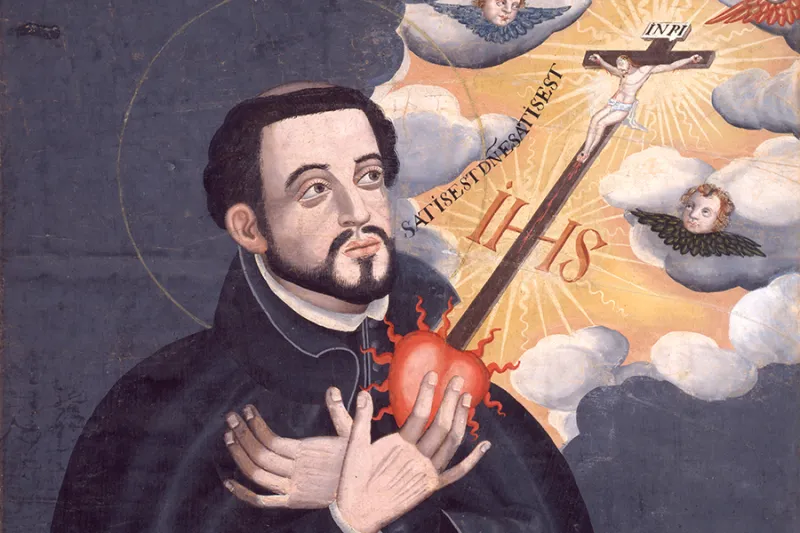
 A 17th-century Japanese depiction of St. Francis Xavier from the Kobe City Museum collection. / Credit: Public domain

Washington, D.C. Newsroom, Dec 3, 2025 / 04:00 am (CNA).
How far would you go to serve God? Would you be willing to travel to the ends of the earth, with nothing but the guarantee of hardship, deprivation, and persecution? Dec. 3 is the feast of St. Francis Xavier, the patron saint of missionaries and missions who led an unlikely life of adventure and heroism, full of unexpected twists and turns, taking the faith to the ends of the earth. Born in 1506 to a noble Navarrese-Basque family, Francis grew up in a land wracked with war. Wedged between the growing imperial powers of Castile-Aragon (Spain) and France, Navarre seldom knew peace during Francis’ childhood. As a member of the nobility, Francis was expected to lead a warrior’s life along with his father and brothers. But at the age of 10, his life took its first dramatic and tragic turn. His father died, his homeland kingdom of Navarre was defeated by Spain, his brothers were imprisoned, and his childhood home, the Castle of the House of Javier (Xavier), was almost entirely destroyed. With Francis’ family disgraced and nearly wiped out, his prospects for a bright future looked dim. But God still had incredible plans for young Francis. Hoping to rebuild the family’s legacy, Francis was sent in 1525 to the center of European theology and studies — the University of Paris.There, Francis quickly made a name for himself. Handsome, he also had a keen intellect and was an agile athlete with a particular gift for pole vaulting. The last thing on young Francis’ mind was a life of humble service to God and the Church. However, his life took a second dramatic turn after he met a fellow Basque noble, Ignatius of Loyola. Headstrong and stubborn, Francis was initially repelled by Ignatius’ ideas of radical devotion to God. But Ignatius would remind him of Jesus’ words in the Bible: “For what doth it profit a man, if he gains the whole world and suffers the loss of his own soul?” (Mt 16:26).Inspired by Ignatius’ piety and fervor, Francis finally decided to dedicate his life to the service of God. In 1534, along with Ignatius and five others, Francis took vows of poverty, chastity, and obedience in a chapel at Montmartre in France.Receiving holy orders alongside Ignatius in 1537, Francis had intended to make a pilgrimage to the Holy Land. But war in the region made such a journey impossible. Once again, God was about to unexpectedly and radically alter the course of Francis’ life.Pope Leo III asked the newly-founded Jesuits to send missionaries to the Portuguese colonies in India. Though Francis was originally not supposed to go, one of the Jesuits assigned to the mission fell ill, and Francis volunteered in his place. Through that courageous act of trust, God would use Francis to transform the entire Asian continent.Francis set out for India in 1541 on his 35th birthday. Traveling by sea at this time was extremely dangerous and uncomfortable, and those who dared to do so risked disease with no guarantee of ever successfully arriving at their destination. Francis had to sail all the way around Africa, past the Cape of Good Hope, almost to the very bottom of the globe, just to cross the Indian Ocean and arrive in Goa, a province in India.Upon his arrival in India in 1542, Francis immediately faced countless challenges in bringing the word of God to the people of this new and foreign region. For seven years Francis preached in the streets and public squares, laboring tirelessly across India and the Asian Pacific islands, contending with persecution from warlords and at times even from the Portuguese authorities meant to help him. After converting tens of thousands and planting the seeds of a renewed and lasting Christian Church in India, Francis began to hear stories about an enchanting island nation known as “Japan.” His heart was set ablaze with the desire to bring the Gospel to Japan. After he had ensured the faithful in India would be properly cared for, Francis set sail for the mysterious new land, becoming the first to bring the Christian faith to Japan, on the complete opposite side of the world from his home in Navarre. In Japan, Francis and his companions traveled far and wide, often on foot and with almost no resources. Crisscrossing the nation, he built up a vibrant Christian community more than 6,000 miles from Rome. Francis would then hear of the even more mysterious and closely guarded nation of China and there, too, he decided to bring the word of God. But before he could find a way into China’s heartland, he became ill and died in 1552 while on the Chinese Shangchuan Island. Now considered one of the greatest of all the Church’s missionaries, St. Francis Xavier proved that one life lived in complete trust in God can transform an entire continent and the whole world. This story was first published on Dec. 3, 2022, and has been updated.

The unlikely hero of India: St. Francis Xavier  #Catholic A 17th-century Japanese depiction of St. Francis Xavier from the Kobe City Museum collection. / Credit: Public domain Washington, D.C. Newsroom, Dec 3, 2025 / 04:00 am (CNA). How far would you go to serve God? Would you be willing to travel to the ends of the earth, with nothing but the guarantee of hardship, deprivation, and persecution? Dec. 3 is the feast of St. Francis Xavier, the patron saint of missionaries and missions who led an unlikely life of adventure and heroism, full of unexpected twists and turns, taking the faith to the ends of the earth. Born in 1506 to a noble Navarrese-Basque family, Francis grew up in a land wracked with war. Wedged between the growing imperial powers of Castile-Aragon (Spain) and France, Navarre seldom knew peace during Francis’ childhood. As a member of the nobility, Francis was expected to lead a warrior’s life along with his father and brothers. But at the age of 10, his life took its first dramatic and tragic turn. His father died, his homeland kingdom of Navarre was defeated by Spain, his brothers were imprisoned, and his childhood home, the Castle of the House of Javier (Xavier), was almost entirely destroyed. With Francis’ family disgraced and nearly wiped out, his prospects for a bright future looked dim. But God still had incredible plans for young Francis. Hoping to rebuild the family’s legacy, Francis was sent in 1525 to the center of European theology and studies — the University of Paris.There, Francis quickly made a name for himself. Handsome, he also had a keen intellect and was an agile athlete with a particular gift for pole vaulting. The last thing on young Francis’ mind was a life of humble service to God and the Church. However, his life took a second dramatic turn after he met a fellow Basque noble, Ignatius of Loyola. Headstrong and stubborn, Francis was initially repelled by Ignatius’ ideas of radical devotion to God. But Ignatius would remind him of Jesus’ words in the Bible: “For what doth it profit a man, if he gains the whole world and suffers the loss of his own soul?” (Mt 16:26).Inspired by Ignatius’ piety and fervor, Francis finally decided to dedicate his life to the service of God. In 1534, along with Ignatius and five others, Francis took vows of poverty, chastity, and obedience in a chapel at Montmartre in France.Receiving holy orders alongside Ignatius in 1537, Francis had intended to make a pilgrimage to the Holy Land. But war in the region made such a journey impossible. Once again, God was about to unexpectedly and radically alter the course of Francis’ life.Pope Leo III asked the newly-founded Jesuits to send missionaries to the Portuguese colonies in India. Though Francis was originally not supposed to go, one of the Jesuits assigned to the mission fell ill, and Francis volunteered in his place. Through that courageous act of trust, God would use Francis to transform the entire Asian continent.Francis set out for India in 1541 on his 35th birthday. Traveling by sea at this time was extremely dangerous and uncomfortable, and those who dared to do so risked disease with no guarantee of ever successfully arriving at their destination. Francis had to sail all the way around Africa, past the Cape of Good Hope, almost to the very bottom of the globe, just to cross the Indian Ocean and arrive in Goa, a province in India.Upon his arrival in India in 1542, Francis immediately faced countless challenges in bringing the word of God to the people of this new and foreign region. For seven years Francis preached in the streets and public squares, laboring tirelessly across India and the Asian Pacific islands, contending with persecution from warlords and at times even from the Portuguese authorities meant to help him. After converting tens of thousands and planting the seeds of a renewed and lasting Christian Church in India, Francis began to hear stories about an enchanting island nation known as “Japan.” His heart was set ablaze with the desire to bring the Gospel to Japan. After he had ensured the faithful in India would be properly cared for, Francis set sail for the mysterious new land, becoming the first to bring the Christian faith to Japan, on the complete opposite side of the world from his home in Navarre. In Japan, Francis and his companions traveled far and wide, often on foot and with almost no resources. Crisscrossing the nation, he built up a vibrant Christian community more than 6,000 miles from Rome. Francis would then hear of the even more mysterious and closely guarded nation of China and there, too, he decided to bring the word of God. But before he could find a way into China’s heartland, he became ill and died in 1552 while on the Chinese Shangchuan Island. Now considered one of the greatest of all the Church’s missionaries, St. Francis Xavier proved that one life lived in complete trust in God can transform an entire continent and the whole world. This story was first published on Dec. 3, 2022, and has been updated.


A 17th-century Japanese depiction of St. Francis Xavier from the Kobe City Museum collection. / Credit: Public domain

Washington, D.C. Newsroom, Dec 3, 2025 / 04:00 am (CNA).

How far would you go to serve God? Would you be willing to travel to the ends of the earth, with nothing but the guarantee of hardship, deprivation, and persecution? 

Dec. 3 is the feast of St. Francis Xavier, the patron saint of missionaries and missions who led an unlikely life of adventure and heroism, full of unexpected twists and turns, taking the faith to the ends of the earth. 

Born in 1506 to a noble Navarrese-Basque family, Francis grew up in a land wracked with war. Wedged between the growing imperial powers of Castile-Aragon (Spain) and France, Navarre seldom knew peace during Francis’ childhood. 

As a member of the nobility, Francis was expected to lead a warrior’s life along with his father and brothers. But at the age of 10, his life took its first dramatic and tragic turn. His father died, his homeland kingdom of Navarre was defeated by Spain, his brothers were imprisoned, and his childhood home, the Castle of the House of Javier (Xavier), was almost entirely destroyed. 

With Francis’ family disgraced and nearly wiped out, his prospects for a bright future looked dim. But God still had incredible plans for young Francis. 

Hoping to rebuild the family’s legacy, Francis was sent in 1525 to the center of European theology and studies — the University of Paris.

There, Francis quickly made a name for himself. Handsome, he also had a keen intellect and was an agile athlete with a particular gift for pole vaulting. The last thing on young Francis’ mind was a life of humble service to God and the Church. However, his life took a second dramatic turn after he met a fellow Basque noble, Ignatius of Loyola.

Headstrong and stubborn, Francis was initially repelled by Ignatius’ ideas of radical devotion to God. But Ignatius would remind him of Jesus’ words in the Bible: “For what doth it profit a man, if he gains the whole world and suffers the loss of his own soul?” (Mt 16:26).

Inspired by Ignatius’ piety and fervor, Francis finally decided to dedicate his life to the service of God. In 1534, along with Ignatius and five others, Francis took vows of poverty, chastity, and obedience in a chapel at Montmartre in France.

Receiving holy orders alongside Ignatius in 1537, Francis had intended to make a pilgrimage to the Holy Land. But war in the region made such a journey impossible. Once again, God was about to unexpectedly and radically alter the course of Francis’ life.

Pope Leo III asked the newly-founded Jesuits to send missionaries to the Portuguese colonies in India. Though Francis was originally not supposed to go, one of the Jesuits assigned to the mission fell ill, and Francis volunteered in his place. Through that courageous act of trust, God would use Francis to transform the entire Asian continent.

Francis set out for India in 1541 on his 35th birthday. Traveling by sea at this time was extremely dangerous and uncomfortable, and those who dared to do so risked disease with no guarantee of ever successfully arriving at their destination. Francis had to sail all the way around Africa, past the Cape of Good Hope, almost to the very bottom of the globe, just to cross the Indian Ocean and arrive in Goa, a province in India.

Upon his arrival in India in 1542, Francis immediately faced countless challenges in bringing the word of God to the people of this new and foreign region. For seven years Francis preached in the streets and public squares, laboring tirelessly across India and the Asian Pacific islands, contending with persecution from warlords and at times even from the Portuguese authorities meant to help him. 

After converting tens of thousands and planting the seeds of a renewed and lasting Christian Church in India, Francis began to hear stories about an enchanting island nation known as “Japan.” His heart was set ablaze with the desire to bring the Gospel to Japan.

After he had ensured the faithful in India would be properly cared for, Francis set sail for the mysterious new land, becoming the first to bring the Christian faith to Japan, on the complete opposite side of the world from his home in Navarre.

In Japan, Francis and his companions traveled far and wide, often on foot and with almost no resources. Crisscrossing the nation, he built up a vibrant Christian community more than 6,000 miles from Rome. 

Francis would then hear of the even more mysterious and closely guarded nation of China and there, too, he decided to bring the word of God. But before he could find a way into China’s heartland, he became ill and died in 1552 while on the Chinese Shangchuan Island. 

Now considered one of the greatest of all the Church’s missionaries, St. Francis Xavier proved that one life lived in complete trust in God can transform an entire continent and the whole world. 

This story was first published on Dec. 3, 2022, and has been updated.

Read More
Bishop Patrick Neary of Saint Cloud to chair Catholic Relief Services board #Catholic 
 
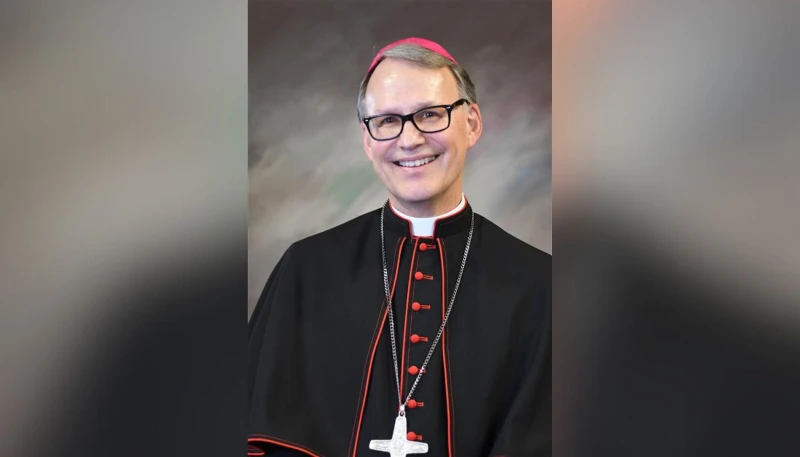
 Bishop Patrick Neary of the Diocese of Saint Cloud, Minnesota. / Credit: Photo courtesy of the Diocese of Saint Cloud

Washington, D.C. Newsroom, Dec 2, 2025 / 12:03 pm (CNA).
Bishop Patrick Neary of Saint Cloud, Minnesota, has been appointed as the chair of Catholic Relief Services’ (CRS) board. Neary was appointed by Archbishop Paul Coakley, the U.S. Conference of Catholic Bishops’ (USCCB) president. Neary succeeds Archbishop Nelson Pérez of Philadelphia. Neary assumes responsibilities for the role immediately, and the term runs until November 2028. “It is a profound honor to serve as chairman of the Catholic Relief Services board,” Neary said, according to a press release. “My years in Africa and in parish ministry have shown me the face of Christ in the poor and the vulnerable, and I carry those encounters with me into this role.”Neary praised CRS for embodying the Church’s mission of compassionate accompaniment of those in need and lauded his predecessor, Pérez, for “his commitment to advocating for the dignity of the poor and amplifying the voices of the vulnerable.”“I hope to lead with a heart of mercy, listening and working alongside our partners to uphold the dignity of every person,” Neary said. “Together, we will continue to bring the light of Christ to communities around the world, especially those most in need.”Neary has served as bishop of Saint Cloud since he was appointed by Pope Francis in December 2022. He served in Kenya and Uganda for eight years before returning to the U.S., then served as rector of Holy Redeemer Parish in Portland, Oregon. “We are delighted for Bishop Neary to join as CRS chairman of the board of directors,” said Sean Callahan, president and CEO of CRS. “We are certain that he will bring strong leadership and help CRS continue our mission of lifesaving work and advocacy for our sisters and brothers around the world.”Neary was ordained a priest in 1991 at the University of Notre Dame, where he was also rector for many years. According to its website, CRS serves 225 million people across 122 countries annually and has 1,735 partners around the world. 

Bishop Patrick Neary of Saint Cloud to chair Catholic Relief Services board #Catholic Bishop Patrick Neary of the Diocese of Saint Cloud, Minnesota. / Credit: Photo courtesy of the Diocese of Saint Cloud Washington, D.C. Newsroom, Dec 2, 2025 / 12:03 pm (CNA). Bishop Patrick Neary of Saint Cloud, Minnesota, has been appointed as the chair of Catholic Relief Services’ (CRS) board. Neary was appointed by Archbishop Paul Coakley, the U.S. Conference of Catholic Bishops’ (USCCB) president. Neary succeeds Archbishop Nelson Pérez of Philadelphia. Neary assumes responsibilities for the role immediately, and the term runs until November 2028. “It is a profound honor to serve as chairman of the Catholic Relief Services board,” Neary said, according to a press release. “My years in Africa and in parish ministry have shown me the face of Christ in the poor and the vulnerable, and I carry those encounters with me into this role.”Neary praised CRS for embodying the Church’s mission of compassionate accompaniment of those in need and lauded his predecessor, Pérez, for “his commitment to advocating for the dignity of the poor and amplifying the voices of the vulnerable.”“I hope to lead with a heart of mercy, listening and working alongside our partners to uphold the dignity of every person,” Neary said. “Together, we will continue to bring the light of Christ to communities around the world, especially those most in need.”Neary has served as bishop of Saint Cloud since he was appointed by Pope Francis in December 2022. He served in Kenya and Uganda for eight years before returning to the U.S., then served as rector of Holy Redeemer Parish in Portland, Oregon. “We are delighted for Bishop Neary to join as CRS chairman of the board of directors,” said Sean Callahan, president and CEO of CRS. “We are certain that he will bring strong leadership and help CRS continue our mission of lifesaving work and advocacy for our sisters and brothers around the world.”Neary was ordained a priest in 1991 at the University of Notre Dame, where he was also rector for many years. According to its website, CRS serves 225 million people across 122 countries annually and has 1,735 partners around the world. 


Bishop Patrick Neary of the Diocese of Saint Cloud, Minnesota. / Credit: Photo courtesy of the Diocese of Saint Cloud

Washington, D.C. Newsroom, Dec 2, 2025 / 12:03 pm (CNA).

Bishop Patrick Neary of Saint Cloud, Minnesota, has been appointed as the chair of Catholic Relief Services’ (CRS) board. 

Neary was appointed by Archbishop Paul Coakley, the U.S. Conference of Catholic Bishops’ (USCCB) president. Neary succeeds Archbishop Nelson Pérez of Philadelphia. 

Neary assumes responsibilities for the role immediately, and the term runs until November 2028. 

“It is a profound honor to serve as chairman of the Catholic Relief Services board,” Neary said, according to a press release. “My years in Africa and in parish ministry have shown me the face of Christ in the poor and the vulnerable, and I carry those encounters with me into this role.”

Neary praised CRS for embodying the Church’s mission of compassionate accompaniment of those in need and lauded his predecessor, Pérez, for “his commitment to advocating for the dignity of the poor and amplifying the voices of the vulnerable.”

“I hope to lead with a heart of mercy, listening and working alongside our partners to uphold the dignity of every person,” Neary said. “Together, we will continue to bring the light of Christ to communities around the world, especially those most in need.”

Neary has served as bishop of Saint Cloud since he was appointed by Pope Francis in December 2022. He served in Kenya and Uganda for eight years before returning to the U.S., then served as rector of Holy Redeemer Parish in Portland, Oregon. 

“We are delighted for Bishop Neary to join as CRS chairman of the board of directors,” said Sean Callahan, president and CEO of CRS. “We are certain that he will bring strong leadership and help CRS continue our mission of lifesaving work and advocacy for our sisters and brothers around the world.”

Neary was ordained a priest in 1991 at the University of Notre Dame, where he was also rector for many years. 

According to its website, CRS serves 225 million people across 122 countries annually and has 1,735 partners around the world. 

Read More
Pope Leo appoints Mexican-born Oratorian as bishop of Corpus Christi, Texas #Catholic 
 
 Bishop Mario Avilés. / Credit: Photo courtesy of the Diocese of Brownsville

Vatican City, Dec 1, 2025 / 13:44 pm (CNA).
Pope Leo XIV on Monday appointed Bishop Mario Avilés as the new bishop of Corpus Christi, selecting the Mexican-born Oratorian to lead the south Texas diocese. Avilés, 56, who has served as auxiliary bishop of Brownsville, Texas, since February 2018, will succeed Bishop Michael Mulvey, 76. Mulvey has led the Diocese of Corpus Christi since 2010.  “We welcome Bishop-designate Avilés with open hearts and deep prayer,” Mulvey said in a statement after the Vatican announcement on Dec. 1. As the ninth bishop of Corpus Christi, Avilés will take responsibility for the spiritual leadership of more than 200,000 Catholics across a 12-county region in south Texas. “The Diocese of Brownsville will greatly miss Bishop Mario’s wise counsel and good judgment, his joyful presence in our parish communities, and his administrative skills in the service of our diocesan offices and Catholic schools. Yet at the same time we share in the special joy of the Diocese of Corpus Christi at the news of Bishop Mario’s appointment,” Brownsville Bishop Daniel Flores said in a statement. Avilés was born on Sept. 16, 1969, in Mexico City. In 1986, he joined the Congregation of the Oratory of St. Philip Neri, a pontifical society of apostolic life composed of priests and lay brothers founded in 1575, which now has more than 70 oratories worldwide.He studied for the priesthood in Mexico City before continuing his education in Rome, earning bachelor’s degrees in philosophy and sacred theology at the Pontifical Athenaeum Regina Apostolorum. He also holds a master’s degree in education administration and supervision and is a certified teacher in the state of Texas.At the age of 28, Avilés was ordained a priest in the Basilica of Our Lady of San Juan del Valle National Shrine in San Juan, Texas. He became parochial vicar at St. Jude Thaddeus Church in Pharr and worked in the Pharr Oratory Schools as a governance board member, teacher, principal, and rector. He also served as vicar, secretary, treasurer, and novice master for the Oratorian congregation. From 2000 to 2012, he served on the Permanent Deputation of the Confederation of the Oratory of St. Philip Neri for Latin America. At the congregation’s 2012 General Congress, he was elected procurator general of the confederation, a Rome-based role representing Oratorian communities to the Holy See. He speaks Spanish, English, and Italian.Avilés’ episcopal motto is “Caritas Dei diffusa est in cordibus nostris,” meaning “The love of God has been poured out into our hearts,” a reference to Romans 5:5 and the introit of the Mass for the feast of St. Philip Neri. His crest includes red roses honoring Our Lady of Guadalupe and his Mexican heritage as well as three gold stars drawn from the Neri family crest, symbolizing his long affiliation with the oratory.“I ask all the faithful of the Diocese of Brownsville to pray for Bishop Mario as he prepares to take up his new mission of service in Corpus Christi,” Flores said. “May God bless Bishop Mario Avilés and may the maternal care of the blessed and ever-immaculate Virgin Mary accompany him always.”

Pope Leo appoints Mexican-born Oratorian as bishop of Corpus Christi, Texas #Catholic Bishop Mario Avilés. / Credit: Photo courtesy of the Diocese of Brownsville Vatican City, Dec 1, 2025 / 13:44 pm (CNA). Pope Leo XIV on Monday appointed Bishop Mario Avilés as the new bishop of Corpus Christi, selecting the Mexican-born Oratorian to lead the south Texas diocese. Avilés, 56, who has served as auxiliary bishop of Brownsville, Texas, since February 2018, will succeed Bishop Michael Mulvey, 76. Mulvey has led the Diocese of Corpus Christi since 2010.  “We welcome Bishop-designate Avilés with open hearts and deep prayer,” Mulvey said in a statement after the Vatican announcement on Dec. 1. As the ninth bishop of Corpus Christi, Avilés will take responsibility for the spiritual leadership of more than 200,000 Catholics across a 12-county region in south Texas. “The Diocese of Brownsville will greatly miss Bishop Mario’s wise counsel and good judgment, his joyful presence in our parish communities, and his administrative skills in the service of our diocesan offices and Catholic schools. Yet at the same time we share in the special joy of the Diocese of Corpus Christi at the news of Bishop Mario’s appointment,” Brownsville Bishop Daniel Flores said in a statement. Avilés was born on Sept. 16, 1969, in Mexico City. In 1986, he joined the Congregation of the Oratory of St. Philip Neri, a pontifical society of apostolic life composed of priests and lay brothers founded in 1575, which now has more than 70 oratories worldwide.He studied for the priesthood in Mexico City before continuing his education in Rome, earning bachelor’s degrees in philosophy and sacred theology at the Pontifical Athenaeum Regina Apostolorum. He also holds a master’s degree in education administration and supervision and is a certified teacher in the state of Texas.At the age of 28, Avilés was ordained a priest in the Basilica of Our Lady of San Juan del Valle National Shrine in San Juan, Texas. He became parochial vicar at St. Jude Thaddeus Church in Pharr and worked in the Pharr Oratory Schools as a governance board member, teacher, principal, and rector. He also served as vicar, secretary, treasurer, and novice master for the Oratorian congregation. From 2000 to 2012, he served on the Permanent Deputation of the Confederation of the Oratory of St. Philip Neri for Latin America. At the congregation’s 2012 General Congress, he was elected procurator general of the confederation, a Rome-based role representing Oratorian communities to the Holy See. He speaks Spanish, English, and Italian.Avilés’ episcopal motto is “Caritas Dei diffusa est in cordibus nostris,” meaning “The love of God has been poured out into our hearts,” a reference to Romans 5:5 and the introit of the Mass for the feast of St. Philip Neri. His crest includes red roses honoring Our Lady of Guadalupe and his Mexican heritage as well as three gold stars drawn from the Neri family crest, symbolizing his long affiliation with the oratory.“I ask all the faithful of the Diocese of Brownsville to pray for Bishop Mario as he prepares to take up his new mission of service in Corpus Christi,” Flores said. “May God bless Bishop Mario Avilés and may the maternal care of the blessed and ever-immaculate Virgin Mary accompany him always.”


Bishop Mario Avilés. / Credit: Photo courtesy of the Diocese of Brownsville

Vatican City, Dec 1, 2025 / 13:44 pm (CNA).

Pope Leo XIV on Monday appointed Bishop Mario Avilés as the new bishop of Corpus Christi, selecting the Mexican-born Oratorian to lead the south Texas diocese. 

Avilés, 56, who has served as auxiliary bishop of Brownsville, Texas, since February 2018, will succeed Bishop Michael Mulvey, 76. Mulvey has led the Diocese of Corpus Christi since 2010.  

“We welcome Bishop-designate Avilés with open hearts and deep prayer,” Mulvey said in a statement after the Vatican announcement on Dec. 1. 

As the ninth bishop of Corpus Christi, Avilés will take responsibility for the spiritual leadership of more than 200,000 Catholics across a 12-county region in south Texas. 

“The Diocese of Brownsville will greatly miss Bishop Mario’s wise counsel and good judgment, his joyful presence in our parish communities, and his administrative skills in the service of our diocesan offices and Catholic schools. Yet at the same time we share in the special joy of the Diocese of Corpus Christi at the news of Bishop Mario’s appointment,” Brownsville Bishop Daniel Flores said in a statement. 

Avilés was born on Sept. 16, 1969, in Mexico City. In 1986, he joined the Congregation of the Oratory of St. Philip Neri, a pontifical society of apostolic life composed of priests and lay brothers founded in 1575, which now has more than 70 oratories worldwide.

He studied for the priesthood in Mexico City before continuing his education in Rome, earning bachelor’s degrees in philosophy and sacred theology at the Pontifical Athenaeum Regina Apostolorum. He also holds a master’s degree in education administration and supervision and is a certified teacher in the state of Texas.

At the age of 28, Avilés was ordained a priest in the Basilica of Our Lady of San Juan del Valle National Shrine in San Juan, Texas. He became parochial vicar at St. Jude Thaddeus Church in Pharr and worked in the Pharr Oratory Schools as a governance board member, teacher, principal, and rector. He also served as vicar, secretary, treasurer, and novice master for the Oratorian congregation. 

From 2000 to 2012, he served on the Permanent Deputation of the Confederation of the Oratory of St. Philip Neri for Latin America. At the congregation’s 2012 General Congress, he was elected procurator general of the confederation, a Rome-based role representing Oratorian communities to the Holy See. He speaks Spanish, English, and Italian.

Avilés’ episcopal motto is “Caritas Dei diffusa est in cordibus nostris,” meaning “The love of God has been poured out into our hearts,” a reference to Romans 5:5 and the introit of the Mass for the feast of St. Philip Neri. His crest includes red roses honoring Our Lady of Guadalupe and his Mexican heritage as well as three gold stars drawn from the Neri family crest, symbolizing his long affiliation with the oratory.

“I ask all the faithful of the Diocese of Brownsville to pray for Bishop Mario as he prepares to take up his new mission of service in Corpus Christi,” Flores said. “May God bless Bishop Mario Avilés and may the maternal care of the blessed and ever-immaculate Virgin Mary accompany him always.”

Read More
Bishops lead Stations of the Cross at Colorado ICE center, urges dignity for migrants #Catholic 
 
 Archbishop Samuel Aquila of Denver leads hundreds in the Stations of the Cross outside an ICE detention center in Aurora, Colorado, on Nov. 22, 2025. / Credit: André Escaleira Jr./Denver Catholic

CNA Staff, Nov 25, 2025 / 13:48 pm (CNA).
Hundreds of Catholics gathered in front of the Denver Contract Detention Facility — an ICE detention facility in Aurora, Colorado — on Nov. 22 for Stations of the Cross led by Archbishop Samuel Aquila and Auxiliary Bishop Jorge Rodriguez of the Archdiocese of Denver. Sponsored by the Committee for Pastoral Care for Migrants, individuals from over 36 local parishes gathered for a peaceful procession and to stand in solidarity with undocumented immigrants who are being impacted by the mass deportations taking place across the United States.Hundreds of Catholics gather outside an ICE detention facility in Aurora, Colorado, on Nov. 22, 2025, for Stations of the Cross led by Archbishop Samuel Aquila of Denver. Credit: André Escaleira Jr./Denver Catholic“I want to thank all of you for coming today as we have prayed and walked the Stations of the Cross. They are reminders to us of God’s love for all people and for the immigrant, for the stranger, for those who are sick and suffering, and for all those who are in need of our prayer,” Aquila said according to a statement in the Denver Catholic. Aquila reminded the faithful in attendance that “we must remember the dignity of every human being. That dignity is not bestowed by any government. That dignity comes from God and God alone.”The archbishop also called out both political parties for having “failed horribly when it comes to immigration. They have treated immigrants as pawns for their own elections, for their own desires, and they have failed every immigrant. Both political parties.”Archbishop Samuel Aquila of Denver leads hundreds in the Stations of the Cross outside an ICE detention center in Aurora, Colorado, on Nov. 22, 2025. Credit: André Escaleira Jr./Denver CatholicEarlier this month, the United States Conference of Catholic Bishops (USCCB) overwhelmingly voted to adopt a statement that opposes the indiscriminate mass deportation of immigrants who lack legal status and urged the government to uphold the dignity of migrants.The bishops approved their special message on immigration at the 2025 Fall Plenary Assembly on Nov. 12 in Baltimore. The motion passed with support from more than 95% of the American bishops who voted. It received 216 votes in favor, just five against, and only three abstentions.“We oppose the indiscriminate mass deportation of people,” the message emphasized.“We pray for an end to dehumanizing rhetoric and violence, whether directed at immigrants or at law enforcement,” it added. “We pray that the Lord may guide the leaders of our nation, and we are grateful for past and present opportunities to dialogue with public and elected officials.”Archbishop Samuel Aquila of Denver leads hundreds in the Stations of the Cross outside an ICE detention center in Aurora, Colorado, on Nov. 22, 2025. Credit: André Escaleira Jr./Denver CatholicOn Sunday Aquila also touched on the “Dignity Act,” a bipartisan immigration reform bill that would give undocumented immigrants a way to obtain legal status. “They may not have come with documents, but they have been living here peacefully for 10, 20, 30 years. Many of us know them, and they need a path to citizenship,” he said. He added: “The only ones who can mess that up are the political parties and the people of Congress, as they add their special preferences to the bill. If they just did not touch the bill the way it is today, it would be fine. But our system is broken, and it is because we put political parties before the dignity of the human being.”“And so I encourage you, my sisters and brothers, and I thank you for being here today to give witness to the dignity of the human person and to the goodness of every human being from the moment of their conception through natural death,” Aquila concluded. “Let us continue to work for the immigrant and to proclaim Jesus Christ, no matter what the cost. May the Lord bless all of you and thank you for your witness.”

Bishops lead Stations of the Cross at Colorado ICE center, urges dignity for migrants #Catholic Archbishop Samuel Aquila of Denver leads hundreds in the Stations of the Cross outside an ICE detention center in Aurora, Colorado, on Nov. 22, 2025. / Credit: André Escaleira Jr./Denver Catholic CNA Staff, Nov 25, 2025 / 13:48 pm (CNA). Hundreds of Catholics gathered in front of the Denver Contract Detention Facility — an ICE detention facility in Aurora, Colorado — on Nov. 22 for Stations of the Cross led by Archbishop Samuel Aquila and Auxiliary Bishop Jorge Rodriguez of the Archdiocese of Denver. Sponsored by the Committee for Pastoral Care for Migrants, individuals from over 36 local parishes gathered for a peaceful procession and to stand in solidarity with undocumented immigrants who are being impacted by the mass deportations taking place across the United States.Hundreds of Catholics gather outside an ICE detention facility in Aurora, Colorado, on Nov. 22, 2025, for Stations of the Cross led by Archbishop Samuel Aquila of Denver. Credit: André Escaleira Jr./Denver Catholic“I want to thank all of you for coming today as we have prayed and walked the Stations of the Cross. They are reminders to us of God’s love for all people and for the immigrant, for the stranger, for those who are sick and suffering, and for all those who are in need of our prayer,” Aquila said according to a statement in the Denver Catholic. Aquila reminded the faithful in attendance that “we must remember the dignity of every human being. That dignity is not bestowed by any government. That dignity comes from God and God alone.”The archbishop also called out both political parties for having “failed horribly when it comes to immigration. They have treated immigrants as pawns for their own elections, for their own desires, and they have failed every immigrant. Both political parties.”Archbishop Samuel Aquila of Denver leads hundreds in the Stations of the Cross outside an ICE detention center in Aurora, Colorado, on Nov. 22, 2025. Credit: André Escaleira Jr./Denver CatholicEarlier this month, the United States Conference of Catholic Bishops (USCCB) overwhelmingly voted to adopt a statement that opposes the indiscriminate mass deportation of immigrants who lack legal status and urged the government to uphold the dignity of migrants.The bishops approved their special message on immigration at the 2025 Fall Plenary Assembly on Nov. 12 in Baltimore. The motion passed with support from more than 95% of the American bishops who voted. It received 216 votes in favor, just five against, and only three abstentions.“We oppose the indiscriminate mass deportation of people,” the message emphasized.“We pray for an end to dehumanizing rhetoric and violence, whether directed at immigrants or at law enforcement,” it added. “We pray that the Lord may guide the leaders of our nation, and we are grateful for past and present opportunities to dialogue with public and elected officials.”Archbishop Samuel Aquila of Denver leads hundreds in the Stations of the Cross outside an ICE detention center in Aurora, Colorado, on Nov. 22, 2025. Credit: André Escaleira Jr./Denver CatholicOn Sunday Aquila also touched on the “Dignity Act,” a bipartisan immigration reform bill that would give undocumented immigrants a way to obtain legal status. “They may not have come with documents, but they have been living here peacefully for 10, 20, 30 years. Many of us know them, and they need a path to citizenship,” he said. He added: “The only ones who can mess that up are the political parties and the people of Congress, as they add their special preferences to the bill. If they just did not touch the bill the way it is today, it would be fine. But our system is broken, and it is because we put political parties before the dignity of the human being.”“And so I encourage you, my sisters and brothers, and I thank you for being here today to give witness to the dignity of the human person and to the goodness of every human being from the moment of their conception through natural death,” Aquila concluded. “Let us continue to work for the immigrant and to proclaim Jesus Christ, no matter what the cost. May the Lord bless all of you and thank you for your witness.”


Archbishop Samuel Aquila of Denver leads hundreds in the Stations of the Cross outside an ICE detention center in Aurora, Colorado, on Nov. 22, 2025. / Credit: André Escaleira Jr./Denver Catholic

CNA Staff, Nov 25, 2025 / 13:48 pm (CNA).

Hundreds of Catholics gathered in front of the Denver Contract Detention Facility — an ICE detention facility in Aurora, Colorado — on Nov. 22 for Stations of the Cross led by Archbishop Samuel Aquila and Auxiliary Bishop Jorge Rodriguez of the Archdiocese of Denver. 

Sponsored by the Committee for Pastoral Care for Migrants, individuals from over 36 local parishes gathered for a peaceful procession and to stand in solidarity with undocumented immigrants who are being impacted by the mass deportations taking place across the United States.

Hundreds of Catholics gather outside an ICE detention facility in Aurora, Colorado, on Nov. 22, 2025, for Stations of the Cross led by Archbishop Samuel Aquila of Denver. Credit: André Escaleira Jr./Denver Catholic

“I want to thank all of you for coming today as we have prayed and walked the Stations of the Cross. They are reminders to us of God’s love for all people and for the immigrant, for the stranger, for those who are sick and suffering, and for all those who are in need of our prayer,” Aquila said according to a statement in the Denver Catholic. 

Aquila reminded the faithful in attendance that “we must remember the dignity of every human being. That dignity is not bestowed by any government. That dignity comes from God and God alone.”

The archbishop also called out both political parties for having “failed horribly when it comes to immigration. They have treated immigrants as pawns for their own elections, for their own desires, and they have failed every immigrant. Both political parties.”

Archbishop Samuel Aquila of Denver leads hundreds in the Stations of the Cross outside an ICE detention center in Aurora, Colorado, on Nov. 22, 2025. Credit: André Escaleira Jr./Denver Catholic

Earlier this month, the United States Conference of Catholic Bishops (USCCB) overwhelmingly voted to adopt a statement that opposes the indiscriminate mass deportation of immigrants who lack legal status and urged the government to uphold the dignity of migrants.

The bishops approved their special message on immigration at the 2025 Fall Plenary Assembly on Nov. 12 in Baltimore. The motion passed with support from more than 95% of the American bishops who voted. It received 216 votes in favor, just five against, and only three abstentions.

“We oppose the indiscriminate mass deportation of people,” the message emphasized.

“We pray for an end to dehumanizing rhetoric and violence, whether directed at immigrants or at law enforcement,” it added. “We pray that the Lord may guide the leaders of our nation, and we are grateful for past and present opportunities to dialogue with public and elected officials.”

Archbishop Samuel Aquila of Denver leads hundreds in the Stations of the Cross outside an ICE detention center in Aurora, Colorado, on Nov. 22, 2025. Credit: André Escaleira Jr./Denver Catholic

On Sunday Aquila also touched on the “Dignity Act,” a bipartisan immigration reform bill that would give undocumented immigrants a way to obtain legal status. 

“They may not have come with documents, but they have been living here peacefully for 10, 20, 30 years. Many of us know them, and they need a path to citizenship,” he said. 

He added: “The only ones who can mess that up are the political parties and the people of Congress, as they add their special preferences to the bill. If they just did not touch the bill the way it is today, it would be fine. But our system is broken, and it is because we put political parties before the dignity of the human being.”

“And so I encourage you, my sisters and brothers, and I thank you for being here today to give witness to the dignity of the human person and to the goodness of every human being from the moment of their conception through natural death,” Aquila concluded. “Let us continue to work for the immigrant and to proclaim Jesus Christ, no matter what the cost. May the Lord bless all of you and thank you for your witness.”

Read More
‘You Are Not Alone’ migrant accompaniment initiative announced by U.S. bishops #Catholic 
 
 Bishop Mark Seitz, chairman of the United States Conference of Catholic Bishops’ migration committee, speaks during a press conference on Nov. 11, 2025, at the USCCB’s fall plenary assembly in Baltimore. / Credit: Hakim Shammo/EWTN News

Baltimore, Maryland, Nov 11, 2025 / 17:46 pm (CNA).
The United States Conference of Catholic Bishops (USCCB) is launching an initiative called “You Are Not Alone” to focus on providing accompaniment to migrants who are at risk of being deported.Bishop Mark Seitz, chair of the USCCB Committee on Migration, announced the nationwide initiative during the conference’s Fall Plenary Assembly in Baltimore on Nov. 11.The initiative, which was inspired by similar efforts in Catholic dioceses throughout the country, will focus on four key areas: emergency and family support, accompaniment and pastoral care, communication of Church teaching, and solidarity through prayer and public witness. Seitz said the Catholic Church has been “accompanying newcomers to this land since before our country’s founding.” He said — in addition to spiritual and corporal works of mercy — the Church “cannot abandon our long-standing advocacy for just and meaningful reform to our immigration system.”He said clergy will continue “proclaiming the God-given dignity of every person from the moment of conception through every stage of life until natural death,” which includes the dignity of those who migrated to the United States. The bishop said many dioceses have launched migrant accompaniment initiatives already.For example, the Diocese of San Diego launched its Faithful Accompaniment in Trust & Hope (FAITH) initiative on Aug. 4. The diocese works with interfaith partners to provide spiritual accompaniment to migrants during court proceedings and throughout the court process.Seitz reiterates opposition to ‘mass deportations’In his address to his fellow bishops, Seitz criticized President Donald Trump’s administration for carrying out its “campaign promise of mass deportations,” which he said is “intimidating and dehumanizing the immigrants in our midst regardless of how they came to be there.”He said the accompaniment initiative was launched because Trump’s immigration policy has created “a situation unlike anything we’ve seen previously.” He specifically referenced efforts to revoke Temporary Protected Status designations for migrants in several countries, including Venezuela and Nicaragua, and restrictions on certain visas.“Those who lack legal status are far from the only ones impacted by this approach,” Seitz said.He said most deportees “have no criminal convictions,” and the administration has pressured immigration enforcement “to increase the number of arrests.”“Our immigrant brothers and sisters … are living in a deep state of fear,” Seitz said. “Many are too afraid to work, send their children to school, or avail themselves to the sacraments.”Seitz, earlier in the day, noted that bishops are primarily pastors, and “because we’re pastors … we care about our people, and we care particularly for those who are most vulnerable and those who are most in need.”Pope Leo XIV has encouraged the American bishops to be vocal on the dignity of migrants. In October, the pontiff met with American bishops, including Seitz, and other supporters of migrants. According to one person present, Dylan Corbett, the founding executive director of Hope Border Institute, Leo told the group: “The Church cannot stay silent before injustice. You stand with me, and I stand with you.”

‘You Are Not Alone’ migrant accompaniment initiative announced by U.S. bishops #Catholic Bishop Mark Seitz, chairman of the United States Conference of Catholic Bishops’ migration committee, speaks during a press conference on Nov. 11, 2025, at the USCCB’s fall plenary assembly in Baltimore. / Credit: Hakim Shammo/EWTN News Baltimore, Maryland, Nov 11, 2025 / 17:46 pm (CNA). The United States Conference of Catholic Bishops (USCCB) is launching an initiative called “You Are Not Alone” to focus on providing accompaniment to migrants who are at risk of being deported.Bishop Mark Seitz, chair of the USCCB Committee on Migration, announced the nationwide initiative during the conference’s Fall Plenary Assembly in Baltimore on Nov. 11.The initiative, which was inspired by similar efforts in Catholic dioceses throughout the country, will focus on four key areas: emergency and family support, accompaniment and pastoral care, communication of Church teaching, and solidarity through prayer and public witness. Seitz said the Catholic Church has been “accompanying newcomers to this land since before our country’s founding.” He said — in addition to spiritual and corporal works of mercy — the Church “cannot abandon our long-standing advocacy for just and meaningful reform to our immigration system.”He said clergy will continue “proclaiming the God-given dignity of every person from the moment of conception through every stage of life until natural death,” which includes the dignity of those who migrated to the United States. The bishop said many dioceses have launched migrant accompaniment initiatives already.For example, the Diocese of San Diego launched its Faithful Accompaniment in Trust & Hope (FAITH) initiative on Aug. 4. The diocese works with interfaith partners to provide spiritual accompaniment to migrants during court proceedings and throughout the court process.Seitz reiterates opposition to ‘mass deportations’In his address to his fellow bishops, Seitz criticized President Donald Trump’s administration for carrying out its “campaign promise of mass deportations,” which he said is “intimidating and dehumanizing the immigrants in our midst regardless of how they came to be there.”He said the accompaniment initiative was launched because Trump’s immigration policy has created “a situation unlike anything we’ve seen previously.” He specifically referenced efforts to revoke Temporary Protected Status designations for migrants in several countries, including Venezuela and Nicaragua, and restrictions on certain visas.“Those who lack legal status are far from the only ones impacted by this approach,” Seitz said.He said most deportees “have no criminal convictions,” and the administration has pressured immigration enforcement “to increase the number of arrests.”“Our immigrant brothers and sisters … are living in a deep state of fear,” Seitz said. “Many are too afraid to work, send their children to school, or avail themselves to the sacraments.”Seitz, earlier in the day, noted that bishops are primarily pastors, and “because we’re pastors … we care about our people, and we care particularly for those who are most vulnerable and those who are most in need.”Pope Leo XIV has encouraged the American bishops to be vocal on the dignity of migrants. In October, the pontiff met with American bishops, including Seitz, and other supporters of migrants. According to one person present, Dylan Corbett, the founding executive director of Hope Border Institute, Leo told the group: “The Church cannot stay silent before injustice. You stand with me, and I stand with you.”


Bishop Mark Seitz, chairman of the United States Conference of Catholic Bishops’ migration committee, speaks during a press conference on Nov. 11, 2025, at the USCCB’s fall plenary assembly in Baltimore. / Credit: Hakim Shammo/EWTN News

Baltimore, Maryland, Nov 11, 2025 / 17:46 pm (CNA).

The United States Conference of Catholic Bishops (USCCB) is launching an initiative called “You Are Not Alone” to focus on providing accompaniment to migrants who are at risk of being deported.

Bishop Mark Seitz, chair of the USCCB Committee on Migration, announced the nationwide initiative during the conference’s Fall Plenary Assembly in Baltimore on Nov. 11.

The initiative, which was inspired by similar efforts in Catholic dioceses throughout the country, will focus on four key areas: emergency and family support, accompaniment and pastoral care, communication of Church teaching, and solidarity through prayer and public witness. 

Seitz said the Catholic Church has been “accompanying newcomers to this land since before our country’s founding.” He said — in addition to spiritual and corporal works of mercy — the Church “cannot abandon our long-standing advocacy for just and meaningful reform to our immigration system.”

He said clergy will continue “proclaiming the God-given dignity of every person from the moment of conception through every stage of life until natural death,” which includes the dignity of those who migrated to the United States. 

The bishop said many dioceses have launched migrant accompaniment initiatives already.

For example, the Diocese of San Diego launched its Faithful Accompaniment in Trust & Hope (FAITH) initiative on Aug. 4. The diocese works with interfaith partners to provide spiritual accompaniment to migrants during court proceedings and throughout the court process.

Seitz reiterates opposition to ‘mass deportations’

In his address to his fellow bishops, Seitz criticized President Donald Trump’s administration for carrying out its “campaign promise of mass deportations,” which he said is “intimidating and dehumanizing the immigrants in our midst regardless of how they came to be there.”

He said the accompaniment initiative was launched because Trump’s immigration policy has created “a situation unlike anything we’ve seen previously.” He specifically referenced efforts to revoke Temporary Protected Status designations for migrants in several countries, including Venezuela and Nicaragua, and restrictions on certain visas.

“Those who lack legal status are far from the only ones impacted by this approach,” Seitz said.

He said most deportees “have no criminal convictions,” and the administration has pressured immigration enforcement “to increase the number of arrests.”

“Our immigrant brothers and sisters … are living in a deep state of fear,” Seitz said. “Many are too afraid to work, send their children to school, or avail themselves to the sacraments.”

Seitz, earlier in the day, noted that bishops are primarily pastors, and “because we’re pastors … we care about our people, and we care particularly for those who are most vulnerable and those who are most in need.”

Pope Leo XIV has encouraged the American bishops to be vocal on the dignity of migrants. In October, the pontiff met with American bishops, including Seitz, and other supporters of migrants. 

According to one person present, Dylan Corbett, the founding executive director of Hope Border Institute, Leo told the group: “The Church cannot stay silent before injustice. You stand with me, and I stand with you.”

Read More
Amid clown protesters, Boston men’s march for life remains ‘prayerful’ #Catholic 
 
 Police protect marchers at the fourth annual National Men’s March to Abolish Abortion and Rally for Personhood in Boston on Nov. 1, 2025. / Credit: Brother Anthony Marie MICM

CNA Staff, Nov 8, 2025 / 09:00 am (CNA).
Here is a roundup of recent pro-life and abortion-related news:Amid clown protesters, Boston men’s march for life remains ‘prayerful’Hundreds gathered in Boston last Saturday for a men’s march for life, which drew a rambunctious crowd of protesters dressed as clowns and inflatable dinosaurs. The fourth annual National Men’s March to Abolish Abortion and Rally for Personhood began at Boston Planned Parenthood and concluded about three miles away at Boston Common.While counterprotesters — some dressed as clowns or wearing inflatable dinosaur costumes — played instruments and yelled on the sidelines, marchers carried on in a “prayerful and well-composed” manner, said march co-founder and president Jim Havens, who called the event “outstanding.” At the rallying point at Boston Common, an estimated 50 Antifa members also showed up. Another counterprotester wore a pony costume and carried a megaphone. Though the event sees protesters every year, Havens told CNA that the marchers have a good relationship with local law enforcement, so the event is “safe and secure.” “In our current culture of death, when we publicly stand for the least among us and for the abolition of the ongoing daily mass murder of our littlest brothers and sisters, protesters are to be expected,” Havens said. “We strive to incorporate the protesters into those for whom we pray as we march.” A marching band from the American Society for the Defense of Tradition, Family, and Property also participated to counterbalance the noise of the counterprotesters. The march invites men “to step forward to protect the women and children,” Havens explained. The idea that abortion is not a men’s issue is “nonsense,” Havens said. “As men, we have a moral responsibility to protect and defend vulnerable women and children, and it’s time we all get off the sidelines and do so,” Havens said. Speakers included Sister Deirdre Byrne, pro-life activist Will Goodman, and Bishop Joseph Strickland, among others.“As we marched, there was a sense among the men that we were simply being true to who we are as men,” Havens said.“Now active in the urgent fight for abolition, these men will not be going back to the sidelines,” he said. “Instead, they are now asking, ‘What more can I do?’”South Carolina man arrested for threatening pro-lifers with grenade A group was gathered outside a South Carolina church on a Sunday morning to protest board members’ involvement with abortion funds when a man threatened them with a grenade. Video footage shows Richard Lovelace, 79, holding up a grenade, saying: “I have a grenade for y’all, a gift for you protesters.”  After Lovelace was arrested, police found that the grenade was hollowed out.Lovelace, a member of St. Anne Episcopal Church, is a retired lawyer whose wife is on the church’s board and is a judge in South Carolina. The Survivors of the Abortion Holocaust group was protesting the board’s involvement with the Palmetto State Abortion Fund, a group that partners with Planned Parenthood to bring illegal abortion pills into the state and helps women travel out of state for abortions.Police charged Lovelace with four counts of having a hoax device and threatening to use it. On Monday, he was released from the J. Reuben Long Detention Center on a ,000 bond. Nebraska governor signs order barring abortion providers from state fundingNebraska Gov. Jim Pillen on Nov. 6  issued an executive order preventing abortion providers from receiving taxpayer funding in Nebraska. While the federal law and some state laws prevent taxpayer funding from going directly to abortion, state governments often subsidize providers for other services, therefore indirectly funding abortion. In Nebraska in 2025, more than 0,000 went to abortion providers, according to the governor’s office. President Donald Trump’s One Big Beautiful Bill Act recently prohibited federal funds from going toward abortion providers for one year. Pillen said he is “proud that we can take this bold step in halting funding to abortion providers that receive Medicaid funding.” “Nebraskans have made clear they support a culture of love and life in our state — one that provides protections for the unborn,” he said in a press release. Attorney General Mike Hilgers said the issue has “been in the background for a long time for a lot of people.”“In fact, the desire of Nebraska taxpayers to not have their funds be used for abortions has been in state statutes for some time,” Hilgers noted.Thousands gather for Michigan March for LifeThousands gathered for the March for Life in Lansing, Michigan, on Thursday, Nov. 6.March for Life president Jennie Bradley Lichter, who spoke at the event, called the march a chance to “send a vital message to our legislators who have the power to support women, children, and families.” “The women of Michigan deserve better than the tragedy of abortion, and we want them to know we are here for them, no matter what they are facing,” Lichter said in a statement shared with CNA.Bishop Earl Boyea of Lansing as well as Knights of Columbus State Deputy Barry Borsenik spoke at the event. Michigan state lawmakers including state Rep. Ann Bollin, state Sen. John Damoose, and state Rep. Jennifer Wortz also spoke at the event. President of Right to Life Michigan Amber Roseboom said the pro-life movement in Michigan stands with women facing unplanned pregnancies. “While a woman in Michigan can have an abortion at any point in her pregnancy for any reason, no woman should ever be made to feel that abortion is the best or only option,” she said in a statement shared with CNA.  “Pro-lifers from across our state have a powerful message for women facing unplanned pregnancies: You are not alone! We stand with you. We stand for you,” Roseboom said.

Amid clown protesters, Boston men’s march for life remains ‘prayerful’ #Catholic Police protect marchers at the fourth annual National Men’s March to Abolish Abortion and Rally for Personhood in Boston on Nov. 1, 2025. / Credit: Brother Anthony Marie MICM CNA Staff, Nov 8, 2025 / 09:00 am (CNA). Here is a roundup of recent pro-life and abortion-related news:Amid clown protesters, Boston men’s march for life remains ‘prayerful’Hundreds gathered in Boston last Saturday for a men’s march for life, which drew a rambunctious crowd of protesters dressed as clowns and inflatable dinosaurs. The fourth annual National Men’s March to Abolish Abortion and Rally for Personhood began at Boston Planned Parenthood and concluded about three miles away at Boston Common.While counterprotesters — some dressed as clowns or wearing inflatable dinosaur costumes — played instruments and yelled on the sidelines, marchers carried on in a “prayerful and well-composed” manner, said march co-founder and president Jim Havens, who called the event “outstanding.” At the rallying point at Boston Common, an estimated 50 Antifa members also showed up. Another counterprotester wore a pony costume and carried a megaphone. Though the event sees protesters every year, Havens told CNA that the marchers have a good relationship with local law enforcement, so the event is “safe and secure.” “In our current culture of death, when we publicly stand for the least among us and for the abolition of the ongoing daily mass murder of our littlest brothers and sisters, protesters are to be expected,” Havens said. “We strive to incorporate the protesters into those for whom we pray as we march.” A marching band from the American Society for the Defense of Tradition, Family, and Property also participated to counterbalance the noise of the counterprotesters. The march invites men “to step forward to protect the women and children,” Havens explained. The idea that abortion is not a men’s issue is “nonsense,” Havens said. “As men, we have a moral responsibility to protect and defend vulnerable women and children, and it’s time we all get off the sidelines and do so,” Havens said. Speakers included Sister Deirdre Byrne, pro-life activist Will Goodman, and Bishop Joseph Strickland, among others.“As we marched, there was a sense among the men that we were simply being true to who we are as men,” Havens said.“Now active in the urgent fight for abolition, these men will not be going back to the sidelines,” he said. “Instead, they are now asking, ‘What more can I do?’”South Carolina man arrested for threatening pro-lifers with grenade A group was gathered outside a South Carolina church on a Sunday morning to protest board members’ involvement with abortion funds when a man threatened them with a grenade. Video footage shows Richard Lovelace, 79, holding up a grenade, saying: “I have a grenade for y’all, a gift for you protesters.”  After Lovelace was arrested, police found that the grenade was hollowed out.Lovelace, a member of St. Anne Episcopal Church, is a retired lawyer whose wife is on the church’s board and is a judge in South Carolina. The Survivors of the Abortion Holocaust group was protesting the board’s involvement with the Palmetto State Abortion Fund, a group that partners with Planned Parenthood to bring illegal abortion pills into the state and helps women travel out of state for abortions.Police charged Lovelace with four counts of having a hoax device and threatening to use it. On Monday, he was released from the J. Reuben Long Detention Center on a $60,000 bond. Nebraska governor signs order barring abortion providers from state fundingNebraska Gov. Jim Pillen on Nov. 6  issued an executive order preventing abortion providers from receiving taxpayer funding in Nebraska. While the federal law and some state laws prevent taxpayer funding from going directly to abortion, state governments often subsidize providers for other services, therefore indirectly funding abortion. In Nebraska in 2025, more than $300,000 went to abortion providers, according to the governor’s office. President Donald Trump’s One Big Beautiful Bill Act recently prohibited federal funds from going toward abortion providers for one year. Pillen said he is “proud that we can take this bold step in halting funding to abortion providers that receive Medicaid funding.” “Nebraskans have made clear they support a culture of love and life in our state — one that provides protections for the unborn,” he said in a press release. Attorney General Mike Hilgers said the issue has “been in the background for a long time for a lot of people.”“In fact, the desire of Nebraska taxpayers to not have their funds be used for abortions has been in state statutes for some time,” Hilgers noted.Thousands gather for Michigan March for LifeThousands gathered for the March for Life in Lansing, Michigan, on Thursday, Nov. 6.March for Life president Jennie Bradley Lichter, who spoke at the event, called the march a chance to “send a vital message to our legislators who have the power to support women, children, and families.” “The women of Michigan deserve better than the tragedy of abortion, and we want them to know we are here for them, no matter what they are facing,” Lichter said in a statement shared with CNA.Bishop Earl Boyea of Lansing as well as Knights of Columbus State Deputy Barry Borsenik spoke at the event. Michigan state lawmakers including state Rep. Ann Bollin, state Sen. John Damoose, and state Rep. Jennifer Wortz also spoke at the event. President of Right to Life Michigan Amber Roseboom said the pro-life movement in Michigan stands with women facing unplanned pregnancies. “While a woman in Michigan can have an abortion at any point in her pregnancy for any reason, no woman should ever be made to feel that abortion is the best or only option,” she said in a statement shared with CNA.  “Pro-lifers from across our state have a powerful message for women facing unplanned pregnancies: You are not alone! We stand with you. We stand for you,” Roseboom said.


Police protect marchers at the fourth annual National Men’s March to Abolish Abortion and Rally for Personhood in Boston on Nov. 1, 2025. / Credit: Brother Anthony Marie MICM

CNA Staff, Nov 8, 2025 / 09:00 am (CNA).

Here is a roundup of recent pro-life and abortion-related news:

Amid clown protesters, Boston men’s march for life remains ‘prayerful’

Hundreds gathered in Boston last Saturday for a men’s march for life, which drew a rambunctious crowd of protesters dressed as clowns and inflatable dinosaurs. 

The fourth annual National Men’s March to Abolish Abortion and Rally for Personhood began at Boston Planned Parenthood and concluded about three miles away at Boston Common.

While counterprotesters — some dressed as clowns or wearing inflatable dinosaur costumes — played instruments and yelled on the sidelines, marchers carried on in a “prayerful and well-composed” manner, said march co-founder and president Jim Havens, who called the event “outstanding.” 

At the rallying point at Boston Common, an estimated 50 Antifa members also showed up. Another counterprotester wore a pony costume and carried a megaphone. 

Though the event sees protesters every year, Havens told CNA that the marchers have a good relationship with local law enforcement, so the event is “safe and secure.” 

“In our current culture of death, when we publicly stand for the least among us and for the abolition of the ongoing daily mass murder of our littlest brothers and sisters, protesters are to be expected,” Havens said. “We strive to incorporate the protesters into those for whom we pray as we march.” 

A marching band from the American Society for the Defense of Tradition, Family, and Property also participated to counterbalance the noise of the counterprotesters. 

The march invites men “to step forward to protect the women and children,” Havens explained. 

The idea that abortion is not a men’s issue is “nonsense,” Havens said. 

“As men, we have a moral responsibility to protect and defend vulnerable women and children, and it’s time we all get off the sidelines and do so,” Havens said. 

Speakers included Sister Deirdre Byrne, pro-life activist Will Goodman, and Bishop Joseph Strickland, among others.

“As we marched, there was a sense among the men that we were simply being true to who we are as men,” Havens said.

“Now active in the urgent fight for abolition, these men will not be going back to the sidelines,” he said. “Instead, they are now asking, ‘What more can I do?’”

South Carolina man arrested for threatening pro-lifers with grenade 

A group was gathered outside a South Carolina church on a Sunday morning to protest board members’ involvement with abortion funds when a man threatened them with a grenade. 

Video footage shows Richard Lovelace, 79, holding up a grenade, saying: “I have a grenade for y’all, a gift for you protesters.”  

After Lovelace was arrested, police found that the grenade was hollowed out.

Lovelace, a member of St. Anne Episcopal Church, is a retired lawyer whose wife is on the church’s board and is a judge in South Carolina. 

The Survivors of the Abortion Holocaust group was protesting the board’s involvement with the Palmetto State Abortion Fund, a group that partners with Planned Parenthood to bring illegal abortion pills into the state and helps women travel out of state for abortions.

Police charged Lovelace with four counts of having a hoax device and threatening to use it. On Monday, he was released from the J. Reuben Long Detention Center on a $60,000 bond. 

Nebraska governor signs order barring abortion providers from state funding

Nebraska Gov. Jim Pillen on Nov. 6  issued an executive order preventing abortion providers from receiving taxpayer funding in Nebraska. 

While the federal law and some state laws prevent taxpayer funding from going directly to abortion, state governments often subsidize providers for other services, therefore indirectly funding abortion. 

In Nebraska in 2025, more than $300,000 went to abortion providers, according to the governor’s office. President Donald Trump’s One Big Beautiful Bill Act recently prohibited federal funds from going toward abortion providers for one year. 

Pillen said he is “proud that we can take this bold step in halting funding to abortion providers that receive Medicaid funding.” 

“Nebraskans have made clear they support a culture of love and life in our state — one that provides protections for the unborn,” he said in a press release. 

Attorney General Mike Hilgers said the issue has “been in the background for a long time for a lot of people.”

“In fact, the desire of Nebraska taxpayers to not have their funds be used for abortions has been in state statutes for some time,” Hilgers noted.

Thousands gather for Michigan March for Life

Thousands gathered for the March for Life in Lansing, Michigan, on Thursday, Nov. 6.

March for Life president Jennie Bradley Lichter, who spoke at the event, called the march a chance to “send a vital message to our legislators who have the power to support women, children, and families.” 

“The women of Michigan deserve better than the tragedy of abortion, and we want them to know we are here for them, no matter what they are facing,” Lichter said in a statement shared with CNA.

Bishop Earl Boyea of Lansing as well as Knights of Columbus State Deputy Barry Borsenik spoke at the event. Michigan state lawmakers including state Rep. Ann Bollin, state Sen. John Damoose, and state Rep. Jennifer Wortz also spoke at the event. 

President of Right to Life Michigan Amber Roseboom said the pro-life movement in Michigan stands with women facing unplanned pregnancies. 

“While a woman in Michigan can have an abortion at any point in her pregnancy for any reason, no woman should ever be made to feel that abortion is the best or only option,” she said in a statement shared with CNA.  

“Pro-lifers from across our state have a powerful message for women facing unplanned pregnancies: You are not alone! We stand with you. We stand for you,” Roseboom said.

Read More
‘This is our faith in action:’ Catholic groups expand food aid amid SNAP cuts #Catholic 
 
 Volunteers prepare and distribute food to families coming through the drive-through distribution site at the Catholic Charities Diocese of Galveston-Houston Guadalupe Center, a food pantry near central Houston. / Credit: Photo courtesy of Catholic Charities of the Archdiocese of Galveston-Houston

CNA Staff, Nov 7, 2025 / 17:40 pm (CNA).
As federal food benefits have been frozen during the government shutdown, Catholic dioceses and charities around the country are holding emergency food drives and launching fundraising efforts.Supplemental Nutrition Assistance Program (SNAP) benefits will resume once the government passes a bill to fund the federal government — but, more than a month into the shutdown, there is no set end date in sight.  Two federal district judges at the end of October moved to compel the Trump administration to pay for SNAP benefits, but because Congress has not yet authorized funding for federal government operations, the Trump administration asked an appeals court on Friday to block the orders and continue with partial SNAP payments.The pause in SNAP benefits is estimated to affect about 42 million Americans.In St. Louis, food pantries saw an influx of people in need. In response, parishes across the archdiocese are holding emergency food drives for the first two weekends of November. Nearly 300,000 people in the area could “lose access to vital food benefits,” Archbishop Mitchell Rozanski said in a letter to pastors, whom he asked to “respond with love and generosity to this urgent need.” “We are called to be people of faith and action,” Rozanski said. “And so, I ask the good people of our archdiocese to come together to help our neighbors who are in danger of going without their ‘daily food.’”The archdiocese is working with the local Catholic Charities and the Society of St. Vincent de Paul to ensure that food pantries are full. Julie Komanetsky, a spokesperson for the Society of St. Vincent de Paul in St. Louis, said the food drives are “bringing great results for our food pantries.” “This is our faith in action,” she told CNA. “Like the story of the good Samaritan who sees the victim and cares for him, Catholics see that people need to be fed and they are responding. They are answering God’s call to be good Samaritans rather than indifferent bystanders!”   So far, the parish food drives have been “very successful and will help keep our pantries stocked and able to support the need,” Komanetsky said.“Our hope for this effort is to keep all within the boundaries of our archdiocese from going hungry during this difficult time in our country,” she continued. “This is our united Catholic effort to let all people know that we see them, we hear their needs, and we will help.”“Pope Leo tells us: Faith cannot be separated from love for the poor,” she continued. “This effort is a testament of our faith and our love.” St. Louis is not the only archdiocese finding creative solutions to the SNAP crisis. In Connecticut, Hartford Archbishop Christopher Coyne has released 0,000 of emergency funding to food banks. Coyne said the funding is being contributed “in the spirit of Jesus’ command to serve our brothers and sisters in need.”“The Catholic Church provides relief and hope for God’s children,” Coyne said in a statement. “It’s what we have done for over 2,000 years and what we continue to do today.”Volunteers load food into a car at a drive-through distribution site in Houston. Credit: Photo courtesy of Catholic Charities of the Archdiocese of Galveston-HoustonThe Archdiocese of Galveston-Houston Catholic Charities is seeing a similar rise in need. Across its three food pantries Catholic Charities is extending hours and increasing distribution. “Many families across our service area are struggling, worried about missing paychecks or not being able to put food on the table,” Cynthia Nunes Colbert, who heads the Catholic Charities of the Archdiocese of Galveston-Houston, told CNA. The group is also offering emergency rental assistance to federal workers and is reaching out to the wider community for support by encouraging food drives, volunteering, and donations, Catholic Charities told CNA. “Whether it’s through financial donations, food drives, or volunteering, together we can provide hope and stability during these uncertain times,” Colbert said.As part of a nationwide effort, Catholic Charities USA launched a fundraising effort in light of the funding cuts. The funds raised will go directly toward buying and sending food to Catholic Charities groups across the country to support ministries such as food pantries and soup kitchens. For families who rely on food assistance programs, this a “catastrophic moment” said CCUSA President and CEO Kerry Alys Robinson. The government shutdown “has created incredibly serious, real-life consequences for millions of people, from furloughed federal workers to those living in poverty who will now struggle even more to provide for their families,” Robinson said in a recent statement.

‘This is our faith in action:’ Catholic groups expand food aid amid SNAP cuts #Catholic Volunteers prepare and distribute food to families coming through the drive-through distribution site at the Catholic Charities Diocese of Galveston-Houston Guadalupe Center, a food pantry near central Houston. / Credit: Photo courtesy of Catholic Charities of the Archdiocese of Galveston-Houston CNA Staff, Nov 7, 2025 / 17:40 pm (CNA). As federal food benefits have been frozen during the government shutdown, Catholic dioceses and charities around the country are holding emergency food drives and launching fundraising efforts.Supplemental Nutrition Assistance Program (SNAP) benefits will resume once the government passes a bill to fund the federal government — but, more than a month into the shutdown, there is no set end date in sight.  Two federal district judges at the end of October moved to compel the Trump administration to pay for SNAP benefits, but because Congress has not yet authorized funding for federal government operations, the Trump administration asked an appeals court on Friday to block the orders and continue with partial SNAP payments.The pause in SNAP benefits is estimated to affect about 42 million Americans.In St. Louis, food pantries saw an influx of people in need. In response, parishes across the archdiocese are holding emergency food drives for the first two weekends of November. Nearly 300,000 people in the area could “lose access to vital food benefits,” Archbishop Mitchell Rozanski said in a letter to pastors, whom he asked to “respond with love and generosity to this urgent need.” “We are called to be people of faith and action,” Rozanski said. “And so, I ask the good people of our archdiocese to come together to help our neighbors who are in danger of going without their ‘daily food.’”The archdiocese is working with the local Catholic Charities and the Society of St. Vincent de Paul to ensure that food pantries are full. Julie Komanetsky, a spokesperson for the Society of St. Vincent de Paul in St. Louis, said the food drives are “bringing great results for our food pantries.” “This is our faith in action,” she told CNA. “Like the story of the good Samaritan who sees the victim and cares for him, Catholics see that people need to be fed and they are responding. They are answering God’s call to be good Samaritans rather than indifferent bystanders!”   So far, the parish food drives have been “very successful and will help keep our pantries stocked and able to support the need,” Komanetsky said.“Our hope for this effort is to keep all within the boundaries of our archdiocese from going hungry during this difficult time in our country,” she continued. “This is our united Catholic effort to let all people know that we see them, we hear their needs, and we will help.”“Pope Leo tells us: Faith cannot be separated from love for the poor,” she continued. “This effort is a testament of our faith and our love.” St. Louis is not the only archdiocese finding creative solutions to the SNAP crisis. In Connecticut, Hartford Archbishop Christopher Coyne has released $500,000 of emergency funding to food banks. Coyne said the funding is being contributed “in the spirit of Jesus’ command to serve our brothers and sisters in need.”“The Catholic Church provides relief and hope for God’s children,” Coyne said in a statement. “It’s what we have done for over 2,000 years and what we continue to do today.”Volunteers load food into a car at a drive-through distribution site in Houston. Credit: Photo courtesy of Catholic Charities of the Archdiocese of Galveston-HoustonThe Archdiocese of Galveston-Houston Catholic Charities is seeing a similar rise in need. Across its three food pantries Catholic Charities is extending hours and increasing distribution. “Many families across our service area are struggling, worried about missing paychecks or not being able to put food on the table,” Cynthia Nunes Colbert, who heads the Catholic Charities of the Archdiocese of Galveston-Houston, told CNA. The group is also offering emergency rental assistance to federal workers and is reaching out to the wider community for support by encouraging food drives, volunteering, and donations, Catholic Charities told CNA. “Whether it’s through financial donations, food drives, or volunteering, together we can provide hope and stability during these uncertain times,” Colbert said.As part of a nationwide effort, Catholic Charities USA launched a fundraising effort in light of the funding cuts. The funds raised will go directly toward buying and sending food to Catholic Charities groups across the country to support ministries such as food pantries and soup kitchens. For families who rely on food assistance programs, this a “catastrophic moment” said CCUSA President and CEO Kerry Alys Robinson. The government shutdown “has created incredibly serious, real-life consequences for millions of people, from furloughed federal workers to those living in poverty who will now struggle even more to provide for their families,” Robinson said in a recent statement.


Volunteers prepare and distribute food to families coming through the drive-through distribution site at the Catholic Charities Diocese of Galveston-Houston Guadalupe Center, a food pantry near central Houston. / Credit: Photo courtesy of Catholic Charities of the Archdiocese of Galveston-Houston

CNA Staff, Nov 7, 2025 / 17:40 pm (CNA).

As federal food benefits have been frozen during the government shutdown, Catholic dioceses and charities around the country are holding emergency food drives and launching fundraising efforts.

Supplemental Nutrition Assistance Program (SNAP) benefits will resume once the government passes a bill to fund the federal government — but, more than a month into the shutdown, there is no set end date in sight.  

Two federal district judges at the end of October moved to compel the Trump administration to pay for SNAP benefits, but because Congress has not yet authorized funding for federal government operations, the Trump administration asked an appeals court on Friday to block the orders and continue with partial SNAP payments.

The pause in SNAP benefits is estimated to affect about 42 million Americans.

In St. Louis, food pantries saw an influx of people in need. In response, parishes across the archdiocese are holding emergency food drives for the first two weekends of November. 

Nearly 300,000 people in the area could “lose access to vital food benefits,” Archbishop Mitchell Rozanski said in a letter to pastors, whom he asked to “respond with love and generosity to this urgent need.” 

“We are called to be people of faith and action,” Rozanski said. “And so, I ask the good people of our archdiocese to come together to help our neighbors who are in danger of going without their ‘daily food.’”

The archdiocese is working with the local Catholic Charities and the Society of St. Vincent de Paul to ensure that food pantries are full. 

Julie Komanetsky, a spokesperson for the Society of St. Vincent de Paul in St. Louis, said the food drives are “bringing great results for our food pantries.” 

“This is our faith in action,” she told CNA. “Like the story of the good Samaritan who sees the victim and cares for him, Catholics see that people need to be fed and they are responding. They are answering God’s call to be good Samaritans rather than indifferent bystanders!”   

So far, the parish food drives have been “very successful and will help keep our pantries stocked and able to support the need,” Komanetsky said.

“Our hope for this effort is to keep all within the boundaries of our archdiocese from going hungry during this difficult time in our country,” she continued. “This is our united Catholic effort to let all people know that we see them, we hear their needs, and we will help.”

“Pope Leo tells us: Faith cannot be separated from love for the poor,” she continued. “This effort is a testament of our faith and our love.” 

St. Louis is not the only archdiocese finding creative solutions to the SNAP crisis. In Connecticut, Hartford Archbishop Christopher Coyne has released $500,000 of emergency funding to food banks. 

Coyne said the funding is being contributed “in the spirit of Jesus’ command to serve our brothers and sisters in need.”

“The Catholic Church provides relief and hope for God’s children,” Coyne said in a statement. “It’s what we have done for over 2,000 years and what we continue to do today.”

Volunteers load food into a car at a drive-through distribution site in Houston. Credit: Photo courtesy of Catholic Charities of the Archdiocese of Galveston-Houston

The Archdiocese of Galveston-Houston Catholic Charities is seeing a similar rise in need. Across its three food pantries Catholic Charities is extending hours and increasing distribution. 

“Many families across our service area are struggling, worried about missing paychecks or not being able to put food on the table,” Cynthia Nunes Colbert, who heads the Catholic Charities of the Archdiocese of Galveston-Houston, told CNA. 

The group is also offering emergency rental assistance to federal workers and is reaching out to the wider community for support by encouraging food drives, volunteering, and donations, Catholic Charities told CNA. 

“Whether it’s through financial donations, food drives, or volunteering, together we can provide hope and stability during these uncertain times,” Colbert said.

As part of a nationwide effort, Catholic Charities USA launched a fundraising effort in light of the funding cuts. The funds raised will go directly toward buying and sending food to Catholic Charities groups across the country to support ministries such as food pantries and soup kitchens. 

For families who rely on food assistance programs, this a “catastrophic moment” said CCUSA President and CEO Kerry Alys Robinson. 

The government shutdown “has created incredibly serious, real-life consequences for millions of people, from furloughed federal workers to those living in poverty who will now struggle even more to provide for their families,” Robinson said in a recent statement.

Read More
Catholic schools fare better in states with voucher programs #Catholic 
 
 null / Credit: RasyidArt, Shutterstock

CNA Staff, Nov 4, 2025 / 06:30 am (CNA).
Catholic schools are faring much better in dioceses in which state-funded voucher programs are available for parents to use to pay school tuition, one researcher has found, though enrollment is still declining in most places.John F. Quinn, a historian at Salve Regina University in Rhode Island, examined six Catholic dioceses over the last 16 years — three in states with voucher programs and three in states without them — and found that parochial schools are benefiting from vouchers.He presented his research at the Society of Catholic Social Scientists’ annual conference at Franciscan University of Steubenville, Ohio, in October.Quinn found that since 2009, the dioceses of Providence, Rhode Island; Fall River, Massachusetts; and Rockford, Illinois — none of which are located in states with voucher programs — have seen school closures and drops, some very large, in their parochial school enrollment.Providence schools have seen a two-thirds drop, from 16,000 students in 2009 to about 10,000 in 2025, according to the historian. The Diocese of Fall River, meanwhile, saw a 36% drop in enrollment, going from 7,800 students in 2009 to 5,000 in 2025. Rockford’s diocese saw a precipitous 52% drop, with 15,500 students in 2009 and 7,400 today. All three dioceses also saw multiple parochial school closures.The numbers are very different in the dioceses in states that have voucher programs.According to Quinn, the Archdiocese of Indianapolis only saw its enrollment numbers drop 3% since 2009. Nearly 23,000 were enrolled in its parochial schools in 2009, and the number stands at 22,300 today. The overall population of the archdiocese has also dropped 5% over the same time period, he noted.  Indiana’s Choice Scholarship Program was launched in 2011 and expanded to nearly all residents in 2025.Two other dioceses, Orlando and Venice, are both in Florida, a state that approved its voucher program in 1999 and expanded it significantly in 2023.The Diocese of Orlando has seen a 13% drop, going from 14,500 students in 2009 to 12,750 in 2025.The Diocese of Venice, a relatively new one established in 1984, has seen a 52% increase in parish school enrollment since 2009 and growth in its number of parochial schools. In 2009, 4,400 students attended three high schools and 10 elementary schools, and today there are four high schools and 12 elementary schools with an enrollment of 6,800.Quinn acknowledged that Florida has a growing population but said even taking that into account, the voucher programs have indisputably aided the Catholic schools there.“We are full up with nearly every school at capacity,” Father John Belmonte, SJ, Diocese of Venice Superintendent of Catholic Education, said in September.History of parochial schooling“America’s Catholic leaders have long seen parochial schools as critical to the well-being of the Church in America,” Quinn noted. He recalled the Third Plenary Council of Baltimore in 1884, at which the bishops “called for every parish to have a school and for all Catholic parents to send their children” to them.Quinn noted that pastors would sometimes build a parish school first before completing the church building.In 1965, the high point of parochial school enrollment, 52% of American Catholic children, or 5.2 million students, were enrolled at 13,000 Catholic grammar and high schools. Quinn cited the National Catholic Educational Association’s annual report, released in the spring, that showed just under 1.7 million students are currently enrolled in the nation’s current 8,500 parochial schools.In 1965, nearly 70% of all parochial school teachers, or 115,607, were religious sisters, priests, or brothers, according to the Cardinal Newman Society. By 1990, only 2.5% of parochial school faculty were priests or religious, and that number remains the same today.Quinn said costs started rising as more lay teachers replaced religious and priests in the classroom.

Catholic schools fare better in states with voucher programs #Catholic null / Credit: RasyidArt, Shutterstock CNA Staff, Nov 4, 2025 / 06:30 am (CNA). Catholic schools are faring much better in dioceses in which state-funded voucher programs are available for parents to use to pay school tuition, one researcher has found, though enrollment is still declining in most places.John F. Quinn, a historian at Salve Regina University in Rhode Island, examined six Catholic dioceses over the last 16 years — three in states with voucher programs and three in states without them — and found that parochial schools are benefiting from vouchers.He presented his research at the Society of Catholic Social Scientists’ annual conference at Franciscan University of Steubenville, Ohio, in October.Quinn found that since 2009, the dioceses of Providence, Rhode Island; Fall River, Massachusetts; and Rockford, Illinois — none of which are located in states with voucher programs — have seen school closures and drops, some very large, in their parochial school enrollment.Providence schools have seen a two-thirds drop, from 16,000 students in 2009 to about 10,000 in 2025, according to the historian. The Diocese of Fall River, meanwhile, saw a 36% drop in enrollment, going from 7,800 students in 2009 to 5,000 in 2025. Rockford’s diocese saw a precipitous 52% drop, with 15,500 students in 2009 and 7,400 today. All three dioceses also saw multiple parochial school closures.The numbers are very different in the dioceses in states that have voucher programs.According to Quinn, the Archdiocese of Indianapolis only saw its enrollment numbers drop 3% since 2009. Nearly 23,000 were enrolled in its parochial schools in 2009, and the number stands at 22,300 today. The overall population of the archdiocese has also dropped 5% over the same time period, he noted.  Indiana’s Choice Scholarship Program was launched in 2011 and expanded to nearly all residents in 2025.Two other dioceses, Orlando and Venice, are both in Florida, a state that approved its voucher program in 1999 and expanded it significantly in 2023.The Diocese of Orlando has seen a 13% drop, going from 14,500 students in 2009 to 12,750 in 2025.The Diocese of Venice, a relatively new one established in 1984, has seen a 52% increase in parish school enrollment since 2009 and growth in its number of parochial schools. In 2009, 4,400 students attended three high schools and 10 elementary schools, and today there are four high schools and 12 elementary schools with an enrollment of 6,800.Quinn acknowledged that Florida has a growing population but said even taking that into account, the voucher programs have indisputably aided the Catholic schools there.“We are full up with nearly every school at capacity,” Father John Belmonte, SJ, Diocese of Venice Superintendent of Catholic Education, said in September.History of parochial schooling“America’s Catholic leaders have long seen parochial schools as critical to the well-being of the Church in America,” Quinn noted. He recalled the Third Plenary Council of Baltimore in 1884, at which the bishops “called for every parish to have a school and for all Catholic parents to send their children” to them.Quinn noted that pastors would sometimes build a parish school first before completing the church building.In 1965, the high point of parochial school enrollment, 52% of American Catholic children, or 5.2 million students, were enrolled at 13,000 Catholic grammar and high schools. Quinn cited the National Catholic Educational Association’s annual report, released in the spring, that showed just under 1.7 million students are currently enrolled in the nation’s current 8,500 parochial schools.In 1965, nearly 70% of all parochial school teachers, or 115,607, were religious sisters, priests, or brothers, according to the Cardinal Newman Society. By 1990, only 2.5% of parochial school faculty were priests or religious, and that number remains the same today.Quinn said costs started rising as more lay teachers replaced religious and priests in the classroom.


null / Credit: RasyidArt, Shutterstock

CNA Staff, Nov 4, 2025 / 06:30 am (CNA).

Catholic schools are faring much better in dioceses in which state-funded voucher programs are available for parents to use to pay school tuition, one researcher has found, though enrollment is still declining in most places.

John F. Quinn, a historian at Salve Regina University in Rhode Island, examined six Catholic dioceses over the last 16 years — three in states with voucher programs and three in states without them — and found that parochial schools are benefiting from vouchers.

He presented his research at the Society of Catholic Social Scientists’ annual conference at Franciscan University of Steubenville, Ohio, in October.

Quinn found that since 2009, the dioceses of Providence, Rhode Island; Fall River, Massachusetts; and Rockford, Illinois — none of which are located in states with voucher programs — have seen school closures and drops, some very large, in their parochial school enrollment.

Providence schools have seen a two-thirds drop, from 16,000 students in 2009 to about 10,000 in 2025, according to the historian. 

The Diocese of Fall River, meanwhile, saw a 36% drop in enrollment, going from 7,800 students in 2009 to 5,000 in 2025. Rockford’s diocese saw a precipitous 52% drop, with 15,500 students in 2009 and 7,400 today. All three dioceses also saw multiple parochial school closures.

The numbers are very different in the dioceses in states that have voucher programs.

According to Quinn, the Archdiocese of Indianapolis only saw its enrollment numbers drop 3% since 2009. Nearly 23,000 were enrolled in its parochial schools in 2009, and the number stands at 22,300 today. The overall population of the archdiocese has also dropped 5% over the same time period, he noted.  

Indiana’s Choice Scholarship Program was launched in 2011 and expanded to nearly all residents in 2025.

Two other dioceses, Orlando and Venice, are both in Florida, a state that approved its voucher program in 1999 and expanded it significantly in 2023.

The Diocese of Orlando has seen a 13% drop, going from 14,500 students in 2009 to 12,750 in 2025.

The Diocese of Venice, a relatively new one established in 1984, has seen a 52% increase in parish school enrollment since 2009 and growth in its number of parochial schools. In 2009, 4,400 students attended three high schools and 10 elementary schools, and today there are four high schools and 12 elementary schools with an enrollment of 6,800.

Quinn acknowledged that Florida has a growing population but said even taking that into account, the voucher programs have indisputably aided the Catholic schools there.

“We are full up with nearly every school at capacity,” Father John Belmonte, SJ, Diocese of Venice Superintendent of Catholic Education, said in September.

History of parochial schooling

“America’s Catholic leaders have long seen parochial schools as critical to the well-being of the Church in America,” Quinn noted. 

He recalled the Third Plenary Council of Baltimore in 1884, at which the bishops “called for every parish to have a school and for all Catholic parents to send their children” to them.

Quinn noted that pastors would sometimes build a parish school first before completing the church building.

In 1965, the high point of parochial school enrollment, 52% of American Catholic children, or 5.2 million students, were enrolled at 13,000 Catholic grammar and high schools. 

Quinn cited the National Catholic Educational Association’s annual report, released in the spring, that showed just under 1.7 million students are currently enrolled in the nation’s current 8,500 parochial schools.

In 1965, nearly 70% of all parochial school teachers, or 115,607, were religious sisters, priests, or brothers, according to the Cardinal Newman Society. 

By 1990, only 2.5% of parochial school faculty were priests or religious, and that number remains the same today.

Quinn said costs started rising as more lay teachers replaced religious and priests in the classroom.

Read More
7 fascinating facts about St. Martin de Porres, the first Black saint of the Americas #Catholic 
 
 St. Martin de Porres. / Credit: AnonymousUnknown author, Public domain, via Wikimedia Commons

CNA Staff, Nov 3, 2025 / 04:00 am (CNA).
On Nov. 3, the Catholic Church celebrates the feast of St. Martin de Porres, a Peruvian Dominican brother who lived a life of humble service and charity and became the first Black saint of the Americas.Here are seven fascinating facts about this inspiring saint:1. His father refused to acknowledge him. De Porres was born in Lima, Peru, in 1579. He was the son of a Spanish nobleman and former Panamanian Black slave. His father, Don Juan de Porres, refused to publicly acknowledge the boy as his own because Martin was Black, like his mother. Being biracial would prove challenging for Martin de Porres throughout his life. 2. He started practicing medicine before he was 13. De Porres served as an apprentice to a doctor, and before the age of 13 he began to learn the practice of medicine. He would eventually become a barber, which at the time performed minor medical and surgical procedures like pulling teeth or emptying abscesses. 3. He faced discrimination as a Dominican. De Porres entered the Dominican order in 1603. Becoming a Dominican brother proved to be challenging for de Porres because a Peruvian law at the time prevented people of mixed race from joining religious orders. Therefore, he lived with the community and did manual work, earning himself the nickname “the saint of the broom” for his diligence in cleaning the Dominicans’ quarters.Eventually he was allowed to enter the order, despite the law, and worked in the infirmary tending to the sick and among the impoverished of Peru. “I cure them, but God heals them,” de Porres would say when curing the sick. He also had the task of begging for alms that the community would use to clothe and feed the poor. He also established an orphanage and planted an orchard from which those in need could freely take a day’s supply of fruit. 4. He levitated and bilocated. De Porres was deeply prayerful, so much so that many of the brothers witnessed him levitating in intense prayer and embracing the crucified cross. De Porres reportedly also had the gift of bilocation, and some of his contemporaries said they encountered him in places as far off as Japan even as he remained in Lima. Some claimed he had appeared to them supernaturally behind locked doors or under otherwise impossible circumstances. 5. He refused to eat meat. De Porres loved animals. He refused to eat meat and ran a veterinary hospital for sick animals that seemed to seek out his help. Portrayals of the saint often include cats, dogs, and even the rats to whom he showed compassion.6. He is the patron saint of multiple manual labor occupations. De Porres was known for the various assignments he carried out and which earned him the title of patron saint of barbers, the sick, and street cleaners. On the 50th anniversary of St. Martin de Porres’ canonization, Father Juan Anguerri, director of the St. Martin de Porres Home for the Poor, said: “These are often thankless tasks, but yet through his humble service, St. Martin sent a message to revitalize these jobs.”7. He was canonized more than 300 years after his death. Martin de Porres died on Nov. 3, 1639, at age 60. He was canonized by Pope John XXIII on May 16, 1962. At his canonization Mass, John XXIII called him “Martin of Charity.”  This story was first published on Nov. 3, 2021, and has been updated.

7 fascinating facts about St. Martin de Porres, the first Black saint of the Americas #Catholic St. Martin de Porres. / Credit: AnonymousUnknown author, Public domain, via Wikimedia Commons CNA Staff, Nov 3, 2025 / 04:00 am (CNA). On Nov. 3, the Catholic Church celebrates the feast of St. Martin de Porres, a Peruvian Dominican brother who lived a life of humble service and charity and became the first Black saint of the Americas.Here are seven fascinating facts about this inspiring saint:1. His father refused to acknowledge him. De Porres was born in Lima, Peru, in 1579. He was the son of a Spanish nobleman and former Panamanian Black slave. His father, Don Juan de Porres, refused to publicly acknowledge the boy as his own because Martin was Black, like his mother. Being biracial would prove challenging for Martin de Porres throughout his life. 2. He started practicing medicine before he was 13. De Porres served as an apprentice to a doctor, and before the age of 13 he began to learn the practice of medicine. He would eventually become a barber, which at the time performed minor medical and surgical procedures like pulling teeth or emptying abscesses. 3. He faced discrimination as a Dominican. De Porres entered the Dominican order in 1603. Becoming a Dominican brother proved to be challenging for de Porres because a Peruvian law at the time prevented people of mixed race from joining religious orders. Therefore, he lived with the community and did manual work, earning himself the nickname “the saint of the broom” for his diligence in cleaning the Dominicans’ quarters.Eventually he was allowed to enter the order, despite the law, and worked in the infirmary tending to the sick and among the impoverished of Peru. “I cure them, but God heals them,” de Porres would say when curing the sick. He also had the task of begging for alms that the community would use to clothe and feed the poor. He also established an orphanage and planted an orchard from which those in need could freely take a day’s supply of fruit. 4. He levitated and bilocated. De Porres was deeply prayerful, so much so that many of the brothers witnessed him levitating in intense prayer and embracing the crucified cross. De Porres reportedly also had the gift of bilocation, and some of his contemporaries said they encountered him in places as far off as Japan even as he remained in Lima. Some claimed he had appeared to them supernaturally behind locked doors or under otherwise impossible circumstances. 5. He refused to eat meat. De Porres loved animals. He refused to eat meat and ran a veterinary hospital for sick animals that seemed to seek out his help. Portrayals of the saint often include cats, dogs, and even the rats to whom he showed compassion.6. He is the patron saint of multiple manual labor occupations. De Porres was known for the various assignments he carried out and which earned him the title of patron saint of barbers, the sick, and street cleaners. On the 50th anniversary of St. Martin de Porres’ canonization, Father Juan Anguerri, director of the St. Martin de Porres Home for the Poor, said: “These are often thankless tasks, but yet through his humble service, St. Martin sent a message to revitalize these jobs.”7. He was canonized more than 300 years after his death. Martin de Porres died on Nov. 3, 1639, at age 60. He was canonized by Pope John XXIII on May 16, 1962. At his canonization Mass, John XXIII called him “Martin of Charity.”  This story was first published on Nov. 3, 2021, and has been updated.


St. Martin de Porres. / Credit: AnonymousUnknown author, Public domain, via Wikimedia Commons

CNA Staff, Nov 3, 2025 / 04:00 am (CNA).

On Nov. 3, the Catholic Church celebrates the feast of St. Martin de Porres, a Peruvian Dominican brother who lived a life of humble service and charity and became the first Black saint of the Americas.

Here are seven fascinating facts about this inspiring saint:

1. His father refused to acknowledge him.

De Porres was born in Lima, Peru, in 1579. He was the son of a Spanish nobleman and former Panamanian Black slave. His father, Don Juan de Porres, refused to publicly acknowledge the boy as his own because Martin was Black, like his mother. Being biracial would prove challenging for Martin de Porres throughout his life. 

2. He started practicing medicine before he was 13.

De Porres served as an apprentice to a doctor, and before the age of 13 he began to learn the practice of medicine. He would eventually become a barber, which at the time performed minor medical and surgical procedures like pulling teeth or emptying abscesses. 

3. He faced discrimination as a Dominican.

De Porres entered the Dominican order in 1603. Becoming a Dominican brother proved to be challenging for de Porres because a Peruvian law at the time prevented people of mixed race from joining religious orders. Therefore, he lived with the community and did manual work, earning himself the nickname “the saint of the broom” for his diligence in cleaning the Dominicans’ quarters.

Eventually he was allowed to enter the order, despite the law, and worked in the infirmary tending to the sick and among the impoverished of Peru. “I cure them, but God heals them,” de Porres would say when curing the sick. He also had the task of begging for alms that the community would use to clothe and feed the poor. He also established an orphanage and planted an orchard from which those in need could freely take a day’s supply of fruit. 

4. He levitated and bilocated.

De Porres was deeply prayerful, so much so that many of the brothers witnessed him levitating in intense prayer and embracing the crucified cross. De Porres reportedly also had the gift of bilocation, and some of his contemporaries said they encountered him in places as far off as Japan even as he remained in Lima. Some claimed he had appeared to them supernaturally behind locked doors or under otherwise impossible circumstances. 

5. He refused to eat meat.

De Porres loved animals. He refused to eat meat and ran a veterinary hospital for sick animals that seemed to seek out his help. Portrayals of the saint often include cats, dogs, and even the rats to whom he showed compassion.

6. He is the patron saint of multiple manual labor occupations.

De Porres was known for the various assignments he carried out and which earned him the title of patron saint of barbers, the sick, and street cleaners. On the 50th anniversary of St. Martin de Porres’ canonization, Father Juan Anguerri, director of the St. Martin de Porres Home for the Poor, said: “These are often thankless tasks, but yet through his humble service, St. Martin sent a message to revitalize these jobs.”

7. He was canonized more than 300 years after his death.

Martin de Porres died on Nov. 3, 1639, at age 60. He was canonized by Pope John XXIII on May 16, 1962. At his canonization Mass, John XXIII called him “Martin of Charity.” 

This story was first published on Nov. 3, 2021, and has been updated.

Read More
Picture of the day


An image of Arab twin brothers Saints Cosmas and Damian from the Grandes Heures of Anne of Brittany. As ancient physicians, they are depicted holding tools of their profession. Today is their feast day on the General Roman Calendar.
 #ImageOfTheDay
Picture of the day
An image of Arab twin brothers Saints Cosmas and Damian from the Grandes Heures of Anne of Brittany. As ancient physicians, they are depicted holding tools of their profession. Today is their feast day on the General Roman Calendar.
Read More