Citizenship

Homeland Security Department says rule will address religious worker visa backlog #Catholic 
 
 Credit: Lisa F. Young/Shutterstock

Jan 14, 2026 / 10:25 am (CNA).
The Department of Homeland Security (DHS) said it is addressing a religious worker visa backlog with rules that will reduce wait times and disruptions in ministry for faith-based communities.“Under the leadership of Secretary [Kristi] Noem, DHS is committed to protecting and preserving freedom and expression of religion. We are taking the necessary steps to ensure religious organizations can continue delivering the services that Americans depend on,” a DHS spokesperson said in a press release Wednesday. “Pastors, priests, nuns, and rabbis are essential to the social and moral fabric of this country. We remain committed to finding ways to support and empower these organizations in their critical work.”Under the rule expected to be issued Jan. 14, religious workers in the country on R-1 visas would no longer be required to reside outside of the U.S. for a full year if they reach their statutory five-year maximum period of stay before completing their green card applications. “While R-1 religious workers are still required to depart the U.S., the rule establishes that there is no longer a minimum period of time they must reside and be physically present outside the U.S. before they seek readmission in R-1 status,” DHS said.DHS acknowledged the significant demand for visas within the EB-4 category “has exceeded the supply for many years,” citing 2023 changes implemented by President Joe Biden’s State Department. “By eliminating the one-year foreign residency requirement, USCIS [U.S. Citizenship and Immigration Services] is reducing the time religious organizations are left without their trusted clergy and non-ministerial religious workers,” according to a DHS statement.The rule, expected to be issued at 11 a.m. Jan. 14, is effective immediately, DHS said.Secretary of State Marco Rubio said in a press conference in December 2025 that the government would reveal its plan “early next month” for religious worker visas that would avoid giving preference to one denomination over another. Rubio noted that the plan would not favor one religion over another and that there would be “country-specific requirements depending on the country they’re coming from.” “I think we’re going to get to a good place,” Rubio said at the time. “We don’t have it ready yet. All this takes time to put together, but we’re moving quickly. I think we’ll have something positive about that at some point next month, hopefully in the early part of next month.”Visas for religious workers allow foreign nationals to work for a U.S. religious organization, through the temporary R-1 visa or a Green Card EB-4 visa, which requires at least two years of membership in the same denomination and a job offer from a qualifying nonprofit religious group.Rubio had also said in August the administration was working to create a “standalone process” for religious workers, separate from other competing applicants to the employment-based fourth preference (EB-4) category of visas that became severely backlogged after an unprecedented influx in unaccompanied minor applicants — most of which the USCIS has since alleged were fraudulent — who were added to the already-tight category under the Biden administration.In November 2025, a Catholic diocese in New Jersey dropped a lawsuit filed against the Biden administration’s State Department, Department of Homeland Security, and USCIS, citing knowledge of a solution with national implications.Since the issue of the backlogged visas started, multiple U.S. dioceses have called for a solution. Priests in the Archdiocese of Boston who are in the U.S. on visas were urged to avoid international travel amid the Trump administration’s  immigration policies and deportations.Priests and other Church leaders have expressed fear of having to leave their ministries and return to their home countries, then endure lengthy wait times before coming back. Church officials have warned that a continuing backlog could lead to significant priest shortages in the United States.“We are grateful for the administration’s attention to this important issue for the Church and value the opportunity for ongoing dialogue to address these challenges so the faithful can have access to the sacraments and other essential ministries,” a spokesperson for the USCCB told CNA.

Homeland Security Department says rule will address religious worker visa backlog #Catholic Credit: Lisa F. Young/Shutterstock Jan 14, 2026 / 10:25 am (CNA). The Department of Homeland Security (DHS) said it is addressing a religious worker visa backlog with rules that will reduce wait times and disruptions in ministry for faith-based communities.“Under the leadership of Secretary [Kristi] Noem, DHS is committed to protecting and preserving freedom and expression of religion. We are taking the necessary steps to ensure religious organizations can continue delivering the services that Americans depend on,” a DHS spokesperson said in a press release Wednesday. “Pastors, priests, nuns, and rabbis are essential to the social and moral fabric of this country. We remain committed to finding ways to support and empower these organizations in their critical work.”Under the rule expected to be issued Jan. 14, religious workers in the country on R-1 visas would no longer be required to reside outside of the U.S. for a full year if they reach their statutory five-year maximum period of stay before completing their green card applications. “While R-1 religious workers are still required to depart the U.S., the rule establishes that there is no longer a minimum period of time they must reside and be physically present outside the U.S. before they seek readmission in R-1 status,” DHS said.DHS acknowledged the significant demand for visas within the EB-4 category “has exceeded the supply for many years,” citing 2023 changes implemented by President Joe Biden’s State Department. “By eliminating the one-year foreign residency requirement, USCIS [U.S. Citizenship and Immigration Services] is reducing the time religious organizations are left without their trusted clergy and non-ministerial religious workers,” according to a DHS statement.The rule, expected to be issued at 11 a.m. Jan. 14, is effective immediately, DHS said.Secretary of State Marco Rubio said in a press conference in December 2025 that the government would reveal its plan “early next month” for religious worker visas that would avoid giving preference to one denomination over another. Rubio noted that the plan would not favor one religion over another and that there would be “country-specific requirements depending on the country they’re coming from.” “I think we’re going to get to a good place,” Rubio said at the time. “We don’t have it ready yet. All this takes time to put together, but we’re moving quickly. I think we’ll have something positive about that at some point next month, hopefully in the early part of next month.”Visas for religious workers allow foreign nationals to work for a U.S. religious organization, through the temporary R-1 visa or a Green Card EB-4 visa, which requires at least two years of membership in the same denomination and a job offer from a qualifying nonprofit religious group.Rubio had also said in August the administration was working to create a “standalone process” for religious workers, separate from other competing applicants to the employment-based fourth preference (EB-4) category of visas that became severely backlogged after an unprecedented influx in unaccompanied minor applicants — most of which the USCIS has since alleged were fraudulent — who were added to the already-tight category under the Biden administration.In November 2025, a Catholic diocese in New Jersey dropped a lawsuit filed against the Biden administration’s State Department, Department of Homeland Security, and USCIS, citing knowledge of a solution with national implications.Since the issue of the backlogged visas started, multiple U.S. dioceses have called for a solution. Priests in the Archdiocese of Boston who are in the U.S. on visas were urged to avoid international travel amid the Trump administration’s immigration policies and deportations.Priests and other Church leaders have expressed fear of having to leave their ministries and return to their home countries, then endure lengthy wait times before coming back. Church officials have warned that a continuing backlog could lead to significant priest shortages in the United States.“We are grateful for the administration’s attention to this important issue for the Church and value the opportunity for ongoing dialogue to address these challenges so the faithful can have access to the sacraments and other essential ministries,” a spokesperson for the USCCB told CNA.


Credit: Lisa F. Young/Shutterstock

Jan 14, 2026 / 10:25 am (CNA).

The Department of Homeland Security (DHS) said it is addressing a religious worker visa backlog with rules that will reduce wait times and disruptions in ministry for faith-based communities.

“Under the leadership of Secretary [Kristi] Noem, DHS is committed to protecting and preserving freedom and expression of religion. We are taking the necessary steps to ensure religious organizations can continue delivering the services that Americans depend on,” a DHS spokesperson said in a press release Wednesday. “Pastors, priests, nuns, and rabbis are essential to the social and moral fabric of this country. We remain committed to finding ways to support and empower these organizations in their critical work.”

Under the rule expected to be issued Jan. 14, religious workers in the country on R-1 visas would no longer be required to reside outside of the U.S. for a full year if they reach their statutory five-year maximum period of stay before completing their green card applications.

“While R-1 religious workers are still required to depart the U.S., the rule establishes that there is no longer a minimum period of time they must reside and be physically present outside the U.S. before they seek readmission in R-1 status,” DHS said.

DHS acknowledged the significant demand for visas within the EB-4 category “has exceeded the supply for many years,” citing 2023 changes implemented by President Joe Biden’s State Department. “By eliminating the one-year foreign residency requirement, USCIS [U.S. Citizenship and Immigration Services] is reducing the time religious organizations are left without their trusted clergy and non-ministerial religious workers,” according to a DHS statement.

The rule, expected to be issued at 11 a.m. Jan. 14, is effective immediately, DHS said.

Secretary of State Marco Rubio said in a press conference in December 2025 that the government would reveal its plan “early next month” for religious worker visas that would avoid giving preference to one denomination over another. Rubio noted that the plan would not favor one religion over another and that there would be “country-specific requirements depending on the country they’re coming from.” 

“I think we’re going to get to a good place,” Rubio said at the time. “We don’t have it ready yet. All this takes time to put together, but we’re moving quickly. I think we’ll have something positive about that at some point next month, hopefully in the early part of next month.”

Visas for religious workers allow foreign nationals to work for a U.S. religious organization, through the temporary R-1 visa or a Green Card EB-4 visa, which requires at least two years of membership in the same denomination and a job offer from a qualifying nonprofit religious group.

Rubio had also said in August the administration was working to create a “standalone process” for religious workers, separate from other competing applicants to the employment-based fourth preference (EB-4) category of visas that became severely backlogged after an unprecedented influx in unaccompanied minor applicants — most of which the USCIS has since alleged were fraudulent — who were added to the already-tight category under the Biden administration.

In November 2025, a Catholic diocese in New Jersey dropped a lawsuit filed against the Biden administration’s State Department, Department of Homeland Security, and USCIS, citing knowledge of a solution with national implications.

Since the issue of the backlogged visas started, multiple U.S. dioceses have called for a solution. Priests in the Archdiocese of Boston who are in the U.S. on visas were urged to avoid international travel amid the Trump administration’s immigration policies and deportations.

Priests and other Church leaders have expressed fear of having to leave their ministries and return to their home countries, then endure lengthy wait times before coming back. Church officials have warned that a continuing backlog could lead to significant priest shortages in the United States.

“We are grateful for the administration’s attention to this important issue for the Church and value the opportunity for ongoing dialogue to address these challenges so the faithful can have access to the sacraments and other essential ministries,” a spokesperson for the USCCB told CNA.

Read More
Senate to vote on health care plans as subsidies near expiration #Catholic 
 
 Congress is set to vote on two plans regarding the Affordable Care Act (ACA) premium tax credits that are scheduled to expire Dec. 31, 2025.  / Credit: usarmyband, CC BY 4.0, via Wikimedia Commons

Washington, D.C. Newsroom, Dec 11, 2025 / 06:30 am (CNA).
Congress is set to vote on two plans regarding the Affordable Care Act (ACA) premium tax credits that are scheduled to expire Dec. 31, 2025. The Senate is expected to vote Dec. 11 on a Democratic proposal to extend existing ACA tax credits for three years, as 24 million Americans use ACA marketplaces for health insurance. Senate Majority Leader John Thune, R-South Dakota, told reporters Tuesday after a Senate Republican meeting that lawmakers also will vote on a Republican alternative measure. Sen. Bill Cassidy, R-Louisiana, chair of the Health, Education, Labor, and Pensions Committee, and Sen. Mike Crapo, R-Idaho, who leads the Finance panel, announced the legislation on Monday. The measure (S. 3386) would set requirements for Health Savings Account (HSA) contributions and direct that the money cannot be used for abortion or “gender transitions.” It would require states to verify citizenship and immigration status before coverage.Catholic bishops weigh inThe U.S. Conference of Catholic Bishops have said they favor extending the taxpayer subsidies that lower health insurance costs under the ACA, but said lawmakers must ensure that the tax credits are not used for abortions or other procedures that violate Catholic teaching on the sanctity of life. The enhanced premium tax credits “should be extended but must not continue to fund plans that cover the destruction of human life, which is antithetical to authentic health care,”  the bishops wrote in an Oct. 10 letter to members of Congress. There needs to be a policy that serves “all vulnerable people – born and preborn” and applies full Hyde Amendment protections to them, ensuring not only that government funding does not directly pay for the procuring of an abortion, but also that plans offered by health insurance companies on ACA exchanges cannot cover elective abortion,” they wrote. The Hyde Amendment, passed by Congress in 1977, prohibits the use of federal funds for abortions except in cases of rape, incest, or when the mother’s life is at risk.Activists respondA coalition of more than 300 faith leaders including NETWORK Lobby for Catholic Social Justice, Church Of God In Christ Social Justice Ministry, Faith in Action Network, and  Franciscan Action Network, delivered a joint letter to Congress Dec. 8 urging legislators to pass a bipartisan bill that protects and expands the ACA premium tax credits.“Each life is sacred, therefore, there is a moral imperative to provide care for the sick and alleviate suffering particularly for those who lack resources to pay,” the letter wrote. There must be action to ensure everyone has “the health care they need to live and thrive, as people are currently making choices about coverage for 2026.”“The letter notes that renewing the tax credits will keep healthcare premiums under the ACA from spiking by an average of 114 percent in 2026,” NETWORK reported. “This would cause an estimated 4.8 million people to lose their health coverage because they cannot afford it. Subsequently, some 50,000 people could lose their lives without their health coverage.”Other pro-life organizations have warned against expanding the subsidies. “As Congress continues to face pressure to extend Obamacare’s abortion-funding premium subsidies, Susan B. Anthony Pro-Life America (SBA) is making the facts clear on how Obamacare does not include the Hyde amendment and forces Americans to pay for abortions,” Marjorie Dannenfelser, president of SBA Pro-Life America, said in a statement.“The enactment of Obamacare ruptured the bipartisan legacy of the Hyde amendment and resulted in the largest expansion of abortion funding since the 1970s,” she said. “Obama and the Democratic leadership at the time intentionally drafted the program to avoid annual appropriations bills, bypassing the Hyde amendment.”“Instead of stopping funding for health insurance plans that cover elective abortion, Section 1303 of Obamacare expressly permits subsidies for Obamacare plans that cover abortion using elaborate accounting requirements and an abortion surcharge to justify the funding,” she said.SBA and more than 100 other pro-life organizations are demanding that any extensions to Obamacare include a complete application of the Hyde policy. The groups sent a September letter and an October letter to lawmakers calling on Congress to ensure pro-life provisions. “Preventing taxpayer funding of abortion is a minimum requirement for any new Obamacare spending advanced by a Republican Congress and Administration,” Dannenfelser said.

Senate to vote on health care plans as subsidies near expiration #Catholic Congress is set to vote on two plans regarding the Affordable Care Act (ACA) premium tax credits that are scheduled to expire Dec. 31, 2025.  / Credit: usarmyband, CC BY 4.0, via Wikimedia Commons Washington, D.C. Newsroom, Dec 11, 2025 / 06:30 am (CNA). Congress is set to vote on two plans regarding the Affordable Care Act (ACA) premium tax credits that are scheduled to expire Dec. 31, 2025. The Senate is expected to vote Dec. 11 on a Democratic proposal to extend existing ACA tax credits for three years, as 24 million Americans use ACA marketplaces for health insurance. Senate Majority Leader John Thune, R-South Dakota, told reporters Tuesday after a Senate Republican meeting that lawmakers also will vote on a Republican alternative measure. Sen. Bill Cassidy, R-Louisiana, chair of the Health, Education, Labor, and Pensions Committee, and Sen. Mike Crapo, R-Idaho, who leads the Finance panel, announced the legislation on Monday. The measure (S. 3386) would set requirements for Health Savings Account (HSA) contributions and direct that the money cannot be used for abortion or “gender transitions.” It would require states to verify citizenship and immigration status before coverage.Catholic bishops weigh inThe U.S. Conference of Catholic Bishops have said they favor extending the taxpayer subsidies that lower health insurance costs under the ACA, but said lawmakers must ensure that the tax credits are not used for abortions or other procedures that violate Catholic teaching on the sanctity of life. The enhanced premium tax credits “should be extended but must not continue to fund plans that cover the destruction of human life, which is antithetical to authentic health care,”  the bishops wrote in an Oct. 10 letter to members of Congress. There needs to be a policy that serves “all vulnerable people – born and preborn” and applies full Hyde Amendment protections to them, ensuring not only that government funding does not directly pay for the procuring of an abortion, but also that plans offered by health insurance companies on ACA exchanges cannot cover elective abortion,” they wrote. The Hyde Amendment, passed by Congress in 1977, prohibits the use of federal funds for abortions except in cases of rape, incest, or when the mother’s life is at risk.Activists respondA coalition of more than 300 faith leaders including NETWORK Lobby for Catholic Social Justice, Church Of God In Christ Social Justice Ministry, Faith in Action Network, and  Franciscan Action Network, delivered a joint letter to Congress Dec. 8 urging legislators to pass a bipartisan bill that protects and expands the ACA premium tax credits.“Each life is sacred, therefore, there is a moral imperative to provide care for the sick and alleviate suffering particularly for those who lack resources to pay,” the letter wrote. There must be action to ensure everyone has “the health care they need to live and thrive, as people are currently making choices about coverage for 2026.”“The letter notes that renewing the tax credits will keep healthcare premiums under the ACA from spiking by an average of 114 percent in 2026,” NETWORK reported. “This would cause an estimated 4.8 million people to lose their health coverage because they cannot afford it. Subsequently, some 50,000 people could lose their lives without their health coverage.”Other pro-life organizations have warned against expanding the subsidies. “As Congress continues to face pressure to extend Obamacare’s abortion-funding premium subsidies, Susan B. Anthony Pro-Life America (SBA) is making the facts clear on how Obamacare does not include the Hyde amendment and forces Americans to pay for abortions,” Marjorie Dannenfelser, president of SBA Pro-Life America, said in a statement.“The enactment of Obamacare ruptured the bipartisan legacy of the Hyde amendment and resulted in the largest expansion of abortion funding since the 1970s,” she said. “Obama and the Democratic leadership at the time intentionally drafted the program to avoid annual appropriations bills, bypassing the Hyde amendment.”“Instead of stopping funding for health insurance plans that cover elective abortion, Section 1303 of Obamacare expressly permits subsidies for Obamacare plans that cover abortion using elaborate accounting requirements and an abortion surcharge to justify the funding,” she said.SBA and more than 100 other pro-life organizations are demanding that any extensions to Obamacare include a complete application of the Hyde policy. The groups sent a September letter and an October letter to lawmakers calling on Congress to ensure pro-life provisions. “Preventing taxpayer funding of abortion is a minimum requirement for any new Obamacare spending advanced by a Republican Congress and Administration,” Dannenfelser said.


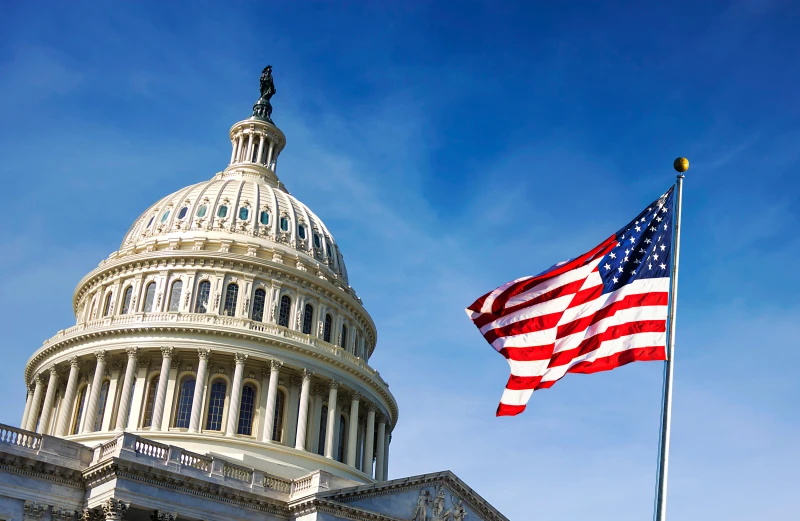
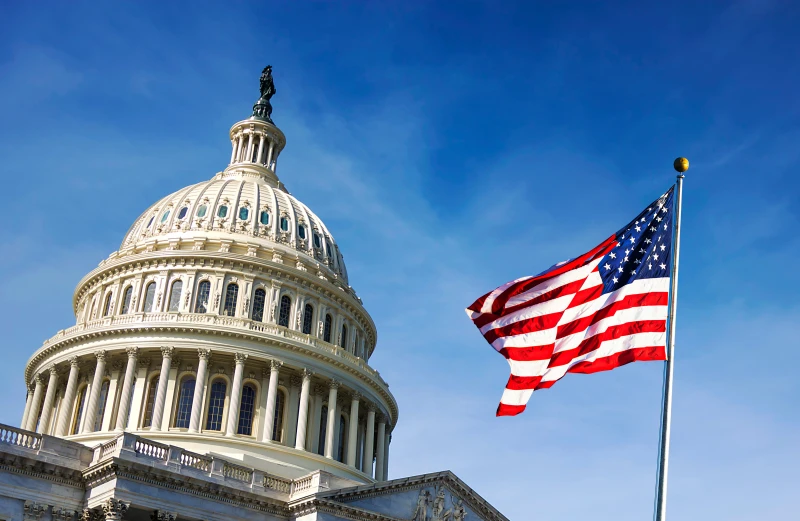
Congress is set to vote on two plans regarding the Affordable Care Act (ACA) premium tax credits that are scheduled to expire Dec. 31, 2025.  / Credit: usarmyband, CC BY 4.0, via Wikimedia Commons

Washington, D.C. Newsroom, Dec 11, 2025 / 06:30 am (CNA).

Congress is set to vote on two plans regarding the Affordable Care Act (ACA) premium tax credits that are scheduled to expire Dec. 31, 2025. 

The Senate is expected to vote Dec. 11 on a Democratic proposal to extend existing ACA tax credits for three years, as 24 million Americans use ACA marketplaces for health insurance. 

Senate Majority Leader John Thune, R-South Dakota, told reporters Tuesday after a Senate Republican meeting that lawmakers also will vote on a Republican alternative measure

Sen. Bill Cassidy, R-Louisiana, chair of the Health, Education, Labor, and Pensions Committee, and Sen. Mike Crapo, R-Idaho, who leads the Finance panel, announced the legislation on Monday. 

The measure (S. 3386) would set requirements for Health Savings Account (HSA) contributions and direct that the money cannot be used for abortion or “gender transitions.” It would require states to verify citizenship and immigration status before coverage.

Catholic bishops weigh in

The U.S. Conference of Catholic Bishops have said they favor extending the taxpayer subsidies that lower health insurance costs under the ACA, but said lawmakers must ensure that the tax credits are not used for abortions or other procedures that violate Catholic teaching on the sanctity of life. 

The enhanced premium tax credits “should be extended but must not continue to fund plans that cover the destruction of human life, which is antithetical to authentic health care,”  the bishops wrote in an Oct. 10 letter to members of Congress. 

There needs to be a policy that serves “all vulnerable people – born and preborn” and applies full Hyde Amendment protections to them, ensuring not only that government funding does not directly pay for the procuring of an abortion, but also that plans offered by health insurance companies on ACA exchanges cannot cover elective abortion,” they wrote. 

The Hyde Amendment, passed by Congress in 1977, prohibits the use of federal funds for abortions except in cases of rape, incest, or when the mother’s life is at risk.

Activists respond

A coalition of more than 300 faith leaders including NETWORK Lobby for Catholic Social Justice, Church Of God In Christ Social Justice Ministry, Faith in Action Network, and  Franciscan Action Network, delivered a joint letter to Congress Dec. 8 urging legislators to pass a bipartisan bill that protects and expands the ACA premium tax credits.

“Each life is sacred, therefore, there is a moral imperative to provide care for the sick and alleviate suffering particularly for those who lack resources to pay,” the letter wrote. There must be action to ensure everyone has “the health care they need to live and thrive, as people are currently making choices about coverage for 2026.”

“The letter notes that renewing the tax credits will keep healthcare premiums under the ACA from spiking by an average of 114 percent in 2026,” NETWORK reported. “This would cause an estimated 4.8 million people to lose their health coverage because they cannot afford it. Subsequently, some 50,000 people could lose their lives without their health coverage.”

Other pro-life organizations have warned against expanding the subsidies. 

“As Congress continues to face pressure to extend Obamacare’s abortion-funding premium subsidies, Susan B. Anthony Pro-Life America (SBA) is making the facts clear on how Obamacare does not include the Hyde amendment and forces Americans to pay for abortions,” Marjorie Dannenfelser, president of SBA Pro-Life America, said in a statement.

“The enactment of Obamacare ruptured the bipartisan legacy of the Hyde amendment and resulted in the largest expansion of abortion funding since the 1970s,” she said. “Obama and the Democratic leadership at the time intentionally drafted the program to avoid annual appropriations bills, bypassing the Hyde amendment.”

“Instead of stopping funding for health insurance plans that cover elective abortion, Section 1303 of Obamacare expressly permits subsidies for Obamacare plans that cover abortion using elaborate accounting requirements and an abortion surcharge to justify the funding,” she said.

SBA and more than 100 other pro-life organizations are demanding that any extensions to Obamacare include a complete application of the Hyde policy. The groups sent a September letter and an October letter to lawmakers calling on Congress to ensure pro-life provisions. 

“Preventing taxpayer funding of abortion is a minimum requirement for any new Obamacare spending advanced by a Republican Congress and Administration,” Dannenfelser said.

Read More