Communication

CNA explains: What is natural family planning? #Catholic 
 
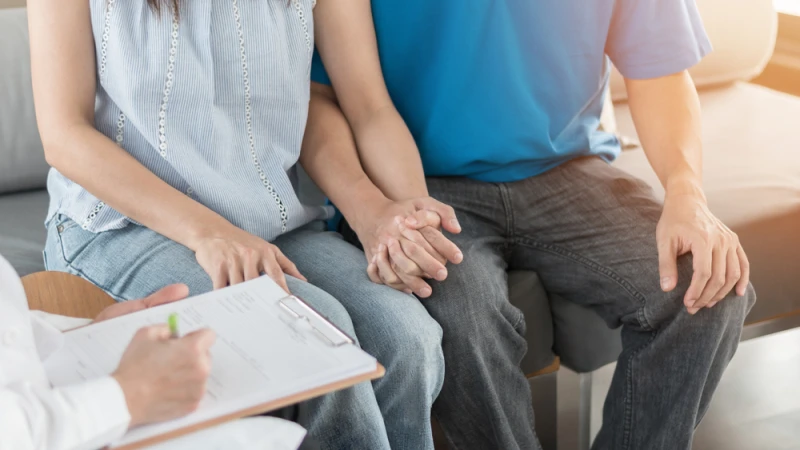
 Credit: Chinnapong/Shutterstock

CNA Staff, Dec 20, 2025 / 07:00 am (CNA).
In an era when artificial contraception often dominates public discussions on family planning, the Catholic Church continues to champion natural family planning (NFP). Far from merely another birth control technique, NFP invites couples to cooperate with God’s plan for married love, which “is a ‘great mystery,’ a sign of the love between Christ and his Church (Eph 5:32),” according to the U.S. Conference of Catholic Bishops (USCCB).  NFP — also known as a fertility awareness-based method (FABM) — relies on observing and measuring a woman’s natural signs of fertility, such as basal body temperature, cervical mucus, and hormone levels, in order to identify fertile and infertile phases of her menstrual cycle. Unlike chemical or mechanical contraceptives, which suppress or block fertility, NFP respects the woman’s body and its natural rhythms and allows spouses to achieve or postpone pregnancy, after mutual discernment, through informed abstinence during fertile windows. Most importantly, NFP honors the sacredness of the unitive and procreative aspects of the conjugal act, which the Church teaches must always be a total gift of self between the spouses and open to the gift of new human life. “Suppressing fertility by using contraception denies part of the inherent meaning of married sexuality and does harm to the couple’s unity,” according to the USCCB. “The total giving of oneself, body and soul, to one’s beloved is no time to say: ‘I give you everything I am — except…’ The Church’s teaching is not only about observing a rule but about preserving that total, mutual gift of two persons in its integrity.”In his 1968 encyclical Humanae Vitae, St. Paul VI affirmed that couples may space births for serious reasons, using natural methods that honor the “inseparable connection between the unitive and procreative meanings” of the marital act. The USCCB explains that “NFP is not a contraceptive, it does nothing to suppress or block conception.”“On the surface, there may seem to be little difference (between NFP and contraception),” according to the bishops. “But the end result is not the only thing that matters, and the way we get to that result may make an enormous moral difference. Some ways respect God’s gifts to us while others do not.”The bishops continue: “When couples use contraception, either physical or chemical, they suppress their fertility, asserting that they alone have ultimate control over this power to create a new human life. With NFP, spouses respect God’s design for life and love. They may choose to refrain from sexual union during the woman’s fertile time, doing nothing to destroy the love-giving or life-giving meaning that is present. This is the difference between choosing to falsify the full marital language of the body and choosing at certain times not to speak that language.”The practice of NFP traces its modern roots to the mid-20th century, evolving from early, relatively unreliable calendar-based methods in the 1930s to the smartphone app-based approaches of today. Common methods include the Billings Ovulation Method, which tracks cervical mucus changes, and sympto-thermal methods, which combine the charting of mucus observations, temperature shifts, and cervical changes. The Marquette Model uses “several different biomarker devices to detect urinary biomarkers (estrogen, LH, and progesterone),” according to its website.Per USCCB data, NFP, with perfect use, yields 88% to 100% effectiveness in avoiding pregnancy, with imperfect use at 70% to 98%. For couples trying to achieve pregnancy, it typically occurs in about one year for approximately 85% of couples not using NFP, and within three to six months for those who are. Pope Francis praised the Billings method in 2023 as “a valuable tool” for “responsible management of procreative choices,” urging a “new revolution in our way of thinking” to value the body’s “great book of nature.” He noted its simplicity amid a “contraceptive culture,” promoting tenderness between the spouses and an authentic freedom.Beyond efficacy at planning, preventing, or postponing pregnancy in a morally licit way, couples who use NFP acknowledge that it can be difficult but say it builds intimacy and improves communication as well as self-mastery, transforming what can be otherwise difficult times of periodic abstinence into opportunities for deeper intimacy.Jessica Vanderhyde, a nurse and mother of seven who is using the Marquette method because she and her husband do not feel ready to welcome another child, told CNA that while NFP can be frustrating because of the periods of abstinence it requires, it also “leads to a lot more closeness in the marriage.”“If it’s been a long period of abstinence, we try to come up with other ways to be close. I need to make sure I’m more affectionate with him because sexual intimacy is one of the primary ways he feels I love him. If that can’t happen, I have to be conscious of that,” she said.“We have become good at taking each other’s feelings and needs into consideration. I work at providing what he needs as much as I can.”Vanderhyde also noted how charting symptoms can bring the couple closer as it allows the husband to really appreciate his wife’s body as well as her needs.“The husband should be involved in the tracking of it,” she continued, “so that he fully participates in the process and doesn’t feel like he’s at the whims of his wife’s moods.”She said it can also reveal underlying health issues like infertility or hormonal imbalances, which artificial forms of birth control can mask.

CNA explains: What is natural family planning? #Catholic Credit: Chinnapong/Shutterstock CNA Staff, Dec 20, 2025 / 07:00 am (CNA). In an era when artificial contraception often dominates public discussions on family planning, the Catholic Church continues to champion natural family planning (NFP). Far from merely another birth control technique, NFP invites couples to cooperate with God’s plan for married love, which “is a ‘great mystery,’ a sign of the love between Christ and his Church (Eph 5:32),” according to the U.S. Conference of Catholic Bishops (USCCB).  NFP — also known as a fertility awareness-based method (FABM) — relies on observing and measuring a woman’s natural signs of fertility, such as basal body temperature, cervical mucus, and hormone levels, in order to identify fertile and infertile phases of her menstrual cycle. Unlike chemical or mechanical contraceptives, which suppress or block fertility, NFP respects the woman’s body and its natural rhythms and allows spouses to achieve or postpone pregnancy, after mutual discernment, through informed abstinence during fertile windows. Most importantly, NFP honors the sacredness of the unitive and procreative aspects of the conjugal act, which the Church teaches must always be a total gift of self between the spouses and open to the gift of new human life. “Suppressing fertility by using contraception denies part of the inherent meaning of married sexuality and does harm to the couple’s unity,” according to the USCCB. “The total giving of oneself, body and soul, to one’s beloved is no time to say: ‘I give you everything I am — except…’ The Church’s teaching is not only about observing a rule but about preserving that total, mutual gift of two persons in its integrity.”In his 1968 encyclical Humanae Vitae, St. Paul VI affirmed that couples may space births for serious reasons, using natural methods that honor the “inseparable connection between the unitive and procreative meanings” of the marital act. The USCCB explains that “NFP is not a contraceptive, it does nothing to suppress or block conception.”“On the surface, there may seem to be little difference (between NFP and contraception),” according to the bishops. “But the end result is not the only thing that matters, and the way we get to that result may make an enormous moral difference. Some ways respect God’s gifts to us while others do not.”The bishops continue: “When couples use contraception, either physical or chemical, they suppress their fertility, asserting that they alone have ultimate control over this power to create a new human life. With NFP, spouses respect God’s design for life and love. They may choose to refrain from sexual union during the woman’s fertile time, doing nothing to destroy the love-giving or life-giving meaning that is present. This is the difference between choosing to falsify the full marital language of the body and choosing at certain times not to speak that language.”The practice of NFP traces its modern roots to the mid-20th century, evolving from early, relatively unreliable calendar-based methods in the 1930s to the smartphone app-based approaches of today. Common methods include the Billings Ovulation Method, which tracks cervical mucus changes, and sympto-thermal methods, which combine the charting of mucus observations, temperature shifts, and cervical changes. The Marquette Model uses “several different biomarker devices to detect urinary biomarkers (estrogen, LH, and progesterone),” according to its website.Per USCCB data, NFP, with perfect use, yields 88% to 100% effectiveness in avoiding pregnancy, with imperfect use at 70% to 98%. For couples trying to achieve pregnancy, it typically occurs in about one year for approximately 85% of couples not using NFP, and within three to six months for those who are. Pope Francis praised the Billings method in 2023 as “a valuable tool” for “responsible management of procreative choices,” urging a “new revolution in our way of thinking” to value the body’s “great book of nature.” He noted its simplicity amid a “contraceptive culture,” promoting tenderness between the spouses and an authentic freedom.Beyond efficacy at planning, preventing, or postponing pregnancy in a morally licit way, couples who use NFP acknowledge that it can be difficult but say it builds intimacy and improves communication as well as self-mastery, transforming what can be otherwise difficult times of periodic abstinence into opportunities for deeper intimacy.Jessica Vanderhyde, a nurse and mother of seven who is using the Marquette method because she and her husband do not feel ready to welcome another child, told CNA that while NFP can be frustrating because of the periods of abstinence it requires, it also “leads to a lot more closeness in the marriage.”“If it’s been a long period of abstinence, we try to come up with other ways to be close. I need to make sure I’m more affectionate with him because sexual intimacy is one of the primary ways he feels I love him. If that can’t happen, I have to be conscious of that,” she said.“We have become good at taking each other’s feelings and needs into consideration. I work at providing what he needs as much as I can.”Vanderhyde also noted how charting symptoms can bring the couple closer as it allows the husband to really appreciate his wife’s body as well as her needs.“The husband should be involved in the tracking of it,” she continued, “so that he fully participates in the process and doesn’t feel like he’s at the whims of his wife’s moods.”She said it can also reveal underlying health issues like infertility or hormonal imbalances, which artificial forms of birth control can mask.


Credit: Chinnapong/Shutterstock

CNA Staff, Dec 20, 2025 / 07:00 am (CNA).

In an era when artificial contraception often dominates public discussions on family planning, the Catholic Church continues to champion natural family planning (NFP). 

Far from merely another birth control technique, NFP invites couples to cooperate with God’s plan for married love, which “is a ‘great mystery,’ a sign of the love between Christ and his Church (Eph 5:32),” according to the U.S. Conference of Catholic Bishops (USCCB).  

NFP — also known as a fertility awareness-based method (FABM) — relies on observing and measuring a woman’s natural signs of fertility, such as basal body temperature, cervical mucus, and hormone levels, in order to identify fertile and infertile phases of her menstrual cycle. 

Unlike chemical or mechanical contraceptives, which suppress or block fertility, NFP respects the woman’s body and its natural rhythms and allows spouses to achieve or postpone pregnancy, after mutual discernment, through informed abstinence during fertile windows. 

Most importantly, NFP honors the sacredness of the unitive and procreative aspects of the conjugal act, which the Church teaches must always be a total gift of self between the spouses and open to the gift of new human life. 

“Suppressing fertility by using contraception denies part of the inherent meaning of married sexuality and does harm to the couple’s unity,” according to the USCCB. “The total giving of oneself, body and soul, to one’s beloved is no time to say: ‘I give you everything I am — except…’ The Church’s teaching is not only about observing a rule but about preserving that total, mutual gift of two persons in its integrity.”

In his 1968 encyclical Humanae Vitae, St. Paul VI affirmed that couples may space births for serious reasons, using natural methods that honor the “inseparable connection between the unitive and procreative meanings” of the marital act. 

The USCCB explains that “NFP is not a contraceptive, it does nothing to suppress or block conception.”

“On the surface, there may seem to be little difference (between NFP and contraception),” according to the bishops. “But the end result is not the only thing that matters, and the way we get to that result may make an enormous moral difference. Some ways respect God’s gifts to us while others do not.”

The bishops continue: “When couples use contraception, either physical or chemical, they suppress their fertility, asserting that they alone have ultimate control over this power to create a new human life. With NFP, spouses respect God’s design for life and love. They may choose to refrain from sexual union during the woman’s fertile time, doing nothing to destroy the love-giving or life-giving meaning that is present. This is the difference between choosing to falsify the full marital language of the body and choosing at certain times not to speak that language.”

The practice of NFP traces its modern roots to the mid-20th century, evolving from early, relatively unreliable calendar-based methods in the 1930s to the smartphone app-based approaches of today. 

Common methods include the Billings Ovulation Method, which tracks cervical mucus changes, and sympto-thermal methods, which combine the charting of mucus observations, temperature shifts, and cervical changes. The Marquette Model uses “several different biomarker devices to detect urinary biomarkers (estrogen, LH, and progesterone),” according to its website.

Per USCCB data, NFP, with perfect use, yields 88% to 100% effectiveness in avoiding pregnancy, with imperfect use at 70% to 98%. For couples trying to achieve pregnancy, it typically occurs in about one year for approximately 85% of couples not using NFP, and within three to six months for those who are. 

Pope Francis praised the Billings method in 2023 as “a valuable tool” for “responsible management of procreative choices,” urging a “new revolution in our way of thinking” to value the body’s “great book of nature.” He noted its simplicity amid a “contraceptive culture,” promoting tenderness between the spouses and an authentic freedom.

Beyond efficacy at planning, preventing, or postponing pregnancy in a morally licit way, couples who use NFP acknowledge that it can be difficult but say it builds intimacy and improves communication as well as self-mastery, transforming what can be otherwise difficult times of periodic abstinence into opportunities for deeper intimacy.

Jessica Vanderhyde, a nurse and mother of seven who is using the Marquette method because she and her husband do not feel ready to welcome another child, told CNA that while NFP can be frustrating because of the periods of abstinence it requires, it also “leads to a lot more closeness in the marriage.”

“If it’s been a long period of abstinence, we try to come up with other ways to be close. I need to make sure I’m more affectionate with him because sexual intimacy is one of the primary ways he feels I love him. If that can’t happen, I have to be conscious of that,” she said.

“We have become good at taking each other’s feelings and needs into consideration. I work at providing what he needs as much as I can.”

Vanderhyde also noted how charting symptoms can bring the couple closer as it allows the husband to really appreciate his wife’s body as well as her needs.

“The husband should be involved in the tracking of it,” she continued, “so that he fully participates in the process and doesn’t feel like he’s at the whims of his wife’s moods.”

She said it can also reveal underlying health issues like infertility or hormonal imbalances, which artificial forms of birth control can mask.

Read More
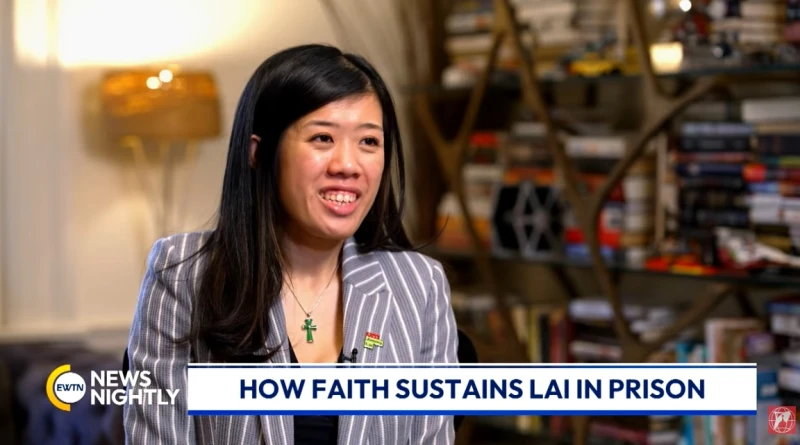
Daughter of political prisoner Jimmy Lai speaks out for the first time #Catholic 
 
 Claire Lai, daughter of imprisoned Hong Kong activist and Catholic Jimmy Lai, speaks with EWTN News President Montse Alvarado on “EWTN News Nightly” on Dec. 8, 2025. / Credit: “EWTN News Nightly”/Screenshot

Washington, D.C. Newsroom, Dec 9, 2025 / 06:00 am (CNA).
Daughter of imprisoned Catholic activist Jimmy Lai spoke out for the first time ahead of her father’s 78th birthday. “As a daughter, every day I wake up and I hope that today is the day we get my dad home … the day we get to go to Mass together, or to eat dinner around the table, things that years ago I almost took for granted,” Claire Lai said in an interview with EWTN News.Jimmy Lai, the pro-democracy entrepreneur and human rights activist, was arrested in 2020 in Hong Kong. He underwent a trial that lasted nearly two years for allegations of colluding with foreign forces under a national security law put in effect by the communist-controlled Chinese government.The trial ended in August, and Lai continues to wait for the verdict in prison where he faces inhumane living conditions, deteriorating health, and is denied the Eucharist, his daughter said. In an interview with Montse Alvarado, president and COO of EWTN News, Lai’s daughter Claire said: “We’re still waiting for a verdict, five years after he was charged. He is turning 78. We have waited a very, very long time for his cases to be resolved. We do not believe that they will be through the domestic system. Our only hope is outside, and that’s why I’m here now.”Dec. 8 was Jimmy Lai’s 78th birthday, which falls on the feast of the Immaculate Conception. His daughter highlighted Lai’s deep devotion to the Blessed Mother. She said her family has tried to send him a rosary in prison, but “each attempt failed.” She said he fell down once in the shower, and “because of his waist pain he wasn’t able to get up.”“Even some of the guards came over and tried to help him … but he couldn’t get up. So he pretended as though he had a rosary in his hand and prayed to the Blessed Mother. Then he was able to get up without pain,” Claire Lai said.“When you’re a daughter … and you hear stories like that, you wish you could yourself physically pull him up when he is in pain like that. But you find such great comfort in the fact that Our Lady is protecting him,” she said.Conversion to the faithLai said her father’s conversion to Catholicism has been a stable presence during his time in prison. “My father had quite an unconventional childhood. He came to Hong Kong when he was 12. He had nothing to his name, nothing in his pockets. But he was full of optimism and he had a yearning for freedom,” she said.“It was only later on that he understood that there was something, a higher force, guiding him all along, which was why he was able to go from child laborer to a successful entrepreneur and do so almost without fear. It was later on that he understood that to be God,” she said.Jimmy Lai converted the year of the handover of Hong Kong from the United Kingdom to China when “people were filled with doubt and with a certain amount of fear,” his daughter said. “As Our Lady has taught us, there is nothing that conquers doubt and fear except for the love of God. And that was a time when he was ready to receive it.”“My father converted one year after I was born. Really, the only memories I have are of growing up in a very loving Catholic family,” she said.Legal sagaClaire Lai studied law and has been involved with her father’s case and lengthy trial. “There’s an equal amount of outrage, but also it’s a privilege to be able to be there and witness it as closely as I have,” she said. “As someone who grew up admiring the Hong Kong legal system … it has been heartbreaking to see the rule of law break down, but even more so to see my father and his case is at the helm of it.”The bench was “not neutral in any sense of the word,” she said. “They just grilled him repeatedly. There were gag orders that were imposed when the evidence just did not suit the narrative … it was just so deeply unfair.”The trial had unexplained delays that were “clearly meant so that people would forget about my father and so that it would crush his spirit,” she said. But “with the good Lord as his guide, his spirit remained just as strong.”Prison conditions Lai has been in prison for five years, but “his incarceration has just deepened his faith,” his daughter said. “I think there isn’t anything quite as much as suffering that opens your heart to God’s love. We are so grateful that Our Lord has accompanied my father. He wakes up around midnight every night to pray,” she said.“Before the crack of dawn, he would read the Gospel,” Lai said. “At first, he would ask the guards if they could turn on the light so that he could read … For about the first six months, they said ‘yes.’ Afterwards, they always said ‘no.’”“The conditions he’s kept in have just gotten worse over time. They aren’t a natural byproduct of prison. In the prison cell, there is a window that leads outside that should give access to sunlight. His is deliberately blocked so that he doesn’t have access,” she said.“He’s been denied holy Communion for over two years and got it only very, very intermittently this year,” she said. “It’s something that costs them nothing … for him to get. It costs them nothing for him to get the rosary, and it costs them nothing to turn on the light so that he can read the Gospel.”Kept in solitary confinement, he faces extreme heat conditions in his small cell. “In summer, the heat can get up to … 111 degrees Fahrenheit,” she said. “To say that it’s sweltering is a massive understatement.”“He gets heat rushes all over his body, and they last until the middle of autumn. It is outrageous, and it is torturous,” she said.“We have typhoon seasons in Hong Kong … and the cells get wet. Almost everything in there gets wet. Once that happened, the first thing he checked was his Bible, and it was the one thing that remained dry. We’re very grateful that Our Lord and Our Lady continue to watch over him,” she said.Lai’s health has declined rapidly while behind bars. “In less than a year, he lost 10 kilos … after already having lost a significant amount of weight the last few years. His nails are rotting … He has infections that last for months in spite of antibiotics. And his limbs get swollen, very red, and they’re agonizingly painful,” she said.“My dad is not someone who complains. He doesn’t even make faces. You know that when he does, it’s very painful,” she said. “There are times when even from a distance, you can tell that he’s pale and he’s shivering.”“Then there’s the less visible signs,” she said. “He’s diabetic, and he’s had heart issues. He had a perfectly healthy heart before he went to prison.” He has said “that every few days he would have heart palpitations and they would be disabling,” his daughter said.Call for international involvement Jimmy Lai is a British citizen and his daughter said that any communication between Britain and the Chinese government should include discussion of her father. “He is in prison for basically standing in defense for the freedoms he first came to know as a child in Hong Kong when it was still a British embassy and for hoping that they would keep the promise made during the sign of the British Joint Declaration,” she said.U.S. President Donald Trump has vowed to do “everything” possible to “save” Lai. A White House official told EWTN News in October that Trump spoke with Chinese President Xi Jinping about his imprisonment. “We are so extremely grateful to President Trump and his administration,” Claire Lai said. “They have a long, proven record of freeing the unjustly detained, and we hope that my father will follow soon.”“We are also very, very grateful for members of the public. My father is sustained by your prayers,” she said.She shared that Pope Leo XIV is also praying for her father during this time. In October, Lai’s wife, Teresa Lai, and his daughter met Pope Leo after a general audience. “It was such a privilege and a blessing to have an audience with our Holy Father,” Claire Lai said. Hope for a release “The government has no case,” she said. “All they’ve proven is that my father is a good man, a man who loves God, a man who loves freedom, who loves truth, and loves his family.”If she could speak with the Chinese government, Lai said she would say to “do the only just and … only honorable thing, which is to release a 78-year-old man, my father, Jimmy Lai, against whom no case has been made.”“Don’t let him die a martyr in these conditions, in this health. It is a stain on your history that you will never be able to wipe off,” she said.She said she does “worry” that her father could die in prison, but she is “hopeful.”When her father “reflected on his earlier years, he said that even before he converted and before he opened his heart to the love of God, he was always guided by him — even before he knew it,” she said. “I think that’s how he wants to be remembered, as a faithful servant of Our Lord.”

Daughter of political prisoner Jimmy Lai speaks out for the first time #Catholic Claire Lai, daughter of imprisoned Hong Kong activist and Catholic Jimmy Lai, speaks with EWTN News President Montse Alvarado on “EWTN News Nightly” on Dec. 8, 2025. / Credit: “EWTN News Nightly”/Screenshot Washington, D.C. Newsroom, Dec 9, 2025 / 06:00 am (CNA). Daughter of imprisoned Catholic activist Jimmy Lai spoke out for the first time ahead of her father’s 78th birthday. “As a daughter, every day I wake up and I hope that today is the day we get my dad home … the day we get to go to Mass together, or to eat dinner around the table, things that years ago I almost took for granted,” Claire Lai said in an interview with EWTN News.Jimmy Lai, the pro-democracy entrepreneur and human rights activist, was arrested in 2020 in Hong Kong. He underwent a trial that lasted nearly two years for allegations of colluding with foreign forces under a national security law put in effect by the communist-controlled Chinese government.The trial ended in August, and Lai continues to wait for the verdict in prison where he faces inhumane living conditions, deteriorating health, and is denied the Eucharist, his daughter said. In an interview with Montse Alvarado, president and COO of EWTN News, Lai’s daughter Claire said: “We’re still waiting for a verdict, five years after he was charged. He is turning 78. We have waited a very, very long time for his cases to be resolved. We do not believe that they will be through the domestic system. Our only hope is outside, and that’s why I’m here now.”Dec. 8 was Jimmy Lai’s 78th birthday, which falls on the feast of the Immaculate Conception. His daughter highlighted Lai’s deep devotion to the Blessed Mother. She said her family has tried to send him a rosary in prison, but “each attempt failed.” She said he fell down once in the shower, and “because of his waist pain he wasn’t able to get up.”“Even some of the guards came over and tried to help him … but he couldn’t get up. So he pretended as though he had a rosary in his hand and prayed to the Blessed Mother. Then he was able to get up without pain,” Claire Lai said.“When you’re a daughter … and you hear stories like that, you wish you could yourself physically pull him up when he is in pain like that. But you find such great comfort in the fact that Our Lady is protecting him,” she said.Conversion to the faithLai said her father’s conversion to Catholicism has been a stable presence during his time in prison. “My father had quite an unconventional childhood. He came to Hong Kong when he was 12. He had nothing to his name, nothing in his pockets. But he was full of optimism and he had a yearning for freedom,” she said.“It was only later on that he understood that there was something, a higher force, guiding him all along, which was why he was able to go from child laborer to a successful entrepreneur and do so almost without fear. It was later on that he understood that to be God,” she said.Jimmy Lai converted the year of the handover of Hong Kong from the United Kingdom to China when “people were filled with doubt and with a certain amount of fear,” his daughter said. “As Our Lady has taught us, there is nothing that conquers doubt and fear except for the love of God. And that was a time when he was ready to receive it.”“My father converted one year after I was born. Really, the only memories I have are of growing up in a very loving Catholic family,” she said.Legal sagaClaire Lai studied law and has been involved with her father’s case and lengthy trial. “There’s an equal amount of outrage, but also it’s a privilege to be able to be there and witness it as closely as I have,” she said. “As someone who grew up admiring the Hong Kong legal system … it has been heartbreaking to see the rule of law break down, but even more so to see my father and his case is at the helm of it.”The bench was “not neutral in any sense of the word,” she said. “They just grilled him repeatedly. There were gag orders that were imposed when the evidence just did not suit the narrative … it was just so deeply unfair.”The trial had unexplained delays that were “clearly meant so that people would forget about my father and so that it would crush his spirit,” she said. But “with the good Lord as his guide, his spirit remained just as strong.”Prison conditions Lai has been in prison for five years, but “his incarceration has just deepened his faith,” his daughter said. “I think there isn’t anything quite as much as suffering that opens your heart to God’s love. We are so grateful that Our Lord has accompanied my father. He wakes up around midnight every night to pray,” she said.“Before the crack of dawn, he would read the Gospel,” Lai said. “At first, he would ask the guards if they could turn on the light so that he could read … For about the first six months, they said ‘yes.’ Afterwards, they always said ‘no.’”“The conditions he’s kept in have just gotten worse over time. They aren’t a natural byproduct of prison. In the prison cell, there is a window that leads outside that should give access to sunlight. His is deliberately blocked so that he doesn’t have access,” she said.“He’s been denied holy Communion for over two years and got it only very, very intermittently this year,” she said. “It’s something that costs them nothing … for him to get. It costs them nothing for him to get the rosary, and it costs them nothing to turn on the light so that he can read the Gospel.”Kept in solitary confinement, he faces extreme heat conditions in his small cell. “In summer, the heat can get up to … 111 degrees Fahrenheit,” she said. “To say that it’s sweltering is a massive understatement.”“He gets heat rushes all over his body, and they last until the middle of autumn. It is outrageous, and it is torturous,” she said.“We have typhoon seasons in Hong Kong … and the cells get wet. Almost everything in there gets wet. Once that happened, the first thing he checked was his Bible, and it was the one thing that remained dry. We’re very grateful that Our Lord and Our Lady continue to watch over him,” she said.Lai’s health has declined rapidly while behind bars. “In less than a year, he lost 10 kilos … after already having lost a significant amount of weight the last few years. His nails are rotting … He has infections that last for months in spite of antibiotics. And his limbs get swollen, very red, and they’re agonizingly painful,” she said.“My dad is not someone who complains. He doesn’t even make faces. You know that when he does, it’s very painful,” she said. “There are times when even from a distance, you can tell that he’s pale and he’s shivering.”“Then there’s the less visible signs,” she said. “He’s diabetic, and he’s had heart issues. He had a perfectly healthy heart before he went to prison.” He has said “that every few days he would have heart palpitations and they would be disabling,” his daughter said.Call for international involvement Jimmy Lai is a British citizen and his daughter said that any communication between Britain and the Chinese government should include discussion of her father. “He is in prison for basically standing in defense for the freedoms he first came to know as a child in Hong Kong when it was still a British embassy and for hoping that they would keep the promise made during the sign of the British Joint Declaration,” she said.U.S. President Donald Trump has vowed to do “everything” possible to “save” Lai. A White House official told EWTN News in October that Trump spoke with Chinese President Xi Jinping about his imprisonment. “We are so extremely grateful to President Trump and his administration,” Claire Lai said. “They have a long, proven record of freeing the unjustly detained, and we hope that my father will follow soon.”“We are also very, very grateful for members of the public. My father is sustained by your prayers,” she said.She shared that Pope Leo XIV is also praying for her father during this time. In October, Lai’s wife, Teresa Lai, and his daughter met Pope Leo after a general audience. “It was such a privilege and a blessing to have an audience with our Holy Father,” Claire Lai said. Hope for a release “The government has no case,” she said. “All they’ve proven is that my father is a good man, a man who loves God, a man who loves freedom, who loves truth, and loves his family.”If she could speak with the Chinese government, Lai said she would say to “do the only just and … only honorable thing, which is to release a 78-year-old man, my father, Jimmy Lai, against whom no case has been made.”“Don’t let him die a martyr in these conditions, in this health. It is a stain on your history that you will never be able to wipe off,” she said.She said she does “worry” that her father could die in prison, but she is “hopeful.”When her father “reflected on his earlier years, he said that even before he converted and before he opened his heart to the love of God, he was always guided by him — even before he knew it,” she said. “I think that’s how he wants to be remembered, as a faithful servant of Our Lord.”


Claire Lai, daughter of imprisoned Hong Kong activist and Catholic Jimmy Lai, speaks with EWTN News President Montse Alvarado on “EWTN News Nightly” on Dec. 8, 2025. / Credit: “EWTN News Nightly”/Screenshot

Washington, D.C. Newsroom, Dec 9, 2025 / 06:00 am (CNA).

Daughter of imprisoned Catholic activist Jimmy Lai spoke out for the first time ahead of her father’s 78th birthday. 

“As a daughter, every day I wake up and I hope that today is the day we get my dad home … the day we get to go to Mass together, or to eat dinner around the table, things that years ago I almost took for granted,” Claire Lai said in an interview with EWTN News.

Jimmy Lai, the pro-democracy entrepreneur and human rights activist, was arrested in 2020 in Hong Kong. He underwent a trial that lasted nearly two years for allegations of colluding with foreign forces under a national security law put in effect by the communist-controlled Chinese government.

The trial ended in August, and Lai continues to wait for the verdict in prison where he faces inhumane living conditions, deteriorating health, and is denied the Eucharist, his daughter said. 

In an interview with Montse Alvarado, president and COO of EWTN News, Lai’s daughter Claire said: “We’re still waiting for a verdict, five years after he was charged. He is turning 78. We have waited a very, very long time for his cases to be resolved. We do not believe that they will be through the domestic system. Our only hope is outside, and that’s why I’m here now.”

Dec. 8 was Jimmy Lai’s 78th birthday, which falls on the feast of the Immaculate Conception. His daughter highlighted Lai’s deep devotion to the Blessed Mother. 

She said her family has tried to send him a rosary in prison, but “each attempt failed.” She said he fell down once in the shower, and “because of his waist pain he wasn’t able to get up.”

“Even some of the guards came over and tried to help him … but he couldn’t get up. So he pretended as though he had a rosary in his hand and prayed to the Blessed Mother. Then he was able to get up without pain,” Claire Lai said.

“When you’re a daughter … and you hear stories like that, you wish you could yourself physically pull him up when he is in pain like that. But you find such great comfort in the fact that Our Lady is protecting him,” she said.

Conversion to the faith

Lai said her father’s conversion to Catholicism has been a stable presence during his time in prison. 

“My father had quite an unconventional childhood. He came to Hong Kong when he was 12. He had nothing to his name, nothing in his pockets. But he was full of optimism and he had a yearning for freedom,” she said.

“It was only later on that he understood that there was something, a higher force, guiding him all along, which was why he was able to go from child laborer to a successful entrepreneur and do so almost without fear. It was later on that he understood that to be God,” she said.

Jimmy Lai converted the year of the handover of Hong Kong from the United Kingdom to China when “people were filled with doubt and with a certain amount of fear,” his daughter said. “As Our Lady has taught us, there is nothing that conquers doubt and fear except for the love of God. And that was a time when he was ready to receive it.”

“My father converted one year after I was born. Really, the only memories I have are of growing up in a very loving Catholic family,” she said.

Legal saga

Claire Lai studied law and has been involved with her father’s case and lengthy trial. “There’s an equal amount of outrage, but also it’s a privilege to be able to be there and witness it as closely as I have,” she said. 

“As someone who grew up admiring the Hong Kong legal system … it has been heartbreaking to see the rule of law break down, but even more so to see my father and his case is at the helm of it.”

The bench was “not neutral in any sense of the word,” she said. “They just grilled him repeatedly. There were gag orders that were imposed when the evidence just did not suit the narrative … it was just so deeply unfair.”

The trial had unexplained delays that were “clearly meant so that people would forget about my father and so that it would crush his spirit,” she said. But “with the good Lord as his guide, his spirit remained just as strong.”

Prison conditions 

Lai has been in prison for five years, but “his incarceration has just deepened his faith,” his daughter said. 

“I think there isn’t anything quite as much as suffering that opens your heart to God’s love. We are so grateful that Our Lord has accompanied my father. He wakes up around midnight every night to pray,” she said.

“Before the crack of dawn, he would read the Gospel,” Lai said. “At first, he would ask the guards if they could turn on the light so that he could read … For about the first six months, they said ‘yes.’ Afterwards, they always said ‘no.’”

“The conditions he’s kept in have just gotten worse over time. They aren’t a natural byproduct of prison. In the prison cell, there is a window that leads outside that should give access to sunlight. His is deliberately blocked so that he doesn’t have access,” she said.

“He’s been denied holy Communion for over two years and got it only very, very intermittently this year,” she said. “It’s something that costs them nothing … for him to get. It costs them nothing for him to get the rosary, and it costs them nothing to turn on the light so that he can read the Gospel.”

Kept in solitary confinement, he faces extreme heat conditions in his small cell. “In summer, the heat can get up to … 111 degrees Fahrenheit,” she said. “To say that it’s sweltering is a massive understatement.”

“He gets heat rushes all over his body, and they last until the middle of autumn. It is outrageous, and it is torturous,” she said.

“We have typhoon seasons in Hong Kong … and the cells get wet. Almost everything in there gets wet. Once that happened, the first thing he checked was his Bible, and it was the one thing that remained dry. We’re very grateful that Our Lord and Our Lady continue to watch over him,” she said.

Lai’s health has declined rapidly while behind bars. 

“In less than a year, he lost 10 kilos … after already having lost a significant amount of weight the last few years. His nails are rotting … He has infections that last for months in spite of antibiotics. And his limbs get swollen, very red, and they’re agonizingly painful,” she said.

“My dad is not someone who complains. He doesn’t even make faces. You know that when he does, it’s very painful,” she said. “There are times when even from a distance, you can tell that he’s pale and he’s shivering.”

“Then there’s the less visible signs,” she said. “He’s diabetic, and he’s had heart issues. He had a perfectly healthy heart before he went to prison.” He has said “that every few days he would have heart palpitations and they would be disabling,” his daughter said.

Call for international involvement 

Jimmy Lai is a British citizen and his daughter said that any communication between Britain and the Chinese government should include discussion of her father. 

“He is in prison for basically standing in defense for the freedoms he first came to know as a child in Hong Kong when it was still a British embassy and for hoping that they would keep the promise made during the sign of the British Joint Declaration,” she said.

U.S. President Donald Trump has vowed to do “everything” possible to “save” Lai. A White House official told EWTN News in October that Trump spoke with Chinese President Xi Jinping about his imprisonment. 

“We are so extremely grateful to President Trump and his administration,” Claire Lai said. “They have a long, proven record of freeing the unjustly detained, and we hope that my father will follow soon.”

“We are also very, very grateful for members of the public. My father is sustained by your prayers,” she said.

She shared that Pope Leo XIV is also praying for her father during this time. In October, Lai’s wife, Teresa Lai, and his daughter met Pope Leo after a general audience. “It was such a privilege and a blessing to have an audience with our Holy Father,” Claire Lai said. 

Hope for a release 

“The government has no case,” she said. “All they’ve proven is that my father is a good man, a man who loves God, a man who loves freedom, who loves truth, and loves his family.”

If she could speak with the Chinese government, Lai said she would say to “do the only just and … only honorable thing, which is to release a 78-year-old man, my father, Jimmy Lai, against whom no case has been made.”

“Don’t let him die a martyr in these conditions, in this health. It is a stain on your history that you will never be able to wipe off,” she said.

She said she does “worry” that her father could die in prison, but she is “hopeful.”

When her father “reflected on his earlier years, he said that even before he converted and before he opened his heart to the love of God, he was always guided by him — even before he knew it,” she said. “I think that’s how he wants to be remembered, as a faithful servant of Our Lord.”

Read More
‘You Are Not Alone’ migrant accompaniment initiative announced by U.S. bishops #Catholic 
 
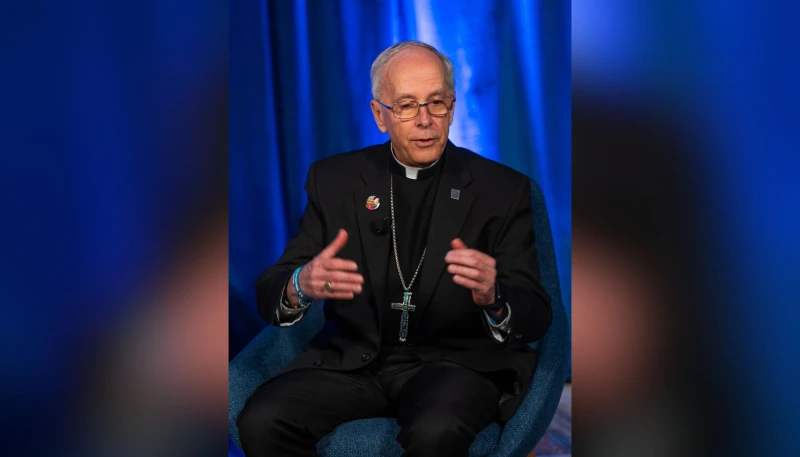
 Bishop Mark Seitz, chairman of the United States Conference of Catholic Bishops’ migration committee, speaks during a press conference on Nov. 11, 2025, at the USCCB’s fall plenary assembly in Baltimore. / Credit: Hakim Shammo/EWTN News

Baltimore, Maryland, Nov 11, 2025 / 17:46 pm (CNA).
The United States Conference of Catholic Bishops (USCCB) is launching an initiative called “You Are Not Alone” to focus on providing accompaniment to migrants who are at risk of being deported.Bishop Mark Seitz, chair of the USCCB Committee on Migration, announced the nationwide initiative during the conference’s Fall Plenary Assembly in Baltimore on Nov. 11.The initiative, which was inspired by similar efforts in Catholic dioceses throughout the country, will focus on four key areas: emergency and family support, accompaniment and pastoral care, communication of Church teaching, and solidarity through prayer and public witness. Seitz said the Catholic Church has been “accompanying newcomers to this land since before our country’s founding.” He said — in addition to spiritual and corporal works of mercy — the Church “cannot abandon our long-standing advocacy for just and meaningful reform to our immigration system.”He said clergy will continue “proclaiming the God-given dignity of every person from the moment of conception through every stage of life until natural death,” which includes the dignity of those who migrated to the United States. The bishop said many dioceses have launched migrant accompaniment initiatives already.For example, the Diocese of San Diego launched its Faithful Accompaniment in Trust & Hope (FAITH) initiative on Aug. 4. The diocese works with interfaith partners to provide spiritual accompaniment to migrants during court proceedings and throughout the court process.Seitz reiterates opposition to ‘mass deportations’In his address to his fellow bishops, Seitz criticized President Donald Trump’s administration for carrying out its “campaign promise of mass deportations,” which he said is “intimidating and dehumanizing the immigrants in our midst regardless of how they came to be there.”He said the accompaniment initiative was launched because Trump’s immigration policy has created “a situation unlike anything we’ve seen previously.” He specifically referenced efforts to revoke Temporary Protected Status designations for migrants in several countries, including Venezuela and Nicaragua, and restrictions on certain visas.“Those who lack legal status are far from the only ones impacted by this approach,” Seitz said.He said most deportees “have no criminal convictions,” and the administration has pressured immigration enforcement “to increase the number of arrests.”“Our immigrant brothers and sisters … are living in a deep state of fear,” Seitz said. “Many are too afraid to work, send their children to school, or avail themselves to the sacraments.”Seitz, earlier in the day, noted that bishops are primarily pastors, and “because we’re pastors … we care about our people, and we care particularly for those who are most vulnerable and those who are most in need.”Pope Leo XIV has encouraged the American bishops to be vocal on the dignity of migrants. In October, the pontiff met with American bishops, including Seitz, and other supporters of migrants. According to one person present, Dylan Corbett, the founding executive director of Hope Border Institute, Leo told the group: “The Church cannot stay silent before injustice. You stand with me, and I stand with you.”

‘You Are Not Alone’ migrant accompaniment initiative announced by U.S. bishops #Catholic Bishop Mark Seitz, chairman of the United States Conference of Catholic Bishops’ migration committee, speaks during a press conference on Nov. 11, 2025, at the USCCB’s fall plenary assembly in Baltimore. / Credit: Hakim Shammo/EWTN News Baltimore, Maryland, Nov 11, 2025 / 17:46 pm (CNA). The United States Conference of Catholic Bishops (USCCB) is launching an initiative called “You Are Not Alone” to focus on providing accompaniment to migrants who are at risk of being deported.Bishop Mark Seitz, chair of the USCCB Committee on Migration, announced the nationwide initiative during the conference’s Fall Plenary Assembly in Baltimore on Nov. 11.The initiative, which was inspired by similar efforts in Catholic dioceses throughout the country, will focus on four key areas: emergency and family support, accompaniment and pastoral care, communication of Church teaching, and solidarity through prayer and public witness. Seitz said the Catholic Church has been “accompanying newcomers to this land since before our country’s founding.” He said — in addition to spiritual and corporal works of mercy — the Church “cannot abandon our long-standing advocacy for just and meaningful reform to our immigration system.”He said clergy will continue “proclaiming the God-given dignity of every person from the moment of conception through every stage of life until natural death,” which includes the dignity of those who migrated to the United States. The bishop said many dioceses have launched migrant accompaniment initiatives already.For example, the Diocese of San Diego launched its Faithful Accompaniment in Trust & Hope (FAITH) initiative on Aug. 4. The diocese works with interfaith partners to provide spiritual accompaniment to migrants during court proceedings and throughout the court process.Seitz reiterates opposition to ‘mass deportations’In his address to his fellow bishops, Seitz criticized President Donald Trump’s administration for carrying out its “campaign promise of mass deportations,” which he said is “intimidating and dehumanizing the immigrants in our midst regardless of how they came to be there.”He said the accompaniment initiative was launched because Trump’s immigration policy has created “a situation unlike anything we’ve seen previously.” He specifically referenced efforts to revoke Temporary Protected Status designations for migrants in several countries, including Venezuela and Nicaragua, and restrictions on certain visas.“Those who lack legal status are far from the only ones impacted by this approach,” Seitz said.He said most deportees “have no criminal convictions,” and the administration has pressured immigration enforcement “to increase the number of arrests.”“Our immigrant brothers and sisters … are living in a deep state of fear,” Seitz said. “Many are too afraid to work, send their children to school, or avail themselves to the sacraments.”Seitz, earlier in the day, noted that bishops are primarily pastors, and “because we’re pastors … we care about our people, and we care particularly for those who are most vulnerable and those who are most in need.”Pope Leo XIV has encouraged the American bishops to be vocal on the dignity of migrants. In October, the pontiff met with American bishops, including Seitz, and other supporters of migrants. According to one person present, Dylan Corbett, the founding executive director of Hope Border Institute, Leo told the group: “The Church cannot stay silent before injustice. You stand with me, and I stand with you.”


Bishop Mark Seitz, chairman of the United States Conference of Catholic Bishops’ migration committee, speaks during a press conference on Nov. 11, 2025, at the USCCB’s fall plenary assembly in Baltimore. / Credit: Hakim Shammo/EWTN News

Baltimore, Maryland, Nov 11, 2025 / 17:46 pm (CNA).

The United States Conference of Catholic Bishops (USCCB) is launching an initiative called “You Are Not Alone” to focus on providing accompaniment to migrants who are at risk of being deported.

Bishop Mark Seitz, chair of the USCCB Committee on Migration, announced the nationwide initiative during the conference’s Fall Plenary Assembly in Baltimore on Nov. 11.

The initiative, which was inspired by similar efforts in Catholic dioceses throughout the country, will focus on four key areas: emergency and family support, accompaniment and pastoral care, communication of Church teaching, and solidarity through prayer and public witness. 

Seitz said the Catholic Church has been “accompanying newcomers to this land since before our country’s founding.” He said — in addition to spiritual and corporal works of mercy — the Church “cannot abandon our long-standing advocacy for just and meaningful reform to our immigration system.”

He said clergy will continue “proclaiming the God-given dignity of every person from the moment of conception through every stage of life until natural death,” which includes the dignity of those who migrated to the United States. 

The bishop said many dioceses have launched migrant accompaniment initiatives already.

For example, the Diocese of San Diego launched its Faithful Accompaniment in Trust & Hope (FAITH) initiative on Aug. 4. The diocese works with interfaith partners to provide spiritual accompaniment to migrants during court proceedings and throughout the court process.

Seitz reiterates opposition to ‘mass deportations’

In his address to his fellow bishops, Seitz criticized President Donald Trump’s administration for carrying out its “campaign promise of mass deportations,” which he said is “intimidating and dehumanizing the immigrants in our midst regardless of how they came to be there.”

He said the accompaniment initiative was launched because Trump’s immigration policy has created “a situation unlike anything we’ve seen previously.” He specifically referenced efforts to revoke Temporary Protected Status designations for migrants in several countries, including Venezuela and Nicaragua, and restrictions on certain visas.

“Those who lack legal status are far from the only ones impacted by this approach,” Seitz said.

He said most deportees “have no criminal convictions,” and the administration has pressured immigration enforcement “to increase the number of arrests.”

“Our immigrant brothers and sisters … are living in a deep state of fear,” Seitz said. “Many are too afraid to work, send their children to school, or avail themselves to the sacraments.”

Seitz, earlier in the day, noted that bishops are primarily pastors, and “because we’re pastors … we care about our people, and we care particularly for those who are most vulnerable and those who are most in need.”

Pope Leo XIV has encouraged the American bishops to be vocal on the dignity of migrants. In October, the pontiff met with American bishops, including Seitz, and other supporters of migrants. 

According to one person present, Dylan Corbett, the founding executive director of Hope Border Institute, Leo told the group: “The Church cannot stay silent before injustice. You stand with me, and I stand with you.”

Read More
Catholics mobilize in Caribbean following Category 5 hurricane  #Catholic 
 
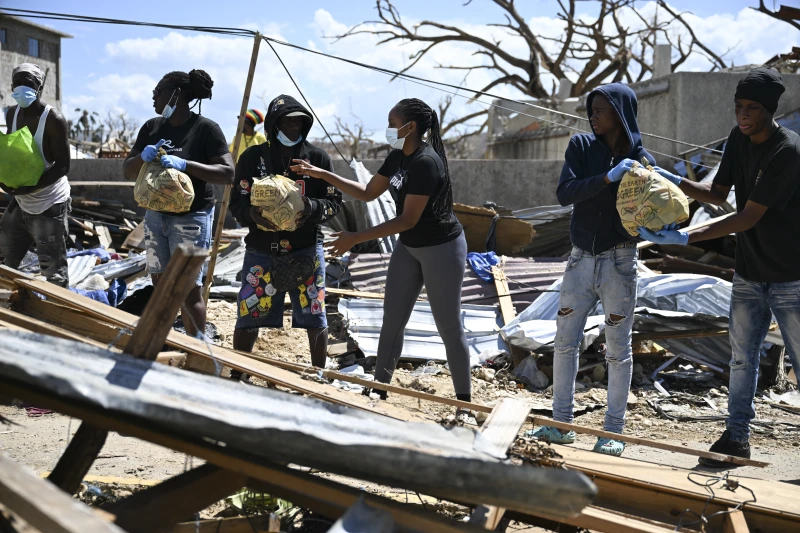
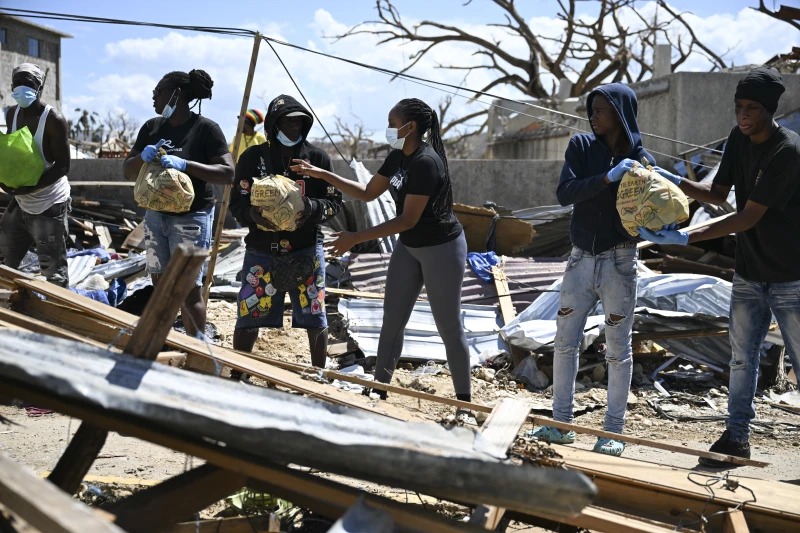
 Residents help move food supplies at a community center before distribution to the Whitehouse community in Westmoreland, Jamaica, one of the areas most severely affected by the passage of Hurricane Melissa, on Nov. 2, 2025. / Credit: Ricardo Makyn/AFP via Getty Images

Washington, D.C. Newsroom, Nov 6, 2025 / 14:15 pm (CNA).
Catholic leaders and agencies have mobilized to help communities left devastated after Hurricane Melissa hit Jamaica.The Category 5 hurricane swept through the Caribbean with sustained winds of 185 miles per hour and claimed up to 50 lives after making landfall on Oct. 28. Jamaica suffered the largest impact, but neighboring nations also experienced immense effects including flash flooding and landslides.In Jamaica, practically no buildings along the country’s southern coast remain intact. Areas have experienced structural failures, immense roof damage, floods, power outages, and communication disruptions. Families have a long road to recovery after many lost loved ones, property, possessions, and livelihoods.To help communities suffering from Hurricane Melissa’s aftermath, Catholic agencies are on the ground supporting relief efforts and fundraising across the globe to provide aid. Providing aid Dominican friars with St. Martin’s Missions, an initiative that supports communities in Jamaica and Grenada, are working to help communities most affected. Father Bede Mullens, OP, one of the friars working in Jamaica, told CNA they are based in Kingston, “which mercifully was left largely unscathed by the hurricane.”“Nonetheless, some of our poorer parishioners in August Town, an impoverished neighborhood, did lose roofs, walls, and in one case pretty much the whole house,” Mullens said. With the help of donations from across the globe, St. Martin’s will purchase and provide materials for repairs and food.Mullens explained that “after recent panic-buying, some food items are hard to come by, and food prices on the whole are set to go up in the coming months, as the part of the island hardest hit is a major agricultural area.”This Friday, Nov. 7, the friars will distribute 300 meals to students at the University of the West Indies in Mona, Jamaica, and to several less-well-off parishioners. Mullens said: “We are trying to arrange sponsorship from local benefactors for students in need to receive support for food and personal hygiene items.”Across the island the friars have been able to contact some parishes near Montego Bay, which suffered great damage. “One of the churches is currently operating as a shelter with just half a roof,” Mullens said.The friars have also coordinated provisions of basic building materials and essentials including water and baby food that will be transported to Sacred Heart Church near Montego Bay and St. Agnes Church in Chester Castle.When the roads reopen and the friars are able to make contact with more parishes in other areas, they plan to also assist their rebuilding efforts and support the local community needs.“There is, of course, a massive need for material assistance, but for us it is very important that St. Martin’s bears witness to our worldwide solidarity in the body of Christ,” Mullens said. “We belong to a Church that is at once truly Catholic and truly one, at once global and personal.”Franciscan Friars Charities (FFC), the charitable arm of the Province of Our Lady of Guadalupe, activated the Franciscan Relief Fund to help the people in western Jamaica recover from extensive damage.“The friars in Negril have quickly mobilized to assess the community’s needs after the storm,” FFC said in a statement. “Each day they ground their hearts in faith through morning prayer and daily Mass before heading out into the community to provide vital services.”The friars are serving warm meals daily at St. Anthony Kitchen, a soup kitchen in Negril. They anticipate a significant increase in the number of people coming to the kitchen, expecting approximately 400 to 500 people a day.The friars are cleaning the Revival Health Clinic, which provides basic medical care, and are looking into creating a mobile clinic to visit remote areas. They are also visiting parishioners, many of whom have lost their homes, and providing them with immediate relief including water and food.“Communicating with our friars in Negril has been difficult because there’s no electricity and the cellular services are down,” said Brother Jim Bok, OFM. “There’s just unbelievable destruction. It’s going to take years to recover. A tremendous amount of outside support will be needed to help deal with it.”Organizations respond with action Hospital Sisters Mission Outreach, an Illinois-based organization that partners with organizations, hospitals, and clinics around the world, is working directly with Food for the Poor and other organizations transporting and distributing aid.After learning there was an urgent need for diapers, Mission Outreach’s warehouse team mobilized to send out 4,000 it had available. It also shipped out a 40-foot container to Jamaica filled with requested medical supplies and equipment.A number of Catholic relief organizations including Cross Catholic Outreach (CCO) and Catholic Relief Services (CRS) are fundraising to send food, medicines, and housing supplies to ministry partners in Jamaica, the Dominican Republic, Haiti, and Cuba.CCO said it is “sending shipments of recovery supplies to the Compassionate Franciscan Sisters of the Poor and will airlift medical supplies into Montego Bay when conditions are safe enough to do so.” It is also working to help the Diocese of Mandeville to rebuild St. Theresa Kindergarten, which was destroyed in the storm.CRS is working to help on the ground with “a team of 100 staff in Haiti and local partners in Jamaica and the region,” the organization reported. “CRS and the Catholic Church are committed to walking with families through every phase of recovery — from immediate relief to long-term rebuilding. ”The U.S. State Department’s Bureau of Western Hemisphere Affairs will coordinate with the Catholic Church to distribute  million in humanitarian assistance. The funds will go directly to helping those impacted in eastern Cuba by the devastation of Hurricane Melissa.

Catholics mobilize in Caribbean following Category 5 hurricane  #Catholic Residents help move food supplies at a community center before distribution to the Whitehouse community in Westmoreland, Jamaica, one of the areas most severely affected by the passage of Hurricane Melissa, on Nov. 2, 2025. / Credit: Ricardo Makyn/AFP via Getty Images Washington, D.C. Newsroom, Nov 6, 2025 / 14:15 pm (CNA). Catholic leaders and agencies have mobilized to help communities left devastated after Hurricane Melissa hit Jamaica.The Category 5 hurricane swept through the Caribbean with sustained winds of 185 miles per hour and claimed up to 50 lives after making landfall on Oct. 28. Jamaica suffered the largest impact, but neighboring nations also experienced immense effects including flash flooding and landslides.In Jamaica, practically no buildings along the country’s southern coast remain intact. Areas have experienced structural failures, immense roof damage, floods, power outages, and communication disruptions. Families have a long road to recovery after many lost loved ones, property, possessions, and livelihoods.To help communities suffering from Hurricane Melissa’s aftermath, Catholic agencies are on the ground supporting relief efforts and fundraising across the globe to provide aid. Providing aid Dominican friars with St. Martin’s Missions, an initiative that supports communities in Jamaica and Grenada, are working to help communities most affected. Father Bede Mullens, OP, one of the friars working in Jamaica, told CNA they are based in Kingston, “which mercifully was left largely unscathed by the hurricane.”“Nonetheless, some of our poorer parishioners in August Town, an impoverished neighborhood, did lose roofs, walls, and in one case pretty much the whole house,” Mullens said. With the help of donations from across the globe, St. Martin’s will purchase and provide materials for repairs and food.Mullens explained that “after recent panic-buying, some food items are hard to come by, and food prices on the whole are set to go up in the coming months, as the part of the island hardest hit is a major agricultural area.”This Friday, Nov. 7, the friars will distribute 300 meals to students at the University of the West Indies in Mona, Jamaica, and to several less-well-off parishioners. Mullens said: “We are trying to arrange sponsorship from local benefactors for students in need to receive support for food and personal hygiene items.”Across the island the friars have been able to contact some parishes near Montego Bay, which suffered great damage. “One of the churches is currently operating as a shelter with just half a roof,” Mullens said.The friars have also coordinated provisions of basic building materials and essentials including water and baby food that will be transported to Sacred Heart Church near Montego Bay and St. Agnes Church in Chester Castle.When the roads reopen and the friars are able to make contact with more parishes in other areas, they plan to also assist their rebuilding efforts and support the local community needs.“There is, of course, a massive need for material assistance, but for us it is very important that St. Martin’s bears witness to our worldwide solidarity in the body of Christ,” Mullens said. “We belong to a Church that is at once truly Catholic and truly one, at once global and personal.”Franciscan Friars Charities (FFC), the charitable arm of the Province of Our Lady of Guadalupe, activated the Franciscan Relief Fund to help the people in western Jamaica recover from extensive damage.“The friars in Negril have quickly mobilized to assess the community’s needs after the storm,” FFC said in a statement. “Each day they ground their hearts in faith through morning prayer and daily Mass before heading out into the community to provide vital services.”The friars are serving warm meals daily at St. Anthony Kitchen, a soup kitchen in Negril. They anticipate a significant increase in the number of people coming to the kitchen, expecting approximately 400 to 500 people a day.The friars are cleaning the Revival Health Clinic, which provides basic medical care, and are looking into creating a mobile clinic to visit remote areas. They are also visiting parishioners, many of whom have lost their homes, and providing them with immediate relief including water and food.“Communicating with our friars in Negril has been difficult because there’s no electricity and the cellular services are down,” said Brother Jim Bok, OFM. “There’s just unbelievable destruction. It’s going to take years to recover. A tremendous amount of outside support will be needed to help deal with it.”Organizations respond with action Hospital Sisters Mission Outreach, an Illinois-based organization that partners with organizations, hospitals, and clinics around the world, is working directly with Food for the Poor and other organizations transporting and distributing aid.After learning there was an urgent need for diapers, Mission Outreach’s warehouse team mobilized to send out 4,000 it had available. It also shipped out a 40-foot container to Jamaica filled with requested medical supplies and equipment.A number of Catholic relief organizations including Cross Catholic Outreach (CCO) and Catholic Relief Services (CRS) are fundraising to send food, medicines, and housing supplies to ministry partners in Jamaica, the Dominican Republic, Haiti, and Cuba.CCO said it is “sending shipments of recovery supplies to the Compassionate Franciscan Sisters of the Poor and will airlift medical supplies into Montego Bay when conditions are safe enough to do so.” It is also working to help the Diocese of Mandeville to rebuild St. Theresa Kindergarten, which was destroyed in the storm.CRS is working to help on the ground with “a team of 100 staff in Haiti and local partners in Jamaica and the region,” the organization reported. “CRS and the Catholic Church are committed to walking with families through every phase of recovery — from immediate relief to long-term rebuilding. ”The U.S. State Department’s Bureau of Western Hemisphere Affairs will coordinate with the Catholic Church to distribute $3 million in humanitarian assistance. The funds will go directly to helping those impacted in eastern Cuba by the devastation of Hurricane Melissa.


Residents help move food supplies at a community center before distribution to the Whitehouse community in Westmoreland, Jamaica, one of the areas most severely affected by the passage of Hurricane Melissa, on Nov. 2, 2025. / Credit: Ricardo Makyn/AFP via Getty Images

Washington, D.C. Newsroom, Nov 6, 2025 / 14:15 pm (CNA).

Catholic leaders and agencies have mobilized to help communities left devastated after Hurricane Melissa hit Jamaica.

The Category 5 hurricane swept through the Caribbean with sustained winds of 185 miles per hour and claimed up to 50 lives after making landfall on Oct. 28. Jamaica suffered the largest impact, but neighboring nations also experienced immense effects including flash flooding and landslides.

In Jamaica, practically no buildings along the country’s southern coast remain intact. Areas have experienced structural failures, immense roof damage, floods, power outages, and communication disruptions. Families have a long road to recovery after many lost loved ones, property, possessions, and livelihoods.

To help communities suffering from Hurricane Melissa’s aftermath, Catholic agencies are on the ground supporting relief efforts and fundraising across the globe to provide aid. 

Providing aid 

Dominican friars with St. Martin’s Missions, an initiative that supports communities in Jamaica and Grenada, are working to help communities most affected. Father Bede Mullens, OP, one of the friars working in Jamaica, told CNA they are based in Kingston, “which mercifully was left largely unscathed by the hurricane.”

“Nonetheless, some of our poorer parishioners in August Town, an impoverished neighborhood, did lose roofs, walls, and in one case pretty much the whole house,” Mullens said. With the help of donations from across the globe, St. Martin’s will purchase and provide materials for repairs and food.

Mullens explained that “after recent panic-buying, some food items are hard to come by, and food prices on the whole are set to go up in the coming months, as the part of the island hardest hit is a major agricultural area.”

This Friday, Nov. 7, the friars will distribute 300 meals to students at the University of the West Indies in Mona, Jamaica, and to several less-well-off parishioners. Mullens said: “We are trying to arrange sponsorship from local benefactors for students in need to receive support for food and personal hygiene items.”

Across the island the friars have been able to contact some parishes near Montego Bay, which suffered great damage. “One of the churches is currently operating as a shelter with just half a roof,” Mullens said.

The friars have also coordinated provisions of basic building materials and essentials including water and baby food that will be transported to Sacred Heart Church near Montego Bay and St. Agnes Church in Chester Castle.

When the roads reopen and the friars are able to make contact with more parishes in other areas, they plan to also assist their rebuilding efforts and support the local community needs.

“There is, of course, a massive need for material assistance, but for us it is very important that St. Martin’s bears witness to our worldwide solidarity in the body of Christ,” Mullens said. “We belong to a Church that is at once truly Catholic and truly one, at once global and personal.”

Franciscan Friars Charities (FFC), the charitable arm of the Province of Our Lady of Guadalupe, activated the Franciscan Relief Fund to help the people in western Jamaica recover from extensive damage.

“The friars in Negril have quickly mobilized to assess the community’s needs after the storm,” FFC said in a statement. “Each day they ground their hearts in faith through morning prayer and daily Mass before heading out into the community to provide vital services.”

The friars are serving warm meals daily at St. Anthony Kitchen, a soup kitchen in Negril. They anticipate a significant increase in the number of people coming to the kitchen, expecting approximately 400 to 500 people a day.

The friars are cleaning the Revival Health Clinic, which provides basic medical care, and are looking into creating a mobile clinic to visit remote areas. They are also visiting parishioners, many of whom have lost their homes, and providing them with immediate relief including water and food.

“Communicating with our friars in Negril has been difficult because there’s no electricity and the cellular services are down,” said Brother Jim Bok, OFM. “There’s just unbelievable destruction. It’s going to take years to recover. A tremendous amount of outside support will be needed to help deal with it.”

Organizations respond with action 

Hospital Sisters Mission Outreach, an Illinois-based organization that partners with organizations, hospitals, and clinics around the world, is working directly with Food for the Poor and other organizations transporting and distributing aid.

After learning there was an urgent need for diapers, Mission Outreach’s warehouse team mobilized to send out 4,000 it had available. It also shipped out a 40-foot container to Jamaica filled with requested medical supplies and equipment.

A number of Catholic relief organizations including Cross Catholic Outreach (CCO) and Catholic Relief Services (CRS) are fundraising to send food, medicines, and housing supplies to ministry partners in Jamaica, the Dominican Republic, Haiti, and Cuba.

CCO said it is “sending shipments of recovery supplies to the Compassionate Franciscan Sisters of the Poor and will airlift medical supplies into Montego Bay when conditions are safe enough to do so.” It is also working to help the Diocese of Mandeville to rebuild St. Theresa Kindergarten, which was destroyed in the storm.

CRS is working to help on the ground with “a team of 100 staff in Haiti and local partners in Jamaica and the region,” the organization reported. “CRS and the Catholic Church are committed to walking with families through every phase of recovery — from immediate relief to long-term rebuilding. ”

The U.S. State Department’s Bureau of Western Hemisphere Affairs will coordinate with the Catholic Church to distribute $3 million in humanitarian assistance. The funds will go directly to helping those impacted in eastern Cuba by the devastation of Hurricane Melissa.

Read More