Cuts

Disability advocates sue Delaware over allegedly ‘discriminatory’ assisted suicide law  #Catholic 
 
 “For patients with serious disabilities, this law will put us at risk of deadly discrimination," says Daniese McMullin-Powell, a polio survivor who has used a wheelchair for most of her life. / Credit: Institute for Patients' Rights

CNA Staff, Dec 10, 2025 / 06:10 am (CNA).
Several disability and patient advocacy groups filed a lawsuit in the U.S. District Court in Delaware on Dec. 8 alleging that Delaware’s new physician-assisted suicide law discriminates against people with disabilities. In May 2025, Delaware passed a bill legalizing physician-assisted suicide for terminally ill adults with a prognosis of six months or less to live. The law, which goes into effect Jan. 1, 2026, allows patients to self-administer lethal medication. The 74-page complaint alleges that the new law is unconstitutional under both Delaware and federal law and violates the Americans with Disabilities Act as well as the Fourteenth Amendment’s Equal Protection Clause, among other challenges.  Plaintiffs include the Institute for Patients’ Rights; The Freedom Center for Independent Living, Inc., in Middletown; the Delaware chapter of ADAPT; Not Dead Yet; United Spinal Association, the National Council on Independent Living; and disability advocate Sean Curran.The lawsuit, which names Gov. Matthew Meyer and the Delaware Department of Health and Human Services as two of several defendants, said that “people with life-threatening disabilities” are at “imminent risk” because of Delaware’s new law.   “Throughout the country, a state-endorsed narrative is rapidly spreading that threatens people with disabilities: namely, that people with life-threatening disabilities should be directed to suicide help and not suicide prevention,” the lawsuit read.“At its core, this is discrimination plain and simple,” the lawsuit continued. “With cuts in healthcare spending at the federal level, persons with life-threatening disabilities are now more vulnerable than ever.”The lawsuit alleges that, under the new law, people with life-threatening disabilities who express suicidal thoughts will be treated differently than other people who express suicidal thoughts. The new law lacks requirements for mental health screening for depression or other mental illness, “all of which are necessary for informed consent and a truly autonomous choice,” according to the lawsuit. Curran, a Delaware resident who has lived with a severe spinal cord injury for 36 years, called the law “repugnant.”“The act tells people like me that they should qualify for suicide help, not suicide prevention,” said Curran, who is a quadriplegic, meaning he is paralyzed in all four limbs.”The act devalues people like me,” Curran continued in a press release shared with CNA. “I have led a full life despite my disability.” Daniese McMullin-Powell, who is representing Delaware ADAPT in the lawsuit, said that the medical system already neglects people with disabilities.  “We do not need exacerbate its brokenness by adding an element where some patients are steered toward suicide,” said McMullin-Powell, who is a polio survivor and has used a wheelchair for most of her life. “For patients with serious disabilities, this law will put us at risk of deadly discrimination from doctors and insurance companies in Delaware to make subjective and speculative judgments based on their perception of our quality of life,” McMullin-Powell said, according to the press release. The legal group Ted Kittila of Halloran Farkas + Kittila LLP, who are representing the plaintiffs, called the law “ill-considered” and said it will “cause real harm to people who need real help.”“For too long, assisted suicide has been pitched as an act of mercy,” the group said in the press release. “For those in the disability community, it represents a real threat of continued discrimination.”  The office of Gov. Meyer did not respond to a request for comment in time for publication.

Disability advocates sue Delaware over allegedly ‘discriminatory’ assisted suicide law  #Catholic “For patients with serious disabilities, this law will put us at risk of deadly discrimination," says Daniese McMullin-Powell, a polio survivor who has used a wheelchair for most of her life. / Credit: Institute for Patients' Rights CNA Staff, Dec 10, 2025 / 06:10 am (CNA). Several disability and patient advocacy groups filed a lawsuit in the U.S. District Court in Delaware on Dec. 8 alleging that Delaware’s new physician-assisted suicide law discriminates against people with disabilities. In May 2025, Delaware passed a bill legalizing physician-assisted suicide for terminally ill adults with a prognosis of six months or less to live. The law, which goes into effect Jan. 1, 2026, allows patients to self-administer lethal medication. The 74-page complaint alleges that the new law is unconstitutional under both Delaware and federal law and violates the Americans with Disabilities Act as well as the Fourteenth Amendment’s Equal Protection Clause, among other challenges.  Plaintiffs include the Institute for Patients’ Rights; The Freedom Center for Independent Living, Inc., in Middletown; the Delaware chapter of ADAPT; Not Dead Yet; United Spinal Association, the National Council on Independent Living; and disability advocate Sean Curran.The lawsuit, which names Gov. Matthew Meyer and the Delaware Department of Health and Human Services as two of several defendants, said that “people with life-threatening disabilities” are at “imminent risk” because of Delaware’s new law.   “Throughout the country, a state-endorsed narrative is rapidly spreading that threatens people with disabilities: namely, that people with life-threatening disabilities should be directed to suicide help and not suicide prevention,” the lawsuit read.“At its core, this is discrimination plain and simple,” the lawsuit continued. “With cuts in healthcare spending at the federal level, persons with life-threatening disabilities are now more vulnerable than ever.”The lawsuit alleges that, under the new law, people with life-threatening disabilities who express suicidal thoughts will be treated differently than other people who express suicidal thoughts. The new law lacks requirements for mental health screening for depression or other mental illness, “all of which are necessary for informed consent and a truly autonomous choice,” according to the lawsuit. Curran, a Delaware resident who has lived with a severe spinal cord injury for 36 years, called the law “repugnant.”“The act tells people like me that they should qualify for suicide help, not suicide prevention,” said Curran, who is a quadriplegic, meaning he is paralyzed in all four limbs.”The act devalues people like me,” Curran continued in a press release shared with CNA. “I have led a full life despite my disability.” Daniese McMullin-Powell, who is representing Delaware ADAPT in the lawsuit, said that the medical system already neglects people with disabilities.  “We do not need exacerbate its brokenness by adding an element where some patients are steered toward suicide,” said McMullin-Powell, who is a polio survivor and has used a wheelchair for most of her life. “For patients with serious disabilities, this law will put us at risk of deadly discrimination from doctors and insurance companies in Delaware to make subjective and speculative judgments based on their perception of our quality of life,” McMullin-Powell said, according to the press release. The legal group Ted Kittila of Halloran Farkas + Kittila LLP, who are representing the plaintiffs, called the law “ill-considered” and said it will “cause real harm to people who need real help.”“For too long, assisted suicide has been pitched as an act of mercy,” the group said in the press release. “For those in the disability community, it represents a real threat of continued discrimination.”  The office of Gov. Meyer did not respond to a request for comment in time for publication.


“For patients with serious disabilities, this law will put us at risk of deadly discrimination," says Daniese McMullin-Powell, a polio survivor who has used a wheelchair for most of her life. / Credit: Institute for Patients' Rights

CNA Staff, Dec 10, 2025 / 06:10 am (CNA).

Several disability and patient advocacy groups filed a lawsuit in the U.S. District Court in Delaware on Dec. 8 alleging that Delaware’s new physician-assisted suicide law discriminates against people with disabilities. 

In May 2025, Delaware passed a bill legalizing physician-assisted suicide for terminally ill adults with a prognosis of six months or less to live. The law, which goes into effect Jan. 1, 2026, allows patients to self-administer lethal medication. 

The 74-page complaint alleges that the new law is unconstitutional under both Delaware and federal law and violates the Americans with Disabilities Act as well as the Fourteenth Amendment’s Equal Protection Clause, among other challenges.  

Plaintiffs include the Institute for Patients’ Rights; The Freedom Center for Independent Living, Inc., in Middletown; the Delaware chapter of ADAPT; Not Dead Yet; United Spinal Association, the National Council on Independent Living; and disability advocate Sean Curran.

The lawsuit, which names Gov. Matthew Meyer and the Delaware Department of Health and Human Services as two of several defendants, said that “people with life-threatening disabilities” are at “imminent risk” because of Delaware’s new law.   

“Throughout the country, a state-endorsed narrative is rapidly spreading that threatens people with disabilities: namely, that people with life-threatening disabilities should be directed to suicide help and not suicide prevention,” the lawsuit read.

“At its core, this is discrimination plain and simple,” the lawsuit continued. “With cuts in healthcare spending at the federal level, persons with life-threatening disabilities are now more vulnerable than ever.”

The lawsuit alleges that, under the new law, people with life-threatening disabilities who express suicidal thoughts will be treated differently than other people who express suicidal thoughts. The new law lacks requirements for mental health screening for depression or other mental illness, “all of which are necessary for informed consent and a truly autonomous choice,” according to the lawsuit. 

Curran, a Delaware resident who has lived with a severe spinal cord injury for 36 years, called the law “repugnant.”

“The act tells people like me that they should qualify for suicide help, not suicide prevention,” said Curran, who is a quadriplegic, meaning he is paralyzed in all four limbs.

“The act devalues people like me,” Curran continued in a press release shared with CNA. “I have led a full life despite my disability.” 

Daniese McMullin-Powell, who is representing Delaware ADAPT in the lawsuit, said that the medical system already neglects people with disabilities.  

“We do not need exacerbate its brokenness by adding an element where some patients are steered toward suicide,” said McMullin-Powell, who is a polio survivor and has used a wheelchair for most of her life. 

“For patients with serious disabilities, this law will put us at risk of deadly discrimination from doctors and insurance companies in Delaware to make subjective and speculative judgments based on their perception of our quality of life,” McMullin-Powell said, according to the press release. 

The legal group Ted Kittila of Halloran Farkas + Kittila LLP, who are representing the plaintiffs, called the law “ill-considered” and said it will “cause real harm to people who need real help.”

“For too long, assisted suicide has been pitched as an act of mercy,” the group said in the press release. “For those in the disability community, it represents a real threat of continued discrimination.”  

The office of Gov. Meyer did not respond to a request for comment in time for publication.

Read More
Catholic Charities affiliates fear SNAP disruptions amid Trump administration warning #Catholic 
 
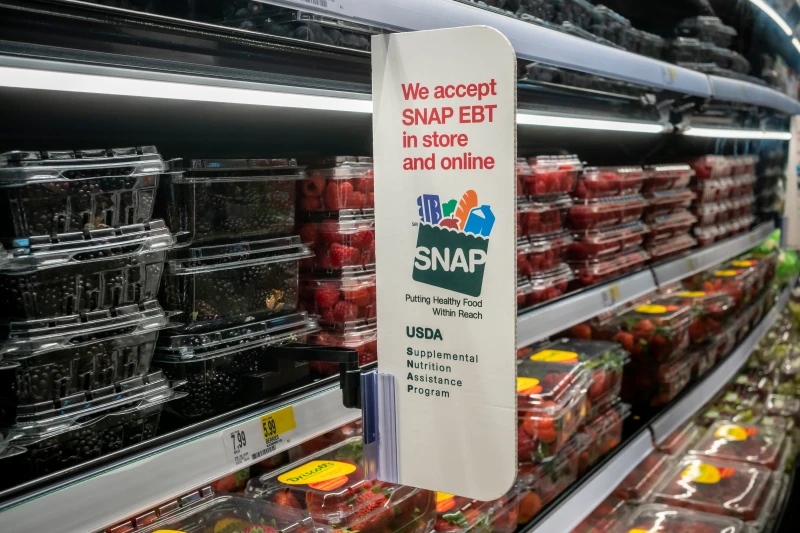
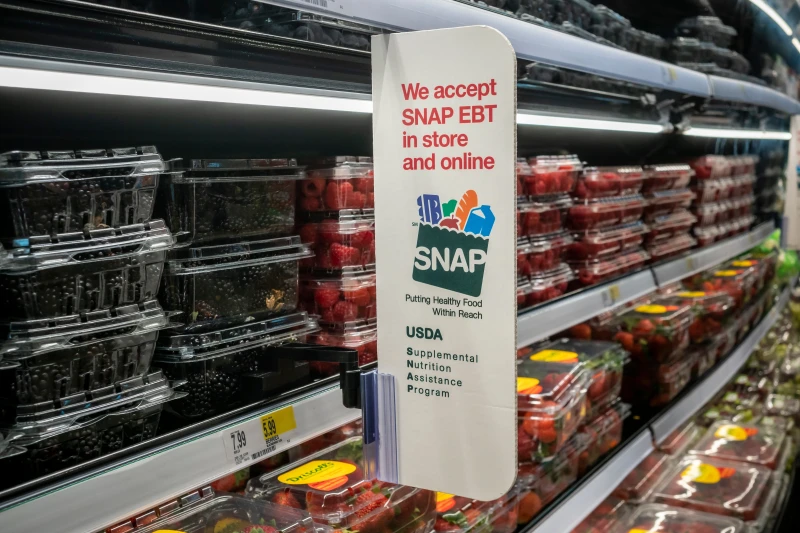
 The Trump administration intends to cut off federal food assistance for 21 states, which has caused concern for some local Catholic Charities affiliates. / Credit: rblfmr/Shutterstock

Washington, D.C. Newsroom, Dec 3, 2025 / 17:51 pm (CNA).
President Donald Trump’s administration intends to cut off federal food assistance for 21 states amid a dispute over reporting data about recipients, which has caused concern for some local Catholic Charities affiliates whose areas may be affected.In May, Secretary of Agriculture Brooke Rollins ordered states to share certain records with the federal government about people who receive food stamps through the Supplemental Nutrition Assistance Program (SNAP). She said this was to ensure benefits only went to eligible people.Although 29 states complied, 21 Democratic-led states refused to provide the information and sued the administration. The lawsuit alleges that providing the information — which includes immigration status, income, and identifying information — would be a privacy violation.Rollins said in a Cabinet meeting on Dec. 2 that “as of next week, we have begun and will begin to stop moving federal funds into those states until they comply and they … allow us to partner with them to root out this fraud and protect the American taxpayer.”She said an initial overview of the data from states that complied showed SNAP benefits given to 186,000 people using Social Security numbers for someone who is not alive and about a half of a million people receiving SNAP benefits more than once. The Department of Agriculture has not released that data.If funding is halted, this would be the second disruption for SNAP benefits in just two months. In November, SNAP payments were delayed for nearly two weeks until lawmakers negotiated an end to the government shutdown.For many of the states that will be impacted, Catholic Charities is the largest provider of food assistance after SNAP, and some affiliate leaders fear that the disruption will cause problems.Rose Bak, chief operating officer of Catholic Charities of Oregon, told CNA the nonprofit keeps  stockpiles for emergencies, but “we’ve gone through most of our supplies” amid the November disruption and an increase in people’s needs caused by the high cost of groceries. She said their food pantry partners have told her “they’ve never been this low on stock” as well.“Our phones were ringing off the hook,” Bak said. “Our mailboxes were flooded with emails.”When asked how another disruption would compare to the problems in November, she said: “I think it will definitely be worse.”“People are scared,” Bak said. “They’re worried about how they’re going to feed their families.”Ashley Valis, chief operating officer of Catholic Charities of Baltimore, similarly told CNA that another disruption “would place immense strain on families already struggling as well as on organizations like ours, which are experiencing growing demand for food and emergency assistance.”“Food insecurity forces children, parents, and older adults to make impossible trade-offs between rent, groceries, and medication,” she said.Catholic Charities DC President and CEO James Malloy offers a prayer before a Thanksgiving meal Nov. 25, 2025. Credit: Courtesy of Ralph Alswang for Catholic Charities DC.James Malloy, CEO and president of Catholic Charities DC, told CNA: “We work to be responsive to the needs of the community as they fluctuate,” and added: “SNAP cuts will certainly increase that need.”“These benefits are critical for veterans, children, and many low-income workers who have multiple jobs to cover basic expenses,” he said.Catholic Charities USA launched a national fundraising effort in late October, just before SNAP benefits were delayed the first time. Catholic Charities USA did not immediately respond to a request for comment.

Catholic Charities affiliates fear SNAP disruptions amid Trump administration warning #Catholic The Trump administration intends to cut off federal food assistance for 21 states, which has caused concern for some local Catholic Charities affiliates. / Credit: rblfmr/Shutterstock Washington, D.C. Newsroom, Dec 3, 2025 / 17:51 pm (CNA). President Donald Trump’s administration intends to cut off federal food assistance for 21 states amid a dispute over reporting data about recipients, which has caused concern for some local Catholic Charities affiliates whose areas may be affected.In May, Secretary of Agriculture Brooke Rollins ordered states to share certain records with the federal government about people who receive food stamps through the Supplemental Nutrition Assistance Program (SNAP). She said this was to ensure benefits only went to eligible people.Although 29 states complied, 21 Democratic-led states refused to provide the information and sued the administration. The lawsuit alleges that providing the information — which includes immigration status, income, and identifying information — would be a privacy violation.Rollins said in a Cabinet meeting on Dec. 2 that “as of next week, we have begun and will begin to stop moving federal funds into those states until they comply and they … allow us to partner with them to root out this fraud and protect the American taxpayer.”She said an initial overview of the data from states that complied showed SNAP benefits given to 186,000 people using Social Security numbers for someone who is not alive and about a half of a million people receiving SNAP benefits more than once. The Department of Agriculture has not released that data.If funding is halted, this would be the second disruption for SNAP benefits in just two months. In November, SNAP payments were delayed for nearly two weeks until lawmakers negotiated an end to the government shutdown.For many of the states that will be impacted, Catholic Charities is the largest provider of food assistance after SNAP, and some affiliate leaders fear that the disruption will cause problems.Rose Bak, chief operating officer of Catholic Charities of Oregon, told CNA the nonprofit keeps  stockpiles for emergencies, but “we’ve gone through most of our supplies” amid the November disruption and an increase in people’s needs caused by the high cost of groceries. She said their food pantry partners have told her “they’ve never been this low on stock” as well.“Our phones were ringing off the hook,” Bak said. “Our mailboxes were flooded with emails.”When asked how another disruption would compare to the problems in November, she said: “I think it will definitely be worse.”“People are scared,” Bak said. “They’re worried about how they’re going to feed their families.”Ashley Valis, chief operating officer of Catholic Charities of Baltimore, similarly told CNA that another disruption “would place immense strain on families already struggling as well as on organizations like ours, which are experiencing growing demand for food and emergency assistance.”“Food insecurity forces children, parents, and older adults to make impossible trade-offs between rent, groceries, and medication,” she said.Catholic Charities DC President and CEO James Malloy offers a prayer before a Thanksgiving meal Nov. 25, 2025. Credit: Courtesy of Ralph Alswang for Catholic Charities DC.James Malloy, CEO and president of Catholic Charities DC, told CNA: “We work to be responsive to the needs of the community as they fluctuate,” and added: “SNAP cuts will certainly increase that need.”“These benefits are critical for veterans, children, and many low-income workers who have multiple jobs to cover basic expenses,” he said.Catholic Charities USA launched a national fundraising effort in late October, just before SNAP benefits were delayed the first time. Catholic Charities USA did not immediately respond to a request for comment.


The Trump administration intends to cut off federal food assistance for 21 states, which has caused concern for some local Catholic Charities affiliates. / Credit: rblfmr/Shutterstock

Washington, D.C. Newsroom, Dec 3, 2025 / 17:51 pm (CNA).

President Donald Trump’s administration intends to cut off federal food assistance for 21 states amid a dispute over reporting data about recipients, which has caused concern for some local Catholic Charities affiliates whose areas may be affected.

In May, Secretary of Agriculture Brooke Rollins ordered states to share certain records with the federal government about people who receive food stamps through the Supplemental Nutrition Assistance Program (SNAP). She said this was to ensure benefits only went to eligible people.

Although 29 states complied, 21 Democratic-led states refused to provide the information and sued the administration. The lawsuit alleges that providing the information — which includes immigration status, income, and identifying information — would be a privacy violation.

Rollins said in a Cabinet meeting on Dec. 2 that “as of next week, we have begun and will begin to stop moving federal funds into those states until they comply and they … allow us to partner with them to root out this fraud and protect the American taxpayer.”

She said an initial overview of the data from states that complied showed SNAP benefits given to 186,000 people using Social Security numbers for someone who is not alive and about a half of a million people receiving SNAP benefits more than once. The Department of Agriculture has not released that data.

If funding is halted, this would be the second disruption for SNAP benefits in just two months. In November, SNAP payments were delayed for nearly two weeks until lawmakers negotiated an end to the government shutdown.

For many of the states that will be impacted, Catholic Charities is the largest provider of food assistance after SNAP, and some affiliate leaders fear that the disruption will cause problems.

Rose Bak, chief operating officer of Catholic Charities of Oregon, told CNA the nonprofit keeps  stockpiles for emergencies, but “we’ve gone through most of our supplies” amid the November disruption and an increase in people’s needs caused by the high cost of groceries. 

She said their food pantry partners have told her “they’ve never been this low on stock” as well.

“Our phones were ringing off the hook,” Bak said. “Our mailboxes were flooded with emails.”

When asked how another disruption would compare to the problems in November, she said: “I think it will definitely be worse.”

“People are scared,” Bak said. “They’re worried about how they’re going to feed their families.”

Ashley Valis, chief operating officer of Catholic Charities of Baltimore, similarly told CNA that another disruption “would place immense strain on families already struggling as well as on organizations like ours, which are experiencing growing demand for food and emergency assistance.”

“Food insecurity forces children, parents, and older adults to make impossible trade-offs between rent, groceries, and medication,” she said.

Catholic Charities DC President and CEO James Malloy offers a prayer before a Thanksgiving meal Nov. 25, 2025. Credit: Courtesy of Ralph Alswang for Catholic Charities DC.

James Malloy, CEO and president of Catholic Charities DC, told CNA: “We work to be responsive to the needs of the community as they fluctuate,” and added: “SNAP cuts will certainly increase that need.”

“These benefits are critical for veterans, children, and many low-income workers who have multiple jobs to cover basic expenses,” he said.

Catholic Charities USA launched a national fundraising effort in late October, just before SNAP benefits were delayed the first time. Catholic Charities USA did not immediately respond to a request for comment.

Read More
‘This is our faith in action:’ Catholic groups expand food aid amid SNAP cuts #Catholic 
 
 Volunteers prepare and distribute food to families coming through the drive-through distribution site at the Catholic Charities Diocese of Galveston-Houston Guadalupe Center, a food pantry near central Houston. / Credit: Photo courtesy of Catholic Charities of the Archdiocese of Galveston-Houston

CNA Staff, Nov 7, 2025 / 17:40 pm (CNA).
As federal food benefits have been frozen during the government shutdown, Catholic dioceses and charities around the country are holding emergency food drives and launching fundraising efforts.Supplemental Nutrition Assistance Program (SNAP) benefits will resume once the government passes a bill to fund the federal government — but, more than a month into the shutdown, there is no set end date in sight.  Two federal district judges at the end of October moved to compel the Trump administration to pay for SNAP benefits, but because Congress has not yet authorized funding for federal government operations, the Trump administration asked an appeals court on Friday to block the orders and continue with partial SNAP payments.The pause in SNAP benefits is estimated to affect about 42 million Americans.In St. Louis, food pantries saw an influx of people in need. In response, parishes across the archdiocese are holding emergency food drives for the first two weekends of November. Nearly 300,000 people in the area could “lose access to vital food benefits,” Archbishop Mitchell Rozanski said in a letter to pastors, whom he asked to “respond with love and generosity to this urgent need.” “We are called to be people of faith and action,” Rozanski said. “And so, I ask the good people of our archdiocese to come together to help our neighbors who are in danger of going without their ‘daily food.’”The archdiocese is working with the local Catholic Charities and the Society of St. Vincent de Paul to ensure that food pantries are full. Julie Komanetsky, a spokesperson for the Society of St. Vincent de Paul in St. Louis, said the food drives are “bringing great results for our food pantries.” “This is our faith in action,” she told CNA. “Like the story of the good Samaritan who sees the victim and cares for him, Catholics see that people need to be fed and they are responding. They are answering God’s call to be good Samaritans rather than indifferent bystanders!”   So far, the parish food drives have been “very successful and will help keep our pantries stocked and able to support the need,” Komanetsky said.“Our hope for this effort is to keep all within the boundaries of our archdiocese from going hungry during this difficult time in our country,” she continued. “This is our united Catholic effort to let all people know that we see them, we hear their needs, and we will help.”“Pope Leo tells us: Faith cannot be separated from love for the poor,” she continued. “This effort is a testament of our faith and our love.” St. Louis is not the only archdiocese finding creative solutions to the SNAP crisis. In Connecticut, Hartford Archbishop Christopher Coyne has released 0,000 of emergency funding to food banks. Coyne said the funding is being contributed “in the spirit of Jesus’ command to serve our brothers and sisters in need.”“The Catholic Church provides relief and hope for God’s children,” Coyne said in a statement. “It’s what we have done for over 2,000 years and what we continue to do today.”Volunteers load food into a car at a drive-through distribution site in Houston. Credit: Photo courtesy of Catholic Charities of the Archdiocese of Galveston-HoustonThe Archdiocese of Galveston-Houston Catholic Charities is seeing a similar rise in need. Across its three food pantries Catholic Charities is extending hours and increasing distribution. “Many families across our service area are struggling, worried about missing paychecks or not being able to put food on the table,” Cynthia Nunes Colbert, who heads the Catholic Charities of the Archdiocese of Galveston-Houston, told CNA. The group is also offering emergency rental assistance to federal workers and is reaching out to the wider community for support by encouraging food drives, volunteering, and donations, Catholic Charities told CNA. “Whether it’s through financial donations, food drives, or volunteering, together we can provide hope and stability during these uncertain times,” Colbert said.As part of a nationwide effort, Catholic Charities USA launched a fundraising effort in light of the funding cuts. The funds raised will go directly toward buying and sending food to Catholic Charities groups across the country to support ministries such as food pantries and soup kitchens. For families who rely on food assistance programs, this a “catastrophic moment” said CCUSA President and CEO Kerry Alys Robinson. The government shutdown “has created incredibly serious, real-life consequences for millions of people, from furloughed federal workers to those living in poverty who will now struggle even more to provide for their families,” Robinson said in a recent statement.

‘This is our faith in action:’ Catholic groups expand food aid amid SNAP cuts #Catholic Volunteers prepare and distribute food to families coming through the drive-through distribution site at the Catholic Charities Diocese of Galveston-Houston Guadalupe Center, a food pantry near central Houston. / Credit: Photo courtesy of Catholic Charities of the Archdiocese of Galveston-Houston CNA Staff, Nov 7, 2025 / 17:40 pm (CNA). As federal food benefits have been frozen during the government shutdown, Catholic dioceses and charities around the country are holding emergency food drives and launching fundraising efforts.Supplemental Nutrition Assistance Program (SNAP) benefits will resume once the government passes a bill to fund the federal government — but, more than a month into the shutdown, there is no set end date in sight.  Two federal district judges at the end of October moved to compel the Trump administration to pay for SNAP benefits, but because Congress has not yet authorized funding for federal government operations, the Trump administration asked an appeals court on Friday to block the orders and continue with partial SNAP payments.The pause in SNAP benefits is estimated to affect about 42 million Americans.In St. Louis, food pantries saw an influx of people in need. In response, parishes across the archdiocese are holding emergency food drives for the first two weekends of November. Nearly 300,000 people in the area could “lose access to vital food benefits,” Archbishop Mitchell Rozanski said in a letter to pastors, whom he asked to “respond with love and generosity to this urgent need.” “We are called to be people of faith and action,” Rozanski said. “And so, I ask the good people of our archdiocese to come together to help our neighbors who are in danger of going without their ‘daily food.’”The archdiocese is working with the local Catholic Charities and the Society of St. Vincent de Paul to ensure that food pantries are full. Julie Komanetsky, a spokesperson for the Society of St. Vincent de Paul in St. Louis, said the food drives are “bringing great results for our food pantries.” “This is our faith in action,” she told CNA. “Like the story of the good Samaritan who sees the victim and cares for him, Catholics see that people need to be fed and they are responding. They are answering God’s call to be good Samaritans rather than indifferent bystanders!”   So far, the parish food drives have been “very successful and will help keep our pantries stocked and able to support the need,” Komanetsky said.“Our hope for this effort is to keep all within the boundaries of our archdiocese from going hungry during this difficult time in our country,” she continued. “This is our united Catholic effort to let all people know that we see them, we hear their needs, and we will help.”“Pope Leo tells us: Faith cannot be separated from love for the poor,” she continued. “This effort is a testament of our faith and our love.” St. Louis is not the only archdiocese finding creative solutions to the SNAP crisis. In Connecticut, Hartford Archbishop Christopher Coyne has released $500,000 of emergency funding to food banks. Coyne said the funding is being contributed “in the spirit of Jesus’ command to serve our brothers and sisters in need.”“The Catholic Church provides relief and hope for God’s children,” Coyne said in a statement. “It’s what we have done for over 2,000 years and what we continue to do today.”Volunteers load food into a car at a drive-through distribution site in Houston. Credit: Photo courtesy of Catholic Charities of the Archdiocese of Galveston-HoustonThe Archdiocese of Galveston-Houston Catholic Charities is seeing a similar rise in need. Across its three food pantries Catholic Charities is extending hours and increasing distribution. “Many families across our service area are struggling, worried about missing paychecks or not being able to put food on the table,” Cynthia Nunes Colbert, who heads the Catholic Charities of the Archdiocese of Galveston-Houston, told CNA. The group is also offering emergency rental assistance to federal workers and is reaching out to the wider community for support by encouraging food drives, volunteering, and donations, Catholic Charities told CNA. “Whether it’s through financial donations, food drives, or volunteering, together we can provide hope and stability during these uncertain times,” Colbert said.As part of a nationwide effort, Catholic Charities USA launched a fundraising effort in light of the funding cuts. The funds raised will go directly toward buying and sending food to Catholic Charities groups across the country to support ministries such as food pantries and soup kitchens. For families who rely on food assistance programs, this a “catastrophic moment” said CCUSA President and CEO Kerry Alys Robinson. The government shutdown “has created incredibly serious, real-life consequences for millions of people, from furloughed federal workers to those living in poverty who will now struggle even more to provide for their families,” Robinson said in a recent statement.


Volunteers prepare and distribute food to families coming through the drive-through distribution site at the Catholic Charities Diocese of Galveston-Houston Guadalupe Center, a food pantry near central Houston. / Credit: Photo courtesy of Catholic Charities of the Archdiocese of Galveston-Houston

CNA Staff, Nov 7, 2025 / 17:40 pm (CNA).

As federal food benefits have been frozen during the government shutdown, Catholic dioceses and charities around the country are holding emergency food drives and launching fundraising efforts.

Supplemental Nutrition Assistance Program (SNAP) benefits will resume once the government passes a bill to fund the federal government — but, more than a month into the shutdown, there is no set end date in sight.  

Two federal district judges at the end of October moved to compel the Trump administration to pay for SNAP benefits, but because Congress has not yet authorized funding for federal government operations, the Trump administration asked an appeals court on Friday to block the orders and continue with partial SNAP payments.

The pause in SNAP benefits is estimated to affect about 42 million Americans.

In St. Louis, food pantries saw an influx of people in need. In response, parishes across the archdiocese are holding emergency food drives for the first two weekends of November. 

Nearly 300,000 people in the area could “lose access to vital food benefits,” Archbishop Mitchell Rozanski said in a letter to pastors, whom he asked to “respond with love and generosity to this urgent need.” 

“We are called to be people of faith and action,” Rozanski said. “And so, I ask the good people of our archdiocese to come together to help our neighbors who are in danger of going without their ‘daily food.’”

The archdiocese is working with the local Catholic Charities and the Society of St. Vincent de Paul to ensure that food pantries are full. 

Julie Komanetsky, a spokesperson for the Society of St. Vincent de Paul in St. Louis, said the food drives are “bringing great results for our food pantries.” 

“This is our faith in action,” she told CNA. “Like the story of the good Samaritan who sees the victim and cares for him, Catholics see that people need to be fed and they are responding. They are answering God’s call to be good Samaritans rather than indifferent bystanders!”   

So far, the parish food drives have been “very successful and will help keep our pantries stocked and able to support the need,” Komanetsky said.

“Our hope for this effort is to keep all within the boundaries of our archdiocese from going hungry during this difficult time in our country,” she continued. “This is our united Catholic effort to let all people know that we see them, we hear their needs, and we will help.”

“Pope Leo tells us: Faith cannot be separated from love for the poor,” she continued. “This effort is a testament of our faith and our love.” 

St. Louis is not the only archdiocese finding creative solutions to the SNAP crisis. In Connecticut, Hartford Archbishop Christopher Coyne has released $500,000 of emergency funding to food banks. 

Coyne said the funding is being contributed “in the spirit of Jesus’ command to serve our brothers and sisters in need.”

“The Catholic Church provides relief and hope for God’s children,” Coyne said in a statement. “It’s what we have done for over 2,000 years and what we continue to do today.”

Volunteers load food into a car at a drive-through distribution site in Houston. Credit: Photo courtesy of Catholic Charities of the Archdiocese of Galveston-Houston

The Archdiocese of Galveston-Houston Catholic Charities is seeing a similar rise in need. Across its three food pantries Catholic Charities is extending hours and increasing distribution. 

“Many families across our service area are struggling, worried about missing paychecks or not being able to put food on the table,” Cynthia Nunes Colbert, who heads the Catholic Charities of the Archdiocese of Galveston-Houston, told CNA. 

The group is also offering emergency rental assistance to federal workers and is reaching out to the wider community for support by encouraging food drives, volunteering, and donations, Catholic Charities told CNA. 

“Whether it’s through financial donations, food drives, or volunteering, together we can provide hope and stability during these uncertain times,” Colbert said.

As part of a nationwide effort, Catholic Charities USA launched a fundraising effort in light of the funding cuts. The funds raised will go directly toward buying and sending food to Catholic Charities groups across the country to support ministries such as food pantries and soup kitchens. 

For families who rely on food assistance programs, this a “catastrophic moment” said CCUSA President and CEO Kerry Alys Robinson. 

The government shutdown “has created incredibly serious, real-life consequences for millions of people, from furloughed federal workers to those living in poverty who will now struggle even more to provide for their families,” Robinson said in a recent statement.

Read More
Poll: 7 in 10 voters support requiring doctor’s visit for abortion pills #Catholic 
 
 null / Credit: SibRapid/Shutterstock

Denver, Colorado, Nov 1, 2025 / 07:19 am (CNA).
Here is a roundup of recent pro-life and abortion-related news.7 in 10 voters support requiring doctor’s visit for abortion pills More than 7 in 10 voters believe a doctor’s visit should be required for a chemical abortion prescription, a recent poll found. The McLaughlin & Associates poll of 1,600 participants found that 71% of voters approved of a proposal “requiring a doctor’s visit in order for the chemical abortion drug to be prescribed to terminate an unwanted pregnancy.” The poll also found that 30% of voters had “significant concerns” about the safety of the abortion pill.  Current federal regulations allow providers to prescribe abortion drugs through telehealth and send them by mail. States like California even allow anonymous prescription of the abortion pill, and states including New York and California have “shield laws” that protect abortion providers who ship drugs into states where it is illegal. SBA Pro-Life America President Marjorie Dannenfelser said this week, “The harmful impact of Biden’s FDA removing safeguards on abortion drugs, like in-person doctor visits, is an issue that overwhelmingly unites voters of all stripes.”“As a growing body of research indicates these drugs are far more dangerous than advertised, and new horror stories emerge day after day of women coerced and drugged against their will, landing in the ER and even dying along with their babies, Americans’ concerns are more than valid,” she said in an Oct. 28 statement.Dannenfelser urged the Trump administration to “heed the emerging science and the will of the people and immediately reinstate in-person doctor visits.” Texas AG Paxton secures win in Yelp’s targeting of pregnancy centersTexas Attorney General Ken Paxton secured an appellate court victory against Yelp, Inc. for allegedly adding misleading notices to pro-life pregnancy centers. Paxton filed the lawsuit after misleading notices were attached to the pages of crisis pregnancy centers. The 15th U.S. Court of Appeals reversed a lower court’s dismissal, which had concluded that Texas did not have jurisdiction over Yelp because it is based in California. The 15th U.S. Court of Appeals concluded this week that the company is still “subject to specific jurisdiction in Texas” and that the concern is relevant to other states as well. “As evidenced by the number of attorneys general who signed the letter sent to Yelp, several states share Texas’s interest in ensuring that Crisis Pregnancy Centers are not the targets of actionable misleading statements,” Justice April Farris wrote in the opinion. Paxton said in a statement that Yelp tried to “steer users away from pro-life resources,” noting that Texas will keep Yelp accountable. Paxton pledged to “continue to defend pro-life organizations that serve Texans and make sure that women and families are receiving accurate information about our state’s resources.”Virginia superintendent denies that staff facilitated student abortionsA Virginia public school district has denied allegations that staff at a high school facilitated student abortions without parental consent or knowledge.In an Oct. 16 letter to families and staff at Centreville High School, Fairfax County Superintendent Michelle Reid said that internal investigations found that the “allegations are likely untrue” as “new details have emerged.” In the wake of an investigative report by a local blogger and accusations by a teacher on staff, Virginia Gov. Glenn Youngkin instructed police to launch a criminal investigation. U.S. Senator Bill Cassidy, chairman of the Senate Health, Education, Labor and Pension Committee as well as the U.S. Department of Education also launched investigations. Reid said that “such behavior would never be acceptable” in the school district, which “is fully cooperating with these government investigations.” Planned Parenthood Wisconsin resumes abortionsAfter a temporary pause this month, Wisconsin Planned Parenthood resumed providing abortions in the state by giving up its designation as an “essential community provider” under the Affordable Care Act. Planned Parenthood Wisconsin stopped offering abortions on Oct. 1, after President Donald Trump cut federal Medicaid funding for abortion providers. The yearlong pause is designed to prevent federal tax dollars from subsidizing organizations that provide abortions. Heather Weininger, executive director of Wisconsin Right to Life, said, “Planned Parenthood’s abortion-first business model underscores why taxpayer funding should never support organizations that make abortion a priority.”“Women in difficult circumstances deserve compassionate, life-affirming care — the kind of support the pro-life movement is committed to offering,” she said in an Oct. 27 statement.  Ohio cuts medicaid contract with Planned Parenthood Ohio has terminated Medicaid provider contracts with Planned Parenthood, preventing state funds from going to the abortion giant there.The Ohio Department of Medicaid cited Trump’s recent yearlong pause on Medicaid reimbursements to abortion providers as the reason for termination. Planned Parenthood has since requested a hearing with the department to oppose the termination. Whether the state’s decision to end the agreement will extend longer than the federal pause is unclear.

Poll: 7 in 10 voters support requiring doctor’s visit for abortion pills #Catholic null / Credit: SibRapid/Shutterstock Denver, Colorado, Nov 1, 2025 / 07:19 am (CNA). Here is a roundup of recent pro-life and abortion-related news.7 in 10 voters support requiring doctor’s visit for abortion pills More than 7 in 10 voters believe a doctor’s visit should be required for a chemical abortion prescription, a recent poll found. The McLaughlin & Associates poll of 1,600 participants found that 71% of voters approved of a proposal “requiring a doctor’s visit in order for the chemical abortion drug to be prescribed to terminate an unwanted pregnancy.” The poll also found that 30% of voters had “significant concerns” about the safety of the abortion pill.  Current federal regulations allow providers to prescribe abortion drugs through telehealth and send them by mail. States like California even allow anonymous prescription of the abortion pill, and states including New York and California have “shield laws” that protect abortion providers who ship drugs into states where it is illegal. SBA Pro-Life America President Marjorie Dannenfelser said this week, “The harmful impact of Biden’s FDA removing safeguards on abortion drugs, like in-person doctor visits, is an issue that overwhelmingly unites voters of all stripes.”“As a growing body of research indicates these drugs are far more dangerous than advertised, and new horror stories emerge day after day of women coerced and drugged against their will, landing in the ER and even dying along with their babies, Americans’ concerns are more than valid,” she said in an Oct. 28 statement.Dannenfelser urged the Trump administration to “heed the emerging science and the will of the people and immediately reinstate in-person doctor visits.” Texas AG Paxton secures win in Yelp’s targeting of pregnancy centersTexas Attorney General Ken Paxton secured an appellate court victory against Yelp, Inc. for allegedly adding misleading notices to pro-life pregnancy centers. Paxton filed the lawsuit after misleading notices were attached to the pages of crisis pregnancy centers. The 15th U.S. Court of Appeals reversed a lower court’s dismissal, which had concluded that Texas did not have jurisdiction over Yelp because it is based in California. The 15th U.S. Court of Appeals concluded this week that the company is still “subject to specific jurisdiction in Texas” and that the concern is relevant to other states as well. “As evidenced by the number of attorneys general who signed the letter sent to Yelp, several states share Texas’s interest in ensuring that Crisis Pregnancy Centers are not the targets of actionable misleading statements,” Justice April Farris wrote in the opinion. Paxton said in a statement that Yelp tried to “steer users away from pro-life resources,” noting that Texas will keep Yelp accountable. Paxton pledged to “continue to defend pro-life organizations that serve Texans and make sure that women and families are receiving accurate information about our state’s resources.”Virginia superintendent denies that staff facilitated student abortionsA Virginia public school district has denied allegations that staff at a high school facilitated student abortions without parental consent or knowledge.In an Oct. 16 letter to families and staff at Centreville High School, Fairfax County Superintendent Michelle Reid said that internal investigations found that the “allegations are likely untrue” as “new details have emerged.” In the wake of an investigative report by a local blogger and accusations by a teacher on staff, Virginia Gov. Glenn Youngkin instructed police to launch a criminal investigation. U.S. Senator Bill Cassidy, chairman of the Senate Health, Education, Labor and Pension Committee as well as the U.S. Department of Education also launched investigations. Reid said that “such behavior would never be acceptable” in the school district, which “is fully cooperating with these government investigations.” Planned Parenthood Wisconsin resumes abortionsAfter a temporary pause this month, Wisconsin Planned Parenthood resumed providing abortions in the state by giving up its designation as an “essential community provider” under the Affordable Care Act. Planned Parenthood Wisconsin stopped offering abortions on Oct. 1, after President Donald Trump cut federal Medicaid funding for abortion providers. The yearlong pause is designed to prevent federal tax dollars from subsidizing organizations that provide abortions. Heather Weininger, executive director of Wisconsin Right to Life, said, “Planned Parenthood’s abortion-first business model underscores why taxpayer funding should never support organizations that make abortion a priority.”“Women in difficult circumstances deserve compassionate, life-affirming care — the kind of support the pro-life movement is committed to offering,” she said in an Oct. 27 statement.  Ohio cuts medicaid contract with Planned Parenthood Ohio has terminated Medicaid provider contracts with Planned Parenthood, preventing state funds from going to the abortion giant there.The Ohio Department of Medicaid cited Trump’s recent yearlong pause on Medicaid reimbursements to abortion providers as the reason for termination. Planned Parenthood has since requested a hearing with the department to oppose the termination. Whether the state’s decision to end the agreement will extend longer than the federal pause is unclear.


null / Credit: SibRapid/Shutterstock

Denver, Colorado, Nov 1, 2025 / 07:19 am (CNA).

Here is a roundup of recent pro-life and abortion-related news.

7 in 10 voters support requiring doctor’s visit for abortion pills 

More than 7 in 10 voters believe a doctor’s visit should be required for a chemical abortion prescription, a recent poll found. 

The McLaughlin & Associates poll of 1,600 participants found that 71% of voters approved of a proposal “requiring a doctor’s visit in order for the chemical abortion drug to be prescribed to terminate an unwanted pregnancy.” 

The poll also found that 30% of voters had “significant concerns” about the safety of the abortion pill.  

Current federal regulations allow providers to prescribe abortion drugs through telehealth and send them by mail. 

States like California even allow anonymous prescription of the abortion pill, and states including New York and California have “shield laws” that protect abortion providers who ship drugs into states where it is illegal. 

SBA Pro-Life America President Marjorie Dannenfelser said this week, “The harmful impact of Biden’s FDA removing safeguards on abortion drugs, like in-person doctor visits, is an issue that overwhelmingly unites voters of all stripes.”

“As a growing body of research indicates these drugs are far more dangerous than advertised, and new horror stories emerge day after day of women coerced and drugged against their will, landing in the ER and even dying along with their babies, Americans’ concerns are more than valid,” she said in an Oct. 28 statement.

Dannenfelser urged the Trump administration to “heed the emerging science and the will of the people and immediately reinstate in-person doctor visits.” 

Texas AG Paxton secures win in Yelp’s targeting of pregnancy centers

Texas Attorney General Ken Paxton secured an appellate court victory against Yelp, Inc. for allegedly adding misleading notices to pro-life pregnancy centers. 

Paxton filed the lawsuit after misleading notices were attached to the pages of crisis pregnancy centers. The 15th U.S. Court of Appeals reversed a lower court’s dismissal, which had concluded that Texas did not have jurisdiction over Yelp because it is based in California. 

The 15th U.S. Court of Appeals concluded this week that the company is still “subject to specific jurisdiction in Texas” and that the concern is relevant to other states as well. 

“As evidenced by the number of attorneys general who signed the letter sent to Yelp, several states share Texas’s interest in ensuring that Crisis Pregnancy Centers are not the targets of actionable misleading statements,” Justice April Farris wrote in the opinion

Paxton said in a statement that Yelp tried to “steer users away from pro-life resources,” noting that Texas will keep Yelp accountable. 

Paxton pledged to “continue to defend pro-life organizations that serve Texans and make sure that women and families are receiving accurate information about our state’s resources.”

Virginia superintendent denies that staff facilitated student abortions

A Virginia public school district has denied allegations that staff at a high school facilitated student abortions without parental consent or knowledge.

In an Oct. 16 letter to families and staff at Centreville High School, Fairfax County Superintendent Michelle Reid said that internal investigations found that the “allegations are likely untrue” as “new details have emerged.” 

In the wake of an investigative report by a local blogger and accusations by a teacher on staff, Virginia Gov. Glenn Youngkin instructed police to launch a criminal investigation. U.S. Senator Bill Cassidy, chairman of the Senate Health, Education, Labor and Pension Committee as well as the U.S. Department of Education also launched investigations. 

Reid said that “such behavior would never be acceptable” in the school district, which “is fully cooperating with these government investigations.” 

Planned Parenthood Wisconsin resumes abortions

After a temporary pause this month, Wisconsin Planned Parenthood resumed providing abortions in the state by giving up its designation as an “essential community provider” under the Affordable Care Act. 

Planned Parenthood Wisconsin stopped offering abortions on Oct. 1, after President Donald Trump cut federal Medicaid funding for abortion providers. The yearlong pause is designed to prevent federal tax dollars from subsidizing organizations that provide abortions. 

Heather Weininger, executive director of Wisconsin Right to Life, said, “Planned Parenthood’s abortion-first business model underscores why taxpayer funding should never support organizations that make abortion a priority.”

“Women in difficult circumstances deserve compassionate, life-affirming care — the kind of support the pro-life movement is committed to offering,” she said in an Oct. 27 statement.  

Ohio cuts medicaid contract with Planned Parenthood 

Ohio has terminated Medicaid provider contracts with Planned Parenthood, preventing state funds from going to the abortion giant there.

The Ohio Department of Medicaid cited Trump’s recent yearlong pause on Medicaid reimbursements to abortion providers as the reason for termination. Planned Parenthood has since requested a hearing with the department to oppose the termination. Whether the state’s decision to end the agreement will extend longer than the federal pause is unclear.

Read More