Fundraising

Catholic Charities affiliates fear SNAP disruptions amid Trump administration warning #Catholic 
 
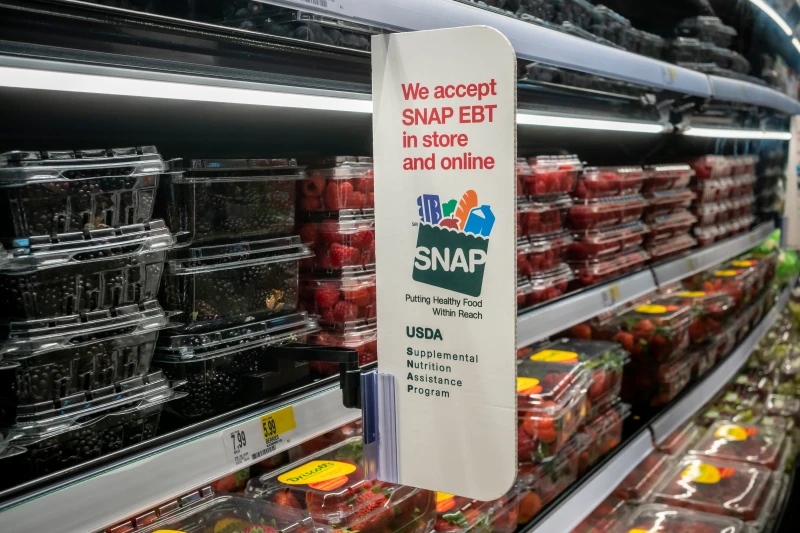
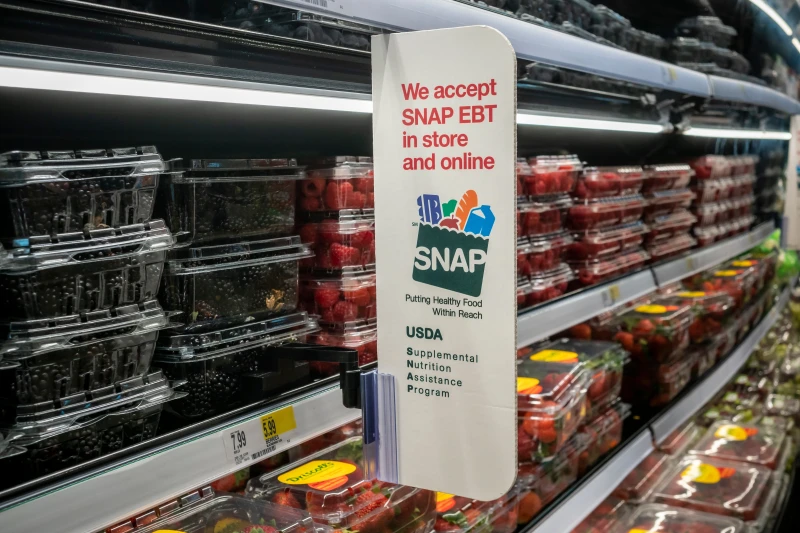
 The Trump administration intends to cut off federal food assistance for 21 states, which has caused concern for some local Catholic Charities affiliates. / Credit: rblfmr/Shutterstock

Washington, D.C. Newsroom, Dec 3, 2025 / 17:51 pm (CNA).
President Donald Trump’s administration intends to cut off federal food assistance for 21 states amid a dispute over reporting data about recipients, which has caused concern for some local Catholic Charities affiliates whose areas may be affected.In May, Secretary of Agriculture Brooke Rollins ordered states to share certain records with the federal government about people who receive food stamps through the Supplemental Nutrition Assistance Program (SNAP). She said this was to ensure benefits only went to eligible people.Although 29 states complied, 21 Democratic-led states refused to provide the information and sued the administration. The lawsuit alleges that providing the information — which includes immigration status, income, and identifying information — would be a privacy violation.Rollins said in a Cabinet meeting on Dec. 2 that “as of next week, we have begun and will begin to stop moving federal funds into those states until they comply and they … allow us to partner with them to root out this fraud and protect the American taxpayer.”She said an initial overview of the data from states that complied showed SNAP benefits given to 186,000 people using Social Security numbers for someone who is not alive and about a half of a million people receiving SNAP benefits more than once. The Department of Agriculture has not released that data.If funding is halted, this would be the second disruption for SNAP benefits in just two months. In November, SNAP payments were delayed for nearly two weeks until lawmakers negotiated an end to the government shutdown.For many of the states that will be impacted, Catholic Charities is the largest provider of food assistance after SNAP, and some affiliate leaders fear that the disruption will cause problems.Rose Bak, chief operating officer of Catholic Charities of Oregon, told CNA the nonprofit keeps  stockpiles for emergencies, but “we’ve gone through most of our supplies” amid the November disruption and an increase in people’s needs caused by the high cost of groceries. She said their food pantry partners have told her “they’ve never been this low on stock” as well.“Our phones were ringing off the hook,” Bak said. “Our mailboxes were flooded with emails.”When asked how another disruption would compare to the problems in November, she said: “I think it will definitely be worse.”“People are scared,” Bak said. “They’re worried about how they’re going to feed their families.”Ashley Valis, chief operating officer of Catholic Charities of Baltimore, similarly told CNA that another disruption “would place immense strain on families already struggling as well as on organizations like ours, which are experiencing growing demand for food and emergency assistance.”“Food insecurity forces children, parents, and older adults to make impossible trade-offs between rent, groceries, and medication,” she said.Catholic Charities DC President and CEO James Malloy offers a prayer before a Thanksgiving meal Nov. 25, 2025. Credit: Courtesy of Ralph Alswang for Catholic Charities DC.James Malloy, CEO and president of Catholic Charities DC, told CNA: “We work to be responsive to the needs of the community as they fluctuate,” and added: “SNAP cuts will certainly increase that need.”“These benefits are critical for veterans, children, and many low-income workers who have multiple jobs to cover basic expenses,” he said.Catholic Charities USA launched a national fundraising effort in late October, just before SNAP benefits were delayed the first time. Catholic Charities USA did not immediately respond to a request for comment.

Catholic Charities affiliates fear SNAP disruptions amid Trump administration warning #Catholic The Trump administration intends to cut off federal food assistance for 21 states, which has caused concern for some local Catholic Charities affiliates. / Credit: rblfmr/Shutterstock Washington, D.C. Newsroom, Dec 3, 2025 / 17:51 pm (CNA). President Donald Trump’s administration intends to cut off federal food assistance for 21 states amid a dispute over reporting data about recipients, which has caused concern for some local Catholic Charities affiliates whose areas may be affected.In May, Secretary of Agriculture Brooke Rollins ordered states to share certain records with the federal government about people who receive food stamps through the Supplemental Nutrition Assistance Program (SNAP). She said this was to ensure benefits only went to eligible people.Although 29 states complied, 21 Democratic-led states refused to provide the information and sued the administration. The lawsuit alleges that providing the information — which includes immigration status, income, and identifying information — would be a privacy violation.Rollins said in a Cabinet meeting on Dec. 2 that “as of next week, we have begun and will begin to stop moving federal funds into those states until they comply and they … allow us to partner with them to root out this fraud and protect the American taxpayer.”She said an initial overview of the data from states that complied showed SNAP benefits given to 186,000 people using Social Security numbers for someone who is not alive and about a half of a million people receiving SNAP benefits more than once. The Department of Agriculture has not released that data.If funding is halted, this would be the second disruption for SNAP benefits in just two months. In November, SNAP payments were delayed for nearly two weeks until lawmakers negotiated an end to the government shutdown.For many of the states that will be impacted, Catholic Charities is the largest provider of food assistance after SNAP, and some affiliate leaders fear that the disruption will cause problems.Rose Bak, chief operating officer of Catholic Charities of Oregon, told CNA the nonprofit keeps  stockpiles for emergencies, but “we’ve gone through most of our supplies” amid the November disruption and an increase in people’s needs caused by the high cost of groceries. She said their food pantry partners have told her “they’ve never been this low on stock” as well.“Our phones were ringing off the hook,” Bak said. “Our mailboxes were flooded with emails.”When asked how another disruption would compare to the problems in November, she said: “I think it will definitely be worse.”“People are scared,” Bak said. “They’re worried about how they’re going to feed their families.”Ashley Valis, chief operating officer of Catholic Charities of Baltimore, similarly told CNA that another disruption “would place immense strain on families already struggling as well as on organizations like ours, which are experiencing growing demand for food and emergency assistance.”“Food insecurity forces children, parents, and older adults to make impossible trade-offs between rent, groceries, and medication,” she said.Catholic Charities DC President and CEO James Malloy offers a prayer before a Thanksgiving meal Nov. 25, 2025. Credit: Courtesy of Ralph Alswang for Catholic Charities DC.James Malloy, CEO and president of Catholic Charities DC, told CNA: “We work to be responsive to the needs of the community as they fluctuate,” and added: “SNAP cuts will certainly increase that need.”“These benefits are critical for veterans, children, and many low-income workers who have multiple jobs to cover basic expenses,” he said.Catholic Charities USA launched a national fundraising effort in late October, just before SNAP benefits were delayed the first time. Catholic Charities USA did not immediately respond to a request for comment.


The Trump administration intends to cut off federal food assistance for 21 states, which has caused concern for some local Catholic Charities affiliates. / Credit: rblfmr/Shutterstock

Washington, D.C. Newsroom, Dec 3, 2025 / 17:51 pm (CNA).

President Donald Trump’s administration intends to cut off federal food assistance for 21 states amid a dispute over reporting data about recipients, which has caused concern for some local Catholic Charities affiliates whose areas may be affected.

In May, Secretary of Agriculture Brooke Rollins ordered states to share certain records with the federal government about people who receive food stamps through the Supplemental Nutrition Assistance Program (SNAP). She said this was to ensure benefits only went to eligible people.

Although 29 states complied, 21 Democratic-led states refused to provide the information and sued the administration. The lawsuit alleges that providing the information — which includes immigration status, income, and identifying information — would be a privacy violation.

Rollins said in a Cabinet meeting on Dec. 2 that “as of next week, we have begun and will begin to stop moving federal funds into those states until they comply and they … allow us to partner with them to root out this fraud and protect the American taxpayer.”

She said an initial overview of the data from states that complied showed SNAP benefits given to 186,000 people using Social Security numbers for someone who is not alive and about a half of a million people receiving SNAP benefits more than once. The Department of Agriculture has not released that data.

If funding is halted, this would be the second disruption for SNAP benefits in just two months. In November, SNAP payments were delayed for nearly two weeks until lawmakers negotiated an end to the government shutdown.

For many of the states that will be impacted, Catholic Charities is the largest provider of food assistance after SNAP, and some affiliate leaders fear that the disruption will cause problems.

Rose Bak, chief operating officer of Catholic Charities of Oregon, told CNA the nonprofit keeps  stockpiles for emergencies, but “we’ve gone through most of our supplies” amid the November disruption and an increase in people’s needs caused by the high cost of groceries. 

She said their food pantry partners have told her “they’ve never been this low on stock” as well.

“Our phones were ringing off the hook,” Bak said. “Our mailboxes were flooded with emails.”

When asked how another disruption would compare to the problems in November, she said: “I think it will definitely be worse.”

“People are scared,” Bak said. “They’re worried about how they’re going to feed their families.”

Ashley Valis, chief operating officer of Catholic Charities of Baltimore, similarly told CNA that another disruption “would place immense strain on families already struggling as well as on organizations like ours, which are experiencing growing demand for food and emergency assistance.”

“Food insecurity forces children, parents, and older adults to make impossible trade-offs between rent, groceries, and medication,” she said.

Catholic Charities DC President and CEO James Malloy offers a prayer before a Thanksgiving meal Nov. 25, 2025. Credit: Courtesy of Ralph Alswang for Catholic Charities DC.

James Malloy, CEO and president of Catholic Charities DC, told CNA: “We work to be responsive to the needs of the community as they fluctuate,” and added: “SNAP cuts will certainly increase that need.”

“These benefits are critical for veterans, children, and many low-income workers who have multiple jobs to cover basic expenses,” he said.

Catholic Charities USA launched a national fundraising effort in late October, just before SNAP benefits were delayed the first time. Catholic Charities USA did not immediately respond to a request for comment.

Read More

‘An encounter with Jesus’: Artist behind living wall memorial for unborn shares mission #Catholic 
 
 A 3D rendering of the Living Wall: Monument to the Unborn by the architect of the Living Wall, bringing to life the painted design by Arkansas artist Lakey Goff. / Credit: Photo courtesy of Lakey Goff

CNA Staff, Nov 26, 2025 / 09:00 am (CNA).
Amid the sounds of Arkansas’ waterfalls, women who have had abortions will someday be able to find healing at a “living wall” memorial covered in flora and fauna, where the names of unborn children will be inscribed on the hexagonal stone floor thanks to local artist Lakey Goff, who submitted the living wall design, which was selected for Arkansas’ monument for the unborn.The memorial will be on state property, but funding must come from the people. Now Goff and other Arkansians are fundraising for the living wall.A 3D rendering of the Living Wall: Monument to the Unborn by the architect of the Living Wall, bringing to life the painted design by Arkansas artist Lakey Goff. Credit: Photo courtesy of Lakey GoffOn Saturday morning, participants gathered at sunrise at Two Rivers Park in Little Rock to kick off the first annual Living Wall 5K — a race to fundraise for the memorial.Several groups, both local and national — including LIFE Runners, Caring Hearts Pregnancy Center, and Arkansas Right to Life — showed up to kick off the first annual 5K. Fundraising began in May 2024 and has reached nearly ,000; but the living wall’s proposed budget, as of 2025, is estimated to be  million.November has been set aside as a month to remember the unborn in a proclamation signed by Arkansas Gov. Sarah Huckabee Sanders.Goff shared with CNA that her inspiration for the wall comes from her faith in Jesus. She hopes it will be a place of healing for women who have had abortions.Arkansas artist Lakey Goff. Credit: Photo courtesy of Lakey GoffCNA: What inspired the design and the Bible message accompanying it? Why a living wall?Lakey Goff: The monument itself is alive with plants, photosynthesis, and oxygen: There’ll be birds that live in it; there are the sound of seven different waterfalls that I’ve recorded from around Arkansas coming off the top of this wall in an audio loop. That is the sound of Jesus’ voice — the sound of many waters. Then, underneath, you’ll see on there are pavers where women have begun to name their babies that were aborted, to put dates when they were aborted and even Scriptures. It’s a way to be healed and set free and say this happened, where they’re no longer locked up in guilt and shame; and so the babies’ names will be underneath our feet in these hexagonal pavers. I believe this monument is from the heart of God, the heart of the Father, as he wants to heal our land from the bloodshed in our nation, starting in the state of Arkansas to lead the way. Why is this monument important? We don’t want to forget what happened during the 50 years of bloodshed, of innocent babies’ bloodshed in our state. It is an act of repentance, and it is saying, “This will not happen again.” We’re saying, “I’m sorry, God, and we want to honor you and honor life.”This is the very first living wall monument to the unborn in our nation — and so that’s why it’s taking a little while, because it’s never been done before. Runners at the 5K for the Living Wall: Monument to the Unborn on Nov. 22, 2025, at Two Rivers Park in Little Rock, Arkansas. Credit: Photo courtesy of Lakey GoffWhat inspired you to send in a design after the 2023 bill passed? I’ve always been an artist, but I was not in any way involved, at least in my adult years, with the pro-life movement or in the political realm. I said, “Lord, is there anything that you want to do for this monument?” And I immediately received a blueprint from the Holy Spirit of the details about this living wall. I received clearly that the Lord wanted to heal women and families who had abortions and who were held captive by guilt and shame. And he gave me Isaiah 61: He wants to give us double honor for shame; he wants to set the captives free.A 5K participant waves flags at first annual 5K for the Living Wall: Monument to the Unborn on Nov. 22, 2025, at Two Rivers Park in Little Rock, Arkansas. Credit: Photo courtesy of Lakey GoffWhat do you hope people will take away from experiencing it?   It will be an actual place for women, children, families to come and be healed. It’s a place for repentance. It’s a place of life, vitality. There’s nothing dead about Jesus — he’s the risen King.Even in the process, women, children, families have already started to be healed. I believe what they will take away from it is an encounter with Jesus Christ, the Son of God, and his healing: He came for the lost, not the righteous.This interview has been edited for clarity and length.

‘An encounter with Jesus’: Artist behind living wall memorial for unborn shares mission #Catholic A 3D rendering of the Living Wall: Monument to the Unborn by the architect of the Living Wall, bringing to life the painted design by Arkansas artist Lakey Goff. / Credit: Photo courtesy of Lakey Goff CNA Staff, Nov 26, 2025 / 09:00 am (CNA). Amid the sounds of Arkansas’ waterfalls, women who have had abortions will someday be able to find healing at a “living wall” memorial covered in flora and fauna, where the names of unborn children will be inscribed on the hexagonal stone floor thanks to local artist Lakey Goff, who submitted the living wall design, which was selected for Arkansas’ monument for the unborn.The memorial will be on state property, but funding must come from the people. Now Goff and other Arkansians are fundraising for the living wall.A 3D rendering of the Living Wall: Monument to the Unborn by the architect of the Living Wall, bringing to life the painted design by Arkansas artist Lakey Goff. Credit: Photo courtesy of Lakey GoffOn Saturday morning, participants gathered at sunrise at Two Rivers Park in Little Rock to kick off the first annual Living Wall 5K — a race to fundraise for the memorial.Several groups, both local and national — including LIFE Runners, Caring Hearts Pregnancy Center, and Arkansas Right to Life — showed up to kick off the first annual 5K. Fundraising began in May 2024 and has reached nearly $30,000; but the living wall’s proposed budget, as of 2025, is estimated to be $1 million.November has been set aside as a month to remember the unborn in a proclamation signed by Arkansas Gov. Sarah Huckabee Sanders.Goff shared with CNA that her inspiration for the wall comes from her faith in Jesus. She hopes it will be a place of healing for women who have had abortions.Arkansas artist Lakey Goff. Credit: Photo courtesy of Lakey GoffCNA: What inspired the design and the Bible message accompanying it? Why a living wall?Lakey Goff: The monument itself is alive with plants, photosynthesis, and oxygen: There’ll be birds that live in it; there are the sound of seven different waterfalls that I’ve recorded from around Arkansas coming off the top of this wall in an audio loop. That is the sound of Jesus’ voice — the sound of many waters. Then, underneath, you’ll see on there are pavers where women have begun to name their babies that were aborted, to put dates when they were aborted and even Scriptures. It’s a way to be healed and set free and say this happened, where they’re no longer locked up in guilt and shame; and so the babies’ names will be underneath our feet in these hexagonal pavers. I believe this monument is from the heart of God, the heart of the Father, as he wants to heal our land from the bloodshed in our nation, starting in the state of Arkansas to lead the way. Why is this monument important? We don’t want to forget what happened during the 50 years of bloodshed, of innocent babies’ bloodshed in our state. It is an act of repentance, and it is saying, “This will not happen again.” We’re saying, “I’m sorry, God, and we want to honor you and honor life.”This is the very first living wall monument to the unborn in our nation — and so that’s why it’s taking a little while, because it’s never been done before. Runners at the 5K for the Living Wall: Monument to the Unborn on Nov. 22, 2025, at Two Rivers Park in Little Rock, Arkansas. Credit: Photo courtesy of Lakey GoffWhat inspired you to send in a design after the 2023 bill passed? I’ve always been an artist, but I was not in any way involved, at least in my adult years, with the pro-life movement or in the political realm. I said, “Lord, is there anything that you want to do for this monument?” And I immediately received a blueprint from the Holy Spirit of the details about this living wall. I received clearly that the Lord wanted to heal women and families who had abortions and who were held captive by guilt and shame. And he gave me Isaiah 61: He wants to give us double honor for shame; he wants to set the captives free.A 5K participant waves flags at first annual 5K for the Living Wall: Monument to the Unborn on Nov. 22, 2025, at Two Rivers Park in Little Rock, Arkansas. Credit: Photo courtesy of Lakey GoffWhat do you hope people will take away from experiencing it?   It will be an actual place for women, children, families to come and be healed. It’s a place for repentance. It’s a place of life, vitality. There’s nothing dead about Jesus — he’s the risen King.Even in the process, women, children, families have already started to be healed. I believe what they will take away from it is an encounter with Jesus Christ, the Son of God, and his healing: He came for the lost, not the righteous.This interview has been edited for clarity and length.


A 3D rendering of the Living Wall: Monument to the Unborn by the architect of the Living Wall, bringing to life the painted design by Arkansas artist Lakey Goff. / Credit: Photo courtesy of Lakey Goff

CNA Staff, Nov 26, 2025 / 09:00 am (CNA).

Amid the sounds of Arkansas’ waterfalls, women who have had abortions will someday be able to find healing at a “living wall” memorial covered in flora and fauna, where the names of unborn children will be inscribed on the hexagonal stone floor thanks to local artist Lakey Goff, who submitted the living wall design, which was selected for Arkansas’ monument for the unborn.

The memorial will be on state property, but funding must come from the people. Now Goff and other Arkansians are fundraising for the living wall.

A 3D rendering of the Living Wall: Monument to the Unborn by the architect of the Living Wall, bringing to life the painted design by Arkansas artist Lakey Goff. Credit: Photo courtesy of Lakey Goff

On Saturday morning, participants gathered at sunrise at Two Rivers Park in Little Rock to kick off the first annual Living Wall 5K — a race to fundraise for the memorial.

Several groups, both local and national — including LIFE Runners, Caring Hearts Pregnancy Center, and Arkansas Right to Life — showed up to kick off the first annual 5K. 

Fundraising began in May 2024 and has reached nearly $30,000; but the living wall’s proposed budget, as of 2025, is estimated to be $1 million.

November has been set aside as a month to remember the unborn in a proclamation signed by Arkansas Gov. Sarah Huckabee Sanders.

Goff shared with CNA that her inspiration for the wall comes from her faith in Jesus. She hopes it will be a place of healing for women who have had abortions.

Arkansas artist Lakey Goff. Credit: Photo courtesy of Lakey Goff

CNA: What inspired the design and the Bible message accompanying it? Why a living wall?

Lakey Goff: The monument itself is alive with plants, photosynthesis, and oxygen: There’ll be birds that live in it; there are the sound of seven different waterfalls that I’ve recorded from around Arkansas coming off the top of this wall in an audio loop. That is the sound of Jesus’ voice — the sound of many waters. 

Then, underneath, you’ll see on there are pavers where women have begun to name their babies that were aborted, to put dates when they were aborted and even Scriptures. It’s a way to be healed and set free and say this happened, where they’re no longer locked up in guilt and shame; and so the babies’ names will be underneath our feet in these hexagonal pavers. 

I believe this monument is from the heart of God, the heart of the Father, as he wants to heal our land from the bloodshed in our nation, starting in the state of Arkansas to lead the way. 

Why is this monument important? 

We don’t want to forget what happened during the 50 years of bloodshed, of innocent babies’ bloodshed in our state. It is an act of repentance, and it is saying, “This will not happen again.” We’re saying, “I’m sorry, God, and we want to honor you and honor life.”

This is the very first living wall monument to the unborn in our nation — and so that’s why it’s taking a little while, because it’s never been done before. 

Runners at the 5K for the Living Wall: Monument to the Unborn on Nov. 22, 2025, at Two Rivers Park in Little Rock, Arkansas. Credit: Photo courtesy of Lakey Goff

What inspired you to send in a design after the 2023 bill passed? 

I’ve always been an artist, but I was not in any way involved, at least in my adult years, with the pro-life movement or in the political realm. 

I said, “Lord, is there anything that you want to do for this monument?” And I immediately received a blueprint from the Holy Spirit of the details about this living wall. 

I received clearly that the Lord wanted to heal women and families who had abortions and who were held captive by guilt and shame. And he gave me Isaiah 61: He wants to give us double honor for shame; he wants to set the captives free.

A 5K participant waves flags at first annual 5K for the Living Wall: Monument to the Unborn on Nov. 22, 2025, at Two Rivers Park in Little Rock, Arkansas. Credit: Photo courtesy of Lakey Goff

What do you hope people will take away from experiencing it?   

It will be an actual place for women, children, families to come and be healed. It’s a place for repentance. It’s a place of life, vitality. There’s nothing dead about Jesus — he’s the risen King.

Even in the process, women, children, families have already started to be healed. I believe what they will take away from it is an encounter with Jesus Christ, the Son of God, and his healing: He came for the lost, not the righteous.

This interview has been edited for clarity and length.

Read More
‘This is our faith in action:’ Catholic groups expand food aid amid SNAP cuts #Catholic 
 
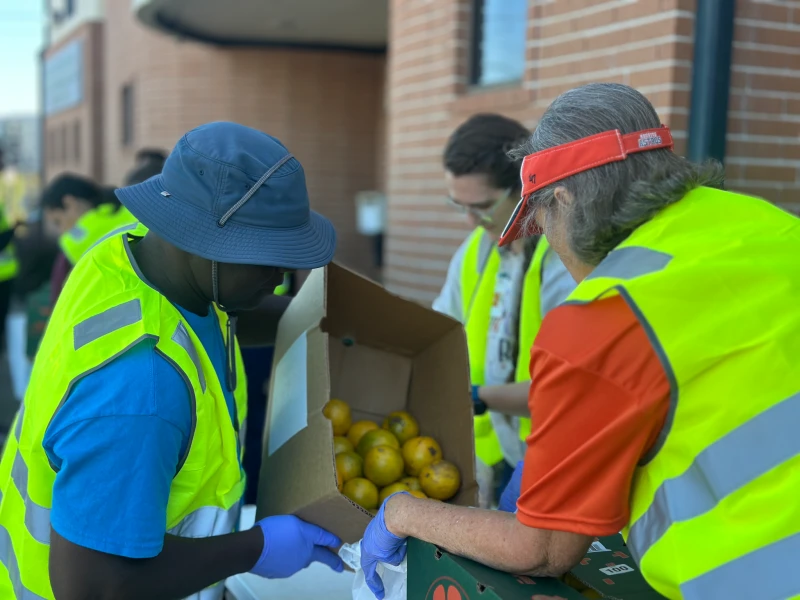
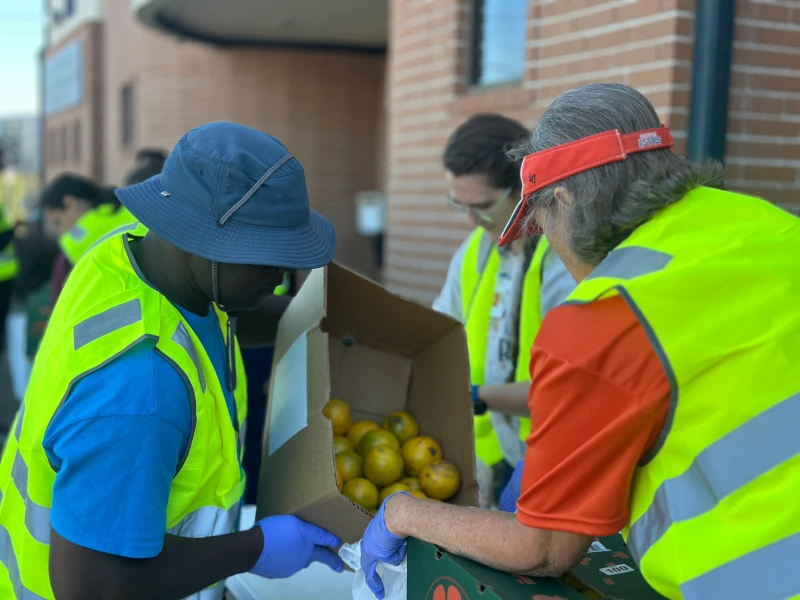
 Volunteers prepare and distribute food to families coming through the drive-through distribution site at the Catholic Charities Diocese of Galveston-Houston Guadalupe Center, a food pantry near central Houston. / Credit: Photo courtesy of Catholic Charities of the Archdiocese of Galveston-Houston

CNA Staff, Nov 7, 2025 / 17:40 pm (CNA).
As federal food benefits have been frozen during the government shutdown, Catholic dioceses and charities around the country are holding emergency food drives and launching fundraising efforts.Supplemental Nutrition Assistance Program (SNAP) benefits will resume once the government passes a bill to fund the federal government — but, more than a month into the shutdown, there is no set end date in sight.  Two federal district judges at the end of October moved to compel the Trump administration to pay for SNAP benefits, but because Congress has not yet authorized funding for federal government operations, the Trump administration asked an appeals court on Friday to block the orders and continue with partial SNAP payments.The pause in SNAP benefits is estimated to affect about 42 million Americans.In St. Louis, food pantries saw an influx of people in need. In response, parishes across the archdiocese are holding emergency food drives for the first two weekends of November. Nearly 300,000 people in the area could “lose access to vital food benefits,” Archbishop Mitchell Rozanski said in a letter to pastors, whom he asked to “respond with love and generosity to this urgent need.” “We are called to be people of faith and action,” Rozanski said. “And so, I ask the good people of our archdiocese to come together to help our neighbors who are in danger of going without their ‘daily food.’”The archdiocese is working with the local Catholic Charities and the Society of St. Vincent de Paul to ensure that food pantries are full. Julie Komanetsky, a spokesperson for the Society of St. Vincent de Paul in St. Louis, said the food drives are “bringing great results for our food pantries.” “This is our faith in action,” she told CNA. “Like the story of the good Samaritan who sees the victim and cares for him, Catholics see that people need to be fed and they are responding. They are answering God’s call to be good Samaritans rather than indifferent bystanders!”   So far, the parish food drives have been “very successful and will help keep our pantries stocked and able to support the need,” Komanetsky said.“Our hope for this effort is to keep all within the boundaries of our archdiocese from going hungry during this difficult time in our country,” she continued. “This is our united Catholic effort to let all people know that we see them, we hear their needs, and we will help.”“Pope Leo tells us: Faith cannot be separated from love for the poor,” she continued. “This effort is a testament of our faith and our love.” St. Louis is not the only archdiocese finding creative solutions to the SNAP crisis. In Connecticut, Hartford Archbishop Christopher Coyne has released 0,000 of emergency funding to food banks. Coyne said the funding is being contributed “in the spirit of Jesus’ command to serve our brothers and sisters in need.”“The Catholic Church provides relief and hope for God’s children,” Coyne said in a statement. “It’s what we have done for over 2,000 years and what we continue to do today.”Volunteers load food into a car at a drive-through distribution site in Houston. Credit: Photo courtesy of Catholic Charities of the Archdiocese of Galveston-HoustonThe Archdiocese of Galveston-Houston Catholic Charities is seeing a similar rise in need. Across its three food pantries Catholic Charities is extending hours and increasing distribution. “Many families across our service area are struggling, worried about missing paychecks or not being able to put food on the table,” Cynthia Nunes Colbert, who heads the Catholic Charities of the Archdiocese of Galveston-Houston, told CNA. The group is also offering emergency rental assistance to federal workers and is reaching out to the wider community for support by encouraging food drives, volunteering, and donations, Catholic Charities told CNA. “Whether it’s through financial donations, food drives, or volunteering, together we can provide hope and stability during these uncertain times,” Colbert said.As part of a nationwide effort, Catholic Charities USA launched a fundraising effort in light of the funding cuts. The funds raised will go directly toward buying and sending food to Catholic Charities groups across the country to support ministries such as food pantries and soup kitchens. For families who rely on food assistance programs, this a “catastrophic moment” said CCUSA President and CEO Kerry Alys Robinson. The government shutdown “has created incredibly serious, real-life consequences for millions of people, from furloughed federal workers to those living in poverty who will now struggle even more to provide for their families,” Robinson said in a recent statement.

‘This is our faith in action:’ Catholic groups expand food aid amid SNAP cuts #Catholic Volunteers prepare and distribute food to families coming through the drive-through distribution site at the Catholic Charities Diocese of Galveston-Houston Guadalupe Center, a food pantry near central Houston. / Credit: Photo courtesy of Catholic Charities of the Archdiocese of Galveston-Houston CNA Staff, Nov 7, 2025 / 17:40 pm (CNA). As federal food benefits have been frozen during the government shutdown, Catholic dioceses and charities around the country are holding emergency food drives and launching fundraising efforts.Supplemental Nutrition Assistance Program (SNAP) benefits will resume once the government passes a bill to fund the federal government — but, more than a month into the shutdown, there is no set end date in sight.  Two federal district judges at the end of October moved to compel the Trump administration to pay for SNAP benefits, but because Congress has not yet authorized funding for federal government operations, the Trump administration asked an appeals court on Friday to block the orders and continue with partial SNAP payments.The pause in SNAP benefits is estimated to affect about 42 million Americans.In St. Louis, food pantries saw an influx of people in need. In response, parishes across the archdiocese are holding emergency food drives for the first two weekends of November. Nearly 300,000 people in the area could “lose access to vital food benefits,” Archbishop Mitchell Rozanski said in a letter to pastors, whom he asked to “respond with love and generosity to this urgent need.” “We are called to be people of faith and action,” Rozanski said. “And so, I ask the good people of our archdiocese to come together to help our neighbors who are in danger of going without their ‘daily food.’”The archdiocese is working with the local Catholic Charities and the Society of St. Vincent de Paul to ensure that food pantries are full. Julie Komanetsky, a spokesperson for the Society of St. Vincent de Paul in St. Louis, said the food drives are “bringing great results for our food pantries.” “This is our faith in action,” she told CNA. “Like the story of the good Samaritan who sees the victim and cares for him, Catholics see that people need to be fed and they are responding. They are answering God’s call to be good Samaritans rather than indifferent bystanders!”   So far, the parish food drives have been “very successful and will help keep our pantries stocked and able to support the need,” Komanetsky said.“Our hope for this effort is to keep all within the boundaries of our archdiocese from going hungry during this difficult time in our country,” she continued. “This is our united Catholic effort to let all people know that we see them, we hear their needs, and we will help.”“Pope Leo tells us: Faith cannot be separated from love for the poor,” she continued. “This effort is a testament of our faith and our love.” St. Louis is not the only archdiocese finding creative solutions to the SNAP crisis. In Connecticut, Hartford Archbishop Christopher Coyne has released $500,000 of emergency funding to food banks. Coyne said the funding is being contributed “in the spirit of Jesus’ command to serve our brothers and sisters in need.”“The Catholic Church provides relief and hope for God’s children,” Coyne said in a statement. “It’s what we have done for over 2,000 years and what we continue to do today.”Volunteers load food into a car at a drive-through distribution site in Houston. Credit: Photo courtesy of Catholic Charities of the Archdiocese of Galveston-HoustonThe Archdiocese of Galveston-Houston Catholic Charities is seeing a similar rise in need. Across its three food pantries Catholic Charities is extending hours and increasing distribution. “Many families across our service area are struggling, worried about missing paychecks or not being able to put food on the table,” Cynthia Nunes Colbert, who heads the Catholic Charities of the Archdiocese of Galveston-Houston, told CNA. The group is also offering emergency rental assistance to federal workers and is reaching out to the wider community for support by encouraging food drives, volunteering, and donations, Catholic Charities told CNA. “Whether it’s through financial donations, food drives, or volunteering, together we can provide hope and stability during these uncertain times,” Colbert said.As part of a nationwide effort, Catholic Charities USA launched a fundraising effort in light of the funding cuts. The funds raised will go directly toward buying and sending food to Catholic Charities groups across the country to support ministries such as food pantries and soup kitchens. For families who rely on food assistance programs, this a “catastrophic moment” said CCUSA President and CEO Kerry Alys Robinson. The government shutdown “has created incredibly serious, real-life consequences for millions of people, from furloughed federal workers to those living in poverty who will now struggle even more to provide for their families,” Robinson said in a recent statement.


Volunteers prepare and distribute food to families coming through the drive-through distribution site at the Catholic Charities Diocese of Galveston-Houston Guadalupe Center, a food pantry near central Houston. / Credit: Photo courtesy of Catholic Charities of the Archdiocese of Galveston-Houston

CNA Staff, Nov 7, 2025 / 17:40 pm (CNA).

As federal food benefits have been frozen during the government shutdown, Catholic dioceses and charities around the country are holding emergency food drives and launching fundraising efforts.

Supplemental Nutrition Assistance Program (SNAP) benefits will resume once the government passes a bill to fund the federal government — but, more than a month into the shutdown, there is no set end date in sight.  

Two federal district judges at the end of October moved to compel the Trump administration to pay for SNAP benefits, but because Congress has not yet authorized funding for federal government operations, the Trump administration asked an appeals court on Friday to block the orders and continue with partial SNAP payments.

The pause in SNAP benefits is estimated to affect about 42 million Americans.

In St. Louis, food pantries saw an influx of people in need. In response, parishes across the archdiocese are holding emergency food drives for the first two weekends of November. 

Nearly 300,000 people in the area could “lose access to vital food benefits,” Archbishop Mitchell Rozanski said in a letter to pastors, whom he asked to “respond with love and generosity to this urgent need.” 

“We are called to be people of faith and action,” Rozanski said. “And so, I ask the good people of our archdiocese to come together to help our neighbors who are in danger of going without their ‘daily food.’”

The archdiocese is working with the local Catholic Charities and the Society of St. Vincent de Paul to ensure that food pantries are full. 

Julie Komanetsky, a spokesperson for the Society of St. Vincent de Paul in St. Louis, said the food drives are “bringing great results for our food pantries.” 

“This is our faith in action,” she told CNA. “Like the story of the good Samaritan who sees the victim and cares for him, Catholics see that people need to be fed and they are responding. They are answering God’s call to be good Samaritans rather than indifferent bystanders!”   

So far, the parish food drives have been “very successful and will help keep our pantries stocked and able to support the need,” Komanetsky said.

“Our hope for this effort is to keep all within the boundaries of our archdiocese from going hungry during this difficult time in our country,” she continued. “This is our united Catholic effort to let all people know that we see them, we hear their needs, and we will help.”

“Pope Leo tells us: Faith cannot be separated from love for the poor,” she continued. “This effort is a testament of our faith and our love.” 

St. Louis is not the only archdiocese finding creative solutions to the SNAP crisis. In Connecticut, Hartford Archbishop Christopher Coyne has released $500,000 of emergency funding to food banks. 

Coyne said the funding is being contributed “in the spirit of Jesus’ command to serve our brothers and sisters in need.”

“The Catholic Church provides relief and hope for God’s children,” Coyne said in a statement. “It’s what we have done for over 2,000 years and what we continue to do today.”

Volunteers load food into a car at a drive-through distribution site in Houston. Credit: Photo courtesy of Catholic Charities of the Archdiocese of Galveston-Houston

The Archdiocese of Galveston-Houston Catholic Charities is seeing a similar rise in need. Across its three food pantries Catholic Charities is extending hours and increasing distribution. 

“Many families across our service area are struggling, worried about missing paychecks or not being able to put food on the table,” Cynthia Nunes Colbert, who heads the Catholic Charities of the Archdiocese of Galveston-Houston, told CNA. 

The group is also offering emergency rental assistance to federal workers and is reaching out to the wider community for support by encouraging food drives, volunteering, and donations, Catholic Charities told CNA. 

“Whether it’s through financial donations, food drives, or volunteering, together we can provide hope and stability during these uncertain times,” Colbert said.

As part of a nationwide effort, Catholic Charities USA launched a fundraising effort in light of the funding cuts. The funds raised will go directly toward buying and sending food to Catholic Charities groups across the country to support ministries such as food pantries and soup kitchens. 

For families who rely on food assistance programs, this a “catastrophic moment” said CCUSA President and CEO Kerry Alys Robinson. 

The government shutdown “has created incredibly serious, real-life consequences for millions of people, from furloughed federal workers to those living in poverty who will now struggle even more to provide for their families,” Robinson said in a recent statement.

Read More
Catholics mobilize in Caribbean following Category 5 hurricane  #Catholic 
 
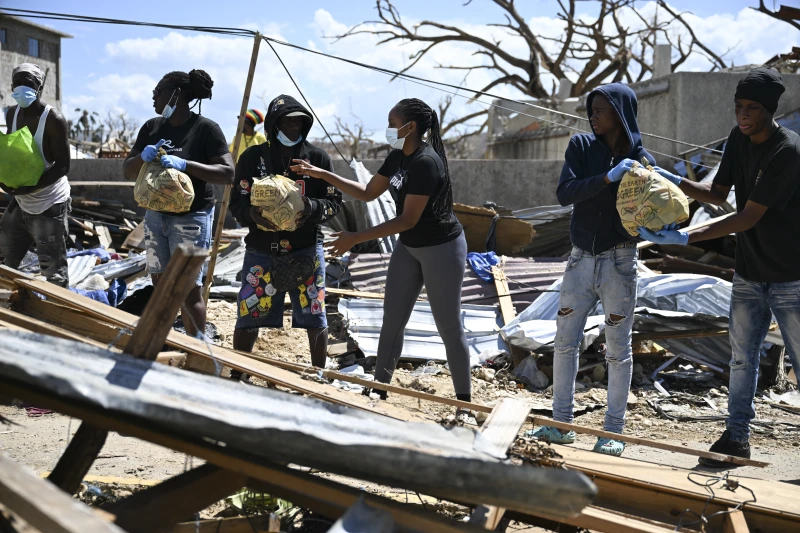
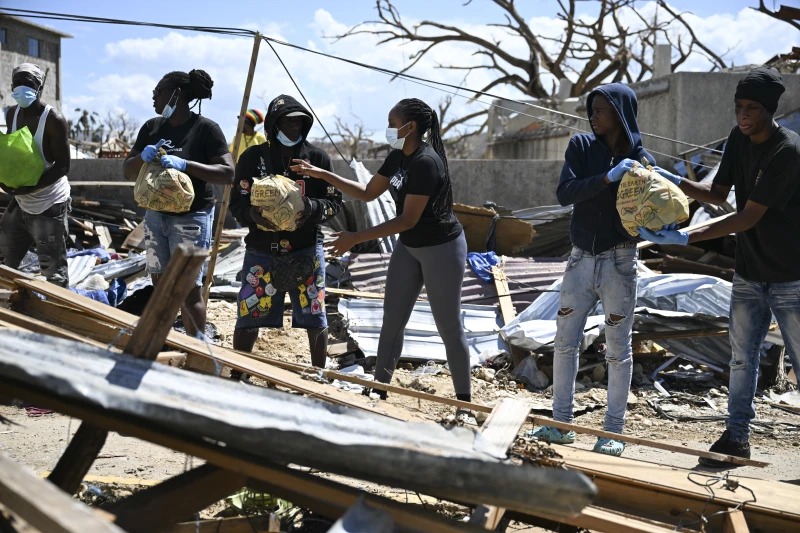
 Residents help move food supplies at a community center before distribution to the Whitehouse community in Westmoreland, Jamaica, one of the areas most severely affected by the passage of Hurricane Melissa, on Nov. 2, 2025. / Credit: Ricardo Makyn/AFP via Getty Images

Washington, D.C. Newsroom, Nov 6, 2025 / 14:15 pm (CNA).
Catholic leaders and agencies have mobilized to help communities left devastated after Hurricane Melissa hit Jamaica.The Category 5 hurricane swept through the Caribbean with sustained winds of 185 miles per hour and claimed up to 50 lives after making landfall on Oct. 28. Jamaica suffered the largest impact, but neighboring nations also experienced immense effects including flash flooding and landslides.In Jamaica, practically no buildings along the country’s southern coast remain intact. Areas have experienced structural failures, immense roof damage, floods, power outages, and communication disruptions. Families have a long road to recovery after many lost loved ones, property, possessions, and livelihoods.To help communities suffering from Hurricane Melissa’s aftermath, Catholic agencies are on the ground supporting relief efforts and fundraising across the globe to provide aid. Providing aid Dominican friars with St. Martin’s Missions, an initiative that supports communities in Jamaica and Grenada, are working to help communities most affected. Father Bede Mullens, OP, one of the friars working in Jamaica, told CNA they are based in Kingston, “which mercifully was left largely unscathed by the hurricane.”“Nonetheless, some of our poorer parishioners in August Town, an impoverished neighborhood, did lose roofs, walls, and in one case pretty much the whole house,” Mullens said. With the help of donations from across the globe, St. Martin’s will purchase and provide materials for repairs and food.Mullens explained that “after recent panic-buying, some food items are hard to come by, and food prices on the whole are set to go up in the coming months, as the part of the island hardest hit is a major agricultural area.”This Friday, Nov. 7, the friars will distribute 300 meals to students at the University of the West Indies in Mona, Jamaica, and to several less-well-off parishioners. Mullens said: “We are trying to arrange sponsorship from local benefactors for students in need to receive support for food and personal hygiene items.”Across the island the friars have been able to contact some parishes near Montego Bay, which suffered great damage. “One of the churches is currently operating as a shelter with just half a roof,” Mullens said.The friars have also coordinated provisions of basic building materials and essentials including water and baby food that will be transported to Sacred Heart Church near Montego Bay and St. Agnes Church in Chester Castle.When the roads reopen and the friars are able to make contact with more parishes in other areas, they plan to also assist their rebuilding efforts and support the local community needs.“There is, of course, a massive need for material assistance, but for us it is very important that St. Martin’s bears witness to our worldwide solidarity in the body of Christ,” Mullens said. “We belong to a Church that is at once truly Catholic and truly one, at once global and personal.”Franciscan Friars Charities (FFC), the charitable arm of the Province of Our Lady of Guadalupe, activated the Franciscan Relief Fund to help the people in western Jamaica recover from extensive damage.“The friars in Negril have quickly mobilized to assess the community’s needs after the storm,” FFC said in a statement. “Each day they ground their hearts in faith through morning prayer and daily Mass before heading out into the community to provide vital services.”The friars are serving warm meals daily at St. Anthony Kitchen, a soup kitchen in Negril. They anticipate a significant increase in the number of people coming to the kitchen, expecting approximately 400 to 500 people a day.The friars are cleaning the Revival Health Clinic, which provides basic medical care, and are looking into creating a mobile clinic to visit remote areas. They are also visiting parishioners, many of whom have lost their homes, and providing them with immediate relief including water and food.“Communicating with our friars in Negril has been difficult because there’s no electricity and the cellular services are down,” said Brother Jim Bok, OFM. “There’s just unbelievable destruction. It’s going to take years to recover. A tremendous amount of outside support will be needed to help deal with it.”Organizations respond with action Hospital Sisters Mission Outreach, an Illinois-based organization that partners with organizations, hospitals, and clinics around the world, is working directly with Food for the Poor and other organizations transporting and distributing aid.After learning there was an urgent need for diapers, Mission Outreach’s warehouse team mobilized to send out 4,000 it had available. It also shipped out a 40-foot container to Jamaica filled with requested medical supplies and equipment.A number of Catholic relief organizations including Cross Catholic Outreach (CCO) and Catholic Relief Services (CRS) are fundraising to send food, medicines, and housing supplies to ministry partners in Jamaica, the Dominican Republic, Haiti, and Cuba.CCO said it is “sending shipments of recovery supplies to the Compassionate Franciscan Sisters of the Poor and will airlift medical supplies into Montego Bay when conditions are safe enough to do so.” It is also working to help the Diocese of Mandeville to rebuild St. Theresa Kindergarten, which was destroyed in the storm.CRS is working to help on the ground with “a team of 100 staff in Haiti and local partners in Jamaica and the region,” the organization reported. “CRS and the Catholic Church are committed to walking with families through every phase of recovery — from immediate relief to long-term rebuilding. ”The U.S. State Department’s Bureau of Western Hemisphere Affairs will coordinate with the Catholic Church to distribute  million in humanitarian assistance. The funds will go directly to helping those impacted in eastern Cuba by the devastation of Hurricane Melissa.

Catholics mobilize in Caribbean following Category 5 hurricane  #Catholic Residents help move food supplies at a community center before distribution to the Whitehouse community in Westmoreland, Jamaica, one of the areas most severely affected by the passage of Hurricane Melissa, on Nov. 2, 2025. / Credit: Ricardo Makyn/AFP via Getty Images Washington, D.C. Newsroom, Nov 6, 2025 / 14:15 pm (CNA). Catholic leaders and agencies have mobilized to help communities left devastated after Hurricane Melissa hit Jamaica.The Category 5 hurricane swept through the Caribbean with sustained winds of 185 miles per hour and claimed up to 50 lives after making landfall on Oct. 28. Jamaica suffered the largest impact, but neighboring nations also experienced immense effects including flash flooding and landslides.In Jamaica, practically no buildings along the country’s southern coast remain intact. Areas have experienced structural failures, immense roof damage, floods, power outages, and communication disruptions. Families have a long road to recovery after many lost loved ones, property, possessions, and livelihoods.To help communities suffering from Hurricane Melissa’s aftermath, Catholic agencies are on the ground supporting relief efforts and fundraising across the globe to provide aid. Providing aid Dominican friars with St. Martin’s Missions, an initiative that supports communities in Jamaica and Grenada, are working to help communities most affected. Father Bede Mullens, OP, one of the friars working in Jamaica, told CNA they are based in Kingston, “which mercifully was left largely unscathed by the hurricane.”“Nonetheless, some of our poorer parishioners in August Town, an impoverished neighborhood, did lose roofs, walls, and in one case pretty much the whole house,” Mullens said. With the help of donations from across the globe, St. Martin’s will purchase and provide materials for repairs and food.Mullens explained that “after recent panic-buying, some food items are hard to come by, and food prices on the whole are set to go up in the coming months, as the part of the island hardest hit is a major agricultural area.”This Friday, Nov. 7, the friars will distribute 300 meals to students at the University of the West Indies in Mona, Jamaica, and to several less-well-off parishioners. Mullens said: “We are trying to arrange sponsorship from local benefactors for students in need to receive support for food and personal hygiene items.”Across the island the friars have been able to contact some parishes near Montego Bay, which suffered great damage. “One of the churches is currently operating as a shelter with just half a roof,” Mullens said.The friars have also coordinated provisions of basic building materials and essentials including water and baby food that will be transported to Sacred Heart Church near Montego Bay and St. Agnes Church in Chester Castle.When the roads reopen and the friars are able to make contact with more parishes in other areas, they plan to also assist their rebuilding efforts and support the local community needs.“There is, of course, a massive need for material assistance, but for us it is very important that St. Martin’s bears witness to our worldwide solidarity in the body of Christ,” Mullens said. “We belong to a Church that is at once truly Catholic and truly one, at once global and personal.”Franciscan Friars Charities (FFC), the charitable arm of the Province of Our Lady of Guadalupe, activated the Franciscan Relief Fund to help the people in western Jamaica recover from extensive damage.“The friars in Negril have quickly mobilized to assess the community’s needs after the storm,” FFC said in a statement. “Each day they ground their hearts in faith through morning prayer and daily Mass before heading out into the community to provide vital services.”The friars are serving warm meals daily at St. Anthony Kitchen, a soup kitchen in Negril. They anticipate a significant increase in the number of people coming to the kitchen, expecting approximately 400 to 500 people a day.The friars are cleaning the Revival Health Clinic, which provides basic medical care, and are looking into creating a mobile clinic to visit remote areas. They are also visiting parishioners, many of whom have lost their homes, and providing them with immediate relief including water and food.“Communicating with our friars in Negril has been difficult because there’s no electricity and the cellular services are down,” said Brother Jim Bok, OFM. “There’s just unbelievable destruction. It’s going to take years to recover. A tremendous amount of outside support will be needed to help deal with it.”Organizations respond with action Hospital Sisters Mission Outreach, an Illinois-based organization that partners with organizations, hospitals, and clinics around the world, is working directly with Food for the Poor and other organizations transporting and distributing aid.After learning there was an urgent need for diapers, Mission Outreach’s warehouse team mobilized to send out 4,000 it had available. It also shipped out a 40-foot container to Jamaica filled with requested medical supplies and equipment.A number of Catholic relief organizations including Cross Catholic Outreach (CCO) and Catholic Relief Services (CRS) are fundraising to send food, medicines, and housing supplies to ministry partners in Jamaica, the Dominican Republic, Haiti, and Cuba.CCO said it is “sending shipments of recovery supplies to the Compassionate Franciscan Sisters of the Poor and will airlift medical supplies into Montego Bay when conditions are safe enough to do so.” It is also working to help the Diocese of Mandeville to rebuild St. Theresa Kindergarten, which was destroyed in the storm.CRS is working to help on the ground with “a team of 100 staff in Haiti and local partners in Jamaica and the region,” the organization reported. “CRS and the Catholic Church are committed to walking with families through every phase of recovery — from immediate relief to long-term rebuilding. ”The U.S. State Department’s Bureau of Western Hemisphere Affairs will coordinate with the Catholic Church to distribute $3 million in humanitarian assistance. The funds will go directly to helping those impacted in eastern Cuba by the devastation of Hurricane Melissa.


Residents help move food supplies at a community center before distribution to the Whitehouse community in Westmoreland, Jamaica, one of the areas most severely affected by the passage of Hurricane Melissa, on Nov. 2, 2025. / Credit: Ricardo Makyn/AFP via Getty Images

Washington, D.C. Newsroom, Nov 6, 2025 / 14:15 pm (CNA).

Catholic leaders and agencies have mobilized to help communities left devastated after Hurricane Melissa hit Jamaica.

The Category 5 hurricane swept through the Caribbean with sustained winds of 185 miles per hour and claimed up to 50 lives after making landfall on Oct. 28. Jamaica suffered the largest impact, but neighboring nations also experienced immense effects including flash flooding and landslides.

In Jamaica, practically no buildings along the country’s southern coast remain intact. Areas have experienced structural failures, immense roof damage, floods, power outages, and communication disruptions. Families have a long road to recovery after many lost loved ones, property, possessions, and livelihoods.

To help communities suffering from Hurricane Melissa’s aftermath, Catholic agencies are on the ground supporting relief efforts and fundraising across the globe to provide aid. 

Providing aid 

Dominican friars with St. Martin’s Missions, an initiative that supports communities in Jamaica and Grenada, are working to help communities most affected. Father Bede Mullens, OP, one of the friars working in Jamaica, told CNA they are based in Kingston, “which mercifully was left largely unscathed by the hurricane.”

“Nonetheless, some of our poorer parishioners in August Town, an impoverished neighborhood, did lose roofs, walls, and in one case pretty much the whole house,” Mullens said. With the help of donations from across the globe, St. Martin’s will purchase and provide materials for repairs and food.

Mullens explained that “after recent panic-buying, some food items are hard to come by, and food prices on the whole are set to go up in the coming months, as the part of the island hardest hit is a major agricultural area.”

This Friday, Nov. 7, the friars will distribute 300 meals to students at the University of the West Indies in Mona, Jamaica, and to several less-well-off parishioners. Mullens said: “We are trying to arrange sponsorship from local benefactors for students in need to receive support for food and personal hygiene items.”

Across the island the friars have been able to contact some parishes near Montego Bay, which suffered great damage. “One of the churches is currently operating as a shelter with just half a roof,” Mullens said.

The friars have also coordinated provisions of basic building materials and essentials including water and baby food that will be transported to Sacred Heart Church near Montego Bay and St. Agnes Church in Chester Castle.

When the roads reopen and the friars are able to make contact with more parishes in other areas, they plan to also assist their rebuilding efforts and support the local community needs.

“There is, of course, a massive need for material assistance, but for us it is very important that St. Martin’s bears witness to our worldwide solidarity in the body of Christ,” Mullens said. “We belong to a Church that is at once truly Catholic and truly one, at once global and personal.”

Franciscan Friars Charities (FFC), the charitable arm of the Province of Our Lady of Guadalupe, activated the Franciscan Relief Fund to help the people in western Jamaica recover from extensive damage.

“The friars in Negril have quickly mobilized to assess the community’s needs after the storm,” FFC said in a statement. “Each day they ground their hearts in faith through morning prayer and daily Mass before heading out into the community to provide vital services.”

The friars are serving warm meals daily at St. Anthony Kitchen, a soup kitchen in Negril. They anticipate a significant increase in the number of people coming to the kitchen, expecting approximately 400 to 500 people a day.

The friars are cleaning the Revival Health Clinic, which provides basic medical care, and are looking into creating a mobile clinic to visit remote areas. They are also visiting parishioners, many of whom have lost their homes, and providing them with immediate relief including water and food.

“Communicating with our friars in Negril has been difficult because there’s no electricity and the cellular services are down,” said Brother Jim Bok, OFM. “There’s just unbelievable destruction. It’s going to take years to recover. A tremendous amount of outside support will be needed to help deal with it.”

Organizations respond with action 

Hospital Sisters Mission Outreach, an Illinois-based organization that partners with organizations, hospitals, and clinics around the world, is working directly with Food for the Poor and other organizations transporting and distributing aid.

After learning there was an urgent need for diapers, Mission Outreach’s warehouse team mobilized to send out 4,000 it had available. It also shipped out a 40-foot container to Jamaica filled with requested medical supplies and equipment.

A number of Catholic relief organizations including Cross Catholic Outreach (CCO) and Catholic Relief Services (CRS) are fundraising to send food, medicines, and housing supplies to ministry partners in Jamaica, the Dominican Republic, Haiti, and Cuba.

CCO said it is “sending shipments of recovery supplies to the Compassionate Franciscan Sisters of the Poor and will airlift medical supplies into Montego Bay when conditions are safe enough to do so.” It is also working to help the Diocese of Mandeville to rebuild St. Theresa Kindergarten, which was destroyed in the storm.

CRS is working to help on the ground with “a team of 100 staff in Haiti and local partners in Jamaica and the region,” the organization reported. “CRS and the Catholic Church are committed to walking with families through every phase of recovery — from immediate relief to long-term rebuilding. ”

The U.S. State Department’s Bureau of Western Hemisphere Affairs will coordinate with the Catholic Church to distribute $3 million in humanitarian assistance. The funds will go directly to helping those impacted in eastern Cuba by the devastation of Hurricane Melissa.

Read More
Upcoming collection to support more than 21,000 retired religious and priests #Catholic 
 
 null / Credit: Ivonne Wierink/Shutterstock

ACI Prensa Staff, Nov 6, 2025 / 08:00 am (CNA).
Catholics in the United States will have an opportunity to support more than 21,000 retired priests and men and women religious from various orders during the weekend of Dec. 13–14 with the annual collection for the Retirement Fund for Religious.According to a statement from the U.S. Conference of Catholic Bishops (USCCB), this collection, organized by the National Religious Retirement Office (NRRO), “helps provide critical financial assistance to eligible religious institutes caring for their retired members.”For decades, consecrated men and women in the U.S. have served in multiple ministries — schools, hospitals, parishes, and social service organizations — often with little or no compensation. Today their communities face a serious imbalance between the rising costs of elder care and limited resources.In 2024, religious over the age of 70 outnumbered the young by nearly 3 to 1, and only 4% of communities reporting to the NRRO indicated they had sufficient funds for retirement.Since its creation in 1988, the fund has been “a lifeline for our aging religious leaders, but the need remains urgent,” the USCCB pointed out. Last year, the fund raised .1 million, while the annual cost of care exceeded  billion.The average annual cost per person is ,600, and specialized care costs ,000. In contrast, the average Social Security benefit for a religious leader is just ,090, less than half the average benefit for a layperson.In light of this reality, NRRO Director John Knutsen noted that “for decades, the faithful service of these religious has touched countless lives, including my own.”“Through your generosity, we can help ensure they are cared for with the dignity they so rightly deserve, while also living out the values ​​of compassion and solidarity that unite us as disciples of Jesus,” he urged.Knutsen also emphasized the gratitude owed to religious communities for their members: “Supporting our aging religious is a profound opportunity to show gratitude for their lifetime of service, and we hear all throughout the year how deeply thankful they are for that support.”Since 1988, the fundraising campaign has distributed more than  billion to religious institutions across the U.S., sustaining daily care for the elderly, building up retirement funds, and funding educational programs on geriatric care and long-term planning.The USCCB noted that “every gift makes a difference, providing retired religious with the care and dignity they deserve.”This story was first published by ACI Prensa, CNA’s Spanish-language news partner. It has been translated and adapted by CNA.

Upcoming collection to support more than 21,000 retired religious and priests #Catholic null / Credit: Ivonne Wierink/Shutterstock ACI Prensa Staff, Nov 6, 2025 / 08:00 am (CNA). Catholics in the United States will have an opportunity to support more than 21,000 retired priests and men and women religious from various orders during the weekend of Dec. 13–14 with the annual collection for the Retirement Fund for Religious.According to a statement from the U.S. Conference of Catholic Bishops (USCCB), this collection, organized by the National Religious Retirement Office (NRRO), “helps provide critical financial assistance to eligible religious institutes caring for their retired members.”For decades, consecrated men and women in the U.S. have served in multiple ministries — schools, hospitals, parishes, and social service organizations — often with little or no compensation. Today their communities face a serious imbalance between the rising costs of elder care and limited resources.In 2024, religious over the age of 70 outnumbered the young by nearly 3 to 1, and only 4% of communities reporting to the NRRO indicated they had sufficient funds for retirement.Since its creation in 1988, the fund has been “a lifeline for our aging religious leaders, but the need remains urgent,” the USCCB pointed out. Last year, the fund raised $28.1 million, while the annual cost of care exceeded $1 billion.The average annual cost per person is $56,600, and specialized care costs $96,000. In contrast, the average Social Security benefit for a religious leader is just $9,090, less than half the average benefit for a layperson.In light of this reality, NRRO Director John Knutsen noted that “for decades, the faithful service of these religious has touched countless lives, including my own.”“Through your generosity, we can help ensure they are cared for with the dignity they so rightly deserve, while also living out the values ​​of compassion and solidarity that unite us as disciples of Jesus,” he urged.Knutsen also emphasized the gratitude owed to religious communities for their members: “Supporting our aging religious is a profound opportunity to show gratitude for their lifetime of service, and we hear all throughout the year how deeply thankful they are for that support.”Since 1988, the fundraising campaign has distributed more than $1 billion to religious institutions across the U.S., sustaining daily care for the elderly, building up retirement funds, and funding educational programs on geriatric care and long-term planning.The USCCB noted that “every gift makes a difference, providing retired religious with the care and dignity they deserve.”This story was first published by ACI Prensa, CNA’s Spanish-language news partner. It has been translated and adapted by CNA.


null / Credit: Ivonne Wierink/Shutterstock

ACI Prensa Staff, Nov 6, 2025 / 08:00 am (CNA).

Catholics in the United States will have an opportunity to support more than 21,000 retired priests and men and women religious from various orders during the weekend of Dec. 13–14 with the annual collection for the Retirement Fund for Religious.

According to a statement from the U.S. Conference of Catholic Bishops (USCCB), this collection, organized by the National Religious Retirement Office (NRRO), “helps provide critical financial assistance to eligible religious institutes caring for their retired members.”

For decades, consecrated men and women in the U.S. have served in multiple ministries — schools, hospitals, parishes, and social service organizations — often with little or no compensation. Today their communities face a serious imbalance between the rising costs of elder care and limited resources.

In 2024, religious over the age of 70 outnumbered the young by nearly 3 to 1, and only 4% of communities reporting to the NRRO indicated they had sufficient funds for retirement.

Since its creation in 1988, the fund has been “a lifeline for our aging religious leaders, but the need remains urgent,” the USCCB pointed out. Last year, the fund raised $28.1 million, while the annual cost of care exceeded $1 billion.

The average annual cost per person is $56,600, and specialized care costs $96,000. In contrast, the average Social Security benefit for a religious leader is just $9,090, less than half the average benefit for a layperson.

In light of this reality, NRRO Director John Knutsen noted that “for decades, the faithful service of these religious has touched countless lives, including my own.”

“Through your generosity, we can help ensure they are cared for with the dignity they so rightly deserve, while also living out the values ​​of compassion and solidarity that unite us as disciples of Jesus,” he urged.

Knutsen also emphasized the gratitude owed to religious communities for their members: “Supporting our aging religious is a profound opportunity to show gratitude for their lifetime of service, and we hear all throughout the year how deeply thankful they are for that support.”

Since 1988, the fundraising campaign has distributed more than $1 billion to religious institutions across the U.S., sustaining daily care for the elderly, building up retirement funds, and funding educational programs on geriatric care and long-term planning.

The USCCB noted that “every gift makes a difference, providing retired religious with the care and dignity they deserve.”

This story was first published by ACI Prensa, CNA’s Spanish-language news partner. It has been translated and adapted by CNA.

Read More