gender

Senate to vote on health care plans as subsidies near expiration #Catholic 
 
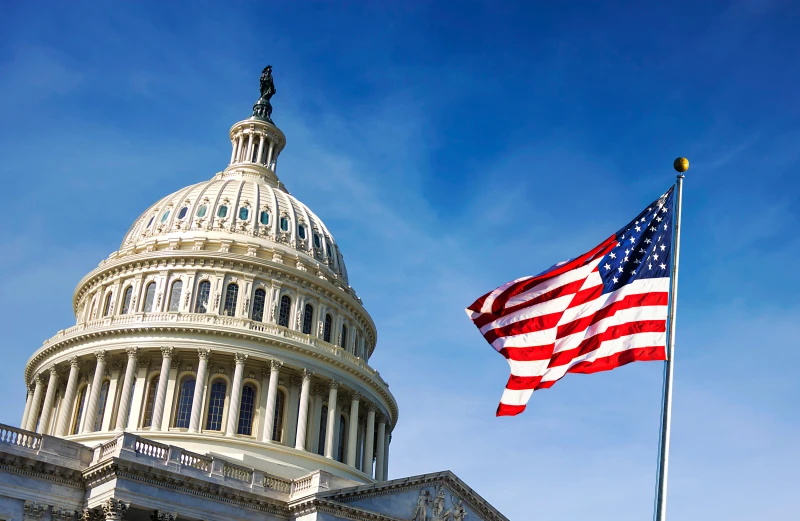
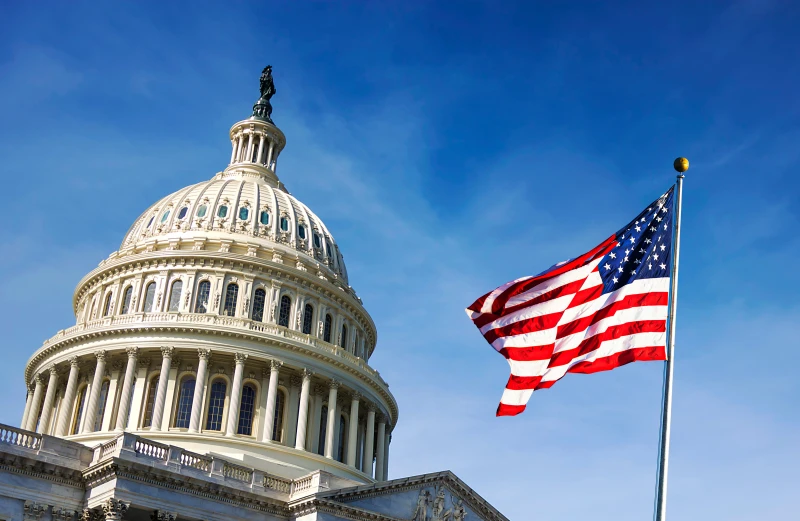
 Congress is set to vote on two plans regarding the Affordable Care Act (ACA) premium tax credits that are scheduled to expire Dec. 31, 2025.  / Credit: usarmyband, CC BY 4.0, via Wikimedia Commons

Washington, D.C. Newsroom, Dec 11, 2025 / 06:30 am (CNA).
Congress is set to vote on two plans regarding the Affordable Care Act (ACA) premium tax credits that are scheduled to expire Dec. 31, 2025. The Senate is expected to vote Dec. 11 on a Democratic proposal to extend existing ACA tax credits for three years, as 24 million Americans use ACA marketplaces for health insurance. Senate Majority Leader John Thune, R-South Dakota, told reporters Tuesday after a Senate Republican meeting that lawmakers also will vote on a Republican alternative measure. Sen. Bill Cassidy, R-Louisiana, chair of the Health, Education, Labor, and Pensions Committee, and Sen. Mike Crapo, R-Idaho, who leads the Finance panel, announced the legislation on Monday. The measure (S. 3386) would set requirements for Health Savings Account (HSA) contributions and direct that the money cannot be used for abortion or “gender transitions.” It would require states to verify citizenship and immigration status before coverage.Catholic bishops weigh inThe U.S. Conference of Catholic Bishops have said they favor extending the taxpayer subsidies that lower health insurance costs under the ACA, but said lawmakers must ensure that the tax credits are not used for abortions or other procedures that violate Catholic teaching on the sanctity of life. The enhanced premium tax credits “should be extended but must not continue to fund plans that cover the destruction of human life, which is antithetical to authentic health care,”  the bishops wrote in an Oct. 10 letter to members of Congress. There needs to be a policy that serves “all vulnerable people – born and preborn” and applies full Hyde Amendment protections to them, ensuring not only that government funding does not directly pay for the procuring of an abortion, but also that plans offered by health insurance companies on ACA exchanges cannot cover elective abortion,” they wrote. The Hyde Amendment, passed by Congress in 1977, prohibits the use of federal funds for abortions except in cases of rape, incest, or when the mother’s life is at risk.Activists respondA coalition of more than 300 faith leaders including NETWORK Lobby for Catholic Social Justice, Church Of God In Christ Social Justice Ministry, Faith in Action Network, and  Franciscan Action Network, delivered a joint letter to Congress Dec. 8 urging legislators to pass a bipartisan bill that protects and expands the ACA premium tax credits.“Each life is sacred, therefore, there is a moral imperative to provide care for the sick and alleviate suffering particularly for those who lack resources to pay,” the letter wrote. There must be action to ensure everyone has “the health care they need to live and thrive, as people are currently making choices about coverage for 2026.”“The letter notes that renewing the tax credits will keep healthcare premiums under the ACA from spiking by an average of 114 percent in 2026,” NETWORK reported. “This would cause an estimated 4.8 million people to lose their health coverage because they cannot afford it. Subsequently, some 50,000 people could lose their lives without their health coverage.”Other pro-life organizations have warned against expanding the subsidies. “As Congress continues to face pressure to extend Obamacare’s abortion-funding premium subsidies, Susan B. Anthony Pro-Life America (SBA) is making the facts clear on how Obamacare does not include the Hyde amendment and forces Americans to pay for abortions,” Marjorie Dannenfelser, president of SBA Pro-Life America, said in a statement.“The enactment of Obamacare ruptured the bipartisan legacy of the Hyde amendment and resulted in the largest expansion of abortion funding since the 1970s,” she said. “Obama and the Democratic leadership at the time intentionally drafted the program to avoid annual appropriations bills, bypassing the Hyde amendment.”“Instead of stopping funding for health insurance plans that cover elective abortion, Section 1303 of Obamacare expressly permits subsidies for Obamacare plans that cover abortion using elaborate accounting requirements and an abortion surcharge to justify the funding,” she said.SBA and more than 100 other pro-life organizations are demanding that any extensions to Obamacare include a complete application of the Hyde policy. The groups sent a September letter and an October letter to lawmakers calling on Congress to ensure pro-life provisions. “Preventing taxpayer funding of abortion is a minimum requirement for any new Obamacare spending advanced by a Republican Congress and Administration,” Dannenfelser said.

Senate to vote on health care plans as subsidies near expiration #Catholic Congress is set to vote on two plans regarding the Affordable Care Act (ACA) premium tax credits that are scheduled to expire Dec. 31, 2025.  / Credit: usarmyband, CC BY 4.0, via Wikimedia Commons Washington, D.C. Newsroom, Dec 11, 2025 / 06:30 am (CNA). Congress is set to vote on two plans regarding the Affordable Care Act (ACA) premium tax credits that are scheduled to expire Dec. 31, 2025. The Senate is expected to vote Dec. 11 on a Democratic proposal to extend existing ACA tax credits for three years, as 24 million Americans use ACA marketplaces for health insurance. Senate Majority Leader John Thune, R-South Dakota, told reporters Tuesday after a Senate Republican meeting that lawmakers also will vote on a Republican alternative measure. Sen. Bill Cassidy, R-Louisiana, chair of the Health, Education, Labor, and Pensions Committee, and Sen. Mike Crapo, R-Idaho, who leads the Finance panel, announced the legislation on Monday. The measure (S. 3386) would set requirements for Health Savings Account (HSA) contributions and direct that the money cannot be used for abortion or “gender transitions.” It would require states to verify citizenship and immigration status before coverage.Catholic bishops weigh inThe U.S. Conference of Catholic Bishops have said they favor extending the taxpayer subsidies that lower health insurance costs under the ACA, but said lawmakers must ensure that the tax credits are not used for abortions or other procedures that violate Catholic teaching on the sanctity of life. The enhanced premium tax credits “should be extended but must not continue to fund plans that cover the destruction of human life, which is antithetical to authentic health care,”  the bishops wrote in an Oct. 10 letter to members of Congress. There needs to be a policy that serves “all vulnerable people – born and preborn” and applies full Hyde Amendment protections to them, ensuring not only that government funding does not directly pay for the procuring of an abortion, but also that plans offered by health insurance companies on ACA exchanges cannot cover elective abortion,” they wrote. The Hyde Amendment, passed by Congress in 1977, prohibits the use of federal funds for abortions except in cases of rape, incest, or when the mother’s life is at risk.Activists respondA coalition of more than 300 faith leaders including NETWORK Lobby for Catholic Social Justice, Church Of God In Christ Social Justice Ministry, Faith in Action Network, and  Franciscan Action Network, delivered a joint letter to Congress Dec. 8 urging legislators to pass a bipartisan bill that protects and expands the ACA premium tax credits.“Each life is sacred, therefore, there is a moral imperative to provide care for the sick and alleviate suffering particularly for those who lack resources to pay,” the letter wrote. There must be action to ensure everyone has “the health care they need to live and thrive, as people are currently making choices about coverage for 2026.”“The letter notes that renewing the tax credits will keep healthcare premiums under the ACA from spiking by an average of 114 percent in 2026,” NETWORK reported. “This would cause an estimated 4.8 million people to lose their health coverage because they cannot afford it. Subsequently, some 50,000 people could lose their lives without their health coverage.”Other pro-life organizations have warned against expanding the subsidies. “As Congress continues to face pressure to extend Obamacare’s abortion-funding premium subsidies, Susan B. Anthony Pro-Life America (SBA) is making the facts clear on how Obamacare does not include the Hyde amendment and forces Americans to pay for abortions,” Marjorie Dannenfelser, president of SBA Pro-Life America, said in a statement.“The enactment of Obamacare ruptured the bipartisan legacy of the Hyde amendment and resulted in the largest expansion of abortion funding since the 1970s,” she said. “Obama and the Democratic leadership at the time intentionally drafted the program to avoid annual appropriations bills, bypassing the Hyde amendment.”“Instead of stopping funding for health insurance plans that cover elective abortion, Section 1303 of Obamacare expressly permits subsidies for Obamacare plans that cover abortion using elaborate accounting requirements and an abortion surcharge to justify the funding,” she said.SBA and more than 100 other pro-life organizations are demanding that any extensions to Obamacare include a complete application of the Hyde policy. The groups sent a September letter and an October letter to lawmakers calling on Congress to ensure pro-life provisions. “Preventing taxpayer funding of abortion is a minimum requirement for any new Obamacare spending advanced by a Republican Congress and Administration,” Dannenfelser said.


Congress is set to vote on two plans regarding the Affordable Care Act (ACA) premium tax credits that are scheduled to expire Dec. 31, 2025.  / Credit: usarmyband, CC BY 4.0, via Wikimedia Commons

Washington, D.C. Newsroom, Dec 11, 2025 / 06:30 am (CNA).

Congress is set to vote on two plans regarding the Affordable Care Act (ACA) premium tax credits that are scheduled to expire Dec. 31, 2025. 

The Senate is expected to vote Dec. 11 on a Democratic proposal to extend existing ACA tax credits for three years, as 24 million Americans use ACA marketplaces for health insurance. 

Senate Majority Leader John Thune, R-South Dakota, told reporters Tuesday after a Senate Republican meeting that lawmakers also will vote on a Republican alternative measure

Sen. Bill Cassidy, R-Louisiana, chair of the Health, Education, Labor, and Pensions Committee, and Sen. Mike Crapo, R-Idaho, who leads the Finance panel, announced the legislation on Monday. 

The measure (S. 3386) would set requirements for Health Savings Account (HSA) contributions and direct that the money cannot be used for abortion or “gender transitions.” It would require states to verify citizenship and immigration status before coverage.

Catholic bishops weigh in

The U.S. Conference of Catholic Bishops have said they favor extending the taxpayer subsidies that lower health insurance costs under the ACA, but said lawmakers must ensure that the tax credits are not used for abortions or other procedures that violate Catholic teaching on the sanctity of life. 

The enhanced premium tax credits “should be extended but must not continue to fund plans that cover the destruction of human life, which is antithetical to authentic health care,”  the bishops wrote in an Oct. 10 letter to members of Congress. 

There needs to be a policy that serves “all vulnerable people – born and preborn” and applies full Hyde Amendment protections to them, ensuring not only that government funding does not directly pay for the procuring of an abortion, but also that plans offered by health insurance companies on ACA exchanges cannot cover elective abortion,” they wrote. 

The Hyde Amendment, passed by Congress in 1977, prohibits the use of federal funds for abortions except in cases of rape, incest, or when the mother’s life is at risk.

Activists respond

A coalition of more than 300 faith leaders including NETWORK Lobby for Catholic Social Justice, Church Of God In Christ Social Justice Ministry, Faith in Action Network, and  Franciscan Action Network, delivered a joint letter to Congress Dec. 8 urging legislators to pass a bipartisan bill that protects and expands the ACA premium tax credits.

“Each life is sacred, therefore, there is a moral imperative to provide care for the sick and alleviate suffering particularly for those who lack resources to pay,” the letter wrote. There must be action to ensure everyone has “the health care they need to live and thrive, as people are currently making choices about coverage for 2026.”

“The letter notes that renewing the tax credits will keep healthcare premiums under the ACA from spiking by an average of 114 percent in 2026,” NETWORK reported. “This would cause an estimated 4.8 million people to lose their health coverage because they cannot afford it. Subsequently, some 50,000 people could lose their lives without their health coverage.”

Other pro-life organizations have warned against expanding the subsidies. 

“As Congress continues to face pressure to extend Obamacare’s abortion-funding premium subsidies, Susan B. Anthony Pro-Life America (SBA) is making the facts clear on how Obamacare does not include the Hyde amendment and forces Americans to pay for abortions,” Marjorie Dannenfelser, president of SBA Pro-Life America, said in a statement.

“The enactment of Obamacare ruptured the bipartisan legacy of the Hyde amendment and resulted in the largest expansion of abortion funding since the 1970s,” she said. “Obama and the Democratic leadership at the time intentionally drafted the program to avoid annual appropriations bills, bypassing the Hyde amendment.”

“Instead of stopping funding for health insurance plans that cover elective abortion, Section 1303 of Obamacare expressly permits subsidies for Obamacare plans that cover abortion using elaborate accounting requirements and an abortion surcharge to justify the funding,” she said.

SBA and more than 100 other pro-life organizations are demanding that any extensions to Obamacare include a complete application of the Hyde policy. The groups sent a September letter and an October letter to lawmakers calling on Congress to ensure pro-life provisions. 

“Preventing taxpayer funding of abortion is a minimum requirement for any new Obamacare spending advanced by a Republican Congress and Administration,” Dannenfelser said.

Read More
Pew study: Religion holds steady in America #Catholic 
 
 American adults who identify with Christianity, with another religion, or with no religion have all remained steady, a new Pew Research Center report finds.  / Credit: ChoeWatt/Shutterstock

Washington, D.C. Newsroom, Dec 9, 2025 / 15:30 pm (CNA).
The number of American adults who identify with Christianity, with another religion, or with no religion have all remained steady, a new Pew Research Center report finds. Surveys conducted since 2020 have generally found that about 70% of U.S. adults identify with a religion. The numbers have slightly fluctuated, but there has been no clear rise or fall in religious affiliation over the five-year period.A Pew Research Center study, Religion Holds Steady in America, summarizes the latest trends in American religion and examines religion among young adults. The report is based on Pew’s National Public Opinion Reference Survey (NPORS), which has annually surveyed a random sample of U.S. adults since 2020. It also draws from the U.S. Religious Landscape Study (RLS), which surveyed 36,908 adults from July 17, 2023 to March 4, 2024.The number of American adults who identify with Christianity, with another religion, or with no religion have all remained steady, a new Pew Research Center report finds. Credit: Courtesy of Pew Research Center.The report also uses data from the General Social Survey and the American Time Use Survey.The research revealed that after Pew found a decline in Christianity in the country from 2007 to 2020, the decline has halted and there is a stable presence of Christianty and religion in the nation. Young women’s religiosity shiftsWhile the polling shows no clear evidence of a religious increase among young adults, it did find that young men are now almost as religious as women in the same age group. The finding differs from past studies which found that young women tended to be more religious than young men. This shift was found to be due to a decline in religiousness among American women, rather than an increase in the religiousness of men. In contrast to the young adults, the data revealed older women are more religious than older men. Overall, young men and young women surveyed in 2023 and 2024 are less religious than those questioned in 2007 and 2014 studies. In 2007, 54% of women and 40% of men ages 18 to 24 reported they prayed daily. Data from 2023-2024 revealed only 30% of women and 26% of men in the same age group said they pray daily, indicating the gender gap among religious men and women is closing. Young adults remain less religious than older AmericansThe data found no evidence that any age group has become substantially more or less religious since 2020. In the 2025 NPORS, 83% of adults 71 or older identified with a religion, similarly to the 84% in 2020. Among the youngest group of adults ages 18 to 30, 55% identify with a religion in 2025. This data is similar to the 57% who reported the same in 2020.While there was not a large change in the number of adults who practice religion, older generations continue to be more religious than younger ones. Adults aged 71 or older tend to pray more than those ages 18 to 30, with 59% of older adults reporting they pray daily compared to 32% of young adults. There were also discrepancies among age groups based on how often individuals attend religious services. Adults 71 and older attend the most with 43% reporting they attend at least monthly. Adults 31 to 40 were found to attend the least with 29% reporting they go monthly. The data shows that today’s adults between the ages of roughly 18 and 22 are at least as religious as the age group slightly older than them who are in their mid to late 20s. Some aspects revealed that the younger U.S. adults may be more religious than the age group slightly older than them. The 2023–24 RLS found 30% of adults born between 2003 and 2006 said they attended religious services at least once a month, which is higher than the 24% of people born between 1995 and 2002. 

Pew study: Religion holds steady in America #Catholic American adults who identify with Christianity, with another religion, or with no religion have all remained steady, a new Pew Research Center report finds.  / Credit: ChoeWatt/Shutterstock Washington, D.C. Newsroom, Dec 9, 2025 / 15:30 pm (CNA). The number of American adults who identify with Christianity, with another religion, or with no religion have all remained steady, a new Pew Research Center report finds. Surveys conducted since 2020 have generally found that about 70% of U.S. adults identify with a religion. The numbers have slightly fluctuated, but there has been no clear rise or fall in religious affiliation over the five-year period.A Pew Research Center study, Religion Holds Steady in America, summarizes the latest trends in American religion and examines religion among young adults. The report is based on Pew’s National Public Opinion Reference Survey (NPORS), which has annually surveyed a random sample of U.S. adults since 2020. It also draws from the U.S. Religious Landscape Study (RLS), which surveyed 36,908 adults from July 17, 2023 to March 4, 2024.The number of American adults who identify with Christianity, with another religion, or with no religion have all remained steady, a new Pew Research Center report finds. Credit: Courtesy of Pew Research Center.The report also uses data from the General Social Survey and the American Time Use Survey.The research revealed that after Pew found a decline in Christianity in the country from 2007 to 2020, the decline has halted and there is a stable presence of Christianty and religion in the nation. Young women’s religiosity shiftsWhile the polling shows no clear evidence of a religious increase among young adults, it did find that young men are now almost as religious as women in the same age group. The finding differs from past studies which found that young women tended to be more religious than young men. This shift was found to be due to a decline in religiousness among American women, rather than an increase in the religiousness of men. In contrast to the young adults, the data revealed older women are more religious than older men. Overall, young men and young women surveyed in 2023 and 2024 are less religious than those questioned in 2007 and 2014 studies. In 2007, 54% of women and 40% of men ages 18 to 24 reported they prayed daily. Data from 2023-2024 revealed only 30% of women and 26% of men in the same age group said they pray daily, indicating the gender gap among religious men and women is closing. Young adults remain less religious than older AmericansThe data found no evidence that any age group has become substantially more or less religious since 2020. In the 2025 NPORS, 83% of adults 71 or older identified with a religion, similarly to the 84% in 2020. Among the youngest group of adults ages 18 to 30, 55% identify with a religion in 2025. This data is similar to the 57% who reported the same in 2020.While there was not a large change in the number of adults who practice religion, older generations continue to be more religious than younger ones. Adults aged 71 or older tend to pray more than those ages 18 to 30, with 59% of older adults reporting they pray daily compared to 32% of young adults. There were also discrepancies among age groups based on how often individuals attend religious services. Adults 71 and older attend the most with 43% reporting they attend at least monthly. Adults 31 to 40 were found to attend the least with 29% reporting they go monthly. The data shows that today’s adults between the ages of roughly 18 and 22 are at least as religious as the age group slightly older than them who are in their mid to late 20s. Some aspects revealed that the younger U.S. adults may be more religious than the age group slightly older than them. The 2023–24 RLS found 30% of adults born between 2003 and 2006 said they attended religious services at least once a month, which is higher than the 24% of people born between 1995 and 2002. 


American adults who identify with Christianity, with another religion, or with no religion have all remained steady, a new Pew Research Center report finds.  / Credit: ChoeWatt/Shutterstock

Washington, D.C. Newsroom, Dec 9, 2025 / 15:30 pm (CNA).

The number of American adults who identify with Christianity, with another religion, or with no religion have all remained steady, a new Pew Research Center report finds. 

Surveys conducted since 2020 have generally found that about 70% of U.S. adults identify with a religion. The numbers have slightly fluctuated, but there has been no clear rise or fall in religious affiliation over the five-year period.

A Pew Research Center study, Religion Holds Steady in America, summarizes the latest trends in American religion and examines religion among young adults. The report is based on Pew’s National Public Opinion Reference Survey (NPORS), which has annually surveyed a random sample of U.S. adults since 2020. It also draws from the U.S. Religious Landscape Study (RLS), which surveyed 36,908 adults from July 17, 2023 to March 4, 2024.

The number of American adults who identify with Christianity, with another religion, or with no religion have all remained steady, a new Pew Research Center report finds. Credit: Courtesy of Pew Research Center.

The report also uses data from the General Social Survey and the American Time Use Survey.

The research revealed that after Pew found a decline in Christianity in the country from 2007 to 2020, the decline has halted and there is a stable presence of Christianty and religion in the nation. 

Young women’s religiosity shifts

While the polling shows no clear evidence of a religious increase among young adults, it did find that young men are now almost as religious as women in the same age group. The finding differs from past studies which found that young women tended to be more religious than young men. 

This shift was found to be due to a decline in religiousness among American women, rather than an increase in the religiousness of men. In contrast to the young adults, the data revealed older women are more religious than older men. 

Overall, young men and young women surveyed in 2023 and 2024 are less religious than those questioned in 2007 and 2014 studies.

In 2007, 54% of women and 40% of men ages 18 to 24 reported they prayed daily. Data from 2023-2024 revealed only 30% of women and 26% of men in the same age group said they pray daily, indicating the gender gap among religious men and women is closing. 

Young adults remain less religious than older Americans

The data found no evidence that any age group has become substantially more or less religious since 2020. In the 2025 NPORS, 83% of adults 71 or older identified with a religion, similarly to the 84% in 2020. 

Among the youngest group of adults ages 18 to 30, 55% identify with a religion in 2025. This data is similar to the 57% who reported the same in 2020.

While there was not a large change in the number of adults who practice religion, older generations continue to be more religious than younger ones. Adults aged 71 or older tend to pray more than those ages 18 to 30, with 59% of older adults reporting they pray daily compared to 32% of young adults. 

There were also discrepancies among age groups based on how often individuals attend religious services. Adults 71 and older attend the most with 43% reporting they attend at least monthly. Adults 31 to 40 were found to attend the least with 29% reporting they go monthly. 

The data shows that today’s adults between the ages of roughly 18 and 22 are at least as religious as the age group slightly older than them who are in their mid to late 20s. Some aspects revealed that the younger U.S. adults may be more religious than the age group slightly older than them. 

The 2023–24 RLS found 30% of adults born between 2003 and 2006 said they attended religious services at least once a month, which is higher than the 24% of people born between 1995 and 2002. 

Read More
Trump honors Mary’s ‘freedom from original sin’ in Immaculate Conception message #Catholic 
 
 U.S. President Donald Trump delivers remarks on Dec. 6, 2025, in Washington, D.C. / Credit: Aaron Schwartz/Getty Images

Washington, D.C. Newsroom, Dec 8, 2025 / 18:09 pm (CNA).
President Donald Trump honored the feast of the Immaculate Conception on Dec. 8, which appears to be the first time an American president formally recognized the Catholic holy day.The presidential statement recognized the role Mary played in the salvation of humanity and the importance she has in American history. The statement does, however, contain one theological error about the Incarnation. It says God became man when Christ was born, although Catholic doctrine recognizes God becoming man at the Incarnation: when Mary conceived him.“Today, I recognize every American celebrating Dec. 8 as a holy day honoring the faith, humility, and love of Mary, mother of Jesus and one of the greatest figures in the Bible,” the statement said. Trump, who is not Catholic and describes himself as a “non-denominational Christian,” has cultivated strong bonds with a broad range of Christians and frequently referenced religious holidays and symbols in ways that resonate with supporters.CNA could not find similar proclamations on the Immaculate Conception from other presidents, including none from the only two Catholic presidents: John F. Kennedy and Joe Biden. Other presidents have spoken about Mary and the Immaculate Conception, sometimes in messages relating to Christmas or other topics, but not in a formal recognition of this feast.“On the feast of the Immaculate Conception, Catholics celebrate what they believe to be Mary’s freedom from original sin as the mother of God,” the statement read.The feast day celebrates the miracle in which Mary was conceived without the stain of original sin. Every person — with the exception of Mary and Jesus Christ — receives the hereditary stain of original sin, which was brought onto humanity through the first sin of Adam and Eve when they disobeyed God by eating fruit from the tree of knowledge of good and evil.Mary’s importance to humanity and the United StatesThe presidential statement said Mary’s agreement at the Annunciation to conceive and bear the child Christ was “one of the most profound and consequential acts of history,” and Mary “heroically accepted God’s will with trust and humility.” It cites Luke 1:38: “Behold, I am the handmaid of the Lord. May it be done to me according to your word.” “Mary’s decision forever altered the course of humanity,” the statement read, adding that Christ “would go on to offer his life on the Cross for the redemption of sins and the salvation of the world.”President Trump’s statement also describes the annunciation by the archangel Gabriel, who calls the Blessed Mother “favored one” and tells her “you will conceive in your womb and bear a son, and you shall name him Jesus.”Later in the document, the presidential message says “we remember the sacred words that have brought aid, comfort, and support to generations of American believers in times of need,” and includes the text of the Hail Mary.Trump’s statement also acknowledges the “distinct role” Mary has played “in our great American story.”The president’s statement also specifically references Bishop John Carroll’s consecration of the United States to the Blessed Mother. Carroll was the only Catholic to sign the Declaration of Independence. In addition, the statement references the annual Mass of Thanksgiving in New Orleans on Jan. 8, in which Catholics celebrate Mary’s perceived assistance to U.S. troops under the command of General Andrew Jackson in winning the Battle of New Orleans.The message notes that “American legends” including St. Elizabeth Ann Seton, St. Frances Xavier Cabrini, and Venerable Fulton Sheen “held a deep devotion to Mary” and that many American churches, hospitals, universities, and schools bear her name. It adds that many Americans will also celebrate Our Lady of Guadalupe on Dec. 12.“As we approach 250 years of glorious American independence, we acknowledge and give thanks, with total gratitude, for Mary’s role in advancing peace, hope, and love in America and beyond our shores,” the presidential message reads.The presidential message also recognizes Pope Benedict XV dedicating a statue of Mary, Queen of Peace, to encourage Christians “to look to her example of peace by praying for a stop to the horrific slaughter” occurring in World War I, which then ended just a few months later.“Today, we look to Mary once again for inspiration and encouragement as we pray for an end to war and for a new and lasting era of peace, prosperity, and harmony in Europe and throughout the world,” Trump’s statement added.Catholics react to Trump’s messageChad Pecknold, a political science professor at The Catholic University of America, said he welcomed the president’s recognition of the feast day.“The more America publicly honors Christian feast days such as Christmas, Good Friday, and Easter, and the more we remember our greatest saints, as well as our national heroes, the better oriented our nation will be to God,” he said. “This is the spiritual key to raising up the Res Americana for the next 250 years.”Susan Hanssen, a history professor at the University of Dallas (a Catholic institution), called the presidential message “a jaw-droppingly historic event.” For a president to celebrate Mary as “full of grace” and celebrate “the centrality of the Incarnation,” she said “goes beyond anything that Americans have ever heard in presidential public speeches.”“This pronouncement, along with the first American pope in world history, marks a watershed moment in American cultural history,” Hanssen said. Caleb Henry, a political science professor at Franciscan University, told CNA Trump’s message appears to be an extension of the president’s America Prays campaign, which asks Americans to pray for the country ahead of the 250th anniversary of the Declaration of Independence next year.Henry said the initiative seeks to “reconnect America’s people of faith with … the signing of the Declaration of Independence.” He said the Immaculate Conception statement appears to be “a message to America’s Catholic faithful,” that the country’s history “while complicated, is rooted in these truths of natural law, laws of nature, and of nature’s God.”“We have a Marian tradition here in our country as well,” he said. The statement comes as the nation’s Catholic bishops have welcomed some of Trump’s policies, such as regarding gender ideology. Bishops also have expressed dismay about indiscriminate immigration enforcement and a plan to expand in vitro fertilization (IVF).The United States Conference of Catholic Bishops issued a unified special pastoral message against “indiscriminate mass deportations” on Nov. 12.Henry said a message like the one issued on the Immaculate Conception is “a typical Trump move” by “ignoring all existing hierarchies and going straight to the people.”Theological error in the messageThe statement contains a theological error. After discussing the Annunciation, the message states “nine months later, God became man when Mary gave birth to a son, Jesus.”Christ became man at the moment of the Incarnation, when Mary conceived him, not when he was born. Father Aquinas Guilbeau, OP, told CNA that although early councils clarified this teaching, the misunderstanding “endures today.” He said: “Even among Christians, sadly. It remains a favorite of poets.” He noted that even in “Silent Night,” the verse that says “Jesus, Lord, at thy birth” falls into this error because: “Jesus is Lord before his birth. He is Lord at his conception.”“Wherever it appears, the error may be pious and well-intentioned but it remains theologically inaccurate,” Guilbeau said.

Trump honors Mary’s ‘freedom from original sin’ in Immaculate Conception message #Catholic U.S. President Donald Trump delivers remarks on Dec. 6, 2025, in Washington, D.C. / Credit: Aaron Schwartz/Getty Images Washington, D.C. Newsroom, Dec 8, 2025 / 18:09 pm (CNA). President Donald Trump honored the feast of the Immaculate Conception on Dec. 8, which appears to be the first time an American president formally recognized the Catholic holy day.The presidential statement recognized the role Mary played in the salvation of humanity and the importance she has in American history. The statement does, however, contain one theological error about the Incarnation. It says God became man when Christ was born, although Catholic doctrine recognizes God becoming man at the Incarnation: when Mary conceived him.“Today, I recognize every American celebrating Dec. 8 as a holy day honoring the faith, humility, and love of Mary, mother of Jesus and one of the greatest figures in the Bible,” the statement said. Trump, who is not Catholic and describes himself as a “non-denominational Christian,” has cultivated strong bonds with a broad range of Christians and frequently referenced religious holidays and symbols in ways that resonate with supporters.CNA could not find similar proclamations on the Immaculate Conception from other presidents, including none from the only two Catholic presidents: John F. Kennedy and Joe Biden. Other presidents have spoken about Mary and the Immaculate Conception, sometimes in messages relating to Christmas or other topics, but not in a formal recognition of this feast.“On the feast of the Immaculate Conception, Catholics celebrate what they believe to be Mary’s freedom from original sin as the mother of God,” the statement read.The feast day celebrates the miracle in which Mary was conceived without the stain of original sin. Every person — with the exception of Mary and Jesus Christ — receives the hereditary stain of original sin, which was brought onto humanity through the first sin of Adam and Eve when they disobeyed God by eating fruit from the tree of knowledge of good and evil.Mary’s importance to humanity and the United StatesThe presidential statement said Mary’s agreement at the Annunciation to conceive and bear the child Christ was “one of the most profound and consequential acts of history,” and Mary “heroically accepted God’s will with trust and humility.” It cites Luke 1:38: “Behold, I am the handmaid of the Lord. May it be done to me according to your word.” “Mary’s decision forever altered the course of humanity,” the statement read, adding that Christ “would go on to offer his life on the Cross for the redemption of sins and the salvation of the world.”President Trump’s statement also describes the annunciation by the archangel Gabriel, who calls the Blessed Mother “favored one” and tells her “you will conceive in your womb and bear a son, and you shall name him Jesus.”Later in the document, the presidential message says “we remember the sacred words that have brought aid, comfort, and support to generations of American believers in times of need,” and includes the text of the Hail Mary.Trump’s statement also acknowledges the “distinct role” Mary has played “in our great American story.”The president’s statement also specifically references Bishop John Carroll’s consecration of the United States to the Blessed Mother. Carroll was the only Catholic to sign the Declaration of Independence. In addition, the statement references the annual Mass of Thanksgiving in New Orleans on Jan. 8, in which Catholics celebrate Mary’s perceived assistance to U.S. troops under the command of General Andrew Jackson in winning the Battle of New Orleans.The message notes that “American legends” including St. Elizabeth Ann Seton, St. Frances Xavier Cabrini, and Venerable Fulton Sheen “held a deep devotion to Mary” and that many American churches, hospitals, universities, and schools bear her name. It adds that many Americans will also celebrate Our Lady of Guadalupe on Dec. 12.“As we approach 250 years of glorious American independence, we acknowledge and give thanks, with total gratitude, for Mary’s role in advancing peace, hope, and love in America and beyond our shores,” the presidential message reads.The presidential message also recognizes Pope Benedict XV dedicating a statue of Mary, Queen of Peace, to encourage Christians “to look to her example of peace by praying for a stop to the horrific slaughter” occurring in World War I, which then ended just a few months later.“Today, we look to Mary once again for inspiration and encouragement as we pray for an end to war and for a new and lasting era of peace, prosperity, and harmony in Europe and throughout the world,” Trump’s statement added.Catholics react to Trump’s messageChad Pecknold, a political science professor at The Catholic University of America, said he welcomed the president’s recognition of the feast day.“The more America publicly honors Christian feast days such as Christmas, Good Friday, and Easter, and the more we remember our greatest saints, as well as our national heroes, the better oriented our nation will be to God,” he said. “This is the spiritual key to raising up the Res Americana for the next 250 years.”Susan Hanssen, a history professor at the University of Dallas (a Catholic institution), called the presidential message “a jaw-droppingly historic event.” For a president to celebrate Mary as “full of grace” and celebrate “the centrality of the Incarnation,” she said “goes beyond anything that Americans have ever heard in presidential public speeches.”“This pronouncement, along with the first American pope in world history, marks a watershed moment in American cultural history,” Hanssen said. Caleb Henry, a political science professor at Franciscan University, told CNA Trump’s message appears to be an extension of the president’s America Prays campaign, which asks Americans to pray for the country ahead of the 250th anniversary of the Declaration of Independence next year.Henry said the initiative seeks to “reconnect America’s people of faith with … the signing of the Declaration of Independence.” He said the Immaculate Conception statement appears to be “a message to America’s Catholic faithful,” that the country’s history “while complicated, is rooted in these truths of natural law, laws of nature, and of nature’s God.”“We have a Marian tradition here in our country as well,” he said. The statement comes as the nation’s Catholic bishops have welcomed some of Trump’s policies, such as regarding gender ideology. Bishops also have expressed dismay about indiscriminate immigration enforcement and a plan to expand in vitro fertilization (IVF).The United States Conference of Catholic Bishops issued a unified special pastoral message against “indiscriminate mass deportations” on Nov. 12.Henry said a message like the one issued on the Immaculate Conception is “a typical Trump move” by “ignoring all existing hierarchies and going straight to the people.”Theological error in the messageThe statement contains a theological error. After discussing the Annunciation, the message states “nine months later, God became man when Mary gave birth to a son, Jesus.”Christ became man at the moment of the Incarnation, when Mary conceived him, not when he was born. Father Aquinas Guilbeau, OP, told CNA that although early councils clarified this teaching, the misunderstanding “endures today.” He said: “Even among Christians, sadly. It remains a favorite of poets.” He noted that even in “Silent Night,” the verse that says “Jesus, Lord, at thy birth” falls into this error because: “Jesus is Lord before his birth. He is Lord at his conception.”“Wherever it appears, the error may be pious and well-intentioned but it remains theologically inaccurate,” Guilbeau said.


U.S. President Donald Trump delivers remarks on Dec. 6, 2025, in Washington, D.C. / Credit: Aaron Schwartz/Getty Images

Washington, D.C. Newsroom, Dec 8, 2025 / 18:09 pm (CNA).

President Donald Trump honored the feast of the Immaculate Conception on Dec. 8, which appears to be the first time an American president formally recognized the Catholic holy day.

The presidential statement recognized the role Mary played in the salvation of humanity and the importance she has in American history. The statement does, however, contain one theological error about the Incarnation. It says God became man when Christ was born, although Catholic doctrine recognizes God becoming man at the Incarnation: when Mary conceived him.

“Today, I recognize every American celebrating Dec. 8 as a holy day honoring the faith, humility, and love of Mary, mother of Jesus and one of the greatest figures in the Bible,” the statement said. Trump, who is not Catholic and describes himself as a “non-denominational Christian,” has cultivated strong bonds with a broad range of Christians and frequently referenced religious holidays and symbols in ways that resonate with supporters.

CNA could not find similar proclamations on the Immaculate Conception from other presidents, including none from the only two Catholic presidents: John F. Kennedy and Joe Biden. Other presidents have spoken about Mary and the Immaculate Conception, sometimes in messages relating to Christmas or other topics, but not in a formal recognition of this feast.

“On the feast of the Immaculate Conception, Catholics celebrate what they believe to be Mary’s freedom from original sin as the mother of God,” the statement read.

The feast day celebrates the miracle in which Mary was conceived without the stain of original sin. Every person — with the exception of Mary and Jesus Christ — receives the hereditary stain of original sin, which was brought onto humanity through the first sin of Adam and Eve when they disobeyed God by eating fruit from the tree of knowledge of good and evil.

Mary’s importance to humanity and the United States

The presidential statement said Mary’s agreement at the Annunciation to conceive and bear the child Christ was “one of the most profound and consequential acts of history,” and Mary “heroically accepted God’s will with trust and humility.” 

It cites Luke 1:38: “Behold, I am the handmaid of the Lord. May it be done to me according to your word.” 

“Mary’s decision forever altered the course of humanity,” the statement read, adding that Christ “would go on to offer his life on the Cross for the redemption of sins and the salvation of the world.”

President Trump’s statement also describes the annunciation by the archangel Gabriel, who calls the Blessed Mother “favored one” and tells her “you will conceive in your womb and bear a son, and you shall name him Jesus.”

Later in the document, the presidential message says “we remember the sacred words that have brought aid, comfort, and support to generations of American believers in times of need,” and includes the text of the Hail Mary.

Trump’s statement also acknowledges the “distinct role” Mary has played “in our great American story.”

The president’s statement also specifically references Bishop John Carroll’s consecration of the United States to the Blessed Mother. Carroll was the only Catholic to sign the Declaration of Independence. In addition, the statement references the annual Mass of Thanksgiving in New Orleans on Jan. 8, in which Catholics celebrate Mary’s perceived assistance to U.S. troops under the command of General Andrew Jackson in winning the Battle of New Orleans.

The message notes that “American legends” including St. Elizabeth Ann Seton, St. Frances Xavier Cabrini, and Venerable Fulton Sheen “held a deep devotion to Mary” and that many American churches, hospitals, universities, and schools bear her name. It adds that many Americans will also celebrate Our Lady of Guadalupe on Dec. 12.

“As we approach 250 years of glorious American independence, we acknowledge and give thanks, with total gratitude, for Mary’s role in advancing peace, hope, and love in America and beyond our shores,” the presidential message reads.

The presidential message also recognizes Pope Benedict XV dedicating a statue of Mary, Queen of Peace, to encourage Christians “to look to her example of peace by praying for a stop to the horrific slaughter” occurring in World War I, which then ended just a few months later.

“Today, we look to Mary once again for inspiration and encouragement as we pray for an end to war and for a new and lasting era of peace, prosperity, and harmony in Europe and throughout the world,” Trump’s statement added.

Catholics react to Trump’s message

Chad Pecknold, a political science professor at The Catholic University of America, said he welcomed the president’s recognition of the feast day.

“The more America publicly honors Christian feast days such as Christmas, Good Friday, and Easter, and the more we remember our greatest saints, as well as our national heroes, the better oriented our nation will be to God,” he said. “This is the spiritual key to raising up the Res Americana for the next 250 years.”

Susan Hanssen, a history professor at the University of Dallas (a Catholic institution), called the presidential message “a jaw-droppingly historic event.” For a president to celebrate Mary as “full of grace” and celebrate “the centrality of the Incarnation,” she said “goes beyond anything that Americans have ever heard in presidential public speeches.”

“This pronouncement, along with the first American pope in world history, marks a watershed moment in American cultural history,” Hanssen said. 

Caleb Henry, a political science professor at Franciscan University, told CNA Trump’s message appears to be an extension of the president’s America Prays campaign, which asks Americans to pray for the country ahead of the 250th anniversary of the Declaration of Independence next year.

Henry said the initiative seeks to “reconnect America’s people of faith with … the signing of the Declaration of Independence.” He said the Immaculate Conception statement appears to be “a message to America’s Catholic faithful,” that the country’s history “while complicated, is rooted in these truths of natural law, laws of nature, and of nature’s God.”

“We have a Marian tradition here in our country as well,” he said. 

The statement comes as the nation’s Catholic bishops have welcomed some of Trump’s policies, such as regarding gender ideology. Bishops also have expressed dismay about indiscriminate immigration enforcement and a plan to expand in vitro fertilization (IVF).

The United States Conference of Catholic Bishops issued a unified special pastoral message against “indiscriminate mass deportations” on Nov. 12.

Henry said a message like the one issued on the Immaculate Conception is “a typical Trump move” by “ignoring all existing hierarchies and going straight to the people.”

Theological error in the message

The statement contains a theological error. After discussing the Annunciation, the message states “nine months later, God became man when Mary gave birth to a son, Jesus.”

Christ became man at the moment of the Incarnation, when Mary conceived him, not when he was born. 

Father Aquinas Guilbeau, OP, told CNA that although early councils clarified this teaching, the misunderstanding “endures today.” He said: “Even among Christians, sadly. It remains a favorite of poets.” 

He noted that even in “Silent Night,” the verse that says “Jesus, Lord, at thy birth” falls into this error because: “Jesus is Lord before his birth. He is Lord at his conception.”

“Wherever it appears, the error may be pious and well-intentioned but it remains theologically inaccurate,” Guilbeau said.

Read More
New print journal for ‘intellectual Catholic women’ to be released in April #Catholic 
 
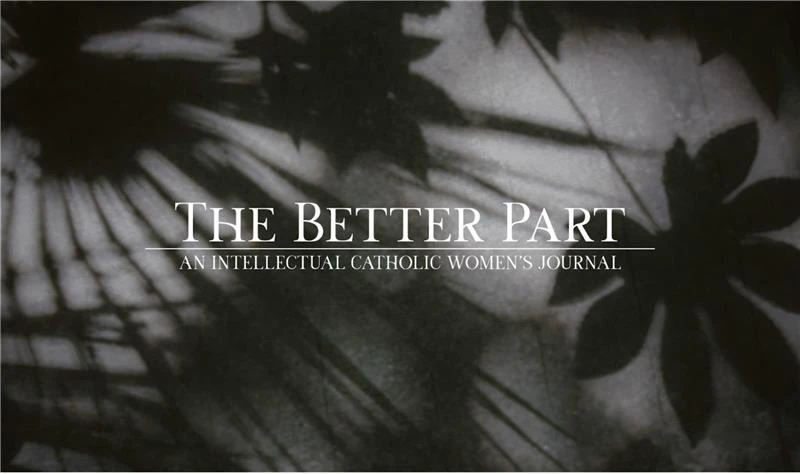
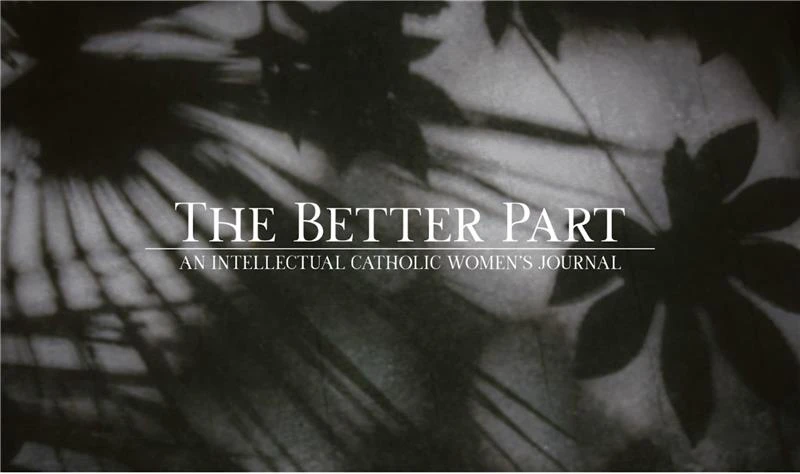
 Promo photo for the The Better Part Journal of shadows of Madonna lilies for the Blessed Virgin Mary. / Credit: Photo courtesy of Heidi Bollich-Erne

Washington, D.C. Newsroom, Dec 7, 2025 / 09:00 am (CNA).
While teaching an ethics and culture course, Heidi Bollich-Erne was looking for a journal featuring the work of Catholic women for her students to read. After being told that it simply didn’t exist, she decided to create one herself.With the help of a team of women, Bollich-Erne has founded what she calls the “first intellectual Catholic women’s journal.” Its purpose is to not only define the feminine genius but also to show how faithful women can embody its beauty in their daily lives. “I want women to find a home, a place that values their work. The journal itself is edited, written, and published solely by Catholic women,” Bollich-Erne told CNA. “The way that women write, the way that we express ourselves is very different. That’s just who we are. That’s part of the genius of women.”The Better Part Journal is intended to give women of the Church “hope” by discussing issues that are relevant to them. The first edition of the journal will be released in April 2026. Before starting the journal, Bollich-Erne studied theology at the University of St. Thomas, where she “fell in love with philosophy.” She went to the Center for Thomistic Studies for her master’s degree in Thomistic philosophy but took a break from her doctorate and started teaching. She is now based in Texas where she has taught high school, college preparation, college, and adults. While teaching, she tried to find content to help guide discussion on gender complementarity but couldn’t find much written by Catholic women.“I thought, ‘I want to read more intellectual women,’ but it was a struggle… So I found a friend who works at a university and I said: ‘Can you recommend … an intellectual Catholic women’s magazine? She got back to me a few days later and said, ‘It doesn’t exist.’”Bollich-Erne started The Better Part Journal by first launching a company called JBG Publishings as “a home” for the journal. She wanted to ensure the publication would not be independently published but be part of a company that would help it to grow.Bollich-Erne named the company with the initials of her father, who passed away a few years prior. His passing “was a realization that ‘life is too short,’”  Bollich-Erne said. “I need to love what I do; I need to really work to find meaning.’”Heidi Bollich-Erne is the founding editor and editor-in-chief of The Better Part Journal, the first intellectual Catholic women’s journal. She holds an undergraduate degree in theology from the University of St. Thomas and a master’s in Thomistic Philosophy from the Center for Thomistic Studies. Credit: Photo courtesy of Heidi Bollich-ErneThe Better Part Journal’s mission“The purpose of the journal is to bring together the voices of intellectual Catholic women who are faithful to the magisterium,” Bollich-Erne said. “I want voices of all backgrounds. I want women of all areas of discipline. I want academics. I want nonacademics. I want all women contributing to this conversation.”“We all throw around the ‘feminine genius,’ but when you ask someone to stop and give an actual definition, most people can’t,” Bollich-Erne said. Most people define it with a quote by St. John Paul II who coined the term in his apostolic letter Mulieris Dignitatem to describe the unique gifts and qualities women possess, but, she said, “that’s a quote, not a definition.” “There’s a lot of work that needs to be done in this area, and I know there’s room for it to be done on a theological, philosophical level. So the idea was that we would … define the feminine genius and then show it. Live it. It’s not a theology journal and it’s not a philosophy journal. It’s truly interdisciplinary.”The first issue of the journal is called “Uncharted” and will tackle a number of topics.“As soon as women realized that I was serious about truly hearing their voices and not editing them out or telling them what they can and can’t write about, they gave us some really amazing work. I’ve just been blown away. I’m only so creative, but I have a great team.”The journal will feature articles covering neuroscience and theology and apply it to Mary and the Incarnation. It will have columns by doctors and scientists to look at “faith in the formula” and “applying science to religion.”There will be discussion of issues women face including body image, infertility, and violence. Articles will explore “the psychology of fairy tales and what that does to young girls growing up, whether that be positive or negative,” Bollich-Erne said. It will look into “what we are exposed to …from the media and what it does to us.”“The beauty behind the journal has been the women that have come forth to lend their voices,” Bollich-Erne said. “It’s been really amazing to see how excited they are about freedom of voice. It’s been something I wasn’t expecting.”A print journal in a digital eraDespite a shift in media from print to online formats, The Better Part Journal will only be released in print copies because, Bollich-Erne said, “I want it to be lasting.”“I am a tactile person. I like to hold a book. I wanted it to be something that is kept. So obviously that’s print,” Bollich-Erne said. “But then if you want to keep it has to be high quality.”The journal will use original photographs and crafted artwork to accompany the written works. “It is stunning. It looks like a book,” Bollich-Erne said. “The idea is that you read it, you keep it, and you put it on your bookshelf and you never get rid of it because the topics are lasting.”For an article to be included, it has to be “something that I think women will find valuable, whether you’re an academic or a high school student,” Bollich-Erne said. “It has to be something that all women find valuable, or we cannot print it.”“Many women have said they’re excited to hold their work and see it in print as opposed to scrolling past the work. There’s nothing wrong with online formats; it gives voices to a lot of people, but this is just different.”“I had an author tell me, ‘I don’t write anymore for anyone,’ because, she said, ‘I am so tired of my work just disappearing. It’s online for a week. I spent all this work, all this time, and it was something substantial that I really cared about, and it’s just gone.’” “She signed up with us for a column specifically because we are in print. The idea is that this work is kept forever.”The print journals will be published twice a year only, because “I want it to be something that takes a while to digest,” Bollich-Erne said. “Beautiful things take time.”Looking to the futureJGB Publishings has “goals to expand substantially over the next five to 10 years,” Bollich-Erne said. The company will “take care of” the journal to ensure its message can “grow and expand.”“To be able, as women in the Church, to truly have a serious conversation about all of these things … we are going to forge our future,” Bollich-Erne said. “We’re going to step forward in hope and show the world this is what an intelligent Catholic woman looks like.”“We’re not stifled. We’re not sad. We’re not miserable people. We are happy. We are excited about life, and we are treated with respect. We are loved and we love who we are,” Bollich-Erne said. “I want people, especially women, of all ages to see that and to understand that.”

New print journal for ‘intellectual Catholic women’ to be released in April #Catholic Promo photo for the The Better Part Journal of shadows of Madonna lilies for the Blessed Virgin Mary. / Credit: Photo courtesy of Heidi Bollich-Erne Washington, D.C. Newsroom, Dec 7, 2025 / 09:00 am (CNA). While teaching an ethics and culture course, Heidi Bollich-Erne was looking for a journal featuring the work of Catholic women for her students to read. After being told that it simply didn’t exist, she decided to create one herself.With the help of a team of women, Bollich-Erne has founded what she calls the “first intellectual Catholic women’s journal.” Its purpose is to not only define the feminine genius but also to show how faithful women can embody its beauty in their daily lives. “I want women to find a home, a place that values their work. The journal itself is edited, written, and published solely by Catholic women,” Bollich-Erne told CNA. “The way that women write, the way that we express ourselves is very different. That’s just who we are. That’s part of the genius of women.”The Better Part Journal is intended to give women of the Church “hope” by discussing issues that are relevant to them. The first edition of the journal will be released in April 2026. Before starting the journal, Bollich-Erne studied theology at the University of St. Thomas, where she “fell in love with philosophy.” She went to the Center for Thomistic Studies for her master’s degree in Thomistic philosophy but took a break from her doctorate and started teaching. She is now based in Texas where she has taught high school, college preparation, college, and adults. While teaching, she tried to find content to help guide discussion on gender complementarity but couldn’t find much written by Catholic women.“I thought, ‘I want to read more intellectual women,’ but it was a struggle… So I found a friend who works at a university and I said: ‘Can you recommend … an intellectual Catholic women’s magazine? She got back to me a few days later and said, ‘It doesn’t exist.’”Bollich-Erne started The Better Part Journal by first launching a company called JBG Publishings as “a home” for the journal. She wanted to ensure the publication would not be independently published but be part of a company that would help it to grow.Bollich-Erne named the company with the initials of her father, who passed away a few years prior. His passing “was a realization that ‘life is too short,’”  Bollich-Erne said. “I need to love what I do; I need to really work to find meaning.’”Heidi Bollich-Erne is the founding editor and editor-in-chief of The Better Part Journal, the first intellectual Catholic women’s journal. She holds an undergraduate degree in theology from the University of St. Thomas and a master’s in Thomistic Philosophy from the Center for Thomistic Studies. Credit: Photo courtesy of Heidi Bollich-ErneThe Better Part Journal’s mission“The purpose of the journal is to bring together the voices of intellectual Catholic women who are faithful to the magisterium,” Bollich-Erne said. “I want voices of all backgrounds. I want women of all areas of discipline. I want academics. I want nonacademics. I want all women contributing to this conversation.”“We all throw around the ‘feminine genius,’ but when you ask someone to stop and give an actual definition, most people can’t,” Bollich-Erne said. Most people define it with a quote by St. John Paul II who coined the term in his apostolic letter Mulieris Dignitatem to describe the unique gifts and qualities women possess, but, she said, “that’s a quote, not a definition.” “There’s a lot of work that needs to be done in this area, and I know there’s room for it to be done on a theological, philosophical level. So the idea was that we would … define the feminine genius and then show it. Live it. It’s not a theology journal and it’s not a philosophy journal. It’s truly interdisciplinary.”The first issue of the journal is called “Uncharted” and will tackle a number of topics.“As soon as women realized that I was serious about truly hearing their voices and not editing them out or telling them what they can and can’t write about, they gave us some really amazing work. I’ve just been blown away. I’m only so creative, but I have a great team.”The journal will feature articles covering neuroscience and theology and apply it to Mary and the Incarnation. It will have columns by doctors and scientists to look at “faith in the formula” and “applying science to religion.”There will be discussion of issues women face including body image, infertility, and violence. Articles will explore “the psychology of fairy tales and what that does to young girls growing up, whether that be positive or negative,” Bollich-Erne said. It will look into “what we are exposed to …from the media and what it does to us.”“The beauty behind the journal has been the women that have come forth to lend their voices,” Bollich-Erne said. “It’s been really amazing to see how excited they are about freedom of voice. It’s been something I wasn’t expecting.”A print journal in a digital eraDespite a shift in media from print to online formats, The Better Part Journal will only be released in print copies because, Bollich-Erne said, “I want it to be lasting.”“I am a tactile person. I like to hold a book. I wanted it to be something that is kept. So obviously that’s print,” Bollich-Erne said. “But then if you want to keep it has to be high quality.”The journal will use original photographs and crafted artwork to accompany the written works. “It is stunning. It looks like a book,” Bollich-Erne said. “The idea is that you read it, you keep it, and you put it on your bookshelf and you never get rid of it because the topics are lasting.”For an article to be included, it has to be “something that I think women will find valuable, whether you’re an academic or a high school student,” Bollich-Erne said. “It has to be something that all women find valuable, or we cannot print it.”“Many women have said they’re excited to hold their work and see it in print as opposed to scrolling past the work. There’s nothing wrong with online formats; it gives voices to a lot of people, but this is just different.”“I had an author tell me, ‘I don’t write anymore for anyone,’ because, she said, ‘I am so tired of my work just disappearing. It’s online for a week. I spent all this work, all this time, and it was something substantial that I really cared about, and it’s just gone.’” “She signed up with us for a column specifically because we are in print. The idea is that this work is kept forever.”The print journals will be published twice a year only, because “I want it to be something that takes a while to digest,” Bollich-Erne said. “Beautiful things take time.”Looking to the futureJGB Publishings has “goals to expand substantially over the next five to 10 years,” Bollich-Erne said. The company will “take care of” the journal to ensure its message can “grow and expand.”“To be able, as women in the Church, to truly have a serious conversation about all of these things … we are going to forge our future,” Bollich-Erne said. “We’re going to step forward in hope and show the world this is what an intelligent Catholic woman looks like.”“We’re not stifled. We’re not sad. We’re not miserable people. We are happy. We are excited about life, and we are treated with respect. We are loved and we love who we are,” Bollich-Erne said. “I want people, especially women, of all ages to see that and to understand that.”


Promo photo for the The Better Part Journal of shadows of Madonna lilies for the Blessed Virgin Mary. / Credit: Photo courtesy of Heidi Bollich-Erne

Washington, D.C. Newsroom, Dec 7, 2025 / 09:00 am (CNA).

While teaching an ethics and culture course, Heidi Bollich-Erne was looking for a journal featuring the work of Catholic women for her students to read. After being told that it simply didn’t exist, she decided to create one herself.

With the help of a team of women, Bollich-Erne has founded what she calls the “first intellectual Catholic women’s journal.” Its purpose is to not only define the feminine genius but also to show how faithful women can embody its beauty in their daily lives. 

“I want women to find a home, a place that values their work. The journal itself is edited, written, and published solely by Catholic women,” Bollich-Erne told CNA. “The way that women write, the way that we express ourselves is very different. That’s just who we are. That’s part of the genius of women.”

The Better Part Journal is intended to give women of the Church “hope” by discussing issues that are relevant to them. The first edition of the journal will be released in April 2026. 

Before starting the journal, Bollich-Erne studied theology at the University of St. Thomas, where she “fell in love with philosophy.” She went to the Center for Thomistic Studies for her master’s degree in Thomistic philosophy but took a break from her doctorate and started teaching. 

She is now based in Texas where she has taught high school, college preparation, college, and adults. While teaching, she tried to find content to help guide discussion on gender complementarity but couldn’t find much written by Catholic women.

“I thought, ‘I want to read more intellectual women,’ but it was a struggle… So I found a friend who works at a university and I said: ‘Can you recommend … an intellectual Catholic women’s magazine? She got back to me a few days later and said, ‘It doesn’t exist.’”

Bollich-Erne started The Better Part Journal by first launching a company called JBG Publishings as “a home” for the journal. She wanted to ensure the publication would not be independently published but be part of a company that would help it to grow.

Bollich-Erne named the company with the initials of her father, who passed away a few years prior. His passing “was a realization that ‘life is too short,’”  Bollich-Erne said. “I need to love what I do; I need to really work to find meaning.’”

Heidi Bollich-Erne is the founding editor and editor-in-chief of The Better Part Journal, the first intellectual Catholic women’s journal. She holds an undergraduate degree in theology from the University of St. Thomas and a master's in Thomistic Philosophy from the Center for Thomistic Studies. Credit: Photo courtesy of  Heidi Bollich-Erne
Heidi Bollich-Erne is the founding editor and editor-in-chief of The Better Part Journal, the first intellectual Catholic women’s journal. She holds an undergraduate degree in theology from the University of St. Thomas and a master’s in Thomistic Philosophy from the Center for Thomistic Studies. Credit: Photo courtesy of Heidi Bollich-Erne

The Better Part Journal’s mission

“The purpose of the journal is to bring together the voices of intellectual Catholic women who are faithful to the magisterium,” Bollich-Erne said. “I want voices of all backgrounds. I want women of all areas of discipline. I want academics. I want nonacademics. I want all women contributing to this conversation.”

“We all throw around the ‘feminine genius,’ but when you ask someone to stop and give an actual definition, most people can’t,” Bollich-Erne said. Most people define it with a quote by St. John Paul II who coined the term in his apostolic letter Mulieris Dignitatem to describe the unique gifts and qualities women possess, but, she said, “that’s a quote, not a definition.” 

“There’s a lot of work that needs to be done in this area, and I know there’s room for it to be done on a theological, philosophical level. So the idea was that we would … define the feminine genius and then show it. Live it. It’s not a theology journal and it’s not a philosophy journal. It’s truly interdisciplinary.”

The first issue of the journal is called “Uncharted” and will tackle a number of topics.

“As soon as women realized that I was serious about truly hearing their voices and not editing them out or telling them what they can and can’t write about, they gave us some really amazing work. I’ve just been blown away. I’m only so creative, but I have a great team.”

The journal will feature articles covering neuroscience and theology and apply it to Mary and the Incarnation. It will have columns by doctors and scientists to look at “faith in the formula” and “applying science to religion.”

There will be discussion of issues women face including body image, infertility, and violence. Articles will explore “the psychology of fairy tales and what that does to young girls growing up, whether that be positive or negative,” Bollich-Erne said. It will look into “what we are exposed to …from the media and what it does to us.”

“The beauty behind the journal has been the women that have come forth to lend their voices,” Bollich-Erne said. “It’s been really amazing to see how excited they are about freedom of voice. It’s been something I wasn’t expecting.”

A print journal in a digital era

Despite a shift in media from print to online formats, The Better Part Journal will only be released in print copies because, Bollich-Erne said, “I want it to be lasting.”

“I am a tactile person. I like to hold a book. I wanted it to be something that is kept. So obviously that’s print,” Bollich-Erne said. “But then if you want to keep it has to be high quality.”

The journal will use original photographs and crafted artwork to accompany the written works. 

“It is stunning. It looks like a book,” Bollich-Erne said. “The idea is that you read it, you keep it, and you put it on your bookshelf and you never get rid of it because the topics are lasting.”

For an article to be included, it has to be “something that I think women will find valuable, whether you’re an academic or a high school student,” Bollich-Erne said. “It has to be something that all women find valuable, or we cannot print it.”

“Many women have said they’re excited to hold their work and see it in print as opposed to scrolling past the work. There’s nothing wrong with online formats; it gives voices to a lot of people, but this is just different.”

“I had an author tell me, ‘I don’t write anymore for anyone,’ because, she said, ‘I am so tired of my work just disappearing. It’s online for a week. I spent all this work, all this time, and it was something substantial that I really cared about, and it’s just gone.’” 

“She signed up with us for a column specifically because we are in print. The idea is that this work is kept forever.”

The print journals will be published twice a year only, because “I want it to be something that takes a while to digest,” Bollich-Erne said. “Beautiful things take time.”

Looking to the future

JGB Publishings has “goals to expand substantially over the next five to 10 years,” Bollich-Erne said. The company will “take care of” the journal to ensure its message can “grow and expand.”

“To be able, as women in the Church, to truly have a serious conversation about all of these things … we are going to forge our future,” Bollich-Erne said. “We’re going to step forward in hope and show the world this is what an intelligent Catholic woman looks like.”

“We’re not stifled. We’re not sad. We’re not miserable people. We are happy. We are excited about life, and we are treated with respect. We are loved and we love who we are,” Bollich-Erne said. “I want people, especially women, of all ages to see that and to understand that.”

Read More
Denver Archdiocese, Catholic schools ask Supreme Court for access to preschool program #Catholic 
 
 null / Credit: Wolfgang Schaller|Shutterstock

CNA Staff, Nov 15, 2025 / 11:00 am (CNA).
The Archdiocese of Denver and a coalition of Catholic preschools are asking the U.S. Supreme Court to allow them to access a Colorado universal preschool program.The petition to the high court comes after the U.S. Court of Appeals for the 10th Circuit ruled in September that Colorado may continue to exclude Catholic preschools from its Universal Preschool Program because of their religious beliefs.Catholic preschools in Denver ask teachers and families to sign a pledge promising to uphold their religious mission, including teachings on sexuality and gender identity. The Colorado preschool program’s nondiscrimination clause, however, requires schools to uphold provisions on sexual orientation and “gender identity.”Two Catholic parish preschools and the Denver Archdiocese first filed suit in August 2023 against the requirement.In a Nov. 14 press release, the Becket Fund for Religious Liberty — which has represented the schools and the archdiocese in the lawsuit — said the Catholic schools “are asking the Supreme Court to ensure that Colorado makes good on its promise of universal preschool.”“Colorado is picking winners and losers based on the content of their religious beliefs,” Nick Reaves, a senior lawyer at Becket, said in the release. “That sort of religious discrimination flies in the face of our nation’s traditions and decades of Supreme Court rulings,” he said. “We’re asking the court to step in and make sure ‘universal’ preschool really is universal.” Scott Elmer, who serves as chief mission officer for the Denver Archdiocese, said the schools are seeking “the ability to offer families who choose a Catholic education the same access to free preschool services that’s available at thousands of other preschools across Colorado.”Becket in its press release said the Colorado rules have had a “predictable effect” in which “enrollment at Catholic preschools has swiftly declined, while two Catholic preschools have shuttered their doors.”The law group said the lower court rulings go against recent Supreme Court decisions on religious freedom, including Espinoza v. Montana Department of Revenue, which held that the Montana Constitution’s bar on public funding of religious institutions violated the First Amendment.In May the Supreme Court declined to rule in a contentious case involving what was proposed to be the nation’s first religious charter school, leaving untouched a lower court ruling that forbade the Oklahoma Catholic institution from accessing state funds.

Denver Archdiocese, Catholic schools ask Supreme Court for access to preschool program #Catholic null / Credit: Wolfgang Schaller|Shutterstock CNA Staff, Nov 15, 2025 / 11:00 am (CNA). The Archdiocese of Denver and a coalition of Catholic preschools are asking the U.S. Supreme Court to allow them to access a Colorado universal preschool program.The petition to the high court comes after the U.S. Court of Appeals for the 10th Circuit ruled in September that Colorado may continue to exclude Catholic preschools from its Universal Preschool Program because of their religious beliefs.Catholic preschools in Denver ask teachers and families to sign a pledge promising to uphold their religious mission, including teachings on sexuality and gender identity. The Colorado preschool program’s nondiscrimination clause, however, requires schools to uphold provisions on sexual orientation and “gender identity.”Two Catholic parish preschools and the Denver Archdiocese first filed suit in August 2023 against the requirement.In a Nov. 14 press release, the Becket Fund for Religious Liberty — which has represented the schools and the archdiocese in the lawsuit — said the Catholic schools “are asking the Supreme Court to ensure that Colorado makes good on its promise of universal preschool.”“Colorado is picking winners and losers based on the content of their religious beliefs,” Nick Reaves, a senior lawyer at Becket, said in the release. “That sort of religious discrimination flies in the face of our nation’s traditions and decades of Supreme Court rulings,” he said. “We’re asking the court to step in and make sure ‘universal’ preschool really is universal.” Scott Elmer, who serves as chief mission officer for the Denver Archdiocese, said the schools are seeking “the ability to offer families who choose a Catholic education the same access to free preschool services that’s available at thousands of other preschools across Colorado.”Becket in its press release said the Colorado rules have had a “predictable effect” in which “enrollment at Catholic preschools has swiftly declined, while two Catholic preschools have shuttered their doors.”The law group said the lower court rulings go against recent Supreme Court decisions on religious freedom, including Espinoza v. Montana Department of Revenue, which held that the Montana Constitution’s bar on public funding of religious institutions violated the First Amendment.In May the Supreme Court declined to rule in a contentious case involving what was proposed to be the nation’s first religious charter school, leaving untouched a lower court ruling that forbade the Oklahoma Catholic institution from accessing state funds.


null / Credit: Wolfgang Schaller|Shutterstock

CNA Staff, Nov 15, 2025 / 11:00 am (CNA).

The Archdiocese of Denver and a coalition of Catholic preschools are asking the U.S. Supreme Court to allow them to access a Colorado universal preschool program.

The petition to the high court comes after the U.S. Court of Appeals for the 10th Circuit ruled in September that Colorado may continue to exclude Catholic preschools from its Universal Preschool Program because of their religious beliefs.

Catholic preschools in Denver ask teachers and families to sign a pledge promising to uphold their religious mission, including teachings on sexuality and gender identity. The Colorado preschool program’s nondiscrimination clause, however, requires schools to uphold provisions on sexual orientation and “gender identity.”

Two Catholic parish preschools and the Denver Archdiocese first filed suit in August 2023 against the requirement.

In a Nov. 14 press release, the Becket Fund for Religious Liberty — which has represented the schools and the archdiocese in the lawsuit — said the Catholic schools “are asking the Supreme Court to ensure that Colorado makes good on its promise of universal preschool.”

“Colorado is picking winners and losers based on the content of their religious beliefs,” Nick Reaves, a senior lawyer at Becket, said in the release. 

“That sort of religious discrimination flies in the face of our nation’s traditions and decades of Supreme Court rulings,” he said. “We’re asking the court to step in and make sure ‘universal’ preschool really is universal.” 

Scott Elmer, who serves as chief mission officer for the Denver Archdiocese, said the schools are seeking “the ability to offer families who choose a Catholic education the same access to free preschool services that’s available at thousands of other preschools across Colorado.”

Becket in its press release said the Colorado rules have had a “predictable effect” in which “enrollment at Catholic preschools has swiftly declined, while two Catholic preschools have shuttered their doors.”

The law group said the lower court rulings go against recent Supreme Court decisions on religious freedom, including Espinoza v. Montana Department of Revenue, which held that the Montana Constitution’s bar on public funding of religious institutions violated the First Amendment.

In May the Supreme Court declined to rule in a contentious case involving what was proposed to be the nation’s first religious charter school, leaving untouched a lower court ruling that forbade the Oklahoma Catholic institution from accessing state funds.

Read More