generations

Pew study: Religion holds steady in America #Catholic 
 
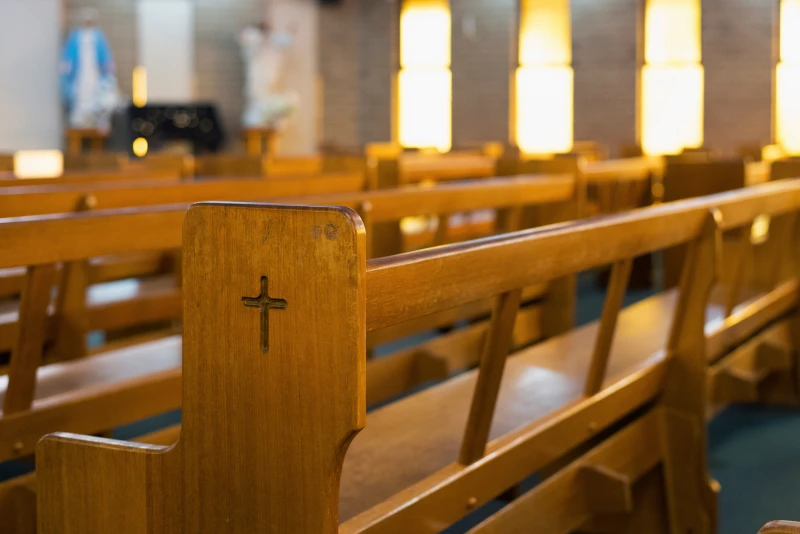
 American adults who identify with Christianity, with another religion, or with no religion have all remained steady, a new Pew Research Center report finds.  / Credit: ChoeWatt/Shutterstock

Washington, D.C. Newsroom, Dec 9, 2025 / 15:30 pm (CNA).
The number of American adults who identify with Christianity, with another religion, or with no religion have all remained steady, a new Pew Research Center report finds. Surveys conducted since 2020 have generally found that about 70% of U.S. adults identify with a religion. The numbers have slightly fluctuated, but there has been no clear rise or fall in religious affiliation over the five-year period.A Pew Research Center study, Religion Holds Steady in America, summarizes the latest trends in American religion and examines religion among young adults. The report is based on Pew’s National Public Opinion Reference Survey (NPORS), which has annually surveyed a random sample of U.S. adults since 2020. It also draws from the U.S. Religious Landscape Study (RLS), which surveyed 36,908 adults from July 17, 2023 to March 4, 2024.The number of American adults who identify with Christianity, with another religion, or with no religion have all remained steady, a new Pew Research Center report finds. Credit: Courtesy of Pew Research Center.The report also uses data from the General Social Survey and the American Time Use Survey.The research revealed that after Pew found a decline in Christianity in the country from 2007 to 2020, the decline has halted and there is a stable presence of Christianty and religion in the nation. Young women’s religiosity shiftsWhile the polling shows no clear evidence of a religious increase among young adults, it did find that young men are now almost as religious as women in the same age group. The finding differs from past studies which found that young women tended to be more religious than young men. This shift was found to be due to a decline in religiousness among American women, rather than an increase in the religiousness of men. In contrast to the young adults, the data revealed older women are more religious than older men. Overall, young men and young women surveyed in 2023 and 2024 are less religious than those questioned in 2007 and 2014 studies. In 2007, 54% of women and 40% of men ages 18 to 24 reported they prayed daily. Data from 2023-2024 revealed only 30% of women and 26% of men in the same age group said they pray daily, indicating the gender gap among religious men and women is closing. Young adults remain less religious than older AmericansThe data found no evidence that any age group has become substantially more or less religious since 2020. In the 2025 NPORS, 83% of adults 71 or older identified with a religion, similarly to the 84% in 2020. Among the youngest group of adults ages 18 to 30, 55% identify with a religion in 2025. This data is similar to the 57% who reported the same in 2020.While there was not a large change in the number of adults who practice religion, older generations continue to be more religious than younger ones. Adults aged 71 or older tend to pray more than those ages 18 to 30, with 59% of older adults reporting they pray daily compared to 32% of young adults. There were also discrepancies among age groups based on how often individuals attend religious services. Adults 71 and older attend the most with 43% reporting they attend at least monthly. Adults 31 to 40 were found to attend the least with 29% reporting they go monthly. The data shows that today’s adults between the ages of roughly 18 and 22 are at least as religious as the age group slightly older than them who are in their mid to late 20s. Some aspects revealed that the younger U.S. adults may be more religious than the age group slightly older than them. The 2023–24 RLS found 30% of adults born between 2003 and 2006 said they attended religious services at least once a month, which is higher than the 24% of people born between 1995 and 2002. 

Pew study: Religion holds steady in America #Catholic American adults who identify with Christianity, with another religion, or with no religion have all remained steady, a new Pew Research Center report finds.  / Credit: ChoeWatt/Shutterstock Washington, D.C. Newsroom, Dec 9, 2025 / 15:30 pm (CNA). The number of American adults who identify with Christianity, with another religion, or with no religion have all remained steady, a new Pew Research Center report finds. Surveys conducted since 2020 have generally found that about 70% of U.S. adults identify with a religion. The numbers have slightly fluctuated, but there has been no clear rise or fall in religious affiliation over the five-year period.A Pew Research Center study, Religion Holds Steady in America, summarizes the latest trends in American religion and examines religion among young adults. The report is based on Pew’s National Public Opinion Reference Survey (NPORS), which has annually surveyed a random sample of U.S. adults since 2020. It also draws from the U.S. Religious Landscape Study (RLS), which surveyed 36,908 adults from July 17, 2023 to March 4, 2024.The number of American adults who identify with Christianity, with another religion, or with no religion have all remained steady, a new Pew Research Center report finds. Credit: Courtesy of Pew Research Center.The report also uses data from the General Social Survey and the American Time Use Survey.The research revealed that after Pew found a decline in Christianity in the country from 2007 to 2020, the decline has halted and there is a stable presence of Christianty and religion in the nation. Young women’s religiosity shiftsWhile the polling shows no clear evidence of a religious increase among young adults, it did find that young men are now almost as religious as women in the same age group. The finding differs from past studies which found that young women tended to be more religious than young men. This shift was found to be due to a decline in religiousness among American women, rather than an increase in the religiousness of men. In contrast to the young adults, the data revealed older women are more religious than older men. Overall, young men and young women surveyed in 2023 and 2024 are less religious than those questioned in 2007 and 2014 studies. In 2007, 54% of women and 40% of men ages 18 to 24 reported they prayed daily. Data from 2023-2024 revealed only 30% of women and 26% of men in the same age group said they pray daily, indicating the gender gap among religious men and women is closing. Young adults remain less religious than older AmericansThe data found no evidence that any age group has become substantially more or less religious since 2020. In the 2025 NPORS, 83% of adults 71 or older identified with a religion, similarly to the 84% in 2020. Among the youngest group of adults ages 18 to 30, 55% identify with a religion in 2025. This data is similar to the 57% who reported the same in 2020.While there was not a large change in the number of adults who practice religion, older generations continue to be more religious than younger ones. Adults aged 71 or older tend to pray more than those ages 18 to 30, with 59% of older adults reporting they pray daily compared to 32% of young adults. There were also discrepancies among age groups based on how often individuals attend religious services. Adults 71 and older attend the most with 43% reporting they attend at least monthly. Adults 31 to 40 were found to attend the least with 29% reporting they go monthly. The data shows that today’s adults between the ages of roughly 18 and 22 are at least as religious as the age group slightly older than them who are in their mid to late 20s. Some aspects revealed that the younger U.S. adults may be more religious than the age group slightly older than them. The 2023–24 RLS found 30% of adults born between 2003 and 2006 said they attended religious services at least once a month, which is higher than the 24% of people born between 1995 and 2002. 


American adults who identify with Christianity, with another religion, or with no religion have all remained steady, a new Pew Research Center report finds.  / Credit: ChoeWatt/Shutterstock

Washington, D.C. Newsroom, Dec 9, 2025 / 15:30 pm (CNA).

The number of American adults who identify with Christianity, with another religion, or with no religion have all remained steady, a new Pew Research Center report finds. 

Surveys conducted since 2020 have generally found that about 70% of U.S. adults identify with a religion. The numbers have slightly fluctuated, but there has been no clear rise or fall in religious affiliation over the five-year period.

A Pew Research Center study, Religion Holds Steady in America, summarizes the latest trends in American religion and examines religion among young adults. The report is based on Pew’s National Public Opinion Reference Survey (NPORS), which has annually surveyed a random sample of U.S. adults since 2020. It also draws from the U.S. Religious Landscape Study (RLS), which surveyed 36,908 adults from July 17, 2023 to March 4, 2024.

The number of American adults who identify with Christianity, with another religion, or with no religion have all remained steady, a new Pew Research Center report finds. Credit: Courtesy of Pew Research Center.

The report also uses data from the General Social Survey and the American Time Use Survey.

The research revealed that after Pew found a decline in Christianity in the country from 2007 to 2020, the decline has halted and there is a stable presence of Christianty and religion in the nation. 

Young women’s religiosity shifts

While the polling shows no clear evidence of a religious increase among young adults, it did find that young men are now almost as religious as women in the same age group. The finding differs from past studies which found that young women tended to be more religious than young men. 

This shift was found to be due to a decline in religiousness among American women, rather than an increase in the religiousness of men. In contrast to the young adults, the data revealed older women are more religious than older men. 

Overall, young men and young women surveyed in 2023 and 2024 are less religious than those questioned in 2007 and 2014 studies.

In 2007, 54% of women and 40% of men ages 18 to 24 reported they prayed daily. Data from 2023-2024 revealed only 30% of women and 26% of men in the same age group said they pray daily, indicating the gender gap among religious men and women is closing. 

Young adults remain less religious than older Americans

The data found no evidence that any age group has become substantially more or less religious since 2020. In the 2025 NPORS, 83% of adults 71 or older identified with a religion, similarly to the 84% in 2020. 

Among the youngest group of adults ages 18 to 30, 55% identify with a religion in 2025. This data is similar to the 57% who reported the same in 2020.

While there was not a large change in the number of adults who practice religion, older generations continue to be more religious than younger ones. Adults aged 71 or older tend to pray more than those ages 18 to 30, with 59% of older adults reporting they pray daily compared to 32% of young adults. 

There were also discrepancies among age groups based on how often individuals attend religious services. Adults 71 and older attend the most with 43% reporting they attend at least monthly. Adults 31 to 40 were found to attend the least with 29% reporting they go monthly. 

The data shows that today’s adults between the ages of roughly 18 and 22 are at least as religious as the age group slightly older than them who are in their mid to late 20s. Some aspects revealed that the younger U.S. adults may be more religious than the age group slightly older than them. 

The 2023–24 RLS found 30% of adults born between 2003 and 2006 said they attended religious services at least once a month, which is higher than the 24% of people born between 1995 and 2002. 

Read More
Trump honors Mary’s ‘freedom from original sin’ in Immaculate Conception message #Catholic 
 
 U.S. President Donald Trump delivers remarks on Dec. 6, 2025, in Washington, D.C. / Credit: Aaron Schwartz/Getty Images

Washington, D.C. Newsroom, Dec 8, 2025 / 18:09 pm (CNA).
President Donald Trump honored the feast of the Immaculate Conception on Dec. 8, which appears to be the first time an American president formally recognized the Catholic holy day.The presidential statement recognized the role Mary played in the salvation of humanity and the importance she has in American history. The statement does, however, contain one theological error about the Incarnation. It says God became man when Christ was born, although Catholic doctrine recognizes God becoming man at the Incarnation: when Mary conceived him.“Today, I recognize every American celebrating Dec. 8 as a holy day honoring the faith, humility, and love of Mary, mother of Jesus and one of the greatest figures in the Bible,” the statement said. Trump, who is not Catholic and describes himself as a “non-denominational Christian,” has cultivated strong bonds with a broad range of Christians and frequently referenced religious holidays and symbols in ways that resonate with supporters.CNA could not find similar proclamations on the Immaculate Conception from other presidents, including none from the only two Catholic presidents: John F. Kennedy and Joe Biden. Other presidents have spoken about Mary and the Immaculate Conception, sometimes in messages relating to Christmas or other topics, but not in a formal recognition of this feast.“On the feast of the Immaculate Conception, Catholics celebrate what they believe to be Mary’s freedom from original sin as the mother of God,” the statement read.The feast day celebrates the miracle in which Mary was conceived without the stain of original sin. Every person — with the exception of Mary and Jesus Christ — receives the hereditary stain of original sin, which was brought onto humanity through the first sin of Adam and Eve when they disobeyed God by eating fruit from the tree of knowledge of good and evil.Mary’s importance to humanity and the United StatesThe presidential statement said Mary’s agreement at the Annunciation to conceive and bear the child Christ was “one of the most profound and consequential acts of history,” and Mary “heroically accepted God’s will with trust and humility.” It cites Luke 1:38: “Behold, I am the handmaid of the Lord. May it be done to me according to your word.” “Mary’s decision forever altered the course of humanity,” the statement read, adding that Christ “would go on to offer his life on the Cross for the redemption of sins and the salvation of the world.”President Trump’s statement also describes the annunciation by the archangel Gabriel, who calls the Blessed Mother “favored one” and tells her “you will conceive in your womb and bear a son, and you shall name him Jesus.”Later in the document, the presidential message says “we remember the sacred words that have brought aid, comfort, and support to generations of American believers in times of need,” and includes the text of the Hail Mary.Trump’s statement also acknowledges the “distinct role” Mary has played “in our great American story.”The president’s statement also specifically references Bishop John Carroll’s consecration of the United States to the Blessed Mother. Carroll was the only Catholic to sign the Declaration of Independence. In addition, the statement references the annual Mass of Thanksgiving in New Orleans on Jan. 8, in which Catholics celebrate Mary’s perceived assistance to U.S. troops under the command of General Andrew Jackson in winning the Battle of New Orleans.The message notes that “American legends” including St. Elizabeth Ann Seton, St. Frances Xavier Cabrini, and Venerable Fulton Sheen “held a deep devotion to Mary” and that many American churches, hospitals, universities, and schools bear her name. It adds that many Americans will also celebrate Our Lady of Guadalupe on Dec. 12.“As we approach 250 years of glorious American independence, we acknowledge and give thanks, with total gratitude, for Mary’s role in advancing peace, hope, and love in America and beyond our shores,” the presidential message reads.The presidential message also recognizes Pope Benedict XV dedicating a statue of Mary, Queen of Peace, to encourage Christians “to look to her example of peace by praying for a stop to the horrific slaughter” occurring in World War I, which then ended just a few months later.“Today, we look to Mary once again for inspiration and encouragement as we pray for an end to war and for a new and lasting era of peace, prosperity, and harmony in Europe and throughout the world,” Trump’s statement added.Catholics react to Trump’s messageChad Pecknold, a political science professor at The Catholic University of America, said he welcomed the president’s recognition of the feast day.“The more America publicly honors Christian feast days such as Christmas, Good Friday, and Easter, and the more we remember our greatest saints, as well as our national heroes, the better oriented our nation will be to God,” he said. “This is the spiritual key to raising up the Res Americana for the next 250 years.”Susan Hanssen, a history professor at the University of Dallas (a Catholic institution), called the presidential message “a jaw-droppingly historic event.” For a president to celebrate Mary as “full of grace” and celebrate “the centrality of the Incarnation,” she said “goes beyond anything that Americans have ever heard in presidential public speeches.”“This pronouncement, along with the first American pope in world history, marks a watershed moment in American cultural history,” Hanssen said. Caleb Henry, a political science professor at Franciscan University, told CNA Trump’s message appears to be an extension of the president’s America Prays campaign, which asks Americans to pray for the country ahead of the 250th anniversary of the Declaration of Independence next year.Henry said the initiative seeks to “reconnect America’s people of faith with … the signing of the Declaration of Independence.” He said the Immaculate Conception statement appears to be “a message to America’s Catholic faithful,” that the country’s history “while complicated, is rooted in these truths of natural law, laws of nature, and of nature’s God.”“We have a Marian tradition here in our country as well,” he said. The statement comes as the nation’s Catholic bishops have welcomed some of Trump’s policies, such as regarding gender ideology. Bishops also have expressed dismay about indiscriminate immigration enforcement and a plan to expand in vitro fertilization (IVF).The United States Conference of Catholic Bishops issued a unified special pastoral message against “indiscriminate mass deportations” on Nov. 12.Henry said a message like the one issued on the Immaculate Conception is “a typical Trump move” by “ignoring all existing hierarchies and going straight to the people.”Theological error in the messageThe statement contains a theological error. After discussing the Annunciation, the message states “nine months later, God became man when Mary gave birth to a son, Jesus.”Christ became man at the moment of the Incarnation, when Mary conceived him, not when he was born. Father Aquinas Guilbeau, OP, told CNA that although early councils clarified this teaching, the misunderstanding “endures today.” He said: “Even among Christians, sadly. It remains a favorite of poets.” He noted that even in “Silent Night,” the verse that says “Jesus, Lord, at thy birth” falls into this error because: “Jesus is Lord before his birth. He is Lord at his conception.”“Wherever it appears, the error may be pious and well-intentioned but it remains theologically inaccurate,” Guilbeau said.

Trump honors Mary’s ‘freedom from original sin’ in Immaculate Conception message #Catholic U.S. President Donald Trump delivers remarks on Dec. 6, 2025, in Washington, D.C. / Credit: Aaron Schwartz/Getty Images Washington, D.C. Newsroom, Dec 8, 2025 / 18:09 pm (CNA). President Donald Trump honored the feast of the Immaculate Conception on Dec. 8, which appears to be the first time an American president formally recognized the Catholic holy day.The presidential statement recognized the role Mary played in the salvation of humanity and the importance she has in American history. The statement does, however, contain one theological error about the Incarnation. It says God became man when Christ was born, although Catholic doctrine recognizes God becoming man at the Incarnation: when Mary conceived him.“Today, I recognize every American celebrating Dec. 8 as a holy day honoring the faith, humility, and love of Mary, mother of Jesus and one of the greatest figures in the Bible,” the statement said. Trump, who is not Catholic and describes himself as a “non-denominational Christian,” has cultivated strong bonds with a broad range of Christians and frequently referenced religious holidays and symbols in ways that resonate with supporters.CNA could not find similar proclamations on the Immaculate Conception from other presidents, including none from the only two Catholic presidents: John F. Kennedy and Joe Biden. Other presidents have spoken about Mary and the Immaculate Conception, sometimes in messages relating to Christmas or other topics, but not in a formal recognition of this feast.“On the feast of the Immaculate Conception, Catholics celebrate what they believe to be Mary’s freedom from original sin as the mother of God,” the statement read.The feast day celebrates the miracle in which Mary was conceived without the stain of original sin. Every person — with the exception of Mary and Jesus Christ — receives the hereditary stain of original sin, which was brought onto humanity through the first sin of Adam and Eve when they disobeyed God by eating fruit from the tree of knowledge of good and evil.Mary’s importance to humanity and the United StatesThe presidential statement said Mary’s agreement at the Annunciation to conceive and bear the child Christ was “one of the most profound and consequential acts of history,” and Mary “heroically accepted God’s will with trust and humility.” It cites Luke 1:38: “Behold, I am the handmaid of the Lord. May it be done to me according to your word.” “Mary’s decision forever altered the course of humanity,” the statement read, adding that Christ “would go on to offer his life on the Cross for the redemption of sins and the salvation of the world.”President Trump’s statement also describes the annunciation by the archangel Gabriel, who calls the Blessed Mother “favored one” and tells her “you will conceive in your womb and bear a son, and you shall name him Jesus.”Later in the document, the presidential message says “we remember the sacred words that have brought aid, comfort, and support to generations of American believers in times of need,” and includes the text of the Hail Mary.Trump’s statement also acknowledges the “distinct role” Mary has played “in our great American story.”The president’s statement also specifically references Bishop John Carroll’s consecration of the United States to the Blessed Mother. Carroll was the only Catholic to sign the Declaration of Independence. In addition, the statement references the annual Mass of Thanksgiving in New Orleans on Jan. 8, in which Catholics celebrate Mary’s perceived assistance to U.S. troops under the command of General Andrew Jackson in winning the Battle of New Orleans.The message notes that “American legends” including St. Elizabeth Ann Seton, St. Frances Xavier Cabrini, and Venerable Fulton Sheen “held a deep devotion to Mary” and that many American churches, hospitals, universities, and schools bear her name. It adds that many Americans will also celebrate Our Lady of Guadalupe on Dec. 12.“As we approach 250 years of glorious American independence, we acknowledge and give thanks, with total gratitude, for Mary’s role in advancing peace, hope, and love in America and beyond our shores,” the presidential message reads.The presidential message also recognizes Pope Benedict XV dedicating a statue of Mary, Queen of Peace, to encourage Christians “to look to her example of peace by praying for a stop to the horrific slaughter” occurring in World War I, which then ended just a few months later.“Today, we look to Mary once again for inspiration and encouragement as we pray for an end to war and for a new and lasting era of peace, prosperity, and harmony in Europe and throughout the world,” Trump’s statement added.Catholics react to Trump’s messageChad Pecknold, a political science professor at The Catholic University of America, said he welcomed the president’s recognition of the feast day.“The more America publicly honors Christian feast days such as Christmas, Good Friday, and Easter, and the more we remember our greatest saints, as well as our national heroes, the better oriented our nation will be to God,” he said. “This is the spiritual key to raising up the Res Americana for the next 250 years.”Susan Hanssen, a history professor at the University of Dallas (a Catholic institution), called the presidential message “a jaw-droppingly historic event.” For a president to celebrate Mary as “full of grace” and celebrate “the centrality of the Incarnation,” she said “goes beyond anything that Americans have ever heard in presidential public speeches.”“This pronouncement, along with the first American pope in world history, marks a watershed moment in American cultural history,” Hanssen said. Caleb Henry, a political science professor at Franciscan University, told CNA Trump’s message appears to be an extension of the president’s America Prays campaign, which asks Americans to pray for the country ahead of the 250th anniversary of the Declaration of Independence next year.Henry said the initiative seeks to “reconnect America’s people of faith with … the signing of the Declaration of Independence.” He said the Immaculate Conception statement appears to be “a message to America’s Catholic faithful,” that the country’s history “while complicated, is rooted in these truths of natural law, laws of nature, and of nature’s God.”“We have a Marian tradition here in our country as well,” he said. The statement comes as the nation’s Catholic bishops have welcomed some of Trump’s policies, such as regarding gender ideology. Bishops also have expressed dismay about indiscriminate immigration enforcement and a plan to expand in vitro fertilization (IVF).The United States Conference of Catholic Bishops issued a unified special pastoral message against “indiscriminate mass deportations” on Nov. 12.Henry said a message like the one issued on the Immaculate Conception is “a typical Trump move” by “ignoring all existing hierarchies and going straight to the people.”Theological error in the messageThe statement contains a theological error. After discussing the Annunciation, the message states “nine months later, God became man when Mary gave birth to a son, Jesus.”Christ became man at the moment of the Incarnation, when Mary conceived him, not when he was born. Father Aquinas Guilbeau, OP, told CNA that although early councils clarified this teaching, the misunderstanding “endures today.” He said: “Even among Christians, sadly. It remains a favorite of poets.” He noted that even in “Silent Night,” the verse that says “Jesus, Lord, at thy birth” falls into this error because: “Jesus is Lord before his birth. He is Lord at his conception.”“Wherever it appears, the error may be pious and well-intentioned but it remains theologically inaccurate,” Guilbeau said.


U.S. President Donald Trump delivers remarks on Dec. 6, 2025, in Washington, D.C. / Credit: Aaron Schwartz/Getty Images

Washington, D.C. Newsroom, Dec 8, 2025 / 18:09 pm (CNA).

President Donald Trump honored the feast of the Immaculate Conception on Dec. 8, which appears to be the first time an American president formally recognized the Catholic holy day.

The presidential statement recognized the role Mary played in the salvation of humanity and the importance she has in American history. The statement does, however, contain one theological error about the Incarnation. It says God became man when Christ was born, although Catholic doctrine recognizes God becoming man at the Incarnation: when Mary conceived him.

“Today, I recognize every American celebrating Dec. 8 as a holy day honoring the faith, humility, and love of Mary, mother of Jesus and one of the greatest figures in the Bible,” the statement said. Trump, who is not Catholic and describes himself as a “non-denominational Christian,” has cultivated strong bonds with a broad range of Christians and frequently referenced religious holidays and symbols in ways that resonate with supporters.

CNA could not find similar proclamations on the Immaculate Conception from other presidents, including none from the only two Catholic presidents: John F. Kennedy and Joe Biden. Other presidents have spoken about Mary and the Immaculate Conception, sometimes in messages relating to Christmas or other topics, but not in a formal recognition of this feast.

“On the feast of the Immaculate Conception, Catholics celebrate what they believe to be Mary’s freedom from original sin as the mother of God,” the statement read.

The feast day celebrates the miracle in which Mary was conceived without the stain of original sin. Every person — with the exception of Mary and Jesus Christ — receives the hereditary stain of original sin, which was brought onto humanity through the first sin of Adam and Eve when they disobeyed God by eating fruit from the tree of knowledge of good and evil.

Mary’s importance to humanity and the United States

The presidential statement said Mary’s agreement at the Annunciation to conceive and bear the child Christ was “one of the most profound and consequential acts of history,” and Mary “heroically accepted God’s will with trust and humility.” 

It cites Luke 1:38: “Behold, I am the handmaid of the Lord. May it be done to me according to your word.” 

“Mary’s decision forever altered the course of humanity,” the statement read, adding that Christ “would go on to offer his life on the Cross for the redemption of sins and the salvation of the world.”

President Trump’s statement also describes the annunciation by the archangel Gabriel, who calls the Blessed Mother “favored one” and tells her “you will conceive in your womb and bear a son, and you shall name him Jesus.”

Later in the document, the presidential message says “we remember the sacred words that have brought aid, comfort, and support to generations of American believers in times of need,” and includes the text of the Hail Mary.

Trump’s statement also acknowledges the “distinct role” Mary has played “in our great American story.”

The president’s statement also specifically references Bishop John Carroll’s consecration of the United States to the Blessed Mother. Carroll was the only Catholic to sign the Declaration of Independence. In addition, the statement references the annual Mass of Thanksgiving in New Orleans on Jan. 8, in which Catholics celebrate Mary’s perceived assistance to U.S. troops under the command of General Andrew Jackson in winning the Battle of New Orleans.

The message notes that “American legends” including St. Elizabeth Ann Seton, St. Frances Xavier Cabrini, and Venerable Fulton Sheen “held a deep devotion to Mary” and that many American churches, hospitals, universities, and schools bear her name. It adds that many Americans will also celebrate Our Lady of Guadalupe on Dec. 12.

“As we approach 250 years of glorious American independence, we acknowledge and give thanks, with total gratitude, for Mary’s role in advancing peace, hope, and love in America and beyond our shores,” the presidential message reads.

The presidential message also recognizes Pope Benedict XV dedicating a statue of Mary, Queen of Peace, to encourage Christians “to look to her example of peace by praying for a stop to the horrific slaughter” occurring in World War I, which then ended just a few months later.

“Today, we look to Mary once again for inspiration and encouragement as we pray for an end to war and for a new and lasting era of peace, prosperity, and harmony in Europe and throughout the world,” Trump’s statement added.

Catholics react to Trump’s message

Chad Pecknold, a political science professor at The Catholic University of America, said he welcomed the president’s recognition of the feast day.

“The more America publicly honors Christian feast days such as Christmas, Good Friday, and Easter, and the more we remember our greatest saints, as well as our national heroes, the better oriented our nation will be to God,” he said. “This is the spiritual key to raising up the Res Americana for the next 250 years.”

Susan Hanssen, a history professor at the University of Dallas (a Catholic institution), called the presidential message “a jaw-droppingly historic event.” For a president to celebrate Mary as “full of grace” and celebrate “the centrality of the Incarnation,” she said “goes beyond anything that Americans have ever heard in presidential public speeches.”

“This pronouncement, along with the first American pope in world history, marks a watershed moment in American cultural history,” Hanssen said. 

Caleb Henry, a political science professor at Franciscan University, told CNA Trump’s message appears to be an extension of the president’s America Prays campaign, which asks Americans to pray for the country ahead of the 250th anniversary of the Declaration of Independence next year.

Henry said the initiative seeks to “reconnect America’s people of faith with … the signing of the Declaration of Independence.” He said the Immaculate Conception statement appears to be “a message to America’s Catholic faithful,” that the country’s history “while complicated, is rooted in these truths of natural law, laws of nature, and of nature’s God.”

“We have a Marian tradition here in our country as well,” he said. 

The statement comes as the nation’s Catholic bishops have welcomed some of Trump’s policies, such as regarding gender ideology. Bishops also have expressed dismay about indiscriminate immigration enforcement and a plan to expand in vitro fertilization (IVF).

The United States Conference of Catholic Bishops issued a unified special pastoral message against “indiscriminate mass deportations” on Nov. 12.

Henry said a message like the one issued on the Immaculate Conception is “a typical Trump move” by “ignoring all existing hierarchies and going straight to the people.”

Theological error in the message

The statement contains a theological error. After discussing the Annunciation, the message states “nine months later, God became man when Mary gave birth to a son, Jesus.”

Christ became man at the moment of the Incarnation, when Mary conceived him, not when he was born. 

Father Aquinas Guilbeau, OP, told CNA that although early councils clarified this teaching, the misunderstanding “endures today.” He said: “Even among Christians, sadly. It remains a favorite of poets.” 

He noted that even in “Silent Night,” the verse that says “Jesus, Lord, at thy birth” falls into this error because: “Jesus is Lord before his birth. He is Lord at his conception.”

“Wherever it appears, the error may be pious and well-intentioned but it remains theologically inaccurate,” Guilbeau said.

Read More
1 in 4 post-abortive women regret abortion decades later, study finds #Catholic 
 
 null / Credit: MikeDotta/Shutterstock

CNA Staff, Dec 4, 2025 / 15:37 pm (CNA).
Here is a roundup of recent pro-life and abortion-related news:1 in 4 post-abortive women regret abortion decades later, study finds A new study found that 1 in 4 women regret their abortion decades after undergoing the procedure. The study, published in the International Journal of Women’s Health Care, measured the levels of distress abortive women feel years after having an abortion. Authored by Father Donald Paul Sullins with The Catholic University of America and the Ruth Institute, the study found that 24% of postabortive women in the U.S. “suffer from serious post-abortion distress.” Of these post-abortive women, just under half showed “multiple symptoms of post-traumatic stress,” according to the study. In the study, Sullins called for more research on the long-term effects of abortion as well as the development of “effective therapeutic interventions.”“The health care of this population of women is understudied and underserved,” the study read. “Women considering an abortion should be informed of the possibility that they may experience persistent emotional distress.” 1 million ‘conversion counts’ highlights pregnancy center’s lifesaving workA group that promotes life-affirming pregnancy centers has logged 1 million “conversions” away from abortion since its inception, the group announced earlier this week.Choose Life Marketing works with more than 900 pro-life clients, including pregnancy centers, maternity homes, and adoption agencies. The group found that a million women experiencing unplanned pregnancies had scheduled an appointment with a pregnancy help center since the agency’s founding in 2016. “It reflects women choosing connection over isolation, hope over fear, and the courage to reach out for help,” said Nelly Roach, who heads Choose Life Marketing. “Pregnancy help centers across the country continue to meet those moments with the compassion, excellence, and support women deserve.”“One million women reached out,” she continued. “Hundreds of thousands found the support they needed to choose life. Their courage and their children will shape families, communities, and futures for generations.”  Appeals court rules in favor of pregnancy centers in legal battle A federal appeals court in New York ruled in favor of pregnancy centers in a legal battle over abortion pill reversal services.A panel on the 2nd U.S. Circuit Court of Appeals upheld a preliminary injunction allowing pregnancy clinics to advertise abortion pill reversal.New York Attorney General Letitia James sued the group Heartbeat International and 11 pregnancy centers in May 2024 accusing them of fraud in promoting a drug regimen that purports to reverse the effects of mifepristone. In response, the National Institute of Family and Life Advocates sued James, claiming she was attacking their right to free speech. The three-judge panel at the appeals court ruled unanimously that the pregnancy centers could continue to advertise abortion reversal. Thomas Glessner, president of the National Institute of Family and Life Advocates, heralded the ruling, saying that pregnancy resource centers in the state “are now free to help women who regret taking the abortion pill and want a chance at saving the lives of their babies.” “Abortion pill reversal, like the court said, offers no financial gains for pregnancy centers,” Glessner said in a statement shared with CNA. “They are simply giving women another option than ending the life of their unborn babies.”Iowa lawmaker reintroduces bill in support of pregnant college students Rep. Ashley Hinson, R-Iowa, has reintroduced a bill requiring colleges to inform pregnant students of their rights and the resources available to them in their schools.Under Title IX, pregnant students have the right to remain in school and complete their education, but about 30% of abortions are performed on college-aged women, according to Hinson’s press release. Resources that colleges offer to pregnant students often include flexible class schedules, excused absences, and child care assistance.Students “deserve to know every resource available to them,” Hinson said in a statement.“It is unacceptable that so many often feel they have to choose between finishing their education and having their baby,” the lawmaker continued.Praising the bill, Kristan Hawkins, the president of Students for Life of America, said in a statement: “Women balancing school, pregnancy, and family deserve our support. Yet, ironically, far too few know about Title IX, the law that is supposed to protect their rights.”

1 in 4 post-abortive women regret abortion decades later, study finds #Catholic null / Credit: MikeDotta/Shutterstock CNA Staff, Dec 4, 2025 / 15:37 pm (CNA). Here is a roundup of recent pro-life and abortion-related news:1 in 4 post-abortive women regret abortion decades later, study finds A new study found that 1 in 4 women regret their abortion decades after undergoing the procedure. The study, published in the International Journal of Women’s Health Care, measured the levels of distress abortive women feel years after having an abortion. Authored by Father Donald Paul Sullins with The Catholic University of America and the Ruth Institute, the study found that 24% of postabortive women in the U.S. “suffer from serious post-abortion distress.” Of these post-abortive women, just under half showed “multiple symptoms of post-traumatic stress,” according to the study. In the study, Sullins called for more research on the long-term effects of abortion as well as the development of “effective therapeutic interventions.”“The health care of this population of women is understudied and underserved,” the study read. “Women considering an abortion should be informed of the possibility that they may experience persistent emotional distress.” 1 million ‘conversion counts’ highlights pregnancy center’s lifesaving workA group that promotes life-affirming pregnancy centers has logged 1 million “conversions” away from abortion since its inception, the group announced earlier this week.Choose Life Marketing works with more than 900 pro-life clients, including pregnancy centers, maternity homes, and adoption agencies. The group found that a million women experiencing unplanned pregnancies had scheduled an appointment with a pregnancy help center since the agency’s founding in 2016. “It reflects women choosing connection over isolation, hope over fear, and the courage to reach out for help,” said Nelly Roach, who heads Choose Life Marketing. “Pregnancy help centers across the country continue to meet those moments with the compassion, excellence, and support women deserve.”“One million women reached out,” she continued. “Hundreds of thousands found the support they needed to choose life. Their courage and their children will shape families, communities, and futures for generations.”  Appeals court rules in favor of pregnancy centers in legal battle A federal appeals court in New York ruled in favor of pregnancy centers in a legal battle over abortion pill reversal services.A panel on the 2nd U.S. Circuit Court of Appeals upheld a preliminary injunction allowing pregnancy clinics to advertise abortion pill reversal.New York Attorney General Letitia James sued the group Heartbeat International and 11 pregnancy centers in May 2024 accusing them of fraud in promoting a drug regimen that purports to reverse the effects of mifepristone. In response, the National Institute of Family and Life Advocates sued James, claiming she was attacking their right to free speech. The three-judge panel at the appeals court ruled unanimously that the pregnancy centers could continue to advertise abortion reversal. Thomas Glessner, president of the National Institute of Family and Life Advocates, heralded the ruling, saying that pregnancy resource centers in the state “are now free to help women who regret taking the abortion pill and want a chance at saving the lives of their babies.” “Abortion pill reversal, like the court said, offers no financial gains for pregnancy centers,” Glessner said in a statement shared with CNA. “They are simply giving women another option than ending the life of their unborn babies.”Iowa lawmaker reintroduces bill in support of pregnant college students Rep. Ashley Hinson, R-Iowa, has reintroduced a bill requiring colleges to inform pregnant students of their rights and the resources available to them in their schools.Under Title IX, pregnant students have the right to remain in school and complete their education, but about 30% of abortions are performed on college-aged women, according to Hinson’s press release. Resources that colleges offer to pregnant students often include flexible class schedules, excused absences, and child care assistance.Students “deserve to know every resource available to them,” Hinson said in a statement.“It is unacceptable that so many often feel they have to choose between finishing their education and having their baby,” the lawmaker continued.Praising the bill, Kristan Hawkins, the president of Students for Life of America, said in a statement: “Women balancing school, pregnancy, and family deserve our support. Yet, ironically, far too few know about Title IX, the law that is supposed to protect their rights.”


null / Credit: MikeDotta/Shutterstock

CNA Staff, Dec 4, 2025 / 15:37 pm (CNA).

Here is a roundup of recent pro-life and abortion-related news:

1 in 4 post-abortive women regret abortion decades later, study finds 

A new study found that 1 in 4 women regret their abortion decades after undergoing the procedure. 

The study, published in the International Journal of Women’s Health Care, measured the levels of distress abortive women feel years after having an abortion. 

Authored by Father Donald Paul Sullins with The Catholic University of America and the Ruth Institute, the study found that 24% of postabortive women in the U.S. “suffer from serious post-abortion distress.” 

Of these post-abortive women, just under half showed “multiple symptoms of post-traumatic stress,” according to the study. 

In the study, Sullins called for more research on the long-term effects of abortion as well as the development of “effective therapeutic interventions.”

“The health care of this population of women is understudied and underserved,” the study read. “Women considering an abortion should be informed of the possibility that they may experience persistent emotional distress.” 

1 million ‘conversion counts’ highlights pregnancy center’s lifesaving work

A group that promotes life-affirming pregnancy centers has logged 1 million “conversions” away from abortion since its inception, the group announced earlier this week.

Choose Life Marketing works with more than 900 pro-life clients, including pregnancy centers, maternity homes, and adoption agencies. 

The group found that a million women experiencing unplanned pregnancies had scheduled an appointment with a pregnancy help center since the agency’s founding in 2016. 

“It reflects women choosing connection over isolation, hope over fear, and the courage to reach out for help,” said Nelly Roach, who heads Choose Life Marketing. “Pregnancy help centers across the country continue to meet those moments with the compassion, excellence, and support women deserve.”

“One million women reached out,” she continued. “Hundreds of thousands found the support they needed to choose life. Their courage and their children will shape families, communities, and futures for generations.”  

Appeals court rules in favor of pregnancy centers in legal battle 

A federal appeals court in New York ruled in favor of pregnancy centers in a legal battle over abortion pill reversal services.

A panel on the 2nd U.S. Circuit Court of Appeals upheld a preliminary injunction allowing pregnancy clinics to advertise abortion pill reversal.

New York Attorney General Letitia James sued the group Heartbeat International and 11 pregnancy centers in May 2024 accusing them of fraud in promoting a drug regimen that purports to reverse the effects of mifepristone. 

In response, the National Institute of Family and Life Advocates sued James, claiming she was attacking their right to free speech. The three-judge panel at the appeals court ruled unanimously that the pregnancy centers could continue to advertise abortion reversal. 

Thomas Glessner, president of the National Institute of Family and Life Advocates, heralded the ruling, saying that pregnancy resource centers in the state “are now free to help women who regret taking the abortion pill and want a chance at saving the lives of their babies.” 

“Abortion pill reversal, like the court said, offers no financial gains for pregnancy centers,” Glessner said in a statement shared with CNA. “They are simply giving women another option than ending the life of their unborn babies.”

Iowa lawmaker reintroduces bill in support of pregnant college students 

Rep. Ashley Hinson, R-Iowa, has reintroduced a bill requiring colleges to inform pregnant students of their rights and the resources available to them in their schools.

Under Title IX, pregnant students have the right to remain in school and complete their education, but about 30% of abortions are performed on college-aged women, according to Hinson’s press release. Resources that colleges offer to pregnant students often include flexible class schedules, excused absences, and child care assistance.

Students “deserve to know every resource available to them,” Hinson said in a statement.

“It is unacceptable that so many often feel they have to choose between finishing their education and having their baby,” the lawmaker continued.

Praising the bill, Kristan Hawkins, the president of Students for Life of America, said in a statement: “Women balancing school, pregnancy, and family deserve our support. Yet, ironically, far too few know about Title IX, the law that is supposed to protect their rights.”

Read More
Advent: What is it and how should it be celebrated? #Catholic 
 
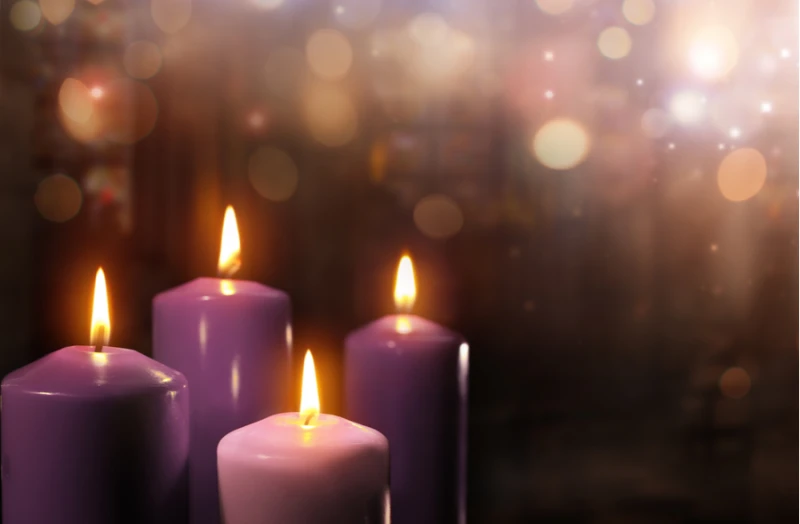
 Advent candles. / Credit: Romolo Tavini/Shutterstock

CNA Staff, Nov 30, 2025 / 04:00 am (CNA).
Advent begins this year on Sunday, Nov. 30. Most Catholics — even those who don’t often go to Mass — know that Advent involves a wreath with candles, possibly a “calendar” of hidden chocolates, and untangling strings of Christmas lights. But Advent is much more than that. Here’s an explainer of what Advent is really about.What is Advent?The people of Israel waited for generations for the promised Messiah to arrive. Their poetry, their songs and stories, and their religious worship focused on an awaited savior who would come to them to set them free from captivity and to lead them to the fulfillment of all that God had promised.Israel longed for a Messiah, and John the Baptist, who came before Jesus, promised that the Messiah was coming and could be found in Jesus Christ, God’s Son, the “Lamb of God who takes away the sins of the world.”Advent is a season in the Church’s life intended to renew the experience of waiting and longing for the Messiah. Though Christ has already come into the world, the Church invites us to renew our desire for the Lord more deeply in our lives and to renew our desire for Christ’s triumphant second coming into the world.Advent is the time in which we prepare for Christmas, the memorial of Jesus Christ being born into the world. Preparations are practical, like decorating trees and gift giving, but they’re also intended to be spiritual.During Advent, we’re invited to enter more frequently into silence, into prayer and reflection, into Scripture, and into the sacramental life of the Church — all to prepare for celebrating Christmas.The Catechism of the Catholic Church says the goal of Advent is to make present for ourselves and our families the “ancient expectancy of the Messiah … by sharing in the long preparation for the Savior’s first coming.”What does the word ‘Advent’ mean?Advent comes from the Latin “ad + venire,” which means, essentially, “to come to” or “to come toward.” “Ad + venire” is the root of the Latin “adventus,” which means “arrival.”So Advent is the season of arrival: the arrival of Christ in our hearts, in the world, and into God’s extraordinary plan for our salvation.So, it’s four weeks long?Advent is a slightly different length each year. It starts four Sundays before Christmas. But because Christmas is on a fixed date and could fall on different days of the week, Advent can be as short as three weeks and a day or as long as four weeks. Does Advent mark a ‘new year’?The Church’s feasts and celebrations run on a yearlong cycle, which we call the “liturgical year.” The “liturgical year” starts on the first Sunday of Advent. So it’s a new liturgical year when Advent starts. But the Church also uses the ordinary calendar, so it would probably be a bit weird to have a “New Year’s Eve” party the night before Advent starts.What is the significance of the Advent wreath? The Catholic Church has been using Advent wreaths since the Middle Ages. Lighting candles as we prepare for Christmas reminds us that Christ is the light of the world. And the evergreen boughs remind us of new and eternal life in Christ, the eternal son of the Father.It is definitely true that Germanic people were lighting up candle wreaths in wintertime long before the Gospel arrived in their homeland. They did so because candle wreaths in winter are beautiful and warm. That a Christian symbol emerged from that tradition is an indication that the Gospel can be expressed through the language, customs, and symbols of cultures that come to believe that Christ Jesus is Lord.One candle is pink on the wreath — why?There are four candles on the Advent wreath. Three are purple and lit on the first, second, and fourth Sundays of Advent. The pink candle is lit on the third Sunday of Advent, which we call Gaudete Sunday. On that Sunday, in addition to the pink candle, the priest wears a pink vestment, which he might refer to as “rose.”Gaudete is a word that means “rejoice,” and we rejoice on Gaudete Sunday because we are halfway through Advent. Some people have the custom of throwing Gaudete parties, and this is also a day on which Christmas carolers may begin caroling door to door.The three purple candles are sometimes said to represent prayer, fasting, and almsgiving — the three spiritual disciplines that are key to a fruitful Advent.Is it wrong to sing Christmas songs during Advent?No, but there are a lot of great Advent hymns and songs, such as “O Come O Come Emmanuel,” “Come Thou Long Expected Jesus,” “O Come Divine Messiah,” “Come Thou Fount,” and “Hark! A Thrilling Voice Is Sounding.”When should the tree go up?When to put up the tree is a decision that families decide on their own. Some people put up their tree and decorate it on the first Sunday of Advent to make a big transformation in their home and get them into “preparing for Christmas” mode. Some put up the tree on the first Sunday of Advent, put on lights the next Sunday, ornaments the next, and decorate it more and more as they get closer to Christmas. Some put up the tree on Gaudete Sunday, as a kind of rejoicing, and decorate it in the weeks between Gaudate and Christmas. When the tree goes up and gets decorated is up to the individual and family, but having a Christmas tree is a big part of many people’s Advent traditions. This story was first published in November 2019 and has been updated.

Advent: What is it and how should it be celebrated? #Catholic Advent candles. / Credit: Romolo Tavini/Shutterstock CNA Staff, Nov 30, 2025 / 04:00 am (CNA). Advent begins this year on Sunday, Nov. 30. Most Catholics — even those who don’t often go to Mass — know that Advent involves a wreath with candles, possibly a “calendar” of hidden chocolates, and untangling strings of Christmas lights. But Advent is much more than that. Here’s an explainer of what Advent is really about.What is Advent?The people of Israel waited for generations for the promised Messiah to arrive. Their poetry, their songs and stories, and their religious worship focused on an awaited savior who would come to them to set them free from captivity and to lead them to the fulfillment of all that God had promised.Israel longed for a Messiah, and John the Baptist, who came before Jesus, promised that the Messiah was coming and could be found in Jesus Christ, God’s Son, the “Lamb of God who takes away the sins of the world.”Advent is a season in the Church’s life intended to renew the experience of waiting and longing for the Messiah. Though Christ has already come into the world, the Church invites us to renew our desire for the Lord more deeply in our lives and to renew our desire for Christ’s triumphant second coming into the world.Advent is the time in which we prepare for Christmas, the memorial of Jesus Christ being born into the world. Preparations are practical, like decorating trees and gift giving, but they’re also intended to be spiritual.During Advent, we’re invited to enter more frequently into silence, into prayer and reflection, into Scripture, and into the sacramental life of the Church — all to prepare for celebrating Christmas.The Catechism of the Catholic Church says the goal of Advent is to make present for ourselves and our families the “ancient expectancy of the Messiah … by sharing in the long preparation for the Savior’s first coming.”What does the word ‘Advent’ mean?Advent comes from the Latin “ad + venire,” which means, essentially, “to come to” or “to come toward.” “Ad + venire” is the root of the Latin “adventus,” which means “arrival.”So Advent is the season of arrival: the arrival of Christ in our hearts, in the world, and into God’s extraordinary plan for our salvation.So, it’s four weeks long?Advent is a slightly different length each year. It starts four Sundays before Christmas. But because Christmas is on a fixed date and could fall on different days of the week, Advent can be as short as three weeks and a day or as long as four weeks. Does Advent mark a ‘new year’?The Church’s feasts and celebrations run on a yearlong cycle, which we call the “liturgical year.” The “liturgical year” starts on the first Sunday of Advent. So it’s a new liturgical year when Advent starts. But the Church also uses the ordinary calendar, so it would probably be a bit weird to have a “New Year’s Eve” party the night before Advent starts.What is the significance of the Advent wreath? The Catholic Church has been using Advent wreaths since the Middle Ages. Lighting candles as we prepare for Christmas reminds us that Christ is the light of the world. And the evergreen boughs remind us of new and eternal life in Christ, the eternal son of the Father.It is definitely true that Germanic people were lighting up candle wreaths in wintertime long before the Gospel arrived in their homeland. They did so because candle wreaths in winter are beautiful and warm. That a Christian symbol emerged from that tradition is an indication that the Gospel can be expressed through the language, customs, and symbols of cultures that come to believe that Christ Jesus is Lord.One candle is pink on the wreath — why?There are four candles on the Advent wreath. Three are purple and lit on the first, second, and fourth Sundays of Advent. The pink candle is lit on the third Sunday of Advent, which we call Gaudete Sunday. On that Sunday, in addition to the pink candle, the priest wears a pink vestment, which he might refer to as “rose.”Gaudete is a word that means “rejoice,” and we rejoice on Gaudete Sunday because we are halfway through Advent. Some people have the custom of throwing Gaudete parties, and this is also a day on which Christmas carolers may begin caroling door to door.The three purple candles are sometimes said to represent prayer, fasting, and almsgiving — the three spiritual disciplines that are key to a fruitful Advent.Is it wrong to sing Christmas songs during Advent?No, but there are a lot of great Advent hymns and songs, such as “O Come O Come Emmanuel,” “Come Thou Long Expected Jesus,” “O Come Divine Messiah,” “Come Thou Fount,” and “Hark! A Thrilling Voice Is Sounding.”When should the tree go up?When to put up the tree is a decision that families decide on their own. Some people put up their tree and decorate it on the first Sunday of Advent to make a big transformation in their home and get them into “preparing for Christmas” mode. Some put up the tree on the first Sunday of Advent, put on lights the next Sunday, ornaments the next, and decorate it more and more as they get closer to Christmas. Some put up the tree on Gaudete Sunday, as a kind of rejoicing, and decorate it in the weeks between Gaudate and Christmas. When the tree goes up and gets decorated is up to the individual and family, but having a Christmas tree is a big part of many people’s Advent traditions. This story was first published in November 2019 and has been updated.


Advent candles. / Credit: Romolo Tavini/Shutterstock

CNA Staff, Nov 30, 2025 / 04:00 am (CNA).

Advent begins this year on Sunday, Nov. 30. Most Catholics — even those who don’t often go to Mass — know that Advent involves a wreath with candles, possibly a “calendar” of hidden chocolates, and untangling strings of Christmas lights. But Advent is much more than that. Here’s an explainer of what Advent is really about.

What is Advent?

The people of Israel waited for generations for the promised Messiah to arrive. Their poetry, their songs and stories, and their religious worship focused on an awaited savior who would come to them to set them free from captivity and to lead them to the fulfillment of all that God had promised.

Israel longed for a Messiah, and John the Baptist, who came before Jesus, promised that the Messiah was coming and could be found in Jesus Christ, God’s Son, the “Lamb of God who takes away the sins of the world.”

Advent is a season in the Church’s life intended to renew the experience of waiting and longing for the Messiah. Though Christ has already come into the world, the Church invites us to renew our desire for the Lord more deeply in our lives and to renew our desire for Christ’s triumphant second coming into the world.

Advent is the time in which we prepare for Christmas, the memorial of Jesus Christ being born into the world. Preparations are practical, like decorating trees and gift giving, but they’re also intended to be spiritual.

During Advent, we’re invited to enter more frequently into silence, into prayer and reflection, into Scripture, and into the sacramental life of the Church — all to prepare for celebrating Christmas.

The Catechism of the Catholic Church says the goal of Advent is to make present for ourselves and our families the “ancient expectancy of the Messiah … by sharing in the long preparation for the Savior’s first coming.”

What does the word ‘Advent’ mean?

Advent comes from the Latin “ad + venire,” which means, essentially, “to come to” or “to come toward.” “Ad + venire” is the root of the Latin “adventus,” which means “arrival.”

So Advent is the season of arrival: the arrival of Christ in our hearts, in the world, and into God’s extraordinary plan for our salvation.

So, it’s four weeks long?

Advent is a slightly different length each year. It starts four Sundays before Christmas. But because Christmas is on a fixed date and could fall on different days of the week, Advent can be as short as three weeks and a day or as long as four weeks.

Does Advent mark a ‘new year’?

The Church’s feasts and celebrations run on a yearlong cycle, which we call the “liturgical year.” The “liturgical year” starts on the first Sunday of Advent. So it’s a new liturgical year when Advent starts. But the Church also uses the ordinary calendar, so it would probably be a bit weird to have a “New Year’s Eve” party the night before Advent starts.

What is the significance of the Advent wreath?

The Catholic Church has been using Advent wreaths since the Middle Ages. Lighting candles as we prepare for Christmas reminds us that Christ is the light of the world. And the evergreen boughs remind us of new and eternal life in Christ, the eternal son of the Father.

It is definitely true that Germanic people were lighting up candle wreaths in wintertime long before the Gospel arrived in their homeland. They did so because candle wreaths in winter are beautiful and warm. That a Christian symbol emerged from that tradition is an indication that the Gospel can be expressed through the language, customs, and symbols of cultures that come to believe that Christ Jesus is Lord.

One candle is pink on the wreath — why?

There are four candles on the Advent wreath. Three are purple and lit on the first, second, and fourth Sundays of Advent. The pink candle is lit on the third Sunday of Advent, which we call Gaudete Sunday. On that Sunday, in addition to the pink candle, the priest wears a pink vestment, which he might refer to as “rose.”

Gaudete is a word that means “rejoice,” and we rejoice on Gaudete Sunday because we are halfway through Advent. Some people have the custom of throwing Gaudete parties, and this is also a day on which Christmas carolers may begin caroling door to door.

The three purple candles are sometimes said to represent prayer, fasting, and almsgiving — the three spiritual disciplines that are key to a fruitful Advent.

Is it wrong to sing Christmas songs during Advent?

No, but there are a lot of great Advent hymns and songs, such as “O Come O Come Emmanuel,” “Come Thou Long Expected Jesus,” “O Come Divine Messiah,” “Come Thou Fount,” and “Hark! A Thrilling Voice Is Sounding.”

When should the tree go up?

When to put up the tree is a decision that families decide on their own. Some people put up their tree and decorate it on the first Sunday of Advent to make a big transformation in their home and get them into “preparing for Christmas” mode.

Some put up the tree on the first Sunday of Advent, put on lights the next Sunday, ornaments the next, and decorate it more and more as they get closer to Christmas.

Some put up the tree on Gaudete Sunday, as a kind of rejoicing, and decorate it in the weeks between Gaudate and Christmas.

When the tree goes up and gets decorated is up to the individual and family, but having a Christmas tree is a big part of many people’s Advent traditions.

This story was first published in November 2019 and has been updated.

Read More
What do we know about the presentation of Mary? #Catholic 
 
 Alessandro Allori, “The Presentation of Mary,” 1598. / Credit: Public domain

National Catholic Register, Nov 21, 2025 / 04:00 am (CNA).
It’s easy to conceptualize the presentation of the Lord because we find it in Scripture. Luke’s Gospel tells of the Holy Family’s journey to the Temple when Jesus was 8 days old. According to Jewish custom, Jesus was to be circumcised and Mary purified. There Mary and Joseph meet the prophets Anna and Simeon, who recognized the child as the Messiah who would bring about the fall and rise of many and become a sign of contradiction and the cause of a sword that would one day pierce Mary’s heart. We celebrate the feast of the Presentation of the Lord annually on Feb. 2.The presentation of Mary, however, is not found in Scripture. Instead, we learn about Mary’s presentation from accounts that have come to us from apostolic times. What we know is found mainly in Chapter 7 of the “Protoevangelium of James,” which has been dated by historians before the year A.D. 200.The “Protoevangelium of James” was ostensibly written by the apostle of the same name. It gives a detailed account in which Mary’s father, Joachim, tells his wife, Anna, that he wishes to bring their daughter to the Temple and consecrate her to God. Anna responds that they should wait until Mary is 3 years old so that she will not need her parents as much. On the agreed day for Mary to be taken to the Temple, Hebrew virgins accompanied the family with burning lamps. The Temple priest received Mary, kissed her, and blessed her. According to James’ writing, the priest then proclaimed: “The Lord has magnified thy name in all generations. In thee, the Lord will manifest his redemption to the sons of Israel.” After that, Mary was placed on the third step of the Temple and danced with joy. All the House of Israel loved Mary, and she was nurtured from then on in the Temple while her parents returned to their Nazareth home, glorifying God.The celebration of the feast of the Presentation of the Blessed Virgin Mary grew slowly over the years. On Nov. 21, 543, Emperor Justinian dedicated a church to Mary in the Temple area of Jerusalem. Many of the early Church Fathers celebrated this feast day, such as St. Germanus and St. John Damascene. In 1373, it was formally celebrated in Avignon, France, and in 1472, Pope Sixtus IV extended it to the universal Church. The Byzantine Church considers Mary’s Presentation one of the 12 great feasts of the liturgical year.In 1974, Pope Paul VI wrote about this feast in his encyclical Marialis Cultus, saying: “Despite its apocryphal content, it presents lofty and exemplary values and carries on the venerable traditions having their origins in the Eastern Churches.”The memorial of the Presentation of Mary has been noted in the Church since its early years and yet is easily forgotten or misunderstood. Since it’s classified as a memorial and not a solemnity or holy day of obligation, it doesn’t draw much attention to itself other than a special opening prayer in the Mass. With this memorial, we celebrate the fact that God chose to dwell in Mary in a unique way. In response, she placed her whole self at his service. By our baptism, God invites us, too, into his service.But there’s more to celebrating the presentation of Mary. This feast gives us cause for great joy since Mary is truly our mother, given to us by Christ as he hung dying on the cross. Because we are part of her Son’s body, she loves us with as much devotion and tenderness as she loves Jesus. When we celebrate Mary’s presentation, we are giving Mary the honor she deserves and witnessing to her perfect purity as the virgin of Nazareth, the mother of God, and our mother.Sts. Joachim and Anne surrendered their only daughter to God so that she would be completely free to follow his holy will. Although they loved her dearly, they knew that in the Temple Mary would always be near the Holy of Holies, surrounded by an atmosphere of godliness and grace. She would be instructed in Scripture and the history of the Jewish people. She would be under the guardianship and tutelage of the holy women of the Temple who had given their lives to God. One of them, Scripture scholars believe, was Anna — the woman who prophesied at the presentation of Our Lord. In the Temple, Mary would be completely focused on God and well prepared for becoming the mother of the Savior and mother of the body of Christ.When we celebrate the presentation of the Blessed Virgin Mary, we remember the tremendous sacrifice Sts. Joachim and Anne made for our sakes. We give honor and respect to the Virgin, who is an example for all of us in our struggle for holiness. It is a privilege and an opportunity to express our gratitude for the gift of a pure, tender, and always-loving mother.This story was first published by the National Catholic Register, CNA’s sister news partner, on Nov. 21, 2023, and has been adapted and updated by CNA.

What do we know about the presentation of Mary? #Catholic Alessandro Allori, “The Presentation of Mary,” 1598. / Credit: Public domain National Catholic Register, Nov 21, 2025 / 04:00 am (CNA). It’s easy to conceptualize the presentation of the Lord because we find it in Scripture. Luke’s Gospel tells of the Holy Family’s journey to the Temple when Jesus was 8 days old. According to Jewish custom, Jesus was to be circumcised and Mary purified. There Mary and Joseph meet the prophets Anna and Simeon, who recognized the child as the Messiah who would bring about the fall and rise of many and become a sign of contradiction and the cause of a sword that would one day pierce Mary’s heart. We celebrate the feast of the Presentation of the Lord annually on Feb. 2.The presentation of Mary, however, is not found in Scripture. Instead, we learn about Mary’s presentation from accounts that have come to us from apostolic times. What we know is found mainly in Chapter 7 of the “Protoevangelium of James,” which has been dated by historians before the year A.D. 200.The “Protoevangelium of James” was ostensibly written by the apostle of the same name. It gives a detailed account in which Mary’s father, Joachim, tells his wife, Anna, that he wishes to bring their daughter to the Temple and consecrate her to God. Anna responds that they should wait until Mary is 3 years old so that she will not need her parents as much. On the agreed day for Mary to be taken to the Temple, Hebrew virgins accompanied the family with burning lamps. The Temple priest received Mary, kissed her, and blessed her. According to James’ writing, the priest then proclaimed: “The Lord has magnified thy name in all generations. In thee, the Lord will manifest his redemption to the sons of Israel.” After that, Mary was placed on the third step of the Temple and danced with joy. All the House of Israel loved Mary, and she was nurtured from then on in the Temple while her parents returned to their Nazareth home, glorifying God.The celebration of the feast of the Presentation of the Blessed Virgin Mary grew slowly over the years. On Nov. 21, 543, Emperor Justinian dedicated a church to Mary in the Temple area of Jerusalem. Many of the early Church Fathers celebrated this feast day, such as St. Germanus and St. John Damascene. In 1373, it was formally celebrated in Avignon, France, and in 1472, Pope Sixtus IV extended it to the universal Church. The Byzantine Church considers Mary’s Presentation one of the 12 great feasts of the liturgical year.In 1974, Pope Paul VI wrote about this feast in his encyclical Marialis Cultus, saying: “Despite its apocryphal content, it presents lofty and exemplary values and carries on the venerable traditions having their origins in the Eastern Churches.”The memorial of the Presentation of Mary has been noted in the Church since its early years and yet is easily forgotten or misunderstood. Since it’s classified as a memorial and not a solemnity or holy day of obligation, it doesn’t draw much attention to itself other than a special opening prayer in the Mass. With this memorial, we celebrate the fact that God chose to dwell in Mary in a unique way. In response, she placed her whole self at his service. By our baptism, God invites us, too, into his service.But there’s more to celebrating the presentation of Mary. This feast gives us cause for great joy since Mary is truly our mother, given to us by Christ as he hung dying on the cross. Because we are part of her Son’s body, she loves us with as much devotion and tenderness as she loves Jesus. When we celebrate Mary’s presentation, we are giving Mary the honor she deserves and witnessing to her perfect purity as the virgin of Nazareth, the mother of God, and our mother.Sts. Joachim and Anne surrendered their only daughter to God so that she would be completely free to follow his holy will. Although they loved her dearly, they knew that in the Temple Mary would always be near the Holy of Holies, surrounded by an atmosphere of godliness and grace. She would be instructed in Scripture and the history of the Jewish people. She would be under the guardianship and tutelage of the holy women of the Temple who had given their lives to God. One of them, Scripture scholars believe, was Anna — the woman who prophesied at the presentation of Our Lord. In the Temple, Mary would be completely focused on God and well prepared for becoming the mother of the Savior and mother of the body of Christ.When we celebrate the presentation of the Blessed Virgin Mary, we remember the tremendous sacrifice Sts. Joachim and Anne made for our sakes. We give honor and respect to the Virgin, who is an example for all of us in our struggle for holiness. It is a privilege and an opportunity to express our gratitude for the gift of a pure, tender, and always-loving mother.This story was first published by the National Catholic Register, CNA’s sister news partner, on Nov. 21, 2023, and has been adapted and updated by CNA.


Alessandro Allori, “The Presentation of Mary,” 1598. / Credit: Public domain

National Catholic Register, Nov 21, 2025 / 04:00 am (CNA).

It’s easy to conceptualize the presentation of the Lord because we find it in Scripture. Luke’s Gospel tells of the Holy Family’s journey to the Temple when Jesus was 8 days old. According to Jewish custom, Jesus was to be circumcised and Mary purified.

There Mary and Joseph meet the prophets Anna and Simeon, who recognized the child as the Messiah who would bring about the fall and rise of many and become a sign of contradiction and the cause of a sword that would one day pierce Mary’s heart. We celebrate the feast of the Presentation of the Lord annually on Feb. 2.

The presentation of Mary, however, is not found in Scripture. Instead, we learn about Mary’s presentation from accounts that have come to us from apostolic times. What we know is found mainly in Chapter 7 of the “Protoevangelium of James,” which has been dated by historians before the year A.D. 200.

The “Protoevangelium of James” was ostensibly written by the apostle of the same name. It gives a detailed account in which Mary’s father, Joachim, tells his wife, Anna, that he wishes to bring their daughter to the Temple and consecrate her to God. Anna responds that they should wait until Mary is 3 years old so that she will not need her parents as much. 

On the agreed day for Mary to be taken to the Temple, Hebrew virgins accompanied the family with burning lamps. The Temple priest received Mary, kissed her, and blessed her. According to James’ writing, the priest then proclaimed: “The Lord has magnified thy name in all generations. In thee, the Lord will manifest his redemption to the sons of Israel.” 

After that, Mary was placed on the third step of the Temple and danced with joy. All the House of Israel loved Mary, and she was nurtured from then on in the Temple while her parents returned to their Nazareth home, glorifying God.

The celebration of the feast of the Presentation of the Blessed Virgin Mary grew slowly over the years. 

On Nov. 21, 543, Emperor Justinian dedicated a church to Mary in the Temple area of Jerusalem. Many of the early Church Fathers celebrated this feast day, such as St. Germanus and St. John Damascene. In 1373, it was formally celebrated in Avignon, France, and in 1472, Pope Sixtus IV extended it to the universal Church. The Byzantine Church considers Mary’s Presentation one of the 12 great feasts of the liturgical year.

In 1974, Pope Paul VI wrote about this feast in his encyclical Marialis Cultus, saying: “Despite its apocryphal content, it presents lofty and exemplary values and carries on the venerable traditions having their origins in the Eastern Churches.”

The memorial of the Presentation of Mary has been noted in the Church since its early years and yet is easily forgotten or misunderstood. 

Since it’s classified as a memorial and not a solemnity or holy day of obligation, it doesn’t draw much attention to itself other than a special opening prayer in the Mass. With this memorial, we celebrate the fact that God chose to dwell in Mary in a unique way. In response, she placed her whole self at his service. By our baptism, God invites us, too, into his service.

But there’s more to celebrating the presentation of Mary. 

This feast gives us cause for great joy since Mary is truly our mother, given to us by Christ as he hung dying on the cross. Because we are part of her Son’s body, she loves us with as much devotion and tenderness as she loves Jesus. When we celebrate Mary’s presentation, we are giving Mary the honor she deserves and witnessing to her perfect purity as the virgin of Nazareth, the mother of God, and our mother.

Sts. Joachim and Anne surrendered their only daughter to God so that she would be completely free to follow his holy will. Although they loved her dearly, they knew that in the Temple Mary would always be near the Holy of Holies, surrounded by an atmosphere of godliness and grace. She would be instructed in Scripture and the history of the Jewish people. She would be under the guardianship and tutelage of the holy women of the Temple who had given their lives to God. One of them, Scripture scholars believe, was Anna — the woman who prophesied at the presentation of Our Lord. In the Temple, Mary would be completely focused on God and well prepared for becoming the mother of the Savior and mother of the body of Christ.

When we celebrate the presentation of the Blessed Virgin Mary, we remember the tremendous sacrifice Sts. Joachim and Anne made for our sakes. We give honor and respect to the Virgin, who is an example for all of us in our struggle for holiness. It is a privilege and an opportunity to express our gratitude for the gift of a pure, tender, and always-loving mother.

This story was first published by the National Catholic Register, CNA’s sister news partner, on Nov. 21, 2023, and has been adapted and updated by CNA.

Read More
Teen anticipates speaking to Pope Leo XIV at upcoming National Catholic Youth Conference #Catholic 
 
 Mia Smothers is among the teens chosen to ask Pope Leo XIV questions at the National Catholic Youth Conference Nov. 21, 2025. / Credit: Photo courtesy of National Federation for Catholic Youth Ministry

Washington, D.C. Newsroom, Nov 19, 2025 / 07:00 am (CNA).
Mia Smothers said she is looking forward to the “opportunity of a lifetime” as she prepares to speak with Pope Leo XIV during a digital encounter at the upcoming National Catholic Youth Conference (NCYC).The Holy Father will hold a 45-minute digital encounter with young people from across the United States during the Nov. 20–22 conference hosted by the National Federation for Catholic Youth Ministry (NFCYM) in Indianapolis.More than 40 teens have participated in the dialogue planning process, and five of them will get the chance to speak directly with the Holy Father. Smothers, a high school freshman from Joppa, Maryland, is the youngest teen selected to speak with the pontiff. “I’m feeling excited,” Smothers said in a Nov. 18 interview with “EWTN News Nightly.” She added: “This is a very good opportunity for me to learn more about my faith and others around me.” This year marks the first time Smothers will attend NCYC. She said she is looking forward to the opportunity for adoration at the conference, because she heard it “is a very powerful experience.”Smothers said she thinks the young attendees of NCYC want to get a better understanding of how the Church wants them to act in the faith, how they can be more helpful, and how they can be more hands-on in the Church.The NCYC team and the students who will speak with the Holy Father have been preparing and practicing in anticipation for the encounter to get a better idea of how they can establish themselves in the Church.“We have been meeting up on Zoom and doing follow-up questions — practicing what the pope might tell us and to figure out how we could answer and how we could switch the conversation to something that we want to ask,” Smothers said.As a teenager in the Church, Smothers is concerned about how people are supposed to find their vocations in life. She said: “I really want to ask him how he found out he wanted to become a priest and then how he felt about becoming pope.”“This is an opportunity of a lifetime and something that you’ve never heard of and never … seen before,” Smothers said. “I plan to tell all of my siblings, all of my friends, and everyone at my school … to be involved and see what the pope wants for us.”The Vatican choosing to set up this dialogue with the youth at the conference is “making a difference,” Smothers said. She said the Vatican and the pope are starting something that will be passed on to the following generations.It is impactful that the pope himself is going to be “talking with young kids and trying to make a difference in their lives,” Smothers said.

Teen anticipates speaking to Pope Leo XIV at upcoming National Catholic Youth Conference #Catholic Mia Smothers is among the teens chosen to ask Pope Leo XIV questions at the National Catholic Youth Conference Nov. 21, 2025. / Credit: Photo courtesy of National Federation for Catholic Youth Ministry Washington, D.C. Newsroom, Nov 19, 2025 / 07:00 am (CNA). Mia Smothers said she is looking forward to the “opportunity of a lifetime” as she prepares to speak with Pope Leo XIV during a digital encounter at the upcoming National Catholic Youth Conference (NCYC).The Holy Father will hold a 45-minute digital encounter with young people from across the United States during the Nov. 20–22 conference hosted by the National Federation for Catholic Youth Ministry (NFCYM) in Indianapolis.More than 40 teens have participated in the dialogue planning process, and five of them will get the chance to speak directly with the Holy Father. Smothers, a high school freshman from Joppa, Maryland, is the youngest teen selected to speak with the pontiff. “I’m feeling excited,” Smothers said in a Nov. 18 interview with “EWTN News Nightly.” She added: “This is a very good opportunity for me to learn more about my faith and others around me.” This year marks the first time Smothers will attend NCYC. She said she is looking forward to the opportunity for adoration at the conference, because she heard it “is a very powerful experience.”Smothers said she thinks the young attendees of NCYC want to get a better understanding of how the Church wants them to act in the faith, how they can be more helpful, and how they can be more hands-on in the Church.The NCYC team and the students who will speak with the Holy Father have been preparing and practicing in anticipation for the encounter to get a better idea of how they can establish themselves in the Church.“We have been meeting up on Zoom and doing follow-up questions — practicing what the pope might tell us and to figure out how we could answer and how we could switch the conversation to something that we want to ask,” Smothers said.As a teenager in the Church, Smothers is concerned about how people are supposed to find their vocations in life. She said: “I really want to ask him how he found out he wanted to become a priest and then how he felt about becoming pope.”“This is an opportunity of a lifetime and something that you’ve never heard of and never … seen before,” Smothers said. “I plan to tell all of my siblings, all of my friends, and everyone at my school … to be involved and see what the pope wants for us.”The Vatican choosing to set up this dialogue with the youth at the conference is “making a difference,” Smothers said. She said the Vatican and the pope are starting something that will be passed on to the following generations.It is impactful that the pope himself is going to be “talking with young kids and trying to make a difference in their lives,” Smothers said.


Mia Smothers is among the teens chosen to ask Pope Leo XIV questions at the National Catholic Youth Conference Nov. 21, 2025. / Credit: Photo courtesy of National Federation for Catholic Youth Ministry

Washington, D.C. Newsroom, Nov 19, 2025 / 07:00 am (CNA).

Mia Smothers said she is looking forward to the “opportunity of a lifetime” as she prepares to speak with Pope Leo XIV during a digital encounter at the upcoming National Catholic Youth Conference (NCYC).

The Holy Father will hold a 45-minute digital encounter with young people from across the United States during the Nov. 20–22 conference hosted by the National Federation for Catholic Youth Ministry (NFCYM) in Indianapolis.

More than 40 teens have participated in the dialogue planning process, and five of them will get the chance to speak directly with the Holy Father. Smothers, a high school freshman from Joppa, Maryland, is the youngest teen selected to speak with the pontiff. 

“I’m feeling excited,” Smothers said in a Nov. 18 interview with “EWTN News Nightly.” She added: “This is a very good opportunity for me to learn more about my faith and others around me.” 

This year marks the first time Smothers will attend NCYC. She said she is looking forward to the opportunity for adoration at the conference, because she heard it “is a very powerful experience.”

Smothers said she thinks the young attendees of NCYC want to get a better understanding of how the Church wants them to act in the faith, how they can be more helpful, and how they can be more hands-on in the Church.

The NCYC team and the students who will speak with the Holy Father have been preparing and practicing in anticipation for the encounter to get a better idea of how they can establish themselves in the Church.

“We have been meeting up on Zoom and doing follow-up questions — practicing what the pope might tell us and to figure out how we could answer and how we could switch the conversation to something that we want to ask,” Smothers said.

As a teenager in the Church, Smothers is concerned about how people are supposed to find their vocations in life. She said: “I really want to ask him how he found out he wanted to become a priest and then how he felt about becoming pope.”

“This is an opportunity of a lifetime and something that you’ve never heard of and never … seen before,” Smothers said. “I plan to tell all of my siblings, all of my friends, and everyone at my school … to be involved and see what the pope wants for us.”

The Vatican choosing to set up this dialogue with the youth at the conference is “making a difference,” Smothers said. She said the Vatican and the pope are starting something that will be passed on to the following generations.

It is impactful that the pope himself is going to be “talking with young kids and trying to make a difference in their lives,” Smothers said.

Read More
Religious sisters announce historic land return to Wisconsin Native American tribe #Catholic 
 
 LaCrosse, Wisconsin. / Credit: JTTucker/Shutterstock

CNA Staff, Nov 7, 2025 / 06:00 am (CNA).
A Wisconsin religious community says it has completed the first known instance of a Catholic group returning land to a Native American tribe, hailing it as a move made in the “spirit of relationship and healing.”The Franciscan Sisters of Perpetual Adoration announced the transfer in an Oct. 31 news release on its website. The community is located in La Crosse, Wisconsin, near the state’s border with Minnesota.The sisters had purchased the land from the Lac du Flambeau Band of the Lake Superior Chippewa tribe in 1966 and used the property for its Marywood Franciscan Spirituality Center.The sisters said they sold the property to the tribe for $30,000, the exact amount for which they paid for the land six decades ago. The modern sale price represented “just over 1% of [the land’s] current market value,” the sisters said.The bargain sale represents “the first known return of Catholic-owned land to a tribal nation as an act of repair for colonization and residential boarding schools,” the sisters said.“Today, the tribe’s reservation represents only a fraction of [its] traditional territories,” the news release said. “Rebuilding and protecting tribal land bases is vital to sustaining sovereignty — it restores the ability for self-determination, cultural preservation, and community development.” “A strong land base supports essential services, creates employment opportunities, and provides a foundation for long-term economic and social resilience,” the sisters said. Tribal President John Johnson hailed the sale as “an example of what true healing and partnership can look like.” “We are proud to welcome Marywood home, to ensure it continues to serve future generations of the Lac du Flambeau people,” Johnson said. The sisters said the retreat center was “facing challenges to its viability,” leading the community to “discern a future for the land” in line with its institutional priorities. In their press release, the sisters said they have also been in “a process of reckoning” with the history of St. Mary’s Catholic Indian Boarding School. The sisters administered the school in Odanah, Wisconsin, from 1883 to 1969.Critics in recent years have claimed that such boarding schools participated in the erasure of Native American culture. Others have alleged that significant clergy sex abuse took place at such institutions.The sisters on Oct. 31 said such schools were guilty of “separating children from their families, suppressing Native identity, and paving the way for the large-scale seizure of Native homelands.”“It was painful to address our complicity, but we knew it had to be done,” former community president Sister Eileen McKenzie said in the press release.Diocese of Superior Bishop James Powers, meanwhile, praised the transfer, describing it as “a tangible act of justice and reconciliation that flows directly from the heart of our Catholic faith.”The Franciscan Sisters of Perpetual Adoration traces its roots to a group of Bavarian immigrants who traveled to Milwaukee in 1849 “intent upon founding a religious community to spread the Gospel among German immigrants.”The community has run hospitals and schools in Wisconsin and has also sponsored medical clinics and mission schools abroad.

Religious sisters announce historic land return to Wisconsin Native American tribe #Catholic LaCrosse, Wisconsin. / Credit: JTTucker/Shutterstock CNA Staff, Nov 7, 2025 / 06:00 am (CNA). A Wisconsin religious community says it has completed the first known instance of a Catholic group returning land to a Native American tribe, hailing it as a move made in the “spirit of relationship and healing.”The Franciscan Sisters of Perpetual Adoration announced the transfer in an Oct. 31 news release on its website. The community is located in La Crosse, Wisconsin, near the state’s border with Minnesota.The sisters had purchased the land from the Lac du Flambeau Band of the Lake Superior Chippewa tribe in 1966 and used the property for its Marywood Franciscan Spirituality Center.The sisters said they sold the property to the tribe for $30,000, the exact amount for which they paid for the land six decades ago. The modern sale price represented “just over 1% of [the land’s] current market value,” the sisters said.The bargain sale represents “the first known return of Catholic-owned land to a tribal nation as an act of repair for colonization and residential boarding schools,” the sisters said.“Today, the tribe’s reservation represents only a fraction of [its] traditional territories,” the news release said. “Rebuilding and protecting tribal land bases is vital to sustaining sovereignty — it restores the ability for self-determination, cultural preservation, and community development.” “A strong land base supports essential services, creates employment opportunities, and provides a foundation for long-term economic and social resilience,” the sisters said. Tribal President John Johnson hailed the sale as “an example of what true healing and partnership can look like.” “We are proud to welcome Marywood home, to ensure it continues to serve future generations of the Lac du Flambeau people,” Johnson said. The sisters said the retreat center was “facing challenges to its viability,” leading the community to “discern a future for the land” in line with its institutional priorities. In their press release, the sisters said they have also been in “a process of reckoning” with the history of St. Mary’s Catholic Indian Boarding School. The sisters administered the school in Odanah, Wisconsin, from 1883 to 1969.Critics in recent years have claimed that such boarding schools participated in the erasure of Native American culture. Others have alleged that significant clergy sex abuse took place at such institutions.The sisters on Oct. 31 said such schools were guilty of “separating children from their families, suppressing Native identity, and paving the way for the large-scale seizure of Native homelands.”“It was painful to address our complicity, but we knew it had to be done,” former community president Sister Eileen McKenzie said in the press release.Diocese of Superior Bishop James Powers, meanwhile, praised the transfer, describing it as “a tangible act of justice and reconciliation that flows directly from the heart of our Catholic faith.”The Franciscan Sisters of Perpetual Adoration traces its roots to a group of Bavarian immigrants who traveled to Milwaukee in 1849 “intent upon founding a religious community to spread the Gospel among German immigrants.”The community has run hospitals and schools in Wisconsin and has also sponsored medical clinics and mission schools abroad.


LaCrosse, Wisconsin. / Credit: JTTucker/Shutterstock

CNA Staff, Nov 7, 2025 / 06:00 am (CNA).

A Wisconsin religious community says it has completed the first known instance of a Catholic group returning land to a Native American tribe, hailing it as a move made in the “spirit of relationship and healing.”

The Franciscan Sisters of Perpetual Adoration announced the transfer in an Oct. 31 news release on its website. The community is located in La Crosse, Wisconsin, near the state’s border with Minnesota.

The sisters had purchased the land from the Lac du Flambeau Band of the Lake Superior Chippewa tribe in 1966 and used the property for its Marywood Franciscan Spirituality Center.

The sisters said they sold the property to the tribe for $30,000, the exact amount for which they paid for the land six decades ago. The modern sale price represented “just over 1% of [the land’s] current market value,” the sisters said.

The bargain sale represents “the first known return of Catholic-owned land to a tribal nation as an act of repair for colonization and residential boarding schools,” the sisters said.

“Today, the tribe’s reservation represents only a fraction of [its] traditional territories,” the news release said. “Rebuilding and protecting tribal land bases is vital to sustaining sovereignty — it restores the ability for self-determination, cultural preservation, and community development.” 

“A strong land base supports essential services, creates employment opportunities, and provides a foundation for long-term economic and social resilience,” the sisters said. 

Tribal President John Johnson hailed the sale as “an example of what true healing and partnership can look like.” 

“We are proud to welcome Marywood home, to ensure it continues to serve future generations of the Lac du Flambeau people,” Johnson said. 

The sisters said the retreat center was “facing challenges to its viability,” leading the community to “discern a future for the land” in line with its institutional priorities. 

In their press release, the sisters said they have also been in “a process of reckoning” with the history of St. Mary’s Catholic Indian Boarding School. The sisters administered the school in Odanah, Wisconsin, from 1883 to 1969.

Critics in recent years have claimed that such boarding schools participated in the erasure of Native American culture. Others have alleged that significant clergy sex abuse took place at such institutions.

The sisters on Oct. 31 said such schools were guilty of “separating children from their families, suppressing Native identity, and paving the way for the large-scale seizure of Native homelands.”

“It was painful to address our complicity, but we knew it had to be done,” former community president Sister Eileen McKenzie said in the press release.

Diocese of Superior Bishop James Powers, meanwhile, praised the transfer, describing it as “a tangible act of justice and reconciliation that flows directly from the heart of our Catholic faith.”

The Franciscan Sisters of Perpetual Adoration traces its roots to a group of Bavarian immigrants who traveled to Milwaukee in 1849 “intent upon founding a religious community to spread the Gospel among German immigrants.”

The community has run hospitals and schools in Wisconsin and has also sponsored medical clinics and mission schools abroad.

Read More
Amid loneliness crisis, ‘men need a mission,’ Supreme Knight Patrick Kelly says #Catholic 
 
 Supreme Knight Patrick Kelly (right) speaks at the Symposium on Young American Men, a national conversation on restoring purpose, flourishing, and belonging, at the National Press Club in Washington, D.C., on Nov. 3, 2025. Looking on is Sen. James Lankford of Oklahoma. / Credit: Matthew H. Barrick

CNA Staff, Nov 5, 2025 / 08:00 am (CNA).
At the Symposium on Young American Men in Washington, D.C., on Nov. 3, Supreme Knight Patrick Kelly of the Knights of Columbus said that young men are “lost” and need “purpose and mission.” The symposium highlighted the mental health crisis, social isolation, digital addiction, and other struggles young men face today.Panelists — including Sen. James Lankford, R-Oklahoma; Sen. Ruben Gallego, D-Arizona; Sen. John Cornyn, R-Texas; and other experts — discussed ways to address these challenges by helping young men build community. “Many young men are lost and disconnected,” Kelly said in an opening statement at the beginning of the symposium. “Many come from broken families with fathers who are not a real part of their life. Many are drowning in the depths of the internet and social media.”Kelly, who heads the Catholic fraternal organization Knights of Columbus, pointed to loneliness and isolation as a challenge for young men. “It’s increasingly clear that millions of men no longer have friends who they can count on and who can spur them on to excellence,” Kelly continued. “More than a quarter of millennials say they have no close friends, and the rise of artificial intelligence has millions of young men looking for friendship in chatbots.”Ellen Carmichael, founder of The Lafayette Company, the communications group hosting the symposium, said there is an “urgent need” for action.“Recent incidents of political violence and growing national concern about young men’s social isolation have underscored what we already knew: This conversation cannot wait,” Carmichael stated. “We are hardwired as men for purpose and mission,” Kelly said, noting that the Knights of Columbus is centered on Christ and service to local communities.  “We are trying to tackle what the surgeon general recently called the epidemic of loneliness and isolation,” Kelly noted. “We’re giving men the kind of community they truly need, and we will continue to help America’s young men find meaning and mission in life.” “We’ve always known that men need meaning in life and that a man’s ultimate meaning comes from his personal relationship with others and with God,” Kelly said. “Friendship is the key,” he said. “Christ did his ministry through friendships … he assembled 12 friends, imperfect people.” In a panel on the role of faith in rebuilding community for men, Kelly said young men “have had enough” of what the culture offers them and “are really yearning for more of an institution and yearning for moorings.” He noted that the Knights of Columbus have been bringing in a growing number of men over the past few years and that after an era of relativism, there has been a “swing back” among young men toward tradition. In a change from previous generations, he said, young men are drawn to ritual. “The areas they’re searching leave them empty,” Kelly said, so “they turn to God.”

Amid loneliness crisis, ‘men need a mission,’ Supreme Knight Patrick Kelly says #Catholic Supreme Knight Patrick Kelly (right) speaks at the Symposium on Young American Men, a national conversation on restoring purpose, flourishing, and belonging, at the National Press Club in Washington, D.C., on Nov. 3, 2025. Looking on is Sen. James Lankford of Oklahoma. / Credit: Matthew H. Barrick CNA Staff, Nov 5, 2025 / 08:00 am (CNA). At the Symposium on Young American Men in Washington, D.C., on Nov. 3, Supreme Knight Patrick Kelly of the Knights of Columbus said that young men are “lost” and need “purpose and mission.” The symposium highlighted the mental health crisis, social isolation, digital addiction, and other struggles young men face today.Panelists — including Sen. James Lankford, R-Oklahoma; Sen. Ruben Gallego, D-Arizona; Sen. John Cornyn, R-Texas; and other experts — discussed ways to address these challenges by helping young men build community. “Many young men are lost and disconnected,” Kelly said in an opening statement at the beginning of the symposium. “Many come from broken families with fathers who are not a real part of their life. Many are drowning in the depths of the internet and social media.”Kelly, who heads the Catholic fraternal organization Knights of Columbus, pointed to loneliness and isolation as a challenge for young men. “It’s increasingly clear that millions of men no longer have friends who they can count on and who can spur them on to excellence,” Kelly continued. “More than a quarter of millennials say they have no close friends, and the rise of artificial intelligence has millions of young men looking for friendship in chatbots.”Ellen Carmichael, founder of The Lafayette Company, the communications group hosting the symposium, said there is an “urgent need” for action.“Recent incidents of political violence and growing national concern about young men’s social isolation have underscored what we already knew: This conversation cannot wait,” Carmichael stated. “We are hardwired as men for purpose and mission,” Kelly said, noting that the Knights of Columbus is centered on Christ and service to local communities.  “We are trying to tackle what the surgeon general recently called the epidemic of loneliness and isolation,” Kelly noted. “We’re giving men the kind of community they truly need, and we will continue to help America’s young men find meaning and mission in life.” “We’ve always known that men need meaning in life and that a man’s ultimate meaning comes from his personal relationship with others and with God,” Kelly said. “Friendship is the key,” he said. “Christ did his ministry through friendships … he assembled 12 friends, imperfect people.” In a panel on the role of faith in rebuilding community for men, Kelly said young men “have had enough” of what the culture offers them and “are really yearning for more of an institution and yearning for moorings.” He noted that the Knights of Columbus have been bringing in a growing number of men over the past few years and that after an era of relativism, there has been a “swing back” among young men toward tradition. In a change from previous generations, he said, young men are drawn to ritual. “The areas they’re searching leave them empty,” Kelly said, so “they turn to God.”


Supreme Knight Patrick Kelly (right) speaks at the Symposium on Young American Men, a national conversation on restoring purpose, flourishing, and belonging, at the National Press Club in Washington, D.C., on Nov. 3, 2025. Looking on is Sen. James Lankford of Oklahoma. / Credit: Matthew H. Barrick

CNA Staff, Nov 5, 2025 / 08:00 am (CNA).

At the Symposium on Young American Men in Washington, D.C., on Nov. 3, Supreme Knight Patrick Kelly of the Knights of Columbus said that young men are “lost” and need “purpose and mission.” 

The symposium highlighted the mental health crisis, social isolation, digital addiction, and other struggles young men face today.

Panelists — including Sen. James Lankford, R-Oklahoma; Sen. Ruben Gallego, D-Arizona; Sen. John Cornyn, R-Texas; and other experts — discussed ways to address these challenges by helping young men build community. 

“Many young men are lost and disconnected,” Kelly said in an opening statement at the beginning of the symposium. “Many come from broken families with fathers who are not a real part of their life. Many are drowning in the depths of the internet and social media.”

Kelly, who heads the Catholic fraternal organization Knights of Columbus, pointed to loneliness and isolation as a challenge for young men. 

“It’s increasingly clear that millions of men no longer have friends who they can count on and who can spur them on to excellence,” Kelly continued. “More than a quarter of millennials say they have no close friends, and the rise of artificial intelligence has millions of young men looking for friendship in chatbots.”

Ellen Carmichael, founder of The Lafayette Company, the communications group hosting the symposium, said there is an “urgent need” for action.

“Recent incidents of political violence and growing national concern about young men’s social isolation have underscored what we already knew: This conversation cannot wait,” Carmichael stated

“We are hardwired as men for purpose and mission,” Kelly said, noting that the Knights of Columbus is centered on Christ and service to local communities.  

“We are trying to tackle what the surgeon general recently called the epidemic of loneliness and isolation,” Kelly noted. “We’re giving men the kind of community they truly need, and we will continue to help America’s young men find meaning and mission in life.” 

“We’ve always known that men need meaning in life and that a man’s ultimate meaning comes from his personal relationship with others and with God,” Kelly said. 

“Friendship is the key,” he said. “Christ did his ministry through friendships … he assembled 12 friends, imperfect people.” 

In a panel on the role of faith in rebuilding community for men, Kelly said young men “have had enough” of what the culture offers them and “are really yearning for more of an institution and yearning for moorings.” 

He noted that the Knights of Columbus have been bringing in a growing number of men over the past few years and that after an era of relativism, there has been a “swing back” among young men toward tradition. 

In a change from previous generations, he said, young men are drawn to ritual. 

“The areas they’re searching leave them empty,” Kelly said, so “they turn to God.”

Read More
St. Charles Borromeo: Patron saint of stomach ailments, dieting — and obesity? #Catholic 
 
 The Intercession of Charles Borromeo supported by the Virgin Mary dome fresco by Johann Michael Rottmayr in St. Charles’s Church, Austria. / Credit: godongphoto/Shutterstock

CNA Staff, Nov 4, 2025 / 04:00 am (CNA).
St. Charles Borromeo, whose feast day the Catholic Church celebrates Nov. 4, was a cardinal and a prominent teacher of the Catholic faith. He generously donated much of his considerable wealth to charity and sacrificed his own health to help plague victims at a time when many other authorities fled.And, despite what you might have heard, he probably wasn’t obese.Why does that matter? Well, because Charles is popularly invoked as a patron saint of stomach ailments and also of obesity and dieting. These patronages — and whether or not he was himself obese — are not mentioned in hagiographies of St. Charles, so it’s unclear how this particular association began. Charles was known for helping the poor in times of famine and for practicing self-mortification, and he was certainly not known to indulge in food to excess.Whether or not his invocation by dieters is appropriate, what is clear is that St. Charles Borromeo had a massive influence on the Church.Charles was born in 1538 near Milan. He was born wealthy — in fact, he was part of the famously rich and influential Medici family — but sought to use his wealth to benefit the Church rather than himself.Owing in part to his well-connected family, Charles soon assumed staggering responsibilities, serving as a papal diplomat and supervisor of major religious orders.Charles was a central figure in the Council of Trent (1545–1563), which among other things served as the Church’s official answer to the Protestant Reformation. Its twofold mission was to clarify Catholic doctrine against Protestant objections and reform the Church internally against many long-standing problems. As a papal representative, Charles participated in the council’s conclusion in 1563, when he was only 25, and was ordained a priest during the council. He also played a leading role in assembling its comprehensive summary, the Catechism of the Council of Trent.Charles’ uncle, Pope Pius IV, appointed him archbishop of Milan in 1563, and soon after he became a cardinal. He found his diocese in a state of disintegration, after two generations of virtually no local administration or leadership. Charles got straight to work establishing schools, seminaries, and centers for religious life. He constantly directed the work of restoration of ecclesiastical discipline and the education of the young, even down to minute details. He tried as much as possible to live a simple life and give to the poor whenever possible, and he practiced self-mortification.The clergy during this time were in many cases lax and careless, living scandalous lives, such that the people had grown to be equally negligent and sinful. While bishop of Milan, St. Charles oversaw many dramatic and effective reforms of the clergy, the liturgy, and of religious education. He encountered much opposition to those reforms, so much so that a group of disgruntled monks attempted to kill him, but he was miraculously unharmed when an assassin fired a gun straight at him while kneeling in prayer at an altar.He was very active in preaching and ministry and was famous for bringing back many lapsed Catholics to the Church. As a result, today he is honored as the patron saint of catechists and catechumens, people who teach and learn the faith. In fact, he was the founder of the Confraternity of Christian Doctrine, which systematically instructed children in the faith — the forerunner of the modern “Sunday school.”In 1571, the region where Charles was working suffered a severe famine, during which he worked tirelessly to help the starving, supporting at his own expense as many as 3,000 people daily for three months. At the same time, Charles himself suffered various ailments, including a low fever.A few years later, a plague struck Milan. Charles was convinced that the plague was sent as a chastisement for sin and sought to give himself all the more to prayer and to service to his people. He paid personal visits to plague-stricken houses to comfort those suffering, and as a spiritual penance, he walked in procession, barefoot, with a rope around his neck and a relic in his hand.At the end of 1584 Charles suffered a skin infection in one of his legs but still continued to travel to take care of his diocese. He died young at the age of 46 on Nov. 3, 1584, and was canonized 26 years later, in 1610.This story was first published on Nov. 4, 2022, and has been updated.

St. Charles Borromeo: Patron saint of stomach ailments, dieting — and obesity? #Catholic The Intercession of Charles Borromeo supported by the Virgin Mary dome fresco by Johann Michael Rottmayr in St. Charles’s Church, Austria. / Credit: godongphoto/Shutterstock CNA Staff, Nov 4, 2025 / 04:00 am (CNA). St. Charles Borromeo, whose feast day the Catholic Church celebrates Nov. 4, was a cardinal and a prominent teacher of the Catholic faith. He generously donated much of his considerable wealth to charity and sacrificed his own health to help plague victims at a time when many other authorities fled.And, despite what you might have heard, he probably wasn’t obese.Why does that matter? Well, because Charles is popularly invoked as a patron saint of stomach ailments and also of obesity and dieting. These patronages — and whether or not he was himself obese — are not mentioned in hagiographies of St. Charles, so it’s unclear how this particular association began. Charles was known for helping the poor in times of famine and for practicing self-mortification, and he was certainly not known to indulge in food to excess.Whether or not his invocation by dieters is appropriate, what is clear is that St. Charles Borromeo had a massive influence on the Church.Charles was born in 1538 near Milan. He was born wealthy — in fact, he was part of the famously rich and influential Medici family — but sought to use his wealth to benefit the Church rather than himself.Owing in part to his well-connected family, Charles soon assumed staggering responsibilities, serving as a papal diplomat and supervisor of major religious orders.Charles was a central figure in the Council of Trent (1545–1563), which among other things served as the Church’s official answer to the Protestant Reformation. Its twofold mission was to clarify Catholic doctrine against Protestant objections and reform the Church internally against many long-standing problems. As a papal representative, Charles participated in the council’s conclusion in 1563, when he was only 25, and was ordained a priest during the council. He also played a leading role in assembling its comprehensive summary, the Catechism of the Council of Trent.Charles’ uncle, Pope Pius IV, appointed him archbishop of Milan in 1563, and soon after he became a cardinal. He found his diocese in a state of disintegration, after two generations of virtually no local administration or leadership. Charles got straight to work establishing schools, seminaries, and centers for religious life. He constantly directed the work of restoration of ecclesiastical discipline and the education of the young, even down to minute details. He tried as much as possible to live a simple life and give to the poor whenever possible, and he practiced self-mortification.The clergy during this time were in many cases lax and careless, living scandalous lives, such that the people had grown to be equally negligent and sinful. While bishop of Milan, St. Charles oversaw many dramatic and effective reforms of the clergy, the liturgy, and of religious education. He encountered much opposition to those reforms, so much so that a group of disgruntled monks attempted to kill him, but he was miraculously unharmed when an assassin fired a gun straight at him while kneeling in prayer at an altar.He was very active in preaching and ministry and was famous for bringing back many lapsed Catholics to the Church. As a result, today he is honored as the patron saint of catechists and catechumens, people who teach and learn the faith. In fact, he was the founder of the Confraternity of Christian Doctrine, which systematically instructed children in the faith — the forerunner of the modern “Sunday school.”In 1571, the region where Charles was working suffered a severe famine, during which he worked tirelessly to help the starving, supporting at his own expense as many as 3,000 people daily for three months. At the same time, Charles himself suffered various ailments, including a low fever.A few years later, a plague struck Milan. Charles was convinced that the plague was sent as a chastisement for sin and sought to give himself all the more to prayer and to service to his people. He paid personal visits to plague-stricken houses to comfort those suffering, and as a spiritual penance, he walked in procession, barefoot, with a rope around his neck and a relic in his hand.At the end of 1584 Charles suffered a skin infection in one of his legs but still continued to travel to take care of his diocese. He died young at the age of 46 on Nov. 3, 1584, and was canonized 26 years later, in 1610.This story was first published on Nov. 4, 2022, and has been updated.


The Intercession of Charles Borromeo supported by the Virgin Mary dome fresco by Johann Michael Rottmayr in St. Charles’s Church, Austria. / Credit: godongphoto/Shutterstock

CNA Staff, Nov 4, 2025 / 04:00 am (CNA).

St. Charles Borromeo, whose feast day the Catholic Church celebrates Nov. 4, was a cardinal and a prominent teacher of the Catholic faith. He generously donated much of his considerable wealth to charity and sacrificed his own health to help plague victims at a time when many other authorities fled.

And, despite what you might have heard, he probably wasn’t obese.

Why does that matter? Well, because Charles is popularly invoked as a patron saint of stomach ailments and also of obesity and dieting. These patronages — and whether or not he was himself obese — are not mentioned in hagiographies of St. Charles, so it’s unclear how this particular association began. Charles was known for helping the poor in times of famine and for practicing self-mortification, and he was certainly not known to indulge in food to excess.

Whether or not his invocation by dieters is appropriate, what is clear is that St. Charles Borromeo had a massive influence on the Church.

Charles was born in 1538 near Milan. He was born wealthy — in fact, he was part of the famously rich and influential Medici family — but sought to use his wealth to benefit the Church rather than himself.

Owing in part to his well-connected family, Charles soon assumed staggering responsibilities, serving as a papal diplomat and supervisor of major religious orders.

Charles was a central figure in the Council of Trent (1545–1563), which among other things served as the Church’s official answer to the Protestant Reformation. Its twofold mission was to clarify Catholic doctrine against Protestant objections and reform the Church internally against many long-standing problems. As a papal representative, Charles participated in the council’s conclusion in 1563, when he was only 25, and was ordained a priest during the council. He also played a leading role in assembling its comprehensive summary, the Catechism of the Council of Trent.

Charles’ uncle, Pope Pius IV, appointed him archbishop of Milan in 1563, and soon after he became a cardinal. He found his diocese in a state of disintegration, after two generations of virtually no local administration or leadership. Charles got straight to work establishing schools, seminaries, and centers for religious life. He constantly directed the work of restoration of ecclesiastical discipline and the education of the young, even down to minute details. He tried as much as possible to live a simple life and give to the poor whenever possible, and he practiced self-mortification.

The clergy during this time were in many cases lax and careless, living scandalous lives, such that the people had grown to be equally negligent and sinful. While bishop of Milan, St. Charles oversaw many dramatic and effective reforms of the clergy, the liturgy, and of religious education. He encountered much opposition to those reforms, so much so that a group of disgruntled monks attempted to kill him, but he was miraculously unharmed when an assassin fired a gun straight at him while kneeling in prayer at an altar.

He was very active in preaching and ministry and was famous for bringing back many lapsed Catholics to the Church. As a result, today he is honored as the patron saint of catechists and catechumens, people who teach and learn the faith. In fact, he was the founder of the Confraternity of Christian Doctrine, which systematically instructed children in the faith — the forerunner of the modern “Sunday school.”

In 1571, the region where Charles was working suffered a severe famine, during which he worked tirelessly to help the starving, supporting at his own expense as many as 3,000 people daily for three months. At the same time, Charles himself suffered various ailments, including a low fever.

A few years later, a plague struck Milan. Charles was convinced that the plague was sent as a chastisement for sin and sought to give himself all the more to prayer and to service to his people. He paid personal visits to plague-stricken houses to comfort those suffering, and as a spiritual penance, he walked in procession, barefoot, with a rope around his neck and a relic in his hand.

At the end of 1584 Charles suffered a skin infection in one of his legs but still continued to travel to take care of his diocese. He died young at the age of 46 on Nov. 3, 1584, and was canonized 26 years later, in 1610.

This story was first published on Nov. 4, 2022, and has been updated.

Read More