Holy Spirit

What is ‘papal infallibility?’ CNA explains an often-misunderstood Church teaching #Catholic 
 
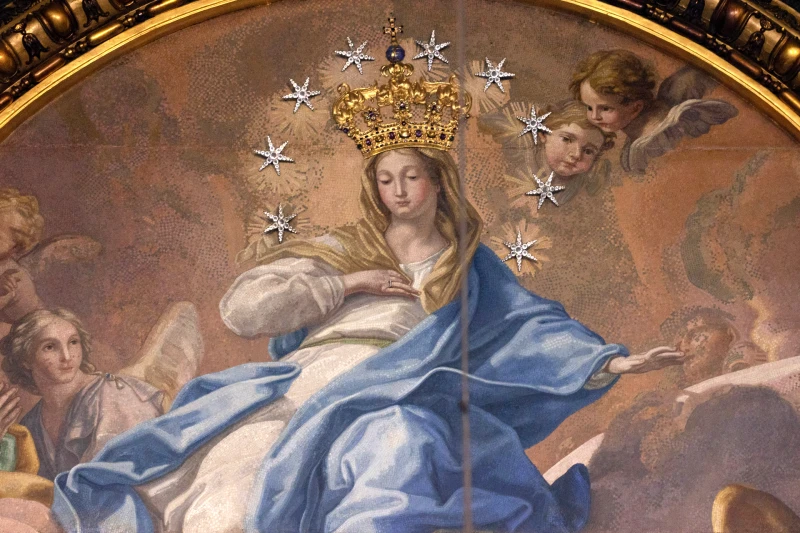
 When Pope Pius IX declared the doctrine of the Immaculate Conception of the Virgin Mary on Dec. 8, 1854, he had a golden crown added to the mosaic of Mary, Virgin Immaculate, in the Chapel of the Choir in St. Peter’s Basilica. / Credit: Daniel Ibañez/CNA

CNA Staff, Dec 8, 2025 / 06:00 am (CNA).
On Dec. 8 the Catholic Church celebrates the solemnity of the Immaculate Conception — a paramount feast in the Church’s liturgical calendar and one that indirectly touches on a regularly misunderstood but important piece of Church dogma.The solemnity is the patronal feast of the United States and marks the recognition of the Blessed Mother’s freedom from original sin, which the Church teaches she was granted from the moment of conception.The Catechism of the Catholic Church states that Mary was “redeemed from the moment of her conception” (No. 491) in order “to be able to give the free assent of her faith to the announcement of her vocation” (No. 490). The dogma was disputed and challenged by Protestants over the centuries, leading Pope Pius IX to affirm it in his 1854 encyclical Ineffabilis Deus, stating unequivocally that Mary “was endowed with the grace of the Holy Spirit and preserved from original sin” upon her conception. Ineffabilis Deus is among the papal pronouncements that theologians have long considered to be “infallible.” But what does papal infallibility mean in the context and history of the Church?Defined by First Vatican Council in 1870Though Church historians argue that numerous papal statements down through the centuries can potentially be regarded as infallible under this teaching, the concept itself was not fully defined by the Church until the mid-19th century.In its first dogmatic constitution on the Church of Christ, Pastor Aeternus, the First Vatican Council held that the pope, when speaking “in the exercise of his office as shepherd and teacher of all Christians, in virtue of his supreme apostolic authority,” and while defining “a doctrine concerning faith or morals to be held by the whole Church,” possesses the infallibility that Jesus “willed his Church to enjoy in defining doctrine concerning faith or morals.”Father Patrick Flanagan, an associate professor of theology at St. John’s University, told CNA that the doctrine of papal infallibility “does not concern the pope’s character.”“The pope is human,” Flanagan said. “In other words, he is fallible. He can sin and err in what he says about everyday matters.”Yet in “rare historical, narrowly defined moments” when the pope “exercises his authority as the supreme teacher of the Church of the Petrine office” and speaks “ex cathedra,” he is guided by the Holy Spirit to speak “indisputable truth” about faith and morals, Flanagan said. Flanagan underscored the four specific criteria that a papal statement must make to be considered infallible. For one, the pope must speak “in his official capacity as supreme pontiff,” not off-the-cuff or informally. The doctrine, meanwhile, must concern a matter of faith or morals. “No pope would speak ex cathedra on scientific, economic, or other nonreligious subjects,” Flanagan said. The statement must also be “explicitly straightforward and definitive,” he said, and it “must be intended to bind the whole Church as a matter of divine and Roman Catholic faith.” John P. Joy, a professor of theology and the dean of faculty at St. Ambrose Academy in Madison, Wisconsin, told CNA that the doctrine can be identified in part by the reading of Matthew 16:19.In that passage, Christ tells Peter, the first pope: “I will give you the keys to the kingdom of heaven. Whatever you bind on earth shall be bound in heaven, and whatever you loose on earth shall be loosed in heaven.”“Part of what Jesus is promising here is that he will endorse and ratify in heaven all of the judgments that Peter makes on earth,” Joy said. “So when Peter (or one of his successors) turns the key, so to speak, that is, when he explicitly declares that all Catholics are bound to believe something on earth, then we have the words of Jesus assuring us that God himself will hold us bound to believe the same thing in heaven,” he said. Though the concept of papal infallibility is well known and has become something of a pop culture reference, the number of times a pope has declared something infallibly appears to be relatively small. Theologians and historians do not always agree on what papal statements through the centuries can be deemed infallible. Joy pointed to the Immaculate Conception, as well as Pope Pius XII’s declaration on the Assumption of the Blessed Virgin in 1950, as two of the most well known.He pointed to numerous other statements, such as Pope Benedict XII’s Benedictus Deus from 1336 and Pope Leo X’s Exsurge Domine in 1520, as infallible statements. Flanagan pointed out that there is “no official list” of papally infallible statements. Such declarations are “rare,” he said. “A pope invokes his extraordinary magisterial powers sparingly.” When Catholics trust a papally infallible statement, Joy stressed, they “are not putting [their] faith in the pope as if he were an oracle of truth or a source of divine revelation.” “We are rather putting our faith in God, whom we firmly believe will intervene in order to stop any pope who might be tempted to proclaim a false doctrine in a definitive way,” he said. 

What is ‘papal infallibility?’ CNA explains an often-misunderstood Church teaching #Catholic When Pope Pius IX declared the doctrine of the Immaculate Conception of the Virgin Mary on Dec. 8, 1854, he had a golden crown added to the mosaic of Mary, Virgin Immaculate, in the Chapel of the Choir in St. Peter’s Basilica. / Credit: Daniel Ibañez/CNA CNA Staff, Dec 8, 2025 / 06:00 am (CNA). On Dec. 8 the Catholic Church celebrates the solemnity of the Immaculate Conception — a paramount feast in the Church’s liturgical calendar and one that indirectly touches on a regularly misunderstood but important piece of Church dogma.The solemnity is the patronal feast of the United States and marks the recognition of the Blessed Mother’s freedom from original sin, which the Church teaches she was granted from the moment of conception.The Catechism of the Catholic Church states that Mary was “redeemed from the moment of her conception” (No. 491) in order “to be able to give the free assent of her faith to the announcement of her vocation” (No. 490). The dogma was disputed and challenged by Protestants over the centuries, leading Pope Pius IX to affirm it in his 1854 encyclical Ineffabilis Deus, stating unequivocally that Mary “was endowed with the grace of the Holy Spirit and preserved from original sin” upon her conception. Ineffabilis Deus is among the papal pronouncements that theologians have long considered to be “infallible.” But what does papal infallibility mean in the context and history of the Church?Defined by First Vatican Council in 1870Though Church historians argue that numerous papal statements down through the centuries can potentially be regarded as infallible under this teaching, the concept itself was not fully defined by the Church until the mid-19th century.In its first dogmatic constitution on the Church of Christ, Pastor Aeternus, the First Vatican Council held that the pope, when speaking “in the exercise of his office as shepherd and teacher of all Christians, in virtue of his supreme apostolic authority,” and while defining “a doctrine concerning faith or morals to be held by the whole Church,” possesses the infallibility that Jesus “willed his Church to enjoy in defining doctrine concerning faith or morals.”Father Patrick Flanagan, an associate professor of theology at St. John’s University, told CNA that the doctrine of papal infallibility “does not concern the pope’s character.”“The pope is human,” Flanagan said. “In other words, he is fallible. He can sin and err in what he says about everyday matters.”Yet in “rare historical, narrowly defined moments” when the pope “exercises his authority as the supreme teacher of the Church of the Petrine office” and speaks “ex cathedra,” he is guided by the Holy Spirit to speak “indisputable truth” about faith and morals, Flanagan said. Flanagan underscored the four specific criteria that a papal statement must make to be considered infallible. For one, the pope must speak “in his official capacity as supreme pontiff,” not off-the-cuff or informally. The doctrine, meanwhile, must concern a matter of faith or morals. “No pope would speak ex cathedra on scientific, economic, or other nonreligious subjects,” Flanagan said. The statement must also be “explicitly straightforward and definitive,” he said, and it “must be intended to bind the whole Church as a matter of divine and Roman Catholic faith.” John P. Joy, a professor of theology and the dean of faculty at St. Ambrose Academy in Madison, Wisconsin, told CNA that the doctrine can be identified in part by the reading of Matthew 16:19.In that passage, Christ tells Peter, the first pope: “I will give you the keys to the kingdom of heaven. Whatever you bind on earth shall be bound in heaven, and whatever you loose on earth shall be loosed in heaven.”“Part of what Jesus is promising here is that he will endorse and ratify in heaven all of the judgments that Peter makes on earth,” Joy said. “So when Peter (or one of his successors) turns the key, so to speak, that is, when he explicitly declares that all Catholics are bound to believe something on earth, then we have the words of Jesus assuring us that God himself will hold us bound to believe the same thing in heaven,” he said. Though the concept of papal infallibility is well known and has become something of a pop culture reference, the number of times a pope has declared something infallibly appears to be relatively small. Theologians and historians do not always agree on what papal statements through the centuries can be deemed infallible. Joy pointed to the Immaculate Conception, as well as Pope Pius XII’s declaration on the Assumption of the Blessed Virgin in 1950, as two of the most well known.He pointed to numerous other statements, such as Pope Benedict XII’s Benedictus Deus from 1336 and Pope Leo X’s Exsurge Domine in 1520, as infallible statements. Flanagan pointed out that there is “no official list” of papally infallible statements. Such declarations are “rare,” he said. “A pope invokes his extraordinary magisterial powers sparingly.” When Catholics trust a papally infallible statement, Joy stressed, they “are not putting [their] faith in the pope as if he were an oracle of truth or a source of divine revelation.” “We are rather putting our faith in God, whom we firmly believe will intervene in order to stop any pope who might be tempted to proclaim a false doctrine in a definitive way,” he said. 


When Pope Pius IX declared the doctrine of the Immaculate Conception of the Virgin Mary on Dec. 8, 1854, he had a golden crown added to the mosaic of Mary, Virgin Immaculate, in the Chapel of the Choir in St. Peter’s Basilica. / Credit: Daniel Ibañez/CNA

CNA Staff, Dec 8, 2025 / 06:00 am (CNA).

On Dec. 8 the Catholic Church celebrates the solemnity of the Immaculate Conception — a paramount feast in the Church’s liturgical calendar and one that indirectly touches on a regularly misunderstood but important piece of Church dogma.

The solemnity is the patronal feast of the United States and marks the recognition of the Blessed Mother’s freedom from original sin, which the Church teaches she was granted from the moment of conception.

The Catechism of the Catholic Church states that Mary was “redeemed from the moment of her conception” (No. 491) in order “to be able to give the free assent of her faith to the announcement of her vocation” (No. 490). 

The dogma was disputed and challenged by Protestants over the centuries, leading Pope Pius IX to affirm it in his 1854 encyclical Ineffabilis Deus, stating unequivocally that Mary “was endowed with the grace of the Holy Spirit and preserved from original sin” upon her conception. 

Ineffabilis Deus is among the papal pronouncements that theologians have long considered to be “infallible.” But what does papal infallibility mean in the context and history of the Church?

Defined by First Vatican Council in 1870

Though Church historians argue that numerous papal statements down through the centuries can potentially be regarded as infallible under this teaching, the concept itself was not fully defined by the Church until the mid-19th century.

In its first dogmatic constitution on the Church of Christ, Pastor Aeternus, the First Vatican Council held that the pope, when speaking “in the exercise of his office as shepherd and teacher of all Christians, in virtue of his supreme apostolic authority,” and while defining “a doctrine concerning faith or morals to be held by the whole Church,” possesses the infallibility that Jesus “willed his Church to enjoy in defining doctrine concerning faith or morals.”

Father Patrick Flanagan, an associate professor of theology at St. John’s University, told CNA that the doctrine of papal infallibility “does not concern the pope’s character.”

“The pope is human,” Flanagan said. “In other words, he is fallible. He can sin and err in what he says about everyday matters.”

Yet in “rare historical, narrowly defined moments” when the pope “exercises his authority as the supreme teacher of the Church of the Petrine office” and speaks “ex cathedra,” he is guided by the Holy Spirit to speak “indisputable truth” about faith and morals, Flanagan said. 

Flanagan underscored the four specific criteria that a papal statement must make to be considered infallible. For one, the pope must speak “in his official capacity as supreme pontiff,” not off-the-cuff or informally. 

The doctrine, meanwhile, must concern a matter of faith or morals. “No pope would speak ex cathedra on scientific, economic, or other nonreligious subjects,” Flanagan said. 

The statement must also be “explicitly straightforward and definitive,” he said, and it “must be intended to bind the whole Church as a matter of divine and Roman Catholic faith.” 

John P. Joy, a professor of theology and the dean of faculty at St. Ambrose Academy in Madison, Wisconsin, told CNA that the doctrine can be identified in part by the reading of Matthew 16:19.

In that passage, Christ tells Peter, the first pope: “I will give you the keys to the kingdom of heaven. Whatever you bind on earth shall be bound in heaven, and whatever you loose on earth shall be loosed in heaven.”

“Part of what Jesus is promising here is that he will endorse and ratify in heaven all of the judgments that Peter makes on earth,” Joy said. 

“So when Peter (or one of his successors) turns the key, so to speak, that is, when he explicitly declares that all Catholics are bound to believe something on earth, then we have the words of Jesus assuring us that God himself will hold us bound to believe the same thing in heaven,” he said. 

Though the concept of papal infallibility is well known and has become something of a pop culture reference, the number of times a pope has declared something infallibly appears to be relatively small. 

Theologians and historians do not always agree on what papal statements through the centuries can be deemed infallible. Joy pointed to the Immaculate Conception, as well as Pope Pius XII’s declaration on the Assumption of the Blessed Virgin in 1950, as two of the most well known.

He pointed to numerous other statements, such as Pope Benedict XII’s Benedictus Deus from 1336 and Pope Leo X’s Exsurge Domine in 1520, as infallible statements. 

Flanagan pointed out that there is “no official list” of papally infallible statements. Such declarations are “rare,” he said. “A pope invokes his extraordinary magisterial powers sparingly.” 

When Catholics trust a papally infallible statement, Joy stressed, they “are not putting [their] faith in the pope as if he were an oracle of truth or a source of divine revelation.” 

“We are rather putting our faith in God, whom we firmly believe will intervene in order to stop any pope who might be tempted to proclaim a false doctrine in a definitive way,” he said. 

Read More
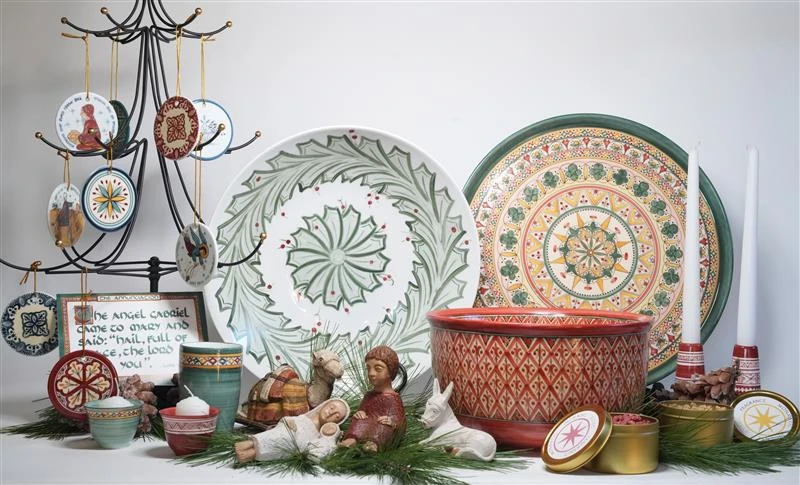
Christmas 2025: Handmade gifts from 14 Catholic monasteries #Catholic 
 
 The contemplative Sisters of the Monastery of Bethlehem in Livingston Manor, New York, support themselves by offering their hand-painted chinaware and other unique gifts for sale. / Credit: Monastery of Bethlehem

Washington, D.C. Newsroom, Dec 6, 2025 / 06:00 am (CNA).
Many monasteries and communities of religious brothers and sisters depend on proceeds from the sales of their products to sustain their lives of prayer and service throughout the year. These days, most have online gift shops that will ship your purchases to arrive before Christmas.Here’s a guide to some of our favorite handmade gifts to give and receive this year:Fudge and candyMonk Bakery Gifts, Monastery of the Holy Spirit: Monks in Conyers, Georgia, make their famous fudge with premium chocolate and real butter. Try a 12-ounce gift box for . And for a taste of Georgia, try their Southern Touch fudge, “made with real peach morsels, pecans, and a touch of peach brandy.”Monastery Candy, Our Lady of the Mississippi Abbey: These contemplative nuns in Dubuque, Iowa, are known for their delicious caramels, which they make by hand to support their way of life. A 9-ounce box of chocolate-covered caramels sells for .55.Monastery Creamed Honey, Holy Cross Abbey: The monks at Our Lady of the Holy Cross Abbey in Berryville, Virginia, support themselves financially through their own labor, a characteristic of the Cistercian order’s way of life. Their 100% natural Monastery Creamed Honey, locally sourced in the Shenandoah Valley of Virginia, makes a great gift. A set of four 10-ounce tubs includes natural-, cinnamon-, almond-, and brandy-flavored honey and sells for .95. Add some delicious chocolate truffles to the order for a sure-to-be-appreciated Christmas gift.CookiesClarisa Cookies, Capuchin Poor Clare Sisters: The Capuchin Poor Clare nuns make their famous butter cookies from their monastery in Denver. The “Clarisas” come in a beautiful gift box featuring an image of St. Clare and sell for  for a 1.5-pound box.Monks’ Biscotti, Abbey of the Genesee: The Trappist monks of the Abbey of the Genesee have been baking from their monastery in western New York since 1953. As their website explains: “The bakery supports the monastery’s primary mission, which is to pray for the world.” The twice-baked biscotti is a popular item, which makes a great gift basket when combined with monk-made coffee and a mug. A bundle of four boxes of biscotti in a variety of flavors sells for .99. Springerele Christmas cookies, Sisters of St. Benedict: The Benedictine religious sisters are known for their Springerele cookies, a traditional German treat with an “Old World” charm. A package of six cookies, each bearing a different, intricate design, sells for . CoffeeMystic Monk Coffee, Carmelites Monks of Wyoming Monastery: The Monks of the Most Blessed Virgin Mary of Mount Carmel live a cloistered life in the Rocky Mountains in the Diocese of Cheyenne, Wyoming. They help support themselves through Mystic Monk Coffee, which they roast in small batches. The website CoffeeReview.com ranks their coffee among the highest of the coffees it reviews. A 12-ounce bag of their most popular flavor, Jingle Bell Java, sells for .95 in the EWTN Religious Catalogue. Visit their website for more coffee selections.FruitcakeBrandy-dipped fruitcake, New Camaldoli Hermitage: With all due respect, this is not your grandmother’s fruitcake. The monks of New Camaldoli Hermitage in Big Sur, California, offer a fruitcake soaked in brandy and aged for three months. It “has converted many a fruitcake ‘atheist,’” according to its creators. Order a 1-pound fruitcake for .98.Kentucky Bourbon Fruitcake, Monks of the Abbey of Gethsemani: At their monastery in New Haven, Kentucky, Trappist monks offer a 20-ounce Kentucky Bourbon Fruitcake along with a jar of Trappist Apricot-Pineapple preserves and a jar of Trappist Quince Jelly, which makes a lovely Christmas gift for .50.BeerBirra Nursia, Benedictine Monks of Norcia: In 2012, a community of Benedictine monks revived the order’s ancient beer-making tradition at their 16th-century monastery in Nursia, the birthplace of St. Benedict. Tragically, four years later, a devastating earthquake struck, seriously damaging their monastery and threatening their way of life. Today, their monastery is open again thanks to money raised in part from the beer they make and sell and export to the United States and elsewhere. Beer in 750-milliliter (25-ounce) bottles is available at their U.S. online store for .99 each.Handmade Christmas-themed giftsChristmas Boutique, Monastery of Bethlehem: The contemplative Sisters of the Monastery of Bethlehem in Livingston Manor, New York, support themselves by offering their hand-painted chinaware and other unique gifts for sale. This Christmas their online shop features several Christmas-related items that would make wonderful gifts. A beautiful hand-carved Nativity, made in the sisters’ monastery in Mougères, France, includes Joseph, Mary, the baby Jesus, and a wooden manger, and sells for 0. This is a great value for a keepsake that is sure to be passed down from generation to generation. Or why not come bearing the gift of myrrh this Christmas with an attractive tin of imported incense ()? Also available: a pack of five Christmas greeting cards, hand-calligraphed by the sisters and duplicated on fine paper. Each card features a mystery of the lives of Jesus and Mary.Custom rosaries, Carmelite Monastery of the Sacred Hearts: The cloistered nuns of the Carmelite Monastery of the Sacred Hearts in Colorado also offer several handmade items that would make beautiful gifts including custom, handmade rosaries. Those interested can choose their own beads, crucifix, centerpiece, the option to add decorative caps and side medals, and whether you would like the rosary to be a one-decade, five-decade, or 15-decade rosary.Gifts from the Holy LandHoly Land gifts, Franciscan Monastery of the Holy Land in America: The Franciscan friars based at their monastery in Washington, D.C., are dedicated to supporting and protecting the sacred sites and people of the Holy Land. They sell products made by artisans in the Holy Land to help their businesses so they can continue to live in the land of their forefathers. Among the gifts at the Holy Land gift shop are hand-painted ceramic candleholders made by a young artist in Bethlehem; olive wood Nativity sets, crosses, and rosaries; and olive oil soap. Visit the Holy Land Gift Shop here. Soaps and candlesCloister Shoppe, Summit Dominicans: The nuns from the Dominican Monastery of Our Lady of the Rosary in Summit, New Jersey, live a life of prayer through Eucharistic adoration and dedication to the rosary. To support this way of life they create handmade candles and skin-care products, which they sell at their Cloister Shoppe. Create your own Christmas gift bag of two bars of soap, a hand cream, a jar candle, a face moisturizer, and a handmade rosary made from olive wood beads from the Holy Land for . Throw in a pair of Bayberry Christmas Eve Tapers for  to give your holiday table a festive glow.

Christmas 2025: Handmade gifts from 14 Catholic monasteries #Catholic The contemplative Sisters of the Monastery of Bethlehem in Livingston Manor, New York, support themselves by offering their hand-painted chinaware and other unique gifts for sale. / Credit: Monastery of Bethlehem Washington, D.C. Newsroom, Dec 6, 2025 / 06:00 am (CNA). Many monasteries and communities of religious brothers and sisters depend on proceeds from the sales of their products to sustain their lives of prayer and service throughout the year. These days, most have online gift shops that will ship your purchases to arrive before Christmas.Here’s a guide to some of our favorite handmade gifts to give and receive this year:Fudge and candyMonk Bakery Gifts, Monastery of the Holy Spirit: Monks in Conyers, Georgia, make their famous fudge with premium chocolate and real butter. Try a 12-ounce gift box for $15. And for a taste of Georgia, try their Southern Touch fudge, “made with real peach morsels, pecans, and a touch of peach brandy.”Monastery Candy, Our Lady of the Mississippi Abbey: These contemplative nuns in Dubuque, Iowa, are known for their delicious caramels, which they make by hand to support their way of life. A 9-ounce box of chocolate-covered caramels sells for $16.55.Monastery Creamed Honey, Holy Cross Abbey: The monks at Our Lady of the Holy Cross Abbey in Berryville, Virginia, support themselves financially through their own labor, a characteristic of the Cistercian order’s way of life. Their 100% natural Monastery Creamed Honey, locally sourced in the Shenandoah Valley of Virginia, makes a great gift. A set of four 10-ounce tubs includes natural-, cinnamon-, almond-, and brandy-flavored honey and sells for $35.95. Add some delicious chocolate truffles to the order for a sure-to-be-appreciated Christmas gift.CookiesClarisa Cookies, Capuchin Poor Clare Sisters: The Capuchin Poor Clare nuns make their famous butter cookies from their monastery in Denver. The “Clarisas” come in a beautiful gift box featuring an image of St. Clare and sell for $18 for a 1.5-pound box.Monks’ Biscotti, Abbey of the Genesee: The Trappist monks of the Abbey of the Genesee have been baking from their monastery in western New York since 1953. As their website explains: “The bakery supports the monastery’s primary mission, which is to pray for the world.” The twice-baked biscotti is a popular item, which makes a great gift basket when combined with monk-made coffee and a mug. A bundle of four boxes of biscotti in a variety of flavors sells for $33.99. Springerele Christmas cookies, Sisters of St. Benedict: The Benedictine religious sisters are known for their Springerele cookies, a traditional German treat with an “Old World” charm. A package of six cookies, each bearing a different, intricate design, sells for $11. CoffeeMystic Monk Coffee, Carmelites Monks of Wyoming Monastery: The Monks of the Most Blessed Virgin Mary of Mount Carmel live a cloistered life in the Rocky Mountains in the Diocese of Cheyenne, Wyoming. They help support themselves through Mystic Monk Coffee, which they roast in small batches. The website CoffeeReview.com ranks their coffee among the highest of the coffees it reviews. A 12-ounce bag of their most popular flavor, Jingle Bell Java, sells for $14.95 in the EWTN Religious Catalogue. Visit their website for more coffee selections.FruitcakeBrandy-dipped fruitcake, New Camaldoli Hermitage: With all due respect, this is not your grandmother’s fruitcake. The monks of New Camaldoli Hermitage in Big Sur, California, offer a fruitcake soaked in brandy and aged for three months. It “has converted many a fruitcake ‘atheist,’” according to its creators. Order a 1-pound fruitcake for $27.98.Kentucky Bourbon Fruitcake, Monks of the Abbey of Gethsemani: At their monastery in New Haven, Kentucky, Trappist monks offer a 20-ounce Kentucky Bourbon Fruitcake along with a jar of Trappist Apricot-Pineapple preserves and a jar of Trappist Quince Jelly, which makes a lovely Christmas gift for $33.50.BeerBirra Nursia, Benedictine Monks of Norcia: In 2012, a community of Benedictine monks revived the order’s ancient beer-making tradition at their 16th-century monastery in Nursia, the birthplace of St. Benedict. Tragically, four years later, a devastating earthquake struck, seriously damaging their monastery and threatening their way of life. Today, their monastery is open again thanks to money raised in part from the beer they make and sell and export to the United States and elsewhere. Beer in 750-milliliter (25-ounce) bottles is available at their U.S. online store for $15.99 each.Handmade Christmas-themed giftsChristmas Boutique, Monastery of Bethlehem: The contemplative Sisters of the Monastery of Bethlehem in Livingston Manor, New York, support themselves by offering their hand-painted chinaware and other unique gifts for sale. This Christmas their online shop features several Christmas-related items that would make wonderful gifts. A beautiful hand-carved Nativity, made in the sisters’ monastery in Mougères, France, includes Joseph, Mary, the baby Jesus, and a wooden manger, and sells for $180. This is a great value for a keepsake that is sure to be passed down from generation to generation. Or why not come bearing the gift of myrrh this Christmas with an attractive tin of imported incense ($56)? Also available: a pack of five Christmas greeting cards, hand-calligraphed by the sisters and duplicated on fine paper. Each card features a mystery of the lives of Jesus and Mary.Custom rosaries, Carmelite Monastery of the Sacred Hearts: The cloistered nuns of the Carmelite Monastery of the Sacred Hearts in Colorado also offer several handmade items that would make beautiful gifts including custom, handmade rosaries. Those interested can choose their own beads, crucifix, centerpiece, the option to add decorative caps and side medals, and whether you would like the rosary to be a one-decade, five-decade, or 15-decade rosary.Gifts from the Holy LandHoly Land gifts, Franciscan Monastery of the Holy Land in America: The Franciscan friars based at their monastery in Washington, D.C., are dedicated to supporting and protecting the sacred sites and people of the Holy Land. They sell products made by artisans in the Holy Land to help their businesses so they can continue to live in the land of their forefathers. Among the gifts at the Holy Land gift shop are hand-painted ceramic candleholders made by a young artist in Bethlehem; olive wood Nativity sets, crosses, and rosaries; and olive oil soap. Visit the Holy Land Gift Shop here. Soaps and candlesCloister Shoppe, Summit Dominicans: The nuns from the Dominican Monastery of Our Lady of the Rosary in Summit, New Jersey, live a life of prayer through Eucharistic adoration and dedication to the rosary. To support this way of life they create handmade candles and skin-care products, which they sell at their Cloister Shoppe. Create your own Christmas gift bag of two bars of soap, a hand cream, a jar candle, a face moisturizer, and a handmade rosary made from olive wood beads from the Holy Land for $50. Throw in a pair of Bayberry Christmas Eve Tapers for $18 to give your holiday table a festive glow.


The contemplative Sisters of the Monastery of Bethlehem in Livingston Manor, New York, support themselves by offering their hand-painted chinaware and other unique gifts for sale. / Credit: Monastery of Bethlehem

Washington, D.C. Newsroom, Dec 6, 2025 / 06:00 am (CNA).

Many monasteries and communities of religious brothers and sisters depend on proceeds from the sales of their products to sustain their lives of prayer and service throughout the year. These days, most have online gift shops that will ship your purchases to arrive before Christmas.

Here’s a guide to some of our favorite handmade gifts to give and receive this year:

Fudge and candy

Monk Bakery Gifts, Monastery of the Holy Spirit: Monks in Conyers, Georgia, make their famous fudge with premium chocolate and real butter. Try a 12-ounce gift box for $15. And for a taste of Georgia, try their Southern Touch fudge, “made with real peach morsels, pecans, and a touch of peach brandy.”

Monastery Candy, Our Lady of the Mississippi Abbey: These contemplative nuns in Dubuque, Iowa, are known for their delicious caramels, which they make by hand to support their way of life. A 9-ounce box of chocolate-covered caramels sells for $16.55.

Monastery Creamed Honey, Holy Cross Abbey: The monks at Our Lady of the Holy Cross Abbey in Berryville, Virginia, support themselves financially through their own labor, a characteristic of the Cistercian order’s way of life. Their 100% natural Monastery Creamed Honey, locally sourced in the Shenandoah Valley of Virginia, makes a great gift. A set of four 10-ounce tubs includes natural-, cinnamon-, almond-, and brandy-flavored honey and sells for $35.95. Add some delicious chocolate truffles to the order for a sure-to-be-appreciated Christmas gift.

Cookies

Clarisa Cookies, Capuchin Poor Clare Sisters: The Capuchin Poor Clare nuns make their famous butter cookies from their monastery in Denver. The “Clarisas” come in a beautiful gift box featuring an image of St. Clare and sell for $18 for a 1.5-pound box.

Monks’ Biscotti, Abbey of the Genesee: The Trappist monks of the Abbey of the Genesee have been baking from their monastery in western New York since 1953. As their website explains: “The bakery supports the monastery’s primary mission, which is to pray for the world.” The twice-baked biscotti is a popular item, which makes a great gift basket when combined with monk-made coffee and a mug. A bundle of four boxes of biscotti in a variety of flavors sells for $33.99

Springerele Christmas cookies, Sisters of St. Benedict: The Benedictine religious sisters are known for their Springerele cookies, a traditional German treat with an “Old World” charm. A package of six cookies, each bearing a different, intricate design, sells for $11. 

Coffee

Mystic Monk Coffee, Carmelites Monks of Wyoming Monastery: The Monks of the Most Blessed Virgin Mary of Mount Carmel live a cloistered life in the Rocky Mountains in the Diocese of Cheyenne, Wyoming. They help support themselves through Mystic Monk Coffee, which they roast in small batches. The website CoffeeReview.com ranks their coffee among the highest of the coffees it reviews. A 12-ounce bag of their most popular flavor, Jingle Bell Java, sells for $14.95 in the EWTN Religious Catalogue. Visit their website for more coffee selections.

Fruitcake

Brandy-dipped fruitcake, New Camaldoli Hermitage: With all due respect, this is not your grandmother’s fruitcake. The monks of New Camaldoli Hermitage in Big Sur, California, offer a fruitcake soaked in brandy and aged for three months. It “has converted many a fruitcake ‘atheist,’” according to its creators. Order a 1-pound fruitcake for $27.98.

Kentucky Bourbon Fruitcake, Monks of the Abbey of Gethsemani: At their monastery in New Haven, Kentucky, Trappist monks offer a 20-ounce Kentucky Bourbon Fruitcake along with a jar of Trappist Apricot-Pineapple preserves and a jar of Trappist Quince Jelly, which makes a lovely Christmas gift for $33.50.

Beer

Birra Nursia, Benedictine Monks of Norcia: In 2012, a community of Benedictine monks revived the order’s ancient beer-making tradition at their 16th-century monastery in Nursia, the birthplace of St. Benedict. Tragically, four years later, a devastating earthquake struck, seriously damaging their monastery and threatening their way of life. Today, their monastery is open again thanks to money raised in part from the beer they make and sell and export to the United States and elsewhere. Beer in 750-milliliter (25-ounce) bottles is available at their U.S. online store for $15.99 each.

Handmade Christmas-themed gifts

Christmas Boutique, Monastery of Bethlehem: The contemplative Sisters of the Monastery of Bethlehem in Livingston Manor, New York, support themselves by offering their hand-painted chinaware and other unique gifts for sale. This Christmas their online shop features several Christmas-related items that would make wonderful gifts. 

A beautiful hand-carved Nativity, made in the sisters’ monastery in Mougères, France, includes Joseph, Mary, the baby Jesus, and a wooden manger, and sells for $180. This is a great value for a keepsake that is sure to be passed down from generation to generation. Or why not come bearing the gift of myrrh this Christmas with an attractive tin of imported incense ($56)? Also available: a pack of five Christmas greeting cards, hand-calligraphed by the sisters and duplicated on fine paper. Each card features a mystery of the lives of Jesus and Mary.

Custom rosaries, Carmelite Monastery of the Sacred Hearts: The cloistered nuns of the Carmelite Monastery of the Sacred Hearts in Colorado also offer several handmade items that would make beautiful gifts including custom, handmade rosaries. Those interested can choose their own beads, crucifix, centerpiece, the option to add decorative caps and side medals, and whether you would like the rosary to be a one-decade, five-decade, or 15-decade rosary.

Gifts from the Holy Land

Holy Land gifts, Franciscan Monastery of the Holy Land in America: The Franciscan friars based at their monastery in Washington, D.C., are dedicated to supporting and protecting the sacred sites and people of the Holy Land. They sell products made by artisans in the Holy Land to help their businesses so they can continue to live in the land of their forefathers. Among the gifts at the Holy Land gift shop are hand-painted ceramic candleholders made by a young artist in Bethlehem; olive wood Nativity sets, crosses, and rosaries; and olive oil soap. Visit the Holy Land Gift Shop here

Soaps and candles

Cloister Shoppe, Summit Dominicans: The nuns from the Dominican Monastery of Our Lady of the Rosary in Summit, New Jersey, live a life of prayer through Eucharistic adoration and dedication to the rosary. To support this way of life they create handmade candles and skin-care products, which they sell at their Cloister Shoppe. Create your own Christmas gift bag of two bars of soap, a hand cream, a jar candle, a face moisturizer, and a handmade rosary made from olive wood beads from the Holy Land for $50. Throw in a pair of Bayberry Christmas Eve Tapers for $18 to give your holiday table a festive glow.

Read More
‘An encounter with Jesus’: Artist behind living wall memorial for unborn shares mission #Catholic 
 
 A 3D rendering of the Living Wall: Monument to the Unborn by the architect of the Living Wall, bringing to life the painted design by Arkansas artist Lakey Goff. / Credit: Photo courtesy of Lakey Goff

CNA Staff, Nov 26, 2025 / 09:00 am (CNA).
Amid the sounds of Arkansas’ waterfalls, women who have had abortions will someday be able to find healing at a “living wall” memorial covered in flora and fauna, where the names of unborn children will be inscribed on the hexagonal stone floor thanks to local artist Lakey Goff, who submitted the living wall design, which was selected for Arkansas’ monument for the unborn.The memorial will be on state property, but funding must come from the people. Now Goff and other Arkansians are fundraising for the living wall.A 3D rendering of the Living Wall: Monument to the Unborn by the architect of the Living Wall, bringing to life the painted design by Arkansas artist Lakey Goff. Credit: Photo courtesy of Lakey GoffOn Saturday morning, participants gathered at sunrise at Two Rivers Park in Little Rock to kick off the first annual Living Wall 5K — a race to fundraise for the memorial.Several groups, both local and national — including LIFE Runners, Caring Hearts Pregnancy Center, and Arkansas Right to Life — showed up to kick off the first annual 5K. Fundraising began in May 2024 and has reached nearly ,000; but the living wall’s proposed budget, as of 2025, is estimated to be  million.November has been set aside as a month to remember the unborn in a proclamation signed by Arkansas Gov. Sarah Huckabee Sanders.Goff shared with CNA that her inspiration for the wall comes from her faith in Jesus. She hopes it will be a place of healing for women who have had abortions.Arkansas artist Lakey Goff. Credit: Photo courtesy of Lakey GoffCNA: What inspired the design and the Bible message accompanying it? Why a living wall?Lakey Goff: The monument itself is alive with plants, photosynthesis, and oxygen: There’ll be birds that live in it; there are the sound of seven different waterfalls that I’ve recorded from around Arkansas coming off the top of this wall in an audio loop. That is the sound of Jesus’ voice — the sound of many waters. Then, underneath, you’ll see on there are pavers where women have begun to name their babies that were aborted, to put dates when they were aborted and even Scriptures. It’s a way to be healed and set free and say this happened, where they’re no longer locked up in guilt and shame; and so the babies’ names will be underneath our feet in these hexagonal pavers. I believe this monument is from the heart of God, the heart of the Father, as he wants to heal our land from the bloodshed in our nation, starting in the state of Arkansas to lead the way. Why is this monument important? We don’t want to forget what happened during the 50 years of bloodshed, of innocent babies’ bloodshed in our state. It is an act of repentance, and it is saying, “This will not happen again.” We’re saying, “I’m sorry, God, and we want to honor you and honor life.”This is the very first living wall monument to the unborn in our nation — and so that’s why it’s taking a little while, because it’s never been done before. Runners at the 5K for the Living Wall: Monument to the Unborn on Nov. 22, 2025, at Two Rivers Park in Little Rock, Arkansas. Credit: Photo courtesy of Lakey GoffWhat inspired you to send in a design after the 2023 bill passed? I’ve always been an artist, but I was not in any way involved, at least in my adult years, with the pro-life movement or in the political realm. I said, “Lord, is there anything that you want to do for this monument?” And I immediately received a blueprint from the Holy Spirit of the details about this living wall. I received clearly that the Lord wanted to heal women and families who had abortions and who were held captive by guilt and shame. And he gave me Isaiah 61: He wants to give us double honor for shame; he wants to set the captives free.A 5K participant waves flags at first annual 5K for the Living Wall: Monument to the Unborn on Nov. 22, 2025, at Two Rivers Park in Little Rock, Arkansas. Credit: Photo courtesy of Lakey GoffWhat do you hope people will take away from experiencing it?   It will be an actual place for women, children, families to come and be healed. It’s a place for repentance. It’s a place of life, vitality. There’s nothing dead about Jesus — he’s the risen King.Even in the process, women, children, families have already started to be healed. I believe what they will take away from it is an encounter with Jesus Christ, the Son of God, and his healing: He came for the lost, not the righteous.This interview has been edited for clarity and length.

‘An encounter with Jesus’: Artist behind living wall memorial for unborn shares mission #Catholic A 3D rendering of the Living Wall: Monument to the Unborn by the architect of the Living Wall, bringing to life the painted design by Arkansas artist Lakey Goff. / Credit: Photo courtesy of Lakey Goff CNA Staff, Nov 26, 2025 / 09:00 am (CNA). Amid the sounds of Arkansas’ waterfalls, women who have had abortions will someday be able to find healing at a “living wall” memorial covered in flora and fauna, where the names of unborn children will be inscribed on the hexagonal stone floor thanks to local artist Lakey Goff, who submitted the living wall design, which was selected for Arkansas’ monument for the unborn.The memorial will be on state property, but funding must come from the people. Now Goff and other Arkansians are fundraising for the living wall.A 3D rendering of the Living Wall: Monument to the Unborn by the architect of the Living Wall, bringing to life the painted design by Arkansas artist Lakey Goff. Credit: Photo courtesy of Lakey GoffOn Saturday morning, participants gathered at sunrise at Two Rivers Park in Little Rock to kick off the first annual Living Wall 5K — a race to fundraise for the memorial.Several groups, both local and national — including LIFE Runners, Caring Hearts Pregnancy Center, and Arkansas Right to Life — showed up to kick off the first annual 5K. Fundraising began in May 2024 and has reached nearly $30,000; but the living wall’s proposed budget, as of 2025, is estimated to be $1 million.November has been set aside as a month to remember the unborn in a proclamation signed by Arkansas Gov. Sarah Huckabee Sanders.Goff shared with CNA that her inspiration for the wall comes from her faith in Jesus. She hopes it will be a place of healing for women who have had abortions.Arkansas artist Lakey Goff. Credit: Photo courtesy of Lakey GoffCNA: What inspired the design and the Bible message accompanying it? Why a living wall?Lakey Goff: The monument itself is alive with plants, photosynthesis, and oxygen: There’ll be birds that live in it; there are the sound of seven different waterfalls that I’ve recorded from around Arkansas coming off the top of this wall in an audio loop. That is the sound of Jesus’ voice — the sound of many waters. Then, underneath, you’ll see on there are pavers where women have begun to name their babies that were aborted, to put dates when they were aborted and even Scriptures. It’s a way to be healed and set free and say this happened, where they’re no longer locked up in guilt and shame; and so the babies’ names will be underneath our feet in these hexagonal pavers. I believe this monument is from the heart of God, the heart of the Father, as he wants to heal our land from the bloodshed in our nation, starting in the state of Arkansas to lead the way. Why is this monument important? We don’t want to forget what happened during the 50 years of bloodshed, of innocent babies’ bloodshed in our state. It is an act of repentance, and it is saying, “This will not happen again.” We’re saying, “I’m sorry, God, and we want to honor you and honor life.”This is the very first living wall monument to the unborn in our nation — and so that’s why it’s taking a little while, because it’s never been done before. Runners at the 5K for the Living Wall: Monument to the Unborn on Nov. 22, 2025, at Two Rivers Park in Little Rock, Arkansas. Credit: Photo courtesy of Lakey GoffWhat inspired you to send in a design after the 2023 bill passed? I’ve always been an artist, but I was not in any way involved, at least in my adult years, with the pro-life movement or in the political realm. I said, “Lord, is there anything that you want to do for this monument?” And I immediately received a blueprint from the Holy Spirit of the details about this living wall. I received clearly that the Lord wanted to heal women and families who had abortions and who were held captive by guilt and shame. And he gave me Isaiah 61: He wants to give us double honor for shame; he wants to set the captives free.A 5K participant waves flags at first annual 5K for the Living Wall: Monument to the Unborn on Nov. 22, 2025, at Two Rivers Park in Little Rock, Arkansas. Credit: Photo courtesy of Lakey GoffWhat do you hope people will take away from experiencing it?   It will be an actual place for women, children, families to come and be healed. It’s a place for repentance. It’s a place of life, vitality. There’s nothing dead about Jesus — he’s the risen King.Even in the process, women, children, families have already started to be healed. I believe what they will take away from it is an encounter with Jesus Christ, the Son of God, and his healing: He came for the lost, not the righteous.This interview has been edited for clarity and length.


A 3D rendering of the Living Wall: Monument to the Unborn by the architect of the Living Wall, bringing to life the painted design by Arkansas artist Lakey Goff. / Credit: Photo courtesy of Lakey Goff

CNA Staff, Nov 26, 2025 / 09:00 am (CNA).

Amid the sounds of Arkansas’ waterfalls, women who have had abortions will someday be able to find healing at a “living wall” memorial covered in flora and fauna, where the names of unborn children will be inscribed on the hexagonal stone floor thanks to local artist Lakey Goff, who submitted the living wall design, which was selected for Arkansas’ monument for the unborn.

The memorial will be on state property, but funding must come from the people. Now Goff and other Arkansians are fundraising for the living wall.

A 3D rendering of the Living Wall: Monument to the Unborn by the architect of the Living Wall, bringing to life the painted design by Arkansas artist Lakey Goff. Credit: Photo courtesy of Lakey Goff

On Saturday morning, participants gathered at sunrise at Two Rivers Park in Little Rock to kick off the first annual Living Wall 5K — a race to fundraise for the memorial.

Several groups, both local and national — including LIFE Runners, Caring Hearts Pregnancy Center, and Arkansas Right to Life — showed up to kick off the first annual 5K. 

Fundraising began in May 2024 and has reached nearly $30,000; but the living wall’s proposed budget, as of 2025, is estimated to be $1 million.

November has been set aside as a month to remember the unborn in a proclamation signed by Arkansas Gov. Sarah Huckabee Sanders.

Goff shared with CNA that her inspiration for the wall comes from her faith in Jesus. She hopes it will be a place of healing for women who have had abortions.

Arkansas artist Lakey Goff. Credit: Photo courtesy of Lakey Goff

CNA: What inspired the design and the Bible message accompanying it? Why a living wall?

Lakey Goff: The monument itself is alive with plants, photosynthesis, and oxygen: There’ll be birds that live in it; there are the sound of seven different waterfalls that I’ve recorded from around Arkansas coming off the top of this wall in an audio loop. That is the sound of Jesus’ voice — the sound of many waters. 

Then, underneath, you’ll see on there are pavers where women have begun to name their babies that were aborted, to put dates when they were aborted and even Scriptures. It’s a way to be healed and set free and say this happened, where they’re no longer locked up in guilt and shame; and so the babies’ names will be underneath our feet in these hexagonal pavers. 

I believe this monument is from the heart of God, the heart of the Father, as he wants to heal our land from the bloodshed in our nation, starting in the state of Arkansas to lead the way. 

Why is this monument important? 

We don’t want to forget what happened during the 50 years of bloodshed, of innocent babies’ bloodshed in our state. It is an act of repentance, and it is saying, “This will not happen again.” We’re saying, “I’m sorry, God, and we want to honor you and honor life.”

This is the very first living wall monument to the unborn in our nation — and so that’s why it’s taking a little while, because it’s never been done before. 

Runners at the 5K for the Living Wall: Monument to the Unborn on Nov. 22, 2025, at Two Rivers Park in Little Rock, Arkansas. Credit: Photo courtesy of Lakey Goff

What inspired you to send in a design after the 2023 bill passed? 

I’ve always been an artist, but I was not in any way involved, at least in my adult years, with the pro-life movement or in the political realm. 

I said, “Lord, is there anything that you want to do for this monument?” And I immediately received a blueprint from the Holy Spirit of the details about this living wall. 

I received clearly that the Lord wanted to heal women and families who had abortions and who were held captive by guilt and shame. And he gave me Isaiah 61: He wants to give us double honor for shame; he wants to set the captives free.

A 5K participant waves flags at first annual 5K for the Living Wall: Monument to the Unborn on Nov. 22, 2025, at Two Rivers Park in Little Rock, Arkansas. Credit: Photo courtesy of Lakey Goff

What do you hope people will take away from experiencing it?   

It will be an actual place for women, children, families to come and be healed. It’s a place for repentance. It’s a place of life, vitality. There’s nothing dead about Jesus — he’s the risen King.

Even in the process, women, children, families have already started to be healed. I believe what they will take away from it is an encounter with Jesus Christ, the Son of God, and his healing: He came for the lost, not the righteous.

This interview has been edited for clarity and length.

Read More
Bishops discuss faith formation before National Catholic Youth Conference #Catholic 
 
 Organizers of Pope Leo XIV’s upcoming digital dialogue with young people Nov. 21 at the National Catholic Youth Conference in Indianapolis speak to the media at the site of the United States Catholic Bishops’ Conference Fall Plenary Assembly in Baltimore on Nov. 12, 2025. Left to right: Cardinal Christophe Pierre, papal nuncio to the United States; Montse Alvarado, president and COO of EWTN News; Archbishop Nelson J. Pérez, Archdiocese of Philadelphia; Christina Lamas, executive director of National Federation for Catholic Youth Ministry; and Archbishop Charles Thompson, Archdiocese of Indianapolis. / Credit: Shannon Mullen/National Catholic Register

Baltimore, Maryland, Nov 17, 2025 / 07:00 am (CNA).
Bishops discussed young Catholics’ place in the Church ahead of the National Catholic Youth Conference.At the United States Conference of Catholic Bishops’ (USCCB) Fall Plenary Assembly in Baltimore, bishops spoke about the young generation as many prepare to attend NCYC. The conference will take place Nov. 20–22 in Indianapolis for prayer, community, evangelization, and service among Catholic teenagers.During NCYC, Pope Leo XIV will hold a digital dialogue with teens from across the nation. “When the pope speaks, he speaks to the world, and this will be a wonderful, wonderful moment. This encounter will engage young people in real time,” said Archbishop Nelson Pérez of Philadelphia. At a Nov. 12 press conference at the USCCB fall plenary, Pérez said “there is a deep significance to this encounter.” He added: “It reflects the Holy Father’s desire to connect with young people, with our youth, whom his predecessor … Pope Francis, called ‘the now of God.’”Pérez said during his time as a priest and bishop, he has noticed teenagers “want a place in the Church.” He said: “They want to be seen, heard, and valued, which is so beautiful ... They want to be loved by the Church.”“Even in today’s interconnected world, the Church can seem far away from young people. The Holy Father’s choice to encounter the American youth ... is an expression of his closeness to the youth of the world.”“This moment will mark a powerful opportunity for young people to witness the beauty of the universal Church with our Holy Father and to express their concerns, voices, experience, [and] what’s in their hearts,” Pérez said.Bishop Joseph Espaillat, auxiliary bishop for the Archdiocese of New York, has attended NCYC more than a dozen times. He told CNA “the energy and the vibrancy of the young people” is why he returns each year.“It’s not just the local parish or the local diocese, but it’s the national Church and there’s something powerful when we come together,” Espaillat said.​This year’s event is “the first time ever the Holy Father has a live online interview like this,” at NCYC, Espaillat said. “What I love about it is that the Church in the United States is leading right now. The young people being the focus with our Holy Father is going to be great, and it’s going to produce a lot of positive energy in our Church.”Espaillat encouraged attendees “to be open and allow yourself to be surprised by the Holy Spirit.” He added: “Don’t go in with a preconceived notion. It is a great event in which there are many, many fruits. I’ve seen young people just come to life at the event.”Youth draw closer to the ChurchAs thousands of teenagers plan to gather at the national conference, U.S. bishops further explained why so many young Catholics are looking to the Church. A number of bishops highlighted the Catholic presence on social media is helping to draw them in.Bishop William Byrne of Springfield, Massachusetts, told CNA the exponential growth of young Catholics coming to the Church is “amazing and exciting.” Byrne, who served as chair for the USCCB’s committee on communications, detailed how much its online presence has grown its outreach to the young generation and wider population. “Beginning with the illness of our beloved Pope Francis, through the funeral, and then the transition to Pope Leo, we’ve actually had a 226% growth in our social media on the four platforms we use — TikTok, Instagram, X, and YouTube,” he said.“The amazing thing is, it’s still growing. It means that people are seeing it, sharing it,” Byrne said. He specifically noted it’s the “young people” spreading the message online. “So we see that we are reaching people,” Byrne said. “But our goal is not to get people locked on their phones. Our goal is to get people locked on Jesus Christ and have the impression be Jesus Christ and his bride, the Church.”“This is an exciting time. It’s not without its challenges, but it’s also a wonderful opportunity,” Byrne said. “We’re reaching young people who are curious and hungry. It’s so exciting to see the Church continue to speak to the world, because the Church has never lost her relevance.”The start of the Catholic online presence followed the movement of the new atheists, Bishop Robert Barron of Winona-Rochester, Minnesota, said. He told CNA the movement was made up of “people who were really shaping the culture, saying: ‘There’s no purpose of life. We come from nowhere. We go nowhere. There’s no objective moral value.’”“A lot of people, myself included, began to get on social media with a religious voice,” Barron said. “People who had not heard a religious voice or who were disaffiliated … could find people like me and many others who were actually talking about God and about religion.”“But I think as a whole generation came of age, they realized what a desperately sad and empty message that is,” Barron said. “There’s this hunger in the heart for God, and so that just reasserts itself. I think a lot of younger people who were raised on this very vapid philosophy began to look to religion.”As more young Catholics get involved in youth formation whether in their parishes or at larger gatherings like NCYC, Barron said he encourages them to use the opportunities to “build community and build a sense of family with other believers.”Barron, who is the founder of the Catholic media organization Word on Fire, has gained nearly 3 million YouTube subscribers and millions of other followers across social media platforms. But, he said, “one drawback of social media is that it’s a little private world. It can be a lot of people accessing it, but privately.”“Maybe through social media an individual finds a path to religion, but then to look around a room and see thousands of other people that are on a similar path — that’s a great thing,” Barron said.

Bishops discuss faith formation before National Catholic Youth Conference #Catholic Organizers of Pope Leo XIV’s upcoming digital dialogue with young people Nov. 21 at the National Catholic Youth Conference in Indianapolis speak to the media at the site of the United States Catholic Bishops’ Conference Fall Plenary Assembly in Baltimore on Nov. 12, 2025. Left to right: Cardinal Christophe Pierre, papal nuncio to the United States; Montse Alvarado, president and COO of EWTN News; Archbishop Nelson J. Pérez, Archdiocese of Philadelphia; Christina Lamas, executive director of National Federation for Catholic Youth Ministry; and Archbishop Charles Thompson, Archdiocese of Indianapolis. / Credit: Shannon Mullen/National Catholic Register Baltimore, Maryland, Nov 17, 2025 / 07:00 am (CNA). Bishops discussed young Catholics’ place in the Church ahead of the National Catholic Youth Conference.At the United States Conference of Catholic Bishops’ (USCCB) Fall Plenary Assembly in Baltimore, bishops spoke about the young generation as many prepare to attend NCYC. The conference will take place Nov. 20–22 in Indianapolis for prayer, community, evangelization, and service among Catholic teenagers.During NCYC, Pope Leo XIV will hold a digital dialogue with teens from across the nation. “When the pope speaks, he speaks to the world, and this will be a wonderful, wonderful moment. This encounter will engage young people in real time,” said Archbishop Nelson Pérez of Philadelphia. At a Nov. 12 press conference at the USCCB fall plenary, Pérez said “there is a deep significance to this encounter.” He added: “It reflects the Holy Father’s desire to connect with young people, with our youth, whom his predecessor … Pope Francis, called ‘the now of God.’”Pérez said during his time as a priest and bishop, he has noticed teenagers “want a place in the Church.” He said: “They want to be seen, heard, and valued, which is so beautiful … They want to be loved by the Church.”“Even in today’s interconnected world, the Church can seem far away from young people. The Holy Father’s choice to encounter the American youth … is an expression of his closeness to the youth of the world.”“This moment will mark a powerful opportunity for young people to witness the beauty of the universal Church with our Holy Father and to express their concerns, voices, experience, [and] what’s in their hearts,” Pérez said.Bishop Joseph Espaillat, auxiliary bishop for the Archdiocese of New York, has attended NCYC more than a dozen times. He told CNA “the energy and the vibrancy of the young people” is why he returns each year.“It’s not just the local parish or the local diocese, but it’s the national Church and there’s something powerful when we come together,” Espaillat said.​This year’s event is “the first time ever the Holy Father has a live online interview like this,” at NCYC, Espaillat said. “What I love about it is that the Church in the United States is leading right now. The young people being the focus with our Holy Father is going to be great, and it’s going to produce a lot of positive energy in our Church.”Espaillat encouraged attendees “to be open and allow yourself to be surprised by the Holy Spirit.” He added: “Don’t go in with a preconceived notion. It is a great event in which there are many, many fruits. I’ve seen young people just come to life at the event.”Youth draw closer to the ChurchAs thousands of teenagers plan to gather at the national conference, U.S. bishops further explained why so many young Catholics are looking to the Church. A number of bishops highlighted the Catholic presence on social media is helping to draw them in.Bishop William Byrne of Springfield, Massachusetts, told CNA the exponential growth of young Catholics coming to the Church is “amazing and exciting.” Byrne, who served as chair for the USCCB’s committee on communications, detailed how much its online presence has grown its outreach to the young generation and wider population. “Beginning with the illness of our beloved Pope Francis, through the funeral, and then the transition to Pope Leo, we’ve actually had a 226% growth in our social media on the four platforms we use — TikTok, Instagram, X, and YouTube,” he said.“The amazing thing is, it’s still growing. It means that people are seeing it, sharing it,” Byrne said. He specifically noted it’s the “young people” spreading the message online. “So we see that we are reaching people,” Byrne said. “But our goal is not to get people locked on their phones. Our goal is to get people locked on Jesus Christ and have the impression be Jesus Christ and his bride, the Church.”“This is an exciting time. It’s not without its challenges, but it’s also a wonderful opportunity,” Byrne said. “We’re reaching young people who are curious and hungry. It’s so exciting to see the Church continue to speak to the world, because the Church has never lost her relevance.”The start of the Catholic online presence followed the movement of the new atheists, Bishop Robert Barron of Winona-Rochester, Minnesota, said. He told CNA the movement was made up of “people who were really shaping the culture, saying: ‘There’s no purpose of life. We come from nowhere. We go nowhere. There’s no objective moral value.’”“A lot of people, myself included, began to get on social media with a religious voice,” Barron said. “People who had not heard a religious voice or who were disaffiliated … could find people like me and many others who were actually talking about God and about religion.”“But I think as a whole generation came of age, they realized what a desperately sad and empty message that is,” Barron said. “There’s this hunger in the heart for God, and so that just reasserts itself. I think a lot of younger people who were raised on this very vapid philosophy began to look to religion.”As more young Catholics get involved in youth formation whether in their parishes or at larger gatherings like NCYC, Barron said he encourages them to use the opportunities to “build community and build a sense of family with other believers.”Barron, who is the founder of the Catholic media organization Word on Fire, has gained nearly 3 million YouTube subscribers and millions of other followers across social media platforms. But, he said, “one drawback of social media is that it’s a little private world. It can be a lot of people accessing it, but privately.”“Maybe through social media an individual finds a path to religion, but then to look around a room and see thousands of other people that are on a similar path — that’s a great thing,” Barron said.


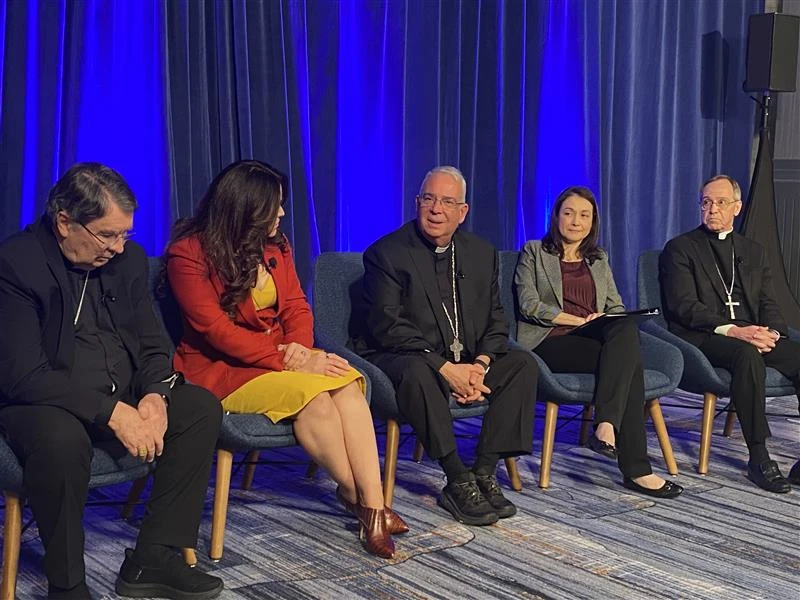
Organizers of Pope Leo XIV’s upcoming digital dialogue with young people Nov. 21 at the National Catholic Youth Conference in Indianapolis speak to the media at the site of the United States Catholic Bishops’ Conference Fall Plenary Assembly in Baltimore on Nov. 12, 2025. Left to right: Cardinal Christophe Pierre, papal nuncio to the United States; Montse Alvarado, president and COO of EWTN News; Archbishop Nelson J. Pérez, Archdiocese of Philadelphia; Christina Lamas, executive director of National Federation for Catholic Youth Ministry; and Archbishop Charles Thompson, Archdiocese of Indianapolis. / Credit: Shannon Mullen/National Catholic Register

Baltimore, Maryland, Nov 17, 2025 / 07:00 am (CNA).

Bishops discussed young Catholics’ place in the Church ahead of the National Catholic Youth Conference.

At the United States Conference of Catholic Bishops’ (USCCB) Fall Plenary Assembly in Baltimore, bishops spoke about the young generation as many prepare to attend NCYC. The conference will take place Nov. 20–22 in Indianapolis for prayer, community, evangelization, and service among Catholic teenagers.

During NCYC, Pope Leo XIV will hold a digital dialogue with teens from across the nation. “When the pope speaks, he speaks to the world, and this will be a wonderful, wonderful moment. This encounter will engage young people in real time,” said Archbishop Nelson Pérez of Philadelphia. 

At a Nov. 12 press conference at the USCCB fall plenary, Pérez said “there is a deep significance to this encounter.” He added: “It reflects the Holy Father’s desire to connect with young people, with our youth, whom his predecessor … Pope Francis, called ‘the now of God.’”

Pérez said during his time as a priest and bishop, he has noticed teenagers “want a place in the Church.” He said: “They want to be seen, heard, and valued, which is so beautiful … They want to be loved by the Church.”

“Even in today’s interconnected world, the Church can seem far away from young people. The Holy Father’s choice to encounter the American youth … is an expression of his closeness to the youth of the world.”

“This moment will mark a powerful opportunity for young people to witness the beauty of the universal Church with our Holy Father and to express their concerns, voices, experience, [and] what’s in their hearts,” Pérez said.

Bishop Joseph Espaillat, auxiliary bishop for the Archdiocese of New York, has attended NCYC more than a dozen times. He told CNA “the energy and the vibrancy of the young people” is why he returns each year.

“It’s not just the local parish or the local diocese, but it’s the national Church and there’s something powerful when we come together,” Espaillat said.

​This year’s event is “the first time ever the Holy Father has a live online interview like this,” at NCYC, Espaillat said. “What I love about it is that the Church in the United States is leading right now. The young people being the focus with our Holy Father is going to be great, and it’s going to produce a lot of positive energy in our Church.”

Espaillat encouraged attendees “to be open and allow yourself to be surprised by the Holy Spirit.” He added: “Don’t go in with a preconceived notion. It is a great event in which there are many, many fruits. I’ve seen young people just come to life at the event.”

Youth draw closer to the Church

As thousands of teenagers plan to gather at the national conference, U.S. bishops further explained why so many young Catholics are looking to the Church. A number of bishops highlighted the Catholic presence on social media is helping to draw them in.

Bishop William Byrne of Springfield, Massachusetts, told CNA the exponential growth of young Catholics coming to the Church is “amazing and exciting.” Byrne, who served as chair for the USCCB’s committee on communications, detailed how much its online presence has grown its outreach to the young generation and wider population. 

“Beginning with the illness of our beloved Pope Francis, through the funeral, and then the transition to Pope Leo, we’ve actually had a 226% growth in our social media on the four platforms we use — TikTok, Instagram, X, and YouTube,” he said.

“The amazing thing is, it’s still growing. It means that people are seeing it, sharing it,” Byrne said. He specifically noted it’s the “young people” spreading the message online. 

“So we see that we are reaching people,” Byrne said. “But our goal is not to get people locked on their phones. Our goal is to get people locked on Jesus Christ and have the impression be Jesus Christ and his bride, the Church.”

“This is an exciting time. It’s not without its challenges, but it’s also a wonderful opportunity,” Byrne said. “We’re reaching young people who are curious and hungry. It’s so exciting to see the Church continue to speak to the world, because the Church has never lost her relevance.”

The start of the Catholic online presence followed the movement of the new atheists, Bishop Robert Barron of Winona-Rochester, Minnesota, said. He told CNA the movement was made up of “people who were really shaping the culture, saying: ‘There’s no purpose of life. We come from nowhere. We go nowhere. There’s no objective moral value.’”

“A lot of people, myself included, began to get on social media with a religious voice,” Barron said. “People who had not heard a religious voice or who were disaffiliated … could find people like me and many others who were actually talking about God and about religion.”

“But I think as a whole generation came of age, they realized what a desperately sad and empty message that is,” Barron said. “There’s this hunger in the heart for God, and so that just reasserts itself. I think a lot of younger people who were raised on this very vapid philosophy began to look to religion.”

As more young Catholics get involved in youth formation whether in their parishes or at larger gatherings like NCYC, Barron said he encourages them to use the opportunities to “build community and build a sense of family with other believers.”

Barron, who is the founder of the Catholic media organization Word on Fire, has gained nearly 3 million YouTube subscribers and millions of other followers across social media platforms. But, he said, “one drawback of social media is that it’s a little private world. It can be a lot of people accessing it, but privately.”

“Maybe through social media an individual finds a path to religion, but then to look around a room and see thousands of other people that are on a similar path — that’s a great thing,” Barron said.

Read More
Picture of the day


This stained glass window located in the Basilica of St. James and St. Agnes, a church in Nysa, Poland, depicts angels adoring the sacred host and wine during an epiclesis to the Holy Spirit, represented as a dove. Today is the Feast of Corpus Christi, which is observed as a religious celebration in much of Western Christianity and as a public holiday in various nations.
 #ImageOfTheDay
Picture of the day
This stained glass window located in the Basilica of St. James and St. Agnes, a church in Nysa, Poland, depicts angels adoring the sacred host and wine during an epiclesis to the Holy Spirit, represented as a dove. Today is the Feast of Corpus Christi, which is observed as a religious celebration in much of Western Christianity and as a public holiday in various nations.
Read More