hospital

4 out of 5 Americans have concerns with embryonic screening, study finds #Catholic 
 
 null / Credit: Andrii Vodolazhskyi/CNA

CNA Staff, Nov 22, 2025 / 08:20 am (CNA).
Here is a roundup of recent pro-life and abortion-related news.4 out of 5 Americans have concerns with embryonic screening, study findsFour in five voters have some at least some concerns about embryo screening, a recent Ethics and Public Policy Center poll found.Embryonic screening is the practice of selecting some babies to be born because of their genetic traits — such as appearance, health, or predicted intelligence — while discarding other unborn babies. The Ethics and Public Policy Center poll, led by center fellow Patrick Brown, comes in the wake of some Silicon Valley-funded startups saying they will give parents the ability to screen embryos.  The poll found that very few Americans want Silicon Valley to “hack” reproduction.“While Americans support measures to help infertile couples have children, they express concerns about broader implications of these technologies,” the report says. Across demographic groups, voters voiced support for “commonsense regulations.” Women were more likely to have concerns about embryo screening than men, while older voters (ages 46+) were more likely to have concerns than younger voters (ages 18-45).  South Carolina right-to-life group opposes proposed bill to criminalize women who have abortionsA South Carolina bill would enable prosecution of women who have abortions — a practice that South Carolina Citizens for Life (SCCL) and most pro-life groups oppose. The bill, which would designate abortion as equivalent to the homicide of a born person, contains no provisions protecting women who obtain abortions. While pro-life groups tend to support prosecution of abortionists who illegally perform the deadly procedure, most groups oppose the prosecution of abortive mothers themselves, whom they also consider to be victims of abortion. Holly Gatling, who heads South Carolina Citizens for Life, called the bill “unacceptable.” “This provision of the law alone would shut down post-abortion ministries such as Rachel’s Vineyard and jeopardize the livesaving, compassionate work of pregnancy care ministries,” she told CNA.The Catholic bishops ask that Project Rachel, a counseling resource for post-abortive women, be present in every diocese in the U.S.Gatling said she opposes the bill “because it criminalizes post-aborted women, jeopardizes the work of pregnancy care centers and post-abortion ministries, and undermines the pro-life legislation previously passed by the General Assembly.” “Not only are post-aborted women subject to criminal prosecution, but pastors, counselors, and any ‘person’ also can be compelled to testify in the criminal prosecution of a post-aborted woman,” Gatling said. Gatling noted that South Carolina’s current heartbeat law has saved thousands of lives while explicitly protecting women from prosecution. “SCCL and many other pro-life and pro-family organizations in South Carolina oppose legislation that reverses this protection for women,” Gatling said. U.S. government can’t compel Christian employers to accommodate abortions, judge rulesA federal court has issued a permanent injunction ruling that Christian employers will not be compelled to accommodate abortions.The Herzog Foundation in a lawsuit had argued that a Biden-era rule requiring employers to accommodate abortions for pregnant employees violated the First Amendment. On Tuesday, the U.S. District Court for the Western District of Missouri granted the permanent injunction protecting faith-based employers.Herzog Foundation spokeswoman Elizabeth Roberts lauded the court’s decision in a Nov. 20 statement, saying that the ruling “solidifies that the government cannot overstep its authority by trying to dictate or suppress our beliefs.” 3 state attorneys general file challenge to mail-in chemical abortion drugsAttorneys general of Idaho, Kansas, and Missouri filed a challenge to stop mail-order abortion drugs and block the recent approval of generic mifepristone.The Nov. 20 challenge claims that the FDA “cut corners when it removed safeguards from this dangerous drug.” Mifeprisotone’s label says that 1 in 25 women will go to the emergency room after taking the drug, while other studies have found that it poses a risk to the women and girls who take it.  Missouri Attorney General Catherine Hanaway said in a statement that Missouri “will not stand by while manufacturers gamble with women’s lives.” “Mifepristone is sending women to the hospital with life-threatening complications, and yet drug companies continue pushing new versions of it into the market without basic medical safeguards,” Hanaway said.Texas sees decrease in minors getting abortionsAfter Texas implemented a heartbeat law protecting unborn children when their heartbeats are detectable, the state has seen a marked drop in abortions among minors, a recent study found. Published online on Nov. 13 by the American Journal of Public Health, the study found that abortions decreased by more than 25% among minors in Texas.Additionally, among Texans ages 18-24, abortions decreased by about 20%; for Texans aged 25-29, abortions decreased by 17%, the study found. The study, which cited concerns about “young people’s reproductive autonomy,” has several authors affiliated with abortion clinics including Planned Parenthood as well as two authors affiliated with a pro-abortion research center, Resound Research for Reproductive Health.

4 out of 5 Americans have concerns with embryonic screening, study finds #Catholic null / Credit: Andrii Vodolazhskyi/CNA CNA Staff, Nov 22, 2025 / 08:20 am (CNA). Here is a roundup of recent pro-life and abortion-related news.4 out of 5 Americans have concerns with embryonic screening, study findsFour in five voters have some at least some concerns about embryo screening, a recent Ethics and Public Policy Center poll found.Embryonic screening is the practice of selecting some babies to be born because of their genetic traits — such as appearance, health, or predicted intelligence — while discarding other unborn babies. The Ethics and Public Policy Center poll, led by center fellow Patrick Brown, comes in the wake of some Silicon Valley-funded startups saying they will give parents the ability to screen embryos.  The poll found that very few Americans want Silicon Valley to “hack” reproduction.“While Americans support measures to help infertile couples have children, they express concerns about broader implications of these technologies,” the report says. Across demographic groups, voters voiced support for “commonsense regulations.” Women were more likely to have concerns about embryo screening than men, while older voters (ages 46+) were more likely to have concerns than younger voters (ages 18-45).  South Carolina right-to-life group opposes proposed bill to criminalize women who have abortionsA South Carolina bill would enable prosecution of women who have abortions — a practice that South Carolina Citizens for Life (SCCL) and most pro-life groups oppose. The bill, which would designate abortion as equivalent to the homicide of a born person, contains no provisions protecting women who obtain abortions. While pro-life groups tend to support prosecution of abortionists who illegally perform the deadly procedure, most groups oppose the prosecution of abortive mothers themselves, whom they also consider to be victims of abortion. Holly Gatling, who heads South Carolina Citizens for Life, called the bill “unacceptable.” “This provision of the law alone would shut down post-abortion ministries such as Rachel’s Vineyard and jeopardize the livesaving, compassionate work of pregnancy care ministries,” she told CNA.The Catholic bishops ask that Project Rachel, a counseling resource for post-abortive women, be present in every diocese in the U.S.Gatling said she opposes the bill “because it criminalizes post-aborted women, jeopardizes the work of pregnancy care centers and post-abortion ministries, and undermines the pro-life legislation previously passed by the General Assembly.” “Not only are post-aborted women subject to criminal prosecution, but pastors, counselors, and any ‘person’ also can be compelled to testify in the criminal prosecution of a post-aborted woman,” Gatling said. Gatling noted that South Carolina’s current heartbeat law has saved thousands of lives while explicitly protecting women from prosecution. “SCCL and many other pro-life and pro-family organizations in South Carolina oppose legislation that reverses this protection for women,” Gatling said. U.S. government can’t compel Christian employers to accommodate abortions, judge rulesA federal court has issued a permanent injunction ruling that Christian employers will not be compelled to accommodate abortions.The Herzog Foundation in a lawsuit had argued that a Biden-era rule requiring employers to accommodate abortions for pregnant employees violated the First Amendment. On Tuesday, the U.S. District Court for the Western District of Missouri granted the permanent injunction protecting faith-based employers.Herzog Foundation spokeswoman Elizabeth Roberts lauded the court’s decision in a Nov. 20 statement, saying that the ruling “solidifies that the government cannot overstep its authority by trying to dictate or suppress our beliefs.” 3 state attorneys general file challenge to mail-in chemical abortion drugsAttorneys general of Idaho, Kansas, and Missouri filed a challenge to stop mail-order abortion drugs and block the recent approval of generic mifepristone.The Nov. 20 challenge claims that the FDA “cut corners when it removed safeguards from this dangerous drug.” Mifeprisotone’s label says that 1 in 25 women will go to the emergency room after taking the drug, while other studies have found that it poses a risk to the women and girls who take it.  Missouri Attorney General Catherine Hanaway said in a statement that Missouri “will not stand by while manufacturers gamble with women’s lives.” “Mifepristone is sending women to the hospital with life-threatening complications, and yet drug companies continue pushing new versions of it into the market without basic medical safeguards,” Hanaway said.Texas sees decrease in minors getting abortionsAfter Texas implemented a heartbeat law protecting unborn children when their heartbeats are detectable, the state has seen a marked drop in abortions among minors, a recent study found. Published online on Nov. 13 by the American Journal of Public Health, the study found that abortions decreased by more than 25% among minors in Texas.Additionally, among Texans ages 18-24, abortions decreased by about 20%; for Texans aged 25-29, abortions decreased by 17%, the study found. The study, which cited concerns about “young people’s reproductive autonomy,” has several authors affiliated with abortion clinics including Planned Parenthood as well as two authors affiliated with a pro-abortion research center, Resound Research for Reproductive Health.


null / Credit: Andrii Vodolazhskyi/CNA

CNA Staff, Nov 22, 2025 / 08:20 am (CNA).

Here is a roundup of recent pro-life and abortion-related news.

4 out of 5 Americans have concerns with embryonic screening, study finds

Four in five voters have some at least some concerns about embryo screening, a recent Ethics and Public Policy Center poll found.

Embryonic screening is the practice of selecting some babies to be born because of their genetic traits — such as appearance, health, or predicted intelligence — while discarding other unborn babies. 

The Ethics and Public Policy Center poll, led by center fellow Patrick Brown, comes in the wake of some Silicon Valley-funded startups saying they will give parents the ability to screen embryos.  

The poll found that very few Americans want Silicon Valley to “hack” reproduction.

“While Americans support measures to help infertile couples have children, they express concerns about broader implications of these technologies,” the report says. 

Across demographic groups, voters voiced support for “commonsense regulations.” 

Women were more likely to have concerns about embryo screening than men, while older voters (ages 46+) were more likely to have concerns than younger voters (ages 18-45).  

South Carolina right-to-life group opposes proposed bill to criminalize women who have abortions

A South Carolina bill would enable prosecution of women who have abortions — a practice that South Carolina Citizens for Life (SCCL) and most pro-life groups oppose. 

The bill, which would designate abortion as equivalent to the homicide of a born person, contains no provisions protecting women who obtain abortions. 

While pro-life groups tend to support prosecution of abortionists who illegally perform the deadly procedure, most groups oppose the prosecution of abortive mothers themselves, whom they also consider to be victims of abortion. 

Holly Gatling, who heads South Carolina Citizens for Life, called the bill “unacceptable.” 

“This provision of the law alone would shut down post-abortion ministries such as Rachel’s Vineyard and jeopardize the livesaving, compassionate work of pregnancy care ministries,” she told CNA.

The Catholic bishops ask that Project Rachel, a counseling resource for post-abortive women, be present in every diocese in the U.S.

Gatling said she opposes the bill “because it criminalizes post-aborted women, jeopardizes the work of pregnancy care centers and post-abortion ministries, and undermines the pro-life legislation previously passed by the General Assembly.” 

“Not only are post-aborted women subject to criminal prosecution, but pastors, counselors, and any ‘person’ also can be compelled to testify in the criminal prosecution of a post-aborted woman,” Gatling said. 

Gatling noted that South Carolina’s current heartbeat law has saved thousands of lives while explicitly protecting women from prosecution. 

“SCCL and many other pro-life and pro-family organizations in South Carolina oppose legislation that reverses this protection for women,” Gatling said. 

U.S. government can’t compel Christian employers to accommodate abortions, judge rules

A federal court has issued a permanent injunction ruling that Christian employers will not be compelled to accommodate abortions.

The Herzog Foundation in a lawsuit had argued that a Biden-era rule requiring employers to accommodate abortions for pregnant employees violated the First Amendment. 

On Tuesday, the U.S. District Court for the Western District of Missouri granted the permanent injunction protecting faith-based employers.

Herzog Foundation spokeswoman Elizabeth Roberts lauded the court’s decision in a Nov. 20 statement, saying that the ruling “solidifies that the government cannot overstep its authority by trying to dictate or suppress our beliefs.” 

3 state attorneys general file challenge to mail-in chemical abortion drugs

Attorneys general of Idaho, Kansas, and Missouri filed a challenge to stop mail-order abortion drugs and block the recent approval of generic mifepristone.

The Nov. 20 challenge claims that the FDA “cut corners when it removed safeguards from this dangerous drug.” 

Mifeprisotone’s label says that 1 in 25 women will go to the emergency room after taking the drug, while other studies have found that it poses a risk to the women and girls who take it.  

Missouri Attorney General Catherine Hanaway said in a statement that Missouri “will not stand by while manufacturers gamble with women’s lives.” 

“Mifepristone is sending women to the hospital with life-threatening complications, and yet drug companies continue pushing new versions of it into the market without basic medical safeguards,” Hanaway said.

Texas sees decrease in minors getting abortions

After Texas implemented a heartbeat law protecting unborn children when their heartbeats are detectable, the state has seen a marked drop in abortions among minors, a recent study found. 

Published online on Nov. 13 by the American Journal of Public Health, the study found that abortions decreased by more than 25% among minors in Texas.

Additionally, among Texans ages 18-24, abortions decreased by about 20%; for Texans aged 25-29, abortions decreased by 17%, the study found. 

The study, which cited concerns about “young people’s reproductive autonomy,” has several authors affiliated with abortion clinics including Planned Parenthood as well as two authors affiliated with a pro-abortion research center, Resound Research for Reproductive Health.

Read More
Catholic advocates petition New York foundation to fund pensions, church preservation #Catholic 
 
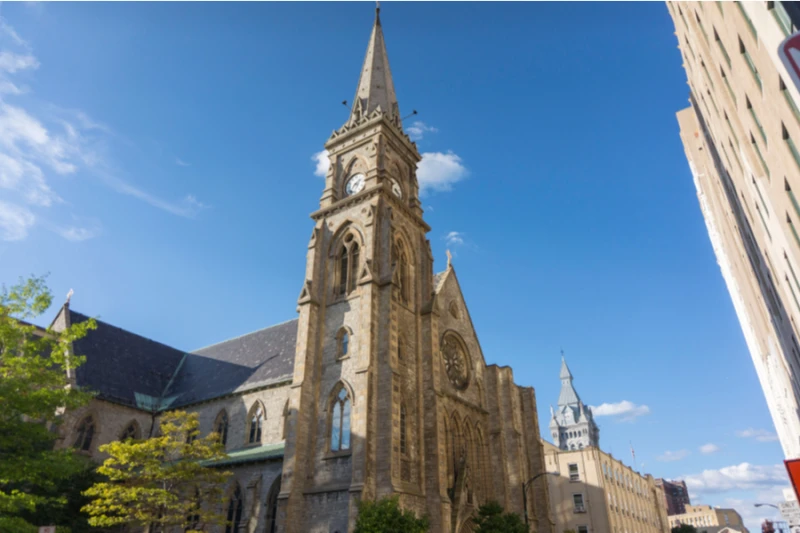
 St. Joseph Cathedral, Buffalo, New York. / Credit: CiEll/Shutterstock

CNA Staff, Nov 20, 2025 / 10:40 am (CNA).
Advocates in New York state are petitioning a Catholic foundation there to help fund major pension shortages and church preservation efforts as well as to help support victims of clergy sex abuse.In a Nov. 13 letter to the Mother Cabrini Health Foundation in New York City, representatives of the group Save Our Buffalo Churches, sexual abuse victims, and pensioners of the former St. Clare’s Hospital asked the foundation to help the three communities with the “profound hardship” they are experiencing.Numerous parishes in Buffalo have been fighting diocesan-mandated closures and mergers over the past year. Hundreds of former workers of St. Clare’s, meanwhile, saw their pensions reduced or eliminated starting in 2018 due to major shortfalls. The hospital itself closed about a decade before.Abuse victims, meanwhile, have “been locked in a legal morass, denied the long-term healing resources and institutional acknowledgment of the harm they endured,” the letter said.The foundation arose in 2018 after the Diocese of Brooklyn sold the health insurer Fidelis Care. The organization, whose roughly $3.2 billion in assets came from that sale, is named after Mother Frances Xavier Cabrini, the first American recognized as a saint, who founded the Missionary Sisters of the Sacred Heart of Jesus.The letter noted that Cabrini “devoted her life to the people others overlooked,” including immigrants and the poor.“Guided by that legacy, we ask the foundation to explore emergency relief, stabilization funds, and community support initiatives” to help fund the three groups.The letter-writers asked for a meeting with foundation leaders “to explore potential pathways for assistance aligned with both the foundation’s mission and the pressing needs of survivors, pensioners, and parish communities.”Mary Pruski, who leads the Save Our Buffalo Churches group, told CNA that advocates in New York City would be following up with the foundation this week.“This is a complex project and will bring much peace and healing across [New York state],” she said.Pensioners with St. Clare’s Hospital are currently in the midst of a lawsuit brought by New York state against the Diocese of Albany for what the state attorney general’s office says was “[failure] to adequately fund, manage, and protect hospital employees’ hard-earned pensions.”The prosecutor’s office alleges that the diocese “[failed] to take adequate measures” to secure the pension fund, including “failing to make any annual contributions to the pension for all but two years from 2000 to 2019 and hiding the collapse of the pension plan from former hospital workers who were vested in the plan.”Parishioners in Buffalo, meanwhile, have challenged the diocesan parish merger and closure plan, with advocates securing a reprieve against the diocese at the state Supreme Court in July.The state high court ultimately tossed the lawsuit out in September, ruling that the court had no jurisdiction over the dispute.

Catholic advocates petition New York foundation to fund pensions, church preservation #Catholic St. Joseph Cathedral, Buffalo, New York. / Credit: CiEll/Shutterstock CNA Staff, Nov 20, 2025 / 10:40 am (CNA). Advocates in New York state are petitioning a Catholic foundation there to help fund major pension shortages and church preservation efforts as well as to help support victims of clergy sex abuse.In a Nov. 13 letter to the Mother Cabrini Health Foundation in New York City, representatives of the group Save Our Buffalo Churches, sexual abuse victims, and pensioners of the former St. Clare’s Hospital asked the foundation to help the three communities with the “profound hardship” they are experiencing.Numerous parishes in Buffalo have been fighting diocesan-mandated closures and mergers over the past year. Hundreds of former workers of St. Clare’s, meanwhile, saw their pensions reduced or eliminated starting in 2018 due to major shortfalls. The hospital itself closed about a decade before.Abuse victims, meanwhile, have “been locked in a legal morass, denied the long-term healing resources and institutional acknowledgment of the harm they endured,” the letter said.The foundation arose in 2018 after the Diocese of Brooklyn sold the health insurer Fidelis Care. The organization, whose roughly $3.2 billion in assets came from that sale, is named after Mother Frances Xavier Cabrini, the first American recognized as a saint, who founded the Missionary Sisters of the Sacred Heart of Jesus.The letter noted that Cabrini “devoted her life to the people others overlooked,” including immigrants and the poor.“Guided by that legacy, we ask the foundation to explore emergency relief, stabilization funds, and community support initiatives” to help fund the three groups.The letter-writers asked for a meeting with foundation leaders “to explore potential pathways for assistance aligned with both the foundation’s mission and the pressing needs of survivors, pensioners, and parish communities.”Mary Pruski, who leads the Save Our Buffalo Churches group, told CNA that advocates in New York City would be following up with the foundation this week.“This is a complex project and will bring much peace and healing across [New York state],” she said.Pensioners with St. Clare’s Hospital are currently in the midst of a lawsuit brought by New York state against the Diocese of Albany for what the state attorney general’s office says was “[failure] to adequately fund, manage, and protect hospital employees’ hard-earned pensions.”The prosecutor’s office alleges that the diocese “[failed] to take adequate measures” to secure the pension fund, including “failing to make any annual contributions to the pension for all but two years from 2000 to 2019 and hiding the collapse of the pension plan from former hospital workers who were vested in the plan.”Parishioners in Buffalo, meanwhile, have challenged the diocesan parish merger and closure plan, with advocates securing a reprieve against the diocese at the state Supreme Court in July.The state high court ultimately tossed the lawsuit out in September, ruling that the court had no jurisdiction over the dispute.


St. Joseph Cathedral, Buffalo, New York. / Credit: CiEll/Shutterstock

CNA Staff, Nov 20, 2025 / 10:40 am (CNA).

Advocates in New York state are petitioning a Catholic foundation there to help fund major pension shortages and church preservation efforts as well as to help support victims of clergy sex abuse.

In a Nov. 13 letter to the Mother Cabrini Health Foundation in New York City, representatives of the group Save Our Buffalo Churches, sexual abuse victims, and pensioners of the former St. Clare’s Hospital asked the foundation to help the three communities with the “profound hardship” they are experiencing.

Numerous parishes in Buffalo have been fighting diocesan-mandated closures and mergers over the past year. Hundreds of former workers of St. Clare’s, meanwhile, saw their pensions reduced or eliminated starting in 2018 due to major shortfalls. The hospital itself closed about a decade before.

Abuse victims, meanwhile, have “been locked in a legal morass, denied the long-term healing resources and institutional acknowledgment of the harm they endured,” the letter said.

The foundation arose in 2018 after the Diocese of Brooklyn sold the health insurer Fidelis Care. The organization, whose roughly $3.2 billion in assets came from that sale, is named after Mother Frances Xavier Cabrini, the first American recognized as a saint, who founded the Missionary Sisters of the Sacred Heart of Jesus.

The letter noted that Cabrini “devoted her life to the people others overlooked,” including immigrants and the poor.

“Guided by that legacy, we ask the foundation to explore emergency relief, stabilization funds, and community support initiatives” to help fund the three groups.

The letter-writers asked for a meeting with foundation leaders “to explore potential pathways for assistance aligned with both the foundation’s mission and the pressing needs of survivors, pensioners, and parish communities.”

Mary Pruski, who leads the Save Our Buffalo Churches group, told CNA that advocates in New York City would be following up with the foundation this week.

“This is a complex project and will bring much peace and healing across [New York state],” she said.

Pensioners with St. Clare’s Hospital are currently in the midst of a lawsuit brought by New York state against the Diocese of Albany for what the state attorney general’s office says was “[failure] to adequately fund, manage, and protect hospital employees’ hard-earned pensions.”

The prosecutor’s office alleges that the diocese “[failed] to take adequate measures” to secure the pension fund, including “failing to make any annual contributions to the pension for all but two years from 2000 to 2019 and hiding the collapse of the pension plan from former hospital workers who were vested in the plan.”

Parishioners in Buffalo, meanwhile, have challenged the diocesan parish merger and closure plan, with advocates securing a reprieve against the diocese at the state Supreme Court in July.

The state high court ultimately tossed the lawsuit out in September, ruling that the court had no jurisdiction over the dispute.

Read More
Mother Frances Cabrini: The unsinkable saint who missed the Titanic #Catholic 
 
 A photo of St. Frances Cabrini from 1880, the year she founded her order, is seen against a 1913 painting by Harry J. Jansen, “The Steamship Titanic.” / Credit: National Maritime Museum, Greenwich, England, public domain via Wikimedia Commons

National Catholic Register, Nov 13, 2025 / 04:00 am (CNA).
In April 1912, Mother Frances Cabrini was in Italy with her sisters. Her plans were to visit her foundations in France, Spain, and England before sailing back to the United States in mid-April to continue work in New York City. Her sisters in England were eagerly awaiting this visit from their 62-year-old founder and superior. To help make her journey back to the U.S. more comfortable, they bought her a ticket and booked passage on a new ocean liner, the RMS Titanic.Although an intrepid traveler who would eventually make 24 transatlantic crossings to establish her foundation, hospitals, and orphanages, Mother Cabrini was not a fan of ocean voyages since she had almost drowned as a child.While the sisters in England waited, word got to Mother Cabrini that there was trouble at the Columbus Hospital she had established in New York. It was overflowing and there was urgent business to settle connected to a new expansion. She could not wait. She had to get back to raise desperately needed money to proceed with the project. So she changed her plans and left early, sailing from Naples, disappointing the sisters in England who had booked her passage on the Titanic.The prefix “RMS” in “RMS Titanic” stood for “Royal Mail Ship” because it would also carry mail under contract to the British Royal Mail — an important bit of context for something she wrote in a May 5, 1912, letter to a Sister Gesuina Dotti:“Only two of your letters I have received so far, and if you have sent five, then it must be said that it went down into the depths with the Titanic. If I was going to London, I might have left with it, but Divine Providence, which is constantly watching, did not allow it. God be blessed.”Another close call at seaThis was not Frances Cabrini’s only miss with an iceberg.In 1890, on her second trip to New York, she was among 1,000 passengers on a ship called La Normandie. The seas were very heavy one night and most skipped dinner and stayed in their cabins — except Mother Cabrini and five other souls. She knew of the dangerous situation and back in the cabin remained ready to save her sisters and herself if the call came to go to the lifeboats. She would later report that “the Good Lord … lulled us all to sleep on a great seesaw, rocking us back and forth.”But that was only the beginning. As the storm raged on the next day, she braved going on deck, finding a chair in a relatively safe place, and continued writing a letter. In it, she wrote:“You should see how beautiful the sea is in its great movement, how it swells and foams! It is truly a marvel! … If you were all here with me, daughters, crossing this immense ocean, you would exclaim, ‘Oh how great and wonderful is God in his works!’”Now that is enlightenment from someone who did not like sailing one bit. Maybe because two days earlier she had, as told in an article about her, “compared the tranquility of the sea to the joy experienced by a soul abiding in the peace of God’s grace. No matter what the circumstances, she was able to see the love of Jesus shining through.”That was not all on this trip. Next, around midnight, “we felt a strong jolt and the ship stopped suddenly,” she would write about one such event after another on this journey. She and her sisters dressed and readied to board lifeboats if necessary. The trouble turned out to be something wrong with the engine. At that point “the sea became calm and beautiful” and the ship remained practically motionless until the engine was fixed by the morning and the ship was again able to continue. The breakdown caused an 11-hour delay — a delay that likely saved the ship and passengers from a disaster.Two days later, Mother Cabrini said, “toward 11 we saw ourselves surrounded by icebergs on every part of the horizon … they were about 12 times the size of our ship.” The captain reduced the ship’s speed to weave slowly and carefully through the ice field to avoid colliding with the “immense, jagged fortresses.”A story recorded at her shrine described it this way: “Mother Cabrini noted that though they had complained when the engine broke, the crisis was a great grace. Without that delay, the ship’s encounter with the icebergs would have occurred in the dark, most likely with dire consequences.”‘Supported by my Beloved’Then there was the time the train she was riding from one orphanage to another was shot at outside of Dallas by enemies of the railroad. She remained unruffled and recounted later how one bullet “aimed at my head fell to my side, while it should have pierced my cranium.” When those aboard were aghast about her escape, she told them: “It was the Sacred Heart to whom I had entrusted the journey.”Shortly after this incident, she wrote a letter stating: “Didn’t I write and tell you that I am alive miraculously?”From the Titanic to La Normandie to Dallas, there was no question about divine providence in Mother Cabrini’s life. As she would write: “Supported by my Beloved, none of these adversities can shake me. But if I trust in myself, I will fall.” And: “In whatever difficulty I may encounter I want to trust in the goodness of the Sacred Heart of Jesus, who will never abandon me.”This story was first published by the National Catholic Register, CNA’s sister news partner, and has been adapted by CNA.

Mother Frances Cabrini: The unsinkable saint who missed the Titanic #Catholic A photo of St. Frances Cabrini from 1880, the year she founded her order, is seen against a 1913 painting by Harry J. Jansen, “The Steamship Titanic.” / Credit: National Maritime Museum, Greenwich, England, public domain via Wikimedia Commons National Catholic Register, Nov 13, 2025 / 04:00 am (CNA). In April 1912, Mother Frances Cabrini was in Italy with her sisters. Her plans were to visit her foundations in France, Spain, and England before sailing back to the United States in mid-April to continue work in New York City. Her sisters in England were eagerly awaiting this visit from their 62-year-old founder and superior. To help make her journey back to the U.S. more comfortable, they bought her a ticket and booked passage on a new ocean liner, the RMS Titanic.Although an intrepid traveler who would eventually make 24 transatlantic crossings to establish her foundation, hospitals, and orphanages, Mother Cabrini was not a fan of ocean voyages since she had almost drowned as a child.While the sisters in England waited, word got to Mother Cabrini that there was trouble at the Columbus Hospital she had established in New York. It was overflowing and there was urgent business to settle connected to a new expansion. She could not wait. She had to get back to raise desperately needed money to proceed with the project. So she changed her plans and left early, sailing from Naples, disappointing the sisters in England who had booked her passage on the Titanic.The prefix “RMS” in “RMS Titanic” stood for “Royal Mail Ship” because it would also carry mail under contract to the British Royal Mail — an important bit of context for something she wrote in a May 5, 1912, letter to a Sister Gesuina Dotti:“Only two of your letters I have received so far, and if you have sent five, then it must be said that it went down into the depths with the Titanic. If I was going to London, I might have left with it, but Divine Providence, which is constantly watching, did not allow it. God be blessed.”Another close call at seaThis was not Frances Cabrini’s only miss with an iceberg.In 1890, on her second trip to New York, she was among 1,000 passengers on a ship called La Normandie. The seas were very heavy one night and most skipped dinner and stayed in their cabins — except Mother Cabrini and five other souls. She knew of the dangerous situation and back in the cabin remained ready to save her sisters and herself if the call came to go to the lifeboats. She would later report that “the Good Lord … lulled us all to sleep on a great seesaw, rocking us back and forth.”But that was only the beginning. As the storm raged on the next day, she braved going on deck, finding a chair in a relatively safe place, and continued writing a letter. In it, she wrote:“You should see how beautiful the sea is in its great movement, how it swells and foams! It is truly a marvel! … If you were all here with me, daughters, crossing this immense ocean, you would exclaim, ‘Oh how great and wonderful is God in his works!’”Now that is enlightenment from someone who did not like sailing one bit. Maybe because two days earlier she had, as told in an article about her, “compared the tranquility of the sea to the joy experienced by a soul abiding in the peace of God’s grace. No matter what the circumstances, she was able to see the love of Jesus shining through.”That was not all on this trip. Next, around midnight, “we felt a strong jolt and the ship stopped suddenly,” she would write about one such event after another on this journey. She and her sisters dressed and readied to board lifeboats if necessary. The trouble turned out to be something wrong with the engine. At that point “the sea became calm and beautiful” and the ship remained practically motionless until the engine was fixed by the morning and the ship was again able to continue. The breakdown caused an 11-hour delay — a delay that likely saved the ship and passengers from a disaster.Two days later, Mother Cabrini said, “toward 11 we saw ourselves surrounded by icebergs on every part of the horizon … they were about 12 times the size of our ship.” The captain reduced the ship’s speed to weave slowly and carefully through the ice field to avoid colliding with the “immense, jagged fortresses.”A story recorded at her shrine described it this way: “Mother Cabrini noted that though they had complained when the engine broke, the crisis was a great grace. Without that delay, the ship’s encounter with the icebergs would have occurred in the dark, most likely with dire consequences.”‘Supported by my Beloved’Then there was the time the train she was riding from one orphanage to another was shot at outside of Dallas by enemies of the railroad. She remained unruffled and recounted later how one bullet “aimed at my head fell to my side, while it should have pierced my cranium.” When those aboard were aghast about her escape, she told them: “It was the Sacred Heart to whom I had entrusted the journey.”Shortly after this incident, she wrote a letter stating: “Didn’t I write and tell you that I am alive miraculously?”From the Titanic to La Normandie to Dallas, there was no question about divine providence in Mother Cabrini’s life. As she would write: “Supported by my Beloved, none of these adversities can shake me. But if I trust in myself, I will fall.” And: “In whatever difficulty I may encounter I want to trust in the goodness of the Sacred Heart of Jesus, who will never abandon me.”This story was first published by the National Catholic Register, CNA’s sister news partner, and has been adapted by CNA.


A photo of St. Frances Cabrini from 1880, the year she founded her order, is seen against a 1913 painting by Harry J. Jansen, “The Steamship Titanic.” / Credit: National Maritime Museum, Greenwich, England, public domain via Wikimedia Commons

National Catholic Register, Nov 13, 2025 / 04:00 am (CNA).

In April 1912, Mother Frances Cabrini was in Italy with her sisters. Her plans were to visit her foundations in France, Spain, and England before sailing back to the United States in mid-April to continue work in New York City. Her sisters in England were eagerly awaiting this visit from their 62-year-old founder and superior. To help make her journey back to the U.S. more comfortable, they bought her a ticket and booked passage on a new ocean liner, the RMS Titanic.

Although an intrepid traveler who would eventually make 24 transatlantic crossings to establish her foundation, hospitals, and orphanages, Mother Cabrini was not a fan of ocean voyages since she had almost drowned as a child.

While the sisters in England waited, word got to Mother Cabrini that there was trouble at the Columbus Hospital she had established in New York. It was overflowing and there was urgent business to settle connected to a new expansion. She could not wait. She had to get back to raise desperately needed money to proceed with the project. So she changed her plans and left early, sailing from Naples, disappointing the sisters in England who had booked her passage on the Titanic.

The prefix “RMS” in “RMS Titanic” stood for “Royal Mail Ship” because it would also carry mail under contract to the British Royal Mail — an important bit of context for something she wrote in a May 5, 1912, letter to a Sister Gesuina Dotti:

“Only two of your letters I have received so far, and if you have sent five, then it must be said that it went down into the depths with the Titanic. If I was going to London, I might have left with it, but Divine Providence, which is constantly watching, did not allow it. God be blessed.”

Another close call at sea

This was not Frances Cabrini’s only miss with an iceberg.

In 1890, on her second trip to New York, she was among 1,000 passengers on a ship called La Normandie. The seas were very heavy one night and most skipped dinner and stayed in their cabins — except Mother Cabrini and five other souls. She knew of the dangerous situation and back in the cabin remained ready to save her sisters and herself if the call came to go to the lifeboats. She would later report that “the Good Lord … lulled us all to sleep on a great seesaw, rocking us back and forth.”

But that was only the beginning. As the storm raged on the next day, she braved going on deck, finding a chair in a relatively safe place, and continued writing a letter. In it, she wrote:

“You should see how beautiful the sea is in its great movement, how it swells and foams! It is truly a marvel! … If you were all here with me, daughters, crossing this immense ocean, you would exclaim, ‘Oh how great and wonderful is God in his works!’”

Now that is enlightenment from someone who did not like sailing one bit. Maybe because two days earlier she had, as told in an article about her, “compared the tranquility of the sea to the joy experienced by a soul abiding in the peace of God’s grace. No matter what the circumstances, she was able to see the love of Jesus shining through.”

That was not all on this trip.

Next, around midnight, “we felt a strong jolt and the ship stopped suddenly,” she would write about one such event after another on this journey. She and her sisters dressed and readied to board lifeboats if necessary. The trouble turned out to be something wrong with the engine. At that point “the sea became calm and beautiful” and the ship remained practically motionless until the engine was fixed by the morning and the ship was again able to continue. The breakdown caused an 11-hour delay — a delay that likely saved the ship and passengers from a disaster.

Two days later, Mother Cabrini said, “toward 11 we saw ourselves surrounded by icebergs on every part of the horizon … they were about 12 times the size of our ship.” The captain reduced the ship’s speed to weave slowly and carefully through the ice field to avoid colliding with the “immense, jagged fortresses.”

A story recorded at her shrine described it this way: “Mother Cabrini noted that though they had complained when the engine broke, the crisis was a great grace. Without that delay, the ship’s encounter with the icebergs would have occurred in the dark, most likely with dire consequences.”

‘Supported by my Beloved’

Then there was the time the train she was riding from one orphanage to another was shot at outside of Dallas by enemies of the railroad. She remained unruffled and recounted later how one bullet “aimed at my head fell to my side, while it should have pierced my cranium.” When those aboard were aghast about her escape, she told them: “It was the Sacred Heart to whom I had entrusted the journey.”

Shortly after this incident, she wrote a letter stating: “Didn’t I write and tell you that I am alive miraculously?”

From the Titanic to La Normandie to Dallas, there was no question about divine providence in Mother Cabrini’s life. As she would write: “Supported by my Beloved, none of these adversities can shake me. But if I trust in myself, I will fall.” And: “In whatever difficulty I may encounter I want to trust in the goodness of the Sacred Heart of Jesus, who will never abandon me.”

This story was first published by the National Catholic Register, CNA’s sister news partner, and has been adapted by CNA.

Read More
Catholics mobilize in Caribbean following Category 5 hurricane  #Catholic 
 
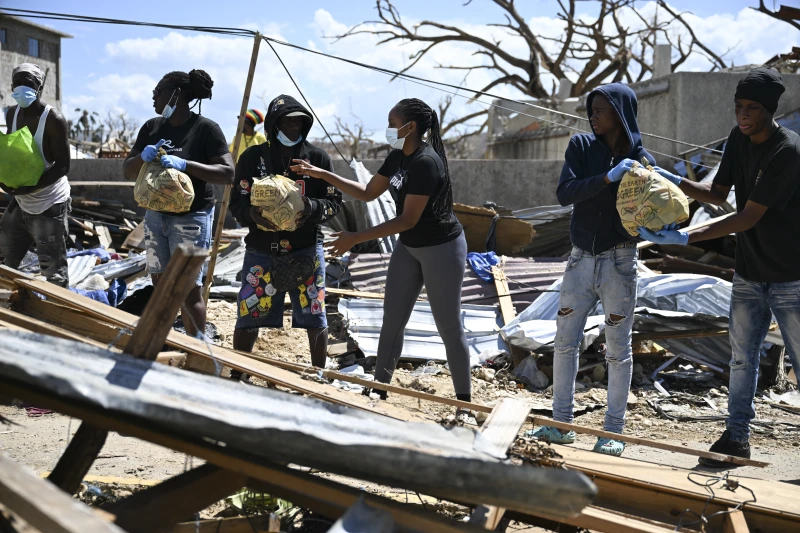
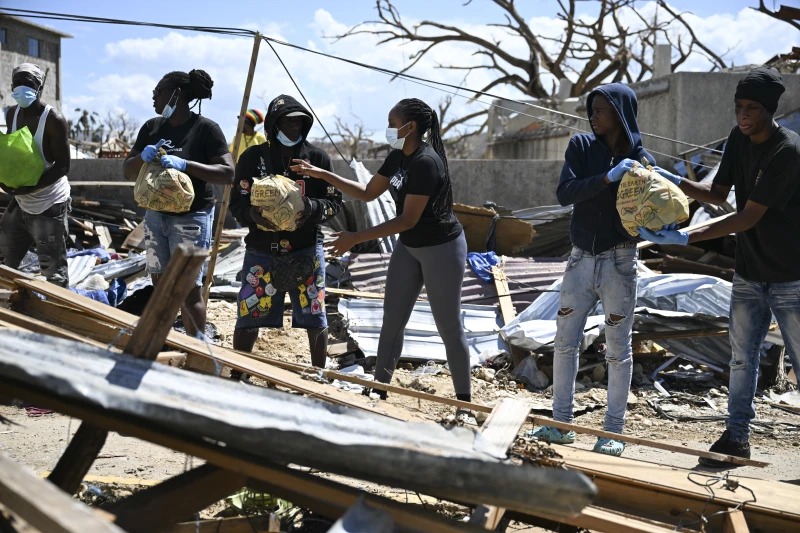
 Residents help move food supplies at a community center before distribution to the Whitehouse community in Westmoreland, Jamaica, one of the areas most severely affected by the passage of Hurricane Melissa, on Nov. 2, 2025. / Credit: Ricardo Makyn/AFP via Getty Images

Washington, D.C. Newsroom, Nov 6, 2025 / 14:15 pm (CNA).
Catholic leaders and agencies have mobilized to help communities left devastated after Hurricane Melissa hit Jamaica.The Category 5 hurricane swept through the Caribbean with sustained winds of 185 miles per hour and claimed up to 50 lives after making landfall on Oct. 28. Jamaica suffered the largest impact, but neighboring nations also experienced immense effects including flash flooding and landslides.In Jamaica, practically no buildings along the country’s southern coast remain intact. Areas have experienced structural failures, immense roof damage, floods, power outages, and communication disruptions. Families have a long road to recovery after many lost loved ones, property, possessions, and livelihoods.To help communities suffering from Hurricane Melissa’s aftermath, Catholic agencies are on the ground supporting relief efforts and fundraising across the globe to provide aid. Providing aid Dominican friars with St. Martin’s Missions, an initiative that supports communities in Jamaica and Grenada, are working to help communities most affected. Father Bede Mullens, OP, one of the friars working in Jamaica, told CNA they are based in Kingston, “which mercifully was left largely unscathed by the hurricane.”“Nonetheless, some of our poorer parishioners in August Town, an impoverished neighborhood, did lose roofs, walls, and in one case pretty much the whole house,” Mullens said. With the help of donations from across the globe, St. Martin’s will purchase and provide materials for repairs and food.Mullens explained that “after recent panic-buying, some food items are hard to come by, and food prices on the whole are set to go up in the coming months, as the part of the island hardest hit is a major agricultural area.”This Friday, Nov. 7, the friars will distribute 300 meals to students at the University of the West Indies in Mona, Jamaica, and to several less-well-off parishioners. Mullens said: “We are trying to arrange sponsorship from local benefactors for students in need to receive support for food and personal hygiene items.”Across the island the friars have been able to contact some parishes near Montego Bay, which suffered great damage. “One of the churches is currently operating as a shelter with just half a roof,” Mullens said.The friars have also coordinated provisions of basic building materials and essentials including water and baby food that will be transported to Sacred Heart Church near Montego Bay and St. Agnes Church in Chester Castle.When the roads reopen and the friars are able to make contact with more parishes in other areas, they plan to also assist their rebuilding efforts and support the local community needs.“There is, of course, a massive need for material assistance, but for us it is very important that St. Martin’s bears witness to our worldwide solidarity in the body of Christ,” Mullens said. “We belong to a Church that is at once truly Catholic and truly one, at once global and personal.”Franciscan Friars Charities (FFC), the charitable arm of the Province of Our Lady of Guadalupe, activated the Franciscan Relief Fund to help the people in western Jamaica recover from extensive damage.“The friars in Negril have quickly mobilized to assess the community’s needs after the storm,” FFC said in a statement. “Each day they ground their hearts in faith through morning prayer and daily Mass before heading out into the community to provide vital services.”The friars are serving warm meals daily at St. Anthony Kitchen, a soup kitchen in Negril. They anticipate a significant increase in the number of people coming to the kitchen, expecting approximately 400 to 500 people a day.The friars are cleaning the Revival Health Clinic, which provides basic medical care, and are looking into creating a mobile clinic to visit remote areas. They are also visiting parishioners, many of whom have lost their homes, and providing them with immediate relief including water and food.“Communicating with our friars in Negril has been difficult because there’s no electricity and the cellular services are down,” said Brother Jim Bok, OFM. “There’s just unbelievable destruction. It’s going to take years to recover. A tremendous amount of outside support will be needed to help deal with it.”Organizations respond with action Hospital Sisters Mission Outreach, an Illinois-based organization that partners with organizations, hospitals, and clinics around the world, is working directly with Food for the Poor and other organizations transporting and distributing aid.After learning there was an urgent need for diapers, Mission Outreach’s warehouse team mobilized to send out 4,000 it had available. It also shipped out a 40-foot container to Jamaica filled with requested medical supplies and equipment.A number of Catholic relief organizations including Cross Catholic Outreach (CCO) and Catholic Relief Services (CRS) are fundraising to send food, medicines, and housing supplies to ministry partners in Jamaica, the Dominican Republic, Haiti, and Cuba.CCO said it is “sending shipments of recovery supplies to the Compassionate Franciscan Sisters of the Poor and will airlift medical supplies into Montego Bay when conditions are safe enough to do so.” It is also working to help the Diocese of Mandeville to rebuild St. Theresa Kindergarten, which was destroyed in the storm.CRS is working to help on the ground with “a team of 100 staff in Haiti and local partners in Jamaica and the region,” the organization reported. “CRS and the Catholic Church are committed to walking with families through every phase of recovery — from immediate relief to long-term rebuilding. ”The U.S. State Department’s Bureau of Western Hemisphere Affairs will coordinate with the Catholic Church to distribute  million in humanitarian assistance. The funds will go directly to helping those impacted in eastern Cuba by the devastation of Hurricane Melissa.

Catholics mobilize in Caribbean following Category 5 hurricane  #Catholic Residents help move food supplies at a community center before distribution to the Whitehouse community in Westmoreland, Jamaica, one of the areas most severely affected by the passage of Hurricane Melissa, on Nov. 2, 2025. / Credit: Ricardo Makyn/AFP via Getty Images Washington, D.C. Newsroom, Nov 6, 2025 / 14:15 pm (CNA). Catholic leaders and agencies have mobilized to help communities left devastated after Hurricane Melissa hit Jamaica.The Category 5 hurricane swept through the Caribbean with sustained winds of 185 miles per hour and claimed up to 50 lives after making landfall on Oct. 28. Jamaica suffered the largest impact, but neighboring nations also experienced immense effects including flash flooding and landslides.In Jamaica, practically no buildings along the country’s southern coast remain intact. Areas have experienced structural failures, immense roof damage, floods, power outages, and communication disruptions. Families have a long road to recovery after many lost loved ones, property, possessions, and livelihoods.To help communities suffering from Hurricane Melissa’s aftermath, Catholic agencies are on the ground supporting relief efforts and fundraising across the globe to provide aid. Providing aid Dominican friars with St. Martin’s Missions, an initiative that supports communities in Jamaica and Grenada, are working to help communities most affected. Father Bede Mullens, OP, one of the friars working in Jamaica, told CNA they are based in Kingston, “which mercifully was left largely unscathed by the hurricane.”“Nonetheless, some of our poorer parishioners in August Town, an impoverished neighborhood, did lose roofs, walls, and in one case pretty much the whole house,” Mullens said. With the help of donations from across the globe, St. Martin’s will purchase and provide materials for repairs and food.Mullens explained that “after recent panic-buying, some food items are hard to come by, and food prices on the whole are set to go up in the coming months, as the part of the island hardest hit is a major agricultural area.”This Friday, Nov. 7, the friars will distribute 300 meals to students at the University of the West Indies in Mona, Jamaica, and to several less-well-off parishioners. Mullens said: “We are trying to arrange sponsorship from local benefactors for students in need to receive support for food and personal hygiene items.”Across the island the friars have been able to contact some parishes near Montego Bay, which suffered great damage. “One of the churches is currently operating as a shelter with just half a roof,” Mullens said.The friars have also coordinated provisions of basic building materials and essentials including water and baby food that will be transported to Sacred Heart Church near Montego Bay and St. Agnes Church in Chester Castle.When the roads reopen and the friars are able to make contact with more parishes in other areas, they plan to also assist their rebuilding efforts and support the local community needs.“There is, of course, a massive need for material assistance, but for us it is very important that St. Martin’s bears witness to our worldwide solidarity in the body of Christ,” Mullens said. “We belong to a Church that is at once truly Catholic and truly one, at once global and personal.”Franciscan Friars Charities (FFC), the charitable arm of the Province of Our Lady of Guadalupe, activated the Franciscan Relief Fund to help the people in western Jamaica recover from extensive damage.“The friars in Negril have quickly mobilized to assess the community’s needs after the storm,” FFC said in a statement. “Each day they ground their hearts in faith through morning prayer and daily Mass before heading out into the community to provide vital services.”The friars are serving warm meals daily at St. Anthony Kitchen, a soup kitchen in Negril. They anticipate a significant increase in the number of people coming to the kitchen, expecting approximately 400 to 500 people a day.The friars are cleaning the Revival Health Clinic, which provides basic medical care, and are looking into creating a mobile clinic to visit remote areas. They are also visiting parishioners, many of whom have lost their homes, and providing them with immediate relief including water and food.“Communicating with our friars in Negril has been difficult because there’s no electricity and the cellular services are down,” said Brother Jim Bok, OFM. “There’s just unbelievable destruction. It’s going to take years to recover. A tremendous amount of outside support will be needed to help deal with it.”Organizations respond with action Hospital Sisters Mission Outreach, an Illinois-based organization that partners with organizations, hospitals, and clinics around the world, is working directly with Food for the Poor and other organizations transporting and distributing aid.After learning there was an urgent need for diapers, Mission Outreach’s warehouse team mobilized to send out 4,000 it had available. It also shipped out a 40-foot container to Jamaica filled with requested medical supplies and equipment.A number of Catholic relief organizations including Cross Catholic Outreach (CCO) and Catholic Relief Services (CRS) are fundraising to send food, medicines, and housing supplies to ministry partners in Jamaica, the Dominican Republic, Haiti, and Cuba.CCO said it is “sending shipments of recovery supplies to the Compassionate Franciscan Sisters of the Poor and will airlift medical supplies into Montego Bay when conditions are safe enough to do so.” It is also working to help the Diocese of Mandeville to rebuild St. Theresa Kindergarten, which was destroyed in the storm.CRS is working to help on the ground with “a team of 100 staff in Haiti and local partners in Jamaica and the region,” the organization reported. “CRS and the Catholic Church are committed to walking with families through every phase of recovery — from immediate relief to long-term rebuilding. ”The U.S. State Department’s Bureau of Western Hemisphere Affairs will coordinate with the Catholic Church to distribute $3 million in humanitarian assistance. The funds will go directly to helping those impacted in eastern Cuba by the devastation of Hurricane Melissa.


Residents help move food supplies at a community center before distribution to the Whitehouse community in Westmoreland, Jamaica, one of the areas most severely affected by the passage of Hurricane Melissa, on Nov. 2, 2025. / Credit: Ricardo Makyn/AFP via Getty Images

Washington, D.C. Newsroom, Nov 6, 2025 / 14:15 pm (CNA).

Catholic leaders and agencies have mobilized to help communities left devastated after Hurricane Melissa hit Jamaica.

The Category 5 hurricane swept through the Caribbean with sustained winds of 185 miles per hour and claimed up to 50 lives after making landfall on Oct. 28. Jamaica suffered the largest impact, but neighboring nations also experienced immense effects including flash flooding and landslides.

In Jamaica, practically no buildings along the country’s southern coast remain intact. Areas have experienced structural failures, immense roof damage, floods, power outages, and communication disruptions. Families have a long road to recovery after many lost loved ones, property, possessions, and livelihoods.

To help communities suffering from Hurricane Melissa’s aftermath, Catholic agencies are on the ground supporting relief efforts and fundraising across the globe to provide aid. 

Providing aid 

Dominican friars with St. Martin’s Missions, an initiative that supports communities in Jamaica and Grenada, are working to help communities most affected. Father Bede Mullens, OP, one of the friars working in Jamaica, told CNA they are based in Kingston, “which mercifully was left largely unscathed by the hurricane.”

“Nonetheless, some of our poorer parishioners in August Town, an impoverished neighborhood, did lose roofs, walls, and in one case pretty much the whole house,” Mullens said. With the help of donations from across the globe, St. Martin’s will purchase and provide materials for repairs and food.

Mullens explained that “after recent panic-buying, some food items are hard to come by, and food prices on the whole are set to go up in the coming months, as the part of the island hardest hit is a major agricultural area.”

This Friday, Nov. 7, the friars will distribute 300 meals to students at the University of the West Indies in Mona, Jamaica, and to several less-well-off parishioners. Mullens said: “We are trying to arrange sponsorship from local benefactors for students in need to receive support for food and personal hygiene items.”

Across the island the friars have been able to contact some parishes near Montego Bay, which suffered great damage. “One of the churches is currently operating as a shelter with just half a roof,” Mullens said.

The friars have also coordinated provisions of basic building materials and essentials including water and baby food that will be transported to Sacred Heart Church near Montego Bay and St. Agnes Church in Chester Castle.

When the roads reopen and the friars are able to make contact with more parishes in other areas, they plan to also assist their rebuilding efforts and support the local community needs.

“There is, of course, a massive need for material assistance, but for us it is very important that St. Martin’s bears witness to our worldwide solidarity in the body of Christ,” Mullens said. “We belong to a Church that is at once truly Catholic and truly one, at once global and personal.”

Franciscan Friars Charities (FFC), the charitable arm of the Province of Our Lady of Guadalupe, activated the Franciscan Relief Fund to help the people in western Jamaica recover from extensive damage.

“The friars in Negril have quickly mobilized to assess the community’s needs after the storm,” FFC said in a statement. “Each day they ground their hearts in faith through morning prayer and daily Mass before heading out into the community to provide vital services.”

The friars are serving warm meals daily at St. Anthony Kitchen, a soup kitchen in Negril. They anticipate a significant increase in the number of people coming to the kitchen, expecting approximately 400 to 500 people a day.

The friars are cleaning the Revival Health Clinic, which provides basic medical care, and are looking into creating a mobile clinic to visit remote areas. They are also visiting parishioners, many of whom have lost their homes, and providing them with immediate relief including water and food.

“Communicating with our friars in Negril has been difficult because there’s no electricity and the cellular services are down,” said Brother Jim Bok, OFM. “There’s just unbelievable destruction. It’s going to take years to recover. A tremendous amount of outside support will be needed to help deal with it.”

Organizations respond with action 

Hospital Sisters Mission Outreach, an Illinois-based organization that partners with organizations, hospitals, and clinics around the world, is working directly with Food for the Poor and other organizations transporting and distributing aid.

After learning there was an urgent need for diapers, Mission Outreach’s warehouse team mobilized to send out 4,000 it had available. It also shipped out a 40-foot container to Jamaica filled with requested medical supplies and equipment.

A number of Catholic relief organizations including Cross Catholic Outreach (CCO) and Catholic Relief Services (CRS) are fundraising to send food, medicines, and housing supplies to ministry partners in Jamaica, the Dominican Republic, Haiti, and Cuba.

CCO said it is “sending shipments of recovery supplies to the Compassionate Franciscan Sisters of the Poor and will airlift medical supplies into Montego Bay when conditions are safe enough to do so.” It is also working to help the Diocese of Mandeville to rebuild St. Theresa Kindergarten, which was destroyed in the storm.

CRS is working to help on the ground with “a team of 100 staff in Haiti and local partners in Jamaica and the region,” the organization reported. “CRS and the Catholic Church are committed to walking with families through every phase of recovery — from immediate relief to long-term rebuilding. ”

The U.S. State Department’s Bureau of Western Hemisphere Affairs will coordinate with the Catholic Church to distribute $3 million in humanitarian assistance. The funds will go directly to helping those impacted in eastern Cuba by the devastation of Hurricane Melissa.

Read More
7 fascinating facts about St. Martin de Porres, the first Black saint of the Americas #Catholic 
 
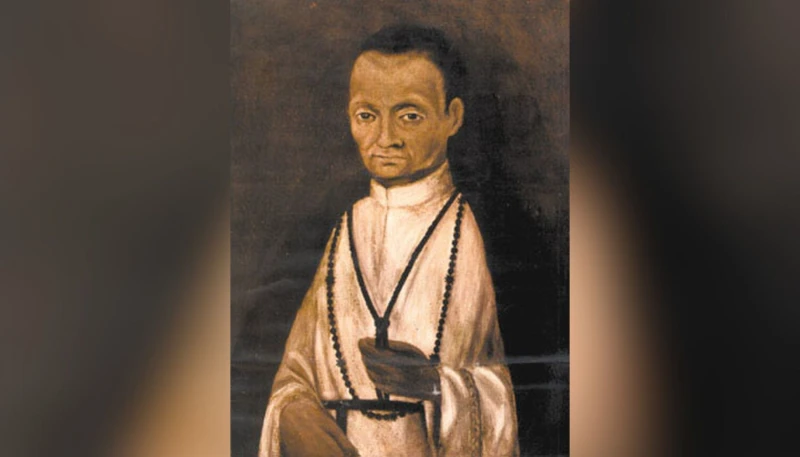
 St. Martin de Porres. / Credit: AnonymousUnknown author, Public domain, via Wikimedia Commons

CNA Staff, Nov 3, 2025 / 04:00 am (CNA).
On Nov. 3, the Catholic Church celebrates the feast of St. Martin de Porres, a Peruvian Dominican brother who lived a life of humble service and charity and became the first Black saint of the Americas.Here are seven fascinating facts about this inspiring saint:1. His father refused to acknowledge him. De Porres was born in Lima, Peru, in 1579. He was the son of a Spanish nobleman and former Panamanian Black slave. His father, Don Juan de Porres, refused to publicly acknowledge the boy as his own because Martin was Black, like his mother. Being biracial would prove challenging for Martin de Porres throughout his life. 2. He started practicing medicine before he was 13. De Porres served as an apprentice to a doctor, and before the age of 13 he began to learn the practice of medicine. He would eventually become a barber, which at the time performed minor medical and surgical procedures like pulling teeth or emptying abscesses. 3. He faced discrimination as a Dominican. De Porres entered the Dominican order in 1603. Becoming a Dominican brother proved to be challenging for de Porres because a Peruvian law at the time prevented people of mixed race from joining religious orders. Therefore, he lived with the community and did manual work, earning himself the nickname “the saint of the broom” for his diligence in cleaning the Dominicans’ quarters.Eventually he was allowed to enter the order, despite the law, and worked in the infirmary tending to the sick and among the impoverished of Peru. “I cure them, but God heals them,” de Porres would say when curing the sick. He also had the task of begging for alms that the community would use to clothe and feed the poor. He also established an orphanage and planted an orchard from which those in need could freely take a day’s supply of fruit. 4. He levitated and bilocated. De Porres was deeply prayerful, so much so that many of the brothers witnessed him levitating in intense prayer and embracing the crucified cross. De Porres reportedly also had the gift of bilocation, and some of his contemporaries said they encountered him in places as far off as Japan even as he remained in Lima. Some claimed he had appeared to them supernaturally behind locked doors or under otherwise impossible circumstances. 5. He refused to eat meat. De Porres loved animals. He refused to eat meat and ran a veterinary hospital for sick animals that seemed to seek out his help. Portrayals of the saint often include cats, dogs, and even the rats to whom he showed compassion.6. He is the patron saint of multiple manual labor occupations. De Porres was known for the various assignments he carried out and which earned him the title of patron saint of barbers, the sick, and street cleaners. On the 50th anniversary of St. Martin de Porres’ canonization, Father Juan Anguerri, director of the St. Martin de Porres Home for the Poor, said: “These are often thankless tasks, but yet through his humble service, St. Martin sent a message to revitalize these jobs.”7. He was canonized more than 300 years after his death. Martin de Porres died on Nov. 3, 1639, at age 60. He was canonized by Pope John XXIII on May 16, 1962. At his canonization Mass, John XXIII called him “Martin of Charity.”  This story was first published on Nov. 3, 2021, and has been updated.

7 fascinating facts about St. Martin de Porres, the first Black saint of the Americas #Catholic St. Martin de Porres. / Credit: AnonymousUnknown author, Public domain, via Wikimedia Commons CNA Staff, Nov 3, 2025 / 04:00 am (CNA). On Nov. 3, the Catholic Church celebrates the feast of St. Martin de Porres, a Peruvian Dominican brother who lived a life of humble service and charity and became the first Black saint of the Americas.Here are seven fascinating facts about this inspiring saint:1. His father refused to acknowledge him. De Porres was born in Lima, Peru, in 1579. He was the son of a Spanish nobleman and former Panamanian Black slave. His father, Don Juan de Porres, refused to publicly acknowledge the boy as his own because Martin was Black, like his mother. Being biracial would prove challenging for Martin de Porres throughout his life. 2. He started practicing medicine before he was 13. De Porres served as an apprentice to a doctor, and before the age of 13 he began to learn the practice of medicine. He would eventually become a barber, which at the time performed minor medical and surgical procedures like pulling teeth or emptying abscesses. 3. He faced discrimination as a Dominican. De Porres entered the Dominican order in 1603. Becoming a Dominican brother proved to be challenging for de Porres because a Peruvian law at the time prevented people of mixed race from joining religious orders. Therefore, he lived with the community and did manual work, earning himself the nickname “the saint of the broom” for his diligence in cleaning the Dominicans’ quarters.Eventually he was allowed to enter the order, despite the law, and worked in the infirmary tending to the sick and among the impoverished of Peru. “I cure them, but God heals them,” de Porres would say when curing the sick. He also had the task of begging for alms that the community would use to clothe and feed the poor. He also established an orphanage and planted an orchard from which those in need could freely take a day’s supply of fruit. 4. He levitated and bilocated. De Porres was deeply prayerful, so much so that many of the brothers witnessed him levitating in intense prayer and embracing the crucified cross. De Porres reportedly also had the gift of bilocation, and some of his contemporaries said they encountered him in places as far off as Japan even as he remained in Lima. Some claimed he had appeared to them supernaturally behind locked doors or under otherwise impossible circumstances. 5. He refused to eat meat. De Porres loved animals. He refused to eat meat and ran a veterinary hospital for sick animals that seemed to seek out his help. Portrayals of the saint often include cats, dogs, and even the rats to whom he showed compassion.6. He is the patron saint of multiple manual labor occupations. De Porres was known for the various assignments he carried out and which earned him the title of patron saint of barbers, the sick, and street cleaners. On the 50th anniversary of St. Martin de Porres’ canonization, Father Juan Anguerri, director of the St. Martin de Porres Home for the Poor, said: “These are often thankless tasks, but yet through his humble service, St. Martin sent a message to revitalize these jobs.”7. He was canonized more than 300 years after his death. Martin de Porres died on Nov. 3, 1639, at age 60. He was canonized by Pope John XXIII on May 16, 1962. At his canonization Mass, John XXIII called him “Martin of Charity.”  This story was first published on Nov. 3, 2021, and has been updated.


St. Martin de Porres. / Credit: AnonymousUnknown author, Public domain, via Wikimedia Commons

CNA Staff, Nov 3, 2025 / 04:00 am (CNA).

On Nov. 3, the Catholic Church celebrates the feast of St. Martin de Porres, a Peruvian Dominican brother who lived a life of humble service and charity and became the first Black saint of the Americas.

Here are seven fascinating facts about this inspiring saint:

1. His father refused to acknowledge him.

De Porres was born in Lima, Peru, in 1579. He was the son of a Spanish nobleman and former Panamanian Black slave. His father, Don Juan de Porres, refused to publicly acknowledge the boy as his own because Martin was Black, like his mother. Being biracial would prove challenging for Martin de Porres throughout his life. 

2. He started practicing medicine before he was 13.

De Porres served as an apprentice to a doctor, and before the age of 13 he began to learn the practice of medicine. He would eventually become a barber, which at the time performed minor medical and surgical procedures like pulling teeth or emptying abscesses. 

3. He faced discrimination as a Dominican.

De Porres entered the Dominican order in 1603. Becoming a Dominican brother proved to be challenging for de Porres because a Peruvian law at the time prevented people of mixed race from joining religious orders. Therefore, he lived with the community and did manual work, earning himself the nickname “the saint of the broom” for his diligence in cleaning the Dominicans’ quarters.

Eventually he was allowed to enter the order, despite the law, and worked in the infirmary tending to the sick and among the impoverished of Peru. “I cure them, but God heals them,” de Porres would say when curing the sick. He also had the task of begging for alms that the community would use to clothe and feed the poor. He also established an orphanage and planted an orchard from which those in need could freely take a day’s supply of fruit. 

4. He levitated and bilocated.

De Porres was deeply prayerful, so much so that many of the brothers witnessed him levitating in intense prayer and embracing the crucified cross. De Porres reportedly also had the gift of bilocation, and some of his contemporaries said they encountered him in places as far off as Japan even as he remained in Lima. Some claimed he had appeared to them supernaturally behind locked doors or under otherwise impossible circumstances. 

5. He refused to eat meat.

De Porres loved animals. He refused to eat meat and ran a veterinary hospital for sick animals that seemed to seek out his help. Portrayals of the saint often include cats, dogs, and even the rats to whom he showed compassion.

6. He is the patron saint of multiple manual labor occupations.

De Porres was known for the various assignments he carried out and which earned him the title of patron saint of barbers, the sick, and street cleaners. On the 50th anniversary of St. Martin de Porres’ canonization, Father Juan Anguerri, director of the St. Martin de Porres Home for the Poor, said: “These are often thankless tasks, but yet through his humble service, St. Martin sent a message to revitalize these jobs.”

7. He was canonized more than 300 years after his death.

Martin de Porres died on Nov. 3, 1639, at age 60. He was canonized by Pope John XXIII on May 16, 1962. At his canonization Mass, John XXIII called him “Martin of Charity.” 

This story was first published on Nov. 3, 2021, and has been updated.

Read More
Preparing for death with the Sister Servants of Mary #Catholic 
 
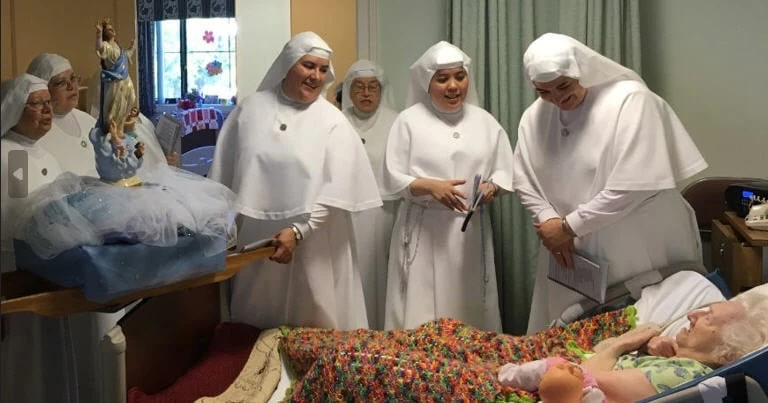
 The Sister Servants of Mary hold a procession with the statue of Our Lady of the Assumption at Mary Health of the Sick Convalescent Hospital in Newbury Park, California. / Credit: Photo courtesy of the Servants of Mary, Ministers to the Sick

CNA Staff, Nov 2, 2025 / 06:00 am (CNA).
When a 93-year-old Catholic father from New Orleans had a stroke, he knew he was prepared to die.Clinton Jacob attended adoration and Mass daily and was “rarely without a prayer book or rosary in hand,” according to his daughter, Kim DeSopo.“[He] never spoke of death with fear or sadness,” she told CNA. “He would simply say, ‘I’ll be going home.’”But not everyone feels prepared for death.The Servants of Mary, Ministers to the Sick, is a Catholic community of sisters who dedicate their lives to caring for the sick and dying in New Orleans and around the world. As nurses, they are at the bedside of the dying through the long nights, whether their patients are lifelong Catholics or have never thought about religion.The sisters often encounter patients as well as family members who are struggling to accept “an illness or imminent death,” Sister Catherine Bussen, a Servant of Mary, told CNA.“Many times, there is a need for reconciliation within the family, for a return to their faith, for acceptance of their condition, etc.,” Bussen said.As medical professionals, the sisters provide physical treatment, but they also walk with their patients throughout their illnesses, encouraging patients and families “always with the hope of eternal life,” Bussen said. DeSopo, Jacob’s daughter, called the sisters for support. The next day, Bussen arrived at their doorstep, and every night for two weeks, she sat at Jacob’s bedside. Bussen’s presence was “a gift,” DeSopo said. “Sister Catherine brought peace and calm into a time filled with stress and sorrow.”“Her prayers, patience, and care provided comfort not only to my father but also to my mother, who could finally sleep knowing someone trustworthy and compassionate was by his side,” DeSopo said, recalling Bussen’s “selfless dedication” and “unwavering faith.” Bussen was with Jacob when he died on Sept. 26, 2024. She prepared his body, cleaning him and sprinkling him with holy water, and then prayed with his wife and daughter.“I will never forget the care and dignity she gave him, even after his final breath,” DeSopo said.Sister Catherine (left) and Sister Dorian Salvador (right) pray for the soul of Kim DeSopa’s father on Oct. 1, 2024, at St. Clement of Rome Church in Metairie, Louisiana. Credit: Photo courtesy of Kim DeSopa and Sister CatherineMary at the foot of the cross “I was sick and you visited me.”This Scripture verse, Matthew 25:36, summarizes the charism of the Servants of Mary, according to Bussen. When they care for the sick, they care for Christ.The sisters will care for anyone in need, preferably within the sick person’s own home. In those who are suffering, the sisters “discover Jesus carrying his cross,” Bussen explained. “By caring for the sick, we believe that we are caring for Christ himself, who still suffers today in the suffering mystical body of Christ,” she said.Sister Angélica Ramos cares for Mrs. Hura, a resident of Mary Health of the Sick Convalescent Hospital in Newbury Park, California. Credit: Photo courtesy of the Servants of Mary, Ministers to the SickFounded in Madrid, Spain, in the 1800s, the sisters care for the sick and dying in Louisiana, Kansas, and California as well as throughout Central and South America, Spain, France, England, Italy, Cameroon, the Philippines, and Indonesia. They run a hospital for the poor in Bamenda, Cameroon, as well as two missionary houses in Oaxaca, Mexico.The sisters look to Mary as an example as they accompany those who are suffering.“Although we are not able to take away someone’s cross, we are present to them, offering all to the Father, like Mary did at the cross of Jesus, that all suffering may be redemptive and fruitful,” Bussen said.“Every one of us sisters would tell you that it is an absolute privilege to be able to enter into the intimacy of a family’s home, listening to the dying, praying with them, and encouraging them on the final stage of their journey as their soul passes into eternity,” she said.Sister Servants of Mary Fatima Muñoz and Carmela Sanz (front) celebrate a May crowning in Kansas City, Kansas. Credit: Photo courtesy of the Servants of Mary, Ministers to the Sick“Our Catholic Christian faith is a beautiful comfort during these times because it is all about looking forward to the promised life to come, the whole goal of our lives, eternal life,” Bussen said.One woman from New Orleans received news no one wants to hear — she had a terminal illness. Though she was not religious, she knew she needed help and did not know who else to turn to, so she called the Servants of Mary.As they cared for her and helped her deal with her terminal diagnosis, the sisters learned the woman was “completely alone in the world,” said Bussen, who took care of her. Other people from the surrounding Catholic community volunteered to stay with her.During that time, the woman found a home in the Catholic Church and received the sacrament of baptism.Her “anxiety was transformed into peace,” said Bussen, who was with her as she died.“As the end drew near, she had a new faith family,” Bussen said. “She was no longer alone.”Remembering the dead The life of a sister Servant of Mary is “contemplative in action.” The sisters unite “our prayer life with our work — going about what we are doing, in all the business of daily life, in a prayerful spirit,” Bussen said.The sisters have time set aside for prayer and work, “but these two aspects cannot be separated from one another,” she continued. “The grace and light received in prayer flows into our work and ministry, and everything we experience in our ministry is taken to prayer.”The Servants of Mary, Ministers to the Sick care for the sick and the dying. Credit: Photo courtesy of the Servants of Mary, Ministers to the SickThroughout the year, the sisters take special care to remember the dead. In November especially, Bussen said the sisters “remember all our patients who have died with us by placing their names in our chapel and offering Masses for their eternal happiness.”“Even after a patient has passed,” she said, “and they no longer need physical care, our ministry continues by praying for their soul.”

Preparing for death with the Sister Servants of Mary #Catholic The Sister Servants of Mary hold a procession with the statue of Our Lady of the Assumption at Mary Health of the Sick Convalescent Hospital in Newbury Park, California. / Credit: Photo courtesy of the Servants of Mary, Ministers to the Sick CNA Staff, Nov 2, 2025 / 06:00 am (CNA). When a 93-year-old Catholic father from New Orleans had a stroke, he knew he was prepared to die.Clinton Jacob attended adoration and Mass daily and was “rarely without a prayer book or rosary in hand,” according to his daughter, Kim DeSopo.“[He] never spoke of death with fear or sadness,” she told CNA. “He would simply say, ‘I’ll be going home.’”But not everyone feels prepared for death.The Servants of Mary, Ministers to the Sick, is a Catholic community of sisters who dedicate their lives to caring for the sick and dying in New Orleans and around the world. As nurses, they are at the bedside of the dying through the long nights, whether their patients are lifelong Catholics or have never thought about religion.The sisters often encounter patients as well as family members who are struggling to accept “an illness or imminent death,” Sister Catherine Bussen, a Servant of Mary, told CNA.“Many times, there is a need for reconciliation within the family, for a return to their faith, for acceptance of their condition, etc.,” Bussen said.As medical professionals, the sisters provide physical treatment, but they also walk with their patients throughout their illnesses, encouraging patients and families “always with the hope of eternal life,” Bussen said. DeSopo, Jacob’s daughter, called the sisters for support. The next day, Bussen arrived at their doorstep, and every night for two weeks, she sat at Jacob’s bedside. Bussen’s presence was “a gift,” DeSopo said. “Sister Catherine brought peace and calm into a time filled with stress and sorrow.”“Her prayers, patience, and care provided comfort not only to my father but also to my mother, who could finally sleep knowing someone trustworthy and compassionate was by his side,” DeSopo said, recalling Bussen’s “selfless dedication” and “unwavering faith.” Bussen was with Jacob when he died on Sept. 26, 2024. She prepared his body, cleaning him and sprinkling him with holy water, and then prayed with his wife and daughter.“I will never forget the care and dignity she gave him, even after his final breath,” DeSopo said.Sister Catherine (left) and Sister Dorian Salvador (right) pray for the soul of Kim DeSopa’s father on Oct. 1, 2024, at St. Clement of Rome Church in Metairie, Louisiana. Credit: Photo courtesy of Kim DeSopa and Sister CatherineMary at the foot of the cross “I was sick and you visited me.”This Scripture verse, Matthew 25:36, summarizes the charism of the Servants of Mary, according to Bussen. When they care for the sick, they care for Christ.The sisters will care for anyone in need, preferably within the sick person’s own home. In those who are suffering, the sisters “discover Jesus carrying his cross,” Bussen explained. “By caring for the sick, we believe that we are caring for Christ himself, who still suffers today in the suffering mystical body of Christ,” she said.Sister Angélica Ramos cares for Mrs. Hura, a resident of Mary Health of the Sick Convalescent Hospital in Newbury Park, California. Credit: Photo courtesy of the Servants of Mary, Ministers to the SickFounded in Madrid, Spain, in the 1800s, the sisters care for the sick and dying in Louisiana, Kansas, and California as well as throughout Central and South America, Spain, France, England, Italy, Cameroon, the Philippines, and Indonesia. They run a hospital for the poor in Bamenda, Cameroon, as well as two missionary houses in Oaxaca, Mexico.The sisters look to Mary as an example as they accompany those who are suffering.“Although we are not able to take away someone’s cross, we are present to them, offering all to the Father, like Mary did at the cross of Jesus, that all suffering may be redemptive and fruitful,” Bussen said.“Every one of us sisters would tell you that it is an absolute privilege to be able to enter into the intimacy of a family’s home, listening to the dying, praying with them, and encouraging them on the final stage of their journey as their soul passes into eternity,” she said.Sister Servants of Mary Fatima Muñoz and Carmela Sanz (front) celebrate a May crowning in Kansas City, Kansas. Credit: Photo courtesy of the Servants of Mary, Ministers to the Sick“Our Catholic Christian faith is a beautiful comfort during these times because it is all about looking forward to the promised life to come, the whole goal of our lives, eternal life,” Bussen said.One woman from New Orleans received news no one wants to hear — she had a terminal illness. Though she was not religious, she knew she needed help and did not know who else to turn to, so she called the Servants of Mary.As they cared for her and helped her deal with her terminal diagnosis, the sisters learned the woman was “completely alone in the world,” said Bussen, who took care of her. Other people from the surrounding Catholic community volunteered to stay with her.During that time, the woman found a home in the Catholic Church and received the sacrament of baptism.Her “anxiety was transformed into peace,” said Bussen, who was with her as she died.“As the end drew near, she had a new faith family,” Bussen said. “She was no longer alone.”Remembering the dead The life of a sister Servant of Mary is “contemplative in action.” The sisters unite “our prayer life with our work — going about what we are doing, in all the business of daily life, in a prayerful spirit,” Bussen said.The sisters have time set aside for prayer and work, “but these two aspects cannot be separated from one another,” she continued. “The grace and light received in prayer flows into our work and ministry, and everything we experience in our ministry is taken to prayer.”The Servants of Mary, Ministers to the Sick care for the sick and the dying. Credit: Photo courtesy of the Servants of Mary, Ministers to the SickThroughout the year, the sisters take special care to remember the dead. In November especially, Bussen said the sisters “remember all our patients who have died with us by placing their names in our chapel and offering Masses for their eternal happiness.”“Even after a patient has passed,” she said, “and they no longer need physical care, our ministry continues by praying for their soul.”


The Sister Servants of Mary hold a procession with the statue of Our Lady of the Assumption at Mary Health of the Sick Convalescent Hospital in Newbury Park, California. / Credit: Photo courtesy of the Servants of Mary, Ministers to the Sick

CNA Staff, Nov 2, 2025 / 06:00 am (CNA).

When a 93-year-old Catholic father from New Orleans had a stroke, he knew he was prepared to die.

Clinton Jacob attended adoration and Mass daily and was “rarely without a prayer book or rosary in hand,” according to his daughter, Kim DeSopo.

“[He] never spoke of death with fear or sadness,” she told CNA. “He would simply say, ‘I’ll be going home.’”

But not everyone feels prepared for death.

The Servants of Mary, Ministers to the Sick, is a Catholic community of sisters who dedicate their lives to caring for the sick and dying in New Orleans and around the world. As nurses, they are at the bedside of the dying through the long nights, whether their patients are lifelong Catholics or have never thought about religion.

The sisters often encounter patients as well as family members who are struggling to accept “an illness or imminent death,” Sister Catherine Bussen, a Servant of Mary, told CNA.

“Many times, there is a need for reconciliation within the family, for a return to their faith, for acceptance of their condition, etc.,” Bussen said.

As medical professionals, the sisters provide physical treatment, but they also walk with their patients throughout their illnesses, encouraging patients and families “always with the hope of eternal life,” Bussen said. 

DeSopo, Jacob’s daughter, called the sisters for support. The next day, Bussen arrived at their doorstep, and every night for two weeks, she sat at Jacob’s bedside. 

Bussen’s presence was “a gift,” DeSopo said. “Sister Catherine brought peace and calm into a time filled with stress and sorrow.”

“Her prayers, patience, and care provided comfort not only to my father but also to my mother, who could finally sleep knowing someone trustworthy and compassionate was by his side,” DeSopo said, recalling Bussen’s “selfless dedication” and “unwavering faith.” 

Bussen was with Jacob when he died on Sept. 26, 2024. She prepared his body, cleaning him and sprinkling him with holy water, and then prayed with his wife and daughter.

“I will never forget the care and dignity she gave him, even after his final breath,” DeSopo said.

Sister Catherine (left) and Sister Dorian Salvador (right) pray for the soul of Kim DeSopa’s father on Oct. 1, 2024, at St. Clement of Rome Church in Metairie, Louisiana. Credit: Photo courtesy of Kim DeSopa and Sister Catherine

Mary at the foot of the cross 

“I was sick and you visited me.”

This Scripture verse, Matthew 25:36, summarizes the charism of the Servants of Mary, according to Bussen. 

When they care for the sick, they care for Christ.

The sisters will care for anyone in need, preferably within the sick person’s own home. In those who are suffering, the sisters “discover Jesus carrying his cross,” Bussen explained. 

“By caring for the sick, we believe that we are caring for Christ himself, who still suffers today in the suffering mystical body of Christ,” she said.

Sister Angélica Ramos cares for Mrs. Hura, a resident of Mary Health of the Sick Convalescent Hospital in Newbury Park, California. Credit: Photo courtesy of the Servants of Mary, Ministers to the Sick

Founded in Madrid, Spain, in the 1800s, the sisters care for the sick and dying in Louisiana, Kansas, and California as well as throughout Central and South America, Spain, France, England, Italy, Cameroon, the Philippines, and Indonesia. They run a hospital for the poor in Bamenda, Cameroon, as well as two missionary houses in Oaxaca, Mexico.

The sisters look to Mary as an example as they accompany those who are suffering.

“Although we are not able to take away someone’s cross, we are present to them, offering all to the Father, like Mary did at the cross of Jesus, that all suffering may be redemptive and fruitful,” Bussen said.

“Every one of us sisters would tell you that it is an absolute privilege to be able to enter into the intimacy of a family’s home, listening to the dying, praying with them, and encouraging them on the final stage of their journey as their soul passes into eternity,” she said.

Sister Servants of Mary Fatima Muñoz and Carmela Sanz (front) celebrate a May crowning in Kansas City, Kansas. Credit: Photo courtesy of the Servants of Mary, Ministers to the Sick

“Our Catholic Christian faith is a beautiful comfort during these times because it is all about looking forward to the promised life to come, the whole goal of our lives, eternal life,” Bussen said.

One woman from New Orleans received news no one wants to hear — she had a terminal illness. Though she was not religious, she knew she needed help and did not know who else to turn to, so she called the Servants of Mary.

As they cared for her and helped her deal with her terminal diagnosis, the sisters learned the woman was “completely alone in the world,” said Bussen, who took care of her. Other people from the surrounding Catholic community volunteered to stay with her.

During that time, the woman found a home in the Catholic Church and received the sacrament of baptism.

Her “anxiety was transformed into peace,” said Bussen, who was with her as she died.

“As the end drew near, she had a new faith family,” Bussen said. “She was no longer alone.”

Remembering the dead 

The life of a sister Servant of Mary is “contemplative in action.” 

The sisters unite “our prayer life with our work — going about what we are doing, in all the business of daily life, in a prayerful spirit,” Bussen said.

The sisters have time set aside for prayer and work, “but these two aspects cannot be separated from one another,” she continued. “The grace and light received in prayer flows into our work and ministry, and everything we experience in our ministry is taken to prayer.”

The Servants of Mary, Ministers to the Sick care for the sick and the dying. Credit: Photo courtesy of the Servants of Mary, Ministers to the Sick

Throughout the year, the sisters take special care to remember the dead. 

In November especially, Bussen said the sisters “remember all our patients who have died with us by placing their names in our chapel and offering Masses for their eternal happiness.”

“Even after a patient has passed,” she said, “and they no longer need physical care, our ministry continues by praying for their soul.”

Read More