Institution

Trump honors Mary’s ‘freedom from original sin’ in Immaculate Conception message #Catholic 
 
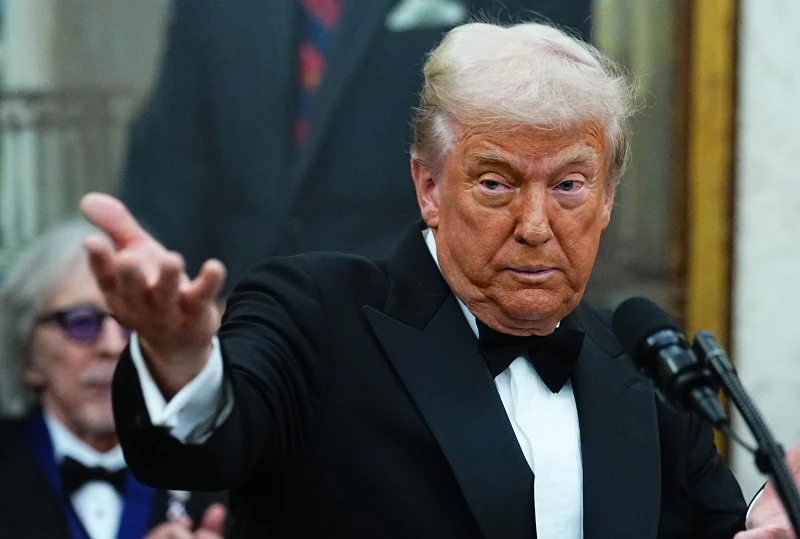
 U.S. President Donald Trump delivers remarks on Dec. 6, 2025, in Washington, D.C. / Credit: Aaron Schwartz/Getty Images

Washington, D.C. Newsroom, Dec 8, 2025 / 18:09 pm (CNA).
President Donald Trump honored the feast of the Immaculate Conception on Dec. 8, which appears to be the first time an American president formally recognized the Catholic holy day.The presidential statement recognized the role Mary played in the salvation of humanity and the importance she has in American history. The statement does, however, contain one theological error about the Incarnation. It says God became man when Christ was born, although Catholic doctrine recognizes God becoming man at the Incarnation: when Mary conceived him.“Today, I recognize every American celebrating Dec. 8 as a holy day honoring the faith, humility, and love of Mary, mother of Jesus and one of the greatest figures in the Bible,” the statement said. Trump, who is not Catholic and describes himself as a “non-denominational Christian,” has cultivated strong bonds with a broad range of Christians and frequently referenced religious holidays and symbols in ways that resonate with supporters.CNA could not find similar proclamations on the Immaculate Conception from other presidents, including none from the only two Catholic presidents: John F. Kennedy and Joe Biden. Other presidents have spoken about Mary and the Immaculate Conception, sometimes in messages relating to Christmas or other topics, but not in a formal recognition of this feast.“On the feast of the Immaculate Conception, Catholics celebrate what they believe to be Mary’s freedom from original sin as the mother of God,” the statement read.The feast day celebrates the miracle in which Mary was conceived without the stain of original sin. Every person — with the exception of Mary and Jesus Christ — receives the hereditary stain of original sin, which was brought onto humanity through the first sin of Adam and Eve when they disobeyed God by eating fruit from the tree of knowledge of good and evil.Mary’s importance to humanity and the United StatesThe presidential statement said Mary’s agreement at the Annunciation to conceive and bear the child Christ was “one of the most profound and consequential acts of history,” and Mary “heroically accepted God’s will with trust and humility.” It cites Luke 1:38: “Behold, I am the handmaid of the Lord. May it be done to me according to your word.” “Mary’s decision forever altered the course of humanity,” the statement read, adding that Christ “would go on to offer his life on the Cross for the redemption of sins and the salvation of the world.”President Trump’s statement also describes the annunciation by the archangel Gabriel, who calls the Blessed Mother “favored one” and tells her “you will conceive in your womb and bear a son, and you shall name him Jesus.”Later in the document, the presidential message says “we remember the sacred words that have brought aid, comfort, and support to generations of American believers in times of need,” and includes the text of the Hail Mary.Trump’s statement also acknowledges the “distinct role” Mary has played “in our great American story.”The president’s statement also specifically references Bishop John Carroll’s consecration of the United States to the Blessed Mother. Carroll was the only Catholic to sign the Declaration of Independence. In addition, the statement references the annual Mass of Thanksgiving in New Orleans on Jan. 8, in which Catholics celebrate Mary’s perceived assistance to U.S. troops under the command of General Andrew Jackson in winning the Battle of New Orleans.The message notes that “American legends” including St. Elizabeth Ann Seton, St. Frances Xavier Cabrini, and Venerable Fulton Sheen “held a deep devotion to Mary” and that many American churches, hospitals, universities, and schools bear her name. It adds that many Americans will also celebrate Our Lady of Guadalupe on Dec. 12.“As we approach 250 years of glorious American independence, we acknowledge and give thanks, with total gratitude, for Mary’s role in advancing peace, hope, and love in America and beyond our shores,” the presidential message reads.The presidential message also recognizes Pope Benedict XV dedicating a statue of Mary, Queen of Peace, to encourage Christians “to look to her example of peace by praying for a stop to the horrific slaughter” occurring in World War I, which then ended just a few months later.“Today, we look to Mary once again for inspiration and encouragement as we pray for an end to war and for a new and lasting era of peace, prosperity, and harmony in Europe and throughout the world,” Trump’s statement added.Catholics react to Trump’s messageChad Pecknold, a political science professor at The Catholic University of America, said he welcomed the president’s recognition of the feast day.“The more America publicly honors Christian feast days such as Christmas, Good Friday, and Easter, and the more we remember our greatest saints, as well as our national heroes, the better oriented our nation will be to God,” he said. “This is the spiritual key to raising up the Res Americana for the next 250 years.”Susan Hanssen, a history professor at the University of Dallas (a Catholic institution), called the presidential message “a jaw-droppingly historic event.” For a president to celebrate Mary as “full of grace” and celebrate “the centrality of the Incarnation,” she said “goes beyond anything that Americans have ever heard in presidential public speeches.”“This pronouncement, along with the first American pope in world history, marks a watershed moment in American cultural history,” Hanssen said. Caleb Henry, a political science professor at Franciscan University, told CNA Trump’s message appears to be an extension of the president’s America Prays campaign, which asks Americans to pray for the country ahead of the 250th anniversary of the Declaration of Independence next year.Henry said the initiative seeks to “reconnect America’s people of faith with … the signing of the Declaration of Independence.” He said the Immaculate Conception statement appears to be “a message to America’s Catholic faithful,” that the country’s history “while complicated, is rooted in these truths of natural law, laws of nature, and of nature’s God.”“We have a Marian tradition here in our country as well,” he said. The statement comes as the nation’s Catholic bishops have welcomed some of Trump’s policies, such as regarding gender ideology. Bishops also have expressed dismay about indiscriminate immigration enforcement and a plan to expand in vitro fertilization (IVF).The United States Conference of Catholic Bishops issued a unified special pastoral message against “indiscriminate mass deportations” on Nov. 12.Henry said a message like the one issued on the Immaculate Conception is “a typical Trump move” by “ignoring all existing hierarchies and going straight to the people.”Theological error in the messageThe statement contains a theological error. After discussing the Annunciation, the message states “nine months later, God became man when Mary gave birth to a son, Jesus.”Christ became man at the moment of the Incarnation, when Mary conceived him, not when he was born. Father Aquinas Guilbeau, OP, told CNA that although early councils clarified this teaching, the misunderstanding “endures today.” He said: “Even among Christians, sadly. It remains a favorite of poets.” He noted that even in “Silent Night,” the verse that says “Jesus, Lord, at thy birth” falls into this error because: “Jesus is Lord before his birth. He is Lord at his conception.”“Wherever it appears, the error may be pious and well-intentioned but it remains theologically inaccurate,” Guilbeau said.

Trump honors Mary’s ‘freedom from original sin’ in Immaculate Conception message #Catholic U.S. President Donald Trump delivers remarks on Dec. 6, 2025, in Washington, D.C. / Credit: Aaron Schwartz/Getty Images Washington, D.C. Newsroom, Dec 8, 2025 / 18:09 pm (CNA). President Donald Trump honored the feast of the Immaculate Conception on Dec. 8, which appears to be the first time an American president formally recognized the Catholic holy day.The presidential statement recognized the role Mary played in the salvation of humanity and the importance she has in American history. The statement does, however, contain one theological error about the Incarnation. It says God became man when Christ was born, although Catholic doctrine recognizes God becoming man at the Incarnation: when Mary conceived him.“Today, I recognize every American celebrating Dec. 8 as a holy day honoring the faith, humility, and love of Mary, mother of Jesus and one of the greatest figures in the Bible,” the statement said. Trump, who is not Catholic and describes himself as a “non-denominational Christian,” has cultivated strong bonds with a broad range of Christians and frequently referenced religious holidays and symbols in ways that resonate with supporters.CNA could not find similar proclamations on the Immaculate Conception from other presidents, including none from the only two Catholic presidents: John F. Kennedy and Joe Biden. Other presidents have spoken about Mary and the Immaculate Conception, sometimes in messages relating to Christmas or other topics, but not in a formal recognition of this feast.“On the feast of the Immaculate Conception, Catholics celebrate what they believe to be Mary’s freedom from original sin as the mother of God,” the statement read.The feast day celebrates the miracle in which Mary was conceived without the stain of original sin. Every person — with the exception of Mary and Jesus Christ — receives the hereditary stain of original sin, which was brought onto humanity through the first sin of Adam and Eve when they disobeyed God by eating fruit from the tree of knowledge of good and evil.Mary’s importance to humanity and the United StatesThe presidential statement said Mary’s agreement at the Annunciation to conceive and bear the child Christ was “one of the most profound and consequential acts of history,” and Mary “heroically accepted God’s will with trust and humility.” It cites Luke 1:38: “Behold, I am the handmaid of the Lord. May it be done to me according to your word.” “Mary’s decision forever altered the course of humanity,” the statement read, adding that Christ “would go on to offer his life on the Cross for the redemption of sins and the salvation of the world.”President Trump’s statement also describes the annunciation by the archangel Gabriel, who calls the Blessed Mother “favored one” and tells her “you will conceive in your womb and bear a son, and you shall name him Jesus.”Later in the document, the presidential message says “we remember the sacred words that have brought aid, comfort, and support to generations of American believers in times of need,” and includes the text of the Hail Mary.Trump’s statement also acknowledges the “distinct role” Mary has played “in our great American story.”The president’s statement also specifically references Bishop John Carroll’s consecration of the United States to the Blessed Mother. Carroll was the only Catholic to sign the Declaration of Independence. In addition, the statement references the annual Mass of Thanksgiving in New Orleans on Jan. 8, in which Catholics celebrate Mary’s perceived assistance to U.S. troops under the command of General Andrew Jackson in winning the Battle of New Orleans.The message notes that “American legends” including St. Elizabeth Ann Seton, St. Frances Xavier Cabrini, and Venerable Fulton Sheen “held a deep devotion to Mary” and that many American churches, hospitals, universities, and schools bear her name. It adds that many Americans will also celebrate Our Lady of Guadalupe on Dec. 12.“As we approach 250 years of glorious American independence, we acknowledge and give thanks, with total gratitude, for Mary’s role in advancing peace, hope, and love in America and beyond our shores,” the presidential message reads.The presidential message also recognizes Pope Benedict XV dedicating a statue of Mary, Queen of Peace, to encourage Christians “to look to her example of peace by praying for a stop to the horrific slaughter” occurring in World War I, which then ended just a few months later.“Today, we look to Mary once again for inspiration and encouragement as we pray for an end to war and for a new and lasting era of peace, prosperity, and harmony in Europe and throughout the world,” Trump’s statement added.Catholics react to Trump’s messageChad Pecknold, a political science professor at The Catholic University of America, said he welcomed the president’s recognition of the feast day.“The more America publicly honors Christian feast days such as Christmas, Good Friday, and Easter, and the more we remember our greatest saints, as well as our national heroes, the better oriented our nation will be to God,” he said. “This is the spiritual key to raising up the Res Americana for the next 250 years.”Susan Hanssen, a history professor at the University of Dallas (a Catholic institution), called the presidential message “a jaw-droppingly historic event.” For a president to celebrate Mary as “full of grace” and celebrate “the centrality of the Incarnation,” she said “goes beyond anything that Americans have ever heard in presidential public speeches.”“This pronouncement, along with the first American pope in world history, marks a watershed moment in American cultural history,” Hanssen said. Caleb Henry, a political science professor at Franciscan University, told CNA Trump’s message appears to be an extension of the president’s America Prays campaign, which asks Americans to pray for the country ahead of the 250th anniversary of the Declaration of Independence next year.Henry said the initiative seeks to “reconnect America’s people of faith with … the signing of the Declaration of Independence.” He said the Immaculate Conception statement appears to be “a message to America’s Catholic faithful,” that the country’s history “while complicated, is rooted in these truths of natural law, laws of nature, and of nature’s God.”“We have a Marian tradition here in our country as well,” he said. The statement comes as the nation’s Catholic bishops have welcomed some of Trump’s policies, such as regarding gender ideology. Bishops also have expressed dismay about indiscriminate immigration enforcement and a plan to expand in vitro fertilization (IVF).The United States Conference of Catholic Bishops issued a unified special pastoral message against “indiscriminate mass deportations” on Nov. 12.Henry said a message like the one issued on the Immaculate Conception is “a typical Trump move” by “ignoring all existing hierarchies and going straight to the people.”Theological error in the messageThe statement contains a theological error. After discussing the Annunciation, the message states “nine months later, God became man when Mary gave birth to a son, Jesus.”Christ became man at the moment of the Incarnation, when Mary conceived him, not when he was born. Father Aquinas Guilbeau, OP, told CNA that although early councils clarified this teaching, the misunderstanding “endures today.” He said: “Even among Christians, sadly. It remains a favorite of poets.” He noted that even in “Silent Night,” the verse that says “Jesus, Lord, at thy birth” falls into this error because: “Jesus is Lord before his birth. He is Lord at his conception.”“Wherever it appears, the error may be pious and well-intentioned but it remains theologically inaccurate,” Guilbeau said.


U.S. President Donald Trump delivers remarks on Dec. 6, 2025, in Washington, D.C. / Credit: Aaron Schwartz/Getty Images

Washington, D.C. Newsroom, Dec 8, 2025 / 18:09 pm (CNA).

President Donald Trump honored the feast of the Immaculate Conception on Dec. 8, which appears to be the first time an American president formally recognized the Catholic holy day.

The presidential statement recognized the role Mary played in the salvation of humanity and the importance she has in American history. The statement does, however, contain one theological error about the Incarnation. It says God became man when Christ was born, although Catholic doctrine recognizes God becoming man at the Incarnation: when Mary conceived him.

“Today, I recognize every American celebrating Dec. 8 as a holy day honoring the faith, humility, and love of Mary, mother of Jesus and one of the greatest figures in the Bible,” the statement said. Trump, who is not Catholic and describes himself as a “non-denominational Christian,” has cultivated strong bonds with a broad range of Christians and frequently referenced religious holidays and symbols in ways that resonate with supporters.

CNA could not find similar proclamations on the Immaculate Conception from other presidents, including none from the only two Catholic presidents: John F. Kennedy and Joe Biden. Other presidents have spoken about Mary and the Immaculate Conception, sometimes in messages relating to Christmas or other topics, but not in a formal recognition of this feast.

“On the feast of the Immaculate Conception, Catholics celebrate what they believe to be Mary’s freedom from original sin as the mother of God,” the statement read.

The feast day celebrates the miracle in which Mary was conceived without the stain of original sin. Every person — with the exception of Mary and Jesus Christ — receives the hereditary stain of original sin, which was brought onto humanity through the first sin of Adam and Eve when they disobeyed God by eating fruit from the tree of knowledge of good and evil.

Mary’s importance to humanity and the United States

The presidential statement said Mary’s agreement at the Annunciation to conceive and bear the child Christ was “one of the most profound and consequential acts of history,” and Mary “heroically accepted God’s will with trust and humility.” 

It cites Luke 1:38: “Behold, I am the handmaid of the Lord. May it be done to me according to your word.” 

“Mary’s decision forever altered the course of humanity,” the statement read, adding that Christ “would go on to offer his life on the Cross for the redemption of sins and the salvation of the world.”

President Trump’s statement also describes the annunciation by the archangel Gabriel, who calls the Blessed Mother “favored one” and tells her “you will conceive in your womb and bear a son, and you shall name him Jesus.”

Later in the document, the presidential message says “we remember the sacred words that have brought aid, comfort, and support to generations of American believers in times of need,” and includes the text of the Hail Mary.

Trump’s statement also acknowledges the “distinct role” Mary has played “in our great American story.”

The president’s statement also specifically references Bishop John Carroll’s consecration of the United States to the Blessed Mother. Carroll was the only Catholic to sign the Declaration of Independence. In addition, the statement references the annual Mass of Thanksgiving in New Orleans on Jan. 8, in which Catholics celebrate Mary’s perceived assistance to U.S. troops under the command of General Andrew Jackson in winning the Battle of New Orleans.

The message notes that “American legends” including St. Elizabeth Ann Seton, St. Frances Xavier Cabrini, and Venerable Fulton Sheen “held a deep devotion to Mary” and that many American churches, hospitals, universities, and schools bear her name. It adds that many Americans will also celebrate Our Lady of Guadalupe on Dec. 12.

“As we approach 250 years of glorious American independence, we acknowledge and give thanks, with total gratitude, for Mary’s role in advancing peace, hope, and love in America and beyond our shores,” the presidential message reads.

The presidential message also recognizes Pope Benedict XV dedicating a statue of Mary, Queen of Peace, to encourage Christians “to look to her example of peace by praying for a stop to the horrific slaughter” occurring in World War I, which then ended just a few months later.

“Today, we look to Mary once again for inspiration and encouragement as we pray for an end to war and for a new and lasting era of peace, prosperity, and harmony in Europe and throughout the world,” Trump’s statement added.

Catholics react to Trump’s message

Chad Pecknold, a political science professor at The Catholic University of America, said he welcomed the president’s recognition of the feast day.

“The more America publicly honors Christian feast days such as Christmas, Good Friday, and Easter, and the more we remember our greatest saints, as well as our national heroes, the better oriented our nation will be to God,” he said. “This is the spiritual key to raising up the Res Americana for the next 250 years.”

Susan Hanssen, a history professor at the University of Dallas (a Catholic institution), called the presidential message “a jaw-droppingly historic event.” For a president to celebrate Mary as “full of grace” and celebrate “the centrality of the Incarnation,” she said “goes beyond anything that Americans have ever heard in presidential public speeches.”

“This pronouncement, along with the first American pope in world history, marks a watershed moment in American cultural history,” Hanssen said. 

Caleb Henry, a political science professor at Franciscan University, told CNA Trump’s message appears to be an extension of the president’s America Prays campaign, which asks Americans to pray for the country ahead of the 250th anniversary of the Declaration of Independence next year.

Henry said the initiative seeks to “reconnect America’s people of faith with … the signing of the Declaration of Independence.” He said the Immaculate Conception statement appears to be “a message to America’s Catholic faithful,” that the country’s history “while complicated, is rooted in these truths of natural law, laws of nature, and of nature’s God.”

“We have a Marian tradition here in our country as well,” he said. 

The statement comes as the nation’s Catholic bishops have welcomed some of Trump’s policies, such as regarding gender ideology. Bishops also have expressed dismay about indiscriminate immigration enforcement and a plan to expand in vitro fertilization (IVF).

The United States Conference of Catholic Bishops issued a unified special pastoral message against “indiscriminate mass deportations” on Nov. 12.

Henry said a message like the one issued on the Immaculate Conception is “a typical Trump move” by “ignoring all existing hierarchies and going straight to the people.”

Theological error in the message

The statement contains a theological error. After discussing the Annunciation, the message states “nine months later, God became man when Mary gave birth to a son, Jesus.”

Christ became man at the moment of the Incarnation, when Mary conceived him, not when he was born. 

Father Aquinas Guilbeau, OP, told CNA that although early councils clarified this teaching, the misunderstanding “endures today.” He said: “Even among Christians, sadly. It remains a favorite of poets.” 

He noted that even in “Silent Night,” the verse that says “Jesus, Lord, at thy birth” falls into this error because: “Jesus is Lord before his birth. He is Lord at his conception.”

“Wherever it appears, the error may be pious and well-intentioned but it remains theologically inaccurate,” Guilbeau said.

Read More
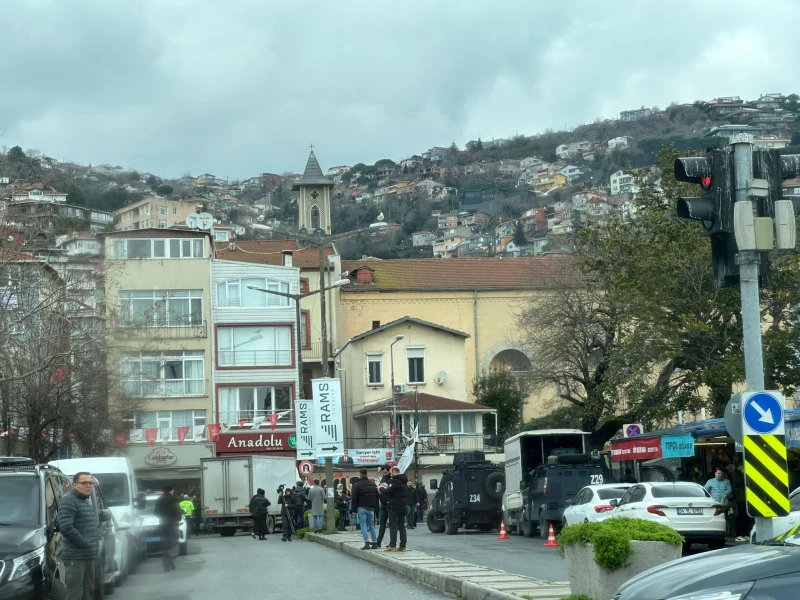
Report details persecution of Turkish Christians ahead of Pope Leo XIV's visit #Catholic 
 
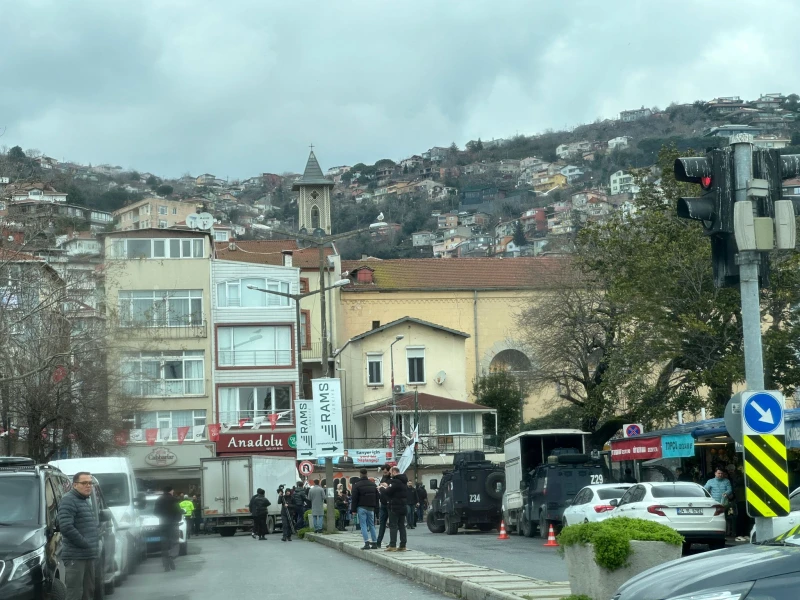
 The scene outside a Catholic church in Istanbul, Turkey, where a reported armed attack took place on Jan. 28, 2024. / Credit: Rudolf Gehrig/EWTN

Washington, D.C. Newsroom, Nov 26, 2025 / 16:15 pm (CNA).
A Christian advocacy group’s report details “legal, institutional, and social hostility” toward Turkish Christians as Pope Leo XIV begins his six-day visit to Turkey and Lebanon Thursday.The report from The European Centre for Law and Justice (ECLJ), titled “The Persecution of Christians in Turkey,” explores government interference against clergy and Christian entities, restrictions on foreign Christians who visit the country, and widespread social animosity toward the faithful, which sometimes includes direct violence.“Communities that were once integral to the cultural, religious, and historical fabric of Anatolia have been reduced to a fragile remnant,” the authors state.“Their disappearance is not the product of a single event but the cumulative result of restrictive legislation, administrative obstruction, property confiscations, denial of legal personality, and — more recently — arbitrary expulsions of clergy, missionaries, and converts,” they add.Modern-day Turkey, which was governed by Christians prior to the Ottoman Empire invasions in late Middle Ages, is still home to about 257,000 Christians. In 1915, Christians still accounted for about 20% of the Turkish population, but the number has dwindled over the past century and they now account for less than 0.3% of the population.Persecution of ChristiansThe report says hostility toward Christians is kept alive through environmental factors, such as Turkey’s refusal to recognize its past by continuing to deny the genocide of Armenians and other Christians during World War I. At that time, about 1.5 million Armenians and 500,000 other Christians were forcibly deported or massacred, and Turkey’s criminalization of “insulting the Turkish nation” and “insulting Turkishness” is often enforced to quell speech about the historical events, according to the report.It notes that politicians and state-run media frequently scapegoat Christians for societal issues and depict them as an external and internal threat, with one example being President Recep Tayyip Erdoğan referring to survivors of the genocide as “terrorists escaped from the sword” and another being the state-run Yeni Akit allegedly editing Wikipedia to smear Christians, Jews, and other groups.In some cases, this hostility yields violence, including a 2024 terrorist attack on a Catholic church that killed one person, and other acts of violence and vandalism.The report notes that Turkey signed the Treaty of Lausanne after the Armenian genocide, which granted people who believe some non-majority faiths full legal recognition and property rights.Yet, a narrow interpretation of the treaty ensures “a national narrative that presents Sunni Islam as the primary marker of Turkish identity,” the report says. The treaty also fails to recognize all Christians, only giving a specific reference to Greek Orthodox, Armenian Apostolic Christians, and Jews, but not Catholics or Protestants, according to the report.It states that Sunni Islam is often tied to Turkish identity in public education and the process to be exempt from compulsory Islamic education is burdensome for Christians not covered under the treaty.No church holds legal personality as a religious institution, which means patriarchates, dioceses, and churches cannot “own property in their own name, initiate legal proceedings, employ staff, open bank accounts, or formally interact with public authorities,” the report states.The government also interferes with religious leadership, prohibiting non-Turkish citizens from being elected as Ecumenical Patriarch, sitting on the Holy Synod, or participating in patriarchal elections in the Greek Orthodox Church. The government also regulates elections for leadership in the Armenian Apostolic Church.Turkey shut down the Greek Orthodox Halki Seminary in 1971 and — despite promises to let it reopen — keeps it shut down, according to the report.The report also says Turkey imposes legal constraints and administrative obstruction on Christian “community foundations,” which operate churches, schools, hospitals, and charitable institutions.This includes blocking board elections and failing to enforce court orders. One of the more egregious violations is imposing “mazbut” trusteeship, which ends Christian institutions’ legal recognition and grants control to the government, which essentially confiscates property, the report said.“These practices reveal a structural system designed to undermine the autonomy, continuity, and survival of Christian communities in Turkey,” the report states.According to the report, foreign Protestant pastors are often expelled from seminaries. More broadly, it states that foreign missionaries and converts are often targeted as “national security” threats and frequently expelled from Turkey. The authors encouraged Turkey to grant full legal recognition to all churches, halt interference in Christian organizations, protect places of worship, end arbitrary expulsions, and return property that has been confiscated.

Report details persecution of Turkish Christians ahead of Pope Leo XIV's visit #Catholic The scene outside a Catholic church in Istanbul, Turkey, where a reported armed attack took place on Jan. 28, 2024. / Credit: Rudolf Gehrig/EWTN Washington, D.C. Newsroom, Nov 26, 2025 / 16:15 pm (CNA). A Christian advocacy group’s report details “legal, institutional, and social hostility” toward Turkish Christians as Pope Leo XIV begins his six-day visit to Turkey and Lebanon Thursday.The report from The European Centre for Law and Justice (ECLJ), titled “The Persecution of Christians in Turkey,” explores government interference against clergy and Christian entities, restrictions on foreign Christians who visit the country, and widespread social animosity toward the faithful, which sometimes includes direct violence.“Communities that were once integral to the cultural, religious, and historical fabric of Anatolia have been reduced to a fragile remnant,” the authors state.“Their disappearance is not the product of a single event but the cumulative result of restrictive legislation, administrative obstruction, property confiscations, denial of legal personality, and — more recently — arbitrary expulsions of clergy, missionaries, and converts,” they add.Modern-day Turkey, which was governed by Christians prior to the Ottoman Empire invasions in late Middle Ages, is still home to about 257,000 Christians. In 1915, Christians still accounted for about 20% of the Turkish population, but the number has dwindled over the past century and they now account for less than 0.3% of the population.Persecution of ChristiansThe report says hostility toward Christians is kept alive through environmental factors, such as Turkey’s refusal to recognize its past by continuing to deny the genocide of Armenians and other Christians during World War I. At that time, about 1.5 million Armenians and 500,000 other Christians were forcibly deported or massacred, and Turkey’s criminalization of “insulting the Turkish nation” and “insulting Turkishness” is often enforced to quell speech about the historical events, according to the report.It notes that politicians and state-run media frequently scapegoat Christians for societal issues and depict them as an external and internal threat, with one example being President Recep Tayyip Erdoğan referring to survivors of the genocide as “terrorists escaped from the sword” and another being the state-run Yeni Akit allegedly editing Wikipedia to smear Christians, Jews, and other groups.In some cases, this hostility yields violence, including a 2024 terrorist attack on a Catholic church that killed one person, and other acts of violence and vandalism.The report notes that Turkey signed the Treaty of Lausanne after the Armenian genocide, which granted people who believe some non-majority faiths full legal recognition and property rights.Yet, a narrow interpretation of the treaty ensures “a national narrative that presents Sunni Islam as the primary marker of Turkish identity,” the report says. The treaty also fails to recognize all Christians, only giving a specific reference to Greek Orthodox, Armenian Apostolic Christians, and Jews, but not Catholics or Protestants, according to the report.It states that Sunni Islam is often tied to Turkish identity in public education and the process to be exempt from compulsory Islamic education is burdensome for Christians not covered under the treaty.No church holds legal personality as a religious institution, which means patriarchates, dioceses, and churches cannot “own property in their own name, initiate legal proceedings, employ staff, open bank accounts, or formally interact with public authorities,” the report states.The government also interferes with religious leadership, prohibiting non-Turkish citizens from being elected as Ecumenical Patriarch, sitting on the Holy Synod, or participating in patriarchal elections in the Greek Orthodox Church. The government also regulates elections for leadership in the Armenian Apostolic Church.Turkey shut down the Greek Orthodox Halki Seminary in 1971 and — despite promises to let it reopen — keeps it shut down, according to the report.The report also says Turkey imposes legal constraints and administrative obstruction on Christian “community foundations,” which operate churches, schools, hospitals, and charitable institutions.This includes blocking board elections and failing to enforce court orders. One of the more egregious violations is imposing “mazbut” trusteeship, which ends Christian institutions’ legal recognition and grants control to the government, which essentially confiscates property, the report said.“These practices reveal a structural system designed to undermine the autonomy, continuity, and survival of Christian communities in Turkey,” the report states.According to the report, foreign Protestant pastors are often expelled from seminaries. More broadly, it states that foreign missionaries and converts are often targeted as “national security” threats and frequently expelled from Turkey. The authors encouraged Turkey to grant full legal recognition to all churches, halt interference in Christian organizations, protect places of worship, end arbitrary expulsions, and return property that has been confiscated.


The scene outside a Catholic church in Istanbul, Turkey, where a reported armed attack took place on Jan. 28, 2024. / Credit: Rudolf Gehrig/EWTN

Washington, D.C. Newsroom, Nov 26, 2025 / 16:15 pm (CNA).

A Christian advocacy group’s report details “legal, institutional, and social hostility” toward Turkish Christians as Pope Leo XIV begins his six-day visit to Turkey and Lebanon Thursday.

The report from The European Centre for Law and Justice (ECLJ), titled “The Persecution of Christians in Turkey,” explores government interference against clergy and Christian entities, restrictions on foreign Christians who visit the country, and widespread social animosity toward the faithful, which sometimes includes direct violence.

“Communities that were once integral to the cultural, religious, and historical fabric of Anatolia have been reduced to a fragile remnant,” the authors state.

“Their disappearance is not the product of a single event but the cumulative result of restrictive legislation, administrative obstruction, property confiscations, denial of legal personality, and — more recently — arbitrary expulsions of clergy, missionaries, and converts,” they add.

Modern-day Turkey, which was governed by Christians prior to the Ottoman Empire invasions in late Middle Ages, is still home to about 257,000 Christians. In 1915, Christians still accounted for about 20% of the Turkish population, but the number has dwindled over the past century and they now account for less than 0.3% of the population.

Persecution of Christians

The report says hostility toward Christians is kept alive through environmental factors, such as Turkey’s refusal to recognize its past by continuing to deny the genocide of Armenians and other Christians during World War I. 

At that time, about 1.5 million Armenians and 500,000 other Christians were forcibly deported or massacred, and Turkey’s criminalization of “insulting the Turkish nation” and “insulting Turkishness” is often enforced to quell speech about the historical events, according to the report.

It notes that politicians and state-run media frequently scapegoat Christians for societal issues and depict them as an external and internal threat, with one example being President Recep Tayyip Erdoğan referring to survivors of the genocide as “terrorists escaped from the sword” and another being the state-run Yeni Akit allegedly editing Wikipedia to smear Christians, Jews, and other groups.

In some cases, this hostility yields violence, including a 2024 terrorist attack on a Catholic church that killed one person, and other acts of violence and vandalism.

The report notes that Turkey signed the Treaty of Lausanne after the Armenian genocide, which granted people who believe some non-majority faiths full legal recognition and property rights.

Yet, a narrow interpretation of the treaty ensures “a national narrative that presents Sunni Islam as the primary marker of Turkish identity,” the report says. The treaty also fails to recognize all Christians, only giving a specific reference to Greek Orthodox, Armenian Apostolic Christians, and Jews, but not Catholics or Protestants, according to the report.

It states that Sunni Islam is often tied to Turkish identity in public education and the process to be exempt from compulsory Islamic education is burdensome for Christians not covered under the treaty.

No church holds legal personality as a religious institution, which means patriarchates, dioceses, and churches cannot “own property in their own name, initiate legal proceedings, employ staff, open bank accounts, or formally interact with public authorities,” the report states.

The government also interferes with religious leadership, prohibiting non-Turkish citizens from being elected as Ecumenical Patriarch, sitting on the Holy Synod, or participating in patriarchal elections in the Greek Orthodox Church. The government also regulates elections for leadership in the Armenian Apostolic Church.

Turkey shut down the Greek Orthodox Halki Seminary in 1971 and — despite promises to let it reopen — keeps it shut down, according to the report.

The report also says Turkey imposes legal constraints and administrative obstruction on Christian “community foundations,” which operate churches, schools, hospitals, and charitable institutions.

This includes blocking board elections and failing to enforce court orders. One of the more egregious violations is imposing “mazbut” trusteeship, which ends Christian institutions’ legal recognition and grants control to the government, which essentially confiscates property, the report said.

“These practices reveal a structural system designed to undermine the autonomy, continuity, and survival of Christian communities in Turkey,” the report states.

According to the report, foreign Protestant pastors are often expelled from seminaries. More broadly, it states that foreign missionaries and converts are often targeted as “national security” threats and frequently expelled from Turkey. 

The authors encouraged Turkey to grant full legal recognition to all churches, halt interference in Christian organizations, protect places of worship, end arbitrary expulsions, and return property that has been confiscated.

Read More
Denver Archdiocese, Catholic schools ask Supreme Court for access to preschool program #Catholic 
 
 null / Credit: Wolfgang Schaller|Shutterstock

CNA Staff, Nov 15, 2025 / 11:00 am (CNA).
The Archdiocese of Denver and a coalition of Catholic preschools are asking the U.S. Supreme Court to allow them to access a Colorado universal preschool program.The petition to the high court comes after the U.S. Court of Appeals for the 10th Circuit ruled in September that Colorado may continue to exclude Catholic preschools from its Universal Preschool Program because of their religious beliefs.Catholic preschools in Denver ask teachers and families to sign a pledge promising to uphold their religious mission, including teachings on sexuality and gender identity. The Colorado preschool program’s nondiscrimination clause, however, requires schools to uphold provisions on sexual orientation and “gender identity.”Two Catholic parish preschools and the Denver Archdiocese first filed suit in August 2023 against the requirement.In a Nov. 14 press release, the Becket Fund for Religious Liberty — which has represented the schools and the archdiocese in the lawsuit — said the Catholic schools “are asking the Supreme Court to ensure that Colorado makes good on its promise of universal preschool.”“Colorado is picking winners and losers based on the content of their religious beliefs,” Nick Reaves, a senior lawyer at Becket, said in the release. “That sort of religious discrimination flies in the face of our nation’s traditions and decades of Supreme Court rulings,” he said. “We’re asking the court to step in and make sure ‘universal’ preschool really is universal.” Scott Elmer, who serves as chief mission officer for the Denver Archdiocese, said the schools are seeking “the ability to offer families who choose a Catholic education the same access to free preschool services that’s available at thousands of other preschools across Colorado.”Becket in its press release said the Colorado rules have had a “predictable effect” in which “enrollment at Catholic preschools has swiftly declined, while two Catholic preschools have shuttered their doors.”The law group said the lower court rulings go against recent Supreme Court decisions on religious freedom, including Espinoza v. Montana Department of Revenue, which held that the Montana Constitution’s bar on public funding of religious institutions violated the First Amendment.In May the Supreme Court declined to rule in a contentious case involving what was proposed to be the nation’s first religious charter school, leaving untouched a lower court ruling that forbade the Oklahoma Catholic institution from accessing state funds.

Denver Archdiocese, Catholic schools ask Supreme Court for access to preschool program #Catholic null / Credit: Wolfgang Schaller|Shutterstock CNA Staff, Nov 15, 2025 / 11:00 am (CNA). The Archdiocese of Denver and a coalition of Catholic preschools are asking the U.S. Supreme Court to allow them to access a Colorado universal preschool program.The petition to the high court comes after the U.S. Court of Appeals for the 10th Circuit ruled in September that Colorado may continue to exclude Catholic preschools from its Universal Preschool Program because of their religious beliefs.Catholic preschools in Denver ask teachers and families to sign a pledge promising to uphold their religious mission, including teachings on sexuality and gender identity. The Colorado preschool program’s nondiscrimination clause, however, requires schools to uphold provisions on sexual orientation and “gender identity.”Two Catholic parish preschools and the Denver Archdiocese first filed suit in August 2023 against the requirement.In a Nov. 14 press release, the Becket Fund for Religious Liberty — which has represented the schools and the archdiocese in the lawsuit — said the Catholic schools “are asking the Supreme Court to ensure that Colorado makes good on its promise of universal preschool.”“Colorado is picking winners and losers based on the content of their religious beliefs,” Nick Reaves, a senior lawyer at Becket, said in the release. “That sort of religious discrimination flies in the face of our nation’s traditions and decades of Supreme Court rulings,” he said. “We’re asking the court to step in and make sure ‘universal’ preschool really is universal.” Scott Elmer, who serves as chief mission officer for the Denver Archdiocese, said the schools are seeking “the ability to offer families who choose a Catholic education the same access to free preschool services that’s available at thousands of other preschools across Colorado.”Becket in its press release said the Colorado rules have had a “predictable effect” in which “enrollment at Catholic preschools has swiftly declined, while two Catholic preschools have shuttered their doors.”The law group said the lower court rulings go against recent Supreme Court decisions on religious freedom, including Espinoza v. Montana Department of Revenue, which held that the Montana Constitution’s bar on public funding of religious institutions violated the First Amendment.In May the Supreme Court declined to rule in a contentious case involving what was proposed to be the nation’s first religious charter school, leaving untouched a lower court ruling that forbade the Oklahoma Catholic institution from accessing state funds.


null / Credit: Wolfgang Schaller|Shutterstock

CNA Staff, Nov 15, 2025 / 11:00 am (CNA).

The Archdiocese of Denver and a coalition of Catholic preschools are asking the U.S. Supreme Court to allow them to access a Colorado universal preschool program.

The petition to the high court comes after the U.S. Court of Appeals for the 10th Circuit ruled in September that Colorado may continue to exclude Catholic preschools from its Universal Preschool Program because of their religious beliefs.

Catholic preschools in Denver ask teachers and families to sign a pledge promising to uphold their religious mission, including teachings on sexuality and gender identity. The Colorado preschool program’s nondiscrimination clause, however, requires schools to uphold provisions on sexual orientation and “gender identity.”

Two Catholic parish preschools and the Denver Archdiocese first filed suit in August 2023 against the requirement.

In a Nov. 14 press release, the Becket Fund for Religious Liberty — which has represented the schools and the archdiocese in the lawsuit — said the Catholic schools “are asking the Supreme Court to ensure that Colorado makes good on its promise of universal preschool.”

“Colorado is picking winners and losers based on the content of their religious beliefs,” Nick Reaves, a senior lawyer at Becket, said in the release. 

“That sort of religious discrimination flies in the face of our nation’s traditions and decades of Supreme Court rulings,” he said. “We’re asking the court to step in and make sure ‘universal’ preschool really is universal.” 

Scott Elmer, who serves as chief mission officer for the Denver Archdiocese, said the schools are seeking “the ability to offer families who choose a Catholic education the same access to free preschool services that’s available at thousands of other preschools across Colorado.”

Becket in its press release said the Colorado rules have had a “predictable effect” in which “enrollment at Catholic preschools has swiftly declined, while two Catholic preschools have shuttered their doors.”

The law group said the lower court rulings go against recent Supreme Court decisions on religious freedom, including Espinoza v. Montana Department of Revenue, which held that the Montana Constitution’s bar on public funding of religious institutions violated the First Amendment.

In May the Supreme Court declined to rule in a contentious case involving what was proposed to be the nation’s first religious charter school, leaving untouched a lower court ruling that forbade the Oklahoma Catholic institution from accessing state funds.

Read More
Numbers down but engagement up among youngest U.S. Catholic adults, survey finds #Catholic 
 
 null / Credit: Wirestock Creators/Shutterstock

CNA Staff, Nov 13, 2025 / 07:00 am (CNA).
According to a new survey, engagement among U.S. adults who identify as Catholic is strong, especially among the youngest adults, and there is growing trust in the Church after the fallout of the clergy sexual abuse crisis of the early 2000s.In July, Leadership Roundtable commissioned a polling firm to conduct a national survey of Catholics in the U.S. in order to inform Church leaders of problems as well as strengths within the Catholic Church since the sexual abuse crisis came to national attention in 2002 and the Charter for the Protection of Children and Young People was composed to address it.Researchers composed a 72-question survey and divided respondents into three groups: the Faithful (1,541 respondents), the Occasional (472 respondents), and the Disengaged (1,020). The Faithful said they attend Mass at least monthly, the Occasional said they go a few times a year, and the Disengaged said they go “seldom” or “never.”Although the Catholic Church in the U.S. has shrunk from 65 million to 50 million people in the more than two decades since the sexual abuse crisis and engagement is “at an all-time low,” the survey’s findings are cause for hope, the authors say.In a reversal from the organization’s 2003 survey, adults between the ages of 18–29 are now the most likely group (84%) to attend Mass regularly and to be active in their parishes in addition to Mass (attending Eucharistic adoration, social events, and confession), the survey found. The group’s 2003 survey of 1,004 Catholics found that Mass attendance increased with age. The 2025 survey found the opposite to be true: Two-thirds of young adults (65%) said they attend Mass at least monthly now, compared with 43% of adults aged 45–64 and 42% of those over 65 years old. In 2003, 83% of adults 45–64 and 85% of those over 65 attended monthly. Trust in the ChurchThe survey found that Catholics trust their pastor and other parish staff more than they trust the Church as an institution. Nearly 80% of respondents said they trust parish staff and volunteers to protect children, and 77% said they trust their pastor and other clergy. “Building a transparent and accountable leadership culture” was one of the highest priorities across all age groups, according to the survey. For 77% of respondents, it was among their top two priorities, with 45% giving it the highest possible rating of “extremely important.”In 2003, 70% of respondents said they had high confidence in their bishops as doctrinal authorities but low confidence in them (44%) as listeners of the opinions of laity or parish priests.That low confidence has not changed much in two decades. In the recent survey, just 49% said they think their bishops involve the laity in solving Church issues. Fewer, 47%, believe bishops “lead with financial transparency,” and 45% worry that their donations will go to paying legal fees and abuse settlements.Catholics who donate regularly to their parishes (61%) say they would give more if they thought the Church was more transparent about financial matters. Nearly three-quarters of them (72%) said they would give less if there was a scandal in their parish or diocese. Of Catholics who go to Mass sometimes, 58% donate financially to their parish at least once a year. Of the 42% who never give, 39% cited a lack of financial transparency as their reason.Regarding education, of U.S. Catholics whose parishes have a parish school, only 53% said they think the school is thriving. This was the lowest rating of all youth formation activities surveyed.  According to its website, Leadership Roundtable, founded in 2003 in the aftermath of the clergy sexual abuse crisis, is a nonprofit organization composed of clergy, laity, and religious “working together to promote best practices and accountability in the management, finances, communications, and human resource development of the Catholic Church in the U.S., including greater incorporation of the expertise of the laity.”

Numbers down but engagement up among youngest U.S. Catholic adults, survey finds #Catholic null / Credit: Wirestock Creators/Shutterstock CNA Staff, Nov 13, 2025 / 07:00 am (CNA). According to a new survey, engagement among U.S. adults who identify as Catholic is strong, especially among the youngest adults, and there is growing trust in the Church after the fallout of the clergy sexual abuse crisis of the early 2000s.In July, Leadership Roundtable commissioned a polling firm to conduct a national survey of Catholics in the U.S. in order to inform Church leaders of problems as well as strengths within the Catholic Church since the sexual abuse crisis came to national attention in 2002 and the Charter for the Protection of Children and Young People was composed to address it.Researchers composed a 72-question survey and divided respondents into three groups: the Faithful (1,541 respondents), the Occasional (472 respondents), and the Disengaged (1,020). The Faithful said they attend Mass at least monthly, the Occasional said they go a few times a year, and the Disengaged said they go “seldom” or “never.”Although the Catholic Church in the U.S. has shrunk from 65 million to 50 million people in the more than two decades since the sexual abuse crisis and engagement is “at an all-time low,” the survey’s findings are cause for hope, the authors say.In a reversal from the organization’s 2003 survey, adults between the ages of 18–29 are now the most likely group (84%) to attend Mass regularly and to be active in their parishes in addition to Mass (attending Eucharistic adoration, social events, and confession), the survey found. The group’s 2003 survey of 1,004 Catholics found that Mass attendance increased with age. The 2025 survey found the opposite to be true: Two-thirds of young adults (65%) said they attend Mass at least monthly now, compared with 43% of adults aged 45–64 and 42% of those over 65 years old. In 2003, 83% of adults 45–64 and 85% of those over 65 attended monthly. Trust in the ChurchThe survey found that Catholics trust their pastor and other parish staff more than they trust the Church as an institution. Nearly 80% of respondents said they trust parish staff and volunteers to protect children, and 77% said they trust their pastor and other clergy. “Building a transparent and accountable leadership culture” was one of the highest priorities across all age groups, according to the survey. For 77% of respondents, it was among their top two priorities, with 45% giving it the highest possible rating of “extremely important.”In 2003, 70% of respondents said they had high confidence in their bishops as doctrinal authorities but low confidence in them (44%) as listeners of the opinions of laity or parish priests.That low confidence has not changed much in two decades. In the recent survey, just 49% said they think their bishops involve the laity in solving Church issues. Fewer, 47%, believe bishops “lead with financial transparency,” and 45% worry that their donations will go to paying legal fees and abuse settlements.Catholics who donate regularly to their parishes (61%) say they would give more if they thought the Church was more transparent about financial matters. Nearly three-quarters of them (72%) said they would give less if there was a scandal in their parish or diocese. Of Catholics who go to Mass sometimes, 58% donate financially to their parish at least once a year. Of the 42% who never give, 39% cited a lack of financial transparency as their reason.Regarding education, of U.S. Catholics whose parishes have a parish school, only 53% said they think the school is thriving. This was the lowest rating of all youth formation activities surveyed.  According to its website, Leadership Roundtable, founded in 2003 in the aftermath of the clergy sexual abuse crisis, is a nonprofit organization composed of clergy, laity, and religious “working together to promote best practices and accountability in the management, finances, communications, and human resource development of the Catholic Church in the U.S., including greater incorporation of the expertise of the laity.”


null / Credit: Wirestock Creators/Shutterstock

CNA Staff, Nov 13, 2025 / 07:00 am (CNA).

According to a new survey, engagement among U.S. adults who identify as Catholic is strong, especially among the youngest adults, and there is growing trust in the Church after the fallout of the clergy sexual abuse crisis of the early 2000s.

In July, Leadership Roundtable commissioned a polling firm to conduct a national survey of Catholics in the U.S. in order to inform Church leaders of problems as well as strengths within the Catholic Church since the sexual abuse crisis came to national attention in 2002 and the Charter for the Protection of Children and Young People was composed to address it.

Researchers composed a 72-question survey and divided respondents into three groups: the Faithful (1,541 respondents), the Occasional (472 respondents), and the Disengaged (1,020). The Faithful said they attend Mass at least monthly, the Occasional said they go a few times a year, and the Disengaged said they go “seldom” or “never.”

Although the Catholic Church in the U.S. has shrunk from 65 million to 50 million people in the more than two decades since the sexual abuse crisis and engagement is “at an all-time low,” the survey’s findings are cause for hope, the authors say.

In a reversal from the organization’s 2003 survey, adults between the ages of 18–29 are now the most likely group (84%) to attend Mass regularly and to be active in their parishes in addition to Mass (attending Eucharistic adoration, social events, and confession), the survey found. 

The group’s 2003 survey of 1,004 Catholics found that Mass attendance increased with age. The 2025 survey found the opposite to be true: Two-thirds of young adults (65%) said they attend Mass at least monthly now, compared with 43% of adults aged 45–64 and 42% of those over 65 years old. In 2003, 83% of adults 45–64 and 85% of those over 65 attended monthly. 

Trust in the Church

The survey found that Catholics trust their pastor and other parish staff more than they trust the Church as an institution. 

Nearly 80% of respondents said they trust parish staff and volunteers to protect children, and 77% said they trust their pastor and other clergy. 

“Building a transparent and accountable leadership culture” was one of the highest priorities across all age groups, according to the survey. For 77% of respondents, it was among their top two priorities, with 45% giving it the highest possible rating of “extremely important.”

In 2003, 70% of respondents said they had high confidence in their bishops as doctrinal authorities but low confidence in them (44%) as listeners of the opinions of laity or parish priests.

That low confidence has not changed much in two decades. In the recent survey, just 49% said they think their bishops involve the laity in solving Church issues. Fewer, 47%, believe bishops “lead with financial transparency,” and 45% worry that their donations will go to paying legal fees and abuse settlements.

Catholics who donate regularly to their parishes (61%) say they would give more if they thought the Church was more transparent about financial matters. Nearly three-quarters of them (72%) said they would give less if there was a scandal in their parish or diocese. 

Of Catholics who go to Mass sometimes, 58% donate financially to their parish at least once a year. Of the 42% who never give, 39% cited a lack of financial transparency as their reason.

Regarding education, of U.S. Catholics whose parishes have a parish school, only 53% said they think the school is thriving. This was the lowest rating of all youth formation activities surveyed.  

According to its website, Leadership Roundtable, founded in 2003 in the aftermath of the clergy sexual abuse crisis, is a nonprofit organization composed of clergy, laity, and religious “working together to promote best practices and accountability in the management, finances, communications, and human resource development of the Catholic Church in the U.S., including greater incorporation of the expertise of the laity.”

Read More
Amid loneliness crisis, ‘men need a mission,’ Supreme Knight Patrick Kelly says #Catholic 
 
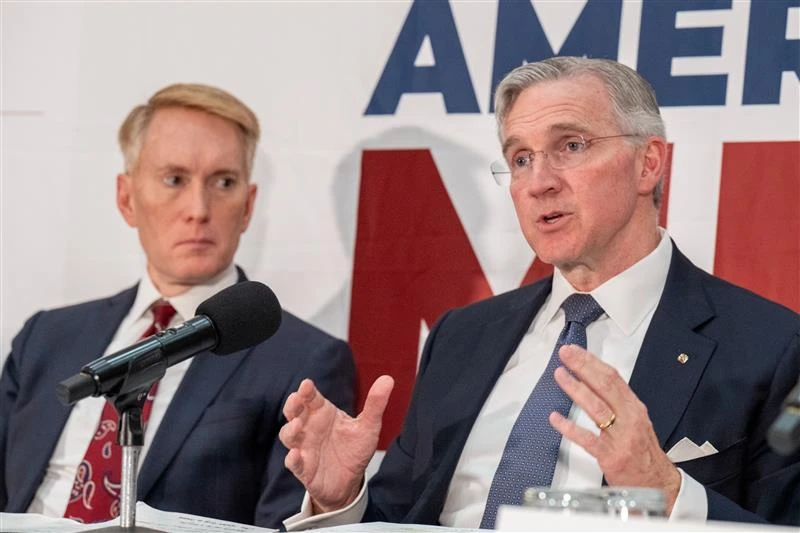
 Supreme Knight Patrick Kelly (right) speaks at the Symposium on Young American Men, a national conversation on restoring purpose, flourishing, and belonging, at the National Press Club in Washington, D.C., on Nov. 3, 2025. Looking on is Sen. James Lankford of Oklahoma. / Credit: Matthew H. Barrick

CNA Staff, Nov 5, 2025 / 08:00 am (CNA).
At the Symposium on Young American Men in Washington, D.C., on Nov. 3, Supreme Knight Patrick Kelly of the Knights of Columbus said that young men are “lost” and need “purpose and mission.” The symposium highlighted the mental health crisis, social isolation, digital addiction, and other struggles young men face today.Panelists — including Sen. James Lankford, R-Oklahoma; Sen. Ruben Gallego, D-Arizona; Sen. John Cornyn, R-Texas; and other experts — discussed ways to address these challenges by helping young men build community. “Many young men are lost and disconnected,” Kelly said in an opening statement at the beginning of the symposium. “Many come from broken families with fathers who are not a real part of their life. Many are drowning in the depths of the internet and social media.”Kelly, who heads the Catholic fraternal organization Knights of Columbus, pointed to loneliness and isolation as a challenge for young men. “It’s increasingly clear that millions of men no longer have friends who they can count on and who can spur them on to excellence,” Kelly continued. “More than a quarter of millennials say they have no close friends, and the rise of artificial intelligence has millions of young men looking for friendship in chatbots.”Ellen Carmichael, founder of The Lafayette Company, the communications group hosting the symposium, said there is an “urgent need” for action.“Recent incidents of political violence and growing national concern about young men’s social isolation have underscored what we already knew: This conversation cannot wait,” Carmichael stated. “We are hardwired as men for purpose and mission,” Kelly said, noting that the Knights of Columbus is centered on Christ and service to local communities.  “We are trying to tackle what the surgeon general recently called the epidemic of loneliness and isolation,” Kelly noted. “We’re giving men the kind of community they truly need, and we will continue to help America’s young men find meaning and mission in life.” “We’ve always known that men need meaning in life and that a man’s ultimate meaning comes from his personal relationship with others and with God,” Kelly said. “Friendship is the key,” he said. “Christ did his ministry through friendships … he assembled 12 friends, imperfect people.” In a panel on the role of faith in rebuilding community for men, Kelly said young men “have had enough” of what the culture offers them and “are really yearning for more of an institution and yearning for moorings.” He noted that the Knights of Columbus have been bringing in a growing number of men over the past few years and that after an era of relativism, there has been a “swing back” among young men toward tradition. In a change from previous generations, he said, young men are drawn to ritual. “The areas they’re searching leave them empty,” Kelly said, so “they turn to God.”

Amid loneliness crisis, ‘men need a mission,’ Supreme Knight Patrick Kelly says #Catholic Supreme Knight Patrick Kelly (right) speaks at the Symposium on Young American Men, a national conversation on restoring purpose, flourishing, and belonging, at the National Press Club in Washington, D.C., on Nov. 3, 2025. Looking on is Sen. James Lankford of Oklahoma. / Credit: Matthew H. Barrick CNA Staff, Nov 5, 2025 / 08:00 am (CNA). At the Symposium on Young American Men in Washington, D.C., on Nov. 3, Supreme Knight Patrick Kelly of the Knights of Columbus said that young men are “lost” and need “purpose and mission.” The symposium highlighted the mental health crisis, social isolation, digital addiction, and other struggles young men face today.Panelists — including Sen. James Lankford, R-Oklahoma; Sen. Ruben Gallego, D-Arizona; Sen. John Cornyn, R-Texas; and other experts — discussed ways to address these challenges by helping young men build community. “Many young men are lost and disconnected,” Kelly said in an opening statement at the beginning of the symposium. “Many come from broken families with fathers who are not a real part of their life. Many are drowning in the depths of the internet and social media.”Kelly, who heads the Catholic fraternal organization Knights of Columbus, pointed to loneliness and isolation as a challenge for young men. “It’s increasingly clear that millions of men no longer have friends who they can count on and who can spur them on to excellence,” Kelly continued. “More than a quarter of millennials say they have no close friends, and the rise of artificial intelligence has millions of young men looking for friendship in chatbots.”Ellen Carmichael, founder of The Lafayette Company, the communications group hosting the symposium, said there is an “urgent need” for action.“Recent incidents of political violence and growing national concern about young men’s social isolation have underscored what we already knew: This conversation cannot wait,” Carmichael stated. “We are hardwired as men for purpose and mission,” Kelly said, noting that the Knights of Columbus is centered on Christ and service to local communities.  “We are trying to tackle what the surgeon general recently called the epidemic of loneliness and isolation,” Kelly noted. “We’re giving men the kind of community they truly need, and we will continue to help America’s young men find meaning and mission in life.” “We’ve always known that men need meaning in life and that a man’s ultimate meaning comes from his personal relationship with others and with God,” Kelly said. “Friendship is the key,” he said. “Christ did his ministry through friendships … he assembled 12 friends, imperfect people.” In a panel on the role of faith in rebuilding community for men, Kelly said young men “have had enough” of what the culture offers them and “are really yearning for more of an institution and yearning for moorings.” He noted that the Knights of Columbus have been bringing in a growing number of men over the past few years and that after an era of relativism, there has been a “swing back” among young men toward tradition. In a change from previous generations, he said, young men are drawn to ritual. “The areas they’re searching leave them empty,” Kelly said, so “they turn to God.”


Supreme Knight Patrick Kelly (right) speaks at the Symposium on Young American Men, a national conversation on restoring purpose, flourishing, and belonging, at the National Press Club in Washington, D.C., on Nov. 3, 2025. Looking on is Sen. James Lankford of Oklahoma. / Credit: Matthew H. Barrick

CNA Staff, Nov 5, 2025 / 08:00 am (CNA).

At the Symposium on Young American Men in Washington, D.C., on Nov. 3, Supreme Knight Patrick Kelly of the Knights of Columbus said that young men are “lost” and need “purpose and mission.” 

The symposium highlighted the mental health crisis, social isolation, digital addiction, and other struggles young men face today.

Panelists — including Sen. James Lankford, R-Oklahoma; Sen. Ruben Gallego, D-Arizona; Sen. John Cornyn, R-Texas; and other experts — discussed ways to address these challenges by helping young men build community. 

“Many young men are lost and disconnected,” Kelly said in an opening statement at the beginning of the symposium. “Many come from broken families with fathers who are not a real part of their life. Many are drowning in the depths of the internet and social media.”

Kelly, who heads the Catholic fraternal organization Knights of Columbus, pointed to loneliness and isolation as a challenge for young men. 

“It’s increasingly clear that millions of men no longer have friends who they can count on and who can spur them on to excellence,” Kelly continued. “More than a quarter of millennials say they have no close friends, and the rise of artificial intelligence has millions of young men looking for friendship in chatbots.”

Ellen Carmichael, founder of The Lafayette Company, the communications group hosting the symposium, said there is an “urgent need” for action.

“Recent incidents of political violence and growing national concern about young men’s social isolation have underscored what we already knew: This conversation cannot wait,” Carmichael stated

“We are hardwired as men for purpose and mission,” Kelly said, noting that the Knights of Columbus is centered on Christ and service to local communities.  

“We are trying to tackle what the surgeon general recently called the epidemic of loneliness and isolation,” Kelly noted. “We’re giving men the kind of community they truly need, and we will continue to help America’s young men find meaning and mission in life.” 

“We’ve always known that men need meaning in life and that a man’s ultimate meaning comes from his personal relationship with others and with God,” Kelly said. 

“Friendship is the key,” he said. “Christ did his ministry through friendships … he assembled 12 friends, imperfect people.” 

In a panel on the role of faith in rebuilding community for men, Kelly said young men “have had enough” of what the culture offers them and “are really yearning for more of an institution and yearning for moorings.” 

He noted that the Knights of Columbus have been bringing in a growing number of men over the past few years and that after an era of relativism, there has been a “swing back” among young men toward tradition. 

In a change from previous generations, he said, young men are drawn to ritual. 

“The areas they’re searching leave them empty,” Kelly said, so “they turn to God.”

Read More