joy

Some Protestant scholars welcome Vatican document clarifying Marian titles #Catholic 
 
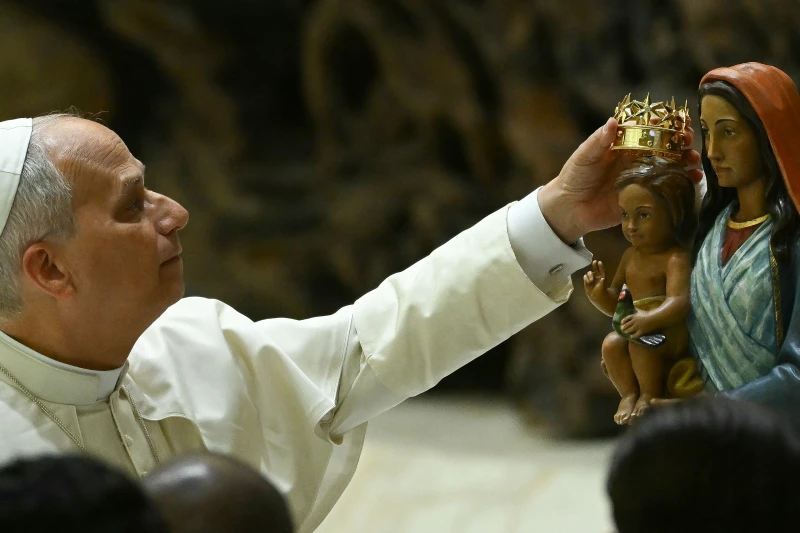
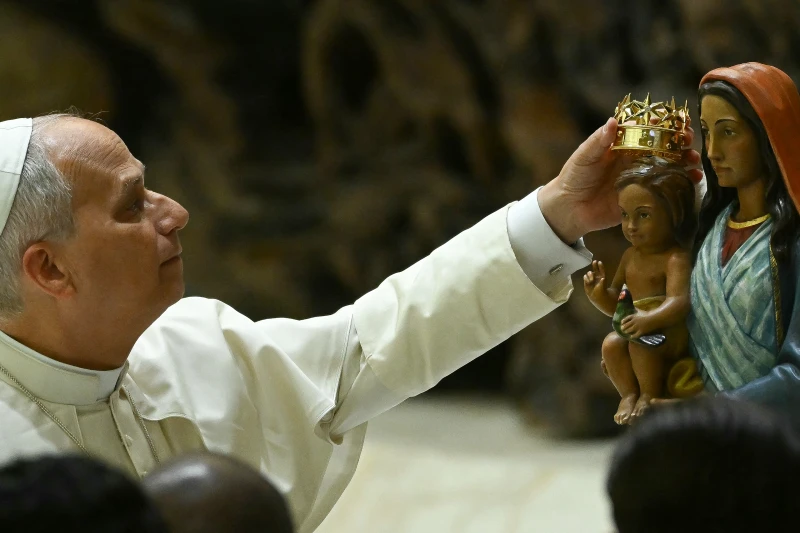
 Pope Leo XIV places a crown on the Madonna of Sinti, Roma, and Walking Peoples during the audience of the Jubilee of the Roma, Sinti, and Traveling Peoples in Paul VI Hall at the Vatican on Oct. 18, 2025. / Credit: Filippo Monteforte/AFP via Getty Images

Washington, D.C. Newsroom, Dec 15, 2025 / 06:00 am (CNA).
Some Protestant scholars who spoke with CNA welcomed a Vatican document that clarified titles for the Blessed Virgin Mary that discouraged the use of Co-Redemptrix/Co-Redeemer and put limits on the use of Mediatrix/Mediator.The Dicastery for the Doctrine of the Faith (DDF) issued the doctrinal note Mater Populi Fidelis on Nov. 4. It was approved by Pope Leo XIV and signed by DDF Prefect Cardinal Víctor Manuel Fernández on Oct. 7.According to the document, using “Co-Redemptrix” to explain Mary’s role in salvation “would not be appropriate.” The document is less harsh about using “Mediatrix” and says “if misunderstood, it could easily obscure or even contradict” Mary’s role in mediation.The document affirms Mary plays a role in both redemption and mediation because she freely cooperates with Jesus Christ. That role, it explains, is always “subordinate” to Christ, and it warned against using titles in a way that could be misconstrued to mitigate Christ as the sole Redeemer and sole Mediator.Catholic reactions have been mixed, with some seeing the clarification as helpful and others defending the titles as consistent with the understanding of Mary’s role as subordinate and asking the Vatican to formally define the doctrines themselves rather than simply issue a note on the titles.Positive reactions from ProtestantsCNA spoke with three Protestant scholars, all of whom welcomed the Vatican’s doctrinal note on titles for Mary.David Luy, theology professor at the North American Lutheran Seminary, told CNA he does not see the document as “Roman Catholics conceding anything to their tradition” but did see it as being written “with an attentiveness” toward certain concerns that Protestants raise.Although Protestant communities vary widely on how they view Mary and what titles are proper, he said concern over the titles in question “sprouts from a desire to uphold the distinctiveness of Christ as the one mediator.”Luy cited the second chapter of First Timothy. The translation of the text approved by the U.S. Catholic bishops states: “For there is one God. There is also one mediator between God and the human race, Christ Jesus, himself human, who gave himself as ransom for all.”He said Protestants often emphasize the need to “uphold the distinctive mediatorship of Christ” and saw the document as expressing a “sensibility to that central Protestant concern” while also being careful “in the way it develops Mary’s role in the economy of salvation.”“Does it relieve potential strain between Protestants and Catholics? The short answer would be yes,” Luy said.However, he said the concept of mediation “is probably where there’d be a need for just ongoing conversation.” He said Lutherans understand the term “mediation” as being “the means through which God acts in the world” and that “most Lutherans are going to be cautious” of language that describes Mary in terms of mediation.Catholic teaching recognizes Christ as “the one mediator,” according to Lumen Gentium, the dogmatic constitution on the Church issued by the Second Vatican Council in 1964. It teaches that humans cooperate with Christ’s mediation in a subordinate way and “the Church does not hesitate to profess this subordinate role of Mary.”The Rev. Cynthia Rigby, a theology professor at Austin Presbyterian Theological Seminary and co-author of “Blessed One: Protestant Perspectives on Mary,” told CNA she thinks the document could mark “a watershed moment” for relations between Catholics and Protestants.Rigby said Mary should be understood as a woman with “great faith,” and, under that framing, “Christians will identify her less as a secondary savior but as an exemplary Christian.” She said “the weight will shift from trying to explain how it is that Mary brokers salvation without rivaling Christ … to what we can learn about the joy of salvation through her example.”The Vatican document, however, goes much further than Rigby on Mary’s role. It states that she freely cooperates “in the work of human salvation through faith and obedience” during the time that Christ walked the earth and throughout the ongoing life of the Church rather than simply viewing her as an example to follow.Tom Krattenmaker, a Lutheran pastor and theology professor at Yale Divinity School, told CNA the document is “very welcome” and called Mariology “one of the major points distinguishing Christian traditions since the Reformation.”He said the guidance on titles and the explanation provided in the document are “extraordinarily helpful for ecumenical dialogue” because they affirm Christ as the sole redeemer and mediator and Pope Leo XIV “makes very clear that we can say so in ecumenical communality.”Krattenmaker said this “is a reason for Protestants to embrace the clear step forward he is making toward Christian unity.”The Vatican document did not expressly state that ecumenism was the intended goal. However, the subject of Catholic Marian devotions is a frequent point of contention. The document did not alter any doctrines in dispute but instead focused on titles the dicastery felt may cause confusion about what the Church actually teaches about Mary.

Some Protestant scholars welcome Vatican document clarifying Marian titles #Catholic Pope Leo XIV places a crown on the Madonna of Sinti, Roma, and Walking Peoples during the audience of the Jubilee of the Roma, Sinti, and Traveling Peoples in Paul VI Hall at the Vatican on Oct. 18, 2025. / Credit: Filippo Monteforte/AFP via Getty Images Washington, D.C. Newsroom, Dec 15, 2025 / 06:00 am (CNA). Some Protestant scholars who spoke with CNA welcomed a Vatican document that clarified titles for the Blessed Virgin Mary that discouraged the use of Co-Redemptrix/Co-Redeemer and put limits on the use of Mediatrix/Mediator.The Dicastery for the Doctrine of the Faith (DDF) issued the doctrinal note Mater Populi Fidelis on Nov. 4. It was approved by Pope Leo XIV and signed by DDF Prefect Cardinal Víctor Manuel Fernández on Oct. 7.According to the document, using “Co-Redemptrix” to explain Mary’s role in salvation “would not be appropriate.” The document is less harsh about using “Mediatrix” and says “if misunderstood, it could easily obscure or even contradict” Mary’s role in mediation.The document affirms Mary plays a role in both redemption and mediation because she freely cooperates with Jesus Christ. That role, it explains, is always “subordinate” to Christ, and it warned against using titles in a way that could be misconstrued to mitigate Christ as the sole Redeemer and sole Mediator.Catholic reactions have been mixed, with some seeing the clarification as helpful and others defending the titles as consistent with the understanding of Mary’s role as subordinate and asking the Vatican to formally define the doctrines themselves rather than simply issue a note on the titles.Positive reactions from ProtestantsCNA spoke with three Protestant scholars, all of whom welcomed the Vatican’s doctrinal note on titles for Mary.David Luy, theology professor at the North American Lutheran Seminary, told CNA he does not see the document as “Roman Catholics conceding anything to their tradition” but did see it as being written “with an attentiveness” toward certain concerns that Protestants raise.Although Protestant communities vary widely on how they view Mary and what titles are proper, he said concern over the titles in question “sprouts from a desire to uphold the distinctiveness of Christ as the one mediator.”Luy cited the second chapter of First Timothy. The translation of the text approved by the U.S. Catholic bishops states: “For there is one God. There is also one mediator between God and the human race, Christ Jesus, himself human, who gave himself as ransom for all.”He said Protestants often emphasize the need to “uphold the distinctive mediatorship of Christ” and saw the document as expressing a “sensibility to that central Protestant concern” while also being careful “in the way it develops Mary’s role in the economy of salvation.”“Does it relieve potential strain between Protestants and Catholics? The short answer would be yes,” Luy said.However, he said the concept of mediation “is probably where there’d be a need for just ongoing conversation.” He said Lutherans understand the term “mediation” as being “the means through which God acts in the world” and that “most Lutherans are going to be cautious” of language that describes Mary in terms of mediation.Catholic teaching recognizes Christ as “the one mediator,” according to Lumen Gentium, the dogmatic constitution on the Church issued by the Second Vatican Council in 1964. It teaches that humans cooperate with Christ’s mediation in a subordinate way and “the Church does not hesitate to profess this subordinate role of Mary.”The Rev. Cynthia Rigby, a theology professor at Austin Presbyterian Theological Seminary and co-author of “Blessed One: Protestant Perspectives on Mary,” told CNA she thinks the document could mark “a watershed moment” for relations between Catholics and Protestants.Rigby said Mary should be understood as a woman with “great faith,” and, under that framing, “Christians will identify her less as a secondary savior but as an exemplary Christian.” She said “the weight will shift from trying to explain how it is that Mary brokers salvation without rivaling Christ … to what we can learn about the joy of salvation through her example.”The Vatican document, however, goes much further than Rigby on Mary’s role. It states that she freely cooperates “in the work of human salvation through faith and obedience” during the time that Christ walked the earth and throughout the ongoing life of the Church rather than simply viewing her as an example to follow.Tom Krattenmaker, a Lutheran pastor and theology professor at Yale Divinity School, told CNA the document is “very welcome” and called Mariology “one of the major points distinguishing Christian traditions since the Reformation.”He said the guidance on titles and the explanation provided in the document are “extraordinarily helpful for ecumenical dialogue” because they affirm Christ as the sole redeemer and mediator and Pope Leo XIV “makes very clear that we can say so in ecumenical communality.”Krattenmaker said this “is a reason for Protestants to embrace the clear step forward he is making toward Christian unity.”The Vatican document did not expressly state that ecumenism was the intended goal. However, the subject of Catholic Marian devotions is a frequent point of contention. The document did not alter any doctrines in dispute but instead focused on titles the dicastery felt may cause confusion about what the Church actually teaches about Mary.


Pope Leo XIV places a crown on the Madonna of Sinti, Roma, and Walking Peoples during the audience of the Jubilee of the Roma, Sinti, and Traveling Peoples in Paul VI Hall at the Vatican on Oct. 18, 2025. / Credit: Filippo Monteforte/AFP via Getty Images

Washington, D.C. Newsroom, Dec 15, 2025 / 06:00 am (CNA).

Some Protestant scholars who spoke with CNA welcomed a Vatican document that clarified titles for the Blessed Virgin Mary that discouraged the use of Co-Redemptrix/Co-Redeemer and put limits on the use of Mediatrix/Mediator.

The Dicastery for the Doctrine of the Faith (DDF) issued the doctrinal note Mater Populi Fidelis on Nov. 4. It was approved by Pope Leo XIV and signed by DDF Prefect Cardinal Víctor Manuel Fernández on Oct. 7.

According to the document, using “Co-Redemptrix” to explain Mary’s role in salvation “would not be appropriate.” The document is less harsh about using “Mediatrix” and says “if misunderstood, it could easily obscure or even contradict” Mary’s role in mediation.

The document affirms Mary plays a role in both redemption and mediation because she freely cooperates with Jesus Christ. That role, it explains, is always “subordinate” to Christ, and it warned against using titles in a way that could be misconstrued to mitigate Christ as the sole Redeemer and sole Mediator.

Catholic reactions have been mixed, with some seeing the clarification as helpful and others defending the titles as consistent with the understanding of Mary’s role as subordinate and asking the Vatican to formally define the doctrines themselves rather than simply issue a note on the titles.

Positive reactions from Protestants

CNA spoke with three Protestant scholars, all of whom welcomed the Vatican’s doctrinal note on titles for Mary.

David Luy, theology professor at the North American Lutheran Seminary, told CNA he does not see the document as “Roman Catholics conceding anything to their tradition” but did see it as being written “with an attentiveness” toward certain concerns that Protestants raise.

Although Protestant communities vary widely on how they view Mary and what titles are proper, he said concern over the titles in question “sprouts from a desire to uphold the distinctiveness of Christ as the one mediator.”

Luy cited the second chapter of First Timothy. The translation of the text approved by the U.S. Catholic bishops states: “For there is one God. There is also one mediator between God and the human race, Christ Jesus, himself human, who gave himself as ransom for all.”

He said Protestants often emphasize the need to “uphold the distinctive mediatorship of Christ” and saw the document as expressing a “sensibility to that central Protestant concern” while also being careful “in the way it develops Mary’s role in the economy of salvation.”

“Does it relieve potential strain between Protestants and Catholics? The short answer would be yes,” Luy said.

However, he said the concept of mediation “is probably where there’d be a need for just ongoing conversation.” He said Lutherans understand the term “mediation” as being “the means through which God acts in the world” and that “most Lutherans are going to be cautious” of language that describes Mary in terms of mediation.

Catholic teaching recognizes Christ as “the one mediator,” according to Lumen Gentium, the dogmatic constitution on the Church issued by the Second Vatican Council in 1964. It teaches that humans cooperate with Christ’s mediation in a subordinate way and “the Church does not hesitate to profess this subordinate role of Mary.”

The Rev. Cynthia Rigby, a theology professor at Austin Presbyterian Theological Seminary and co-author of “Blessed One: Protestant Perspectives on Mary,” told CNA she thinks the document could mark “a watershed moment” for relations between Catholics and Protestants.

Rigby said Mary should be understood as a woman with “great faith,” and, under that framing, “Christians will identify her less as a secondary savior but as an exemplary Christian.” She said “the weight will shift from trying to explain how it is that Mary brokers salvation without rivaling Christ … to what we can learn about the joy of salvation through her example.”

The Vatican document, however, goes much further than Rigby on Mary’s role. It states that she freely cooperates “in the work of human salvation through faith and obedience” during the time that Christ walked the earth and throughout the ongoing life of the Church rather than simply viewing her as an example to follow.

Tom Krattenmaker, a Lutheran pastor and theology professor at Yale Divinity School, told CNA the document is “very welcome” and called Mariology “one of the major points distinguishing Christian traditions since the Reformation.”

He said the guidance on titles and the explanation provided in the document are “extraordinarily helpful for ecumenical dialogue” because they affirm Christ as the sole redeemer and mediator and Pope Leo XIV “makes very clear that we can say so in ecumenical communality.”

Krattenmaker said this “is a reason for Protestants to embrace the clear step forward he is making toward Christian unity.”

The Vatican document did not expressly state that ecumenism was the intended goal. However, the subject of Catholic Marian devotions is a frequent point of contention. The document did not alter any doctrines in dispute but instead focused on titles the dicastery felt may cause confusion about what the Church actually teaches about Mary.

Read More
Cupid goes Catholic: New faith-based dating show brings faith and matchmaking together #Catholic 
 
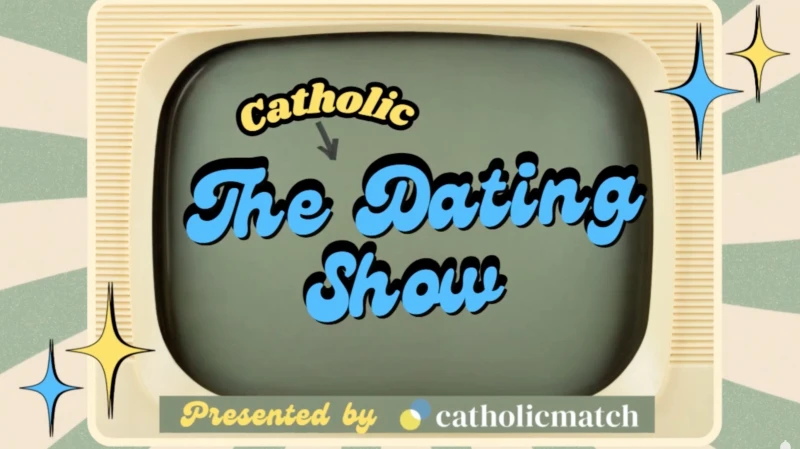
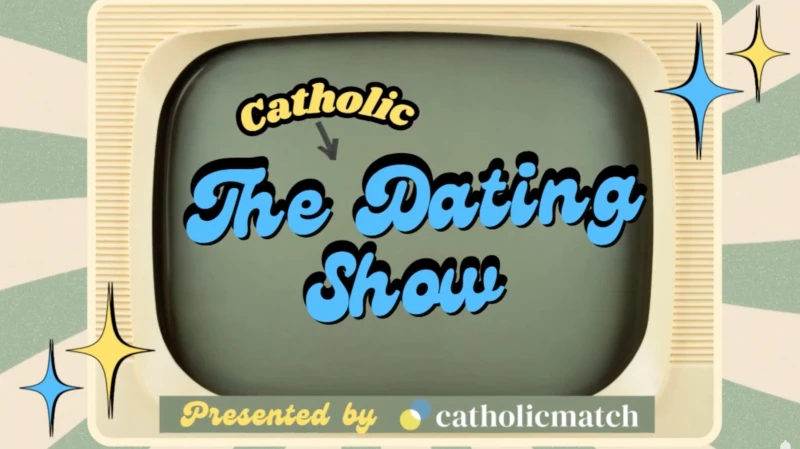
 “The Catholic Dating Show” recently launched on CatholicMatch, a Catholic dating site, and has quickly become a fan favorite. / Credit: CatholicMatch/Tony Tibbetts

CNA Staff, Dec 13, 2025 / 07:00 am (CNA).
Secular dating shows like “The Bachelor,” “Farmer Wants a Wife,” and “Love Is Blind” are among a plethora of programs that aim to bring singles together. But what would it look like to add faith to matchmaking in a dating show? CatholicMatch, one of the first Catholic dating sites, seeks to do just that with the launch of “The Catholic Dating Show.”Earlier this year, CatholicMatch released a new platform called “Relate.” This platform is meant to bring users together for weekly live, virtual events such as trivia nights, discussions with prominent Catholic speakers, and “The Catholic Dating Show.”The show has quickly become a fan favorite, bringing in over 600 live viewers through the dating site and even more when it is uploaded to CatholicMatch’s YouTube channel the next day for nonmembers to watch.Taking place two Saturdays a month, “The Catholic Dating Show” is an hourlong event that features one single woman and three single men. During the first half of the show, the woman asks her suitors questions to get to know them better. The three men also have their cameras off for this part so the woman cannot see them.Once she is done asking questions, the live audience lets her know, via a live poll, whom they think she should continue with into the second half of the show. She can either take their advice or not. Once she picks one of the three suitors, the two go on to play compatibility games to get to know each other further. The show finishes with another live poll from the audience asking if the two should meet in person for a date. “It’s just been so much fun,” Tony Tibbetts, live events manager at CatholicMatch and the host of the dating show, told CNA in an interview. “We’re having a blast and people love it.”Tibbetts pointed out that through the Relate platform, CatholicMatch is not only trying to address a singleness epidemic but “also a loneliness epidemic.” As someone who works with Catholic singles on a daily basis, Tibbetts shared that he is witnessing that “there’s a great sense of distrust in the world and the feeling of you’re going to get burned” and “that lack of vulnerability has become very rampant in the Catholic community when it comes to Catholic dating.”Tony Tibbetts, live events manager at CatholicMatch, hosts an episode of “The Catholic Dating Show.” Credit: CatholicMatch/Tony TibbettsDue to this, CatholicMatch is working to be more than just a dating app but also to “build something unique in the dating world, especially with this Relate platform — to not only be the name you think of when you think of Catholic online dating, but it will also be something that people desire to be part of.”“So we’re helping people to be able to join in the Catholic community — because we all need community — of singles and who knows, maybe you just might find ‘the one’ while you’re there,” he explained. He added: “Our stated mission is to help facilitate as many holy, Catholic marriages as possible, and so we want to do that for you as quickly as possible, as quickly as we can, but while you’re on it as well, we want you to get the most out of your dating experience. Dating should be fun. Dating shouldn’t be stressful … We want to help facilitate that joy in people and that excitement for community, for possibly finding other people like you, for possibly finding ‘the one.’”Through the live events, Tibbetts said he believes CatholicMatch is enabling users to “go beyond the profile of somebody to be able to get to know them.”One of their newest additions to the Relate platform is the dating hotline, which allows users to call in with questions about dating or ask for advice and have their questions answered live by the male and female hosts. Tibbetts said the primary goal is “trying to facilitate joy among Catholic singles.”“With that, we hope and pray that the Lord will move something within them where we can create marriages, we can create holy, Catholic relationships with it … We’re trying to create joyful lives for Catholics and hopefully create some Catholic marriages along the way.”

Cupid goes Catholic: New faith-based dating show brings faith and matchmaking together #Catholic “The Catholic Dating Show” recently launched on CatholicMatch, a Catholic dating site, and has quickly become a fan favorite. / Credit: CatholicMatch/Tony Tibbetts CNA Staff, Dec 13, 2025 / 07:00 am (CNA). Secular dating shows like “The Bachelor,” “Farmer Wants a Wife,” and “Love Is Blind” are among a plethora of programs that aim to bring singles together. But what would it look like to add faith to matchmaking in a dating show? CatholicMatch, one of the first Catholic dating sites, seeks to do just that with the launch of “The Catholic Dating Show.”Earlier this year, CatholicMatch released a new platform called “Relate.” This platform is meant to bring users together for weekly live, virtual events such as trivia nights, discussions with prominent Catholic speakers, and “The Catholic Dating Show.”The show has quickly become a fan favorite, bringing in over 600 live viewers through the dating site and even more when it is uploaded to CatholicMatch’s YouTube channel the next day for nonmembers to watch.Taking place two Saturdays a month, “The Catholic Dating Show” is an hourlong event that features one single woman and three single men. During the first half of the show, the woman asks her suitors questions to get to know them better. The three men also have their cameras off for this part so the woman cannot see them.Once she is done asking questions, the live audience lets her know, via a live poll, whom they think she should continue with into the second half of the show. She can either take their advice or not. Once she picks one of the three suitors, the two go on to play compatibility games to get to know each other further. The show finishes with another live poll from the audience asking if the two should meet in person for a date. “It’s just been so much fun,” Tony Tibbetts, live events manager at CatholicMatch and the host of the dating show, told CNA in an interview. “We’re having a blast and people love it.”Tibbetts pointed out that through the Relate platform, CatholicMatch is not only trying to address a singleness epidemic but “also a loneliness epidemic.” As someone who works with Catholic singles on a daily basis, Tibbetts shared that he is witnessing that “there’s a great sense of distrust in the world and the feeling of you’re going to get burned” and “that lack of vulnerability has become very rampant in the Catholic community when it comes to Catholic dating.”Tony Tibbetts, live events manager at CatholicMatch, hosts an episode of “The Catholic Dating Show.” Credit: CatholicMatch/Tony TibbettsDue to this, CatholicMatch is working to be more than just a dating app but also to “build something unique in the dating world, especially with this Relate platform — to not only be the name you think of when you think of Catholic online dating, but it will also be something that people desire to be part of.”“So we’re helping people to be able to join in the Catholic community — because we all need community — of singles and who knows, maybe you just might find ‘the one’ while you’re there,” he explained. He added: “Our stated mission is to help facilitate as many holy, Catholic marriages as possible, and so we want to do that for you as quickly as possible, as quickly as we can, but while you’re on it as well, we want you to get the most out of your dating experience. Dating should be fun. Dating shouldn’t be stressful … We want to help facilitate that joy in people and that excitement for community, for possibly finding other people like you, for possibly finding ‘the one.’”Through the live events, Tibbetts said he believes CatholicMatch is enabling users to “go beyond the profile of somebody to be able to get to know them.”One of their newest additions to the Relate platform is the dating hotline, which allows users to call in with questions about dating or ask for advice and have their questions answered live by the male and female hosts. Tibbetts said the primary goal is “trying to facilitate joy among Catholic singles.”“With that, we hope and pray that the Lord will move something within them where we can create marriages, we can create holy, Catholic relationships with it … We’re trying to create joyful lives for Catholics and hopefully create some Catholic marriages along the way.”


“The Catholic Dating Show” recently launched on CatholicMatch, a Catholic dating site, and has quickly become a fan favorite. / Credit: CatholicMatch/Tony Tibbetts

CNA Staff, Dec 13, 2025 / 07:00 am (CNA).

Secular dating shows like “The Bachelor,” “Farmer Wants a Wife,” and “Love Is Blind” are among a plethora of programs that aim to bring singles together. But what would it look like to add faith to matchmaking in a dating show? CatholicMatch, one of the first Catholic dating sites, seeks to do just that with the launch of “The Catholic Dating Show.”

Earlier this year, CatholicMatch released a new platform called “Relate.” This platform is meant to bring users together for weekly live, virtual events such as trivia nights, discussions with prominent Catholic speakers, and “The Catholic Dating Show.”

The show has quickly become a fan favorite, bringing in over 600 live viewers through the dating site and even more when it is uploaded to CatholicMatch’s YouTube channel the next day for nonmembers to watch.

Taking place two Saturdays a month, “The Catholic Dating Show” is an hourlong event that features one single woman and three single men. During the first half of the show, the woman asks her suitors questions to get to know them better. The three men also have their cameras off for this part so the woman cannot see them.

Once she is done asking questions, the live audience lets her know, via a live poll, whom they think she should continue with into the second half of the show. She can either take their advice or not. Once she picks one of the three suitors, the two go on to play compatibility games to get to know each other further. The show finishes with another live poll from the audience asking if the two should meet in person for a date. 

“It’s just been so much fun,” Tony Tibbetts, live events manager at CatholicMatch and the host of the dating show, told CNA in an interview. “We’re having a blast and people love it.”

Tibbetts pointed out that through the Relate platform, CatholicMatch is not only trying to address a singleness epidemic but “also a loneliness epidemic.” 

As someone who works with Catholic singles on a daily basis, Tibbetts shared that he is witnessing that “there’s a great sense of distrust in the world and the feeling of you’re going to get burned” and “that lack of vulnerability has become very rampant in the Catholic community when it comes to Catholic dating.”

Tony Tibbetts, live events manager at CatholicMatch, hosts an episode of "The Catholic Dating Show." Credit: CatholicMatch/Tony Tibbetts
Tony Tibbetts, live events manager at CatholicMatch, hosts an episode of “The Catholic Dating Show.” Credit: CatholicMatch/Tony Tibbetts

Due to this, CatholicMatch is working to be more than just a dating app but also to “build something unique in the dating world, especially with this Relate platform — to not only be the name you think of when you think of Catholic online dating, but it will also be something that people desire to be part of.”

“So we’re helping people to be able to join in the Catholic community — because we all need community — of singles and who knows, maybe you just might find ‘the one’ while you’re there,” he explained. 

He added: “Our stated mission is to help facilitate as many holy, Catholic marriages as possible, and so we want to do that for you as quickly as possible, as quickly as we can, but while you’re on it as well, we want you to get the most out of your dating experience. Dating should be fun. Dating shouldn’t be stressful … We want to help facilitate that joy in people and that excitement for community, for possibly finding other people like you, for possibly finding ‘the one.’”

Through the live events, Tibbetts said he believes CatholicMatch is enabling users to “go beyond the profile of somebody to be able to get to know them.”

One of their newest additions to the Relate platform is the dating hotline, which allows users to call in with questions about dating or ask for advice and have their questions answered live by the male and female hosts. 

Tibbetts said the primary goal is “trying to facilitate joy among Catholic singles.”

“With that, we hope and pray that the Lord will move something within them where we can create marriages, we can create holy, Catholic relationships with it … We’re trying to create joyful lives for Catholics and hopefully create some Catholic marriages along the way.”

Read More
St. Gianna Molla award to go to Catholic father, farmer, potential saint  #Catholic 
 
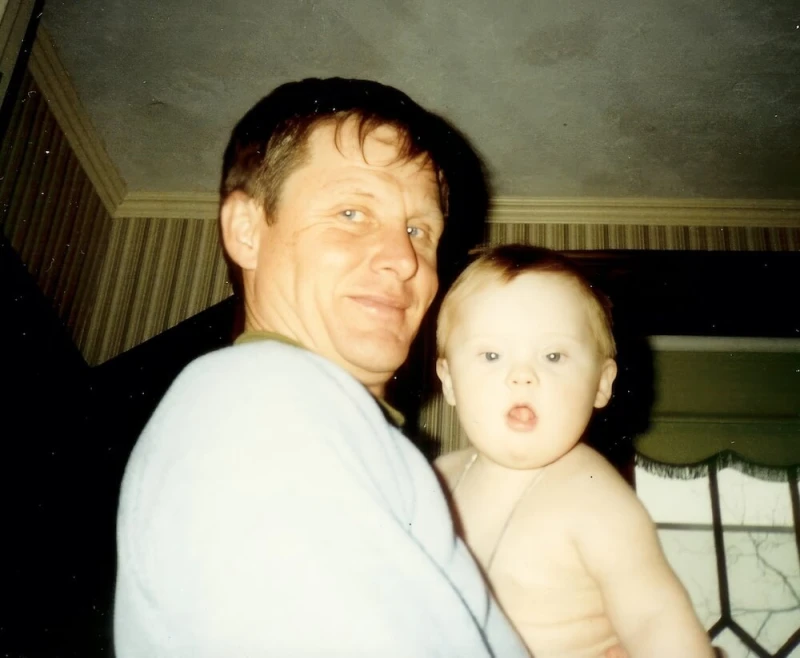
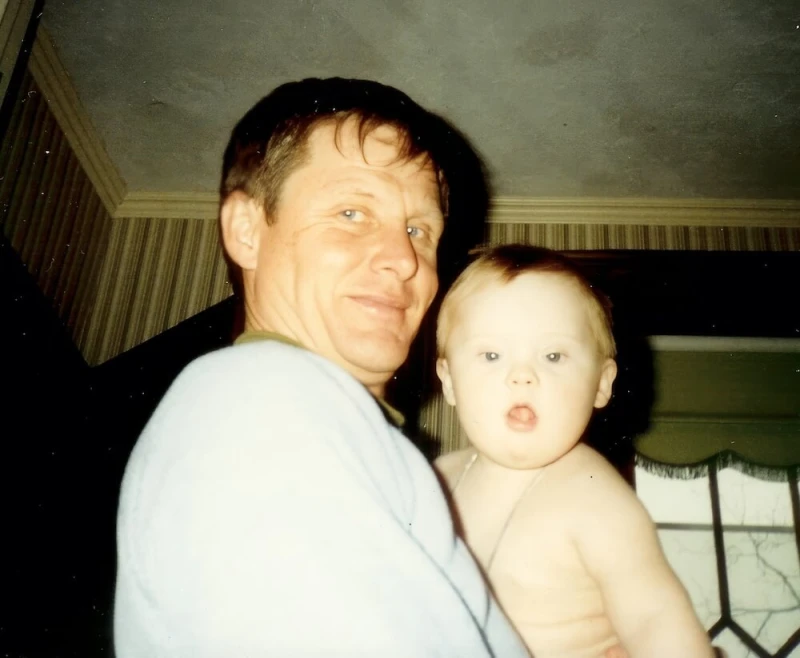
 Tom Vander Woude with baby Joseph “Josie” Vander Woude. / Credit: Photo courtesy of the Tom Vander Woude Guild

CNA Staff, Dec 11, 2025 / 09:30 am (CNA).
When Virginia father Tom Vander Woude’s 19-year-old son, a boy with Down syndrome, fell into a toxic sewage tank, Tom jumped into the tank with him, pushing him to the surface even as the toxic fumes filled his own lungs.The father of seven, whose sainthood cause is now under investigation, will be posthumously awarded this year’s Walk for Life “Saint Gianna Molla Award for Pro-Life Heroism” on Jan. 24, 2026 at the West Coast Walk for Life in San Francisco. “When we heard Tom’s story years ago, we were touched by the love of a father for his child,” Dolores Meehan, co-chair of the West Coast Walk for Life, told CNA. “The fact that his son has Down syndrome made it all the more important to share his story of love and sacrifice and joy.”Unborn children with Down syndrome often become victims of abortion.The award named for St. Gianna Molla — an Italian doctor who chose to carry her child to term after a cancer diagnosis at the cost of her own life — honors those who show “heroic virtue in the defense of the unborn and their mothers and fathers, usually to the extent of profound sacrifice,” according to Meehan.Chris Vander Woude, who is travelling the U.S. and promoting his father’s cause, told CNA that “Dad was deeply committed to honoring and safeguarding the sanctity of human life.”     “He lived by these values right up to his last breath when he saved my brother Joseph’s life,” said Vander Woude. “Following St. Gianna’s example, Dad selflessly gave his life out of love for his child.” “In a world that often devalues people with Down Syndrome, Dad’s final act of love for my brother serves as a powerful testament to the sanctity and dignity of every human life,” Vander Woude continued. Openness to life “I don’t think Dad ever missed a March for Life,” Chris said. “It didn’t matter if it was snowing or super cold, Dad would take as many family members as possible because he understood the importance of standing up for innocent unborn babies and their right to life.” Tom, who worked as a farmer and a commercial pilot, made time for his family, faith, and pro-life beliefs. Held in late January, the March for Life is the pro-life movement’s annual march in Washington, D.C. to oppose abortion and defend human life.  Tom and his wife also frequently prayed the Rosary outside of an abortion clinic  that has since closed and is now a life-affirming medical clinic that serves women in need, according to Vander Woude. Tom and his wife also taught Natural Family Planning (NFP), a life-affirming fertility-awareness method of family planning, to young couples.  “He and Mom were always open to life in their marriage,” Vander Woude said. “Dad believed in the age-old saying that ‘it takes a village to raise a child,’ and he was quick to do his part in ‘the village’ to help,”“They had many reasons not to have a large family, but they chose the courageous path of faith, hope, and openness to God’s will,” Chris said. When a woman tracks her cycle using an NFP method, NFP works with her fertility rather than against it. Because various NFP methods don’t obstruct conception like contraception does, the Catholic Church accepts it as a form of family planning that is open to life. Bob and Karen Fioramonti still remember going to NFP classes with the Vander Woude’s in the early 1990s as a young married couple. “We learned about NFP, but we learned even more about what it looked like to be a faithful couple who had been open to life,” Karen Fioramonti told CNA. “At that point, neither of us knew any big families and the Vander Woude’s were a joyful couple raising seven sons encouraging us to trust God’s plan for our family,” said Karen Fioramonti. “They shared what a blessing each child is and that a parents’ mission is to raise saints. In short, they shared their faith.”“Years later, we have raised our own seven sons and two daughters, and we are so grateful for that message shared many years ago,” Bob Fioramonti said.  A pro-life hero As Vander Woude has been sharing the story of his father’s self-sacrifice with parishes around the U.S., he has seen how his father’s story moves people of all ages. “I’ve seen the story move people to tears and motivate them to follow Dad’s sacrificial example,” Vander Woude said. Meehan said that she hopes Tom Vander Woude’s story will inspire men to take up the pro-life mantle. “Men are so in need of heroes,” said Meehan. “Our hope is that the men who hear his story will be encouraged, inspired, and motivated to emulate not just his final act of sacrifice, but his life of sacrifice and the joy he derived from his pro-life heart.” “Men need to hear that they, too, can be the pro-life hero to their family — to step up and be present day in and day out,” Meehan said. 

St. Gianna Molla award to go to Catholic father, farmer, potential saint  #Catholic Tom Vander Woude with baby Joseph “Josie” Vander Woude. / Credit: Photo courtesy of the Tom Vander Woude Guild CNA Staff, Dec 11, 2025 / 09:30 am (CNA). When Virginia father Tom Vander Woude’s 19-year-old son, a boy with Down syndrome, fell into a toxic sewage tank, Tom jumped into the tank with him, pushing him to the surface even as the toxic fumes filled his own lungs.The father of seven, whose sainthood cause is now under investigation, will be posthumously awarded this year’s Walk for Life “Saint Gianna Molla Award for Pro-Life Heroism” on Jan. 24, 2026 at the West Coast Walk for Life in San Francisco. “When we heard Tom’s story years ago, we were touched by the love of a father for his child,” Dolores Meehan, co-chair of the West Coast Walk for Life, told CNA. “The fact that his son has Down syndrome made it all the more important to share his story of love and sacrifice and joy.”Unborn children with Down syndrome often become victims of abortion.The award named for St. Gianna Molla — an Italian doctor who chose to carry her child to term after a cancer diagnosis at the cost of her own life — honors those who show “heroic virtue in the defense of the unborn and their mothers and fathers, usually to the extent of profound sacrifice,” according to Meehan.Chris Vander Woude, who is travelling the U.S. and promoting his father’s cause, told CNA that “Dad was deeply committed to honoring and safeguarding the sanctity of human life.”     “He lived by these values right up to his last breath when he saved my brother Joseph’s life,” said Vander Woude. “Following St. Gianna’s example, Dad selflessly gave his life out of love for his child.” “In a world that often devalues people with Down Syndrome, Dad’s final act of love for my brother serves as a powerful testament to the sanctity and dignity of every human life,” Vander Woude continued. Openness to life “I don’t think Dad ever missed a March for Life,” Chris said. “It didn’t matter if it was snowing or super cold, Dad would take as many family members as possible because he understood the importance of standing up for innocent unborn babies and their right to life.” Tom, who worked as a farmer and a commercial pilot, made time for his family, faith, and pro-life beliefs. Held in late January, the March for Life is the pro-life movement’s annual march in Washington, D.C. to oppose abortion and defend human life.  Tom and his wife also frequently prayed the Rosary outside of an abortion clinic  that has since closed and is now a life-affirming medical clinic that serves women in need, according to Vander Woude. Tom and his wife also taught Natural Family Planning (NFP), a life-affirming fertility-awareness method of family planning, to young couples.  “He and Mom were always open to life in their marriage,” Vander Woude said. “Dad believed in the age-old saying that ‘it takes a village to raise a child,’ and he was quick to do his part in ‘the village’ to help,”“They had many reasons not to have a large family, but they chose the courageous path of faith, hope, and openness to God’s will,” Chris said. When a woman tracks her cycle using an NFP method, NFP works with her fertility rather than against it. Because various NFP methods don’t obstruct conception like contraception does, the Catholic Church accepts it as a form of family planning that is open to life. Bob and Karen Fioramonti still remember going to NFP classes with the Vander Woude’s in the early 1990s as a young married couple. “We learned about NFP, but we learned even more about what it looked like to be a faithful couple who had been open to life,” Karen Fioramonti told CNA. “At that point, neither of us knew any big families and the Vander Woude’s were a joyful couple raising seven sons encouraging us to trust God’s plan for our family,” said Karen Fioramonti. “They shared what a blessing each child is and that a parents’ mission is to raise saints. In short, they shared their faith.”“Years later, we have raised our own seven sons and two daughters, and we are so grateful for that message shared many years ago,” Bob Fioramonti said.  A pro-life hero As Vander Woude has been sharing the story of his father’s self-sacrifice with parishes around the U.S., he has seen how his father’s story moves people of all ages. “I’ve seen the story move people to tears and motivate them to follow Dad’s sacrificial example,” Vander Woude said. Meehan said that she hopes Tom Vander Woude’s story will inspire men to take up the pro-life mantle. “Men are so in need of heroes,” said Meehan. “Our hope is that the men who hear his story will be encouraged, inspired, and motivated to emulate not just his final act of sacrifice, but his life of sacrifice and the joy he derived from his pro-life heart.” “Men need to hear that they, too, can be the pro-life hero to their family — to step up and be present day in and day out,” Meehan said. 


Tom Vander Woude with baby Joseph “Josie” Vander Woude. / Credit: Photo courtesy of the Tom Vander Woude Guild

CNA Staff, Dec 11, 2025 / 09:30 am (CNA).

When Virginia father Tom Vander Woude’s 19-year-old son, a boy with Down syndrome, fell into a toxic sewage tank, Tom jumped into the tank with him, pushing him to the surface even as the toxic fumes filled his own lungs.

The father of seven, whose sainthood cause is now under investigation, will be posthumously awarded this year’s Walk for Life “Saint Gianna Molla Award for Pro-Life Heroism” on Jan. 24, 2026 at the West Coast Walk for Life in San Francisco. 

“When we heard Tom’s story years ago, we were touched by the love of a father for his child,” Dolores Meehan, co-chair of the West Coast Walk for Life, told CNA. “The fact that his son has Down syndrome made it all the more important to share his story of love and sacrifice and joy.”

Unborn children with Down syndrome often become victims of abortion.

The award named for St. Gianna Molla — an Italian doctor who chose to carry her child to term after a cancer diagnosis at the cost of her own life — honors those who show “heroic virtue in the defense of the unborn and their mothers and fathers, usually to the extent of profound sacrifice,” according to Meehan.

Chris Vander Woude, who is travelling the U.S. and promoting his father’s cause, told CNA that “Dad was deeply committed to honoring and safeguarding the sanctity of human life.”     

“He lived by these values right up to his last breath when he saved my brother Joseph’s life,” said Vander Woude. “Following St. Gianna’s example, Dad selflessly gave his life out of love for his child.” 

“In a world that often devalues people with Down Syndrome, Dad’s final act of love for my brother serves as a powerful testament to the sanctity and dignity of every human life,” Vander Woude continued. 

Openness to life 

“I don’t think Dad ever missed a March for Life,” Chris said. “It didn’t matter if it was snowing or super cold, Dad would take as many family members as possible because he understood the importance of standing up for innocent unborn babies and their right to life.” 

Tom, who worked as a farmer and a commercial pilot, made time for his family, faith, and pro-life beliefs. 

Held in late January, the March for Life is the pro-life movement’s annual march in Washington, D.C. to oppose abortion and defend human life.  

Tom and his wife also frequently prayed the Rosary outside of an abortion clinic  that has since closed and is now a life-affirming medical clinic that serves women in need, according to Vander Woude. 

Tom and his wife also taught Natural Family Planning (NFP), a life-affirming fertility-awareness method of family planning, to young couples.  

“He and Mom were always open to life in their marriage,” Vander Woude said. “Dad believed in the age-old saying that ‘it takes a village to raise a child,’ and he was quick to do his part in ‘the village’ to help,”

“They had many reasons not to have a large family, but they chose the courageous path of faith, hope, and openness to God’s will,” Chris said. 

When a woman tracks her cycle using an NFP method, NFP works with her fertility rather than against it. Because various NFP methods don’t obstruct conception like contraception does, the Catholic Church accepts it as a form of family planning that is open to life. 

Bob and Karen Fioramonti still remember going to NFP classes with the Vander Woude’s in the early 1990s as a young married couple. 

“We learned about NFP, but we learned even more about what it looked like to be a faithful couple who had been open to life,” Karen Fioramonti told CNA. 

“At that point, neither of us knew any big families and the Vander Woude’s were a joyful couple raising seven sons encouraging us to trust God’s plan for our family,” said Karen Fioramonti. “They shared what a blessing each child is and that a parents’ mission is to raise saints. In short, they shared their faith.”

“Years later, we have raised our own seven sons and two daughters, and we are so grateful for that message shared many years ago,” Bob Fioramonti said.  

A pro-life hero 

As Vander Woude has been sharing the story of his father’s self-sacrifice with parishes around the U.S., he has seen how his father’s story moves people of all ages. 

“I’ve seen the story move people to tears and motivate them to follow Dad’s sacrificial example,” Vander Woude said. 

Meehan said that she hopes Tom Vander Woude’s story will inspire men to take up the pro-life mantle. 

“Men are so in need of heroes,” said Meehan. “Our hope is that the men who hear his story will be encouraged, inspired, and motivated to emulate not just his final act of sacrifice, but his life of sacrifice and the joy he derived from his pro-life heart.” 

“Men need to hear that they, too, can be the pro-life hero to their family — to step up and be present day in and day out,” Meehan said. 

Read More
What is ‘papal infallibility?’ CNA explains an often-misunderstood Church teaching #Catholic 
 
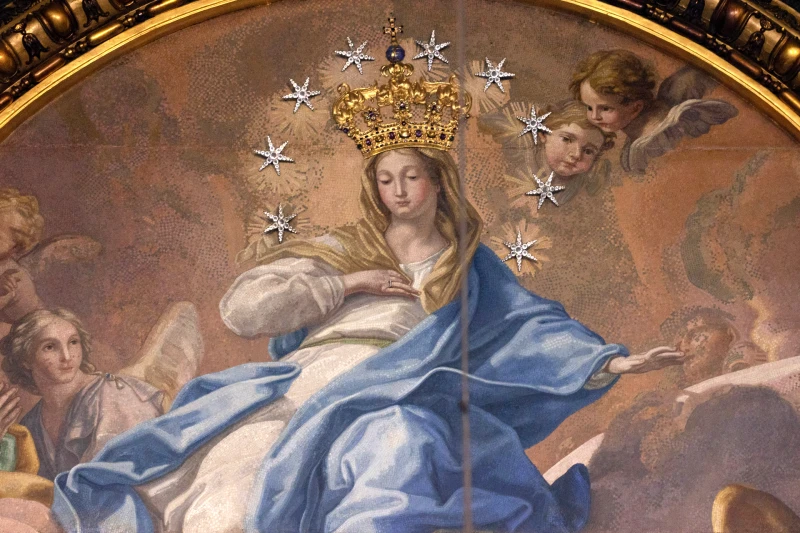
 When Pope Pius IX declared the doctrine of the Immaculate Conception of the Virgin Mary on Dec. 8, 1854, he had a golden crown added to the mosaic of Mary, Virgin Immaculate, in the Chapel of the Choir in St. Peter’s Basilica. / Credit: Daniel Ibañez/CNA

CNA Staff, Dec 8, 2025 / 06:00 am (CNA).
On Dec. 8 the Catholic Church celebrates the solemnity of the Immaculate Conception — a paramount feast in the Church’s liturgical calendar and one that indirectly touches on a regularly misunderstood but important piece of Church dogma.The solemnity is the patronal feast of the United States and marks the recognition of the Blessed Mother’s freedom from original sin, which the Church teaches she was granted from the moment of conception.The Catechism of the Catholic Church states that Mary was “redeemed from the moment of her conception” (No. 491) in order “to be able to give the free assent of her faith to the announcement of her vocation” (No. 490). The dogma was disputed and challenged by Protestants over the centuries, leading Pope Pius IX to affirm it in his 1854 encyclical Ineffabilis Deus, stating unequivocally that Mary “was endowed with the grace of the Holy Spirit and preserved from original sin” upon her conception. Ineffabilis Deus is among the papal pronouncements that theologians have long considered to be “infallible.” But what does papal infallibility mean in the context and history of the Church?Defined by First Vatican Council in 1870Though Church historians argue that numerous papal statements down through the centuries can potentially be regarded as infallible under this teaching, the concept itself was not fully defined by the Church until the mid-19th century.In its first dogmatic constitution on the Church of Christ, Pastor Aeternus, the First Vatican Council held that the pope, when speaking “in the exercise of his office as shepherd and teacher of all Christians, in virtue of his supreme apostolic authority,” and while defining “a doctrine concerning faith or morals to be held by the whole Church,” possesses the infallibility that Jesus “willed his Church to enjoy in defining doctrine concerning faith or morals.”Father Patrick Flanagan, an associate professor of theology at St. John’s University, told CNA that the doctrine of papal infallibility “does not concern the pope’s character.”“The pope is human,” Flanagan said. “In other words, he is fallible. He can sin and err in what he says about everyday matters.”Yet in “rare historical, narrowly defined moments” when the pope “exercises his authority as the supreme teacher of the Church of the Petrine office” and speaks “ex cathedra,” he is guided by the Holy Spirit to speak “indisputable truth” about faith and morals, Flanagan said. Flanagan underscored the four specific criteria that a papal statement must make to be considered infallible. For one, the pope must speak “in his official capacity as supreme pontiff,” not off-the-cuff or informally. The doctrine, meanwhile, must concern a matter of faith or morals. “No pope would speak ex cathedra on scientific, economic, or other nonreligious subjects,” Flanagan said. The statement must also be “explicitly straightforward and definitive,” he said, and it “must be intended to bind the whole Church as a matter of divine and Roman Catholic faith.” John P. Joy, a professor of theology and the dean of faculty at St. Ambrose Academy in Madison, Wisconsin, told CNA that the doctrine can be identified in part by the reading of Matthew 16:19.In that passage, Christ tells Peter, the first pope: “I will give you the keys to the kingdom of heaven. Whatever you bind on earth shall be bound in heaven, and whatever you loose on earth shall be loosed in heaven.”“Part of what Jesus is promising here is that he will endorse and ratify in heaven all of the judgments that Peter makes on earth,” Joy said. “So when Peter (or one of his successors) turns the key, so to speak, that is, when he explicitly declares that all Catholics are bound to believe something on earth, then we have the words of Jesus assuring us that God himself will hold us bound to believe the same thing in heaven,” he said. Though the concept of papal infallibility is well known and has become something of a pop culture reference, the number of times a pope has declared something infallibly appears to be relatively small. Theologians and historians do not always agree on what papal statements through the centuries can be deemed infallible. Joy pointed to the Immaculate Conception, as well as Pope Pius XII’s declaration on the Assumption of the Blessed Virgin in 1950, as two of the most well known.He pointed to numerous other statements, such as Pope Benedict XII’s Benedictus Deus from 1336 and Pope Leo X’s Exsurge Domine in 1520, as infallible statements. Flanagan pointed out that there is “no official list” of papally infallible statements. Such declarations are “rare,” he said. “A pope invokes his extraordinary magisterial powers sparingly.” When Catholics trust a papally infallible statement, Joy stressed, they “are not putting [their] faith in the pope as if he were an oracle of truth or a source of divine revelation.” “We are rather putting our faith in God, whom we firmly believe will intervene in order to stop any pope who might be tempted to proclaim a false doctrine in a definitive way,” he said. 

What is ‘papal infallibility?’ CNA explains an often-misunderstood Church teaching #Catholic When Pope Pius IX declared the doctrine of the Immaculate Conception of the Virgin Mary on Dec. 8, 1854, he had a golden crown added to the mosaic of Mary, Virgin Immaculate, in the Chapel of the Choir in St. Peter’s Basilica. / Credit: Daniel Ibañez/CNA CNA Staff, Dec 8, 2025 / 06:00 am (CNA). On Dec. 8 the Catholic Church celebrates the solemnity of the Immaculate Conception — a paramount feast in the Church’s liturgical calendar and one that indirectly touches on a regularly misunderstood but important piece of Church dogma.The solemnity is the patronal feast of the United States and marks the recognition of the Blessed Mother’s freedom from original sin, which the Church teaches she was granted from the moment of conception.The Catechism of the Catholic Church states that Mary was “redeemed from the moment of her conception” (No. 491) in order “to be able to give the free assent of her faith to the announcement of her vocation” (No. 490). The dogma was disputed and challenged by Protestants over the centuries, leading Pope Pius IX to affirm it in his 1854 encyclical Ineffabilis Deus, stating unequivocally that Mary “was endowed with the grace of the Holy Spirit and preserved from original sin” upon her conception. Ineffabilis Deus is among the papal pronouncements that theologians have long considered to be “infallible.” But what does papal infallibility mean in the context and history of the Church?Defined by First Vatican Council in 1870Though Church historians argue that numerous papal statements down through the centuries can potentially be regarded as infallible under this teaching, the concept itself was not fully defined by the Church until the mid-19th century.In its first dogmatic constitution on the Church of Christ, Pastor Aeternus, the First Vatican Council held that the pope, when speaking “in the exercise of his office as shepherd and teacher of all Christians, in virtue of his supreme apostolic authority,” and while defining “a doctrine concerning faith or morals to be held by the whole Church,” possesses the infallibility that Jesus “willed his Church to enjoy in defining doctrine concerning faith or morals.”Father Patrick Flanagan, an associate professor of theology at St. John’s University, told CNA that the doctrine of papal infallibility “does not concern the pope’s character.”“The pope is human,” Flanagan said. “In other words, he is fallible. He can sin and err in what he says about everyday matters.”Yet in “rare historical, narrowly defined moments” when the pope “exercises his authority as the supreme teacher of the Church of the Petrine office” and speaks “ex cathedra,” he is guided by the Holy Spirit to speak “indisputable truth” about faith and morals, Flanagan said. Flanagan underscored the four specific criteria that a papal statement must make to be considered infallible. For one, the pope must speak “in his official capacity as supreme pontiff,” not off-the-cuff or informally. The doctrine, meanwhile, must concern a matter of faith or morals. “No pope would speak ex cathedra on scientific, economic, or other nonreligious subjects,” Flanagan said. The statement must also be “explicitly straightforward and definitive,” he said, and it “must be intended to bind the whole Church as a matter of divine and Roman Catholic faith.” John P. Joy, a professor of theology and the dean of faculty at St. Ambrose Academy in Madison, Wisconsin, told CNA that the doctrine can be identified in part by the reading of Matthew 16:19.In that passage, Christ tells Peter, the first pope: “I will give you the keys to the kingdom of heaven. Whatever you bind on earth shall be bound in heaven, and whatever you loose on earth shall be loosed in heaven.”“Part of what Jesus is promising here is that he will endorse and ratify in heaven all of the judgments that Peter makes on earth,” Joy said. “So when Peter (or one of his successors) turns the key, so to speak, that is, when he explicitly declares that all Catholics are bound to believe something on earth, then we have the words of Jesus assuring us that God himself will hold us bound to believe the same thing in heaven,” he said. Though the concept of papal infallibility is well known and has become something of a pop culture reference, the number of times a pope has declared something infallibly appears to be relatively small. Theologians and historians do not always agree on what papal statements through the centuries can be deemed infallible. Joy pointed to the Immaculate Conception, as well as Pope Pius XII’s declaration on the Assumption of the Blessed Virgin in 1950, as two of the most well known.He pointed to numerous other statements, such as Pope Benedict XII’s Benedictus Deus from 1336 and Pope Leo X’s Exsurge Domine in 1520, as infallible statements. Flanagan pointed out that there is “no official list” of papally infallible statements. Such declarations are “rare,” he said. “A pope invokes his extraordinary magisterial powers sparingly.” When Catholics trust a papally infallible statement, Joy stressed, they “are not putting [their] faith in the pope as if he were an oracle of truth or a source of divine revelation.” “We are rather putting our faith in God, whom we firmly believe will intervene in order to stop any pope who might be tempted to proclaim a false doctrine in a definitive way,” he said. 


When Pope Pius IX declared the doctrine of the Immaculate Conception of the Virgin Mary on Dec. 8, 1854, he had a golden crown added to the mosaic of Mary, Virgin Immaculate, in the Chapel of the Choir in St. Peter’s Basilica. / Credit: Daniel Ibañez/CNA

CNA Staff, Dec 8, 2025 / 06:00 am (CNA).

On Dec. 8 the Catholic Church celebrates the solemnity of the Immaculate Conception — a paramount feast in the Church’s liturgical calendar and one that indirectly touches on a regularly misunderstood but important piece of Church dogma.

The solemnity is the patronal feast of the United States and marks the recognition of the Blessed Mother’s freedom from original sin, which the Church teaches she was granted from the moment of conception.

The Catechism of the Catholic Church states that Mary was “redeemed from the moment of her conception” (No. 491) in order “to be able to give the free assent of her faith to the announcement of her vocation” (No. 490). 

The dogma was disputed and challenged by Protestants over the centuries, leading Pope Pius IX to affirm it in his 1854 encyclical Ineffabilis Deus, stating unequivocally that Mary “was endowed with the grace of the Holy Spirit and preserved from original sin” upon her conception. 

Ineffabilis Deus is among the papal pronouncements that theologians have long considered to be “infallible.” But what does papal infallibility mean in the context and history of the Church?

Defined by First Vatican Council in 1870

Though Church historians argue that numerous papal statements down through the centuries can potentially be regarded as infallible under this teaching, the concept itself was not fully defined by the Church until the mid-19th century.

In its first dogmatic constitution on the Church of Christ, Pastor Aeternus, the First Vatican Council held that the pope, when speaking “in the exercise of his office as shepherd and teacher of all Christians, in virtue of his supreme apostolic authority,” and while defining “a doctrine concerning faith or morals to be held by the whole Church,” possesses the infallibility that Jesus “willed his Church to enjoy in defining doctrine concerning faith or morals.”

Father Patrick Flanagan, an associate professor of theology at St. John’s University, told CNA that the doctrine of papal infallibility “does not concern the pope’s character.”

“The pope is human,” Flanagan said. “In other words, he is fallible. He can sin and err in what he says about everyday matters.”

Yet in “rare historical, narrowly defined moments” when the pope “exercises his authority as the supreme teacher of the Church of the Petrine office” and speaks “ex cathedra,” he is guided by the Holy Spirit to speak “indisputable truth” about faith and morals, Flanagan said. 

Flanagan underscored the four specific criteria that a papal statement must make to be considered infallible. For one, the pope must speak “in his official capacity as supreme pontiff,” not off-the-cuff or informally. 

The doctrine, meanwhile, must concern a matter of faith or morals. “No pope would speak ex cathedra on scientific, economic, or other nonreligious subjects,” Flanagan said. 

The statement must also be “explicitly straightforward and definitive,” he said, and it “must be intended to bind the whole Church as a matter of divine and Roman Catholic faith.” 

John P. Joy, a professor of theology and the dean of faculty at St. Ambrose Academy in Madison, Wisconsin, told CNA that the doctrine can be identified in part by the reading of Matthew 16:19.

In that passage, Christ tells Peter, the first pope: “I will give you the keys to the kingdom of heaven. Whatever you bind on earth shall be bound in heaven, and whatever you loose on earth shall be loosed in heaven.”

“Part of what Jesus is promising here is that he will endorse and ratify in heaven all of the judgments that Peter makes on earth,” Joy said. 

“So when Peter (or one of his successors) turns the key, so to speak, that is, when he explicitly declares that all Catholics are bound to believe something on earth, then we have the words of Jesus assuring us that God himself will hold us bound to believe the same thing in heaven,” he said. 

Though the concept of papal infallibility is well known and has become something of a pop culture reference, the number of times a pope has declared something infallibly appears to be relatively small. 

Theologians and historians do not always agree on what papal statements through the centuries can be deemed infallible. Joy pointed to the Immaculate Conception, as well as Pope Pius XII’s declaration on the Assumption of the Blessed Virgin in 1950, as two of the most well known.

He pointed to numerous other statements, such as Pope Benedict XII’s Benedictus Deus from 1336 and Pope Leo X’s Exsurge Domine in 1520, as infallible statements. 

Flanagan pointed out that there is “no official list” of papally infallible statements. Such declarations are “rare,” he said. “A pope invokes his extraordinary magisterial powers sparingly.” 

When Catholics trust a papally infallible statement, Joy stressed, they “are not putting [their] faith in the pope as if he were an oracle of truth or a source of divine revelation.” 

“We are rather putting our faith in God, whom we firmly believe will intervene in order to stop any pope who might be tempted to proclaim a false doctrine in a definitive way,” he said. 

Read More
Pope Leo appoints Mexican-born Oratorian as bishop of Corpus Christi, Texas #Catholic 
 
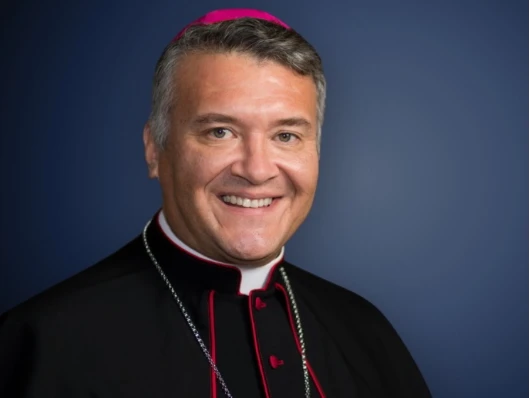
 Bishop Mario Avilés. / Credit: Photo courtesy of the Diocese of Brownsville

Vatican City, Dec 1, 2025 / 13:44 pm (CNA).
Pope Leo XIV on Monday appointed Bishop Mario Avilés as the new bishop of Corpus Christi, selecting the Mexican-born Oratorian to lead the south Texas diocese. Avilés, 56, who has served as auxiliary bishop of Brownsville, Texas, since February 2018, will succeed Bishop Michael Mulvey, 76. Mulvey has led the Diocese of Corpus Christi since 2010.  “We welcome Bishop-designate Avilés with open hearts and deep prayer,” Mulvey said in a statement after the Vatican announcement on Dec. 1. As the ninth bishop of Corpus Christi, Avilés will take responsibility for the spiritual leadership of more than 200,000 Catholics across a 12-county region in south Texas. “The Diocese of Brownsville will greatly miss Bishop Mario’s wise counsel and good judgment, his joyful presence in our parish communities, and his administrative skills in the service of our diocesan offices and Catholic schools. Yet at the same time we share in the special joy of the Diocese of Corpus Christi at the news of Bishop Mario’s appointment,” Brownsville Bishop Daniel Flores said in a statement. Avilés was born on Sept. 16, 1969, in Mexico City. In 1986, he joined the Congregation of the Oratory of St. Philip Neri, a pontifical society of apostolic life composed of priests and lay brothers founded in 1575, which now has more than 70 oratories worldwide.He studied for the priesthood in Mexico City before continuing his education in Rome, earning bachelor’s degrees in philosophy and sacred theology at the Pontifical Athenaeum Regina Apostolorum. He also holds a master’s degree in education administration and supervision and is a certified teacher in the state of Texas.At the age of 28, Avilés was ordained a priest in the Basilica of Our Lady of San Juan del Valle National Shrine in San Juan, Texas. He became parochial vicar at St. Jude Thaddeus Church in Pharr and worked in the Pharr Oratory Schools as a governance board member, teacher, principal, and rector. He also served as vicar, secretary, treasurer, and novice master for the Oratorian congregation. From 2000 to 2012, he served on the Permanent Deputation of the Confederation of the Oratory of St. Philip Neri for Latin America. At the congregation’s 2012 General Congress, he was elected procurator general of the confederation, a Rome-based role representing Oratorian communities to the Holy See. He speaks Spanish, English, and Italian.Avilés’ episcopal motto is “Caritas Dei diffusa est in cordibus nostris,” meaning “The love of God has been poured out into our hearts,” a reference to Romans 5:5 and the introit of the Mass for the feast of St. Philip Neri. His crest includes red roses honoring Our Lady of Guadalupe and his Mexican heritage as well as three gold stars drawn from the Neri family crest, symbolizing his long affiliation with the oratory.“I ask all the faithful of the Diocese of Brownsville to pray for Bishop Mario as he prepares to take up his new mission of service in Corpus Christi,” Flores said. “May God bless Bishop Mario Avilés and may the maternal care of the blessed and ever-immaculate Virgin Mary accompany him always.”

Pope Leo appoints Mexican-born Oratorian as bishop of Corpus Christi, Texas #Catholic Bishop Mario Avilés. / Credit: Photo courtesy of the Diocese of Brownsville Vatican City, Dec 1, 2025 / 13:44 pm (CNA). Pope Leo XIV on Monday appointed Bishop Mario Avilés as the new bishop of Corpus Christi, selecting the Mexican-born Oratorian to lead the south Texas diocese. Avilés, 56, who has served as auxiliary bishop of Brownsville, Texas, since February 2018, will succeed Bishop Michael Mulvey, 76. Mulvey has led the Diocese of Corpus Christi since 2010.  “We welcome Bishop-designate Avilés with open hearts and deep prayer,” Mulvey said in a statement after the Vatican announcement on Dec. 1. As the ninth bishop of Corpus Christi, Avilés will take responsibility for the spiritual leadership of more than 200,000 Catholics across a 12-county region in south Texas. “The Diocese of Brownsville will greatly miss Bishop Mario’s wise counsel and good judgment, his joyful presence in our parish communities, and his administrative skills in the service of our diocesan offices and Catholic schools. Yet at the same time we share in the special joy of the Diocese of Corpus Christi at the news of Bishop Mario’s appointment,” Brownsville Bishop Daniel Flores said in a statement. Avilés was born on Sept. 16, 1969, in Mexico City. In 1986, he joined the Congregation of the Oratory of St. Philip Neri, a pontifical society of apostolic life composed of priests and lay brothers founded in 1575, which now has more than 70 oratories worldwide.He studied for the priesthood in Mexico City before continuing his education in Rome, earning bachelor’s degrees in philosophy and sacred theology at the Pontifical Athenaeum Regina Apostolorum. He also holds a master’s degree in education administration and supervision and is a certified teacher in the state of Texas.At the age of 28, Avilés was ordained a priest in the Basilica of Our Lady of San Juan del Valle National Shrine in San Juan, Texas. He became parochial vicar at St. Jude Thaddeus Church in Pharr and worked in the Pharr Oratory Schools as a governance board member, teacher, principal, and rector. He also served as vicar, secretary, treasurer, and novice master for the Oratorian congregation. From 2000 to 2012, he served on the Permanent Deputation of the Confederation of the Oratory of St. Philip Neri for Latin America. At the congregation’s 2012 General Congress, he was elected procurator general of the confederation, a Rome-based role representing Oratorian communities to the Holy See. He speaks Spanish, English, and Italian.Avilés’ episcopal motto is “Caritas Dei diffusa est in cordibus nostris,” meaning “The love of God has been poured out into our hearts,” a reference to Romans 5:5 and the introit of the Mass for the feast of St. Philip Neri. His crest includes red roses honoring Our Lady of Guadalupe and his Mexican heritage as well as three gold stars drawn from the Neri family crest, symbolizing his long affiliation with the oratory.“I ask all the faithful of the Diocese of Brownsville to pray for Bishop Mario as he prepares to take up his new mission of service in Corpus Christi,” Flores said. “May God bless Bishop Mario Avilés and may the maternal care of the blessed and ever-immaculate Virgin Mary accompany him always.”


Bishop Mario Avilés. / Credit: Photo courtesy of the Diocese of Brownsville

Vatican City, Dec 1, 2025 / 13:44 pm (CNA).

Pope Leo XIV on Monday appointed Bishop Mario Avilés as the new bishop of Corpus Christi, selecting the Mexican-born Oratorian to lead the south Texas diocese. 

Avilés, 56, who has served as auxiliary bishop of Brownsville, Texas, since February 2018, will succeed Bishop Michael Mulvey, 76. Mulvey has led the Diocese of Corpus Christi since 2010.  

“We welcome Bishop-designate Avilés with open hearts and deep prayer,” Mulvey said in a statement after the Vatican announcement on Dec. 1. 

As the ninth bishop of Corpus Christi, Avilés will take responsibility for the spiritual leadership of more than 200,000 Catholics across a 12-county region in south Texas. 

“The Diocese of Brownsville will greatly miss Bishop Mario’s wise counsel and good judgment, his joyful presence in our parish communities, and his administrative skills in the service of our diocesan offices and Catholic schools. Yet at the same time we share in the special joy of the Diocese of Corpus Christi at the news of Bishop Mario’s appointment,” Brownsville Bishop Daniel Flores said in a statement. 

Avilés was born on Sept. 16, 1969, in Mexico City. In 1986, he joined the Congregation of the Oratory of St. Philip Neri, a pontifical society of apostolic life composed of priests and lay brothers founded in 1575, which now has more than 70 oratories worldwide.

He studied for the priesthood in Mexico City before continuing his education in Rome, earning bachelor’s degrees in philosophy and sacred theology at the Pontifical Athenaeum Regina Apostolorum. He also holds a master’s degree in education administration and supervision and is a certified teacher in the state of Texas.

At the age of 28, Avilés was ordained a priest in the Basilica of Our Lady of San Juan del Valle National Shrine in San Juan, Texas. He became parochial vicar at St. Jude Thaddeus Church in Pharr and worked in the Pharr Oratory Schools as a governance board member, teacher, principal, and rector. He also served as vicar, secretary, treasurer, and novice master for the Oratorian congregation. 

From 2000 to 2012, he served on the Permanent Deputation of the Confederation of the Oratory of St. Philip Neri for Latin America. At the congregation’s 2012 General Congress, he was elected procurator general of the confederation, a Rome-based role representing Oratorian communities to the Holy See. He speaks Spanish, English, and Italian.

Avilés’ episcopal motto is “Caritas Dei diffusa est in cordibus nostris,” meaning “The love of God has been poured out into our hearts,” a reference to Romans 5:5 and the introit of the Mass for the feast of St. Philip Neri. His crest includes red roses honoring Our Lady of Guadalupe and his Mexican heritage as well as three gold stars drawn from the Neri family crest, symbolizing his long affiliation with the oratory.

“I ask all the faithful of the Diocese of Brownsville to pray for Bishop Mario as he prepares to take up his new mission of service in Corpus Christi,” Flores said. “May God bless Bishop Mario Avilés and may the maternal care of the blessed and ever-immaculate Virgin Mary accompany him always.”

Read More
Fact check: Did Pope Leo host a rave last week in Slovakia #Catholic 
 
 Pope Leo XIV greets the faithful in Piazza della Libertà in August 2025. / Credit: Marco Iacobucci Epp/Shutterstock

CNA Staff, Nov 25, 2025 / 13:18 pm (CNA).
Social media lit up last week with claims that Pope Leo XIV “threw a rave” outside St. Elisabeth Cathedral in Košice, Slovakia. The viral stories included images of laser lights, electronic dance music, and a priest serving as DJ. But what really happened? Here’s what you need to know.What was the event?An outdoor electronic music event in front of the city’s iconic 14th-century cathedral was organized by the Archdiocese of Košice to celebrate the Jubilee of Young People and the 75th birthday of Archbishop Bernard Bober. It took place on Nov. 8 and included a Mass celebrated by Bober, who is also the president of the Slovakian Episcopal Conference, with the apostolic nuncio to the country, Archbishop Nicola Girasoli.Who was there?The main performer was Father Guilherme Peixoto, 51, a Portuguese priest and electronic music DJ, who led attendees in a mix of electronic and spiritual music. Peixoto also performed at the 2023 World Youth Day in Lisbon. “Electronic music is a privileged way to build a better world,” Peixoto has said.Catholic leaders in Košice also attended the event.Guilherme Peixoto, a priest and DJ, performs onstage during a fair in Coimbra, Portugal, on July 4, 2024. Credit: Felipe Amorim/Getty ImagesDid the pope attend or host the rave?Contrary to sensational headlines, Pope Leo XIV did not throw or personally attend a rave. Instead, the pope appeared on large LED screens via a prerecorded video message, greeting the young people and offering his apostolic blessing: “Dear young people, with joy, I greet you, as you gather before the splendid cathedral of Košice, which is a beating heart of faith and hope. Coming from different nations, yet united by the same faith, your presence is a tangible sign of the fraternity and peace that is instilled in our hearts by friendship with Christ.”What really happened?The DJ set blended techno music with fragments of the pope’s message and performed an unreleased track, “Dear Young People,” which included phrases spoken by Leo in his address. Lasers and lights lit up the cathedral, and the crowd — largely composed of young people — danced in celebration. According to press coverage at the time, the event aimed to connect faith with youth culture by “promoting inclusion, tolerance, and respect on the dance floor.”The pope’s video message included a final “amen,” which was woven into the musical performance. While the Vatican supported the event, it was local clergy and the DJ priest who were hands-on organizers and hosts.CNA finds: Claims that “the pope hosted or threw a rave” exaggerate the reality. The Vatican supported the event, the pope gave a prerecorded blessing, but the actual rave was organized and performed by Peixoto and the diocese in Košice. The pope did not attend in person nor DJ, but his message to young people and blessing were central to the celebration.

Fact check: Did Pope Leo host a rave last week in Slovakia #Catholic Pope Leo XIV greets the faithful in Piazza della Libertà in August 2025. / Credit: Marco Iacobucci Epp/Shutterstock CNA Staff, Nov 25, 2025 / 13:18 pm (CNA). Social media lit up last week with claims that Pope Leo XIV “threw a rave” outside St. Elisabeth Cathedral in Košice, Slovakia. The viral stories included images of laser lights, electronic dance music, and a priest serving as DJ. But what really happened? Here’s what you need to know.What was the event?An outdoor electronic music event in front of the city’s iconic 14th-century cathedral was organized by the Archdiocese of Košice to celebrate the Jubilee of Young People and the 75th birthday of Archbishop Bernard Bober. It took place on Nov. 8 and included a Mass celebrated by Bober, who is also the president of the Slovakian Episcopal Conference, with the apostolic nuncio to the country, Archbishop Nicola Girasoli.Who was there?The main performer was Father Guilherme Peixoto, 51, a Portuguese priest and electronic music DJ, who led attendees in a mix of electronic and spiritual music. Peixoto also performed at the 2023 World Youth Day in Lisbon. “Electronic music is a privileged way to build a better world,” Peixoto has said.Catholic leaders in Košice also attended the event.Guilherme Peixoto, a priest and DJ, performs onstage during a fair in Coimbra, Portugal, on July 4, 2024. Credit: Felipe Amorim/Getty ImagesDid the pope attend or host the rave?Contrary to sensational headlines, Pope Leo XIV did not throw or personally attend a rave. Instead, the pope appeared on large LED screens via a prerecorded video message, greeting the young people and offering his apostolic blessing: “Dear young people, with joy, I greet you, as you gather before the splendid cathedral of Košice, which is a beating heart of faith and hope. Coming from different nations, yet united by the same faith, your presence is a tangible sign of the fraternity and peace that is instilled in our hearts by friendship with Christ.”What really happened?The DJ set blended techno music with fragments of the pope’s message and performed an unreleased track, “Dear Young People,” which included phrases spoken by Leo in his address. Lasers and lights lit up the cathedral, and the crowd — largely composed of young people — danced in celebration. According to press coverage at the time, the event aimed to connect faith with youth culture by “promoting inclusion, tolerance, and respect on the dance floor.”The pope’s video message included a final “amen,” which was woven into the musical performance. While the Vatican supported the event, it was local clergy and the DJ priest who were hands-on organizers and hosts.CNA finds: Claims that “the pope hosted or threw a rave” exaggerate the reality. The Vatican supported the event, the pope gave a prerecorded blessing, but the actual rave was organized and performed by Peixoto and the diocese in Košice. The pope did not attend in person nor DJ, but his message to young people and blessing were central to the celebration.


Pope Leo XIV greets the faithful in Piazza della Libertà in August 2025. / Credit: Marco Iacobucci Epp/Shutterstock

CNA Staff, Nov 25, 2025 / 13:18 pm (CNA).

Social media lit up last week with claims that Pope Leo XIV “threw a rave” outside St. Elisabeth Cathedral in Košice, Slovakia. The viral stories included images of laser lights, electronic dance music, and a priest serving as DJ. But what really happened? Here’s what you need to know.

What was the event?

An outdoor electronic music event in front of the city’s iconic 14th-century cathedral was organized by the Archdiocese of Košice to celebrate the Jubilee of Young People and the 75th birthday of Archbishop Bernard Bober. It took place on Nov. 8 and included a Mass celebrated by Bober, who is also the president of the Slovakian Episcopal Conference, with the apostolic nuncio to the country, Archbishop Nicola Girasoli.

Who was there?

The main performer was Father Guilherme Peixoto, 51, a Portuguese priest and electronic music DJ, who led attendees in a mix of electronic and spiritual music. Peixoto also performed at the 2023 World Youth Day in Lisbon. “Electronic music is a privileged way to build a better world,” Peixoto has said.

Catholic leaders in Košice also attended the event.

Guilherme Peixoto, a priest and DJ, performs onstage during a fair in Coimbra, Portugal, on July 4, 2024. Credit: Felipe Amorim/Getty Images

Did the pope attend or host the rave?

Contrary to sensational headlines, Pope Leo XIV did not throw or personally attend a rave. Instead, the pope appeared on large LED screens via a prerecorded video message, greeting the young people and offering his apostolic blessing: “Dear young people, with joy, I greet you, as you gather before the splendid cathedral of Košice, which is a beating heart of faith and hope. Coming from different nations, yet united by the same faith, your presence is a tangible sign of the fraternity and peace that is instilled in our hearts by friendship with Christ.”

What really happened?

The DJ set blended techno music with fragments of the pope’s message and performed an unreleased track, “Dear Young People,” which included phrases spoken by Leo in his address. Lasers and lights lit up the cathedral, and the crowd — largely composed of young people — danced in celebration. According to press coverage at the time, the event aimed to connect faith with youth culture by “promoting inclusion, tolerance, and respect on the dance floor.”

The pope’s video message included a final “amen,” which was woven into the musical performance. While the Vatican supported the event, it was local clergy and the DJ priest who were hands-on organizers and hosts.

CNA finds: Claims that “the pope hosted or threw a rave” exaggerate the reality. The Vatican supported the event, the pope gave a prerecorded blessing, but the actual rave was organized and performed by Peixoto and the diocese in Košice. The pope did not attend in person nor DJ, but his message to young people and blessing were central to the celebration.

Read More
16,000 teens attend Mass together to conclude NCYC #Catholic 
 
 Priests process into Lucas Oil Stadium on Nov. 22, 2025, for the concluding Mass in Lucas Oil Stadium at the National Catholic Youth Conference in Indianapolis. / Credit: Tessa Gervasini/CNA

Indianapolis, Indiana, Nov 24, 2025 / 10:35 am (CNA).
The 2025 National Catholic Youth Conferences (NCYC) concluded with a nighttime Mass drawing around 16,000 teenagers.After three days of prayer, community, sacraments, and a conversation with Pope Leo XIV, young Catholics packed into Lucas Oil Stadium in Indianapolis to end the conference with Mass on Nov. 22. Archbishop Nelson Pérez told CNA it was “beautiful” to celebrate the Mass alongside 25 of his brother bishops and more than 240 priests. “It’s the Church in its splendor,” Pérez said. “Tonight, we experienced the Church in its splendor.” The final Mass was celebrated on the Saturday before the solemnity of Christ the King. In his homily, Pérez said: “When I think about a king, I think about palaces and big thrones and power and authority.”“But when Jesus talks about king it’s … different,” Pérez said. “His throne is a cross. His crown is not made of gold and gems. It’s made of thorns. He doesn’t wear fancy, beautiful, priceless rings on his hands. He has nails.”The “very mystery of the life and the death of Christ, the King, and all of our lives is actually a dying and a rising — dying to sin, dying to the parts of our humanity that might be warped and wounded, and rising to new life to renewal of our soul.”Then “that process goes over and over over and over and over again until we die in Christ for the last time and then rise with him,” Pérez said. “How blessed, how filled with hope we are.”Pérez reminds teens: ‘Christ loves you just as you are’Pérez concluded his homily by tying his message back to what Pope Leo told the teens in his digital encounter with them on Nov. 21. Pérez told the teenagers Pope Leo spoke with them because he loves them.Pope Leo has “gathered with youth all over the place, especially this summer, [during] the Jubilee of Youth,” Pérez said. The pope’s “message is profound, powerful, and simple at the same time: ‘Christ loves you just as you are.’”Pérez reminded the crowd to listen to what the pope said to them. “Think of your closest friends. If they were hurting, you would walk with them, listen, and stay close,” the pope said. “Our relation with Jesus is similar. He knows when life feels heavy, even when we do not feel his presence, our faith tells us he is there.”“To entrust our struggles to Jesus, we have to spend time in prayer … We can speak honestly about what’s in our hearts,” Pérez said, quoting the pope. “That is why daily moments of silence are so important, whether through adoration, reading Scripture, or simply talking to him.”“‘Little by little, we learn to hear his voice, both from within and through the people he sends us. As you grow closer to Jesus,’ he said to us, ‘Do not fear what he may ask of you. If he challenges you to make changes in your life, it’s always because he wants to give you greater joy and freedom. God is never outdone in generosity.’”“The pope’s digital visit was what made this NCYC epic, really epic and different from any other,” Pérez told CNA. The success was from “the excitement of our youth to welcome the Holy Father” and Pope Leo’s “generosity and willingness” to speak with them. Being a part of the conference and seeing so many young Catholics at Mass together made Pérez feel “hopeful,” he said. “In a world and a country that’s so divided right now and violent at times, after this, I’m just so full of hope. It’s almost like we’re going to be OK.”“It’s incredible to see the young Church alive,” Pérez said. “It’s such a beautiful, beautiful gathering.”

16,000 teens attend Mass together to conclude NCYC #Catholic Priests process into Lucas Oil Stadium on Nov. 22, 2025, for the concluding Mass in Lucas Oil Stadium at the National Catholic Youth Conference in Indianapolis. / Credit: Tessa Gervasini/CNA Indianapolis, Indiana, Nov 24, 2025 / 10:35 am (CNA). The 2025 National Catholic Youth Conferences (NCYC) concluded with a nighttime Mass drawing around 16,000 teenagers.After three days of prayer, community, sacraments, and a conversation with Pope Leo XIV, young Catholics packed into Lucas Oil Stadium in Indianapolis to end the conference with Mass on Nov. 22. Archbishop Nelson Pérez told CNA it was “beautiful” to celebrate the Mass alongside 25 of his brother bishops and more than 240 priests. “It’s the Church in its splendor,” Pérez said. “Tonight, we experienced the Church in its splendor.” The final Mass was celebrated on the Saturday before the solemnity of Christ the King. In his homily, Pérez said: “When I think about a king, I think about palaces and big thrones and power and authority.”“But when Jesus talks about king it’s … different,” Pérez said. “His throne is a cross. His crown is not made of gold and gems. It’s made of thorns. He doesn’t wear fancy, beautiful, priceless rings on his hands. He has nails.”The “very mystery of the life and the death of Christ, the King, and all of our lives is actually a dying and a rising — dying to sin, dying to the parts of our humanity that might be warped and wounded, and rising to new life to renewal of our soul.”Then “that process goes over and over over and over and over again until we die in Christ for the last time and then rise with him,” Pérez said. “How blessed, how filled with hope we are.”Pérez reminds teens: ‘Christ loves you just as you are’Pérez concluded his homily by tying his message back to what Pope Leo told the teens in his digital encounter with them on Nov. 21. Pérez told the teenagers Pope Leo spoke with them because he loves them.Pope Leo has “gathered with youth all over the place, especially this summer, [during] the Jubilee of Youth,” Pérez said. The pope’s “message is profound, powerful, and simple at the same time: ‘Christ loves you just as you are.’”Pérez reminded the crowd to listen to what the pope said to them. “Think of your closest friends. If they were hurting, you would walk with them, listen, and stay close,” the pope said. “Our relation with Jesus is similar. He knows when life feels heavy, even when we do not feel his presence, our faith tells us he is there.”“To entrust our struggles to Jesus, we have to spend time in prayer … We can speak honestly about what’s in our hearts,” Pérez said, quoting the pope. “That is why daily moments of silence are so important, whether through adoration, reading Scripture, or simply talking to him.”“‘Little by little, we learn to hear his voice, both from within and through the people he sends us. As you grow closer to Jesus,’ he said to us, ‘Do not fear what he may ask of you. If he challenges you to make changes in your life, it’s always because he wants to give you greater joy and freedom. God is never outdone in generosity.’”“The pope’s digital visit was what made this NCYC epic, really epic and different from any other,” Pérez told CNA. The success was from “the excitement of our youth to welcome the Holy Father” and Pope Leo’s “generosity and willingness” to speak with them. Being a part of the conference and seeing so many young Catholics at Mass together made Pérez feel “hopeful,” he said. “In a world and a country that’s so divided right now and violent at times, after this, I’m just so full of hope. It’s almost like we’re going to be OK.”“It’s incredible to see the young Church alive,” Pérez said. “It’s such a beautiful, beautiful gathering.”


Priests process into Lucas Oil Stadium on Nov. 22, 2025, for the concluding Mass in Lucas Oil Stadium at the National Catholic Youth Conference in Indianapolis. / Credit: Tessa Gervasini/CNA

Indianapolis, Indiana, Nov 24, 2025 / 10:35 am (CNA).

The 2025 National Catholic Youth Conferences (NCYC) concluded with a nighttime Mass drawing around 16,000 teenagers.

After three days of prayer, community, sacraments, and a conversation with Pope Leo XIV, young Catholics packed into Lucas Oil Stadium in Indianapolis to end the conference with Mass on Nov. 22. Archbishop Nelson Pérez told CNA it was “beautiful” to celebrate the Mass alongside 25 of his brother bishops and more than 240 priests. 

“It’s the Church in its splendor,” Pérez said. “Tonight, we experienced the Church in its splendor.” 

The final Mass was celebrated on the Saturday before the solemnity of Christ the King. In his homily, Pérez said: “When I think about a king, I think about palaces and big thrones and power and authority.”

“But when Jesus talks about king it’s … different,” Pérez said. “His throne is a cross. His crown is not made of gold and gems. It’s made of thorns. He doesn’t wear fancy, beautiful, priceless rings on his hands. He has nails.”

The “very mystery of the life and the death of Christ, the King, and all of our lives is actually a dying and a rising — dying to sin, dying to the parts of our humanity that might be warped and wounded, and rising to new life to renewal of our soul.”

Then “that process goes over and over over and over and over again until we die in Christ for the last time and then rise with him,” Pérez said. “How blessed, how filled with hope we are.”

Pérez reminds teens: ‘Christ loves you just as you are’

Pérez concluded his homily by tying his message back to what Pope Leo told the teens in his digital encounter with them on Nov. 21. Pérez told the teenagers Pope Leo spoke with them because he loves them.

Pope Leo has “gathered with youth all over the place, especially this summer, [during] the Jubilee of Youth,” Pérez said. The pope’s “message is profound, powerful, and simple at the same time: ‘Christ loves you just as you are.’”

Pérez reminded the crowd to listen to what the pope said to them. “Think of your closest friends. If they were hurting, you would walk with them, listen, and stay close,” the pope said. “Our relation with Jesus is similar. He knows when life feels heavy, even when we do not feel his presence, our faith tells us he is there.”

“To entrust our struggles to Jesus, we have to spend time in prayer … We can speak honestly about what’s in our hearts,” Pérez said, quoting the pope. “That is why daily moments of silence are so important, whether through adoration, reading Scripture, or simply talking to him.”

“‘Little by little, we learn to hear his voice, both from within and through the people he sends us. As you grow closer to Jesus,’ he said to us, ‘Do not fear what he may ask of you. If he challenges you to make changes in your life, it’s always because he wants to give you greater joy and freedom. God is never outdone in generosity.’”

“The pope’s digital visit was what made this NCYC epic, really epic and different from any other,” Pérez told CNA. The success was from “the excitement of our youth to welcome the Holy Father” and Pope Leo’s “generosity and willingness” to speak with them. 

Being a part of the conference and seeing so many young Catholics at Mass together made Pérez feel “hopeful,” he said. “In a world and a country that’s so divided right now and violent at times, after this, I’m just so full of hope. It’s almost like we’re going to be OK.”

“It’s incredible to see the young Church alive,” Pérez said. “It’s such a beautiful, beautiful gathering.”

Read More
5 Catholic resources to help you grow closer to Christ this Advent #Catholic 
 
 null / Credit: Kara Monroe via Flickr (CC BY-NC-SA 2.0)

CNA Staff, Nov 23, 2025 / 06:00 am (CNA).
As Advent quickly approaches and the hustle and bustle of the holiday season begins to make its way into our lives, here are five resources to help you prepare to welcome Jesus this Christmas. From Ascension: Join Father Mike Schmitz this Advent for “Waiting Well: Advent with Fr. Mike Schmitz” on the Ascension app. Beginning Nov. 30, a 26-day video series will guide viewers on becoming aware of how God is shaping them through seasons of waiting and how to wait well. Each day a five-minute video will be released and feature a reflection from Schmitz that unpacks the daily Mass reading as well as Scripture versus, catechism excerpts, and reflection questions to encourage participants to go deeper into the meaning of Advent. Ascension’s “Waiting Well: Advent with Fr. Mike Schmitz” video series. Credit: AscensionSchmitz’s weekly homily videos during Advent are part of the “Waiting Well” series and available for free on YouTube. However, the daily reflections will only be available on the Ascension app with a subscription or free trial.This year’s video reflections will also be accompanied by the “Waiting Well” printed journal for individuals, parishes, and small-group study. It is designed to help readers slow down for 15 minutes a day as they prepare to meet Christ in the manger. Each day includes a word or Scripture verse to pray with, a reflection, and a prompt to write down your thoughts and insights. From Hallow:Hallow’s annual “Advent Prayer Challenge” is back once again. Beginning Dec. 1, “Pray25: Be Still” features Jonathan Roumie; Chris Pratt; Gwen Stefani; Father John Burns; Mother Natalia; Sister Miriam James Heidland, SOLT; and Father Pierre Toussaint, CFR. This Advent, listeners are invited to discover deeper stillness amid the chaos of the holiday season, just like the Blessed Mother did that first Christmas. Roumie and Heidland will lead reflections on “The Reed of God” by Caryll Houselander, while Pratt will guide sessions on “The Ruthless Elimination of Hurry” by John Mark Comer. Stefani and Mother Natalia will guide sessions focusing on being still, using the lives of saints as inspiration. Burns will guide listeners through sessions of imaginative prayer and Toussaint will offer homily reflections each Sunday during Advent.From Blessed Is She:Blessed Is She has Advent devotionals for the whole family this year — women, men, and children. “In Time: An Advent Devotional for Women” invites readers to reflect on God’s continuous presence in our lives. Written by Claire Dwyer, this devotional helps women see that waiting is filled with God’s loving action. “Feast: An Advent Devotional for Men” is written by Paul George, rooted in Scripture, and inspired by the story of the prodigal son. This devotional invites men to return to God the Father with courage, humility, and hope. It also aims to encourage those seeking renewal, healing, and deeper faith during Advent. Both the devotionals for men and women include daily Scripture readings, prayer, and reflection.Lastly, “Watch and Wait: A Kids Advent Devotional” written by Olivia Spears helps kids prepare for Christmas with daily prayers, reflections, and simple Scripture-based activities. This devotional teaches children to wait with hope and joy as they prepare for the birth of Christ. It is recommended for children older than 7 years old.The Augustine Institute’s campus in St. Louis. Credit: Courtesy of the Augustine InstituteFrom the Augustine Institute:The Augustine Institute is inviting Catholics to enter into the Advent season with renewed purpose and joyful expectation with a new video series titled “How To Advent.” The video series will consist of four 12- to 15-minute-long episodes that explore the beauty and meaning of Advent traditions in an engaging and meaningful way and highlight a different cherished Advent tradition — the Advent calendar, Advent wreath, Jesse Tree, and Nativity scene. The video series is available on Formed. From EWTN’s Religious Catalogue:The EWTN Religious Catalogue offers a wide variety of Advent devotionals including “Encountering Emmanuel: A Guided Advent Journal for Prayer and Meditation” by Heather Khym, cohost of the “Abiding Together” podcast, and “The True Gifts of Christmas” by Megan Alexander, which takes readers on a journey through the deeper meaning of our most cherished Christmas traditions. (Editor’s note: EWTN is CNA’s parent company.)

5 Catholic resources to help you grow closer to Christ this Advent #Catholic null / Credit: Kara Monroe via Flickr (CC BY-NC-SA 2.0) CNA Staff, Nov 23, 2025 / 06:00 am (CNA). As Advent quickly approaches and the hustle and bustle of the holiday season begins to make its way into our lives, here are five resources to help you prepare to welcome Jesus this Christmas. From Ascension: Join Father Mike Schmitz this Advent for “Waiting Well: Advent with Fr. Mike Schmitz” on the Ascension app. Beginning Nov. 30, a 26-day video series will guide viewers on becoming aware of how God is shaping them through seasons of waiting and how to wait well. Each day a five-minute video will be released and feature a reflection from Schmitz that unpacks the daily Mass reading as well as Scripture versus, catechism excerpts, and reflection questions to encourage participants to go deeper into the meaning of Advent. Ascension’s “Waiting Well: Advent with Fr. Mike Schmitz” video series. Credit: AscensionSchmitz’s weekly homily videos during Advent are part of the “Waiting Well” series and available for free on YouTube. However, the daily reflections will only be available on the Ascension app with a subscription or free trial.This year’s video reflections will also be accompanied by the “Waiting Well” printed journal for individuals, parishes, and small-group study. It is designed to help readers slow down for 15 minutes a day as they prepare to meet Christ in the manger. Each day includes a word or Scripture verse to pray with, a reflection, and a prompt to write down your thoughts and insights. From Hallow:Hallow’s annual “Advent Prayer Challenge” is back once again. Beginning Dec. 1, “Pray25: Be Still” features Jonathan Roumie; Chris Pratt; Gwen Stefani; Father John Burns; Mother Natalia; Sister Miriam James Heidland, SOLT; and Father Pierre Toussaint, CFR. This Advent, listeners are invited to discover deeper stillness amid the chaos of the holiday season, just like the Blessed Mother did that first Christmas. Roumie and Heidland will lead reflections on “The Reed of God” by Caryll Houselander, while Pratt will guide sessions on “The Ruthless Elimination of Hurry” by John Mark Comer. Stefani and Mother Natalia will guide sessions focusing on being still, using the lives of saints as inspiration. Burns will guide listeners through sessions of imaginative prayer and Toussaint will offer homily reflections each Sunday during Advent.From Blessed Is She:Blessed Is She has Advent devotionals for the whole family this year — women, men, and children. “In Time: An Advent Devotional for Women” invites readers to reflect on God’s continuous presence in our lives. Written by Claire Dwyer, this devotional helps women see that waiting is filled with God’s loving action. “Feast: An Advent Devotional for Men” is written by Paul George, rooted in Scripture, and inspired by the story of the prodigal son. This devotional invites men to return to God the Father with courage, humility, and hope. It also aims to encourage those seeking renewal, healing, and deeper faith during Advent. Both the devotionals for men and women include daily Scripture readings, prayer, and reflection.Lastly, “Watch and Wait: A Kids Advent Devotional” written by Olivia Spears helps kids prepare for Christmas with daily prayers, reflections, and simple Scripture-based activities. This devotional teaches children to wait with hope and joy as they prepare for the birth of Christ. It is recommended for children older than 7 years old.The Augustine Institute’s campus in St. Louis. Credit: Courtesy of the Augustine InstituteFrom the Augustine Institute:The Augustine Institute is inviting Catholics to enter into the Advent season with renewed purpose and joyful expectation with a new video series titled “How To Advent.” The video series will consist of four 12- to 15-minute-long episodes that explore the beauty and meaning of Advent traditions in an engaging and meaningful way and highlight a different cherished Advent tradition — the Advent calendar, Advent wreath, Jesse Tree, and Nativity scene. The video series is available on Formed. From EWTN’s Religious Catalogue:The EWTN Religious Catalogue offers a wide variety of Advent devotionals including “Encountering Emmanuel: A Guided Advent Journal for Prayer and Meditation” by Heather Khym, cohost of the “Abiding Together” podcast, and “The True Gifts of Christmas” by Megan Alexander, which takes readers on a journey through the deeper meaning of our most cherished Christmas traditions. (Editor’s note: EWTN is CNA’s parent company.)


null / Credit: Kara Monroe via Flickr (CC BY-NC-SA 2.0)

CNA Staff, Nov 23, 2025 / 06:00 am (CNA).

As Advent quickly approaches and the hustle and bustle of the holiday season begins to make its way into our lives, here are five resources to help you prepare to welcome Jesus this Christmas. 

From Ascension: 

Join Father Mike Schmitz this Advent for “Waiting Well: Advent with Fr. Mike Schmitz” on the Ascension app. 

Beginning Nov. 30, a 26-day video series will guide viewers on becoming aware of how God is shaping them through seasons of waiting and how to wait well. Each day a five-minute video will be released and feature a reflection from Schmitz that unpacks the daily Mass reading as well as Scripture versus, catechism excerpts, and reflection questions to encourage participants to go deeper into the meaning of Advent. 

Ascension's "Waiting Well: Advent with Fr. Mike Schmitz" video series. Credit: Ascension
Ascension’s “Waiting Well: Advent with Fr. Mike Schmitz” video series. Credit: Ascension

Schmitz’s weekly homily videos during Advent are part of the “Waiting Well” series and available for free on YouTube. However, the daily reflections will only be available on the Ascension app with a subscription or free trial.

This year’s video reflections will also be accompanied by the “Waiting Well” printed journal for individuals, parishes, and small-group study. It is designed to help readers slow down for 15 minutes a day as they prepare to meet Christ in the manger. Each day includes a word or Scripture verse to pray with, a reflection, and a prompt to write down your thoughts and insights. 

From Hallow:

Hallow’s annual “Advent Prayer Challenge” is back once again. Beginning Dec. 1, “Pray25: Be Still” features Jonathan Roumie; Chris Pratt; Gwen Stefani; Father John Burns; Mother Natalia; Sister Miriam James Heidland, SOLT; and Father Pierre Toussaint, CFR. This Advent, listeners are invited to discover deeper stillness amid the chaos of the holiday season, just like the Blessed Mother did that first Christmas. 

Roumie and Heidland will lead reflections on “The Reed of God” by Caryll Houselander, while Pratt will guide sessions on “The Ruthless Elimination of Hurry” by John Mark Comer. Stefani and Mother Natalia will guide sessions focusing on being still, using the lives of saints as inspiration. Burns will guide listeners through sessions of imaginative prayer and Toussaint will offer homily reflections each Sunday during Advent.

From Blessed Is She:

Blessed Is She has Advent devotionals for the whole family this year — women, men, and children. “In Time: An Advent Devotional for Women” invites readers to reflect on God’s continuous presence in our lives. Written by Claire Dwyer, this devotional helps women see that waiting is filled with God’s loving action. 

Feast: An Advent Devotional for Men” is written by Paul George, rooted in Scripture, and inspired by the story of the prodigal son. This devotional invites men to return to God the Father with courage, humility, and hope. It also aims to encourage those seeking renewal, healing, and deeper faith during Advent. Both the devotionals for men and women include daily Scripture readings, prayer, and reflection.

Lastly, “Watch and Wait: A Kids Advent Devotional” written by Olivia Spears helps kids prepare for Christmas with daily prayers, reflections, and simple Scripture-based activities. This devotional teaches children to wait with hope and joy as they prepare for the birth of Christ. It is recommended for children older than 7 years old.

The Augustine Institute’s campus in St. Louis. Credit: Courtesy of the Augustine Institute

From the Augustine Institute:

The Augustine Institute is inviting Catholics to enter into the Advent season with renewed purpose and joyful expectation with a new video series titled “How To Advent.” 

The video series will consist of four 12- to 15-minute-long episodes that explore the beauty and meaning of Advent traditions in an engaging and meaningful way and highlight a different cherished Advent tradition — the Advent calendar, Advent wreath, Jesse Tree, and Nativity scene. The video series is available on Formed. 

From EWTN’s Religious Catalogue:

The EWTN Religious Catalogue offers a wide variety of Advent devotionals including “Encountering Emmanuel: A Guided Advent Journal for Prayer and Meditation” by Heather Khym, cohost of the “Abiding Together” podcast, and “The True Gifts of Christmas” by Megan Alexander, which takes readers on a journey through the deeper meaning of our most cherished Christmas traditions. (Editor’s note: EWTN is CNA’s parent company.)

Read More
What do we know about the presentation of Mary? #Catholic 
 
 Alessandro Allori, “The Presentation of Mary,” 1598. / Credit: Public domain

National Catholic Register, Nov 21, 2025 / 04:00 am (CNA).
It’s easy to conceptualize the presentation of the Lord because we find it in Scripture. Luke’s Gospel tells of the Holy Family’s journey to the Temple when Jesus was 8 days old. According to Jewish custom, Jesus was to be circumcised and Mary purified. There Mary and Joseph meet the prophets Anna and Simeon, who recognized the child as the Messiah who would bring about the fall and rise of many and become a sign of contradiction and the cause of a sword that would one day pierce Mary’s heart. We celebrate the feast of the Presentation of the Lord annually on Feb. 2.The presentation of Mary, however, is not found in Scripture. Instead, we learn about Mary’s presentation from accounts that have come to us from apostolic times. What we know is found mainly in Chapter 7 of the “Protoevangelium of James,” which has been dated by historians before the year A.D. 200.The “Protoevangelium of James” was ostensibly written by the apostle of the same name. It gives a detailed account in which Mary’s father, Joachim, tells his wife, Anna, that he wishes to bring their daughter to the Temple and consecrate her to God. Anna responds that they should wait until Mary is 3 years old so that she will not need her parents as much. On the agreed day for Mary to be taken to the Temple, Hebrew virgins accompanied the family with burning lamps. The Temple priest received Mary, kissed her, and blessed her. According to James’ writing, the priest then proclaimed: “The Lord has magnified thy name in all generations. In thee, the Lord will manifest his redemption to the sons of Israel.” After that, Mary was placed on the third step of the Temple and danced with joy. All the House of Israel loved Mary, and she was nurtured from then on in the Temple while her parents returned to their Nazareth home, glorifying God.The celebration of the feast of the Presentation of the Blessed Virgin Mary grew slowly over the years. On Nov. 21, 543, Emperor Justinian dedicated a church to Mary in the Temple area of Jerusalem. Many of the early Church Fathers celebrated this feast day, such as St. Germanus and St. John Damascene. In 1373, it was formally celebrated in Avignon, France, and in 1472, Pope Sixtus IV extended it to the universal Church. The Byzantine Church considers Mary’s Presentation one of the 12 great feasts of the liturgical year.In 1974, Pope Paul VI wrote about this feast in his encyclical Marialis Cultus, saying: “Despite its apocryphal content, it presents lofty and exemplary values and carries on the venerable traditions having their origins in the Eastern Churches.”The memorial of the Presentation of Mary has been noted in the Church since its early years and yet is easily forgotten or misunderstood. Since it’s classified as a memorial and not a solemnity or holy day of obligation, it doesn’t draw much attention to itself other than a special opening prayer in the Mass. With this memorial, we celebrate the fact that God chose to dwell in Mary in a unique way. In response, she placed her whole self at his service. By our baptism, God invites us, too, into his service.But there’s more to celebrating the presentation of Mary. This feast gives us cause for great joy since Mary is truly our mother, given to us by Christ as he hung dying on the cross. Because we are part of her Son’s body, she loves us with as much devotion and tenderness as she loves Jesus. When we celebrate Mary’s presentation, we are giving Mary the honor she deserves and witnessing to her perfect purity as the virgin of Nazareth, the mother of God, and our mother.Sts. Joachim and Anne surrendered their only daughter to God so that she would be completely free to follow his holy will. Although they loved her dearly, they knew that in the Temple Mary would always be near the Holy of Holies, surrounded by an atmosphere of godliness and grace. She would be instructed in Scripture and the history of the Jewish people. She would be under the guardianship and tutelage of the holy women of the Temple who had given their lives to God. One of them, Scripture scholars believe, was Anna — the woman who prophesied at the presentation of Our Lord. In the Temple, Mary would be completely focused on God and well prepared for becoming the mother of the Savior and mother of the body of Christ.When we celebrate the presentation of the Blessed Virgin Mary, we remember the tremendous sacrifice Sts. Joachim and Anne made for our sakes. We give honor and respect to the Virgin, who is an example for all of us in our struggle for holiness. It is a privilege and an opportunity to express our gratitude for the gift of a pure, tender, and always-loving mother.This story was first published by the National Catholic Register, CNA’s sister news partner, on Nov. 21, 2023, and has been adapted and updated by CNA.

What do we know about the presentation of Mary? #Catholic Alessandro Allori, “The Presentation of Mary,” 1598. / Credit: Public domain National Catholic Register, Nov 21, 2025 / 04:00 am (CNA). It’s easy to conceptualize the presentation of the Lord because we find it in Scripture. Luke’s Gospel tells of the Holy Family’s journey to the Temple when Jesus was 8 days old. According to Jewish custom, Jesus was to be circumcised and Mary purified. There Mary and Joseph meet the prophets Anna and Simeon, who recognized the child as the Messiah who would bring about the fall and rise of many and become a sign of contradiction and the cause of a sword that would one day pierce Mary’s heart. We celebrate the feast of the Presentation of the Lord annually on Feb. 2.The presentation of Mary, however, is not found in Scripture. Instead, we learn about Mary’s presentation from accounts that have come to us from apostolic times. What we know is found mainly in Chapter 7 of the “Protoevangelium of James,” which has been dated by historians before the year A.D. 200.The “Protoevangelium of James” was ostensibly written by the apostle of the same name. It gives a detailed account in which Mary’s father, Joachim, tells his wife, Anna, that he wishes to bring their daughter to the Temple and consecrate her to God. Anna responds that they should wait until Mary is 3 years old so that she will not need her parents as much. On the agreed day for Mary to be taken to the Temple, Hebrew virgins accompanied the family with burning lamps. The Temple priest received Mary, kissed her, and blessed her. According to James’ writing, the priest then proclaimed: “The Lord has magnified thy name in all generations. In thee, the Lord will manifest his redemption to the sons of Israel.” After that, Mary was placed on the third step of the Temple and danced with joy. All the House of Israel loved Mary, and she was nurtured from then on in the Temple while her parents returned to their Nazareth home, glorifying God.The celebration of the feast of the Presentation of the Blessed Virgin Mary grew slowly over the years. On Nov. 21, 543, Emperor Justinian dedicated a church to Mary in the Temple area of Jerusalem. Many of the early Church Fathers celebrated this feast day, such as St. Germanus and St. John Damascene. In 1373, it was formally celebrated in Avignon, France, and in 1472, Pope Sixtus IV extended it to the universal Church. The Byzantine Church considers Mary’s Presentation one of the 12 great feasts of the liturgical year.In 1974, Pope Paul VI wrote about this feast in his encyclical Marialis Cultus, saying: “Despite its apocryphal content, it presents lofty and exemplary values and carries on the venerable traditions having their origins in the Eastern Churches.”The memorial of the Presentation of Mary has been noted in the Church since its early years and yet is easily forgotten or misunderstood. Since it’s classified as a memorial and not a solemnity or holy day of obligation, it doesn’t draw much attention to itself other than a special opening prayer in the Mass. With this memorial, we celebrate the fact that God chose to dwell in Mary in a unique way. In response, she placed her whole self at his service. By our baptism, God invites us, too, into his service.But there’s more to celebrating the presentation of Mary. This feast gives us cause for great joy since Mary is truly our mother, given to us by Christ as he hung dying on the cross. Because we are part of her Son’s body, she loves us with as much devotion and tenderness as she loves Jesus. When we celebrate Mary’s presentation, we are giving Mary the honor she deserves and witnessing to her perfect purity as the virgin of Nazareth, the mother of God, and our mother.Sts. Joachim and Anne surrendered their only daughter to God so that she would be completely free to follow his holy will. Although they loved her dearly, they knew that in the Temple Mary would always be near the Holy of Holies, surrounded by an atmosphere of godliness and grace. She would be instructed in Scripture and the history of the Jewish people. She would be under the guardianship and tutelage of the holy women of the Temple who had given their lives to God. One of them, Scripture scholars believe, was Anna — the woman who prophesied at the presentation of Our Lord. In the Temple, Mary would be completely focused on God and well prepared for becoming the mother of the Savior and mother of the body of Christ.When we celebrate the presentation of the Blessed Virgin Mary, we remember the tremendous sacrifice Sts. Joachim and Anne made for our sakes. We give honor and respect to the Virgin, who is an example for all of us in our struggle for holiness. It is a privilege and an opportunity to express our gratitude for the gift of a pure, tender, and always-loving mother.This story was first published by the National Catholic Register, CNA’s sister news partner, on Nov. 21, 2023, and has been adapted and updated by CNA.


Alessandro Allori, “The Presentation of Mary,” 1598. / Credit: Public domain

National Catholic Register, Nov 21, 2025 / 04:00 am (CNA).

It’s easy to conceptualize the presentation of the Lord because we find it in Scripture. Luke’s Gospel tells of the Holy Family’s journey to the Temple when Jesus was 8 days old. According to Jewish custom, Jesus was to be circumcised and Mary purified.

There Mary and Joseph meet the prophets Anna and Simeon, who recognized the child as the Messiah who would bring about the fall and rise of many and become a sign of contradiction and the cause of a sword that would one day pierce Mary’s heart. We celebrate the feast of the Presentation of the Lord annually on Feb. 2.

The presentation of Mary, however, is not found in Scripture. Instead, we learn about Mary’s presentation from accounts that have come to us from apostolic times. What we know is found mainly in Chapter 7 of the “Protoevangelium of James,” which has been dated by historians before the year A.D. 200.

The “Protoevangelium of James” was ostensibly written by the apostle of the same name. It gives a detailed account in which Mary’s father, Joachim, tells his wife, Anna, that he wishes to bring their daughter to the Temple and consecrate her to God. Anna responds that they should wait until Mary is 3 years old so that she will not need her parents as much. 

On the agreed day for Mary to be taken to the Temple, Hebrew virgins accompanied the family with burning lamps. The Temple priest received Mary, kissed her, and blessed her. According to James’ writing, the priest then proclaimed: “The Lord has magnified thy name in all generations. In thee, the Lord will manifest his redemption to the sons of Israel.” 

After that, Mary was placed on the third step of the Temple and danced with joy. All the House of Israel loved Mary, and she was nurtured from then on in the Temple while her parents returned to their Nazareth home, glorifying God.

The celebration of the feast of the Presentation of the Blessed Virgin Mary grew slowly over the years. 

On Nov. 21, 543, Emperor Justinian dedicated a church to Mary in the Temple area of Jerusalem. Many of the early Church Fathers celebrated this feast day, such as St. Germanus and St. John Damascene. In 1373, it was formally celebrated in Avignon, France, and in 1472, Pope Sixtus IV extended it to the universal Church. The Byzantine Church considers Mary’s Presentation one of the 12 great feasts of the liturgical year.

In 1974, Pope Paul VI wrote about this feast in his encyclical Marialis Cultus, saying: “Despite its apocryphal content, it presents lofty and exemplary values and carries on the venerable traditions having their origins in the Eastern Churches.”

The memorial of the Presentation of Mary has been noted in the Church since its early years and yet is easily forgotten or misunderstood. 

Since it’s classified as a memorial and not a solemnity or holy day of obligation, it doesn’t draw much attention to itself other than a special opening prayer in the Mass. With this memorial, we celebrate the fact that God chose to dwell in Mary in a unique way. In response, she placed her whole self at his service. By our baptism, God invites us, too, into his service.

But there’s more to celebrating the presentation of Mary. 

This feast gives us cause for great joy since Mary is truly our mother, given to us by Christ as he hung dying on the cross. Because we are part of her Son’s body, she loves us with as much devotion and tenderness as she loves Jesus. When we celebrate Mary’s presentation, we are giving Mary the honor she deserves and witnessing to her perfect purity as the virgin of Nazareth, the mother of God, and our mother.

Sts. Joachim and Anne surrendered their only daughter to God so that she would be completely free to follow his holy will. Although they loved her dearly, they knew that in the Temple Mary would always be near the Holy of Holies, surrounded by an atmosphere of godliness and grace. She would be instructed in Scripture and the history of the Jewish people. She would be under the guardianship and tutelage of the holy women of the Temple who had given their lives to God. One of them, Scripture scholars believe, was Anna — the woman who prophesied at the presentation of Our Lord. In the Temple, Mary would be completely focused on God and well prepared for becoming the mother of the Savior and mother of the body of Christ.

When we celebrate the presentation of the Blessed Virgin Mary, we remember the tremendous sacrifice Sts. Joachim and Anne made for our sakes. We give honor and respect to the Virgin, who is an example for all of us in our struggle for holiness. It is a privilege and an opportunity to express our gratitude for the gift of a pure, tender, and always-loving mother.

This story was first published by the National Catholic Register, CNA’s sister news partner, on Nov. 21, 2023, and has been adapted and updated by CNA.

Read More
Burials for little ones: How a New Orleans ministry helps families grieve #Catholic 
 
 A family grieves their lost baby at a funeral at the crypt at St. Patrick’s Cemetery in New Orleans. Many friends, relatives, and families attended the funeral that day. / Credit: Photo courtesy of Compassionate Burials for Indigent Babies

CNA Staff, Nov 19, 2025 / 06:00 am (CNA).
Sandy Schaetz still mourns the baby she never met. “It was terrifying and traumatic,” she said of her miscarriage. “I was consoled after by the prayers of a deacon, but never named the baby or knew if it was a boy or girl.” “It was not something I understood at the time and I only wish I had known more of what was happening,” she told CNA. Now, Schaetz volunteers with Compassionate Burials for Indigent Babies (CBIB), an organization that buries babies who died, whether stillborn, miscarried, or aborted.The group organizes everything for the funerals, which are held at a crypt at St. Patrick’s Cemetery in New Orleans.A shoebox-sized casket lined with donated white fabric, usually from wedding dresses, is processed through the cemetery, with Knights of Columbus present as the honor guard. A volunteer musician plays at every funeral; a Catholic deacon presides at almost every burial.Two Knights of Columbus carry the casket of a baby who was murdered. Credit: Photo courtesy of Compassionate Burials for Indigent BabiesWhen Schaetz attended her first burial service as a volunteer, it hit her to the core.  “I find it difficult to put into words how it affected me,” Schaetz said. “All God needed me to do that day was to be present, to pray, to honor the life he had created.” “It opened my eyes to how each life is such a gift, and when that life ends how important it is to show respect and pray for the soul and bury the dead with love,” Schaetz said. Death and resurrection Women who lose children through miscarriage often suffer silently, according to Lise Naccari, the founder of CBIB. “Losing a child is hard. Often women suffer in silence the pain of infant loss and ride that sad emotional roller coaster ride alone,” Naccari told CNA. One in four pregnancies ends in miscarriage — a devastating statistic for many couples. Naccari herself experienced a miscarriage as well as several challenging pregnancies. “I feel a special connection with poor mothers who have lost a child. My heart goes out to them,” Naccari said.Lise Naccari (right) embraces a grieving mother at a burial at the crypt at St. Patrick’s Cemetery in New Orleans. Credit: Photo courtesy of Compassionate Burials for Indigent BabiesNaccari buries the babies who were wanted and loved, but also the babies who were thrown out or mistreated.“CBIB has buried babies as big as a blueberry and up to 2 years old,” Naccari said. “We buried babies stillborn, miscarried, abandoned, unclaimed, aborted, murdered, and thrown away in the trash — and every situation possible.”“Many babies were mistreated, abused, and tossed out … these are heartbreaking funerals to go to,” Naccari said.CBIB dressed and buried seven babies who were left at hospitals labeled “unclaimed and abandoned,” Naccari said. CBIB buried the babies at the crypt at St. Patrick’s Cemetery in New Orleans. Credit: Photo courtesy of Compassionate Burials for Indigent Babies“Babies are left sometimes because some families can not afford funerals for them but would like one,” Naccari said. “Also, many parents are young, and the grief can be overwhelming and they cannot navigate through funeral arrangements.” Her life’s work is to bury the dead — and she looks to the Resurrection. “I consider what I do holy,” Naccari said. “I feel like this is my vocation and I know God orchestrated all of this. I give all honor and glory to him, our loving Father.” “What I do is not about sorrow and death,” Naccari continued. “What I do is really about joy and life — eternal life.” A father (right) whose child was murdered carries the casket with the help of others. Credit: Photo courtesy of Compassionate Burials for Indigent BabiesIt’s not an easy job, and Naccari looks to God for strength.“Lord, I don’t want to do this anymore. It hurts my heart too much,” Naccari remembered praying as she prepared one baby for burial — a baby girl who had been abandoned and tossed out after she was born.“I felt a still small voice within me say, ‘Lise, don’t think about their bodies, focus on the Resurrection,’” Naccari recalled.“The sunlight from the stained-glass windows was shining down a warm yellow color on my face, as I looked up in it and I thought, yes, this is what I needed to hear to keep going — focus on the Resurrection,” she continued.A resource for women in needSheena Lewis was in jail when her son, still a baby, passed away. She couldn’t attend the funeral, but Naccari organized the burial for her.Lewis, now sober and out of jail, visits her son’s crypt often.“I have solace in the fact he was laid to rest in a beautiful manner when I couldn’t be there for him or myself at the time,” Lewis told CNA.Many young mothers CBIB helps are often “steeped in poverty” and have no support system. They are often “low income, uneducated, coming from sometimes addiction or problem homes,” Naccari said.“Often I find at these funerals that the young mothers are alone or they may come with children or other women — but there are no men to help support them,” Naccari said.“My heart is broken for them, for they are not only battling their poverty, they also have to deal with losing a child,” she said.A moment to mourn Funerals help families process their grief — a grief that’s often hidden away due to the nature of miscarriages. Deacon Ricky Suprean preaches at almost every graveside burial — but after a couple years of volunteering, he realized God had called him to this so he could find healing. Suprean and his wife, Lynn, experienced two miscarriages.Suprean struggled to process it at the time, but through his volunteering, he’s found some healing. He still remembers the first CBIB funeral he presided at. “I felt the power of life that day,” he told CNA. “It was cold. I had no idea I would kneel in front of each little coffin and pray for each child and each family with my hand touching each coffin.”Volunteers hugged each family member, he recalled.Deacon Ricky Suprean at the burial of two babies at the crypt at St. Patrick’s Cemetery in New Orleans. Credit: Photo courtesy of Compassionate Burials for Indigent Babies“God has allowed me to give a proper burial to my own two lost children through CBIB time and time again,” Suprean said.“God created these children in my wife’s womb, and they will be waiting for us in heaven,” Suprean continued.Struggling to process grief is common with loss of children, according to Naccari.“Too often people are hurting so much and don’t want to face a funeral,” Naccari said. “They feel vulnerable and so it is easier to turn away and do nothing.”“But on the contrary, I have observed that these funerals provide consolation, comfort, solace, and even a healthy way of healing after the loss of a baby,” Naccari said.“It’s a good grief,” Naccari continued. “Funerals are about love and holding onto friends and family at a time of need. It can be life-changing.”Some funerals have had as many as 100 people in attendance.Many volunteers are “faithfully committed” to being present at every funeral.“It could be freezing cold or blistering hot in the summer, but they just show up and either help set up, greet the parents, or stand tall next to a casket to show the love of Jesus to our families,” Naccari said.The altar at a burial at the crypt at St. Patrick’s Cemetery in New Orleans. CBIB has buried hundreds of babies at the crypt. Credit: Photo courtesy of Compassionate Burials for Indigent BabiesThese funerals “allow parents that special moment to mourn their loss and to remember their little one and ponder the person that little one could have been,” Naccari said.“CBIB celebrates each life, and we believe that God somehow rights all the wrongs and makes all things new,” Naccari said. “And then we move to the next funeral.”

Burials for little ones: How a New Orleans ministry helps families grieve #Catholic A family grieves their lost baby at a funeral at the crypt at St. Patrick’s Cemetery in New Orleans. Many friends, relatives, and families attended the funeral that day. / Credit: Photo courtesy of Compassionate Burials for Indigent Babies CNA Staff, Nov 19, 2025 / 06:00 am (CNA). Sandy Schaetz still mourns the baby she never met. “It was terrifying and traumatic,” she said of her miscarriage. “I was consoled after by the prayers of a deacon, but never named the baby or knew if it was a boy or girl.” “It was not something I understood at the time and I only wish I had known more of what was happening,” she told CNA. Now, Schaetz volunteers with Compassionate Burials for Indigent Babies (CBIB), an organization that buries babies who died, whether stillborn, miscarried, or aborted.The group organizes everything for the funerals, which are held at a crypt at St. Patrick’s Cemetery in New Orleans.A shoebox-sized casket lined with donated white fabric, usually from wedding dresses, is processed through the cemetery, with Knights of Columbus present as the honor guard. A volunteer musician plays at every funeral; a Catholic deacon presides at almost every burial.Two Knights of Columbus carry the casket of a baby who was murdered. Credit: Photo courtesy of Compassionate Burials for Indigent BabiesWhen Schaetz attended her first burial service as a volunteer, it hit her to the core.  “I find it difficult to put into words how it affected me,” Schaetz said. “All God needed me to do that day was to be present, to pray, to honor the life he had created.” “It opened my eyes to how each life is such a gift, and when that life ends how important it is to show respect and pray for the soul and bury the dead with love,” Schaetz said. Death and resurrection Women who lose children through miscarriage often suffer silently, according to Lise Naccari, the founder of CBIB. “Losing a child is hard. Often women suffer in silence the pain of infant loss and ride that sad emotional roller coaster ride alone,” Naccari told CNA. One in four pregnancies ends in miscarriage — a devastating statistic for many couples. Naccari herself experienced a miscarriage as well as several challenging pregnancies. “I feel a special connection with poor mothers who have lost a child. My heart goes out to them,” Naccari said.Lise Naccari (right) embraces a grieving mother at a burial at the crypt at St. Patrick’s Cemetery in New Orleans. Credit: Photo courtesy of Compassionate Burials for Indigent BabiesNaccari buries the babies who were wanted and loved, but also the babies who were thrown out or mistreated.“CBIB has buried babies as big as a blueberry and up to 2 years old,” Naccari said. “We buried babies stillborn, miscarried, abandoned, unclaimed, aborted, murdered, and thrown away in the trash — and every situation possible.”“Many babies were mistreated, abused, and tossed out … these are heartbreaking funerals to go to,” Naccari said.CBIB dressed and buried seven babies who were left at hospitals labeled “unclaimed and abandoned,” Naccari said. CBIB buried the babies at the crypt at St. Patrick’s Cemetery in New Orleans. Credit: Photo courtesy of Compassionate Burials for Indigent Babies“Babies are left sometimes because some families can not afford funerals for them but would like one,” Naccari said. “Also, many parents are young, and the grief can be overwhelming and they cannot navigate through funeral arrangements.” Her life’s work is to bury the dead — and she looks to the Resurrection. “I consider what I do holy,” Naccari said. “I feel like this is my vocation and I know God orchestrated all of this. I give all honor and glory to him, our loving Father.” “What I do is not about sorrow and death,” Naccari continued. “What I do is really about joy and life — eternal life.” A father (right) whose child was murdered carries the casket with the help of others. Credit: Photo courtesy of Compassionate Burials for Indigent BabiesIt’s not an easy job, and Naccari looks to God for strength.“Lord, I don’t want to do this anymore. It hurts my heart too much,” Naccari remembered praying as she prepared one baby for burial — a baby girl who had been abandoned and tossed out after she was born.“I felt a still small voice within me say, ‘Lise, don’t think about their bodies, focus on the Resurrection,’” Naccari recalled.“The sunlight from the stained-glass windows was shining down a warm yellow color on my face, as I looked up in it and I thought, yes, this is what I needed to hear to keep going — focus on the Resurrection,” she continued.A resource for women in needSheena Lewis was in jail when her son, still a baby, passed away. She couldn’t attend the funeral, but Naccari organized the burial for her.Lewis, now sober and out of jail, visits her son’s crypt often.“I have solace in the fact he was laid to rest in a beautiful manner when I couldn’t be there for him or myself at the time,” Lewis told CNA.Many young mothers CBIB helps are often “steeped in poverty” and have no support system. They are often “low income, uneducated, coming from sometimes addiction or problem homes,” Naccari said.“Often I find at these funerals that the young mothers are alone or they may come with children or other women — but there are no men to help support them,” Naccari said.“My heart is broken for them, for they are not only battling their poverty, they also have to deal with losing a child,” she said.A moment to mourn Funerals help families process their grief — a grief that’s often hidden away due to the nature of miscarriages. Deacon Ricky Suprean preaches at almost every graveside burial — but after a couple years of volunteering, he realized God had called him to this so he could find healing. Suprean and his wife, Lynn, experienced two miscarriages.Suprean struggled to process it at the time, but through his volunteering, he’s found some healing. He still remembers the first CBIB funeral he presided at. “I felt the power of life that day,” he told CNA. “It was cold. I had no idea I would kneel in front of each little coffin and pray for each child and each family with my hand touching each coffin.”Volunteers hugged each family member, he recalled.Deacon Ricky Suprean at the burial of two babies at the crypt at St. Patrick’s Cemetery in New Orleans. Credit: Photo courtesy of Compassionate Burials for Indigent Babies“God has allowed me to give a proper burial to my own two lost children through CBIB time and time again,” Suprean said.“God created these children in my wife’s womb, and they will be waiting for us in heaven,” Suprean continued.Struggling to process grief is common with loss of children, according to Naccari.“Too often people are hurting so much and don’t want to face a funeral,” Naccari said. “They feel vulnerable and so it is easier to turn away and do nothing.”“But on the contrary, I have observed that these funerals provide consolation, comfort, solace, and even a healthy way of healing after the loss of a baby,” Naccari said.“It’s a good grief,” Naccari continued. “Funerals are about love and holding onto friends and family at a time of need. It can be life-changing.”Some funerals have had as many as 100 people in attendance.Many volunteers are “faithfully committed” to being present at every funeral.“It could be freezing cold or blistering hot in the summer, but they just show up and either help set up, greet the parents, or stand tall next to a casket to show the love of Jesus to our families,” Naccari said.The altar at a burial at the crypt at St. Patrick’s Cemetery in New Orleans. CBIB has buried hundreds of babies at the crypt. Credit: Photo courtesy of Compassionate Burials for Indigent BabiesThese funerals “allow parents that special moment to mourn their loss and to remember their little one and ponder the person that little one could have been,” Naccari said.“CBIB celebrates each life, and we believe that God somehow rights all the wrongs and makes all things new,” Naccari said. “And then we move to the next funeral.”


A family grieves their lost baby at a funeral at the crypt at St. Patrick’s Cemetery in New Orleans. Many friends, relatives, and families attended the funeral that day. / Credit: Photo courtesy of Compassionate Burials for Indigent Babies

CNA Staff, Nov 19, 2025 / 06:00 am (CNA).

Sandy Schaetz still mourns the baby she never met. 

“It was terrifying and traumatic,” she said of her miscarriage. “I was consoled after by the prayers of a deacon, but never named the baby or knew if it was a boy or girl.” 

“It was not something I understood at the time and I only wish I had known more of what was happening,” she told CNA. 

Now, Schaetz volunteers with Compassionate Burials for Indigent Babies (CBIB), an organization that buries babies who died, whether stillborn, miscarried, or aborted.

The group organizes everything for the funerals, which are held at a crypt at St. Patrick’s Cemetery in New Orleans.

A shoebox-sized casket lined with donated white fabric, usually from wedding dresses, is processed through the cemetery, with Knights of Columbus present as the honor guard. A volunteer musician plays at every funeral; a Catholic deacon presides at almost every burial.

Two Knights of Columbus carry the casket of a baby who was murdered. Credit: Photo courtesy of Compassionate Burials for Indigent Babies

When Schaetz attended her first burial service as a volunteer, it hit her to the core.  

“I find it difficult to put into words how it affected me,” Schaetz said. “All God needed me to do that day was to be present, to pray, to honor the life he had created.” 

“It opened my eyes to how each life is such a gift, and when that life ends how important it is to show respect and pray for the soul and bury the dead with love,” Schaetz said. 

Death and resurrection 

Women who lose children through miscarriage often suffer silently, according to Lise Naccari, the founder of CBIB. 

“Losing a child is hard. Often women suffer in silence the pain of infant loss and ride that sad emotional roller coaster ride alone,” Naccari told CNA. 

One in four pregnancies ends in miscarriage — a devastating statistic for many couples. 

Naccari herself experienced a miscarriage as well as several challenging pregnancies. 

“I feel a special connection with poor mothers who have lost a child. My heart goes out to them,” Naccari said.

Lise Naccari (right) embraces a grieving mother at a burial at the crypt at St. Patrick’s Cemetery in New Orleans. Credit: Photo courtesy of Compassionate Burials for Indigent Babies

Naccari buries the babies who were wanted and loved, but also the babies who were thrown out or mistreated.

“CBIB has buried babies as big as a blueberry and up to 2 years old,” Naccari said. “We buried babies stillborn, miscarried, abandoned, unclaimed, aborted, murdered, and thrown away in the trash — and every situation possible.”

“Many babies were mistreated, abused, and tossed out … these are heartbreaking funerals to go to,” Naccari said.

CBIB dressed and buried seven babies who were left at hospitals labeled “unclaimed and abandoned,” Naccari said. CBIB buried the babies at the crypt at St. Patrick’s Cemetery in New Orleans. Credit: Photo courtesy of Compassionate Burials for Indigent Babies

“Babies are left sometimes because some families can not afford funerals for them but would like one,” Naccari said. “Also, many parents are young, and the grief can be overwhelming and they cannot navigate through funeral arrangements.” 

Her life’s work is to bury the dead — and she looks to the Resurrection. 

“I consider what I do holy,” Naccari said. “I feel like this is my vocation and I know God orchestrated all of this. I give all honor and glory to him, our loving Father.” 

“What I do is not about sorrow and death,” Naccari continued. “What I do is really about joy and life — eternal life.” 

A father (right) whose child was murdered carries the casket with the help of others. Credit: Photo courtesy of Compassionate Burials for Indigent Babies

It’s not an easy job, and Naccari looks to God for strength.

“Lord, I don’t want to do this anymore. It hurts my heart too much,” Naccari remembered praying as she prepared one baby for burial — a baby girl who had been abandoned and tossed out after she was born.

“I felt a still small voice within me say, ‘Lise, don’t think about their bodies, focus on the Resurrection,’” Naccari recalled.

“The sunlight from the stained-glass windows was shining down a warm yellow color on my face, as I looked up in it and I thought, yes, this is what I needed to hear to keep going — focus on the Resurrection,” she continued.

A resource for women in need

Sheena Lewis was in jail when her son, still a baby, passed away. She couldn’t attend the funeral, but Naccari organized the burial for her.

Lewis, now sober and out of jail, visits her son’s crypt often.

“I have solace in the fact he was laid to rest in a beautiful manner when I couldn’t be there for him or myself at the time,” Lewis told CNA.

Many young mothers CBIB helps are often “steeped in poverty” and have no support system. They are often “low income, uneducated, coming from sometimes addiction or problem homes,” Naccari said.

“Often I find at these funerals that the young mothers are alone or they may come with children or other women — but there are no men to help support them,” Naccari said.

“My heart is broken for them, for they are not only battling their poverty, they also have to deal with losing a child,” she said.

A moment to mourn 

Funerals help families process their grief — a grief that’s often hidden away due to the nature of miscarriages. 

Deacon Ricky Suprean preaches at almost every graveside burial — but after a couple years of volunteering, he realized God had called him to this so he could find healing. 

Suprean and his wife, Lynn, experienced two miscarriages.

Suprean struggled to process it at the time, but through his volunteering, he’s found some healing. He still remembers the first CBIB funeral he presided at. 

“I felt the power of life that day,” he told CNA. “It was cold. I had no idea I would kneel in front of each little coffin and pray for each child and each family with my hand touching each coffin.”

Volunteers hugged each family member, he recalled.

Deacon Ricky Suprean at the burial of two babies at the crypt at St. Patrick’s Cemetery in New Orleans. Credit: Photo courtesy of Compassionate Burials for Indigent Babies

“God has allowed me to give a proper burial to my own two lost children through CBIB time and time again,” Suprean said.

“God created these children in my wife’s womb, and they will be waiting for us in heaven,” Suprean continued.

Struggling to process grief is common with loss of children, according to Naccari.

“Too often people are hurting so much and don’t want to face a funeral,” Naccari said. “They feel vulnerable and so it is easier to turn away and do nothing.”

“But on the contrary, I have observed that these funerals provide consolation, comfort, solace, and even a healthy way of healing after the loss of a baby,” Naccari said.

“It’s a good grief,” Naccari continued. “Funerals are about love and holding onto friends and family at a time of need. It can be life-changing.”

Some funerals have had as many as 100 people in attendance.

Many volunteers are “faithfully committed” to being present at every funeral.

“It could be freezing cold or blistering hot in the summer, but they just show up and either help set up, greet the parents, or stand tall next to a casket to show the love of Jesus to our families,” Naccari said.

The altar at a burial at the crypt at St. Patrick’s Cemetery in New Orleans. CBIB has buried hundreds of babies at the crypt. Credit: Photo courtesy of Compassionate Burials for Indigent Babies

These funerals “allow parents that special moment to mourn their loss and to remember their little one and ponder the person that little one could have been,” Naccari said.

“CBIB celebrates each life, and we believe that God somehow rights all the wrongs and makes all things new,” Naccari said. “And then we move to the next funeral.”

Read More
Mother Frances Cabrini: The unsinkable saint who missed the Titanic #Catholic 
 
 A photo of St. Frances Cabrini from 1880, the year she founded her order, is seen against a 1913 painting by Harry J. Jansen, “The Steamship Titanic.” / Credit: National Maritime Museum, Greenwich, England, public domain via Wikimedia Commons

National Catholic Register, Nov 13, 2025 / 04:00 am (CNA).
In April 1912, Mother Frances Cabrini was in Italy with her sisters. Her plans were to visit her foundations in France, Spain, and England before sailing back to the United States in mid-April to continue work in New York City. Her sisters in England were eagerly awaiting this visit from their 62-year-old founder and superior. To help make her journey back to the U.S. more comfortable, they bought her a ticket and booked passage on a new ocean liner, the RMS Titanic.Although an intrepid traveler who would eventually make 24 transatlantic crossings to establish her foundation, hospitals, and orphanages, Mother Cabrini was not a fan of ocean voyages since she had almost drowned as a child.While the sisters in England waited, word got to Mother Cabrini that there was trouble at the Columbus Hospital she had established in New York. It was overflowing and there was urgent business to settle connected to a new expansion. She could not wait. She had to get back to raise desperately needed money to proceed with the project. So she changed her plans and left early, sailing from Naples, disappointing the sisters in England who had booked her passage on the Titanic.The prefix “RMS” in “RMS Titanic” stood for “Royal Mail Ship” because it would also carry mail under contract to the British Royal Mail — an important bit of context for something she wrote in a May 5, 1912, letter to a Sister Gesuina Dotti:“Only two of your letters I have received so far, and if you have sent five, then it must be said that it went down into the depths with the Titanic. If I was going to London, I might have left with it, but Divine Providence, which is constantly watching, did not allow it. God be blessed.”Another close call at seaThis was not Frances Cabrini’s only miss with an iceberg.In 1890, on her second trip to New York, she was among 1,000 passengers on a ship called La Normandie. The seas were very heavy one night and most skipped dinner and stayed in their cabins — except Mother Cabrini and five other souls. She knew of the dangerous situation and back in the cabin remained ready to save her sisters and herself if the call came to go to the lifeboats. She would later report that “the Good Lord … lulled us all to sleep on a great seesaw, rocking us back and forth.”But that was only the beginning. As the storm raged on the next day, she braved going on deck, finding a chair in a relatively safe place, and continued writing a letter. In it, she wrote:“You should see how beautiful the sea is in its great movement, how it swells and foams! It is truly a marvel! … If you were all here with me, daughters, crossing this immense ocean, you would exclaim, ‘Oh how great and wonderful is God in his works!’”Now that is enlightenment from someone who did not like sailing one bit. Maybe because two days earlier she had, as told in an article about her, “compared the tranquility of the sea to the joy experienced by a soul abiding in the peace of God’s grace. No matter what the circumstances, she was able to see the love of Jesus shining through.”That was not all on this trip. Next, around midnight, “we felt a strong jolt and the ship stopped suddenly,” she would write about one such event after another on this journey. She and her sisters dressed and readied to board lifeboats if necessary. The trouble turned out to be something wrong with the engine. At that point “the sea became calm and beautiful” and the ship remained practically motionless until the engine was fixed by the morning and the ship was again able to continue. The breakdown caused an 11-hour delay — a delay that likely saved the ship and passengers from a disaster.Two days later, Mother Cabrini said, “toward 11 we saw ourselves surrounded by icebergs on every part of the horizon … they were about 12 times the size of our ship.” The captain reduced the ship’s speed to weave slowly and carefully through the ice field to avoid colliding with the “immense, jagged fortresses.”A story recorded at her shrine described it this way: “Mother Cabrini noted that though they had complained when the engine broke, the crisis was a great grace. Without that delay, the ship’s encounter with the icebergs would have occurred in the dark, most likely with dire consequences.”‘Supported by my Beloved’Then there was the time the train she was riding from one orphanage to another was shot at outside of Dallas by enemies of the railroad. She remained unruffled and recounted later how one bullet “aimed at my head fell to my side, while it should have pierced my cranium.” When those aboard were aghast about her escape, she told them: “It was the Sacred Heart to whom I had entrusted the journey.”Shortly after this incident, she wrote a letter stating: “Didn’t I write and tell you that I am alive miraculously?”From the Titanic to La Normandie to Dallas, there was no question about divine providence in Mother Cabrini’s life. As she would write: “Supported by my Beloved, none of these adversities can shake me. But if I trust in myself, I will fall.” And: “In whatever difficulty I may encounter I want to trust in the goodness of the Sacred Heart of Jesus, who will never abandon me.”This story was first published by the National Catholic Register, CNA’s sister news partner, and has been adapted by CNA.

Mother Frances Cabrini: The unsinkable saint who missed the Titanic #Catholic A photo of St. Frances Cabrini from 1880, the year she founded her order, is seen against a 1913 painting by Harry J. Jansen, “The Steamship Titanic.” / Credit: National Maritime Museum, Greenwich, England, public domain via Wikimedia Commons National Catholic Register, Nov 13, 2025 / 04:00 am (CNA). In April 1912, Mother Frances Cabrini was in Italy with her sisters. Her plans were to visit her foundations in France, Spain, and England before sailing back to the United States in mid-April to continue work in New York City. Her sisters in England were eagerly awaiting this visit from their 62-year-old founder and superior. To help make her journey back to the U.S. more comfortable, they bought her a ticket and booked passage on a new ocean liner, the RMS Titanic.Although an intrepid traveler who would eventually make 24 transatlantic crossings to establish her foundation, hospitals, and orphanages, Mother Cabrini was not a fan of ocean voyages since she had almost drowned as a child.While the sisters in England waited, word got to Mother Cabrini that there was trouble at the Columbus Hospital she had established in New York. It was overflowing and there was urgent business to settle connected to a new expansion. She could not wait. She had to get back to raise desperately needed money to proceed with the project. So she changed her plans and left early, sailing from Naples, disappointing the sisters in England who had booked her passage on the Titanic.The prefix “RMS” in “RMS Titanic” stood for “Royal Mail Ship” because it would also carry mail under contract to the British Royal Mail — an important bit of context for something she wrote in a May 5, 1912, letter to a Sister Gesuina Dotti:“Only two of your letters I have received so far, and if you have sent five, then it must be said that it went down into the depths with the Titanic. If I was going to London, I might have left with it, but Divine Providence, which is constantly watching, did not allow it. God be blessed.”Another close call at seaThis was not Frances Cabrini’s only miss with an iceberg.In 1890, on her second trip to New York, she was among 1,000 passengers on a ship called La Normandie. The seas were very heavy one night and most skipped dinner and stayed in their cabins — except Mother Cabrini and five other souls. She knew of the dangerous situation and back in the cabin remained ready to save her sisters and herself if the call came to go to the lifeboats. She would later report that “the Good Lord … lulled us all to sleep on a great seesaw, rocking us back and forth.”But that was only the beginning. As the storm raged on the next day, she braved going on deck, finding a chair in a relatively safe place, and continued writing a letter. In it, she wrote:“You should see how beautiful the sea is in its great movement, how it swells and foams! It is truly a marvel! … If you were all here with me, daughters, crossing this immense ocean, you would exclaim, ‘Oh how great and wonderful is God in his works!’”Now that is enlightenment from someone who did not like sailing one bit. Maybe because two days earlier she had, as told in an article about her, “compared the tranquility of the sea to the joy experienced by a soul abiding in the peace of God’s grace. No matter what the circumstances, she was able to see the love of Jesus shining through.”That was not all on this trip. Next, around midnight, “we felt a strong jolt and the ship stopped suddenly,” she would write about one such event after another on this journey. She and her sisters dressed and readied to board lifeboats if necessary. The trouble turned out to be something wrong with the engine. At that point “the sea became calm and beautiful” and the ship remained practically motionless until the engine was fixed by the morning and the ship was again able to continue. The breakdown caused an 11-hour delay — a delay that likely saved the ship and passengers from a disaster.Two days later, Mother Cabrini said, “toward 11 we saw ourselves surrounded by icebergs on every part of the horizon … they were about 12 times the size of our ship.” The captain reduced the ship’s speed to weave slowly and carefully through the ice field to avoid colliding with the “immense, jagged fortresses.”A story recorded at her shrine described it this way: “Mother Cabrini noted that though they had complained when the engine broke, the crisis was a great grace. Without that delay, the ship’s encounter with the icebergs would have occurred in the dark, most likely with dire consequences.”‘Supported by my Beloved’Then there was the time the train she was riding from one orphanage to another was shot at outside of Dallas by enemies of the railroad. She remained unruffled and recounted later how one bullet “aimed at my head fell to my side, while it should have pierced my cranium.” When those aboard were aghast about her escape, she told them: “It was the Sacred Heart to whom I had entrusted the journey.”Shortly after this incident, she wrote a letter stating: “Didn’t I write and tell you that I am alive miraculously?”From the Titanic to La Normandie to Dallas, there was no question about divine providence in Mother Cabrini’s life. As she would write: “Supported by my Beloved, none of these adversities can shake me. But if I trust in myself, I will fall.” And: “In whatever difficulty I may encounter I want to trust in the goodness of the Sacred Heart of Jesus, who will never abandon me.”This story was first published by the National Catholic Register, CNA’s sister news partner, and has been adapted by CNA.


A photo of St. Frances Cabrini from 1880, the year she founded her order, is seen against a 1913 painting by Harry J. Jansen, “The Steamship Titanic.” / Credit: National Maritime Museum, Greenwich, England, public domain via Wikimedia Commons

National Catholic Register, Nov 13, 2025 / 04:00 am (CNA).

In April 1912, Mother Frances Cabrini was in Italy with her sisters. Her plans were to visit her foundations in France, Spain, and England before sailing back to the United States in mid-April to continue work in New York City. Her sisters in England were eagerly awaiting this visit from their 62-year-old founder and superior. To help make her journey back to the U.S. more comfortable, they bought her a ticket and booked passage on a new ocean liner, the RMS Titanic.

Although an intrepid traveler who would eventually make 24 transatlantic crossings to establish her foundation, hospitals, and orphanages, Mother Cabrini was not a fan of ocean voyages since she had almost drowned as a child.

While the sisters in England waited, word got to Mother Cabrini that there was trouble at the Columbus Hospital she had established in New York. It was overflowing and there was urgent business to settle connected to a new expansion. She could not wait. She had to get back to raise desperately needed money to proceed with the project. So she changed her plans and left early, sailing from Naples, disappointing the sisters in England who had booked her passage on the Titanic.

The prefix “RMS” in “RMS Titanic” stood for “Royal Mail Ship” because it would also carry mail under contract to the British Royal Mail — an important bit of context for something she wrote in a May 5, 1912, letter to a Sister Gesuina Dotti:

“Only two of your letters I have received so far, and if you have sent five, then it must be said that it went down into the depths with the Titanic. If I was going to London, I might have left with it, but Divine Providence, which is constantly watching, did not allow it. God be blessed.”

Another close call at sea

This was not Frances Cabrini’s only miss with an iceberg.

In 1890, on her second trip to New York, she was among 1,000 passengers on a ship called La Normandie. The seas were very heavy one night and most skipped dinner and stayed in their cabins — except Mother Cabrini and five other souls. She knew of the dangerous situation and back in the cabin remained ready to save her sisters and herself if the call came to go to the lifeboats. She would later report that “the Good Lord … lulled us all to sleep on a great seesaw, rocking us back and forth.”

But that was only the beginning. As the storm raged on the next day, she braved going on deck, finding a chair in a relatively safe place, and continued writing a letter. In it, she wrote:

“You should see how beautiful the sea is in its great movement, how it swells and foams! It is truly a marvel! … If you were all here with me, daughters, crossing this immense ocean, you would exclaim, ‘Oh how great and wonderful is God in his works!’”

Now that is enlightenment from someone who did not like sailing one bit. Maybe because two days earlier she had, as told in an article about her, “compared the tranquility of the sea to the joy experienced by a soul abiding in the peace of God’s grace. No matter what the circumstances, she was able to see the love of Jesus shining through.”

That was not all on this trip.

Next, around midnight, “we felt a strong jolt and the ship stopped suddenly,” she would write about one such event after another on this journey. She and her sisters dressed and readied to board lifeboats if necessary. The trouble turned out to be something wrong with the engine. At that point “the sea became calm and beautiful” and the ship remained practically motionless until the engine was fixed by the morning and the ship was again able to continue. The breakdown caused an 11-hour delay — a delay that likely saved the ship and passengers from a disaster.

Two days later, Mother Cabrini said, “toward 11 we saw ourselves surrounded by icebergs on every part of the horizon … they were about 12 times the size of our ship.” The captain reduced the ship’s speed to weave slowly and carefully through the ice field to avoid colliding with the “immense, jagged fortresses.”

A story recorded at her shrine described it this way: “Mother Cabrini noted that though they had complained when the engine broke, the crisis was a great grace. Without that delay, the ship’s encounter with the icebergs would have occurred in the dark, most likely with dire consequences.”

‘Supported by my Beloved’

Then there was the time the train she was riding from one orphanage to another was shot at outside of Dallas by enemies of the railroad. She remained unruffled and recounted later how one bullet “aimed at my head fell to my side, while it should have pierced my cranium.” When those aboard were aghast about her escape, she told them: “It was the Sacred Heart to whom I had entrusted the journey.”

Shortly after this incident, she wrote a letter stating: “Didn’t I write and tell you that I am alive miraculously?”

From the Titanic to La Normandie to Dallas, there was no question about divine providence in Mother Cabrini’s life. As she would write: “Supported by my Beloved, none of these adversities can shake me. But if I trust in myself, I will fall.” And: “In whatever difficulty I may encounter I want to trust in the goodness of the Sacred Heart of Jesus, who will never abandon me.”

This story was first published by the National Catholic Register, CNA’s sister news partner, and has been adapted by CNA.

Read More
Volunteering at a maternity home for crisis pregnancies: What to know #Catholic 
 
 A baby girl at Mary’s Comfort maternity home in Springfield, Virginia. / Credit: Courtesy of Mary’s Comfort

CNA Staff, Oct 31, 2025 / 09:00 am (CNA).
After a homily inspired a group of parishioners to live out their pro-life beliefs and start a maternity home in Springfield, Virginia, for mothers with crisis pregnancies, one woman shared her experience working there.Kathleen Moyer, president of the Mary’s Comfort Board of Directors and a dedicated volunteer, shared about what it is like to volunteer with the maternity home in an interview with CNA.CNA: What inspired you to volunteer at the maternity home? How does your faith play a role in your volunteer work?Moyer: My faith is at the core of my volunteerism and specifically my involvement in Mary’s Comfort. Let me explain: The call to serve others is one I take seriously as a Christian and Catholic. As for Mary’s Comfort, the initial inspiration for a small group of volunteers to take on the challenge of creating it came from my pastor at St. Bernadette, Father Don Rooney, who challenged the congregation to live out our pro-life beliefs. He noted that pregnant women in crisis — whether financial, physical, or otherwise — don’t really have a viable option to bring new life into this world. They need to know there is support out there. They need to be given a reason to hope. So, that’s how it all started. That was three years ago. I’m sometimes amazed by how far we’ve come. I want to be clear, though, that we welcome women of all backgrounds and creeds. We are fortunate to have donors and supporters from several faiths, as well as secular groups. Our volunteers are diverse, too. Many of us are Catholic, but certainly not all. I think it speaks volumes that it is an interfaith effort.What would you say to a woman facing an unexpected pregnancy? What would you say to someone considering volunteering at a maternity clinic?  Here’s what I would like to say to women facing unexpected pregnancies: We’re here for you. There is reason to hope. There are people who care. Mary’s Comfort is a safe haven where you can take a deep breath, regroup, reassess, and contemplate the future with a clear mind. Of course, there are other shelters for pregnant moms waiting to welcome you, too. You are not alone.To those considering volunteering at a home for pregnant moms, I would say take the leap — you’ll never regret it. You might miss a rerun of your favorite TV show, have a little less time to read, or slow your ascent to becoming a pickleball pro, but I would ask you to stack any of those sacrifices against the joy of knowing you helped bring hope to someone desperately in need of it. Even more special, you may get the chance to play a role in welcoming a new life into this world. There are no words to describe the emotions that flooded over me the first time I held one of the babies born to a Mary’s Comfort mom. It’s powerful.What is it like to be with these women as they choose life? Is there a particular moment that stands out to you?  There isn’t just one single moment that stands out to me because there are so many important moments between the time our guests arrive and when we get to welcome new life into this world. For example, one of our guests walked into Mary’s Comfort for the first time and just cried. They were tears of joy. She said she never expected it to be so nice and welcoming. Another guest kept asking, “Why would you do this for me?” Their utter disbelief that strangers would care so deeply about them was striking. We helped another guest attend a class to achieve a higher level of certification and get a better job. When she passed the test, a collective cheer rang out among the volunteers. It was a small but critical milestone on the road to independence and self-sufficiency.Of course, the crowning moment was when I met the first baby born to a Mary’s Comfort mom. As I said before, there are no words to describe the emotions that flooded over me. It’s powerful stuff.A baby girl at Mary’s Comfort maternity home in Springfield, Virginia. Credit: Photo courtesy of Mary’s ComfortWhat is it like to volunteer at a maternity home? What is a day or week in your life like? How do you balance volunteering with your other responsibilities? Volunteering at a home for pregnant moms is incredibly rewarding and also full of surprises — no two months have been the same. The needs and challenges each guest faces have been different, so we must be nimble and creative to provide the level of support needed to give them hope and confidence. Similarly, there is no typical week for me. I work a full-time job in addition to being president of the Mary’s Comfort board of directors and an active volunteer who jumps in when needed. If I had a message for those who might be thinking about volunteering but worry it would be too much with a full-time job, I’d say go for it! Many of our volunteers work full time and still find ways to contribute in very meaningful ways. As an all-volunteer-run charity, we are very flexible and, frankly, wouldn’t succeed without volunteers of many different backgrounds and stages in life — working and retired.Kathleen Moyer has been volunteering at Mary’s Comfort maternity home in Springfield, Virginia, for several years. Credit: Photo courtesy of Mary’s ComfortYou asked how I balance volunteering and other parts of life. I guess my mindset is that volunteering is an important part of life if I’m living the life I believe I was called to live. But volunteering is not just about checking the box on a moral obligation, it’s about doing something that brings joy to others, and in this case, has played some small role in new life being welcomed into this world. It has brought new perspective and new joy to the rest of my life, so finding balance isn’t so hard.If you could put your experience at Mary’s Comfort into one word, what would that word be and why?  Grateful. Why? Because this experience has taught me to be grateful on so many levels: grateful for all the blessings in my life; grateful to work alongside such committed volunteers who just don’t give up no matter what challenges lie before us; grateful for the opportunity to serve others in this consequential way. 

Volunteering at a maternity home for crisis pregnancies: What to know #Catholic A baby girl at Mary’s Comfort maternity home in Springfield, Virginia. / Credit: Courtesy of Mary’s Comfort CNA Staff, Oct 31, 2025 / 09:00 am (CNA). After a homily inspired a group of parishioners to live out their pro-life beliefs and start a maternity home in Springfield, Virginia, for mothers with crisis pregnancies, one woman shared her experience working there.Kathleen Moyer, president of the Mary’s Comfort Board of Directors and a dedicated volunteer, shared about what it is like to volunteer with the maternity home in an interview with CNA.CNA: What inspired you to volunteer at the maternity home? How does your faith play a role in your volunteer work?Moyer: My faith is at the core of my volunteerism and specifically my involvement in Mary’s Comfort. Let me explain: The call to serve others is one I take seriously as a Christian and Catholic. As for Mary’s Comfort, the initial inspiration for a small group of volunteers to take on the challenge of creating it came from my pastor at St. Bernadette, Father Don Rooney, who challenged the congregation to live out our pro-life beliefs. He noted that pregnant women in crisis — whether financial, physical, or otherwise — don’t really have a viable option to bring new life into this world. They need to know there is support out there. They need to be given a reason to hope. So, that’s how it all started. That was three years ago. I’m sometimes amazed by how far we’ve come. I want to be clear, though, that we welcome women of all backgrounds and creeds. We are fortunate to have donors and supporters from several faiths, as well as secular groups. Our volunteers are diverse, too. Many of us are Catholic, but certainly not all. I think it speaks volumes that it is an interfaith effort.What would you say to a woman facing an unexpected pregnancy? What would you say to someone considering volunteering at a maternity clinic?  Here’s what I would like to say to women facing unexpected pregnancies: We’re here for you. There is reason to hope. There are people who care. Mary’s Comfort is a safe haven where you can take a deep breath, regroup, reassess, and contemplate the future with a clear mind. Of course, there are other shelters for pregnant moms waiting to welcome you, too. You are not alone.To those considering volunteering at a home for pregnant moms, I would say take the leap — you’ll never regret it. You might miss a rerun of your favorite TV show, have a little less time to read, or slow your ascent to becoming a pickleball pro, but I would ask you to stack any of those sacrifices against the joy of knowing you helped bring hope to someone desperately in need of it. Even more special, you may get the chance to play a role in welcoming a new life into this world. There are no words to describe the emotions that flooded over me the first time I held one of the babies born to a Mary’s Comfort mom. It’s powerful.What is it like to be with these women as they choose life? Is there a particular moment that stands out to you?  There isn’t just one single moment that stands out to me because there are so many important moments between the time our guests arrive and when we get to welcome new life into this world. For example, one of our guests walked into Mary’s Comfort for the first time and just cried. They were tears of joy. She said she never expected it to be so nice and welcoming. Another guest kept asking, “Why would you do this for me?” Their utter disbelief that strangers would care so deeply about them was striking. We helped another guest attend a class to achieve a higher level of certification and get a better job. When she passed the test, a collective cheer rang out among the volunteers. It was a small but critical milestone on the road to independence and self-sufficiency.Of course, the crowning moment was when I met the first baby born to a Mary’s Comfort mom. As I said before, there are no words to describe the emotions that flooded over me. It’s powerful stuff.A baby girl at Mary’s Comfort maternity home in Springfield, Virginia. Credit: Photo courtesy of Mary’s ComfortWhat is it like to volunteer at a maternity home? What is a day or week in your life like? How do you balance volunteering with your other responsibilities? Volunteering at a home for pregnant moms is incredibly rewarding and also full of surprises — no two months have been the same. The needs and challenges each guest faces have been different, so we must be nimble and creative to provide the level of support needed to give them hope and confidence. Similarly, there is no typical week for me. I work a full-time job in addition to being president of the Mary’s Comfort board of directors and an active volunteer who jumps in when needed. If I had a message for those who might be thinking about volunteering but worry it would be too much with a full-time job, I’d say go for it! Many of our volunteers work full time and still find ways to contribute in very meaningful ways. As an all-volunteer-run charity, we are very flexible and, frankly, wouldn’t succeed without volunteers of many different backgrounds and stages in life — working and retired.Kathleen Moyer has been volunteering at Mary’s Comfort maternity home in Springfield, Virginia, for several years. Credit: Photo courtesy of Mary’s ComfortYou asked how I balance volunteering and other parts of life. I guess my mindset is that volunteering is an important part of life if I’m living the life I believe I was called to live. But volunteering is not just about checking the box on a moral obligation, it’s about doing something that brings joy to others, and in this case, has played some small role in new life being welcomed into this world. It has brought new perspective and new joy to the rest of my life, so finding balance isn’t so hard.If you could put your experience at Mary’s Comfort into one word, what would that word be and why?  Grateful. Why? Because this experience has taught me to be grateful on so many levels: grateful for all the blessings in my life; grateful to work alongside such committed volunteers who just don’t give up no matter what challenges lie before us; grateful for the opportunity to serve others in this consequential way. 


A baby girl at Mary’s Comfort maternity home in Springfield, Virginia. / Credit: Courtesy of Mary’s Comfort

CNA Staff, Oct 31, 2025 / 09:00 am (CNA).

After a homily inspired a group of parishioners to live out their pro-life beliefs and start a maternity home in Springfield, Virginia, for mothers with crisis pregnancies, one woman shared her experience working there.

Kathleen Moyer, president of the Mary’s Comfort Board of Directors and a dedicated volunteer, shared about what it is like to volunteer with the maternity home in an interview with CNA.

CNA: What inspired you to volunteer at the maternity home? How does your faith play a role in your volunteer work?

Moyer: My faith is at the core of my volunteerism and specifically my involvement in Mary’s Comfort. Let me explain: The call to serve others is one I take seriously as a Christian and Catholic. As for Mary’s Comfort, the initial inspiration for a small group of volunteers to take on the challenge of creating it came from my pastor at St. Bernadette, Father Don Rooney, who challenged the congregation to live out our pro-life beliefs. 

He noted that pregnant women in crisis — whether financial, physical, or otherwise — don’t really have a viable option to bring new life into this world. They need to know there is support out there. They need to be given a reason to hope. So, that’s how it all started. 

That was three years ago. I’m sometimes amazed by how far we’ve come. I want to be clear, though, that we welcome women of all backgrounds and creeds. We are fortunate to have donors and supporters from several faiths, as well as secular groups. Our volunteers are diverse, too. Many of us are Catholic, but certainly not all. I think it speaks volumes that it is an interfaith effort.

What would you say to a woman facing an unexpected pregnancy? What would you say to someone considering volunteering at a maternity clinic?  

Here’s what I would like to say to women facing unexpected pregnancies: We’re here for you. There is reason to hope. There are people who care. Mary’s Comfort is a safe haven where you can take a deep breath, regroup, reassess, and contemplate the future with a clear mind. Of course, there are other shelters for pregnant moms waiting to welcome you, too. You are not alone.

To those considering volunteering at a home for pregnant moms, I would say take the leap — you’ll never regret it. You might miss a rerun of your favorite TV show, have a little less time to read, or slow your ascent to becoming a pickleball pro, but I would ask you to stack any of those sacrifices against the joy of knowing you helped bring hope to someone desperately in need of it. 

Even more special, you may get the chance to play a role in welcoming a new life into this world. There are no words to describe the emotions that flooded over me the first time I held one of the babies born to a Mary’s Comfort mom. It’s powerful.

What is it like to be with these women as they choose life? Is there a particular moment that stands out to you?  

There isn’t just one single moment that stands out to me because there are so many important moments between the time our guests arrive and when we get to welcome new life into this world. For example, one of our guests walked into Mary’s Comfort for the first time and just cried. They were tears of joy. She said she never expected it to be so nice and welcoming. 

Another guest kept asking, “Why would you do this for me?” Their utter disbelief that strangers would care so deeply about them was striking. 

We helped another guest attend a class to achieve a higher level of certification and get a better job. When she passed the test, a collective cheer rang out among the volunteers. It was a small but critical milestone on the road to independence and self-sufficiency.

Of course, the crowning moment was when I met the first baby born to a Mary’s Comfort mom. As I said before, there are no words to describe the emotions that flooded over me. It’s powerful stuff.

A baby girl at Mary’s Comfort maternity home in Springfield, Virginia. Credit: Photo courtesy of Mary’s Comfort

What is it like to volunteer at a maternity home? What is a day or week in your life like? How do you balance volunteering with your other responsibilities? 

Volunteering at a home for pregnant moms is incredibly rewarding and also full of surprises — no two months have been the same. The needs and challenges each guest faces have been different, so we must be nimble and creative to provide the level of support needed to give them hope and confidence. 

Similarly, there is no typical week for me. I work a full-time job in addition to being president of the Mary’s Comfort board of directors and an active volunteer who jumps in when needed. 

If I had a message for those who might be thinking about volunteering but worry it would be too much with a full-time job, I’d say go for it! Many of our volunteers work full time and still find ways to contribute in very meaningful ways. As an all-volunteer-run charity, we are very flexible and, frankly, wouldn’t succeed without volunteers of many different backgrounds and stages in life — working and retired.

Kathleen Moyer has been volunteering at Mary’s Comfort maternity home in Springfield, Virginia, for several years. Credit: Photo courtesy of Mary’s Comfort

You asked how I balance volunteering and other parts of life. I guess my mindset is that volunteering is an important part of life if I’m living the life I believe I was called to live. But volunteering is not just about checking the box on a moral obligation, it’s about doing something that brings joy to others, and in this case, has played some small role in new life being welcomed into this world. 

It has brought new perspective and new joy to the rest of my life, so finding balance isn’t so hard.

If you could put your experience at Mary’s Comfort into one word, what would that word be and why?  

Grateful. Why? Because this experience has taught me to be grateful on so many levels: grateful for all the blessings in my life; grateful to work alongside such committed volunteers who just don’t give up no matter what challenges lie before us; grateful for the opportunity to serve others in this consequential way. 

Read More