Opinion

Pew study: Religion holds steady in America #Catholic 
 
 American adults who identify with Christianity, with another religion, or with no religion have all remained steady, a new Pew Research Center report finds.  / Credit: ChoeWatt/Shutterstock

Washington, D.C. Newsroom, Dec 9, 2025 / 15:30 pm (CNA).
The number of American adults who identify with Christianity, with another religion, or with no religion have all remained steady, a new Pew Research Center report finds. Surveys conducted since 2020 have generally found that about 70% of U.S. adults identify with a religion. The numbers have slightly fluctuated, but there has been no clear rise or fall in religious affiliation over the five-year period.A Pew Research Center study, Religion Holds Steady in America, summarizes the latest trends in American religion and examines religion among young adults. The report is based on Pew’s National Public Opinion Reference Survey (NPORS), which has annually surveyed a random sample of U.S. adults since 2020. It also draws from the U.S. Religious Landscape Study (RLS), which surveyed 36,908 adults from July 17, 2023 to March 4, 2024.The number of American adults who identify with Christianity, with another religion, or with no religion have all remained steady, a new Pew Research Center report finds. Credit: Courtesy of Pew Research Center.The report also uses data from the General Social Survey and the American Time Use Survey.The research revealed that after Pew found a decline in Christianity in the country from 2007 to 2020, the decline has halted and there is a stable presence of Christianty and religion in the nation. Young women’s religiosity shiftsWhile the polling shows no clear evidence of a religious increase among young adults, it did find that young men are now almost as religious as women in the same age group. The finding differs from past studies which found that young women tended to be more religious than young men. This shift was found to be due to a decline in religiousness among American women, rather than an increase in the religiousness of men. In contrast to the young adults, the data revealed older women are more religious than older men. Overall, young men and young women surveyed in 2023 and 2024 are less religious than those questioned in 2007 and 2014 studies. In 2007, 54% of women and 40% of men ages 18 to 24 reported they prayed daily. Data from 2023-2024 revealed only 30% of women and 26% of men in the same age group said they pray daily, indicating the gender gap among religious men and women is closing. Young adults remain less religious than older AmericansThe data found no evidence that any age group has become substantially more or less religious since 2020. In the 2025 NPORS, 83% of adults 71 or older identified with a religion, similarly to the 84% in 2020. Among the youngest group of adults ages 18 to 30, 55% identify with a religion in 2025. This data is similar to the 57% who reported the same in 2020.While there was not a large change in the number of adults who practice religion, older generations continue to be more religious than younger ones. Adults aged 71 or older tend to pray more than those ages 18 to 30, with 59% of older adults reporting they pray daily compared to 32% of young adults. There were also discrepancies among age groups based on how often individuals attend religious services. Adults 71 and older attend the most with 43% reporting they attend at least monthly. Adults 31 to 40 were found to attend the least with 29% reporting they go monthly. The data shows that today’s adults between the ages of roughly 18 and 22 are at least as religious as the age group slightly older than them who are in their mid to late 20s. Some aspects revealed that the younger U.S. adults may be more religious than the age group slightly older than them. The 2023–24 RLS found 30% of adults born between 2003 and 2006 said they attended religious services at least once a month, which is higher than the 24% of people born between 1995 and 2002. 

Pew study: Religion holds steady in America #Catholic American adults who identify with Christianity, with another religion, or with no religion have all remained steady, a new Pew Research Center report finds.  / Credit: ChoeWatt/Shutterstock Washington, D.C. Newsroom, Dec 9, 2025 / 15:30 pm (CNA). The number of American adults who identify with Christianity, with another religion, or with no religion have all remained steady, a new Pew Research Center report finds. Surveys conducted since 2020 have generally found that about 70% of U.S. adults identify with a religion. The numbers have slightly fluctuated, but there has been no clear rise or fall in religious affiliation over the five-year period.A Pew Research Center study, Religion Holds Steady in America, summarizes the latest trends in American religion and examines religion among young adults. The report is based on Pew’s National Public Opinion Reference Survey (NPORS), which has annually surveyed a random sample of U.S. adults since 2020. It also draws from the U.S. Religious Landscape Study (RLS), which surveyed 36,908 adults from July 17, 2023 to March 4, 2024.The number of American adults who identify with Christianity, with another religion, or with no religion have all remained steady, a new Pew Research Center report finds. Credit: Courtesy of Pew Research Center.The report also uses data from the General Social Survey and the American Time Use Survey.The research revealed that after Pew found a decline in Christianity in the country from 2007 to 2020, the decline has halted and there is a stable presence of Christianty and religion in the nation. Young women’s religiosity shiftsWhile the polling shows no clear evidence of a religious increase among young adults, it did find that young men are now almost as religious as women in the same age group. The finding differs from past studies which found that young women tended to be more religious than young men. This shift was found to be due to a decline in religiousness among American women, rather than an increase in the religiousness of men. In contrast to the young adults, the data revealed older women are more religious than older men. Overall, young men and young women surveyed in 2023 and 2024 are less religious than those questioned in 2007 and 2014 studies. In 2007, 54% of women and 40% of men ages 18 to 24 reported they prayed daily. Data from 2023-2024 revealed only 30% of women and 26% of men in the same age group said they pray daily, indicating the gender gap among religious men and women is closing. Young adults remain less religious than older AmericansThe data found no evidence that any age group has become substantially more or less religious since 2020. In the 2025 NPORS, 83% of adults 71 or older identified with a religion, similarly to the 84% in 2020. Among the youngest group of adults ages 18 to 30, 55% identify with a religion in 2025. This data is similar to the 57% who reported the same in 2020.While there was not a large change in the number of adults who practice religion, older generations continue to be more religious than younger ones. Adults aged 71 or older tend to pray more than those ages 18 to 30, with 59% of older adults reporting they pray daily compared to 32% of young adults. There were also discrepancies among age groups based on how often individuals attend religious services. Adults 71 and older attend the most with 43% reporting they attend at least monthly. Adults 31 to 40 were found to attend the least with 29% reporting they go monthly. The data shows that today’s adults between the ages of roughly 18 and 22 are at least as religious as the age group slightly older than them who are in their mid to late 20s. Some aspects revealed that the younger U.S. adults may be more religious than the age group slightly older than them. The 2023–24 RLS found 30% of adults born between 2003 and 2006 said they attended religious services at least once a month, which is higher than the 24% of people born between 1995 and 2002. 


American adults who identify with Christianity, with another religion, or with no religion have all remained steady, a new Pew Research Center report finds.  / Credit: ChoeWatt/Shutterstock

Washington, D.C. Newsroom, Dec 9, 2025 / 15:30 pm (CNA).

The number of American adults who identify with Christianity, with another religion, or with no religion have all remained steady, a new Pew Research Center report finds. 

Surveys conducted since 2020 have generally found that about 70% of U.S. adults identify with a religion. The numbers have slightly fluctuated, but there has been no clear rise or fall in religious affiliation over the five-year period.

A Pew Research Center study, Religion Holds Steady in America, summarizes the latest trends in American religion and examines religion among young adults. The report is based on Pew’s National Public Opinion Reference Survey (NPORS), which has annually surveyed a random sample of U.S. adults since 2020. It also draws from the U.S. Religious Landscape Study (RLS), which surveyed 36,908 adults from July 17, 2023 to March 4, 2024.

The number of American adults who identify with Christianity, with another religion, or with no religion have all remained steady, a new Pew Research Center report finds. Credit: Courtesy of Pew Research Center.

The report also uses data from the General Social Survey and the American Time Use Survey.

The research revealed that after Pew found a decline in Christianity in the country from 2007 to 2020, the decline has halted and there is a stable presence of Christianty and religion in the nation. 

Young women’s religiosity shifts

While the polling shows no clear evidence of a religious increase among young adults, it did find that young men are now almost as religious as women in the same age group. The finding differs from past studies which found that young women tended to be more religious than young men. 

This shift was found to be due to a decline in religiousness among American women, rather than an increase in the religiousness of men. In contrast to the young adults, the data revealed older women are more religious than older men. 

Overall, young men and young women surveyed in 2023 and 2024 are less religious than those questioned in 2007 and 2014 studies.

In 2007, 54% of women and 40% of men ages 18 to 24 reported they prayed daily. Data from 2023-2024 revealed only 30% of women and 26% of men in the same age group said they pray daily, indicating the gender gap among religious men and women is closing. 

Young adults remain less religious than older Americans

The data found no evidence that any age group has become substantially more or less religious since 2020. In the 2025 NPORS, 83% of adults 71 or older identified with a religion, similarly to the 84% in 2020. 

Among the youngest group of adults ages 18 to 30, 55% identify with a religion in 2025. This data is similar to the 57% who reported the same in 2020.

While there was not a large change in the number of adults who practice religion, older generations continue to be more religious than younger ones. Adults aged 71 or older tend to pray more than those ages 18 to 30, with 59% of older adults reporting they pray daily compared to 32% of young adults. 

There were also discrepancies among age groups based on how often individuals attend religious services. Adults 71 and older attend the most with 43% reporting they attend at least monthly. Adults 31 to 40 were found to attend the least with 29% reporting they go monthly. 

The data shows that today’s adults between the ages of roughly 18 and 22 are at least as religious as the age group slightly older than them who are in their mid to late 20s. Some aspects revealed that the younger U.S. adults may be more religious than the age group slightly older than them. 

The 2023–24 RLS found 30% of adults born between 2003 and 2006 said they attended religious services at least once a month, which is higher than the 24% of people born between 1995 and 2002. 

Read More
CatholicVote report examines moral implications of immigration enforcement #Catholic 
 
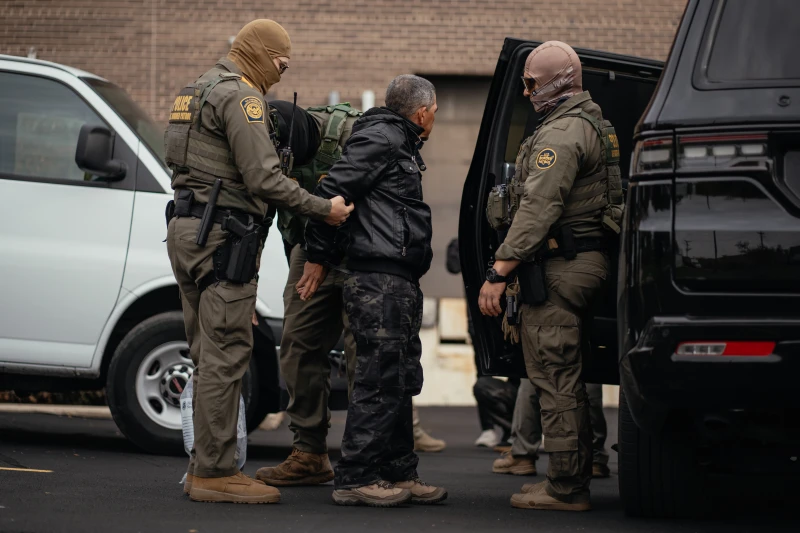
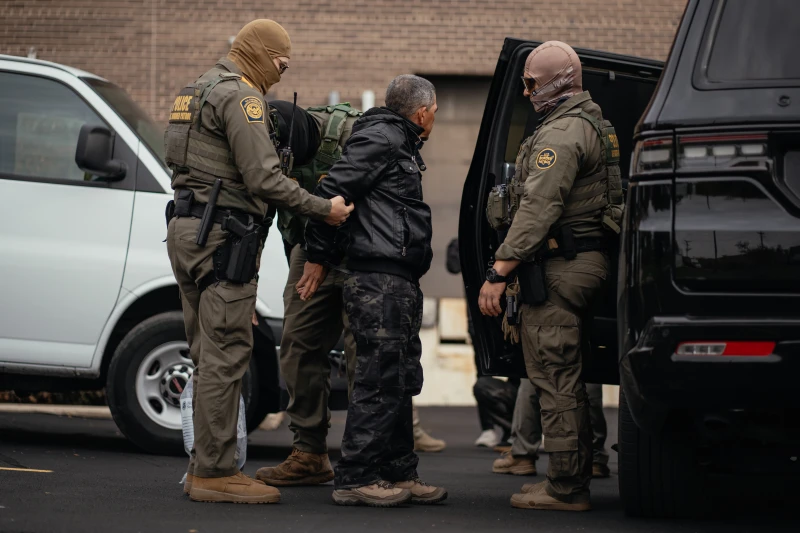
 A person detained is taken to a parking lot on the far north side of the city before being transferred to an Immigration and Customs Enforcement facility in Chicago on Oct. 31, 2025. / Credit: Jamie Kelter Davis/Getty Images

Washington, D.C. Newsroom, Nov 13, 2025 / 18:26 pm (CNA).
The Catholic advocacy organization CatholicVote has released a report examining the Trump administration’s immigration enforcement efforts, concluding Christians must balance charity toward the immigrant with the common good of the receiving state.The report, titled “Immigration Enforcement and the Christian Conscience,” comes on the heels of the special message on immigration released by the U.S. Conference of Catholic Bishops (USCCB) at its fall plenary meeting this past week. “A faithful Catholic approach to immigration begins not with politics but with people. Compassion, hospitality, and solidarity with the poor are not optional virtues,” CatholicVote President and CEO Kelsey Reinhardt said in a press release accompanying the report. “They are at the center of the Gospel,” she added. “Yet, mercy and justice travel together. One without the other distorts both.”The report by author Benjamin Mann labels the Biden administration’s border policies as “reckless” and credits them for resulting in human trafficking, sexual exploitation of immigrants without legal status, and rampant drug cartels. “Catholics who advocate strong but humane immigration enforcement are sometimes accused of disobeying their bishops or the pope, and even violating Church teaching,” the report states. “Properly speaking, there is no such thing as an official ‘Catholic position’ on the practical details of immigration policy.”The report says that “despite what some Church leaders in America have indicated, a faithful Catholic can support strong and humane immigration law enforcement — by means such as physical barriers, detention, and deportation — without violating the teaching of the Church.” The report asserts that Catholic teaching on immigration has been distorted by “an ideological immigration lobby” within the Church that “has sought to present amnesty, minimal law enforcement, and more legal immigration as the only acceptable position for Catholics.” “This is not an act of disobedience or disrespect toward the Church hierarchy but a legitimate difference of opinion according to magisterial teaching,” the report says. “The truth is that faithful Catholics can certainly disagree with the anti-enforcement position — even if some bishops happen to share the policy preferences of these activists. Such disagreement is not a dissent from Church teaching,” the document continues, citing “recent popes” as having said the Catholic Church “has no ‘official position’ on the practical details of issues like immigration policy.” “Rather, our faith teaches a set of broad moral principles about immigration, and their application in public life is a matter of practical judgment for laypersons,” the report said.The CatholicVote document further argues that “it is actually immoral in the eyes of the Church for a country to accept immigrants to the detriment of its own citizens,” citing paragraph 1903 of the Catechism of the Catholic Church, which states: “Authority is exercised legitimately only when it seeks the common good of the group concerned and if it employs morally licit means to attain it. If rulers were to enact unjust laws or take measures contrary to the moral order, such arrangements would not be binding in conscience. In such a case, ‘authority breaks down completely and results in shameful abuse.’”

CatholicVote report examines moral implications of immigration enforcement #Catholic A person detained is taken to a parking lot on the far north side of the city before being transferred to an Immigration and Customs Enforcement facility in Chicago on Oct. 31, 2025. / Credit: Jamie Kelter Davis/Getty Images Washington, D.C. Newsroom, Nov 13, 2025 / 18:26 pm (CNA). The Catholic advocacy organization CatholicVote has released a report examining the Trump administration’s immigration enforcement efforts, concluding Christians must balance charity toward the immigrant with the common good of the receiving state.The report, titled “Immigration Enforcement and the Christian Conscience,” comes on the heels of the special message on immigration released by the U.S. Conference of Catholic Bishops (USCCB) at its fall plenary meeting this past week. “A faithful Catholic approach to immigration begins not with politics but with people. Compassion, hospitality, and solidarity with the poor are not optional virtues,” CatholicVote President and CEO Kelsey Reinhardt said in a press release accompanying the report. “They are at the center of the Gospel,” she added. “Yet, mercy and justice travel together. One without the other distorts both.”The report by author Benjamin Mann labels the Biden administration’s border policies as “reckless” and credits them for resulting in human trafficking, sexual exploitation of immigrants without legal status, and rampant drug cartels. “Catholics who advocate strong but humane immigration enforcement are sometimes accused of disobeying their bishops or the pope, and even violating Church teaching,” the report states. “Properly speaking, there is no such thing as an official ‘Catholic position’ on the practical details of immigration policy.”The report says that “despite what some Church leaders in America have indicated, a faithful Catholic can support strong and humane immigration law enforcement — by means such as physical barriers, detention, and deportation — without violating the teaching of the Church.” The report asserts that Catholic teaching on immigration has been distorted by “an ideological immigration lobby” within the Church that “has sought to present amnesty, minimal law enforcement, and more legal immigration as the only acceptable position for Catholics.” “This is not an act of disobedience or disrespect toward the Church hierarchy but a legitimate difference of opinion according to magisterial teaching,” the report says. “The truth is that faithful Catholics can certainly disagree with the anti-enforcement position — even if some bishops happen to share the policy preferences of these activists. Such disagreement is not a dissent from Church teaching,” the document continues, citing “recent popes” as having said the Catholic Church “has no ‘official position’ on the practical details of issues like immigration policy.” “Rather, our faith teaches a set of broad moral principles about immigration, and their application in public life is a matter of practical judgment for laypersons,” the report said.The CatholicVote document further argues that “it is actually immoral in the eyes of the Church for a country to accept immigrants to the detriment of its own citizens,” citing paragraph 1903 of the Catechism of the Catholic Church, which states: “Authority is exercised legitimately only when it seeks the common good of the group concerned and if it employs morally licit means to attain it. If rulers were to enact unjust laws or take measures contrary to the moral order, such arrangements would not be binding in conscience. In such a case, ‘authority breaks down completely and results in shameful abuse.’”


A person detained is taken to a parking lot on the far north side of the city before being transferred to an Immigration and Customs Enforcement facility in Chicago on Oct. 31, 2025. / Credit: Jamie Kelter Davis/Getty Images

Washington, D.C. Newsroom, Nov 13, 2025 / 18:26 pm (CNA).

The Catholic advocacy organization CatholicVote has released a report examining the Trump administration’s immigration enforcement efforts, concluding Christians must balance charity toward the immigrant with the common good of the receiving state.

The report, titled “Immigration Enforcement and the Christian Conscience,” comes on the heels of the special message on immigration released by the U.S. Conference of Catholic Bishops (USCCB) at its fall plenary meeting this past week. 

“A faithful Catholic approach to immigration begins not with politics but with people. Compassion, hospitality, and solidarity with the poor are not optional virtues,” CatholicVote President and CEO Kelsey Reinhardt said in a press release accompanying the report.

“They are at the center of the Gospel,” she added. “Yet, mercy and justice travel together. One without the other distorts both.”

The report by author Benjamin Mann labels the Biden administration’s border policies as “reckless” and credits them for resulting in human trafficking, sexual exploitation of immigrants without legal status, and rampant drug cartels. 

“Catholics who advocate strong but humane immigration enforcement are sometimes accused of disobeying their bishops or the pope, and even violating Church teaching,” the report states. “Properly speaking, there is no such thing as an official ‘Catholic position’ on the practical details of immigration policy.”

The report says that “despite what some Church leaders in America have indicated, a faithful Catholic can support strong and humane immigration law enforcement — by means such as physical barriers, detention, and deportation — without violating the teaching of the Church.” 

The report asserts that Catholic teaching on immigration has been distorted by “an ideological immigration lobby” within the Church that “has sought to present amnesty, minimal law enforcement, and more legal immigration as the only acceptable position for Catholics.” 

“This is not an act of disobedience or disrespect toward the Church hierarchy but a legitimate difference of opinion according to magisterial teaching,” the report says. 

“The truth is that faithful Catholics can certainly disagree with the anti-enforcement position — even if some bishops happen to share the policy preferences of these activists. Such disagreement is not a dissent from Church teaching,” the document continues, citing “recent popes” as having said the Catholic Church “has no ‘official position’ on the practical details of issues like immigration policy.” 

“Rather, our faith teaches a set of broad moral principles about immigration, and their application in public life is a matter of practical judgment for laypersons,” the report said.

The CatholicVote document further argues that “it is actually immoral in the eyes of the Church for a country to accept immigrants to the detriment of its own citizens,” citing paragraph 1903 of the Catechism of the Catholic Church, which states: “Authority is exercised legitimately only when it seeks the common good of the group concerned and if it employs morally licit means to attain it. If rulers were to enact unjust laws or take measures contrary to the moral order, such arrangements would not be binding in conscience. In such a case, ‘authority breaks down completely and results in shameful abuse.’”

Read More
Poll: 7 in 10 voters support requiring doctor’s visit for abortion pills #Catholic 
 
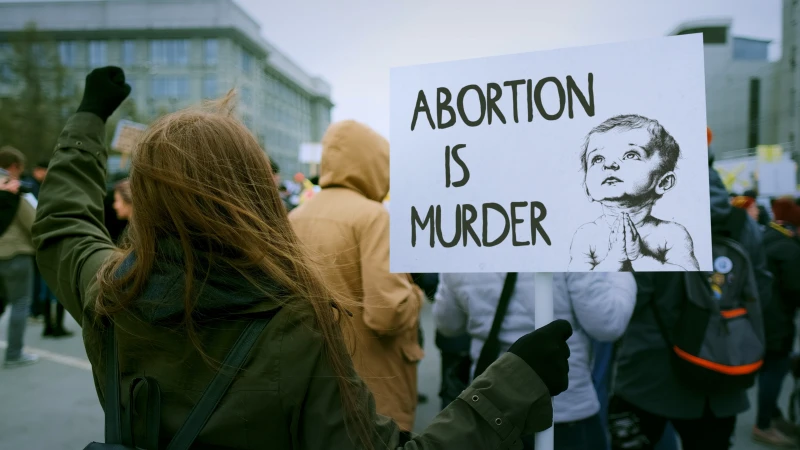
 null / Credit: SibRapid/Shutterstock

Denver, Colorado, Nov 1, 2025 / 07:19 am (CNA).
Here is a roundup of recent pro-life and abortion-related news.7 in 10 voters support requiring doctor’s visit for abortion pills More than 7 in 10 voters believe a doctor’s visit should be required for a chemical abortion prescription, a recent poll found. The McLaughlin & Associates poll of 1,600 participants found that 71% of voters approved of a proposal “requiring a doctor’s visit in order for the chemical abortion drug to be prescribed to terminate an unwanted pregnancy.” The poll also found that 30% of voters had “significant concerns” about the safety of the abortion pill.  Current federal regulations allow providers to prescribe abortion drugs through telehealth and send them by mail. States like California even allow anonymous prescription of the abortion pill, and states including New York and California have “shield laws” that protect abortion providers who ship drugs into states where it is illegal. SBA Pro-Life America President Marjorie Dannenfelser said this week, “The harmful impact of Biden’s FDA removing safeguards on abortion drugs, like in-person doctor visits, is an issue that overwhelmingly unites voters of all stripes.”“As a growing body of research indicates these drugs are far more dangerous than advertised, and new horror stories emerge day after day of women coerced and drugged against their will, landing in the ER and even dying along with their babies, Americans’ concerns are more than valid,” she said in an Oct. 28 statement.Dannenfelser urged the Trump administration to “heed the emerging science and the will of the people and immediately reinstate in-person doctor visits.” Texas AG Paxton secures win in Yelp’s targeting of pregnancy centersTexas Attorney General Ken Paxton secured an appellate court victory against Yelp, Inc. for allegedly adding misleading notices to pro-life pregnancy centers. Paxton filed the lawsuit after misleading notices were attached to the pages of crisis pregnancy centers. The 15th U.S. Court of Appeals reversed a lower court’s dismissal, which had concluded that Texas did not have jurisdiction over Yelp because it is based in California. The 15th U.S. Court of Appeals concluded this week that the company is still “subject to specific jurisdiction in Texas” and that the concern is relevant to other states as well. “As evidenced by the number of attorneys general who signed the letter sent to Yelp, several states share Texas’s interest in ensuring that Crisis Pregnancy Centers are not the targets of actionable misleading statements,” Justice April Farris wrote in the opinion. Paxton said in a statement that Yelp tried to “steer users away from pro-life resources,” noting that Texas will keep Yelp accountable. Paxton pledged to “continue to defend pro-life organizations that serve Texans and make sure that women and families are receiving accurate information about our state’s resources.”Virginia superintendent denies that staff facilitated student abortionsA Virginia public school district has denied allegations that staff at a high school facilitated student abortions without parental consent or knowledge.In an Oct. 16 letter to families and staff at Centreville High School, Fairfax County Superintendent Michelle Reid said that internal investigations found that the “allegations are likely untrue” as “new details have emerged.” In the wake of an investigative report by a local blogger and accusations by a teacher on staff, Virginia Gov. Glenn Youngkin instructed police to launch a criminal investigation. U.S. Senator Bill Cassidy, chairman of the Senate Health, Education, Labor and Pension Committee as well as the U.S. Department of Education also launched investigations. Reid said that “such behavior would never be acceptable” in the school district, which “is fully cooperating with these government investigations.” Planned Parenthood Wisconsin resumes abortionsAfter a temporary pause this month, Wisconsin Planned Parenthood resumed providing abortions in the state by giving up its designation as an “essential community provider” under the Affordable Care Act. Planned Parenthood Wisconsin stopped offering abortions on Oct. 1, after President Donald Trump cut federal Medicaid funding for abortion providers. The yearlong pause is designed to prevent federal tax dollars from subsidizing organizations that provide abortions. Heather Weininger, executive director of Wisconsin Right to Life, said, “Planned Parenthood’s abortion-first business model underscores why taxpayer funding should never support organizations that make abortion a priority.”“Women in difficult circumstances deserve compassionate, life-affirming care — the kind of support the pro-life movement is committed to offering,” she said in an Oct. 27 statement.  Ohio cuts medicaid contract with Planned Parenthood Ohio has terminated Medicaid provider contracts with Planned Parenthood, preventing state funds from going to the abortion giant there.The Ohio Department of Medicaid cited Trump’s recent yearlong pause on Medicaid reimbursements to abortion providers as the reason for termination. Planned Parenthood has since requested a hearing with the department to oppose the termination. Whether the state’s decision to end the agreement will extend longer than the federal pause is unclear.

Poll: 7 in 10 voters support requiring doctor’s visit for abortion pills #Catholic null / Credit: SibRapid/Shutterstock Denver, Colorado, Nov 1, 2025 / 07:19 am (CNA). Here is a roundup of recent pro-life and abortion-related news.7 in 10 voters support requiring doctor’s visit for abortion pills More than 7 in 10 voters believe a doctor’s visit should be required for a chemical abortion prescription, a recent poll found. The McLaughlin & Associates poll of 1,600 participants found that 71% of voters approved of a proposal “requiring a doctor’s visit in order for the chemical abortion drug to be prescribed to terminate an unwanted pregnancy.” The poll also found that 30% of voters had “significant concerns” about the safety of the abortion pill.  Current federal regulations allow providers to prescribe abortion drugs through telehealth and send them by mail. States like California even allow anonymous prescription of the abortion pill, and states including New York and California have “shield laws” that protect abortion providers who ship drugs into states where it is illegal. SBA Pro-Life America President Marjorie Dannenfelser said this week, “The harmful impact of Biden’s FDA removing safeguards on abortion drugs, like in-person doctor visits, is an issue that overwhelmingly unites voters of all stripes.”“As a growing body of research indicates these drugs are far more dangerous than advertised, and new horror stories emerge day after day of women coerced and drugged against their will, landing in the ER and even dying along with their babies, Americans’ concerns are more than valid,” she said in an Oct. 28 statement.Dannenfelser urged the Trump administration to “heed the emerging science and the will of the people and immediately reinstate in-person doctor visits.” Texas AG Paxton secures win in Yelp’s targeting of pregnancy centersTexas Attorney General Ken Paxton secured an appellate court victory against Yelp, Inc. for allegedly adding misleading notices to pro-life pregnancy centers. Paxton filed the lawsuit after misleading notices were attached to the pages of crisis pregnancy centers. The 15th U.S. Court of Appeals reversed a lower court’s dismissal, which had concluded that Texas did not have jurisdiction over Yelp because it is based in California. The 15th U.S. Court of Appeals concluded this week that the company is still “subject to specific jurisdiction in Texas” and that the concern is relevant to other states as well. “As evidenced by the number of attorneys general who signed the letter sent to Yelp, several states share Texas’s interest in ensuring that Crisis Pregnancy Centers are not the targets of actionable misleading statements,” Justice April Farris wrote in the opinion. Paxton said in a statement that Yelp tried to “steer users away from pro-life resources,” noting that Texas will keep Yelp accountable. Paxton pledged to “continue to defend pro-life organizations that serve Texans and make sure that women and families are receiving accurate information about our state’s resources.”Virginia superintendent denies that staff facilitated student abortionsA Virginia public school district has denied allegations that staff at a high school facilitated student abortions without parental consent or knowledge.In an Oct. 16 letter to families and staff at Centreville High School, Fairfax County Superintendent Michelle Reid said that internal investigations found that the “allegations are likely untrue” as “new details have emerged.” In the wake of an investigative report by a local blogger and accusations by a teacher on staff, Virginia Gov. Glenn Youngkin instructed police to launch a criminal investigation. U.S. Senator Bill Cassidy, chairman of the Senate Health, Education, Labor and Pension Committee as well as the U.S. Department of Education also launched investigations. Reid said that “such behavior would never be acceptable” in the school district, which “is fully cooperating with these government investigations.” Planned Parenthood Wisconsin resumes abortionsAfter a temporary pause this month, Wisconsin Planned Parenthood resumed providing abortions in the state by giving up its designation as an “essential community provider” under the Affordable Care Act. Planned Parenthood Wisconsin stopped offering abortions on Oct. 1, after President Donald Trump cut federal Medicaid funding for abortion providers. The yearlong pause is designed to prevent federal tax dollars from subsidizing organizations that provide abortions. Heather Weininger, executive director of Wisconsin Right to Life, said, “Planned Parenthood’s abortion-first business model underscores why taxpayer funding should never support organizations that make abortion a priority.”“Women in difficult circumstances deserve compassionate, life-affirming care — the kind of support the pro-life movement is committed to offering,” she said in an Oct. 27 statement.  Ohio cuts medicaid contract with Planned Parenthood Ohio has terminated Medicaid provider contracts with Planned Parenthood, preventing state funds from going to the abortion giant there.The Ohio Department of Medicaid cited Trump’s recent yearlong pause on Medicaid reimbursements to abortion providers as the reason for termination. Planned Parenthood has since requested a hearing with the department to oppose the termination. Whether the state’s decision to end the agreement will extend longer than the federal pause is unclear.


null / Credit: SibRapid/Shutterstock

Denver, Colorado, Nov 1, 2025 / 07:19 am (CNA).

Here is a roundup of recent pro-life and abortion-related news.

7 in 10 voters support requiring doctor’s visit for abortion pills 

More than 7 in 10 voters believe a doctor’s visit should be required for a chemical abortion prescription, a recent poll found. 

The McLaughlin & Associates poll of 1,600 participants found that 71% of voters approved of a proposal “requiring a doctor’s visit in order for the chemical abortion drug to be prescribed to terminate an unwanted pregnancy.” 

The poll also found that 30% of voters had “significant concerns” about the safety of the abortion pill.  

Current federal regulations allow providers to prescribe abortion drugs through telehealth and send them by mail. 

States like California even allow anonymous prescription of the abortion pill, and states including New York and California have “shield laws” that protect abortion providers who ship drugs into states where it is illegal. 

SBA Pro-Life America President Marjorie Dannenfelser said this week, “The harmful impact of Biden’s FDA removing safeguards on abortion drugs, like in-person doctor visits, is an issue that overwhelmingly unites voters of all stripes.”

“As a growing body of research indicates these drugs are far more dangerous than advertised, and new horror stories emerge day after day of women coerced and drugged against their will, landing in the ER and even dying along with their babies, Americans’ concerns are more than valid,” she said in an Oct. 28 statement.

Dannenfelser urged the Trump administration to “heed the emerging science and the will of the people and immediately reinstate in-person doctor visits.” 

Texas AG Paxton secures win in Yelp’s targeting of pregnancy centers

Texas Attorney General Ken Paxton secured an appellate court victory against Yelp, Inc. for allegedly adding misleading notices to pro-life pregnancy centers. 

Paxton filed the lawsuit after misleading notices were attached to the pages of crisis pregnancy centers. The 15th U.S. Court of Appeals reversed a lower court’s dismissal, which had concluded that Texas did not have jurisdiction over Yelp because it is based in California. 

The 15th U.S. Court of Appeals concluded this week that the company is still “subject to specific jurisdiction in Texas” and that the concern is relevant to other states as well. 

“As evidenced by the number of attorneys general who signed the letter sent to Yelp, several states share Texas’s interest in ensuring that Crisis Pregnancy Centers are not the targets of actionable misleading statements,” Justice April Farris wrote in the opinion

Paxton said in a statement that Yelp tried to “steer users away from pro-life resources,” noting that Texas will keep Yelp accountable. 

Paxton pledged to “continue to defend pro-life organizations that serve Texans and make sure that women and families are receiving accurate information about our state’s resources.”

Virginia superintendent denies that staff facilitated student abortions

A Virginia public school district has denied allegations that staff at a high school facilitated student abortions without parental consent or knowledge.

In an Oct. 16 letter to families and staff at Centreville High School, Fairfax County Superintendent Michelle Reid said that internal investigations found that the “allegations are likely untrue” as “new details have emerged.” 

In the wake of an investigative report by a local blogger and accusations by a teacher on staff, Virginia Gov. Glenn Youngkin instructed police to launch a criminal investigation. U.S. Senator Bill Cassidy, chairman of the Senate Health, Education, Labor and Pension Committee as well as the U.S. Department of Education also launched investigations. 

Reid said that “such behavior would never be acceptable” in the school district, which “is fully cooperating with these government investigations.” 

Planned Parenthood Wisconsin resumes abortions

After a temporary pause this month, Wisconsin Planned Parenthood resumed providing abortions in the state by giving up its designation as an “essential community provider” under the Affordable Care Act. 

Planned Parenthood Wisconsin stopped offering abortions on Oct. 1, after President Donald Trump cut federal Medicaid funding for abortion providers. The yearlong pause is designed to prevent federal tax dollars from subsidizing organizations that provide abortions. 

Heather Weininger, executive director of Wisconsin Right to Life, said, “Planned Parenthood’s abortion-first business model underscores why taxpayer funding should never support organizations that make abortion a priority.”

“Women in difficult circumstances deserve compassionate, life-affirming care — the kind of support the pro-life movement is committed to offering,” she said in an Oct. 27 statement.  

Ohio cuts medicaid contract with Planned Parenthood 

Ohio has terminated Medicaid provider contracts with Planned Parenthood, preventing state funds from going to the abortion giant there.

The Ohio Department of Medicaid cited Trump’s recent yearlong pause on Medicaid reimbursements to abortion providers as the reason for termination. Planned Parenthood has since requested a hearing with the department to oppose the termination. Whether the state’s decision to end the agreement will extend longer than the federal pause is unclear.

Read More