Payments

Catholic Charities affiliates fear SNAP disruptions amid Trump administration warning #Catholic 
 
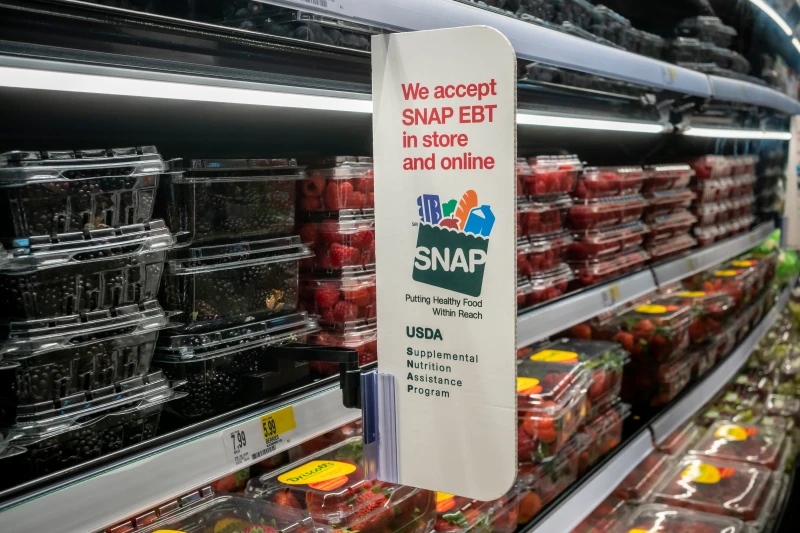
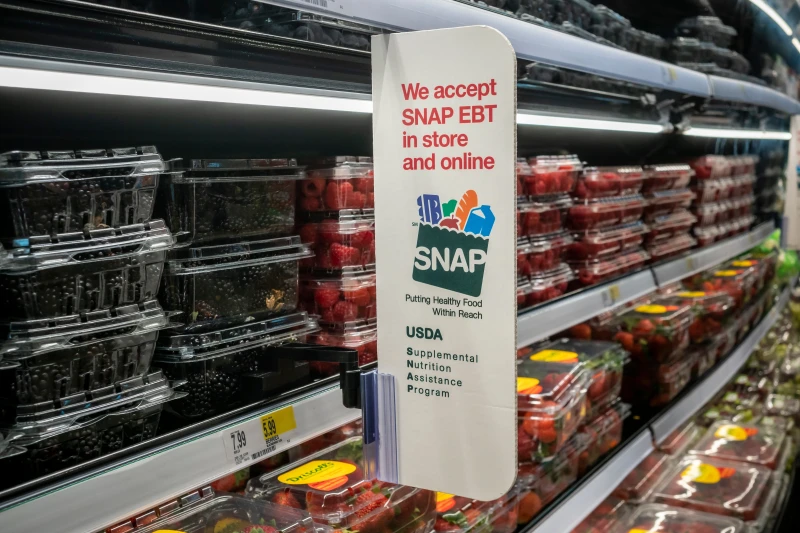
 The Trump administration intends to cut off federal food assistance for 21 states, which has caused concern for some local Catholic Charities affiliates. / Credit: rblfmr/Shutterstock

Washington, D.C. Newsroom, Dec 3, 2025 / 17:51 pm (CNA).
President Donald Trump’s administration intends to cut off federal food assistance for 21 states amid a dispute over reporting data about recipients, which has caused concern for some local Catholic Charities affiliates whose areas may be affected.In May, Secretary of Agriculture Brooke Rollins ordered states to share certain records with the federal government about people who receive food stamps through the Supplemental Nutrition Assistance Program (SNAP). She said this was to ensure benefits only went to eligible people.Although 29 states complied, 21 Democratic-led states refused to provide the information and sued the administration. The lawsuit alleges that providing the information — which includes immigration status, income, and identifying information — would be a privacy violation.Rollins said in a Cabinet meeting on Dec. 2 that “as of next week, we have begun and will begin to stop moving federal funds into those states until they comply and they … allow us to partner with them to root out this fraud and protect the American taxpayer.”She said an initial overview of the data from states that complied showed SNAP benefits given to 186,000 people using Social Security numbers for someone who is not alive and about a half of a million people receiving SNAP benefits more than once. The Department of Agriculture has not released that data.If funding is halted, this would be the second disruption for SNAP benefits in just two months. In November, SNAP payments were delayed for nearly two weeks until lawmakers negotiated an end to the government shutdown.For many of the states that will be impacted, Catholic Charities is the largest provider of food assistance after SNAP, and some affiliate leaders fear that the disruption will cause problems.Rose Bak, chief operating officer of Catholic Charities of Oregon, told CNA the nonprofit keeps  stockpiles for emergencies, but “we’ve gone through most of our supplies” amid the November disruption and an increase in people’s needs caused by the high cost of groceries. She said their food pantry partners have told her “they’ve never been this low on stock” as well.“Our phones were ringing off the hook,” Bak said. “Our mailboxes were flooded with emails.”When asked how another disruption would compare to the problems in November, she said: “I think it will definitely be worse.”“People are scared,” Bak said. “They’re worried about how they’re going to feed their families.”Ashley Valis, chief operating officer of Catholic Charities of Baltimore, similarly told CNA that another disruption “would place immense strain on families already struggling as well as on organizations like ours, which are experiencing growing demand for food and emergency assistance.”“Food insecurity forces children, parents, and older adults to make impossible trade-offs between rent, groceries, and medication,” she said.Catholic Charities DC President and CEO James Malloy offers a prayer before a Thanksgiving meal Nov. 25, 2025. Credit: Courtesy of Ralph Alswang for Catholic Charities DC.James Malloy, CEO and president of Catholic Charities DC, told CNA: “We work to be responsive to the needs of the community as they fluctuate,” and added: “SNAP cuts will certainly increase that need.”“These benefits are critical for veterans, children, and many low-income workers who have multiple jobs to cover basic expenses,” he said.Catholic Charities USA launched a national fundraising effort in late October, just before SNAP benefits were delayed the first time. Catholic Charities USA did not immediately respond to a request for comment.

Catholic Charities affiliates fear SNAP disruptions amid Trump administration warning #Catholic The Trump administration intends to cut off federal food assistance for 21 states, which has caused concern for some local Catholic Charities affiliates. / Credit: rblfmr/Shutterstock Washington, D.C. Newsroom, Dec 3, 2025 / 17:51 pm (CNA). President Donald Trump’s administration intends to cut off federal food assistance for 21 states amid a dispute over reporting data about recipients, which has caused concern for some local Catholic Charities affiliates whose areas may be affected.In May, Secretary of Agriculture Brooke Rollins ordered states to share certain records with the federal government about people who receive food stamps through the Supplemental Nutrition Assistance Program (SNAP). She said this was to ensure benefits only went to eligible people.Although 29 states complied, 21 Democratic-led states refused to provide the information and sued the administration. The lawsuit alleges that providing the information — which includes immigration status, income, and identifying information — would be a privacy violation.Rollins said in a Cabinet meeting on Dec. 2 that “as of next week, we have begun and will begin to stop moving federal funds into those states until they comply and they … allow us to partner with them to root out this fraud and protect the American taxpayer.”She said an initial overview of the data from states that complied showed SNAP benefits given to 186,000 people using Social Security numbers for someone who is not alive and about a half of a million people receiving SNAP benefits more than once. The Department of Agriculture has not released that data.If funding is halted, this would be the second disruption for SNAP benefits in just two months. In November, SNAP payments were delayed for nearly two weeks until lawmakers negotiated an end to the government shutdown.For many of the states that will be impacted, Catholic Charities is the largest provider of food assistance after SNAP, and some affiliate leaders fear that the disruption will cause problems.Rose Bak, chief operating officer of Catholic Charities of Oregon, told CNA the nonprofit keeps  stockpiles for emergencies, but “we’ve gone through most of our supplies” amid the November disruption and an increase in people’s needs caused by the high cost of groceries. She said their food pantry partners have told her “they’ve never been this low on stock” as well.“Our phones were ringing off the hook,” Bak said. “Our mailboxes were flooded with emails.”When asked how another disruption would compare to the problems in November, she said: “I think it will definitely be worse.”“People are scared,” Bak said. “They’re worried about how they’re going to feed their families.”Ashley Valis, chief operating officer of Catholic Charities of Baltimore, similarly told CNA that another disruption “would place immense strain on families already struggling as well as on organizations like ours, which are experiencing growing demand for food and emergency assistance.”“Food insecurity forces children, parents, and older adults to make impossible trade-offs between rent, groceries, and medication,” she said.Catholic Charities DC President and CEO James Malloy offers a prayer before a Thanksgiving meal Nov. 25, 2025. Credit: Courtesy of Ralph Alswang for Catholic Charities DC.James Malloy, CEO and president of Catholic Charities DC, told CNA: “We work to be responsive to the needs of the community as they fluctuate,” and added: “SNAP cuts will certainly increase that need.”“These benefits are critical for veterans, children, and many low-income workers who have multiple jobs to cover basic expenses,” he said.Catholic Charities USA launched a national fundraising effort in late October, just before SNAP benefits were delayed the first time. Catholic Charities USA did not immediately respond to a request for comment.


The Trump administration intends to cut off federal food assistance for 21 states, which has caused concern for some local Catholic Charities affiliates. / Credit: rblfmr/Shutterstock

Washington, D.C. Newsroom, Dec 3, 2025 / 17:51 pm (CNA).

President Donald Trump’s administration intends to cut off federal food assistance for 21 states amid a dispute over reporting data about recipients, which has caused concern for some local Catholic Charities affiliates whose areas may be affected.

In May, Secretary of Agriculture Brooke Rollins ordered states to share certain records with the federal government about people who receive food stamps through the Supplemental Nutrition Assistance Program (SNAP). She said this was to ensure benefits only went to eligible people.

Although 29 states complied, 21 Democratic-led states refused to provide the information and sued the administration. The lawsuit alleges that providing the information — which includes immigration status, income, and identifying information — would be a privacy violation.

Rollins said in a Cabinet meeting on Dec. 2 that “as of next week, we have begun and will begin to stop moving federal funds into those states until they comply and they … allow us to partner with them to root out this fraud and protect the American taxpayer.”

She said an initial overview of the data from states that complied showed SNAP benefits given to 186,000 people using Social Security numbers for someone who is not alive and about a half of a million people receiving SNAP benefits more than once. The Department of Agriculture has not released that data.

If funding is halted, this would be the second disruption for SNAP benefits in just two months. In November, SNAP payments were delayed for nearly two weeks until lawmakers negotiated an end to the government shutdown.

For many of the states that will be impacted, Catholic Charities is the largest provider of food assistance after SNAP, and some affiliate leaders fear that the disruption will cause problems.

Rose Bak, chief operating officer of Catholic Charities of Oregon, told CNA the nonprofit keeps  stockpiles for emergencies, but “we’ve gone through most of our supplies” amid the November disruption and an increase in people’s needs caused by the high cost of groceries. 

She said their food pantry partners have told her “they’ve never been this low on stock” as well.

“Our phones were ringing off the hook,” Bak said. “Our mailboxes were flooded with emails.”

When asked how another disruption would compare to the problems in November, she said: “I think it will definitely be worse.”

“People are scared,” Bak said. “They’re worried about how they’re going to feed their families.”

Ashley Valis, chief operating officer of Catholic Charities of Baltimore, similarly told CNA that another disruption “would place immense strain on families already struggling as well as on organizations like ours, which are experiencing growing demand for food and emergency assistance.”

“Food insecurity forces children, parents, and older adults to make impossible trade-offs between rent, groceries, and medication,” she said.

Catholic Charities DC President and CEO James Malloy offers a prayer before a Thanksgiving meal Nov. 25, 2025. Credit: Courtesy of Ralph Alswang for Catholic Charities DC.

James Malloy, CEO and president of Catholic Charities DC, told CNA: “We work to be responsive to the needs of the community as they fluctuate,” and added: “SNAP cuts will certainly increase that need.”

“These benefits are critical for veterans, children, and many low-income workers who have multiple jobs to cover basic expenses,” he said.

Catholic Charities USA launched a national fundraising effort in late October, just before SNAP benefits were delayed the first time. Catholic Charities USA did not immediately respond to a request for comment.

Read More
‘This is our faith in action:’ Catholic groups expand food aid amid SNAP cuts #Catholic 
 
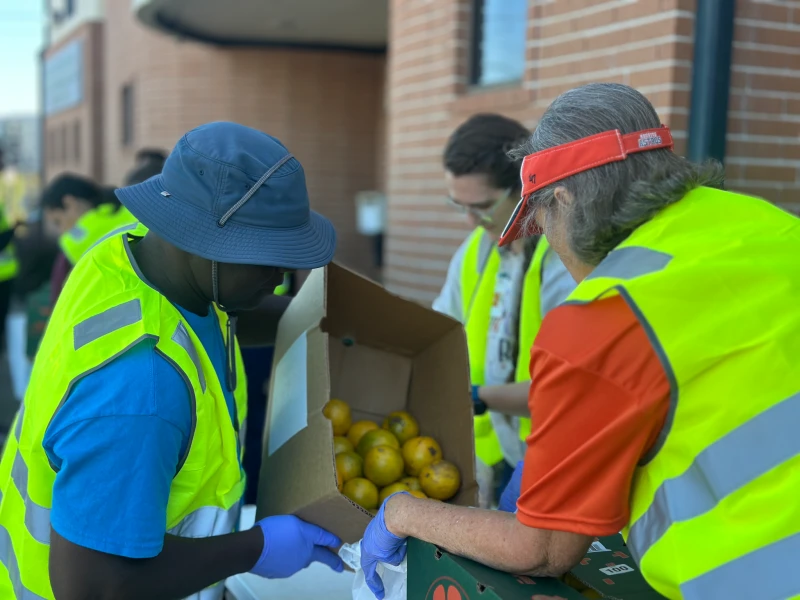
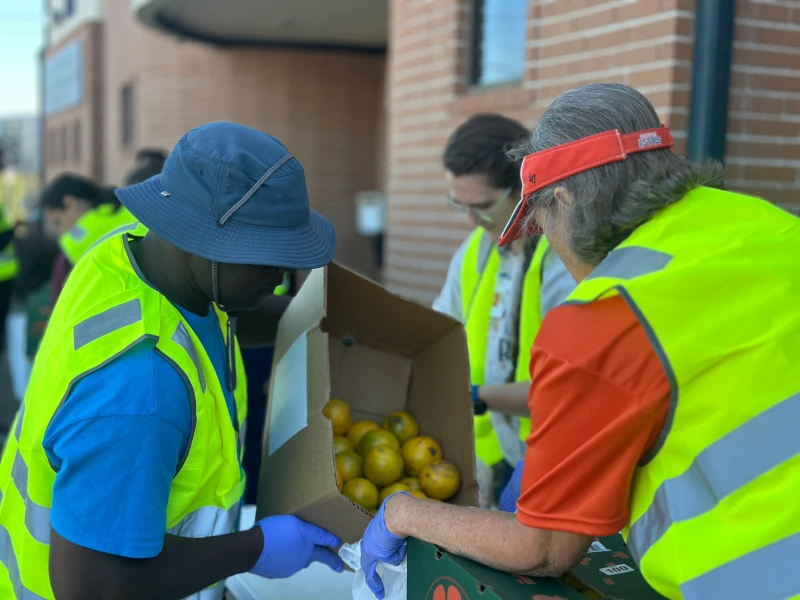
 Volunteers prepare and distribute food to families coming through the drive-through distribution site at the Catholic Charities Diocese of Galveston-Houston Guadalupe Center, a food pantry near central Houston. / Credit: Photo courtesy of Catholic Charities of the Archdiocese of Galveston-Houston

CNA Staff, Nov 7, 2025 / 17:40 pm (CNA).
As federal food benefits have been frozen during the government shutdown, Catholic dioceses and charities around the country are holding emergency food drives and launching fundraising efforts.Supplemental Nutrition Assistance Program (SNAP) benefits will resume once the government passes a bill to fund the federal government — but, more than a month into the shutdown, there is no set end date in sight.  Two federal district judges at the end of October moved to compel the Trump administration to pay for SNAP benefits, but because Congress has not yet authorized funding for federal government operations, the Trump administration asked an appeals court on Friday to block the orders and continue with partial SNAP payments.The pause in SNAP benefits is estimated to affect about 42 million Americans.In St. Louis, food pantries saw an influx of people in need. In response, parishes across the archdiocese are holding emergency food drives for the first two weekends of November. Nearly 300,000 people in the area could “lose access to vital food benefits,” Archbishop Mitchell Rozanski said in a letter to pastors, whom he asked to “respond with love and generosity to this urgent need.” “We are called to be people of faith and action,” Rozanski said. “And so, I ask the good people of our archdiocese to come together to help our neighbors who are in danger of going without their ‘daily food.’”The archdiocese is working with the local Catholic Charities and the Society of St. Vincent de Paul to ensure that food pantries are full. Julie Komanetsky, a spokesperson for the Society of St. Vincent de Paul in St. Louis, said the food drives are “bringing great results for our food pantries.” “This is our faith in action,” she told CNA. “Like the story of the good Samaritan who sees the victim and cares for him, Catholics see that people need to be fed and they are responding. They are answering God’s call to be good Samaritans rather than indifferent bystanders!”   So far, the parish food drives have been “very successful and will help keep our pantries stocked and able to support the need,” Komanetsky said.“Our hope for this effort is to keep all within the boundaries of our archdiocese from going hungry during this difficult time in our country,” she continued. “This is our united Catholic effort to let all people know that we see them, we hear their needs, and we will help.”“Pope Leo tells us: Faith cannot be separated from love for the poor,” she continued. “This effort is a testament of our faith and our love.” St. Louis is not the only archdiocese finding creative solutions to the SNAP crisis. In Connecticut, Hartford Archbishop Christopher Coyne has released 0,000 of emergency funding to food banks. Coyne said the funding is being contributed “in the spirit of Jesus’ command to serve our brothers and sisters in need.”“The Catholic Church provides relief and hope for God’s children,” Coyne said in a statement. “It’s what we have done for over 2,000 years and what we continue to do today.”Volunteers load food into a car at a drive-through distribution site in Houston. Credit: Photo courtesy of Catholic Charities of the Archdiocese of Galveston-HoustonThe Archdiocese of Galveston-Houston Catholic Charities is seeing a similar rise in need. Across its three food pantries Catholic Charities is extending hours and increasing distribution. “Many families across our service area are struggling, worried about missing paychecks or not being able to put food on the table,” Cynthia Nunes Colbert, who heads the Catholic Charities of the Archdiocese of Galveston-Houston, told CNA. The group is also offering emergency rental assistance to federal workers and is reaching out to the wider community for support by encouraging food drives, volunteering, and donations, Catholic Charities told CNA. “Whether it’s through financial donations, food drives, or volunteering, together we can provide hope and stability during these uncertain times,” Colbert said.As part of a nationwide effort, Catholic Charities USA launched a fundraising effort in light of the funding cuts. The funds raised will go directly toward buying and sending food to Catholic Charities groups across the country to support ministries such as food pantries and soup kitchens. For families who rely on food assistance programs, this a “catastrophic moment” said CCUSA President and CEO Kerry Alys Robinson. The government shutdown “has created incredibly serious, real-life consequences for millions of people, from furloughed federal workers to those living in poverty who will now struggle even more to provide for their families,” Robinson said in a recent statement.

‘This is our faith in action:’ Catholic groups expand food aid amid SNAP cuts #Catholic Volunteers prepare and distribute food to families coming through the drive-through distribution site at the Catholic Charities Diocese of Galveston-Houston Guadalupe Center, a food pantry near central Houston. / Credit: Photo courtesy of Catholic Charities of the Archdiocese of Galveston-Houston CNA Staff, Nov 7, 2025 / 17:40 pm (CNA). As federal food benefits have been frozen during the government shutdown, Catholic dioceses and charities around the country are holding emergency food drives and launching fundraising efforts.Supplemental Nutrition Assistance Program (SNAP) benefits will resume once the government passes a bill to fund the federal government — but, more than a month into the shutdown, there is no set end date in sight.  Two federal district judges at the end of October moved to compel the Trump administration to pay for SNAP benefits, but because Congress has not yet authorized funding for federal government operations, the Trump administration asked an appeals court on Friday to block the orders and continue with partial SNAP payments.The pause in SNAP benefits is estimated to affect about 42 million Americans.In St. Louis, food pantries saw an influx of people in need. In response, parishes across the archdiocese are holding emergency food drives for the first two weekends of November. Nearly 300,000 people in the area could “lose access to vital food benefits,” Archbishop Mitchell Rozanski said in a letter to pastors, whom he asked to “respond with love and generosity to this urgent need.” “We are called to be people of faith and action,” Rozanski said. “And so, I ask the good people of our archdiocese to come together to help our neighbors who are in danger of going without their ‘daily food.’”The archdiocese is working with the local Catholic Charities and the Society of St. Vincent de Paul to ensure that food pantries are full. Julie Komanetsky, a spokesperson for the Society of St. Vincent de Paul in St. Louis, said the food drives are “bringing great results for our food pantries.” “This is our faith in action,” she told CNA. “Like the story of the good Samaritan who sees the victim and cares for him, Catholics see that people need to be fed and they are responding. They are answering God’s call to be good Samaritans rather than indifferent bystanders!”   So far, the parish food drives have been “very successful and will help keep our pantries stocked and able to support the need,” Komanetsky said.“Our hope for this effort is to keep all within the boundaries of our archdiocese from going hungry during this difficult time in our country,” she continued. “This is our united Catholic effort to let all people know that we see them, we hear their needs, and we will help.”“Pope Leo tells us: Faith cannot be separated from love for the poor,” she continued. “This effort is a testament of our faith and our love.” St. Louis is not the only archdiocese finding creative solutions to the SNAP crisis. In Connecticut, Hartford Archbishop Christopher Coyne has released $500,000 of emergency funding to food banks. Coyne said the funding is being contributed “in the spirit of Jesus’ command to serve our brothers and sisters in need.”“The Catholic Church provides relief and hope for God’s children,” Coyne said in a statement. “It’s what we have done for over 2,000 years and what we continue to do today.”Volunteers load food into a car at a drive-through distribution site in Houston. Credit: Photo courtesy of Catholic Charities of the Archdiocese of Galveston-HoustonThe Archdiocese of Galveston-Houston Catholic Charities is seeing a similar rise in need. Across its three food pantries Catholic Charities is extending hours and increasing distribution. “Many families across our service area are struggling, worried about missing paychecks or not being able to put food on the table,” Cynthia Nunes Colbert, who heads the Catholic Charities of the Archdiocese of Galveston-Houston, told CNA. The group is also offering emergency rental assistance to federal workers and is reaching out to the wider community for support by encouraging food drives, volunteering, and donations, Catholic Charities told CNA. “Whether it’s through financial donations, food drives, or volunteering, together we can provide hope and stability during these uncertain times,” Colbert said.As part of a nationwide effort, Catholic Charities USA launched a fundraising effort in light of the funding cuts. The funds raised will go directly toward buying and sending food to Catholic Charities groups across the country to support ministries such as food pantries and soup kitchens. For families who rely on food assistance programs, this a “catastrophic moment” said CCUSA President and CEO Kerry Alys Robinson. The government shutdown “has created incredibly serious, real-life consequences for millions of people, from furloughed federal workers to those living in poverty who will now struggle even more to provide for their families,” Robinson said in a recent statement.


Volunteers prepare and distribute food to families coming through the drive-through distribution site at the Catholic Charities Diocese of Galveston-Houston Guadalupe Center, a food pantry near central Houston. / Credit: Photo courtesy of Catholic Charities of the Archdiocese of Galveston-Houston

CNA Staff, Nov 7, 2025 / 17:40 pm (CNA).

As federal food benefits have been frozen during the government shutdown, Catholic dioceses and charities around the country are holding emergency food drives and launching fundraising efforts.

Supplemental Nutrition Assistance Program (SNAP) benefits will resume once the government passes a bill to fund the federal government — but, more than a month into the shutdown, there is no set end date in sight.  

Two federal district judges at the end of October moved to compel the Trump administration to pay for SNAP benefits, but because Congress has not yet authorized funding for federal government operations, the Trump administration asked an appeals court on Friday to block the orders and continue with partial SNAP payments.

The pause in SNAP benefits is estimated to affect about 42 million Americans.

In St. Louis, food pantries saw an influx of people in need. In response, parishes across the archdiocese are holding emergency food drives for the first two weekends of November. 

Nearly 300,000 people in the area could “lose access to vital food benefits,” Archbishop Mitchell Rozanski said in a letter to pastors, whom he asked to “respond with love and generosity to this urgent need.” 

“We are called to be people of faith and action,” Rozanski said. “And so, I ask the good people of our archdiocese to come together to help our neighbors who are in danger of going without their ‘daily food.’”

The archdiocese is working with the local Catholic Charities and the Society of St. Vincent de Paul to ensure that food pantries are full. 

Julie Komanetsky, a spokesperson for the Society of St. Vincent de Paul in St. Louis, said the food drives are “bringing great results for our food pantries.” 

“This is our faith in action,” she told CNA. “Like the story of the good Samaritan who sees the victim and cares for him, Catholics see that people need to be fed and they are responding. They are answering God’s call to be good Samaritans rather than indifferent bystanders!”   

So far, the parish food drives have been “very successful and will help keep our pantries stocked and able to support the need,” Komanetsky said.

“Our hope for this effort is to keep all within the boundaries of our archdiocese from going hungry during this difficult time in our country,” she continued. “This is our united Catholic effort to let all people know that we see them, we hear their needs, and we will help.”

“Pope Leo tells us: Faith cannot be separated from love for the poor,” she continued. “This effort is a testament of our faith and our love.” 

St. Louis is not the only archdiocese finding creative solutions to the SNAP crisis. In Connecticut, Hartford Archbishop Christopher Coyne has released $500,000 of emergency funding to food banks. 

Coyne said the funding is being contributed “in the spirit of Jesus’ command to serve our brothers and sisters in need.”

“The Catholic Church provides relief and hope for God’s children,” Coyne said in a statement. “It’s what we have done for over 2,000 years and what we continue to do today.”

Volunteers load food into a car at a drive-through distribution site in Houston. Credit: Photo courtesy of Catholic Charities of the Archdiocese of Galveston-Houston

The Archdiocese of Galveston-Houston Catholic Charities is seeing a similar rise in need. Across its three food pantries Catholic Charities is extending hours and increasing distribution. 

“Many families across our service area are struggling, worried about missing paychecks or not being able to put food on the table,” Cynthia Nunes Colbert, who heads the Catholic Charities of the Archdiocese of Galveston-Houston, told CNA. 

The group is also offering emergency rental assistance to federal workers and is reaching out to the wider community for support by encouraging food drives, volunteering, and donations, Catholic Charities told CNA. 

“Whether it’s through financial donations, food drives, or volunteering, together we can provide hope and stability during these uncertain times,” Colbert said.

As part of a nationwide effort, Catholic Charities USA launched a fundraising effort in light of the funding cuts. The funds raised will go directly toward buying and sending food to Catholic Charities groups across the country to support ministries such as food pantries and soup kitchens. 

For families who rely on food assistance programs, this a “catastrophic moment” said CCUSA President and CEO Kerry Alys Robinson. 

The government shutdown “has created incredibly serious, real-life consequences for millions of people, from furloughed federal workers to those living in poverty who will now struggle even more to provide for their families,” Robinson said in a recent statement.

Read More
Sex abuse victims in New Orleans Archdiocese approve 0 million settlement #Catholic 
 
 The St. Louis Cathedral and Jackson Square are seen at sunset near the French Quarter in downtown New Orleans on April 10, 2010. / Credit: Graythen/Getty Images

CNA Staff, Oct 31, 2025 / 10:30 am (CNA).
The Archdiocese of New Orleans secured nearly unanimous approval for a 0 million bankruptcy settlement on Thursday, paving the way for payouts to over 650 victims after five years of contentious litigation in the nation’s second-oldest Catholic archdiocese.The vote, which closed at midnight on Oct. 30, saw 99.63% of creditors — including hundreds of abuse survivors — endorse the plan in the U.S. Bankruptcy Court of the Eastern District of Louisiana, according to The Guardian.Only the bondholder class, owed  million, opposed it, voting against the plan by a vote of 59 to 14, according to court documents. In 2017, bondholders lent the Church  million to help refinance parish debt and have been repaid only 25% of the outstanding balance. They have alleged fraud against the Church after it withheld promised interest payments. Legal experts say their “no” vote will not derail confirmation of the settlement, however. “Your honor, there is overwhelming support for this plan,” archdiocese attorney Mark Mintz said in court on Thursday. The plan required that two-thirds of voters approve it.Final tallies of the votes will be filed next week, and a hearing before Judge Meredith Grabill is set for mid-November, potentially ending the archdiocese’s Chapter 11 case filed in May 2020 amid a flood of abuse claims.In a statement to CNA, the archdiocese said: “Today we have the voting results of our proposed settlement and reorganization plan, which has been overwhelmingly approved by survivors and other creditors. We are grateful to the survivors who have voted in favor of moving forward with this plan and continue to pray that both the monetary settlement and the nonmonetary provisions provide each of them some path towards their healing and reconciliation.”Archbishop Gregory Aymond originally told the Vatican in a letter that he thought he could settle abuse claims for around  million. The archdiocese has spent close to  million so far on legal fees alone.The settlement going to abuse victims breaks down to 0 million in immediate cash from the archdiocese and affiliates,  million in promissory notes,  million from insurers, and up to  million more from property sales, including the Christopher Homes facilities, a property that has provided affordable housing and assisted living to low-income and senior citizens in the Gulf Coast area for the last 50 years.Payout amounts to individual claimants will be determined by a point system negotiated by a committee of victims and administered by a trustee and an independent claims administrator appointed by the court. The point system is based on the type and nature of the alleged abuse. Additional points can be awarded for factors like participation in criminal prosecutions, pre-bankruptcy lawsuits, or leadership in victim efforts, while points may be reduced if the claimant was over 18 and consented to the contact. The impact of the alleged abuse on the victim’s behavior, academic achievement, mental health, faith, and family relationships can also adjust the score.Abuse victim Richard Coon cast his vote on Monday. “I voted ‘yes’ to get Aymond out of town. I just think he’s been a horrible leader,” Coon said.In September, Pope Leo XIV named Bishop James Checchio as coadjutor archbishop of New Orleans. Checchio has been working alongside Aymond and will replace him when he retires, which Aymond has said he plans to do when the bankruptcy case is resolved.The 0 million deal is significantly higher than the initial 0 million proposal in May, which drew fire from attorneys like Richard Trahant, who criticized it for being “lowball.”The initial settlement was “dead on arrival,” according to Trahant, who, along with other attorneys, urged his clients in May to hold out for a better offer, saying they deserved closer to 0 million, a figure similar to the 3 million paid out to about 600 claimants by the Diocese of Rockville Centre in New York in 2024. “There is no amount of money that could ever make these survivors whole,” Trahant said in a statement Thursday.In the Diocese of Rockville Centre bankruptcy settlement, attorneys reportedly collected about 30% of the 3 million, or approximately .9 million. Similarly, the Los Angeles Archdiocese’s 0 million settlement in 2007 saw attorneys receiving an estimated 5-7.8 million, or 25%-33% of the payout.The bankruptcy stemmed from explosive revelations in 2018, when the Archdiocese of New Orleans listed over 50 credibly accused priests. In 2021, the Louisiana Legislature eliminated the statute of limitations for civil actions related to the sexual abuse of minors. The new law allows victims to pursue civil damages indefinitely for abuse occurring on or after June 14, 1992, or where the victim was a minor as of June 14, 2021, with a three-year filing window (which ended June 14, 2024) for older cases. The Diocese of Lafayette, along with the Archdiocese of New Orleans, the Diocese of Baton Rouge, the Diocese of Houma-Thibodaux, Catholic Charities, the Diocese of Lake Charles, and several other entities challenged the law’s constitutionality, arguing it violated due process, but the Louisiana Supreme Court upheld it in June 2024 in a 4-3 decision.Critics argued the retroactive nature of the law risks unfairness to defendants unable to defend against decades-old abuse claims due to lost evidence and highlighted the potentially devastating financial impact.

Sex abuse victims in New Orleans Archdiocese approve $230 million settlement #Catholic The St. Louis Cathedral and Jackson Square are seen at sunset near the French Quarter in downtown New Orleans on April 10, 2010. / Credit: Graythen/Getty Images CNA Staff, Oct 31, 2025 / 10:30 am (CNA). The Archdiocese of New Orleans secured nearly unanimous approval for a $230 million bankruptcy settlement on Thursday, paving the way for payouts to over 650 victims after five years of contentious litigation in the nation’s second-oldest Catholic archdiocese.The vote, which closed at midnight on Oct. 30, saw 99.63% of creditors — including hundreds of abuse survivors — endorse the plan in the U.S. Bankruptcy Court of the Eastern District of Louisiana, according to The Guardian.Only the bondholder class, owed $30 million, opposed it, voting against the plan by a vote of 59 to 14, according to court documents. In 2017, bondholders lent the Church $40 million to help refinance parish debt and have been repaid only 25% of the outstanding balance. They have alleged fraud against the Church after it withheld promised interest payments. Legal experts say their “no” vote will not derail confirmation of the settlement, however. “Your honor, there is overwhelming support for this plan,” archdiocese attorney Mark Mintz said in court on Thursday. The plan required that two-thirds of voters approve it.Final tallies of the votes will be filed next week, and a hearing before Judge Meredith Grabill is set for mid-November, potentially ending the archdiocese’s Chapter 11 case filed in May 2020 amid a flood of abuse claims.In a statement to CNA, the archdiocese said: “Today we have the voting results of our proposed settlement and reorganization plan, which has been overwhelmingly approved by survivors and other creditors. We are grateful to the survivors who have voted in favor of moving forward with this plan and continue to pray that both the monetary settlement and the nonmonetary provisions provide each of them some path towards their healing and reconciliation.”Archbishop Gregory Aymond originally told the Vatican in a letter that he thought he could settle abuse claims for around $7 million. The archdiocese has spent close to $50 million so far on legal fees alone.The settlement going to abuse victims breaks down to $130 million in immediate cash from the archdiocese and affiliates, $20 million in promissory notes, $30 million from insurers, and up to $50 million more from property sales, including the Christopher Homes facilities, a property that has provided affordable housing and assisted living to low-income and senior citizens in the Gulf Coast area for the last 50 years.Payout amounts to individual claimants will be determined by a point system negotiated by a committee of victims and administered by a trustee and an independent claims administrator appointed by the court. The point system is based on the type and nature of the alleged abuse. Additional points can be awarded for factors like participation in criminal prosecutions, pre-bankruptcy lawsuits, or leadership in victim efforts, while points may be reduced if the claimant was over 18 and consented to the contact. The impact of the alleged abuse on the victim’s behavior, academic achievement, mental health, faith, and family relationships can also adjust the score.Abuse victim Richard Coon cast his vote on Monday. “I voted ‘yes’ to get Aymond out of town. I just think he’s been a horrible leader,” Coon said.In September, Pope Leo XIV named Bishop James Checchio as coadjutor archbishop of New Orleans. Checchio has been working alongside Aymond and will replace him when he retires, which Aymond has said he plans to do when the bankruptcy case is resolved.The $230 million deal is significantly higher than the initial $180 million proposal in May, which drew fire from attorneys like Richard Trahant, who criticized it for being “lowball.”The initial settlement was “dead on arrival,” according to Trahant, who, along with other attorneys, urged his clients in May to hold out for a better offer, saying they deserved closer to $300 million, a figure similar to the $323 million paid out to about 600 claimants by the Diocese of Rockville Centre in New York in 2024. “There is no amount of money that could ever make these survivors whole,” Trahant said in a statement Thursday.In the Diocese of Rockville Centre bankruptcy settlement, attorneys reportedly collected about 30% of the $323 million, or approximately $96.9 million. Similarly, the Los Angeles Archdiocese’s $660 million settlement in 2007 saw attorneys receiving an estimated $165-$217.8 million, or 25%-33% of the payout.The bankruptcy stemmed from explosive revelations in 2018, when the Archdiocese of New Orleans listed over 50 credibly accused priests. In 2021, the Louisiana Legislature eliminated the statute of limitations for civil actions related to the sexual abuse of minors. The new law allows victims to pursue civil damages indefinitely for abuse occurring on or after June 14, 1992, or where the victim was a minor as of June 14, 2021, with a three-year filing window (which ended June 14, 2024) for older cases. The Diocese of Lafayette, along with the Archdiocese of New Orleans, the Diocese of Baton Rouge, the Diocese of Houma-Thibodaux, Catholic Charities, the Diocese of Lake Charles, and several other entities challenged the law’s constitutionality, arguing it violated due process, but the Louisiana Supreme Court upheld it in June 2024 in a 4-3 decision.Critics argued the retroactive nature of the law risks unfairness to defendants unable to defend against decades-old abuse claims due to lost evidence and highlighted the potentially devastating financial impact.


The St. Louis Cathedral and Jackson Square are seen at sunset near the French Quarter in downtown New Orleans on April 10, 2010. / Credit: Graythen/Getty Images

CNA Staff, Oct 31, 2025 / 10:30 am (CNA).

The Archdiocese of New Orleans secured nearly unanimous approval for a $230 million bankruptcy settlement on Thursday, paving the way for payouts to over 650 victims after five years of contentious litigation in the nation’s second-oldest Catholic archdiocese.

The vote, which closed at midnight on Oct. 30, saw 99.63% of creditors — including hundreds of abuse survivors — endorse the plan in the U.S. Bankruptcy Court of the Eastern District of Louisiana, according to The Guardian.

Only the bondholder class, owed $30 million, opposed it, voting against the plan by a vote of 59 to 14, according to court documents. In 2017, bondholders lent the Church $40 million to help refinance parish debt and have been repaid only 25% of the outstanding balance. They have alleged fraud against the Church after it withheld promised interest payments. Legal experts say their “no” vote will not derail confirmation of the settlement, however. 

“Your honor, there is overwhelming support for this plan,” archdiocese attorney Mark Mintz said in court on Thursday. The plan required that two-thirds of voters approve it.

Final tallies of the votes will be filed next week, and a hearing before Judge Meredith Grabill is set for mid-November, potentially ending the archdiocese’s Chapter 11 case filed in May 2020 amid a flood of abuse claims.

In a statement to CNA, the archdiocese said: “Today we have the voting results of our proposed settlement and reorganization plan, which has been overwhelmingly approved by survivors and other creditors. We are grateful to the survivors who have voted in favor of moving forward with this plan and continue to pray that both the monetary settlement and the nonmonetary provisions provide each of them some path towards their healing and reconciliation.”

Archbishop Gregory Aymond originally told the Vatican in a letter that he thought he could settle abuse claims for around $7 million. The archdiocese has spent close to $50 million so far on legal fees alone.

The settlement going to abuse victims breaks down to $130 million in immediate cash from the archdiocese and affiliates, $20 million in promissory notes, $30 million from insurers, and up to $50 million more from property sales, including the Christopher Homes facilities, a property that has provided affordable housing and assisted living to low-income and senior citizens in the Gulf Coast area for the last 50 years.

Payout amounts to individual claimants will be determined by a point system negotiated by a committee of victims and administered by a trustee and an independent claims administrator appointed by the court. 

The point system is based on the type and nature of the alleged abuse. Additional points can be awarded for factors like participation in criminal prosecutions, pre-bankruptcy lawsuits, or leadership in victim efforts, while points may be reduced if the claimant was over 18 and consented to the contact. The impact of the alleged abuse on the victim’s behavior, academic achievement, mental health, faith, and family relationships can also adjust the score.

Abuse victim Richard Coon cast his vote on Monday. “I voted ‘yes’ to get Aymond out of town. I just think he’s been a horrible leader,” Coon said.

In September, Pope Leo XIV named Bishop James Checchio as coadjutor archbishop of New Orleans. Checchio has been working alongside Aymond and will replace him when he retires, which Aymond has said he plans to do when the bankruptcy case is resolved.

The $230 million deal is significantly higher than the initial $180 million proposal in May, which drew fire from attorneys like Richard Trahant, who criticized it for being “lowball.”

The initial settlement was “dead on arrival,” according to Trahant, who, along with other attorneys, urged his clients in May to hold out for a better offer, saying they deserved closer to $300 million, a figure similar to the $323 million paid out to about 600 claimants by the Diocese of Rockville Centre in New York in 2024. 

“There is no amount of money that could ever make these survivors whole,” Trahant said in a statement Thursday.

In the Diocese of Rockville Centre bankruptcy settlement, attorneys reportedly collected about 30% of the $323 million, or approximately $96.9 million. Similarly, the Los Angeles Archdiocese’s $660 million settlement in 2007 saw attorneys receiving an estimated $165-$217.8 million, or 25%-33% of the payout.

The bankruptcy stemmed from explosive revelations in 2018, when the Archdiocese of New Orleans listed over 50 credibly accused priests. In 2021, the Louisiana Legislature eliminated the statute of limitations for civil actions related to the sexual abuse of minors. 

The new law allows victims to pursue civil damages indefinitely for abuse occurring on or after June 14, 1992, or where the victim was a minor as of June 14, 2021, with a three-year filing window (which ended June 14, 2024) for older cases.

The Diocese of Lafayette, along with the Archdiocese of New Orleans, the Diocese of Baton Rouge, the Diocese of Houma-Thibodaux, Catholic Charities, the Diocese of Lake Charles, and several other entities challenged the law’s constitutionality, arguing it violated due process, but the Louisiana Supreme Court upheld it in June 2024 in a 4-3 decision.

Critics argued the retroactive nature of the law risks unfairness to defendants unable to defend against decades-old abuse claims due to lost evidence and highlighted the potentially devastating financial impact.

Read More