Power

Picture of the day


A full-size test article of the SpaceX Crew Dragon named DragonFly fires its eight SuperDraco engines in a development test of its ability to land with the accuracy of a helicopter using only the thrusters. The company conducted two tethered tests vehicle attached to a crane so engineers could refine the landing software and systems on the spacecraft. SpaceX envisions returning people to Earth from space on the power of thrust instead of beneath parachutes. SpaceX, in partnership with NASA’s Commercial Crew Program, is developing the Crew Dragon and Falcon 9 integrated system to take astronauts to launch astronauts to the International Space Station from the United States.
 #ImageOfTheDay
Picture of the day
A full-size test article of the SpaceX Crew Dragon named DragonFly fires its eight SuperDraco engines in a development test of its ability to land with the accuracy of a helicopter using only the thrusters. The company conducted two tethered tests vehicle attached to a crane so engineers could refine the landing software and systems on the spacecraft. SpaceX envisions returning people to Earth from space on the power of thrust instead of beneath parachutes. SpaceX, in partnership with NASA’s Commercial Crew Program, is developing the Crew Dragon and Falcon 9 integrated system to take astronauts to launch astronauts to the International Space Station from the United States.
Read More
16,000 teens attend Mass together to conclude NCYC #Catholic 
 
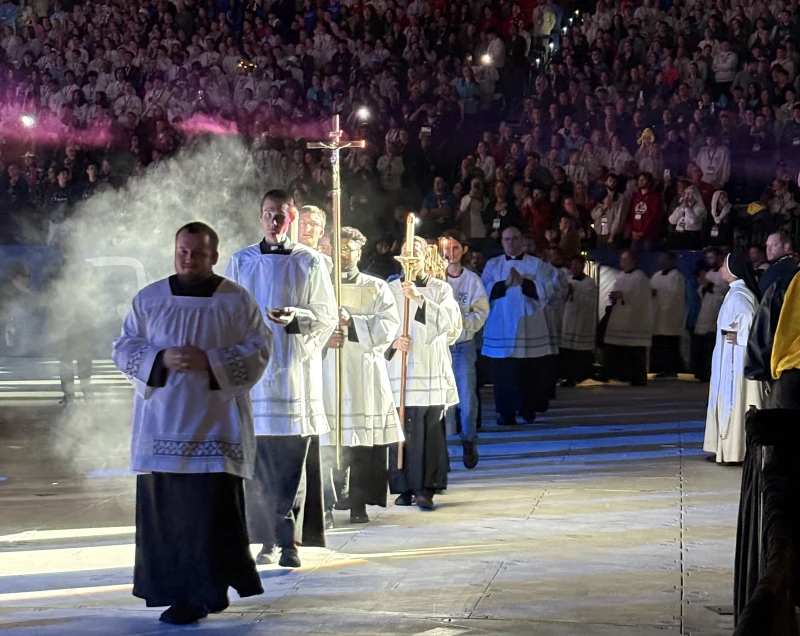
 Priests process into Lucas Oil Stadium on Nov. 22, 2025, for the concluding Mass in Lucas Oil Stadium at the National Catholic Youth Conference in Indianapolis. / Credit: Tessa Gervasini/CNA

Indianapolis, Indiana, Nov 24, 2025 / 10:35 am (CNA).
The 2025 National Catholic Youth Conferences (NCYC) concluded with a nighttime Mass drawing around 16,000 teenagers.After three days of prayer, community, sacraments, and a conversation with Pope Leo XIV, young Catholics packed into Lucas Oil Stadium in Indianapolis to end the conference with Mass on Nov. 22. Archbishop Nelson Pérez told CNA it was “beautiful” to celebrate the Mass alongside 25 of his brother bishops and more than 240 priests. “It’s the Church in its splendor,” Pérez said. “Tonight, we experienced the Church in its splendor.” The final Mass was celebrated on the Saturday before the solemnity of Christ the King. In his homily, Pérez said: “When I think about a king, I think about palaces and big thrones and power and authority.”“But when Jesus talks about king it’s … different,” Pérez said. “His throne is a cross. His crown is not made of gold and gems. It’s made of thorns. He doesn’t wear fancy, beautiful, priceless rings on his hands. He has nails.”The “very mystery of the life and the death of Christ, the King, and all of our lives is actually a dying and a rising — dying to sin, dying to the parts of our humanity that might be warped and wounded, and rising to new life to renewal of our soul.”Then “that process goes over and over over and over and over again until we die in Christ for the last time and then rise with him,” Pérez said. “How blessed, how filled with hope we are.”Pérez reminds teens: ‘Christ loves you just as you are’Pérez concluded his homily by tying his message back to what Pope Leo told the teens in his digital encounter with them on Nov. 21. Pérez told the teenagers Pope Leo spoke with them because he loves them.Pope Leo has “gathered with youth all over the place, especially this summer, [during] the Jubilee of Youth,” Pérez said. The pope’s “message is profound, powerful, and simple at the same time: ‘Christ loves you just as you are.’”Pérez reminded the crowd to listen to what the pope said to them. “Think of your closest friends. If they were hurting, you would walk with them, listen, and stay close,” the pope said. “Our relation with Jesus is similar. He knows when life feels heavy, even when we do not feel his presence, our faith tells us he is there.”“To entrust our struggles to Jesus, we have to spend time in prayer … We can speak honestly about what’s in our hearts,” Pérez said, quoting the pope. “That is why daily moments of silence are so important, whether through adoration, reading Scripture, or simply talking to him.”“‘Little by little, we learn to hear his voice, both from within and through the people he sends us. As you grow closer to Jesus,’ he said to us, ‘Do not fear what he may ask of you. If he challenges you to make changes in your life, it’s always because he wants to give you greater joy and freedom. God is never outdone in generosity.’”“The pope’s digital visit was what made this NCYC epic, really epic and different from any other,” Pérez told CNA. The success was from “the excitement of our youth to welcome the Holy Father” and Pope Leo’s “generosity and willingness” to speak with them. Being a part of the conference and seeing so many young Catholics at Mass together made Pérez feel “hopeful,” he said. “In a world and a country that’s so divided right now and violent at times, after this, I’m just so full of hope. It’s almost like we’re going to be OK.”“It’s incredible to see the young Church alive,” Pérez said. “It’s such a beautiful, beautiful gathering.”

16,000 teens attend Mass together to conclude NCYC #Catholic Priests process into Lucas Oil Stadium on Nov. 22, 2025, for the concluding Mass in Lucas Oil Stadium at the National Catholic Youth Conference in Indianapolis. / Credit: Tessa Gervasini/CNA Indianapolis, Indiana, Nov 24, 2025 / 10:35 am (CNA). The 2025 National Catholic Youth Conferences (NCYC) concluded with a nighttime Mass drawing around 16,000 teenagers.After three days of prayer, community, sacraments, and a conversation with Pope Leo XIV, young Catholics packed into Lucas Oil Stadium in Indianapolis to end the conference with Mass on Nov. 22. Archbishop Nelson Pérez told CNA it was “beautiful” to celebrate the Mass alongside 25 of his brother bishops and more than 240 priests. “It’s the Church in its splendor,” Pérez said. “Tonight, we experienced the Church in its splendor.” The final Mass was celebrated on the Saturday before the solemnity of Christ the King. In his homily, Pérez said: “When I think about a king, I think about palaces and big thrones and power and authority.”“But when Jesus talks about king it’s … different,” Pérez said. “His throne is a cross. His crown is not made of gold and gems. It’s made of thorns. He doesn’t wear fancy, beautiful, priceless rings on his hands. He has nails.”The “very mystery of the life and the death of Christ, the King, and all of our lives is actually a dying and a rising — dying to sin, dying to the parts of our humanity that might be warped and wounded, and rising to new life to renewal of our soul.”Then “that process goes over and over over and over and over again until we die in Christ for the last time and then rise with him,” Pérez said. “How blessed, how filled with hope we are.”Pérez reminds teens: ‘Christ loves you just as you are’Pérez concluded his homily by tying his message back to what Pope Leo told the teens in his digital encounter with them on Nov. 21. Pérez told the teenagers Pope Leo spoke with them because he loves them.Pope Leo has “gathered with youth all over the place, especially this summer, [during] the Jubilee of Youth,” Pérez said. The pope’s “message is profound, powerful, and simple at the same time: ‘Christ loves you just as you are.’”Pérez reminded the crowd to listen to what the pope said to them. “Think of your closest friends. If they were hurting, you would walk with them, listen, and stay close,” the pope said. “Our relation with Jesus is similar. He knows when life feels heavy, even when we do not feel his presence, our faith tells us he is there.”“To entrust our struggles to Jesus, we have to spend time in prayer … We can speak honestly about what’s in our hearts,” Pérez said, quoting the pope. “That is why daily moments of silence are so important, whether through adoration, reading Scripture, or simply talking to him.”“‘Little by little, we learn to hear his voice, both from within and through the people he sends us. As you grow closer to Jesus,’ he said to us, ‘Do not fear what he may ask of you. If he challenges you to make changes in your life, it’s always because he wants to give you greater joy and freedom. God is never outdone in generosity.’”“The pope’s digital visit was what made this NCYC epic, really epic and different from any other,” Pérez told CNA. The success was from “the excitement of our youth to welcome the Holy Father” and Pope Leo’s “generosity and willingness” to speak with them. Being a part of the conference and seeing so many young Catholics at Mass together made Pérez feel “hopeful,” he said. “In a world and a country that’s so divided right now and violent at times, after this, I’m just so full of hope. It’s almost like we’re going to be OK.”“It’s incredible to see the young Church alive,” Pérez said. “It’s such a beautiful, beautiful gathering.”


Priests process into Lucas Oil Stadium on Nov. 22, 2025, for the concluding Mass in Lucas Oil Stadium at the National Catholic Youth Conference in Indianapolis. / Credit: Tessa Gervasini/CNA

Indianapolis, Indiana, Nov 24, 2025 / 10:35 am (CNA).

The 2025 National Catholic Youth Conferences (NCYC) concluded with a nighttime Mass drawing around 16,000 teenagers.

After three days of prayer, community, sacraments, and a conversation with Pope Leo XIV, young Catholics packed into Lucas Oil Stadium in Indianapolis to end the conference with Mass on Nov. 22. Archbishop Nelson Pérez told CNA it was “beautiful” to celebrate the Mass alongside 25 of his brother bishops and more than 240 priests. 

“It’s the Church in its splendor,” Pérez said. “Tonight, we experienced the Church in its splendor.” 

The final Mass was celebrated on the Saturday before the solemnity of Christ the King. In his homily, Pérez said: “When I think about a king, I think about palaces and big thrones and power and authority.”

“But when Jesus talks about king it’s … different,” Pérez said. “His throne is a cross. His crown is not made of gold and gems. It’s made of thorns. He doesn’t wear fancy, beautiful, priceless rings on his hands. He has nails.”

The “very mystery of the life and the death of Christ, the King, and all of our lives is actually a dying and a rising — dying to sin, dying to the parts of our humanity that might be warped and wounded, and rising to new life to renewal of our soul.”

Then “that process goes over and over over and over and over again until we die in Christ for the last time and then rise with him,” Pérez said. “How blessed, how filled with hope we are.”

Pérez reminds teens: ‘Christ loves you just as you are’

Pérez concluded his homily by tying his message back to what Pope Leo told the teens in his digital encounter with them on Nov. 21. Pérez told the teenagers Pope Leo spoke with them because he loves them.

Pope Leo has “gathered with youth all over the place, especially this summer, [during] the Jubilee of Youth,” Pérez said. The pope’s “message is profound, powerful, and simple at the same time: ‘Christ loves you just as you are.’”

Pérez reminded the crowd to listen to what the pope said to them. “Think of your closest friends. If they were hurting, you would walk with them, listen, and stay close,” the pope said. “Our relation with Jesus is similar. He knows when life feels heavy, even when we do not feel his presence, our faith tells us he is there.”

“To entrust our struggles to Jesus, we have to spend time in prayer … We can speak honestly about what’s in our hearts,” Pérez said, quoting the pope. “That is why daily moments of silence are so important, whether through adoration, reading Scripture, or simply talking to him.”

“‘Little by little, we learn to hear his voice, both from within and through the people he sends us. As you grow closer to Jesus,’ he said to us, ‘Do not fear what he may ask of you. If he challenges you to make changes in your life, it’s always because he wants to give you greater joy and freedom. God is never outdone in generosity.’”

“The pope’s digital visit was what made this NCYC epic, really epic and different from any other,” Pérez told CNA. The success was from “the excitement of our youth to welcome the Holy Father” and Pope Leo’s “generosity and willingness” to speak with them. 

Being a part of the conference and seeing so many young Catholics at Mass together made Pérez feel “hopeful,” he said. “In a world and a country that’s so divided right now and violent at times, after this, I’m just so full of hope. It’s almost like we’re going to be OK.”

“It’s incredible to see the young Church alive,” Pérez said. “It’s such a beautiful, beautiful gathering.”

Read More
Burials for little ones: How a New Orleans ministry helps families grieve #Catholic 
 
 A family grieves their lost baby at a funeral at the crypt at St. Patrick’s Cemetery in New Orleans. Many friends, relatives, and families attended the funeral that day. / Credit: Photo courtesy of Compassionate Burials for Indigent Babies

CNA Staff, Nov 19, 2025 / 06:00 am (CNA).
Sandy Schaetz still mourns the baby she never met. “It was terrifying and traumatic,” she said of her miscarriage. “I was consoled after by the prayers of a deacon, but never named the baby or knew if it was a boy or girl.” “It was not something I understood at the time and I only wish I had known more of what was happening,” she told CNA. Now, Schaetz volunteers with Compassionate Burials for Indigent Babies (CBIB), an organization that buries babies who died, whether stillborn, miscarried, or aborted.The group organizes everything for the funerals, which are held at a crypt at St. Patrick’s Cemetery in New Orleans.A shoebox-sized casket lined with donated white fabric, usually from wedding dresses, is processed through the cemetery, with Knights of Columbus present as the honor guard. A volunteer musician plays at every funeral; a Catholic deacon presides at almost every burial.Two Knights of Columbus carry the casket of a baby who was murdered. Credit: Photo courtesy of Compassionate Burials for Indigent BabiesWhen Schaetz attended her first burial service as a volunteer, it hit her to the core.  “I find it difficult to put into words how it affected me,” Schaetz said. “All God needed me to do that day was to be present, to pray, to honor the life he had created.” “It opened my eyes to how each life is such a gift, and when that life ends how important it is to show respect and pray for the soul and bury the dead with love,” Schaetz said. Death and resurrection Women who lose children through miscarriage often suffer silently, according to Lise Naccari, the founder of CBIB. “Losing a child is hard. Often women suffer in silence the pain of infant loss and ride that sad emotional roller coaster ride alone,” Naccari told CNA. One in four pregnancies ends in miscarriage — a devastating statistic for many couples. Naccari herself experienced a miscarriage as well as several challenging pregnancies. “I feel a special connection with poor mothers who have lost a child. My heart goes out to them,” Naccari said.Lise Naccari (right) embraces a grieving mother at a burial at the crypt at St. Patrick’s Cemetery in New Orleans. Credit: Photo courtesy of Compassionate Burials for Indigent BabiesNaccari buries the babies who were wanted and loved, but also the babies who were thrown out or mistreated.“CBIB has buried babies as big as a blueberry and up to 2 years old,” Naccari said. “We buried babies stillborn, miscarried, abandoned, unclaimed, aborted, murdered, and thrown away in the trash — and every situation possible.”“Many babies were mistreated, abused, and tossed out … these are heartbreaking funerals to go to,” Naccari said.CBIB dressed and buried seven babies who were left at hospitals labeled “unclaimed and abandoned,” Naccari said. CBIB buried the babies at the crypt at St. Patrick’s Cemetery in New Orleans. Credit: Photo courtesy of Compassionate Burials for Indigent Babies“Babies are left sometimes because some families can not afford funerals for them but would like one,” Naccari said. “Also, many parents are young, and the grief can be overwhelming and they cannot navigate through funeral arrangements.” Her life’s work is to bury the dead — and she looks to the Resurrection. “I consider what I do holy,” Naccari said. “I feel like this is my vocation and I know God orchestrated all of this. I give all honor and glory to him, our loving Father.” “What I do is not about sorrow and death,” Naccari continued. “What I do is really about joy and life — eternal life.” A father (right) whose child was murdered carries the casket with the help of others. Credit: Photo courtesy of Compassionate Burials for Indigent BabiesIt’s not an easy job, and Naccari looks to God for strength.“Lord, I don’t want to do this anymore. It hurts my heart too much,” Naccari remembered praying as she prepared one baby for burial — a baby girl who had been abandoned and tossed out after she was born.“I felt a still small voice within me say, ‘Lise, don’t think about their bodies, focus on the Resurrection,’” Naccari recalled.“The sunlight from the stained-glass windows was shining down a warm yellow color on my face, as I looked up in it and I thought, yes, this is what I needed to hear to keep going — focus on the Resurrection,” she continued.A resource for women in needSheena Lewis was in jail when her son, still a baby, passed away. She couldn’t attend the funeral, but Naccari organized the burial for her.Lewis, now sober and out of jail, visits her son’s crypt often.“I have solace in the fact he was laid to rest in a beautiful manner when I couldn’t be there for him or myself at the time,” Lewis told CNA.Many young mothers CBIB helps are often “steeped in poverty” and have no support system. They are often “low income, uneducated, coming from sometimes addiction or problem homes,” Naccari said.“Often I find at these funerals that the young mothers are alone or they may come with children or other women — but there are no men to help support them,” Naccari said.“My heart is broken for them, for they are not only battling their poverty, they also have to deal with losing a child,” she said.A moment to mourn Funerals help families process their grief — a grief that’s often hidden away due to the nature of miscarriages. Deacon Ricky Suprean preaches at almost every graveside burial — but after a couple years of volunteering, he realized God had called him to this so he could find healing. Suprean and his wife, Lynn, experienced two miscarriages.Suprean struggled to process it at the time, but through his volunteering, he’s found some healing. He still remembers the first CBIB funeral he presided at. “I felt the power of life that day,” he told CNA. “It was cold. I had no idea I would kneel in front of each little coffin and pray for each child and each family with my hand touching each coffin.”Volunteers hugged each family member, he recalled.Deacon Ricky Suprean at the burial of two babies at the crypt at St. Patrick’s Cemetery in New Orleans. Credit: Photo courtesy of Compassionate Burials for Indigent Babies“God has allowed me to give a proper burial to my own two lost children through CBIB time and time again,” Suprean said.“God created these children in my wife’s womb, and they will be waiting for us in heaven,” Suprean continued.Struggling to process grief is common with loss of children, according to Naccari.“Too often people are hurting so much and don’t want to face a funeral,” Naccari said. “They feel vulnerable and so it is easier to turn away and do nothing.”“But on the contrary, I have observed that these funerals provide consolation, comfort, solace, and even a healthy way of healing after the loss of a baby,” Naccari said.“It’s a good grief,” Naccari continued. “Funerals are about love and holding onto friends and family at a time of need. It can be life-changing.”Some funerals have had as many as 100 people in attendance.Many volunteers are “faithfully committed” to being present at every funeral.“It could be freezing cold or blistering hot in the summer, but they just show up and either help set up, greet the parents, or stand tall next to a casket to show the love of Jesus to our families,” Naccari said.The altar at a burial at the crypt at St. Patrick’s Cemetery in New Orleans. CBIB has buried hundreds of babies at the crypt. Credit: Photo courtesy of Compassionate Burials for Indigent BabiesThese funerals “allow parents that special moment to mourn their loss and to remember their little one and ponder the person that little one could have been,” Naccari said.“CBIB celebrates each life, and we believe that God somehow rights all the wrongs and makes all things new,” Naccari said. “And then we move to the next funeral.”

Burials for little ones: How a New Orleans ministry helps families grieve #Catholic A family grieves their lost baby at a funeral at the crypt at St. Patrick’s Cemetery in New Orleans. Many friends, relatives, and families attended the funeral that day. / Credit: Photo courtesy of Compassionate Burials for Indigent Babies CNA Staff, Nov 19, 2025 / 06:00 am (CNA). Sandy Schaetz still mourns the baby she never met. “It was terrifying and traumatic,” she said of her miscarriage. “I was consoled after by the prayers of a deacon, but never named the baby or knew if it was a boy or girl.” “It was not something I understood at the time and I only wish I had known more of what was happening,” she told CNA. Now, Schaetz volunteers with Compassionate Burials for Indigent Babies (CBIB), an organization that buries babies who died, whether stillborn, miscarried, or aborted.The group organizes everything for the funerals, which are held at a crypt at St. Patrick’s Cemetery in New Orleans.A shoebox-sized casket lined with donated white fabric, usually from wedding dresses, is processed through the cemetery, with Knights of Columbus present as the honor guard. A volunteer musician plays at every funeral; a Catholic deacon presides at almost every burial.Two Knights of Columbus carry the casket of a baby who was murdered. Credit: Photo courtesy of Compassionate Burials for Indigent BabiesWhen Schaetz attended her first burial service as a volunteer, it hit her to the core.  “I find it difficult to put into words how it affected me,” Schaetz said. “All God needed me to do that day was to be present, to pray, to honor the life he had created.” “It opened my eyes to how each life is such a gift, and when that life ends how important it is to show respect and pray for the soul and bury the dead with love,” Schaetz said. Death and resurrection Women who lose children through miscarriage often suffer silently, according to Lise Naccari, the founder of CBIB. “Losing a child is hard. Often women suffer in silence the pain of infant loss and ride that sad emotional roller coaster ride alone,” Naccari told CNA. One in four pregnancies ends in miscarriage — a devastating statistic for many couples. Naccari herself experienced a miscarriage as well as several challenging pregnancies. “I feel a special connection with poor mothers who have lost a child. My heart goes out to them,” Naccari said.Lise Naccari (right) embraces a grieving mother at a burial at the crypt at St. Patrick’s Cemetery in New Orleans. Credit: Photo courtesy of Compassionate Burials for Indigent BabiesNaccari buries the babies who were wanted and loved, but also the babies who were thrown out or mistreated.“CBIB has buried babies as big as a blueberry and up to 2 years old,” Naccari said. “We buried babies stillborn, miscarried, abandoned, unclaimed, aborted, murdered, and thrown away in the trash — and every situation possible.”“Many babies were mistreated, abused, and tossed out … these are heartbreaking funerals to go to,” Naccari said.CBIB dressed and buried seven babies who were left at hospitals labeled “unclaimed and abandoned,” Naccari said. CBIB buried the babies at the crypt at St. Patrick’s Cemetery in New Orleans. Credit: Photo courtesy of Compassionate Burials for Indigent Babies“Babies are left sometimes because some families can not afford funerals for them but would like one,” Naccari said. “Also, many parents are young, and the grief can be overwhelming and they cannot navigate through funeral arrangements.” Her life’s work is to bury the dead — and she looks to the Resurrection. “I consider what I do holy,” Naccari said. “I feel like this is my vocation and I know God orchestrated all of this. I give all honor and glory to him, our loving Father.” “What I do is not about sorrow and death,” Naccari continued. “What I do is really about joy and life — eternal life.” A father (right) whose child was murdered carries the casket with the help of others. Credit: Photo courtesy of Compassionate Burials for Indigent BabiesIt’s not an easy job, and Naccari looks to God for strength.“Lord, I don’t want to do this anymore. It hurts my heart too much,” Naccari remembered praying as she prepared one baby for burial — a baby girl who had been abandoned and tossed out after she was born.“I felt a still small voice within me say, ‘Lise, don’t think about their bodies, focus on the Resurrection,’” Naccari recalled.“The sunlight from the stained-glass windows was shining down a warm yellow color on my face, as I looked up in it and I thought, yes, this is what I needed to hear to keep going — focus on the Resurrection,” she continued.A resource for women in needSheena Lewis was in jail when her son, still a baby, passed away. She couldn’t attend the funeral, but Naccari organized the burial for her.Lewis, now sober and out of jail, visits her son’s crypt often.“I have solace in the fact he was laid to rest in a beautiful manner when I couldn’t be there for him or myself at the time,” Lewis told CNA.Many young mothers CBIB helps are often “steeped in poverty” and have no support system. They are often “low income, uneducated, coming from sometimes addiction or problem homes,” Naccari said.“Often I find at these funerals that the young mothers are alone or they may come with children or other women — but there are no men to help support them,” Naccari said.“My heart is broken for them, for they are not only battling their poverty, they also have to deal with losing a child,” she said.A moment to mourn Funerals help families process their grief — a grief that’s often hidden away due to the nature of miscarriages. Deacon Ricky Suprean preaches at almost every graveside burial — but after a couple years of volunteering, he realized God had called him to this so he could find healing. Suprean and his wife, Lynn, experienced two miscarriages.Suprean struggled to process it at the time, but through his volunteering, he’s found some healing. He still remembers the first CBIB funeral he presided at. “I felt the power of life that day,” he told CNA. “It was cold. I had no idea I would kneel in front of each little coffin and pray for each child and each family with my hand touching each coffin.”Volunteers hugged each family member, he recalled.Deacon Ricky Suprean at the burial of two babies at the crypt at St. Patrick’s Cemetery in New Orleans. Credit: Photo courtesy of Compassionate Burials for Indigent Babies“God has allowed me to give a proper burial to my own two lost children through CBIB time and time again,” Suprean said.“God created these children in my wife’s womb, and they will be waiting for us in heaven,” Suprean continued.Struggling to process grief is common with loss of children, according to Naccari.“Too often people are hurting so much and don’t want to face a funeral,” Naccari said. “They feel vulnerable and so it is easier to turn away and do nothing.”“But on the contrary, I have observed that these funerals provide consolation, comfort, solace, and even a healthy way of healing after the loss of a baby,” Naccari said.“It’s a good grief,” Naccari continued. “Funerals are about love and holding onto friends and family at a time of need. It can be life-changing.”Some funerals have had as many as 100 people in attendance.Many volunteers are “faithfully committed” to being present at every funeral.“It could be freezing cold or blistering hot in the summer, but they just show up and either help set up, greet the parents, or stand tall next to a casket to show the love of Jesus to our families,” Naccari said.The altar at a burial at the crypt at St. Patrick’s Cemetery in New Orleans. CBIB has buried hundreds of babies at the crypt. Credit: Photo courtesy of Compassionate Burials for Indigent BabiesThese funerals “allow parents that special moment to mourn their loss and to remember their little one and ponder the person that little one could have been,” Naccari said.“CBIB celebrates each life, and we believe that God somehow rights all the wrongs and makes all things new,” Naccari said. “And then we move to the next funeral.”


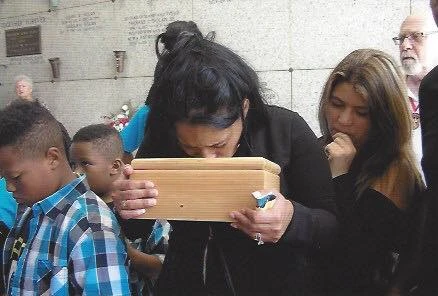
A family grieves their lost baby at a funeral at the crypt at St. Patrick’s Cemetery in New Orleans. Many friends, relatives, and families attended the funeral that day. / Credit: Photo courtesy of Compassionate Burials for Indigent Babies

CNA Staff, Nov 19, 2025 / 06:00 am (CNA).

Sandy Schaetz still mourns the baby she never met. 

“It was terrifying and traumatic,” she said of her miscarriage. “I was consoled after by the prayers of a deacon, but never named the baby or knew if it was a boy or girl.” 

“It was not something I understood at the time and I only wish I had known more of what was happening,” she told CNA. 

Now, Schaetz volunteers with Compassionate Burials for Indigent Babies (CBIB), an organization that buries babies who died, whether stillborn, miscarried, or aborted.

The group organizes everything for the funerals, which are held at a crypt at St. Patrick’s Cemetery in New Orleans.

A shoebox-sized casket lined with donated white fabric, usually from wedding dresses, is processed through the cemetery, with Knights of Columbus present as the honor guard. A volunteer musician plays at every funeral; a Catholic deacon presides at almost every burial.

Two Knights of Columbus carry the casket of a baby who was murdered. Credit: Photo courtesy of Compassionate Burials for Indigent Babies

When Schaetz attended her first burial service as a volunteer, it hit her to the core.  

“I find it difficult to put into words how it affected me,” Schaetz said. “All God needed me to do that day was to be present, to pray, to honor the life he had created.” 

“It opened my eyes to how each life is such a gift, and when that life ends how important it is to show respect and pray for the soul and bury the dead with love,” Schaetz said. 

Death and resurrection 

Women who lose children through miscarriage often suffer silently, according to Lise Naccari, the founder of CBIB. 

“Losing a child is hard. Often women suffer in silence the pain of infant loss and ride that sad emotional roller coaster ride alone,” Naccari told CNA. 

One in four pregnancies ends in miscarriage — a devastating statistic for many couples. 

Naccari herself experienced a miscarriage as well as several challenging pregnancies. 

“I feel a special connection with poor mothers who have lost a child. My heart goes out to them,” Naccari said.

Lise Naccari (right) embraces a grieving mother at a burial at the crypt at St. Patrick’s Cemetery in New Orleans. Credit: Photo courtesy of Compassionate Burials for Indigent Babies

Naccari buries the babies who were wanted and loved, but also the babies who were thrown out or mistreated.

“CBIB has buried babies as big as a blueberry and up to 2 years old,” Naccari said. “We buried babies stillborn, miscarried, abandoned, unclaimed, aborted, murdered, and thrown away in the trash — and every situation possible.”

“Many babies were mistreated, abused, and tossed out … these are heartbreaking funerals to go to,” Naccari said.

CBIB dressed and buried seven babies who were left at hospitals labeled “unclaimed and abandoned,” Naccari said. CBIB buried the babies at the crypt at St. Patrick’s Cemetery in New Orleans. Credit: Photo courtesy of Compassionate Burials for Indigent Babies

“Babies are left sometimes because some families can not afford funerals for them but would like one,” Naccari said. “Also, many parents are young, and the grief can be overwhelming and they cannot navigate through funeral arrangements.” 

Her life’s work is to bury the dead — and she looks to the Resurrection. 

“I consider what I do holy,” Naccari said. “I feel like this is my vocation and I know God orchestrated all of this. I give all honor and glory to him, our loving Father.” 

“What I do is not about sorrow and death,” Naccari continued. “What I do is really about joy and life — eternal life.” 

A father (right) whose child was murdered carries the casket with the help of others. Credit: Photo courtesy of Compassionate Burials for Indigent Babies

It’s not an easy job, and Naccari looks to God for strength.

“Lord, I don’t want to do this anymore. It hurts my heart too much,” Naccari remembered praying as she prepared one baby for burial — a baby girl who had been abandoned and tossed out after she was born.

“I felt a still small voice within me say, ‘Lise, don’t think about their bodies, focus on the Resurrection,’” Naccari recalled.

“The sunlight from the stained-glass windows was shining down a warm yellow color on my face, as I looked up in it and I thought, yes, this is what I needed to hear to keep going — focus on the Resurrection,” she continued.

A resource for women in need

Sheena Lewis was in jail when her son, still a baby, passed away. She couldn’t attend the funeral, but Naccari organized the burial for her.

Lewis, now sober and out of jail, visits her son’s crypt often.

“I have solace in the fact he was laid to rest in a beautiful manner when I couldn’t be there for him or myself at the time,” Lewis told CNA.

Many young mothers CBIB helps are often “steeped in poverty” and have no support system. They are often “low income, uneducated, coming from sometimes addiction or problem homes,” Naccari said.

“Often I find at these funerals that the young mothers are alone or they may come with children or other women — but there are no men to help support them,” Naccari said.

“My heart is broken for them, for they are not only battling their poverty, they also have to deal with losing a child,” she said.

A moment to mourn 

Funerals help families process their grief — a grief that’s often hidden away due to the nature of miscarriages. 

Deacon Ricky Suprean preaches at almost every graveside burial — but after a couple years of volunteering, he realized God had called him to this so he could find healing. 

Suprean and his wife, Lynn, experienced two miscarriages.

Suprean struggled to process it at the time, but through his volunteering, he’s found some healing. He still remembers the first CBIB funeral he presided at. 

“I felt the power of life that day,” he told CNA. “It was cold. I had no idea I would kneel in front of each little coffin and pray for each child and each family with my hand touching each coffin.”

Volunteers hugged each family member, he recalled.

Deacon Ricky Suprean at the burial of two babies at the crypt at St. Patrick’s Cemetery in New Orleans. Credit: Photo courtesy of Compassionate Burials for Indigent Babies

“God has allowed me to give a proper burial to my own two lost children through CBIB time and time again,” Suprean said.

“God created these children in my wife’s womb, and they will be waiting for us in heaven,” Suprean continued.

Struggling to process grief is common with loss of children, according to Naccari.

“Too often people are hurting so much and don’t want to face a funeral,” Naccari said. “They feel vulnerable and so it is easier to turn away and do nothing.”

“But on the contrary, I have observed that these funerals provide consolation, comfort, solace, and even a healthy way of healing after the loss of a baby,” Naccari said.

“It’s a good grief,” Naccari continued. “Funerals are about love and holding onto friends and family at a time of need. It can be life-changing.”

Some funerals have had as many as 100 people in attendance.

Many volunteers are “faithfully committed” to being present at every funeral.

“It could be freezing cold or blistering hot in the summer, but they just show up and either help set up, greet the parents, or stand tall next to a casket to show the love of Jesus to our families,” Naccari said.

The altar at a burial at the crypt at St. Patrick’s Cemetery in New Orleans. CBIB has buried hundreds of babies at the crypt. Credit: Photo courtesy of Compassionate Burials for Indigent Babies

These funerals “allow parents that special moment to mourn their loss and to remember their little one and ponder the person that little one could have been,” Naccari said.

“CBIB celebrates each life, and we believe that God somehow rights all the wrongs and makes all things new,” Naccari said. “And then we move to the next funeral.”

Read More
Amid clown protesters, Boston men’s march for life remains ‘prayerful’ #Catholic 
 
 Police protect marchers at the fourth annual National Men’s March to Abolish Abortion and Rally for Personhood in Boston on Nov. 1, 2025. / Credit: Brother Anthony Marie MICM

CNA Staff, Nov 8, 2025 / 09:00 am (CNA).
Here is a roundup of recent pro-life and abortion-related news:Amid clown protesters, Boston men’s march for life remains ‘prayerful’Hundreds gathered in Boston last Saturday for a men’s march for life, which drew a rambunctious crowd of protesters dressed as clowns and inflatable dinosaurs. The fourth annual National Men’s March to Abolish Abortion and Rally for Personhood began at Boston Planned Parenthood and concluded about three miles away at Boston Common.While counterprotesters — some dressed as clowns or wearing inflatable dinosaur costumes — played instruments and yelled on the sidelines, marchers carried on in a “prayerful and well-composed” manner, said march co-founder and president Jim Havens, who called the event “outstanding.” At the rallying point at Boston Common, an estimated 50 Antifa members also showed up. Another counterprotester wore a pony costume and carried a megaphone. Though the event sees protesters every year, Havens told CNA that the marchers have a good relationship with local law enforcement, so the event is “safe and secure.” “In our current culture of death, when we publicly stand for the least among us and for the abolition of the ongoing daily mass murder of our littlest brothers and sisters, protesters are to be expected,” Havens said. “We strive to incorporate the protesters into those for whom we pray as we march.” A marching band from the American Society for the Defense of Tradition, Family, and Property also participated to counterbalance the noise of the counterprotesters. The march invites men “to step forward to protect the women and children,” Havens explained. The idea that abortion is not a men’s issue is “nonsense,” Havens said. “As men, we have a moral responsibility to protect and defend vulnerable women and children, and it’s time we all get off the sidelines and do so,” Havens said. Speakers included Sister Deirdre Byrne, pro-life activist Will Goodman, and Bishop Joseph Strickland, among others.“As we marched, there was a sense among the men that we were simply being true to who we are as men,” Havens said.“Now active in the urgent fight for abolition, these men will not be going back to the sidelines,” he said. “Instead, they are now asking, ‘What more can I do?’”South Carolina man arrested for threatening pro-lifers with grenade A group was gathered outside a South Carolina church on a Sunday morning to protest board members’ involvement with abortion funds when a man threatened them with a grenade. Video footage shows Richard Lovelace, 79, holding up a grenade, saying: “I have a grenade for y’all, a gift for you protesters.”  After Lovelace was arrested, police found that the grenade was hollowed out.Lovelace, a member of St. Anne Episcopal Church, is a retired lawyer whose wife is on the church’s board and is a judge in South Carolina. The Survivors of the Abortion Holocaust group was protesting the board’s involvement with the Palmetto State Abortion Fund, a group that partners with Planned Parenthood to bring illegal abortion pills into the state and helps women travel out of state for abortions.Police charged Lovelace with four counts of having a hoax device and threatening to use it. On Monday, he was released from the J. Reuben Long Detention Center on a ,000 bond. Nebraska governor signs order barring abortion providers from state fundingNebraska Gov. Jim Pillen on Nov. 6  issued an executive order preventing abortion providers from receiving taxpayer funding in Nebraska. While the federal law and some state laws prevent taxpayer funding from going directly to abortion, state governments often subsidize providers for other services, therefore indirectly funding abortion. In Nebraska in 2025, more than 0,000 went to abortion providers, according to the governor’s office. President Donald Trump’s One Big Beautiful Bill Act recently prohibited federal funds from going toward abortion providers for one year. Pillen said he is “proud that we can take this bold step in halting funding to abortion providers that receive Medicaid funding.” “Nebraskans have made clear they support a culture of love and life in our state — one that provides protections for the unborn,” he said in a press release. Attorney General Mike Hilgers said the issue has “been in the background for a long time for a lot of people.”“In fact, the desire of Nebraska taxpayers to not have their funds be used for abortions has been in state statutes for some time,” Hilgers noted.Thousands gather for Michigan March for LifeThousands gathered for the March for Life in Lansing, Michigan, on Thursday, Nov. 6.March for Life president Jennie Bradley Lichter, who spoke at the event, called the march a chance to “send a vital message to our legislators who have the power to support women, children, and families.” “The women of Michigan deserve better than the tragedy of abortion, and we want them to know we are here for them, no matter what they are facing,” Lichter said in a statement shared with CNA.Bishop Earl Boyea of Lansing as well as Knights of Columbus State Deputy Barry Borsenik spoke at the event. Michigan state lawmakers including state Rep. Ann Bollin, state Sen. John Damoose, and state Rep. Jennifer Wortz also spoke at the event. President of Right to Life Michigan Amber Roseboom said the pro-life movement in Michigan stands with women facing unplanned pregnancies. “While a woman in Michigan can have an abortion at any point in her pregnancy for any reason, no woman should ever be made to feel that abortion is the best or only option,” she said in a statement shared with CNA.  “Pro-lifers from across our state have a powerful message for women facing unplanned pregnancies: You are not alone! We stand with you. We stand for you,” Roseboom said.

Amid clown protesters, Boston men’s march for life remains ‘prayerful’ #Catholic Police protect marchers at the fourth annual National Men’s March to Abolish Abortion and Rally for Personhood in Boston on Nov. 1, 2025. / Credit: Brother Anthony Marie MICM CNA Staff, Nov 8, 2025 / 09:00 am (CNA). Here is a roundup of recent pro-life and abortion-related news:Amid clown protesters, Boston men’s march for life remains ‘prayerful’Hundreds gathered in Boston last Saturday for a men’s march for life, which drew a rambunctious crowd of protesters dressed as clowns and inflatable dinosaurs. The fourth annual National Men’s March to Abolish Abortion and Rally for Personhood began at Boston Planned Parenthood and concluded about three miles away at Boston Common.While counterprotesters — some dressed as clowns or wearing inflatable dinosaur costumes — played instruments and yelled on the sidelines, marchers carried on in a “prayerful and well-composed” manner, said march co-founder and president Jim Havens, who called the event “outstanding.” At the rallying point at Boston Common, an estimated 50 Antifa members also showed up. Another counterprotester wore a pony costume and carried a megaphone. Though the event sees protesters every year, Havens told CNA that the marchers have a good relationship with local law enforcement, so the event is “safe and secure.” “In our current culture of death, when we publicly stand for the least among us and for the abolition of the ongoing daily mass murder of our littlest brothers and sisters, protesters are to be expected,” Havens said. “We strive to incorporate the protesters into those for whom we pray as we march.” A marching band from the American Society for the Defense of Tradition, Family, and Property also participated to counterbalance the noise of the counterprotesters. The march invites men “to step forward to protect the women and children,” Havens explained. The idea that abortion is not a men’s issue is “nonsense,” Havens said. “As men, we have a moral responsibility to protect and defend vulnerable women and children, and it’s time we all get off the sidelines and do so,” Havens said. Speakers included Sister Deirdre Byrne, pro-life activist Will Goodman, and Bishop Joseph Strickland, among others.“As we marched, there was a sense among the men that we were simply being true to who we are as men,” Havens said.“Now active in the urgent fight for abolition, these men will not be going back to the sidelines,” he said. “Instead, they are now asking, ‘What more can I do?’”South Carolina man arrested for threatening pro-lifers with grenade A group was gathered outside a South Carolina church on a Sunday morning to protest board members’ involvement with abortion funds when a man threatened them with a grenade. Video footage shows Richard Lovelace, 79, holding up a grenade, saying: “I have a grenade for y’all, a gift for you protesters.”  After Lovelace was arrested, police found that the grenade was hollowed out.Lovelace, a member of St. Anne Episcopal Church, is a retired lawyer whose wife is on the church’s board and is a judge in South Carolina. The Survivors of the Abortion Holocaust group was protesting the board’s involvement with the Palmetto State Abortion Fund, a group that partners with Planned Parenthood to bring illegal abortion pills into the state and helps women travel out of state for abortions.Police charged Lovelace with four counts of having a hoax device and threatening to use it. On Monday, he was released from the J. Reuben Long Detention Center on a $60,000 bond. Nebraska governor signs order barring abortion providers from state fundingNebraska Gov. Jim Pillen on Nov. 6  issued an executive order preventing abortion providers from receiving taxpayer funding in Nebraska. While the federal law and some state laws prevent taxpayer funding from going directly to abortion, state governments often subsidize providers for other services, therefore indirectly funding abortion. In Nebraska in 2025, more than $300,000 went to abortion providers, according to the governor’s office. President Donald Trump’s One Big Beautiful Bill Act recently prohibited federal funds from going toward abortion providers for one year. Pillen said he is “proud that we can take this bold step in halting funding to abortion providers that receive Medicaid funding.” “Nebraskans have made clear they support a culture of love and life in our state — one that provides protections for the unborn,” he said in a press release. Attorney General Mike Hilgers said the issue has “been in the background for a long time for a lot of people.”“In fact, the desire of Nebraska taxpayers to not have their funds be used for abortions has been in state statutes for some time,” Hilgers noted.Thousands gather for Michigan March for LifeThousands gathered for the March for Life in Lansing, Michigan, on Thursday, Nov. 6.March for Life president Jennie Bradley Lichter, who spoke at the event, called the march a chance to “send a vital message to our legislators who have the power to support women, children, and families.” “The women of Michigan deserve better than the tragedy of abortion, and we want them to know we are here for them, no matter what they are facing,” Lichter said in a statement shared with CNA.Bishop Earl Boyea of Lansing as well as Knights of Columbus State Deputy Barry Borsenik spoke at the event. Michigan state lawmakers including state Rep. Ann Bollin, state Sen. John Damoose, and state Rep. Jennifer Wortz also spoke at the event. President of Right to Life Michigan Amber Roseboom said the pro-life movement in Michigan stands with women facing unplanned pregnancies. “While a woman in Michigan can have an abortion at any point in her pregnancy for any reason, no woman should ever be made to feel that abortion is the best or only option,” she said in a statement shared with CNA.  “Pro-lifers from across our state have a powerful message for women facing unplanned pregnancies: You are not alone! We stand with you. We stand for you,” Roseboom said.


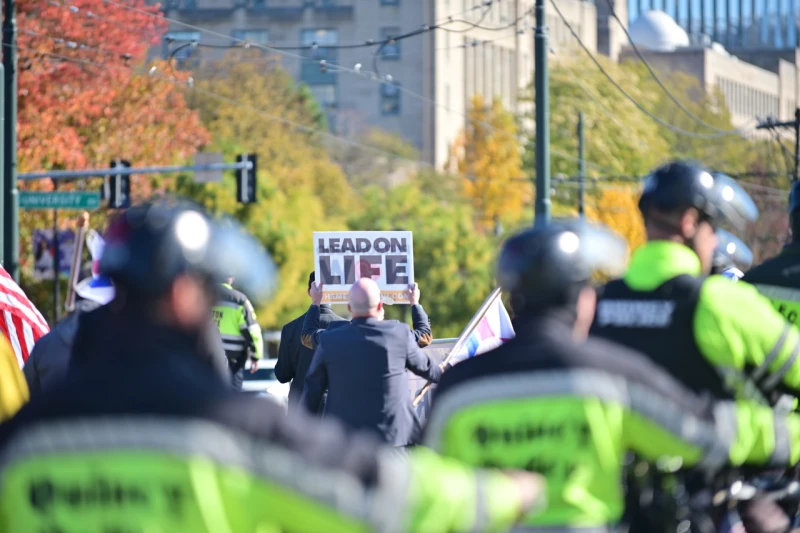
Police protect marchers at the fourth annual National Men’s March to Abolish Abortion and Rally for Personhood in Boston on Nov. 1, 2025. / Credit: Brother Anthony Marie MICM

CNA Staff, Nov 8, 2025 / 09:00 am (CNA).

Here is a roundup of recent pro-life and abortion-related news:

Amid clown protesters, Boston men’s march for life remains ‘prayerful’

Hundreds gathered in Boston last Saturday for a men’s march for life, which drew a rambunctious crowd of protesters dressed as clowns and inflatable dinosaurs. 

The fourth annual National Men’s March to Abolish Abortion and Rally for Personhood began at Boston Planned Parenthood and concluded about three miles away at Boston Common.

While counterprotesters — some dressed as clowns or wearing inflatable dinosaur costumes — played instruments and yelled on the sidelines, marchers carried on in a “prayerful and well-composed” manner, said march co-founder and president Jim Havens, who called the event “outstanding.” 

At the rallying point at Boston Common, an estimated 50 Antifa members also showed up. Another counterprotester wore a pony costume and carried a megaphone. 

Though the event sees protesters every year, Havens told CNA that the marchers have a good relationship with local law enforcement, so the event is “safe and secure.” 

“In our current culture of death, when we publicly stand for the least among us and for the abolition of the ongoing daily mass murder of our littlest brothers and sisters, protesters are to be expected,” Havens said. “We strive to incorporate the protesters into those for whom we pray as we march.” 

A marching band from the American Society for the Defense of Tradition, Family, and Property also participated to counterbalance the noise of the counterprotesters. 

The march invites men “to step forward to protect the women and children,” Havens explained. 

The idea that abortion is not a men’s issue is “nonsense,” Havens said. 

“As men, we have a moral responsibility to protect and defend vulnerable women and children, and it’s time we all get off the sidelines and do so,” Havens said. 

Speakers included Sister Deirdre Byrne, pro-life activist Will Goodman, and Bishop Joseph Strickland, among others.

“As we marched, there was a sense among the men that we were simply being true to who we are as men,” Havens said.

“Now active in the urgent fight for abolition, these men will not be going back to the sidelines,” he said. “Instead, they are now asking, ‘What more can I do?’”

South Carolina man arrested for threatening pro-lifers with grenade 

A group was gathered outside a South Carolina church on a Sunday morning to protest board members’ involvement with abortion funds when a man threatened them with a grenade. 

Video footage shows Richard Lovelace, 79, holding up a grenade, saying: “I have a grenade for y’all, a gift for you protesters.”  

After Lovelace was arrested, police found that the grenade was hollowed out.

Lovelace, a member of St. Anne Episcopal Church, is a retired lawyer whose wife is on the church’s board and is a judge in South Carolina. 

The Survivors of the Abortion Holocaust group was protesting the board’s involvement with the Palmetto State Abortion Fund, a group that partners with Planned Parenthood to bring illegal abortion pills into the state and helps women travel out of state for abortions.

Police charged Lovelace with four counts of having a hoax device and threatening to use it. On Monday, he was released from the J. Reuben Long Detention Center on a $60,000 bond. 

Nebraska governor signs order barring abortion providers from state funding

Nebraska Gov. Jim Pillen on Nov. 6  issued an executive order preventing abortion providers from receiving taxpayer funding in Nebraska. 

While the federal law and some state laws prevent taxpayer funding from going directly to abortion, state governments often subsidize providers for other services, therefore indirectly funding abortion. 

In Nebraska in 2025, more than $300,000 went to abortion providers, according to the governor’s office. President Donald Trump’s One Big Beautiful Bill Act recently prohibited federal funds from going toward abortion providers for one year. 

Pillen said he is “proud that we can take this bold step in halting funding to abortion providers that receive Medicaid funding.” 

“Nebraskans have made clear they support a culture of love and life in our state — one that provides protections for the unborn,” he said in a press release. 

Attorney General Mike Hilgers said the issue has “been in the background for a long time for a lot of people.”

“In fact, the desire of Nebraska taxpayers to not have their funds be used for abortions has been in state statutes for some time,” Hilgers noted.

Thousands gather for Michigan March for Life

Thousands gathered for the March for Life in Lansing, Michigan, on Thursday, Nov. 6.

March for Life president Jennie Bradley Lichter, who spoke at the event, called the march a chance to “send a vital message to our legislators who have the power to support women, children, and families.” 

“The women of Michigan deserve better than the tragedy of abortion, and we want them to know we are here for them, no matter what they are facing,” Lichter said in a statement shared with CNA.

Bishop Earl Boyea of Lansing as well as Knights of Columbus State Deputy Barry Borsenik spoke at the event. Michigan state lawmakers including state Rep. Ann Bollin, state Sen. John Damoose, and state Rep. Jennifer Wortz also spoke at the event. 

President of Right to Life Michigan Amber Roseboom said the pro-life movement in Michigan stands with women facing unplanned pregnancies. 

“While a woman in Michigan can have an abortion at any point in her pregnancy for any reason, no woman should ever be made to feel that abortion is the best or only option,” she said in a statement shared with CNA.  

“Pro-lifers from across our state have a powerful message for women facing unplanned pregnancies: You are not alone! We stand with you. We stand for you,” Roseboom said.

Read More
Catholics mobilize in Caribbean following Category 5 hurricane  #Catholic 
 
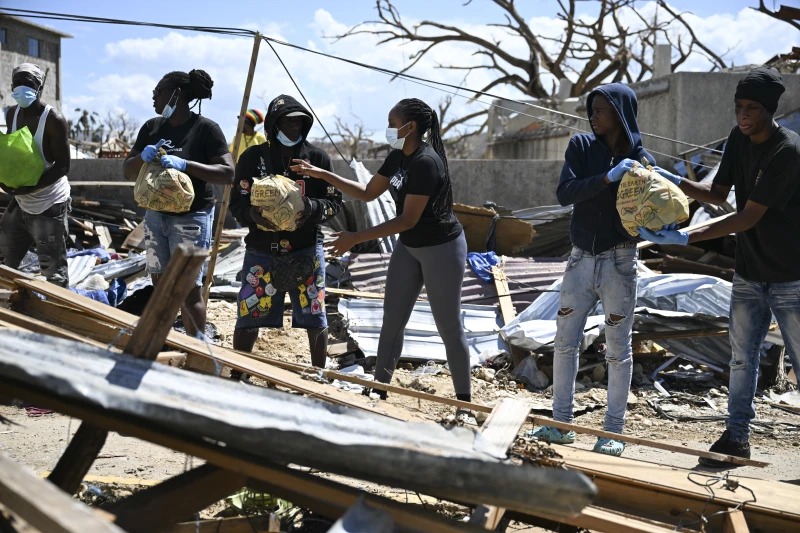
 Residents help move food supplies at a community center before distribution to the Whitehouse community in Westmoreland, Jamaica, one of the areas most severely affected by the passage of Hurricane Melissa, on Nov. 2, 2025. / Credit: Ricardo Makyn/AFP via Getty Images

Washington, D.C. Newsroom, Nov 6, 2025 / 14:15 pm (CNA).
Catholic leaders and agencies have mobilized to help communities left devastated after Hurricane Melissa hit Jamaica.The Category 5 hurricane swept through the Caribbean with sustained winds of 185 miles per hour and claimed up to 50 lives after making landfall on Oct. 28. Jamaica suffered the largest impact, but neighboring nations also experienced immense effects including flash flooding and landslides.In Jamaica, practically no buildings along the country’s southern coast remain intact. Areas have experienced structural failures, immense roof damage, floods, power outages, and communication disruptions. Families have a long road to recovery after many lost loved ones, property, possessions, and livelihoods.To help communities suffering from Hurricane Melissa’s aftermath, Catholic agencies are on the ground supporting relief efforts and fundraising across the globe to provide aid. Providing aid Dominican friars with St. Martin’s Missions, an initiative that supports communities in Jamaica and Grenada, are working to help communities most affected. Father Bede Mullens, OP, one of the friars working in Jamaica, told CNA they are based in Kingston, “which mercifully was left largely unscathed by the hurricane.”“Nonetheless, some of our poorer parishioners in August Town, an impoverished neighborhood, did lose roofs, walls, and in one case pretty much the whole house,” Mullens said. With the help of donations from across the globe, St. Martin’s will purchase and provide materials for repairs and food.Mullens explained that “after recent panic-buying, some food items are hard to come by, and food prices on the whole are set to go up in the coming months, as the part of the island hardest hit is a major agricultural area.”This Friday, Nov. 7, the friars will distribute 300 meals to students at the University of the West Indies in Mona, Jamaica, and to several less-well-off parishioners. Mullens said: “We are trying to arrange sponsorship from local benefactors for students in need to receive support for food and personal hygiene items.”Across the island the friars have been able to contact some parishes near Montego Bay, which suffered great damage. “One of the churches is currently operating as a shelter with just half a roof,” Mullens said.The friars have also coordinated provisions of basic building materials and essentials including water and baby food that will be transported to Sacred Heart Church near Montego Bay and St. Agnes Church in Chester Castle.When the roads reopen and the friars are able to make contact with more parishes in other areas, they plan to also assist their rebuilding efforts and support the local community needs.“There is, of course, a massive need for material assistance, but for us it is very important that St. Martin’s bears witness to our worldwide solidarity in the body of Christ,” Mullens said. “We belong to a Church that is at once truly Catholic and truly one, at once global and personal.”Franciscan Friars Charities (FFC), the charitable arm of the Province of Our Lady of Guadalupe, activated the Franciscan Relief Fund to help the people in western Jamaica recover from extensive damage.“The friars in Negril have quickly mobilized to assess the community’s needs after the storm,” FFC said in a statement. “Each day they ground their hearts in faith through morning prayer and daily Mass before heading out into the community to provide vital services.”The friars are serving warm meals daily at St. Anthony Kitchen, a soup kitchen in Negril. They anticipate a significant increase in the number of people coming to the kitchen, expecting approximately 400 to 500 people a day.The friars are cleaning the Revival Health Clinic, which provides basic medical care, and are looking into creating a mobile clinic to visit remote areas. They are also visiting parishioners, many of whom have lost their homes, and providing them with immediate relief including water and food.“Communicating with our friars in Negril has been difficult because there’s no electricity and the cellular services are down,” said Brother Jim Bok, OFM. “There’s just unbelievable destruction. It’s going to take years to recover. A tremendous amount of outside support will be needed to help deal with it.”Organizations respond with action Hospital Sisters Mission Outreach, an Illinois-based organization that partners with organizations, hospitals, and clinics around the world, is working directly with Food for the Poor and other organizations transporting and distributing aid.After learning there was an urgent need for diapers, Mission Outreach’s warehouse team mobilized to send out 4,000 it had available. It also shipped out a 40-foot container to Jamaica filled with requested medical supplies and equipment.A number of Catholic relief organizations including Cross Catholic Outreach (CCO) and Catholic Relief Services (CRS) are fundraising to send food, medicines, and housing supplies to ministry partners in Jamaica, the Dominican Republic, Haiti, and Cuba.CCO said it is “sending shipments of recovery supplies to the Compassionate Franciscan Sisters of the Poor and will airlift medical supplies into Montego Bay when conditions are safe enough to do so.” It is also working to help the Diocese of Mandeville to rebuild St. Theresa Kindergarten, which was destroyed in the storm.CRS is working to help on the ground with “a team of 100 staff in Haiti and local partners in Jamaica and the region,” the organization reported. “CRS and the Catholic Church are committed to walking with families through every phase of recovery — from immediate relief to long-term rebuilding. ”The U.S. State Department’s Bureau of Western Hemisphere Affairs will coordinate with the Catholic Church to distribute  million in humanitarian assistance. The funds will go directly to helping those impacted in eastern Cuba by the devastation of Hurricane Melissa.

Catholics mobilize in Caribbean following Category 5 hurricane  #Catholic Residents help move food supplies at a community center before distribution to the Whitehouse community in Westmoreland, Jamaica, one of the areas most severely affected by the passage of Hurricane Melissa, on Nov. 2, 2025. / Credit: Ricardo Makyn/AFP via Getty Images Washington, D.C. Newsroom, Nov 6, 2025 / 14:15 pm (CNA). Catholic leaders and agencies have mobilized to help communities left devastated after Hurricane Melissa hit Jamaica.The Category 5 hurricane swept through the Caribbean with sustained winds of 185 miles per hour and claimed up to 50 lives after making landfall on Oct. 28. Jamaica suffered the largest impact, but neighboring nations also experienced immense effects including flash flooding and landslides.In Jamaica, practically no buildings along the country’s southern coast remain intact. Areas have experienced structural failures, immense roof damage, floods, power outages, and communication disruptions. Families have a long road to recovery after many lost loved ones, property, possessions, and livelihoods.To help communities suffering from Hurricane Melissa’s aftermath, Catholic agencies are on the ground supporting relief efforts and fundraising across the globe to provide aid. Providing aid Dominican friars with St. Martin’s Missions, an initiative that supports communities in Jamaica and Grenada, are working to help communities most affected. Father Bede Mullens, OP, one of the friars working in Jamaica, told CNA they are based in Kingston, “which mercifully was left largely unscathed by the hurricane.”“Nonetheless, some of our poorer parishioners in August Town, an impoverished neighborhood, did lose roofs, walls, and in one case pretty much the whole house,” Mullens said. With the help of donations from across the globe, St. Martin’s will purchase and provide materials for repairs and food.Mullens explained that “after recent panic-buying, some food items are hard to come by, and food prices on the whole are set to go up in the coming months, as the part of the island hardest hit is a major agricultural area.”This Friday, Nov. 7, the friars will distribute 300 meals to students at the University of the West Indies in Mona, Jamaica, and to several less-well-off parishioners. Mullens said: “We are trying to arrange sponsorship from local benefactors for students in need to receive support for food and personal hygiene items.”Across the island the friars have been able to contact some parishes near Montego Bay, which suffered great damage. “One of the churches is currently operating as a shelter with just half a roof,” Mullens said.The friars have also coordinated provisions of basic building materials and essentials including water and baby food that will be transported to Sacred Heart Church near Montego Bay and St. Agnes Church in Chester Castle.When the roads reopen and the friars are able to make contact with more parishes in other areas, they plan to also assist their rebuilding efforts and support the local community needs.“There is, of course, a massive need for material assistance, but for us it is very important that St. Martin’s bears witness to our worldwide solidarity in the body of Christ,” Mullens said. “We belong to a Church that is at once truly Catholic and truly one, at once global and personal.”Franciscan Friars Charities (FFC), the charitable arm of the Province of Our Lady of Guadalupe, activated the Franciscan Relief Fund to help the people in western Jamaica recover from extensive damage.“The friars in Negril have quickly mobilized to assess the community’s needs after the storm,” FFC said in a statement. “Each day they ground their hearts in faith through morning prayer and daily Mass before heading out into the community to provide vital services.”The friars are serving warm meals daily at St. Anthony Kitchen, a soup kitchen in Negril. They anticipate a significant increase in the number of people coming to the kitchen, expecting approximately 400 to 500 people a day.The friars are cleaning the Revival Health Clinic, which provides basic medical care, and are looking into creating a mobile clinic to visit remote areas. They are also visiting parishioners, many of whom have lost their homes, and providing them with immediate relief including water and food.“Communicating with our friars in Negril has been difficult because there’s no electricity and the cellular services are down,” said Brother Jim Bok, OFM. “There’s just unbelievable destruction. It’s going to take years to recover. A tremendous amount of outside support will be needed to help deal with it.”Organizations respond with action Hospital Sisters Mission Outreach, an Illinois-based organization that partners with organizations, hospitals, and clinics around the world, is working directly with Food for the Poor and other organizations transporting and distributing aid.After learning there was an urgent need for diapers, Mission Outreach’s warehouse team mobilized to send out 4,000 it had available. It also shipped out a 40-foot container to Jamaica filled with requested medical supplies and equipment.A number of Catholic relief organizations including Cross Catholic Outreach (CCO) and Catholic Relief Services (CRS) are fundraising to send food, medicines, and housing supplies to ministry partners in Jamaica, the Dominican Republic, Haiti, and Cuba.CCO said it is “sending shipments of recovery supplies to the Compassionate Franciscan Sisters of the Poor and will airlift medical supplies into Montego Bay when conditions are safe enough to do so.” It is also working to help the Diocese of Mandeville to rebuild St. Theresa Kindergarten, which was destroyed in the storm.CRS is working to help on the ground with “a team of 100 staff in Haiti and local partners in Jamaica and the region,” the organization reported. “CRS and the Catholic Church are committed to walking with families through every phase of recovery — from immediate relief to long-term rebuilding. ”The U.S. State Department’s Bureau of Western Hemisphere Affairs will coordinate with the Catholic Church to distribute $3 million in humanitarian assistance. The funds will go directly to helping those impacted in eastern Cuba by the devastation of Hurricane Melissa.


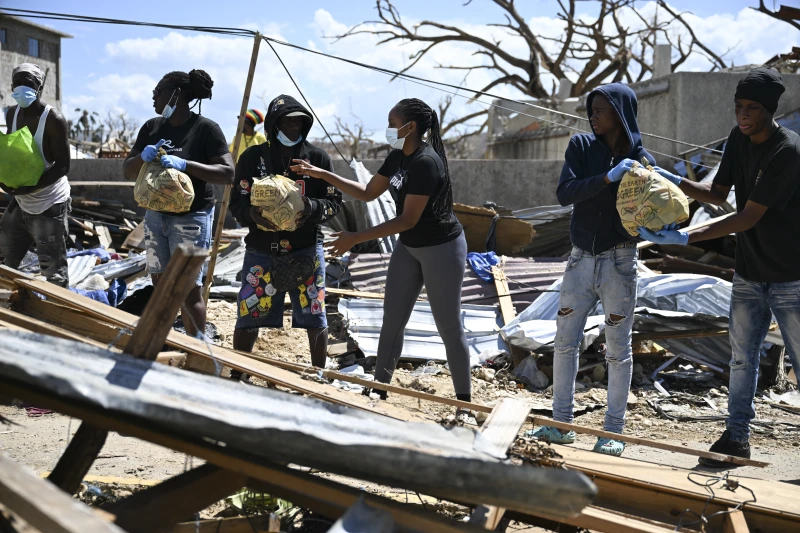
Residents help move food supplies at a community center before distribution to the Whitehouse community in Westmoreland, Jamaica, one of the areas most severely affected by the passage of Hurricane Melissa, on Nov. 2, 2025. / Credit: Ricardo Makyn/AFP via Getty Images

Washington, D.C. Newsroom, Nov 6, 2025 / 14:15 pm (CNA).

Catholic leaders and agencies have mobilized to help communities left devastated after Hurricane Melissa hit Jamaica.

The Category 5 hurricane swept through the Caribbean with sustained winds of 185 miles per hour and claimed up to 50 lives after making landfall on Oct. 28. Jamaica suffered the largest impact, but neighboring nations also experienced immense effects including flash flooding and landslides.

In Jamaica, practically no buildings along the country’s southern coast remain intact. Areas have experienced structural failures, immense roof damage, floods, power outages, and communication disruptions. Families have a long road to recovery after many lost loved ones, property, possessions, and livelihoods.

To help communities suffering from Hurricane Melissa’s aftermath, Catholic agencies are on the ground supporting relief efforts and fundraising across the globe to provide aid. 

Providing aid 

Dominican friars with St. Martin’s Missions, an initiative that supports communities in Jamaica and Grenada, are working to help communities most affected. Father Bede Mullens, OP, one of the friars working in Jamaica, told CNA they are based in Kingston, “which mercifully was left largely unscathed by the hurricane.”

“Nonetheless, some of our poorer parishioners in August Town, an impoverished neighborhood, did lose roofs, walls, and in one case pretty much the whole house,” Mullens said. With the help of donations from across the globe, St. Martin’s will purchase and provide materials for repairs and food.

Mullens explained that “after recent panic-buying, some food items are hard to come by, and food prices on the whole are set to go up in the coming months, as the part of the island hardest hit is a major agricultural area.”

This Friday, Nov. 7, the friars will distribute 300 meals to students at the University of the West Indies in Mona, Jamaica, and to several less-well-off parishioners. Mullens said: “We are trying to arrange sponsorship from local benefactors for students in need to receive support for food and personal hygiene items.”

Across the island the friars have been able to contact some parishes near Montego Bay, which suffered great damage. “One of the churches is currently operating as a shelter with just half a roof,” Mullens said.

The friars have also coordinated provisions of basic building materials and essentials including water and baby food that will be transported to Sacred Heart Church near Montego Bay and St. Agnes Church in Chester Castle.

When the roads reopen and the friars are able to make contact with more parishes in other areas, they plan to also assist their rebuilding efforts and support the local community needs.

“There is, of course, a massive need for material assistance, but for us it is very important that St. Martin’s bears witness to our worldwide solidarity in the body of Christ,” Mullens said. “We belong to a Church that is at once truly Catholic and truly one, at once global and personal.”

Franciscan Friars Charities (FFC), the charitable arm of the Province of Our Lady of Guadalupe, activated the Franciscan Relief Fund to help the people in western Jamaica recover from extensive damage.

“The friars in Negril have quickly mobilized to assess the community’s needs after the storm,” FFC said in a statement. “Each day they ground their hearts in faith through morning prayer and daily Mass before heading out into the community to provide vital services.”

The friars are serving warm meals daily at St. Anthony Kitchen, a soup kitchen in Negril. They anticipate a significant increase in the number of people coming to the kitchen, expecting approximately 400 to 500 people a day.

The friars are cleaning the Revival Health Clinic, which provides basic medical care, and are looking into creating a mobile clinic to visit remote areas. They are also visiting parishioners, many of whom have lost their homes, and providing them with immediate relief including water and food.

“Communicating with our friars in Negril has been difficult because there’s no electricity and the cellular services are down,” said Brother Jim Bok, OFM. “There’s just unbelievable destruction. It’s going to take years to recover. A tremendous amount of outside support will be needed to help deal with it.”

Organizations respond with action 

Hospital Sisters Mission Outreach, an Illinois-based organization that partners with organizations, hospitals, and clinics around the world, is working directly with Food for the Poor and other organizations transporting and distributing aid.

After learning there was an urgent need for diapers, Mission Outreach’s warehouse team mobilized to send out 4,000 it had available. It also shipped out a 40-foot container to Jamaica filled with requested medical supplies and equipment.

A number of Catholic relief organizations including Cross Catholic Outreach (CCO) and Catholic Relief Services (CRS) are fundraising to send food, medicines, and housing supplies to ministry partners in Jamaica, the Dominican Republic, Haiti, and Cuba.

CCO said it is “sending shipments of recovery supplies to the Compassionate Franciscan Sisters of the Poor and will airlift medical supplies into Montego Bay when conditions are safe enough to do so.” It is also working to help the Diocese of Mandeville to rebuild St. Theresa Kindergarten, which was destroyed in the storm.

CRS is working to help on the ground with “a team of 100 staff in Haiti and local partners in Jamaica and the region,” the organization reported. “CRS and the Catholic Church are committed to walking with families through every phase of recovery — from immediate relief to long-term rebuilding. ”

The U.S. State Department’s Bureau of Western Hemisphere Affairs will coordinate with the Catholic Church to distribute $3 million in humanitarian assistance. The funds will go directly to helping those impacted in eastern Cuba by the devastation of Hurricane Melissa.

Read More
Picture of the day


(purge this page’s cache)


The submerged St. Nicholas Church in Mavrovo, North Macedonia. Built in 1850, the church served as the main village church of Mavrovo. With the construction of the hydroelectric power station in Mavrovo and the artificial Mavrovo Lake, the church got submerged under water in 1953.
 #ImageOfTheDay
Picture of the day
(purge this page’s cache)
The submerged St. Nicholas Church in Mavrovo, North Macedonia. Built in 1850, the church served as the main village church of Mavrovo. With the construction of the hydroelectric power station in Mavrovo and the artificial Mavrovo Lake, the church got submerged under water in 1953.
Read More
NASA Runs X-59 Engine in Maximum Afterburner

NASA’s X-59 quiet supersonic research aircraft completed its first maximum afterburner test at Lockheed Martin’s Skunk Works facility in Palmdale, California. This full-power test, during which the engine generates additional thrust, validates the additional power needed for meeting the testing conditions of the aircraft. The X-59 is the centerpiece of NASA’s Quesst mission, which aims to overcome a major barrier to supersonic flight over land by reducing the noise of sonic booms.

Read More