Prosecutor

Archdiocese of Chicago kept ‘known serial predators’ in ministry for years, lawsuits say #Catholic 
 
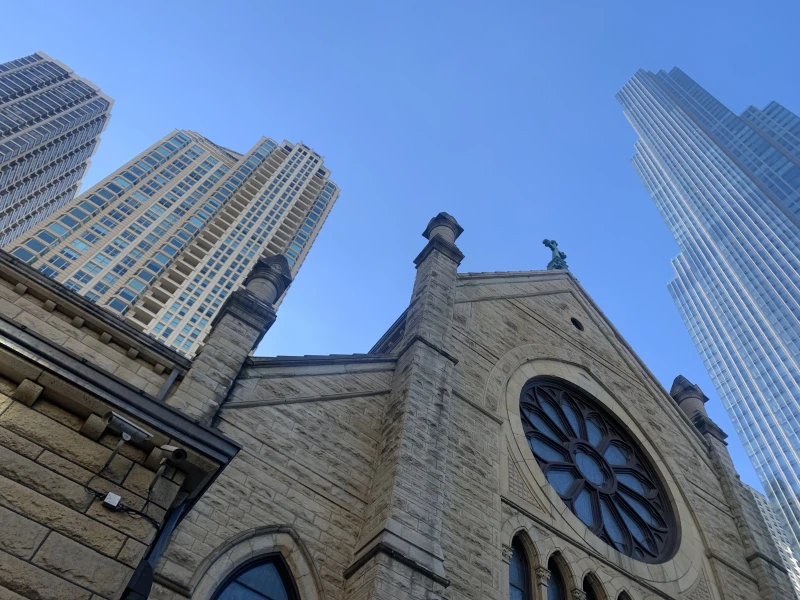
 Holy Name Cathedral, the seat of the Archdiocese of Chicago. / Credit: Photo courtesy of Maddy Johnson/Church Properties Initiative

CNA Staff, Nov 25, 2025 / 16:31 pm (CNA).
Multiple lawsuits allege that the Archdiocese of Chicago kept two priests in active ministry in spite of years of “mounting complaints” of child sexual abuse leveled against them.The suits, filed by the Chicago-based law firm Gould, Grieco, & Hensley, allege that archdiocesan officials allowed Father Daniel Holihan and Father John Curran to continue ministry “even after Church officials were aware of their history abusing children.”The suits were filed on behalf of students from two archdiocesan schools, Quigley Preparatory Seminary and St. Christina Catholic School. Holihan is alleged to have abused a male student at the now-closed preparatory seminary during the 1980s, while Curran allegedly abused two students at St. Christina around the same time.The law firm claims the archdiocese had been warned about both Holihan and Curran as early as the 1960s. The alleged abuse victims said they were unaware of the archdiocese’s alleged prior knowledge until recently, when “previously concealed internal documents became accessible.”The law firm alleged that the archdiocese “relied on a pattern of relocating clergy with known problems rather than addressing the underlying misconduct.”“For decades, the archdiocese relied on secrecy and reassignment instead of transparency and accountability,” attorney Mike Grieco said in a press release. “That structure is what allowed priests like Holihan and Curran to stay in ministry for years, putting children in harm’s way.”The Chicago Archdiocese did not immediately respond to a request for comment on the lawsuits.As part of its investigations into clergy abuse, the Illinois attorney general’s office described Holihan as “one of the more notorious abusers in archdiocesan history.”“The archdiocese knew what Holihan was doing to children years before it removed him from the pastorate — but during that time, it did nothing to stop him, taking him at his word that he could turn over a new leaf of his own accord,” the prosecutor’s office said.The attorney general’s office also identified Curran as an alleged abuser. Holihan died in 2016, while Curran died in 2000.Both Curran and Holihan are on the archdiocese’s list of priests with “substantiated” allegations of abuse leveled against them, and both are listed as having served at eight different locations in the archdiocese. Holihan was removed from public ministry in 2002 and laicized in 2010, while Curran was removed from public ministry in 1994.

Archdiocese of Chicago kept ‘known serial predators’ in ministry for years, lawsuits say #Catholic Holy Name Cathedral, the seat of the Archdiocese of Chicago. / Credit: Photo courtesy of Maddy Johnson/Church Properties Initiative CNA Staff, Nov 25, 2025 / 16:31 pm (CNA). Multiple lawsuits allege that the Archdiocese of Chicago kept two priests in active ministry in spite of years of “mounting complaints” of child sexual abuse leveled against them.The suits, filed by the Chicago-based law firm Gould, Grieco, & Hensley, allege that archdiocesan officials allowed Father Daniel Holihan and Father John Curran to continue ministry “even after Church officials were aware of their history abusing children.”The suits were filed on behalf of students from two archdiocesan schools, Quigley Preparatory Seminary and St. Christina Catholic School. Holihan is alleged to have abused a male student at the now-closed preparatory seminary during the 1980s, while Curran allegedly abused two students at St. Christina around the same time.The law firm claims the archdiocese had been warned about both Holihan and Curran as early as the 1960s. The alleged abuse victims said they were unaware of the archdiocese’s alleged prior knowledge until recently, when “previously concealed internal documents became accessible.”The law firm alleged that the archdiocese “relied on a pattern of relocating clergy with known problems rather than addressing the underlying misconduct.”“For decades, the archdiocese relied on secrecy and reassignment instead of transparency and accountability,” attorney Mike Grieco said in a press release. “That structure is what allowed priests like Holihan and Curran to stay in ministry for years, putting children in harm’s way.”The Chicago Archdiocese did not immediately respond to a request for comment on the lawsuits.As part of its investigations into clergy abuse, the Illinois attorney general’s office described Holihan as “one of the more notorious abusers in archdiocesan history.”“The archdiocese knew what Holihan was doing to children years before it removed him from the pastorate — but during that time, it did nothing to stop him, taking him at his word that he could turn over a new leaf of his own accord,” the prosecutor’s office said.The attorney general’s office also identified Curran as an alleged abuser. Holihan died in 2016, while Curran died in 2000.Both Curran and Holihan are on the archdiocese’s list of priests with “substantiated” allegations of abuse leveled against them, and both are listed as having served at eight different locations in the archdiocese. Holihan was removed from public ministry in 2002 and laicized in 2010, while Curran was removed from public ministry in 1994.


Holy Name Cathedral, the seat of the Archdiocese of Chicago. / Credit: Photo courtesy of Maddy Johnson/Church Properties Initiative

CNA Staff, Nov 25, 2025 / 16:31 pm (CNA).

Multiple lawsuits allege that the Archdiocese of Chicago kept two priests in active ministry in spite of years of “mounting complaints” of child sexual abuse leveled against them.

The suits, filed by the Chicago-based law firm Gould, Grieco, & Hensley, allege that archdiocesan officials allowed Father Daniel Holihan and Father John Curran to continue ministry “even after Church officials were aware of their history abusing children.”

The suits were filed on behalf of students from two archdiocesan schools, Quigley Preparatory Seminary and St. Christina Catholic School. Holihan is alleged to have abused a male student at the now-closed preparatory seminary during the 1980s, while Curran allegedly abused two students at St. Christina around the same time.

The law firm claims the archdiocese had been warned about both Holihan and Curran as early as the 1960s. The alleged abuse victims said they were unaware of the archdiocese’s alleged prior knowledge until recently, when “previously concealed internal documents became accessible.”

The law firm alleged that the archdiocese “relied on a pattern of relocating clergy with known problems rather than addressing the underlying misconduct.”

“For decades, the archdiocese relied on secrecy and reassignment instead of transparency and accountability,” attorney Mike Grieco said in a press release. “That structure is what allowed priests like Holihan and Curran to stay in ministry for years, putting children in harm’s way.”

The Chicago Archdiocese did not immediately respond to a request for comment on the lawsuits.

As part of its investigations into clergy abuse, the Illinois attorney general’s office described Holihan as “one of the more notorious abusers in archdiocesan history.”

“The archdiocese knew what Holihan was doing to children years before it removed him from the pastorate — but during that time, it did nothing to stop him, taking him at his word that he could turn over a new leaf of his own accord,” the prosecutor’s office said.

The attorney general’s office also identified Curran as an alleged abuser. Holihan died in 2016, while Curran died in 2000.

Both Curran and Holihan are on the archdiocese’s list of priests with “substantiated” allegations of abuse leveled against them, and both are listed as having served at eight different locations in the archdiocese. Holihan was removed from public ministry in 2002 and laicized in 2010, while Curran was removed from public ministry in 1994.

Read More
Catholic advocates petition New York foundation to fund pensions, church preservation #Catholic 
 
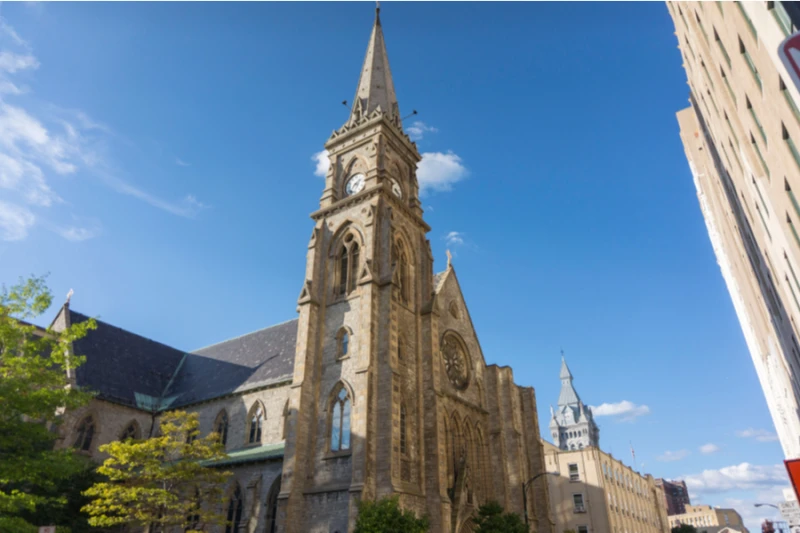
 St. Joseph Cathedral, Buffalo, New York. / Credit: CiEll/Shutterstock

CNA Staff, Nov 20, 2025 / 10:40 am (CNA).
Advocates in New York state are petitioning a Catholic foundation there to help fund major pension shortages and church preservation efforts as well as to help support victims of clergy sex abuse.In a Nov. 13 letter to the Mother Cabrini Health Foundation in New York City, representatives of the group Save Our Buffalo Churches, sexual abuse victims, and pensioners of the former St. Clare’s Hospital asked the foundation to help the three communities with the “profound hardship” they are experiencing.Numerous parishes in Buffalo have been fighting diocesan-mandated closures and mergers over the past year. Hundreds of former workers of St. Clare’s, meanwhile, saw their pensions reduced or eliminated starting in 2018 due to major shortfalls. The hospital itself closed about a decade before.Abuse victims, meanwhile, have “been locked in a legal morass, denied the long-term healing resources and institutional acknowledgment of the harm they endured,” the letter said.The foundation arose in 2018 after the Diocese of Brooklyn sold the health insurer Fidelis Care. The organization, whose roughly $3.2 billion in assets came from that sale, is named after Mother Frances Xavier Cabrini, the first American recognized as a saint, who founded the Missionary Sisters of the Sacred Heart of Jesus.The letter noted that Cabrini “devoted her life to the people others overlooked,” including immigrants and the poor.“Guided by that legacy, we ask the foundation to explore emergency relief, stabilization funds, and community support initiatives” to help fund the three groups.The letter-writers asked for a meeting with foundation leaders “to explore potential pathways for assistance aligned with both the foundation’s mission and the pressing needs of survivors, pensioners, and parish communities.”Mary Pruski, who leads the Save Our Buffalo Churches group, told CNA that advocates in New York City would be following up with the foundation this week.“This is a complex project and will bring much peace and healing across [New York state],” she said.Pensioners with St. Clare’s Hospital are currently in the midst of a lawsuit brought by New York state against the Diocese of Albany for what the state attorney general’s office says was “[failure] to adequately fund, manage, and protect hospital employees’ hard-earned pensions.”The prosecutor’s office alleges that the diocese “[failed] to take adequate measures” to secure the pension fund, including “failing to make any annual contributions to the pension for all but two years from 2000 to 2019 and hiding the collapse of the pension plan from former hospital workers who were vested in the plan.”Parishioners in Buffalo, meanwhile, have challenged the diocesan parish merger and closure plan, with advocates securing a reprieve against the diocese at the state Supreme Court in July.The state high court ultimately tossed the lawsuit out in September, ruling that the court had no jurisdiction over the dispute.

Catholic advocates petition New York foundation to fund pensions, church preservation #Catholic St. Joseph Cathedral, Buffalo, New York. / Credit: CiEll/Shutterstock CNA Staff, Nov 20, 2025 / 10:40 am (CNA). Advocates in New York state are petitioning a Catholic foundation there to help fund major pension shortages and church preservation efforts as well as to help support victims of clergy sex abuse.In a Nov. 13 letter to the Mother Cabrini Health Foundation in New York City, representatives of the group Save Our Buffalo Churches, sexual abuse victims, and pensioners of the former St. Clare’s Hospital asked the foundation to help the three communities with the “profound hardship” they are experiencing.Numerous parishes in Buffalo have been fighting diocesan-mandated closures and mergers over the past year. Hundreds of former workers of St. Clare’s, meanwhile, saw their pensions reduced or eliminated starting in 2018 due to major shortfalls. The hospital itself closed about a decade before.Abuse victims, meanwhile, have “been locked in a legal morass, denied the long-term healing resources and institutional acknowledgment of the harm they endured,” the letter said.The foundation arose in 2018 after the Diocese of Brooklyn sold the health insurer Fidelis Care. The organization, whose roughly $3.2 billion in assets came from that sale, is named after Mother Frances Xavier Cabrini, the first American recognized as a saint, who founded the Missionary Sisters of the Sacred Heart of Jesus.The letter noted that Cabrini “devoted her life to the people others overlooked,” including immigrants and the poor.“Guided by that legacy, we ask the foundation to explore emergency relief, stabilization funds, and community support initiatives” to help fund the three groups.The letter-writers asked for a meeting with foundation leaders “to explore potential pathways for assistance aligned with both the foundation’s mission and the pressing needs of survivors, pensioners, and parish communities.”Mary Pruski, who leads the Save Our Buffalo Churches group, told CNA that advocates in New York City would be following up with the foundation this week.“This is a complex project and will bring much peace and healing across [New York state],” she said.Pensioners with St. Clare’s Hospital are currently in the midst of a lawsuit brought by New York state against the Diocese of Albany for what the state attorney general’s office says was “[failure] to adequately fund, manage, and protect hospital employees’ hard-earned pensions.”The prosecutor’s office alleges that the diocese “[failed] to take adequate measures” to secure the pension fund, including “failing to make any annual contributions to the pension for all but two years from 2000 to 2019 and hiding the collapse of the pension plan from former hospital workers who were vested in the plan.”Parishioners in Buffalo, meanwhile, have challenged the diocesan parish merger and closure plan, with advocates securing a reprieve against the diocese at the state Supreme Court in July.The state high court ultimately tossed the lawsuit out in September, ruling that the court had no jurisdiction over the dispute.


St. Joseph Cathedral, Buffalo, New York. / Credit: CiEll/Shutterstock

CNA Staff, Nov 20, 2025 / 10:40 am (CNA).

Advocates in New York state are petitioning a Catholic foundation there to help fund major pension shortages and church preservation efforts as well as to help support victims of clergy sex abuse.

In a Nov. 13 letter to the Mother Cabrini Health Foundation in New York City, representatives of the group Save Our Buffalo Churches, sexual abuse victims, and pensioners of the former St. Clare’s Hospital asked the foundation to help the three communities with the “profound hardship” they are experiencing.

Numerous parishes in Buffalo have been fighting diocesan-mandated closures and mergers over the past year. Hundreds of former workers of St. Clare’s, meanwhile, saw their pensions reduced or eliminated starting in 2018 due to major shortfalls. The hospital itself closed about a decade before.

Abuse victims, meanwhile, have “been locked in a legal morass, denied the long-term healing resources and institutional acknowledgment of the harm they endured,” the letter said.

The foundation arose in 2018 after the Diocese of Brooklyn sold the health insurer Fidelis Care. The organization, whose roughly $3.2 billion in assets came from that sale, is named after Mother Frances Xavier Cabrini, the first American recognized as a saint, who founded the Missionary Sisters of the Sacred Heart of Jesus.

The letter noted that Cabrini “devoted her life to the people others overlooked,” including immigrants and the poor.

“Guided by that legacy, we ask the foundation to explore emergency relief, stabilization funds, and community support initiatives” to help fund the three groups.

The letter-writers asked for a meeting with foundation leaders “to explore potential pathways for assistance aligned with both the foundation’s mission and the pressing needs of survivors, pensioners, and parish communities.”

Mary Pruski, who leads the Save Our Buffalo Churches group, told CNA that advocates in New York City would be following up with the foundation this week.

“This is a complex project and will bring much peace and healing across [New York state],” she said.

Pensioners with St. Clare’s Hospital are currently in the midst of a lawsuit brought by New York state against the Diocese of Albany for what the state attorney general’s office says was “[failure] to adequately fund, manage, and protect hospital employees’ hard-earned pensions.”

The prosecutor’s office alleges that the diocese “[failed] to take adequate measures” to secure the pension fund, including “failing to make any annual contributions to the pension for all but two years from 2000 to 2019 and hiding the collapse of the pension plan from former hospital workers who were vested in the plan.”

Parishioners in Buffalo, meanwhile, have challenged the diocesan parish merger and closure plan, with advocates securing a reprieve against the diocese at the state Supreme Court in July.

The state high court ultimately tossed the lawsuit out in September, ruling that the court had no jurisdiction over the dispute.

Read More
Killer, rapist of girl in Catholic church identified more than 60 years later #Catholic 
 
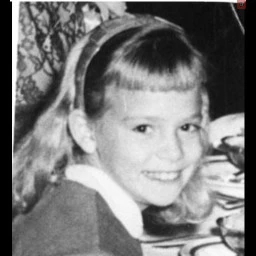
 Authorities say the killer of 9-year-old Carol Ann Dougherty, raped and murdered in a Pennsylvania Catholic church 63 years ago, was identified in October 2025 as William Schrader, who died in 2002. / Credit: Courtesy of Buck's County District Attorney's Office

CNA Staff, Oct 31, 2025 / 15:48 pm (CNA).
Authorities announced this week that the killer of 9-year-old Carol Ann Dougherty, raped and murdered in a Pennsylvania Catholic church 63 years ago, has finally been identified as William Schrader, who died in 2002.The Bucks County Investigation Grand Jury found that Schrader is “definitively linked” to the murder “through the combination of decades-old evidence” and a recent breakthrough in the case, the district attorney’s office said in a statement.The breakthrough came last year when Pennsylvania State Police interviewed Schrader’s stepson, Robert Leblanc, in November 2024, who said Schrader “confessed to him on two separate occasions that he murdered a little girl in a Pennsylvania church.”Schrader allegedly told his stepson he lured Carol Ann inside the church, raped her and “had to kill the girl in Bristol to keep her from talking.”“We believe it may be the only rape and murder of a little girl in a church in the United States,” Bucks County D.A. Jennifer Schorn said at a news conference on Oct 29.In 1962, a witness reported seeing Schrader — who lived a block and a half from the church — outside the church around the time of the murder, and police initially questioned him, the D.A.’s office said. Schrader failed a polygraph test and lied to investigators about his alibi, saying he had been at work at the time of the murder. He also provided a pubic hair sample, authorities said. Knowing he was under investigation, Schrader fled Pennsylvania and moved to Florida and then Texas, eventually settling in Louisiana.The pubic hair was tested in 1993, and it showed “significant similarities” to hair found in Carol Ann’s hand, according to the DA. Of samples collected from 176 men over the years, 141 pubic hair samples were tested during the decadeslong investigation, and “all other individuals were eliminated,” officials said.The grand jury’s findings, detailed in a 53-page report approved this week by Judge Raymond McHugh, identified Schrader as an “absolute predator” whose criminal history included assaults with deadly weapons in multiple states.  According to the prosecutor, “Schrader’s life was marked by a pattern of violence and sexual violence, particularly against young, pre-pubescent, and adolescent females.”The grand jury found that Schrader also “sexually abused nearly every female child he lived with or had access to, including his own biological daughter and granddaughters.”He was convicted in 1985 in Louisiana for the death of 12-year-old Catherine Smith after he intentionally set fire to his own house, knowing she and her family were still inside.On Oct. 22, 1962, Carol Ann, an avid reader excited to check out the next book in a mystery series she was reading, was riding her bike to the Bristol Borough Free Library to meet her friends, according to the Bucks County District Attorney’s office. On her way, she had stopped to buy a soda and candy and was last seen alive outside of the doors to St. Mark’s Roman Catholic Church in Bristol, where she was raped and strangled to death. Authorities examine a bicycle after the murder of Carol Ann Dougherty in 1962. Credit: Courtesy of Buck’s County District Attorney’s Office.Her parents began to look for her when she did not return home for dinner. Her father found her body inside the church.Carol Ann’s sister, Kay Dougherty, speaking at Wednesday’s news conference, expressed her gratitude to Vincent Faragali, the Bristol police chief at the time of her sister’s murder, who kept a framed photograph of Carol Ann on his desk throughout his career to remind him of “a promise he made to seek justice for her.”She also thanked Faragali’s nephew, Mike Misanelli, a journalist who in 2024 produced a podcast that brought attention to the case. Doughterty said :“My parents both passed away without knowing on this earth who murdered their daughter. … After so many decades of unknowing, this finding finally brings closure and a truth to a wound that never healed.”“Our family lived without answers,” Dougherty said, crying, “and the uncertainty surrounding Carol’s death became a part of who we were, a shadow that touched every day of our lives.”“Though I know nothing can bring Carol back,” Dougherty said, “we can finally let her rest in peace knowing that her story has been told, her truth revealed, and her memory honored.”

Killer, rapist of girl in Catholic church identified more than 60 years later #Catholic Authorities say the killer of 9-year-old Carol Ann Dougherty, raped and murdered in a Pennsylvania Catholic church 63 years ago, was identified in October 2025 as William Schrader, who died in 2002. / Credit: Courtesy of Buck's County District Attorney's Office CNA Staff, Oct 31, 2025 / 15:48 pm (CNA). Authorities announced this week that the killer of 9-year-old Carol Ann Dougherty, raped and murdered in a Pennsylvania Catholic church 63 years ago, has finally been identified as William Schrader, who died in 2002.The Bucks County Investigation Grand Jury found that Schrader is “definitively linked” to the murder “through the combination of decades-old evidence” and a recent breakthrough in the case, the district attorney’s office said in a statement.The breakthrough came last year when Pennsylvania State Police interviewed Schrader’s stepson, Robert Leblanc, in November 2024, who said Schrader “confessed to him on two separate occasions that he murdered a little girl in a Pennsylvania church.”Schrader allegedly told his stepson he lured Carol Ann inside the church, raped her and “had to kill the girl in Bristol to keep her from talking.”“We believe it may be the only rape and murder of a little girl in a church in the United States,” Bucks County D.A. Jennifer Schorn said at a news conference on Oct 29.In 1962, a witness reported seeing Schrader — who lived a block and a half from the church — outside the church around the time of the murder, and police initially questioned him, the D.A.’s office said. Schrader failed a polygraph test and lied to investigators about his alibi, saying he had been at work at the time of the murder. He also provided a pubic hair sample, authorities said. Knowing he was under investigation, Schrader fled Pennsylvania and moved to Florida and then Texas, eventually settling in Louisiana.The pubic hair was tested in 1993, and it showed “significant similarities” to hair found in Carol Ann’s hand, according to the DA. Of samples collected from 176 men over the years, 141 pubic hair samples were tested during the decadeslong investigation, and “all other individuals were eliminated,” officials said.The grand jury’s findings, detailed in a 53-page report approved this week by Judge Raymond McHugh, identified Schrader as an “absolute predator” whose criminal history included assaults with deadly weapons in multiple states.  According to the prosecutor, “Schrader’s life was marked by a pattern of violence and sexual violence, particularly against young, pre-pubescent, and adolescent females.”The grand jury found that Schrader also “sexually abused nearly every female child he lived with or had access to, including his own biological daughter and granddaughters.”He was convicted in 1985 in Louisiana for the death of 12-year-old Catherine Smith after he intentionally set fire to his own house, knowing she and her family were still inside.On Oct. 22, 1962, Carol Ann, an avid reader excited to check out the next book in a mystery series she was reading, was riding her bike to the Bristol Borough Free Library to meet her friends, according to the Bucks County District Attorney’s office. On her way, she had stopped to buy a soda and candy and was last seen alive outside of the doors to St. Mark’s Roman Catholic Church in Bristol, where she was raped and strangled to death. Authorities examine a bicycle after the murder of Carol Ann Dougherty in 1962. Credit: Courtesy of Buck’s County District Attorney’s Office.Her parents began to look for her when she did not return home for dinner. Her father found her body inside the church.Carol Ann’s sister, Kay Dougherty, speaking at Wednesday’s news conference, expressed her gratitude to Vincent Faragali, the Bristol police chief at the time of her sister’s murder, who kept a framed photograph of Carol Ann on his desk throughout his career to remind him of “a promise he made to seek justice for her.”She also thanked Faragali’s nephew, Mike Misanelli, a journalist who in 2024 produced a podcast that brought attention to the case. Doughterty said :“My parents both passed away without knowing on this earth who murdered their daughter. … After so many decades of unknowing, this finding finally brings closure and a truth to a wound that never healed.”“Our family lived without answers,” Dougherty said, crying, “and the uncertainty surrounding Carol’s death became a part of who we were, a shadow that touched every day of our lives.”“Though I know nothing can bring Carol back,” Dougherty said, “we can finally let her rest in peace knowing that her story has been told, her truth revealed, and her memory honored.”


Authorities say the killer of 9-year-old Carol Ann Dougherty, raped and murdered in a Pennsylvania Catholic church 63 years ago, was identified in October 2025 as William Schrader, who died in 2002. / Credit: Courtesy of Buck's County District Attorney's Office

CNA Staff, Oct 31, 2025 / 15:48 pm (CNA).

Authorities announced this week that the killer of 9-year-old Carol Ann Dougherty, raped and murdered in a Pennsylvania Catholic church 63 years ago, has finally been identified as William Schrader, who died in 2002.

The Bucks County Investigation Grand Jury found that Schrader is “definitively linked” to the murder “through the combination of decades-old evidence” and a recent breakthrough in the case, the district attorney’s office said in a statement.

The breakthrough came last year when Pennsylvania State Police interviewed Schrader’s stepson, Robert Leblanc, in November 2024, who said Schrader “confessed to him on two separate occasions that he murdered a little girl in a Pennsylvania church.”

Schrader allegedly told his stepson he lured Carol Ann inside the church, raped her and “had to kill the girl in Bristol to keep her from talking.”

“We believe it may be the only rape and murder of a little girl in a church in the United States,” Bucks County D.A. Jennifer Schorn said at a news conference on Oct 29.

In 1962, a witness reported seeing Schrader — who lived a block and a half from the church — outside the church around the time of the murder, and police initially questioned him, the D.A.’s office said. 

Schrader failed a polygraph test and lied to investigators about his alibi, saying he had been at work at the time of the murder. He also provided a pubic hair sample, authorities said. 

Knowing he was under investigation, Schrader fled Pennsylvania and moved to Florida and then Texas, eventually settling in Louisiana.

The pubic hair was tested in 1993, and it showed “significant similarities” to hair found in Carol Ann’s hand, according to the DA. Of samples collected from 176 men over the years, 141 pubic hair samples were tested during the decadeslong investigation, and “all other individuals were eliminated,” officials said.

The grand jury’s findings, detailed in a 53-page report approved this week by Judge Raymond McHugh, identified Schrader as an “absolute predator” whose criminal history included assaults with deadly weapons in multiple states.  

According to the prosecutor, “Schrader’s life was marked by a pattern of violence and sexual violence, particularly against young, pre-pubescent, and adolescent females.”

The grand jury found that Schrader also “sexually abused nearly every female child he lived with or had access to, including his own biological daughter and granddaughters.”

He was convicted in 1985 in Louisiana for the death of 12-year-old Catherine Smith after he intentionally set fire to his own house, knowing she and her family were still inside.

On Oct. 22, 1962, Carol Ann, an avid reader excited to check out the next book in a mystery series she was reading, was riding her bike to the Bristol Borough Free Library to meet her friends, according to the Bucks County District Attorney’s office. 

On her way, she had stopped to buy a soda and candy and was last seen alive outside of the doors to St. Mark’s Roman Catholic Church in Bristol, where she was raped and strangled to death. 

Authorities examine a bicycle after the murder of Carol Ann Dougherty in 1962. Credit: Courtesy of Buck's County District Attorney's Office.
Authorities examine a bicycle after the murder of Carol Ann Dougherty in 1962. Credit: Courtesy of Buck’s County District Attorney’s Office.

Her parents began to look for her when she did not return home for dinner. Her father found her body inside the church.

Carol Ann’s sister, Kay Dougherty, speaking at Wednesday’s news conference, expressed her gratitude to Vincent Faragali, the Bristol police chief at the time of her sister’s murder, who kept a framed photograph of Carol Ann on his desk throughout his career to remind him of “a promise he made to seek justice for her.”

She also thanked Faragali’s nephew, Mike Misanelli, a journalist who in 2024 produced a podcast that brought attention to the case. 

Doughterty said :“My parents both passed away without knowing on this earth who murdered their daughter. … After so many decades of unknowing, this finding finally brings closure and a truth to a wound that never healed.”

“Our family lived without answers,” Dougherty said, crying, “and the uncertainty surrounding Carol’s death became a part of who we were, a shadow that touched every day of our lives.”

“Though I know nothing can bring Carol back,” Dougherty said, “we can finally let her rest in peace knowing that her story has been told, her truth revealed, and her memory honored.”

Read More