redemption

Some Protestant scholars welcome Vatican document clarifying Marian titles #Catholic 
 
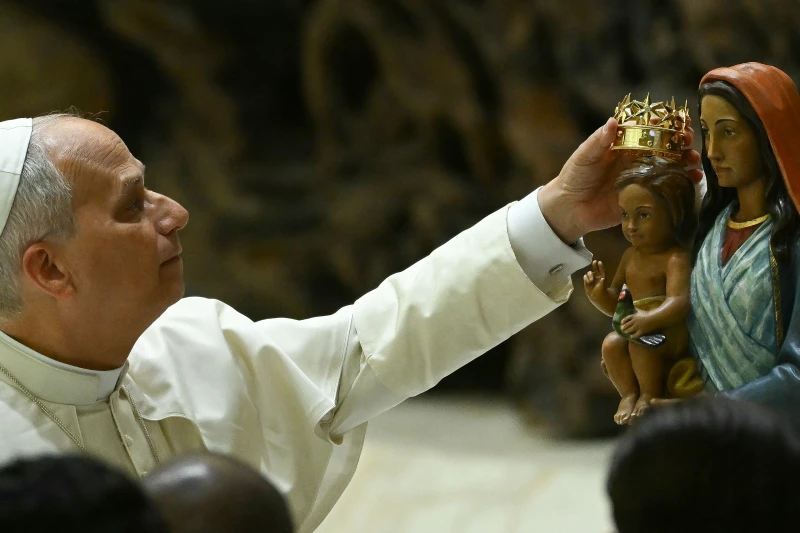
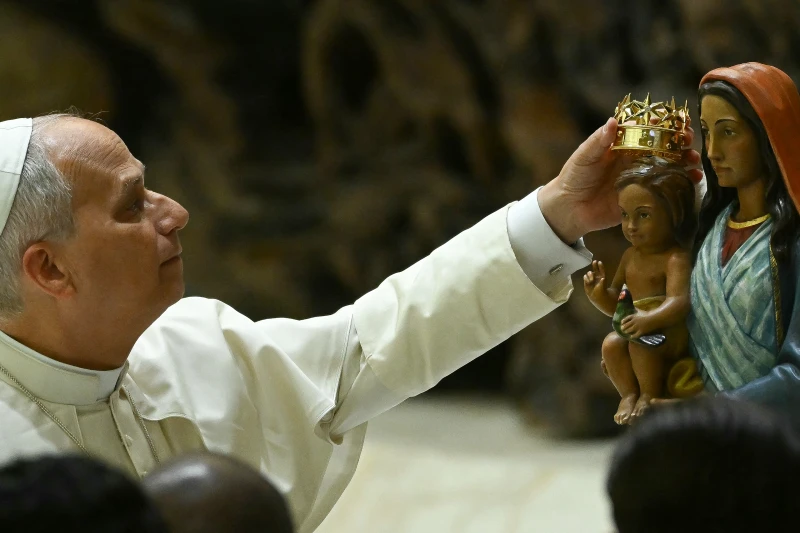
 Pope Leo XIV places a crown on the Madonna of Sinti, Roma, and Walking Peoples during the audience of the Jubilee of the Roma, Sinti, and Traveling Peoples in Paul VI Hall at the Vatican on Oct. 18, 2025. / Credit: Filippo Monteforte/AFP via Getty Images

Washington, D.C. Newsroom, Dec 15, 2025 / 06:00 am (CNA).
Some Protestant scholars who spoke with CNA welcomed a Vatican document that clarified titles for the Blessed Virgin Mary that discouraged the use of Co-Redemptrix/Co-Redeemer and put limits on the use of Mediatrix/Mediator.The Dicastery for the Doctrine of the Faith (DDF) issued the doctrinal note Mater Populi Fidelis on Nov. 4. It was approved by Pope Leo XIV and signed by DDF Prefect Cardinal Víctor Manuel Fernández on Oct. 7.According to the document, using “Co-Redemptrix” to explain Mary’s role in salvation “would not be appropriate.” The document is less harsh about using “Mediatrix” and says “if misunderstood, it could easily obscure or even contradict” Mary’s role in mediation.The document affirms Mary plays a role in both redemption and mediation because she freely cooperates with Jesus Christ. That role, it explains, is always “subordinate” to Christ, and it warned against using titles in a way that could be misconstrued to mitigate Christ as the sole Redeemer and sole Mediator.Catholic reactions have been mixed, with some seeing the clarification as helpful and others defending the titles as consistent with the understanding of Mary’s role as subordinate and asking the Vatican to formally define the doctrines themselves rather than simply issue a note on the titles.Positive reactions from ProtestantsCNA spoke with three Protestant scholars, all of whom welcomed the Vatican’s doctrinal note on titles for Mary.David Luy, theology professor at the North American Lutheran Seminary, told CNA he does not see the document as “Roman Catholics conceding anything to their tradition” but did see it as being written “with an attentiveness” toward certain concerns that Protestants raise.Although Protestant communities vary widely on how they view Mary and what titles are proper, he said concern over the titles in question “sprouts from a desire to uphold the distinctiveness of Christ as the one mediator.”Luy cited the second chapter of First Timothy. The translation of the text approved by the U.S. Catholic bishops states: “For there is one God. There is also one mediator between God and the human race, Christ Jesus, himself human, who gave himself as ransom for all.”He said Protestants often emphasize the need to “uphold the distinctive mediatorship of Christ” and saw the document as expressing a “sensibility to that central Protestant concern” while also being careful “in the way it develops Mary’s role in the economy of salvation.”“Does it relieve potential strain between Protestants and Catholics? The short answer would be yes,” Luy said.However, he said the concept of mediation “is probably where there’d be a need for just ongoing conversation.” He said Lutherans understand the term “mediation” as being “the means through which God acts in the world” and that “most Lutherans are going to be cautious” of language that describes Mary in terms of mediation.Catholic teaching recognizes Christ as “the one mediator,” according to Lumen Gentium, the dogmatic constitution on the Church issued by the Second Vatican Council in 1964. It teaches that humans cooperate with Christ’s mediation in a subordinate way and “the Church does not hesitate to profess this subordinate role of Mary.”The Rev. Cynthia Rigby, a theology professor at Austin Presbyterian Theological Seminary and co-author of “Blessed One: Protestant Perspectives on Mary,” told CNA she thinks the document could mark “a watershed moment” for relations between Catholics and Protestants.Rigby said Mary should be understood as a woman with “great faith,” and, under that framing, “Christians will identify her less as a secondary savior but as an exemplary Christian.” She said “the weight will shift from trying to explain how it is that Mary brokers salvation without rivaling Christ … to what we can learn about the joy of salvation through her example.”The Vatican document, however, goes much further than Rigby on Mary’s role. It states that she freely cooperates “in the work of human salvation through faith and obedience” during the time that Christ walked the earth and throughout the ongoing life of the Church rather than simply viewing her as an example to follow.Tom Krattenmaker, a Lutheran pastor and theology professor at Yale Divinity School, told CNA the document is “very welcome” and called Mariology “one of the major points distinguishing Christian traditions since the Reformation.”He said the guidance on titles and the explanation provided in the document are “extraordinarily helpful for ecumenical dialogue” because they affirm Christ as the sole redeemer and mediator and Pope Leo XIV “makes very clear that we can say so in ecumenical communality.”Krattenmaker said this “is a reason for Protestants to embrace the clear step forward he is making toward Christian unity.”The Vatican document did not expressly state that ecumenism was the intended goal. However, the subject of Catholic Marian devotions is a frequent point of contention. The document did not alter any doctrines in dispute but instead focused on titles the dicastery felt may cause confusion about what the Church actually teaches about Mary.

Some Protestant scholars welcome Vatican document clarifying Marian titles #Catholic Pope Leo XIV places a crown on the Madonna of Sinti, Roma, and Walking Peoples during the audience of the Jubilee of the Roma, Sinti, and Traveling Peoples in Paul VI Hall at the Vatican on Oct. 18, 2025. / Credit: Filippo Monteforte/AFP via Getty Images Washington, D.C. Newsroom, Dec 15, 2025 / 06:00 am (CNA). Some Protestant scholars who spoke with CNA welcomed a Vatican document that clarified titles for the Blessed Virgin Mary that discouraged the use of Co-Redemptrix/Co-Redeemer and put limits on the use of Mediatrix/Mediator.The Dicastery for the Doctrine of the Faith (DDF) issued the doctrinal note Mater Populi Fidelis on Nov. 4. It was approved by Pope Leo XIV and signed by DDF Prefect Cardinal Víctor Manuel Fernández on Oct. 7.According to the document, using “Co-Redemptrix” to explain Mary’s role in salvation “would not be appropriate.” The document is less harsh about using “Mediatrix” and says “if misunderstood, it could easily obscure or even contradict” Mary’s role in mediation.The document affirms Mary plays a role in both redemption and mediation because she freely cooperates with Jesus Christ. That role, it explains, is always “subordinate” to Christ, and it warned against using titles in a way that could be misconstrued to mitigate Christ as the sole Redeemer and sole Mediator.Catholic reactions have been mixed, with some seeing the clarification as helpful and others defending the titles as consistent with the understanding of Mary’s role as subordinate and asking the Vatican to formally define the doctrines themselves rather than simply issue a note on the titles.Positive reactions from ProtestantsCNA spoke with three Protestant scholars, all of whom welcomed the Vatican’s doctrinal note on titles for Mary.David Luy, theology professor at the North American Lutheran Seminary, told CNA he does not see the document as “Roman Catholics conceding anything to their tradition” but did see it as being written “with an attentiveness” toward certain concerns that Protestants raise.Although Protestant communities vary widely on how they view Mary and what titles are proper, he said concern over the titles in question “sprouts from a desire to uphold the distinctiveness of Christ as the one mediator.”Luy cited the second chapter of First Timothy. The translation of the text approved by the U.S. Catholic bishops states: “For there is one God. There is also one mediator between God and the human race, Christ Jesus, himself human, who gave himself as ransom for all.”He said Protestants often emphasize the need to “uphold the distinctive mediatorship of Christ” and saw the document as expressing a “sensibility to that central Protestant concern” while also being careful “in the way it develops Mary’s role in the economy of salvation.”“Does it relieve potential strain between Protestants and Catholics? The short answer would be yes,” Luy said.However, he said the concept of mediation “is probably where there’d be a need for just ongoing conversation.” He said Lutherans understand the term “mediation” as being “the means through which God acts in the world” and that “most Lutherans are going to be cautious” of language that describes Mary in terms of mediation.Catholic teaching recognizes Christ as “the one mediator,” according to Lumen Gentium, the dogmatic constitution on the Church issued by the Second Vatican Council in 1964. It teaches that humans cooperate with Christ’s mediation in a subordinate way and “the Church does not hesitate to profess this subordinate role of Mary.”The Rev. Cynthia Rigby, a theology professor at Austin Presbyterian Theological Seminary and co-author of “Blessed One: Protestant Perspectives on Mary,” told CNA she thinks the document could mark “a watershed moment” for relations between Catholics and Protestants.Rigby said Mary should be understood as a woman with “great faith,” and, under that framing, “Christians will identify her less as a secondary savior but as an exemplary Christian.” She said “the weight will shift from trying to explain how it is that Mary brokers salvation without rivaling Christ … to what we can learn about the joy of salvation through her example.”The Vatican document, however, goes much further than Rigby on Mary’s role. It states that she freely cooperates “in the work of human salvation through faith and obedience” during the time that Christ walked the earth and throughout the ongoing life of the Church rather than simply viewing her as an example to follow.Tom Krattenmaker, a Lutheran pastor and theology professor at Yale Divinity School, told CNA the document is “very welcome” and called Mariology “one of the major points distinguishing Christian traditions since the Reformation.”He said the guidance on titles and the explanation provided in the document are “extraordinarily helpful for ecumenical dialogue” because they affirm Christ as the sole redeemer and mediator and Pope Leo XIV “makes very clear that we can say so in ecumenical communality.”Krattenmaker said this “is a reason for Protestants to embrace the clear step forward he is making toward Christian unity.”The Vatican document did not expressly state that ecumenism was the intended goal. However, the subject of Catholic Marian devotions is a frequent point of contention. The document did not alter any doctrines in dispute but instead focused on titles the dicastery felt may cause confusion about what the Church actually teaches about Mary.


Pope Leo XIV places a crown on the Madonna of Sinti, Roma, and Walking Peoples during the audience of the Jubilee of the Roma, Sinti, and Traveling Peoples in Paul VI Hall at the Vatican on Oct. 18, 2025. / Credit: Filippo Monteforte/AFP via Getty Images

Washington, D.C. Newsroom, Dec 15, 2025 / 06:00 am (CNA).

Some Protestant scholars who spoke with CNA welcomed a Vatican document that clarified titles for the Blessed Virgin Mary that discouraged the use of Co-Redemptrix/Co-Redeemer and put limits on the use of Mediatrix/Mediator.

The Dicastery for the Doctrine of the Faith (DDF) issued the doctrinal note Mater Populi Fidelis on Nov. 4. It was approved by Pope Leo XIV and signed by DDF Prefect Cardinal Víctor Manuel Fernández on Oct. 7.

According to the document, using “Co-Redemptrix” to explain Mary’s role in salvation “would not be appropriate.” The document is less harsh about using “Mediatrix” and says “if misunderstood, it could easily obscure or even contradict” Mary’s role in mediation.

The document affirms Mary plays a role in both redemption and mediation because she freely cooperates with Jesus Christ. That role, it explains, is always “subordinate” to Christ, and it warned against using titles in a way that could be misconstrued to mitigate Christ as the sole Redeemer and sole Mediator.

Catholic reactions have been mixed, with some seeing the clarification as helpful and others defending the titles as consistent with the understanding of Mary’s role as subordinate and asking the Vatican to formally define the doctrines themselves rather than simply issue a note on the titles.

Positive reactions from Protestants

CNA spoke with three Protestant scholars, all of whom welcomed the Vatican’s doctrinal note on titles for Mary.

David Luy, theology professor at the North American Lutheran Seminary, told CNA he does not see the document as “Roman Catholics conceding anything to their tradition” but did see it as being written “with an attentiveness” toward certain concerns that Protestants raise.

Although Protestant communities vary widely on how they view Mary and what titles are proper, he said concern over the titles in question “sprouts from a desire to uphold the distinctiveness of Christ as the one mediator.”

Luy cited the second chapter of First Timothy. The translation of the text approved by the U.S. Catholic bishops states: “For there is one God. There is also one mediator between God and the human race, Christ Jesus, himself human, who gave himself as ransom for all.”

He said Protestants often emphasize the need to “uphold the distinctive mediatorship of Christ” and saw the document as expressing a “sensibility to that central Protestant concern” while also being careful “in the way it develops Mary’s role in the economy of salvation.”

“Does it relieve potential strain between Protestants and Catholics? The short answer would be yes,” Luy said.

However, he said the concept of mediation “is probably where there’d be a need for just ongoing conversation.” He said Lutherans understand the term “mediation” as being “the means through which God acts in the world” and that “most Lutherans are going to be cautious” of language that describes Mary in terms of mediation.

Catholic teaching recognizes Christ as “the one mediator,” according to Lumen Gentium, the dogmatic constitution on the Church issued by the Second Vatican Council in 1964. It teaches that humans cooperate with Christ’s mediation in a subordinate way and “the Church does not hesitate to profess this subordinate role of Mary.”

The Rev. Cynthia Rigby, a theology professor at Austin Presbyterian Theological Seminary and co-author of “Blessed One: Protestant Perspectives on Mary,” told CNA she thinks the document could mark “a watershed moment” for relations between Catholics and Protestants.

Rigby said Mary should be understood as a woman with “great faith,” and, under that framing, “Christians will identify her less as a secondary savior but as an exemplary Christian.” She said “the weight will shift from trying to explain how it is that Mary brokers salvation without rivaling Christ … to what we can learn about the joy of salvation through her example.”

The Vatican document, however, goes much further than Rigby on Mary’s role. It states that she freely cooperates “in the work of human salvation through faith and obedience” during the time that Christ walked the earth and throughout the ongoing life of the Church rather than simply viewing her as an example to follow.

Tom Krattenmaker, a Lutheran pastor and theology professor at Yale Divinity School, told CNA the document is “very welcome” and called Mariology “one of the major points distinguishing Christian traditions since the Reformation.”

He said the guidance on titles and the explanation provided in the document are “extraordinarily helpful for ecumenical dialogue” because they affirm Christ as the sole redeemer and mediator and Pope Leo XIV “makes very clear that we can say so in ecumenical communality.”

Krattenmaker said this “is a reason for Protestants to embrace the clear step forward he is making toward Christian unity.”

The Vatican document did not expressly state that ecumenism was the intended goal. However, the subject of Catholic Marian devotions is a frequent point of contention. The document did not alter any doctrines in dispute but instead focused on titles the dicastery felt may cause confusion about what the Church actually teaches about Mary.

Read More
Trump honors Mary’s ‘freedom from original sin’ in Immaculate Conception message #Catholic 
 
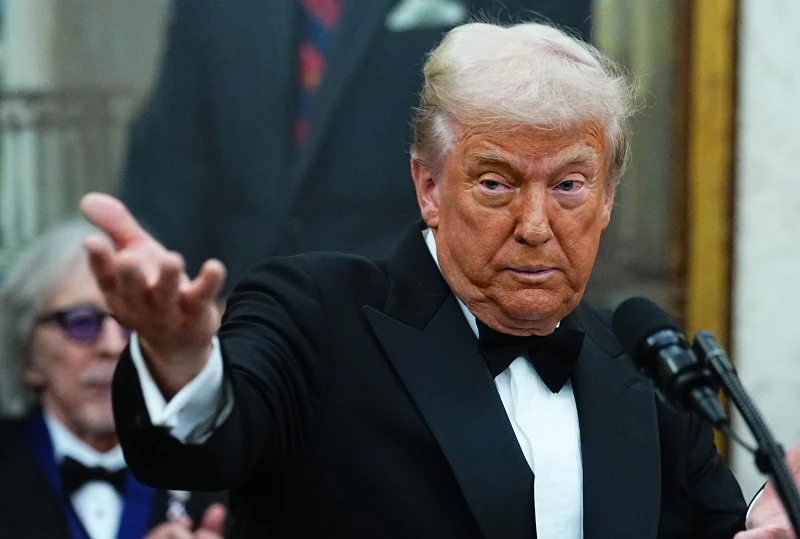
 U.S. President Donald Trump delivers remarks on Dec. 6, 2025, in Washington, D.C. / Credit: Aaron Schwartz/Getty Images

Washington, D.C. Newsroom, Dec 8, 2025 / 18:09 pm (CNA).
President Donald Trump honored the feast of the Immaculate Conception on Dec. 8, which appears to be the first time an American president formally recognized the Catholic holy day.The presidential statement recognized the role Mary played in the salvation of humanity and the importance she has in American history. The statement does, however, contain one theological error about the Incarnation. It says God became man when Christ was born, although Catholic doctrine recognizes God becoming man at the Incarnation: when Mary conceived him.“Today, I recognize every American celebrating Dec. 8 as a holy day honoring the faith, humility, and love of Mary, mother of Jesus and one of the greatest figures in the Bible,” the statement said. Trump, who is not Catholic and describes himself as a “non-denominational Christian,” has cultivated strong bonds with a broad range of Christians and frequently referenced religious holidays and symbols in ways that resonate with supporters.CNA could not find similar proclamations on the Immaculate Conception from other presidents, including none from the only two Catholic presidents: John F. Kennedy and Joe Biden. Other presidents have spoken about Mary and the Immaculate Conception, sometimes in messages relating to Christmas or other topics, but not in a formal recognition of this feast.“On the feast of the Immaculate Conception, Catholics celebrate what they believe to be Mary’s freedom from original sin as the mother of God,” the statement read.The feast day celebrates the miracle in which Mary was conceived without the stain of original sin. Every person — with the exception of Mary and Jesus Christ — receives the hereditary stain of original sin, which was brought onto humanity through the first sin of Adam and Eve when they disobeyed God by eating fruit from the tree of knowledge of good and evil.Mary’s importance to humanity and the United StatesThe presidential statement said Mary’s agreement at the Annunciation to conceive and bear the child Christ was “one of the most profound and consequential acts of history,” and Mary “heroically accepted God’s will with trust and humility.” It cites Luke 1:38: “Behold, I am the handmaid of the Lord. May it be done to me according to your word.” “Mary’s decision forever altered the course of humanity,” the statement read, adding that Christ “would go on to offer his life on the Cross for the redemption of sins and the salvation of the world.”President Trump’s statement also describes the annunciation by the archangel Gabriel, who calls the Blessed Mother “favored one” and tells her “you will conceive in your womb and bear a son, and you shall name him Jesus.”Later in the document, the presidential message says “we remember the sacred words that have brought aid, comfort, and support to generations of American believers in times of need,” and includes the text of the Hail Mary.Trump’s statement also acknowledges the “distinct role” Mary has played “in our great American story.”The president’s statement also specifically references Bishop John Carroll’s consecration of the United States to the Blessed Mother. Carroll was the only Catholic to sign the Declaration of Independence. In addition, the statement references the annual Mass of Thanksgiving in New Orleans on Jan. 8, in which Catholics celebrate Mary’s perceived assistance to U.S. troops under the command of General Andrew Jackson in winning the Battle of New Orleans.The message notes that “American legends” including St. Elizabeth Ann Seton, St. Frances Xavier Cabrini, and Venerable Fulton Sheen “held a deep devotion to Mary” and that many American churches, hospitals, universities, and schools bear her name. It adds that many Americans will also celebrate Our Lady of Guadalupe on Dec. 12.“As we approach 250 years of glorious American independence, we acknowledge and give thanks, with total gratitude, for Mary’s role in advancing peace, hope, and love in America and beyond our shores,” the presidential message reads.The presidential message also recognizes Pope Benedict XV dedicating a statue of Mary, Queen of Peace, to encourage Christians “to look to her example of peace by praying for a stop to the horrific slaughter” occurring in World War I, which then ended just a few months later.“Today, we look to Mary once again for inspiration and encouragement as we pray for an end to war and for a new and lasting era of peace, prosperity, and harmony in Europe and throughout the world,” Trump’s statement added.Catholics react to Trump’s messageChad Pecknold, a political science professor at The Catholic University of America, said he welcomed the president’s recognition of the feast day.“The more America publicly honors Christian feast days such as Christmas, Good Friday, and Easter, and the more we remember our greatest saints, as well as our national heroes, the better oriented our nation will be to God,” he said. “This is the spiritual key to raising up the Res Americana for the next 250 years.”Susan Hanssen, a history professor at the University of Dallas (a Catholic institution), called the presidential message “a jaw-droppingly historic event.” For a president to celebrate Mary as “full of grace” and celebrate “the centrality of the Incarnation,” she said “goes beyond anything that Americans have ever heard in presidential public speeches.”“This pronouncement, along with the first American pope in world history, marks a watershed moment in American cultural history,” Hanssen said. Caleb Henry, a political science professor at Franciscan University, told CNA Trump’s message appears to be an extension of the president’s America Prays campaign, which asks Americans to pray for the country ahead of the 250th anniversary of the Declaration of Independence next year.Henry said the initiative seeks to “reconnect America’s people of faith with … the signing of the Declaration of Independence.” He said the Immaculate Conception statement appears to be “a message to America’s Catholic faithful,” that the country’s history “while complicated, is rooted in these truths of natural law, laws of nature, and of nature’s God.”“We have a Marian tradition here in our country as well,” he said. The statement comes as the nation’s Catholic bishops have welcomed some of Trump’s policies, such as regarding gender ideology. Bishops also have expressed dismay about indiscriminate immigration enforcement and a plan to expand in vitro fertilization (IVF).The United States Conference of Catholic Bishops issued a unified special pastoral message against “indiscriminate mass deportations” on Nov. 12.Henry said a message like the one issued on the Immaculate Conception is “a typical Trump move” by “ignoring all existing hierarchies and going straight to the people.”Theological error in the messageThe statement contains a theological error. After discussing the Annunciation, the message states “nine months later, God became man when Mary gave birth to a son, Jesus.”Christ became man at the moment of the Incarnation, when Mary conceived him, not when he was born. Father Aquinas Guilbeau, OP, told CNA that although early councils clarified this teaching, the misunderstanding “endures today.” He said: “Even among Christians, sadly. It remains a favorite of poets.” He noted that even in “Silent Night,” the verse that says “Jesus, Lord, at thy birth” falls into this error because: “Jesus is Lord before his birth. He is Lord at his conception.”“Wherever it appears, the error may be pious and well-intentioned but it remains theologically inaccurate,” Guilbeau said.

Trump honors Mary’s ‘freedom from original sin’ in Immaculate Conception message #Catholic U.S. President Donald Trump delivers remarks on Dec. 6, 2025, in Washington, D.C. / Credit: Aaron Schwartz/Getty Images Washington, D.C. Newsroom, Dec 8, 2025 / 18:09 pm (CNA). President Donald Trump honored the feast of the Immaculate Conception on Dec. 8, which appears to be the first time an American president formally recognized the Catholic holy day.The presidential statement recognized the role Mary played in the salvation of humanity and the importance she has in American history. The statement does, however, contain one theological error about the Incarnation. It says God became man when Christ was born, although Catholic doctrine recognizes God becoming man at the Incarnation: when Mary conceived him.“Today, I recognize every American celebrating Dec. 8 as a holy day honoring the faith, humility, and love of Mary, mother of Jesus and one of the greatest figures in the Bible,” the statement said. Trump, who is not Catholic and describes himself as a “non-denominational Christian,” has cultivated strong bonds with a broad range of Christians and frequently referenced religious holidays and symbols in ways that resonate with supporters.CNA could not find similar proclamations on the Immaculate Conception from other presidents, including none from the only two Catholic presidents: John F. Kennedy and Joe Biden. Other presidents have spoken about Mary and the Immaculate Conception, sometimes in messages relating to Christmas or other topics, but not in a formal recognition of this feast.“On the feast of the Immaculate Conception, Catholics celebrate what they believe to be Mary’s freedom from original sin as the mother of God,” the statement read.The feast day celebrates the miracle in which Mary was conceived without the stain of original sin. Every person — with the exception of Mary and Jesus Christ — receives the hereditary stain of original sin, which was brought onto humanity through the first sin of Adam and Eve when they disobeyed God by eating fruit from the tree of knowledge of good and evil.Mary’s importance to humanity and the United StatesThe presidential statement said Mary’s agreement at the Annunciation to conceive and bear the child Christ was “one of the most profound and consequential acts of history,” and Mary “heroically accepted God’s will with trust and humility.” It cites Luke 1:38: “Behold, I am the handmaid of the Lord. May it be done to me according to your word.” “Mary’s decision forever altered the course of humanity,” the statement read, adding that Christ “would go on to offer his life on the Cross for the redemption of sins and the salvation of the world.”President Trump’s statement also describes the annunciation by the archangel Gabriel, who calls the Blessed Mother “favored one” and tells her “you will conceive in your womb and bear a son, and you shall name him Jesus.”Later in the document, the presidential message says “we remember the sacred words that have brought aid, comfort, and support to generations of American believers in times of need,” and includes the text of the Hail Mary.Trump’s statement also acknowledges the “distinct role” Mary has played “in our great American story.”The president’s statement also specifically references Bishop John Carroll’s consecration of the United States to the Blessed Mother. Carroll was the only Catholic to sign the Declaration of Independence. In addition, the statement references the annual Mass of Thanksgiving in New Orleans on Jan. 8, in which Catholics celebrate Mary’s perceived assistance to U.S. troops under the command of General Andrew Jackson in winning the Battle of New Orleans.The message notes that “American legends” including St. Elizabeth Ann Seton, St. Frances Xavier Cabrini, and Venerable Fulton Sheen “held a deep devotion to Mary” and that many American churches, hospitals, universities, and schools bear her name. It adds that many Americans will also celebrate Our Lady of Guadalupe on Dec. 12.“As we approach 250 years of glorious American independence, we acknowledge and give thanks, with total gratitude, for Mary’s role in advancing peace, hope, and love in America and beyond our shores,” the presidential message reads.The presidential message also recognizes Pope Benedict XV dedicating a statue of Mary, Queen of Peace, to encourage Christians “to look to her example of peace by praying for a stop to the horrific slaughter” occurring in World War I, which then ended just a few months later.“Today, we look to Mary once again for inspiration and encouragement as we pray for an end to war and for a new and lasting era of peace, prosperity, and harmony in Europe and throughout the world,” Trump’s statement added.Catholics react to Trump’s messageChad Pecknold, a political science professor at The Catholic University of America, said he welcomed the president’s recognition of the feast day.“The more America publicly honors Christian feast days such as Christmas, Good Friday, and Easter, and the more we remember our greatest saints, as well as our national heroes, the better oriented our nation will be to God,” he said. “This is the spiritual key to raising up the Res Americana for the next 250 years.”Susan Hanssen, a history professor at the University of Dallas (a Catholic institution), called the presidential message “a jaw-droppingly historic event.” For a president to celebrate Mary as “full of grace” and celebrate “the centrality of the Incarnation,” she said “goes beyond anything that Americans have ever heard in presidential public speeches.”“This pronouncement, along with the first American pope in world history, marks a watershed moment in American cultural history,” Hanssen said. Caleb Henry, a political science professor at Franciscan University, told CNA Trump’s message appears to be an extension of the president’s America Prays campaign, which asks Americans to pray for the country ahead of the 250th anniversary of the Declaration of Independence next year.Henry said the initiative seeks to “reconnect America’s people of faith with … the signing of the Declaration of Independence.” He said the Immaculate Conception statement appears to be “a message to America’s Catholic faithful,” that the country’s history “while complicated, is rooted in these truths of natural law, laws of nature, and of nature’s God.”“We have a Marian tradition here in our country as well,” he said. The statement comes as the nation’s Catholic bishops have welcomed some of Trump’s policies, such as regarding gender ideology. Bishops also have expressed dismay about indiscriminate immigration enforcement and a plan to expand in vitro fertilization (IVF).The United States Conference of Catholic Bishops issued a unified special pastoral message against “indiscriminate mass deportations” on Nov. 12.Henry said a message like the one issued on the Immaculate Conception is “a typical Trump move” by “ignoring all existing hierarchies and going straight to the people.”Theological error in the messageThe statement contains a theological error. After discussing the Annunciation, the message states “nine months later, God became man when Mary gave birth to a son, Jesus.”Christ became man at the moment of the Incarnation, when Mary conceived him, not when he was born. Father Aquinas Guilbeau, OP, told CNA that although early councils clarified this teaching, the misunderstanding “endures today.” He said: “Even among Christians, sadly. It remains a favorite of poets.” He noted that even in “Silent Night,” the verse that says “Jesus, Lord, at thy birth” falls into this error because: “Jesus is Lord before his birth. He is Lord at his conception.”“Wherever it appears, the error may be pious and well-intentioned but it remains theologically inaccurate,” Guilbeau said.


U.S. President Donald Trump delivers remarks on Dec. 6, 2025, in Washington, D.C. / Credit: Aaron Schwartz/Getty Images

Washington, D.C. Newsroom, Dec 8, 2025 / 18:09 pm (CNA).

President Donald Trump honored the feast of the Immaculate Conception on Dec. 8, which appears to be the first time an American president formally recognized the Catholic holy day.

The presidential statement recognized the role Mary played in the salvation of humanity and the importance she has in American history. The statement does, however, contain one theological error about the Incarnation. It says God became man when Christ was born, although Catholic doctrine recognizes God becoming man at the Incarnation: when Mary conceived him.

“Today, I recognize every American celebrating Dec. 8 as a holy day honoring the faith, humility, and love of Mary, mother of Jesus and one of the greatest figures in the Bible,” the statement said. Trump, who is not Catholic and describes himself as a “non-denominational Christian,” has cultivated strong bonds with a broad range of Christians and frequently referenced religious holidays and symbols in ways that resonate with supporters.

CNA could not find similar proclamations on the Immaculate Conception from other presidents, including none from the only two Catholic presidents: John F. Kennedy and Joe Biden. Other presidents have spoken about Mary and the Immaculate Conception, sometimes in messages relating to Christmas or other topics, but not in a formal recognition of this feast.

“On the feast of the Immaculate Conception, Catholics celebrate what they believe to be Mary’s freedom from original sin as the mother of God,” the statement read.

The feast day celebrates the miracle in which Mary was conceived without the stain of original sin. Every person — with the exception of Mary and Jesus Christ — receives the hereditary stain of original sin, which was brought onto humanity through the first sin of Adam and Eve when they disobeyed God by eating fruit from the tree of knowledge of good and evil.

Mary’s importance to humanity and the United States

The presidential statement said Mary’s agreement at the Annunciation to conceive and bear the child Christ was “one of the most profound and consequential acts of history,” and Mary “heroically accepted God’s will with trust and humility.” 

It cites Luke 1:38: “Behold, I am the handmaid of the Lord. May it be done to me according to your word.” 

“Mary’s decision forever altered the course of humanity,” the statement read, adding that Christ “would go on to offer his life on the Cross for the redemption of sins and the salvation of the world.”

President Trump’s statement also describes the annunciation by the archangel Gabriel, who calls the Blessed Mother “favored one” and tells her “you will conceive in your womb and bear a son, and you shall name him Jesus.”

Later in the document, the presidential message says “we remember the sacred words that have brought aid, comfort, and support to generations of American believers in times of need,” and includes the text of the Hail Mary.

Trump’s statement also acknowledges the “distinct role” Mary has played “in our great American story.”

The president’s statement also specifically references Bishop John Carroll’s consecration of the United States to the Blessed Mother. Carroll was the only Catholic to sign the Declaration of Independence. In addition, the statement references the annual Mass of Thanksgiving in New Orleans on Jan. 8, in which Catholics celebrate Mary’s perceived assistance to U.S. troops under the command of General Andrew Jackson in winning the Battle of New Orleans.

The message notes that “American legends” including St. Elizabeth Ann Seton, St. Frances Xavier Cabrini, and Venerable Fulton Sheen “held a deep devotion to Mary” and that many American churches, hospitals, universities, and schools bear her name. It adds that many Americans will also celebrate Our Lady of Guadalupe on Dec. 12.

“As we approach 250 years of glorious American independence, we acknowledge and give thanks, with total gratitude, for Mary’s role in advancing peace, hope, and love in America and beyond our shores,” the presidential message reads.

The presidential message also recognizes Pope Benedict XV dedicating a statue of Mary, Queen of Peace, to encourage Christians “to look to her example of peace by praying for a stop to the horrific slaughter” occurring in World War I, which then ended just a few months later.

“Today, we look to Mary once again for inspiration and encouragement as we pray for an end to war and for a new and lasting era of peace, prosperity, and harmony in Europe and throughout the world,” Trump’s statement added.

Catholics react to Trump’s message

Chad Pecknold, a political science professor at The Catholic University of America, said he welcomed the president’s recognition of the feast day.

“The more America publicly honors Christian feast days such as Christmas, Good Friday, and Easter, and the more we remember our greatest saints, as well as our national heroes, the better oriented our nation will be to God,” he said. “This is the spiritual key to raising up the Res Americana for the next 250 years.”

Susan Hanssen, a history professor at the University of Dallas (a Catholic institution), called the presidential message “a jaw-droppingly historic event.” For a president to celebrate Mary as “full of grace” and celebrate “the centrality of the Incarnation,” she said “goes beyond anything that Americans have ever heard in presidential public speeches.”

“This pronouncement, along with the first American pope in world history, marks a watershed moment in American cultural history,” Hanssen said. 

Caleb Henry, a political science professor at Franciscan University, told CNA Trump’s message appears to be an extension of the president’s America Prays campaign, which asks Americans to pray for the country ahead of the 250th anniversary of the Declaration of Independence next year.

Henry said the initiative seeks to “reconnect America’s people of faith with … the signing of the Declaration of Independence.” He said the Immaculate Conception statement appears to be “a message to America’s Catholic faithful,” that the country’s history “while complicated, is rooted in these truths of natural law, laws of nature, and of nature’s God.”

“We have a Marian tradition here in our country as well,” he said. 

The statement comes as the nation’s Catholic bishops have welcomed some of Trump’s policies, such as regarding gender ideology. Bishops also have expressed dismay about indiscriminate immigration enforcement and a plan to expand in vitro fertilization (IVF).

The United States Conference of Catholic Bishops issued a unified special pastoral message against “indiscriminate mass deportations” on Nov. 12.

Henry said a message like the one issued on the Immaculate Conception is “a typical Trump move” by “ignoring all existing hierarchies and going straight to the people.”

Theological error in the message

The statement contains a theological error. After discussing the Annunciation, the message states “nine months later, God became man when Mary gave birth to a son, Jesus.”

Christ became man at the moment of the Incarnation, when Mary conceived him, not when he was born. 

Father Aquinas Guilbeau, OP, told CNA that although early councils clarified this teaching, the misunderstanding “endures today.” He said: “Even among Christians, sadly. It remains a favorite of poets.” 

He noted that even in “Silent Night,” the verse that says “Jesus, Lord, at thy birth” falls into this error because: “Jesus is Lord before his birth. He is Lord at his conception.”

“Wherever it appears, the error may be pious and well-intentioned but it remains theologically inaccurate,” Guilbeau said.

Read More
What do we know about the presentation of Mary? #Catholic 
 
 Alessandro Allori, “The Presentation of Mary,” 1598. / Credit: Public domain

National Catholic Register, Nov 21, 2025 / 04:00 am (CNA).
It’s easy to conceptualize the presentation of the Lord because we find it in Scripture. Luke’s Gospel tells of the Holy Family’s journey to the Temple when Jesus was 8 days old. According to Jewish custom, Jesus was to be circumcised and Mary purified. There Mary and Joseph meet the prophets Anna and Simeon, who recognized the child as the Messiah who would bring about the fall and rise of many and become a sign of contradiction and the cause of a sword that would one day pierce Mary’s heart. We celebrate the feast of the Presentation of the Lord annually on Feb. 2.The presentation of Mary, however, is not found in Scripture. Instead, we learn about Mary’s presentation from accounts that have come to us from apostolic times. What we know is found mainly in Chapter 7 of the “Protoevangelium of James,” which has been dated by historians before the year A.D. 200.The “Protoevangelium of James” was ostensibly written by the apostle of the same name. It gives a detailed account in which Mary’s father, Joachim, tells his wife, Anna, that he wishes to bring their daughter to the Temple and consecrate her to God. Anna responds that they should wait until Mary is 3 years old so that she will not need her parents as much. On the agreed day for Mary to be taken to the Temple, Hebrew virgins accompanied the family with burning lamps. The Temple priest received Mary, kissed her, and blessed her. According to James’ writing, the priest then proclaimed: “The Lord has magnified thy name in all generations. In thee, the Lord will manifest his redemption to the sons of Israel.” After that, Mary was placed on the third step of the Temple and danced with joy. All the House of Israel loved Mary, and she was nurtured from then on in the Temple while her parents returned to their Nazareth home, glorifying God.The celebration of the feast of the Presentation of the Blessed Virgin Mary grew slowly over the years. On Nov. 21, 543, Emperor Justinian dedicated a church to Mary in the Temple area of Jerusalem. Many of the early Church Fathers celebrated this feast day, such as St. Germanus and St. John Damascene. In 1373, it was formally celebrated in Avignon, France, and in 1472, Pope Sixtus IV extended it to the universal Church. The Byzantine Church considers Mary’s Presentation one of the 12 great feasts of the liturgical year.In 1974, Pope Paul VI wrote about this feast in his encyclical Marialis Cultus, saying: “Despite its apocryphal content, it presents lofty and exemplary values and carries on the venerable traditions having their origins in the Eastern Churches.”The memorial of the Presentation of Mary has been noted in the Church since its early years and yet is easily forgotten or misunderstood. Since it’s classified as a memorial and not a solemnity or holy day of obligation, it doesn’t draw much attention to itself other than a special opening prayer in the Mass. With this memorial, we celebrate the fact that God chose to dwell in Mary in a unique way. In response, she placed her whole self at his service. By our baptism, God invites us, too, into his service.But there’s more to celebrating the presentation of Mary. This feast gives us cause for great joy since Mary is truly our mother, given to us by Christ as he hung dying on the cross. Because we are part of her Son’s body, she loves us with as much devotion and tenderness as she loves Jesus. When we celebrate Mary’s presentation, we are giving Mary the honor she deserves and witnessing to her perfect purity as the virgin of Nazareth, the mother of God, and our mother.Sts. Joachim and Anne surrendered their only daughter to God so that she would be completely free to follow his holy will. Although they loved her dearly, they knew that in the Temple Mary would always be near the Holy of Holies, surrounded by an atmosphere of godliness and grace. She would be instructed in Scripture and the history of the Jewish people. She would be under the guardianship and tutelage of the holy women of the Temple who had given their lives to God. One of them, Scripture scholars believe, was Anna — the woman who prophesied at the presentation of Our Lord. In the Temple, Mary would be completely focused on God and well prepared for becoming the mother of the Savior and mother of the body of Christ.When we celebrate the presentation of the Blessed Virgin Mary, we remember the tremendous sacrifice Sts. Joachim and Anne made for our sakes. We give honor and respect to the Virgin, who is an example for all of us in our struggle for holiness. It is a privilege and an opportunity to express our gratitude for the gift of a pure, tender, and always-loving mother.This story was first published by the National Catholic Register, CNA’s sister news partner, on Nov. 21, 2023, and has been adapted and updated by CNA.

What do we know about the presentation of Mary? #Catholic Alessandro Allori, “The Presentation of Mary,” 1598. / Credit: Public domain National Catholic Register, Nov 21, 2025 / 04:00 am (CNA). It’s easy to conceptualize the presentation of the Lord because we find it in Scripture. Luke’s Gospel tells of the Holy Family’s journey to the Temple when Jesus was 8 days old. According to Jewish custom, Jesus was to be circumcised and Mary purified. There Mary and Joseph meet the prophets Anna and Simeon, who recognized the child as the Messiah who would bring about the fall and rise of many and become a sign of contradiction and the cause of a sword that would one day pierce Mary’s heart. We celebrate the feast of the Presentation of the Lord annually on Feb. 2.The presentation of Mary, however, is not found in Scripture. Instead, we learn about Mary’s presentation from accounts that have come to us from apostolic times. What we know is found mainly in Chapter 7 of the “Protoevangelium of James,” which has been dated by historians before the year A.D. 200.The “Protoevangelium of James” was ostensibly written by the apostle of the same name. It gives a detailed account in which Mary’s father, Joachim, tells his wife, Anna, that he wishes to bring their daughter to the Temple and consecrate her to God. Anna responds that they should wait until Mary is 3 years old so that she will not need her parents as much. On the agreed day for Mary to be taken to the Temple, Hebrew virgins accompanied the family with burning lamps. The Temple priest received Mary, kissed her, and blessed her. According to James’ writing, the priest then proclaimed: “The Lord has magnified thy name in all generations. In thee, the Lord will manifest his redemption to the sons of Israel.” After that, Mary was placed on the third step of the Temple and danced with joy. All the House of Israel loved Mary, and she was nurtured from then on in the Temple while her parents returned to their Nazareth home, glorifying God.The celebration of the feast of the Presentation of the Blessed Virgin Mary grew slowly over the years. On Nov. 21, 543, Emperor Justinian dedicated a church to Mary in the Temple area of Jerusalem. Many of the early Church Fathers celebrated this feast day, such as St. Germanus and St. John Damascene. In 1373, it was formally celebrated in Avignon, France, and in 1472, Pope Sixtus IV extended it to the universal Church. The Byzantine Church considers Mary’s Presentation one of the 12 great feasts of the liturgical year.In 1974, Pope Paul VI wrote about this feast in his encyclical Marialis Cultus, saying: “Despite its apocryphal content, it presents lofty and exemplary values and carries on the venerable traditions having their origins in the Eastern Churches.”The memorial of the Presentation of Mary has been noted in the Church since its early years and yet is easily forgotten or misunderstood. Since it’s classified as a memorial and not a solemnity or holy day of obligation, it doesn’t draw much attention to itself other than a special opening prayer in the Mass. With this memorial, we celebrate the fact that God chose to dwell in Mary in a unique way. In response, she placed her whole self at his service. By our baptism, God invites us, too, into his service.But there’s more to celebrating the presentation of Mary. This feast gives us cause for great joy since Mary is truly our mother, given to us by Christ as he hung dying on the cross. Because we are part of her Son’s body, she loves us with as much devotion and tenderness as she loves Jesus. When we celebrate Mary’s presentation, we are giving Mary the honor she deserves and witnessing to her perfect purity as the virgin of Nazareth, the mother of God, and our mother.Sts. Joachim and Anne surrendered their only daughter to God so that she would be completely free to follow his holy will. Although they loved her dearly, they knew that in the Temple Mary would always be near the Holy of Holies, surrounded by an atmosphere of godliness and grace. She would be instructed in Scripture and the history of the Jewish people. She would be under the guardianship and tutelage of the holy women of the Temple who had given their lives to God. One of them, Scripture scholars believe, was Anna — the woman who prophesied at the presentation of Our Lord. In the Temple, Mary would be completely focused on God and well prepared for becoming the mother of the Savior and mother of the body of Christ.When we celebrate the presentation of the Blessed Virgin Mary, we remember the tremendous sacrifice Sts. Joachim and Anne made for our sakes. We give honor and respect to the Virgin, who is an example for all of us in our struggle for holiness. It is a privilege and an opportunity to express our gratitude for the gift of a pure, tender, and always-loving mother.This story was first published by the National Catholic Register, CNA’s sister news partner, on Nov. 21, 2023, and has been adapted and updated by CNA.


Alessandro Allori, “The Presentation of Mary,” 1598. / Credit: Public domain

National Catholic Register, Nov 21, 2025 / 04:00 am (CNA).

It’s easy to conceptualize the presentation of the Lord because we find it in Scripture. Luke’s Gospel tells of the Holy Family’s journey to the Temple when Jesus was 8 days old. According to Jewish custom, Jesus was to be circumcised and Mary purified.

There Mary and Joseph meet the prophets Anna and Simeon, who recognized the child as the Messiah who would bring about the fall and rise of many and become a sign of contradiction and the cause of a sword that would one day pierce Mary’s heart. We celebrate the feast of the Presentation of the Lord annually on Feb. 2.

The presentation of Mary, however, is not found in Scripture. Instead, we learn about Mary’s presentation from accounts that have come to us from apostolic times. What we know is found mainly in Chapter 7 of the “Protoevangelium of James,” which has been dated by historians before the year A.D. 200.

The “Protoevangelium of James” was ostensibly written by the apostle of the same name. It gives a detailed account in which Mary’s father, Joachim, tells his wife, Anna, that he wishes to bring their daughter to the Temple and consecrate her to God. Anna responds that they should wait until Mary is 3 years old so that she will not need her parents as much. 

On the agreed day for Mary to be taken to the Temple, Hebrew virgins accompanied the family with burning lamps. The Temple priest received Mary, kissed her, and blessed her. According to James’ writing, the priest then proclaimed: “The Lord has magnified thy name in all generations. In thee, the Lord will manifest his redemption to the sons of Israel.” 

After that, Mary was placed on the third step of the Temple and danced with joy. All the House of Israel loved Mary, and she was nurtured from then on in the Temple while her parents returned to their Nazareth home, glorifying God.

The celebration of the feast of the Presentation of the Blessed Virgin Mary grew slowly over the years. 

On Nov. 21, 543, Emperor Justinian dedicated a church to Mary in the Temple area of Jerusalem. Many of the early Church Fathers celebrated this feast day, such as St. Germanus and St. John Damascene. In 1373, it was formally celebrated in Avignon, France, and in 1472, Pope Sixtus IV extended it to the universal Church. The Byzantine Church considers Mary’s Presentation one of the 12 great feasts of the liturgical year.

In 1974, Pope Paul VI wrote about this feast in his encyclical Marialis Cultus, saying: “Despite its apocryphal content, it presents lofty and exemplary values and carries on the venerable traditions having their origins in the Eastern Churches.”

The memorial of the Presentation of Mary has been noted in the Church since its early years and yet is easily forgotten or misunderstood. 

Since it’s classified as a memorial and not a solemnity or holy day of obligation, it doesn’t draw much attention to itself other than a special opening prayer in the Mass. With this memorial, we celebrate the fact that God chose to dwell in Mary in a unique way. In response, she placed her whole self at his service. By our baptism, God invites us, too, into his service.

But there’s more to celebrating the presentation of Mary. 

This feast gives us cause for great joy since Mary is truly our mother, given to us by Christ as he hung dying on the cross. Because we are part of her Son’s body, she loves us with as much devotion and tenderness as she loves Jesus. When we celebrate Mary’s presentation, we are giving Mary the honor she deserves and witnessing to her perfect purity as the virgin of Nazareth, the mother of God, and our mother.

Sts. Joachim and Anne surrendered their only daughter to God so that she would be completely free to follow his holy will. Although they loved her dearly, they knew that in the Temple Mary would always be near the Holy of Holies, surrounded by an atmosphere of godliness and grace. She would be instructed in Scripture and the history of the Jewish people. She would be under the guardianship and tutelage of the holy women of the Temple who had given their lives to God. One of them, Scripture scholars believe, was Anna — the woman who prophesied at the presentation of Our Lord. In the Temple, Mary would be completely focused on God and well prepared for becoming the mother of the Savior and mother of the body of Christ.

When we celebrate the presentation of the Blessed Virgin Mary, we remember the tremendous sacrifice Sts. Joachim and Anne made for our sakes. We give honor and respect to the Virgin, who is an example for all of us in our struggle for holiness. It is a privilege and an opportunity to express our gratitude for the gift of a pure, tender, and always-loving mother.

This story was first published by the National Catholic Register, CNA’s sister news partner, on Nov. 21, 2023, and has been adapted and updated by CNA.

Read More