Scandal

New Carmelite monastery to open in Fort Worth Diocese following scandal #Catholic 
 
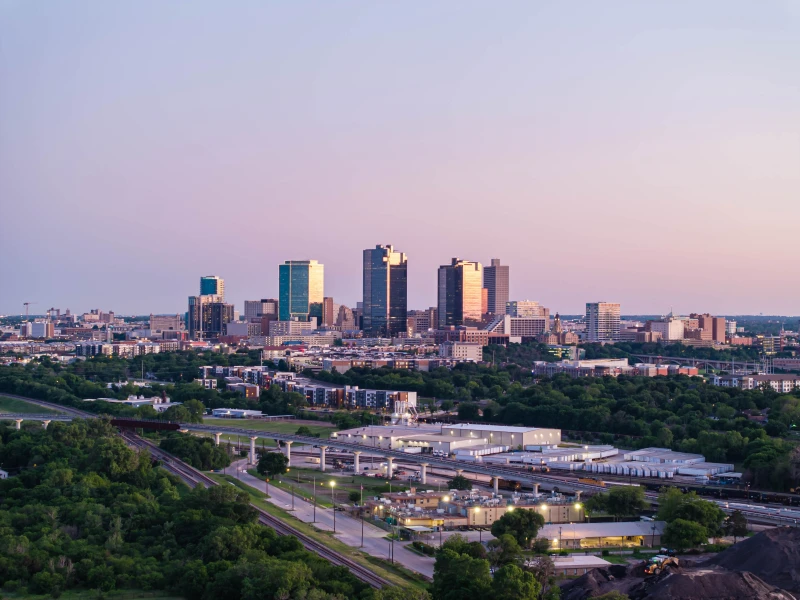
 The skyline of Fort Worth, Texas. / Credit: 21 Aerials/Shutterstock

CNA Staff, Dec 12, 2025 / 09:41 am (CNA).
Bishop Michael Olson of the Diocese of Fort Worth, Texas, has announced the opening of a new order of Discalced Carmelite nuns after an older one in the diocese lost its canonical status last year. Olson announced the news of the opening in a letter on Dec. 2 in which he said the Vatican’s Dicastery for Institutes of Consecrated Life and Societies of Apostolic Life gave permission for the new monastery.The prelate described it as “a moment of extraordinary grace for our local Church.”In an interview with CNA, Olson said there has been “a need in our diocese for prayers, for reparation of sin … and through adoration and contemplation and meditation, to pray for all of those intentions — that is the vocation of the new Carmel.”Olson said that about six months ago he requested that a new order of nuns come to reside in the diocese from the Christ the King Association of Discalced Carmelite Monasteries in the U.S.A.After making a formal request for permission from the Holy See in October, he received word in November that the Holy See approved the establishment of the new monastery. The nuns are coming from the Carmel in Lake Elmo, Minnesota. The bishop emphasized that the Carmel “is an autonomous body even though I have supervisory rights.”He said the land was “donated generously by the faithful in the diocese” after he acted as an intermediary between the sisters and parishioners.Asked when he believes the monastery, located in a rural part of northern Cooke County about 80 miles north of Dallas, will be completed, he replied: “That’s in God’s time.” He said the sisters will not have a website “because it’s a distraction from their religious life. Social media can have adverse effects on a religious vocation, as we have seen.” Olson told CNA he is “very grateful to the Holy See for this permission, but also to the religious sisters, the nuns who have given of themselves to Christ. It’s a very unique vocation.” The bishop is encouraging people to be generous with the sisters as they establish their new home in the Fort Worth Diocese: “They’re in full communion with the Church, are rightly ordered in their Carmelite vocation.”A new page for the Carmelites after scandalIn 2023, a public scandal erupted after Olson began an investigation of an alleged relationship of a sexual nature between the former prioress of the Discalced Carmelite nuns of Arlington, Rev. Mother Teresa Agnes Gerlach, and a priest outside the diocese. Gerlach denied the allegation and accused Olson of overstepping his authority while seeking to obtain the nuns’ property located in the Dallas-Fort Worth metroplex. Olson has denied both claims. The scandal played out in the press through actions taken by the Vatican, lawsuits in civil courts, and through public statements on both sides. Last December, the Vatican issued a decree of suppression of the Arlington Carmelite monastery.Olson announced the suppression just over a year ago, on Dec. 2, 2024, emphasizing at the time that the women at the monastery “are neither nuns nor Carmelites despite their continued and public self-identification to the contrary.”He added that the Holy See “suppressed the monastery, so it exists no longer, despite any public self-identification made to the contrary by the former nuns who continue to occupy the premises.”In August of that year, the nuns posted on their website that they had joined the Society of St. Pius X, a group that is in an “irregular” canonical situation within the Church.‘May their vocation bring forth many graces’In his most recent letter announcing the new monastery, Olson said it “will be a place where the beauty of contemplative life radiates outward into the world. Through prayer, silence, work, and sacrifice, the Discalced Carmelite nuns will accompany the faithful and intercede for the needs of our communities.” “I ask all the faithful of the diocese to join me in prayer for these nuns as they begin this new chapter in their vocation,” the bishop said. “May their vocation bring forth many graces including priestly and religious vocations, holy and happy marriages, and faithful discipleship,” he added.

New Carmelite monastery to open in Fort Worth Diocese following scandal #Catholic The skyline of Fort Worth, Texas. / Credit: 21 Aerials/Shutterstock CNA Staff, Dec 12, 2025 / 09:41 am (CNA). Bishop Michael Olson of the Diocese of Fort Worth, Texas, has announced the opening of a new order of Discalced Carmelite nuns after an older one in the diocese lost its canonical status last year. Olson announced the news of the opening in a letter on Dec. 2 in which he said the Vatican’s Dicastery for Institutes of Consecrated Life and Societies of Apostolic Life gave permission for the new monastery.The prelate described it as “a moment of extraordinary grace for our local Church.”In an interview with CNA, Olson said there has been “a need in our diocese for prayers, for reparation of sin … and through adoration and contemplation and meditation, to pray for all of those intentions — that is the vocation of the new Carmel.”Olson said that about six months ago he requested that a new order of nuns come to reside in the diocese from the Christ the King Association of Discalced Carmelite Monasteries in the U.S.A.After making a formal request for permission from the Holy See in October, he received word in November that the Holy See approved the establishment of the new monastery. The nuns are coming from the Carmel in Lake Elmo, Minnesota. The bishop emphasized that the Carmel “is an autonomous body even though I have supervisory rights.”He said the land was “donated generously by the faithful in the diocese” after he acted as an intermediary between the sisters and parishioners.Asked when he believes the monastery, located in a rural part of northern Cooke County about 80 miles north of Dallas, will be completed, he replied: “That’s in God’s time.” He said the sisters will not have a website “because it’s a distraction from their religious life. Social media can have adverse effects on a religious vocation, as we have seen.” Olson told CNA he is “very grateful to the Holy See for this permission, but also to the religious sisters, the nuns who have given of themselves to Christ. It’s a very unique vocation.” The bishop is encouraging people to be generous with the sisters as they establish their new home in the Fort Worth Diocese: “They’re in full communion with the Church, are rightly ordered in their Carmelite vocation.”A new page for the Carmelites after scandalIn 2023, a public scandal erupted after Olson began an investigation of an alleged relationship of a sexual nature between the former prioress of the Discalced Carmelite nuns of Arlington, Rev. Mother Teresa Agnes Gerlach, and a priest outside the diocese. Gerlach denied the allegation and accused Olson of overstepping his authority while seeking to obtain the nuns’ property located in the Dallas-Fort Worth metroplex. Olson has denied both claims. The scandal played out in the press through actions taken by the Vatican, lawsuits in civil courts, and through public statements on both sides. Last December, the Vatican issued a decree of suppression of the Arlington Carmelite monastery.Olson announced the suppression just over a year ago, on Dec. 2, 2024, emphasizing at the time that the women at the monastery “are neither nuns nor Carmelites despite their continued and public self-identification to the contrary.”He added that the Holy See “suppressed the monastery, so it exists no longer, despite any public self-identification made to the contrary by the former nuns who continue to occupy the premises.”In August of that year, the nuns posted on their website that they had joined the Society of St. Pius X, a group that is in an “irregular” canonical situation within the Church.‘May their vocation bring forth many graces’In his most recent letter announcing the new monastery, Olson said it “will be a place where the beauty of contemplative life radiates outward into the world. Through prayer, silence, work, and sacrifice, the Discalced Carmelite nuns will accompany the faithful and intercede for the needs of our communities.” “I ask all the faithful of the diocese to join me in prayer for these nuns as they begin this new chapter in their vocation,” the bishop said. “May their vocation bring forth many graces including priestly and religious vocations, holy and happy marriages, and faithful discipleship,” he added.


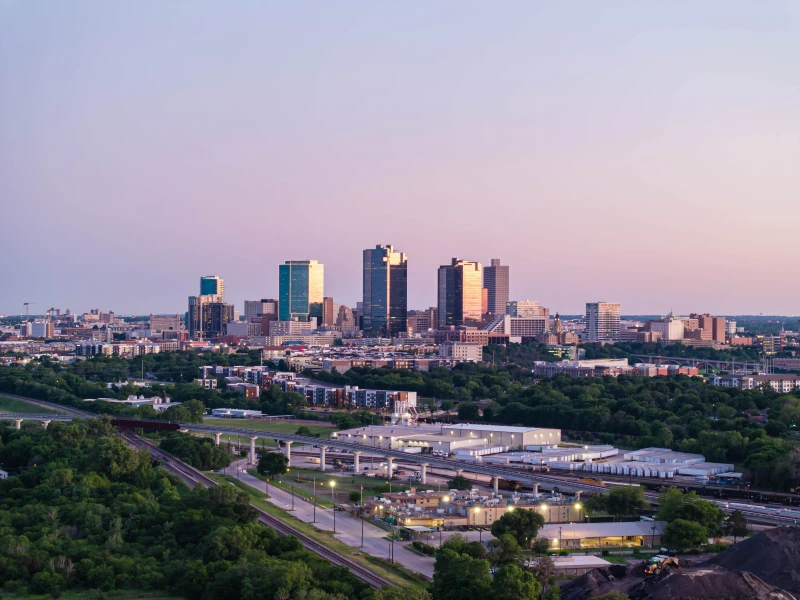
The skyline of Fort Worth, Texas. / Credit: 21 Aerials/Shutterstock

CNA Staff, Dec 12, 2025 / 09:41 am (CNA).

Bishop Michael Olson of the Diocese of Fort Worth, Texas, has announced the opening of a new order of Discalced Carmelite nuns after an older one in the diocese lost its canonical status last year. 

Olson announced the news of the opening in a letter on Dec. 2 in which he said the Vatican’s Dicastery for Institutes of Consecrated Life and Societies of Apostolic Life gave permission for the new monastery.

The prelate described it as “a moment of extraordinary grace for our local Church.”

In an interview with CNA, Olson said there has been “a need in our diocese for prayers, for reparation of sin … and through adoration and contemplation and meditation, to pray for all of those intentions — that is the vocation of the new Carmel.”

Olson said that about six months ago he requested that a new order of nuns come to reside in the diocese from the Christ the King Association of Discalced Carmelite Monasteries in the U.S.A.

After making a formal request for permission from the Holy See in October, he received word in November that the Holy See approved the establishment of the new monastery. 

The nuns are coming from the Carmel in Lake Elmo, Minnesota. 

The bishop emphasized that the Carmel “is an autonomous body even though I have supervisory rights.”

He said the land was “donated generously by the faithful in the diocese” after he acted as an intermediary between the sisters and parishioners.

Asked when he believes the monastery, located in a rural part of northern Cooke County about 80 miles north of Dallas, will be completed, he replied: “That’s in God’s time.” 

He said the sisters will not have a website “because it’s a distraction from their religious life. Social media can have adverse effects on a religious vocation, as we have seen.” 

Olson told CNA he is “very grateful to the Holy See for this permission, but also to the religious sisters, the nuns who have given of themselves to Christ. It’s a very unique vocation.” 

The bishop is encouraging people to be generous with the sisters as they establish their new home in the Fort Worth Diocese: “They’re in full communion with the Church, are rightly ordered in their Carmelite vocation.”

A new page for the Carmelites after scandal

In 2023, a public scandal erupted after Olson began an investigation of an alleged relationship of a sexual nature between the former prioress of the Discalced Carmelite nuns of Arlington, Rev. Mother Teresa Agnes Gerlach, and a priest outside the diocese. 

Gerlach denied the allegation and accused Olson of overstepping his authority while seeking to obtain the nuns’ property located in the Dallas-Fort Worth metroplex. Olson has denied both claims. 

The scandal played out in the press through actions taken by the Vatican, lawsuits in civil courts, and through public statements on both sides. 

Last December, the Vatican issued a decree of suppression of the Arlington Carmelite monastery.

Olson announced the suppression just over a year ago, on Dec. 2, 2024, emphasizing at the time that the women at the monastery “are neither nuns nor Carmelites despite their continued and public self-identification to the contrary.”

He added that the Holy See “suppressed the monastery, so it exists no longer, despite any public self-identification made to the contrary by the former nuns who continue to occupy the premises.”

In August of that year, the nuns posted on their website that they had joined the Society of St. Pius X, a group that is in an “irregular” canonical situation within the Church.

‘May their vocation bring forth many graces’

In his most recent letter announcing the new monastery, Olson said it “will be a place where the beauty of contemplative life radiates outward into the world. Through prayer, silence, work, and sacrifice, the Discalced Carmelite nuns will accompany the faithful and intercede for the needs of our communities.” 

“I ask all the faithful of the diocese to join me in prayer for these nuns as they begin this new chapter in their vocation,” the bishop said. 

“May their vocation bring forth many graces including priestly and religious vocations, holy and happy marriages, and faithful discipleship,” he added.

Read More

Numbers down but engagement up among youngest U.S. Catholic adults, survey finds #Catholic 
 
 null / Credit: Wirestock Creators/Shutterstock

CNA Staff, Nov 13, 2025 / 07:00 am (CNA).
According to a new survey, engagement among U.S. adults who identify as Catholic is strong, especially among the youngest adults, and there is growing trust in the Church after the fallout of the clergy sexual abuse crisis of the early 2000s.In July, Leadership Roundtable commissioned a polling firm to conduct a national survey of Catholics in the U.S. in order to inform Church leaders of problems as well as strengths within the Catholic Church since the sexual abuse crisis came to national attention in 2002 and the Charter for the Protection of Children and Young People was composed to address it.Researchers composed a 72-question survey and divided respondents into three groups: the Faithful (1,541 respondents), the Occasional (472 respondents), and the Disengaged (1,020). The Faithful said they attend Mass at least monthly, the Occasional said they go a few times a year, and the Disengaged said they go “seldom” or “never.”Although the Catholic Church in the U.S. has shrunk from 65 million to 50 million people in the more than two decades since the sexual abuse crisis and engagement is “at an all-time low,” the survey’s findings are cause for hope, the authors say.In a reversal from the organization’s 2003 survey, adults between the ages of 18–29 are now the most likely group (84%) to attend Mass regularly and to be active in their parishes in addition to Mass (attending Eucharistic adoration, social events, and confession), the survey found. The group’s 2003 survey of 1,004 Catholics found that Mass attendance increased with age. The 2025 survey found the opposite to be true: Two-thirds of young adults (65%) said they attend Mass at least monthly now, compared with 43% of adults aged 45–64 and 42% of those over 65 years old. In 2003, 83% of adults 45–64 and 85% of those over 65 attended monthly. Trust in the ChurchThe survey found that Catholics trust their pastor and other parish staff more than they trust the Church as an institution. Nearly 80% of respondents said they trust parish staff and volunteers to protect children, and 77% said they trust their pastor and other clergy. “Building a transparent and accountable leadership culture” was one of the highest priorities across all age groups, according to the survey. For 77% of respondents, it was among their top two priorities, with 45% giving it the highest possible rating of “extremely important.”In 2003, 70% of respondents said they had high confidence in their bishops as doctrinal authorities but low confidence in them (44%) as listeners of the opinions of laity or parish priests.That low confidence has not changed much in two decades. In the recent survey, just 49% said they think their bishops involve the laity in solving Church issues. Fewer, 47%, believe bishops “lead with financial transparency,” and 45% worry that their donations will go to paying legal fees and abuse settlements.Catholics who donate regularly to their parishes (61%) say they would give more if they thought the Church was more transparent about financial matters. Nearly three-quarters of them (72%) said they would give less if there was a scandal in their parish or diocese. Of Catholics who go to Mass sometimes, 58% donate financially to their parish at least once a year. Of the 42% who never give, 39% cited a lack of financial transparency as their reason.Regarding education, of U.S. Catholics whose parishes have a parish school, only 53% said they think the school is thriving. This was the lowest rating of all youth formation activities surveyed.  According to its website, Leadership Roundtable, founded in 2003 in the aftermath of the clergy sexual abuse crisis, is a nonprofit organization composed of clergy, laity, and religious “working together to promote best practices and accountability in the management, finances, communications, and human resource development of the Catholic Church in the U.S., including greater incorporation of the expertise of the laity.”

Numbers down but engagement up among youngest U.S. Catholic adults, survey finds #Catholic null / Credit: Wirestock Creators/Shutterstock CNA Staff, Nov 13, 2025 / 07:00 am (CNA). According to a new survey, engagement among U.S. adults who identify as Catholic is strong, especially among the youngest adults, and there is growing trust in the Church after the fallout of the clergy sexual abuse crisis of the early 2000s.In July, Leadership Roundtable commissioned a polling firm to conduct a national survey of Catholics in the U.S. in order to inform Church leaders of problems as well as strengths within the Catholic Church since the sexual abuse crisis came to national attention in 2002 and the Charter for the Protection of Children and Young People was composed to address it.Researchers composed a 72-question survey and divided respondents into three groups: the Faithful (1,541 respondents), the Occasional (472 respondents), and the Disengaged (1,020). The Faithful said they attend Mass at least monthly, the Occasional said they go a few times a year, and the Disengaged said they go “seldom” or “never.”Although the Catholic Church in the U.S. has shrunk from 65 million to 50 million people in the more than two decades since the sexual abuse crisis and engagement is “at an all-time low,” the survey’s findings are cause for hope, the authors say.In a reversal from the organization’s 2003 survey, adults between the ages of 18–29 are now the most likely group (84%) to attend Mass regularly and to be active in their parishes in addition to Mass (attending Eucharistic adoration, social events, and confession), the survey found. The group’s 2003 survey of 1,004 Catholics found that Mass attendance increased with age. The 2025 survey found the opposite to be true: Two-thirds of young adults (65%) said they attend Mass at least monthly now, compared with 43% of adults aged 45–64 and 42% of those over 65 years old. In 2003, 83% of adults 45–64 and 85% of those over 65 attended monthly. Trust in the ChurchThe survey found that Catholics trust their pastor and other parish staff more than they trust the Church as an institution. Nearly 80% of respondents said they trust parish staff and volunteers to protect children, and 77% said they trust their pastor and other clergy. “Building a transparent and accountable leadership culture” was one of the highest priorities across all age groups, according to the survey. For 77% of respondents, it was among their top two priorities, with 45% giving it the highest possible rating of “extremely important.”In 2003, 70% of respondents said they had high confidence in their bishops as doctrinal authorities but low confidence in them (44%) as listeners of the opinions of laity or parish priests.That low confidence has not changed much in two decades. In the recent survey, just 49% said they think their bishops involve the laity in solving Church issues. Fewer, 47%, believe bishops “lead with financial transparency,” and 45% worry that their donations will go to paying legal fees and abuse settlements.Catholics who donate regularly to their parishes (61%) say they would give more if they thought the Church was more transparent about financial matters. Nearly three-quarters of them (72%) said they would give less if there was a scandal in their parish or diocese. Of Catholics who go to Mass sometimes, 58% donate financially to their parish at least once a year. Of the 42% who never give, 39% cited a lack of financial transparency as their reason.Regarding education, of U.S. Catholics whose parishes have a parish school, only 53% said they think the school is thriving. This was the lowest rating of all youth formation activities surveyed.  According to its website, Leadership Roundtable, founded in 2003 in the aftermath of the clergy sexual abuse crisis, is a nonprofit organization composed of clergy, laity, and religious “working together to promote best practices and accountability in the management, finances, communications, and human resource development of the Catholic Church in the U.S., including greater incorporation of the expertise of the laity.”


null / Credit: Wirestock Creators/Shutterstock

CNA Staff, Nov 13, 2025 / 07:00 am (CNA).

According to a new survey, engagement among U.S. adults who identify as Catholic is strong, especially among the youngest adults, and there is growing trust in the Church after the fallout of the clergy sexual abuse crisis of the early 2000s.

In July, Leadership Roundtable commissioned a polling firm to conduct a national survey of Catholics in the U.S. in order to inform Church leaders of problems as well as strengths within the Catholic Church since the sexual abuse crisis came to national attention in 2002 and the Charter for the Protection of Children and Young People was composed to address it.

Researchers composed a 72-question survey and divided respondents into three groups: the Faithful (1,541 respondents), the Occasional (472 respondents), and the Disengaged (1,020). The Faithful said they attend Mass at least monthly, the Occasional said they go a few times a year, and the Disengaged said they go “seldom” or “never.”

Although the Catholic Church in the U.S. has shrunk from 65 million to 50 million people in the more than two decades since the sexual abuse crisis and engagement is “at an all-time low,” the survey’s findings are cause for hope, the authors say.

In a reversal from the organization’s 2003 survey, adults between the ages of 18–29 are now the most likely group (84%) to attend Mass regularly and to be active in their parishes in addition to Mass (attending Eucharistic adoration, social events, and confession), the survey found. 

The group’s 2003 survey of 1,004 Catholics found that Mass attendance increased with age. The 2025 survey found the opposite to be true: Two-thirds of young adults (65%) said they attend Mass at least monthly now, compared with 43% of adults aged 45–64 and 42% of those over 65 years old. In 2003, 83% of adults 45–64 and 85% of those over 65 attended monthly. 

Trust in the Church

The survey found that Catholics trust their pastor and other parish staff more than they trust the Church as an institution. 

Nearly 80% of respondents said they trust parish staff and volunteers to protect children, and 77% said they trust their pastor and other clergy. 

“Building a transparent and accountable leadership culture” was one of the highest priorities across all age groups, according to the survey. For 77% of respondents, it was among their top two priorities, with 45% giving it the highest possible rating of “extremely important.”

In 2003, 70% of respondents said they had high confidence in their bishops as doctrinal authorities but low confidence in them (44%) as listeners of the opinions of laity or parish priests.

That low confidence has not changed much in two decades. In the recent survey, just 49% said they think their bishops involve the laity in solving Church issues. Fewer, 47%, believe bishops “lead with financial transparency,” and 45% worry that their donations will go to paying legal fees and abuse settlements.

Catholics who donate regularly to their parishes (61%) say they would give more if they thought the Church was more transparent about financial matters. Nearly three-quarters of them (72%) said they would give less if there was a scandal in their parish or diocese. 

Of Catholics who go to Mass sometimes, 58% donate financially to their parish at least once a year. Of the 42% who never give, 39% cited a lack of financial transparency as their reason.

Regarding education, of U.S. Catholics whose parishes have a parish school, only 53% said they think the school is thriving. This was the lowest rating of all youth formation activities surveyed.  

According to its website, Leadership Roundtable, founded in 2003 in the aftermath of the clergy sexual abuse crisis, is a nonprofit organization composed of clergy, laity, and religious “working together to promote best practices and accountability in the management, finances, communications, and human resource development of the Catholic Church in the U.S., including greater incorporation of the expertise of the laity.”

Read More