skin

Christmas 2025: Handmade gifts from 14 Catholic monasteries #Catholic 
 
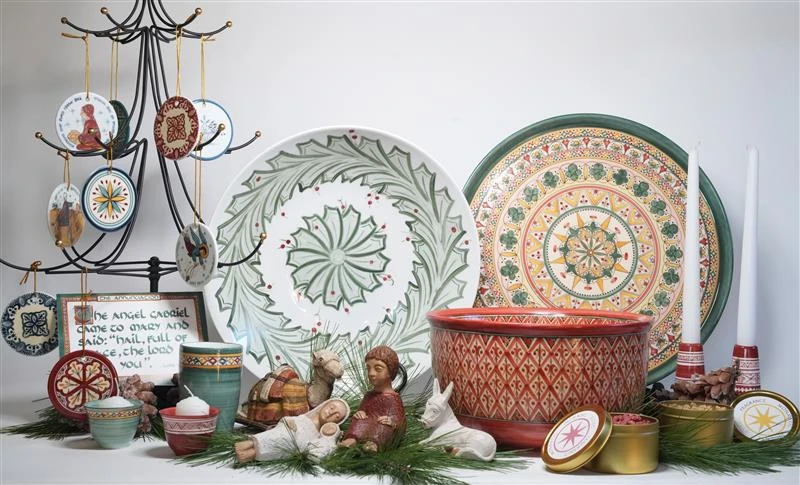
 The contemplative Sisters of the Monastery of Bethlehem in Livingston Manor, New York, support themselves by offering their hand-painted chinaware and other unique gifts for sale. / Credit: Monastery of Bethlehem

Washington, D.C. Newsroom, Dec 6, 2025 / 06:00 am (CNA).
Many monasteries and communities of religious brothers and sisters depend on proceeds from the sales of their products to sustain their lives of prayer and service throughout the year. These days, most have online gift shops that will ship your purchases to arrive before Christmas.Here’s a guide to some of our favorite handmade gifts to give and receive this year:Fudge and candyMonk Bakery Gifts, Monastery of the Holy Spirit: Monks in Conyers, Georgia, make their famous fudge with premium chocolate and real butter. Try a 12-ounce gift box for . And for a taste of Georgia, try their Southern Touch fudge, “made with real peach morsels, pecans, and a touch of peach brandy.”Monastery Candy, Our Lady of the Mississippi Abbey: These contemplative nuns in Dubuque, Iowa, are known for their delicious caramels, which they make by hand to support their way of life. A 9-ounce box of chocolate-covered caramels sells for .55.Monastery Creamed Honey, Holy Cross Abbey: The monks at Our Lady of the Holy Cross Abbey in Berryville, Virginia, support themselves financially through their own labor, a characteristic of the Cistercian order’s way of life. Their 100% natural Monastery Creamed Honey, locally sourced in the Shenandoah Valley of Virginia, makes a great gift. A set of four 10-ounce tubs includes natural-, cinnamon-, almond-, and brandy-flavored honey and sells for .95. Add some delicious chocolate truffles to the order for a sure-to-be-appreciated Christmas gift.CookiesClarisa Cookies, Capuchin Poor Clare Sisters: The Capuchin Poor Clare nuns make their famous butter cookies from their monastery in Denver. The “Clarisas” come in a beautiful gift box featuring an image of St. Clare and sell for  for a 1.5-pound box.Monks’ Biscotti, Abbey of the Genesee: The Trappist monks of the Abbey of the Genesee have been baking from their monastery in western New York since 1953. As their website explains: “The bakery supports the monastery’s primary mission, which is to pray for the world.” The twice-baked biscotti is a popular item, which makes a great gift basket when combined with monk-made coffee and a mug. A bundle of four boxes of biscotti in a variety of flavors sells for .99. Springerele Christmas cookies, Sisters of St. Benedict: The Benedictine religious sisters are known for their Springerele cookies, a traditional German treat with an “Old World” charm. A package of six cookies, each bearing a different, intricate design, sells for . CoffeeMystic Monk Coffee, Carmelites Monks of Wyoming Monastery: The Monks of the Most Blessed Virgin Mary of Mount Carmel live a cloistered life in the Rocky Mountains in the Diocese of Cheyenne, Wyoming. They help support themselves through Mystic Monk Coffee, which they roast in small batches. The website CoffeeReview.com ranks their coffee among the highest of the coffees it reviews. A 12-ounce bag of their most popular flavor, Jingle Bell Java, sells for .95 in the EWTN Religious Catalogue. Visit their website for more coffee selections.FruitcakeBrandy-dipped fruitcake, New Camaldoli Hermitage: With all due respect, this is not your grandmother’s fruitcake. The monks of New Camaldoli Hermitage in Big Sur, California, offer a fruitcake soaked in brandy and aged for three months. It “has converted many a fruitcake ‘atheist,’” according to its creators. Order a 1-pound fruitcake for .98.Kentucky Bourbon Fruitcake, Monks of the Abbey of Gethsemani: At their monastery in New Haven, Kentucky, Trappist monks offer a 20-ounce Kentucky Bourbon Fruitcake along with a jar of Trappist Apricot-Pineapple preserves and a jar of Trappist Quince Jelly, which makes a lovely Christmas gift for .50.BeerBirra Nursia, Benedictine Monks of Norcia: In 2012, a community of Benedictine monks revived the order’s ancient beer-making tradition at their 16th-century monastery in Nursia, the birthplace of St. Benedict. Tragically, four years later, a devastating earthquake struck, seriously damaging their monastery and threatening their way of life. Today, their monastery is open again thanks to money raised in part from the beer they make and sell and export to the United States and elsewhere. Beer in 750-milliliter (25-ounce) bottles is available at their U.S. online store for .99 each.Handmade Christmas-themed giftsChristmas Boutique, Monastery of Bethlehem: The contemplative Sisters of the Monastery of Bethlehem in Livingston Manor, New York, support themselves by offering their hand-painted chinaware and other unique gifts for sale. This Christmas their online shop features several Christmas-related items that would make wonderful gifts. A beautiful hand-carved Nativity, made in the sisters’ monastery in Mougères, France, includes Joseph, Mary, the baby Jesus, and a wooden manger, and sells for 0. This is a great value for a keepsake that is sure to be passed down from generation to generation. Or why not come bearing the gift of myrrh this Christmas with an attractive tin of imported incense ()? Also available: a pack of five Christmas greeting cards, hand-calligraphed by the sisters and duplicated on fine paper. Each card features a mystery of the lives of Jesus and Mary.Custom rosaries, Carmelite Monastery of the Sacred Hearts: The cloistered nuns of the Carmelite Monastery of the Sacred Hearts in Colorado also offer several handmade items that would make beautiful gifts including custom, handmade rosaries. Those interested can choose their own beads, crucifix, centerpiece, the option to add decorative caps and side medals, and whether you would like the rosary to be a one-decade, five-decade, or 15-decade rosary.Gifts from the Holy LandHoly Land gifts, Franciscan Monastery of the Holy Land in America: The Franciscan friars based at their monastery in Washington, D.C., are dedicated to supporting and protecting the sacred sites and people of the Holy Land. They sell products made by artisans in the Holy Land to help their businesses so they can continue to live in the land of their forefathers. Among the gifts at the Holy Land gift shop are hand-painted ceramic candleholders made by a young artist in Bethlehem; olive wood Nativity sets, crosses, and rosaries; and olive oil soap. Visit the Holy Land Gift Shop here. Soaps and candlesCloister Shoppe, Summit Dominicans: The nuns from the Dominican Monastery of Our Lady of the Rosary in Summit, New Jersey, live a life of prayer through Eucharistic adoration and dedication to the rosary. To support this way of life they create handmade candles and skin-care products, which they sell at their Cloister Shoppe. Create your own Christmas gift bag of two bars of soap, a hand cream, a jar candle, a face moisturizer, and a handmade rosary made from olive wood beads from the Holy Land for . Throw in a pair of Bayberry Christmas Eve Tapers for  to give your holiday table a festive glow.

Christmas 2025: Handmade gifts from 14 Catholic monasteries #Catholic The contemplative Sisters of the Monastery of Bethlehem in Livingston Manor, New York, support themselves by offering their hand-painted chinaware and other unique gifts for sale. / Credit: Monastery of Bethlehem Washington, D.C. Newsroom, Dec 6, 2025 / 06:00 am (CNA). Many monasteries and communities of religious brothers and sisters depend on proceeds from the sales of their products to sustain their lives of prayer and service throughout the year. These days, most have online gift shops that will ship your purchases to arrive before Christmas.Here’s a guide to some of our favorite handmade gifts to give and receive this year:Fudge and candyMonk Bakery Gifts, Monastery of the Holy Spirit: Monks in Conyers, Georgia, make their famous fudge with premium chocolate and real butter. Try a 12-ounce gift box for $15. And for a taste of Georgia, try their Southern Touch fudge, “made with real peach morsels, pecans, and a touch of peach brandy.”Monastery Candy, Our Lady of the Mississippi Abbey: These contemplative nuns in Dubuque, Iowa, are known for their delicious caramels, which they make by hand to support their way of life. A 9-ounce box of chocolate-covered caramels sells for $16.55.Monastery Creamed Honey, Holy Cross Abbey: The monks at Our Lady of the Holy Cross Abbey in Berryville, Virginia, support themselves financially through their own labor, a characteristic of the Cistercian order’s way of life. Their 100% natural Monastery Creamed Honey, locally sourced in the Shenandoah Valley of Virginia, makes a great gift. A set of four 10-ounce tubs includes natural-, cinnamon-, almond-, and brandy-flavored honey and sells for $35.95. Add some delicious chocolate truffles to the order for a sure-to-be-appreciated Christmas gift.CookiesClarisa Cookies, Capuchin Poor Clare Sisters: The Capuchin Poor Clare nuns make their famous butter cookies from their monastery in Denver. The “Clarisas” come in a beautiful gift box featuring an image of St. Clare and sell for $18 for a 1.5-pound box.Monks’ Biscotti, Abbey of the Genesee: The Trappist monks of the Abbey of the Genesee have been baking from their monastery in western New York since 1953. As their website explains: “The bakery supports the monastery’s primary mission, which is to pray for the world.” The twice-baked biscotti is a popular item, which makes a great gift basket when combined with monk-made coffee and a mug. A bundle of four boxes of biscotti in a variety of flavors sells for $33.99. Springerele Christmas cookies, Sisters of St. Benedict: The Benedictine religious sisters are known for their Springerele cookies, a traditional German treat with an “Old World” charm. A package of six cookies, each bearing a different, intricate design, sells for $11. CoffeeMystic Monk Coffee, Carmelites Monks of Wyoming Monastery: The Monks of the Most Blessed Virgin Mary of Mount Carmel live a cloistered life in the Rocky Mountains in the Diocese of Cheyenne, Wyoming. They help support themselves through Mystic Monk Coffee, which they roast in small batches. The website CoffeeReview.com ranks their coffee among the highest of the coffees it reviews. A 12-ounce bag of their most popular flavor, Jingle Bell Java, sells for $14.95 in the EWTN Religious Catalogue. Visit their website for more coffee selections.FruitcakeBrandy-dipped fruitcake, New Camaldoli Hermitage: With all due respect, this is not your grandmother’s fruitcake. The monks of New Camaldoli Hermitage in Big Sur, California, offer a fruitcake soaked in brandy and aged for three months. It “has converted many a fruitcake ‘atheist,’” according to its creators. Order a 1-pound fruitcake for $27.98.Kentucky Bourbon Fruitcake, Monks of the Abbey of Gethsemani: At their monastery in New Haven, Kentucky, Trappist monks offer a 20-ounce Kentucky Bourbon Fruitcake along with a jar of Trappist Apricot-Pineapple preserves and a jar of Trappist Quince Jelly, which makes a lovely Christmas gift for $33.50.BeerBirra Nursia, Benedictine Monks of Norcia: In 2012, a community of Benedictine monks revived the order’s ancient beer-making tradition at their 16th-century monastery in Nursia, the birthplace of St. Benedict. Tragically, four years later, a devastating earthquake struck, seriously damaging their monastery and threatening their way of life. Today, their monastery is open again thanks to money raised in part from the beer they make and sell and export to the United States and elsewhere. Beer in 750-milliliter (25-ounce) bottles is available at their U.S. online store for $15.99 each.Handmade Christmas-themed giftsChristmas Boutique, Monastery of Bethlehem: The contemplative Sisters of the Monastery of Bethlehem in Livingston Manor, New York, support themselves by offering their hand-painted chinaware and other unique gifts for sale. This Christmas their online shop features several Christmas-related items that would make wonderful gifts. A beautiful hand-carved Nativity, made in the sisters’ monastery in Mougères, France, includes Joseph, Mary, the baby Jesus, and a wooden manger, and sells for $180. This is a great value for a keepsake that is sure to be passed down from generation to generation. Or why not come bearing the gift of myrrh this Christmas with an attractive tin of imported incense ($56)? Also available: a pack of five Christmas greeting cards, hand-calligraphed by the sisters and duplicated on fine paper. Each card features a mystery of the lives of Jesus and Mary.Custom rosaries, Carmelite Monastery of the Sacred Hearts: The cloistered nuns of the Carmelite Monastery of the Sacred Hearts in Colorado also offer several handmade items that would make beautiful gifts including custom, handmade rosaries. Those interested can choose their own beads, crucifix, centerpiece, the option to add decorative caps and side medals, and whether you would like the rosary to be a one-decade, five-decade, or 15-decade rosary.Gifts from the Holy LandHoly Land gifts, Franciscan Monastery of the Holy Land in America: The Franciscan friars based at their monastery in Washington, D.C., are dedicated to supporting and protecting the sacred sites and people of the Holy Land. They sell products made by artisans in the Holy Land to help their businesses so they can continue to live in the land of their forefathers. Among the gifts at the Holy Land gift shop are hand-painted ceramic candleholders made by a young artist in Bethlehem; olive wood Nativity sets, crosses, and rosaries; and olive oil soap. Visit the Holy Land Gift Shop here. Soaps and candlesCloister Shoppe, Summit Dominicans: The nuns from the Dominican Monastery of Our Lady of the Rosary in Summit, New Jersey, live a life of prayer through Eucharistic adoration and dedication to the rosary. To support this way of life they create handmade candles and skin-care products, which they sell at their Cloister Shoppe. Create your own Christmas gift bag of two bars of soap, a hand cream, a jar candle, a face moisturizer, and a handmade rosary made from olive wood beads from the Holy Land for $50. Throw in a pair of Bayberry Christmas Eve Tapers for $18 to give your holiday table a festive glow.


The contemplative Sisters of the Monastery of Bethlehem in Livingston Manor, New York, support themselves by offering their hand-painted chinaware and other unique gifts for sale. / Credit: Monastery of Bethlehem

Washington, D.C. Newsroom, Dec 6, 2025 / 06:00 am (CNA).

Many monasteries and communities of religious brothers and sisters depend on proceeds from the sales of their products to sustain their lives of prayer and service throughout the year. These days, most have online gift shops that will ship your purchases to arrive before Christmas.

Here’s a guide to some of our favorite handmade gifts to give and receive this year:

Fudge and candy

Monk Bakery Gifts, Monastery of the Holy Spirit: Monks in Conyers, Georgia, make their famous fudge with premium chocolate and real butter. Try a 12-ounce gift box for $15. And for a taste of Georgia, try their Southern Touch fudge, “made with real peach morsels, pecans, and a touch of peach brandy.”

Monastery Candy, Our Lady of the Mississippi Abbey: These contemplative nuns in Dubuque, Iowa, are known for their delicious caramels, which they make by hand to support their way of life. A 9-ounce box of chocolate-covered caramels sells for $16.55.

Monastery Creamed Honey, Holy Cross Abbey: The monks at Our Lady of the Holy Cross Abbey in Berryville, Virginia, support themselves financially through their own labor, a characteristic of the Cistercian order’s way of life. Their 100% natural Monastery Creamed Honey, locally sourced in the Shenandoah Valley of Virginia, makes a great gift. A set of four 10-ounce tubs includes natural-, cinnamon-, almond-, and brandy-flavored honey and sells for $35.95. Add some delicious chocolate truffles to the order for a sure-to-be-appreciated Christmas gift.

Cookies

Clarisa Cookies, Capuchin Poor Clare Sisters: The Capuchin Poor Clare nuns make their famous butter cookies from their monastery in Denver. The “Clarisas” come in a beautiful gift box featuring an image of St. Clare and sell for $18 for a 1.5-pound box.

Monks’ Biscotti, Abbey of the Genesee: The Trappist monks of the Abbey of the Genesee have been baking from their monastery in western New York since 1953. As their website explains: “The bakery supports the monastery’s primary mission, which is to pray for the world.” The twice-baked biscotti is a popular item, which makes a great gift basket when combined with monk-made coffee and a mug. A bundle of four boxes of biscotti in a variety of flavors sells for $33.99

Springerele Christmas cookies, Sisters of St. Benedict: The Benedictine religious sisters are known for their Springerele cookies, a traditional German treat with an “Old World” charm. A package of six cookies, each bearing a different, intricate design, sells for $11. 

Coffee

Mystic Monk Coffee, Carmelites Monks of Wyoming Monastery: The Monks of the Most Blessed Virgin Mary of Mount Carmel live a cloistered life in the Rocky Mountains in the Diocese of Cheyenne, Wyoming. They help support themselves through Mystic Monk Coffee, which they roast in small batches. The website CoffeeReview.com ranks their coffee among the highest of the coffees it reviews. A 12-ounce bag of their most popular flavor, Jingle Bell Java, sells for $14.95 in the EWTN Religious Catalogue. Visit their website for more coffee selections.

Fruitcake

Brandy-dipped fruitcake, New Camaldoli Hermitage: With all due respect, this is not your grandmother’s fruitcake. The monks of New Camaldoli Hermitage in Big Sur, California, offer a fruitcake soaked in brandy and aged for three months. It “has converted many a fruitcake ‘atheist,’” according to its creators. Order a 1-pound fruitcake for $27.98.

Kentucky Bourbon Fruitcake, Monks of the Abbey of Gethsemani: At their monastery in New Haven, Kentucky, Trappist monks offer a 20-ounce Kentucky Bourbon Fruitcake along with a jar of Trappist Apricot-Pineapple preserves and a jar of Trappist Quince Jelly, which makes a lovely Christmas gift for $33.50.

Beer

Birra Nursia, Benedictine Monks of Norcia: In 2012, a community of Benedictine monks revived the order’s ancient beer-making tradition at their 16th-century monastery in Nursia, the birthplace of St. Benedict. Tragically, four years later, a devastating earthquake struck, seriously damaging their monastery and threatening their way of life. Today, their monastery is open again thanks to money raised in part from the beer they make and sell and export to the United States and elsewhere. Beer in 750-milliliter (25-ounce) bottles is available at their U.S. online store for $15.99 each.

Handmade Christmas-themed gifts

Christmas Boutique, Monastery of Bethlehem: The contemplative Sisters of the Monastery of Bethlehem in Livingston Manor, New York, support themselves by offering their hand-painted chinaware and other unique gifts for sale. This Christmas their online shop features several Christmas-related items that would make wonderful gifts. 

A beautiful hand-carved Nativity, made in the sisters’ monastery in Mougères, France, includes Joseph, Mary, the baby Jesus, and a wooden manger, and sells for $180. This is a great value for a keepsake that is sure to be passed down from generation to generation. Or why not come bearing the gift of myrrh this Christmas with an attractive tin of imported incense ($56)? Also available: a pack of five Christmas greeting cards, hand-calligraphed by the sisters and duplicated on fine paper. Each card features a mystery of the lives of Jesus and Mary.

Custom rosaries, Carmelite Monastery of the Sacred Hearts: The cloistered nuns of the Carmelite Monastery of the Sacred Hearts in Colorado also offer several handmade items that would make beautiful gifts including custom, handmade rosaries. Those interested can choose their own beads, crucifix, centerpiece, the option to add decorative caps and side medals, and whether you would like the rosary to be a one-decade, five-decade, or 15-decade rosary.

Gifts from the Holy Land

Holy Land gifts, Franciscan Monastery of the Holy Land in America: The Franciscan friars based at their monastery in Washington, D.C., are dedicated to supporting and protecting the sacred sites and people of the Holy Land. They sell products made by artisans in the Holy Land to help their businesses so they can continue to live in the land of their forefathers. Among the gifts at the Holy Land gift shop are hand-painted ceramic candleholders made by a young artist in Bethlehem; olive wood Nativity sets, crosses, and rosaries; and olive oil soap. Visit the Holy Land Gift Shop here

Soaps and candles

Cloister Shoppe, Summit Dominicans: The nuns from the Dominican Monastery of Our Lady of the Rosary in Summit, New Jersey, live a life of prayer through Eucharistic adoration and dedication to the rosary. To support this way of life they create handmade candles and skin-care products, which they sell at their Cloister Shoppe. Create your own Christmas gift bag of two bars of soap, a hand cream, a jar candle, a face moisturizer, and a handmade rosary made from olive wood beads from the Holy Land for $50. Throw in a pair of Bayberry Christmas Eve Tapers for $18 to give your holiday table a festive glow.

Read More
St. Charles Borromeo: Patron saint of stomach ailments, dieting — and obesity? #Catholic 
 
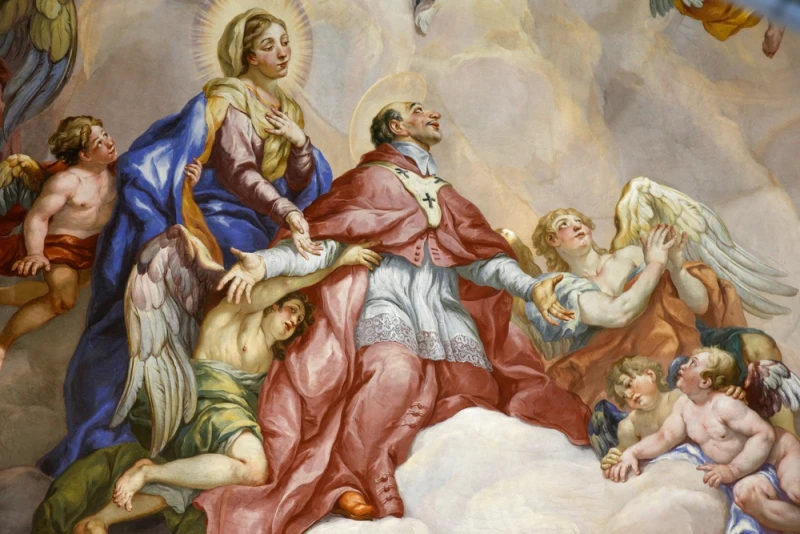
 The Intercession of Charles Borromeo supported by the Virgin Mary dome fresco by Johann Michael Rottmayr in St. Charles’s Church, Austria. / Credit: godongphoto/Shutterstock

CNA Staff, Nov 4, 2025 / 04:00 am (CNA).
St. Charles Borromeo, whose feast day the Catholic Church celebrates Nov. 4, was a cardinal and a prominent teacher of the Catholic faith. He generously donated much of his considerable wealth to charity and sacrificed his own health to help plague victims at a time when many other authorities fled.And, despite what you might have heard, he probably wasn’t obese.Why does that matter? Well, because Charles is popularly invoked as a patron saint of stomach ailments and also of obesity and dieting. These patronages — and whether or not he was himself obese — are not mentioned in hagiographies of St. Charles, so it’s unclear how this particular association began. Charles was known for helping the poor in times of famine and for practicing self-mortification, and he was certainly not known to indulge in food to excess.Whether or not his invocation by dieters is appropriate, what is clear is that St. Charles Borromeo had a massive influence on the Church.Charles was born in 1538 near Milan. He was born wealthy — in fact, he was part of the famously rich and influential Medici family — but sought to use his wealth to benefit the Church rather than himself.Owing in part to his well-connected family, Charles soon assumed staggering responsibilities, serving as a papal diplomat and supervisor of major religious orders.Charles was a central figure in the Council of Trent (1545–1563), which among other things served as the Church’s official answer to the Protestant Reformation. Its twofold mission was to clarify Catholic doctrine against Protestant objections and reform the Church internally against many long-standing problems. As a papal representative, Charles participated in the council’s conclusion in 1563, when he was only 25, and was ordained a priest during the council. He also played a leading role in assembling its comprehensive summary, the Catechism of the Council of Trent.Charles’ uncle, Pope Pius IV, appointed him archbishop of Milan in 1563, and soon after he became a cardinal. He found his diocese in a state of disintegration, after two generations of virtually no local administration or leadership. Charles got straight to work establishing schools, seminaries, and centers for religious life. He constantly directed the work of restoration of ecclesiastical discipline and the education of the young, even down to minute details. He tried as much as possible to live a simple life and give to the poor whenever possible, and he practiced self-mortification.The clergy during this time were in many cases lax and careless, living scandalous lives, such that the people had grown to be equally negligent and sinful. While bishop of Milan, St. Charles oversaw many dramatic and effective reforms of the clergy, the liturgy, and of religious education. He encountered much opposition to those reforms, so much so that a group of disgruntled monks attempted to kill him, but he was miraculously unharmed when an assassin fired a gun straight at him while kneeling in prayer at an altar.He was very active in preaching and ministry and was famous for bringing back many lapsed Catholics to the Church. As a result, today he is honored as the patron saint of catechists and catechumens, people who teach and learn the faith. In fact, he was the founder of the Confraternity of Christian Doctrine, which systematically instructed children in the faith — the forerunner of the modern “Sunday school.”In 1571, the region where Charles was working suffered a severe famine, during which he worked tirelessly to help the starving, supporting at his own expense as many as 3,000 people daily for three months. At the same time, Charles himself suffered various ailments, including a low fever.A few years later, a plague struck Milan. Charles was convinced that the plague was sent as a chastisement for sin and sought to give himself all the more to prayer and to service to his people. He paid personal visits to plague-stricken houses to comfort those suffering, and as a spiritual penance, he walked in procession, barefoot, with a rope around his neck and a relic in his hand.At the end of 1584 Charles suffered a skin infection in one of his legs but still continued to travel to take care of his diocese. He died young at the age of 46 on Nov. 3, 1584, and was canonized 26 years later, in 1610.This story was first published on Nov. 4, 2022, and has been updated.

St. Charles Borromeo: Patron saint of stomach ailments, dieting — and obesity? #Catholic The Intercession of Charles Borromeo supported by the Virgin Mary dome fresco by Johann Michael Rottmayr in St. Charles’s Church, Austria. / Credit: godongphoto/Shutterstock CNA Staff, Nov 4, 2025 / 04:00 am (CNA). St. Charles Borromeo, whose feast day the Catholic Church celebrates Nov. 4, was a cardinal and a prominent teacher of the Catholic faith. He generously donated much of his considerable wealth to charity and sacrificed his own health to help plague victims at a time when many other authorities fled.And, despite what you might have heard, he probably wasn’t obese.Why does that matter? Well, because Charles is popularly invoked as a patron saint of stomach ailments and also of obesity and dieting. These patronages — and whether or not he was himself obese — are not mentioned in hagiographies of St. Charles, so it’s unclear how this particular association began. Charles was known for helping the poor in times of famine and for practicing self-mortification, and he was certainly not known to indulge in food to excess.Whether or not his invocation by dieters is appropriate, what is clear is that St. Charles Borromeo had a massive influence on the Church.Charles was born in 1538 near Milan. He was born wealthy — in fact, he was part of the famously rich and influential Medici family — but sought to use his wealth to benefit the Church rather than himself.Owing in part to his well-connected family, Charles soon assumed staggering responsibilities, serving as a papal diplomat and supervisor of major religious orders.Charles was a central figure in the Council of Trent (1545–1563), which among other things served as the Church’s official answer to the Protestant Reformation. Its twofold mission was to clarify Catholic doctrine against Protestant objections and reform the Church internally against many long-standing problems. As a papal representative, Charles participated in the council’s conclusion in 1563, when he was only 25, and was ordained a priest during the council. He also played a leading role in assembling its comprehensive summary, the Catechism of the Council of Trent.Charles’ uncle, Pope Pius IV, appointed him archbishop of Milan in 1563, and soon after he became a cardinal. He found his diocese in a state of disintegration, after two generations of virtually no local administration or leadership. Charles got straight to work establishing schools, seminaries, and centers for religious life. He constantly directed the work of restoration of ecclesiastical discipline and the education of the young, even down to minute details. He tried as much as possible to live a simple life and give to the poor whenever possible, and he practiced self-mortification.The clergy during this time were in many cases lax and careless, living scandalous lives, such that the people had grown to be equally negligent and sinful. While bishop of Milan, St. Charles oversaw many dramatic and effective reforms of the clergy, the liturgy, and of religious education. He encountered much opposition to those reforms, so much so that a group of disgruntled monks attempted to kill him, but he was miraculously unharmed when an assassin fired a gun straight at him while kneeling in prayer at an altar.He was very active in preaching and ministry and was famous for bringing back many lapsed Catholics to the Church. As a result, today he is honored as the patron saint of catechists and catechumens, people who teach and learn the faith. In fact, he was the founder of the Confraternity of Christian Doctrine, which systematically instructed children in the faith — the forerunner of the modern “Sunday school.”In 1571, the region where Charles was working suffered a severe famine, during which he worked tirelessly to help the starving, supporting at his own expense as many as 3,000 people daily for three months. At the same time, Charles himself suffered various ailments, including a low fever.A few years later, a plague struck Milan. Charles was convinced that the plague was sent as a chastisement for sin and sought to give himself all the more to prayer and to service to his people. He paid personal visits to plague-stricken houses to comfort those suffering, and as a spiritual penance, he walked in procession, barefoot, with a rope around his neck and a relic in his hand.At the end of 1584 Charles suffered a skin infection in one of his legs but still continued to travel to take care of his diocese. He died young at the age of 46 on Nov. 3, 1584, and was canonized 26 years later, in 1610.This story was first published on Nov. 4, 2022, and has been updated.


The Intercession of Charles Borromeo supported by the Virgin Mary dome fresco by Johann Michael Rottmayr in St. Charles’s Church, Austria. / Credit: godongphoto/Shutterstock

CNA Staff, Nov 4, 2025 / 04:00 am (CNA).

St. Charles Borromeo, whose feast day the Catholic Church celebrates Nov. 4, was a cardinal and a prominent teacher of the Catholic faith. He generously donated much of his considerable wealth to charity and sacrificed his own health to help plague victims at a time when many other authorities fled.

And, despite what you might have heard, he probably wasn’t obese.

Why does that matter? Well, because Charles is popularly invoked as a patron saint of stomach ailments and also of obesity and dieting. These patronages — and whether or not he was himself obese — are not mentioned in hagiographies of St. Charles, so it’s unclear how this particular association began. Charles was known for helping the poor in times of famine and for practicing self-mortification, and he was certainly not known to indulge in food to excess.

Whether or not his invocation by dieters is appropriate, what is clear is that St. Charles Borromeo had a massive influence on the Church.

Charles was born in 1538 near Milan. He was born wealthy — in fact, he was part of the famously rich and influential Medici family — but sought to use his wealth to benefit the Church rather than himself.

Owing in part to his well-connected family, Charles soon assumed staggering responsibilities, serving as a papal diplomat and supervisor of major religious orders.

Charles was a central figure in the Council of Trent (1545–1563), which among other things served as the Church’s official answer to the Protestant Reformation. Its twofold mission was to clarify Catholic doctrine against Protestant objections and reform the Church internally against many long-standing problems. As a papal representative, Charles participated in the council’s conclusion in 1563, when he was only 25, and was ordained a priest during the council. He also played a leading role in assembling its comprehensive summary, the Catechism of the Council of Trent.

Charles’ uncle, Pope Pius IV, appointed him archbishop of Milan in 1563, and soon after he became a cardinal. He found his diocese in a state of disintegration, after two generations of virtually no local administration or leadership. Charles got straight to work establishing schools, seminaries, and centers for religious life. He constantly directed the work of restoration of ecclesiastical discipline and the education of the young, even down to minute details. He tried as much as possible to live a simple life and give to the poor whenever possible, and he practiced self-mortification.

The clergy during this time were in many cases lax and careless, living scandalous lives, such that the people had grown to be equally negligent and sinful. While bishop of Milan, St. Charles oversaw many dramatic and effective reforms of the clergy, the liturgy, and of religious education. He encountered much opposition to those reforms, so much so that a group of disgruntled monks attempted to kill him, but he was miraculously unharmed when an assassin fired a gun straight at him while kneeling in prayer at an altar.

He was very active in preaching and ministry and was famous for bringing back many lapsed Catholics to the Church. As a result, today he is honored as the patron saint of catechists and catechumens, people who teach and learn the faith. In fact, he was the founder of the Confraternity of Christian Doctrine, which systematically instructed children in the faith — the forerunner of the modern “Sunday school.”

In 1571, the region where Charles was working suffered a severe famine, during which he worked tirelessly to help the starving, supporting at his own expense as many as 3,000 people daily for three months. At the same time, Charles himself suffered various ailments, including a low fever.

A few years later, a plague struck Milan. Charles was convinced that the plague was sent as a chastisement for sin and sought to give himself all the more to prayer and to service to his people. He paid personal visits to plague-stricken houses to comfort those suffering, and as a spiritual penance, he walked in procession, barefoot, with a rope around his neck and a relic in his hand.

At the end of 1584 Charles suffered a skin infection in one of his legs but still continued to travel to take care of his diocese. He died young at the age of 46 on Nov. 3, 1584, and was canonized 26 years later, in 1610.

This story was first published on Nov. 4, 2022, and has been updated.

Read More