spring

College campus ministries register remarkable growth in baptisms, confirmations #Catholic 
 
 Mass at Arizona State University’s Newman Center chapel. / Credit: Photo courtesy of Father Bill Clements, director of ASU Newman Center

Ann Arbor, Michigan, Dec 15, 2025 / 07:00 am (CNA).
Several college campuses across the country are witnessing a notable rise in baptisms and confirmations among students. Catholic evangelists tell CNA that this growth reflects a deepening desire among young adults for certainty, stability, and faith amid today’s turbulent cultural landscape.For example, at Arizona State University, the Newman Center is experiencing its largest group of students entering the Church. Ryan Ayala, a former seminarian and campus minister who has served at ASU for three years, oversees the evangelization efforts. “This past semester, we welcomed 52 students into the Church at Christ the King Parish” in Mesa, Ayala said. “And we are expecting 50 more for the Easter Vigil this spring.” According to Ayala, this year marked a record number of students received into the Catholic Church at ASU.Each year, ASU’s campus ministry prepares students for baptism, confirmation, and full communion through a fall vigil held in collaboration with Christ the King Parish. Students enter the Church from a wide range of backgrounds: Some encounter Christianity for the first time, others come from Protestant communities, and still others are baptized Catholics preparing to complete their sacraments. Yailen Cho (at left) was one of 52 Arizona State University students received into the Church last month. Credit: Photo courtesy of Yailen ChoThis year’s group included eight catechumens who were baptized, 26 Christians who made affirmations of faith, and a significant number of Catholics who received confirmation. The ceremony took place on the feast of Christ the King, Nov. 23.Ayala attributes the growth in part to simple, consistent outreach. “No phone call goes unanswered,” he said. Students come from Lutheran, Methodist, Presbyterian, and nondenominational evangelical backgrounds. Those not yet baptized often come from nonreligious homes, and two identified as atheists. One Muslim student is expected to join the program in January. ASU enrolls approximately 200,000 students.Overall, participation in ASU’s OCIA (Order of Christian Initiation of Adults) program has more than doubled. “This is by far the biggest class we’ve had,” Ayala said.Supporting this expansion are missionaries from the Fellowship of Catholic University Students (FOCUS), who lead Bible studies and accompany students in their growing faith. Ayala supervises the missionaries and has completed FOCUS formation himself. The Newman Center offers a focused nine-week OCIA process — shorter than the traditional yearlong program — requiring weekly sessions alongside FOCUS Bible studies.Reflecting on the surge of interest, Ayala sees both cultural and pastoral dynamics at work. “Two things are going on in this surge. There’s a trend in Gen Z. They are asking deeper, philosophical, and theological questions. Some students were shaken up by the shooting of Charlie Kirk. The other thing is simply responding to emails. I ask my staff to be diligent to inquirers. The most important thing is to respond and give them clarity about how to become Catholic.”“Our main strategy is to have an urgency to respond to them,” he added. “It was so moving to see all those students from other faith traditions stand up and make the commitment to become Catholic.” Ayala also noted the role of Catholic media, highlighting one student influenced by Father Mike Schmitz’s online ministry. He further praised the spiritual guidance of Father Bill Clements, who leads the Newman Center. “He does a great job humanizing the priesthood but also removing a lot of the anxieties that newcomers to the faith may have.”Clements, who has directed the Newman Center for 15 years, reports that about 400 students participate in weekly FOCUS Bible studies, and approximately 1,500 attend one of the six weekend Masses. He said he has seen a clear shift in the past two years. “In the last two years, a switch was flipped. I think people are tired of crazy. They’re hungry for some direction, truth, goodness, and beauty. We have one of the most beautiful Newman chapels in the country,” he said, “and that has been a huge attraction.”To meet the growing demand, Clements expanded the OCIA schedule. “I revamped the OCIA process here. When people would hit me up at this time of year, I would have to tell them that we start that in the fall. But I couldn’t stand making people wait. So now I have three sessions: fall, spring, and summer.” He credited FOCUS missionaries for their close accompaniment of students. “They appeal to students. It affords students a chance to connect with other Catholics, and it’s been instrumental in reviving interest in the Church. The missionaries work hard,” he said.One student, Yailen Cho, received baptism and confirmation on Nov. 23 at the ASU Newman Chapel. She told CNA: “I didn’t grow up very religious at all. My dad became Catholic two years ago, but I didn’t have any religious background.” Cho now regularly attends Mass and says the FOCUS program helped deepen her reading of the Gospels. Reflecting on her journey, she shared: “I’d had a prayer relationship with God for a while, and I had prayed that my heart would be softened towards God.” After wrestling with questions of faith, she reached out to the Newman Center, which she said she found “very warm and welcoming.” Directing a message to others considering the Catholic faith, she said: “I want everyone to be happy, and I want to be happy. If you live by the Word, as the Bible says, you can be happy in heaven forever.”Meanwhile, in Michigan and NebraskaSimilar momentum is evident at the University of Michigan in Ann Arbor. Rita Zyber, OCIA coordinator at St. Mary Student Parish, said 50 students are currently preparing to enter the Church. Last Easter, 30 students were received, compared with about 20 in 2024.With daily liturgies and seven weekend Masses, the parish remains consistently full. One Mass was added this year to accommodate greater attendance. “They are packed,” Zyber said.Reflecting on the increase, she noted: “There is so much chaos in the world. They are looking for structure, stability, and some grounding in God.”The parish is staffed by Jesuit priests whose Ignatian spirituality resonates strongly with students, Zyber said. She added that other campus and parish OCIA programs across Michigan are seeing similar growth.In a report last month in the National Catholic Register, CNA’s sister news partner, Father Ryan Kaup, pastor of St. Thomas Aquinas Church and Newman Center at the University of Nebraska-Lincoln, characterized the current situation as “a golden age of campus ministry.” Kaup reported that this past spring, 72 converts entered the Church at the Easter Vigil. So far this semester, they already have 125 students interested in joining the Church, he said.

College campus ministries register remarkable growth in baptisms, confirmations #Catholic Mass at Arizona State University’s Newman Center chapel. / Credit: Photo courtesy of Father Bill Clements, director of ASU Newman Center Ann Arbor, Michigan, Dec 15, 2025 / 07:00 am (CNA). Several college campuses across the country are witnessing a notable rise in baptisms and confirmations among students. Catholic evangelists tell CNA that this growth reflects a deepening desire among young adults for certainty, stability, and faith amid today’s turbulent cultural landscape.For example, at Arizona State University, the Newman Center is experiencing its largest group of students entering the Church. Ryan Ayala, a former seminarian and campus minister who has served at ASU for three years, oversees the evangelization efforts. “This past semester, we welcomed 52 students into the Church at Christ the King Parish” in Mesa, Ayala said. “And we are expecting 50 more for the Easter Vigil this spring.” According to Ayala, this year marked a record number of students received into the Catholic Church at ASU.Each year, ASU’s campus ministry prepares students for baptism, confirmation, and full communion through a fall vigil held in collaboration with Christ the King Parish. Students enter the Church from a wide range of backgrounds: Some encounter Christianity for the first time, others come from Protestant communities, and still others are baptized Catholics preparing to complete their sacraments. Yailen Cho (at left) was one of 52 Arizona State University students received into the Church last month. Credit: Photo courtesy of Yailen ChoThis year’s group included eight catechumens who were baptized, 26 Christians who made affirmations of faith, and a significant number of Catholics who received confirmation. The ceremony took place on the feast of Christ the King, Nov. 23.Ayala attributes the growth in part to simple, consistent outreach. “No phone call goes unanswered,” he said. Students come from Lutheran, Methodist, Presbyterian, and nondenominational evangelical backgrounds. Those not yet baptized often come from nonreligious homes, and two identified as atheists. One Muslim student is expected to join the program in January. ASU enrolls approximately 200,000 students.Overall, participation in ASU’s OCIA (Order of Christian Initiation of Adults) program has more than doubled. “This is by far the biggest class we’ve had,” Ayala said.Supporting this expansion are missionaries from the Fellowship of Catholic University Students (FOCUS), who lead Bible studies and accompany students in their growing faith. Ayala supervises the missionaries and has completed FOCUS formation himself. The Newman Center offers a focused nine-week OCIA process — shorter than the traditional yearlong program — requiring weekly sessions alongside FOCUS Bible studies.Reflecting on the surge of interest, Ayala sees both cultural and pastoral dynamics at work. “Two things are going on in this surge. There’s a trend in Gen Z. They are asking deeper, philosophical, and theological questions. Some students were shaken up by the shooting of Charlie Kirk. The other thing is simply responding to emails. I ask my staff to be diligent to inquirers. The most important thing is to respond and give them clarity about how to become Catholic.”“Our main strategy is to have an urgency to respond to them,” he added. “It was so moving to see all those students from other faith traditions stand up and make the commitment to become Catholic.” Ayala also noted the role of Catholic media, highlighting one student influenced by Father Mike Schmitz’s online ministry. He further praised the spiritual guidance of Father Bill Clements, who leads the Newman Center. “He does a great job humanizing the priesthood but also removing a lot of the anxieties that newcomers to the faith may have.”Clements, who has directed the Newman Center for 15 years, reports that about 400 students participate in weekly FOCUS Bible studies, and approximately 1,500 attend one of the six weekend Masses. He said he has seen a clear shift in the past two years. “In the last two years, a switch was flipped. I think people are tired of crazy. They’re hungry for some direction, truth, goodness, and beauty. We have one of the most beautiful Newman chapels in the country,” he said, “and that has been a huge attraction.”To meet the growing demand, Clements expanded the OCIA schedule. “I revamped the OCIA process here. When people would hit me up at this time of year, I would have to tell them that we start that in the fall. But I couldn’t stand making people wait. So now I have three sessions: fall, spring, and summer.” He credited FOCUS missionaries for their close accompaniment of students. “They appeal to students. It affords students a chance to connect with other Catholics, and it’s been instrumental in reviving interest in the Church. The missionaries work hard,” he said.One student, Yailen Cho, received baptism and confirmation on Nov. 23 at the ASU Newman Chapel. She told CNA: “I didn’t grow up very religious at all. My dad became Catholic two years ago, but I didn’t have any religious background.” Cho now regularly attends Mass and says the FOCUS program helped deepen her reading of the Gospels. Reflecting on her journey, she shared: “I’d had a prayer relationship with God for a while, and I had prayed that my heart would be softened towards God.” After wrestling with questions of faith, she reached out to the Newman Center, which she said she found “very warm and welcoming.” Directing a message to others considering the Catholic faith, she said: “I want everyone to be happy, and I want to be happy. If you live by the Word, as the Bible says, you can be happy in heaven forever.”Meanwhile, in Michigan and NebraskaSimilar momentum is evident at the University of Michigan in Ann Arbor. Rita Zyber, OCIA coordinator at St. Mary Student Parish, said 50 students are currently preparing to enter the Church. Last Easter, 30 students were received, compared with about 20 in 2024.With daily liturgies and seven weekend Masses, the parish remains consistently full. One Mass was added this year to accommodate greater attendance. “They are packed,” Zyber said.Reflecting on the increase, she noted: “There is so much chaos in the world. They are looking for structure, stability, and some grounding in God.”The parish is staffed by Jesuit priests whose Ignatian spirituality resonates strongly with students, Zyber said. She added that other campus and parish OCIA programs across Michigan are seeing similar growth.In a report last month in the National Catholic Register, CNA’s sister news partner, Father Ryan Kaup, pastor of St. Thomas Aquinas Church and Newman Center at the University of Nebraska-Lincoln, characterized the current situation as “a golden age of campus ministry.” Kaup reported that this past spring, 72 converts entered the Church at the Easter Vigil. So far this semester, they already have 125 students interested in joining the Church, he said.


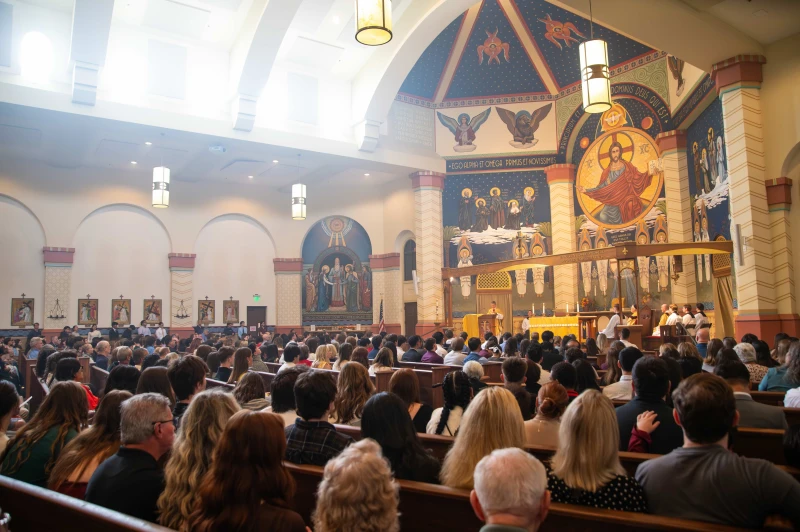
Mass at Arizona State University’s Newman Center chapel. / Credit: Photo courtesy of Father Bill Clements, director of ASU Newman Center

Ann Arbor, Michigan, Dec 15, 2025 / 07:00 am (CNA).

Several college campuses across the country are witnessing a notable rise in baptisms and confirmations among students. Catholic evangelists tell CNA that this growth reflects a deepening desire among young adults for certainty, stability, and faith amid today’s turbulent cultural landscape.

For example, at Arizona State University, the Newman Center is experiencing its largest group of students entering the Church. Ryan Ayala, a former seminarian and campus minister who has served at ASU for three years, oversees the evangelization efforts. 

“This past semester, we welcomed 52 students into the Church at Christ the King Parish” in Mesa, Ayala said. “And we are expecting 50 more for the Easter Vigil this spring.” According to Ayala, this year marked a record number of students received into the Catholic Church at ASU.

Each year, ASU’s campus ministry prepares students for baptism, confirmation, and full communion through a fall vigil held in collaboration with Christ the King Parish. Students enter the Church from a wide range of backgrounds: Some encounter Christianity for the first time, others come from Protestant communities, and still others are baptized Catholics preparing to complete their sacraments. 

Yailen Cho (at left) was one of 52 Arizona State University students received into the Church last month. Credit: Photo courtesy of Yailen Cho

This year’s group included eight catechumens who were baptized, 26 Christians who made affirmations of faith, and a significant number of Catholics who received confirmation. The ceremony took place on the feast of Christ the King, Nov. 23.

Ayala attributes the growth in part to simple, consistent outreach. “No phone call goes unanswered,” he said. Students come from Lutheran, Methodist, Presbyterian, and nondenominational evangelical backgrounds. Those not yet baptized often come from nonreligious homes, and two identified as atheists. One Muslim student is expected to join the program in January. ASU enrolls approximately 200,000 students.

Overall, participation in ASU’s OCIA (Order of Christian Initiation of Adults) program has more than doubled. “This is by far the biggest class we’ve had,” Ayala said.

Supporting this expansion are missionaries from the Fellowship of Catholic University Students (FOCUS), who lead Bible studies and accompany students in their growing faith. Ayala supervises the missionaries and has completed FOCUS formation himself. The Newman Center offers a focused nine-week OCIA process — shorter than the traditional yearlong program — requiring weekly sessions alongside FOCUS Bible studies.

Reflecting on the surge of interest, Ayala sees both cultural and pastoral dynamics at work. “Two things are going on in this surge. There’s a trend in Gen Z. They are asking deeper, philosophical, and theological questions. Some students were shaken up by the shooting of Charlie Kirk. The other thing is simply responding to emails. I ask my staff to be diligent to inquirers. The most important thing is to respond and give them clarity about how to become Catholic.”

“Our main strategy is to have an urgency to respond to them,” he added. “It was so moving to see all those students from other faith traditions stand up and make the commitment to become Catholic.”

Ayala also noted the role of Catholic media, highlighting one student influenced by Father Mike Schmitz’s online ministry. He further praised the spiritual guidance of Father Bill Clements, who leads the Newman Center. “He does a great job humanizing the priesthood but also removing a lot of the anxieties that newcomers to the faith may have.”

Clements, who has directed the Newman Center for 15 years, reports that about 400 students participate in weekly FOCUS Bible studies, and approximately 1,500 attend one of the six weekend Masses. He said he has seen a clear shift in the past two years.

“In the last two years, a switch was flipped. I think people are tired of crazy. They’re hungry for some direction, truth, goodness, and beauty. We have one of the most beautiful Newman chapels in the country,” he said, “and that has been a huge attraction.”

To meet the growing demand, Clements expanded the OCIA schedule. “I revamped the OCIA process here. When people would hit me up at this time of year, I would have to tell them that we start that in the fall. But I couldn’t stand making people wait. So now I have three sessions: fall, spring, and summer.”

He credited FOCUS missionaries for their close accompaniment of students. “They appeal to students. It affords students a chance to connect with other Catholics, and it’s been instrumental in reviving interest in the Church. The missionaries work hard,” he said.

One student, Yailen Cho, received baptism and confirmation on Nov. 23 at the ASU Newman Chapel. She told CNA: “I didn’t grow up very religious at all. My dad became Catholic two years ago, but I didn’t have any religious background.” 

Cho now regularly attends Mass and says the FOCUS program helped deepen her reading of the Gospels. Reflecting on her journey, she shared: “I’d had a prayer relationship with God for a while, and I had prayed that my heart would be softened towards God.”

After wrestling with questions of faith, she reached out to the Newman Center, which she said she found “very warm and welcoming.”

Directing a message to others considering the Catholic faith, she said: “I want everyone to be happy, and I want to be happy. If you live by the Word, as the Bible says, you can be happy in heaven forever.”

Meanwhile, in Michigan and Nebraska

Similar momentum is evident at the University of Michigan in Ann Arbor. Rita Zyber, OCIA coordinator at St. Mary Student Parish, said 50 students are currently preparing to enter the Church. Last Easter, 30 students were received, compared with about 20 in 2024.

With daily liturgies and seven weekend Masses, the parish remains consistently full. One Mass was added this year to accommodate greater attendance. “They are packed,” Zyber said.

Reflecting on the increase, she noted: “There is so much chaos in the world. They are looking for structure, stability, and some grounding in God.”

The parish is staffed by Jesuit priests whose Ignatian spirituality resonates strongly with students, Zyber said. She added that other campus and parish OCIA programs across Michigan are seeing similar growth.

In a report last month in the National Catholic Register, CNA’s sister news partner, Father Ryan Kaup, pastor of St. Thomas Aquinas Church and Newman Center at the University of Nebraska-Lincoln, characterized the current situation as “a golden age of campus ministry.”

Kaup reported that this past spring, 72 converts entered the Church at the Easter Vigil. So far this semester, they already have 125 students interested in joining the Church, he said.

Read More
Catholic schools fare better in states with voucher programs #Catholic 
 
 null / Credit: RasyidArt, Shutterstock

CNA Staff, Nov 4, 2025 / 06:30 am (CNA).
Catholic schools are faring much better in dioceses in which state-funded voucher programs are available for parents to use to pay school tuition, one researcher has found, though enrollment is still declining in most places.John F. Quinn, a historian at Salve Regina University in Rhode Island, examined six Catholic dioceses over the last 16 years — three in states with voucher programs and three in states without them — and found that parochial schools are benefiting from vouchers.He presented his research at the Society of Catholic Social Scientists’ annual conference at Franciscan University of Steubenville, Ohio, in October.Quinn found that since 2009, the dioceses of Providence, Rhode Island; Fall River, Massachusetts; and Rockford, Illinois — none of which are located in states with voucher programs — have seen school closures and drops, some very large, in their parochial school enrollment.Providence schools have seen a two-thirds drop, from 16,000 students in 2009 to about 10,000 in 2025, according to the historian. The Diocese of Fall River, meanwhile, saw a 36% drop in enrollment, going from 7,800 students in 2009 to 5,000 in 2025. Rockford’s diocese saw a precipitous 52% drop, with 15,500 students in 2009 and 7,400 today. All three dioceses also saw multiple parochial school closures.The numbers are very different in the dioceses in states that have voucher programs.According to Quinn, the Archdiocese of Indianapolis only saw its enrollment numbers drop 3% since 2009. Nearly 23,000 were enrolled in its parochial schools in 2009, and the number stands at 22,300 today. The overall population of the archdiocese has also dropped 5% over the same time period, he noted.  Indiana’s Choice Scholarship Program was launched in 2011 and expanded to nearly all residents in 2025.Two other dioceses, Orlando and Venice, are both in Florida, a state that approved its voucher program in 1999 and expanded it significantly in 2023.The Diocese of Orlando has seen a 13% drop, going from 14,500 students in 2009 to 12,750 in 2025.The Diocese of Venice, a relatively new one established in 1984, has seen a 52% increase in parish school enrollment since 2009 and growth in its number of parochial schools. In 2009, 4,400 students attended three high schools and 10 elementary schools, and today there are four high schools and 12 elementary schools with an enrollment of 6,800.Quinn acknowledged that Florida has a growing population but said even taking that into account, the voucher programs have indisputably aided the Catholic schools there.“We are full up with nearly every school at capacity,” Father John Belmonte, SJ, Diocese of Venice Superintendent of Catholic Education, said in September.History of parochial schooling“America’s Catholic leaders have long seen parochial schools as critical to the well-being of the Church in America,” Quinn noted. He recalled the Third Plenary Council of Baltimore in 1884, at which the bishops “called for every parish to have a school and for all Catholic parents to send their children” to them.Quinn noted that pastors would sometimes build a parish school first before completing the church building.In 1965, the high point of parochial school enrollment, 52% of American Catholic children, or 5.2 million students, were enrolled at 13,000 Catholic grammar and high schools. Quinn cited the National Catholic Educational Association’s annual report, released in the spring, that showed just under 1.7 million students are currently enrolled in the nation’s current 8,500 parochial schools.In 1965, nearly 70% of all parochial school teachers, or 115,607, were religious sisters, priests, or brothers, according to the Cardinal Newman Society. By 1990, only 2.5% of parochial school faculty were priests or religious, and that number remains the same today.Quinn said costs started rising as more lay teachers replaced religious and priests in the classroom.

Catholic schools fare better in states with voucher programs #Catholic null / Credit: RasyidArt, Shutterstock CNA Staff, Nov 4, 2025 / 06:30 am (CNA). Catholic schools are faring much better in dioceses in which state-funded voucher programs are available for parents to use to pay school tuition, one researcher has found, though enrollment is still declining in most places.John F. Quinn, a historian at Salve Regina University in Rhode Island, examined six Catholic dioceses over the last 16 years — three in states with voucher programs and three in states without them — and found that parochial schools are benefiting from vouchers.He presented his research at the Society of Catholic Social Scientists’ annual conference at Franciscan University of Steubenville, Ohio, in October.Quinn found that since 2009, the dioceses of Providence, Rhode Island; Fall River, Massachusetts; and Rockford, Illinois — none of which are located in states with voucher programs — have seen school closures and drops, some very large, in their parochial school enrollment.Providence schools have seen a two-thirds drop, from 16,000 students in 2009 to about 10,000 in 2025, according to the historian. The Diocese of Fall River, meanwhile, saw a 36% drop in enrollment, going from 7,800 students in 2009 to 5,000 in 2025. Rockford’s diocese saw a precipitous 52% drop, with 15,500 students in 2009 and 7,400 today. All three dioceses also saw multiple parochial school closures.The numbers are very different in the dioceses in states that have voucher programs.According to Quinn, the Archdiocese of Indianapolis only saw its enrollment numbers drop 3% since 2009. Nearly 23,000 were enrolled in its parochial schools in 2009, and the number stands at 22,300 today. The overall population of the archdiocese has also dropped 5% over the same time period, he noted.  Indiana’s Choice Scholarship Program was launched in 2011 and expanded to nearly all residents in 2025.Two other dioceses, Orlando and Venice, are both in Florida, a state that approved its voucher program in 1999 and expanded it significantly in 2023.The Diocese of Orlando has seen a 13% drop, going from 14,500 students in 2009 to 12,750 in 2025.The Diocese of Venice, a relatively new one established in 1984, has seen a 52% increase in parish school enrollment since 2009 and growth in its number of parochial schools. In 2009, 4,400 students attended three high schools and 10 elementary schools, and today there are four high schools and 12 elementary schools with an enrollment of 6,800.Quinn acknowledged that Florida has a growing population but said even taking that into account, the voucher programs have indisputably aided the Catholic schools there.“We are full up with nearly every school at capacity,” Father John Belmonte, SJ, Diocese of Venice Superintendent of Catholic Education, said in September.History of parochial schooling“America’s Catholic leaders have long seen parochial schools as critical to the well-being of the Church in America,” Quinn noted. He recalled the Third Plenary Council of Baltimore in 1884, at which the bishops “called for every parish to have a school and for all Catholic parents to send their children” to them.Quinn noted that pastors would sometimes build a parish school first before completing the church building.In 1965, the high point of parochial school enrollment, 52% of American Catholic children, or 5.2 million students, were enrolled at 13,000 Catholic grammar and high schools. Quinn cited the National Catholic Educational Association’s annual report, released in the spring, that showed just under 1.7 million students are currently enrolled in the nation’s current 8,500 parochial schools.In 1965, nearly 70% of all parochial school teachers, or 115,607, were religious sisters, priests, or brothers, according to the Cardinal Newman Society. By 1990, only 2.5% of parochial school faculty were priests or religious, and that number remains the same today.Quinn said costs started rising as more lay teachers replaced religious and priests in the classroom.


null / Credit: RasyidArt, Shutterstock

CNA Staff, Nov 4, 2025 / 06:30 am (CNA).

Catholic schools are faring much better in dioceses in which state-funded voucher programs are available for parents to use to pay school tuition, one researcher has found, though enrollment is still declining in most places.

John F. Quinn, a historian at Salve Regina University in Rhode Island, examined six Catholic dioceses over the last 16 years — three in states with voucher programs and three in states without them — and found that parochial schools are benefiting from vouchers.

He presented his research at the Society of Catholic Social Scientists’ annual conference at Franciscan University of Steubenville, Ohio, in October.

Quinn found that since 2009, the dioceses of Providence, Rhode Island; Fall River, Massachusetts; and Rockford, Illinois — none of which are located in states with voucher programs — have seen school closures and drops, some very large, in their parochial school enrollment.

Providence schools have seen a two-thirds drop, from 16,000 students in 2009 to about 10,000 in 2025, according to the historian. 

The Diocese of Fall River, meanwhile, saw a 36% drop in enrollment, going from 7,800 students in 2009 to 5,000 in 2025. Rockford’s diocese saw a precipitous 52% drop, with 15,500 students in 2009 and 7,400 today. All three dioceses also saw multiple parochial school closures.

The numbers are very different in the dioceses in states that have voucher programs.

According to Quinn, the Archdiocese of Indianapolis only saw its enrollment numbers drop 3% since 2009. Nearly 23,000 were enrolled in its parochial schools in 2009, and the number stands at 22,300 today. The overall population of the archdiocese has also dropped 5% over the same time period, he noted.  

Indiana’s Choice Scholarship Program was launched in 2011 and expanded to nearly all residents in 2025.

Two other dioceses, Orlando and Venice, are both in Florida, a state that approved its voucher program in 1999 and expanded it significantly in 2023.

The Diocese of Orlando has seen a 13% drop, going from 14,500 students in 2009 to 12,750 in 2025.

The Diocese of Venice, a relatively new one established in 1984, has seen a 52% increase in parish school enrollment since 2009 and growth in its number of parochial schools. In 2009, 4,400 students attended three high schools and 10 elementary schools, and today there are four high schools and 12 elementary schools with an enrollment of 6,800.

Quinn acknowledged that Florida has a growing population but said even taking that into account, the voucher programs have indisputably aided the Catholic schools there.

“We are full up with nearly every school at capacity,” Father John Belmonte, SJ, Diocese of Venice Superintendent of Catholic Education, said in September.

History of parochial schooling

“America’s Catholic leaders have long seen parochial schools as critical to the well-being of the Church in America,” Quinn noted. 

He recalled the Third Plenary Council of Baltimore in 1884, at which the bishops “called for every parish to have a school and for all Catholic parents to send their children” to them.

Quinn noted that pastors would sometimes build a parish school first before completing the church building.

In 1965, the high point of parochial school enrollment, 52% of American Catholic children, or 5.2 million students, were enrolled at 13,000 Catholic grammar and high schools. 

Quinn cited the National Catholic Educational Association’s annual report, released in the spring, that showed just under 1.7 million students are currently enrolled in the nation’s current 8,500 parochial schools.

In 1965, nearly 70% of all parochial school teachers, or 115,607, were religious sisters, priests, or brothers, according to the Cardinal Newman Society. 

By 1990, only 2.5% of parochial school faculty were priests or religious, and that number remains the same today.

Quinn said costs started rising as more lay teachers replaced religious and priests in the classroom.

Read More
Picture of the day


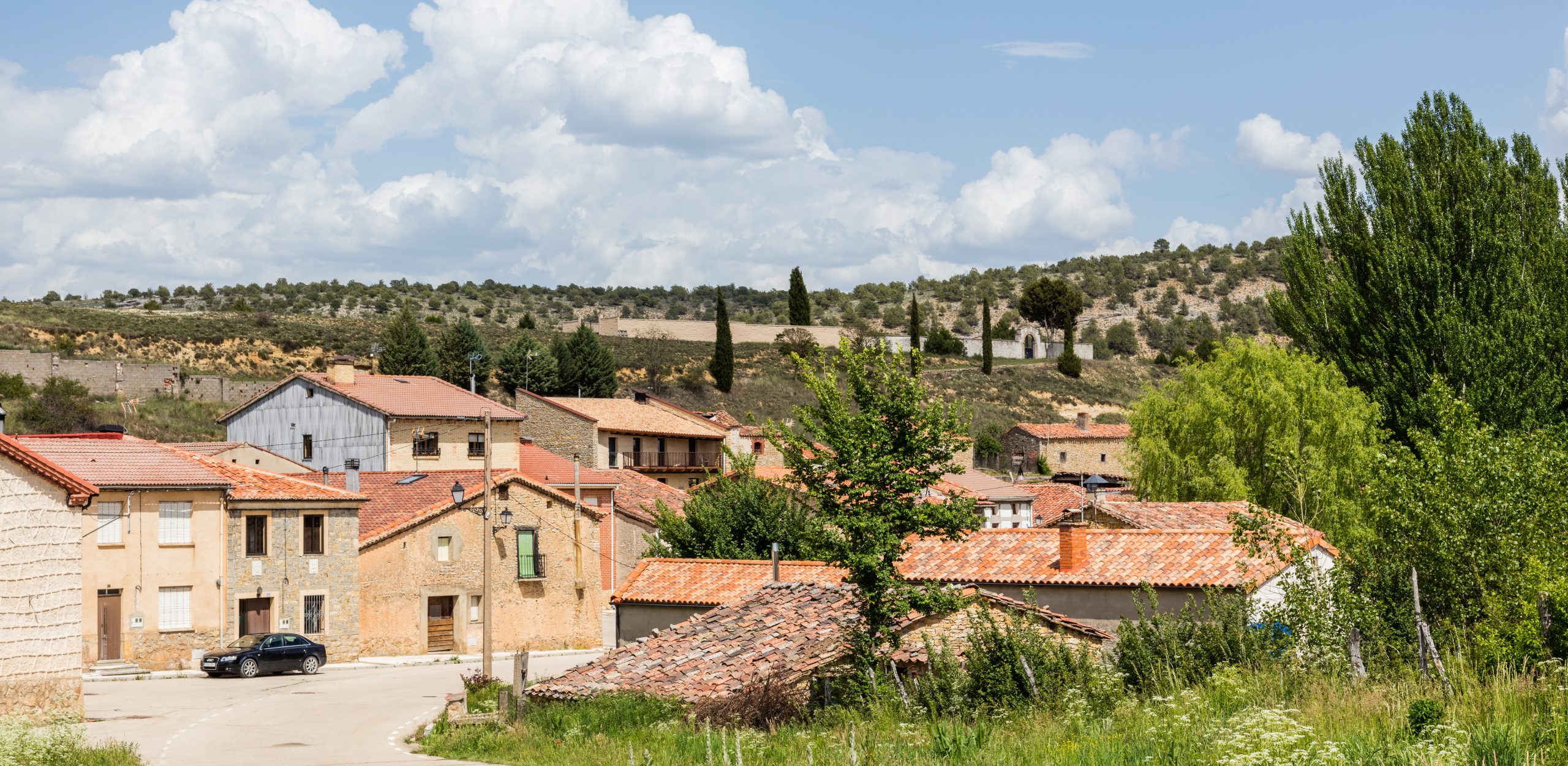
La Fuentona, Muriel de la Fuente, Soria, Spain. The natural spring is a natural monument since 1998. There are only 6 such monuments in the Community of Castile and León (the biggest in Spain by surface).
 #ImageOfTheDay
Picture of the day
La Fuentona, Muriel de la Fuente, Soria, Spain. The natural spring is a natural monument since 1998. There are only 6 such monuments in the Community of Castile and León (the biggest in Spain by surface).
Read More
Picture of the day


Common cuttlefish (Sepia officinalis), Arrábida National Park, Portugal. The common cuttlefish is one of the largest and best-known cuttlefish species. They are a migratory species that spend the summer and spring inshore for spawning and then move to depths of 100 to 200m during autumn and winter. They only have a lifespan of 1–2 years and have many predators including sharks, dolphins, seals, fish, and cephalopods which includes other cuttlefish. During the day, most cuttlefish can be found buried below the substrate and fairly inactive. At night however, they are actively searching for prey and can ambush them from under the substrate. Cuttlefish are carnivorous and eat a variety of organisms including crustaceans (crabs and shrimp), small fish, molluscs (clams and snails), and sometimes other cuttlefish.
 #ImageOfTheDay
Picture of the day
Common cuttlefish (Sepia officinalis), Arrábida National Park, Portugal. The common cuttlefish is one of the largest and best-known cuttlefish species. They are a migratory species that spend the summer and spring inshore for spawning and then move to depths of 100 to 200m during autumn and winter. They only have a lifespan of 1–2 years and have many predators including sharks, dolphins, seals, fish, and cephalopods which includes other cuttlefish. During the day, most cuttlefish can be found buried below the substrate and fairly inactive. At night however, they are actively searching for prey and can ambush them from under the substrate. Cuttlefish are carnivorous and eat a variety of organisms including crustaceans (crabs and shrimp), small fish, molluscs (clams and snails), and sometimes other cuttlefish.
Read More