Title

Why is the Immaculate Conception patroness of the United States? #Catholic 
 
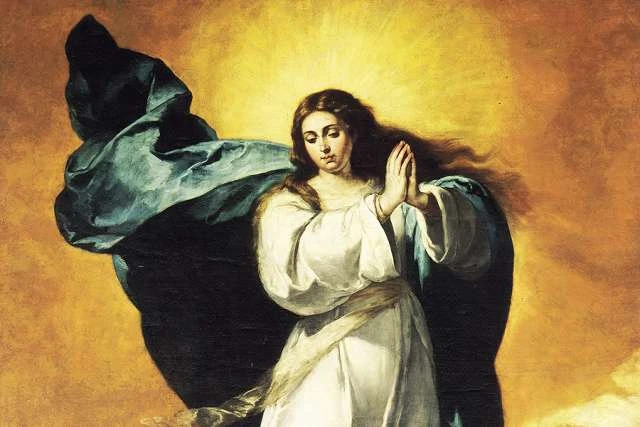
 Mary the Immaculate Conception. / Credit: Bartolomé Esteban Murillo, Public domain, via Wikimedia Commons

CNA Newsroom, Dec 8, 2025 / 04:00 am (CNA).
Mary, under her title of the Immaculate Conception, has been patroness of the United States since the mid-19th century. But her protection of the nation dates back to its earliest history. One of the first Catholic churches in what is now the United States was dedicated to the Immaculate Conception in 1584: the now-Basilica of the Immaculate Conception in Jacksonville, Florida. John Carroll, the first bishop in the United States, had a great devotion to the Blessed Virgin Mary. In 1792, he placed the Diocese of Baltimore — which encompassed the 13 colonies of the young republic — under her protection.Over the next 50 years, seven more dioceses were created, including New Orleans, Boston, Chicago, and Oregon City.“The colonies were now the U.S.A., and Baltimore was not the only diocese — so, the American hierarchy felt a need for a national protectress for this new republic,” said Geraldine M. Rohling, archivist-curator emerita for the Basilica of the National Shrine of the Immaculate Conception in Washington, D.C.U.S. bishops unanimously named Mary, under her title of the Immaculate Conception, patroness of the nation in 1846 during the Sixth Provincial Council of Baltimore. “We take this occasion, brethren, to communicate to you the determination, unanimously adopted by us, to place ourselves, and all entrusted to our charge throughout the United States, under the special patronage of the holy Mother of God, whose immaculate conception is venerated by the piety of the faithful throughout the Catholic Church. … To her, then, we commend you, in the confidence that … she will obtain for us grace and salvation,” the bishops wrote in a letter at the time.Blessed Pius IX approved the declaration in 1847.The Immaculate Conception refers to Mary being conceived without original sin. Today, it is a dogma of the Catholic Church. But back in 1846, it was not. Pius IX would promulgate the dogma of the Immaculate Conception in 1854, and many believe the U.S. bishops’ declaration may have influenced the pope’s decision. The largest Marian shrine in the United States is dedicated to the Immaculate Conception — the Basilica of the National Shrine of the Immaculate Conception in Washington, D.C. The first public Mass for the National Shrine was celebrated on the feast of the Immaculate Conception in 1917, though the shrine was not yet constructed. The Immaculate Conception is also patroness of several other countries, including Spain, South Korea, Brazil, and the Philippines. The solemnity of the Immaculate Conception is celebrated Dec. 8, nine months before the feast of the Nativity of Mary. It is a holy day of obligation in some countries, including the United States, Ireland, and the Philippines.This story was first published on Dec. 8, 2021, and has been updated.

Why is the Immaculate Conception patroness of the United States? #Catholic Mary the Immaculate Conception. / Credit: Bartolomé Esteban Murillo, Public domain, via Wikimedia Commons CNA Newsroom, Dec 8, 2025 / 04:00 am (CNA). Mary, under her title of the Immaculate Conception, has been patroness of the United States since the mid-19th century. But her protection of the nation dates back to its earliest history. One of the first Catholic churches in what is now the United States was dedicated to the Immaculate Conception in 1584: the now-Basilica of the Immaculate Conception in Jacksonville, Florida. John Carroll, the first bishop in the United States, had a great devotion to the Blessed Virgin Mary. In 1792, he placed the Diocese of Baltimore — which encompassed the 13 colonies of the young republic — under her protection.Over the next 50 years, seven more dioceses were created, including New Orleans, Boston, Chicago, and Oregon City.“The colonies were now the U.S.A., and Baltimore was not the only diocese — so, the American hierarchy felt a need for a national protectress for this new republic,” said Geraldine M. Rohling, archivist-curator emerita for the Basilica of the National Shrine of the Immaculate Conception in Washington, D.C.U.S. bishops unanimously named Mary, under her title of the Immaculate Conception, patroness of the nation in 1846 during the Sixth Provincial Council of Baltimore. “We take this occasion, brethren, to communicate to you the determination, unanimously adopted by us, to place ourselves, and all entrusted to our charge throughout the United States, under the special patronage of the holy Mother of God, whose immaculate conception is venerated by the piety of the faithful throughout the Catholic Church. … To her, then, we commend you, in the confidence that … she will obtain for us grace and salvation,” the bishops wrote in a letter at the time.Blessed Pius IX approved the declaration in 1847.The Immaculate Conception refers to Mary being conceived without original sin. Today, it is a dogma of the Catholic Church. But back in 1846, it was not. Pius IX would promulgate the dogma of the Immaculate Conception in 1854, and many believe the U.S. bishops’ declaration may have influenced the pope’s decision. The largest Marian shrine in the United States is dedicated to the Immaculate Conception — the Basilica of the National Shrine of the Immaculate Conception in Washington, D.C. The first public Mass for the National Shrine was celebrated on the feast of the Immaculate Conception in 1917, though the shrine was not yet constructed. The Immaculate Conception is also patroness of several other countries, including Spain, South Korea, Brazil, and the Philippines. The solemnity of the Immaculate Conception is celebrated Dec. 8, nine months before the feast of the Nativity of Mary. It is a holy day of obligation in some countries, including the United States, Ireland, and the Philippines.This story was first published on Dec. 8, 2021, and has been updated.


Mary the Immaculate Conception. / Credit: Bartolomé Esteban Murillo, Public domain, via Wikimedia Commons

CNA Newsroom, Dec 8, 2025 / 04:00 am (CNA).

Mary, under her title of the Immaculate Conception, has been patroness of the United States since the mid-19th century. But her protection of the nation dates back to its earliest history. 

One of the first Catholic churches in what is now the United States was dedicated to the Immaculate Conception in 1584: the now-Basilica of the Immaculate Conception in Jacksonville, Florida. 

John Carroll, the first bishop in the United States, had a great devotion to the Blessed Virgin Mary. In 1792, he placed the Diocese of Baltimore — which encompassed the 13 colonies of the young republic — under her protection.

Over the next 50 years, seven more dioceses were created, including New Orleans, Boston, Chicago, and Oregon City.

“The colonies were now the U.S.A., and Baltimore was not the only diocese — so, the American hierarchy felt a need for a national protectress for this new republic,” said Geraldine M. Rohling, archivist-curator emerita for the Basilica of the National Shrine of the Immaculate Conception in Washington, D.C.

U.S. bishops unanimously named Mary, under her title of the Immaculate Conception, patroness of the nation in 1846 during the Sixth Provincial Council of Baltimore. 

“We take this occasion, brethren, to communicate to you the determination, unanimously adopted by us, to place ourselves, and all entrusted to our charge throughout the United States, under the special patronage of the holy Mother of God, whose immaculate conception is venerated by the piety of the faithful throughout the Catholic Church. … To her, then, we commend you, in the confidence that … she will obtain for us grace and salvation,” the bishops wrote in a letter at the time.

Blessed Pius IX approved the declaration in 1847.

The Immaculate Conception refers to Mary being conceived without original sin. Today, it is a dogma of the Catholic Church. But back in 1846, it was not. Pius IX would promulgate the dogma of the Immaculate Conception in 1854, and many believe the U.S. bishops’ declaration may have influenced the pope’s decision. 

The largest Marian shrine in the United States is dedicated to the Immaculate Conception — the Basilica of the National Shrine of the Immaculate Conception in Washington, D.C. The first public Mass for the National Shrine was celebrated on the feast of the Immaculate Conception in 1917, though the shrine was not yet constructed. 

The Immaculate Conception is also patroness of several other countries, including Spain, South Korea, Brazil, and the Philippines. 

The solemnity of the Immaculate Conception is celebrated Dec. 8, nine months before the feast of the Nativity of Mary. It is a holy day of obligation in some countries, including the United States, Ireland, and the Philippines.

This story was first published on Dec. 8, 2021, and has been updated.

Read More


1 in 4 post-abortive women regret abortion decades later, study finds #Catholic 
 
 null / Credit: MikeDotta/Shutterstock

CNA Staff, Dec 4, 2025 / 15:37 pm (CNA).
Here is a roundup of recent pro-life and abortion-related news:1 in 4 post-abortive women regret abortion decades later, study finds A new study found that 1 in 4 women regret their abortion decades after undergoing the procedure. The study, published in the International Journal of Women’s Health Care, measured the levels of distress abortive women feel years after having an abortion. Authored by Father Donald Paul Sullins with The Catholic University of America and the Ruth Institute, the study found that 24% of postabortive women in the U.S. “suffer from serious post-abortion distress.” Of these post-abortive women, just under half showed “multiple symptoms of post-traumatic stress,” according to the study. In the study, Sullins called for more research on the long-term effects of abortion as well as the development of “effective therapeutic interventions.”“The health care of this population of women is understudied and underserved,” the study read. “Women considering an abortion should be informed of the possibility that they may experience persistent emotional distress.” 1 million ‘conversion counts’ highlights pregnancy center’s lifesaving workA group that promotes life-affirming pregnancy centers has logged 1 million “conversions” away from abortion since its inception, the group announced earlier this week.Choose Life Marketing works with more than 900 pro-life clients, including pregnancy centers, maternity homes, and adoption agencies. The group found that a million women experiencing unplanned pregnancies had scheduled an appointment with a pregnancy help center since the agency’s founding in 2016. “It reflects women choosing connection over isolation, hope over fear, and the courage to reach out for help,” said Nelly Roach, who heads Choose Life Marketing. “Pregnancy help centers across the country continue to meet those moments with the compassion, excellence, and support women deserve.”“One million women reached out,” she continued. “Hundreds of thousands found the support they needed to choose life. Their courage and their children will shape families, communities, and futures for generations.”  Appeals court rules in favor of pregnancy centers in legal battle A federal appeals court in New York ruled in favor of pregnancy centers in a legal battle over abortion pill reversal services.A panel on the 2nd U.S. Circuit Court of Appeals upheld a preliminary injunction allowing pregnancy clinics to advertise abortion pill reversal.New York Attorney General Letitia James sued the group Heartbeat International and 11 pregnancy centers in May 2024 accusing them of fraud in promoting a drug regimen that purports to reverse the effects of mifepristone. In response, the National Institute of Family and Life Advocates sued James, claiming she was attacking their right to free speech. The three-judge panel at the appeals court ruled unanimously that the pregnancy centers could continue to advertise abortion reversal. Thomas Glessner, president of the National Institute of Family and Life Advocates, heralded the ruling, saying that pregnancy resource centers in the state “are now free to help women who regret taking the abortion pill and want a chance at saving the lives of their babies.” “Abortion pill reversal, like the court said, offers no financial gains for pregnancy centers,” Glessner said in a statement shared with CNA. “They are simply giving women another option than ending the life of their unborn babies.”Iowa lawmaker reintroduces bill in support of pregnant college students Rep. Ashley Hinson, R-Iowa, has reintroduced a bill requiring colleges to inform pregnant students of their rights and the resources available to them in their schools.Under Title IX, pregnant students have the right to remain in school and complete their education, but about 30% of abortions are performed on college-aged women, according to Hinson’s press release. Resources that colleges offer to pregnant students often include flexible class schedules, excused absences, and child care assistance.Students “deserve to know every resource available to them,” Hinson said in a statement.“It is unacceptable that so many often feel they have to choose between finishing their education and having their baby,” the lawmaker continued.Praising the bill, Kristan Hawkins, the president of Students for Life of America, said in a statement: “Women balancing school, pregnancy, and family deserve our support. Yet, ironically, far too few know about Title IX, the law that is supposed to protect their rights.”

1 in 4 post-abortive women regret abortion decades later, study finds #Catholic null / Credit: MikeDotta/Shutterstock CNA Staff, Dec 4, 2025 / 15:37 pm (CNA). Here is a roundup of recent pro-life and abortion-related news:1 in 4 post-abortive women regret abortion decades later, study finds A new study found that 1 in 4 women regret their abortion decades after undergoing the procedure. The study, published in the International Journal of Women’s Health Care, measured the levels of distress abortive women feel years after having an abortion. Authored by Father Donald Paul Sullins with The Catholic University of America and the Ruth Institute, the study found that 24% of postabortive women in the U.S. “suffer from serious post-abortion distress.” Of these post-abortive women, just under half showed “multiple symptoms of post-traumatic stress,” according to the study. In the study, Sullins called for more research on the long-term effects of abortion as well as the development of “effective therapeutic interventions.”“The health care of this population of women is understudied and underserved,” the study read. “Women considering an abortion should be informed of the possibility that they may experience persistent emotional distress.” 1 million ‘conversion counts’ highlights pregnancy center’s lifesaving workA group that promotes life-affirming pregnancy centers has logged 1 million “conversions” away from abortion since its inception, the group announced earlier this week.Choose Life Marketing works with more than 900 pro-life clients, including pregnancy centers, maternity homes, and adoption agencies. The group found that a million women experiencing unplanned pregnancies had scheduled an appointment with a pregnancy help center since the agency’s founding in 2016. “It reflects women choosing connection over isolation, hope over fear, and the courage to reach out for help,” said Nelly Roach, who heads Choose Life Marketing. “Pregnancy help centers across the country continue to meet those moments with the compassion, excellence, and support women deserve.”“One million women reached out,” she continued. “Hundreds of thousands found the support they needed to choose life. Their courage and their children will shape families, communities, and futures for generations.”  Appeals court rules in favor of pregnancy centers in legal battle A federal appeals court in New York ruled in favor of pregnancy centers in a legal battle over abortion pill reversal services.A panel on the 2nd U.S. Circuit Court of Appeals upheld a preliminary injunction allowing pregnancy clinics to advertise abortion pill reversal.New York Attorney General Letitia James sued the group Heartbeat International and 11 pregnancy centers in May 2024 accusing them of fraud in promoting a drug regimen that purports to reverse the effects of mifepristone. In response, the National Institute of Family and Life Advocates sued James, claiming she was attacking their right to free speech. The three-judge panel at the appeals court ruled unanimously that the pregnancy centers could continue to advertise abortion reversal. Thomas Glessner, president of the National Institute of Family and Life Advocates, heralded the ruling, saying that pregnancy resource centers in the state “are now free to help women who regret taking the abortion pill and want a chance at saving the lives of their babies.” “Abortion pill reversal, like the court said, offers no financial gains for pregnancy centers,” Glessner said in a statement shared with CNA. “They are simply giving women another option than ending the life of their unborn babies.”Iowa lawmaker reintroduces bill in support of pregnant college students Rep. Ashley Hinson, R-Iowa, has reintroduced a bill requiring colleges to inform pregnant students of their rights and the resources available to them in their schools.Under Title IX, pregnant students have the right to remain in school and complete their education, but about 30% of abortions are performed on college-aged women, according to Hinson’s press release. Resources that colleges offer to pregnant students often include flexible class schedules, excused absences, and child care assistance.Students “deserve to know every resource available to them,” Hinson said in a statement.“It is unacceptable that so many often feel they have to choose between finishing their education and having their baby,” the lawmaker continued.Praising the bill, Kristan Hawkins, the president of Students for Life of America, said in a statement: “Women balancing school, pregnancy, and family deserve our support. Yet, ironically, far too few know about Title IX, the law that is supposed to protect their rights.”


null / Credit: MikeDotta/Shutterstock

CNA Staff, Dec 4, 2025 / 15:37 pm (CNA).

Here is a roundup of recent pro-life and abortion-related news:

1 in 4 post-abortive women regret abortion decades later, study finds 

A new study found that 1 in 4 women regret their abortion decades after undergoing the procedure. 

The study, published in the International Journal of Women’s Health Care, measured the levels of distress abortive women feel years after having an abortion. 

Authored by Father Donald Paul Sullins with The Catholic University of America and the Ruth Institute, the study found that 24% of postabortive women in the U.S. “suffer from serious post-abortion distress.” 

Of these post-abortive women, just under half showed “multiple symptoms of post-traumatic stress,” according to the study. 

In the study, Sullins called for more research on the long-term effects of abortion as well as the development of “effective therapeutic interventions.”

“The health care of this population of women is understudied and underserved,” the study read. “Women considering an abortion should be informed of the possibility that they may experience persistent emotional distress.” 

1 million ‘conversion counts’ highlights pregnancy center’s lifesaving work

A group that promotes life-affirming pregnancy centers has logged 1 million “conversions” away from abortion since its inception, the group announced earlier this week.

Choose Life Marketing works with more than 900 pro-life clients, including pregnancy centers, maternity homes, and adoption agencies. 

The group found that a million women experiencing unplanned pregnancies had scheduled an appointment with a pregnancy help center since the agency’s founding in 2016. 

“It reflects women choosing connection over isolation, hope over fear, and the courage to reach out for help,” said Nelly Roach, who heads Choose Life Marketing. “Pregnancy help centers across the country continue to meet those moments with the compassion, excellence, and support women deserve.”

“One million women reached out,” she continued. “Hundreds of thousands found the support they needed to choose life. Their courage and their children will shape families, communities, and futures for generations.”  

Appeals court rules in favor of pregnancy centers in legal battle 

A federal appeals court in New York ruled in favor of pregnancy centers in a legal battle over abortion pill reversal services.

A panel on the 2nd U.S. Circuit Court of Appeals upheld a preliminary injunction allowing pregnancy clinics to advertise abortion pill reversal.

New York Attorney General Letitia James sued the group Heartbeat International and 11 pregnancy centers in May 2024 accusing them of fraud in promoting a drug regimen that purports to reverse the effects of mifepristone. 

In response, the National Institute of Family and Life Advocates sued James, claiming she was attacking their right to free speech. The three-judge panel at the appeals court ruled unanimously that the pregnancy centers could continue to advertise abortion reversal. 

Thomas Glessner, president of the National Institute of Family and Life Advocates, heralded the ruling, saying that pregnancy resource centers in the state “are now free to help women who regret taking the abortion pill and want a chance at saving the lives of their babies.” 

“Abortion pill reversal, like the court said, offers no financial gains for pregnancy centers,” Glessner said in a statement shared with CNA. “They are simply giving women another option than ending the life of their unborn babies.”

Iowa lawmaker reintroduces bill in support of pregnant college students 

Rep. Ashley Hinson, R-Iowa, has reintroduced a bill requiring colleges to inform pregnant students of their rights and the resources available to them in their schools.

Under Title IX, pregnant students have the right to remain in school and complete their education, but about 30% of abortions are performed on college-aged women, according to Hinson’s press release. Resources that colleges offer to pregnant students often include flexible class schedules, excused absences, and child care assistance.

Students “deserve to know every resource available to them,” Hinson said in a statement.

“It is unacceptable that so many often feel they have to choose between finishing their education and having their baby,” the lawmaker continued.

Praising the bill, Kristan Hawkins, the president of Students for Life of America, said in a statement: “Women balancing school, pregnancy, and family deserve our support. Yet, ironically, far too few know about Title IX, the law that is supposed to protect their rights.”

Read More
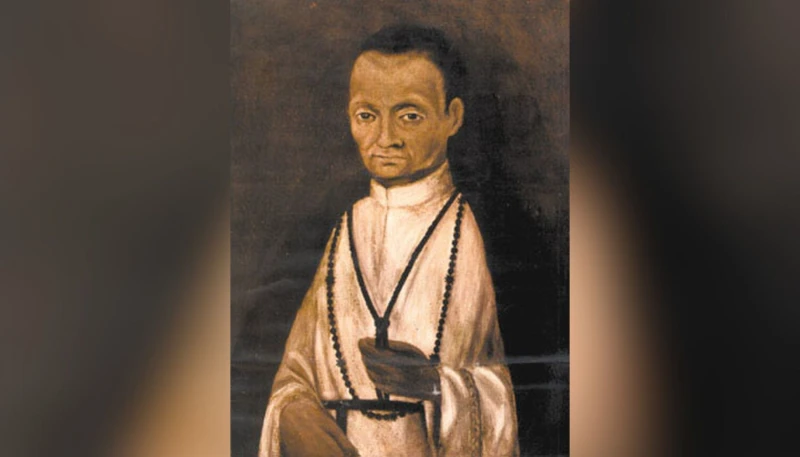
7 fascinating facts about St. Martin de Porres, the first Black saint of the Americas #Catholic 
 
 St. Martin de Porres. / Credit: AnonymousUnknown author, Public domain, via Wikimedia Commons

CNA Staff, Nov 3, 2025 / 04:00 am (CNA).
On Nov. 3, the Catholic Church celebrates the feast of St. Martin de Porres, a Peruvian Dominican brother who lived a life of humble service and charity and became the first Black saint of the Americas.Here are seven fascinating facts about this inspiring saint:1. His father refused to acknowledge him. De Porres was born in Lima, Peru, in 1579. He was the son of a Spanish nobleman and former Panamanian Black slave. His father, Don Juan de Porres, refused to publicly acknowledge the boy as his own because Martin was Black, like his mother. Being biracial would prove challenging for Martin de Porres throughout his life. 2. He started practicing medicine before he was 13. De Porres served as an apprentice to a doctor, and before the age of 13 he began to learn the practice of medicine. He would eventually become a barber, which at the time performed minor medical and surgical procedures like pulling teeth or emptying abscesses. 3. He faced discrimination as a Dominican. De Porres entered the Dominican order in 1603. Becoming a Dominican brother proved to be challenging for de Porres because a Peruvian law at the time prevented people of mixed race from joining religious orders. Therefore, he lived with the community and did manual work, earning himself the nickname “the saint of the broom” for his diligence in cleaning the Dominicans’ quarters.Eventually he was allowed to enter the order, despite the law, and worked in the infirmary tending to the sick and among the impoverished of Peru. “I cure them, but God heals them,” de Porres would say when curing the sick. He also had the task of begging for alms that the community would use to clothe and feed the poor. He also established an orphanage and planted an orchard from which those in need could freely take a day’s supply of fruit. 4. He levitated and bilocated. De Porres was deeply prayerful, so much so that many of the brothers witnessed him levitating in intense prayer and embracing the crucified cross. De Porres reportedly also had the gift of bilocation, and some of his contemporaries said they encountered him in places as far off as Japan even as he remained in Lima. Some claimed he had appeared to them supernaturally behind locked doors or under otherwise impossible circumstances. 5. He refused to eat meat. De Porres loved animals. He refused to eat meat and ran a veterinary hospital for sick animals that seemed to seek out his help. Portrayals of the saint often include cats, dogs, and even the rats to whom he showed compassion.6. He is the patron saint of multiple manual labor occupations. De Porres was known for the various assignments he carried out and which earned him the title of patron saint of barbers, the sick, and street cleaners. On the 50th anniversary of St. Martin de Porres’ canonization, Father Juan Anguerri, director of the St. Martin de Porres Home for the Poor, said: “These are often thankless tasks, but yet through his humble service, St. Martin sent a message to revitalize these jobs.”7. He was canonized more than 300 years after his death. Martin de Porres died on Nov. 3, 1639, at age 60. He was canonized by Pope John XXIII on May 16, 1962. At his canonization Mass, John XXIII called him “Martin of Charity.”  This story was first published on Nov. 3, 2021, and has been updated.

7 fascinating facts about St. Martin de Porres, the first Black saint of the Americas #Catholic St. Martin de Porres. / Credit: AnonymousUnknown author, Public domain, via Wikimedia Commons CNA Staff, Nov 3, 2025 / 04:00 am (CNA). On Nov. 3, the Catholic Church celebrates the feast of St. Martin de Porres, a Peruvian Dominican brother who lived a life of humble service and charity and became the first Black saint of the Americas.Here are seven fascinating facts about this inspiring saint:1. His father refused to acknowledge him. De Porres was born in Lima, Peru, in 1579. He was the son of a Spanish nobleman and former Panamanian Black slave. His father, Don Juan de Porres, refused to publicly acknowledge the boy as his own because Martin was Black, like his mother. Being biracial would prove challenging for Martin de Porres throughout his life. 2. He started practicing medicine before he was 13. De Porres served as an apprentice to a doctor, and before the age of 13 he began to learn the practice of medicine. He would eventually become a barber, which at the time performed minor medical and surgical procedures like pulling teeth or emptying abscesses. 3. He faced discrimination as a Dominican. De Porres entered the Dominican order in 1603. Becoming a Dominican brother proved to be challenging for de Porres because a Peruvian law at the time prevented people of mixed race from joining religious orders. Therefore, he lived with the community and did manual work, earning himself the nickname “the saint of the broom” for his diligence in cleaning the Dominicans’ quarters.Eventually he was allowed to enter the order, despite the law, and worked in the infirmary tending to the sick and among the impoverished of Peru. “I cure them, but God heals them,” de Porres would say when curing the sick. He also had the task of begging for alms that the community would use to clothe and feed the poor. He also established an orphanage and planted an orchard from which those in need could freely take a day’s supply of fruit. 4. He levitated and bilocated. De Porres was deeply prayerful, so much so that many of the brothers witnessed him levitating in intense prayer and embracing the crucified cross. De Porres reportedly also had the gift of bilocation, and some of his contemporaries said they encountered him in places as far off as Japan even as he remained in Lima. Some claimed he had appeared to them supernaturally behind locked doors or under otherwise impossible circumstances. 5. He refused to eat meat. De Porres loved animals. He refused to eat meat and ran a veterinary hospital for sick animals that seemed to seek out his help. Portrayals of the saint often include cats, dogs, and even the rats to whom he showed compassion.6. He is the patron saint of multiple manual labor occupations. De Porres was known for the various assignments he carried out and which earned him the title of patron saint of barbers, the sick, and street cleaners. On the 50th anniversary of St. Martin de Porres’ canonization, Father Juan Anguerri, director of the St. Martin de Porres Home for the Poor, said: “These are often thankless tasks, but yet through his humble service, St. Martin sent a message to revitalize these jobs.”7. He was canonized more than 300 years after his death. Martin de Porres died on Nov. 3, 1639, at age 60. He was canonized by Pope John XXIII on May 16, 1962. At his canonization Mass, John XXIII called him “Martin of Charity.”  This story was first published on Nov. 3, 2021, and has been updated.


St. Martin de Porres. / Credit: AnonymousUnknown author, Public domain, via Wikimedia Commons

CNA Staff, Nov 3, 2025 / 04:00 am (CNA).

On Nov. 3, the Catholic Church celebrates the feast of St. Martin de Porres, a Peruvian Dominican brother who lived a life of humble service and charity and became the first Black saint of the Americas.

Here are seven fascinating facts about this inspiring saint:

1. His father refused to acknowledge him.

De Porres was born in Lima, Peru, in 1579. He was the son of a Spanish nobleman and former Panamanian Black slave. His father, Don Juan de Porres, refused to publicly acknowledge the boy as his own because Martin was Black, like his mother. Being biracial would prove challenging for Martin de Porres throughout his life. 

2. He started practicing medicine before he was 13.

De Porres served as an apprentice to a doctor, and before the age of 13 he began to learn the practice of medicine. He would eventually become a barber, which at the time performed minor medical and surgical procedures like pulling teeth or emptying abscesses. 

3. He faced discrimination as a Dominican.

De Porres entered the Dominican order in 1603. Becoming a Dominican brother proved to be challenging for de Porres because a Peruvian law at the time prevented people of mixed race from joining religious orders. Therefore, he lived with the community and did manual work, earning himself the nickname “the saint of the broom” for his diligence in cleaning the Dominicans’ quarters.

Eventually he was allowed to enter the order, despite the law, and worked in the infirmary tending to the sick and among the impoverished of Peru. “I cure them, but God heals them,” de Porres would say when curing the sick. He also had the task of begging for alms that the community would use to clothe and feed the poor. He also established an orphanage and planted an orchard from which those in need could freely take a day’s supply of fruit. 

4. He levitated and bilocated.

De Porres was deeply prayerful, so much so that many of the brothers witnessed him levitating in intense prayer and embracing the crucified cross. De Porres reportedly also had the gift of bilocation, and some of his contemporaries said they encountered him in places as far off as Japan even as he remained in Lima. Some claimed he had appeared to them supernaturally behind locked doors or under otherwise impossible circumstances. 

5. He refused to eat meat.

De Porres loved animals. He refused to eat meat and ran a veterinary hospital for sick animals that seemed to seek out his help. Portrayals of the saint often include cats, dogs, and even the rats to whom he showed compassion.

6. He is the patron saint of multiple manual labor occupations.

De Porres was known for the various assignments he carried out and which earned him the title of patron saint of barbers, the sick, and street cleaners. On the 50th anniversary of St. Martin de Porres’ canonization, Father Juan Anguerri, director of the St. Martin de Porres Home for the Poor, said: “These are often thankless tasks, but yet through his humble service, St. Martin sent a message to revitalize these jobs.”

7. He was canonized more than 300 years after his death.

Martin de Porres died on Nov. 3, 1639, at age 60. He was canonized by Pope John XXIII on May 16, 1962. At his canonization Mass, John XXIII called him “Martin of Charity.” 

This story was first published on Nov. 3, 2021, and has been updated.

Read More