trends

Pew study: Religion holds steady in America #Catholic 
 
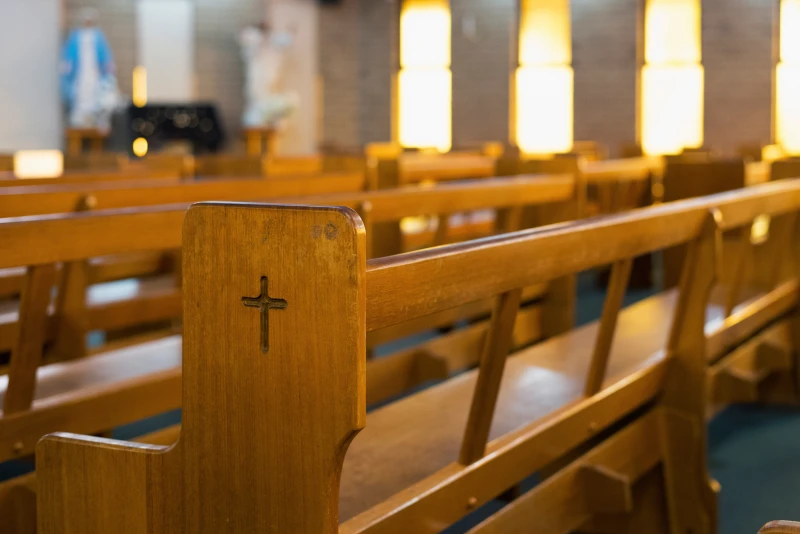
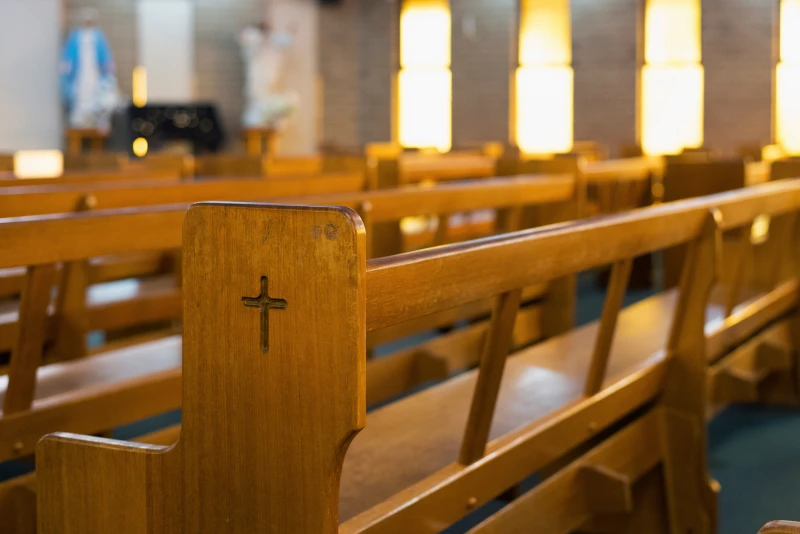
 American adults who identify with Christianity, with another religion, or with no religion have all remained steady, a new Pew Research Center report finds.  / Credit: ChoeWatt/Shutterstock

Washington, D.C. Newsroom, Dec 9, 2025 / 15:30 pm (CNA).
The number of American adults who identify with Christianity, with another religion, or with no religion have all remained steady, a new Pew Research Center report finds. Surveys conducted since 2020 have generally found that about 70% of U.S. adults identify with a religion. The numbers have slightly fluctuated, but there has been no clear rise or fall in religious affiliation over the five-year period.A Pew Research Center study, Religion Holds Steady in America, summarizes the latest trends in American religion and examines religion among young adults. The report is based on Pew’s National Public Opinion Reference Survey (NPORS), which has annually surveyed a random sample of U.S. adults since 2020. It also draws from the U.S. Religious Landscape Study (RLS), which surveyed 36,908 adults from July 17, 2023 to March 4, 2024.The number of American adults who identify with Christianity, with another religion, or with no religion have all remained steady, a new Pew Research Center report finds. Credit: Courtesy of Pew Research Center.The report also uses data from the General Social Survey and the American Time Use Survey.The research revealed that after Pew found a decline in Christianity in the country from 2007 to 2020, the decline has halted and there is a stable presence of Christianty and religion in the nation. Young women’s religiosity shiftsWhile the polling shows no clear evidence of a religious increase among young adults, it did find that young men are now almost as religious as women in the same age group. The finding differs from past studies which found that young women tended to be more religious than young men. This shift was found to be due to a decline in religiousness among American women, rather than an increase in the religiousness of men. In contrast to the young adults, the data revealed older women are more religious than older men. Overall, young men and young women surveyed in 2023 and 2024 are less religious than those questioned in 2007 and 2014 studies. In 2007, 54% of women and 40% of men ages 18 to 24 reported they prayed daily. Data from 2023-2024 revealed only 30% of women and 26% of men in the same age group said they pray daily, indicating the gender gap among religious men and women is closing. Young adults remain less religious than older AmericansThe data found no evidence that any age group has become substantially more or less religious since 2020. In the 2025 NPORS, 83% of adults 71 or older identified with a religion, similarly to the 84% in 2020. Among the youngest group of adults ages 18 to 30, 55% identify with a religion in 2025. This data is similar to the 57% who reported the same in 2020.While there was not a large change in the number of adults who practice religion, older generations continue to be more religious than younger ones. Adults aged 71 or older tend to pray more than those ages 18 to 30, with 59% of older adults reporting they pray daily compared to 32% of young adults. There were also discrepancies among age groups based on how often individuals attend religious services. Adults 71 and older attend the most with 43% reporting they attend at least monthly. Adults 31 to 40 were found to attend the least with 29% reporting they go monthly. The data shows that today’s adults between the ages of roughly 18 and 22 are at least as religious as the age group slightly older than them who are in their mid to late 20s. Some aspects revealed that the younger U.S. adults may be more religious than the age group slightly older than them. The 2023–24 RLS found 30% of adults born between 2003 and 2006 said they attended religious services at least once a month, which is higher than the 24% of people born between 1995 and 2002. 

Pew study: Religion holds steady in America #Catholic American adults who identify with Christianity, with another religion, or with no religion have all remained steady, a new Pew Research Center report finds.  / Credit: ChoeWatt/Shutterstock Washington, D.C. Newsroom, Dec 9, 2025 / 15:30 pm (CNA). The number of American adults who identify with Christianity, with another religion, or with no religion have all remained steady, a new Pew Research Center report finds. Surveys conducted since 2020 have generally found that about 70% of U.S. adults identify with a religion. The numbers have slightly fluctuated, but there has been no clear rise or fall in religious affiliation over the five-year period.A Pew Research Center study, Religion Holds Steady in America, summarizes the latest trends in American religion and examines religion among young adults. The report is based on Pew’s National Public Opinion Reference Survey (NPORS), which has annually surveyed a random sample of U.S. adults since 2020. It also draws from the U.S. Religious Landscape Study (RLS), which surveyed 36,908 adults from July 17, 2023 to March 4, 2024.The number of American adults who identify with Christianity, with another religion, or with no religion have all remained steady, a new Pew Research Center report finds. Credit: Courtesy of Pew Research Center.The report also uses data from the General Social Survey and the American Time Use Survey.The research revealed that after Pew found a decline in Christianity in the country from 2007 to 2020, the decline has halted and there is a stable presence of Christianty and religion in the nation. Young women’s religiosity shiftsWhile the polling shows no clear evidence of a religious increase among young adults, it did find that young men are now almost as religious as women in the same age group. The finding differs from past studies which found that young women tended to be more religious than young men. This shift was found to be due to a decline in religiousness among American women, rather than an increase in the religiousness of men. In contrast to the young adults, the data revealed older women are more religious than older men. Overall, young men and young women surveyed in 2023 and 2024 are less religious than those questioned in 2007 and 2014 studies. In 2007, 54% of women and 40% of men ages 18 to 24 reported they prayed daily. Data from 2023-2024 revealed only 30% of women and 26% of men in the same age group said they pray daily, indicating the gender gap among religious men and women is closing. Young adults remain less religious than older AmericansThe data found no evidence that any age group has become substantially more or less religious since 2020. In the 2025 NPORS, 83% of adults 71 or older identified with a religion, similarly to the 84% in 2020. Among the youngest group of adults ages 18 to 30, 55% identify with a religion in 2025. This data is similar to the 57% who reported the same in 2020.While there was not a large change in the number of adults who practice religion, older generations continue to be more religious than younger ones. Adults aged 71 or older tend to pray more than those ages 18 to 30, with 59% of older adults reporting they pray daily compared to 32% of young adults. There were also discrepancies among age groups based on how often individuals attend religious services. Adults 71 and older attend the most with 43% reporting they attend at least monthly. Adults 31 to 40 were found to attend the least with 29% reporting they go monthly. The data shows that today’s adults between the ages of roughly 18 and 22 are at least as religious as the age group slightly older than them who are in their mid to late 20s. Some aspects revealed that the younger U.S. adults may be more religious than the age group slightly older than them. The 2023–24 RLS found 30% of adults born between 2003 and 2006 said they attended religious services at least once a month, which is higher than the 24% of people born between 1995 and 2002. 


American adults who identify with Christianity, with another religion, or with no religion have all remained steady, a new Pew Research Center report finds.  / Credit: ChoeWatt/Shutterstock

Washington, D.C. Newsroom, Dec 9, 2025 / 15:30 pm (CNA).

The number of American adults who identify with Christianity, with another religion, or with no religion have all remained steady, a new Pew Research Center report finds. 

Surveys conducted since 2020 have generally found that about 70% of U.S. adults identify with a religion. The numbers have slightly fluctuated, but there has been no clear rise or fall in religious affiliation over the five-year period.

A Pew Research Center study, Religion Holds Steady in America, summarizes the latest trends in American religion and examines religion among young adults. The report is based on Pew’s National Public Opinion Reference Survey (NPORS), which has annually surveyed a random sample of U.S. adults since 2020. It also draws from the U.S. Religious Landscape Study (RLS), which surveyed 36,908 adults from July 17, 2023 to March 4, 2024.

The number of American adults who identify with Christianity, with another religion, or with no religion have all remained steady, a new Pew Research Center report finds. Credit: Courtesy of Pew Research Center.

The report also uses data from the General Social Survey and the American Time Use Survey.

The research revealed that after Pew found a decline in Christianity in the country from 2007 to 2020, the decline has halted and there is a stable presence of Christianty and religion in the nation. 

Young women’s religiosity shifts

While the polling shows no clear evidence of a religious increase among young adults, it did find that young men are now almost as religious as women in the same age group. The finding differs from past studies which found that young women tended to be more religious than young men. 

This shift was found to be due to a decline in religiousness among American women, rather than an increase in the religiousness of men. In contrast to the young adults, the data revealed older women are more religious than older men. 

Overall, young men and young women surveyed in 2023 and 2024 are less religious than those questioned in 2007 and 2014 studies.

In 2007, 54% of women and 40% of men ages 18 to 24 reported they prayed daily. Data from 2023-2024 revealed only 30% of women and 26% of men in the same age group said they pray daily, indicating the gender gap among religious men and women is closing. 

Young adults remain less religious than older Americans

The data found no evidence that any age group has become substantially more or less religious since 2020. In the 2025 NPORS, 83% of adults 71 or older identified with a religion, similarly to the 84% in 2020. 

Among the youngest group of adults ages 18 to 30, 55% identify with a religion in 2025. This data is similar to the 57% who reported the same in 2020.

While there was not a large change in the number of adults who practice religion, older generations continue to be more religious than younger ones. Adults aged 71 or older tend to pray more than those ages 18 to 30, with 59% of older adults reporting they pray daily compared to 32% of young adults. 

There were also discrepancies among age groups based on how often individuals attend religious services. Adults 71 and older attend the most with 43% reporting they attend at least monthly. Adults 31 to 40 were found to attend the least with 29% reporting they go monthly. 

The data shows that today’s adults between the ages of roughly 18 and 22 are at least as religious as the age group slightly older than them who are in their mid to late 20s. Some aspects revealed that the younger U.S. adults may be more religious than the age group slightly older than them. 

The 2023–24 RLS found 30% of adults born between 2003 and 2006 said they attended religious services at least once a month, which is higher than the 24% of people born between 1995 and 2002. 

Read More
Notre Dame drops ‘acceptance and support for Catholic mission’ from staff values #Catholic 
 
 The University of Notre Dame. / Credit: Matt B. via Flickr (CC BY-NC-SA 2.0)

Washington, D.C. Newsroom, Nov 16, 2025 / 07:00 am (CNA).
Here’s a roundup of the latest Catholic education news in the United States:Notre Dame drops ‘acceptance and support for Catholic mission’ from staff values The University of Notre Dame has dropped acceptance and support for its Catholic mission from the list of staff values it has held for the past 20 years. The university’s leadership announced new updates to its staff values at its Fall 2025 Staff Town Halls on Oct. 29 and 30, according to a press release. Human Resources President Heather Christophersen said the new values were “an expression of how we seek to advance Notre Dame’s mission as a global, Catholic research university.”Prior to the change, Notre Dame’s staff values were as follows: — Accountability: Takes responsibility and ownership for decisions, actions, and results. Accountable for both how and what is accomplished— Teamwork: Works cooperatively as a member of a team and is committed to the overall team objectives rather than own interests— Integrity: Demonstrates honest and ethical behavior that displays a high moral standard. Widely trusted, respectful, and honorable— Leadership in Excellence: Demonstrates energy and commitment to improving results, takes initiatives often involving calculated risks while considering the common good— Leadership in Mission: Understands, accepts, and supports the Catholic mission of the university and fosters values consistent with that missionThe new and pared down values and their descriptions are: — Community: Treat every person with dignity and respect.— Collaboration: Work together with honesty, kindness, and humility.— Excellence: Pursue the highest standards with a commitment to truth and service.— Innovation: Embrace opportunities with creativity and dedication.According to the Notre Dame Observer, Christophersen said in an email to staff that the former Notre Dame values “had only one value that pointed into mission” and that the decision to remove the “Leadership in Mission” value was motivated by a desire to reframe the school’s Catholic mission as all-encompassing. She said the old values had caused confusion in staff evaluation processes during annual performance reviews and that the school does not monitor religious affiliation for staff in the same way as faculty and students. Notre Dame did not return multiple requests for comment.University of St. Francis and Belleville Diocese announce student admission partnershipThe University of St. Francis (USF) and the Diocese of Belleville, Illinois, have announced a new partnership guaranteeing admission for diocesan high school graduates. Students from Althoff Catholic High School, Mater Dei Catholic High School, and Gibault Catholic High School will have guaranteed admission at the university as well as the opportunity to earn scholarships of up to ,000. “We are so pleased with this partnership and look forward to welcoming students from the Catholic high schools within the Belleville Diocese,” University of St. Francis President Ryan C. Hendrickson said in a press release announcing the partnership. “In addition to the guaranteed admission, USF plans to host workshops and information sessions for diocese-based school counselors, teachers, parents, and prospective students. USF will also offer campus visitation days, facilitating exploration and engagement with the diocese schools,” the release stated.Archdiocese of Hartford to open 2 new Catholic schools amid Mass attendance boom The Archdiocese of Hartford, Connecticut, will open two new Catholic schools next year as Mass attendance and renewed interest in the faith continues to rise. “A lot of the decisions that are being made in the public-school systems are not decisions that a lot of people find easy to hold, and they’re looking for places where they could just find a little bit less politics,” Archbishop Christopher Coyne said, emphasizing the important role of Catholic schools in this environment, according to a local report. Coyne said elsewhere that the new school openings come amid “a great reversal of the downward trends we experienced before and during COVID.”One of the schools, Chesterton Academy of St. Francis of Assisi, will accept ninth and 10th grade students in fall 2026. The other school, the Catholic Academy of Hartford, will accept pre-K through second graders starting in the fall, adding a grade each year until it reaches the eighth grade. The school will operate on an income-based tuition model. St. Anselm College announces reception of  million gift St. Anselm College, a Benedictine liberal arts school in New Hampshire, announced a  million gift, the largest donation in the school’s 136-year history. The gift was from Robert and Beverly Grappone, whose son, Greg, graduated from the college in 2004 and passed away from cancer at the age of 35. “While many colleges and universities are struggling in a challenging higher education environment, St. Anselm is fortunate to have a different story,” the college said in a press release announcing the historic gift. “The college has seen enrollment growth over the last four years, increasing each year since the post-COVID class. This year’s incoming freshmen class set a record with 647 students. The college has a retention rate of 90%.”The gift includes  million designated for the school of business, which will be named the Robert J. Grappone School of Business and Innovation, a  million endowment to the Grappone Humanities Institute, and “multimillion dollar renovations” to the school’s residence halls, support for the athletic complex, an endowment for the school’s nursing program, scholarships, and further campus improvements.

Notre Dame drops ‘acceptance and support for Catholic mission’ from staff values #Catholic The University of Notre Dame. / Credit: Matt B. via Flickr (CC BY-NC-SA 2.0) Washington, D.C. Newsroom, Nov 16, 2025 / 07:00 am (CNA). Here’s a roundup of the latest Catholic education news in the United States:Notre Dame drops ‘acceptance and support for Catholic mission’ from staff values The University of Notre Dame has dropped acceptance and support for its Catholic mission from the list of staff values it has held for the past 20 years. The university’s leadership announced new updates to its staff values at its Fall 2025 Staff Town Halls on Oct. 29 and 30, according to a press release. Human Resources President Heather Christophersen said the new values were “an expression of how we seek to advance Notre Dame’s mission as a global, Catholic research university.”Prior to the change, Notre Dame’s staff values were as follows: — Accountability: Takes responsibility and ownership for decisions, actions, and results. Accountable for both how and what is accomplished— Teamwork: Works cooperatively as a member of a team and is committed to the overall team objectives rather than own interests— Integrity: Demonstrates honest and ethical behavior that displays a high moral standard. Widely trusted, respectful, and honorable— Leadership in Excellence: Demonstrates energy and commitment to improving results, takes initiatives often involving calculated risks while considering the common good— Leadership in Mission: Understands, accepts, and supports the Catholic mission of the university and fosters values consistent with that missionThe new and pared down values and their descriptions are: — Community: Treat every person with dignity and respect.— Collaboration: Work together with honesty, kindness, and humility.— Excellence: Pursue the highest standards with a commitment to truth and service.— Innovation: Embrace opportunities with creativity and dedication.According to the Notre Dame Observer, Christophersen said in an email to staff that the former Notre Dame values “had only one value that pointed into mission” and that the decision to remove the “Leadership in Mission” value was motivated by a desire to reframe the school’s Catholic mission as all-encompassing. She said the old values had caused confusion in staff evaluation processes during annual performance reviews and that the school does not monitor religious affiliation for staff in the same way as faculty and students. Notre Dame did not return multiple requests for comment.University of St. Francis and Belleville Diocese announce student admission partnershipThe University of St. Francis (USF) and the Diocese of Belleville, Illinois, have announced a new partnership guaranteeing admission for diocesan high school graduates. Students from Althoff Catholic High School, Mater Dei Catholic High School, and Gibault Catholic High School will have guaranteed admission at the university as well as the opportunity to earn scholarships of up to $3,000. “We are so pleased with this partnership and look forward to welcoming students from the Catholic high schools within the Belleville Diocese,” University of St. Francis President Ryan C. Hendrickson said in a press release announcing the partnership. “In addition to the guaranteed admission, USF plans to host workshops and information sessions for diocese-based school counselors, teachers, parents, and prospective students. USF will also offer campus visitation days, facilitating exploration and engagement with the diocese schools,” the release stated.Archdiocese of Hartford to open 2 new Catholic schools amid Mass attendance boom The Archdiocese of Hartford, Connecticut, will open two new Catholic schools next year as Mass attendance and renewed interest in the faith continues to rise. “A lot of the decisions that are being made in the public-school systems are not decisions that a lot of people find easy to hold, and they’re looking for places where they could just find a little bit less politics,” Archbishop Christopher Coyne said, emphasizing the important role of Catholic schools in this environment, according to a local report. Coyne said elsewhere that the new school openings come amid “a great reversal of the downward trends we experienced before and during COVID.”One of the schools, Chesterton Academy of St. Francis of Assisi, will accept ninth and 10th grade students in fall 2026. The other school, the Catholic Academy of Hartford, will accept pre-K through second graders starting in the fall, adding a grade each year until it reaches the eighth grade. The school will operate on an income-based tuition model. St. Anselm College announces reception of $40 million gift St. Anselm College, a Benedictine liberal arts school in New Hampshire, announced a $40 million gift, the largest donation in the school’s 136-year history. The gift was from Robert and Beverly Grappone, whose son, Greg, graduated from the college in 2004 and passed away from cancer at the age of 35. “While many colleges and universities are struggling in a challenging higher education environment, St. Anselm is fortunate to have a different story,” the college said in a press release announcing the historic gift. “The college has seen enrollment growth over the last four years, increasing each year since the post-COVID class. This year’s incoming freshmen class set a record with 647 students. The college has a retention rate of 90%.”The gift includes $11 million designated for the school of business, which will be named the Robert J. Grappone School of Business and Innovation, a $5 million endowment to the Grappone Humanities Institute, and “multimillion dollar renovations” to the school’s residence halls, support for the athletic complex, an endowment for the school’s nursing program, scholarships, and further campus improvements.


The University of Notre Dame. / Credit: Matt B. via Flickr (CC BY-NC-SA 2.0)

Washington, D.C. Newsroom, Nov 16, 2025 / 07:00 am (CNA).

Here’s a roundup of the latest Catholic education news in the United States:

Notre Dame drops ‘acceptance and support for Catholic mission’ from staff values 

The University of Notre Dame has dropped acceptance and support for its Catholic mission from the list of staff values it has held for the past 20 years. 

The university’s leadership announced new updates to its staff values at its Fall 2025 Staff Town Halls on Oct. 29 and 30, according to a press release. Human Resources President Heather Christophersen said the new values were “an expression of how we seek to advance Notre Dame’s mission as a global, Catholic research university.”

Prior to the change, Notre Dame’s staff values were as follows: 

— Accountability: Takes responsibility and ownership for decisions, actions, and results. Accountable for both how and what is accomplished

— Teamwork: Works cooperatively as a member of a team and is committed to the overall team objectives rather than own interests

— Integrity: Demonstrates honest and ethical behavior that displays a high moral standard. Widely trusted, respectful, and honorable

— Leadership in Excellence: Demonstrates energy and commitment to improving results, takes initiatives often involving calculated risks while considering the common good

— Leadership in Mission: Understands, accepts, and supports the Catholic mission of the university and fosters values consistent with that mission

The new and pared down values and their descriptions are: 

— Community: Treat every person with dignity and respect.

— Collaboration: Work together with honesty, kindness, and humility.

— Excellence: Pursue the highest standards with a commitment to truth and service.

— Innovation: Embrace opportunities with creativity and dedication.

According to the Notre Dame Observer, Christophersen said in an email to staff that the former Notre Dame values “had only one value that pointed into mission” and that the decision to remove the “Leadership in Mission” value was motivated by a desire to reframe the school’s Catholic mission as all-encompassing. She said the old values had caused confusion in staff evaluation processes during annual performance reviews and that the school does not monitor religious affiliation for staff in the same way as faculty and students. 

Notre Dame did not return multiple requests for comment.

University of St. Francis and Belleville Diocese announce student admission partnership

The University of St. Francis (USF) and the Diocese of Belleville, Illinois, have announced a new partnership guaranteeing admission for diocesan high school graduates. 

Students from Althoff Catholic High School, Mater Dei Catholic High School, and Gibault Catholic High School will have guaranteed admission at the university as well as the opportunity to earn scholarships of up to $3,000. 

“We are so pleased with this partnership and look forward to welcoming students from the Catholic high schools within the Belleville Diocese,” University of St. Francis President Ryan C. Hendrickson said in a press release announcing the partnership. 

“In addition to the guaranteed admission, USF plans to host workshops and information sessions for diocese-based school counselors, teachers, parents, and prospective students. USF will also offer campus visitation days, facilitating exploration and engagement with the diocese schools,” the release stated.

Archdiocese of Hartford to open 2 new Catholic schools amid Mass attendance boom 

The Archdiocese of Hartford, Connecticut, will open two new Catholic schools next year as Mass attendance and renewed interest in the faith continues to rise. 

“A lot of the decisions that are being made in the public-school systems are not decisions that a lot of people find easy to hold, and they’re looking for places where they could just find a little bit less politics,” Archbishop Christopher Coyne said, emphasizing the important role of Catholic schools in this environment, according to a local report. Coyne said elsewhere that the new school openings come amid “a great reversal of the downward trends we experienced before and during COVID.”

One of the schools, Chesterton Academy of St. Francis of Assisi, will accept ninth and 10th grade students in fall 2026. The other school, the Catholic Academy of Hartford, will accept pre-K through second graders starting in the fall, adding a grade each year until it reaches the eighth grade. The school will operate on an income-based tuition model. 

St. Anselm College announces reception of $40 million gift 

St. Anselm College, a Benedictine liberal arts school in New Hampshire, announced a $40 million gift, the largest donation in the school’s 136-year history. 

The gift was from Robert and Beverly Grappone, whose son, Greg, graduated from the college in 2004 and passed away from cancer at the age of 35. “While many colleges and universities are struggling in a challenging higher education environment, St. Anselm is fortunate to have a different story,” the college said in a press release announcing the historic gift. “The college has seen enrollment growth over the last four years, increasing each year since the post-COVID class. This year’s incoming freshmen class set a record with 647 students. The college has a retention rate of 90%.”

The gift includes $11 million designated for the school of business, which will be named the Robert J. Grappone School of Business and Innovation, a $5 million endowment to the Grappone Humanities Institute, and “multimillion dollar renovations” to the school’s residence halls, support for the athletic complex, an endowment for the school’s nursing program, scholarships, and further campus improvements.

Read More