trust

St. Gianna Molla award to go to Catholic father, farmer, potential saint  #Catholic 
 
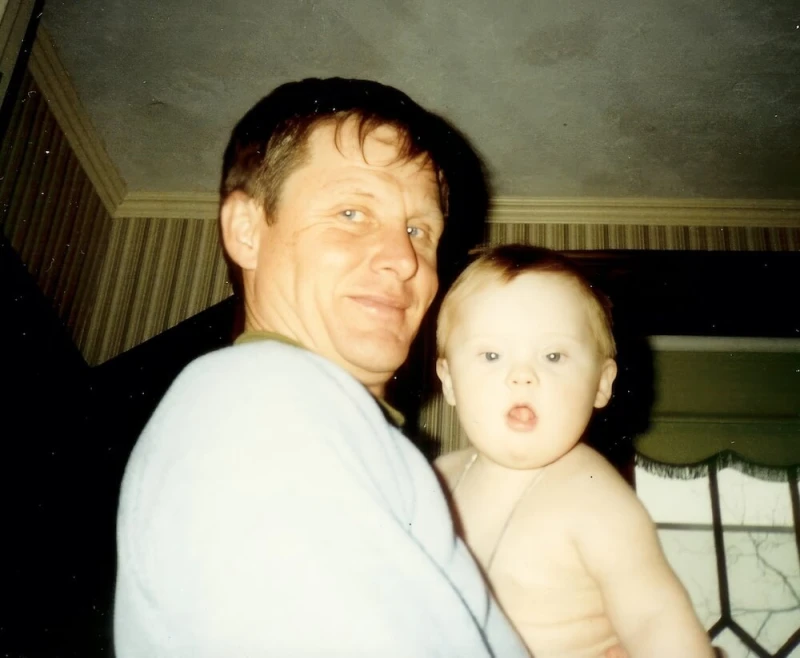
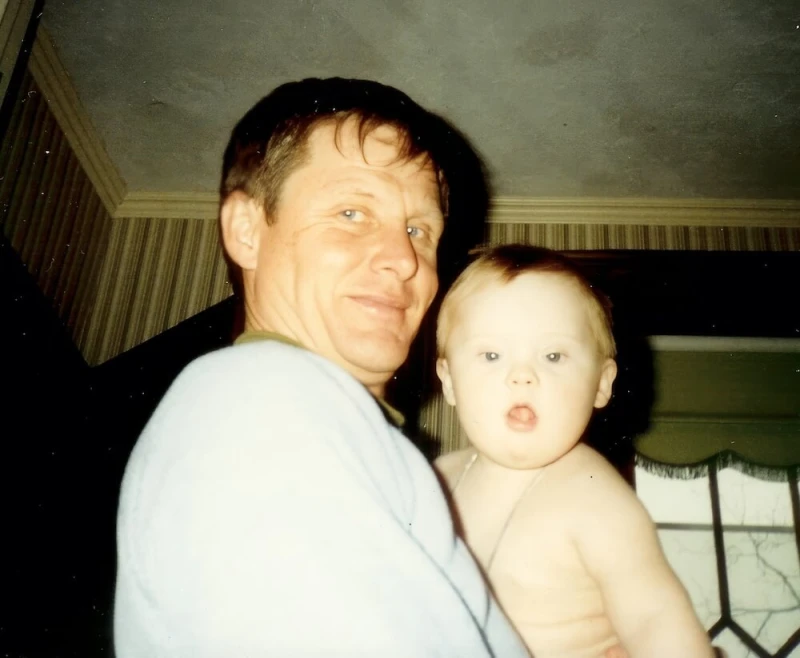
 Tom Vander Woude with baby Joseph “Josie” Vander Woude. / Credit: Photo courtesy of the Tom Vander Woude Guild

CNA Staff, Dec 11, 2025 / 09:30 am (CNA).
When Virginia father Tom Vander Woude’s 19-year-old son, a boy with Down syndrome, fell into a toxic sewage tank, Tom jumped into the tank with him, pushing him to the surface even as the toxic fumes filled his own lungs.The father of seven, whose sainthood cause is now under investigation, will be posthumously awarded this year’s Walk for Life “Saint Gianna Molla Award for Pro-Life Heroism” on Jan. 24, 2026 at the West Coast Walk for Life in San Francisco. “When we heard Tom’s story years ago, we were touched by the love of a father for his child,” Dolores Meehan, co-chair of the West Coast Walk for Life, told CNA. “The fact that his son has Down syndrome made it all the more important to share his story of love and sacrifice and joy.”Unborn children with Down syndrome often become victims of abortion.The award named for St. Gianna Molla — an Italian doctor who chose to carry her child to term after a cancer diagnosis at the cost of her own life — honors those who show “heroic virtue in the defense of the unborn and their mothers and fathers, usually to the extent of profound sacrifice,” according to Meehan.Chris Vander Woude, who is travelling the U.S. and promoting his father’s cause, told CNA that “Dad was deeply committed to honoring and safeguarding the sanctity of human life.”     “He lived by these values right up to his last breath when he saved my brother Joseph’s life,” said Vander Woude. “Following St. Gianna’s example, Dad selflessly gave his life out of love for his child.” “In a world that often devalues people with Down Syndrome, Dad’s final act of love for my brother serves as a powerful testament to the sanctity and dignity of every human life,” Vander Woude continued. Openness to life “I don’t think Dad ever missed a March for Life,” Chris said. “It didn’t matter if it was snowing or super cold, Dad would take as many family members as possible because he understood the importance of standing up for innocent unborn babies and their right to life.” Tom, who worked as a farmer and a commercial pilot, made time for his family, faith, and pro-life beliefs. Held in late January, the March for Life is the pro-life movement’s annual march in Washington, D.C. to oppose abortion and defend human life.  Tom and his wife also frequently prayed the Rosary outside of an abortion clinic  that has since closed and is now a life-affirming medical clinic that serves women in need, according to Vander Woude. Tom and his wife also taught Natural Family Planning (NFP), a life-affirming fertility-awareness method of family planning, to young couples.  “He and Mom were always open to life in their marriage,” Vander Woude said. “Dad believed in the age-old saying that ‘it takes a village to raise a child,’ and he was quick to do his part in ‘the village’ to help,”“They had many reasons not to have a large family, but they chose the courageous path of faith, hope, and openness to God’s will,” Chris said. When a woman tracks her cycle using an NFP method, NFP works with her fertility rather than against it. Because various NFP methods don’t obstruct conception like contraception does, the Catholic Church accepts it as a form of family planning that is open to life. Bob and Karen Fioramonti still remember going to NFP classes with the Vander Woude’s in the early 1990s as a young married couple. “We learned about NFP, but we learned even more about what it looked like to be a faithful couple who had been open to life,” Karen Fioramonti told CNA. “At that point, neither of us knew any big families and the Vander Woude’s were a joyful couple raising seven sons encouraging us to trust God’s plan for our family,” said Karen Fioramonti. “They shared what a blessing each child is and that a parents’ mission is to raise saints. In short, they shared their faith.”“Years later, we have raised our own seven sons and two daughters, and we are so grateful for that message shared many years ago,” Bob Fioramonti said.  A pro-life hero As Vander Woude has been sharing the story of his father’s self-sacrifice with parishes around the U.S., he has seen how his father’s story moves people of all ages. “I’ve seen the story move people to tears and motivate them to follow Dad’s sacrificial example,” Vander Woude said. Meehan said that she hopes Tom Vander Woude’s story will inspire men to take up the pro-life mantle. “Men are so in need of heroes,” said Meehan. “Our hope is that the men who hear his story will be encouraged, inspired, and motivated to emulate not just his final act of sacrifice, but his life of sacrifice and the joy he derived from his pro-life heart.” “Men need to hear that they, too, can be the pro-life hero to their family — to step up and be present day in and day out,” Meehan said. 

St. Gianna Molla award to go to Catholic father, farmer, potential saint  #Catholic Tom Vander Woude with baby Joseph “Josie” Vander Woude. / Credit: Photo courtesy of the Tom Vander Woude Guild CNA Staff, Dec 11, 2025 / 09:30 am (CNA). When Virginia father Tom Vander Woude’s 19-year-old son, a boy with Down syndrome, fell into a toxic sewage tank, Tom jumped into the tank with him, pushing him to the surface even as the toxic fumes filled his own lungs.The father of seven, whose sainthood cause is now under investigation, will be posthumously awarded this year’s Walk for Life “Saint Gianna Molla Award for Pro-Life Heroism” on Jan. 24, 2026 at the West Coast Walk for Life in San Francisco. “When we heard Tom’s story years ago, we were touched by the love of a father for his child,” Dolores Meehan, co-chair of the West Coast Walk for Life, told CNA. “The fact that his son has Down syndrome made it all the more important to share his story of love and sacrifice and joy.”Unborn children with Down syndrome often become victims of abortion.The award named for St. Gianna Molla — an Italian doctor who chose to carry her child to term after a cancer diagnosis at the cost of her own life — honors those who show “heroic virtue in the defense of the unborn and their mothers and fathers, usually to the extent of profound sacrifice,” according to Meehan.Chris Vander Woude, who is travelling the U.S. and promoting his father’s cause, told CNA that “Dad was deeply committed to honoring and safeguarding the sanctity of human life.”     “He lived by these values right up to his last breath when he saved my brother Joseph’s life,” said Vander Woude. “Following St. Gianna’s example, Dad selflessly gave his life out of love for his child.” “In a world that often devalues people with Down Syndrome, Dad’s final act of love for my brother serves as a powerful testament to the sanctity and dignity of every human life,” Vander Woude continued. Openness to life “I don’t think Dad ever missed a March for Life,” Chris said. “It didn’t matter if it was snowing or super cold, Dad would take as many family members as possible because he understood the importance of standing up for innocent unborn babies and their right to life.” Tom, who worked as a farmer and a commercial pilot, made time for his family, faith, and pro-life beliefs. Held in late January, the March for Life is the pro-life movement’s annual march in Washington, D.C. to oppose abortion and defend human life.  Tom and his wife also frequently prayed the Rosary outside of an abortion clinic  that has since closed and is now a life-affirming medical clinic that serves women in need, according to Vander Woude. Tom and his wife also taught Natural Family Planning (NFP), a life-affirming fertility-awareness method of family planning, to young couples.  “He and Mom were always open to life in their marriage,” Vander Woude said. “Dad believed in the age-old saying that ‘it takes a village to raise a child,’ and he was quick to do his part in ‘the village’ to help,”“They had many reasons not to have a large family, but they chose the courageous path of faith, hope, and openness to God’s will,” Chris said. When a woman tracks her cycle using an NFP method, NFP works with her fertility rather than against it. Because various NFP methods don’t obstruct conception like contraception does, the Catholic Church accepts it as a form of family planning that is open to life. Bob and Karen Fioramonti still remember going to NFP classes with the Vander Woude’s in the early 1990s as a young married couple. “We learned about NFP, but we learned even more about what it looked like to be a faithful couple who had been open to life,” Karen Fioramonti told CNA. “At that point, neither of us knew any big families and the Vander Woude’s were a joyful couple raising seven sons encouraging us to trust God’s plan for our family,” said Karen Fioramonti. “They shared what a blessing each child is and that a parents’ mission is to raise saints. In short, they shared their faith.”“Years later, we have raised our own seven sons and two daughters, and we are so grateful for that message shared many years ago,” Bob Fioramonti said.  A pro-life hero As Vander Woude has been sharing the story of his father’s self-sacrifice with parishes around the U.S., he has seen how his father’s story moves people of all ages. “I’ve seen the story move people to tears and motivate them to follow Dad’s sacrificial example,” Vander Woude said. Meehan said that she hopes Tom Vander Woude’s story will inspire men to take up the pro-life mantle. “Men are so in need of heroes,” said Meehan. “Our hope is that the men who hear his story will be encouraged, inspired, and motivated to emulate not just his final act of sacrifice, but his life of sacrifice and the joy he derived from his pro-life heart.” “Men need to hear that they, too, can be the pro-life hero to their family — to step up and be present day in and day out,” Meehan said. 


Tom Vander Woude with baby Joseph “Josie” Vander Woude. / Credit: Photo courtesy of the Tom Vander Woude Guild

CNA Staff, Dec 11, 2025 / 09:30 am (CNA).

When Virginia father Tom Vander Woude’s 19-year-old son, a boy with Down syndrome, fell into a toxic sewage tank, Tom jumped into the tank with him, pushing him to the surface even as the toxic fumes filled his own lungs.

The father of seven, whose sainthood cause is now under investigation, will be posthumously awarded this year’s Walk for Life “Saint Gianna Molla Award for Pro-Life Heroism” on Jan. 24, 2026 at the West Coast Walk for Life in San Francisco. 

“When we heard Tom’s story years ago, we were touched by the love of a father for his child,” Dolores Meehan, co-chair of the West Coast Walk for Life, told CNA. “The fact that his son has Down syndrome made it all the more important to share his story of love and sacrifice and joy.”

Unborn children with Down syndrome often become victims of abortion.

The award named for St. Gianna Molla — an Italian doctor who chose to carry her child to term after a cancer diagnosis at the cost of her own life — honors those who show “heroic virtue in the defense of the unborn and their mothers and fathers, usually to the extent of profound sacrifice,” according to Meehan.

Chris Vander Woude, who is travelling the U.S. and promoting his father’s cause, told CNA that “Dad was deeply committed to honoring and safeguarding the sanctity of human life.”     

“He lived by these values right up to his last breath when he saved my brother Joseph’s life,” said Vander Woude. “Following St. Gianna’s example, Dad selflessly gave his life out of love for his child.” 

“In a world that often devalues people with Down Syndrome, Dad’s final act of love for my brother serves as a powerful testament to the sanctity and dignity of every human life,” Vander Woude continued. 

Openness to life 

“I don’t think Dad ever missed a March for Life,” Chris said. “It didn’t matter if it was snowing or super cold, Dad would take as many family members as possible because he understood the importance of standing up for innocent unborn babies and their right to life.” 

Tom, who worked as a farmer and a commercial pilot, made time for his family, faith, and pro-life beliefs. 

Held in late January, the March for Life is the pro-life movement’s annual march in Washington, D.C. to oppose abortion and defend human life.  

Tom and his wife also frequently prayed the Rosary outside of an abortion clinic  that has since closed and is now a life-affirming medical clinic that serves women in need, according to Vander Woude. 

Tom and his wife also taught Natural Family Planning (NFP), a life-affirming fertility-awareness method of family planning, to young couples.  

“He and Mom were always open to life in their marriage,” Vander Woude said. “Dad believed in the age-old saying that ‘it takes a village to raise a child,’ and he was quick to do his part in ‘the village’ to help,”

“They had many reasons not to have a large family, but they chose the courageous path of faith, hope, and openness to God’s will,” Chris said. 

When a woman tracks her cycle using an NFP method, NFP works with her fertility rather than against it. Because various NFP methods don’t obstruct conception like contraception does, the Catholic Church accepts it as a form of family planning that is open to life. 

Bob and Karen Fioramonti still remember going to NFP classes with the Vander Woude’s in the early 1990s as a young married couple. 

“We learned about NFP, but we learned even more about what it looked like to be a faithful couple who had been open to life,” Karen Fioramonti told CNA. 

“At that point, neither of us knew any big families and the Vander Woude’s were a joyful couple raising seven sons encouraging us to trust God’s plan for our family,” said Karen Fioramonti. “They shared what a blessing each child is and that a parents’ mission is to raise saints. In short, they shared their faith.”

“Years later, we have raised our own seven sons and two daughters, and we are so grateful for that message shared many years ago,” Bob Fioramonti said.  

A pro-life hero 

As Vander Woude has been sharing the story of his father’s self-sacrifice with parishes around the U.S., he has seen how his father’s story moves people of all ages. 

“I’ve seen the story move people to tears and motivate them to follow Dad’s sacrificial example,” Vander Woude said. 

Meehan said that she hopes Tom Vander Woude’s story will inspire men to take up the pro-life mantle. 

“Men are so in need of heroes,” said Meehan. “Our hope is that the men who hear his story will be encouraged, inspired, and motivated to emulate not just his final act of sacrifice, but his life of sacrifice and the joy he derived from his pro-life heart.” 

“Men need to hear that they, too, can be the pro-life hero to their family — to step up and be present day in and day out,” Meehan said. 

Read More
Trump honors Mary’s ‘freedom from original sin’ in Immaculate Conception message #Catholic 
 
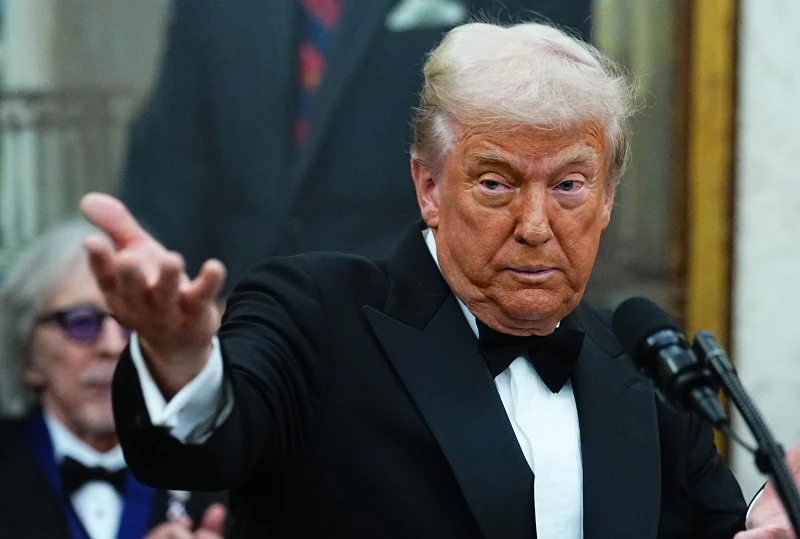
 U.S. President Donald Trump delivers remarks on Dec. 6, 2025, in Washington, D.C. / Credit: Aaron Schwartz/Getty Images

Washington, D.C. Newsroom, Dec 8, 2025 / 18:09 pm (CNA).
President Donald Trump honored the feast of the Immaculate Conception on Dec. 8, which appears to be the first time an American president formally recognized the Catholic holy day.The presidential statement recognized the role Mary played in the salvation of humanity and the importance she has in American history. The statement does, however, contain one theological error about the Incarnation. It says God became man when Christ was born, although Catholic doctrine recognizes God becoming man at the Incarnation: when Mary conceived him.“Today, I recognize every American celebrating Dec. 8 as a holy day honoring the faith, humility, and love of Mary, mother of Jesus and one of the greatest figures in the Bible,” the statement said. Trump, who is not Catholic and describes himself as a “non-denominational Christian,” has cultivated strong bonds with a broad range of Christians and frequently referenced religious holidays and symbols in ways that resonate with supporters.CNA could not find similar proclamations on the Immaculate Conception from other presidents, including none from the only two Catholic presidents: John F. Kennedy and Joe Biden. Other presidents have spoken about Mary and the Immaculate Conception, sometimes in messages relating to Christmas or other topics, but not in a formal recognition of this feast.“On the feast of the Immaculate Conception, Catholics celebrate what they believe to be Mary’s freedom from original sin as the mother of God,” the statement read.The feast day celebrates the miracle in which Mary was conceived without the stain of original sin. Every person — with the exception of Mary and Jesus Christ — receives the hereditary stain of original sin, which was brought onto humanity through the first sin of Adam and Eve when they disobeyed God by eating fruit from the tree of knowledge of good and evil.Mary’s importance to humanity and the United StatesThe presidential statement said Mary’s agreement at the Annunciation to conceive and bear the child Christ was “one of the most profound and consequential acts of history,” and Mary “heroically accepted God’s will with trust and humility.” It cites Luke 1:38: “Behold, I am the handmaid of the Lord. May it be done to me according to your word.” “Mary’s decision forever altered the course of humanity,” the statement read, adding that Christ “would go on to offer his life on the Cross for the redemption of sins and the salvation of the world.”President Trump’s statement also describes the annunciation by the archangel Gabriel, who calls the Blessed Mother “favored one” and tells her “you will conceive in your womb and bear a son, and you shall name him Jesus.”Later in the document, the presidential message says “we remember the sacred words that have brought aid, comfort, and support to generations of American believers in times of need,” and includes the text of the Hail Mary.Trump’s statement also acknowledges the “distinct role” Mary has played “in our great American story.”The president’s statement also specifically references Bishop John Carroll’s consecration of the United States to the Blessed Mother. Carroll was the only Catholic to sign the Declaration of Independence. In addition, the statement references the annual Mass of Thanksgiving in New Orleans on Jan. 8, in which Catholics celebrate Mary’s perceived assistance to U.S. troops under the command of General Andrew Jackson in winning the Battle of New Orleans.The message notes that “American legends” including St. Elizabeth Ann Seton, St. Frances Xavier Cabrini, and Venerable Fulton Sheen “held a deep devotion to Mary” and that many American churches, hospitals, universities, and schools bear her name. It adds that many Americans will also celebrate Our Lady of Guadalupe on Dec. 12.“As we approach 250 years of glorious American independence, we acknowledge and give thanks, with total gratitude, for Mary’s role in advancing peace, hope, and love in America and beyond our shores,” the presidential message reads.The presidential message also recognizes Pope Benedict XV dedicating a statue of Mary, Queen of Peace, to encourage Christians “to look to her example of peace by praying for a stop to the horrific slaughter” occurring in World War I, which then ended just a few months later.“Today, we look to Mary once again for inspiration and encouragement as we pray for an end to war and for a new and lasting era of peace, prosperity, and harmony in Europe and throughout the world,” Trump’s statement added.Catholics react to Trump’s messageChad Pecknold, a political science professor at The Catholic University of America, said he welcomed the president’s recognition of the feast day.“The more America publicly honors Christian feast days such as Christmas, Good Friday, and Easter, and the more we remember our greatest saints, as well as our national heroes, the better oriented our nation will be to God,” he said. “This is the spiritual key to raising up the Res Americana for the next 250 years.”Susan Hanssen, a history professor at the University of Dallas (a Catholic institution), called the presidential message “a jaw-droppingly historic event.” For a president to celebrate Mary as “full of grace” and celebrate “the centrality of the Incarnation,” she said “goes beyond anything that Americans have ever heard in presidential public speeches.”“This pronouncement, along with the first American pope in world history, marks a watershed moment in American cultural history,” Hanssen said. Caleb Henry, a political science professor at Franciscan University, told CNA Trump’s message appears to be an extension of the president’s America Prays campaign, which asks Americans to pray for the country ahead of the 250th anniversary of the Declaration of Independence next year.Henry said the initiative seeks to “reconnect America’s people of faith with … the signing of the Declaration of Independence.” He said the Immaculate Conception statement appears to be “a message to America’s Catholic faithful,” that the country’s history “while complicated, is rooted in these truths of natural law, laws of nature, and of nature’s God.”“We have a Marian tradition here in our country as well,” he said. The statement comes as the nation’s Catholic bishops have welcomed some of Trump’s policies, such as regarding gender ideology. Bishops also have expressed dismay about indiscriminate immigration enforcement and a plan to expand in vitro fertilization (IVF).The United States Conference of Catholic Bishops issued a unified special pastoral message against “indiscriminate mass deportations” on Nov. 12.Henry said a message like the one issued on the Immaculate Conception is “a typical Trump move” by “ignoring all existing hierarchies and going straight to the people.”Theological error in the messageThe statement contains a theological error. After discussing the Annunciation, the message states “nine months later, God became man when Mary gave birth to a son, Jesus.”Christ became man at the moment of the Incarnation, when Mary conceived him, not when he was born. Father Aquinas Guilbeau, OP, told CNA that although early councils clarified this teaching, the misunderstanding “endures today.” He said: “Even among Christians, sadly. It remains a favorite of poets.” He noted that even in “Silent Night,” the verse that says “Jesus, Lord, at thy birth” falls into this error because: “Jesus is Lord before his birth. He is Lord at his conception.”“Wherever it appears, the error may be pious and well-intentioned but it remains theologically inaccurate,” Guilbeau said.

Trump honors Mary’s ‘freedom from original sin’ in Immaculate Conception message #Catholic U.S. President Donald Trump delivers remarks on Dec. 6, 2025, in Washington, D.C. / Credit: Aaron Schwartz/Getty Images Washington, D.C. Newsroom, Dec 8, 2025 / 18:09 pm (CNA). President Donald Trump honored the feast of the Immaculate Conception on Dec. 8, which appears to be the first time an American president formally recognized the Catholic holy day.The presidential statement recognized the role Mary played in the salvation of humanity and the importance she has in American history. The statement does, however, contain one theological error about the Incarnation. It says God became man when Christ was born, although Catholic doctrine recognizes God becoming man at the Incarnation: when Mary conceived him.“Today, I recognize every American celebrating Dec. 8 as a holy day honoring the faith, humility, and love of Mary, mother of Jesus and one of the greatest figures in the Bible,” the statement said. Trump, who is not Catholic and describes himself as a “non-denominational Christian,” has cultivated strong bonds with a broad range of Christians and frequently referenced religious holidays and symbols in ways that resonate with supporters.CNA could not find similar proclamations on the Immaculate Conception from other presidents, including none from the only two Catholic presidents: John F. Kennedy and Joe Biden. Other presidents have spoken about Mary and the Immaculate Conception, sometimes in messages relating to Christmas or other topics, but not in a formal recognition of this feast.“On the feast of the Immaculate Conception, Catholics celebrate what they believe to be Mary’s freedom from original sin as the mother of God,” the statement read.The feast day celebrates the miracle in which Mary was conceived without the stain of original sin. Every person — with the exception of Mary and Jesus Christ — receives the hereditary stain of original sin, which was brought onto humanity through the first sin of Adam and Eve when they disobeyed God by eating fruit from the tree of knowledge of good and evil.Mary’s importance to humanity and the United StatesThe presidential statement said Mary’s agreement at the Annunciation to conceive and bear the child Christ was “one of the most profound and consequential acts of history,” and Mary “heroically accepted God’s will with trust and humility.” It cites Luke 1:38: “Behold, I am the handmaid of the Lord. May it be done to me according to your word.” “Mary’s decision forever altered the course of humanity,” the statement read, adding that Christ “would go on to offer his life on the Cross for the redemption of sins and the salvation of the world.”President Trump’s statement also describes the annunciation by the archangel Gabriel, who calls the Blessed Mother “favored one” and tells her “you will conceive in your womb and bear a son, and you shall name him Jesus.”Later in the document, the presidential message says “we remember the sacred words that have brought aid, comfort, and support to generations of American believers in times of need,” and includes the text of the Hail Mary.Trump’s statement also acknowledges the “distinct role” Mary has played “in our great American story.”The president’s statement also specifically references Bishop John Carroll’s consecration of the United States to the Blessed Mother. Carroll was the only Catholic to sign the Declaration of Independence. In addition, the statement references the annual Mass of Thanksgiving in New Orleans on Jan. 8, in which Catholics celebrate Mary’s perceived assistance to U.S. troops under the command of General Andrew Jackson in winning the Battle of New Orleans.The message notes that “American legends” including St. Elizabeth Ann Seton, St. Frances Xavier Cabrini, and Venerable Fulton Sheen “held a deep devotion to Mary” and that many American churches, hospitals, universities, and schools bear her name. It adds that many Americans will also celebrate Our Lady of Guadalupe on Dec. 12.“As we approach 250 years of glorious American independence, we acknowledge and give thanks, with total gratitude, for Mary’s role in advancing peace, hope, and love in America and beyond our shores,” the presidential message reads.The presidential message also recognizes Pope Benedict XV dedicating a statue of Mary, Queen of Peace, to encourage Christians “to look to her example of peace by praying for a stop to the horrific slaughter” occurring in World War I, which then ended just a few months later.“Today, we look to Mary once again for inspiration and encouragement as we pray for an end to war and for a new and lasting era of peace, prosperity, and harmony in Europe and throughout the world,” Trump’s statement added.Catholics react to Trump’s messageChad Pecknold, a political science professor at The Catholic University of America, said he welcomed the president’s recognition of the feast day.“The more America publicly honors Christian feast days such as Christmas, Good Friday, and Easter, and the more we remember our greatest saints, as well as our national heroes, the better oriented our nation will be to God,” he said. “This is the spiritual key to raising up the Res Americana for the next 250 years.”Susan Hanssen, a history professor at the University of Dallas (a Catholic institution), called the presidential message “a jaw-droppingly historic event.” For a president to celebrate Mary as “full of grace” and celebrate “the centrality of the Incarnation,” she said “goes beyond anything that Americans have ever heard in presidential public speeches.”“This pronouncement, along with the first American pope in world history, marks a watershed moment in American cultural history,” Hanssen said. Caleb Henry, a political science professor at Franciscan University, told CNA Trump’s message appears to be an extension of the president’s America Prays campaign, which asks Americans to pray for the country ahead of the 250th anniversary of the Declaration of Independence next year.Henry said the initiative seeks to “reconnect America’s people of faith with … the signing of the Declaration of Independence.” He said the Immaculate Conception statement appears to be “a message to America’s Catholic faithful,” that the country’s history “while complicated, is rooted in these truths of natural law, laws of nature, and of nature’s God.”“We have a Marian tradition here in our country as well,” he said. The statement comes as the nation’s Catholic bishops have welcomed some of Trump’s policies, such as regarding gender ideology. Bishops also have expressed dismay about indiscriminate immigration enforcement and a plan to expand in vitro fertilization (IVF).The United States Conference of Catholic Bishops issued a unified special pastoral message against “indiscriminate mass deportations” on Nov. 12.Henry said a message like the one issued on the Immaculate Conception is “a typical Trump move” by “ignoring all existing hierarchies and going straight to the people.”Theological error in the messageThe statement contains a theological error. After discussing the Annunciation, the message states “nine months later, God became man when Mary gave birth to a son, Jesus.”Christ became man at the moment of the Incarnation, when Mary conceived him, not when he was born. Father Aquinas Guilbeau, OP, told CNA that although early councils clarified this teaching, the misunderstanding “endures today.” He said: “Even among Christians, sadly. It remains a favorite of poets.” He noted that even in “Silent Night,” the verse that says “Jesus, Lord, at thy birth” falls into this error because: “Jesus is Lord before his birth. He is Lord at his conception.”“Wherever it appears, the error may be pious and well-intentioned but it remains theologically inaccurate,” Guilbeau said.


U.S. President Donald Trump delivers remarks on Dec. 6, 2025, in Washington, D.C. / Credit: Aaron Schwartz/Getty Images

Washington, D.C. Newsroom, Dec 8, 2025 / 18:09 pm (CNA).

President Donald Trump honored the feast of the Immaculate Conception on Dec. 8, which appears to be the first time an American president formally recognized the Catholic holy day.

The presidential statement recognized the role Mary played in the salvation of humanity and the importance she has in American history. The statement does, however, contain one theological error about the Incarnation. It says God became man when Christ was born, although Catholic doctrine recognizes God becoming man at the Incarnation: when Mary conceived him.

“Today, I recognize every American celebrating Dec. 8 as a holy day honoring the faith, humility, and love of Mary, mother of Jesus and one of the greatest figures in the Bible,” the statement said. Trump, who is not Catholic and describes himself as a “non-denominational Christian,” has cultivated strong bonds with a broad range of Christians and frequently referenced religious holidays and symbols in ways that resonate with supporters.

CNA could not find similar proclamations on the Immaculate Conception from other presidents, including none from the only two Catholic presidents: John F. Kennedy and Joe Biden. Other presidents have spoken about Mary and the Immaculate Conception, sometimes in messages relating to Christmas or other topics, but not in a formal recognition of this feast.

“On the feast of the Immaculate Conception, Catholics celebrate what they believe to be Mary’s freedom from original sin as the mother of God,” the statement read.

The feast day celebrates the miracle in which Mary was conceived without the stain of original sin. Every person — with the exception of Mary and Jesus Christ — receives the hereditary stain of original sin, which was brought onto humanity through the first sin of Adam and Eve when they disobeyed God by eating fruit from the tree of knowledge of good and evil.

Mary’s importance to humanity and the United States

The presidential statement said Mary’s agreement at the Annunciation to conceive and bear the child Christ was “one of the most profound and consequential acts of history,” and Mary “heroically accepted God’s will with trust and humility.” 

It cites Luke 1:38: “Behold, I am the handmaid of the Lord. May it be done to me according to your word.” 

“Mary’s decision forever altered the course of humanity,” the statement read, adding that Christ “would go on to offer his life on the Cross for the redemption of sins and the salvation of the world.”

President Trump’s statement also describes the annunciation by the archangel Gabriel, who calls the Blessed Mother “favored one” and tells her “you will conceive in your womb and bear a son, and you shall name him Jesus.”

Later in the document, the presidential message says “we remember the sacred words that have brought aid, comfort, and support to generations of American believers in times of need,” and includes the text of the Hail Mary.

Trump’s statement also acknowledges the “distinct role” Mary has played “in our great American story.”

The president’s statement also specifically references Bishop John Carroll’s consecration of the United States to the Blessed Mother. Carroll was the only Catholic to sign the Declaration of Independence. In addition, the statement references the annual Mass of Thanksgiving in New Orleans on Jan. 8, in which Catholics celebrate Mary’s perceived assistance to U.S. troops under the command of General Andrew Jackson in winning the Battle of New Orleans.

The message notes that “American legends” including St. Elizabeth Ann Seton, St. Frances Xavier Cabrini, and Venerable Fulton Sheen “held a deep devotion to Mary” and that many American churches, hospitals, universities, and schools bear her name. It adds that many Americans will also celebrate Our Lady of Guadalupe on Dec. 12.

“As we approach 250 years of glorious American independence, we acknowledge and give thanks, with total gratitude, for Mary’s role in advancing peace, hope, and love in America and beyond our shores,” the presidential message reads.

The presidential message also recognizes Pope Benedict XV dedicating a statue of Mary, Queen of Peace, to encourage Christians “to look to her example of peace by praying for a stop to the horrific slaughter” occurring in World War I, which then ended just a few months later.

“Today, we look to Mary once again for inspiration and encouragement as we pray for an end to war and for a new and lasting era of peace, prosperity, and harmony in Europe and throughout the world,” Trump’s statement added.

Catholics react to Trump’s message

Chad Pecknold, a political science professor at The Catholic University of America, said he welcomed the president’s recognition of the feast day.

“The more America publicly honors Christian feast days such as Christmas, Good Friday, and Easter, and the more we remember our greatest saints, as well as our national heroes, the better oriented our nation will be to God,” he said. “This is the spiritual key to raising up the Res Americana for the next 250 years.”

Susan Hanssen, a history professor at the University of Dallas (a Catholic institution), called the presidential message “a jaw-droppingly historic event.” For a president to celebrate Mary as “full of grace” and celebrate “the centrality of the Incarnation,” she said “goes beyond anything that Americans have ever heard in presidential public speeches.”

“This pronouncement, along with the first American pope in world history, marks a watershed moment in American cultural history,” Hanssen said. 

Caleb Henry, a political science professor at Franciscan University, told CNA Trump’s message appears to be an extension of the president’s America Prays campaign, which asks Americans to pray for the country ahead of the 250th anniversary of the Declaration of Independence next year.

Henry said the initiative seeks to “reconnect America’s people of faith with … the signing of the Declaration of Independence.” He said the Immaculate Conception statement appears to be “a message to America’s Catholic faithful,” that the country’s history “while complicated, is rooted in these truths of natural law, laws of nature, and of nature’s God.”

“We have a Marian tradition here in our country as well,” he said. 

The statement comes as the nation’s Catholic bishops have welcomed some of Trump’s policies, such as regarding gender ideology. Bishops also have expressed dismay about indiscriminate immigration enforcement and a plan to expand in vitro fertilization (IVF).

The United States Conference of Catholic Bishops issued a unified special pastoral message against “indiscriminate mass deportations” on Nov. 12.

Henry said a message like the one issued on the Immaculate Conception is “a typical Trump move” by “ignoring all existing hierarchies and going straight to the people.”

Theological error in the message

The statement contains a theological error. After discussing the Annunciation, the message states “nine months later, God became man when Mary gave birth to a son, Jesus.”

Christ became man at the moment of the Incarnation, when Mary conceived him, not when he was born. 

Father Aquinas Guilbeau, OP, told CNA that although early councils clarified this teaching, the misunderstanding “endures today.” He said: “Even among Christians, sadly. It remains a favorite of poets.” 

He noted that even in “Silent Night,” the verse that says “Jesus, Lord, at thy birth” falls into this error because: “Jesus is Lord before his birth. He is Lord at his conception.”

“Wherever it appears, the error may be pious and well-intentioned but it remains theologically inaccurate,” Guilbeau said.

Read More
What is ‘papal infallibility?’ CNA explains an often-misunderstood Church teaching #Catholic 
 
 When Pope Pius IX declared the doctrine of the Immaculate Conception of the Virgin Mary on Dec. 8, 1854, he had a golden crown added to the mosaic of Mary, Virgin Immaculate, in the Chapel of the Choir in St. Peter’s Basilica. / Credit: Daniel Ibañez/CNA

CNA Staff, Dec 8, 2025 / 06:00 am (CNA).
On Dec. 8 the Catholic Church celebrates the solemnity of the Immaculate Conception — a paramount feast in the Church’s liturgical calendar and one that indirectly touches on a regularly misunderstood but important piece of Church dogma.The solemnity is the patronal feast of the United States and marks the recognition of the Blessed Mother’s freedom from original sin, which the Church teaches she was granted from the moment of conception.The Catechism of the Catholic Church states that Mary was “redeemed from the moment of her conception” (No. 491) in order “to be able to give the free assent of her faith to the announcement of her vocation” (No. 490). The dogma was disputed and challenged by Protestants over the centuries, leading Pope Pius IX to affirm it in his 1854 encyclical Ineffabilis Deus, stating unequivocally that Mary “was endowed with the grace of the Holy Spirit and preserved from original sin” upon her conception. Ineffabilis Deus is among the papal pronouncements that theologians have long considered to be “infallible.” But what does papal infallibility mean in the context and history of the Church?Defined by First Vatican Council in 1870Though Church historians argue that numerous papal statements down through the centuries can potentially be regarded as infallible under this teaching, the concept itself was not fully defined by the Church until the mid-19th century.In its first dogmatic constitution on the Church of Christ, Pastor Aeternus, the First Vatican Council held that the pope, when speaking “in the exercise of his office as shepherd and teacher of all Christians, in virtue of his supreme apostolic authority,” and while defining “a doctrine concerning faith or morals to be held by the whole Church,” possesses the infallibility that Jesus “willed his Church to enjoy in defining doctrine concerning faith or morals.”Father Patrick Flanagan, an associate professor of theology at St. John’s University, told CNA that the doctrine of papal infallibility “does not concern the pope’s character.”“The pope is human,” Flanagan said. “In other words, he is fallible. He can sin and err in what he says about everyday matters.”Yet in “rare historical, narrowly defined moments” when the pope “exercises his authority as the supreme teacher of the Church of the Petrine office” and speaks “ex cathedra,” he is guided by the Holy Spirit to speak “indisputable truth” about faith and morals, Flanagan said. Flanagan underscored the four specific criteria that a papal statement must make to be considered infallible. For one, the pope must speak “in his official capacity as supreme pontiff,” not off-the-cuff or informally. The doctrine, meanwhile, must concern a matter of faith or morals. “No pope would speak ex cathedra on scientific, economic, or other nonreligious subjects,” Flanagan said. The statement must also be “explicitly straightforward and definitive,” he said, and it “must be intended to bind the whole Church as a matter of divine and Roman Catholic faith.” John P. Joy, a professor of theology and the dean of faculty at St. Ambrose Academy in Madison, Wisconsin, told CNA that the doctrine can be identified in part by the reading of Matthew 16:19.In that passage, Christ tells Peter, the first pope: “I will give you the keys to the kingdom of heaven. Whatever you bind on earth shall be bound in heaven, and whatever you loose on earth shall be loosed in heaven.”“Part of what Jesus is promising here is that he will endorse and ratify in heaven all of the judgments that Peter makes on earth,” Joy said. “So when Peter (or one of his successors) turns the key, so to speak, that is, when he explicitly declares that all Catholics are bound to believe something on earth, then we have the words of Jesus assuring us that God himself will hold us bound to believe the same thing in heaven,” he said. Though the concept of papal infallibility is well known and has become something of a pop culture reference, the number of times a pope has declared something infallibly appears to be relatively small. Theologians and historians do not always agree on what papal statements through the centuries can be deemed infallible. Joy pointed to the Immaculate Conception, as well as Pope Pius XII’s declaration on the Assumption of the Blessed Virgin in 1950, as two of the most well known.He pointed to numerous other statements, such as Pope Benedict XII’s Benedictus Deus from 1336 and Pope Leo X’s Exsurge Domine in 1520, as infallible statements. Flanagan pointed out that there is “no official list” of papally infallible statements. Such declarations are “rare,” he said. “A pope invokes his extraordinary magisterial powers sparingly.” When Catholics trust a papally infallible statement, Joy stressed, they “are not putting [their] faith in the pope as if he were an oracle of truth or a source of divine revelation.” “We are rather putting our faith in God, whom we firmly believe will intervene in order to stop any pope who might be tempted to proclaim a false doctrine in a definitive way,” he said. 

What is ‘papal infallibility?’ CNA explains an often-misunderstood Church teaching #Catholic When Pope Pius IX declared the doctrine of the Immaculate Conception of the Virgin Mary on Dec. 8, 1854, he had a golden crown added to the mosaic of Mary, Virgin Immaculate, in the Chapel of the Choir in St. Peter’s Basilica. / Credit: Daniel Ibañez/CNA CNA Staff, Dec 8, 2025 / 06:00 am (CNA). On Dec. 8 the Catholic Church celebrates the solemnity of the Immaculate Conception — a paramount feast in the Church’s liturgical calendar and one that indirectly touches on a regularly misunderstood but important piece of Church dogma.The solemnity is the patronal feast of the United States and marks the recognition of the Blessed Mother’s freedom from original sin, which the Church teaches she was granted from the moment of conception.The Catechism of the Catholic Church states that Mary was “redeemed from the moment of her conception” (No. 491) in order “to be able to give the free assent of her faith to the announcement of her vocation” (No. 490). The dogma was disputed and challenged by Protestants over the centuries, leading Pope Pius IX to affirm it in his 1854 encyclical Ineffabilis Deus, stating unequivocally that Mary “was endowed with the grace of the Holy Spirit and preserved from original sin” upon her conception. Ineffabilis Deus is among the papal pronouncements that theologians have long considered to be “infallible.” But what does papal infallibility mean in the context and history of the Church?Defined by First Vatican Council in 1870Though Church historians argue that numerous papal statements down through the centuries can potentially be regarded as infallible under this teaching, the concept itself was not fully defined by the Church until the mid-19th century.In its first dogmatic constitution on the Church of Christ, Pastor Aeternus, the First Vatican Council held that the pope, when speaking “in the exercise of his office as shepherd and teacher of all Christians, in virtue of his supreme apostolic authority,” and while defining “a doctrine concerning faith or morals to be held by the whole Church,” possesses the infallibility that Jesus “willed his Church to enjoy in defining doctrine concerning faith or morals.”Father Patrick Flanagan, an associate professor of theology at St. John’s University, told CNA that the doctrine of papal infallibility “does not concern the pope’s character.”“The pope is human,” Flanagan said. “In other words, he is fallible. He can sin and err in what he says about everyday matters.”Yet in “rare historical, narrowly defined moments” when the pope “exercises his authority as the supreme teacher of the Church of the Petrine office” and speaks “ex cathedra,” he is guided by the Holy Spirit to speak “indisputable truth” about faith and morals, Flanagan said. Flanagan underscored the four specific criteria that a papal statement must make to be considered infallible. For one, the pope must speak “in his official capacity as supreme pontiff,” not off-the-cuff or informally. The doctrine, meanwhile, must concern a matter of faith or morals. “No pope would speak ex cathedra on scientific, economic, or other nonreligious subjects,” Flanagan said. The statement must also be “explicitly straightforward and definitive,” he said, and it “must be intended to bind the whole Church as a matter of divine and Roman Catholic faith.” John P. Joy, a professor of theology and the dean of faculty at St. Ambrose Academy in Madison, Wisconsin, told CNA that the doctrine can be identified in part by the reading of Matthew 16:19.In that passage, Christ tells Peter, the first pope: “I will give you the keys to the kingdom of heaven. Whatever you bind on earth shall be bound in heaven, and whatever you loose on earth shall be loosed in heaven.”“Part of what Jesus is promising here is that he will endorse and ratify in heaven all of the judgments that Peter makes on earth,” Joy said. “So when Peter (or one of his successors) turns the key, so to speak, that is, when he explicitly declares that all Catholics are bound to believe something on earth, then we have the words of Jesus assuring us that God himself will hold us bound to believe the same thing in heaven,” he said. Though the concept of papal infallibility is well known and has become something of a pop culture reference, the number of times a pope has declared something infallibly appears to be relatively small. Theologians and historians do not always agree on what papal statements through the centuries can be deemed infallible. Joy pointed to the Immaculate Conception, as well as Pope Pius XII’s declaration on the Assumption of the Blessed Virgin in 1950, as two of the most well known.He pointed to numerous other statements, such as Pope Benedict XII’s Benedictus Deus from 1336 and Pope Leo X’s Exsurge Domine in 1520, as infallible statements. Flanagan pointed out that there is “no official list” of papally infallible statements. Such declarations are “rare,” he said. “A pope invokes his extraordinary magisterial powers sparingly.” When Catholics trust a papally infallible statement, Joy stressed, they “are not putting [their] faith in the pope as if he were an oracle of truth or a source of divine revelation.” “We are rather putting our faith in God, whom we firmly believe will intervene in order to stop any pope who might be tempted to proclaim a false doctrine in a definitive way,” he said. 


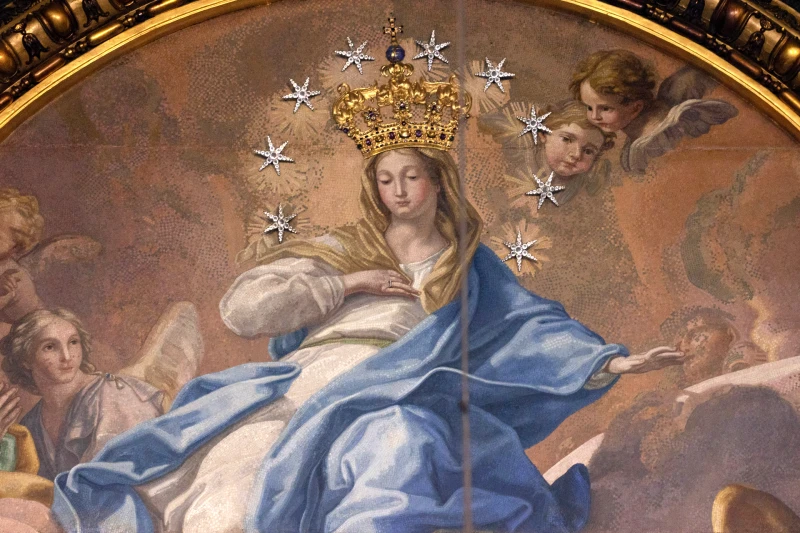
When Pope Pius IX declared the doctrine of the Immaculate Conception of the Virgin Mary on Dec. 8, 1854, he had a golden crown added to the mosaic of Mary, Virgin Immaculate, in the Chapel of the Choir in St. Peter’s Basilica. / Credit: Daniel Ibañez/CNA

CNA Staff, Dec 8, 2025 / 06:00 am (CNA).

On Dec. 8 the Catholic Church celebrates the solemnity of the Immaculate Conception — a paramount feast in the Church’s liturgical calendar and one that indirectly touches on a regularly misunderstood but important piece of Church dogma.

The solemnity is the patronal feast of the United States and marks the recognition of the Blessed Mother’s freedom from original sin, which the Church teaches she was granted from the moment of conception.

The Catechism of the Catholic Church states that Mary was “redeemed from the moment of her conception” (No. 491) in order “to be able to give the free assent of her faith to the announcement of her vocation” (No. 490). 

The dogma was disputed and challenged by Protestants over the centuries, leading Pope Pius IX to affirm it in his 1854 encyclical Ineffabilis Deus, stating unequivocally that Mary “was endowed with the grace of the Holy Spirit and preserved from original sin” upon her conception. 

Ineffabilis Deus is among the papal pronouncements that theologians have long considered to be “infallible.” But what does papal infallibility mean in the context and history of the Church?

Defined by First Vatican Council in 1870

Though Church historians argue that numerous papal statements down through the centuries can potentially be regarded as infallible under this teaching, the concept itself was not fully defined by the Church until the mid-19th century.

In its first dogmatic constitution on the Church of Christ, Pastor Aeternus, the First Vatican Council held that the pope, when speaking “in the exercise of his office as shepherd and teacher of all Christians, in virtue of his supreme apostolic authority,” and while defining “a doctrine concerning faith or morals to be held by the whole Church,” possesses the infallibility that Jesus “willed his Church to enjoy in defining doctrine concerning faith or morals.”

Father Patrick Flanagan, an associate professor of theology at St. John’s University, told CNA that the doctrine of papal infallibility “does not concern the pope’s character.”

“The pope is human,” Flanagan said. “In other words, he is fallible. He can sin and err in what he says about everyday matters.”

Yet in “rare historical, narrowly defined moments” when the pope “exercises his authority as the supreme teacher of the Church of the Petrine office” and speaks “ex cathedra,” he is guided by the Holy Spirit to speak “indisputable truth” about faith and morals, Flanagan said. 

Flanagan underscored the four specific criteria that a papal statement must make to be considered infallible. For one, the pope must speak “in his official capacity as supreme pontiff,” not off-the-cuff or informally. 

The doctrine, meanwhile, must concern a matter of faith or morals. “No pope would speak ex cathedra on scientific, economic, or other nonreligious subjects,” Flanagan said. 

The statement must also be “explicitly straightforward and definitive,” he said, and it “must be intended to bind the whole Church as a matter of divine and Roman Catholic faith.” 

John P. Joy, a professor of theology and the dean of faculty at St. Ambrose Academy in Madison, Wisconsin, told CNA that the doctrine can be identified in part by the reading of Matthew 16:19.

In that passage, Christ tells Peter, the first pope: “I will give you the keys to the kingdom of heaven. Whatever you bind on earth shall be bound in heaven, and whatever you loose on earth shall be loosed in heaven.”

“Part of what Jesus is promising here is that he will endorse and ratify in heaven all of the judgments that Peter makes on earth,” Joy said. 

“So when Peter (or one of his successors) turns the key, so to speak, that is, when he explicitly declares that all Catholics are bound to believe something on earth, then we have the words of Jesus assuring us that God himself will hold us bound to believe the same thing in heaven,” he said. 

Though the concept of papal infallibility is well known and has become something of a pop culture reference, the number of times a pope has declared something infallibly appears to be relatively small. 

Theologians and historians do not always agree on what papal statements through the centuries can be deemed infallible. Joy pointed to the Immaculate Conception, as well as Pope Pius XII’s declaration on the Assumption of the Blessed Virgin in 1950, as two of the most well known.

He pointed to numerous other statements, such as Pope Benedict XII’s Benedictus Deus from 1336 and Pope Leo X’s Exsurge Domine in 1520, as infallible statements. 

Flanagan pointed out that there is “no official list” of papally infallible statements. Such declarations are “rare,” he said. “A pope invokes his extraordinary magisterial powers sparingly.” 

When Catholics trust a papally infallible statement, Joy stressed, they “are not putting [their] faith in the pope as if he were an oracle of truth or a source of divine revelation.” 

“We are rather putting our faith in God, whom we firmly believe will intervene in order to stop any pope who might be tempted to proclaim a false doctrine in a definitive way,” he said. 

Read More
The unlikely hero of India: St. Francis Xavier  #Catholic 
 
 A 17th-century Japanese depiction of St. Francis Xavier from the Kobe City Museum collection. / Credit: Public domain

Washington, D.C. Newsroom, Dec 3, 2025 / 04:00 am (CNA).
How far would you go to serve God? Would you be willing to travel to the ends of the earth, with nothing but the guarantee of hardship, deprivation, and persecution? Dec. 3 is the feast of St. Francis Xavier, the patron saint of missionaries and missions who led an unlikely life of adventure and heroism, full of unexpected twists and turns, taking the faith to the ends of the earth. Born in 1506 to a noble Navarrese-Basque family, Francis grew up in a land wracked with war. Wedged between the growing imperial powers of Castile-Aragon (Spain) and France, Navarre seldom knew peace during Francis’ childhood. As a member of the nobility, Francis was expected to lead a warrior’s life along with his father and brothers. But at the age of 10, his life took its first dramatic and tragic turn. His father died, his homeland kingdom of Navarre was defeated by Spain, his brothers were imprisoned, and his childhood home, the Castle of the House of Javier (Xavier), was almost entirely destroyed. With Francis’ family disgraced and nearly wiped out, his prospects for a bright future looked dim. But God still had incredible plans for young Francis. Hoping to rebuild the family’s legacy, Francis was sent in 1525 to the center of European theology and studies — the University of Paris.There, Francis quickly made a name for himself. Handsome, he also had a keen intellect and was an agile athlete with a particular gift for pole vaulting. The last thing on young Francis’ mind was a life of humble service to God and the Church. However, his life took a second dramatic turn after he met a fellow Basque noble, Ignatius of Loyola. Headstrong and stubborn, Francis was initially repelled by Ignatius’ ideas of radical devotion to God. But Ignatius would remind him of Jesus’ words in the Bible: “For what doth it profit a man, if he gains the whole world and suffers the loss of his own soul?” (Mt 16:26).Inspired by Ignatius’ piety and fervor, Francis finally decided to dedicate his life to the service of God. In 1534, along with Ignatius and five others, Francis took vows of poverty, chastity, and obedience in a chapel at Montmartre in France.Receiving holy orders alongside Ignatius in 1537, Francis had intended to make a pilgrimage to the Holy Land. But war in the region made such a journey impossible. Once again, God was about to unexpectedly and radically alter the course of Francis’ life.Pope Leo III asked the newly-founded Jesuits to send missionaries to the Portuguese colonies in India. Though Francis was originally not supposed to go, one of the Jesuits assigned to the mission fell ill, and Francis volunteered in his place. Through that courageous act of trust, God would use Francis to transform the entire Asian continent.Francis set out for India in 1541 on his 35th birthday. Traveling by sea at this time was extremely dangerous and uncomfortable, and those who dared to do so risked disease with no guarantee of ever successfully arriving at their destination. Francis had to sail all the way around Africa, past the Cape of Good Hope, almost to the very bottom of the globe, just to cross the Indian Ocean and arrive in Goa, a province in India.Upon his arrival in India in 1542, Francis immediately faced countless challenges in bringing the word of God to the people of this new and foreign region. For seven years Francis preached in the streets and public squares, laboring tirelessly across India and the Asian Pacific islands, contending with persecution from warlords and at times even from the Portuguese authorities meant to help him. After converting tens of thousands and planting the seeds of a renewed and lasting Christian Church in India, Francis began to hear stories about an enchanting island nation known as “Japan.” His heart was set ablaze with the desire to bring the Gospel to Japan. After he had ensured the faithful in India would be properly cared for, Francis set sail for the mysterious new land, becoming the first to bring the Christian faith to Japan, on the complete opposite side of the world from his home in Navarre. In Japan, Francis and his companions traveled far and wide, often on foot and with almost no resources. Crisscrossing the nation, he built up a vibrant Christian community more than 6,000 miles from Rome. Francis would then hear of the even more mysterious and closely guarded nation of China and there, too, he decided to bring the word of God. But before he could find a way into China’s heartland, he became ill and died in 1552 while on the Chinese Shangchuan Island. Now considered one of the greatest of all the Church’s missionaries, St. Francis Xavier proved that one life lived in complete trust in God can transform an entire continent and the whole world. This story was first published on Dec. 3, 2022, and has been updated.

The unlikely hero of India: St. Francis Xavier  #Catholic A 17th-century Japanese depiction of St. Francis Xavier from the Kobe City Museum collection. / Credit: Public domain Washington, D.C. Newsroom, Dec 3, 2025 / 04:00 am (CNA). How far would you go to serve God? Would you be willing to travel to the ends of the earth, with nothing but the guarantee of hardship, deprivation, and persecution? Dec. 3 is the feast of St. Francis Xavier, the patron saint of missionaries and missions who led an unlikely life of adventure and heroism, full of unexpected twists and turns, taking the faith to the ends of the earth. Born in 1506 to a noble Navarrese-Basque family, Francis grew up in a land wracked with war. Wedged between the growing imperial powers of Castile-Aragon (Spain) and France, Navarre seldom knew peace during Francis’ childhood. As a member of the nobility, Francis was expected to lead a warrior’s life along with his father and brothers. But at the age of 10, his life took its first dramatic and tragic turn. His father died, his homeland kingdom of Navarre was defeated by Spain, his brothers were imprisoned, and his childhood home, the Castle of the House of Javier (Xavier), was almost entirely destroyed. With Francis’ family disgraced and nearly wiped out, his prospects for a bright future looked dim. But God still had incredible plans for young Francis. Hoping to rebuild the family’s legacy, Francis was sent in 1525 to the center of European theology and studies — the University of Paris.There, Francis quickly made a name for himself. Handsome, he also had a keen intellect and was an agile athlete with a particular gift for pole vaulting. The last thing on young Francis’ mind was a life of humble service to God and the Church. However, his life took a second dramatic turn after he met a fellow Basque noble, Ignatius of Loyola. Headstrong and stubborn, Francis was initially repelled by Ignatius’ ideas of radical devotion to God. But Ignatius would remind him of Jesus’ words in the Bible: “For what doth it profit a man, if he gains the whole world and suffers the loss of his own soul?” (Mt 16:26).Inspired by Ignatius’ piety and fervor, Francis finally decided to dedicate his life to the service of God. In 1534, along with Ignatius and five others, Francis took vows of poverty, chastity, and obedience in a chapel at Montmartre in France.Receiving holy orders alongside Ignatius in 1537, Francis had intended to make a pilgrimage to the Holy Land. But war in the region made such a journey impossible. Once again, God was about to unexpectedly and radically alter the course of Francis’ life.Pope Leo III asked the newly-founded Jesuits to send missionaries to the Portuguese colonies in India. Though Francis was originally not supposed to go, one of the Jesuits assigned to the mission fell ill, and Francis volunteered in his place. Through that courageous act of trust, God would use Francis to transform the entire Asian continent.Francis set out for India in 1541 on his 35th birthday. Traveling by sea at this time was extremely dangerous and uncomfortable, and those who dared to do so risked disease with no guarantee of ever successfully arriving at their destination. Francis had to sail all the way around Africa, past the Cape of Good Hope, almost to the very bottom of the globe, just to cross the Indian Ocean and arrive in Goa, a province in India.Upon his arrival in India in 1542, Francis immediately faced countless challenges in bringing the word of God to the people of this new and foreign region. For seven years Francis preached in the streets and public squares, laboring tirelessly across India and the Asian Pacific islands, contending with persecution from warlords and at times even from the Portuguese authorities meant to help him. After converting tens of thousands and planting the seeds of a renewed and lasting Christian Church in India, Francis began to hear stories about an enchanting island nation known as “Japan.” His heart was set ablaze with the desire to bring the Gospel to Japan. After he had ensured the faithful in India would be properly cared for, Francis set sail for the mysterious new land, becoming the first to bring the Christian faith to Japan, on the complete opposite side of the world from his home in Navarre. In Japan, Francis and his companions traveled far and wide, often on foot and with almost no resources. Crisscrossing the nation, he built up a vibrant Christian community more than 6,000 miles from Rome. Francis would then hear of the even more mysterious and closely guarded nation of China and there, too, he decided to bring the word of God. But before he could find a way into China’s heartland, he became ill and died in 1552 while on the Chinese Shangchuan Island. Now considered one of the greatest of all the Church’s missionaries, St. Francis Xavier proved that one life lived in complete trust in God can transform an entire continent and the whole world. This story was first published on Dec. 3, 2022, and has been updated.


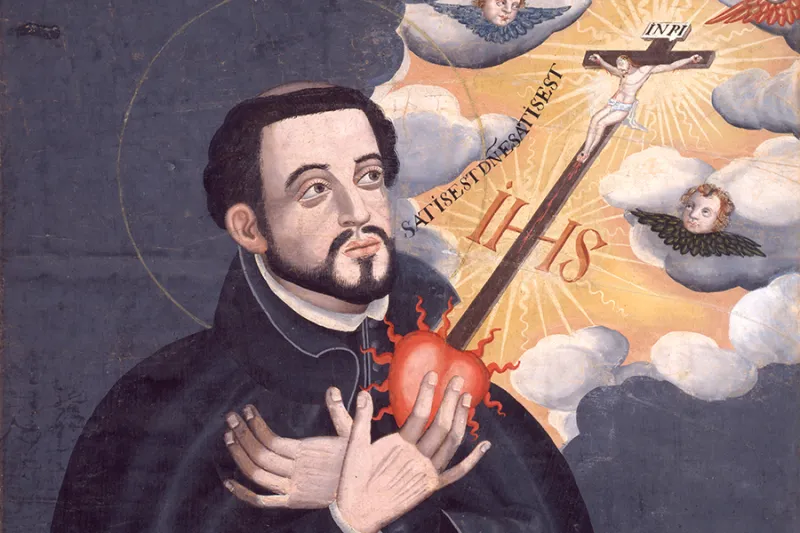
A 17th-century Japanese depiction of St. Francis Xavier from the Kobe City Museum collection. / Credit: Public domain

Washington, D.C. Newsroom, Dec 3, 2025 / 04:00 am (CNA).

How far would you go to serve God? Would you be willing to travel to the ends of the earth, with nothing but the guarantee of hardship, deprivation, and persecution? 

Dec. 3 is the feast of St. Francis Xavier, the patron saint of missionaries and missions who led an unlikely life of adventure and heroism, full of unexpected twists and turns, taking the faith to the ends of the earth. 

Born in 1506 to a noble Navarrese-Basque family, Francis grew up in a land wracked with war. Wedged between the growing imperial powers of Castile-Aragon (Spain) and France, Navarre seldom knew peace during Francis’ childhood. 

As a member of the nobility, Francis was expected to lead a warrior’s life along with his father and brothers. But at the age of 10, his life took its first dramatic and tragic turn. His father died, his homeland kingdom of Navarre was defeated by Spain, his brothers were imprisoned, and his childhood home, the Castle of the House of Javier (Xavier), was almost entirely destroyed. 

With Francis’ family disgraced and nearly wiped out, his prospects for a bright future looked dim. But God still had incredible plans for young Francis. 

Hoping to rebuild the family’s legacy, Francis was sent in 1525 to the center of European theology and studies — the University of Paris.

There, Francis quickly made a name for himself. Handsome, he also had a keen intellect and was an agile athlete with a particular gift for pole vaulting. The last thing on young Francis’ mind was a life of humble service to God and the Church. However, his life took a second dramatic turn after he met a fellow Basque noble, Ignatius of Loyola.

Headstrong and stubborn, Francis was initially repelled by Ignatius’ ideas of radical devotion to God. But Ignatius would remind him of Jesus’ words in the Bible: “For what doth it profit a man, if he gains the whole world and suffers the loss of his own soul?” (Mt 16:26).

Inspired by Ignatius’ piety and fervor, Francis finally decided to dedicate his life to the service of God. In 1534, along with Ignatius and five others, Francis took vows of poverty, chastity, and obedience in a chapel at Montmartre in France.

Receiving holy orders alongside Ignatius in 1537, Francis had intended to make a pilgrimage to the Holy Land. But war in the region made such a journey impossible. Once again, God was about to unexpectedly and radically alter the course of Francis’ life.

Pope Leo III asked the newly-founded Jesuits to send missionaries to the Portuguese colonies in India. Though Francis was originally not supposed to go, one of the Jesuits assigned to the mission fell ill, and Francis volunteered in his place. Through that courageous act of trust, God would use Francis to transform the entire Asian continent.

Francis set out for India in 1541 on his 35th birthday. Traveling by sea at this time was extremely dangerous and uncomfortable, and those who dared to do so risked disease with no guarantee of ever successfully arriving at their destination. Francis had to sail all the way around Africa, past the Cape of Good Hope, almost to the very bottom of the globe, just to cross the Indian Ocean and arrive in Goa, a province in India.

Upon his arrival in India in 1542, Francis immediately faced countless challenges in bringing the word of God to the people of this new and foreign region. For seven years Francis preached in the streets and public squares, laboring tirelessly across India and the Asian Pacific islands, contending with persecution from warlords and at times even from the Portuguese authorities meant to help him. 

After converting tens of thousands and planting the seeds of a renewed and lasting Christian Church in India, Francis began to hear stories about an enchanting island nation known as “Japan.” His heart was set ablaze with the desire to bring the Gospel to Japan.

After he had ensured the faithful in India would be properly cared for, Francis set sail for the mysterious new land, becoming the first to bring the Christian faith to Japan, on the complete opposite side of the world from his home in Navarre.

In Japan, Francis and his companions traveled far and wide, often on foot and with almost no resources. Crisscrossing the nation, he built up a vibrant Christian community more than 6,000 miles from Rome. 

Francis would then hear of the even more mysterious and closely guarded nation of China and there, too, he decided to bring the word of God. But before he could find a way into China’s heartland, he became ill and died in 1552 while on the Chinese Shangchuan Island. 

Now considered one of the greatest of all the Church’s missionaries, St. Francis Xavier proved that one life lived in complete trust in God can transform an entire continent and the whole world. 

This story was first published on Dec. 3, 2022, and has been updated.

Read More
Filipino archbishop asks Catholics to attend protests against government corruption #Catholic 
 
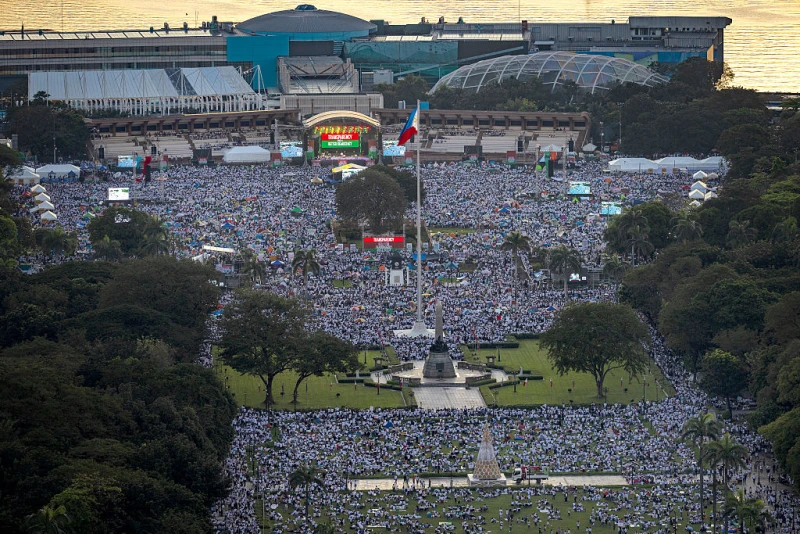
 Members of Iglesia ni Cristo take part in a protest against corruption on Nov. 16, 2025 in Manila, Philippines. A powerful Philippine megachurch, Iglesia ni Cristo, mobilized over half a million members to join growing protests over alleged corruption in multibillion-peso flood control projects. Catholic leaders in the Philippines have also mobilized Catholics to participate in similar marches. / Credit: Ezra Acayan/Getty Images

CNA Staff, Nov 28, 2025 / 05:53 am (CNA).
Here is a roundup of Catholic world news from the past week that you might have missed. Filipino archbishop asks Catholics to attend protests against government corruptionCardinal Pablo Virgilio David, the outgoing president of the Catholic Bishops’ Conference of the Philippines, has invited Filipinos across the country to attend rallies this weekend in Manila to protest government corruption. The protest comes on the heels of the Trillion Peso March held on Sept. 21, which drew hundreds of thousands.Thousands of Filipinos are expected to participate in the march Sunday, according to Herald Malaysia Online. The protests come amid a growing political crisis and rising public anger over scandals and abuses of government funds.Priest and security guard attacked in Trinidad A priest and a security guard at St. Benedict’s Roman Catholic Church in La Romaine, Trinidad, were the victims of an attack and robbery on Monday, Trinidad Express reported. Five attackers cut the electricity, bound the security guard, entered the rectory, woke and tied up the priest Father Derek Anton, and stole various electronics and cash. The crime is being investigated and the Archdiocese of Port of Spain has confirmed it. “At this time we ask you all for your prayers [for the victims] and for all victims of crime,” the archdiocese said in its statement.Mozambique archbishop pleads for humanitarian support to aid displaced peopleArchbishop Inacio Saure of Namula, Mozambique, has issued an urgent plea for humanitarian aid for more than 30,000 people who have been displaced in the Alua district of Memba. Saure, who is also president of the Episcopal Conference of Mozambique told Vatican News that the people have fled their homes “are currently sheltering in the administrative post of Alua” due to recent terrorist incursions in Nampula province. The archbishop said he has instructed Caritas in Nampula to respond to the crisis. Catholic Church rallies in Thailand to assist victims of historic flooding Historic flooding in southern Thailand has impacted over two million people, causing death and destruction and stranding many tourists. According to Vatican News, in response to the disaster Bishop Paul Trairong Multree of the Diocese of Surat Thani called a meeting Tuesday of Church-led relief groups. “Our relief team will get working tomorrow morning immediately with [the Catholic Office for Emergency Relief and Refugees], bringing drinking water and essentials to the people affected,” Trairong reportedly told LiCAS News, adding that supplies are expected to arrive from Bangkok and other dioceses. Tensions between Pakistanis and Afghans may erupt into new war, says Karachi priestEscalating tensions between Pakistan and Afghanistan have created fear that a new war may be on the horizon, according to Father Mario Angelo Rodrigues, a priest of the Archdiocese of Karachi and rector of St. Patrick’s Catholic High School in Karachi. He told Fides that resentments and fears have built in the wake of the influx of Afghani refugees and recent terrorist attacks. “To re-establish a climate of mutual trust and embark on a path to peace, the Pakistani government should accept the situation and grant residency to Afghan refugees who are living peacefully and have no links to terrorism, in the spirit of an open and pluralistic society,” the priest said. He also noted that “the government in Kabul should cooperate in combating terrorism, our common enemy. As Pakistani Christians, we support paths of acceptance and brotherhood so that we can live in true peace within our society and with our neighbors." Nun who fights human trafficking reacts to new UN report on femicideIn the wake of a new UN report highlighting the high numbers of women killed by men and new forms of violence being caused by tech developments, Sister Abby Avelino, the international coordinator of Talitha Kum, an international group that fights human trafficking, told Vatican News that, “Digital violence is increasingly widespread, and the online world is now a major site of exploitation.” The UN report shows that more than 38% of women are estimated to have experienced online violence, while 85% have witnessed abuse directed at other women on digital platforms.

Filipino archbishop asks Catholics to attend protests against government corruption #Catholic Members of Iglesia ni Cristo take part in a protest against corruption on Nov. 16, 2025 in Manila, Philippines. A powerful Philippine megachurch, Iglesia ni Cristo, mobilized over half a million members to join growing protests over alleged corruption in multibillion-peso flood control projects. Catholic leaders in the Philippines have also mobilized Catholics to participate in similar marches. / Credit: Ezra Acayan/Getty Images CNA Staff, Nov 28, 2025 / 05:53 am (CNA). Here is a roundup of Catholic world news from the past week that you might have missed. Filipino archbishop asks Catholics to attend protests against government corruptionCardinal Pablo Virgilio David, the outgoing president of the Catholic Bishops’ Conference of the Philippines, has invited Filipinos across the country to attend rallies this weekend in Manila to protest government corruption. The protest comes on the heels of the Trillion Peso March held on Sept. 21, which drew hundreds of thousands.Thousands of Filipinos are expected to participate in the march Sunday, according to Herald Malaysia Online. The protests come amid a growing political crisis and rising public anger over scandals and abuses of government funds.Priest and security guard attacked in Trinidad A priest and a security guard at St. Benedict’s Roman Catholic Church in La Romaine, Trinidad, were the victims of an attack and robbery on Monday, Trinidad Express reported. Five attackers cut the electricity, bound the security guard, entered the rectory, woke and tied up the priest Father Derek Anton, and stole various electronics and cash. The crime is being investigated and the Archdiocese of Port of Spain has confirmed it. “At this time we ask you all for your prayers [for the victims] and for all victims of crime,” the archdiocese said in its statement.Mozambique archbishop pleads for humanitarian support to aid displaced peopleArchbishop Inacio Saure of Namula, Mozambique, has issued an urgent plea for humanitarian aid for more than 30,000 people who have been displaced in the Alua district of Memba. Saure, who is also president of the Episcopal Conference of Mozambique told Vatican News that the people have fled their homes “are currently sheltering in the administrative post of Alua” due to recent terrorist incursions in Nampula province. The archbishop said he has instructed Caritas in Nampula to respond to the crisis. Catholic Church rallies in Thailand to assist victims of historic flooding Historic flooding in southern Thailand has impacted over two million people, causing death and destruction and stranding many tourists. According to Vatican News, in response to the disaster Bishop Paul Trairong Multree of the Diocese of Surat Thani called a meeting Tuesday of Church-led relief groups. “Our relief team will get working tomorrow morning immediately with [the Catholic Office for Emergency Relief and Refugees], bringing drinking water and essentials to the people affected,” Trairong reportedly told LiCAS News, adding that supplies are expected to arrive from Bangkok and other dioceses. Tensions between Pakistanis and Afghans may erupt into new war, says Karachi priestEscalating tensions between Pakistan and Afghanistan have created fear that a new war may be on the horizon, according to Father Mario Angelo Rodrigues, a priest of the Archdiocese of Karachi and rector of St. Patrick’s Catholic High School in Karachi. He told Fides that resentments and fears have built in the wake of the influx of Afghani refugees and recent terrorist attacks. “To re-establish a climate of mutual trust and embark on a path to peace, the Pakistani government should accept the situation and grant residency to Afghan refugees who are living peacefully and have no links to terrorism, in the spirit of an open and pluralistic society,” the priest said. He also noted that “the government in Kabul should cooperate in combating terrorism, our common enemy. As Pakistani Christians, we support paths of acceptance and brotherhood so that we can live in true peace within our society and with our neighbors.” Nun who fights human trafficking reacts to new UN report on femicideIn the wake of a new UN report highlighting the high numbers of women killed by men and new forms of violence being caused by tech developments, Sister Abby Avelino, the international coordinator of Talitha Kum, an international group that fights human trafficking, told Vatican News that, “Digital violence is increasingly widespread, and the online world is now a major site of exploitation.” The UN report shows that more than 38% of women are estimated to have experienced online violence, while 85% have witnessed abuse directed at other women on digital platforms.


Members of Iglesia ni Cristo take part in a protest against corruption on Nov. 16, 2025 in Manila, Philippines. A powerful Philippine megachurch, Iglesia ni Cristo, mobilized over half a million members to join growing protests over alleged corruption in multibillion-peso flood control projects. Catholic leaders in the Philippines have also mobilized Catholics to participate in similar marches. / Credit: Ezra Acayan/Getty Images

CNA Staff, Nov 28, 2025 / 05:53 am (CNA).

Here is a roundup of Catholic world news from the past week that you might have missed. 

Filipino archbishop asks Catholics to attend protests against government corruption

Cardinal Pablo Virgilio David, the outgoing president of the Catholic Bishops’ Conference of the Philippines, has invited Filipinos across the country to attend rallies this weekend in Manila to protest government corruption. The protest comes on the heels of the Trillion Peso March held on Sept. 21, which drew hundreds of thousands.

Thousands of Filipinos are expected to participate in the march Sunday, according to Herald Malaysia Online. The protests come amid a growing political crisis and rising public anger over scandals and abuses of government funds.

Priest and security guard attacked in Trinidad 

A priest and a security guard at St. Benedict’s Roman Catholic Church in La Romaine, Trinidad, were the victims of an attack and robbery on Monday, Trinidad Express reported.

Five attackers cut the electricity, bound the security guard, entered the rectory, woke and tied up the priest Father Derek Anton, and stole various electronics and cash.

The crime is being investigated and the Archdiocese of Port of Spain has confirmed it. “At this time we ask you all for your prayers [for the victims] and for all victims of crime,” the archdiocese said in its statement.

Mozambique archbishop pleads for humanitarian support to aid displaced people

Archbishop Inacio Saure of Namula, Mozambique, has issued an urgent plea for humanitarian aid for more than 30,000 people who have been displaced in the Alua district of Memba.

Saure, who is also president of the Episcopal Conference of Mozambique told Vatican News that the people have fled their homes “are currently sheltering in the administrative post of Alua” due to recent terrorist incursions in Nampula province. The archbishop said he has instructed Caritas in Nampula to respond to the crisis. 

Catholic Church rallies in Thailand to assist victims of historic flooding

Historic flooding in southern Thailand has impacted over two million people, causing death and destruction and stranding many tourists. According to Vatican News, in response to the disaster Bishop Paul Trairong Multree of the Diocese of Surat Thani called a meeting Tuesday of Church-led relief groups.

“Our relief team will get working tomorrow morning immediately with [the Catholic Office for Emergency Relief and Refugees], bringing drinking water and essentials to the people affected,” Trairong reportedly told LiCAS News, adding that supplies are expected to arrive from Bangkok and other dioceses.

Tensions between Pakistanis and Afghans may erupt into new war, says Karachi priest

Escalating tensions between Pakistan and Afghanistan have created fear that a new war may be on the horizon, according to Father Mario Angelo Rodrigues, a priest of the Archdiocese of Karachi and rector of St. Patrick’s Catholic High School in Karachi.

He told Fides that resentments and fears have built in the wake of the influx of Afghani refugees and recent terrorist attacks. 

“To re-establish a climate of mutual trust and embark on a path to peace, the Pakistani government should accept the situation and grant residency to Afghan refugees who are living peacefully and have no links to terrorism, in the spirit of an open and pluralistic society,” the priest said.

He also noted that “the government in Kabul should cooperate in combating terrorism, our common enemy. As Pakistani Christians, we support paths of acceptance and brotherhood so that we can live in true peace within our society and with our neighbors.”

Nun who fights human trafficking reacts to new UN report on femicide

In the wake of a new UN report highlighting the high numbers of women killed by men and new forms of violence being caused by tech developments, Sister Abby Avelino, the international coordinator of Talitha Kum, an international group that fights human trafficking, told Vatican News that, “Digital violence is increasingly widespread, and the online world is now a major site of exploitation.” 

The UN report shows that more than 38% of women are estimated to have experienced online violence, while 85% have witnessed abuse directed at other women on digital platforms.

Read More
Numbers down but engagement up among youngest U.S. Catholic adults, survey finds #Catholic 
 
 null / Credit: Wirestock Creators/Shutterstock

CNA Staff, Nov 13, 2025 / 07:00 am (CNA).
According to a new survey, engagement among U.S. adults who identify as Catholic is strong, especially among the youngest adults, and there is growing trust in the Church after the fallout of the clergy sexual abuse crisis of the early 2000s.In July, Leadership Roundtable commissioned a polling firm to conduct a national survey of Catholics in the U.S. in order to inform Church leaders of problems as well as strengths within the Catholic Church since the sexual abuse crisis came to national attention in 2002 and the Charter for the Protection of Children and Young People was composed to address it.Researchers composed a 72-question survey and divided respondents into three groups: the Faithful (1,541 respondents), the Occasional (472 respondents), and the Disengaged (1,020). The Faithful said they attend Mass at least monthly, the Occasional said they go a few times a year, and the Disengaged said they go “seldom” or “never.”Although the Catholic Church in the U.S. has shrunk from 65 million to 50 million people in the more than two decades since the sexual abuse crisis and engagement is “at an all-time low,” the survey’s findings are cause for hope, the authors say.In a reversal from the organization’s 2003 survey, adults between the ages of 18–29 are now the most likely group (84%) to attend Mass regularly and to be active in their parishes in addition to Mass (attending Eucharistic adoration, social events, and confession), the survey found. The group’s 2003 survey of 1,004 Catholics found that Mass attendance increased with age. The 2025 survey found the opposite to be true: Two-thirds of young adults (65%) said they attend Mass at least monthly now, compared with 43% of adults aged 45–64 and 42% of those over 65 years old. In 2003, 83% of adults 45–64 and 85% of those over 65 attended monthly. Trust in the ChurchThe survey found that Catholics trust their pastor and other parish staff more than they trust the Church as an institution. Nearly 80% of respondents said they trust parish staff and volunteers to protect children, and 77% said they trust their pastor and other clergy. “Building a transparent and accountable leadership culture” was one of the highest priorities across all age groups, according to the survey. For 77% of respondents, it was among their top two priorities, with 45% giving it the highest possible rating of “extremely important.”In 2003, 70% of respondents said they had high confidence in their bishops as doctrinal authorities but low confidence in them (44%) as listeners of the opinions of laity or parish priests.That low confidence has not changed much in two decades. In the recent survey, just 49% said they think their bishops involve the laity in solving Church issues. Fewer, 47%, believe bishops “lead with financial transparency,” and 45% worry that their donations will go to paying legal fees and abuse settlements.Catholics who donate regularly to their parishes (61%) say they would give more if they thought the Church was more transparent about financial matters. Nearly three-quarters of them (72%) said they would give less if there was a scandal in their parish or diocese. Of Catholics who go to Mass sometimes, 58% donate financially to their parish at least once a year. Of the 42% who never give, 39% cited a lack of financial transparency as their reason.Regarding education, of U.S. Catholics whose parishes have a parish school, only 53% said they think the school is thriving. This was the lowest rating of all youth formation activities surveyed.  According to its website, Leadership Roundtable, founded in 2003 in the aftermath of the clergy sexual abuse crisis, is a nonprofit organization composed of clergy, laity, and religious “working together to promote best practices and accountability in the management, finances, communications, and human resource development of the Catholic Church in the U.S., including greater incorporation of the expertise of the laity.”

Numbers down but engagement up among youngest U.S. Catholic adults, survey finds #Catholic null / Credit: Wirestock Creators/Shutterstock CNA Staff, Nov 13, 2025 / 07:00 am (CNA). According to a new survey, engagement among U.S. adults who identify as Catholic is strong, especially among the youngest adults, and there is growing trust in the Church after the fallout of the clergy sexual abuse crisis of the early 2000s.In July, Leadership Roundtable commissioned a polling firm to conduct a national survey of Catholics in the U.S. in order to inform Church leaders of problems as well as strengths within the Catholic Church since the sexual abuse crisis came to national attention in 2002 and the Charter for the Protection of Children and Young People was composed to address it.Researchers composed a 72-question survey and divided respondents into three groups: the Faithful (1,541 respondents), the Occasional (472 respondents), and the Disengaged (1,020). The Faithful said they attend Mass at least monthly, the Occasional said they go a few times a year, and the Disengaged said they go “seldom” or “never.”Although the Catholic Church in the U.S. has shrunk from 65 million to 50 million people in the more than two decades since the sexual abuse crisis and engagement is “at an all-time low,” the survey’s findings are cause for hope, the authors say.In a reversal from the organization’s 2003 survey, adults between the ages of 18–29 are now the most likely group (84%) to attend Mass regularly and to be active in their parishes in addition to Mass (attending Eucharistic adoration, social events, and confession), the survey found. The group’s 2003 survey of 1,004 Catholics found that Mass attendance increased with age. The 2025 survey found the opposite to be true: Two-thirds of young adults (65%) said they attend Mass at least monthly now, compared with 43% of adults aged 45–64 and 42% of those over 65 years old. In 2003, 83% of adults 45–64 and 85% of those over 65 attended monthly. Trust in the ChurchThe survey found that Catholics trust their pastor and other parish staff more than they trust the Church as an institution. Nearly 80% of respondents said they trust parish staff and volunteers to protect children, and 77% said they trust their pastor and other clergy. “Building a transparent and accountable leadership culture” was one of the highest priorities across all age groups, according to the survey. For 77% of respondents, it was among their top two priorities, with 45% giving it the highest possible rating of “extremely important.”In 2003, 70% of respondents said they had high confidence in their bishops as doctrinal authorities but low confidence in them (44%) as listeners of the opinions of laity or parish priests.That low confidence has not changed much in two decades. In the recent survey, just 49% said they think their bishops involve the laity in solving Church issues. Fewer, 47%, believe bishops “lead with financial transparency,” and 45% worry that their donations will go to paying legal fees and abuse settlements.Catholics who donate regularly to their parishes (61%) say they would give more if they thought the Church was more transparent about financial matters. Nearly three-quarters of them (72%) said they would give less if there was a scandal in their parish or diocese. Of Catholics who go to Mass sometimes, 58% donate financially to their parish at least once a year. Of the 42% who never give, 39% cited a lack of financial transparency as their reason.Regarding education, of U.S. Catholics whose parishes have a parish school, only 53% said they think the school is thriving. This was the lowest rating of all youth formation activities surveyed.  According to its website, Leadership Roundtable, founded in 2003 in the aftermath of the clergy sexual abuse crisis, is a nonprofit organization composed of clergy, laity, and religious “working together to promote best practices and accountability in the management, finances, communications, and human resource development of the Catholic Church in the U.S., including greater incorporation of the expertise of the laity.”


null / Credit: Wirestock Creators/Shutterstock

CNA Staff, Nov 13, 2025 / 07:00 am (CNA).

According to a new survey, engagement among U.S. adults who identify as Catholic is strong, especially among the youngest adults, and there is growing trust in the Church after the fallout of the clergy sexual abuse crisis of the early 2000s.

In July, Leadership Roundtable commissioned a polling firm to conduct a national survey of Catholics in the U.S. in order to inform Church leaders of problems as well as strengths within the Catholic Church since the sexual abuse crisis came to national attention in 2002 and the Charter for the Protection of Children and Young People was composed to address it.

Researchers composed a 72-question survey and divided respondents into three groups: the Faithful (1,541 respondents), the Occasional (472 respondents), and the Disengaged (1,020). The Faithful said they attend Mass at least monthly, the Occasional said they go a few times a year, and the Disengaged said they go “seldom” or “never.”

Although the Catholic Church in the U.S. has shrunk from 65 million to 50 million people in the more than two decades since the sexual abuse crisis and engagement is “at an all-time low,” the survey’s findings are cause for hope, the authors say.

In a reversal from the organization’s 2003 survey, adults between the ages of 18–29 are now the most likely group (84%) to attend Mass regularly and to be active in their parishes in addition to Mass (attending Eucharistic adoration, social events, and confession), the survey found. 

The group’s 2003 survey of 1,004 Catholics found that Mass attendance increased with age. The 2025 survey found the opposite to be true: Two-thirds of young adults (65%) said they attend Mass at least monthly now, compared with 43% of adults aged 45–64 and 42% of those over 65 years old. In 2003, 83% of adults 45–64 and 85% of those over 65 attended monthly. 

Trust in the Church

The survey found that Catholics trust their pastor and other parish staff more than they trust the Church as an institution. 

Nearly 80% of respondents said they trust parish staff and volunteers to protect children, and 77% said they trust their pastor and other clergy. 

“Building a transparent and accountable leadership culture” was one of the highest priorities across all age groups, according to the survey. For 77% of respondents, it was among their top two priorities, with 45% giving it the highest possible rating of “extremely important.”

In 2003, 70% of respondents said they had high confidence in their bishops as doctrinal authorities but low confidence in them (44%) as listeners of the opinions of laity or parish priests.

That low confidence has not changed much in two decades. In the recent survey, just 49% said they think their bishops involve the laity in solving Church issues. Fewer, 47%, believe bishops “lead with financial transparency,” and 45% worry that their donations will go to paying legal fees and abuse settlements.

Catholics who donate regularly to their parishes (61%) say they would give more if they thought the Church was more transparent about financial matters. Nearly three-quarters of them (72%) said they would give less if there was a scandal in their parish or diocese. 

Of Catholics who go to Mass sometimes, 58% donate financially to their parish at least once a year. Of the 42% who never give, 39% cited a lack of financial transparency as their reason.

Regarding education, of U.S. Catholics whose parishes have a parish school, only 53% said they think the school is thriving. This was the lowest rating of all youth formation activities surveyed.  

According to its website, Leadership Roundtable, founded in 2003 in the aftermath of the clergy sexual abuse crisis, is a nonprofit organization composed of clergy, laity, and religious “working together to promote best practices and accountability in the management, finances, communications, and human resource development of the Catholic Church in the U.S., including greater incorporation of the expertise of the laity.”

Read More
Mother Frances Cabrini: The unsinkable saint who missed the Titanic #Catholic 
 
 A photo of St. Frances Cabrini from 1880, the year she founded her order, is seen against a 1913 painting by Harry J. Jansen, “The Steamship Titanic.” / Credit: National Maritime Museum, Greenwich, England, public domain via Wikimedia Commons

National Catholic Register, Nov 13, 2025 / 04:00 am (CNA).
In April 1912, Mother Frances Cabrini was in Italy with her sisters. Her plans were to visit her foundations in France, Spain, and England before sailing back to the United States in mid-April to continue work in New York City. Her sisters in England were eagerly awaiting this visit from their 62-year-old founder and superior. To help make her journey back to the U.S. more comfortable, they bought her a ticket and booked passage on a new ocean liner, the RMS Titanic.Although an intrepid traveler who would eventually make 24 transatlantic crossings to establish her foundation, hospitals, and orphanages, Mother Cabrini was not a fan of ocean voyages since she had almost drowned as a child.While the sisters in England waited, word got to Mother Cabrini that there was trouble at the Columbus Hospital she had established in New York. It was overflowing and there was urgent business to settle connected to a new expansion. She could not wait. She had to get back to raise desperately needed money to proceed with the project. So she changed her plans and left early, sailing from Naples, disappointing the sisters in England who had booked her passage on the Titanic.The prefix “RMS” in “RMS Titanic” stood for “Royal Mail Ship” because it would also carry mail under contract to the British Royal Mail — an important bit of context for something she wrote in a May 5, 1912, letter to a Sister Gesuina Dotti:“Only two of your letters I have received so far, and if you have sent five, then it must be said that it went down into the depths with the Titanic. If I was going to London, I might have left with it, but Divine Providence, which is constantly watching, did not allow it. God be blessed.”Another close call at seaThis was not Frances Cabrini’s only miss with an iceberg.In 1890, on her second trip to New York, she was among 1,000 passengers on a ship called La Normandie. The seas were very heavy one night and most skipped dinner and stayed in their cabins — except Mother Cabrini and five other souls. She knew of the dangerous situation and back in the cabin remained ready to save her sisters and herself if the call came to go to the lifeboats. She would later report that “the Good Lord … lulled us all to sleep on a great seesaw, rocking us back and forth.”But that was only the beginning. As the storm raged on the next day, she braved going on deck, finding a chair in a relatively safe place, and continued writing a letter. In it, she wrote:“You should see how beautiful the sea is in its great movement, how it swells and foams! It is truly a marvel! … If you were all here with me, daughters, crossing this immense ocean, you would exclaim, ‘Oh how great and wonderful is God in his works!’”Now that is enlightenment from someone who did not like sailing one bit. Maybe because two days earlier she had, as told in an article about her, “compared the tranquility of the sea to the joy experienced by a soul abiding in the peace of God’s grace. No matter what the circumstances, she was able to see the love of Jesus shining through.”That was not all on this trip. Next, around midnight, “we felt a strong jolt and the ship stopped suddenly,” she would write about one such event after another on this journey. She and her sisters dressed and readied to board lifeboats if necessary. The trouble turned out to be something wrong with the engine. At that point “the sea became calm and beautiful” and the ship remained practically motionless until the engine was fixed by the morning and the ship was again able to continue. The breakdown caused an 11-hour delay — a delay that likely saved the ship and passengers from a disaster.Two days later, Mother Cabrini said, “toward 11 we saw ourselves surrounded by icebergs on every part of the horizon … they were about 12 times the size of our ship.” The captain reduced the ship’s speed to weave slowly and carefully through the ice field to avoid colliding with the “immense, jagged fortresses.”A story recorded at her shrine described it this way: “Mother Cabrini noted that though they had complained when the engine broke, the crisis was a great grace. Without that delay, the ship’s encounter with the icebergs would have occurred in the dark, most likely with dire consequences.”‘Supported by my Beloved’Then there was the time the train she was riding from one orphanage to another was shot at outside of Dallas by enemies of the railroad. She remained unruffled and recounted later how one bullet “aimed at my head fell to my side, while it should have pierced my cranium.” When those aboard were aghast about her escape, she told them: “It was the Sacred Heart to whom I had entrusted the journey.”Shortly after this incident, she wrote a letter stating: “Didn’t I write and tell you that I am alive miraculously?”From the Titanic to La Normandie to Dallas, there was no question about divine providence in Mother Cabrini’s life. As she would write: “Supported by my Beloved, none of these adversities can shake me. But if I trust in myself, I will fall.” And: “In whatever difficulty I may encounter I want to trust in the goodness of the Sacred Heart of Jesus, who will never abandon me.”This story was first published by the National Catholic Register, CNA’s sister news partner, and has been adapted by CNA.

Mother Frances Cabrini: The unsinkable saint who missed the Titanic #Catholic A photo of St. Frances Cabrini from 1880, the year she founded her order, is seen against a 1913 painting by Harry J. Jansen, “The Steamship Titanic.” / Credit: National Maritime Museum, Greenwich, England, public domain via Wikimedia Commons National Catholic Register, Nov 13, 2025 / 04:00 am (CNA). In April 1912, Mother Frances Cabrini was in Italy with her sisters. Her plans were to visit her foundations in France, Spain, and England before sailing back to the United States in mid-April to continue work in New York City. Her sisters in England were eagerly awaiting this visit from their 62-year-old founder and superior. To help make her journey back to the U.S. more comfortable, they bought her a ticket and booked passage on a new ocean liner, the RMS Titanic.Although an intrepid traveler who would eventually make 24 transatlantic crossings to establish her foundation, hospitals, and orphanages, Mother Cabrini was not a fan of ocean voyages since she had almost drowned as a child.While the sisters in England waited, word got to Mother Cabrini that there was trouble at the Columbus Hospital she had established in New York. It was overflowing and there was urgent business to settle connected to a new expansion. She could not wait. She had to get back to raise desperately needed money to proceed with the project. So she changed her plans and left early, sailing from Naples, disappointing the sisters in England who had booked her passage on the Titanic.The prefix “RMS” in “RMS Titanic” stood for “Royal Mail Ship” because it would also carry mail under contract to the British Royal Mail — an important bit of context for something she wrote in a May 5, 1912, letter to a Sister Gesuina Dotti:“Only two of your letters I have received so far, and if you have sent five, then it must be said that it went down into the depths with the Titanic. If I was going to London, I might have left with it, but Divine Providence, which is constantly watching, did not allow it. God be blessed.”Another close call at seaThis was not Frances Cabrini’s only miss with an iceberg.In 1890, on her second trip to New York, she was among 1,000 passengers on a ship called La Normandie. The seas were very heavy one night and most skipped dinner and stayed in their cabins — except Mother Cabrini and five other souls. She knew of the dangerous situation and back in the cabin remained ready to save her sisters and herself if the call came to go to the lifeboats. She would later report that “the Good Lord … lulled us all to sleep on a great seesaw, rocking us back and forth.”But that was only the beginning. As the storm raged on the next day, she braved going on deck, finding a chair in a relatively safe place, and continued writing a letter. In it, she wrote:“You should see how beautiful the sea is in its great movement, how it swells and foams! It is truly a marvel! … If you were all here with me, daughters, crossing this immense ocean, you would exclaim, ‘Oh how great and wonderful is God in his works!’”Now that is enlightenment from someone who did not like sailing one bit. Maybe because two days earlier she had, as told in an article about her, “compared the tranquility of the sea to the joy experienced by a soul abiding in the peace of God’s grace. No matter what the circumstances, she was able to see the love of Jesus shining through.”That was not all on this trip. Next, around midnight, “we felt a strong jolt and the ship stopped suddenly,” she would write about one such event after another on this journey. She and her sisters dressed and readied to board lifeboats if necessary. The trouble turned out to be something wrong with the engine. At that point “the sea became calm and beautiful” and the ship remained practically motionless until the engine was fixed by the morning and the ship was again able to continue. The breakdown caused an 11-hour delay — a delay that likely saved the ship and passengers from a disaster.Two days later, Mother Cabrini said, “toward 11 we saw ourselves surrounded by icebergs on every part of the horizon … they were about 12 times the size of our ship.” The captain reduced the ship’s speed to weave slowly and carefully through the ice field to avoid colliding with the “immense, jagged fortresses.”A story recorded at her shrine described it this way: “Mother Cabrini noted that though they had complained when the engine broke, the crisis was a great grace. Without that delay, the ship’s encounter with the icebergs would have occurred in the dark, most likely with dire consequences.”‘Supported by my Beloved’Then there was the time the train she was riding from one orphanage to another was shot at outside of Dallas by enemies of the railroad. She remained unruffled and recounted later how one bullet “aimed at my head fell to my side, while it should have pierced my cranium.” When those aboard were aghast about her escape, she told them: “It was the Sacred Heart to whom I had entrusted the journey.”Shortly after this incident, she wrote a letter stating: “Didn’t I write and tell you that I am alive miraculously?”From the Titanic to La Normandie to Dallas, there was no question about divine providence in Mother Cabrini’s life. As she would write: “Supported by my Beloved, none of these adversities can shake me. But if I trust in myself, I will fall.” And: “In whatever difficulty I may encounter I want to trust in the goodness of the Sacred Heart of Jesus, who will never abandon me.”This story was first published by the National Catholic Register, CNA’s sister news partner, and has been adapted by CNA.


A photo of St. Frances Cabrini from 1880, the year she founded her order, is seen against a 1913 painting by Harry J. Jansen, “The Steamship Titanic.” / Credit: National Maritime Museum, Greenwich, England, public domain via Wikimedia Commons

National Catholic Register, Nov 13, 2025 / 04:00 am (CNA).

In April 1912, Mother Frances Cabrini was in Italy with her sisters. Her plans were to visit her foundations in France, Spain, and England before sailing back to the United States in mid-April to continue work in New York City. Her sisters in England were eagerly awaiting this visit from their 62-year-old founder and superior. To help make her journey back to the U.S. more comfortable, they bought her a ticket and booked passage on a new ocean liner, the RMS Titanic.

Although an intrepid traveler who would eventually make 24 transatlantic crossings to establish her foundation, hospitals, and orphanages, Mother Cabrini was not a fan of ocean voyages since she had almost drowned as a child.

While the sisters in England waited, word got to Mother Cabrini that there was trouble at the Columbus Hospital she had established in New York. It was overflowing and there was urgent business to settle connected to a new expansion. She could not wait. She had to get back to raise desperately needed money to proceed with the project. So she changed her plans and left early, sailing from Naples, disappointing the sisters in England who had booked her passage on the Titanic.

The prefix “RMS” in “RMS Titanic” stood for “Royal Mail Ship” because it would also carry mail under contract to the British Royal Mail — an important bit of context for something she wrote in a May 5, 1912, letter to a Sister Gesuina Dotti:

“Only two of your letters I have received so far, and if you have sent five, then it must be said that it went down into the depths with the Titanic. If I was going to London, I might have left with it, but Divine Providence, which is constantly watching, did not allow it. God be blessed.”

Another close call at sea

This was not Frances Cabrini’s only miss with an iceberg.

In 1890, on her second trip to New York, she was among 1,000 passengers on a ship called La Normandie. The seas were very heavy one night and most skipped dinner and stayed in their cabins — except Mother Cabrini and five other souls. She knew of the dangerous situation and back in the cabin remained ready to save her sisters and herself if the call came to go to the lifeboats. She would later report that “the Good Lord … lulled us all to sleep on a great seesaw, rocking us back and forth.”

But that was only the beginning. As the storm raged on the next day, she braved going on deck, finding a chair in a relatively safe place, and continued writing a letter. In it, she wrote:

“You should see how beautiful the sea is in its great movement, how it swells and foams! It is truly a marvel! … If you were all here with me, daughters, crossing this immense ocean, you would exclaim, ‘Oh how great and wonderful is God in his works!’”

Now that is enlightenment from someone who did not like sailing one bit. Maybe because two days earlier she had, as told in an article about her, “compared the tranquility of the sea to the joy experienced by a soul abiding in the peace of God’s grace. No matter what the circumstances, she was able to see the love of Jesus shining through.”

That was not all on this trip.

Next, around midnight, “we felt a strong jolt and the ship stopped suddenly,” she would write about one such event after another on this journey. She and her sisters dressed and readied to board lifeboats if necessary. The trouble turned out to be something wrong with the engine. At that point “the sea became calm and beautiful” and the ship remained practically motionless until the engine was fixed by the morning and the ship was again able to continue. The breakdown caused an 11-hour delay — a delay that likely saved the ship and passengers from a disaster.

Two days later, Mother Cabrini said, “toward 11 we saw ourselves surrounded by icebergs on every part of the horizon … they were about 12 times the size of our ship.” The captain reduced the ship’s speed to weave slowly and carefully through the ice field to avoid colliding with the “immense, jagged fortresses.”

A story recorded at her shrine described it this way: “Mother Cabrini noted that though they had complained when the engine broke, the crisis was a great grace. Without that delay, the ship’s encounter with the icebergs would have occurred in the dark, most likely with dire consequences.”

‘Supported by my Beloved’

Then there was the time the train she was riding from one orphanage to another was shot at outside of Dallas by enemies of the railroad. She remained unruffled and recounted later how one bullet “aimed at my head fell to my side, while it should have pierced my cranium.” When those aboard were aghast about her escape, she told them: “It was the Sacred Heart to whom I had entrusted the journey.”

Shortly after this incident, she wrote a letter stating: “Didn’t I write and tell you that I am alive miraculously?”

From the Titanic to La Normandie to Dallas, there was no question about divine providence in Mother Cabrini’s life. As she would write: “Supported by my Beloved, none of these adversities can shake me. But if I trust in myself, I will fall.” And: “In whatever difficulty I may encounter I want to trust in the goodness of the Sacred Heart of Jesus, who will never abandon me.”

This story was first published by the National Catholic Register, CNA’s sister news partner, and has been adapted by CNA.

Read More
‘You Are Not Alone’ migrant accompaniment initiative announced by U.S. bishops #Catholic 
 
 Bishop Mark Seitz, chairman of the United States Conference of Catholic Bishops’ migration committee, speaks during a press conference on Nov. 11, 2025, at the USCCB’s fall plenary assembly in Baltimore. / Credit: Hakim Shammo/EWTN News

Baltimore, Maryland, Nov 11, 2025 / 17:46 pm (CNA).
The United States Conference of Catholic Bishops (USCCB) is launching an initiative called “You Are Not Alone” to focus on providing accompaniment to migrants who are at risk of being deported.Bishop Mark Seitz, chair of the USCCB Committee on Migration, announced the nationwide initiative during the conference’s Fall Plenary Assembly in Baltimore on Nov. 11.The initiative, which was inspired by similar efforts in Catholic dioceses throughout the country, will focus on four key areas: emergency and family support, accompaniment and pastoral care, communication of Church teaching, and solidarity through prayer and public witness. Seitz said the Catholic Church has been “accompanying newcomers to this land since before our country’s founding.” He said — in addition to spiritual and corporal works of mercy — the Church “cannot abandon our long-standing advocacy for just and meaningful reform to our immigration system.”He said clergy will continue “proclaiming the God-given dignity of every person from the moment of conception through every stage of life until natural death,” which includes the dignity of those who migrated to the United States. The bishop said many dioceses have launched migrant accompaniment initiatives already.For example, the Diocese of San Diego launched its Faithful Accompaniment in Trust & Hope (FAITH) initiative on Aug. 4. The diocese works with interfaith partners to provide spiritual accompaniment to migrants during court proceedings and throughout the court process.Seitz reiterates opposition to ‘mass deportations’In his address to his fellow bishops, Seitz criticized President Donald Trump’s administration for carrying out its “campaign promise of mass deportations,” which he said is “intimidating and dehumanizing the immigrants in our midst regardless of how they came to be there.”He said the accompaniment initiative was launched because Trump’s immigration policy has created “a situation unlike anything we’ve seen previously.” He specifically referenced efforts to revoke Temporary Protected Status designations for migrants in several countries, including Venezuela and Nicaragua, and restrictions on certain visas.“Those who lack legal status are far from the only ones impacted by this approach,” Seitz said.He said most deportees “have no criminal convictions,” and the administration has pressured immigration enforcement “to increase the number of arrests.”“Our immigrant brothers and sisters … are living in a deep state of fear,” Seitz said. “Many are too afraid to work, send their children to school, or avail themselves to the sacraments.”Seitz, earlier in the day, noted that bishops are primarily pastors, and “because we’re pastors … we care about our people, and we care particularly for those who are most vulnerable and those who are most in need.”Pope Leo XIV has encouraged the American bishops to be vocal on the dignity of migrants. In October, the pontiff met with American bishops, including Seitz, and other supporters of migrants. According to one person present, Dylan Corbett, the founding executive director of Hope Border Institute, Leo told the group: “The Church cannot stay silent before injustice. You stand with me, and I stand with you.”

‘You Are Not Alone’ migrant accompaniment initiative announced by U.S. bishops #Catholic Bishop Mark Seitz, chairman of the United States Conference of Catholic Bishops’ migration committee, speaks during a press conference on Nov. 11, 2025, at the USCCB’s fall plenary assembly in Baltimore. / Credit: Hakim Shammo/EWTN News Baltimore, Maryland, Nov 11, 2025 / 17:46 pm (CNA). The United States Conference of Catholic Bishops (USCCB) is launching an initiative called “You Are Not Alone” to focus on providing accompaniment to migrants who are at risk of being deported.Bishop Mark Seitz, chair of the USCCB Committee on Migration, announced the nationwide initiative during the conference’s Fall Plenary Assembly in Baltimore on Nov. 11.The initiative, which was inspired by similar efforts in Catholic dioceses throughout the country, will focus on four key areas: emergency and family support, accompaniment and pastoral care, communication of Church teaching, and solidarity through prayer and public witness. Seitz said the Catholic Church has been “accompanying newcomers to this land since before our country’s founding.” He said — in addition to spiritual and corporal works of mercy — the Church “cannot abandon our long-standing advocacy for just and meaningful reform to our immigration system.”He said clergy will continue “proclaiming the God-given dignity of every person from the moment of conception through every stage of life until natural death,” which includes the dignity of those who migrated to the United States. The bishop said many dioceses have launched migrant accompaniment initiatives already.For example, the Diocese of San Diego launched its Faithful Accompaniment in Trust & Hope (FAITH) initiative on Aug. 4. The diocese works with interfaith partners to provide spiritual accompaniment to migrants during court proceedings and throughout the court process.Seitz reiterates opposition to ‘mass deportations’In his address to his fellow bishops, Seitz criticized President Donald Trump’s administration for carrying out its “campaign promise of mass deportations,” which he said is “intimidating and dehumanizing the immigrants in our midst regardless of how they came to be there.”He said the accompaniment initiative was launched because Trump’s immigration policy has created “a situation unlike anything we’ve seen previously.” He specifically referenced efforts to revoke Temporary Protected Status designations for migrants in several countries, including Venezuela and Nicaragua, and restrictions on certain visas.“Those who lack legal status are far from the only ones impacted by this approach,” Seitz said.He said most deportees “have no criminal convictions,” and the administration has pressured immigration enforcement “to increase the number of arrests.”“Our immigrant brothers and sisters … are living in a deep state of fear,” Seitz said. “Many are too afraid to work, send their children to school, or avail themselves to the sacraments.”Seitz, earlier in the day, noted that bishops are primarily pastors, and “because we’re pastors … we care about our people, and we care particularly for those who are most vulnerable and those who are most in need.”Pope Leo XIV has encouraged the American bishops to be vocal on the dignity of migrants. In October, the pontiff met with American bishops, including Seitz, and other supporters of migrants. According to one person present, Dylan Corbett, the founding executive director of Hope Border Institute, Leo told the group: “The Church cannot stay silent before injustice. You stand with me, and I stand with you.”


Bishop Mark Seitz, chairman of the United States Conference of Catholic Bishops’ migration committee, speaks during a press conference on Nov. 11, 2025, at the USCCB’s fall plenary assembly in Baltimore. / Credit: Hakim Shammo/EWTN News

Baltimore, Maryland, Nov 11, 2025 / 17:46 pm (CNA).

The United States Conference of Catholic Bishops (USCCB) is launching an initiative called “You Are Not Alone” to focus on providing accompaniment to migrants who are at risk of being deported.

Bishop Mark Seitz, chair of the USCCB Committee on Migration, announced the nationwide initiative during the conference’s Fall Plenary Assembly in Baltimore on Nov. 11.

The initiative, which was inspired by similar efforts in Catholic dioceses throughout the country, will focus on four key areas: emergency and family support, accompaniment and pastoral care, communication of Church teaching, and solidarity through prayer and public witness. 

Seitz said the Catholic Church has been “accompanying newcomers to this land since before our country’s founding.” He said — in addition to spiritual and corporal works of mercy — the Church “cannot abandon our long-standing advocacy for just and meaningful reform to our immigration system.”

He said clergy will continue “proclaiming the God-given dignity of every person from the moment of conception through every stage of life until natural death,” which includes the dignity of those who migrated to the United States. 

The bishop said many dioceses have launched migrant accompaniment initiatives already.

For example, the Diocese of San Diego launched its Faithful Accompaniment in Trust & Hope (FAITH) initiative on Aug. 4. The diocese works with interfaith partners to provide spiritual accompaniment to migrants during court proceedings and throughout the court process.

Seitz reiterates opposition to ‘mass deportations’

In his address to his fellow bishops, Seitz criticized President Donald Trump’s administration for carrying out its “campaign promise of mass deportations,” which he said is “intimidating and dehumanizing the immigrants in our midst regardless of how they came to be there.”

He said the accompaniment initiative was launched because Trump’s immigration policy has created “a situation unlike anything we’ve seen previously.” He specifically referenced efforts to revoke Temporary Protected Status designations for migrants in several countries, including Venezuela and Nicaragua, and restrictions on certain visas.

“Those who lack legal status are far from the only ones impacted by this approach,” Seitz said.

He said most deportees “have no criminal convictions,” and the administration has pressured immigration enforcement “to increase the number of arrests.”

“Our immigrant brothers and sisters … are living in a deep state of fear,” Seitz said. “Many are too afraid to work, send their children to school, or avail themselves to the sacraments.”

Seitz, earlier in the day, noted that bishops are primarily pastors, and “because we’re pastors … we care about our people, and we care particularly for those who are most vulnerable and those who are most in need.”

Pope Leo XIV has encouraged the American bishops to be vocal on the dignity of migrants. In October, the pontiff met with American bishops, including Seitz, and other supporters of migrants. 

According to one person present, Dylan Corbett, the founding executive director of Hope Border Institute, Leo told the group: “The Church cannot stay silent before injustice. You stand with me, and I stand with you.”

Read More