

Day: October 6, 2026

Blessings flow from Christ the King’s newly dedicated fountain #Catholic – On Sept. 18, the Church of Christ the King in the neighborhood of Harding Township, N.J., hosted a Welcome Back from Summer Social for its National Merit Scholarship Program Commended Scholars on its bucolic grounds. The fun-filled event featured pony rides, food, ice cream, a petting zoo, and face-painting.
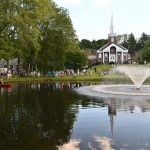
Also, Father Brian Sullivan, pastor of Christ the King, took to a small boat to bless the parish’s latest project: a new fountain for its pond.
BEACON PHOTOS | JOE GIGLI
 [See image gallery at beaconnj.org] 

Click here to subscribe to our weekly newsletter.

Blessings flow from Christ the King’s newly dedicated fountain #Catholic –

On Sept. 18, the Church of Christ the King in the neighborhood of Harding Township, N.J., hosted a Welcome Back from Summer Social for its National Merit Scholarship Program Commended Scholars on its bucolic grounds. The fun-filled event featured pony rides, food, ice cream, a petting zoo, and face-painting.

Also, Father Brian Sullivan, pastor of Christ the King, took to a small boat to bless the parish’s latest project: a new fountain for its pond.

BEACON PHOTOS | JOE GIGLI

Click here to subscribe to our weekly newsletter.

– On Sept. 18, the Church of Christ the King in the neighborhood of Harding Township, N.J., hosted a Welcome Back from Summer Social for its National Merit Scholarship Program Commended Scholars on its bucolic grounds. The fun-filled event featured pony rides, food, ice cream, a petting zoo, and face-painting. Also, Father Brian Sullivan, pastor of Christ the King, took to a small boat to bless the parish’s latest project: a new fountain for its pond. BEACON PHOTOS | JOE GIGLI Click here to subscribe to our weekly newsletter.

Read More
Hawthorne parish pet blessing features hedgehog and two tortoises #Catholic – St. Anthony Parish in Hawthorne, N.J., hosted a pet blessing on Oct. 4 in its Jubilee Garden.
Father Stephen T. Prisk, pastor of St. Anthony’s and vice-chancellor of the Paterson Diocese, N.J., and Father Brendon J. Harfmann, the parish’s parochial vicar, blessed a colorful spectrum of pets, including dogs, cats, a hedgehog, and two tortoises.
The event attracted a wide array of people, including Salesian Sisters of Don Bosco, who serve the parish and school.
BEACON PHOTOS | JOE GIGLI
 [See image gallery at beaconnj.org] 

Click here to subscribe to our weekly newsletter.

Hawthorne parish pet blessing features hedgehog and two tortoises #Catholic –
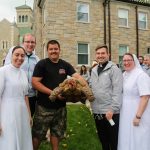
St. Anthony Parish in Hawthorne, N.J., hosted a pet blessing on Oct. 4 in its Jubilee Garden.

Father Stephen T. Prisk, pastor of St. Anthony’s and vice-chancellor of the Paterson Diocese, N.J., and Father Brendon J. Harfmann, the parish’s parochial vicar, blessed a colorful spectrum of pets, including dogs, cats, a hedgehog, and two tortoises.

The event attracted a wide array of people, including Salesian Sisters of Don Bosco, who serve the parish and school.

BEACON PHOTOS | JOE GIGLI

Click here to subscribe to our weekly newsletter.

– St. Anthony Parish in Hawthorne, N.J., hosted a pet blessing on Oct. 4 in its Jubilee Garden. Father Stephen T. Prisk, pastor of St. Anthony’s and vice-chancellor of the Paterson Diocese, N.J., and Father Brendon J. Harfmann, the parish’s parochial vicar, blessed a colorful spectrum of pets, including dogs, cats, a hedgehog, and two tortoises. The event attracted a wide array of people, including Salesian Sisters of Don Bosco, who serve the parish and school. BEACON PHOTOS | JOE GIGLI Click here to subscribe to our weekly newsletter.
Read More
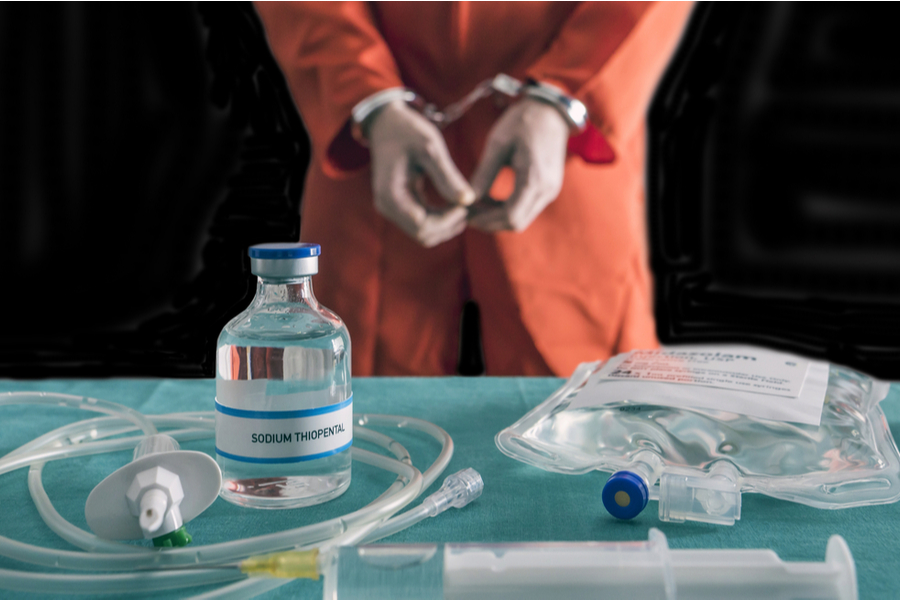
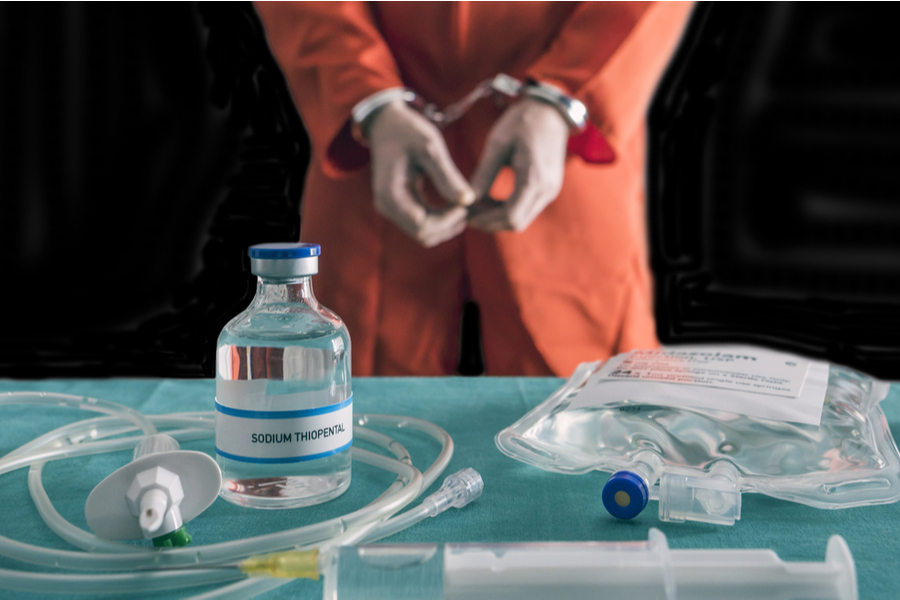
Tennessee bishops call for end to death penalty; Trump approves military firing squad execution – #Catholic – Tennessee’s Catholic bishops asked the state of Tennessee this week to replace the death penalty with life imprisonment.In a statement issued Oct. 2, the Tennessee Catholic Conference argued that life imprisonment without parole “serves justice, protects society, and respects the dignity of every human life.”“Accountability for grave wrongdoing is necessary, but it does not require the taking of another life,” they wrote. “An execution cannot restore the life taken, and the uncertainty, prolonged proceedings, and suffering surrounding the death penalty can deepen the anguish of everyone involved, including victims’ families, prisoners’ families, and those charged with carrying out executions.”The bishops’ letter comes after the state’s recent failed attempt to execute the first woman in over 200 years, 50-year-old Christa Pike. After two doses of pentobarbital failed to kill Pike on Sept. 30, the execution was halted. She remains on a ventilator in critical condition. The botched execution was the second for Tennessee this year and led to the resignation of Frank Strada, the commissioner of the Department of Corrections. Tennessee Gov. Bill Lee placed a moratorium on executions for the rest of 2026.In 1995, Pike and her boyfriend, Tadaryl Shipp, tortured and then murdered Colleen Slemmer, Pike crushing her skull with a piece of asphalt. Sentenced to death in 1996 at the age of 20, Pike later attempted to strangle a fellow prisoner, Patricia Jones, in 2001. Pike, convicted of attempted murder, also tried to escape in 2012, according to ABC News.“The fundamental moral question,” the bishops wrote, “is whether the State should continue to take lives when it has another means of protecting the public and imposing a serious, lasting punishment. Life without parole provides that alternative. It holds those convicted of the gravest crimes accountable and protects society while preserving the possibility of repentance.”They wrote that “even those who commit terrible crimes retain their human dignity,” reflecting the Church’s revised stance on capital punishment.Church teaching has changed on the death penaltyParagraph 2267 of the Catechism of the Catholic Church, revised in 2018, states that the death penalty is no longer admissible because “the dignity of the person is not lost even after the commission of very serious crimes” and states should administer punishments that “do not definitively deprive the guilty of the possibility of redemption.”According to the catechism, “recourse to the death penalty on the part of legitimate authority, following a fair trial, was long considered an appropriate response to the gravity of certain crimes and an acceptable, albeit extreme, means of safeguarding the common good.”However, Pope Francis argued in his “Address to Participants in the Meeting organized by the Pontifical Council for the Promotion of the New Evangelization” in 2017 that the “death penalty is an inhumane measure that, regardless of how it is carried out, abases human dignity.”The catechism now states that “more effective systems of detention have been developed, which ensure the due protection of citizens,” and urges the Church to work for the abolition of the death penalty.Trump approves military execution by firing squadPresident Donald Trump meanwhile approved an execution by a military firing squad.  On Oct. 5, Pentagon spokesperson Sean Parnell reported on X that Trump approved the execution by military firing squad of “convicted terrorist” and “jihadist” Nidal Malik Hasan, the former U.S. Army major who shouted “Allahu Akbar” while murdering 13 people and wounding 32 others at Fort Hood, an army base in Texas, on Nov. 5, 2009.Following a court martial, Hasan was sentenced to death in 2013. Parnell said the secretary of the Army will determine the date and location of the execution.

Tennessee bishops call for end to death penalty; Trump approves military firing squad execution – #Catholic – Tennessee’s Catholic bishops asked the state of Tennessee this week to replace the death penalty with life imprisonment.In a statement issued Oct. 2, the Tennessee Catholic Conference argued that life imprisonment without parole “serves justice, protects society, and respects the dignity of every human life.”“Accountability for grave wrongdoing is necessary, but it does not require the taking of another life,” they wrote. “An execution cannot restore the life taken, and the uncertainty, prolonged proceedings, and suffering surrounding the death penalty can deepen the anguish of everyone involved, including victims’ families, prisoners’ families, and those charged with carrying out executions.”The bishops’ letter comes after the state’s recent failed attempt to execute the first woman in over 200 years, 50-year-old Christa Pike. After two doses of pentobarbital failed to kill Pike on Sept. 30, the execution was halted. She remains on a ventilator in critical condition. The botched execution was the second for Tennessee this year and led to the resignation of Frank Strada, the commissioner of the Department of Corrections. Tennessee Gov. Bill Lee placed a moratorium on executions for the rest of 2026.In 1995, Pike and her boyfriend, Tadaryl Shipp, tortured and then murdered Colleen Slemmer, Pike crushing her skull with a piece of asphalt. Sentenced to death in 1996 at the age of 20, Pike later attempted to strangle a fellow prisoner, Patricia Jones, in 2001. Pike, convicted of attempted murder, also tried to escape in 2012, according to ABC News.“The fundamental moral question,” the bishops wrote, “is whether the State should continue to take lives when it has another means of protecting the public and imposing a serious, lasting punishment. Life without parole provides that alternative. It holds those convicted of the gravest crimes accountable and protects society while preserving the possibility of repentance.”They wrote that “even those who commit terrible crimes retain their human dignity,” reflecting the Church’s revised stance on capital punishment.Church teaching has changed on the death penaltyParagraph 2267 of the Catechism of the Catholic Church, revised in 2018, states that the death penalty is no longer admissible because “the dignity of the person is not lost even after the commission of very serious crimes” and states should administer punishments that “do not definitively deprive the guilty of the possibility of redemption.”According to the catechism, “recourse to the death penalty on the part of legitimate authority, following a fair trial, was long considered an appropriate response to the gravity of certain crimes and an acceptable, albeit extreme, means of safeguarding the common good.”However, Pope Francis argued in his “Address to Participants in the Meeting organized by the Pontifical Council for the Promotion of the New Evangelization” in 2017 that the “death penalty is an inhumane measure that, regardless of how it is carried out, abases human dignity.”The catechism now states that “more effective systems of detention have been developed, which ensure the due protection of citizens,” and urges the Church to work for the abolition of the death penalty.Trump approves military execution by firing squadPresident Donald Trump meanwhile approved an execution by a military firing squad.  On Oct. 5, Pentagon spokesperson Sean Parnell reported on X that Trump approved the execution by military firing squad of “convicted terrorist” and “jihadist” Nidal Malik Hasan, the former U.S. Army major who shouted “Allahu Akbar” while murdering 13 people and wounding 32 others at Fort Hood, an army base in Texas, on Nov. 5, 2009.Following a court martial, Hasan was sentenced to death in 2013. Parnell said the secretary of the Army will determine the date and location of the execution.

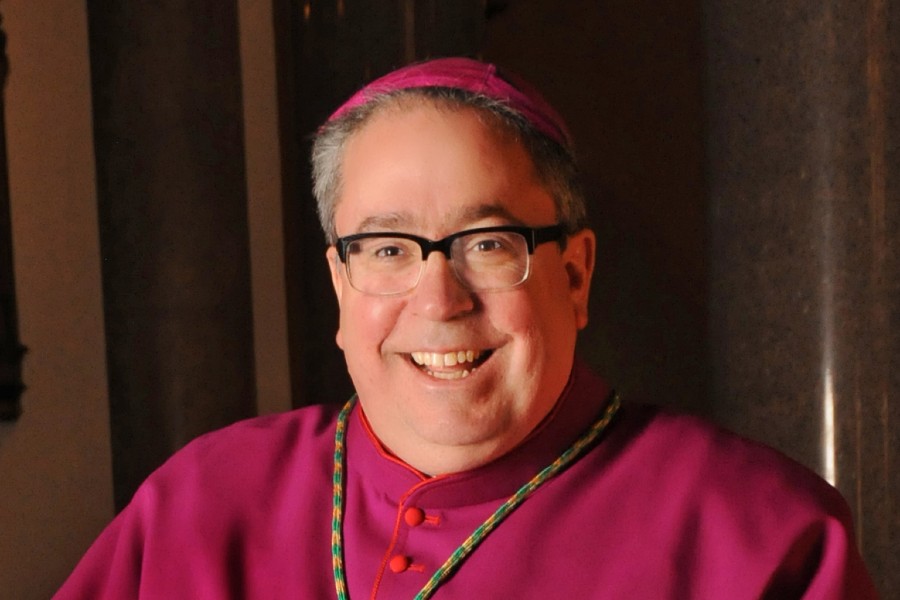
“Accountability for grave wrongdoing is necessary, but it does not require the taking of another life,” the bishops wrote.
Read More
Fort Worth Diocese presses FedEx on risk of shipping mifepristone to states that restrict abortion – #Catholic – Catholic investors are urging a major shipping company to account for the legal risk of carrying abortion drugs across state lines. At FedEx’s annual meeting on Sept. 28, the Diocese of Fort Worth, Texas, sponsored a shareholder proposal asking the company to analyze the regulatory and reputational risks of continuing to ship the abortion pill mifepristone into states where abortion is illegal.“Given its prevalence as one of the largest shipping services in the United States, we wanted to highlight the risk that FedEx may be posing for its shareholders if the Comstock Act is enforced and it continues to ship mifepristone, one of the key drugs used in the abortion pill regimen,” Bishop Michael Olson wrote in a letter to other Catholic bishops, asking them to vote for the proposal if their dioceses own shares in the company. Olson told EWTN News he posted the letter on a bishops-only website of the U.S. Conference of Catholic Bishops. Citing the U.S. bishops’ Socially Responsible Investment Guidelines, he called the proposal “part of the process of exercising stewardship over” the diocese’s public equities and “an opportunity to further the culture of life.”The proposal asked FedEx’s board to report within a year on how it oversees the legal, regulatory, and reputational risks of transporting mail-order abortion drugs. It did not ask the company to stop shipping the drug. The board opposed it. Final votes had not been tallied when the diocese spoke with EWTN News.The issue stems from the Comstock Act and the Biden Justice Department’s interpretation of it. Passed by Congress in 1873, the law criminalized using the postal system to send obscene, lewd, or indecent materials; information or devices related to contraception; and items or information intended to induce abortion.More than 20 states restrict or prohibit abortion-inducing drugs within their borders. In December 2022, the Department of Justice under the Biden administration issued a memorandum opinion stating that the Comstock Act “does not prohibit the mailing of certain drugs that can be used to perform abortions where the sender lacks the intent that the recipient of the drugs will use them unlawfully.”The Food and Drug Administration, meanwhile, stopped enforcing its in-person dispensing rule for mifepristone in April 2021 for the rest of the COVID emergency, and in December of that same year said it would permanently drop that requirement, allowing the drug to be prescribed and shipped to a patient without an office visit.“Nevertheless, the Comstock Act is still law and could be interpreted and enforced more vigorously by this or a future Administration,” Pia de Solenni, who presented the proposal on the diocese’s behalf, said in a letter that accompanied Olson’s.In that letter, she told the bishops: “Your institution has a unique opportunity to leverage its ownership of FedEx to ask for a risk analysis that not only protects the value of the company but also disrupts the delivery of a drug regimen that harms women and destroys unborn human life.” She called the proposal a “unique opportunity to slow down the distribution” of abortion drugs.Olson wrote that “Sadly, since the overturning of Roe v. Wade with the Dobbs decision in 2022, abortion rates in the United States have increased about 20%, due largely to the government’s decision to relax the rules around the distribution” of abortion drugs.De Solenni, who has a doctorate in moral theology and is the former chancellor of the Diocese of Orange, California, is vice president of corporate engagement at IWP Capital, a for-profit firm that does screening, proxy voting, and corporate engagement for institutional investors, consultants, and asset managers.She said the company “only does corporate engagement with a Christian understanding of human flourishing” based on the bishops’ Socially Responsible Investment Guidelines, first published in 1991, revised in 2003, and updated in 2021.She told EWTN News that she spoke only for about three minutes during the 20-minute meeting and the company responded for about three minutes.She said the diocese’s proposal was the only one to which the company responded. “It is challenging to get a proposal on a ballot in the first place,” she said. And once it is there, “it is very unusual for companies to respond to shareholders. They usually let proposals die.” She called the effort a “moral victory.”“If Christian institutional investors would show up, we would be changing these companies,” she said. “If we all voted our proxies, if these companies were hearing from us, they would have different leadership and would make different decisions.”De Solenni said in a separate engagement with Costco, over whether its stores would carry the abortion pill, the first reason the company gave for not carrying it was that “they were unsure about the Comstock Act.”“Our long-term strategy,” Olson said, is “responsible stockholding, keeping our investments clean and in line with the Gospel and the integrity of the Church’s teaching.” He said that Bishop Daniel Thomas of Toledo, Ohio, chairman of the bishops’ Committee on Pro-Life Activities, was supportive of the proposal, which Olson said is “part of our whole strategy as a diocese to live by Rerum Novarum,” Pope Leo XIII’s encyclical published in 1891.Whatever the final tally, he said the diocese would keep “continued vigilance, and the continued exercise of the prophetic voice in these areas that are overlooked and even taken for granted.” As an institutional investor, he said, the diocese is “very scrupulous about this” and tries to avoid “formal cooperation with evil, or even material cooperation with evil. We certainly check twice.”On Sept. 30, Louisiana Attorney General Liz Murrill, joined by the attorneys general of Alabama and Arkansas, filed two lawsuits over abortion pills mailed into states that restrict abortion: one at the Supreme Court against shield laws in New York, California, and Massachusetts, and another against providers accused of shipping the drugs.

Fort Worth Diocese presses FedEx on risk of shipping mifepristone to states that restrict abortion – #Catholic – Catholic investors are urging a major shipping company to account for the legal risk of carrying abortion drugs across state lines. At FedEx’s annual meeting on Sept. 28, the Diocese of Fort Worth, Texas, sponsored a shareholder proposal asking the company to analyze the regulatory and reputational risks of continuing to ship the abortion pill mifepristone into states where abortion is illegal.“Given its prevalence as one of the largest shipping services in the United States, we wanted to highlight the risk that FedEx may be posing for its shareholders if the Comstock Act is enforced and it continues to ship mifepristone, one of the key drugs used in the abortion pill regimen,” Bishop Michael Olson wrote in a letter to other Catholic bishops, asking them to vote for the proposal if their dioceses own shares in the company. Olson told EWTN News he posted the letter on a bishops-only website of the U.S. Conference of Catholic Bishops. Citing the U.S. bishops’ Socially Responsible Investment Guidelines, he called the proposal “part of the process of exercising stewardship over” the diocese’s public equities and “an opportunity to further the culture of life.”The proposal asked FedEx’s board to report within a year on how it oversees the legal, regulatory, and reputational risks of transporting mail-order abortion drugs. It did not ask the company to stop shipping the drug. The board opposed it. Final votes had not been tallied when the diocese spoke with EWTN News.The issue stems from the Comstock Act and the Biden Justice Department’s interpretation of it. Passed by Congress in 1873, the law criminalized using the postal system to send obscene, lewd, or indecent materials; information or devices related to contraception; and items or information intended to induce abortion.More than 20 states restrict or prohibit abortion-inducing drugs within their borders. In December 2022, the Department of Justice under the Biden administration issued a memorandum opinion stating that the Comstock Act “does not prohibit the mailing of certain drugs that can be used to perform abortions where the sender lacks the intent that the recipient of the drugs will use them unlawfully.”The Food and Drug Administration, meanwhile, stopped enforcing its in-person dispensing rule for mifepristone in April 2021 for the rest of the COVID emergency, and in December of that same year said it would permanently drop that requirement, allowing the drug to be prescribed and shipped to a patient without an office visit.“Nevertheless, the Comstock Act is still law and could be interpreted and enforced more vigorously by this or a future Administration,” Pia de Solenni, who presented the proposal on the diocese’s behalf, said in a letter that accompanied Olson’s.In that letter, she told the bishops: “Your institution has a unique opportunity to leverage its ownership of FedEx to ask for a risk analysis that not only protects the value of the company but also disrupts the delivery of a drug regimen that harms women and destroys unborn human life.” She called the proposal a “unique opportunity to slow down the distribution” of abortion drugs.Olson wrote that “Sadly, since the overturning of Roe v. Wade with the Dobbs decision in 2022, abortion rates in the United States have increased about 20%, due largely to the government’s decision to relax the rules around the distribution” of abortion drugs.De Solenni, who has a doctorate in moral theology and is the former chancellor of the Diocese of Orange, California, is vice president of corporate engagement at IWP Capital, a for-profit firm that does screening, proxy voting, and corporate engagement for institutional investors, consultants, and asset managers.She said the company “only does corporate engagement with a Christian understanding of human flourishing” based on the bishops’ Socially Responsible Investment Guidelines, first published in 1991, revised in 2003, and updated in 2021.She told EWTN News that she spoke only for about three minutes during the 20-minute meeting and the company responded for about three minutes.She said the diocese’s proposal was the only one to which the company responded. “It is challenging to get a proposal on a ballot in the first place,” she said. And once it is there, “it is very unusual for companies to respond to shareholders. They usually let proposals die.” She called the effort a “moral victory.”“If Christian institutional investors would show up, we would be changing these companies,” she said. “If we all voted our proxies, if these companies were hearing from us, they would have different leadership and would make different decisions.”De Solenni said in a separate engagement with Costco, over whether its stores would carry the abortion pill, the first reason the company gave for not carrying it was that “they were unsure about the Comstock Act.”“Our long-term strategy,” Olson said, is “responsible stockholding, keeping our investments clean and in line with the Gospel and the integrity of the Church’s teaching.” He said that Bishop Daniel Thomas of Toledo, Ohio, chairman of the bishops’ Committee on Pro-Life Activities, was supportive of the proposal, which Olson said is “part of our whole strategy as a diocese to live by Rerum Novarum,” Pope Leo XIII’s encyclical published in 1891.Whatever the final tally, he said the diocese would keep “continued vigilance, and the continued exercise of the prophetic voice in these areas that are overlooked and even taken for granted.” As an institutional investor, he said, the diocese is “very scrupulous about this” and tries to avoid “formal cooperation with evil, or even material cooperation with evil. We certainly check twice.”On Sept. 30, Louisiana Attorney General Liz Murrill, joined by the attorneys general of Alabama and Arkansas, filed two lawsuits over abortion pills mailed into states that restrict abortion: one at the Supreme Court against shield laws in New York, California, and Massachusetts, and another against providers accused of shipping the drugs.

Bishop Michael Olson said he hopes to “further the culture of life” by urging the company to consider whether it’s violating federal law by mailing abortion pills to pro-life states.


Read More
Attendance at Our Lady of Luján pilgrimage in Argentina tops 2.7 million – #Catholic – The rain did not stop the record-breaking number of faithful who made their way on a pilgrimage to Luján, Argentina, this past weekend. According to figures provided by the Buenos Aires Province Ministry of Security, the 52nd Youth Pilgrimage to Luján drew 2.7 million people.The image of the Virgin set out at 10 a.m. on Saturday, Oct. 3, from the San Cayetano Sanctuary in the Liniers sector of Buenos Aires, carried and escorted by a delegation from the Diocese of Lomas de Zamora.Buenos Aires Archbishop Jorge García Cuerva, accompanied by La Plata Archbishop Gustavo Carrara, also set out from Liniers.Reflecting on the pilgrimageʼs motto — “Mother, in your embrace we recognize each other as brothers and sisters” — García Cuerva observed: “To be brothers and sisters, the first step is discovering that Mary is the mother of all, and that she unites us. I believe we need to lower the intolerance and contempt we have on occasion for others; we must stop emphasizing what divides us and instead focus on what unites us.”In the rain, wearing store-bought or makeshift raincoats, the crowd began the journey of more than 37 miles separating Liniers from the Basilica and National Shrine of Our Lady of Luján, where anticipation is already building for the visit of Pope Leo XIV, who is scheduled to arrive in Argentina on Nov. 8.
 
 Rain-soaked pilgrims walk toward Luján in Argentina on Saturday, Oct. 3, 2026. | Credit: Eclesia Magazine/Diocese of Lomas de Zamora
 
 Along the way, there was no shortage of prayers and songs, nor of the ever-present support stations where volunteers from parishes, movements, and organizations offered refreshments, assistance to pilgrims, and “free hugs.”By early afternoon on Saturday, the rain had passed, and the sun even came out. The first pilgrims began to arrive in Luján, which gradually filled with the faithful coming to the feet of the Mother — some walking with great difficulty, others supported by their companions, and most visibly moved.Upon arrival in Luján at nightfall, the journey became difficult due to the sheer number of people — far greater than in previous years, according to regular pilgrims. Some reported taking over an hour just to cover the final few blocks to the basilica.Instagram postOnce in Luján, the prayers, expressions of gratitude, hugs, and tears bore witness to the faith of a people who — regardless of age, social class, or political views — had come to receive the embrace of the Virgin of Luján.Marcos, from Our Lady of Fatima Parish, said he particularly valued the act of making the pilgrimage “not because it is mandatory, but because it allows for a deeper connection with the Virgin, with God, with oneself, and even with oneʼs own family.”Mariana, a “free hugs” volunteer, described her role as providing that “little push” needed for the final 10.5 miles to Luján “to meet the Virgin.”“That embrace is not just for the person I give it to, but also for the one I receive; because I, too, receive so much affection and love — it is a caress for the soul.”Going on pilgrimage, she affirmed, “means following in Jesus' footsteps, going to meet Mother, just as Jesus walked with Mother. I imagine Mary teaching Jesus to walk, waiting for him in a little spot, ready to steady him so he wouldnʼt fall. That is how Mary is with us: waiting for us, steadying us so we can reach our destination,” she reflected.Instagram postGarcía Cuerva celebrated the pilgrimageʼs main Mass early Sunday morning in Plaza Belgrano, facing the basilica.In his homily, García Cuerva noted that “there are no ideological rifts or exclusions on the pilgrimage.”“The journey leveled the playing field for us all; as we walked, we all wore out our shoes, we all grew tired, and we all longed to reach Mary’s home. What a profound lesson we learned! When we realize we are fellow travelers belonging to the same people, there is no room for individualism or hate speech,” he declared.Reflecting on the state of the nation, he also observed that “our country has many embraces yet to be shared: embraces of forgiveness in the face of so much disparagement and insult; embraces of solidarity amid such indifference; embraces of reconnection amid such lostness; deep embraces — not merely formal gestures — but embraces from the soul.”Along these lines, he also spoke of “wounds of disparagement, intolerance, and physical and verbal violence" — wounds that "are already festering, and it seems the heart of the Argentine people is becoming infected."He therefore urged: “It is time for us to unite. If the Virgin of Luján embraces us all, it is impossible to look upon each other with contempt, for the other is my brother.”Addressing the faithful, he invited them to be “artisans of fraternity” and to bring Mary’s embrace “to those at their breaking point, to the elderly, to those who think differently, to people with disabilities and their families, to the unemployed, to those sleeping on the streets, to adolescents and young people struggling with drug addiction, and to the poorest among us.”Finally, looking ahead to the upcoming visit of Pope Leo XIV, he encouraged everyone to make this pilgrimage a "school of fraternity for our country, one where "Mary teaches us to respect and forgive one another and to engage in dialogue with everyone; where we stop disparaging our brothers and sisters, stop being indifferent to those who suffer, and stop giving way to hatred among ourselves; because here in Luján, we have experienced that, within her maternal embrace, we recognize one another as brothers and sisters."This story was first published by ACI Prensa, the Spanish-language sister service of EWTN News. It has been translated and adapted by EWTN News English.

Attendance at Our Lady of Luján pilgrimage in Argentina tops 2.7 million – #Catholic – The rain did not stop the record-breaking number of faithful who made their way on a pilgrimage to Luján, Argentina, this past weekend. According to figures provided by the Buenos Aires Province Ministry of Security, the 52nd Youth Pilgrimage to Luján drew 2.7 million people.The image of the Virgin set out at 10 a.m. on Saturday, Oct. 3, from the San Cayetano Sanctuary in the Liniers sector of Buenos Aires, carried and escorted by a delegation from the Diocese of Lomas de Zamora.Buenos Aires Archbishop Jorge García Cuerva, accompanied by La Plata Archbishop Gustavo Carrara, also set out from Liniers.Reflecting on the pilgrimageʼs motto — “Mother, in your embrace we recognize each other as brothers and sisters” — García Cuerva observed: “To be brothers and sisters, the first step is discovering that Mary is the mother of all, and that she unites us. I believe we need to lower the intolerance and contempt we have on occasion for others; we must stop emphasizing what divides us and instead focus on what unites us.”In the rain, wearing store-bought or makeshift raincoats, the crowd began the journey of more than 37 miles separating Liniers from the Basilica and National Shrine of Our Lady of Luján, where anticipation is already building for the visit of Pope Leo XIV, who is scheduled to arrive in Argentina on Nov. 8. Rain-soaked pilgrims walk toward Luján in Argentina on Saturday, Oct. 3, 2026. | Credit: Eclesia Magazine/Diocese of Lomas de Zamora Along the way, there was no shortage of prayers and songs, nor of the ever-present support stations where volunteers from parishes, movements, and organizations offered refreshments, assistance to pilgrims, and “free hugs.”By early afternoon on Saturday, the rain had passed, and the sun even came out. The first pilgrims began to arrive in Luján, which gradually filled with the faithful coming to the feet of the Mother — some walking with great difficulty, others supported by their companions, and most visibly moved.Upon arrival in Luján at nightfall, the journey became difficult due to the sheer number of people — far greater than in previous years, according to regular pilgrims. Some reported taking over an hour just to cover the final few blocks to the basilica.Instagram postOnce in Luján, the prayers, expressions of gratitude, hugs, and tears bore witness to the faith of a people who — regardless of age, social class, or political views — had come to receive the embrace of the Virgin of Luján.Marcos, from Our Lady of Fatima Parish, said he particularly valued the act of making the pilgrimage “not because it is mandatory, but because it allows for a deeper connection with the Virgin, with God, with oneself, and even with oneʼs own family.”Mariana, a “free hugs” volunteer, described her role as providing that “little push” needed for the final 10.5 miles to Luján “to meet the Virgin.”“That embrace is not just for the person I give it to, but also for the one I receive; because I, too, receive so much affection and love — it is a caress for the soul.”Going on pilgrimage, she affirmed, “means following in Jesus' footsteps, going to meet Mother, just as Jesus walked with Mother. I imagine Mary teaching Jesus to walk, waiting for him in a little spot, ready to steady him so he wouldnʼt fall. That is how Mary is with us: waiting for us, steadying us so we can reach our destination,” she reflected.Instagram postGarcía Cuerva celebrated the pilgrimageʼs main Mass early Sunday morning in Plaza Belgrano, facing the basilica.In his homily, García Cuerva noted that “there are no ideological rifts or exclusions on the pilgrimage.”“The journey leveled the playing field for us all; as we walked, we all wore out our shoes, we all grew tired, and we all longed to reach Mary’s home. What a profound lesson we learned! When we realize we are fellow travelers belonging to the same people, there is no room for individualism or hate speech,” he declared.Reflecting on the state of the nation, he also observed that “our country has many embraces yet to be shared: embraces of forgiveness in the face of so much disparagement and insult; embraces of solidarity amid such indifference; embraces of reconnection amid such lostness; deep embraces — not merely formal gestures — but embraces from the soul.”Along these lines, he also spoke of “wounds of disparagement, intolerance, and physical and verbal violence" — wounds that "are already festering, and it seems the heart of the Argentine people is becoming infected."He therefore urged: “It is time for us to unite. If the Virgin of Luján embraces us all, it is impossible to look upon each other with contempt, for the other is my brother.”Addressing the faithful, he invited them to be “artisans of fraternity” and to bring Mary’s embrace “to those at their breaking point, to the elderly, to those who think differently, to people with disabilities and their families, to the unemployed, to those sleeping on the streets, to adolescents and young people struggling with drug addiction, and to the poorest among us.”Finally, looking ahead to the upcoming visit of Pope Leo XIV, he encouraged everyone to make this pilgrimage a "school of fraternity for our country, one where "Mary teaches us to respect and forgive one another and to engage in dialogue with everyone; where we stop disparaging our brothers and sisters, stop being indifferent to those who suffer, and stop giving way to hatred among ourselves; because here in Luján, we have experienced that, within her maternal embrace, we recognize one another as brothers and sisters."This story was first published by ACI Prensa, the Spanish-language sister service of EWTN News. It has been translated and adapted by EWTN News English.

The motto for this year’s pilgrimage was “Mother, in your embrace we recognize each other as brothers and sisters.”

Read More

The Royal Swedish Academy of Sciences awarded Francis Halzen, principal investigator of the IceCube Neutrino Observatory and professor of physics at the University of Wisconsin-Madison, the Nobel Prize in physics on Oct. 6, 2026. Halzen’s work on high-energy neutrinos has shaped our understanding of the universe’s mysterious and powerful natural particle accelerators. Halzen is theContinue reading “Francis Halzen wins the 2026 Nobel Prize in physics”

The post Francis Halzen wins the 2026 Nobel Prize in physics appeared first on Astronomy Magazine.

Read More
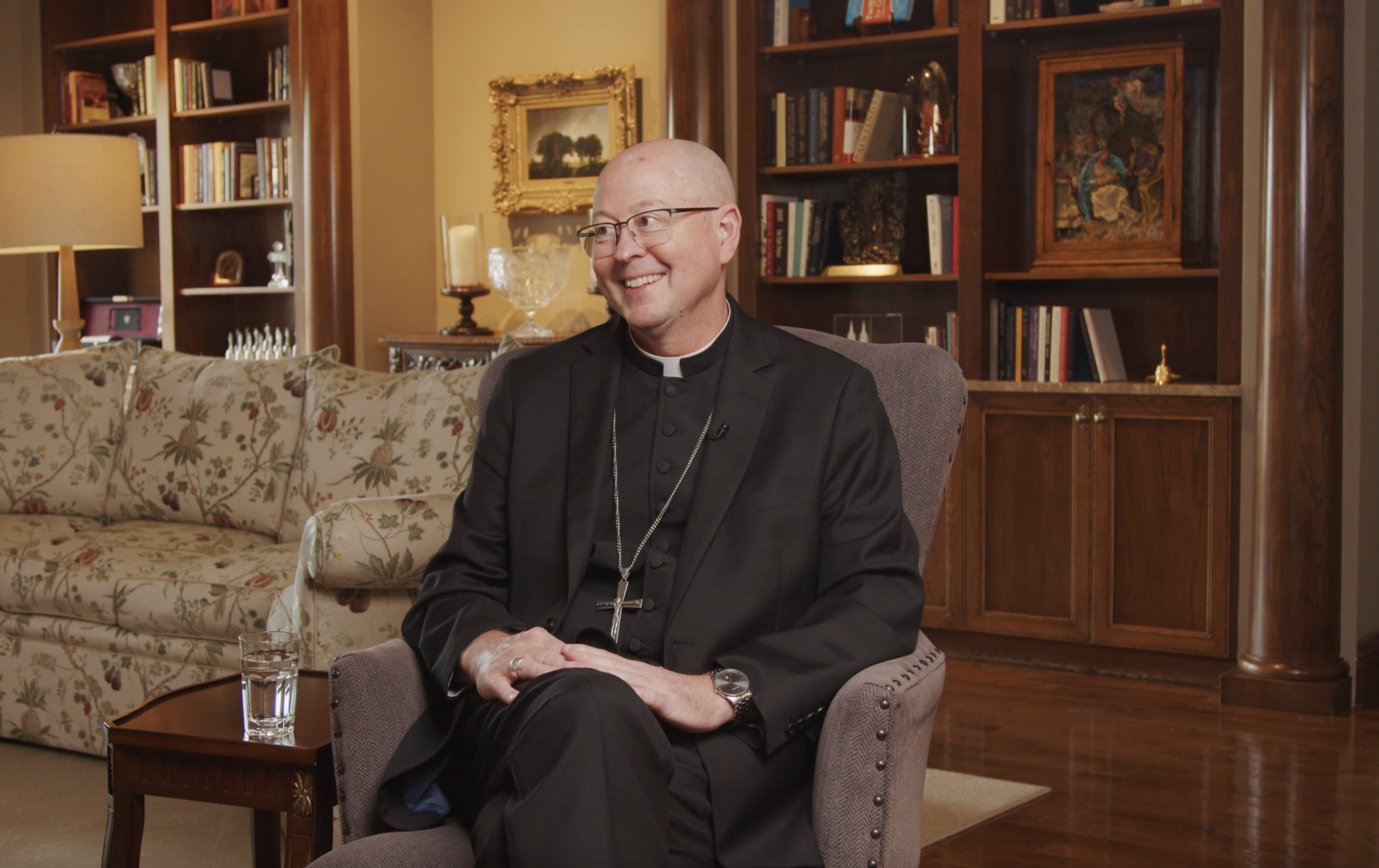
Denver bishops mark America 250 with message on migrants and refugees #Catholic Catholic bishops and other Christian leaders in Colorado issued a letter on immigrants and refugees in observance of St. Frances Xavier Cabrini’s feast day during the 250th anniversary of U.S. independence. “This anniversary invites us to remember not only the founding of our nation but also the generations who have helped bring its ideals to life,” the letter, released on Oct. 5, Cabrini’s feast day, said, highlighting that “America’s immigrant heritage is an essential part of, and inseparable from, our national identity.”Cabrini is the patron saint of immigrants and is the first American to be canonized.The message, titled “A Pilgrim People, A Shared Hope,” is signed by Archbishop James Golka and Auxiliary Bishop Jorge Rodriguez of Denver, Bishop Stephen Berg of Pueblo, and Father Kyle Ingels, the diocesan administrator of Colorado Springs, as well as several other Christian leaders across denominations. The letter comes as the Trump administration’s deportation efforts across the country continue to stir controversy among Catholics, including in the Archdiocese of St. Louis, which filed a lawsuit Oct. 5 against local and federal officials for barring priests from ministering to Catholic immigrant detainees. “We remember with respect the Indigenous peoples who inhabited this land long before the nation’s founding, as well as those brought here through slavery and denied the freedom our nation proclaimed,” the letter said. “We also give thanks for generations of immigrants and refugees who arrived carrying their faith, cultures, hopes, and gifts.”The letter underscored the contributions of immigrants across agriculture, business, science, medicine, technology, and more. “Here in Colorado, immigrants have worked in our mines and fields, taught in our schools, opened businesses, served in our hospitals, raised families and enriched our civic and religious life,” the letter said.Addressing concerns about national sovereignty and border security, the Christian leaders affirmed “both a nation’s responsibility to protect its people and maintain an orderly immigration system and its duty to treat every person with justice and mercy.”“Laws should serve the common good while respecting human dignity, protecting the vulnerable, preserving family unity and providing fair legal processes,” the letter said, concluding: “On this anniversary, we invite the faithful to remember the immigrant and refugee stories that have shaped their families and communities; to pray for those displaced from their homes; to support ministries that accompany newcomers; and to build friendships across differences of language, culture and nationality.”

Denver bishops mark America 250 with message on migrants and refugees #Catholic Catholic bishops and other Christian leaders in Colorado issued a letter on immigrants and refugees in observance of St. Frances Xavier Cabrini’s feast day during the 250th anniversary of U.S. independence. “This anniversary invites us to remember not only the founding of our nation but also the generations who have helped bring its ideals to life,” the letter, released on Oct. 5, Cabrini’s feast day, said, highlighting that “America’s immigrant heritage is an essential part of, and inseparable from, our national identity.”Cabrini is the patron saint of immigrants and is the first American to be canonized.The message, titled “A Pilgrim People, A Shared Hope,” is signed by Archbishop James Golka and Auxiliary Bishop Jorge Rodriguez of Denver, Bishop Stephen Berg of Pueblo, and Father Kyle Ingels, the diocesan administrator of Colorado Springs, as well as several other Christian leaders across denominations. The letter comes as the Trump administration’s deportation efforts across the country continue to stir controversy among Catholics, including in the Archdiocese of St. Louis, which filed a lawsuit Oct. 5 against local and federal officials for barring priests from ministering to Catholic immigrant detainees. “We remember with respect the Indigenous peoples who inhabited this land long before the nation’s founding, as well as those brought here through slavery and denied the freedom our nation proclaimed,” the letter said. “We also give thanks for generations of immigrants and refugees who arrived carrying their faith, cultures, hopes, and gifts.”The letter underscored the contributions of immigrants across agriculture, business, science, medicine, technology, and more. “Here in Colorado, immigrants have worked in our mines and fields, taught in our schools, opened businesses, served in our hospitals, raised families and enriched our civic and religious life,” the letter said.Addressing concerns about national sovereignty and border security, the Christian leaders affirmed “both a nation’s responsibility to protect its people and maintain an orderly immigration system and its duty to treat every person with justice and mercy.”“Laws should serve the common good while respecting human dignity, protecting the vulnerable, preserving family unity and providing fair legal processes,” the letter said, concluding: “On this anniversary, we invite the faithful to remember the immigrant and refugee stories that have shaped their families and communities; to pray for those displaced from their homes; to support ministries that accompany newcomers; and to build friendships across differences of language, culture and nationality.”

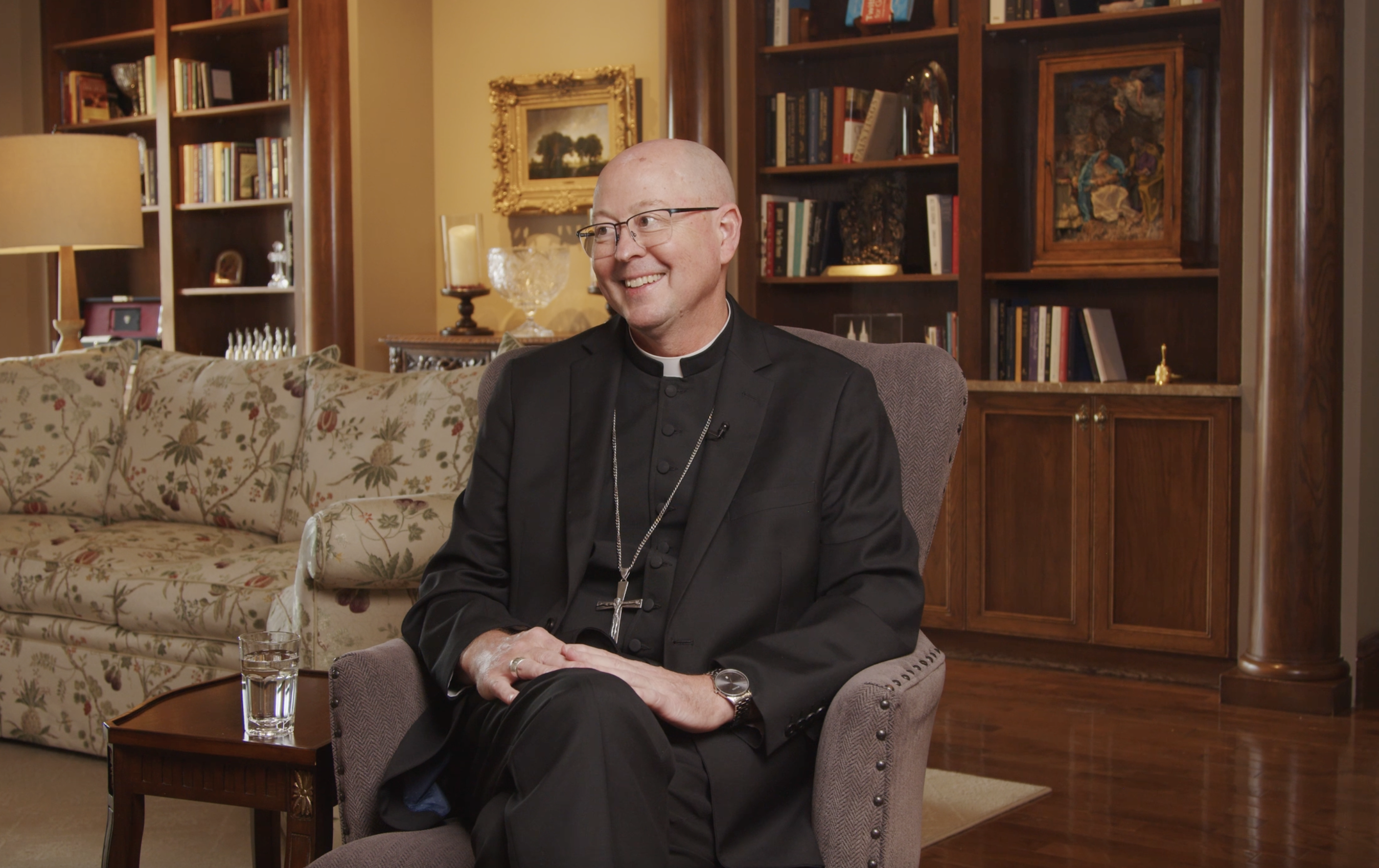
“This anniversary invites us to remember not only the founding of our nation but also the generations who have helped bring its ideals to life,” said the letter from Colorado Christian leaders.
Read More