alone

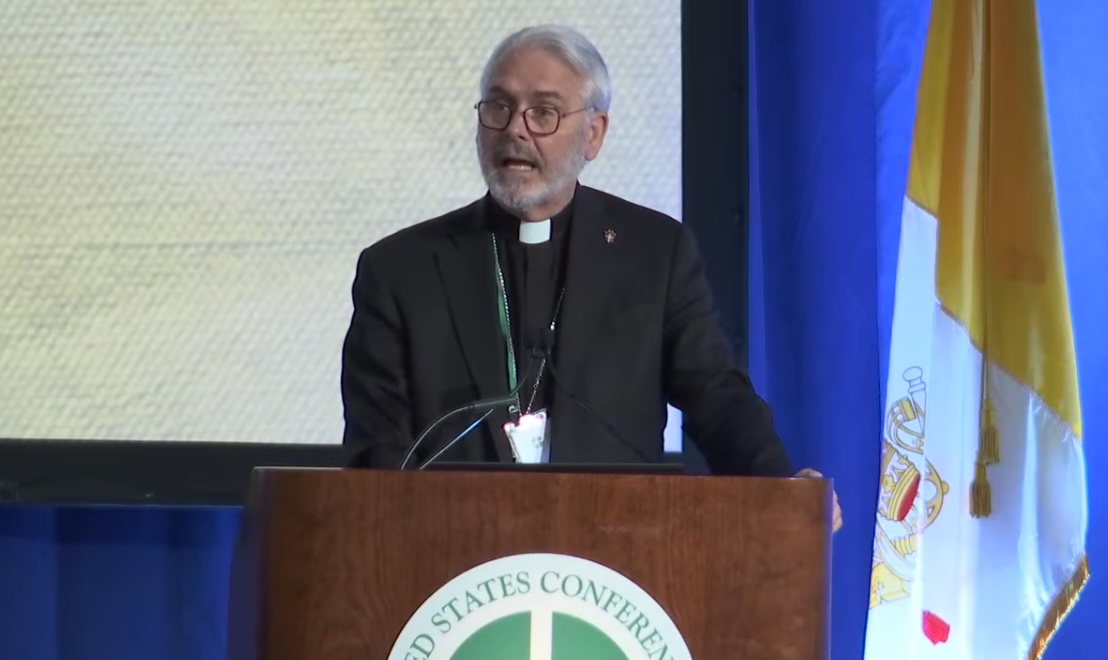
Catholic bishops urge prayers against abortion by mail that ‘leaves women vulnerable’ #Catholic With an increasing number of abortions done via sending pills through the U.S. mail, the U.S. Conference of Catholic Bishops (USCCB) is urging Catholics across the nation to pray to St. Joseph to “stop the spread” of abortion pills.The bishops are calling for sustained and dedicated prayer from Aug. 18 to Oct. 31, with the campaign launching ahead of Respect Month Life in October.USCCB President Archbishop Paul Coakley and Bishop Daniel Thomas, who heads the bishops’ committee on pro-life activities, urged Catholics to “join a focused effort of prayer and action to stop the spread of abortion pills.” Activists have criticized the mailing of abortion pills as a largely unregulated and dangerous practice. Pro-life advocates were dealt a blow in May when the U.S. Supreme Court temporarily allowed for the continued mailing of abortion pills throughout the U.S. amid a legal dispute over the practice. “Every abortion involves the death of a child and harm to the mother,” the two bishops wrote in an Aug. 18 letter. “Now with easier access to abortion pills, the abortion rate is tragically climbing, along with increased health risks.”“The Food and Drug Administration has enabled a nationwide mail-order abortion industry by allowing abortion pills to be prescribed in telehealth appointments and sold both at neighborhood pharmacies and online, circumventing state laws that protect life in the womb,” the bishops wrote.They said the federal government’s lack of regulation makes women “vulnerable to suffering an abortion alone at home, without any medical supervision” and “sets up additional opportunities for exploitation by violent partners or human traffickers.”The bishops urged Catholics to visit the USCCB’s Respect Life campaign website, where visitors can “learn about the danger of abortion pills [and] send messages to pharmacies and pharmaceutical companies that are involved.”

Catholic bishops urge prayers against abortion by mail that ‘leaves women vulnerable’ #Catholic With an increasing number of abortions done via sending pills through the U.S. mail, the U.S. Conference of Catholic Bishops (USCCB) is urging Catholics across the nation to pray to St. Joseph to “stop the spread” of abortion pills.The bishops are calling for sustained and dedicated prayer from Aug. 18 to Oct. 31, with the campaign launching ahead of Respect Month Life in October.USCCB President Archbishop Paul Coakley and Bishop Daniel Thomas, who heads the bishops’ committee on pro-life activities, urged Catholics to “join a focused effort of prayer and action to stop the spread of abortion pills.” Activists have criticized the mailing of abortion pills as a largely unregulated and dangerous practice. Pro-life advocates were dealt a blow in May when the U.S. Supreme Court temporarily allowed for the continued mailing of abortion pills throughout the U.S. amid a legal dispute over the practice. “Every abortion involves the death of a child and harm to the mother,” the two bishops wrote in an Aug. 18 letter. “Now with easier access to abortion pills, the abortion rate is tragically climbing, along with increased health risks.”“The Food and Drug Administration has enabled a nationwide mail-order abortion industry by allowing abortion pills to be prescribed in telehealth appointments and sold both at neighborhood pharmacies and online, circumventing state laws that protect life in the womb,” the bishops wrote.They said the federal government’s lack of regulation makes women “vulnerable to suffering an abortion alone at home, without any medical supervision” and “sets up additional opportunities for exploitation by violent partners or human traffickers.”The bishops urged Catholics to visit the USCCB’s Respect Life campaign website, where visitors can “learn about the danger of abortion pills [and] send messages to pharmacies and pharmaceutical companies that are involved.”

Leading U.S. Catholic bishops are calling for a dedicated time of prayer as chemical abortions by mail are on the rise.
Read More
Fact check: Has Finland’s first Catholic school opened? #Catholic Claims circulating widely on social media that Finland’s first Catholic school will open this month, or that it is already operational, are inaccurate.The Helsinki Catholic School, which was scheduled to begin operations in August, has postponed its opening until next year, according to Bishop Raimo Goyarrola of Helsinki.The planned school gained attention after the Helsinki Diocese announced the project in its diocesan magazine last November. By the time of the announcement, groundwork was already underway, with fundraising efforts and the necessary administrative and bureaucratic processes being pursued.Once completed, the school would be the first Catholic school in Finland in roughly 500 years, following the near disappearance of Catholic institutional life in the country after the Reformation and the adoption of Lutheranism as Finland’s state religion in the 16th century.
 
 Bishop Raimo Goyarrola of Helsinki, Finland. | Credit: Amira Abuzeid/EWTN News
 
 The school’s planned modelGoyarrola previously described the project to ACI Prensa, the Spanish-language sister service of EWTN News, as an important step in rebuilding Catholic educational life in Finland.He said the school was intended to open in August 2026 and would initially operate on the second floor of a Lutheran church dedicated to St. James the Apostle on Lauttasaari, an island in Helsinki. The bishop had also expressed hope that, if finances permitted, the diocese could acquire the building within three years.The Helsinki Catholic School is planned as a small, inclusive school initially serving grades 1–3, following Finland’s national and Helsinki city curricula while incorporating Catholic values. Its approach focuses on personal attention, a calm learning environment, initiative, and a strong character foundation.Opening delayed until 2027In response to an inquiry from EWTN News, Goyarrola clarified that the school has not opened and that its launch has been postponed.“The school will open once everything is fully in place,” Goyarrola said. “We had hoped to begin this August, but after careful consideration we have decided to postpone the opening until next year, as there are still several important matters to resolve.”He also went on to say: “The administrative procedures, logistics, and financing alone are challenging.” He further noted that “when the school is also Catholic and privately run, the work and the requirements become even more demanding.”Social media accounts and online posts have recently presented the Helsinki Catholic School as though it is already operating in an educational sense. This is inaccurate. The school is not currently teaching any students, and it is not open in the capacity that formal classes or regular educational activities are being conducted. The project remains in development.The Diocese of Helsinki continues to work with its partners toward establishing the school and remains hopeful that it will become a reality in 2027.Goyarrola asked the faithful to pray for the project as the diocese works through the remaining requirements. “We would be deeply grateful for your prayers as we continue working to make this project a reality,” he told EWTN News.

Fact check: Has Finland’s first Catholic school opened? #Catholic Claims circulating widely on social media that Finland’s first Catholic school will open this month, or that it is already operational, are inaccurate.The Helsinki Catholic School, which was scheduled to begin operations in August, has postponed its opening until next year, according to Bishop Raimo Goyarrola of Helsinki.The planned school gained attention after the Helsinki Diocese announced the project in its diocesan magazine last November. By the time of the announcement, groundwork was already underway, with fundraising efforts and the necessary administrative and bureaucratic processes being pursued.Once completed, the school would be the first Catholic school in Finland in roughly 500 years, following the near disappearance of Catholic institutional life in the country after the Reformation and the adoption of Lutheranism as Finland’s state religion in the 16th century. Bishop Raimo Goyarrola of Helsinki, Finland. | Credit: Amira Abuzeid/EWTN News The school’s planned modelGoyarrola previously described the project to ACI Prensa, the Spanish-language sister service of EWTN News, as an important step in rebuilding Catholic educational life in Finland.He said the school was intended to open in August 2026 and would initially operate on the second floor of a Lutheran church dedicated to St. James the Apostle on Lauttasaari, an island in Helsinki. The bishop had also expressed hope that, if finances permitted, the diocese could acquire the building within three years.The Helsinki Catholic School is planned as a small, inclusive school initially serving grades 1–3, following Finland’s national and Helsinki city curricula while incorporating Catholic values. Its approach focuses on personal attention, a calm learning environment, initiative, and a strong character foundation.Opening delayed until 2027In response to an inquiry from EWTN News, Goyarrola clarified that the school has not opened and that its launch has been postponed.“The school will open once everything is fully in place,” Goyarrola said. “We had hoped to begin this August, but after careful consideration we have decided to postpone the opening until next year, as there are still several important matters to resolve.”He also went on to say: “The administrative procedures, logistics, and financing alone are challenging.” He further noted that “when the school is also Catholic and privately run, the work and the requirements become even more demanding.”Social media accounts and online posts have recently presented the Helsinki Catholic School as though it is already operating in an educational sense. This is inaccurate. The school is not currently teaching any students, and it is not open in the capacity that formal classes or regular educational activities are being conducted. The project remains in development.The Diocese of Helsinki continues to work with its partners toward establishing the school and remains hopeful that it will become a reality in 2027.Goyarrola asked the faithful to pray for the project as the diocese works through the remaining requirements. “We would be deeply grateful for your prayers as we continue working to make this project a reality,” he told EWTN News.

Bishop Raimo Goyarrola of Helsinki told EWTN News that the school will not open this August as planned and that the project has been pushed back to 2027.
Read More
7 things to know about St. Clare of Assisi, the patron saint of television #Catholic On Aug. 11, the Catholic Church celebrates St. Clare of Assisi, one of the most beloved saints of the Middle Ages. Best known as the founder of the Poor Clares and a close friend of St. Francis of Assisi, Clareʼs life was marked by radical trust in God, profound Eucharistic devotion, and remarkable courage.Here are seven things to know about the woman whose witness continues to inspire Catholics more than 800 years later:1. She came from a wealthy noble family — but left everything behind.Clare was born in Assisi, Italy, on July 16, 1194, into one of the cityʼs most prominent noble families. As a young woman, she enjoyed a privileged upbringing and was expected to marry into another wealthy household.Instead, after hearing Francis — who is now known as St. Francis of Assisi — preach about living the Gospel with radical simplicity, Clare felt called to dedicate her life entirely to Christ. At age 18, she secretly left her family home on Palm Sunday night in 1212 to begin a new life of poverty.Her family attempted to bring her home by force, but Clare firmly refused and cut off her hair as a sign that she belonged to God alone.2. She founded the Poor Clares.With Francis' guidance, Clare established a community of women at the Church of San Damiano outside Assisi that would become known as the Poor Clares. She eventually became abbess and led the monastery for more than 40 years.Despite their similarities, Franciscans and Poor Clares have distinctive differences.The Franciscans, founded by St. Francis of Assisi in 1209, include men who are called to live the Gospel through poverty, fraternity, and service, often ministering in parishes, schools, missions, and charitable works around the world. The Poor Clares, founded by St. Clare of Assisi in 1212 with the guidance of St. Francis, are a contemplative order of women who live a cloistered life centered on prayer, the Eucharist, and community life.While both embrace the Franciscan ideals of simplicity and poverty, the Franciscans are primarily active in apostolic ministry, whereas the Poor Clares dedicate their lives to supporting the Church through prayer and contemplation.3. She was the first woman to write a rule for a religious order that received papal approval.One of St. Clareʼs most significant contributions to the Church was authoring the Rule for the Poor Clares. While many womenʼs religious communities of the time followed rules adapted from existing monastic traditions, Clare aimed to preserve the distinctive charism she had embraced alongside St. Francis.For decades, Clare resisted pressure from Church authorities to modify her communityʼs way of life by accepting property or financial endowments. Instead, she carefully composed a rule that reflected the Franciscan ideal while providing practical guidance for the sisters' communal life, prayer, governance, and observance of enclosure.On Aug. 9, 1253, just two days before Clareʼs death, Pope Innocent IV formally approved her rule, making her the first woman in the history of the Church to write a rule for a religious order that received papal approval. The rule remains the foundation of Poor Clare communities throughout the world and stands as a lasting testament to Clareʼs spiritual leadership and unwavering commitment to the Franciscan vision.4. She had an extraordinary devotion to the Eucharist.Perhaps no aspect of Clareʼs spirituality stands out more than her love for Jesus in the Blessed Sacrament. She spent countless hours in prayer before the Eucharist and encouraged her sisters to center their lives on Christʼs real presence.This Eucharistic devotion became especially evident during one of the most famous events of her life.One of the best-known stories about Clare occurred when invading Saracen mercenaries threatened the convent of San Damiano. Although seriously ill, Clare asked that the Blessed Sacrament be brought to her. Holding the monstrance before the attackers, she prayed for Godʼs protection, and the invaders fled.5. She is the patron saint of television.Near the end of Clare’s life, illness prevented her from attending Mass. According to tradition, she was miraculously able to see and hear the Christmas midnight Mass in 1252 being celebrated on the wall of her room in the convent. Because of this extraordinary supernatural event, Pope Pius XII declared her the patron saint of television in 1958.6. She and St. Francis shared one of the Churchʼs most remarkable friendships.The friendship between St. Clare and St. Francis of Assisi is one of the most enduring examples of holy companionship in Church history. Although Francis played a pivotal role in Clareʼs discernment and inspired her embrace of a life of poverty, their relationship was marked by mutual respect and a shared desire to follow Christ above all else. Francis entrusted Clare with establishing and leading the community at San Damiano, while Clare remained a steadfast guardian of the Franciscan charism, especially after Francis' death in 1226.Despite living separate vocations, the two maintained a deep spiritual bond rooted in prayer, humility, and service to the Gospel. More than eight centuries later, their example continues to inspire men and women to support one another in faithfully responding to Godʼs call.7. Her influence continues more than 800 years later.On Aug. 11, 1253, Clare died at the age of 59. She was canonized by Pope Alexander IV on Sept. 26, 1255.More than 800 years after she left her family home to follow Christ, St. Clareʼs witness continues to resonate with Catholics across the globe. Her unwavering trust in Godʼs providence, profound love for the Eucharist, and commitment to a life of simplicity remain as relevant today as they were in the 13th century.Through the monasteries of the Poor Clares, her spirit of contemplative prayer and poverty lives on, with thousands of religious sisters dedicating their lives to praying for the needs of the Church and the world.Today, there are approximately 20,000 Poor Clare nuns worldwide. They live in more than 500 monasteries in over 70 countries.

7 things to know about St. Clare of Assisi, the patron saint of television #Catholic On Aug. 11, the Catholic Church celebrates St. Clare of Assisi, one of the most beloved saints of the Middle Ages. Best known as the founder of the Poor Clares and a close friend of St. Francis of Assisi, Clareʼs life was marked by radical trust in God, profound Eucharistic devotion, and remarkable courage.Here are seven things to know about the woman whose witness continues to inspire Catholics more than 800 years later:1. She came from a wealthy noble family — but left everything behind.Clare was born in Assisi, Italy, on July 16, 1194, into one of the cityʼs most prominent noble families. As a young woman, she enjoyed a privileged upbringing and was expected to marry into another wealthy household.Instead, after hearing Francis — who is now known as St. Francis of Assisi — preach about living the Gospel with radical simplicity, Clare felt called to dedicate her life entirely to Christ. At age 18, she secretly left her family home on Palm Sunday night in 1212 to begin a new life of poverty.Her family attempted to bring her home by force, but Clare firmly refused and cut off her hair as a sign that she belonged to God alone.2. She founded the Poor Clares.With Francis' guidance, Clare established a community of women at the Church of San Damiano outside Assisi that would become known as the Poor Clares. She eventually became abbess and led the monastery for more than 40 years.Despite their similarities, Franciscans and Poor Clares have distinctive differences.The Franciscans, founded by St. Francis of Assisi in 1209, include men who are called to live the Gospel through poverty, fraternity, and service, often ministering in parishes, schools, missions, and charitable works around the world. The Poor Clares, founded by St. Clare of Assisi in 1212 with the guidance of St. Francis, are a contemplative order of women who live a cloistered life centered on prayer, the Eucharist, and community life.While both embrace the Franciscan ideals of simplicity and poverty, the Franciscans are primarily active in apostolic ministry, whereas the Poor Clares dedicate their lives to supporting the Church through prayer and contemplation.3. She was the first woman to write a rule for a religious order that received papal approval.One of St. Clareʼs most significant contributions to the Church was authoring the Rule for the Poor Clares. While many womenʼs religious communities of the time followed rules adapted from existing monastic traditions, Clare aimed to preserve the distinctive charism she had embraced alongside St. Francis.For decades, Clare resisted pressure from Church authorities to modify her communityʼs way of life by accepting property or financial endowments. Instead, she carefully composed a rule that reflected the Franciscan ideal while providing practical guidance for the sisters' communal life, prayer, governance, and observance of enclosure.On Aug. 9, 1253, just two days before Clareʼs death, Pope Innocent IV formally approved her rule, making her the first woman in the history of the Church to write a rule for a religious order that received papal approval. The rule remains the foundation of Poor Clare communities throughout the world and stands as a lasting testament to Clareʼs spiritual leadership and unwavering commitment to the Franciscan vision.4. She had an extraordinary devotion to the Eucharist.Perhaps no aspect of Clareʼs spirituality stands out more than her love for Jesus in the Blessed Sacrament. She spent countless hours in prayer before the Eucharist and encouraged her sisters to center their lives on Christʼs real presence.This Eucharistic devotion became especially evident during one of the most famous events of her life.One of the best-known stories about Clare occurred when invading Saracen mercenaries threatened the convent of San Damiano. Although seriously ill, Clare asked that the Blessed Sacrament be brought to her. Holding the monstrance before the attackers, she prayed for Godʼs protection, and the invaders fled.5. She is the patron saint of television.Near the end of Clare’s life, illness prevented her from attending Mass. According to tradition, she was miraculously able to see and hear the Christmas midnight Mass in 1252 being celebrated on the wall of her room in the convent. Because of this extraordinary supernatural event, Pope Pius XII declared her the patron saint of television in 1958.6. She and St. Francis shared one of the Churchʼs most remarkable friendships.The friendship between St. Clare and St. Francis of Assisi is one of the most enduring examples of holy companionship in Church history. Although Francis played a pivotal role in Clareʼs discernment and inspired her embrace of a life of poverty, their relationship was marked by mutual respect and a shared desire to follow Christ above all else. Francis entrusted Clare with establishing and leading the community at San Damiano, while Clare remained a steadfast guardian of the Franciscan charism, especially after Francis' death in 1226.Despite living separate vocations, the two maintained a deep spiritual bond rooted in prayer, humility, and service to the Gospel. More than eight centuries later, their example continues to inspire men and women to support one another in faithfully responding to Godʼs call.7. Her influence continues more than 800 years later.On Aug. 11, 1253, Clare died at the age of 59. She was canonized by Pope Alexander IV on Sept. 26, 1255.More than 800 years after she left her family home to follow Christ, St. Clareʼs witness continues to resonate with Catholics across the globe. Her unwavering trust in Godʼs providence, profound love for the Eucharist, and commitment to a life of simplicity remain as relevant today as they were in the 13th century.Through the monasteries of the Poor Clares, her spirit of contemplative prayer and poverty lives on, with thousands of religious sisters dedicating their lives to praying for the needs of the Church and the world.Today, there are approximately 20,000 Poor Clare nuns worldwide. They live in more than 500 monasteries in over 70 countries.

The Catholic Church celebrates the feast of St. Clare of Assisi on Aug. 11.

Read More
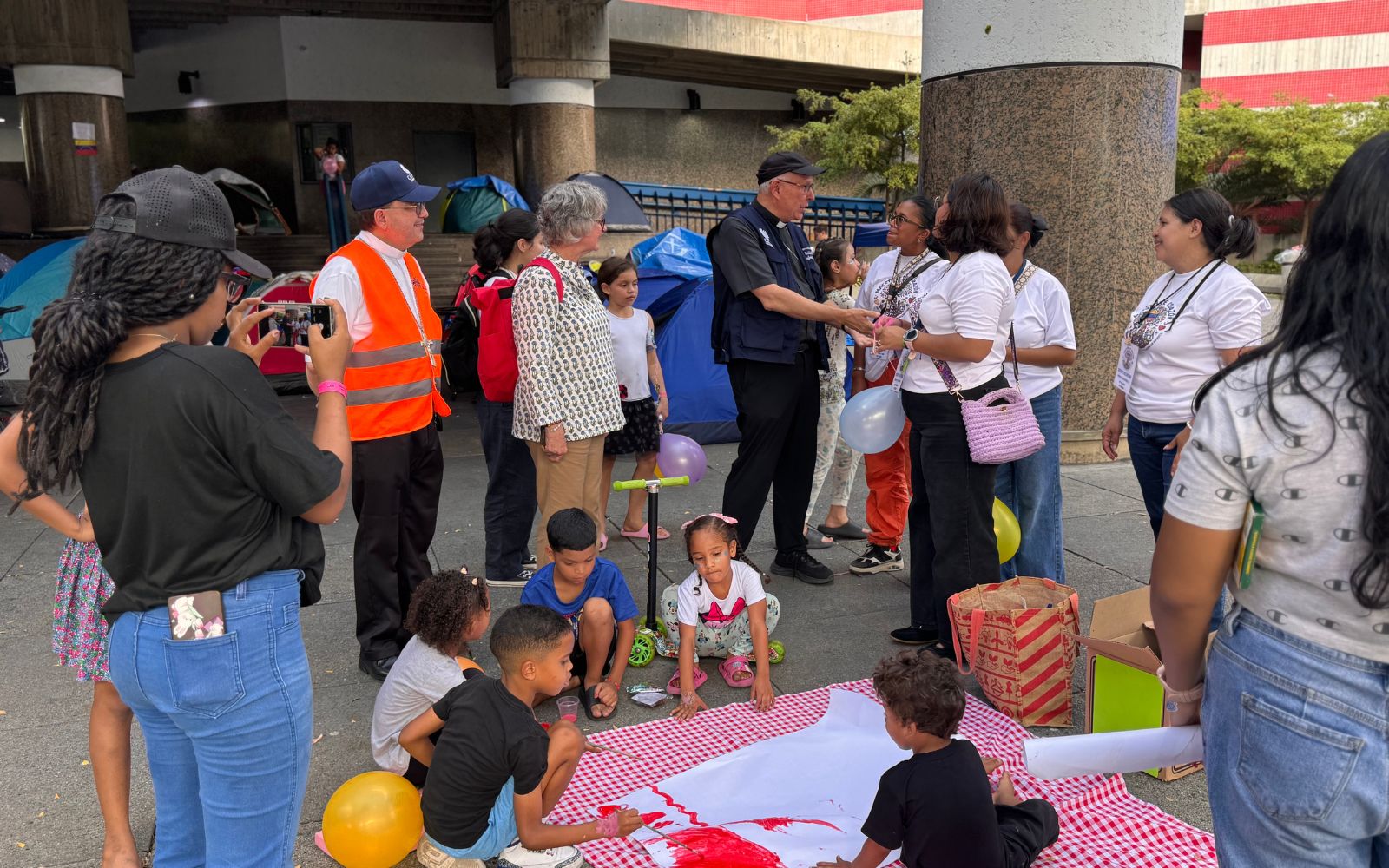
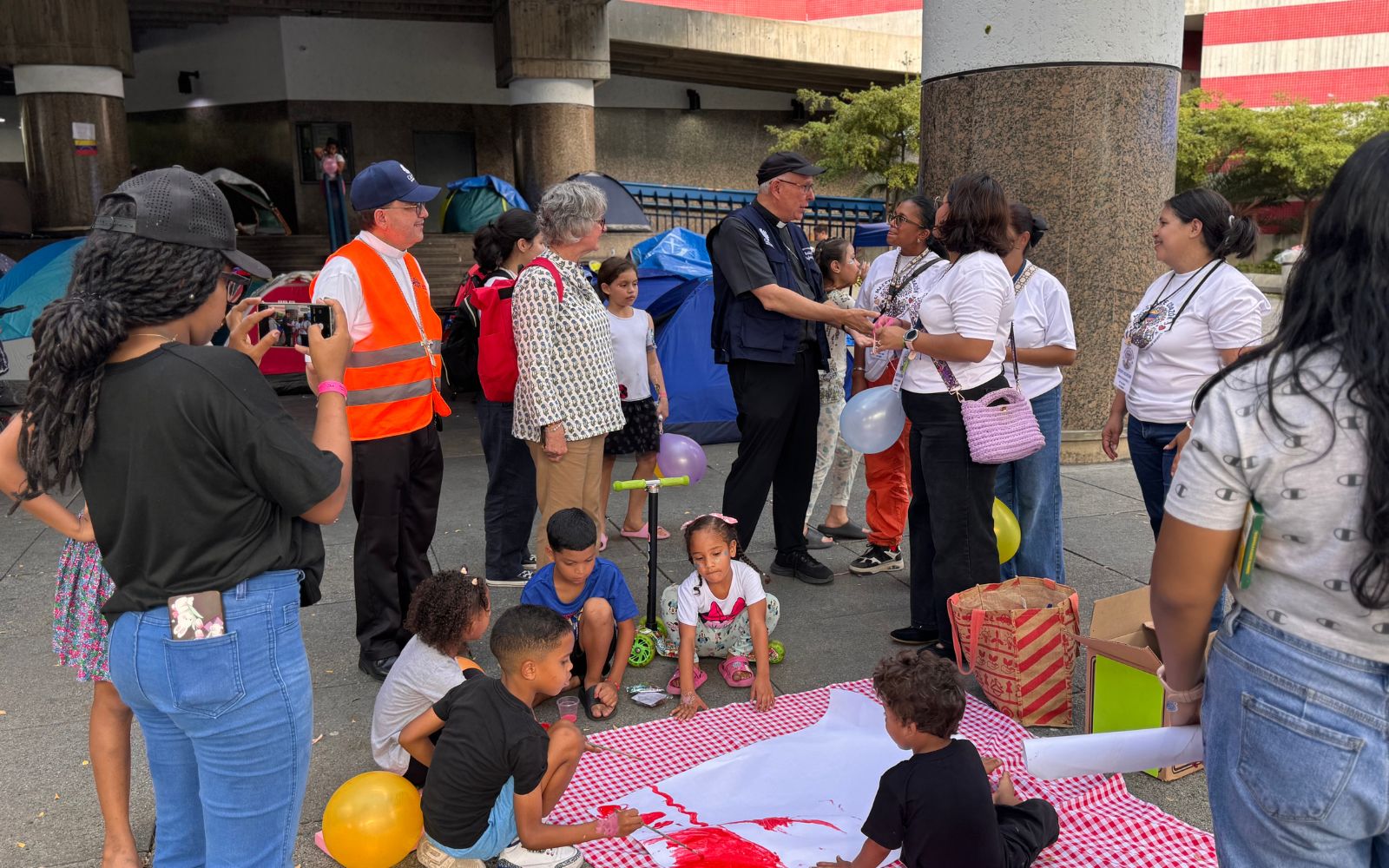
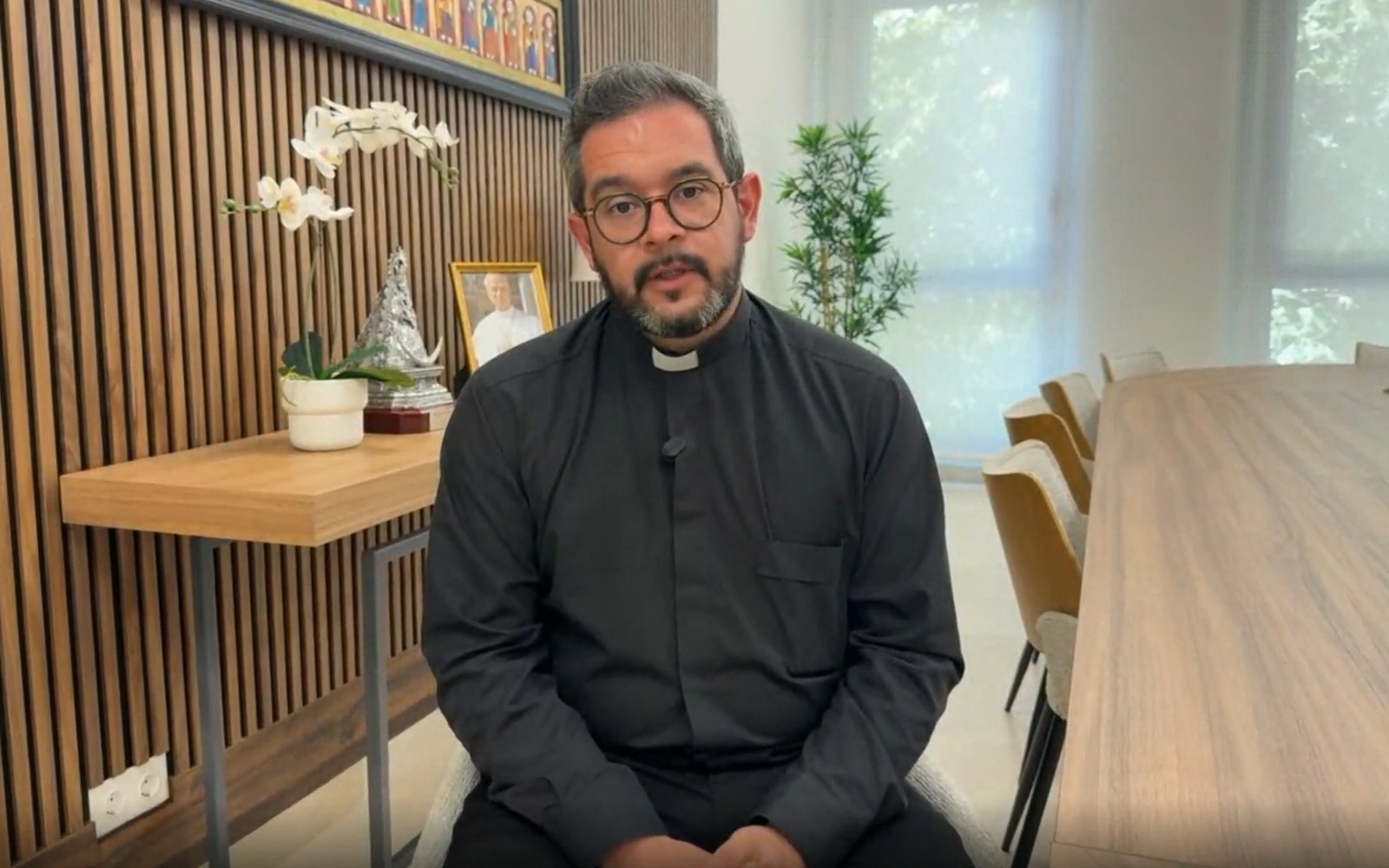
Church in Venezuela to ‘remain at the side of the suffering’ following earthquakes #Catholic One month after the devastating earthquakes in Venezuela, the Catholic Church is focused on “remaining at the side of the suffering,” according to Father Ricardo Guillén, episcopal vicar for pastoral ministry of the Archdiocese of Caracas.In an interview with the archdiocesan press office, the priest explained how “physical presence, active listening, and organized charity” have been the cornerstones of the Church’s response to the tragedy, which claimed the lives of thousands of people and severely affected tens of thousands more.“Our immediate priority was to be present where the suffering was most acute; we showed up and shared close up with the vulnerability of our people,” he said.From the very first hours following the earthquakes, he continued, the Church understood that this accompaniment “could not take place from a distance” but rather “required being physically present in the places of greatest uncertainty to support those who had lost everything.”“For this reason, we deployed directly to the areas most critical to the emergency,” he added. Consecrated personnel and lay volunteers assessed the scale of the disaster, offering special support to people at the morgues “to embrace and share in the families’ painful silence” and bringing the comfort of the sacraments.“In each of those places, our mission was simply to be present, to listen, and not to leave anyone alone,” Guillén added.‘God never abandons us’After highlighting “the profound vocation of service and solidarity,” which he said especially characterizes the new generations of Venezuelans and which enabled the enormous logistical response to the emergency, the episcopal vicar noted that it is precisely “in closeness and compassion” that God’s presence is revealed amid so much pain.Beyond providing material aid, the Catholic Church’s “fundamental mission” was to “be a living presence of the Lord and sustain the faith where suffering was the greatest,” regardless of the difficulties posed by the earthquakes. Thus, the Church “had to take to the streets,” transforming plazas, parks, and sports fields into “open-air altars” for religious services and encouraging the most popular devotions in Caracas and La Guaira.“One of the most moving services was accompanying people in their grief,” he said. “We priests were present in morgues, hospitals, and cemeteries in Caracas and La Guaira, supporting those who were suffering, often offering nothing more than a hug, weeping with those who wept, praying together, or maintaining a respectful silence in the face of such immense pain.”“Bringing grace and comfort to places where suffering reigned was living proof that God never abandons us,” he added.What are lessons the earthquakes taught the Church?Guillén emphasized that “the earthquake left deep scars, but it also revealed the immense spiritual and solidarity reserves of our people.”“Far from plunging us into despair, this tragedy becomes an urgent call to make fraternity a permanent way of life, oriented toward the common good and the recognition of every person’s dignity,” he said.He remarked that “true consolation requires neither explanations nor grand speeches,” but rather manifests itself “in quiet presence, in an outstretched hand, in attentive listening that takes in the pain, and in respectful silence that helps heal the wounds of the soul.”The earthquakes “leave us with profound lessons” for the Church in Venezuela and have confronted the entire country with “the urgent need to organize ourselves better in the face of contingencies of this magnitude,” he said. In that sense, he continued, Cáritas must strengthen itself and become “a true network of solidarity capable of reaching even the most remote areas” of Venezuela. “Ultimately, this time confirms for us that the faith lived out is authenticated through charity and tangible dedication to the most vulnerable,” Guillén said.“For this reason, the Church in Caracas reaffirms its unwavering commitment to continue accompanying those affected. We are not pulling out now that the immediate phase of the emergency has ended; we will be there for the long road of rebuilding society and the integral healing of our people’s lives,” he pledged.This story was first published by ACI Prensa, the Spanish-language sister service of EWTN News. It has been translated and adapted by EWTN News English.

Church in Venezuela to ‘remain at the side of the suffering’ following earthquakes #Catholic One month after the devastating earthquakes in Venezuela, the Catholic Church is focused on “remaining at the side of the suffering,” according to Father Ricardo Guillén, episcopal vicar for pastoral ministry of the Archdiocese of Caracas.In an interview with the archdiocesan press office, the priest explained how “physical presence, active listening, and organized charity” have been the cornerstones of the Church’s response to the tragedy, which claimed the lives of thousands of people and severely affected tens of thousands more.“Our immediate priority was to be present where the suffering was most acute; we showed up and shared close up with the vulnerability of our people,” he said.From the very first hours following the earthquakes, he continued, the Church understood that this accompaniment “could not take place from a distance” but rather “required being physically present in the places of greatest uncertainty to support those who had lost everything.”“For this reason, we deployed directly to the areas most critical to the emergency,” he added. Consecrated personnel and lay volunteers assessed the scale of the disaster, offering special support to people at the morgues “to embrace and share in the families’ painful silence” and bringing the comfort of the sacraments.“In each of those places, our mission was simply to be present, to listen, and not to leave anyone alone,” Guillén added.‘God never abandons us’After highlighting “the profound vocation of service and solidarity,” which he said especially characterizes the new generations of Venezuelans and which enabled the enormous logistical response to the emergency, the episcopal vicar noted that it is precisely “in closeness and compassion” that God’s presence is revealed amid so much pain.Beyond providing material aid, the Catholic Church’s “fundamental mission” was to “be a living presence of the Lord and sustain the faith where suffering was the greatest,” regardless of the difficulties posed by the earthquakes. Thus, the Church “had to take to the streets,” transforming plazas, parks, and sports fields into “open-air altars” for religious services and encouraging the most popular devotions in Caracas and La Guaira.“One of the most moving services was accompanying people in their grief,” he said. “We priests were present in morgues, hospitals, and cemeteries in Caracas and La Guaira, supporting those who were suffering, often offering nothing more than a hug, weeping with those who wept, praying together, or maintaining a respectful silence in the face of such immense pain.”“Bringing grace and comfort to places where suffering reigned was living proof that God never abandons us,” he added.What are lessons the earthquakes taught the Church?Guillén emphasized that “the earthquake left deep scars, but it also revealed the immense spiritual and solidarity reserves of our people.”“Far from plunging us into despair, this tragedy becomes an urgent call to make fraternity a permanent way of life, oriented toward the common good and the recognition of every person’s dignity,” he said.He remarked that “true consolation requires neither explanations nor grand speeches,” but rather manifests itself “in quiet presence, in an outstretched hand, in attentive listening that takes in the pain, and in respectful silence that helps heal the wounds of the soul.”The earthquakes “leave us with profound lessons” for the Church in Venezuela and have confronted the entire country with “the urgent need to organize ourselves better in the face of contingencies of this magnitude,” he said. In that sense, he continued, Cáritas must strengthen itself and become “a true network of solidarity capable of reaching even the most remote areas” of Venezuela. “Ultimately, this time confirms for us that the faith lived out is authenticated through charity and tangible dedication to the most vulnerable,” Guillén said.“For this reason, the Church in Caracas reaffirms its unwavering commitment to continue accompanying those affected. We are not pulling out now that the immediate phase of the emergency has ended; we will be there for the long road of rebuilding society and the integral healing of our people’s lives,” he pledged.This story was first published by ACI Prensa, the Spanish-language sister service of EWTN News. It has been translated and adapted by EWTN News English.

While the Church’s response to the earthquakes in Venezuela certainly involved material aid, a major part was simply being present to minister to survivors, offering consolation and the sacraments.
Read More
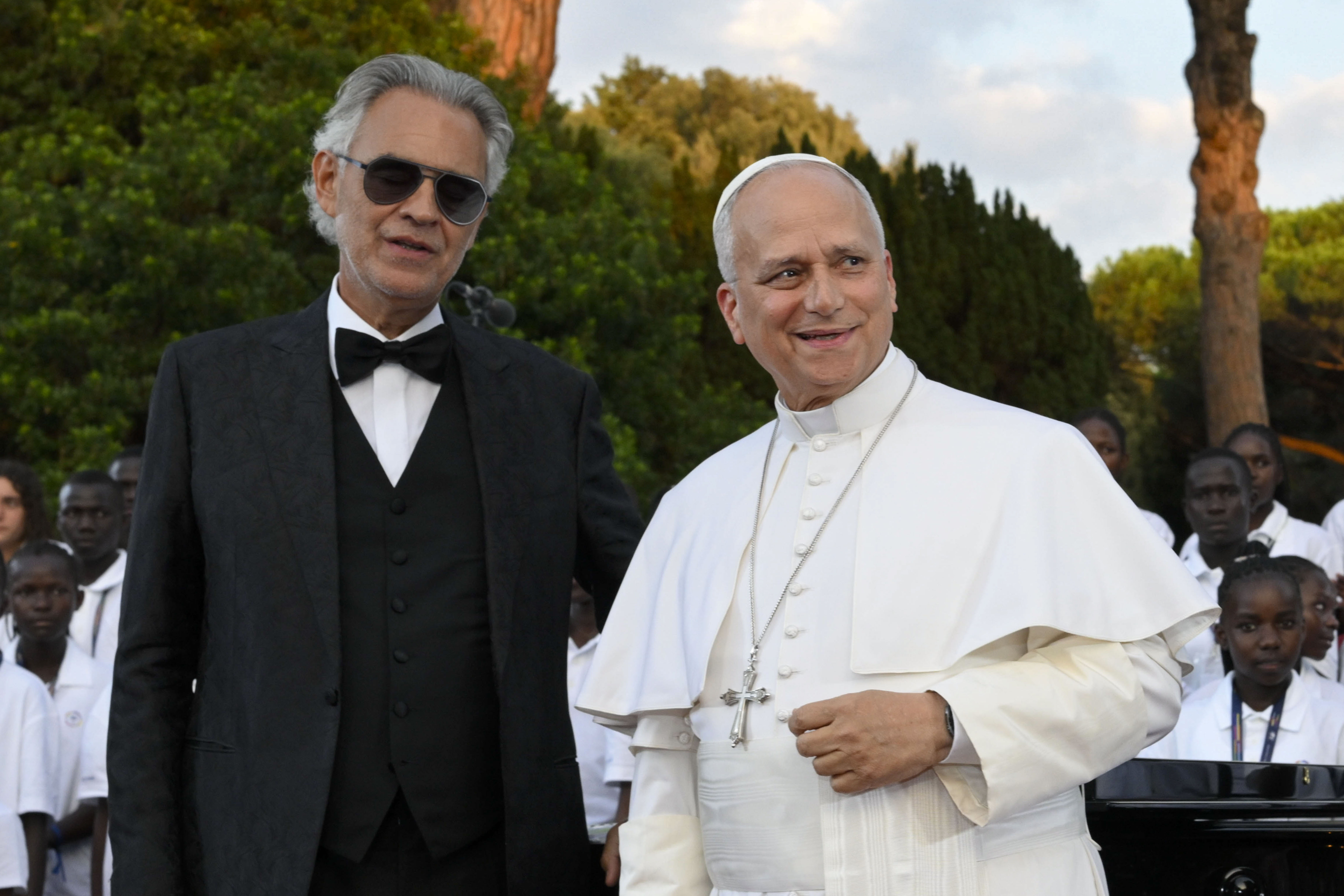
‘Canticle of Peace’: Leo XIV presents the beauty of music as a path to God #Catholic Pope Leo XIV stated Wednesday that “the beauty of music invites us to encounter the One who is beauty itself,” during the “Canticle of Peace” prayer and fraternal gathering held at Castel Gandolfo’s Borgo Laudato Si’ gardens.Leo XIV also prayed for peace to reign “in all those places in the world that continue to suffer from violenceThe gathering, organized by the Laudato Si’ Center for Higher Education and the Andrea Bocelli Foundation (ABF), took place as part of the celebrations marking the eighth centenary of the death of St. Francis of Assisi.Addressing the young members of the ABF Voices choir who came from Uganda, the Holy Land, and Italy, Leo XIV assured them: “Know also that the Holy Father loves you and prays for you, for your families, and for your countries.”After listening to the performance by tenor Andrea Bocelli and the choir, the pope thanked them for the effort put into preparing the recital and congratulated their conductors, noting that “music has the extraordinary capacity to bring different voices together in unison, where each contributes something unique to the whole.”“In this sense, the choir becomes an ideal symbol of harmony and cooperation,” he added.
 
 Andrea Bocelli during his performance at the “Canticle of Peace” before Pope Leo XIV and the young people gathered at the Borgo Laudato Si’ in Castel Gandolfo on July 29, 2026 | Credit: Vatican Media.
 
 In his message, Leo XIV noted the significance of the fact that Sacred Scripture and the Church’s liturgy speak of “choirs of angels and saints” when describing the joy of heaven.This does not mean, he explained, that they are “literally singing all the time,” but rather that, “united in love, they contemplate God together and find the fullness of happiness in him.”The Holy Father then invited the young people to reflect on what had taken place during their performance: “As you sang, did you notice how music drew all of us into a new experience — something greater than anything any one of us could have created alone?”“This is the experience of beauty. It opens up a new horizon before us and awakens within us the desire to move towards it,” he continued.The pope explained that “when we journey toward that horizon, we do not simply discover something, but Someone. We encounter God, our Creator.”
 
 Pope Leo XIV speaking to the young participants in the “Canticle of Peace,” held at the Borgo Laudato Si’ in Castel Gandolfo on July 29, 2026. | Credit: Vatican Media
 
 Leo XIV encouraged the young people to continue cultivating the gifts God has bestowed upon them and to allow those talents to lead them to him, for “He is all we seek in life, the only one who can calm our restless hearts.”The pontiff also reminded them that “you were made for great things and that the whole world is not enough to satisfy your thirst for meaning and happiness.”Before concluding, Leo XIV thanked the Andrea Bocelli Foundation for its work on behalf of young people facing educational and social disadvantages, and highlighted that “through the power of music, you are contributing to the Church’s mission of promoting the integral development of every human person in service of the common good. May God bless your efforts.”This story was first published by ACI Prensa, the Spanish-language sister service of EWTN News. It has been translated and adapted by EWTN News English.

‘Canticle of Peace’: Leo XIV presents the beauty of music as a path to God #Catholic Pope Leo XIV stated Wednesday that “the beauty of music invites us to encounter the One who is beauty itself,” during the “Canticle of Peace” prayer and fraternal gathering held at Castel Gandolfo’s Borgo Laudato Si’ gardens.Leo XIV also prayed for peace to reign “in all those places in the world that continue to suffer from violenceThe gathering, organized by the Laudato Si’ Center for Higher Education and the Andrea Bocelli Foundation (ABF), took place as part of the celebrations marking the eighth centenary of the death of St. Francis of Assisi.Addressing the young members of the ABF Voices choir who came from Uganda, the Holy Land, and Italy, Leo XIV assured them: “Know also that the Holy Father loves you and prays for you, for your families, and for your countries.”After listening to the performance by tenor Andrea Bocelli and the choir, the pope thanked them for the effort put into preparing the recital and congratulated their conductors, noting that “music has the extraordinary capacity to bring different voices together in unison, where each contributes something unique to the whole.”“In this sense, the choir becomes an ideal symbol of harmony and cooperation,” he added. Andrea Bocelli during his performance at the “Canticle of Peace” before Pope Leo XIV and the young people gathered at the Borgo Laudato Si’ in Castel Gandolfo on July 29, 2026 | Credit: Vatican Media. In his message, Leo XIV noted the significance of the fact that Sacred Scripture and the Church’s liturgy speak of “choirs of angels and saints” when describing the joy of heaven.This does not mean, he explained, that they are “literally singing all the time,” but rather that, “united in love, they contemplate God together and find the fullness of happiness in him.”The Holy Father then invited the young people to reflect on what had taken place during their performance: “As you sang, did you notice how music drew all of us into a new experience — something greater than anything any one of us could have created alone?”“This is the experience of beauty. It opens up a new horizon before us and awakens within us the desire to move towards it,” he continued.The pope explained that “when we journey toward that horizon, we do not simply discover something, but Someone. We encounter God, our Creator.” Pope Leo XIV speaking to the young participants in the “Canticle of Peace,” held at the Borgo Laudato Si’ in Castel Gandolfo on July 29, 2026. | Credit: Vatican Media Leo XIV encouraged the young people to continue cultivating the gifts God has bestowed upon them and to allow those talents to lead them to him, for “He is all we seek in life, the only one who can calm our restless hearts.”The pontiff also reminded them that “you were made for great things and that the whole world is not enough to satisfy your thirst for meaning and happiness.”Before concluding, Leo XIV thanked the Andrea Bocelli Foundation for its work on behalf of young people facing educational and social disadvantages, and highlighted that “through the power of music, you are contributing to the Church’s mission of promoting the integral development of every human person in service of the common good. May God bless your efforts.”This story was first published by ACI Prensa, the Spanish-language sister service of EWTN News. It has been translated and adapted by EWTN News English.

The Holy Father made his remarks at an event organized by the Laudato Si’ Center for Higher Education and the Andrea Bocelli Foundation.
Read More
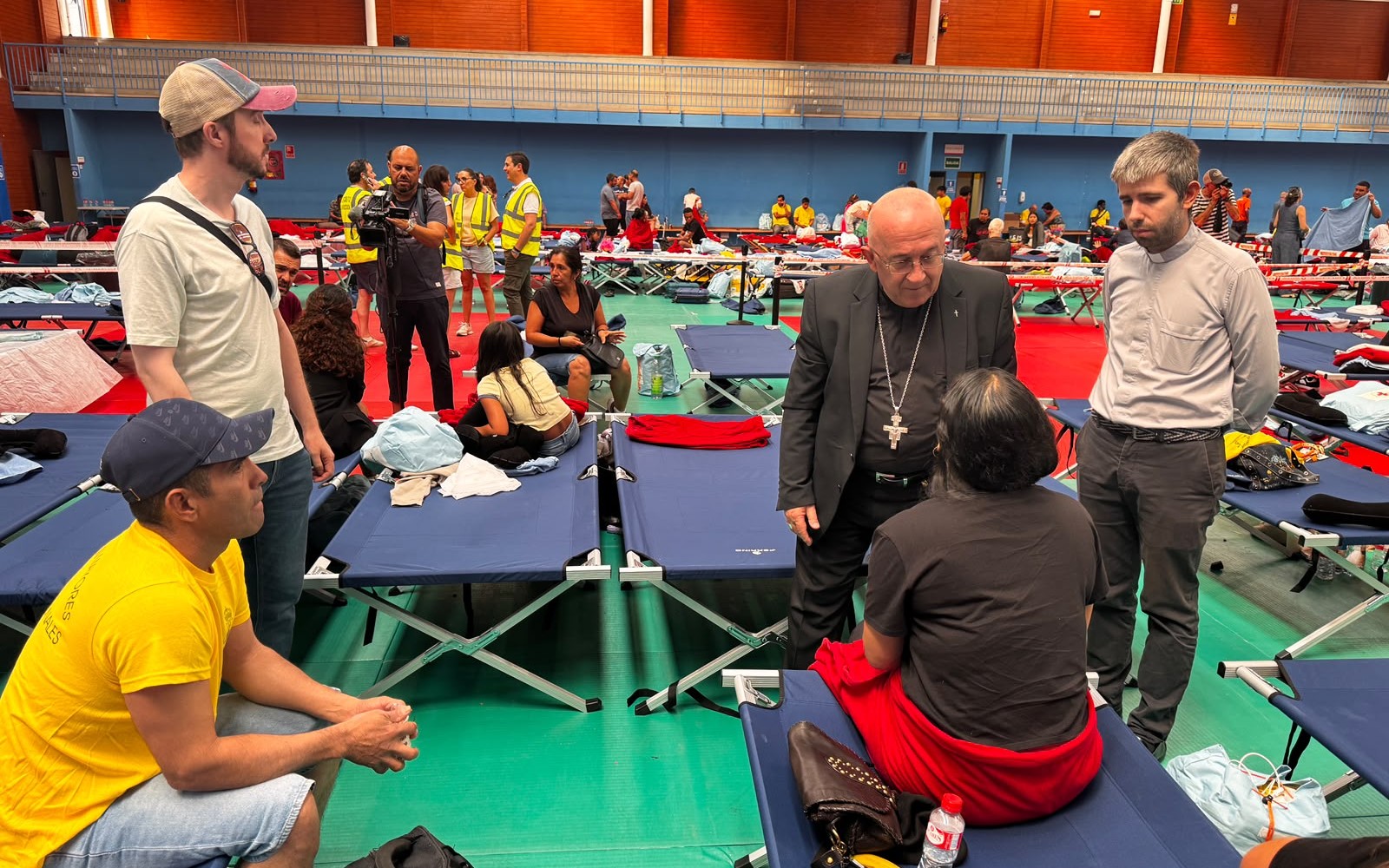
Forest fires in Spain: ‘Providence is taking super good care of us,’ priest says #Catholic The territory of the Diocese of Getafe, south of Madrid, Spain, is being especially hard hit by wildfires that have forced thousands of people to shelter in place or evacuate. The natural disaster finds the diocese’s priests on the front lines, welcoming, accompanying, consoling, and praying.In the central area of ​​Spain alone, 12 towns have been evacuated and another three are under a shelter-in-place order due to the wave of forest fires that in recent days have devastated thousands of acres. At least 50,000 people have been affected in the area.Faced with this human tragedy, the Catholic Church has set to work providing material aid, shelter, a listening ear, and the sacraments in efforts overseen by the auxiliary bishop of Getafe, José María Avendaño.Father Álvaro Piñero is the vicar of the parish in Villaviciosa de Odón, one of the towns serving as a place of refuge for those fleeing the fires who had nowhere else to go. Throughout the weekend, he has been coordinating the aid provided by the parish to the more than 300 displaced people arriving from Chapinería, Pelayos de la Presa, Navas del Rey, and other towns.Along with the residents, the parish priests from those towns are also being sheltered because as Piñero explained to ACI Prensa, the Spanish-language sister service of EWTN News, “even when displaced, one remains a priest and continues to minister to the people of oneʼs town.”“Many of the volunteers helping at the sports center are from Caritas or local confraternities from the town; they have ties to the parish,” noted Piñero, who is from Valdemoro, a nearby town where he has gone to pick up hosts for Mass.Instagram postIn addition to providing food and meeting material needs, the Church offers the treasure of the faith and the sacraments: “At the sports center, we have been attending to people, listening to them, hearing their confessions and above all, listening to so many suffering people. At the end of the day, the people here are extremely vulnerable.”The authorities specifically entrusted the care of the children to the parish. The youngsters are kept entertained with games and activities, so much so that when asked if they want to return home, some say no, “because it feels like camp.”Despite the magnitude of the tragedy, heart-wrenching from a purely human perspective, a supernatural outlook and a shepherd’s heart keep hope alive.“As St. Paul said in the reading: We hold this treasure in earthen vessels so that not only death but the glory of the Lord may be manifested in our lives. That is somewhat what we are experiencing; while we are keenly feeling the drama of so many very difficult situations, Providence is also taking super good care of us,” Piñero emphasized.“If God is looking after us now in this situation, why would he fail me tomorrow? If he is doing so now, then I believe trust is what sustains us in these moments, and not blind trust, but a trust we can tangibly feel here and now,” he explained, referring to the help provided by so many volunteers and donors.‘The Lord is going through this evacuation with us’One of the areas hardest hit by the fire is the Tiétar Valley, home to the town of Rozas de Puerto Real and the minor seminary of the Diocese of Getafe, where 130 students, 35 of whom are seminarians, normally study.The facility, currently spared by the flames, is in grave danger. A summer camp was taking place there until participants had to be evacuated on July 25, the feast of St. James the Apostle. “We were already surrounded by smoke and had to evacuate all the young people; it was done very quickly. In less than 25 minutes, the entire seminary had been cleared, and although there was great fear, everyoneʼs efforts made it possible,” Father Eliert Jerez, rector of the minor seminary, told ACI Prensa.In addition to the people, they removed the statues of the Immaculate Conception and St. Joseph, the archives, and the tabernacles containing the Blessed Sacrament from the site; these were taken to Villaviciosa de Odón, where Jerez is currently taking shelter.
 
 Father Eliert Jerez, rector of the minor seminary of the Diocese of Getafe in Spain | Credit: Nicolás de Cárdenas/ACI Prensa
 
 The moment the Body of Christ was being moved was captured on video. “I canʼt get that moment out of my head, and I donʼt want to let it go from my heart either,” the priest shared.“When you hold the Blessed Sacrament in your hand, when you can’t wear a cope or liturgical vestments — you realize the Lord’s closeness in those moments. You realize that the Lord was going through this evacuation with us, and I imagine he was also in this prayer and this plea for it to end,” he added.It’s precisely in prayer that they are finding great comfort: “Prayer is working real miracles such as the fact that the seminary has not yet been engulfed by the flames,” explained the rector, even as the burden of responsibility weighs heavily on him: “Many of our seminarians are going to be left homeless. Many of our seminarians will face immense difficulties in continuing their formation.”It’s not just for their sake that Jerez is aware of how this situation will transform life in the region for years to come: “So many towns have been affected. Many people will not get their jobs back because they make their living from the land, and that is very difficult to recover from. Many people have lost not only their homes but also their prospects for the future, and this is a reality that will stay with us in the years ahead.”Indeed, he admitted to his deep unease: “I have had trouble sleeping ever since the first flames appeared.”This story was first published by ACI Prensa, the Spanish-language sister service of EWTN News. It has been translated and adapted by EWTN News English.

Forest fires in Spain: ‘Providence is taking super good care of us,’ priest says #Catholic The territory of the Diocese of Getafe, south of Madrid, Spain, is being especially hard hit by wildfires that have forced thousands of people to shelter in place or evacuate. The natural disaster finds the diocese’s priests on the front lines, welcoming, accompanying, consoling, and praying.In the central area of ​​Spain alone, 12 towns have been evacuated and another three are under a shelter-in-place order due to the wave of forest fires that in recent days have devastated thousands of acres. At least 50,000 people have been affected in the area.Faced with this human tragedy, the Catholic Church has set to work providing material aid, shelter, a listening ear, and the sacraments in efforts overseen by the auxiliary bishop of Getafe, José María Avendaño.Father Álvaro Piñero is the vicar of the parish in Villaviciosa de Odón, one of the towns serving as a place of refuge for those fleeing the fires who had nowhere else to go. Throughout the weekend, he has been coordinating the aid provided by the parish to the more than 300 displaced people arriving from Chapinería, Pelayos de la Presa, Navas del Rey, and other towns.Along with the residents, the parish priests from those towns are also being sheltered because as Piñero explained to ACI Prensa, the Spanish-language sister service of EWTN News, “even when displaced, one remains a priest and continues to minister to the people of oneʼs town.”“Many of the volunteers helping at the sports center are from Caritas or local confraternities from the town; they have ties to the parish,” noted Piñero, who is from Valdemoro, a nearby town where he has gone to pick up hosts for Mass.Instagram postIn addition to providing food and meeting material needs, the Church offers the treasure of the faith and the sacraments: “At the sports center, we have been attending to people, listening to them, hearing their confessions and above all, listening to so many suffering people. At the end of the day, the people here are extremely vulnerable.”The authorities specifically entrusted the care of the children to the parish. The youngsters are kept entertained with games and activities, so much so that when asked if they want to return home, some say no, “because it feels like camp.”Despite the magnitude of the tragedy, heart-wrenching from a purely human perspective, a supernatural outlook and a shepherd’s heart keep hope alive.“As St. Paul said in the reading: We hold this treasure in earthen vessels so that not only death but the glory of the Lord may be manifested in our lives. That is somewhat what we are experiencing; while we are keenly feeling the drama of so many very difficult situations, Providence is also taking super good care of us,” Piñero emphasized.“If God is looking after us now in this situation, why would he fail me tomorrow? If he is doing so now, then I believe trust is what sustains us in these moments, and not blind trust, but a trust we can tangibly feel here and now,” he explained, referring to the help provided by so many volunteers and donors.‘The Lord is going through this evacuation with us’One of the areas hardest hit by the fire is the Tiétar Valley, home to the town of Rozas de Puerto Real and the minor seminary of the Diocese of Getafe, where 130 students, 35 of whom are seminarians, normally study.The facility, currently spared by the flames, is in grave danger. A summer camp was taking place there until participants had to be evacuated on July 25, the feast of St. James the Apostle. “We were already surrounded by smoke and had to evacuate all the young people; it was done very quickly. In less than 25 minutes, the entire seminary had been cleared, and although there was great fear, everyoneʼs efforts made it possible,” Father Eliert Jerez, rector of the minor seminary, told ACI Prensa.In addition to the people, they removed the statues of the Immaculate Conception and St. Joseph, the archives, and the tabernacles containing the Blessed Sacrament from the site; these were taken to Villaviciosa de Odón, where Jerez is currently taking shelter. Father Eliert Jerez, rector of the minor seminary of the Diocese of Getafe in Spain | Credit: Nicolás de Cárdenas/ACI Prensa The moment the Body of Christ was being moved was captured on video. “I canʼt get that moment out of my head, and I donʼt want to let it go from my heart either,” the priest shared.“When you hold the Blessed Sacrament in your hand, when you can’t wear a cope or liturgical vestments — you realize the Lord’s closeness in those moments. You realize that the Lord was going through this evacuation with us, and I imagine he was also in this prayer and this plea for it to end,” he added.It’s precisely in prayer that they are finding great comfort: “Prayer is working real miracles such as the fact that the seminary has not yet been engulfed by the flames,” explained the rector, even as the burden of responsibility weighs heavily on him: “Many of our seminarians are going to be left homeless. Many of our seminarians will face immense difficulties in continuing their formation.”It’s not just for their sake that Jerez is aware of how this situation will transform life in the region for years to come: “So many towns have been affected. Many people will not get their jobs back because they make their living from the land, and that is very difficult to recover from. Many people have lost not only their homes but also their prospects for the future, and this is a reality that will stay with us in the years ahead.”Indeed, he admitted to his deep unease: “I have had trouble sleeping ever since the first flames appeared.”This story was first published by ACI Prensa, the Spanish-language sister service of EWTN News. It has been translated and adapted by EWTN News English.

Amid the destructive forest fires in central Spain, the Catholic Church is ministering to the evacuees, providing material aid, shelter, a listening ear, and the sacraments.
Read More
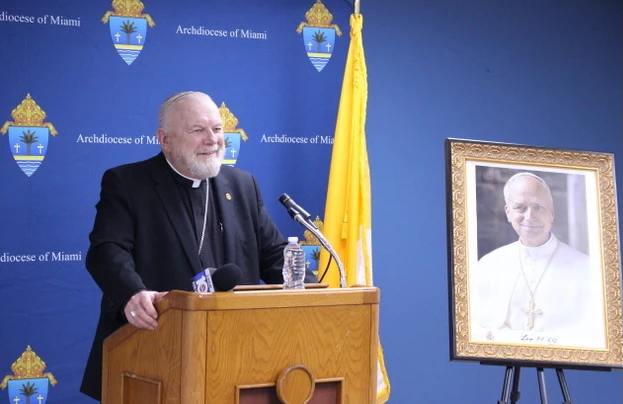
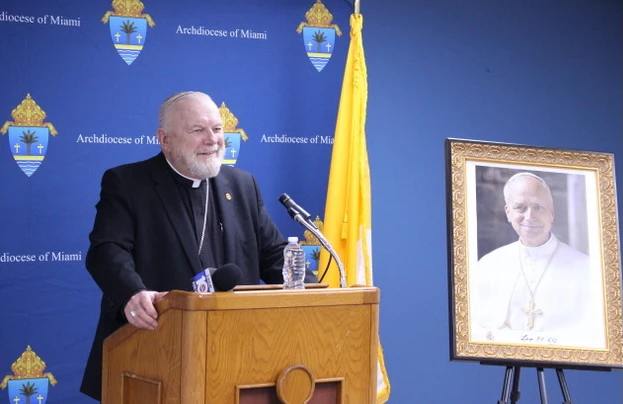
Miami archbishop calls for ‘compassionate’ protections for Haitians ahead of TPS deadline #Catholic Miami Archbishop Thomas Wenski urged “compassionate” immigration protections for Haitians with temporary protected status (TPS) upon expiration of their automatic work‑permit extension.As “widespread violence, political instability, economic collapse, and humanitarian suffering” continue in Haiti, Wenski said July 24 that the Caribbean nation remains unsafe as a place for migrants to return. About 353,000 Haitian nationals hold TPS status in the U.S., according to the Department of Homeland Security (DHS).Miami’s archbishop said local ministries are “preparing for the consequences” of policy changes, including the termination of work authorizations for diocesan employees. Employment authorization documents (EADs) reached a court-extended expiration July 27.TPS is an immigration status granted to eligible foreign nationals from designated countries that are unsafe to return to due to ongoing conflict, environmental disasters, or other extraordinary conditions.The U.S. Supreme Court on June 25 ruled that DHS could end TPS for Haitians and Syrians. El Salvador’s TPS designation is set to expire Sept. 9.The U.S. House of Representatives passed legislation (H.R. 1689) in April that would add three more years of TPS for Haitian nationals. The legislation has stalled in the Senate.Catholic Health Services (CHS), one of the Archdiocese of Miamiʼs largest ministries, which employs a significant number of Haitian workers who hold TPS, “is currently evaluating the effects of the recent federal changes affecting TPS work authorization, Wenski said.“At this time, an estimated 40 to 50 valued employees may be affected, although the final number remains under review as the organization works individually with each employee based on his or her unique circumstances,” he said.Haitian CHS workers “are more than employees — they are members of our Church and our community,” Wenski said. “They care for the sick, comfort the elderly, and serve some of the most vulnerable among us with compassion and dedication.”Ahead of the deadline, Wenski said “our hearts are with our Haitian brothers and sisters who are living with uncertainty, fear, and anxiety about what the future may hold for themselves and their families.”“The Church recognizes the right of nations to secure their borders and to establish just immigration laws. At the same time, our Catholic faith calls us to uphold the dignity of every human person and to accompany those who are vulnerable,” he said. As “Haiti continues to endure profound hardship,” Wenski urged “elected leaders to pursue compassionate and humane solutions that protect family unity and recognize the extraordinary circumstances facing the Haitian people.”“To our Haitian brothers and sisters: You are not alone. The Catholic Church walks with you,” he said.Haitian workers in Ohio face uncertain futureOhio bishops also have called for continued TPS protections for Haitians, especially as Springfield, Ohio, is home to a large Haitian population. The Catholic Conference of Ohio released a June statement urging action and continued TPS.As the Supreme Court decision has left many families worried about losing their jobs, Ohio-based organizations are also preparing to aid those facing loss of TPS.In an interview July 24 with “EWTN News Nightly,” Casey Rollins, executive director of St. Vincent de Paul in Springfield, Ohio, said the organizationʼs team helps immigrants and nonimmigrants “while theyʼre enduring, or while theyʼre navigating … a crisis or a situation.”“That would be, in this case, once they lost their jobs, we will help them take care of their rent and utilities if they now canʼt pay that,” she said.For “over 60 years, weʼve helped Americans with rent and utilities and those kinds of necessities for independent living. Now weʼre doing that with Haitians and other immigrants whoʼve recently lost jobs,” she explained.“We also are helping the families who, many of them, are certain to be deported,” she said.Following the loss of workers in the Ohio community, “weʼre going to be in trouble,” she said. For years, the area needed “more workers here,” and the Haitian community was “taking a lot of these jobs.”

Miami archbishop calls for ‘compassionate’ protections for Haitians ahead of TPS deadline #Catholic Miami Archbishop Thomas Wenski urged “compassionate” immigration protections for Haitians with temporary protected status (TPS) upon expiration of their automatic work‑permit extension.As “widespread violence, political instability, economic collapse, and humanitarian suffering” continue in Haiti, Wenski said July 24 that the Caribbean nation remains unsafe as a place for migrants to return. About 353,000 Haitian nationals hold TPS status in the U.S., according to the Department of Homeland Security (DHS).Miami’s archbishop said local ministries are “preparing for the consequences” of policy changes, including the termination of work authorizations for diocesan employees. Employment authorization documents (EADs) reached a court-extended expiration July 27.TPS is an immigration status granted to eligible foreign nationals from designated countries that are unsafe to return to due to ongoing conflict, environmental disasters, or other extraordinary conditions.The U.S. Supreme Court on June 25 ruled that DHS could end TPS for Haitians and Syrians. El Salvador’s TPS designation is set to expire Sept. 9.The U.S. House of Representatives passed legislation (H.R. 1689) in April that would add three more years of TPS for Haitian nationals. The legislation has stalled in the Senate.Catholic Health Services (CHS), one of the Archdiocese of Miamiʼs largest ministries, which employs a significant number of Haitian workers who hold TPS, “is currently evaluating the effects of the recent federal changes affecting TPS work authorization, Wenski said.“At this time, an estimated 40 to 50 valued employees may be affected, although the final number remains under review as the organization works individually with each employee based on his or her unique circumstances,” he said.Haitian CHS workers “are more than employees — they are members of our Church and our community,” Wenski said. “They care for the sick, comfort the elderly, and serve some of the most vulnerable among us with compassion and dedication.”Ahead of the deadline, Wenski said “our hearts are with our Haitian brothers and sisters who are living with uncertainty, fear, and anxiety about what the future may hold for themselves and their families.”“The Church recognizes the right of nations to secure their borders and to establish just immigration laws. At the same time, our Catholic faith calls us to uphold the dignity of every human person and to accompany those who are vulnerable,” he said. As “Haiti continues to endure profound hardship,” Wenski urged “elected leaders to pursue compassionate and humane solutions that protect family unity and recognize the extraordinary circumstances facing the Haitian people.”“To our Haitian brothers and sisters: You are not alone. The Catholic Church walks with you,” he said.Haitian workers in Ohio face uncertain futureOhio bishops also have called for continued TPS protections for Haitians, especially as Springfield, Ohio, is home to a large Haitian population. The Catholic Conference of Ohio released a June statement urging action and continued TPS.As the Supreme Court decision has left many families worried about losing their jobs, Ohio-based organizations are also preparing to aid those facing loss of TPS.In an interview July 24 with “EWTN News Nightly,” Casey Rollins, executive director of St. Vincent de Paul in Springfield, Ohio, said the organizationʼs team helps immigrants and nonimmigrants “while theyʼre enduring, or while theyʼre navigating … a crisis or a situation.”“That would be, in this case, once they lost their jobs, we will help them take care of their rent and utilities if they now canʼt pay that,” she said.For “over 60 years, weʼve helped Americans with rent and utilities and those kinds of necessities for independent living. Now weʼre doing that with Haitians and other immigrants whoʼve recently lost jobs,” she explained.“We also are helping the families who, many of them, are certain to be deported,” she said.Following the loss of workers in the Ohio community, “weʼre going to be in trouble,” she said. For years, the area needed “more workers here,” and the Haitian community was “taking a lot of these jobs.”

Catholic Health Services, one of the Archdiocese of Miami’s largest ministries, faces losing an estimated 40 to 50 employees, Miami Archbishop Thomas Wenski said.
Read More
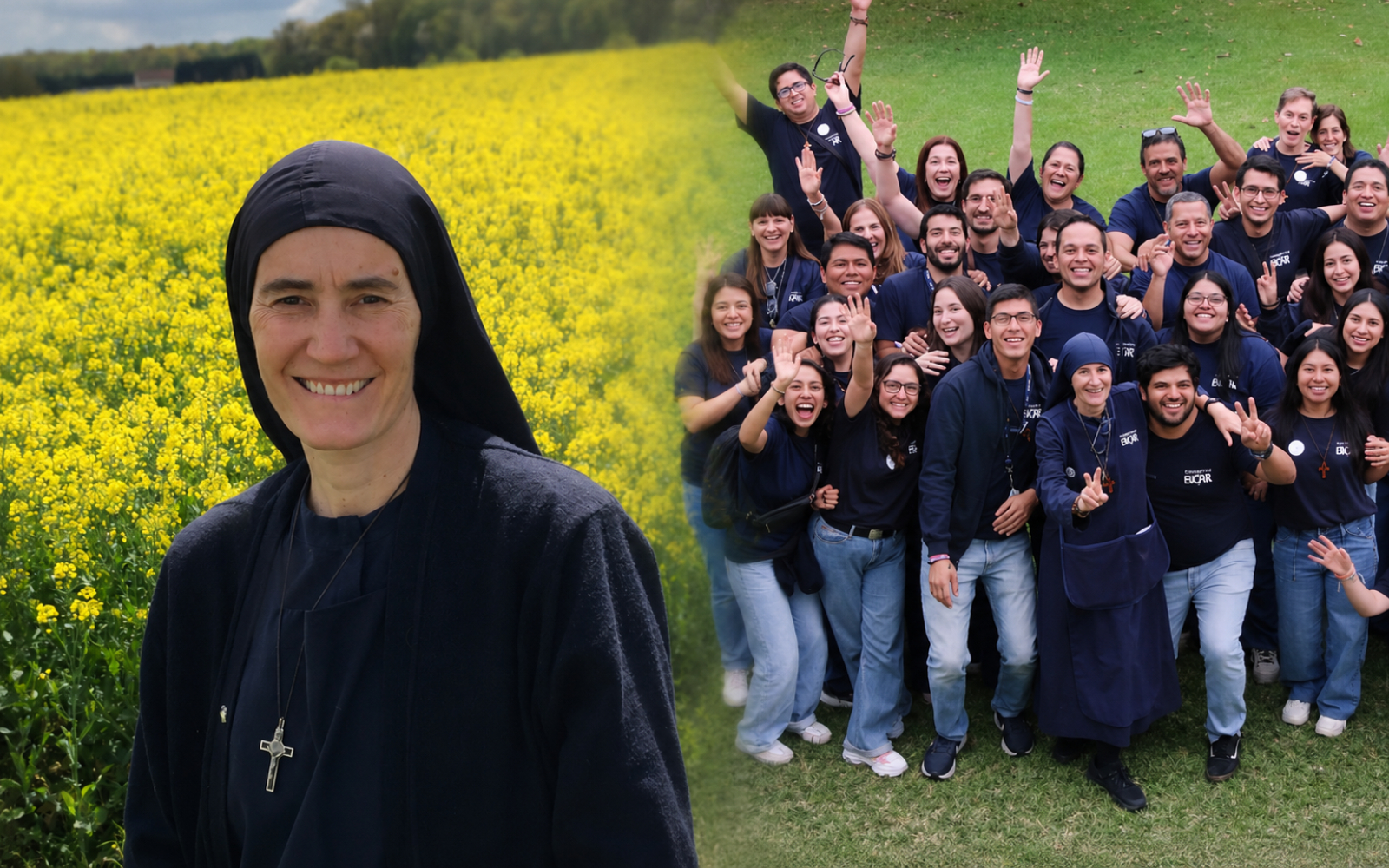
Sicar: The retreat transforming the lives of young people in Latin America #Catholic The Sicar retreat (“Sychar” in the English Bible) has given rise to one of the most notable youth evangelization experiences in Latin America. It came about through a process of discernment by a Mexican religious in her own search for God, a dynamic movement that today reaches thousands of young people.With over 30 years of consecrated life, Mother María Elena Martínez has dedicated her life to the spiritual formation of young people and adults through “Mary, Mother of Love,” a private association of the faithful she founded in Mexico in 2015.The community is centered on retreats making a spiritual impact, such as Emmaus, which is held in parishes and correctional facilities, and Sicar, which is aimed specifically at young adults.
 
 Mother María Elena Martínez. | Credit: Photo courtesy of Mother María Elena Martínez
 
 Her life, marked from childhood by a quest for God, would ultimately become bound up in an initiative that is active today in several Latin American countries, including Mexico, Guatemala, Paraguay, Argentina, and Peru.“I remember as a little girl I had a great thirst for God,” she shared in an interview with ACI Prensa, the Spanish-language sister service of EWTN News.That initial calling deepened over time. At age 11, she recalled, a desire to please Jesus arose within her. “A desire for purity … I wanted to live a life of virginity,” she noted, explaining that she prayed insistently to the Virgin Mary, asking for that consecration.
 
 Mother María Elena Martínez in front of an oasis. | Credit: Photo courtesy of Mother María Elena Martínez
 
 However, her path was neither immediate nor direct. “Religious life wasn’t something that particularly appealed to me,” she admitted. In her youth, she went through various experiences ranging from completing a degree in translating to exploring broader spiritual concerns, which eventually led her to try out consecrated life with the Missionaries of Charity.Some time later, she tried cloistered contemplative life. “I wanted something more interior, deeper,” she confessed.A concern arises: ‘What about the young people?’The Sicar retreat did not originate as a planned initiative but rather as a pastoral response that only gradually took shape. According to Mother María Elena, for years many people approached her with the same concern: “What about the young people?” “Do something for the young people,” they would tell her.
 
 Sicar team members in Mexico. | Credit: Photo courtesy of Mother María Elena Martínez
 
 The Gospel account of the Samaritan woman began to take center stage in her prayer and discernment. Jesus’ dialogue at the well of Sychar — “If you knew the gift of God” (cf. Jn 4:1-42) — served as the starting point for helping young people discover Christ. “The passage about the Samaritan woman was so rich, so rich, that I could draw so much from it,” she explained.The decisive step came in 2016, when the first Sicar retreat was held. Mother María Elena remembered it as the beginning of something small and simple yet deeply meaningful. Young people with prior experience in movements like Emmaus were the first to participate.
 
 Sicar Mexico. | Credit: Photo courtesy of Mother María Elena Martínez
 
 Sicar began to expand. After establishing itself in cities such as Mexico City, Tehuacán, and Tecamachalco (in the state of Puebla), as well as San Luis de la Paz (Guanajuato state), Veracruz, Mérida (Yucatán state), and Cuernavaca (Morelos state), the initiative began to cross borders beyond Mexico. The first retreat in Guatemala took place in 2017; Buenos Aires in 2018; Paraguay in 2022; and in Peru in 2023.“It has been growing in many places, rescuing so many young people,” Mother María Elena said with gratitude.In Mexico, 38 Sicar retreats have been held with an average of 50 participants each, amounting to nearly 2,000 young people. In Peru, where the initiative arrived in 2023, seven retreats have already taken place with around 70 participants each, reaching approximately 490 people.
 
 Sicar Mexico. | Credit: Photo courtesy of Mother María Elena Martínez
 
 Ottmar Ricalde, a Sicar volunteer in Mexico, noted that “Sicar means and has meant so much over these past 10 years.” “I could write and speak about all the stories, all the laughter, and all the tears, but the most important thing of all is the love of God that has been a gift to me,” he stated.“My life was always focused on pleasing others, but when I met God and realized how much he loves me, I began wanting to please him,” he said.In Paraguay, Sicar coordinator Fátima Correa highlighted that the experience “was a time of growth and renewal. It allowed us to view our history with fresh eyes.”
 
 Sicar Paraguay 2026 team members. | Credit: Sicar Paraguay
 
 “It was a retreat organized by young people for young people, where every testimony reflected realities many of us could relate to,” she added.A couple from Argentina who participated in the retreat and are now married say that Sicar marked a turning point in their lives. “We arrived as boyfriend and girlfriend and returned with completely transformed hearts … today, we feel that one of the greatest fruits was our marriage.”A growing community in PeruSicar arrived in Peru in 2023 and has since established a growing community.Geraldine Spihlman, director of Sicar in Peru, explained that the initiative arose after a need was identified within youth ministry. “When young people reached the age of 24 or 25, they no longer had a place to continue their journey of faith,” she noted.Following contact with Mother María Elena, it was decided to launch the initiative in Lima, which holds two retreats a year: in May and November.Spihlman highlighted that the most visible fruit is the community: “Many young people have discovered that it’s hard to go it alone but that everything is easier in community. It is a community where you can see how they love one another.”Instagram post‘God’s mercy knows no bounds’One of the most common fruits of these retreats is a shift in how one views others.In personal encounters, transformation occurs not only for those receiving the retreat but also for those who put it on. “God’s mercy knows no bounds,” Mother María Elena stated. “You look at people with eyes of mercy. You no longer judge the person; instead, you see them as a child of God,” she explained.Eros Acevedo, another team member, said the retreat “was an encounter with God that changed everything … I arrived bearing wounds, and his presence touched them. I left renewed.”
 
 Sicar Peru team members, May 2026. | Credit: Sicar Peru
 
 Rafael Mansilla, 27, said Sicar taught him to persevere in the faith. “Faith is not a flame that goes out but a steady flame,” he said.Dina Dávila shared that the retreat was the instrument God used to call her. “The love I have experienced in the community is overwhelming,” she added.‘A living Jesus’Through the retreats, Mother María Elena explained, people are invited to encounter “a living Jesus.” “God continues to act; he continues to perform miracles every day,” she affirmed. She said she lives one day at a time. “Each day I tell the Lord, ‘For one more day, I say yes to you.’”
 
 Participants in a Sicar retreat in Mexico. | Credit: Sicar Mexico
 
 The Sicar retreat, born of a contemplative reading of the Gospel, continues to spread wherever young people seek meaning, healing, and an experience of mature faith.Today, the young “Samaritans” who have lived this experience carry with them the words that marked their encounter with God: “Whoever drinks of the water that I will give him shall never thirst” (Jn 4:14).This story was first published by ACI Prensa, the Spanish-language sister service of EWTN News. It has been translated and adapted by EWTN News English.

Sicar: The retreat transforming the lives of young people in Latin America #Catholic The Sicar retreat (“Sychar” in the English Bible) has given rise to one of the most notable youth evangelization experiences in Latin America. It came about through a process of discernment by a Mexican religious in her own search for God, a dynamic movement that today reaches thousands of young people.With over 30 years of consecrated life, Mother María Elena Martínez has dedicated her life to the spiritual formation of young people and adults through “Mary, Mother of Love,” a private association of the faithful she founded in Mexico in 2015.The community is centered on retreats making a spiritual impact, such as Emmaus, which is held in parishes and correctional facilities, and Sicar, which is aimed specifically at young adults. Mother María Elena Martínez. | Credit: Photo courtesy of Mother María Elena Martínez Her life, marked from childhood by a quest for God, would ultimately become bound up in an initiative that is active today in several Latin American countries, including Mexico, Guatemala, Paraguay, Argentina, and Peru.“I remember as a little girl I had a great thirst for God,” she shared in an interview with ACI Prensa, the Spanish-language sister service of EWTN News.That initial calling deepened over time. At age 11, she recalled, a desire to please Jesus arose within her. “A desire for purity … I wanted to live a life of virginity,” she noted, explaining that she prayed insistently to the Virgin Mary, asking for that consecration. Mother María Elena Martínez in front of an oasis. | Credit: Photo courtesy of Mother María Elena Martínez However, her path was neither immediate nor direct. “Religious life wasn’t something that particularly appealed to me,” she admitted. In her youth, she went through various experiences ranging from completing a degree in translating to exploring broader spiritual concerns, which eventually led her to try out consecrated life with the Missionaries of Charity.Some time later, she tried cloistered contemplative life. “I wanted something more interior, deeper,” she confessed.A concern arises: ‘What about the young people?’The Sicar retreat did not originate as a planned initiative but rather as a pastoral response that only gradually took shape. According to Mother María Elena, for years many people approached her with the same concern: “What about the young people?” “Do something for the young people,” they would tell her. Sicar team members in Mexico. | Credit: Photo courtesy of Mother María Elena Martínez The Gospel account of the Samaritan woman began to take center stage in her prayer and discernment. Jesus’ dialogue at the well of Sychar — “If you knew the gift of God” (cf. Jn 4:1-42) — served as the starting point for helping young people discover Christ. “The passage about the Samaritan woman was so rich, so rich, that I could draw so much from it,” she explained.The decisive step came in 2016, when the first Sicar retreat was held. Mother María Elena remembered it as the beginning of something small and simple yet deeply meaningful. Young people with prior experience in movements like Emmaus were the first to participate. Sicar Mexico. | Credit: Photo courtesy of Mother María Elena Martínez Sicar began to expand. After establishing itself in cities such as Mexico City, Tehuacán, and Tecamachalco (in the state of Puebla), as well as San Luis de la Paz (Guanajuato state), Veracruz, Mérida (Yucatán state), and Cuernavaca (Morelos state), the initiative began to cross borders beyond Mexico. The first retreat in Guatemala took place in 2017; Buenos Aires in 2018; Paraguay in 2022; and in Peru in 2023.“It has been growing in many places, rescuing so many young people,” Mother María Elena said with gratitude.In Mexico, 38 Sicar retreats have been held with an average of 50 participants each, amounting to nearly 2,000 young people. In Peru, where the initiative arrived in 2023, seven retreats have already taken place with around 70 participants each, reaching approximately 490 people. Sicar Mexico. | Credit: Photo courtesy of Mother María Elena Martínez Ottmar Ricalde, a Sicar volunteer in Mexico, noted that “Sicar means and has meant so much over these past 10 years.” “I could write and speak about all the stories, all the laughter, and all the tears, but the most important thing of all is the love of God that has been a gift to me,” he stated.“My life was always focused on pleasing others, but when I met God and realized how much he loves me, I began wanting to please him,” he said.In Paraguay, Sicar coordinator Fátima Correa highlighted that the experience “was a time of growth and renewal. It allowed us to view our history with fresh eyes.” Sicar Paraguay 2026 team members. | Credit: Sicar Paraguay “It was a retreat organized by young people for young people, where every testimony reflected realities many of us could relate to,” she added.A couple from Argentina who participated in the retreat and are now married say that Sicar marked a turning point in their lives. “We arrived as boyfriend and girlfriend and returned with completely transformed hearts … today, we feel that one of the greatest fruits was our marriage.”A growing community in PeruSicar arrived in Peru in 2023 and has since established a growing community.Geraldine Spihlman, director of Sicar in Peru, explained that the initiative arose after a need was identified within youth ministry. “When young people reached the age of 24 or 25, they no longer had a place to continue their journey of faith,” she noted.Following contact with Mother María Elena, it was decided to launch the initiative in Lima, which holds two retreats a year: in May and November.Spihlman highlighted that the most visible fruit is the community: “Many young people have discovered that it’s hard to go it alone but that everything is easier in community. It is a community where you can see how they love one another.”Instagram post‘God’s mercy knows no bounds’One of the most common fruits of these retreats is a shift in how one views others.In personal encounters, transformation occurs not only for those receiving the retreat but also for those who put it on. “God’s mercy knows no bounds,” Mother María Elena stated. “You look at people with eyes of mercy. You no longer judge the person; instead, you see them as a child of God,” she explained.Eros Acevedo, another team member, said the retreat “was an encounter with God that changed everything … I arrived bearing wounds, and his presence touched them. I left renewed.” Sicar Peru team members, May 2026. | Credit: Sicar Peru Rafael Mansilla, 27, said Sicar taught him to persevere in the faith. “Faith is not a flame that goes out but a steady flame,” he said.Dina Dávila shared that the retreat was the instrument God used to call her. “The love I have experienced in the community is overwhelming,” she added.‘A living Jesus’Through the retreats, Mother María Elena explained, people are invited to encounter “a living Jesus.” “God continues to act; he continues to perform miracles every day,” she affirmed. She said she lives one day at a time. “Each day I tell the Lord, ‘For one more day, I say yes to you.’” Participants in a Sicar retreat in Mexico. | Credit: Sicar Mexico The Sicar retreat, born of a contemplative reading of the Gospel, continues to spread wherever young people seek meaning, healing, and an experience of mature faith.Today, the young “Samaritans” who have lived this experience carry with them the words that marked their encounter with God: “Whoever drinks of the water that I will give him shall never thirst” (Jn 4:14).This story was first published by ACI Prensa, the Spanish-language sister service of EWTN News. It has been translated and adapted by EWTN News English.

Through her own spiritual journey seeking God, Mother María Elena Martínez founded a community and a retreat movement that is touching the lives of thousands of young people in Latin America.
Read More
2 historic churches in Mexico City reopen almost 9 years after earthquake damage #Catholic Almost nine years after the earthquakes that shook central and southwestern Mexico in September 2017, St. John of God Church and Holy True Cross Church, both located in Mexico City, have reopened their doors for worship.On July 8, a Mass was celebrated at Holy Cross Church, marking the communityʼs return to their church and concluding a lengthy restoration process.
 
 Start of the reopening Mass at Holy Cross Parish. | Credit: Holy True Cross Parish, Mexico City
 
 The earthquakes of Sept. 7 and 19, 2017, resulted in 468 deaths and caused damage to thousands of buildings.In Mexico City alone, around 160 Catholic churches suffered structural damage of varying severity such as these two churches located just a short distance apart.
 
 Restoration work at the Holy True Cross Parish. | Credit: Holy True Cross Parish, Mexico City
 
 5 centuries of historyHoly True Cross Church is considered one of the oldest churches in the country.According to tradition, the explorer and conquistador Hernán Cortés ordered the construction of a small chapel to commemorate the landing of the Spanish expedition at the port of what is now known as the state of Veracruz. Over time, that chapel gave rise to the parish as it is known today.Facebook postThe church also houses important works of sacred art, such as the Christ of the Seven Veils, which is said to have been a gift from Pope Paul III to King Carlos V of Spain. Additionally, a relic of the true cross is preserved there, considered by Christian tradition to be a fragment of the cross on which Jesus Christ died.
 
 Reliquary containing a splinter of the true cross. | Credit: “EWTN Noticias”
 
 In an interview with ACI Prensa, the Spanish-language sister service of EWTN News, Father Juan Carlos Guerrero Ugalde, the pastor of Holy True Cross and St. John of God, stated that restoring the churches was a priority of “not only ecclesiastical but also civic interest.”“This church [Holy True Cross] was the third parish established in the city and, therefore, holds a tradition of faith dating back to the 16th century,” he explained.9 years to returnGuerrero described the restoration process as “meticulous and slow” due to the complexity of the damage.Among other measures, the bell towers, which were at risk of collapse, were reinforced, cracks were repaired, the hydraulic piles supporting both structures were serviced, the roofs were waterproofed, and work was carried out to correct the effects of the ground settling.Facebook postThe work was overseen by the National Institute of Anthropology and History, as both buildings are part of the nationʼs historical heritage.In Mexico, religious buildings constructed prior to the 1992 constitutional reforms are state property, although they remain places of worship and are used by religious associations.The restoration of the Holy True Cross church faced an additional challenge: a fire in August 2020 caused by individuals living on the street. Reports indicate that a campfire spiraled out of control, damaging the choir loft, the dome, and sacred art.Today, those walking through the historic central part of Mexico City can once again enter the church. Marcela Eduardo, who works in the area and took a moment of free time to stop in and pray, did just that.“It brought me great joy to see it open and to see that repairs are underway,” she noted in an interview with ACI Prensa. She said that when she saw the parish church open, her first thought was to go in to see Christ and “greet him, make the sign of the cross, and ask him for something: that he give me more energy.” Much more than a churchThese churches are surrounded by some of Mexico’s most important cultural landmarks, such as the Franz Mayer Museum, the Palace of Fine Arts, and the Alameda Central, a large city park.
 
 Visible in the background of the photo are the Torre Latinoamericana, the Palace of Fine Arts, and part of the Alameda Central. | Credit: “EWTN Noticias”
 
 Although Holy True Cross and St. John of God churches might go unnoticed by some tourists amid so many other buildings, Guerrero noted that their value has been “significant for both the faith and the city.”He explained that, following the 1985 earthquake, the area welcomed numerous families from various places, necessitating the construction of a new community identity. Pastoral work at the time “consisted of gradually integrating the way of life of longtime residents and that of those who were newly arriving.”Over the years, he added, violence, drug trafficking, and social breakdown affected life in the neighborhood, making the Church’s presence even more necessary.Facebook postFor Betsabé Jara, who visited the church after touring the Franz Mayer Museum, the reopening represents an opportunity to regain a place for encountering God.“It brings peace of mind that the church is open, that one can enter and pray. Especially for people who couldnʼt go elsewhere because there wasnʼt a church nearby,” she said in an interview with ACI Prensa.Building the communityThe priest noted that reactivating community life will be the next challenge. He explained that a “call has already gone out to neighborhood residents to come for formation as pastoral workers.”
 
 Interior of Holy True Cross Church. | Credit: “EWTN Noticias”
 
 He also noted that they aim to develop social programs such as job training for individuals who did not complete their formal education as well as cultural initiatives in collaboration with nearby museums.“We want the spaces we have in both churches to be truly utilized and filled with formation programs,” Guerrero said.As the community gradually restores life to these churches, Masses are currently held regularly on Sundays, whereas weekday Masses take place only upon the request of the faithful.This story was first published by ACI Prensa, the Spanish-language sister service of EWTN News. It has been translated and adapted by EWTN News English.

2 historic churches in Mexico City reopen almost 9 years after earthquake damage #Catholic Almost nine years after the earthquakes that shook central and southwestern Mexico in September 2017, St. John of God Church and Holy True Cross Church, both located in Mexico City, have reopened their doors for worship.On July 8, a Mass was celebrated at Holy Cross Church, marking the communityʼs return to their church and concluding a lengthy restoration process. Start of the reopening Mass at Holy Cross Parish. | Credit: Holy True Cross Parish, Mexico City The earthquakes of Sept. 7 and 19, 2017, resulted in 468 deaths and caused damage to thousands of buildings.In Mexico City alone, around 160 Catholic churches suffered structural damage of varying severity such as these two churches located just a short distance apart. Restoration work at the Holy True Cross Parish. | Credit: Holy True Cross Parish, Mexico City 5 centuries of historyHoly True Cross Church is considered one of the oldest churches in the country.According to tradition, the explorer and conquistador Hernán Cortés ordered the construction of a small chapel to commemorate the landing of the Spanish expedition at the port of what is now known as the state of Veracruz. Over time, that chapel gave rise to the parish as it is known today.Facebook postThe church also houses important works of sacred art, such as the Christ of the Seven Veils, which is said to have been a gift from Pope Paul III to King Carlos V of Spain. Additionally, a relic of the true cross is preserved there, considered by Christian tradition to be a fragment of the cross on which Jesus Christ died. Reliquary containing a splinter of the true cross. | Credit: “EWTN Noticias” In an interview with ACI Prensa, the Spanish-language sister service of EWTN News, Father Juan Carlos Guerrero Ugalde, the pastor of Holy True Cross and St. John of God, stated that restoring the churches was a priority of “not only ecclesiastical but also civic interest.”“This church [Holy True Cross] was the third parish established in the city and, therefore, holds a tradition of faith dating back to the 16th century,” he explained.9 years to returnGuerrero described the restoration process as “meticulous and slow” due to the complexity of the damage.Among other measures, the bell towers, which were at risk of collapse, were reinforced, cracks were repaired, the hydraulic piles supporting both structures were serviced, the roofs were waterproofed, and work was carried out to correct the effects of the ground settling.Facebook postThe work was overseen by the National Institute of Anthropology and History, as both buildings are part of the nationʼs historical heritage.In Mexico, religious buildings constructed prior to the 1992 constitutional reforms are state property, although they remain places of worship and are used by religious associations.The restoration of the Holy True Cross church faced an additional challenge: a fire in August 2020 caused by individuals living on the street. Reports indicate that a campfire spiraled out of control, damaging the choir loft, the dome, and sacred art.Today, those walking through the historic central part of Mexico City can once again enter the church. Marcela Eduardo, who works in the area and took a moment of free time to stop in and pray, did just that.“It brought me great joy to see it open and to see that repairs are underway,” she noted in an interview with ACI Prensa. She said that when she saw the parish church open, her first thought was to go in to see Christ and “greet him, make the sign of the cross, and ask him for something: that he give me more energy.” Much more than a churchThese churches are surrounded by some of Mexico’s most important cultural landmarks, such as the Franz Mayer Museum, the Palace of Fine Arts, and the Alameda Central, a large city park. Visible in the background of the photo are the Torre Latinoamericana, the Palace of Fine Arts, and part of the Alameda Central. | Credit: “EWTN Noticias” Although Holy True Cross and St. John of God churches might go unnoticed by some tourists amid so many other buildings, Guerrero noted that their value has been “significant for both the faith and the city.”He explained that, following the 1985 earthquake, the area welcomed numerous families from various places, necessitating the construction of a new community identity. Pastoral work at the time “consisted of gradually integrating the way of life of longtime residents and that of those who were newly arriving.”Over the years, he added, violence, drug trafficking, and social breakdown affected life in the neighborhood, making the Church’s presence even more necessary.Facebook postFor Betsabé Jara, who visited the church after touring the Franz Mayer Museum, the reopening represents an opportunity to regain a place for encountering God.“It brings peace of mind that the church is open, that one can enter and pray. Especially for people who couldnʼt go elsewhere because there wasnʼt a church nearby,” she said in an interview with ACI Prensa.Building the communityThe priest noted that reactivating community life will be the next challenge. He explained that a “call has already gone out to neighborhood residents to come for formation as pastoral workers.” Interior of Holy True Cross Church. | Credit: “EWTN Noticias” He also noted that they aim to develop social programs such as job training for individuals who did not complete their formal education as well as cultural initiatives in collaboration with nearby museums.“We want the spaces we have in both churches to be truly utilized and filled with formation programs,” Guerrero said.As the community gradually restores life to these churches, Masses are currently held regularly on Sundays, whereas weekday Masses take place only upon the request of the faithful.This story was first published by ACI Prensa, the Spanish-language sister service of EWTN News. It has been translated and adapted by EWTN News English.

Work was slow and meticulous due to the complexity of the damage, but the two churches in the historic city center of Mexico City are now open to the faithful.
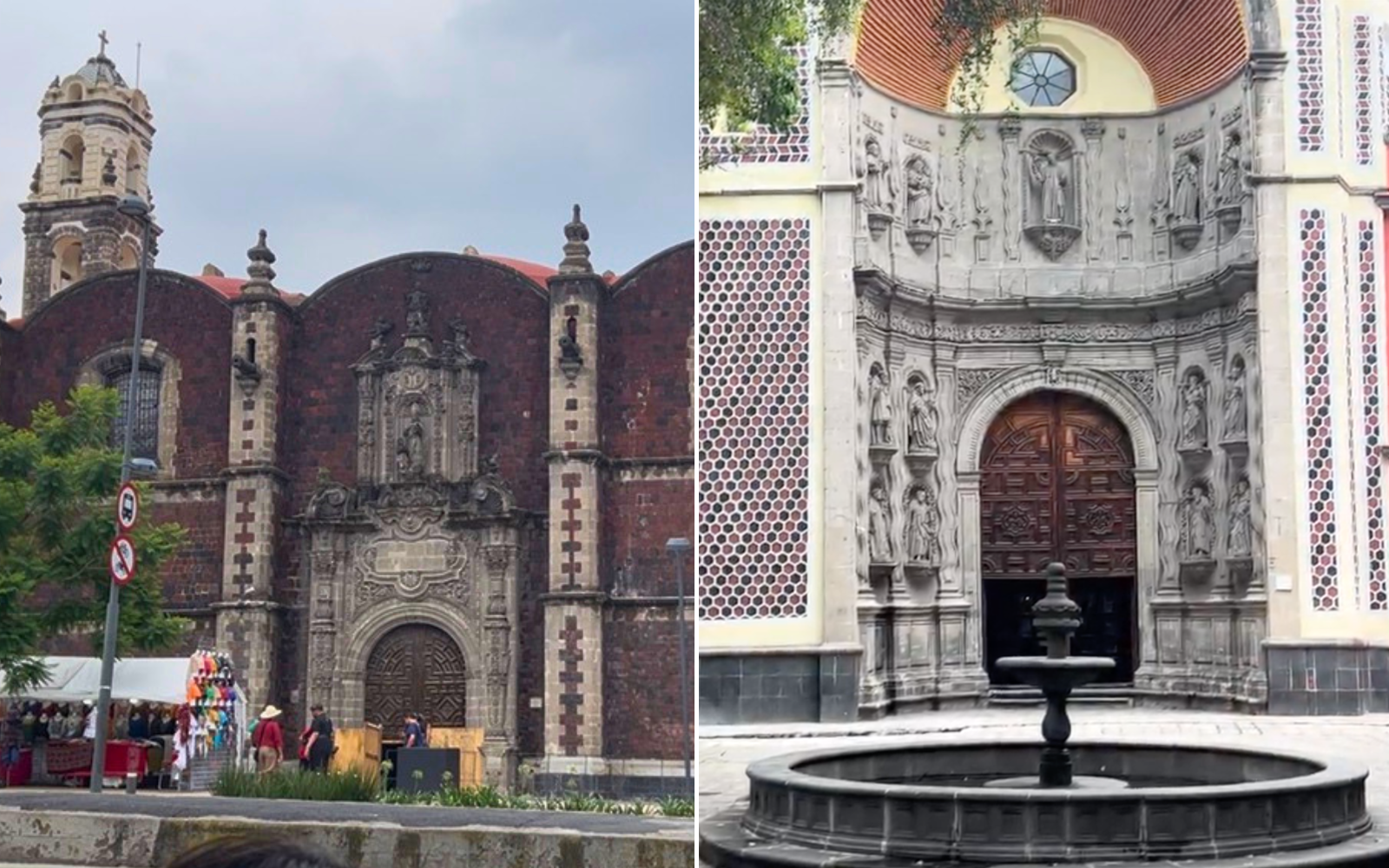
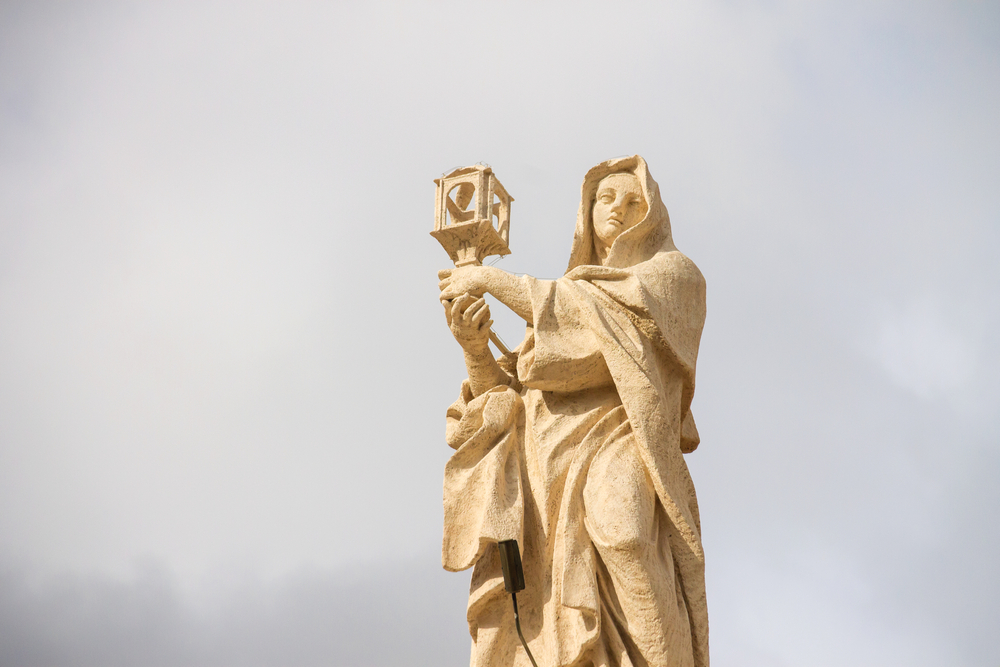
Read More