focus

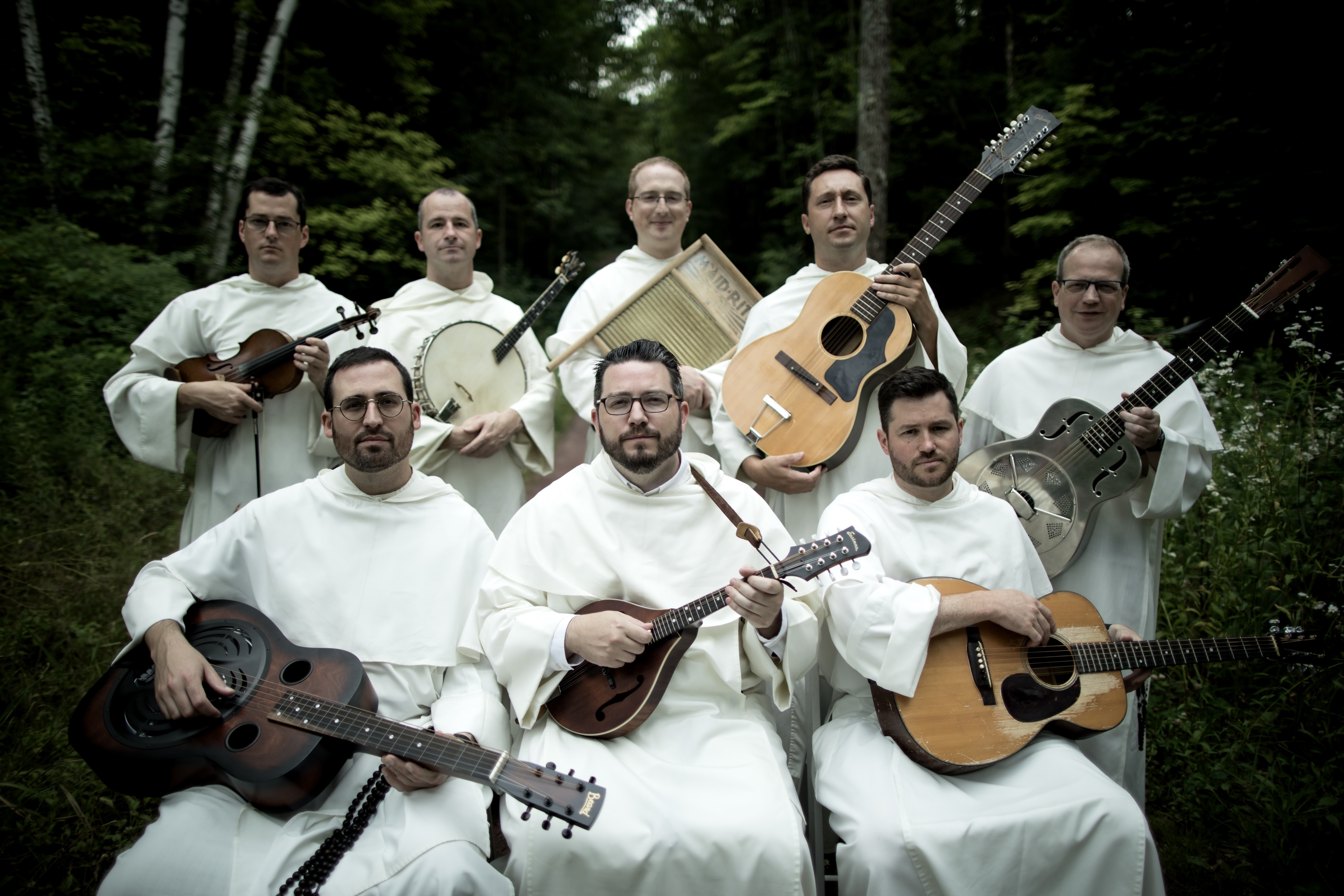
The Hillbilly Thomists hit the road with new album ‘Strange Land’ #Catholic Between ministering to their communities and traveling down the southern interstate from Macon, Georgia, to Birmingham, Alabama, the Dominican friars of The Hillbilly Thomists are balancing full-time religious life with the whirlwind of a regional tour.The music group’s latest project, “Strange Land,” was released as a surprise drop just a couple of days into their summer tour, offering listeners a blend of deep theological reflection and traditional Americana music.The surprise drop decision was driven largely by their demanding schedules. After writing and recording the tracks a year prior, the postproduction process had to fit around their primary duties as “hounds of the Lord.”“The postproduction process just takes a while because we are all full-time preachers and teachers and chaplains and pastors,” said Dominican Father Justin Bolger, who spoke with the National Catholic Register, the sister news partner of EWTN News, along with his band brothers while on the road.“After this kind of two-week stint that we do in the summer, the music takes a backseat to that … So it kind of came out when it came out.”Musically, “Strange Land” ranges from spiritual anthems like “In-A-My Soul” and “Gloria” to playfully titled tracks like “Garrigou” and “Good Old Elvis.”Dominican Father Thomas Joseph White, one of the founding members of the band who also serves as rector at the Angelicum in Rome, noted that the variety reflects the band’s distinct personalities while remaining grounded in shared themes.“There are some themes that show up, like pilgrimage and hope and struggle, that are in all the songs,” he explained. “It’s very consistent with what we’ve done on other albums, and it just comes out organically or naturally from our songwriting.”The record marks a step forward in technical execution for the ensemble. White described the album as representing a “slightly higher echelon of musical sophistication,” aided by tighter harmonies and complex arrangements. Unlike previous albums where the friars handled all engineering themselves in retreat houses, they hired a professional recording engineer for “Strange Land.” “It frees up more of the band to just focus on the music and to collaborate and just have that be the focus,” Bolger added.That spirit of collaboration is rooted deeply in their shared Dominican vocation. “We’ve known each other for years, and we’re all united in the Dominican order, so it just makes for a real atmosphere of ease,” said Dominican Father Jonah Teller, describing the mutual trust involved when bringing personal songs to the group.
 
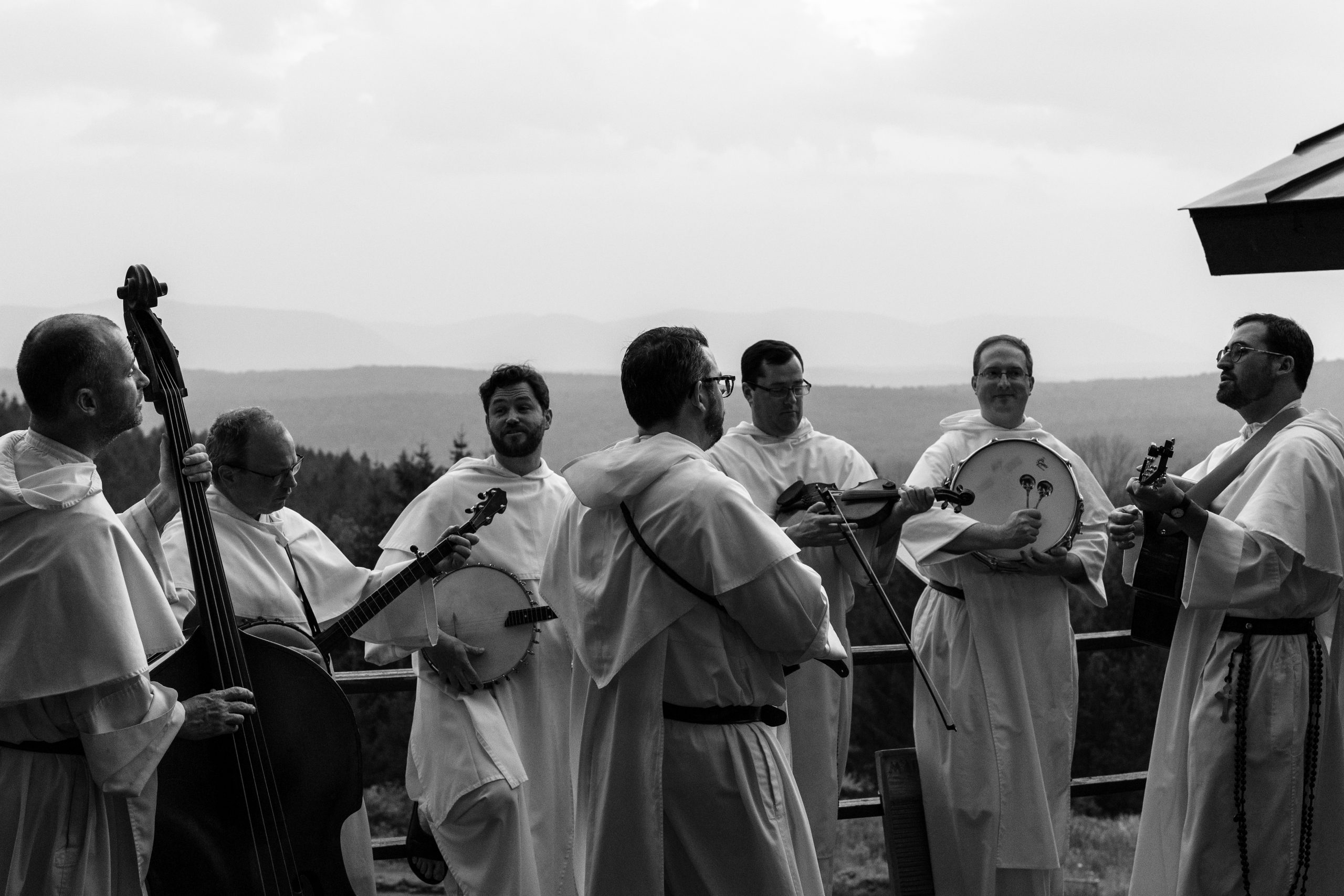
 The Hillbilly Thomists have released a new album called “Strange Land.” | Photo courtesy of the Hillbilly Thomists
 
 As the band’s popularity grows, so does a devoted grassroots fan base. White observed a natural overlap between people interested in Catholic intellectual life — such as participants in the Thomistic Institute — and fans of their bluegrass music. That enthusiasm has even spilled over into unofficial merchandise crafted by fans. At recent shows, custom fan art has begun to emerge, including T-shirts designed by a college student featuring torch-bearing dogs alongside the caption “I’m a dog for my Lord,” as well as custom “Good Tree” hats.“You do see some kind of fan art emerge at these shows, which is charming,” Bolger noted. White deadpanned that the order was engaged in a “very serious lawsuit” to confiscate the student’s assets and protect its intellectual property, prompting laughter from the rest of the band.The group’s reach has extended all the way to the Vatican. Recalling a past meeting with Pope Leo XIV, White shared that while most gifts were set aside, the pontiff asked to keep The Hillbilly Thomists’ CDs close by. “So I don’t know if he listens to them, but I do know he made the point of keeping them,” White joked, adding: “It’s unclear at this point in time whether any of our lyrics will be quoted in forthcoming encyclicals, but there’s some speculation.”When asked about playing traditional American folk and bluegrass music, especially as the nation celebrates 250 years of independence, singer and mandolin player Dominican Father Austin Litke pointed out the unique place the band occupies within the genre.“The Christian part of American culture has not always been predominantly Catholic,” Litke noted.“To be able to take up that form of music and infuse it with Catholic doctrine, Catholic culture, and certainly Thomistic culture … we hope is part of the genius of the creativity that’s come out of our fraternal work.”The 11-show tour concludes on Saturday, Aug. 8, fittingly on the feast of St. Dominic, with a performance alongside the Dominican Sisters of St. Cecilia at the Dominican Campus in Nashville, Tennessee.As for how fans can support the new release, Bolger kept his message simple: “Let all the old people and the young people know that they can find it on Spotify.”This story was first published by the National Catholic Register, the sister partner of EWTN News, and has been adapted by EWTN News.

The Hillbilly Thomists hit the road with new album ‘Strange Land’ #Catholic Between ministering to their communities and traveling down the southern interstate from Macon, Georgia, to Birmingham, Alabama, the Dominican friars of The Hillbilly Thomists are balancing full-time religious life with the whirlwind of a regional tour.The music group’s latest project, “Strange Land,” was released as a surprise drop just a couple of days into their summer tour, offering listeners a blend of deep theological reflection and traditional Americana music.The surprise drop decision was driven largely by their demanding schedules. After writing and recording the tracks a year prior, the postproduction process had to fit around their primary duties as “hounds of the Lord.”“The postproduction process just takes a while because we are all full-time preachers and teachers and chaplains and pastors,” said Dominican Father Justin Bolger, who spoke with the National Catholic Register, the sister news partner of EWTN News, along with his band brothers while on the road.“After this kind of two-week stint that we do in the summer, the music takes a backseat to that … So it kind of came out when it came out.”Musically, “Strange Land” ranges from spiritual anthems like “In-A-My Soul” and “Gloria” to playfully titled tracks like “Garrigou” and “Good Old Elvis.”Dominican Father Thomas Joseph White, one of the founding members of the band who also serves as rector at the Angelicum in Rome, noted that the variety reflects the band’s distinct personalities while remaining grounded in shared themes.“There are some themes that show up, like pilgrimage and hope and struggle, that are in all the songs,” he explained. “It’s very consistent with what we’ve done on other albums, and it just comes out organically or naturally from our songwriting.”The record marks a step forward in technical execution for the ensemble. White described the album as representing a “slightly higher echelon of musical sophistication,” aided by tighter harmonies and complex arrangements. Unlike previous albums where the friars handled all engineering themselves in retreat houses, they hired a professional recording engineer for “Strange Land.” “It frees up more of the band to just focus on the music and to collaborate and just have that be the focus,” Bolger added.That spirit of collaboration is rooted deeply in their shared Dominican vocation. “We’ve known each other for years, and we’re all united in the Dominican order, so it just makes for a real atmosphere of ease,” said Dominican Father Jonah Teller, describing the mutual trust involved when bringing personal songs to the group. The Hillbilly Thomists have released a new album called “Strange Land.” | Photo courtesy of the Hillbilly Thomists As the band’s popularity grows, so does a devoted grassroots fan base. White observed a natural overlap between people interested in Catholic intellectual life — such as participants in the Thomistic Institute — and fans of their bluegrass music. That enthusiasm has even spilled over into unofficial merchandise crafted by fans. At recent shows, custom fan art has begun to emerge, including T-shirts designed by a college student featuring torch-bearing dogs alongside the caption “I’m a dog for my Lord,” as well as custom “Good Tree” hats.“You do see some kind of fan art emerge at these shows, which is charming,” Bolger noted. White deadpanned that the order was engaged in a “very serious lawsuit” to confiscate the student’s assets and protect its intellectual property, prompting laughter from the rest of the band.The group’s reach has extended all the way to the Vatican. Recalling a past meeting with Pope Leo XIV, White shared that while most gifts were set aside, the pontiff asked to keep The Hillbilly Thomists’ CDs close by. “So I don’t know if he listens to them, but I do know he made the point of keeping them,” White joked, adding: “It’s unclear at this point in time whether any of our lyrics will be quoted in forthcoming encyclicals, but there’s some speculation.”When asked about playing traditional American folk and bluegrass music, especially as the nation celebrates 250 years of independence, singer and mandolin player Dominican Father Austin Litke pointed out the unique place the band occupies within the genre.“The Christian part of American culture has not always been predominantly Catholic,” Litke noted.“To be able to take up that form of music and infuse it with Catholic doctrine, Catholic culture, and certainly Thomistic culture … we hope is part of the genius of the creativity that’s come out of our fraternal work.”The 11-show tour concludes on Saturday, Aug. 8, fittingly on the feast of St. Dominic, with a performance alongside the Dominican Sisters of St. Cecilia at the Dominican Campus in Nashville, Tennessee.As for how fans can support the new release, Bolger kept his message simple: “Let all the old people and the young people know that they can find it on Spotify.”This story was first published by the National Catholic Register, the sister partner of EWTN News, and has been adapted by EWTN News.

The music group’s latest project was released as a surprise drop just a couple of days into their summer tour.
Read More
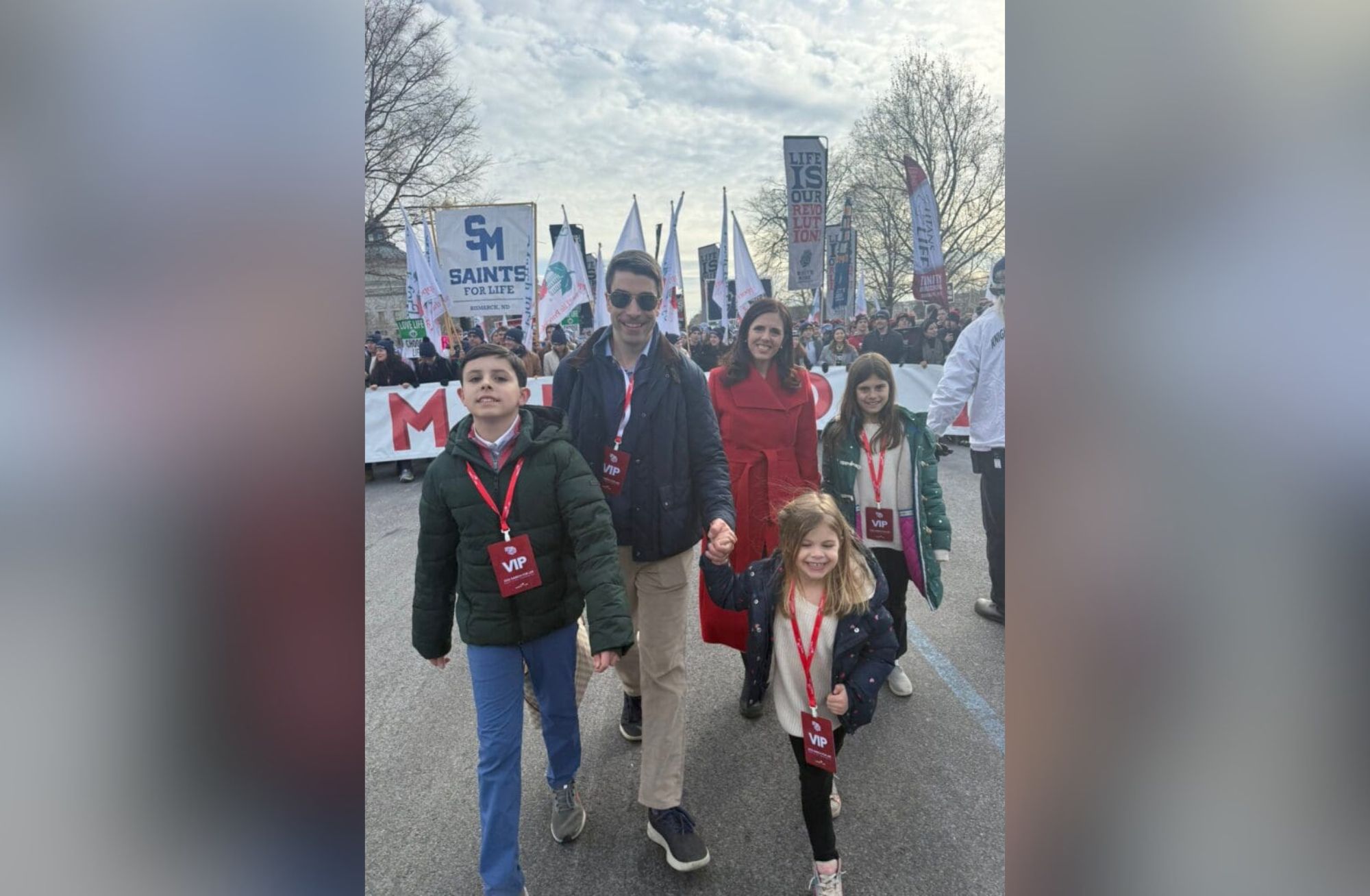
March for Life president steps down to become ‘full-time mom’ #Catholic March for Life president steps down to focus on familyJennie Bradley Lichter, the president of the March for Life, is stepping down to devote more time to her family as a “full-time mom,” the leader said this week.“I have been humbled and inspired by the stories — so many stories, everywhere I go — of how the March for Life has changed people’s minds and hearts, how for so many Marchers it has sparked a lifetime of action and advocacy on behalf of the unborn, and in some cases, how it has changed the entire trajectory of their lives,” Bradley Lichter wrote in a farewell statement.She and her husband “are raising two tweens and a rising kindergartner, and it has become very clear that my family needs more of my time and my active presence than I’m able to give while leading the March for Life,” she said in the statement “My most important titles of all are not ‘President’ — but ‘wife’ and ‘Mom,’” she said.Bradley Lichter said that her role has been “the highlight of my professional life.”The resignation is effective July 31. The March for Life Board is actively searching for a new president.The annual demonstration draws tens of thousands to the nation’s capital yearly to advocate for the rights of unborn babies.Abortion drug present in municipal water, study findsA study published on July 20 in the Journal of the Alliance for Hippocratic Medicine highlighted the need for “significant additional investigation into the levels of various hormones and [endocrine-disrupting chemicals], including mifepristone, in water sources,” with researchers finding high levels of the abortion drug in municipal water supplies.Mifepristone is used in chemical abortions, as well as in treatment for miscarriages, and works by blocking progesterone, a hormone necessary for pregnancy. The investigation found “significant levels of mifepristone (up to 0.041 μgram/l) in the water of all but one of the nine sampling classes,” the study read. Water samples “were collected from sites upstream and downstream of water treatment facilities, and from municipal tap water,” from multiple American cities.“Because of the plethora of effects of progesterone, this contaminant could affect the physiology of aquatic animals; and human health, including fertility, pregnancy and fetal development,” the researchers said. Justice Department settles with pro-life father after FBI raidThe U.S. Department of Justice reached a seven-figure settlement with pro-life father Paul Vaughn after his home was raided by the FBI in connection with his pro-life work.The settlement affirmed that under the Biden administration, the government’s actions “were an abuse of government power,” according to a July 28 press release by the Thomas More Society, the legal nonprofit that defended Vaughn.Vaughn, a Catholic father of 11, was arrested at gunpoint after the FBI raided his house in connection with his protest at an abortion clinic. He is one of several pro-life advocates prosecuted under the Freedom of Access to Clinic Entrances Act during the Biden administration.“My family has been through a traumatic ordeal that never should have happened. But today brings an end to this portion of the story,” Vaughn said in a statement.“This chapter is finally closed, and our family looks forward with gratitude and hope, as we continue to serve God, advocating for the most vulnerable among us without fear.”Catholic bishops of Massachusetts speak out against late-term abortion billThe Catholic bishops of Massachusetts spoke out this week against a bill that will legalize late-term abortion in the state.“As Catholic bishops we have a moral responsibility to present and uphold Catholic teaching and the sacred God-given dignity of every human life from conception to the natural death,” the bishops said in July 29 statement signed by Bishop William Byrne of Springfield, Archbishop Richard Henning of Boston, Bishop Robert McManus of Worcester, and Bishop Edgar da Cunha of Fall River.The state legislature passed the bill in July, with the Massachusetts Senate voting in favor of it on July 31. The measure, if signed into law, will remove the stateʼs 24-week limit on abortion.“The proposed elimination of any legal restraint on late-term abortion is, in our judgement, a radical measure which is gravely immoral,” the bishops’ statement read. The advocacy group Susan B. Anthony Pro-Life America is also strongly opposing the bill; the group’s president Marjorie Dannenfelser called for nationwide protections for unborn children.“If Gov. [Maura] Healey signs this bill into law, Massachusetts will join 10 states and Washington, D.C. with an all-trimester abortion policy where babies are killed after the point they can survive outside of the womb,” Dannenfelser told EWTN News. “These extreme laws that only 10% of Americans support are enabled by the ‘states-only’ philosophy on abortion,” she said.

March for Life president steps down to become ‘full-time mom’ #Catholic March for Life president steps down to focus on familyJennie Bradley Lichter, the president of the March for Life, is stepping down to devote more time to her family as a “full-time mom,” the leader said this week.“I have been humbled and inspired by the stories — so many stories, everywhere I go — of how the March for Life has changed people’s minds and hearts, how for so many Marchers it has sparked a lifetime of action and advocacy on behalf of the unborn, and in some cases, how it has changed the entire trajectory of their lives,” Bradley Lichter wrote in a farewell statement.She and her husband “are raising two tweens and a rising kindergartner, and it has become very clear that my family needs more of my time and my active presence than I’m able to give while leading the March for Life,” she said in the statement “My most important titles of all are not ‘President’ — but ‘wife’ and ‘Mom,’” she said.Bradley Lichter said that her role has been “the highlight of my professional life.”The resignation is effective July 31. The March for Life Board is actively searching for a new president.The annual demonstration draws tens of thousands to the nation’s capital yearly to advocate for the rights of unborn babies.Abortion drug present in municipal water, study findsA study published on July 20 in the Journal of the Alliance for Hippocratic Medicine highlighted the need for “significant additional investigation into the levels of various hormones and [endocrine-disrupting chemicals], including mifepristone, in water sources,” with researchers finding high levels of the abortion drug in municipal water supplies.Mifepristone is used in chemical abortions, as well as in treatment for miscarriages, and works by blocking progesterone, a hormone necessary for pregnancy. The investigation found “significant levels of mifepristone (up to 0.041 μgram/l) in the water of all but one of the nine sampling classes,” the study read. Water samples “were collected from sites upstream and downstream of water treatment facilities, and from municipal tap water,” from multiple American cities.“Because of the plethora of effects of progesterone, this contaminant could affect the physiology of aquatic animals; and human health, including fertility, pregnancy and fetal development,” the researchers said. Justice Department settles with pro-life father after FBI raidThe U.S. Department of Justice reached a seven-figure settlement with pro-life father Paul Vaughn after his home was raided by the FBI in connection with his pro-life work.The settlement affirmed that under the Biden administration, the government’s actions “were an abuse of government power,” according to a July 28 press release by the Thomas More Society, the legal nonprofit that defended Vaughn.Vaughn, a Catholic father of 11, was arrested at gunpoint after the FBI raided his house in connection with his protest at an abortion clinic. He is one of several pro-life advocates prosecuted under the Freedom of Access to Clinic Entrances Act during the Biden administration.“My family has been through a traumatic ordeal that never should have happened. But today brings an end to this portion of the story,” Vaughn said in a statement.“This chapter is finally closed, and our family looks forward with gratitude and hope, as we continue to serve God, advocating for the most vulnerable among us without fear.”Catholic bishops of Massachusetts speak out against late-term abortion billThe Catholic bishops of Massachusetts spoke out this week against a bill that will legalize late-term abortion in the state.“As Catholic bishops we have a moral responsibility to present and uphold Catholic teaching and the sacred God-given dignity of every human life from conception to the natural death,” the bishops said in July 29 statement signed by Bishop William Byrne of Springfield, Archbishop Richard Henning of Boston, Bishop Robert McManus of Worcester, and Bishop Edgar da Cunha of Fall River.The state legislature passed the bill in July, with the Massachusetts Senate voting in favor of it on July 31. The measure, if signed into law, will remove the stateʼs 24-week limit on abortion.“The proposed elimination of any legal restraint on late-term abortion is, in our judgement, a radical measure which is gravely immoral,” the bishops’ statement read. The advocacy group Susan B. Anthony Pro-Life America is also strongly opposing the bill; the group’s president Marjorie Dannenfelser called for nationwide protections for unborn children.“If Gov. [Maura] Healey signs this bill into law, Massachusetts will join 10 states and Washington, D.C. with an all-trimester abortion policy where babies are killed after the point they can survive outside of the womb,” Dannenfelser told EWTN News. “These extreme laws that only 10% of Americans support are enabled by the ‘states-only’ philosophy on abortion,” she said.

Here is a roundup of recent pro-life and abortion-related news.

Read More
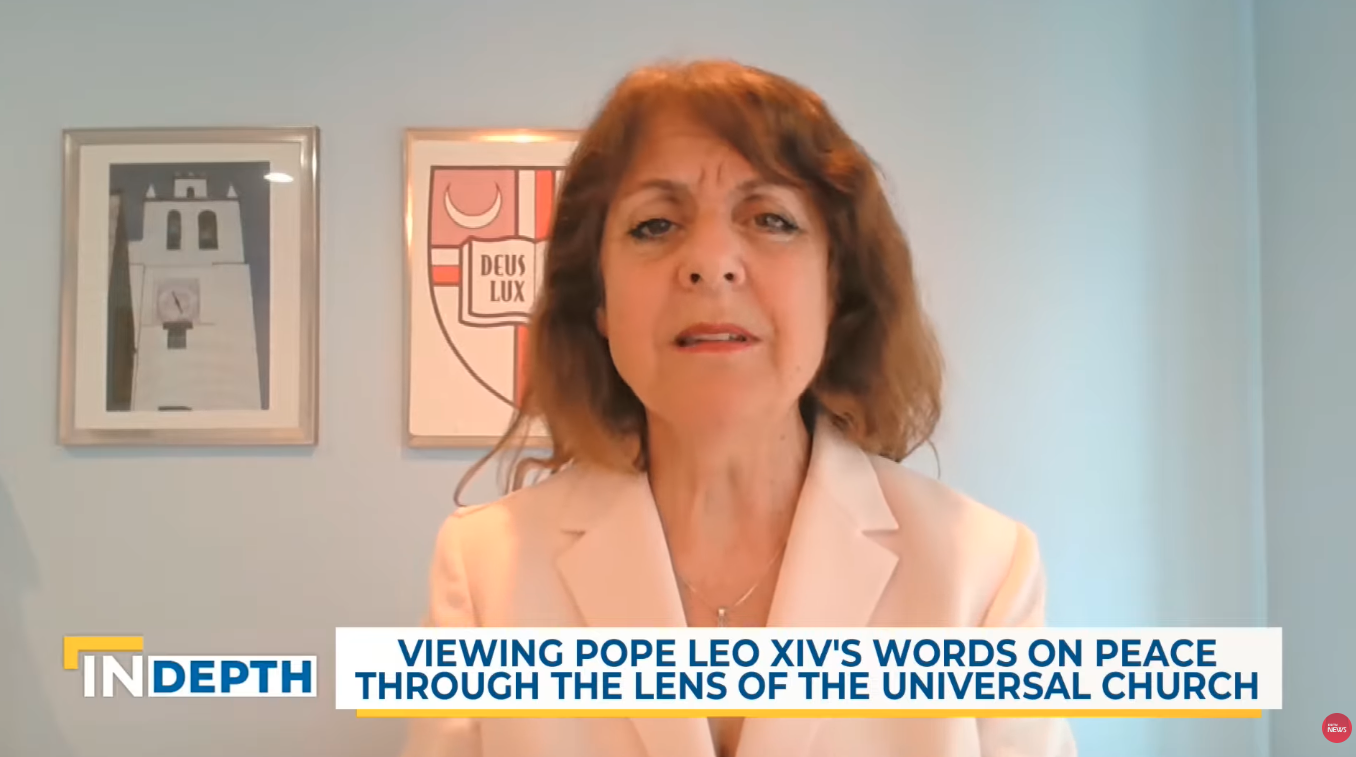
Catholic professor discusses Pope Leo’s peace efforts after Vatican’s nuclear weapon, AI conference #Catholic A Vatican-hosted summit on nuclear weapons and artificial intelligence (AI) highlighted Pope Leo XIV’s continued focus on peace-building efforts, according to a Catholic professor who participated in the event.Maryann Cusimano Love, chair of the politics department at The Catholic University of America and scholar of international relations and peace-building, discussed the Holy Father’s focus on the subject in an interview with “EWTN News In Depth” anchor Catherine Hadro.She also discussed a new book published by the Vatican on July 21, which compiles Leo’s writings and speeches on peace. The pontiff authored his own forward for the book, calling for the elimination of nuclear weapons globally.Peace-building is “a theme that Pope Leo has been consistent with since the beginning of his papacy, and it really fits with the times that weʼre in right now,” Love said.“Weʼre seeing expansion of war, weʼre seeing the expansion in the number of conflicts, the deadliness of these conflicts, and weʼre also seeing new ways in which new technologies are being used — AI drones, lethal autonomous weapons systems — that are very concerning,” she said.“So heʼs being a voice of really the practical, and a voice of the people, saying: Look, peace is possible. Peace is practical and peace is our calling, as Catholics and people of goodwill. This is something we can do. Weʼve done it before and we can do it again,” she said.Love was one of more than 200 academics who participated in the Vatican-hosted Global Nobel Laureates Assembly on Artificial Intelligence and Nuclear War from July 14–16. The assembly adopted the "Rome Declaration for an Unarmed and Disarming Peace,” which laid out concerns about how technological advancement affects warfare.“The Church has been advocating for the complete elimination of nuclear weapons as long as there have been nuclear weapons, and whatʼs added to this in this last weekʼs activities and the Rome Declaration is the layer of artificial intelligence that increases the urgency with which we need to proceed to disarm nuclear weapons,” Love said.“And it increases the ways in which we need to look at this interaction between AI and our and our military ecosystems,” she said. “So the call is specifically for the responsible use of AI, for there to be a slowing down in the integration of these systems, particularly into military systems, until we can be sure that theyʼre safe for the sharing of information between tech companies and the public about the vulnerabilities of these systems and the problem areas — the blind spots — these systems have.”The summit was inspired by Leo’s encyclical Magnifica Humanitas, which offers guidance on how society should approach AI. The encyclical specifically raises concerns about AI making decisions about life and death in warfare.

Catholic professor discusses Pope Leo’s peace efforts after Vatican’s nuclear weapon, AI conference #Catholic A Vatican-hosted summit on nuclear weapons and artificial intelligence (AI) highlighted Pope Leo XIV’s continued focus on peace-building efforts, according to a Catholic professor who participated in the event.Maryann Cusimano Love, chair of the politics department at The Catholic University of America and scholar of international relations and peace-building, discussed the Holy Father’s focus on the subject in an interview with “EWTN News In Depth” anchor Catherine Hadro.She also discussed a new book published by the Vatican on July 21, which compiles Leo’s writings and speeches on peace. The pontiff authored his own forward for the book, calling for the elimination of nuclear weapons globally.Peace-building is “a theme that Pope Leo has been consistent with since the beginning of his papacy, and it really fits with the times that weʼre in right now,” Love said.“Weʼre seeing expansion of war, weʼre seeing the expansion in the number of conflicts, the deadliness of these conflicts, and weʼre also seeing new ways in which new technologies are being used — AI drones, lethal autonomous weapons systems — that are very concerning,” she said.“So heʼs being a voice of really the practical, and a voice of the people, saying: Look, peace is possible. Peace is practical and peace is our calling, as Catholics and people of goodwill. This is something we can do. Weʼve done it before and we can do it again,” she said.Love was one of more than 200 academics who participated in the Vatican-hosted Global Nobel Laureates Assembly on Artificial Intelligence and Nuclear War from July 14–16. The assembly adopted the "Rome Declaration for an Unarmed and Disarming Peace,” which laid out concerns about how technological advancement affects warfare.“The Church has been advocating for the complete elimination of nuclear weapons as long as there have been nuclear weapons, and whatʼs added to this in this last weekʼs activities and the Rome Declaration is the layer of artificial intelligence that increases the urgency with which we need to proceed to disarm nuclear weapons,” Love said.“And it increases the ways in which we need to look at this interaction between AI and our and our military ecosystems,” she said. “So the call is specifically for the responsible use of AI, for there to be a slowing down in the integration of these systems, particularly into military systems, until we can be sure that theyʼre safe for the sharing of information between tech companies and the public about the vulnerabilities of these systems and the problem areas — the blind spots — these systems have.”The summit was inspired by Leo’s encyclical Magnifica Humanitas, which offers guidance on how society should approach AI. The encyclical specifically raises concerns about AI making decisions about life and death in warfare.

The pope has continued to advocate for peace-building and has warned against nuclear weapons and AI being integrated into the military.
Read More
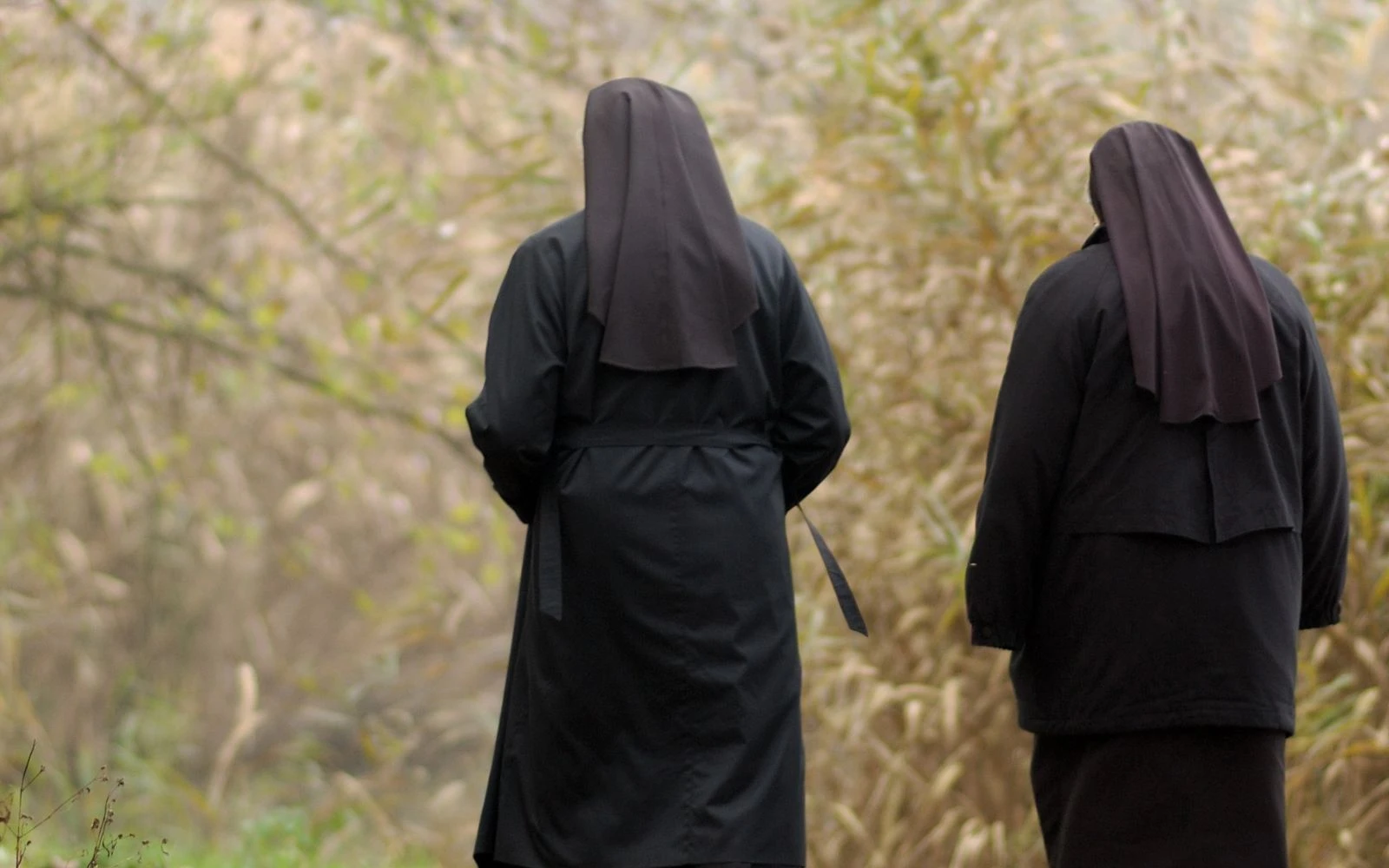
Vatican commission seeks to address legal loophole facing women religious suffering abuse #Catholic Consecrated women and women religious who have suffered abuse face a significant legal loophole: Canon law and specialized commissions focus primarily on minors and adults with disabilities, leaving these women outside their scope of protection.In practice, this means that if the victim is an adult who has received formation, it is assumed she can defend herself or that she consented. However, signs of change are beginning to emerge from the Vatican.In addressing this issue, “it cannot simply be a label of ‘vulnerable adult,’” said Claudia Giampietro, an Italian canon lawyer working at the Pontifical Commission for the Protection of Minors (PCPM).“We must understand that there are situations of imbalances of power … and situations involving abuse, and so it is these situations of vulnerability that we need to examine more deeply,” she told EWTN News on July 1.
 
 Claudia Giampietro, an Italian canon lawyer working at the Pontifical Commission for the Protection of Minors (PCPM), during an interview on July 1, 2026. | Credit: EWTN News
 
 One of the functions of the PCPM is to collaborate with the various dicasteries of the Roman Curia, the conferences and unions of religious men and women, and the institutes of consecrated life.This enables them to gain firsthand knowledge of a complex reality: “There are a great many circumstances, situations, and people that can also affect women religious, including older ones, and so it is necessary to understand the contexts in which they work and carry out their ministry, both within their communities and also outside them,” Giampietro said.The situation in Latin AmericaThe Vatican helped break the taboo surrounding abuse against women religious by dedicating an extensive report to it in January 2020, published in Donne, Chiesa, Mondo (Women, Church, World), the monthly women’s supplement to L’Osservatore Romano. Issues covered include abuse of power, sexual abuse, and the difficulties faced by many nuns both within and outside consecrated life.In subsequent years, there has been a proliferation of studies aimed at gauging the scale of a phenomenon that was traditionally hidden. Notable among them is the research published in 2022 in the Spanish-language book “Vulnerability, Abuse, and Care in Womenʼs Religious Life,” edited by Sister María Rosaura González Casas, who at the time was coordinator of the Commission for the Care and Protection of Minors and Vulnerable Persons for the Latin American and Caribbean Confederation of Religious.Based on a survey of 1,417 women religious, the study revealed that 19.8% reported having suffered sexual abuse, and more than half stated they had experienced some form of abuse of power at the hands of superiors, priests, formators, or bishops. Additionally, 14.3% of respondents indicated having been harassed by a priest, 9.7% by laypeople, and 8% by other religious women, figures that highlight the scope and complexity of an issue that remained largely silenced for decades.González Casas, dean of the Institute of Anthropology at the Pontifical Gregorian University, explained that since the study was published four years ago, “greater awareness of what abuse entails has grown at all levels” in the region.
 
 Sister María Rosaura González Casas of the Company of St. Teresa of Jesus is dean of the Institute of Anthropology at the Pontifical Gregorian University. | Credit: Victoria Cardiel/EWTN News
 
 “The sisters are more aware, and bishops and priests are also more alert to it. When we conducted the survey, many women religious did not want to respond, even though it was anonymous. There was fear of speaking out. Now there is greater awareness, although clear codes of conduct are still lacking. Unconscious and internalized machismo persists in society and has permeated religious and priestly life,” she explained in comments to EWTN News.A conference in Rome on abuse preventionIn order to promote dialogue to prevent abuse against women religious, the PCPM will organize the second annual meeting on abuse prevention, focusing on consecrated life. It will be held in Rome on Dec. 9–11, centering on the theme “Communion, Care, and Justice: Mutual Relationships for a Shared Mission.”This is not an academic conference but a synodal “learning lab” geared toward concrete results. Over the course of three days, bishops, representatives from institutes of consecrated life and societies of apostolic life, conferences and unions of major superiors, officials from Roman Curia dicasteries, and experts in abuse prevention will collaborate through roundtables, sessions on canon law, and working groups.“The Pontifical Commission for the Protection of Minors has already taken up this issue, and with their involvement, superiors and women religious will take it more seriously,” said Sister Jacinta Ondeng of the School Sisters of Notre Dame in Kenya, who has been invited to participate in the forum.“Safeguarding must be an essential part of community life,” emphasized the religious sister, director of the Safeguarding Initiative for Catholic Sisters, a project based at Tangaza University in Nairobi that provides training on abuse prevention across various African countries.Many situations are covered up due to a lack of oversightOndeng emphasized the need for effective case follow-up. “It’s important for the relevant Vatican offices to oversee these situations because cases from Africa, and perhaps other parts of the world, are often covered up precisely due to a lack of oversight. If the relevant bodies of the Holy See intervene and evaluate cases when congregations fail to resolve them, that will help.”
 
 Sister Jacinta Ondeng, of the School Sisters of Notre Dame congregation in Kenya, will participate in a Vatican-organized conference on abuse. | Credit: Photo courtesy of Sister Jacinta Ondeng
 
 She also proposes developing clear guidelines for handling abuse cases within consecrated life — similar to those established by Pope Francis in Vos Estis Lux Mundi for allegations of abuse against minors — which require bishops and superiors to take action when faced with complaints or concerning indications.“Once it becomes clear that the Vatican is involved in matters affecting members of consecrated life, there will be changes. Human nature responds to clear rules: When they exist, people tend to act with greater prudence,” she observed.The sister also led a revealing, as-yet-unpublished study in Africa that brought to light harrowing testimonies from consecrated women, such as:“Sisters leave not because they lack a vocation but because of abuse; superiors are abusing their authority.”“Sisters suffer in silence rather than reporting it because they love the Church and fear damaging the reputation of a priest, bishop, or superior.”“I told my superior what was happening, and since the sister in question was her friend, she did nothing.”The study’s results were presented at the Pontifical Gregorian University in Rome during the 2026 International Safeguarding Conference, held June 16–19 under the theme “One Commitment, Many Contexts: Safeguarding Across Cultures.” The study was based on an anonymous online survey conducted between February and March in which more than 140 religious sisters from various African countries participated.Fear of stigma and self-blameThe findings are revealing: 35.5% of congregations lack a formal safeguarding policy; 67.4% of those surveyed identify fear of stigma and self-blame as the main obstacles to reporting abuse; and 60.3% point to the absence of confidential reporting channels.Personal factors such as “shame, guilt, and self-reproach are very prevalent among many women religious who wish to take the step of reporting abuse,” explained Ondeng, who dedicates her ministry to conducting workshops and training on safeguarding in Africa, with a particular focus on Catholic women religious.Her goal is to raise awareness about abuse and its consequences, empower consecrated women to break the culture of silence, and promote safe environments for all. She also emphasized the importance of transparency and accountability as fundamental pillars for the success of safeguarding policies within the Church.The religious also warned of the tendency toward cover-ups that can arise in certain ecclesial contexts.“As numerous studies on abuse and the abuse of authority have shown, the Church hierarchy commands immense respect in many African societies,” she noted. While this is a positive cultural value, it also helps explain why individuals in positions of authority are rarely reported when involved in abusive behavior.This phenomenon is reflected in several of the testimonies gathered during the investigation:“Many sisters do not want to air dirty laundry. They do not wish to publicly expose these problems, in order to protect the institute’s reputation.”“Some fear that if they speak out, they will be expelled from religious life, and they do not want to leave,” Ondeng added.Lack of training in abuse preventionOndeng’s study also reveals that, when faced with situations of injustice or abuse, some women religious choose to leave consecrated life. Abuse can take many forms — sexual, spiritual, physical, emotional, or institutional — and, in certain cases, becomes unbearable.However, the majority of victims remain in their communities, often out of fear of the social stigma or rejection they might suffer if they returned to their families.Others are aware that leaving the convent could entail serious financial difficulties, as they lack employment or the means to support themselves, the religious explained.Of the 141 women religious surveyed, more than 95% stated they had received some form of training on the prevention of sexual abuse. However, in many cases, this preparation proves insufficient.“Most have taken short courses, but we cannot say that this 95% has received comprehensive training in safeguarding. At most, some have participated in one- or two-day sessions. That is very little, and it poses a problem,” the Kenyan religious sister noted in a statement to EWTN News.For this reason, she insists on the need to strengthen safeguarding training as a true ministry within the Church.“Much more preparation is needed for Catholic women religious to have the courage to speak about their experiences in their communities. Currently, training is very limited and must be ramped up to empower consecrated women,” she stated.Added to this challenge is a significant cultural component. “People do not want to make their problems public. It is something deeply rooted in African culture, although it also occurs in European and American contexts,” she stated.For its part, the Dicastery for Institutes of Consecrated Life and Societies of Apostolic Life does not publish aggregate figures on apostolic visitations conducted worldwide, as these are carried out on an occasional rather than a systematic basis.The only large-scale investigation for which detailed data exist was the one conducted in the United States from 2008 to 2014, which involved 341 institutes of consecrated life and about 50,000 religious women.“The entire Church must understand that safeguarding is a Gospel value. It’s not something imposed from the outside. The Gospel calls us to promote the dignity of every person, support those who suffer, and care for those who are hurting,” Ondeng pointed out.This story was first published by ACI Prensa, the Spanish-language sister service of EWTN News. It has been translated and adapted by EWTN News English.

Vatican commission seeks to address legal loophole facing women religious suffering abuse #Catholic Consecrated women and women religious who have suffered abuse face a significant legal loophole: Canon law and specialized commissions focus primarily on minors and adults with disabilities, leaving these women outside their scope of protection.In practice, this means that if the victim is an adult who has received formation, it is assumed she can defend herself or that she consented. However, signs of change are beginning to emerge from the Vatican.In addressing this issue, “it cannot simply be a label of ‘vulnerable adult,’” said Claudia Giampietro, an Italian canon lawyer working at the Pontifical Commission for the Protection of Minors (PCPM).“We must understand that there are situations of imbalances of power … and situations involving abuse, and so it is these situations of vulnerability that we need to examine more deeply,” she told EWTN News on July 1. Claudia Giampietro, an Italian canon lawyer working at the Pontifical Commission for the Protection of Minors (PCPM), during an interview on July 1, 2026. | Credit: EWTN News One of the functions of the PCPM is to collaborate with the various dicasteries of the Roman Curia, the conferences and unions of religious men and women, and the institutes of consecrated life.This enables them to gain firsthand knowledge of a complex reality: “There are a great many circumstances, situations, and people that can also affect women religious, including older ones, and so it is necessary to understand the contexts in which they work and carry out their ministry, both within their communities and also outside them,” Giampietro said.The situation in Latin AmericaThe Vatican helped break the taboo surrounding abuse against women religious by dedicating an extensive report to it in January 2020, published in Donne, Chiesa, Mondo (Women, Church, World), the monthly women’s supplement to L’Osservatore Romano. Issues covered include abuse of power, sexual abuse, and the difficulties faced by many nuns both within and outside consecrated life.In subsequent years, there has been a proliferation of studies aimed at gauging the scale of a phenomenon that was traditionally hidden. Notable among them is the research published in 2022 in the Spanish-language book “Vulnerability, Abuse, and Care in Womenʼs Religious Life,” edited by Sister María Rosaura González Casas, who at the time was coordinator of the Commission for the Care and Protection of Minors and Vulnerable Persons for the Latin American and Caribbean Confederation of Religious.Based on a survey of 1,417 women religious, the study revealed that 19.8% reported having suffered sexual abuse, and more than half stated they had experienced some form of abuse of power at the hands of superiors, priests, formators, or bishops. Additionally, 14.3% of respondents indicated having been harassed by a priest, 9.7% by laypeople, and 8% by other religious women, figures that highlight the scope and complexity of an issue that remained largely silenced for decades.González Casas, dean of the Institute of Anthropology at the Pontifical Gregorian University, explained that since the study was published four years ago, “greater awareness of what abuse entails has grown at all levels” in the region. Sister María Rosaura González Casas of the Company of St. Teresa of Jesus is dean of the Institute of Anthropology at the Pontifical Gregorian University. | Credit: Victoria Cardiel/EWTN News “The sisters are more aware, and bishops and priests are also more alert to it. When we conducted the survey, many women religious did not want to respond, even though it was anonymous. There was fear of speaking out. Now there is greater awareness, although clear codes of conduct are still lacking. Unconscious and internalized machismo persists in society and has permeated religious and priestly life,” she explained in comments to EWTN News.A conference in Rome on abuse preventionIn order to promote dialogue to prevent abuse against women religious, the PCPM will organize the second annual meeting on abuse prevention, focusing on consecrated life. It will be held in Rome on Dec. 9–11, centering on the theme “Communion, Care, and Justice: Mutual Relationships for a Shared Mission.”This is not an academic conference but a synodal “learning lab” geared toward concrete results. Over the course of three days, bishops, representatives from institutes of consecrated life and societies of apostolic life, conferences and unions of major superiors, officials from Roman Curia dicasteries, and experts in abuse prevention will collaborate through roundtables, sessions on canon law, and working groups.“The Pontifical Commission for the Protection of Minors has already taken up this issue, and with their involvement, superiors and women religious will take it more seriously,” said Sister Jacinta Ondeng of the School Sisters of Notre Dame in Kenya, who has been invited to participate in the forum.“Safeguarding must be an essential part of community life,” emphasized the religious sister, director of the Safeguarding Initiative for Catholic Sisters, a project based at Tangaza University in Nairobi that provides training on abuse prevention across various African countries.Many situations are covered up due to a lack of oversightOndeng emphasized the need for effective case follow-up. “It’s important for the relevant Vatican offices to oversee these situations because cases from Africa, and perhaps other parts of the world, are often covered up precisely due to a lack of oversight. If the relevant bodies of the Holy See intervene and evaluate cases when congregations fail to resolve them, that will help.” Sister Jacinta Ondeng, of the School Sisters of Notre Dame congregation in Kenya, will participate in a Vatican-organized conference on abuse. | Credit: Photo courtesy of Sister Jacinta Ondeng She also proposes developing clear guidelines for handling abuse cases within consecrated life — similar to those established by Pope Francis in Vos Estis Lux Mundi for allegations of abuse against minors — which require bishops and superiors to take action when faced with complaints or concerning indications.“Once it becomes clear that the Vatican is involved in matters affecting members of consecrated life, there will be changes. Human nature responds to clear rules: When they exist, people tend to act with greater prudence,” she observed.The sister also led a revealing, as-yet-unpublished study in Africa that brought to light harrowing testimonies from consecrated women, such as:“Sisters leave not because they lack a vocation but because of abuse; superiors are abusing their authority.”“Sisters suffer in silence rather than reporting it because they love the Church and fear damaging the reputation of a priest, bishop, or superior.”“I told my superior what was happening, and since the sister in question was her friend, she did nothing.”The study’s results were presented at the Pontifical Gregorian University in Rome during the 2026 International Safeguarding Conference, held June 16–19 under the theme “One Commitment, Many Contexts: Safeguarding Across Cultures.” The study was based on an anonymous online survey conducted between February and March in which more than 140 religious sisters from various African countries participated.Fear of stigma and self-blameThe findings are revealing: 35.5% of congregations lack a formal safeguarding policy; 67.4% of those surveyed identify fear of stigma and self-blame as the main obstacles to reporting abuse; and 60.3% point to the absence of confidential reporting channels.Personal factors such as “shame, guilt, and self-reproach are very prevalent among many women religious who wish to take the step of reporting abuse,” explained Ondeng, who dedicates her ministry to conducting workshops and training on safeguarding in Africa, with a particular focus on Catholic women religious.Her goal is to raise awareness about abuse and its consequences, empower consecrated women to break the culture of silence, and promote safe environments for all. She also emphasized the importance of transparency and accountability as fundamental pillars for the success of safeguarding policies within the Church.The religious also warned of the tendency toward cover-ups that can arise in certain ecclesial contexts.“As numerous studies on abuse and the abuse of authority have shown, the Church hierarchy commands immense respect in many African societies,” she noted. While this is a positive cultural value, it also helps explain why individuals in positions of authority are rarely reported when involved in abusive behavior.This phenomenon is reflected in several of the testimonies gathered during the investigation:“Many sisters do not want to air dirty laundry. They do not wish to publicly expose these problems, in order to protect the institute’s reputation.”“Some fear that if they speak out, they will be expelled from religious life, and they do not want to leave,” Ondeng added.Lack of training in abuse preventionOndeng’s study also reveals that, when faced with situations of injustice or abuse, some women religious choose to leave consecrated life. Abuse can take many forms — sexual, spiritual, physical, emotional, or institutional — and, in certain cases, becomes unbearable.However, the majority of victims remain in their communities, often out of fear of the social stigma or rejection they might suffer if they returned to their families.Others are aware that leaving the convent could entail serious financial difficulties, as they lack employment or the means to support themselves, the religious explained.Of the 141 women religious surveyed, more than 95% stated they had received some form of training on the prevention of sexual abuse. However, in many cases, this preparation proves insufficient.“Most have taken short courses, but we cannot say that this 95% has received comprehensive training in safeguarding. At most, some have participated in one- or two-day sessions. That is very little, and it poses a problem,” the Kenyan religious sister noted in a statement to EWTN News.For this reason, she insists on the need to strengthen safeguarding training as a true ministry within the Church.“Much more preparation is needed for Catholic women religious to have the courage to speak about their experiences in their communities. Currently, training is very limited and must be ramped up to empower consecrated women,” she stated.Added to this challenge is a significant cultural component. “People do not want to make their problems public. It is something deeply rooted in African culture, although it also occurs in European and American contexts,” she stated.For its part, the Dicastery for Institutes of Consecrated Life and Societies of Apostolic Life does not publish aggregate figures on apostolic visitations conducted worldwide, as these are carried out on an occasional rather than a systematic basis.The only large-scale investigation for which detailed data exist was the one conducted in the United States from 2008 to 2014, which involved 341 institutes of consecrated life and about 50,000 religious women.“The entire Church must understand that safeguarding is a Gospel value. It’s not something imposed from the outside. The Gospel calls us to promote the dignity of every person, support those who suffer, and care for those who are hurting,” Ondeng pointed out.This story was first published by ACI Prensa, the Spanish-language sister service of EWTN News. It has been translated and adapted by EWTN News English.

Efforts to address the abuse crisis in the Church have focused on minors and vulnerable adults, leaving unaddressed the abuse suffered by women religious. Efforts are underway to rectify that.

Read More
Picture of the day
Small waterfall on Gunung Lambak, one of several along the stream that flows next to the main path up the mountain. This is a focus stack of 2 photographs, and a neutral density filter was used to allow a long exposure time of 2 seconds.
Read More
Picture of the day


A shattered ceiling light fixture on a bamboo floor mat. The lamp was a semi flush mounted light fixture with a shallow glass dome of clear glass coated with white glass on the inside. In the fixture are LED light bulbs with E27 Edison screw. The hook in the ceiling suddenly came lose one day and the lamp crashed to the floor in an apartment in Brastad, Lysekil Municipality, Sweden. Photographed in natural light from the window. Focus stacked from 10 photos.
 #ImageOfTheDay
Picture of the day
A shattered ceiling light fixture on a bamboo floor mat. The lamp was a semi flush mounted light fixture with a shallow glass dome of clear glass coated with white glass on the inside. In the fixture are LED light bulbs with E27 Edison screw. The hook in the ceiling suddenly came lose one day and the lamp crashed to the floor in an apartment in Brastad, Lysekil Municipality, Sweden. Photographed in natural light from the window. Focus stacked from 10 photos.
Read More
Picture of the day


Top view of grafted Gymnocalycium mihanovichii (chin cactus). The host cactus has been digitally blanked out. The red body is about 3.5 cm (1.4 in) diameter. The small “moons” are 0.5–0.8 cm (0.20–0.31 in) diameter. House plant in Ooty, The Nilgiris, Tamil Nadu, India. Focus stack of 89 images using PMax mode of ZereneStacker.
 #ImageOfTheDay
Picture of the day
Top view of grafted Gymnocalycium mihanovichii (chin cactus). The host cactus has been digitally blanked out. The red body is about 3.5 cm (1.4 in) diameter. The small “moons” are 0.5–0.8 cm (0.20–0.31 in) diameter. House plant in Ooty, The Nilgiris, Tamil Nadu, India. Focus stack of 89 images using PMax mode of ZereneStacker.
Read More
3-in-1 Launch

A SpaceX Falcon 9 rocket carrying NASA’s IMAP (Interstellar Mapping and Acceleration Probe), the agency’s Carruthers Geocorona Observatory, and National Oceanic and Atmospheric Administration’s (NOAA) Space Weather Follow On–Lagrange 1 (SWFO-L1) spacecraft lifts off from Launch Complex 39A at NASA’s Kennedy Space Center in Florida at 7:30 a.m. EDT Wednesday, Sept. 24, 2025. The missions will each focus on different effects of the solar wind — the continuous stream of particles emitted by the Sun — and space weather — the changing conditions in space driven by the Sun — from their origins at the Sun to their farthest reaches billions of miles away at the edge of our solar system.

Read More