![U.S. bishops urge Supreme Court to require 12-person juries for criminal cases #Catholic The U.S. Conference of Catholic Bishops is urging the U.S. Supreme Court to require 12-person juries in criminal cases, with the bishops arguing against a Florida policy allowing smaller six-person juries in many cases. The case Kian v. Florida, which the Supreme Court agreed to hear in June, was brought after Florida chiropractor Hamed Kian was convicted of five felony counts for practicing without a license. Kian was found guilty by a six-person jury; the state of Florida only requires 12-person juries in capital cases. Several other states have similar rules. Kian sued the state arguing that the Sixth Amendment to the U.S. Constitution guarantees a right to a 12-person jury. He lost his appeal at the Fourth District Court of Appeal of Florida and subsequently appealed directly to the Supreme Court, which will hold arguments in the case in its upcoming term. In their amicus filing, the U.S. bishops argued that the term “jury” in the U.S. has historically referenced a body of 12 jurors; the bishops pointed to “Founding-era dictionaries” as well as “common-law history.” The bishops said they have a “strong interest” in the case, insofar as the Catholic Church over the centuries has played a “central role in shaping the legal culture from which the common-law jury emerged.”Among the historical examples of 12-person juries the bishops cited include the General Fundamentals of Plymouth, “the earliest codified legal system by English colonists in North America,” which guaranteed that “all trials” would be “tried by a jury of twelve good and lawful men.” The prelates disputed the Supreme Court’s 1970 ruling in the case Williams v. Florida, which held that the Sixth Amendment does not require 12 jurors in court cases. That ruling in part “discard[ed] the robust common-law history of the jury right,” while the high court in that decision “set far too high a bar for historical relevance,” they said.The bishops further cited the biblical commandment to “love your neighbor justly.” They pointed to the Catholic catechism’s mandate for public authorities to “dispense justice humanely by respecting the rights of everyone.” They urged the Supreme Court to “return to its previously long-held understanding that the Constitution entitles criminal defendants to a jury of twelve of their peers.”Numerous advocacy groups have also filed amicus briefs advocating the 12-juror standard, including the American Civil Liberties Union, the Innocence Project, several dozen current and former prosecutors, and the Florida Association of Criminal Defense Lawyers.](http://unitedyam.com/wp-content/uploads/2026/08/u-s-bishops-urge-supreme-court-to-require-12-person-juries-for-criminal-cases-catholic-the-u-s-conference-of-catholic-bishops-is-urging-the-u-s-supreme-court-to-require-12-person-juries-in-crimina-scaled.jpg "U.S. bishops urge Supreme Court to require 12-person juries for criminal cases #Catholic The U.S. Conference of Catholic Bishops is urging the U.S. Supreme Court to require 12-person juries in criminal cases, with the bishops arguing against a Florida policy allowing smaller six-person juries in many cases. The case Kian v. Florida, which the Supreme Court agreed to hear in June, was brought after Florida chiropractor Hamed Kian was convicted of five felony counts for practicing without a license. Kian was found guilty by a six-person jury; the state of Florida only requires 12-person juries in capital cases. Several other states have similar rules. Kian sued the state arguing that the Sixth Amendment to the U.S. Constitution guarantees a right to a 12-person jury. He lost his appeal at the Fourth District Court of Appeal of Florida and subsequently appealed directly to the Supreme Court, which will hold arguments in the case in its upcoming term. In their amicus filing, the U.S. bishops argued that the term “jury” in the U.S. has historically referenced a body of 12 jurors; the bishops pointed to “Founding-era dictionaries” as well as “common-law history.” The bishops said they have a “strong interest” in the case, insofar as the Catholic Church over the centuries has played a “central role in shaping the legal culture from which the common-law jury emerged.”Among the historical examples of 12-person juries the bishops cited include the General Fundamentals of Plymouth, “the earliest codified legal system by English colonists in North America,” which guaranteed that “all trials” would be “tried by a jury of twelve good and lawful men.” The prelates disputed the Supreme Court’s 1970 ruling in the case Williams v. Florida, which held that the Sixth Amendment does not require 12 jurors in court cases. That ruling in part “discard[ed] the robust common-law history of the jury right,” while the high court in that decision “set far too high a bar for historical relevance,” they said.The bishops further cited the biblical commandment to “love your neighbor justly.” They pointed to the Catholic catechism’s mandate for public authorities to “dispense justice humanely by respecting the rights of everyone.” They urged the Supreme Court to “return to its previously long-held understanding that the Constitution entitles criminal defendants to a jury of twelve of their peers.”Numerous advocacy groups have also filed amicus briefs advocating the 12-juror standard, including the American Civil Liberties Union, the Innocence Project, several dozen current and former prosecutors, and the Florida Association of Criminal Defense Lawyers.")

The bishops argue that the term “jury” in the U.S. has historically referenced a body of 12 jurors.
The bishops argue that the term “jury” in the U.S. has historically referenced a body of 12 jurors.
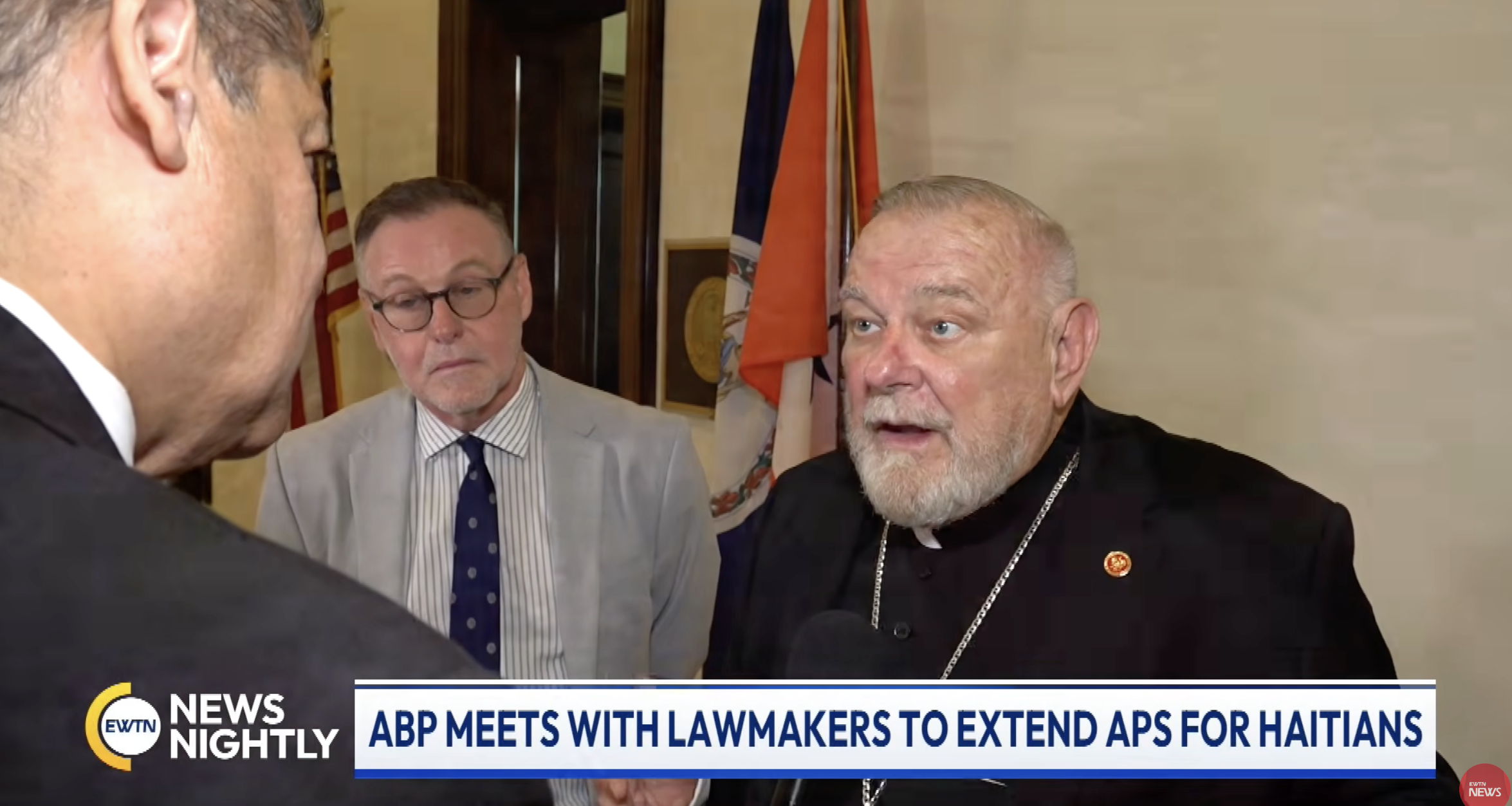
![Archbishop Wenski meets lawmakers to gain support for Haitian migrants amid deportation fears #Catholic Miami Archbishop Thomas Wenski traveled to Washington, D.C., on July 28 to advocate on behalf of Haitian migrants who fear they will soon be targets of President Donald Trump’s mass deportation efforts.Wenski’s meetings with lawmakers came one day after the expiration of the automatic work‑permit extension under temporary protected status (TPS) for Haitians. The Supreme Court ruled last month that the administration has the authority to terminate TPS, which ended their work authorization and could subject them to deportation orders. “Haiti is a house on fire,” Wenski told “EWTN News Nightly” Capitol Hill correspondent Erik Rosales before entering the office of Sen. Tim Kaine, D-Virginia.The archbishop said TPS expiration and possible deportation of hundreds of thousands of Haitians is bad for the migrants — who would be sent back to an unstable country — and for the American communities in which the migrants live and work. About 353,000 Haitian nationals hold TPS status in the U.S., according to the Department of Homeland Security (DHS).“To think that we can send 350,000 people back to Haiti without that having very bad consequences in Haiti — but also here because these people are working, they’re not on the dole, they’re working, and if they’re removed from their jobs, if they lose their work permits, that’s going to have a negative economic impact on the communities in which they live,” Wenski said.As Haitian TPS status ends, some lawmakers have introduced bills to compel the DHS to extend the status. In April, the U.S. House of Representatives passed legislation, H.R. 1689, that would extend TPS for Haitians for three more years. No legislative efforts have gained traction in the Senate.The U.S. Conference of Catholic Bishops (USCCB) has advocated strongly on behalf of Haitian migrants, asking the Trump administration and lawmakers to extend TPS. About two-thirds of Haiti is Catholic.Chieko Noguchi, spokeswoman for the USCCB, told EWTN News that Bishop Brendan J. Cahill, USCCB Committee on Migration chair, “has encouraged his brother bishops across the country to engage with their elected officials” on Haitian TPS status and broader immigration reform efforts.“As pastors committed to upholding the common good, the bishops are actively engaging in this dialogue and continue to be grateful for the opportunity to do so, which they acknowledged in their special message last November,” she said.In November 2025, the USCCB adopted a message in a 216-5 vote that opposed the “indiscriminate mass deportation of people” and policies that revoke the legal status of migrants, such as the terminations of TPS for various groups of migrants.Kaine, an advocate for extending TPS, told EWTN News after meeting with Wenski that he was glad “to discuss the critical need for Congress to do what is right and protect TPS holders who have been in the U.S. legally for years” and looks forward to working with the USCCB to advocate for TPS holders.TPS holders “have made countless contributions in important sectors such as healthcare and construction, and developed deep roots in our communities through their U.S. citizen families and businesses,” he added. “Many TPS holders, such as those from Haiti, should not be forced to return to the extremely dangerous conditions that made them seek safety in the United States.”Status of Haitian migrantsOn July 27, DHS Secretary Markwayne Mullin reposted a DHS post on X, which said “temporary protected status is exactly that — TEMPORARY” and urged anyone whose TPS has expired to self-deport out of the U.S.“For those with terminated TPS: it’s closing time,” the post read. “You don’t have to go home, but you can’t stay here.”When asked whether DHS intends to specifically target Haitians for deportation amid the TPS expiration, a spokesperson told EWTN News that the department “does not discuss ongoing or future operations” but is conducting law enforcement activities daily.“For too long, TPS has been allowed to function as a de facto amnesty program despite Congress never intending it to be permanent,” the spokesperson said.Andrew Arthur, a former immigration judge and a resident fellow in law and policy for the Center for Immigration Studies, told EWTN News that TPS was initially approved for Haiti in 2010 after a devastating earthquake.Although Haiti continues to face serious safety and political stability concerns, he said the effects of the earthquake no longer impact the country. He noted that Haitians can apply for permanent status under other programs, such as if they are eligible for asylum, but that TPS is not a permanent resettlement program.Arthur said Haitians who are in the U.S. under temporary legal status “had the opportunity to work in the United States and make money” and learn skills, which they can take back “to Haiti and [it can] help them make Haiti a better country.”The former judge said he expects immigration enforcement toward Haitians to be part of “the larger enforcement efforts” rather than a targeted campaign against Haitians, with a priority toward people who have been convicted of crimes.“The response [now] is foreign aid on the part of the United States and aid from the Catholic Church toward making Haiti a better place,” Arthur said.TPS status for Syrian migrants also ended on July 27. El Salvador’s TPS designation is set to expire Sept. 9.](http://unitedyam.com/wp-content/uploads/2026/07/archbishop-wenski-meets-lawmakers-to-gain-support-for-haitian-migrants-amid-deportation-fears-catholic-miami-archbishop-thomas-wenski-traveled-to-washington-d-c-on-july-28-to-advocate-on-behalf-of.png "Archbishop Wenski meets lawmakers to gain support for Haitian migrants amid deportation fears #Catholic Miami Archbishop Thomas Wenski traveled to Washington, D.C., on July 28 to advocate on behalf of Haitian migrants who fear they will soon be targets of President Donald Trump’s mass deportation efforts.Wenski’s meetings with lawmakers came one day after the expiration of the automatic work‑permit extension under temporary protected status (TPS) for Haitians. The Supreme Court ruled last month that the administration has the authority to terminate TPS, which ended their work authorization and could subject them to deportation orders. “Haiti is a house on fire,” Wenski told “EWTN News Nightly” Capitol Hill correspondent Erik Rosales before entering the office of Sen. Tim Kaine, D-Virginia.The archbishop said TPS expiration and possible deportation of hundreds of thousands of Haitians is bad for the migrants — who would be sent back to an unstable country — and for the American communities in which the migrants live and work. About 353,000 Haitian nationals hold TPS status in the U.S., according to the Department of Homeland Security (DHS).“To think that we can send 350,000 people back to Haiti without that having very bad consequences in Haiti — but also here because these people are working, they’re not on the dole, they’re working, and if they’re removed from their jobs, if they lose their work permits, that’s going to have a negative economic impact on the communities in which they live,” Wenski said.As Haitian TPS status ends, some lawmakers have introduced bills to compel the DHS to extend the status. In April, the U.S. House of Representatives passed legislation, H.R. 1689, that would extend TPS for Haitians for three more years. No legislative efforts have gained traction in the Senate.The U.S. Conference of Catholic Bishops (USCCB) has advocated strongly on behalf of Haitian migrants, asking the Trump administration and lawmakers to extend TPS. About two-thirds of Haiti is Catholic.Chieko Noguchi, spokeswoman for the USCCB, told EWTN News that Bishop Brendan J. Cahill, USCCB Committee on Migration chair, “has encouraged his brother bishops across the country to engage with their elected officials” on Haitian TPS status and broader immigration reform efforts.“As pastors committed to upholding the common good, the bishops are actively engaging in this dialogue and continue to be grateful for the opportunity to do so, which they acknowledged in their special message last November,” she said.In November 2025, the USCCB adopted a message in a 216-5 vote that opposed the “indiscriminate mass deportation of people” and policies that revoke the legal status of migrants, such as the terminations of TPS for various groups of migrants.Kaine, an advocate for extending TPS, told EWTN News after meeting with Wenski that he was glad “to discuss the critical need for Congress to do what is right and protect TPS holders who have been in the U.S. legally for years” and looks forward to working with the USCCB to advocate for TPS holders.TPS holders “have made countless contributions in important sectors such as healthcare and construction, and developed deep roots in our communities through their U.S. citizen families and businesses,” he added. “Many TPS holders, such as those from Haiti, should not be forced to return to the extremely dangerous conditions that made them seek safety in the United States.”Status of Haitian migrantsOn July 27, DHS Secretary Markwayne Mullin reposted a DHS post on X, which said “temporary protected status is exactly that — TEMPORARY” and urged anyone whose TPS has expired to self-deport out of the U.S.“For those with terminated TPS: it’s closing time,” the post read. “You don’t have to go home, but you can’t stay here.”When asked whether DHS intends to specifically target Haitians for deportation amid the TPS expiration, a spokesperson told EWTN News that the department “does not discuss ongoing or future operations” but is conducting law enforcement activities daily.“For too long, TPS has been allowed to function as a de facto amnesty program despite Congress never intending it to be permanent,” the spokesperson said.Andrew Arthur, a former immigration judge and a resident fellow in law and policy for the Center for Immigration Studies, told EWTN News that TPS was initially approved for Haiti in 2010 after a devastating earthquake.Although Haiti continues to face serious safety and political stability concerns, he said the effects of the earthquake no longer impact the country. He noted that Haitians can apply for permanent status under other programs, such as if they are eligible for asylum, but that TPS is not a permanent resettlement program.Arthur said Haitians who are in the U.S. under temporary legal status “had the opportunity to work in the United States and make money” and learn skills, which they can take back “to Haiti and [it can] help them make Haiti a better country.”The former judge said he expects immigration enforcement toward Haitians to be part of “the larger enforcement efforts” rather than a targeted campaign against Haitians, with a priority toward people who have been convicted of crimes.“The response [now] is foreign aid on the part of the United States and aid from the Catholic Church toward making Haiti a better place,” Arthur said.TPS status for Syrian migrants also ended on July 27. El Salvador’s TPS designation is set to expire Sept. 9.")
The Department of Homeland Security defended its policy, saying temporary protected status was not meant to be permanent.

“More than 110,000 metric tons of U.S.-grown agricultural commodities” will be delivered under an agreement in principle between Catholic Relief Services and the U.S. Department of Agriculture.

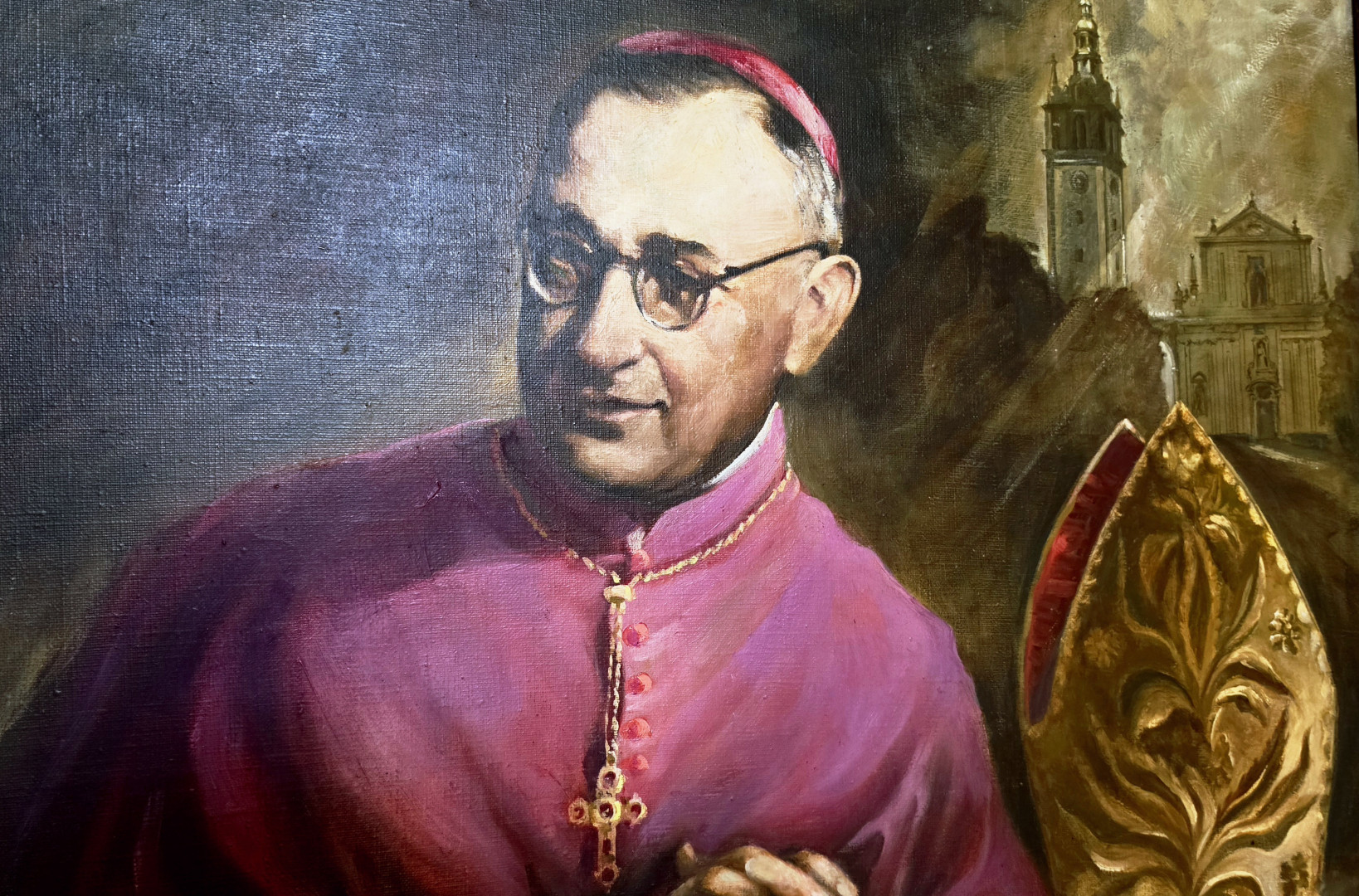
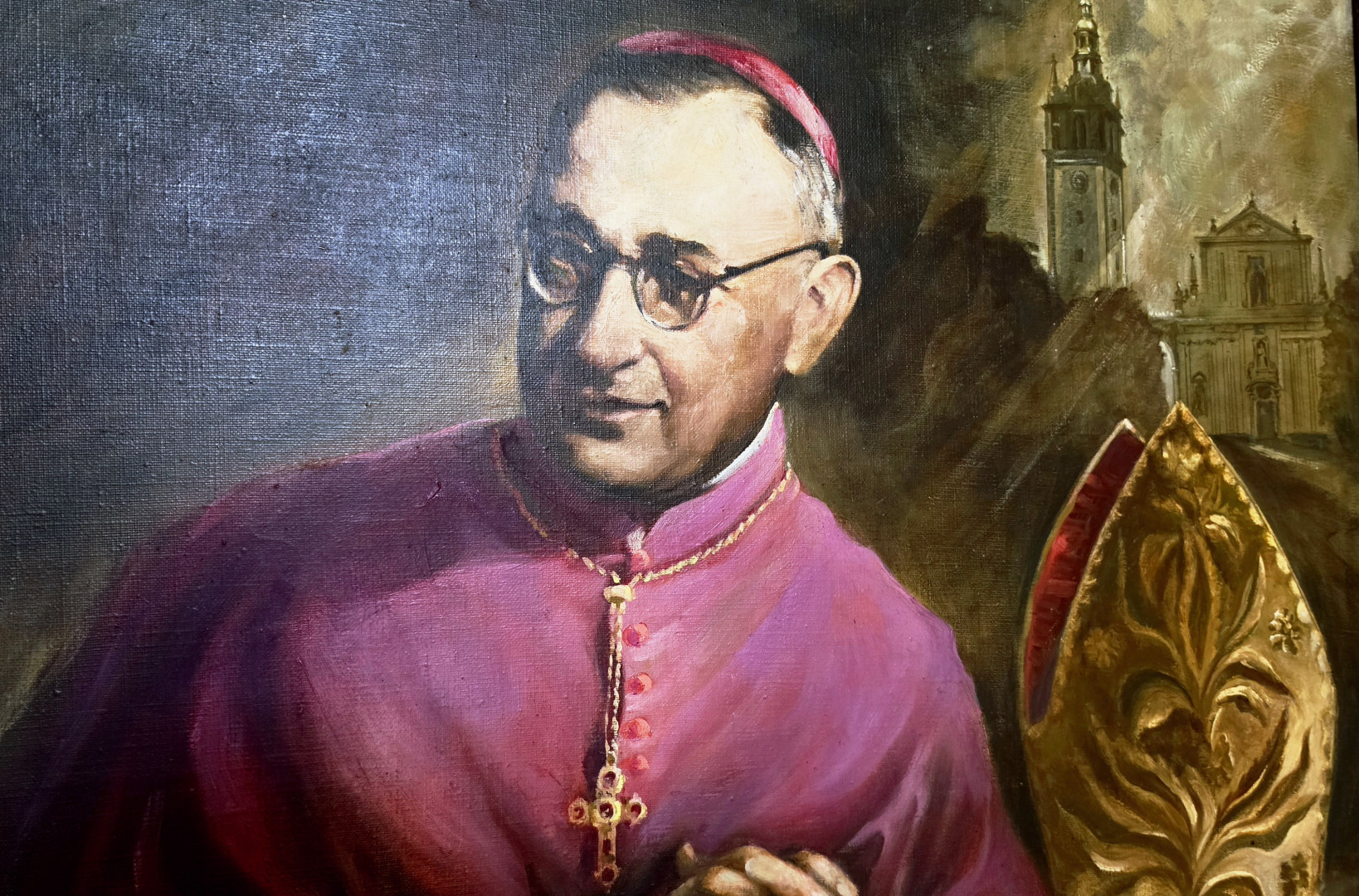
A district court will weigh whether Cardinal Štěpán Trochta, imprisoned by the Nazis and later by the communists, was unlawfully interned in the 1950s.

In the world of sports, as in life, “we learn more from failure and mistakes than from achievements and successes,” said former Monterrey Soccer Club director and priest Father David Jasso.

| Picture of the day |
|---|
_-_Kloster_Lorch_-_Klosterkirche_-_Ansicht_von_SO_(1).jpg)
|
|
Abbey church and bell tower of the former Benedictine monastery Lorch Abbey in Lorch, Germany.
|
| Picture of the day |
|---|
.jpg)
|
|
Window in a former joinery workshop in Beilstein, Germany. Hop has grown into the workshop and has draped its tendrils before this window.
|

| Picture of the day |
|---|

|
|
The site of the former Götaverken Cityvarvet (Götaverken City Shipyards) in Gothenburg.
|