
Ecuadoran lawyer Pablo Proaño’s remarks followed the death due to a pregnancy complication of Stefano, the son of Ecuadorian President Daniel Noboa and his wife, Lavinia Valbonesi.

Ecuadoran lawyer Pablo Proaño’s remarks followed the death due to a pregnancy complication of Stefano, the son of Ecuadorian President Daniel Noboa and his wife, Lavinia Valbonesi.
Commissioner appointee Heidi Overton has criticized the U.S. Food and Drug Administration’s chemical abortion policies in the past. She is now poised to be in a position to change them.
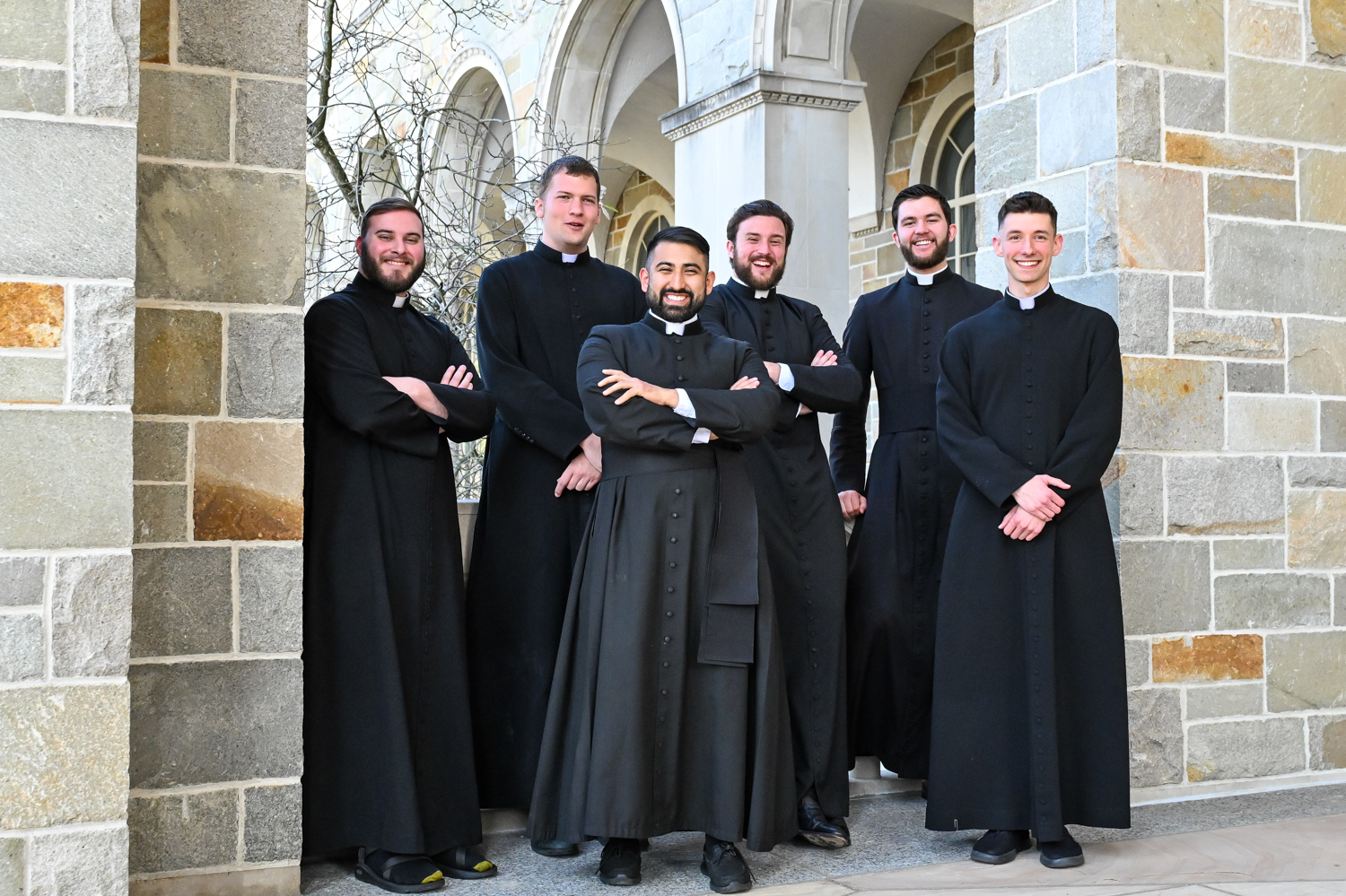
![‘It’s always the Holy Spirit’: Meet 3 dioceses seeing large numbers of priestly ordinations #Catholic What drives a young man to discern into the priesthood — a supportive family, a vibrant parish, a proactive pastor, an outspoken bishop? Father John Eckert’s response: “Yes.” Eckert, the vocations director for the Diocese of Charlotte, North Carolina, chuckled a little when describing the myriad paths that a young man may take when finding his way to holy orders. But, he said, “it’s always the Holy Spirit at work. It’s always cooperating with the grace of God.” The Charlotte Diocese is among those in the U.S. seeing high numbers of seminarians and priestly ordinations. The diocese in western North Carolina saw a record 10 young men ordained to the priesthood earlier in 2026; that followed six ordinations in 2025 and seven in 2024. “We’re blessed in the Diocese of Charlotte,” Eckert said. “It’s a beautiful moment.” The priest just wrapped up his first full year as vocations director there. He said one of the strengths of the diocese is in its vibrant faith life, which he attributed partly to the “evangelical Bible-belt roots” of the region. “This is Billy Graham territory,” he joked. The diocese itself bears out that witness, he said. “The Church is growing like crazy down here,” he said. “We have wonderful families. We have faithful, hardworking priests. We’ve had five bishops who keep on striving to bear the Gospel message and bring that to every corner of the diocese.”The growing ranks of the priesthood is proof of that high spirit, though Eckert said it can be tricky to tease out just what contributes to years of high ordinations. One of the diocese’s strengths, he said, is its own “in-house college seminary.” “It’s so wonderful that if we have a young man interested in the priesthood, we can actually just bring him to this place and show him where the initial years of formation will take place,” he said. The school offers prospective seminarians a chance to see “a group of men living this out, being very intentional about their prayer life, striving to grow in love of Our Lord.”Charlotte Bishop Michael Martin, OFM Conv, told EWTN News that when seeing such high levels of devotion to the priesthood, “we often have to just marvel at God’s work.” Priests in the diocese, he said, excel at offering candidates to the priesthood “the opportunity to see a healthy, holy, good person that they can see themselves becoming.” Families, meanwhile, have become “far more open” to communicating to their sons that they would be “honored to see [them] consider the priesthood.”“That dynamic has come about because the presbyterate gives a good example,” the bishop said. “It makes families, and parents in particular, more willing to be able to create that environment in their own families.”Both Martin and Eckert said that at a certain point Church leaders simply have to acknowledge the work of the Holy Spirit. “To fully try to understand it is important,” Martin said, “but in some ways it’s best just to appreciate and enjoy it and be grateful for it.”Eckert, meanwhile, cited as an example 1 Corinthians 3:6, in which Paul tells the Church at Corinth about its faith: “I planted, Apollos watered, but God gave the growth.”The priest spoke joyfully about his work in the diocesan vocations office, though he downplayed his own role in bringing men to holy orders. He recounted with a laugh what a speaker told a group of vocations directors at a recent conference: “Gentlemen, get over yourselves. Nobody ever entered seminary because of their vocations director.”Priestly vocation ‘seen as a natural, fulfilling life’Father Garett Burns, the director of vocations promotion in the Diocese of Wichita, Kansas, admitted that the Midwestern diocese is “blessed with a strong culture of vocations.” “For example, this past May six men were ordained to the priesthood,” he said. “We’ve been blessed to generally have a steady number of ordinations each year. There have been 22 priestly ordinations since 2020 and 44 priestly ordinations in the last 10 years. We will begin this academic year with 50 seminarians in formation.”He said that it is “difficult to capture succinctly” why a diocese might have such abundant vocations, describing every Catholic’s vocation as a “mystery of grace.” But he said promoting vocations throughout every aspect of Church life — including in families, schools, and parishes — has borne steady fruit. The diocese has an abundance of Eucharistic adoration, he said, including perpetual adoration. Such chapels present opportunities for young people to spend time in silence before Christ, he said, and “these moments are where vocations grow and flourish.”Priests and bishops in the diocese, meanwhile, are “deeply committed to the Lord.” “When priests love their priesthood and enjoy each other, that is attractive to young men,” he said. A local seminary program has also borne fruit, he said, allowing young men to form a close, core connection with the Church “at home.” The priest said he hesitates to offer advice to other dioceses, admitting that there is “no universal solution” given the unique histories, gifts, and challenges of each diocese. But expanding opportunities for Eucharistic adoration, he said, offers “one viable option that promises to deepen the culture of vocations.”Father Noah Morey, the vocations director in the Diocese of Arlington, Virginia, echoed the assessment of his fellow vocations directors: “It’s not just one thing, it’s everything,” he told EWTN News. The Arlington Diocese saw seven new priests ordained in 2026; it recorded 12 ordinations in 2025. Morey noted that when it comes to ordinations, “it’s not about numbers, it’s about quality.” But he said the Arlington Diocese has a “strong culture of vocations” that has helped produce exemplary priests over the years. The diocese has promoted vocations since its founding in 1974. Its first leader, Bishop Thomas Welsh, “really fostered that culture” in part by bringing a Poor Clares monastery to the diocese. “Our bishops have all taken a hands-on approach of fostering vocations in young men from a young age,” Morey said. Bishops in Arlington regularly attend seminary events and meet personally with aspiring priests, he said. Eucharistic adoration is prolific throughout the diocese, meanwhile; several years ago, Morey said, current Bishop Michael Burbidge asked every pastor in the diocese to institute 40 hours of Eucharistic adoration annually.The diocese also holds St. Andrew dinners several times a year, which allows young men to speak to both the bishop and diocesan priests about their potential discernment. “I tell the young men, it’s a very low-commitment event — you’re not signing your life away!” he said. “You just show up for a free dinner with the bishop.” A yearly “Quo Vadis?” summer camp offers another opportunity for young men to have face-to-face discernment with Church leaders. An active, vibrant priesthood in the diocese also helps foster vocational discernment, he said. “If a young man sees a priest who’s in love with the Lord, that’s really attractive to the priesthood,” he said. And faith-filled and encouraging families are equally to credit for fostering vocations in young men, Morey continued. He offered a baseball analogy to describe the process by which young men find their way to the priesthood. “The families are the starting pitchers,” he said. “The priests are the middle relievers. And the vocations director is the closer.”Globally the Church has continued to see lower vocations; the most recent data shows a continued drop in priests, with significant declines in Europe and the Americas, though Africa and Asia saw notable increases. In the first 15 months of his pontificate Pope Leo XIV has continued to emphasize the importance of vocations. In June 2025 he told vocations ministers at the Vatican that their job consisted of “forming men capable of loving, listening, praying, and serving as a community.”The pope said God “continues to call and remains faithful to his promises.” He urged leaders to help bring about the creation of appropriate conditions “to hear [God’s] voice.”In Charlotte, Bishop Martin said the best response to an increase in vocations is to be both joyful for the gift and determined to help it flourish. “There’s something in God’s design that’s beyond even what I can say,” he said. “I can provide some insights, but at the end of the day, this is the work of the Holy Spirit.” Eckert, meanwhile, said an increase in vocations is a blessing no matter where it develops.“The job that I think we all have is being intentional in our discipleship of Jesus Christ,” he said. “I pray for myself and all my brother vocations directors out there. Whether it happens in Peoria or it happens in Charlotte, it’s good for all of us.”](http://unitedyam.com/wp-content/uploads/2026/08/its-always-the-holy-spirit-meet-3-dioceses-seeing-large-numbers-of-priestly-ordinations-catholic-what-drives-a-young-man-to-discern-into-the-priesthood-a-support.jpg "‘It’s always the Holy Spirit’: Meet 3 dioceses seeing large numbers of priestly ordinations #Catholic What drives a young man to discern into the priesthood — a supportive family, a vibrant parish, a proactive pastor, an outspoken bishop? Father John Eckert’s response: “Yes.” Eckert, the vocations director for the Diocese of Charlotte, North Carolina, chuckled a little when describing the myriad paths that a young man may take when finding his way to holy orders. But, he said, “it’s always the Holy Spirit at work. It’s always cooperating with the grace of God.” The Charlotte Diocese is among those in the U.S. seeing high numbers of seminarians and priestly ordinations. The diocese in western North Carolina saw a record 10 young men ordained to the priesthood earlier in 2026; that followed six ordinations in 2025 and seven in 2024. “We’re blessed in the Diocese of Charlotte,” Eckert said. “It’s a beautiful moment.” The priest just wrapped up his first full year as vocations director there. He said one of the strengths of the diocese is in its vibrant faith life, which he attributed partly to the “evangelical Bible-belt roots” of the region. “This is Billy Graham territory,” he joked. The diocese itself bears out that witness, he said. “The Church is growing like crazy down here,” he said. “We have wonderful families. We have faithful, hardworking priests. We’ve had five bishops who keep on striving to bear the Gospel message and bring that to every corner of the diocese.”The growing ranks of the priesthood is proof of that high spirit, though Eckert said it can be tricky to tease out just what contributes to years of high ordinations. One of the diocese’s strengths, he said, is its own “in-house college seminary.” “It’s so wonderful that if we have a young man interested in the priesthood, we can actually just bring him to this place and show him where the initial years of formation will take place,” he said. The school offers prospective seminarians a chance to see “a group of men living this out, being very intentional about their prayer life, striving to grow in love of Our Lord.”Charlotte Bishop Michael Martin, OFM Conv, told EWTN News that when seeing such high levels of devotion to the priesthood, “we often have to just marvel at God’s work.” Priests in the diocese, he said, excel at offering candidates to the priesthood “the opportunity to see a healthy, holy, good person that they can see themselves becoming.” Families, meanwhile, have become “far more open” to communicating to their sons that they would be “honored to see [them] consider the priesthood.”“That dynamic has come about because the presbyterate gives a good example,” the bishop said. “It makes families, and parents in particular, more willing to be able to create that environment in their own families.”Both Martin and Eckert said that at a certain point Church leaders simply have to acknowledge the work of the Holy Spirit. “To fully try to understand it is important,” Martin said, “but in some ways it’s best just to appreciate and enjoy it and be grateful for it.”Eckert, meanwhile, cited as an example 1 Corinthians 3:6, in which Paul tells the Church at Corinth about its faith: “I planted, Apollos watered, but God gave the growth.”The priest spoke joyfully about his work in the diocesan vocations office, though he downplayed his own role in bringing men to holy orders. He recounted with a laugh what a speaker told a group of vocations directors at a recent conference: “Gentlemen, get over yourselves. Nobody ever entered seminary because of their vocations director.”Priestly vocation ‘seen as a natural, fulfilling life’Father Garett Burns, the director of vocations promotion in the Diocese of Wichita, Kansas, admitted that the Midwestern diocese is “blessed with a strong culture of vocations.” “For example, this past May six men were ordained to the priesthood,” he said. “We’ve been blessed to generally have a steady number of ordinations each year. There have been 22 priestly ordinations since 2020 and 44 priestly ordinations in the last 10 years. We will begin this academic year with 50 seminarians in formation.”He said that it is “difficult to capture succinctly” why a diocese might have such abundant vocations, describing every Catholic’s vocation as a “mystery of grace.” But he said promoting vocations throughout every aspect of Church life — including in families, schools, and parishes — has borne steady fruit. The diocese has an abundance of Eucharistic adoration, he said, including perpetual adoration. Such chapels present opportunities for young people to spend time in silence before Christ, he said, and “these moments are where vocations grow and flourish.”Priests and bishops in the diocese, meanwhile, are “deeply committed to the Lord.” “When priests love their priesthood and enjoy each other, that is attractive to young men,” he said. A local seminary program has also borne fruit, he said, allowing young men to form a close, core connection with the Church “at home.” The priest said he hesitates to offer advice to other dioceses, admitting that there is “no universal solution” given the unique histories, gifts, and challenges of each diocese. But expanding opportunities for Eucharistic adoration, he said, offers “one viable option that promises to deepen the culture of vocations.”Father Noah Morey, the vocations director in the Diocese of Arlington, Virginia, echoed the assessment of his fellow vocations directors: “It’s not just one thing, it’s everything,” he told EWTN News. The Arlington Diocese saw seven new priests ordained in 2026; it recorded 12 ordinations in 2025. Morey noted that when it comes to ordinations, “it’s not about numbers, it’s about quality.” But he said the Arlington Diocese has a “strong culture of vocations” that has helped produce exemplary priests over the years. The diocese has promoted vocations since its founding in 1974. Its first leader, Bishop Thomas Welsh, “really fostered that culture” in part by bringing a Poor Clares monastery to the diocese. “Our bishops have all taken a hands-on approach of fostering vocations in young men from a young age,” Morey said. Bishops in Arlington regularly attend seminary events and meet personally with aspiring priests, he said. Eucharistic adoration is prolific throughout the diocese, meanwhile; several years ago, Morey said, current Bishop Michael Burbidge asked every pastor in the diocese to institute 40 hours of Eucharistic adoration annually.The diocese also holds St. Andrew dinners several times a year, which allows young men to speak to both the bishop and diocesan priests about their potential discernment. “I tell the young men, it’s a very low-commitment event — you’re not signing your life away!” he said. “You just show up for a free dinner with the bishop.” A yearly “Quo Vadis?” summer camp offers another opportunity for young men to have face-to-face discernment with Church leaders. An active, vibrant priesthood in the diocese also helps foster vocational discernment, he said. “If a young man sees a priest who’s in love with the Lord, that’s really attractive to the priesthood,” he said. And faith-filled and encouraging families are equally to credit for fostering vocations in young men, Morey continued. He offered a baseball analogy to describe the process by which young men find their way to the priesthood. “The families are the starting pitchers,” he said. “The priests are the middle relievers. And the vocations director is the closer.”Globally the Church has continued to see lower vocations; the most recent data shows a continued drop in priests, with significant declines in Europe and the Americas, though Africa and Asia saw notable increases. In the first 15 months of his pontificate Pope Leo XIV has continued to emphasize the importance of vocations. In June 2025 he told vocations ministers at the Vatican that their job consisted of “forming men capable of loving, listening, praying, and serving as a community.”The pope said God “continues to call and remains faithful to his promises.” He urged leaders to help bring about the creation of appropriate conditions “to hear [God’s] voice.”In Charlotte, Bishop Martin said the best response to an increase in vocations is to be both joyful for the gift and determined to help it flourish. “There’s something in God’s design that’s beyond even what I can say,” he said. “I can provide some insights, but at the end of the day, this is the work of the Holy Spirit.” Eckert, meanwhile, said an increase in vocations is a blessing no matter where it develops.“The job that I think we all have is being intentional in our discipleship of Jesus Christ,” he said. “I pray for myself and all my brother vocations directors out there. Whether it happens in Peoria or it happens in Charlotte, it’s good for all of us.”")
Multiple dioceses throughout the U.S. are bucking national trends and seeing large numbers of men discern into the priesthood.
![Federal court hears arguments on Oklahoma’s ban for religious charter schools #Catholic A federal court heard oral arguments on Aug. 5 about whether an Oklahoma law banning religious charter schools violates the First Amendment’s protection of the free exercise of religion.Oklahoma established a charter school system in 1999, which provides public funds for privately run K–12 schools to which parents can send their children instead of a public school operated by a school district. The law only allows “nonsectarian” applicants, which prevents any participation from schools that have a religious identity.In 2023, the Oklahoma Statewide Charter School Board (SCSB) approved an application from a proposed Catholic charter school — St. Isidore of Seville Catholic Virtual School — which led to a legal challenge from Oklahoma Attorney General Gentner Drummond, who opposed religious charter schools.The Oklahoma Supreme Court sided against the school, finding that charter schools are public schools and that public schools must be secular. St. Isidore appealed this to the U.S. Supreme Court, but that resulted in a 4-4 deadlock with no majority opinion because Justice Amy Coney Barrett had a conflict of interest and recused herself.Amid no clear guidance from the federal courts, a Jewish organization — National Ben Gamla Jewish Charter School Foundation — filed an application to set up a charter school, which was denied. The group, represented by lawyers at the Becket Fund, filed a new lawsuit and asked a federal district court to require the SCSB to consider religious applicants.“Oklahoma makes room in its charter program for schools of all shapes and sizes, from those focused on science and fine arts to language immersion and classical education,” Daniel Chen, a Becket attorney representing the Jewish foundation, said in a statement.“The one it refuses to make room for is a faith-based school,” Chen added. “That is religious discrimination, plain and simple, and the state deserves a failing grade for it.”Chen told EWTN News that Becket is asking the federal court to immediately allow National Ben Gamla Jewish Charter School Foundation to set up a charter school, citing U.S. Supreme Court precedent that requires government programs to allow religious institutions the same access as secular institutions.“They’re private actors,” he said. “And because they’re private actors, they cannot be excluded from participating in a public benefits program.”Chen said the federal district court is not bound by the precedent of the Oklahoma Supreme Court because that is a state court, so it could rule in favor of the school. He also said if the case goes to the U.S. Supreme Court, he hopes Barrett can weigh in to break the 4-4 deadlock.“We’re hoping that [for] our case, there wouldn’t have to be any recusals,” he said.School board’s hands are tiedAlthough the charter school board denied the application from the National Ben Gamla Jewish Charter School Foundation, one of its lawyers at First Liberty Institute explained to EWTN News that its hands are tied by the statute and the Oklahoma Supreme Court’s decision.“They’re following that order,” said Hiram Sasser, executive general counsel for First Liberty and the lawyer representing SCSB. “But [they] would be happy if the federal court didn’t [require the school board] to engage in that kind of discrimination.”Sasser said the SCSB does not want to exclude an applicant “simply because it’s religious” and would rather evaluate applicants “just based on the merits.” But he said the order “makes them exclude religious schools just because they’re religious.”“They want to maximize all of the various choices and opportunities for parents,” he added.Sasser said he hopes the question goes to the U.S. Supreme Court again so “we’ll get an answer — a real answer.” He said it would provide more clarity for the school board, which “needs an answer.”John Meiser, director of the Lindsay and Matt Moroun Religious Liberty Clinic at the University of Notre Dame and the lawyer who represented St. Isidore at the Supreme Court, told EWTN News that the question ultimately comes down to whether charter schools are private or public institutions.In Oklahoma, he said charter schools “are called public schools” and that label “introduces a confusion that I don’t think would be present if they chose any other word.”He said Supreme Court precedent is clear that religious institutions must have equal access to government programs available to private institutions, but if a charter school is a “government school,” that “doesn’t apply” because the government “doesn’t and can’t run religious schools.”In spite of the label, Meiser said charter schools in Oklahoma are “formed and designed and run by private groups” and people who work there “are private employees.” He said the structure “looks just like a government contract” and funding from the government “doesn’t turn all those private contractors into the government itself.”“The dispute is really just about, ‘Well is a charter school in some way different?’” he said.Although Meiser said he is not aware of any ongoing Catholic efforts to recreate a charter school, he said that a Supreme Court ruling in favor of the National Ben Gamla Jewish Charter School Foundation’s constitutional arguments for equal access “would presumably apply to all religious operators of schools, and so it would open the door to a Catholic charter school or other religiously based charter school.”Attorney general stands firmDrummond, who remains Oklahoma’s attorney general, is standing firm in opposing the creation of religious charter schools and is fighting against National Ben Gamla Jewish Charter School Foundation’s efforts."This matter was resolved when the state Supreme Courtʼs ruling to prevent taxpayer funded religious charter schools was upheld by the U.S. Supreme Court last year,” Leslie Berger, press secretary for the attorney general’s office, told EWTN News.Drummond has also criticized the charter school board in public statements surrounding this legal battle in March, accusing the SCSB of “playing politics with the taxpayers' money” and alleged it “manipulated the record [about why National Ben Gamla Jewish Charter School Foundation’s application was rejected] to make that lawsuit easier to lose — not win.”"A state agency that deliberately hobbles its own legal position is not doing its job — it is betraying Oklahoma taxpayers,” he said. “I will not allow that.”Drummond has garnered support from the American Civil Liberties Union (ACLU) and the Freedom From Religion Foundation (FFRF) for opposing the creation of religious charter schools.Attorneys for FFRF are representing seven Oklahomans who oppose their tax money being used to support religious charter schools.“The federal court should rule according to constitutional principles,” FFRF Co-President Annie Laurie Gaylor said in a statement. “A religious public charter school has no place in our secular public education system.”It’s unclear when the federal court will issue its ruling, but National Ben Gamla Jewish Charter School Foundation has asked the judge to issue a preliminary injunction against the state so it can begin operating a school while the litigation plays out.](http://unitedyam.com/wp-content/uploads/2026/08/federal-court-hears-arguments-on-oklahomas-ban-for-religious-charter-schools-catholic-a-federal-court-heard-oral-arguments-on-aug-5-about-whether-an-oklahoma-law-banning-religious-charter-s.jpg "Federal court hears arguments on Oklahoma’s ban for religious charter schools #Catholic A federal court heard oral arguments on Aug. 5 about whether an Oklahoma law banning religious charter schools violates the First Amendment’s protection of the free exercise of religion.Oklahoma established a charter school system in 1999, which provides public funds for privately run K–12 schools to which parents can send their children instead of a public school operated by a school district. The law only allows “nonsectarian” applicants, which prevents any participation from schools that have a religious identity.In 2023, the Oklahoma Statewide Charter School Board (SCSB) approved an application from a proposed Catholic charter school — St. Isidore of Seville Catholic Virtual School — which led to a legal challenge from Oklahoma Attorney General Gentner Drummond, who opposed religious charter schools.The Oklahoma Supreme Court sided against the school, finding that charter schools are public schools and that public schools must be secular. St. Isidore appealed this to the U.S. Supreme Court, but that resulted in a 4-4 deadlock with no majority opinion because Justice Amy Coney Barrett had a conflict of interest and recused herself.Amid no clear guidance from the federal courts, a Jewish organization — National Ben Gamla Jewish Charter School Foundation — filed an application to set up a charter school, which was denied. The group, represented by lawyers at the Becket Fund, filed a new lawsuit and asked a federal district court to require the SCSB to consider religious applicants.“Oklahoma makes room in its charter program for schools of all shapes and sizes, from those focused on science and fine arts to language immersion and classical education,” Daniel Chen, a Becket attorney representing the Jewish foundation, said in a statement.“The one it refuses to make room for is a faith-based school,” Chen added. “That is religious discrimination, plain and simple, and the state deserves a failing grade for it.”Chen told EWTN News that Becket is asking the federal court to immediately allow National Ben Gamla Jewish Charter School Foundation to set up a charter school, citing U.S. Supreme Court precedent that requires government programs to allow religious institutions the same access as secular institutions.“They’re private actors,” he said. “And because they’re private actors, they cannot be excluded from participating in a public benefits program.”Chen said the federal district court is not bound by the precedent of the Oklahoma Supreme Court because that is a state court, so it could rule in favor of the school. He also said if the case goes to the U.S. Supreme Court, he hopes Barrett can weigh in to break the 4-4 deadlock.“We’re hoping that [for] our case, there wouldn’t have to be any recusals,” he said.School board’s hands are tiedAlthough the charter school board denied the application from the National Ben Gamla Jewish Charter School Foundation, one of its lawyers at First Liberty Institute explained to EWTN News that its hands are tied by the statute and the Oklahoma Supreme Court’s decision.“They’re following that order,” said Hiram Sasser, executive general counsel for First Liberty and the lawyer representing SCSB. “But [they] would be happy if the federal court didn’t [require the school board] to engage in that kind of discrimination.”Sasser said the SCSB does not want to exclude an applicant “simply because it’s religious” and would rather evaluate applicants “just based on the merits.” But he said the order “makes them exclude religious schools just because they’re religious.”“They want to maximize all of the various choices and opportunities for parents,” he added.Sasser said he hopes the question goes to the U.S. Supreme Court again so “we’ll get an answer — a real answer.” He said it would provide more clarity for the school board, which “needs an answer.”John Meiser, director of the Lindsay and Matt Moroun Religious Liberty Clinic at the University of Notre Dame and the lawyer who represented St. Isidore at the Supreme Court, told EWTN News that the question ultimately comes down to whether charter schools are private or public institutions.In Oklahoma, he said charter schools “are called public schools” and that label “introduces a confusion that I don’t think would be present if they chose any other word.”He said Supreme Court precedent is clear that religious institutions must have equal access to government programs available to private institutions, but if a charter school is a “government school,” that “doesn’t apply” because the government “doesn’t and can’t run religious schools.”In spite of the label, Meiser said charter schools in Oklahoma are “formed and designed and run by private groups” and people who work there “are private employees.” He said the structure “looks just like a government contract” and funding from the government “doesn’t turn all those private contractors into the government itself.”“The dispute is really just about, ‘Well is a charter school in some way different?’” he said.Although Meiser said he is not aware of any ongoing Catholic efforts to recreate a charter school, he said that a Supreme Court ruling in favor of the National Ben Gamla Jewish Charter School Foundation’s constitutional arguments for equal access “would presumably apply to all religious operators of schools, and so it would open the door to a Catholic charter school or other religiously based charter school.”Attorney general stands firmDrummond, who remains Oklahoma’s attorney general, is standing firm in opposing the creation of religious charter schools and is fighting against National Ben Gamla Jewish Charter School Foundation’s efforts.\"This matter was resolved when the state Supreme Courtʼs ruling to prevent taxpayer funded religious charter schools was upheld by the U.S. Supreme Court last year,” Leslie Berger, press secretary for the attorney general’s office, told EWTN News.Drummond has also criticized the charter school board in public statements surrounding this legal battle in March, accusing the SCSB of “playing politics with the taxpayers' money” and alleged it “manipulated the record [about why National Ben Gamla Jewish Charter School Foundation’s application was rejected] to make that lawsuit easier to lose — not win.”\"A state agency that deliberately hobbles its own legal position is not doing its job — it is betraying Oklahoma taxpayers,” he said. “I will not allow that.”Drummond has garnered support from the American Civil Liberties Union (ACLU) and the Freedom From Religion Foundation (FFRF) for opposing the creation of religious charter schools.Attorneys for FFRF are representing seven Oklahomans who oppose their tax money being used to support religious charter schools.“The federal court should rule according to constitutional principles,” FFRF Co-President Annie Laurie Gaylor said in a statement. “A religious public charter school has no place in our secular public education system.”It’s unclear when the federal court will issue its ruling, but National Ben Gamla Jewish Charter School Foundation has asked the judge to issue a preliminary injunction against the state so it can begin operating a school while the litigation plays out.")
Oklahoma’s Statewide Charter School Board wants to approve religious charter schools, but a ruling from the Oklahoma Supreme Court and efforts by the state attorney general prevent it from doing so.


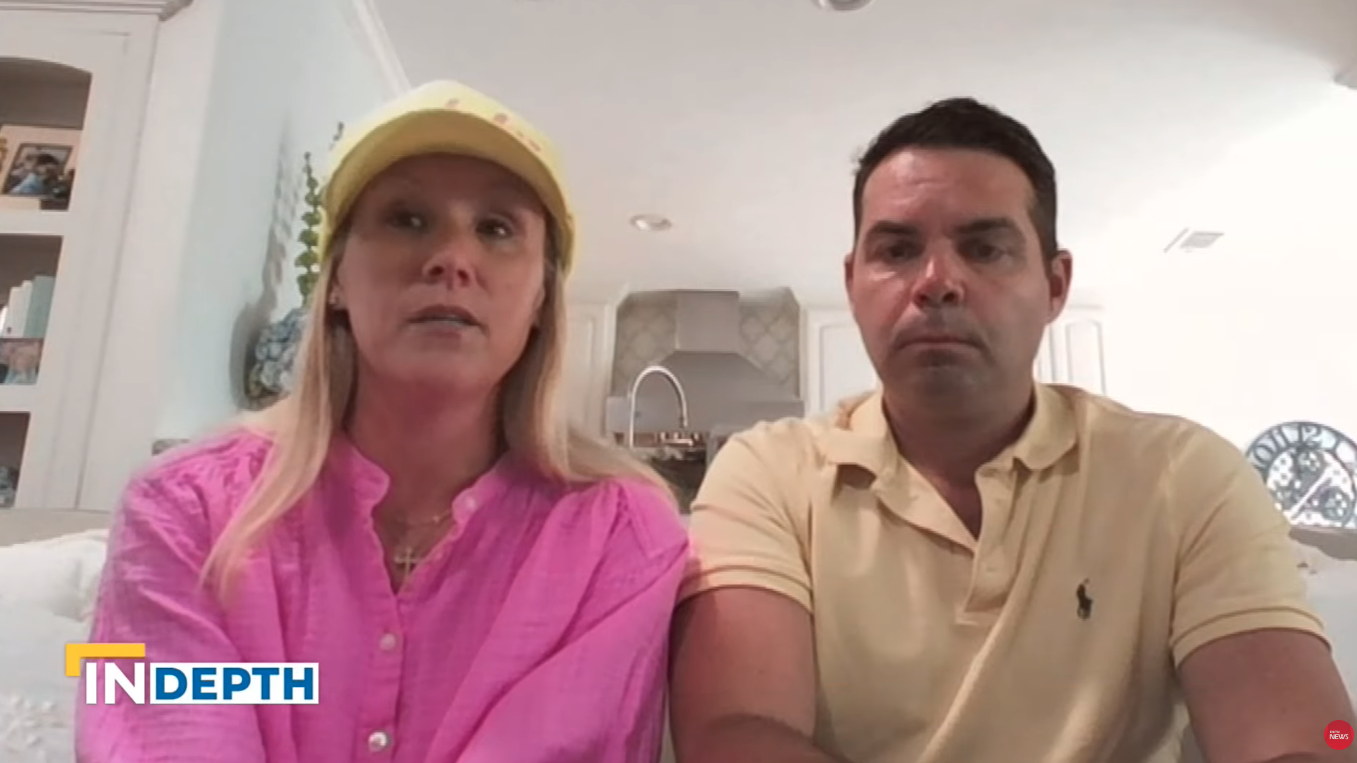
Blair Harber, 13, and Brooke Harber, 11, were among the victims of the Texas Hill Country flash floods that devastated parts of the state last year.
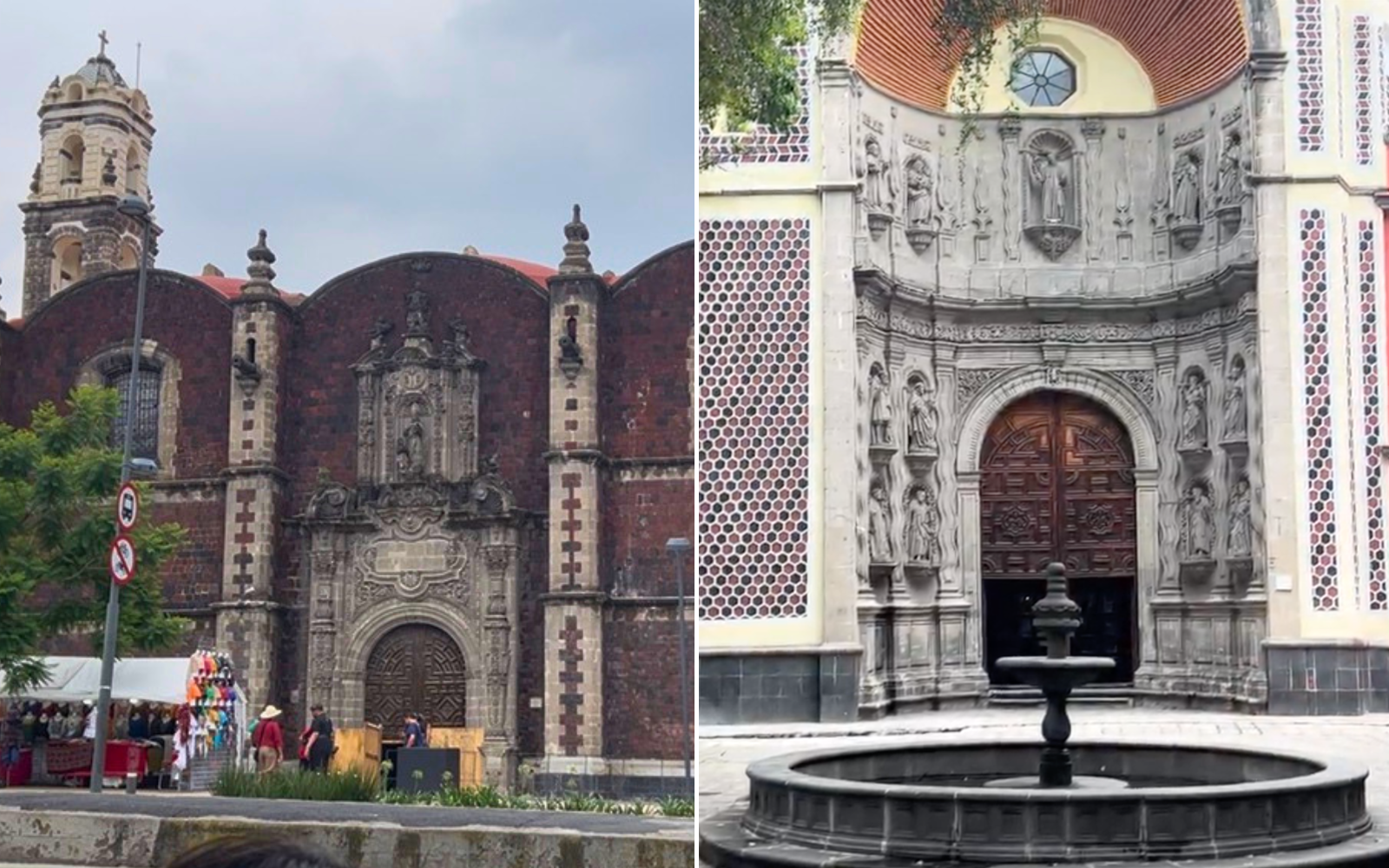
![2 historic churches in Mexico City reopen almost 9 years after earthquake damage #Catholic Almost nine years after the earthquakes that shook central and southwestern Mexico in September 2017, St. John of God Church and Holy True Cross Church, both located in Mexico City, have reopened their doors for worship.On July 8, a Mass was celebrated at Holy Cross Church, marking the communityʼs return to their church and concluding a lengthy restoration process.
Start of the reopening Mass at Holy Cross Parish. | Credit: Holy True Cross Parish, Mexico City
The earthquakes of Sept. 7 and 19, 2017, resulted in 468 deaths and caused damage to thousands of buildings.In Mexico City alone, around 160 Catholic churches suffered structural damage of varying severity such as these two churches located just a short distance apart.
Restoration work at the Holy True Cross Parish. | Credit: Holy True Cross Parish, Mexico City
5 centuries of historyHoly True Cross Church is considered one of the oldest churches in the country.According to tradition, the explorer and conquistador Hernán Cortés ordered the construction of a small chapel to commemorate the landing of the Spanish expedition at the port of what is now known as the state of Veracruz. Over time, that chapel gave rise to the parish as it is known today.Facebook postThe church also houses important works of sacred art, such as the Christ of the Seven Veils, which is said to have been a gift from Pope Paul III to King Carlos V of Spain. Additionally, a relic of the true cross is preserved there, considered by Christian tradition to be a fragment of the cross on which Jesus Christ died.
Reliquary containing a splinter of the true cross. | Credit: “EWTN Noticias”
In an interview with ACI Prensa, the Spanish-language sister service of EWTN News, Father Juan Carlos Guerrero Ugalde, the pastor of Holy True Cross and St. John of God, stated that restoring the churches was a priority of “not only ecclesiastical but also civic interest.”“This church [Holy True Cross] was the third parish established in the city and, therefore, holds a tradition of faith dating back to the 16th century,” he explained.9 years to returnGuerrero described the restoration process as “meticulous and slow” due to the complexity of the damage.Among other measures, the bell towers, which were at risk of collapse, were reinforced, cracks were repaired, the hydraulic piles supporting both structures were serviced, the roofs were waterproofed, and work was carried out to correct the effects of the ground settling.Facebook postThe work was overseen by the National Institute of Anthropology and History, as both buildings are part of the nationʼs historical heritage.In Mexico, religious buildings constructed prior to the 1992 constitutional reforms are state property, although they remain places of worship and are used by religious associations.The restoration of the Holy True Cross church faced an additional challenge: a fire in August 2020 caused by individuals living on the street. Reports indicate that a campfire spiraled out of control, damaging the choir loft, the dome, and sacred art.Today, those walking through the historic central part of Mexico City can once again enter the church. Marcela Eduardo, who works in the area and took a moment of free time to stop in and pray, did just that.“It brought me great joy to see it open and to see that repairs are underway,” she noted in an interview with ACI Prensa. She said that when she saw the parish church open, her first thought was to go in to see Christ and “greet him, make the sign of the cross, and ask him for something: that he give me more energy.” Much more than a churchThese churches are surrounded by some of Mexico’s most important cultural landmarks, such as the Franz Mayer Museum, the Palace of Fine Arts, and the Alameda Central, a large city park.
Visible in the background of the photo are the Torre Latinoamericana, the Palace of Fine Arts, and part of the Alameda Central. | Credit: “EWTN Noticias”
Although Holy True Cross and St. John of God churches might go unnoticed by some tourists amid so many other buildings, Guerrero noted that their value has been “significant for both the faith and the city.”He explained that, following the 1985 earthquake, the area welcomed numerous families from various places, necessitating the construction of a new community identity. Pastoral work at the time “consisted of gradually integrating the way of life of longtime residents and that of those who were newly arriving.”Over the years, he added, violence, drug trafficking, and social breakdown affected life in the neighborhood, making the Church’s presence even more necessary.Facebook postFor Betsabé Jara, who visited the church after touring the Franz Mayer Museum, the reopening represents an opportunity to regain a place for encountering God.“It brings peace of mind that the church is open, that one can enter and pray. Especially for people who couldnʼt go elsewhere because there wasnʼt a church nearby,” she said in an interview with ACI Prensa.Building the communityThe priest noted that reactivating community life will be the next challenge. He explained that a “call has already gone out to neighborhood residents to come for formation as pastoral workers.”
Interior of Holy True Cross Church. | Credit: “EWTN Noticias”
He also noted that they aim to develop social programs such as job training for individuals who did not complete their formal education as well as cultural initiatives in collaboration with nearby museums.“We want the spaces we have in both churches to be truly utilized and filled with formation programs,” Guerrero said.As the community gradually restores life to these churches, Masses are currently held regularly on Sundays, whereas weekday Masses take place only upon the request of the faithful.This story was first published by ACI Prensa, the Spanish-language sister service of EWTN News. It has been translated and adapted by EWTN News English.](http://unitedyam.com/wp-content/uploads/2026/07/2-historic-churches-in-mexico-city-reopen-almost-9-years-after-earthquake-damage-catholic-almost-nine-years-after-the-earthquakes-that-shook-central-and-southwestern-mexico-in-september-2017-st-joh.jpg "2 historic churches in Mexico City reopen almost 9 years after earthquake damage #Catholic Almost nine years after the earthquakes that shook central and southwestern Mexico in September 2017, St. John of God Church and Holy True Cross Church, both located in Mexico City, have reopened their doors for worship.On July 8, a Mass was celebrated at Holy Cross Church, marking the communityʼs return to their church and concluding a lengthy restoration process.
Start of the reopening Mass at Holy Cross Parish. | Credit: Holy True Cross Parish, Mexico City
The earthquakes of Sept. 7 and 19, 2017, resulted in 468 deaths and caused damage to thousands of buildings.In Mexico City alone, around 160 Catholic churches suffered structural damage of varying severity such as these two churches located just a short distance apart.
Restoration work at the Holy True Cross Parish. | Credit: Holy True Cross Parish, Mexico City
5 centuries of historyHoly True Cross Church is considered one of the oldest churches in the country.According to tradition, the explorer and conquistador Hernán Cortés ordered the construction of a small chapel to commemorate the landing of the Spanish expedition at the port of what is now known as the state of Veracruz. Over time, that chapel gave rise to the parish as it is known today.Facebook postThe church also houses important works of sacred art, such as the Christ of the Seven Veils, which is said to have been a gift from Pope Paul III to King Carlos V of Spain. Additionally, a relic of the true cross is preserved there, considered by Christian tradition to be a fragment of the cross on which Jesus Christ died.
Reliquary containing a splinter of the true cross. | Credit: “EWTN Noticias”
In an interview with ACI Prensa, the Spanish-language sister service of EWTN News, Father Juan Carlos Guerrero Ugalde, the pastor of Holy True Cross and St. John of God, stated that restoring the churches was a priority of “not only ecclesiastical but also civic interest.”“This church [Holy True Cross] was the third parish established in the city and, therefore, holds a tradition of faith dating back to the 16th century,” he explained.9 years to returnGuerrero described the restoration process as “meticulous and slow” due to the complexity of the damage.Among other measures, the bell towers, which were at risk of collapse, were reinforced, cracks were repaired, the hydraulic piles supporting both structures were serviced, the roofs were waterproofed, and work was carried out to correct the effects of the ground settling.Facebook postThe work was overseen by the National Institute of Anthropology and History, as both buildings are part of the nationʼs historical heritage.In Mexico, religious buildings constructed prior to the 1992 constitutional reforms are state property, although they remain places of worship and are used by religious associations.The restoration of the Holy True Cross church faced an additional challenge: a fire in August 2020 caused by individuals living on the street. Reports indicate that a campfire spiraled out of control, damaging the choir loft, the dome, and sacred art.Today, those walking through the historic central part of Mexico City can once again enter the church. Marcela Eduardo, who works in the area and took a moment of free time to stop in and pray, did just that.“It brought me great joy to see it open and to see that repairs are underway,” she noted in an interview with ACI Prensa. She said that when she saw the parish church open, her first thought was to go in to see Christ and “greet him, make the sign of the cross, and ask him for something: that he give me more energy.” Much more than a churchThese churches are surrounded by some of Mexico’s most important cultural landmarks, such as the Franz Mayer Museum, the Palace of Fine Arts, and the Alameda Central, a large city park.
Visible in the background of the photo are the Torre Latinoamericana, the Palace of Fine Arts, and part of the Alameda Central. | Credit: “EWTN Noticias”
Although Holy True Cross and St. John of God churches might go unnoticed by some tourists amid so many other buildings, Guerrero noted that their value has been “significant for both the faith and the city.”He explained that, following the 1985 earthquake, the area welcomed numerous families from various places, necessitating the construction of a new community identity. Pastoral work at the time “consisted of gradually integrating the way of life of longtime residents and that of those who were newly arriving.”Over the years, he added, violence, drug trafficking, and social breakdown affected life in the neighborhood, making the Church’s presence even more necessary.Facebook postFor Betsabé Jara, who visited the church after touring the Franz Mayer Museum, the reopening represents an opportunity to regain a place for encountering God.“It brings peace of mind that the church is open, that one can enter and pray. Especially for people who couldnʼt go elsewhere because there wasnʼt a church nearby,” she said in an interview with ACI Prensa.Building the communityThe priest noted that reactivating community life will be the next challenge. He explained that a “call has already gone out to neighborhood residents to come for formation as pastoral workers.”
Interior of Holy True Cross Church. | Credit: “EWTN Noticias”
He also noted that they aim to develop social programs such as job training for individuals who did not complete their formal education as well as cultural initiatives in collaboration with nearby museums.“We want the spaces we have in both churches to be truly utilized and filled with formation programs,” Guerrero said.As the community gradually restores life to these churches, Masses are currently held regularly on Sundays, whereas weekday Masses take place only upon the request of the faithful.This story was first published by ACI Prensa, the Spanish-language sister service of EWTN News. It has been translated and adapted by EWTN News English.")
Work was slow and meticulous due to the complexity of the damage, but the two churches in the historic city center of Mexico City are now open to the faithful.