Mexico

How Trump’s new FDA pick could be monumental in the fight for life #Catholic In the wake of U.S. President Donald Trump’s appointment of Dr. Heidi Overton, a medical doctor with a history of fighting for life, as head of the Food and Drug Administration (FDA), pro-life groups are urging her to end mail-order abortion.Since January 2025 and up until now, Overton has worked as deputy assistant to the president for domestic policy. Before that, she spent more than three years at the America First Policy Institute (AFPI), a conservative think tank. On Aug. 19, Trump appointed her to head the FDA, though she will need to be confirmed by the Senate first, which is likely given the Republican majority.She has a doctorate in clinical investigation from Johnson Hopkins Bloomberg School of Public Health as well as a medical degree from the University of New Mexico School of Medicine. Overton has been outspoken about the dangers of chemical abortion for women and babies, according to a 2023 AFPI brief she authored where she criticized federal policy that made abortion pills available via telehealth.“Abortion is corrosive to children, women, and society broadly because it devalues and extinguishes innocent human life,” Overton wrote in 2023. “Unfortunately, federal policymakers have recently expanded access to abortion pills, also called chemical abortions, which are far more dangerous to women, enabling rapid access to abortion.”About two-thirds of abortions in the United States are chemical, meaning they happen via mifepristone and misoprostol pills. These pills are available via mail in any state, even states where these drugs are illegal. Abortion by mail is highly unregulated, creating danger for female patients.The abortion pill has continued to be left largely unregulated by Trump’s Food and Drug Administration, in spite of the documented danger to women, including coercion, poisonings, and physical harm.Advocates for unborn children highlight the importance of opposing chemical abortions and protecting unborn children across state lines, as chemical abortion pills make state pro-life laws moot.Hope for limitations on chemical abortionsLeading voices for life agree that the FDA should regulate mail-order chemical abortions. After being deeply disappointed so far by Trump’s FDA, they hope Overton is the woman for the task.The American Association of Pro-Life Obstetricians and Gynecologists (AAPLOG), an organization of medical doctors who believe in protecting unborn children and their mothers, “applauds the nomination,” said CEO Dr. Christina Francis.“Dr. Overton has a track record of recognizing the dignity of all of our patients (including our fetal patients) and recognizing the value of life-affirming healthcare,” Francis told EWTN News.“We are hopeful that Dr. Overton will reinstate vital safeguards around the dangerous abortion drug mifepristone,” Francis said. “Too many tragic incidents continue to pile up in which women have been left to handle the consequences of these potentially fatal drugs on their own.”“As physicians, we demand the FDA do its job and reinstate essential safeguards for our patients,” Francis said.Live Action, a group seeking to shift the culture and law on abortion, also viewed the nomination positively.“Live Action is encouraged by President Trump’s nomination of Dr. Heidi Overton to lead the Food and Drug Administration,” said Live Action spokesman Noah Brandt.“During Dr. Overton’s time at the America First Policy Institute, she helped lead important work exposing the dangers of chemical abortion and the serious risks posed by the abortion pill,” Brandt told EWTN News.“We pray that if Dr. Overton is confirmed that she brings that same courage and leadership to the FDA, which has an enormous responsibility to protect the health and safety of America’s women and children,” Brandt said.Brandt called on Overton to put a halt to chemical abortion pills entirely, beginning with mail-order abortions.“If confirmed, Dr. Overton should pull the deadly abortion pill from the market completely by first ending mail-order abortions, which are killing babies across the country,” he said.Kristi Hamrick, spokeswoman for Students for Life Action, called for Overton to take serious action against mifepristone.“It’s a good thing to have a nominee who has been skeptical of the kinds of policies the FDA has been pushing, but we are not looking for words; we are looking for deeds,” Hamrick told EWTN News. “The reckless rubber-stamping of chemical abortion pills has implications for babies in the womb, their mothers, and even the environment.”“We are looking for a first-ever review of chemical abortion pills, the abusers' dream drug, that is now being mailed illegally into many states with pro-life laws in place,” Hamrick said.Hamrick also urged Overton to investigate the environmental impact of chemical abortion drugs in the nation’s drinking water supplies.“The FDA has never looked into the environmental risks of allowing abortion water pollution nationwide, and you donʼt have to be pro-life to want clean drinking water,” Hamrick said.“We would ask Dr. Overton to do the work never done before — really evaluate mifepristone, its distribution, and risks to babies, women, and all life, endangered species included,” Hamrick said.

How Trump’s new FDA pick could be monumental in the fight for life #Catholic In the wake of U.S. President Donald Trump’s appointment of Dr. Heidi Overton, a medical doctor with a history of fighting for life, as head of the Food and Drug Administration (FDA), pro-life groups are urging her to end mail-order abortion.Since January 2025 and up until now, Overton has worked as deputy assistant to the president for domestic policy. Before that, she spent more than three years at the America First Policy Institute (AFPI), a conservative think tank. On Aug. 19, Trump appointed her to head the FDA, though she will need to be confirmed by the Senate first, which is likely given the Republican majority.She has a doctorate in clinical investigation from Johnson Hopkins Bloomberg School of Public Health as well as a medical degree from the University of New Mexico School of Medicine. Overton has been outspoken about the dangers of chemical abortion for women and babies, according to a 2023 AFPI brief she authored where she criticized federal policy that made abortion pills available via telehealth.“Abortion is corrosive to children, women, and society broadly because it devalues and extinguishes innocent human life,” Overton wrote in 2023. “Unfortunately, federal policymakers have recently expanded access to abortion pills, also called chemical abortions, which are far more dangerous to women, enabling rapid access to abortion.”About two-thirds of abortions in the United States are chemical, meaning they happen via mifepristone and misoprostol pills. These pills are available via mail in any state, even states where these drugs are illegal. Abortion by mail is highly unregulated, creating danger for female patients.The abortion pill has continued to be left largely unregulated by Trump’s Food and Drug Administration, in spite of the documented danger to women, including coercion, poisonings, and physical harm.Advocates for unborn children highlight the importance of opposing chemical abortions and protecting unborn children across state lines, as chemical abortion pills make state pro-life laws moot.Hope for limitations on chemical abortionsLeading voices for life agree that the FDA should regulate mail-order chemical abortions. After being deeply disappointed so far by Trump’s FDA, they hope Overton is the woman for the task.The American Association of Pro-Life Obstetricians and Gynecologists (AAPLOG), an organization of medical doctors who believe in protecting unborn children and their mothers, “applauds the nomination,” said CEO Dr. Christina Francis.“Dr. Overton has a track record of recognizing the dignity of all of our patients (including our fetal patients) and recognizing the value of life-affirming healthcare,” Francis told EWTN News.“We are hopeful that Dr. Overton will reinstate vital safeguards around the dangerous abortion drug mifepristone,” Francis said. “Too many tragic incidents continue to pile up in which women have been left to handle the consequences of these potentially fatal drugs on their own.”“As physicians, we demand the FDA do its job and reinstate essential safeguards for our patients,” Francis said.Live Action, a group seeking to shift the culture and law on abortion, also viewed the nomination positively.“Live Action is encouraged by President Trump’s nomination of Dr. Heidi Overton to lead the Food and Drug Administration,” said Live Action spokesman Noah Brandt.“During Dr. Overton’s time at the America First Policy Institute, she helped lead important work exposing the dangers of chemical abortion and the serious risks posed by the abortion pill,” Brandt told EWTN News.“We pray that if Dr. Overton is confirmed that she brings that same courage and leadership to the FDA, which has an enormous responsibility to protect the health and safety of America’s women and children,” Brandt said.Brandt called on Overton to put a halt to chemical abortion pills entirely, beginning with mail-order abortions.“If confirmed, Dr. Overton should pull the deadly abortion pill from the market completely by first ending mail-order abortions, which are killing babies across the country,” he said.Kristi Hamrick, spokeswoman for Students for Life Action, called for Overton to take serious action against mifepristone.“It’s a good thing to have a nominee who has been skeptical of the kinds of policies the FDA has been pushing, but we are not looking for words; we are looking for deeds,” Hamrick told EWTN News. “The reckless rubber-stamping of chemical abortion pills has implications for babies in the womb, their mothers, and even the environment.”“We are looking for a first-ever review of chemical abortion pills, the abusers' dream drug, that is now being mailed illegally into many states with pro-life laws in place,” Hamrick said.Hamrick also urged Overton to investigate the environmental impact of chemical abortion drugs in the nation’s drinking water supplies.“The FDA has never looked into the environmental risks of allowing abortion water pollution nationwide, and you donʼt have to be pro-life to want clean drinking water,” Hamrick said.“We would ask Dr. Overton to do the work never done before — really evaluate mifepristone, its distribution, and risks to babies, women, and all life, endangered species included,” Hamrick said.

Commissioner appointee Heidi Overton has criticized the U.S. Food and Drug Administration’s chemical abortion policies in the past. She is now poised to be in a position to change them.

Read More
Spanish priest helps over 1,200 people find a spouse using WhatsApp #Catholic Spanish priest Father Fernando Cuevas has helped 1,280 single people find a spouse and get married over the past 15 years using WhatsApp and a simple questionnaire.“There are many people longing for true and everlasting love in Christ,” he told ACI Prensa, the Spanish-language sister service of EWTN News.Now over 70, the priest, who is from the island of Ibiza and is a member of Opus Dei, acknowledges that this providential pastoral work has transformed his ministry: “This has totally changed my life,” he said.In addition to serving as chaplain for two schools near Valencia and two youth clubs, for the past 15 years he has been receiving dozens of requests from single Catholics — “on a normal day, 60 WhatsApp messages” — at the number +34 609 765 284.Despite the sheer volume, he said he approaches it with great peace of mind: “I don’t let myself get overwhelmed,” he said. “The two requirements I set are that they be over 25 and attend Mass on Sundays,” he explained. From there, he asks about their age, their level of church involvement, and where they live, cross-referencing the information whenever possible.At times, he has to ask those who come to him for patience. “Wait — your turn will come,” he tells those who express a particularly strong desire to find a life partner.When it comes to exchanging numbers, the first thing he looks at is the city where they live, as this usually makes things easier, though not always. He also tries to ensure the men are taller and two or three years older than the women.Then there are “people with a strong sense of spirituality” — another factor that really helps ensure that the candidates hit it off.‘I’m a priest; I completely trust in Providence’Cuevas sets no limits on divine plans and serves people of all ages, though men are scarce in certain age groups. “I have few men in their 30s. A great many in their 40s. And fewer from age 50 onwards.” Women are less scarce.Despite his success, the priest approaches this pastoral work with humility: “I have no special gift,” he said.“I’m a priest; I completely trust in Providence and know that God calls every person, that there is a specific plan from the Lord for them from before they were born. Just as someone might have a vocation to a religious order, a movement, or anything else, God has someone in mind for that person, so that they may attain holiness.”The priest, dubbed the “Tinder priest” or a matchmaker, is clear that the vocation to marriage is no less significant than others: “It’s a call to total self-giving. Just as a priest or a nun has discovered that deep longing of the human heart.”It has happened on occasion that phone numbers got mixed up during the exchange. Someone called the wrong person, not the one originally intended. They met up, had a meal, and got to know each other. Obviously, they realized the photos and certain profile details didnʼt match, but they didnʼt mind. “I donʼt know what happened, but itʼs perfect,” one of them wrote to him.Requests from around the worldAt the start of this pastoral work, Cuevas sought to help people in his immediate circle within the Archdiocese of Valencia. However, many people write to him from other countries, particularly from Spanish-speaking America.To better handle these requests, he relies on the assistance of another priest, Father Vicente Huerta, who is based in Spain and spends many nights speaking with people in Argentina, Mexico, Colombia, and Peru, among other places.But they have also had candidates from places that might seem unexpected at first glance, such as India.‘People want to love truly’In a society like Spain’s, which is experiencing a major crisis regarding marriage and the family, Cuevas said he draws a clear lesson from this apostolate: “People are looking for true love. There is a yearning, an enormous need to love. People are in great need. They want to love truly, to forget themselves, to give of themselves, and to bring Christ into their lives.”He continued: “The vast majority are looking for someone who places Christ at the center of their lives. There are so many people longing for that. It moves me to see the number of people who say: ‘It doesn’t matter to me if he has blue eyes, is very handsome, or is very smart. If he doesn’t have Christ at the center of his life — forget it.’ That is the hierarchy of values.”This story was first published by ACI Prensa, the Spanish-language sister service of EWTN News. It has been translated and adapted by EWTN News English.

Spanish priest helps over 1,200 people find a spouse using WhatsApp #Catholic Spanish priest Father Fernando Cuevas has helped 1,280 single people find a spouse and get married over the past 15 years using WhatsApp and a simple questionnaire.“There are many people longing for true and everlasting love in Christ,” he told ACI Prensa, the Spanish-language sister service of EWTN News.Now over 70, the priest, who is from the island of Ibiza and is a member of Opus Dei, acknowledges that this providential pastoral work has transformed his ministry: “This has totally changed my life,” he said.In addition to serving as chaplain for two schools near Valencia and two youth clubs, for the past 15 years he has been receiving dozens of requests from single Catholics — “on a normal day, 60 WhatsApp messages” — at the number +34 609 765 284.Despite the sheer volume, he said he approaches it with great peace of mind: “I don’t let myself get overwhelmed,” he said. “The two requirements I set are that they be over 25 and attend Mass on Sundays,” he explained. From there, he asks about their age, their level of church involvement, and where they live, cross-referencing the information whenever possible.At times, he has to ask those who come to him for patience. “Wait — your turn will come,” he tells those who express a particularly strong desire to find a life partner.When it comes to exchanging numbers, the first thing he looks at is the city where they live, as this usually makes things easier, though not always. He also tries to ensure the men are taller and two or three years older than the women.Then there are “people with a strong sense of spirituality” — another factor that really helps ensure that the candidates hit it off.‘I’m a priest; I completely trust in Providence’Cuevas sets no limits on divine plans and serves people of all ages, though men are scarce in certain age groups. “I have few men in their 30s. A great many in their 40s. And fewer from age 50 onwards.” Women are less scarce.Despite his success, the priest approaches this pastoral work with humility: “I have no special gift,” he said.“I’m a priest; I completely trust in Providence and know that God calls every person, that there is a specific plan from the Lord for them from before they were born. Just as someone might have a vocation to a religious order, a movement, or anything else, God has someone in mind for that person, so that they may attain holiness.”The priest, dubbed the “Tinder priest” or a matchmaker, is clear that the vocation to marriage is no less significant than others: “It’s a call to total self-giving. Just as a priest or a nun has discovered that deep longing of the human heart.”It has happened on occasion that phone numbers got mixed up during the exchange. Someone called the wrong person, not the one originally intended. They met up, had a meal, and got to know each other. Obviously, they realized the photos and certain profile details didnʼt match, but they didnʼt mind. “I donʼt know what happened, but itʼs perfect,” one of them wrote to him.Requests from around the worldAt the start of this pastoral work, Cuevas sought to help people in his immediate circle within the Archdiocese of Valencia. However, many people write to him from other countries, particularly from Spanish-speaking America.To better handle these requests, he relies on the assistance of another priest, Father Vicente Huerta, who is based in Spain and spends many nights speaking with people in Argentina, Mexico, Colombia, and Peru, among other places.But they have also had candidates from places that might seem unexpected at first glance, such as India.‘People want to love truly’In a society like Spain’s, which is experiencing a major crisis regarding marriage and the family, Cuevas said he draws a clear lesson from this apostolate: “People are looking for true love. There is a yearning, an enormous need to love. People are in great need. They want to love truly, to forget themselves, to give of themselves, and to bring Christ into their lives.”He continued: “The vast majority are looking for someone who places Christ at the center of their lives. There are so many people longing for that. It moves me to see the number of people who say: ‘It doesn’t matter to me if he has blue eyes, is very handsome, or is very smart. If he doesn’t have Christ at the center of his life — forget it.’ That is the hierarchy of values.”This story was first published by ACI Prensa, the Spanish-language sister service of EWTN News. It has been translated and adapted by EWTN News English.

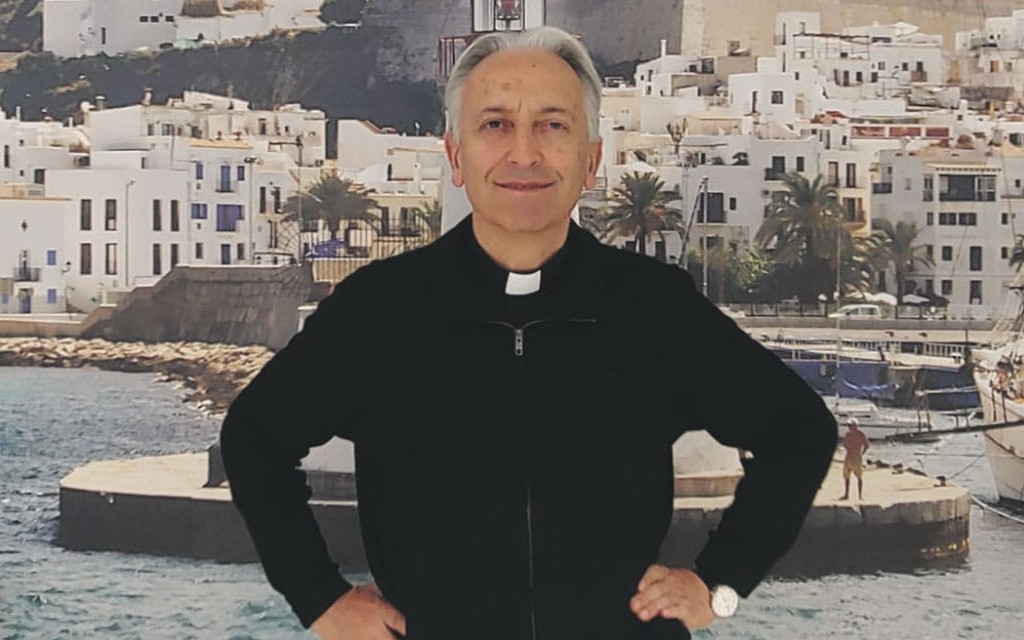
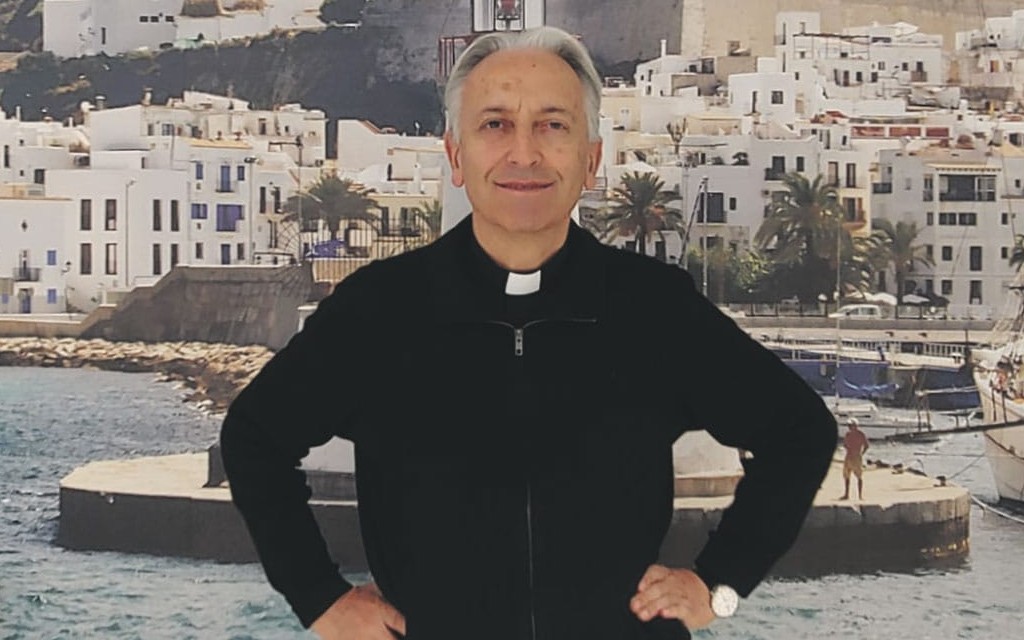
Using a questionnaire and a few important criteria, Father Fernando Cuevas has helped singles who want Christ at the center of their lives to find each other.
Read More
Bishops issue new calls for recognition of immigrants’ human dignity and immigration reform #Catholic In response to increased immigration enforcement measures throughout the country, two U.S. Catholic bishops have issued fresh statements affirming the human dignity of immigrants as children of God and calling for immigration reform.Both prelates said Americans should understand why people flee their home countries in search of a better life while acknowledging the nation’s right to enforce its immigration laws. The current situation, however, is unjust, immoral, and must be fixed, both men emphasized.On Aug. 3, the centennial anniversary of the elevation of San Antonio to a metropolitan archdiocese, Archbishop Gustavo García-Siller released a pastoral letter expressing the Church’s solidarity with migrants and calling for the “careful and well-formed moral discernment of every Catholic conscience” in response.Meanwhile, on Aug. 1, Bishop Robert Gruss of the Diocese of Saginaw, Michigan, issued a statement in which he reminded the faithful of the “inherent human dignity” of every person.Gruss said the current “challenge” facing the United States, which has “consistently received immigrants, refugees, exiles, and the persecuted from other lands” throughout its history, is “how to deal with a situation when one administration has allowed individuals and families to migrate … freely and the next administration wants their removal.”The bishop wrote that the removal of “immigrants who have caused harm to society by participating in criminal activity” is understandable, but asked if it is “fair to remove those who are and have been contributing to society in a positive way, oftentimes for many years?”He said that a “just and civil society” would not allow the deportation or detention of people “without cause” or “meaningful legal representation, without access to family or a supportive community, and without basic human needs being met.”He urged the faithful to “push for public policy changes that secure civil rights for all immigrants” and “humane border enforcement policies” that simultaneously uphold national security while protecting the “safety and dignity” of those who come to the country to work.‘We will come to you’García-Siller promulgated his letter, titled “We Will Come to You: United in Solidarity with Our Brothers and Sisters in Migration,” at a Mass at San Fernando Cathedral in downtown San Antonio.“We are living in a world of war,” the letter began. “Across continents, people are dying every day. Across borders, survivors are forced to migrate. They do not leave by choice, but because of violence, hunger, fear, and oppression.”In the 56-page letter, composed of five sections and concluding with a prayer to Our Lady of Guadalupe, García-Siller said he prayed “for a long time” before writing, saying he wanted to write from “the right place, one of accompaniment and solidarity.”He said the letter addresses an “unprecedented” time in the country, writing that “a convergence of structural and legal tactics … calls for the careful and well-formed moral discernment of every Catholic conscience.”“I write to comfort the afflicted, to ignite the comfortable, and to confront injustice with the full conviction of the Gospel.”He went on to cite his personal experience of “years walking alongside” migrants, many of whom are living in so much fear they rarely leave their homes, as well as his own story as a migrant himself.The archbishop wrote that he has witnessed a “fear that has taken root” across the archdiocese, saying he and other pastors “pray with parents who embrace their children each morning unsure if they will be home at night,” and describing parents who avoid taking children to the doctor or to go to work “because each mile carries risk.”“The community bears this cross, and the Church cannot be silent,” he wrote, describing declining Mass attendance and the worsening physical health of those who suffer fear related to immigration.“The people have not lost their faith,” he wrote. “Many, however, have lost their sense of safety and belonging.”The Church must “defend the dignity of those caught in the machinery of removal,” he emphasized.García-Siller described visiting three detention centers in the area, including the South Texas Family Residential Center in Dilley, the largest family detention center in the nation, saying he’s witnessed "firsthand, violations of human dignity within their walls.”He went on to quote Bishop Steven Biegler of the Diocese of Cheyenne, Wyoming, who wrote in a pastoral letter in April that “‘the current campaign of mass detention and deportations is immoral.’”García-Siller accused private corporations of profiting from the processing and movement of large numbers of detained immigrants from one site to another.He also cited an investigation by U.S. Sen. John Ossoff, D-Georgia, which documented more than 1,000 “credible reports of human rights abuses since January 2025, including “medical neglect, denial of food and water, overcrowding, sleep deprivation, and the separation of breastfeeding mothers from their infants,” as well as similar abuses in privately-run sites.García-Siller called the public narrative that only criminals are being removed “misleading,” writing that “73% of those in immigration detention have no criminal conviction, and only 5% have been convicted of a violent crime.”He described how pastors, deacons, extraordinary ministers, and trained catechists are developing “active ministries of accompaniment” in the archdiocese, visiting migrants in their homes, bringing the sacraments along with medicines and other supplies, as well as in detention centers.“If your family has been detained, tell us. We will go to them. The Body of Christ does not abandon its members in chains,” García-Siller declared.The archbishop went on to lament that existing legal pathways take years to navigate, years that families cannot afford to wait as they seek safety and stability. He called for more accessible legal pathways, saying migrants would take those pathways if they were available. Migrants’ “contribution to the common good of our nation” demands such, he wrote.At the end of the letter, García-Siller entrusted the situation to Our Lady of Guadalupe, who herself crossed borders of culture and race and walked the road of exile with the Holy Family: “Long before she was Queen of Mexico … she was a mother who crossed a border. She knows this road; she walked it with her own feet.”

Bishops issue new calls for recognition of immigrants’ human dignity and immigration reform #Catholic In response to increased immigration enforcement measures throughout the country, two U.S. Catholic bishops have issued fresh statements affirming the human dignity of immigrants as children of God and calling for immigration reform.Both prelates said Americans should understand why people flee their home countries in search of a better life while acknowledging the nation’s right to enforce its immigration laws. The current situation, however, is unjust, immoral, and must be fixed, both men emphasized.On Aug. 3, the centennial anniversary of the elevation of San Antonio to a metropolitan archdiocese, Archbishop Gustavo García-Siller released a pastoral letter expressing the Church’s solidarity with migrants and calling for the “careful and well-formed moral discernment of every Catholic conscience” in response.Meanwhile, on Aug. 1, Bishop Robert Gruss of the Diocese of Saginaw, Michigan, issued a statement in which he reminded the faithful of the “inherent human dignity” of every person.Gruss said the current “challenge” facing the United States, which has “consistently received immigrants, refugees, exiles, and the persecuted from other lands” throughout its history, is “how to deal with a situation when one administration has allowed individuals and families to migrate … freely and the next administration wants their removal.”The bishop wrote that the removal of “immigrants who have caused harm to society by participating in criminal activity” is understandable, but asked if it is “fair to remove those who are and have been contributing to society in a positive way, oftentimes for many years?”He said that a “just and civil society” would not allow the deportation or detention of people “without cause” or “meaningful legal representation, without access to family or a supportive community, and without basic human needs being met.”He urged the faithful to “push for public policy changes that secure civil rights for all immigrants” and “humane border enforcement policies” that simultaneously uphold national security while protecting the “safety and dignity” of those who come to the country to work.‘We will come to you’García-Siller promulgated his letter, titled “We Will Come to You: United in Solidarity with Our Brothers and Sisters in Migration,” at a Mass at San Fernando Cathedral in downtown San Antonio.“We are living in a world of war,” the letter began. “Across continents, people are dying every day. Across borders, survivors are forced to migrate. They do not leave by choice, but because of violence, hunger, fear, and oppression.”In the 56-page letter, composed of five sections and concluding with a prayer to Our Lady of Guadalupe, García-Siller said he prayed “for a long time” before writing, saying he wanted to write from “the right place, one of accompaniment and solidarity.”He said the letter addresses an “unprecedented” time in the country, writing that “a convergence of structural and legal tactics … calls for the careful and well-formed moral discernment of every Catholic conscience.”“I write to comfort the afflicted, to ignite the comfortable, and to confront injustice with the full conviction of the Gospel.”He went on to cite his personal experience of “years walking alongside” migrants, many of whom are living in so much fear they rarely leave their homes, as well as his own story as a migrant himself.The archbishop wrote that he has witnessed a “fear that has taken root” across the archdiocese, saying he and other pastors “pray with parents who embrace their children each morning unsure if they will be home at night,” and describing parents who avoid taking children to the doctor or to go to work “because each mile carries risk.”“The community bears this cross, and the Church cannot be silent,” he wrote, describing declining Mass attendance and the worsening physical health of those who suffer fear related to immigration.“The people have not lost their faith,” he wrote. “Many, however, have lost their sense of safety and belonging.”The Church must “defend the dignity of those caught in the machinery of removal,” he emphasized.García-Siller described visiting three detention centers in the area, including the South Texas Family Residential Center in Dilley, the largest family detention center in the nation, saying he’s witnessed "firsthand, violations of human dignity within their walls.”He went on to quote Bishop Steven Biegler of the Diocese of Cheyenne, Wyoming, who wrote in a pastoral letter in April that “‘the current campaign of mass detention and deportations is immoral.’”García-Siller accused private corporations of profiting from the processing and movement of large numbers of detained immigrants from one site to another.He also cited an investigation by U.S. Sen. John Ossoff, D-Georgia, which documented more than 1,000 “credible reports of human rights abuses since January 2025, including “medical neglect, denial of food and water, overcrowding, sleep deprivation, and the separation of breastfeeding mothers from their infants,” as well as similar abuses in privately-run sites.García-Siller called the public narrative that only criminals are being removed “misleading,” writing that “73% of those in immigration detention have no criminal conviction, and only 5% have been convicted of a violent crime.”He described how pastors, deacons, extraordinary ministers, and trained catechists are developing “active ministries of accompaniment” in the archdiocese, visiting migrants in their homes, bringing the sacraments along with medicines and other supplies, as well as in detention centers.“If your family has been detained, tell us. We will go to them. The Body of Christ does not abandon its members in chains,” García-Siller declared.The archbishop went on to lament that existing legal pathways take years to navigate, years that families cannot afford to wait as they seek safety and stability. He called for more accessible legal pathways, saying migrants would take those pathways if they were available. Migrants’ “contribution to the common good of our nation” demands such, he wrote.At the end of the letter, García-Siller entrusted the situation to Our Lady of Guadalupe, who herself crossed borders of culture and race and walked the road of exile with the Holy Family: “Long before she was Queen of Mexico … she was a mother who crossed a border. She knows this road; she walked it with her own feet.”

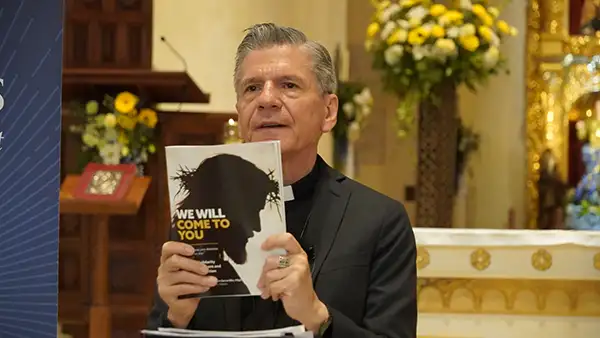
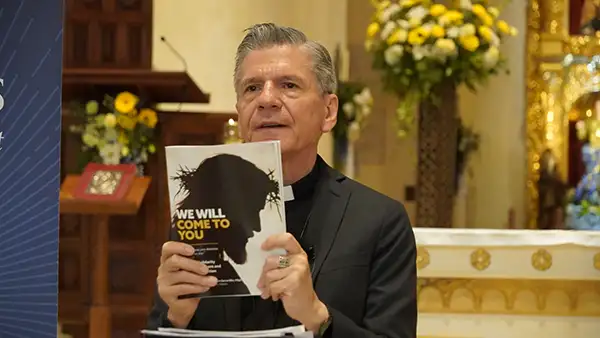
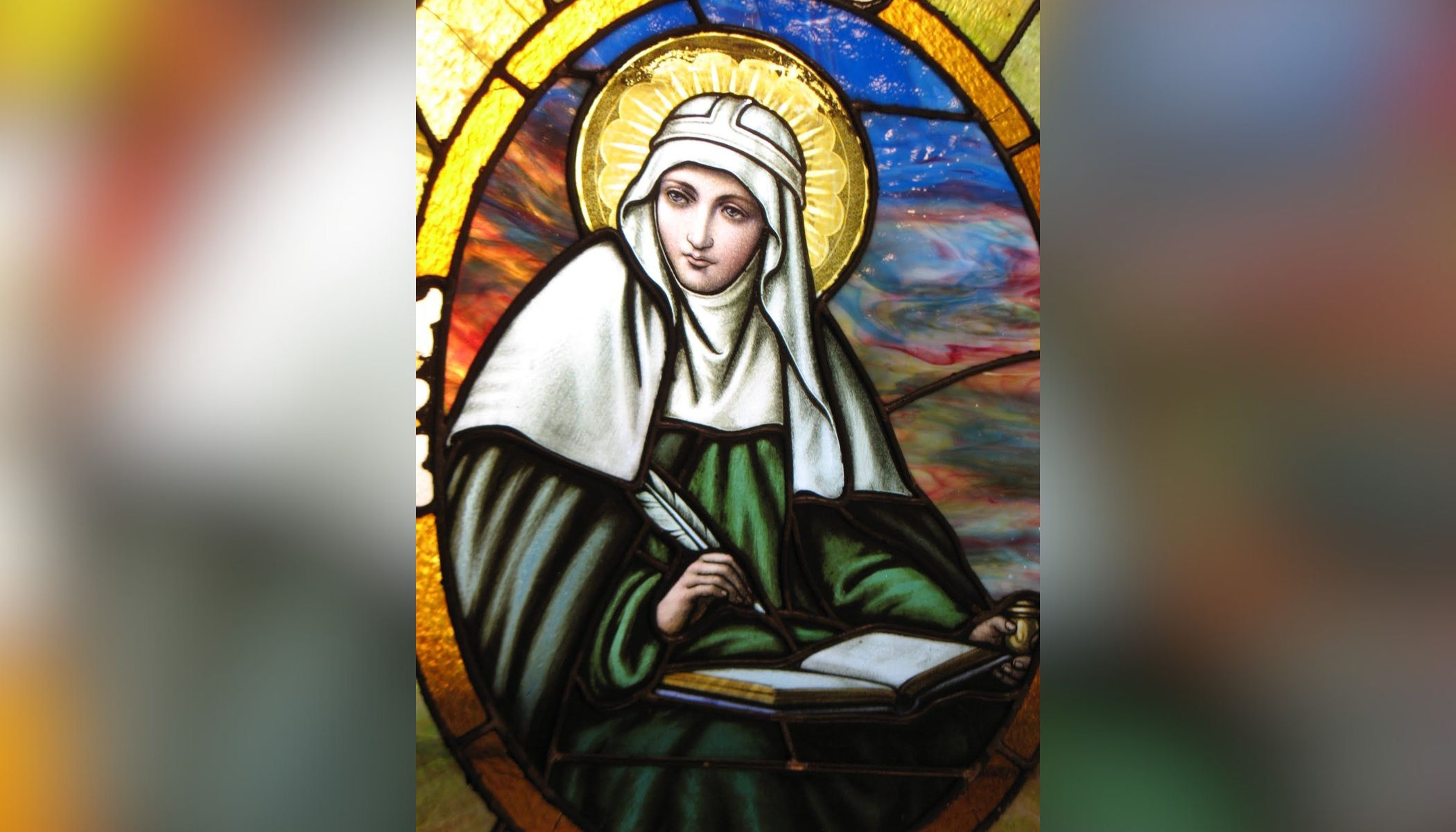
“I write to comfort the afflicted, to ignite the comfortable, and to confront injustice with the full conviction of the Gospel,” San Antonio Archbishop Gustavo García-Siller wrote.
Read More
5 things to know about St. Bridget of Sweden, mystic and mother #Catholic On July 23, the Catholic Church celebrates the feast day of St. Bridget of Sweden, a mystic of the Middle Ages who was a wife, mother to a large family, lady-in-waiting to a queen, and founder of a religious order that still exists today.1. St. Bridget experienced her first vision at age 10.Bridget, or “Birgitta,” was born to wealthy, devout parents in Sweden in the year 1303. Her mother died early in her life, and she and her siblings were raised by their aunt. At 10 years old, Bridget had a vision of Christ on the cross in his agonizing suffering. In her vision, Bridget saw Christ with his wounds from Good Friday, with the wounds of “The Man of Sorrows” in Isaiah 53. She asked Jesus who hurt him, and he responded: “Those who despise me and refuse my love for them.” She would go on to write about these revelations; her works were published posthumously.2. Bridget served in the royal court of Sweden.Bridget was married in 1316 at the young age of 13 to 18-year-old Ulf Gudmarsson, the Swedish prince of Nericia. The two joined the Third Order of St. Francis and dedicated their resources to building a hospital and caring for the needs of the poor. Ulf served on the council of the king of Sweden, Magnus Eriksson, and the king asked Bridget to be a lady-in-waiting for his wife, Queen Blanche of Namur.3. Bridget was a mother to eight children, and one of them became a saint.Bridget and Ulf raised a large family together while also serving the poor and managing their duties in court. Of Bridget’s eight children, two died in infancy, and another two died in the Crusades. Two of their surviving children were married, and another two joined religious life. One of those two became a saint and was canonized — St. Catherine of Sweden.4. Bridget founded a religious order, the Bridgettines, after her husband died.Bridget and Ulf made a pilgrimage to Santiago de Compostela in Spain between 1341 and 1343, but on their return trip, Ulf became ill. The couple stopped in France until Ulf regained his health, but soon after they returned to Sweden, in 1344, he passed away.After his death, Bridget donated her belongings to the poor and devoted her life to Christ, following a call from God to start a new religious order.She founded the Order of the Most Holy Savior, now known as the Brigittines, in 1346, and her congregation was approved by Pope Urban V in 1370. The Brigittines were to be led by an abbess and constitute both nuns and priests. The priests, who lived in a separate section, served as chaplains and confessors for the nuns.King Magnus helped Bridget make the Abbey of Vadstena the home of the Brigittines. He donated a small palace and land for the new monastery.But Bridget would never see her work come to fruition. She had a vision from Christ calling her to return to Rome and await the pope’s return from France during the Avignon Papacy. She never became a nun herself, and she never saw the monastery in Vadstena. She died several years before the pope’s permanent return to Rome.But her order spread through Europe and still exists today in both contemplative monasteries and apostolic convents, with branches in 19 countries including Sweden, Norway, Poland, Italy, Israel, India, the Philippines, Mexico, and the United States.5. St. Bridget is the co-patroness of Europe.After Bridget died in Rome on July 23, 1373, her children brought her remains back to the headquarters of her religious order. Less than 20 years later, in 1391, Pope Boniface IX proclaimed her a saint. Her revelations and writings on the sufferings of Christ were published after her death. In 1999, St. John Paul II chose her as one of the three female co-patronesses of Europe, along with St. Catherine of Siena and St. Edith Stein.This story was first published on July 23, 2024, and has been updated.

5 things to know about St. Bridget of Sweden, mystic and mother #Catholic On July 23, the Catholic Church celebrates the feast day of St. Bridget of Sweden, a mystic of the Middle Ages who was a wife, mother to a large family, lady-in-waiting to a queen, and founder of a religious order that still exists today.1. St. Bridget experienced her first vision at age 10.Bridget, or “Birgitta,” was born to wealthy, devout parents in Sweden in the year 1303. Her mother died early in her life, and she and her siblings were raised by their aunt. At 10 years old, Bridget had a vision of Christ on the cross in his agonizing suffering. In her vision, Bridget saw Christ with his wounds from Good Friday, with the wounds of “The Man of Sorrows” in Isaiah 53. She asked Jesus who hurt him, and he responded: “Those who despise me and refuse my love for them.” She would go on to write about these revelations; her works were published posthumously.2. Bridget served in the royal court of Sweden.Bridget was married in 1316 at the young age of 13 to 18-year-old Ulf Gudmarsson, the Swedish prince of Nericia. The two joined the Third Order of St. Francis and dedicated their resources to building a hospital and caring for the needs of the poor. Ulf served on the council of the king of Sweden, Magnus Eriksson, and the king asked Bridget to be a lady-in-waiting for his wife, Queen Blanche of Namur.3. Bridget was a mother to eight children, and one of them became a saint.Bridget and Ulf raised a large family together while also serving the poor and managing their duties in court. Of Bridget’s eight children, two died in infancy, and another two died in the Crusades. Two of their surviving children were married, and another two joined religious life. One of those two became a saint and was canonized — St. Catherine of Sweden.4. Bridget founded a religious order, the Bridgettines, after her husband died.Bridget and Ulf made a pilgrimage to Santiago de Compostela in Spain between 1341 and 1343, but on their return trip, Ulf became ill. The couple stopped in France until Ulf regained his health, but soon after they returned to Sweden, in 1344, he passed away.After his death, Bridget donated her belongings to the poor and devoted her life to Christ, following a call from God to start a new religious order.She founded the Order of the Most Holy Savior, now known as the Brigittines, in 1346, and her congregation was approved by Pope Urban V in 1370. The Brigittines were to be led by an abbess and constitute both nuns and priests. The priests, who lived in a separate section, served as chaplains and confessors for the nuns.King Magnus helped Bridget make the Abbey of Vadstena the home of the Brigittines. He donated a small palace and land for the new monastery.But Bridget would never see her work come to fruition. She had a vision from Christ calling her to return to Rome and await the pope’s return from France during the Avignon Papacy. She never became a nun herself, and she never saw the monastery in Vadstena. She died several years before the pope’s permanent return to Rome.But her order spread through Europe and still exists today in both contemplative monasteries and apostolic convents, with branches in 19 countries including Sweden, Norway, Poland, Italy, Israel, India, the Philippines, Mexico, and the United States.5. St. Bridget is the co-patroness of Europe.After Bridget died in Rome on July 23, 1373, her children brought her remains back to the headquarters of her religious order. Less than 20 years later, in 1391, Pope Boniface IX proclaimed her a saint. Her revelations and writings on the sufferings of Christ were published after her death. In 1999, St. John Paul II chose her as one of the three female co-patronesses of Europe, along with St. Catherine of Siena and St. Edith Stein.This story was first published on July 23, 2024, and has been updated.

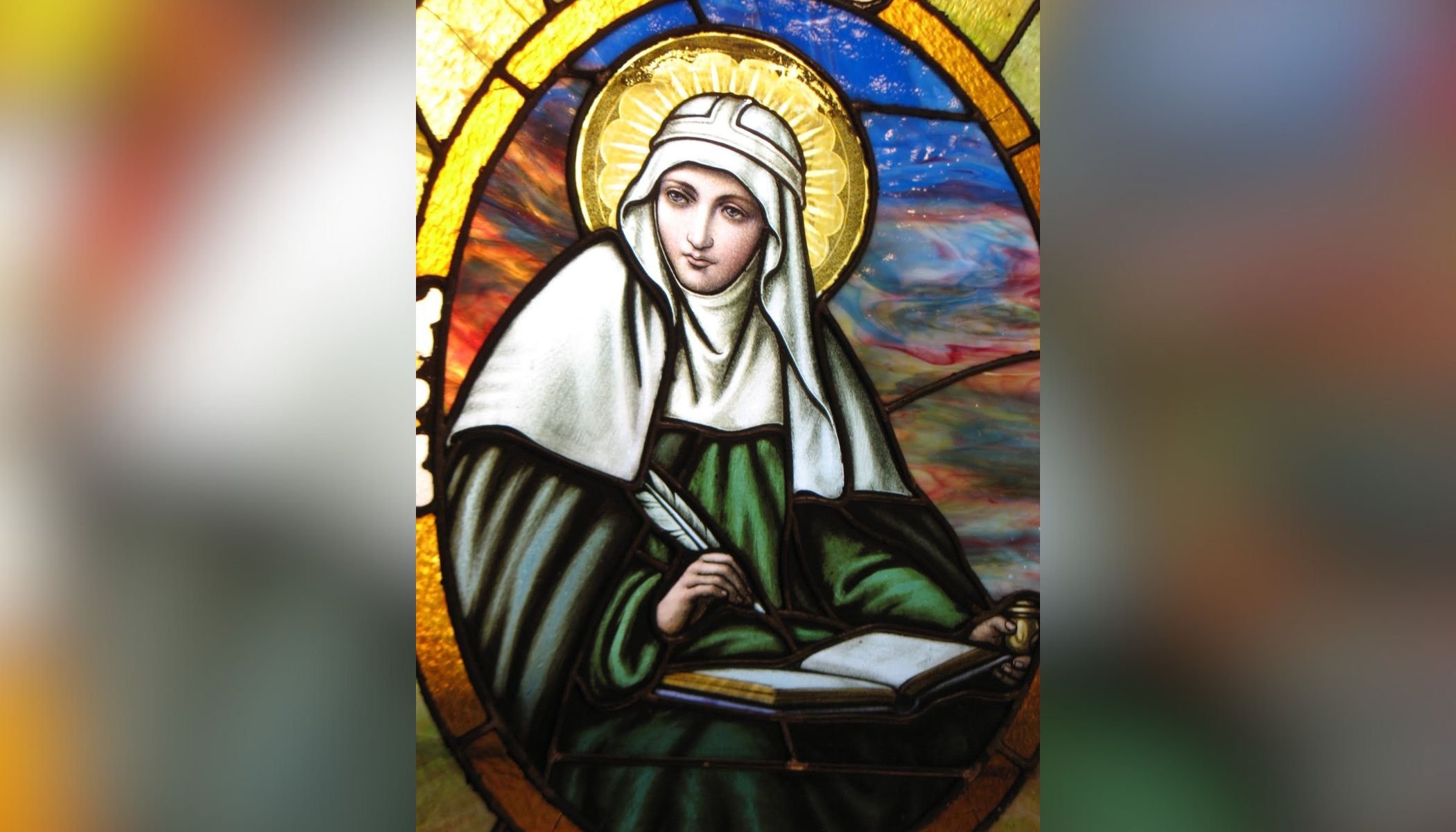
On July 23, the Catholic Church celebrates the feast day of St. Bridget of Sweden, a mystic of the Middle Ages who was a wife and mother of eight children.
Read More
Sicar: The retreat transforming the lives of young people in Latin America #Catholic The Sicar retreat (“Sychar” in the English Bible) has given rise to one of the most notable youth evangelization experiences in Latin America. It came about through a process of discernment by a Mexican religious in her own search for God, a dynamic movement that today reaches thousands of young people.With over 30 years of consecrated life, Mother María Elena Martínez has dedicated her life to the spiritual formation of young people and adults through “Mary, Mother of Love,” a private association of the faithful she founded in Mexico in 2015.The community is centered on retreats making a spiritual impact, such as Emmaus, which is held in parishes and correctional facilities, and Sicar, which is aimed specifically at young adults.
 
 Mother María Elena Martínez. | Credit: Photo courtesy of Mother María Elena Martínez
 
 Her life, marked from childhood by a quest for God, would ultimately become bound up in an initiative that is active today in several Latin American countries, including Mexico, Guatemala, Paraguay, Argentina, and Peru.“I remember as a little girl I had a great thirst for God,” she shared in an interview with ACI Prensa, the Spanish-language sister service of EWTN News.That initial calling deepened over time. At age 11, she recalled, a desire to please Jesus arose within her. “A desire for purity … I wanted to live a life of virginity,” she noted, explaining that she prayed insistently to the Virgin Mary, asking for that consecration.
 
 Mother María Elena Martínez in front of an oasis. | Credit: Photo courtesy of Mother María Elena Martínez
 
 However, her path was neither immediate nor direct. “Religious life wasn’t something that particularly appealed to me,” she admitted. In her youth, she went through various experiences ranging from completing a degree in translating to exploring broader spiritual concerns, which eventually led her to try out consecrated life with the Missionaries of Charity.Some time later, she tried cloistered contemplative life. “I wanted something more interior, deeper,” she confessed.A concern arises: ‘What about the young people?’The Sicar retreat did not originate as a planned initiative but rather as a pastoral response that only gradually took shape. According to Mother María Elena, for years many people approached her with the same concern: “What about the young people?” “Do something for the young people,” they would tell her.
 
 Sicar team members in Mexico. | Credit: Photo courtesy of Mother María Elena Martínez
 
 The Gospel account of the Samaritan woman began to take center stage in her prayer and discernment. Jesus’ dialogue at the well of Sychar — “If you knew the gift of God” (cf. Jn 4:1-42) — served as the starting point for helping young people discover Christ. “The passage about the Samaritan woman was so rich, so rich, that I could draw so much from it,” she explained.The decisive step came in 2016, when the first Sicar retreat was held. Mother María Elena remembered it as the beginning of something small and simple yet deeply meaningful. Young people with prior experience in movements like Emmaus were the first to participate.
 
 Sicar Mexico. | Credit: Photo courtesy of Mother María Elena Martínez
 
 Sicar began to expand. After establishing itself in cities such as Mexico City, Tehuacán, and Tecamachalco (in the state of Puebla), as well as San Luis de la Paz (Guanajuato state), Veracruz, Mérida (Yucatán state), and Cuernavaca (Morelos state), the initiative began to cross borders beyond Mexico. The first retreat in Guatemala took place in 2017; Buenos Aires in 2018; Paraguay in 2022; and in Peru in 2023.“It has been growing in many places, rescuing so many young people,” Mother María Elena said with gratitude.In Mexico, 38 Sicar retreats have been held with an average of 50 participants each, amounting to nearly 2,000 young people. In Peru, where the initiative arrived in 2023, seven retreats have already taken place with around 70 participants each, reaching approximately 490 people.
 
 Sicar Mexico. | Credit: Photo courtesy of Mother María Elena Martínez
 
 Ottmar Ricalde, a Sicar volunteer in Mexico, noted that “Sicar means and has meant so much over these past 10 years.” “I could write and speak about all the stories, all the laughter, and all the tears, but the most important thing of all is the love of God that has been a gift to me,” he stated.“My life was always focused on pleasing others, but when I met God and realized how much he loves me, I began wanting to please him,” he said.In Paraguay, Sicar coordinator Fátima Correa highlighted that the experience “was a time of growth and renewal. It allowed us to view our history with fresh eyes.”
 
 Sicar Paraguay 2026 team members. | Credit: Sicar Paraguay
 
 “It was a retreat organized by young people for young people, where every testimony reflected realities many of us could relate to,” she added.A couple from Argentina who participated in the retreat and are now married say that Sicar marked a turning point in their lives. “We arrived as boyfriend and girlfriend and returned with completely transformed hearts … today, we feel that one of the greatest fruits was our marriage.”A growing community in PeruSicar arrived in Peru in 2023 and has since established a growing community.Geraldine Spihlman, director of Sicar in Peru, explained that the initiative arose after a need was identified within youth ministry. “When young people reached the age of 24 or 25, they no longer had a place to continue their journey of faith,” she noted.Following contact with Mother María Elena, it was decided to launch the initiative in Lima, which holds two retreats a year: in May and November.Spihlman highlighted that the most visible fruit is the community: “Many young people have discovered that it’s hard to go it alone but that everything is easier in community. It is a community where you can see how they love one another.”Instagram post‘God’s mercy knows no bounds’One of the most common fruits of these retreats is a shift in how one views others.In personal encounters, transformation occurs not only for those receiving the retreat but also for those who put it on. “God’s mercy knows no bounds,” Mother María Elena stated. “You look at people with eyes of mercy. You no longer judge the person; instead, you see them as a child of God,” she explained.Eros Acevedo, another team member, said the retreat “was an encounter with God that changed everything … I arrived bearing wounds, and his presence touched them. I left renewed.”
 
 Sicar Peru team members, May 2026. | Credit: Sicar Peru
 
 Rafael Mansilla, 27, said Sicar taught him to persevere in the faith. “Faith is not a flame that goes out but a steady flame,” he said.Dina Dávila shared that the retreat was the instrument God used to call her. “The love I have experienced in the community is overwhelming,” she added.‘A living Jesus’Through the retreats, Mother María Elena explained, people are invited to encounter “a living Jesus.” “God continues to act; he continues to perform miracles every day,” she affirmed. She said she lives one day at a time. “Each day I tell the Lord, ‘For one more day, I say yes to you.’”
 
 Participants in a Sicar retreat in Mexico. | Credit: Sicar Mexico
 
 The Sicar retreat, born of a contemplative reading of the Gospel, continues to spread wherever young people seek meaning, healing, and an experience of mature faith.Today, the young “Samaritans” who have lived this experience carry with them the words that marked their encounter with God: “Whoever drinks of the water that I will give him shall never thirst” (Jn 4:14).This story was first published by ACI Prensa, the Spanish-language sister service of EWTN News. It has been translated and adapted by EWTN News English.

Sicar: The retreat transforming the lives of young people in Latin America #Catholic The Sicar retreat (“Sychar” in the English Bible) has given rise to one of the most notable youth evangelization experiences in Latin America. It came about through a process of discernment by a Mexican religious in her own search for God, a dynamic movement that today reaches thousands of young people.With over 30 years of consecrated life, Mother María Elena Martínez has dedicated her life to the spiritual formation of young people and adults through “Mary, Mother of Love,” a private association of the faithful she founded in Mexico in 2015.The community is centered on retreats making a spiritual impact, such as Emmaus, which is held in parishes and correctional facilities, and Sicar, which is aimed specifically at young adults. Mother María Elena Martínez. | Credit: Photo courtesy of Mother María Elena Martínez Her life, marked from childhood by a quest for God, would ultimately become bound up in an initiative that is active today in several Latin American countries, including Mexico, Guatemala, Paraguay, Argentina, and Peru.“I remember as a little girl I had a great thirst for God,” she shared in an interview with ACI Prensa, the Spanish-language sister service of EWTN News.That initial calling deepened over time. At age 11, she recalled, a desire to please Jesus arose within her. “A desire for purity … I wanted to live a life of virginity,” she noted, explaining that she prayed insistently to the Virgin Mary, asking for that consecration. Mother María Elena Martínez in front of an oasis. | Credit: Photo courtesy of Mother María Elena Martínez However, her path was neither immediate nor direct. “Religious life wasn’t something that particularly appealed to me,” she admitted. In her youth, she went through various experiences ranging from completing a degree in translating to exploring broader spiritual concerns, which eventually led her to try out consecrated life with the Missionaries of Charity.Some time later, she tried cloistered contemplative life. “I wanted something more interior, deeper,” she confessed.A concern arises: ‘What about the young people?’The Sicar retreat did not originate as a planned initiative but rather as a pastoral response that only gradually took shape. According to Mother María Elena, for years many people approached her with the same concern: “What about the young people?” “Do something for the young people,” they would tell her. Sicar team members in Mexico. | Credit: Photo courtesy of Mother María Elena Martínez The Gospel account of the Samaritan woman began to take center stage in her prayer and discernment. Jesus’ dialogue at the well of Sychar — “If you knew the gift of God” (cf. Jn 4:1-42) — served as the starting point for helping young people discover Christ. “The passage about the Samaritan woman was so rich, so rich, that I could draw so much from it,” she explained.The decisive step came in 2016, when the first Sicar retreat was held. Mother María Elena remembered it as the beginning of something small and simple yet deeply meaningful. Young people with prior experience in movements like Emmaus were the first to participate. Sicar Mexico. | Credit: Photo courtesy of Mother María Elena Martínez Sicar began to expand. After establishing itself in cities such as Mexico City, Tehuacán, and Tecamachalco (in the state of Puebla), as well as San Luis de la Paz (Guanajuato state), Veracruz, Mérida (Yucatán state), and Cuernavaca (Morelos state), the initiative began to cross borders beyond Mexico. The first retreat in Guatemala took place in 2017; Buenos Aires in 2018; Paraguay in 2022; and in Peru in 2023.“It has been growing in many places, rescuing so many young people,” Mother María Elena said with gratitude.In Mexico, 38 Sicar retreats have been held with an average of 50 participants each, amounting to nearly 2,000 young people. In Peru, where the initiative arrived in 2023, seven retreats have already taken place with around 70 participants each, reaching approximately 490 people. Sicar Mexico. | Credit: Photo courtesy of Mother María Elena Martínez Ottmar Ricalde, a Sicar volunteer in Mexico, noted that “Sicar means and has meant so much over these past 10 years.” “I could write and speak about all the stories, all the laughter, and all the tears, but the most important thing of all is the love of God that has been a gift to me,” he stated.“My life was always focused on pleasing others, but when I met God and realized how much he loves me, I began wanting to please him,” he said.In Paraguay, Sicar coordinator Fátima Correa highlighted that the experience “was a time of growth and renewal. It allowed us to view our history with fresh eyes.” Sicar Paraguay 2026 team members. | Credit: Sicar Paraguay “It was a retreat organized by young people for young people, where every testimony reflected realities many of us could relate to,” she added.A couple from Argentina who participated in the retreat and are now married say that Sicar marked a turning point in their lives. “We arrived as boyfriend and girlfriend and returned with completely transformed hearts … today, we feel that one of the greatest fruits was our marriage.”A growing community in PeruSicar arrived in Peru in 2023 and has since established a growing community.Geraldine Spihlman, director of Sicar in Peru, explained that the initiative arose after a need was identified within youth ministry. “When young people reached the age of 24 or 25, they no longer had a place to continue their journey of faith,” she noted.Following contact with Mother María Elena, it was decided to launch the initiative in Lima, which holds two retreats a year: in May and November.Spihlman highlighted that the most visible fruit is the community: “Many young people have discovered that it’s hard to go it alone but that everything is easier in community. It is a community where you can see how they love one another.”Instagram post‘God’s mercy knows no bounds’One of the most common fruits of these retreats is a shift in how one views others.In personal encounters, transformation occurs not only for those receiving the retreat but also for those who put it on. “God’s mercy knows no bounds,” Mother María Elena stated. “You look at people with eyes of mercy. You no longer judge the person; instead, you see them as a child of God,” she explained.Eros Acevedo, another team member, said the retreat “was an encounter with God that changed everything … I arrived bearing wounds, and his presence touched them. I left renewed.” Sicar Peru team members, May 2026. | Credit: Sicar Peru Rafael Mansilla, 27, said Sicar taught him to persevere in the faith. “Faith is not a flame that goes out but a steady flame,” he said.Dina Dávila shared that the retreat was the instrument God used to call her. “The love I have experienced in the community is overwhelming,” she added.‘A living Jesus’Through the retreats, Mother María Elena explained, people are invited to encounter “a living Jesus.” “God continues to act; he continues to perform miracles every day,” she affirmed. She said she lives one day at a time. “Each day I tell the Lord, ‘For one more day, I say yes to you.’” Participants in a Sicar retreat in Mexico. | Credit: Sicar Mexico The Sicar retreat, born of a contemplative reading of the Gospel, continues to spread wherever young people seek meaning, healing, and an experience of mature faith.Today, the young “Samaritans” who have lived this experience carry with them the words that marked their encounter with God: “Whoever drinks of the water that I will give him shall never thirst” (Jn 4:14).This story was first published by ACI Prensa, the Spanish-language sister service of EWTN News. It has been translated and adapted by EWTN News English.

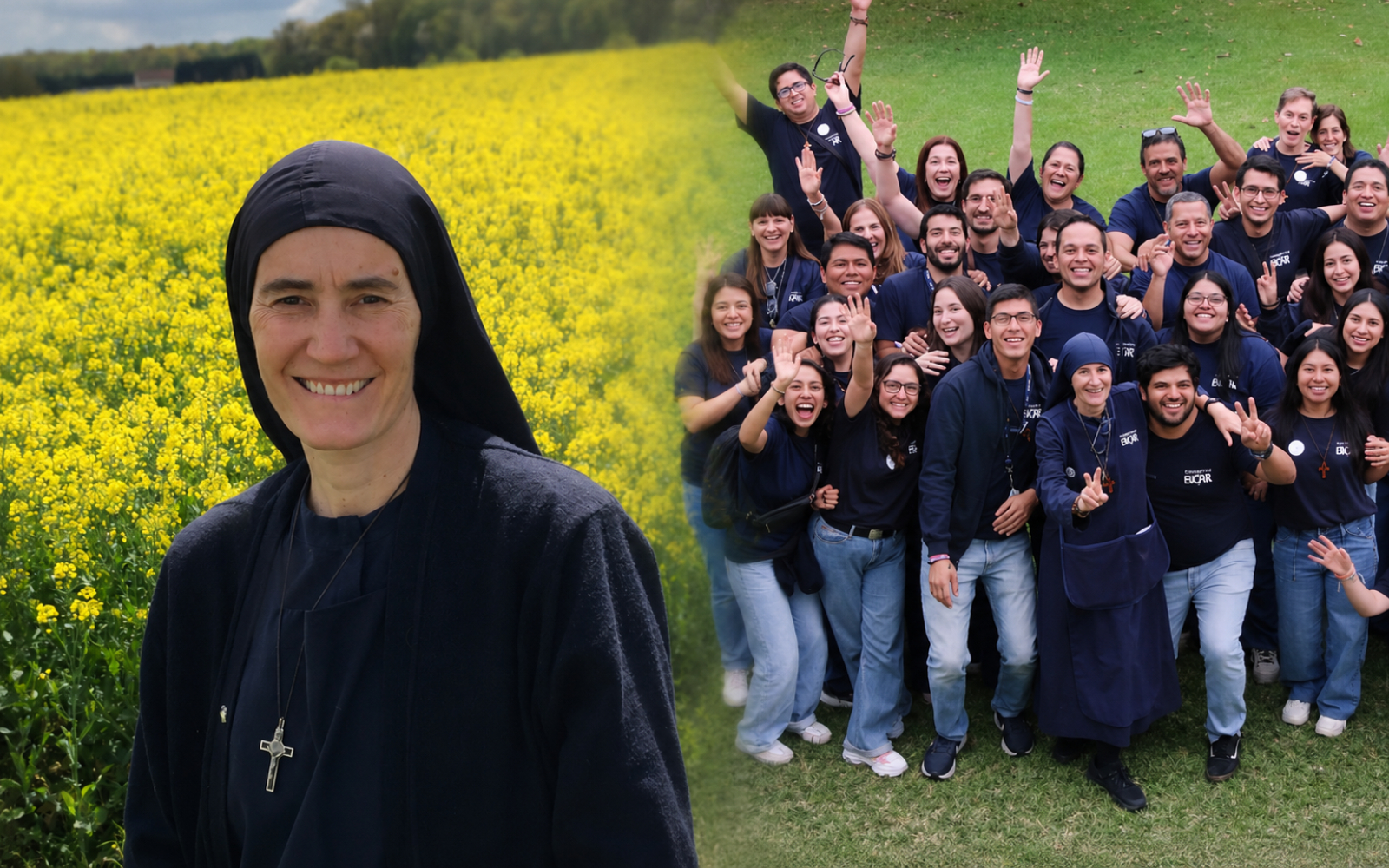
Through her own spiritual journey seeking God, Mother María Elena Martínez founded a community and a retreat movement that is touching the lives of thousands of young people in Latin America.
Read More
Priest arrested for alleged child sexual abuse in Mexico City #Catholic The Mexico City attorney generalʼs office announced the arrest of a priest from the Archdiocese of Mexico accused of aggravated child sexual abuse against a 17-year-old girl and stated that a judge has already initiated criminal proceedings against him.TweetIn a statement issued July 15, the attorney general’s office noted that the complaint was filed June 4 by the teenagerʼs mother, who had discovered “conversations with sexual content with a contact identified as ‘Winnie Poo’” on her daughterʼs mobile phone earlier this year.According to the attorney general’s office, the teenager reportedly stated that the contact in question was a priest identified as Enrique “N,” who allegedly “forced her to engage in sexual acts on four occasions.”Following the initial inquiries, a supervisory judge ordered the priest to be held in pretrial detention and set a two-month deadline for the conclusion of the supplementary investigation.Archdiocese initiates canonical investigationThe Archdiocese of Mexico announced in a statement dated July 15 that archbishop Cardinal Carlos Aguiar Retes had ordered the initiation of an investigation “in accordance with canon law and the procedures established by the Dicastery for the Doctrine of the Faith.”The statement expressed its “support for the minor victim, her family, and anyone who may have been a victim of any form of abuse” and reiterated its commitment to the protection of minors and vulnerable persons, “as well as to providing respectful support to those who have suffered any form of violence.”The archdiocese also noted that while the investigation is ongoing, it “will avoid making premature judgments” and “will refrain from revealing the priest’s identity while the competent authorities carry out the necessary proceedings.”Finally, the archdiocese urged anyone aware of a possible case of sexual abuse committed by an ordained minister to report it either by phone or email and provided the contact information.This story was first published by ACI Prensa, the Spanish-language service of EWTN News. It has been translated and adapted by EWTN News English.

Priest arrested for alleged child sexual abuse in Mexico City #Catholic The Mexico City attorney generalʼs office announced the arrest of a priest from the Archdiocese of Mexico accused of aggravated child sexual abuse against a 17-year-old girl and stated that a judge has already initiated criminal proceedings against him.TweetIn a statement issued July 15, the attorney general’s office noted that the complaint was filed June 4 by the teenagerʼs mother, who had discovered “conversations with sexual content with a contact identified as ‘Winnie Poo’” on her daughterʼs mobile phone earlier this year.According to the attorney general’s office, the teenager reportedly stated that the contact in question was a priest identified as Enrique “N,” who allegedly “forced her to engage in sexual acts on four occasions.”Following the initial inquiries, a supervisory judge ordered the priest to be held in pretrial detention and set a two-month deadline for the conclusion of the supplementary investigation.Archdiocese initiates canonical investigationThe Archdiocese of Mexico announced in a statement dated July 15 that archbishop Cardinal Carlos Aguiar Retes had ordered the initiation of an investigation “in accordance with canon law and the procedures established by the Dicastery for the Doctrine of the Faith.”The statement expressed its “support for the minor victim, her family, and anyone who may have been a victim of any form of abuse” and reiterated its commitment to the protection of minors and vulnerable persons, “as well as to providing respectful support to those who have suffered any form of violence.”The archdiocese also noted that while the investigation is ongoing, it “will avoid making premature judgments” and “will refrain from revealing the priest’s identity while the competent authorities carry out the necessary proceedings.”Finally, the archdiocese urged anyone aware of a possible case of sexual abuse committed by an ordained minister to report it either by phone or email and provided the contact information.This story was first published by ACI Prensa, the Spanish-language service of EWTN News. It has been translated and adapted by EWTN News English.

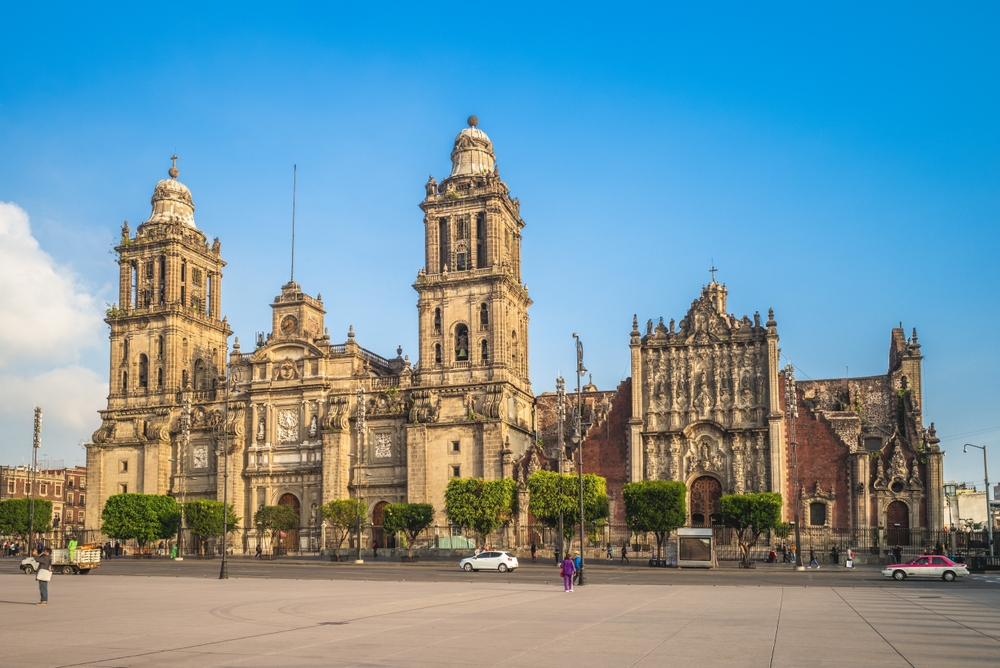
A priest identified as Enrique “N” has been arrested for alleged sexual abuse of a minor girl based on a preliminary investigation. The Archdiocese of Mexico has initiated a canonical investigation.
Read More
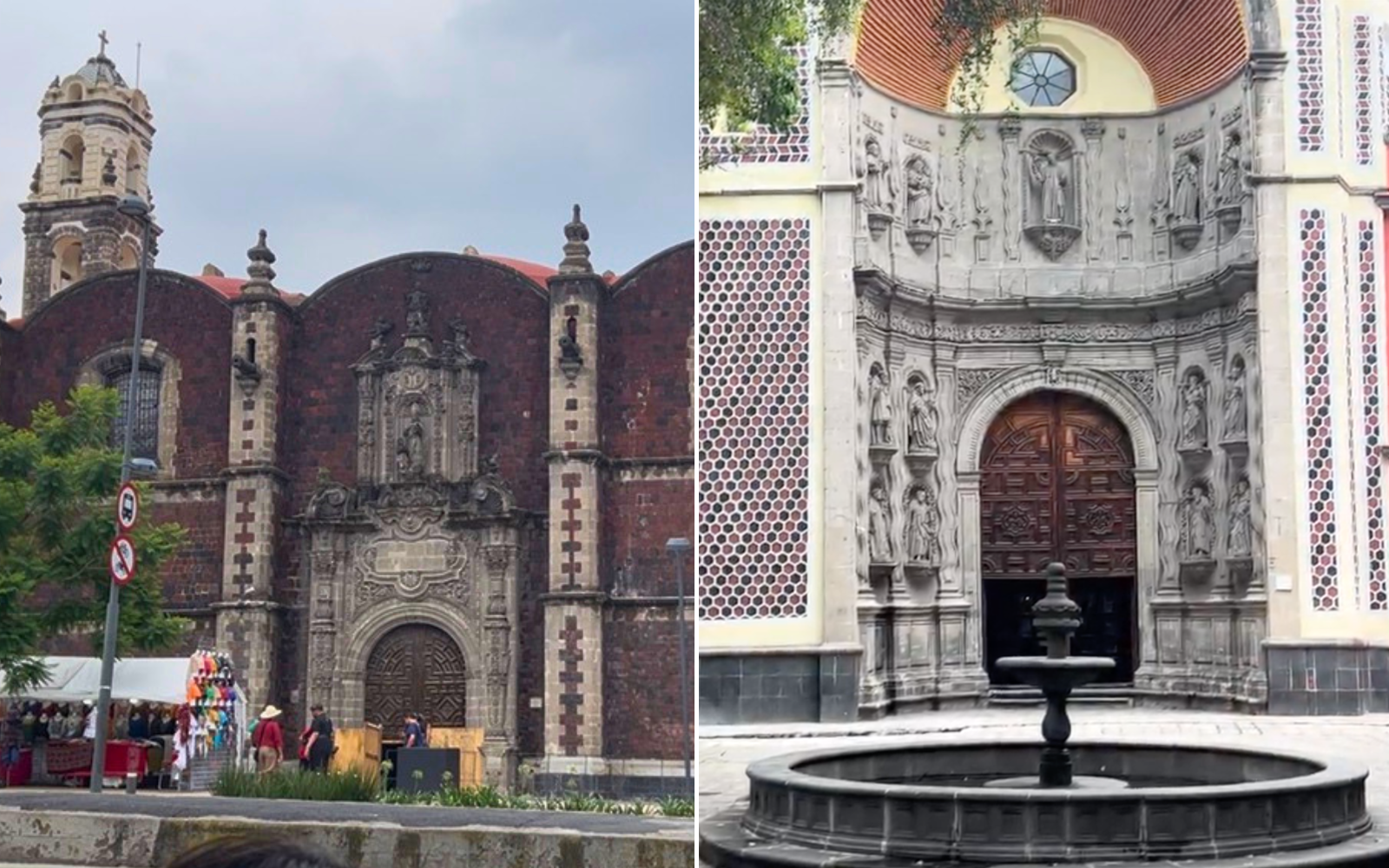
2 historic churches in Mexico City reopen almost 9 years after earthquake damage #Catholic Almost nine years after the earthquakes that shook central and southwestern Mexico in September 2017, St. John of God Church and Holy True Cross Church, both located in Mexico City, have reopened their doors for worship.On July 8, a Mass was celebrated at Holy Cross Church, marking the communityʼs return to their church and concluding a lengthy restoration process.
 
 Start of the reopening Mass at Holy Cross Parish. | Credit: Holy True Cross Parish, Mexico City
 
 The earthquakes of Sept. 7 and 19, 2017, resulted in 468 deaths and caused damage to thousands of buildings.In Mexico City alone, around 160 Catholic churches suffered structural damage of varying severity such as these two churches located just a short distance apart.
 
 Restoration work at the Holy True Cross Parish. | Credit: Holy True Cross Parish, Mexico City
 
 5 centuries of historyHoly True Cross Church is considered one of the oldest churches in the country.According to tradition, the explorer and conquistador Hernán Cortés ordered the construction of a small chapel to commemorate the landing of the Spanish expedition at the port of what is now known as the state of Veracruz. Over time, that chapel gave rise to the parish as it is known today.Facebook postThe church also houses important works of sacred art, such as the Christ of the Seven Veils, which is said to have been a gift from Pope Paul III to King Carlos V of Spain. Additionally, a relic of the true cross is preserved there, considered by Christian tradition to be a fragment of the cross on which Jesus Christ died.
 
 Reliquary containing a splinter of the true cross. | Credit: “EWTN Noticias”
 
 In an interview with ACI Prensa, the Spanish-language sister service of EWTN News, Father Juan Carlos Guerrero Ugalde, the pastor of Holy True Cross and St. John of God, stated that restoring the churches was a priority of “not only ecclesiastical but also civic interest.”“This church [Holy True Cross] was the third parish established in the city and, therefore, holds a tradition of faith dating back to the 16th century,” he explained.9 years to returnGuerrero described the restoration process as “meticulous and slow” due to the complexity of the damage.Among other measures, the bell towers, which were at risk of collapse, were reinforced, cracks were repaired, the hydraulic piles supporting both structures were serviced, the roofs were waterproofed, and work was carried out to correct the effects of the ground settling.Facebook postThe work was overseen by the National Institute of Anthropology and History, as both buildings are part of the nationʼs historical heritage.In Mexico, religious buildings constructed prior to the 1992 constitutional reforms are state property, although they remain places of worship and are used by religious associations.The restoration of the Holy True Cross church faced an additional challenge: a fire in August 2020 caused by individuals living on the street. Reports indicate that a campfire spiraled out of control, damaging the choir loft, the dome, and sacred art.Today, those walking through the historic central part of Mexico City can once again enter the church. Marcela Eduardo, who works in the area and took a moment of free time to stop in and pray, did just that.“It brought me great joy to see it open and to see that repairs are underway,” she noted in an interview with ACI Prensa. She said that when she saw the parish church open, her first thought was to go in to see Christ and “greet him, make the sign of the cross, and ask him for something: that he give me more energy.” Much more than a churchThese churches are surrounded by some of Mexico’s most important cultural landmarks, such as the Franz Mayer Museum, the Palace of Fine Arts, and the Alameda Central, a large city park.
 
 Visible in the background of the photo are the Torre Latinoamericana, the Palace of Fine Arts, and part of the Alameda Central. | Credit: “EWTN Noticias”
 
 Although Holy True Cross and St. John of God churches might go unnoticed by some tourists amid so many other buildings, Guerrero noted that their value has been “significant for both the faith and the city.”He explained that, following the 1985 earthquake, the area welcomed numerous families from various places, necessitating the construction of a new community identity. Pastoral work at the time “consisted of gradually integrating the way of life of longtime residents and that of those who were newly arriving.”Over the years, he added, violence, drug trafficking, and social breakdown affected life in the neighborhood, making the Church’s presence even more necessary.Facebook postFor Betsabé Jara, who visited the church after touring the Franz Mayer Museum, the reopening represents an opportunity to regain a place for encountering God.“It brings peace of mind that the church is open, that one can enter and pray. Especially for people who couldnʼt go elsewhere because there wasnʼt a church nearby,” she said in an interview with ACI Prensa.Building the communityThe priest noted that reactivating community life will be the next challenge. He explained that a “call has already gone out to neighborhood residents to come for formation as pastoral workers.”
 
 Interior of Holy True Cross Church. | Credit: “EWTN Noticias”
 
 He also noted that they aim to develop social programs such as job training for individuals who did not complete their formal education as well as cultural initiatives in collaboration with nearby museums.“We want the spaces we have in both churches to be truly utilized and filled with formation programs,” Guerrero said.As the community gradually restores life to these churches, Masses are currently held regularly on Sundays, whereas weekday Masses take place only upon the request of the faithful.This story was first published by ACI Prensa, the Spanish-language sister service of EWTN News. It has been translated and adapted by EWTN News English.

2 historic churches in Mexico City reopen almost 9 years after earthquake damage #Catholic Almost nine years after the earthquakes that shook central and southwestern Mexico in September 2017, St. John of God Church and Holy True Cross Church, both located in Mexico City, have reopened their doors for worship.On July 8, a Mass was celebrated at Holy Cross Church, marking the communityʼs return to their church and concluding a lengthy restoration process. Start of the reopening Mass at Holy Cross Parish. | Credit: Holy True Cross Parish, Mexico City The earthquakes of Sept. 7 and 19, 2017, resulted in 468 deaths and caused damage to thousands of buildings.In Mexico City alone, around 160 Catholic churches suffered structural damage of varying severity such as these two churches located just a short distance apart. Restoration work at the Holy True Cross Parish. | Credit: Holy True Cross Parish, Mexico City 5 centuries of historyHoly True Cross Church is considered one of the oldest churches in the country.According to tradition, the explorer and conquistador Hernán Cortés ordered the construction of a small chapel to commemorate the landing of the Spanish expedition at the port of what is now known as the state of Veracruz. Over time, that chapel gave rise to the parish as it is known today.Facebook postThe church also houses important works of sacred art, such as the Christ of the Seven Veils, which is said to have been a gift from Pope Paul III to King Carlos V of Spain. Additionally, a relic of the true cross is preserved there, considered by Christian tradition to be a fragment of the cross on which Jesus Christ died. Reliquary containing a splinter of the true cross. | Credit: “EWTN Noticias” In an interview with ACI Prensa, the Spanish-language sister service of EWTN News, Father Juan Carlos Guerrero Ugalde, the pastor of Holy True Cross and St. John of God, stated that restoring the churches was a priority of “not only ecclesiastical but also civic interest.”“This church [Holy True Cross] was the third parish established in the city and, therefore, holds a tradition of faith dating back to the 16th century,” he explained.9 years to returnGuerrero described the restoration process as “meticulous and slow” due to the complexity of the damage.Among other measures, the bell towers, which were at risk of collapse, were reinforced, cracks were repaired, the hydraulic piles supporting both structures were serviced, the roofs were waterproofed, and work was carried out to correct the effects of the ground settling.Facebook postThe work was overseen by the National Institute of Anthropology and History, as both buildings are part of the nationʼs historical heritage.In Mexico, religious buildings constructed prior to the 1992 constitutional reforms are state property, although they remain places of worship and are used by religious associations.The restoration of the Holy True Cross church faced an additional challenge: a fire in August 2020 caused by individuals living on the street. Reports indicate that a campfire spiraled out of control, damaging the choir loft, the dome, and sacred art.Today, those walking through the historic central part of Mexico City can once again enter the church. Marcela Eduardo, who works in the area and took a moment of free time to stop in and pray, did just that.“It brought me great joy to see it open and to see that repairs are underway,” she noted in an interview with ACI Prensa. She said that when she saw the parish church open, her first thought was to go in to see Christ and “greet him, make the sign of the cross, and ask him for something: that he give me more energy.” Much more than a churchThese churches are surrounded by some of Mexico’s most important cultural landmarks, such as the Franz Mayer Museum, the Palace of Fine Arts, and the Alameda Central, a large city park. Visible in the background of the photo are the Torre Latinoamericana, the Palace of Fine Arts, and part of the Alameda Central. | Credit: “EWTN Noticias” Although Holy True Cross and St. John of God churches might go unnoticed by some tourists amid so many other buildings, Guerrero noted that their value has been “significant for both the faith and the city.”He explained that, following the 1985 earthquake, the area welcomed numerous families from various places, necessitating the construction of a new community identity. Pastoral work at the time “consisted of gradually integrating the way of life of longtime residents and that of those who were newly arriving.”Over the years, he added, violence, drug trafficking, and social breakdown affected life in the neighborhood, making the Church’s presence even more necessary.Facebook postFor Betsabé Jara, who visited the church after touring the Franz Mayer Museum, the reopening represents an opportunity to regain a place for encountering God.“It brings peace of mind that the church is open, that one can enter and pray. Especially for people who couldnʼt go elsewhere because there wasnʼt a church nearby,” she said in an interview with ACI Prensa.Building the communityThe priest noted that reactivating community life will be the next challenge. He explained that a “call has already gone out to neighborhood residents to come for formation as pastoral workers.” Interior of Holy True Cross Church. | Credit: “EWTN Noticias” He also noted that they aim to develop social programs such as job training for individuals who did not complete their formal education as well as cultural initiatives in collaboration with nearby museums.“We want the spaces we have in both churches to be truly utilized and filled with formation programs,” Guerrero said.As the community gradually restores life to these churches, Masses are currently held regularly on Sundays, whereas weekday Masses take place only upon the request of the faithful.This story was first published by ACI Prensa, the Spanish-language sister service of EWTN News. It has been translated and adapted by EWTN News English.

Work was slow and meticulous due to the complexity of the damage, but the two churches in the historic city center of Mexico City are now open to the faithful.

Read More
As the World Cup final looms, what lessons can defeat teach us? #Catholic With fewer than 10 matches left to play, the 2026 FIFA World Cup is entering its final stretch. As the tournament continues and more national teams are defeated and eliminated, the dream of becoming world champion fades away.Faced with this reality, a question arises: What message can defeat convey from the perspective of the Catholic faith?The worldʼs most important national team tournament has already seen the elimination of host countries Mexico, the United States, and Canada, as well as teams with high aspirations like Cristiano Ronaldo’s Portugal and Luka Modrić’s Croatia.Although one might think that a defeat brings only sadness and frustration, Father David Jasso, a priest of the Archdiocese of Monterrey, Mexico, and former sporting director of the Monterrey Soccer Club, said in an interview with ACI Prensa, the Spanish-language sister service of EWTN News, that failure also offers important lessons.“We learn more from failure and mistakes than from achievements and successes,” the priest stated, noting that defeat is part of life and personal growth.He also highlighted that the World Cup has demonstrated the power of sport to bring people together around the same dream. He pointed out that experiences like this remind us that we can still “unite, that we can still be together, and that shared hopes and dreams are also part of life.”He encouraged fans to experience the remainder of the tournament in a spirit of fraternity. “Even though our national team isnʼt participating, we love soccer, so let’s enjoy it, especially with family and friends,” he said, while also calling for gatherings and fan festivities to take place “with respect and peace.”Jasso noted that although soccer is a “thrilling, indescribable” sport and winning the World Cup is a great aspiration, “there are more important things for which we are playing,” including “glory, heaven, and salvation.”He also pointed out the importance of preserving the essence of the game, urging people to “carefully protect the sport from corruption, negative practices, and business aspects that unfortunately affect this beautiful sport.”A moment to reflect on hopeFather José de Jesús Aguilar, a priest of the Archdiocese of Mexico, told ACI Prensa that even in defeat, “one must always have hope.”The priest noted that the Gospel invites us to “always seek success, the best, and growth,” but he also pointed out that Scripture teaches, in the Book of Ecclesiastes, that “there is a time to win and a time to lose.”He explained that this is because “there are many things that do not depend solely on oneself, but also on others,” and furthermore, “people, times, circumstances, opportunities, and many other things” can change.For this reason, he urged fans to accept the final scores with composure, noting that although all the teams are competing to lift up the trophy in celebration, “in this World Cup, there will be only one winner, while all the others participate and learn even from their losses.”This story was first published by ACI Prensa, the Spanish-language sister service of EWTN News. It has been translated and adapted by EWTN News English.

As the World Cup final looms, what lessons can defeat teach us? #Catholic With fewer than 10 matches left to play, the 2026 FIFA World Cup is entering its final stretch. As the tournament continues and more national teams are defeated and eliminated, the dream of becoming world champion fades away.Faced with this reality, a question arises: What message can defeat convey from the perspective of the Catholic faith?The worldʼs most important national team tournament has already seen the elimination of host countries Mexico, the United States, and Canada, as well as teams with high aspirations like Cristiano Ronaldo’s Portugal and Luka Modrić’s Croatia.Although one might think that a defeat brings only sadness and frustration, Father David Jasso, a priest of the Archdiocese of Monterrey, Mexico, and former sporting director of the Monterrey Soccer Club, said in an interview with ACI Prensa, the Spanish-language sister service of EWTN News, that failure also offers important lessons.“We learn more from failure and mistakes than from achievements and successes,” the priest stated, noting that defeat is part of life and personal growth.He also highlighted that the World Cup has demonstrated the power of sport to bring people together around the same dream. He pointed out that experiences like this remind us that we can still “unite, that we can still be together, and that shared hopes and dreams are also part of life.”He encouraged fans to experience the remainder of the tournament in a spirit of fraternity. “Even though our national team isnʼt participating, we love soccer, so let’s enjoy it, especially with family and friends,” he said, while also calling for gatherings and fan festivities to take place “with respect and peace.”Jasso noted that although soccer is a “thrilling, indescribable” sport and winning the World Cup is a great aspiration, “there are more important things for which we are playing,” including “glory, heaven, and salvation.”He also pointed out the importance of preserving the essence of the game, urging people to “carefully protect the sport from corruption, negative practices, and business aspects that unfortunately affect this beautiful sport.”A moment to reflect on hopeFather José de Jesús Aguilar, a priest of the Archdiocese of Mexico, told ACI Prensa that even in defeat, “one must always have hope.”The priest noted that the Gospel invites us to “always seek success, the best, and growth,” but he also pointed out that Scripture teaches, in the Book of Ecclesiastes, that “there is a time to win and a time to lose.”He explained that this is because “there are many things that do not depend solely on oneself, but also on others,” and furthermore, “people, times, circumstances, opportunities, and many other things” can change.For this reason, he urged fans to accept the final scores with composure, noting that although all the teams are competing to lift up the trophy in celebration, “in this World Cup, there will be only one winner, while all the others participate and learn even from their losses.”This story was first published by ACI Prensa, the Spanish-language sister service of EWTN News. It has been translated and adapted by EWTN News English.

In the world of sports, as in life, “we learn more from failure and mistakes than from achievements and successes,” said former Monterrey Soccer Club director and priest Father David Jasso.

Read More
Iranian delegation visits Our Lady of Guadalupe Basilica, engaging in ‘interfaith dialogue’ #Catholic An Iranian delegation recently visited Our Lady of Guadalupe Basilica in Mexico City, the Marian shrine that displays the original image of the Virgin Mary that miraculously appeared on the tilma of the Indigenous St. Juan Diego nearly 500 years ago.On July 8, the Iranian Embassy in Mexico shared on social media that “at the spiritual heart of Mexico, Our Lady of Guadalupe Basilica, we had the honor of sharing a fraternal meeting between representatives of Islam and Christianity.”The Iranian delegation consisted of Iranʼs ambassador to Mexico, Abolfazl Pasandideh; Ayatollah Dr. Emran Khanzadeh; and Mohammad Reza Gilani, the counselor of cultural affairs at the Iranian Embassy.
 
 The Iranian delegation with Monsignor Edgar Alan Valtierra López during their visit to Our Lady of Guadalupe Basilica. | Credit: Our Lady of Guadalupe Basilica
 
 The three were welcomed at the Marian shrine by Monsignor Edgar Alan Valtierra López, senior penitentiary canon and head of the Commission for Ecumenism and Interreligious Dialogue at the basilica.In its social media post, under the title “When respect opens the way, friendship is born,” the Iranian embassy highlighted that “during the conversation, Dr. Emran Khanzadeh recalled that the Virgin Mary (Maryam) occupies a unique place in Islam,” since “she is the only woman mentioned by name in the Quran and an eternal example of purity, faith, and dedication to God.”“We also share a little-known reality: In Iran, Muslims, Christians, Jews, and Zoroastrians have lived together for centuries with mutual respect. Because when people know each other, prejudices disappear,” the Iranian delegation said.“Religions may have different paths, but they all lead to peace,” the embassy wrote.The Virgin Mary and her ‘very important’ role in dialogue between Catholics and MuslimsSpeaking to ACI Prensa, the Spanish-language sister service of EWTN News, Valtierra said that “the role of the Blessed Virgin Mary in Catholic-Muslim dialogue is very important.”“Ambassador Abolfazl told us that in the Quran, their holy book, she is called Maryam, and she is the only woman to whom a surah, that is, a chapter of the Quran, is dedicated. Surah 3:42 states: ‘Oh Mary! God has chosen you, purified you, and selected you above the women of all worlds.’”“Although there are very profound differences regarding the figure of Jesus, Mary becomes a sign of rapprochement and respectful dialogue, as we discover shared values such as love for God, obedience, faith, humility, hope, and many others,” the Mexican priest said.Valtierra noted that the gathering took place in the context of the desire of the primatial archbishop of Mexico, Cardinal Carlos Aguiar Retes, for the shrine of Our Lady of Guadalupe to be a place where people of all faiths can learn about and draw closer to the message of Our Lady of Guadalupe and her son, Our Lord Jesus Christ.“Interfaith and ecumenical events are held in various areas of the shrine,” he said, noting that meetings have taken place with Lutheran, Anglican, and evangelical Christians as well as believers “from other religions such as Jews, Buddhists, and Hare Krishnas,” among others.“In this context, the Iranian embassy requested to visit the shrine on the occasion of a visit by a very important figure, Ayatollah Dr. Emran Khanzadeh, who wished to engage in interfaith dialogue,” he explained.
 
 Monsignor Edgar Alan Valtierra López accompanies the Iranian delegation during a tour of Our Lady of Guadalupe Basilica. | Credit: Our Lady of Guadalupe Basilica
 
 ‘A testimony to the Church’s openness’Valtierra noted that during the visit, “we first toured the shrine, which included viewing the image head-on from the sanctuary. Afterward, we moved to a room where Ayatollah Emran spoke, drawing on profound Islamic theology, about the need for religions to work together.”The ayatollah, he said, “mentioned that in Iran there is a street where there is a Mazdean [Zoroastrian] temple, an Armenian Christian church, and a mosque,” ​​and “noted that monotheistic religions share many common points, one of which is a merciful God who calls upon us to work in fraternity.”This meeting, the canon of the basilica noted, demonstrates “that the Church can welcome everyone with respect and without neglecting the proclamation of Our Lord Jesus Christ.”Visitors who were ‘very devoted to Our Lady of Guadalupe’According to Valtierra, the Iranian visitors “showed themselves to be very devoted to Our Lady of Guadalupe” and noted that “in the sacristy, we gave them some holy cards featuring the image of the Virgin, and they liked them very much.” The ambassador and the ayatollah shared with him that both men have daughters named Mary.Furthermore, “they also told us that they have an image of Our Lady of Guadalupe in their homes, and that in Iran there is even a metro station named ‘Holy Virgin Mary,’ which features a beautiful relief image of the Virgin on one of its walls.”“While the image in the station does not depict Guadalupe, it certainly speaks volumes about the respect held for Holy Mary,” the priest noted.Our Lady of Guadalupe Basilica and interreligious dialogueValtierra clarified that when receiving visits from believers of other religions, “the basilica does not stop being a Catholic shrine; rites blending beliefs are not performed,” but rather “each participant fully retains their own religious identity.”The aim, he emphasized, is “to promote mutual understanding, respect, and collaboration for peace and human dignity, as called for by the Second Vatican Council and the contemporary magisterium of the popes.”“Visits by people of other faiths to Our Lady of Guadalupe Basilica offer an opportunity to encounter the Catholic faith through its liturgy, devotion to the Virgin, and the witness of popular piety,” he said, noting that “interreligious dialogue does not promote relativism or syncretism; rather, it expresses the conviction that Christianity can bear witness to Christ with clarity while simultaneously listening to, learning from, and working alongside people of other religious traditions.”This story was first published by ACI Prensa, the Spanish-language sister service of EWTN News. It has been translated and adapted by EWTN News English.

Iranian delegation visits Our Lady of Guadalupe Basilica, engaging in ‘interfaith dialogue’ #Catholic An Iranian delegation recently visited Our Lady of Guadalupe Basilica in Mexico City, the Marian shrine that displays the original image of the Virgin Mary that miraculously appeared on the tilma of the Indigenous St. Juan Diego nearly 500 years ago.On July 8, the Iranian Embassy in Mexico shared on social media that “at the spiritual heart of Mexico, Our Lady of Guadalupe Basilica, we had the honor of sharing a fraternal meeting between representatives of Islam and Christianity.”The Iranian delegation consisted of Iranʼs ambassador to Mexico, Abolfazl Pasandideh; Ayatollah Dr. Emran Khanzadeh; and Mohammad Reza Gilani, the counselor of cultural affairs at the Iranian Embassy. The Iranian delegation with Monsignor Edgar Alan Valtierra López during their visit to Our Lady of Guadalupe Basilica. | Credit: Our Lady of Guadalupe Basilica The three were welcomed at the Marian shrine by Monsignor Edgar Alan Valtierra López, senior penitentiary canon and head of the Commission for Ecumenism and Interreligious Dialogue at the basilica.In its social media post, under the title “When respect opens the way, friendship is born,” the Iranian embassy highlighted that “during the conversation, Dr. Emran Khanzadeh recalled that the Virgin Mary (Maryam) occupies a unique place in Islam,” since “she is the only woman mentioned by name in the Quran and an eternal example of purity, faith, and dedication to God.”“We also share a little-known reality: In Iran, Muslims, Christians, Jews, and Zoroastrians have lived together for centuries with mutual respect. Because when people know each other, prejudices disappear,” the Iranian delegation said.“Religions may have different paths, but they all lead to peace,” the embassy wrote.The Virgin Mary and her ‘very important’ role in dialogue between Catholics and MuslimsSpeaking to ACI Prensa, the Spanish-language sister service of EWTN News, Valtierra said that “the role of the Blessed Virgin Mary in Catholic-Muslim dialogue is very important.”“Ambassador Abolfazl told us that in the Quran, their holy book, she is called Maryam, and she is the only woman to whom a surah, that is, a chapter of the Quran, is dedicated. Surah 3:42 states: ‘Oh Mary! God has chosen you, purified you, and selected you above the women of all worlds.’”“Although there are very profound differences regarding the figure of Jesus, Mary becomes a sign of rapprochement and respectful dialogue, as we discover shared values such as love for God, obedience, faith, humility, hope, and many others,” the Mexican priest said.Valtierra noted that the gathering took place in the context of the desire of the primatial archbishop of Mexico, Cardinal Carlos Aguiar Retes, for the shrine of Our Lady of Guadalupe to be a place where people of all faiths can learn about and draw closer to the message of Our Lady of Guadalupe and her son, Our Lord Jesus Christ.“Interfaith and ecumenical events are held in various areas of the shrine,” he said, noting that meetings have taken place with Lutheran, Anglican, and evangelical Christians as well as believers “from other religions such as Jews, Buddhists, and Hare Krishnas,” among others.“In this context, the Iranian embassy requested to visit the shrine on the occasion of a visit by a very important figure, Ayatollah Dr. Emran Khanzadeh, who wished to engage in interfaith dialogue,” he explained. Monsignor Edgar Alan Valtierra López accompanies the Iranian delegation during a tour of Our Lady of Guadalupe Basilica. | Credit: Our Lady of Guadalupe Basilica ‘A testimony to the Church’s openness’Valtierra noted that during the visit, “we first toured the shrine, which included viewing the image head-on from the sanctuary. Afterward, we moved to a room where Ayatollah Emran spoke, drawing on profound Islamic theology, about the need for religions to work together.”The ayatollah, he said, “mentioned that in Iran there is a street where there is a Mazdean [Zoroastrian] temple, an Armenian Christian church, and a mosque,” ​​and “noted that monotheistic religions share many common points, one of which is a merciful God who calls upon us to work in fraternity.”This meeting, the canon of the basilica noted, demonstrates “that the Church can welcome everyone with respect and without neglecting the proclamation of Our Lord Jesus Christ.”Visitors who were ‘very devoted to Our Lady of Guadalupe’According to Valtierra, the Iranian visitors “showed themselves to be very devoted to Our Lady of Guadalupe” and noted that “in the sacristy, we gave them some holy cards featuring the image of the Virgin, and they liked them very much.” The ambassador and the ayatollah shared with him that both men have daughters named Mary.Furthermore, “they also told us that they have an image of Our Lady of Guadalupe in their homes, and that in Iran there is even a metro station named ‘Holy Virgin Mary,’ which features a beautiful relief image of the Virgin on one of its walls.”“While the image in the station does not depict Guadalupe, it certainly speaks volumes about the respect held for Holy Mary,” the priest noted.Our Lady of Guadalupe Basilica and interreligious dialogueValtierra clarified that when receiving visits from believers of other religions, “the basilica does not stop being a Catholic shrine; rites blending beliefs are not performed,” but rather “each participant fully retains their own religious identity.”The aim, he emphasized, is “to promote mutual understanding, respect, and collaboration for peace and human dignity, as called for by the Second Vatican Council and the contemporary magisterium of the popes.”“Visits by people of other faiths to Our Lady of Guadalupe Basilica offer an opportunity to encounter the Catholic faith through its liturgy, devotion to the Virgin, and the witness of popular piety,” he said, noting that “interreligious dialogue does not promote relativism or syncretism; rather, it expresses the conviction that Christianity can bear witness to Christ with clarity while simultaneously listening to, learning from, and working alongside people of other religious traditions.”This story was first published by ACI Prensa, the Spanish-language sister service of EWTN News. It has been translated and adapted by EWTN News English.

At their request, a delegation of the Iranian embassy in Mexico City was given a tour of the Marian shrine, highlighting the reverence for the Virgin Mary shared by both Islam and Christianity.
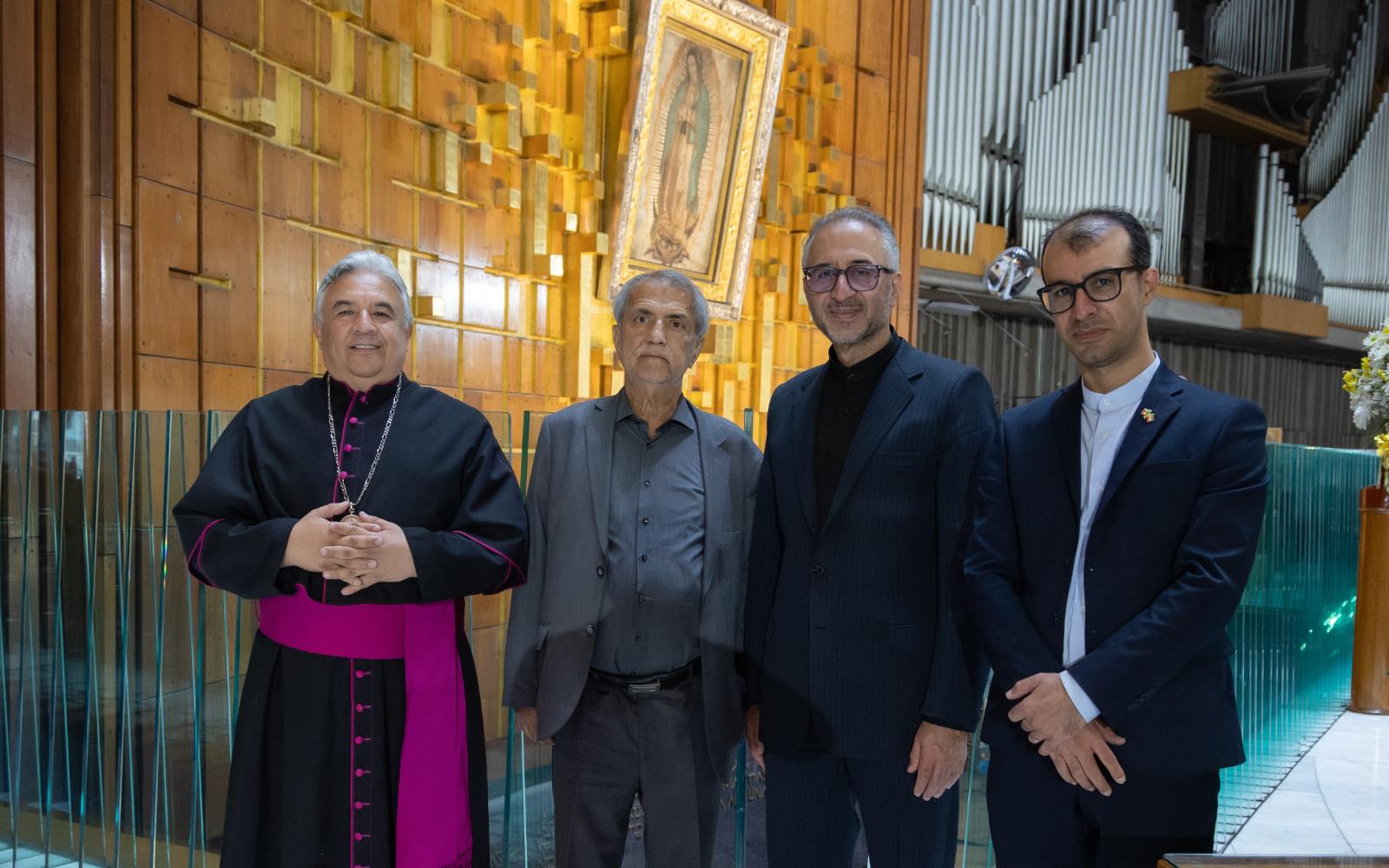
Read More
CubeSats’ Missions Begin – A pair of CubeSats designed by college students from around the world is deployed into Earth orbit from a small satellite orbital deployer on the outside of the International Space Station’s Kibo laboratory module. Students from Mexico, Italy, Thailand, Malaysia, and Japan designed the shoe-boxed sized satellites for a series of Earth observations and technology demonstrations.

A pair of CubeSats designed by college students from around the world is deployed into Earth orbit from a small satellite orbital deployer on the outside of the International Space Station’s Kibo laboratory module. Students from Mexico, Italy, Thailand, Malaysia, and Japan designed the shoe-boxed sized satellites for a series of Earth observations and technology demonstrations.

Read More