Results

Religious sisters lose lawsuit against Smith & Wesson alleging ‘facilitation’ of mass shootings #Catholic Several congregations of religious sisters have lost their lawsuit against the iconic American gun manufacturer Smith & Wesson, which claimed the company has “facilitated” mass shootings in the United States. A version of the lawsuit was first filed in December 2023 in Nevada district court by the Adrian Dominican Sisters, the Sisters of Bon Secours USA, the Sisters of St. Francis of Philadelphia, and the Sisters of the Holy Names of Jesus and Mary, U.S.-Ontario Province.The filing alleged that Smith & Wesson is “intent on marketing and selling AR-15 rifles in whatever manner results in the most sales.” The suit claimed the company was pursuing such marketing even if it “is illegal and attracts a dangerous category of buyers [and] facilitates an unrelenting and growing stream of killings.”The sisters had filed the suit as shareholders in the company, claiming that Smith & Wesson’s marketing “causes the company to face an ever-increasing and substantial likelihood of liability that threatens its long-term existence.” The filing specifically targeted the company’s board of directors on behalf of the company and its shareholders in what is known as a “derivative lawsuit.”The sisters in the original lawsuit failed to meet a required $500,000 security bond deadline, leading to the suit’s dismissal. They subsequently refiled in federal court in February 2025. In a March 23 order dismissing the suit, U.S. District Judge Gloria Navarro said the nuns failed to establish standing to bring the action against the board members.The judge said the nuns could amend the lawsuit if they wished, though the court reimposed the $500,000 security bond, ordering that the sisters must post the amount if they wished to continue the suit.Smith & Wesson was founded in 1852. It operates out of Tennessee and Nevada.The company makes and sells a wide array of firearms, including ArmaLite-type rifles, commonly referred to as “AR-15s,” which it has been selling since 2006.

Religious sisters lose lawsuit against Smith & Wesson alleging ‘facilitation’ of mass shootings #Catholic Several congregations of religious sisters have lost their lawsuit against the iconic American gun manufacturer Smith & Wesson, which claimed the company has “facilitated” mass shootings in the United States. A version of the lawsuit was first filed in December 2023 in Nevada district court by the Adrian Dominican Sisters, the Sisters of Bon Secours USA, the Sisters of St. Francis of Philadelphia, and the Sisters of the Holy Names of Jesus and Mary, U.S.-Ontario Province.The filing alleged that Smith & Wesson is “intent on marketing and selling AR-15 rifles in whatever manner results in the most sales.” The suit claimed the company was pursuing such marketing even if it “is illegal and attracts a dangerous category of buyers [and] facilitates an unrelenting and growing stream of killings.”The sisters had filed the suit as shareholders in the company, claiming that Smith & Wesson’s marketing “causes the company to face an ever-increasing and substantial likelihood of liability that threatens its long-term existence.” The filing specifically targeted the company’s board of directors on behalf of the company and its shareholders in what is known as a “derivative lawsuit.”The sisters in the original lawsuit failed to meet a required $500,000 security bond deadline, leading to the suit’s dismissal. They subsequently refiled in federal court in February 2025. In a March 23 order dismissing the suit, U.S. District Judge Gloria Navarro said the nuns failed to establish standing to bring the action against the board members.The judge said the nuns could amend the lawsuit if they wished, though the court reimposed the $500,000 security bond, ordering that the sisters must post the amount if they wished to continue the suit.Smith & Wesson was founded in 1852. It operates out of Tennessee and Nevada.The company makes and sells a wide array of firearms, including ArmaLite-type rifles, commonly referred to as “AR-15s,” which it has been selling since 2006.

Multiple congregations of sisters alleged that the gun manufacturer was partly complicit in “an unrelenting and growing stream of killings.”

Read More
Vatican bank names new president #Catholic The Institute for the Works of Religion (IOR), often referred to as the Vatican bank, has announced that Luxembourg banker François Pauly will succeed Jean-Baptiste Douville de Franssu as president of its Board of Superintendence.According to a March 25 press release, Pauly “has been elected as the next president of the Board of Superintendence” and will formally take office following the board meeting scheduled for April 28, when the institute’s 2025 financial statements are approved.De Franssu, who has led the IOR since July 9, 2014, will remain in office until that date, concluding a tenure marked by significant internal reform and efforts to rebuild the institution’s international credibility.The need for reform stemmed from years of scrutiny over the Vatican bank’s management, transparency, and anti-money-laundering controls. In the past, the institute faced damaged credibility amid concerns about oversight and compliance, prompting a long push to strengthen governance, tighten internal procedures, and bring its operations into line with international financial standards.The transition “follows a carefully managed succession process conducted over the past 12 months in close collaboration between the Board of Superintendence and the Commission of Cardinals, ensuring continuity in the governance of the Institute,” the IOR said.Pauly, a Luxembourg national, has served on the board since 2024. His appointment was approved Jan. 28 by the Commission of Cardinals following a proposal by the board in December 2025, in accordance with the institute’s statutes.He brings decades of experience in the financial sector, having begun his banking career in the late 1980s. He previously served as deputy chief executive officer of Dexia Crediop in Italy and later as CEO and chairman of Banque Internationale à Luxembourg from 2011 to 2016. He also served on the board of the Vatican Pension Fund from 2017 to 2021.Currently, Pauly is chairman of La Luxembourgeoise Group and a member of the Commission for Economic Affairs of the Archdiocese of Luxembourg, while also serving on the boards of several financial firms across Europe.In a statement, de Franssu reflected on his tenure, saying the institute had undergone “a profound structural transformation” that restored credibility and strengthened financial performance.“This process has enabled the institute to achieve strong international credibility and to deliver solid financial results,” he said, noting that reforms improved governance, transparency, and compliance with international anti-money laundering standards.Cardinal Giuseppe Petrocchi, president of the IOR’s Commission of Cardinals, expressed “deep gratitude” for de Franssu’s service and praised his “essential contribution” to the institute’s renewal.He also welcomed Pauly’s appointment, highlighting his “extensive professional experience” as key to consolidating recent progress and strengthening the institute’s ties with the global financial sector.“We hope that, under his leadership, the Board of Superintendence continues to effectively support the mission of the IOR in service of the universal Church,” Petrocchi said.The Commission of Cardinals will now appoint a new member of the Board of Superintendence to replace de Franssu, subject to regulatory approval.This story was first published by ACI Prensa, the Spanish-language sister service of EWTN News. It has been translated and adapted by EWTN News English.

Vatican bank names new president #Catholic The Institute for the Works of Religion (IOR), often referred to as the Vatican bank, has announced that Luxembourg banker François Pauly will succeed Jean-Baptiste Douville de Franssu as president of its Board of Superintendence.According to a March 25 press release, Pauly “has been elected as the next president of the Board of Superintendence” and will formally take office following the board meeting scheduled for April 28, when the institute’s 2025 financial statements are approved.De Franssu, who has led the IOR since July 9, 2014, will remain in office until that date, concluding a tenure marked by significant internal reform and efforts to rebuild the institution’s international credibility.The need for reform stemmed from years of scrutiny over the Vatican bank’s management, transparency, and anti-money-laundering controls. In the past, the institute faced damaged credibility amid concerns about oversight and compliance, prompting a long push to strengthen governance, tighten internal procedures, and bring its operations into line with international financial standards.The transition “follows a carefully managed succession process conducted over the past 12 months in close collaboration between the Board of Superintendence and the Commission of Cardinals, ensuring continuity in the governance of the Institute,” the IOR said.Pauly, a Luxembourg national, has served on the board since 2024. His appointment was approved Jan. 28 by the Commission of Cardinals following a proposal by the board in December 2025, in accordance with the institute’s statutes.He brings decades of experience in the financial sector, having begun his banking career in the late 1980s. He previously served as deputy chief executive officer of Dexia Crediop in Italy and later as CEO and chairman of Banque Internationale à Luxembourg from 2011 to 2016. He also served on the board of the Vatican Pension Fund from 2017 to 2021.Currently, Pauly is chairman of La Luxembourgeoise Group and a member of the Commission for Economic Affairs of the Archdiocese of Luxembourg, while also serving on the boards of several financial firms across Europe.In a statement, de Franssu reflected on his tenure, saying the institute had undergone “a profound structural transformation” that restored credibility and strengthened financial performance.“This process has enabled the institute to achieve strong international credibility and to deliver solid financial results,” he said, noting that reforms improved governance, transparency, and compliance with international anti-money laundering standards.Cardinal Giuseppe Petrocchi, president of the IOR’s Commission of Cardinals, expressed “deep gratitude” for de Franssu’s service and praised his “essential contribution” to the institute’s renewal.He also welcomed Pauly’s appointment, highlighting his “extensive professional experience” as key to consolidating recent progress and strengthening the institute’s ties with the global financial sector.“We hope that, under his leadership, the Board of Superintendence continues to effectively support the mission of the IOR in service of the universal Church,” Petrocchi said.The Commission of Cardinals will now appoint a new member of the Board of Superintendence to replace de Franssu, subject to regulatory approval.This story was first published by ACI Prensa, the Spanish-language sister service of EWTN News. It has been translated and adapted by EWTN News English.

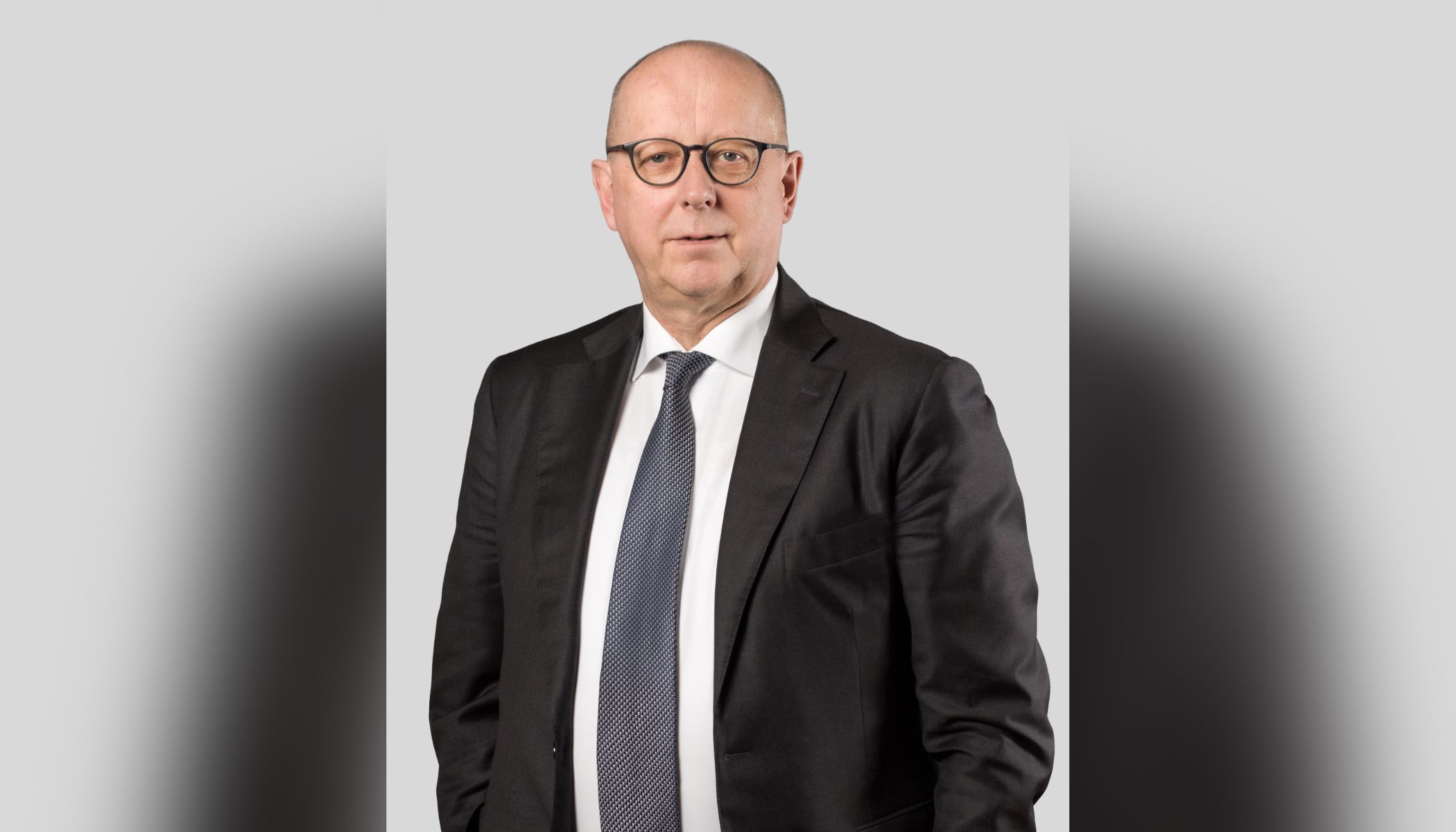
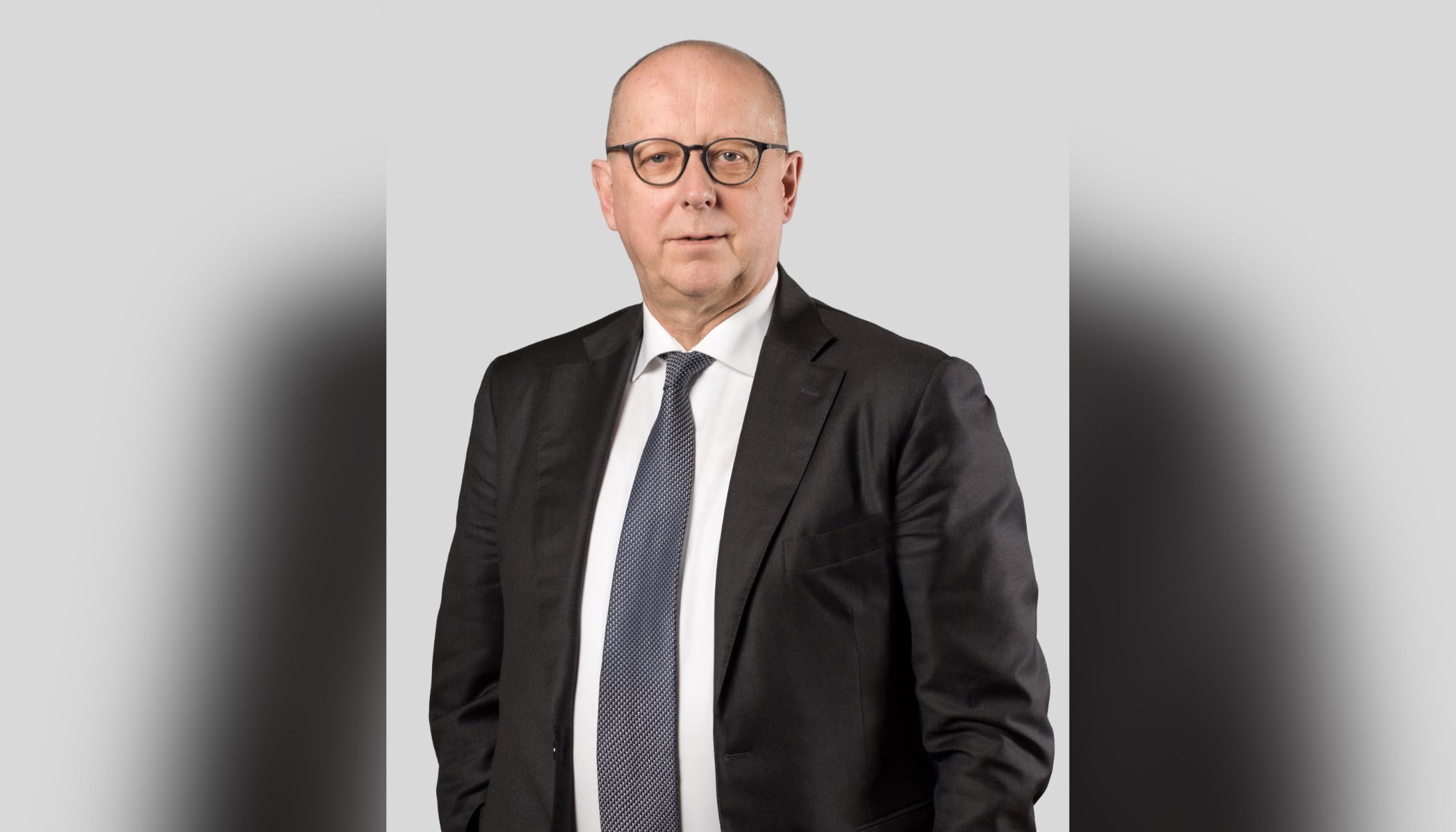
François Pauly will succeed Jean-Baptiste de Franssu at helm of Institute for the Works of Religion.

Read More
10,000 Austrian students petition to end mandatory fees funding abortions #Catholic More than 10,000 Austrian university students have signed a petition demanding that the Austrian National Union of Students (ÖH, by its German acronym) abolish its so-called “Repro Fund,” a program that uses mandatory student fees to finance abortions.The petition, organized by ProLife Europe in partnership with CitizenGo, was formally submitted on March 11 to the authorities responsible for administering the fund. Titled “No Student Funds for Killing Human Beings,” the initiative was launched after the ÖH introduced financial assistance for abortions through the Repro Fund.According to the ÖH’s published budget for the 2025-2026 academic year, 18,000 euros have been allocated to cover abortion costs, with plans outlined in the student union’s coalition agreement to expand the fund in the coming years.Petition organizers argue that the policy forces students to subsidize abortions regardless of their moral convictions.“The targeted financing of abortions is incompatible with the freedom of conscience of many students and represents an ethically absolutely indefensible decision,” the petition states.Mandatory student feesIn Austria, all university students must pay a mandatory contribution to the ÖH as part of their semester enrollment.If a student fails to pay the fee, enrollment cannot be completed. This means the student loses official student status for that semester and is barred from attending courses or taking examinations. Nonpayment also results in the loss of student accident insurance, which is normally included as part of enrollment.Because the ÖH contribution is embedded in the legal structure of university registration, students cannot opt out of supporting the organization or its programs, regardless of whether they agree with its political positions or spending decisions.Pro-life petitioners say this system effectively compels students to fund abortions through their mandatory contributions.Student mobilization exceeds expectationsMaria Czernin, president of ProLife Europe, told EWTN News that the petition’s response exceeded expectations in Austria, where public mobilization on civil issues is often limited.“For a three-month petition in Austria, this is a very strong result,” Czernin said. “People here tend to be more reserved in public campaigns, so reaching more than 10,000 signatures is significant.”Organizers initially hoped to gather around 8,000 signatures, she said, but the campaign surpassed that target before the petition closed.The ÖH, Austria’s national student union, is elected democratically by university students. As a result, the Repro Fund was introduced through decisions taken by the organization’s governing coalition.During campus outreach efforts linked to the petition, ProLife Europe volunteers spoke with students who did not identify as pro-life but nevertheless objected to the use of mandatory student fees to fund abortions.“We encountered students who were not pro-life, but they still felt that their money should not be used for this,” Czernin said. “That says a lot about how controversial this program is.”She added that the program remains relatively unknown across many Austrian universities. Organizers believe that if awareness of the funds were more widespread, opposition would grow further.A message to policymakersCzernin said the petition is also intended as a signal to Eva-Maria Holzleitner, Austrian minister for women, science, and research, whose ministry oversees higher education policy.“I hope this petition reaches Minister Holzleitner as a strong sign from students,” she said. “It shows that many students clearly stand against this cooperation and against using their mandatory contributions in this way.”Beyond the immediate funding issue, Czernin explained that abortion should not be promoted as a solution for students facing academic or financial challenges.“There is no evidence that abortion helps women finish their studies,” she said. “But there is substantial research indicating that abortion can negatively affect women’s mental health.”She added that many women have successfully completed their studies while continuing their pregnancies, explaining that support structures for student mothers would be a more constructive response to the pressures some students face.Austria’s abortion landscapeIn Austria, abortion is permitted during the first three months of pregnancy.The law does not formally declare abortion a legal right. Instead, it states that the procedure is not punishable if it is performed by a physician within the first trimester following a prior medical consultation.There is no mandatory waiting period and no requirement for counseling from an independent advisory service. The consultation requirement is limited to a discussion with a doctor before the procedure.Abortion services are generally not covered by Austria’s public health insurance system and must typically be paid for privately. Because of this, women are not required to be registered residents of Austria or enrolled in Austrian health insurance to obtain an abortion in the country.Abortions are also not subject to mandatory reporting requirements and personal information about women undergoing the procedure is not shared with authorities.

10,000 Austrian students petition to end mandatory fees funding abortions #Catholic More than 10,000 Austrian university students have signed a petition demanding that the Austrian National Union of Students (ÖH, by its German acronym) abolish its so-called “Repro Fund,” a program that uses mandatory student fees to finance abortions.The petition, organized by ProLife Europe in partnership with CitizenGo, was formally submitted on March 11 to the authorities responsible for administering the fund. Titled “No Student Funds for Killing Human Beings,” the initiative was launched after the ÖH introduced financial assistance for abortions through the Repro Fund.According to the ÖH’s published budget for the 2025-2026 academic year, 18,000 euros have been allocated to cover abortion costs, with plans outlined in the student union’s coalition agreement to expand the fund in the coming years.Petition organizers argue that the policy forces students to subsidize abortions regardless of their moral convictions.“The targeted financing of abortions is incompatible with the freedom of conscience of many students and represents an ethically absolutely indefensible decision,” the petition states.Mandatory student feesIn Austria, all university students must pay a mandatory contribution to the ÖH as part of their semester enrollment.If a student fails to pay the fee, enrollment cannot be completed. This means the student loses official student status for that semester and is barred from attending courses or taking examinations. Nonpayment also results in the loss of student accident insurance, which is normally included as part of enrollment.Because the ÖH contribution is embedded in the legal structure of university registration, students cannot opt out of supporting the organization or its programs, regardless of whether they agree with its political positions or spending decisions.Pro-life petitioners say this system effectively compels students to fund abortions through their mandatory contributions.Student mobilization exceeds expectationsMaria Czernin, president of ProLife Europe, told EWTN News that the petition’s response exceeded expectations in Austria, where public mobilization on civil issues is often limited.“For a three-month petition in Austria, this is a very strong result,” Czernin said. “People here tend to be more reserved in public campaigns, so reaching more than 10,000 signatures is significant.”Organizers initially hoped to gather around 8,000 signatures, she said, but the campaign surpassed that target before the petition closed.The ÖH, Austria’s national student union, is elected democratically by university students. As a result, the Repro Fund was introduced through decisions taken by the organization’s governing coalition.During campus outreach efforts linked to the petition, ProLife Europe volunteers spoke with students who did not identify as pro-life but nevertheless objected to the use of mandatory student fees to fund abortions.“We encountered students who were not pro-life, but they still felt that their money should not be used for this,” Czernin said. “That says a lot about how controversial this program is.”She added that the program remains relatively unknown across many Austrian universities. Organizers believe that if awareness of the funds were more widespread, opposition would grow further.A message to policymakersCzernin said the petition is also intended as a signal to Eva-Maria Holzleitner, Austrian minister for women, science, and research, whose ministry oversees higher education policy.“I hope this petition reaches Minister Holzleitner as a strong sign from students,” she said. “It shows that many students clearly stand against this cooperation and against using their mandatory contributions in this way.”Beyond the immediate funding issue, Czernin explained that abortion should not be promoted as a solution for students facing academic or financial challenges.“There is no evidence that abortion helps women finish their studies,” she said. “But there is substantial research indicating that abortion can negatively affect women’s mental health.”She added that many women have successfully completed their studies while continuing their pregnancies, explaining that support structures for student mothers would be a more constructive response to the pressures some students face.Austria’s abortion landscapeIn Austria, abortion is permitted during the first three months of pregnancy.The law does not formally declare abortion a legal right. Instead, it states that the procedure is not punishable if it is performed by a physician within the first trimester following a prior medical consultation.There is no mandatory waiting period and no requirement for counseling from an independent advisory service. The consultation requirement is limited to a discussion with a doctor before the procedure.Abortion services are generally not covered by Austria’s public health insurance system and must typically be paid for privately. Because of this, women are not required to be registered residents of Austria or enrolled in Austrian health insurance to obtain an abortion in the country.Abortions are also not subject to mandatory reporting requirements and personal information about women undergoing the procedure is not shared with authorities.

Pro-life students are demonstrating against the “Repro Fund,” a program that uses mandatory student fees to finance abortions.

Read More