
Ecuadoran lawyer Pablo Proaño’s remarks followed the death due to a pregnancy complication of Stefano, the son of Ecuadorian President Daniel Noboa and his wife, Lavinia Valbonesi.

Ecuadoran lawyer Pablo Proaño’s remarks followed the death due to a pregnancy complication of Stefano, the son of Ecuadorian President Daniel Noboa and his wife, Lavinia Valbonesi.
![At friendship meeting in Italy, Pope Leo calls for fraternity: ‘Love is the law of life’ #Catholic Pope Leo XIV arrived in the Italian city of Rimini on Aug. 22 to visit the 47th Meeting for Friendship Among the Peoples, telling about 60,000 attendees that “love is the force that can transform the world.”Upon arrival after a brief visit to the country of San Marino, Leo addressed a spontaneous greeting to the people gathered in the auditorium, expressing his joy and pointing out that “the loudest applause should be for Jesus Christ.”
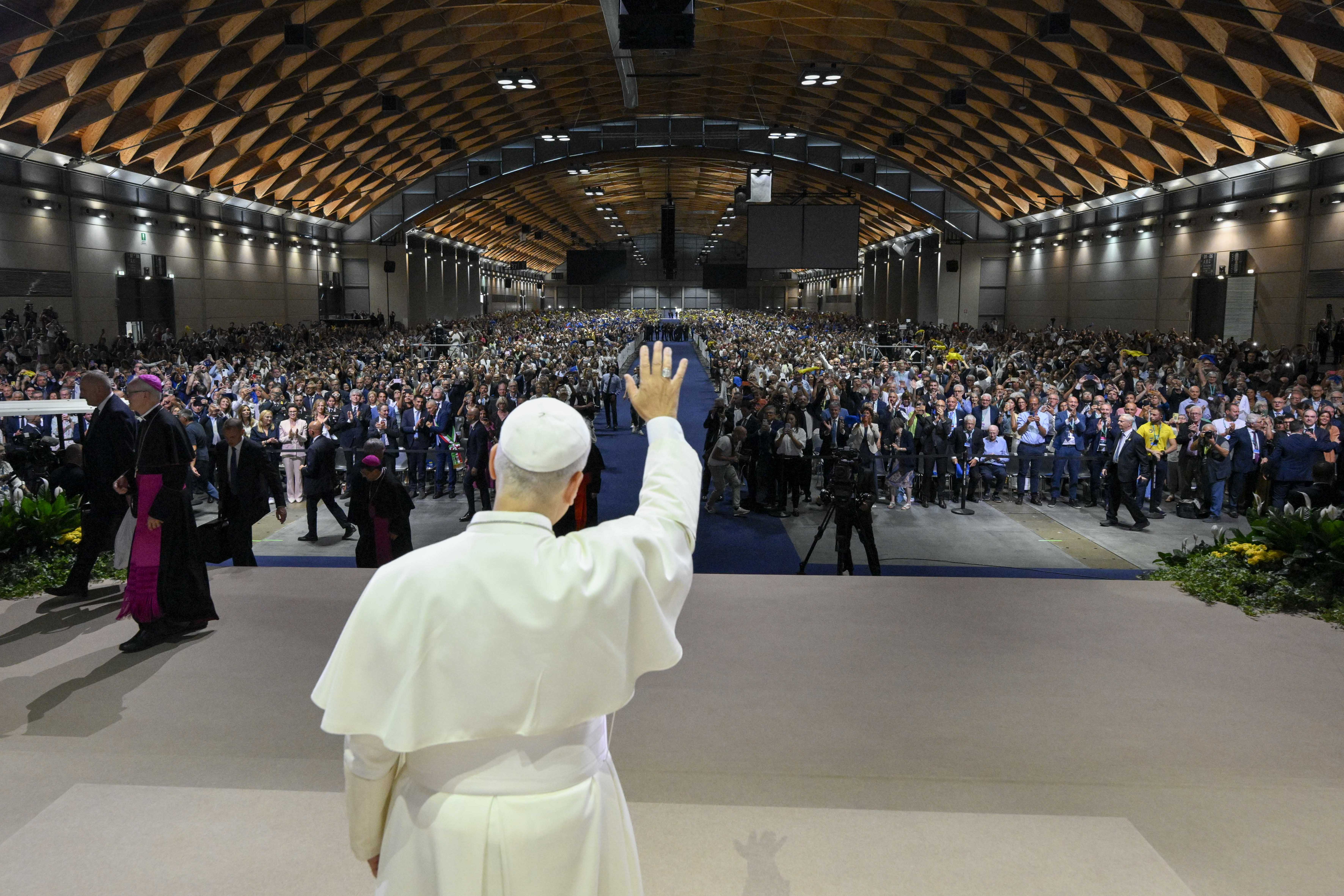
Pope Leo XIV greets attendees at the 47th Meeting for Friendship Among the Peoples in Rimini, Italy, Aug. 22, 2026. | Credit: Vatican Media
“Our hearts, so big and capable of loving, should never be closed. Letʼs find the way together to build a world of peace and love,” he said.In his speech to the gathering, Pope Leo recounted the teachings of his immediate predecessors on social friendship, fraternity and union, highlighting the value of Riminiʼs meeting to achieve these ideals. The annual event is hosted by the international organization Communion and Liberation. He assured the assembly that “in recognizing our dignity as children of God, we come into contact with what originally unites human beings, beyond all diversity, separation or conflict.”“We can identify with each other, listen to each other and establish friendship, between individuals and, therefore, also between peoples. Before borders, definitions and institutions, there are always people,” he added.Reflecting on the pastoral constitution Gaudium et spes of the Second Vatican Council, Pope Leo did not hesitate to affirm that “it is a time of responsibility” among men and that it is love that is the foundation of a fraternal society.“Following Jesus Christ after the tragedies and the new beginnings of the twentieth century implies, in fact, a clear awareness: Evil is not fought with evil. As in heaven, as on earth, love is the law of life, the method of redemption of the crucified Messiah,” he said.“Faced with the false realism that rearms minds, words and nations, the current Catholic culture must counteract the realism of mercy, which maintains that enemies cannot exist and that everyone, even adversaries, are brothers to whom they look into the eyes and receive with sincerity,” he added.Addressing especially young people, Leo told them that they “are a sign that the future is a promise, not a threat” and witnesses of a love that “continues to inspire hope.”“Love moves, drives, awakens from lethargy, inspires new vocations and calls us to take risks. Get involved! Open up to true universality, expanding your ties beyond any too close affiliation,” he said."In every corner of the world, especially in the margins and among those who suffer, you will find those willing to build the civilization of love. Do not allow anyone to belittle this word, which is the very name of God: 'God is love,'" said the Holy Father.“In love, there is never coercion or indoctrination; there is never seduction, deception or manipulation. Love resides only in freedom, in sincere exchange, in generous self-giving.”Finally, he invited young people to remain devoted to Christ to testify, without boasting, in the midst of todayʼs world."May the Holy Spirit instruct us in the practice of communion. That gives us pleasure for [the Holy Spirit], appreciation for him and hope in him. May he continue to guide us, dear brothers and sisters, with that love 'that moves the sun and the other stars'," he concluded.This story was originally published by ACI Prensa, EWTN News’ Spanish-language news partner. It has been translated and adapted by EWTN News English.](http://unitedyam.com/wp-content/uploads/2026/08/at-friendship-meeting-in-italy-pope-leo-calls-for-fraternity-love-is-the-law-of-life-catholic-pope-leo-xiv-arrived-in-the-italian-city-of-rimini-on-aug-22-to-visit-the-47th-scaled.jpg "At friendship meeting in Italy, Pope Leo calls for fraternity: ‘Love is the law of life’ #Catholic Pope Leo XIV arrived in the Italian city of Rimini on Aug. 22 to visit the 47th Meeting for Friendship Among the Peoples, telling about 60,000 attendees that “love is the force that can transform the world.”Upon arrival after a brief visit to the country of San Marino, Leo addressed a spontaneous greeting to the people gathered in the auditorium, expressing his joy and pointing out that “the loudest applause should be for Jesus Christ.”
Pope Leo XIV greets attendees at the 47th Meeting for Friendship Among the Peoples in Rimini, Italy, Aug. 22, 2026. | Credit: Vatican Media
“Our hearts, so big and capable of loving, should never be closed. Letʼs find the way together to build a world of peace and love,” he said.In his speech to the gathering, Pope Leo recounted the teachings of his immediate predecessors on social friendship, fraternity and union, highlighting the value of Riminiʼs meeting to achieve these ideals. The annual event is hosted by the international organization Communion and Liberation. He assured the assembly that “in recognizing our dignity as children of God, we come into contact with what originally unites human beings, beyond all diversity, separation or conflict.”“We can identify with each other, listen to each other and establish friendship, between individuals and, therefore, also between peoples. Before borders, definitions and institutions, there are always people,” he added.Reflecting on the pastoral constitution Gaudium et spes of the Second Vatican Council, Pope Leo did not hesitate to affirm that “it is a time of responsibility” among men and that it is love that is the foundation of a fraternal society.“Following Jesus Christ after the tragedies and the new beginnings of the twentieth century implies, in fact, a clear awareness: Evil is not fought with evil. As in heaven, as on earth, love is the law of life, the method of redemption of the crucified Messiah,” he said.“Faced with the false realism that rearms minds, words and nations, the current Catholic culture must counteract the realism of mercy, which maintains that enemies cannot exist and that everyone, even adversaries, are brothers to whom they look into the eyes and receive with sincerity,” he added.Addressing especially young people, Leo told them that they “are a sign that the future is a promise, not a threat” and witnesses of a love that “continues to inspire hope.”“Love moves, drives, awakens from lethargy, inspires new vocations and calls us to take risks. Get involved! Open up to true universality, expanding your ties beyond any too close affiliation,” he said.\"In every corner of the world, especially in the margins and among those who suffer, you will find those willing to build the civilization of love. Do not allow anyone to belittle this word, which is the very name of God: 'God is love,'\" said the Holy Father.“In love, there is never coercion or indoctrination; there is never seduction, deception or manipulation. Love resides only in freedom, in sincere exchange, in generous self-giving.”Finally, he invited young people to remain devoted to Christ to testify, without boasting, in the midst of todayʼs world.\"May the Holy Spirit instruct us in the practice of communion. That gives us pleasure for [the Holy Spirit], appreciation for him and hope in him. May he continue to guide us, dear brothers and sisters, with that love 'that moves the sun and the other stars',\" he concluded.This story was originally published by ACI Prensa, EWTN News’ Spanish-language news partner. It has been translated and adapted by EWTN News English.")
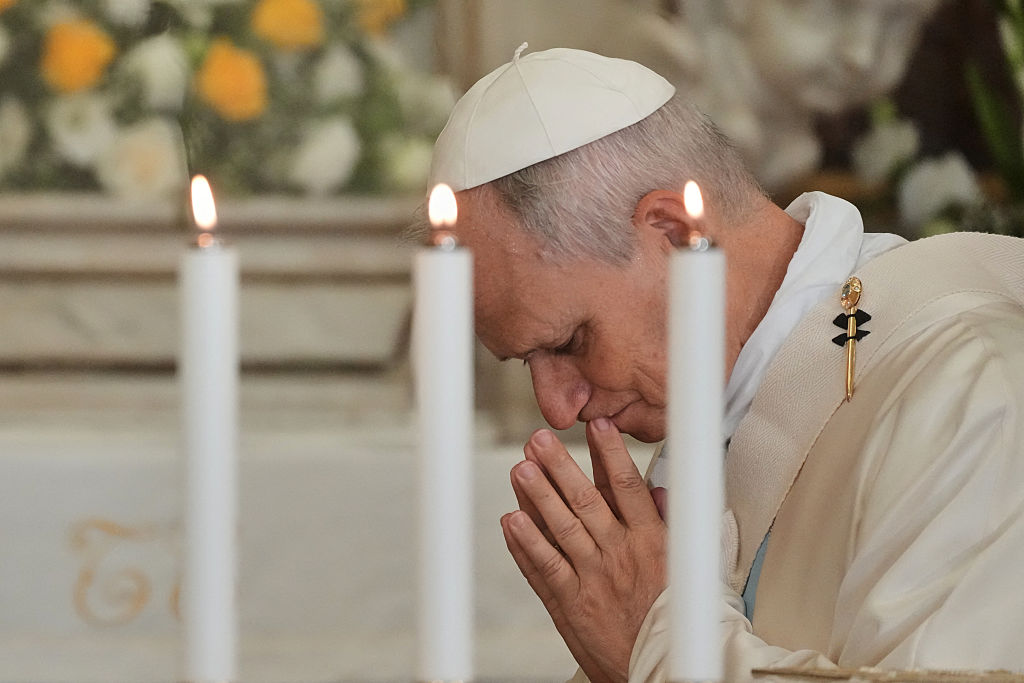
“Our heart, so big and capable of loving, should never be closed. Let’s find the way together to build a world of peace and love,” the pope said to a crowd of thousands.
Aid to the Church in Need has launched a petition that urges international leaders to take action to end religious persecution.
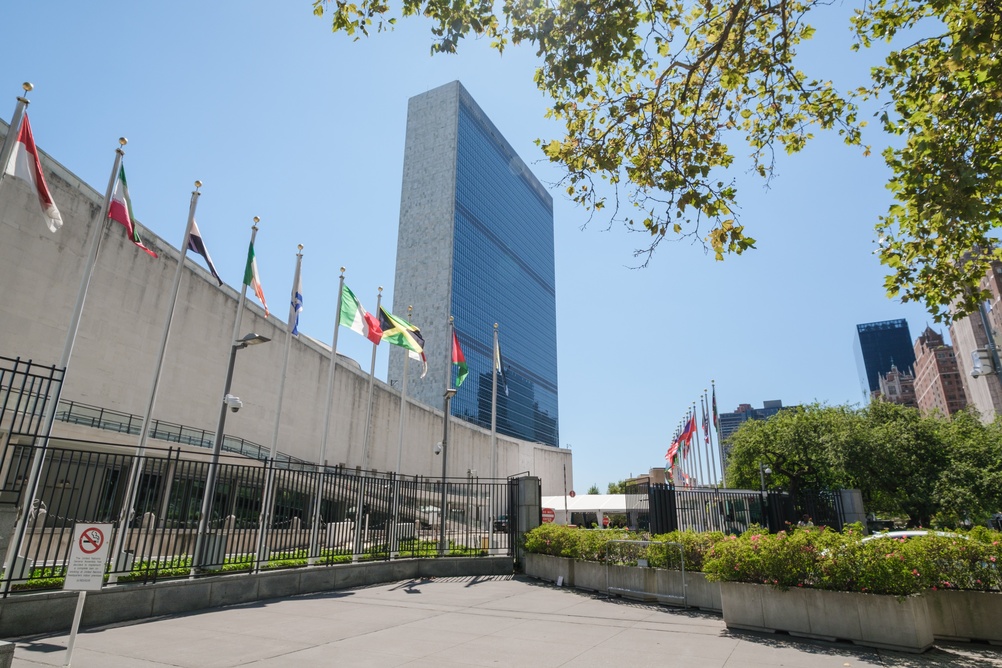
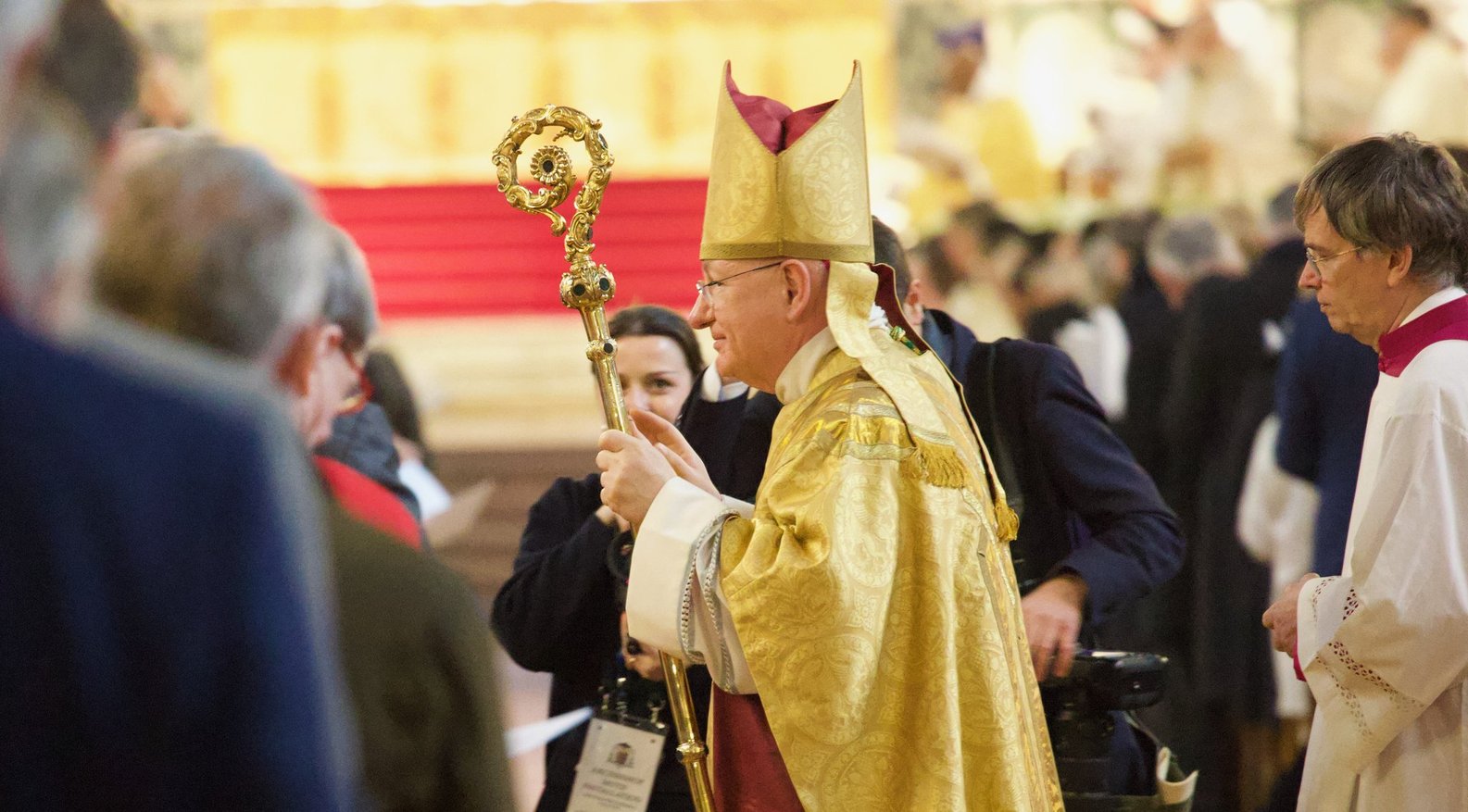
The president of the Catholic Bishops’ Conference of England and Wales urged world leaders to enforce religious freedom standards in the Universal Declaration of Human Rights.
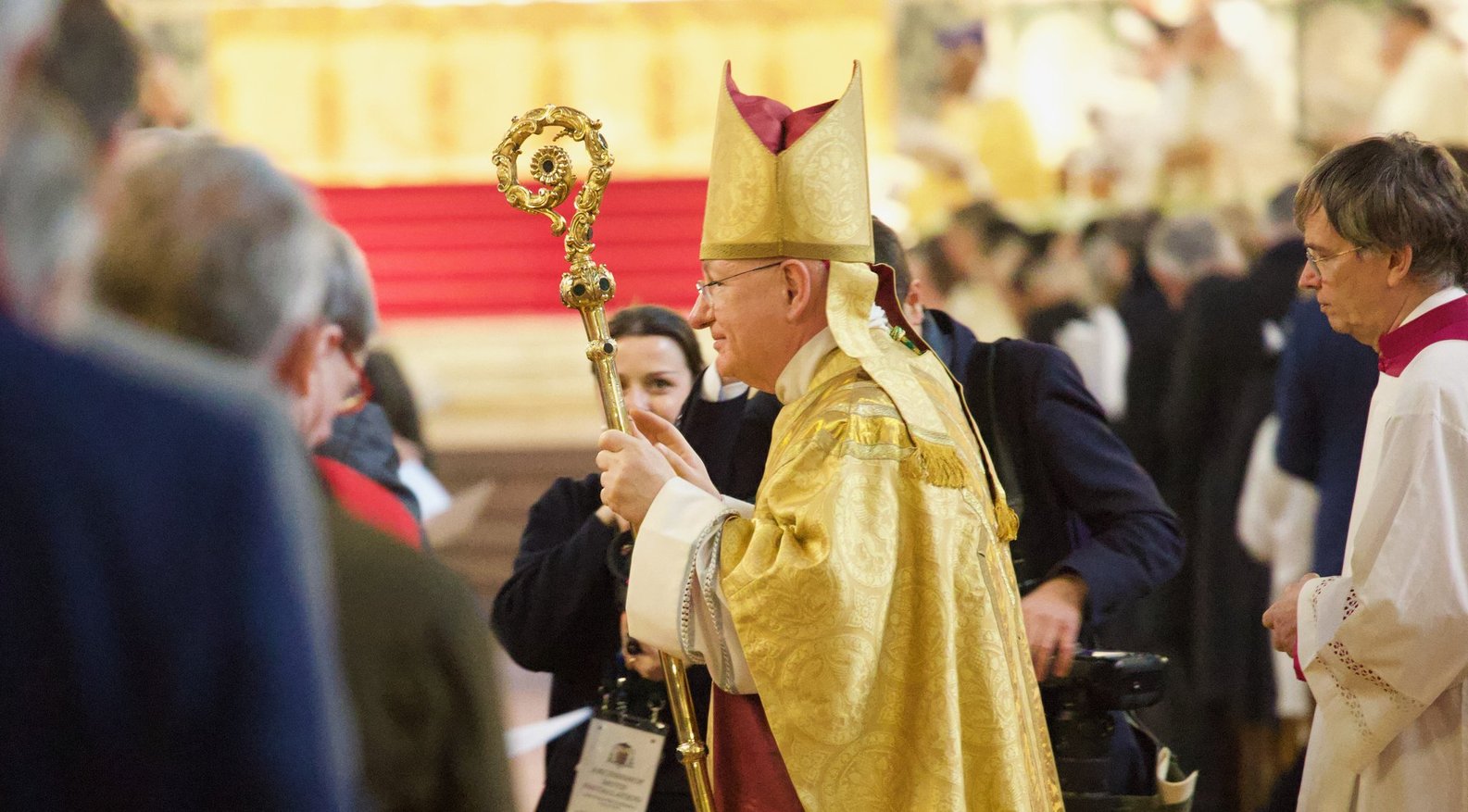
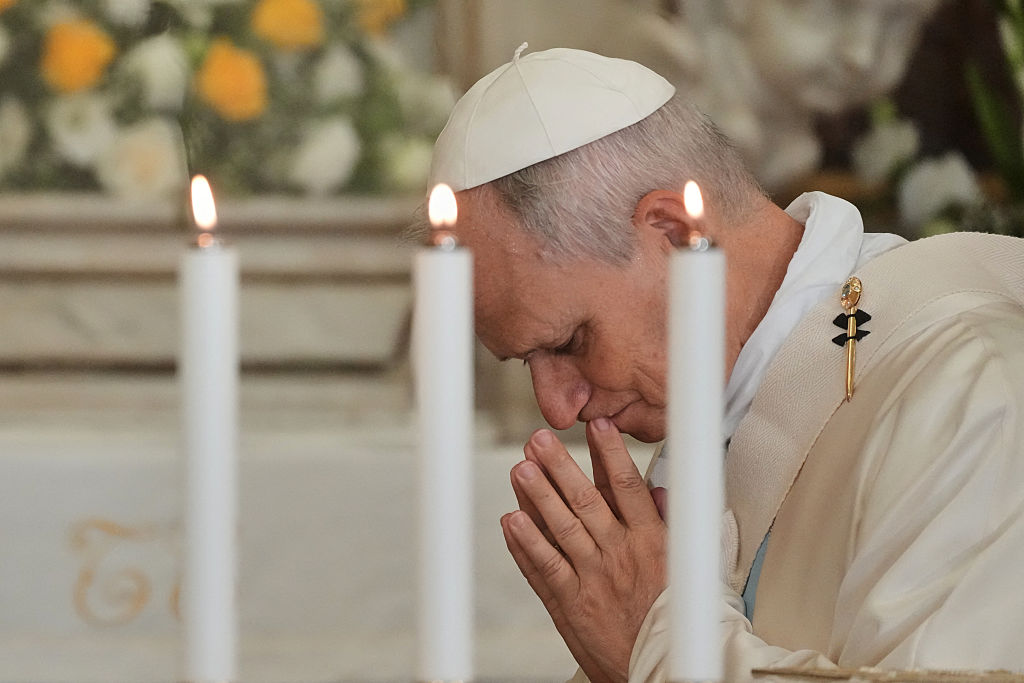
In a homily on the Solemnity of the Assumption of the Blessed Virgin Mary, the pope urged the faithful to reject “consumerist” standards in favor of love.
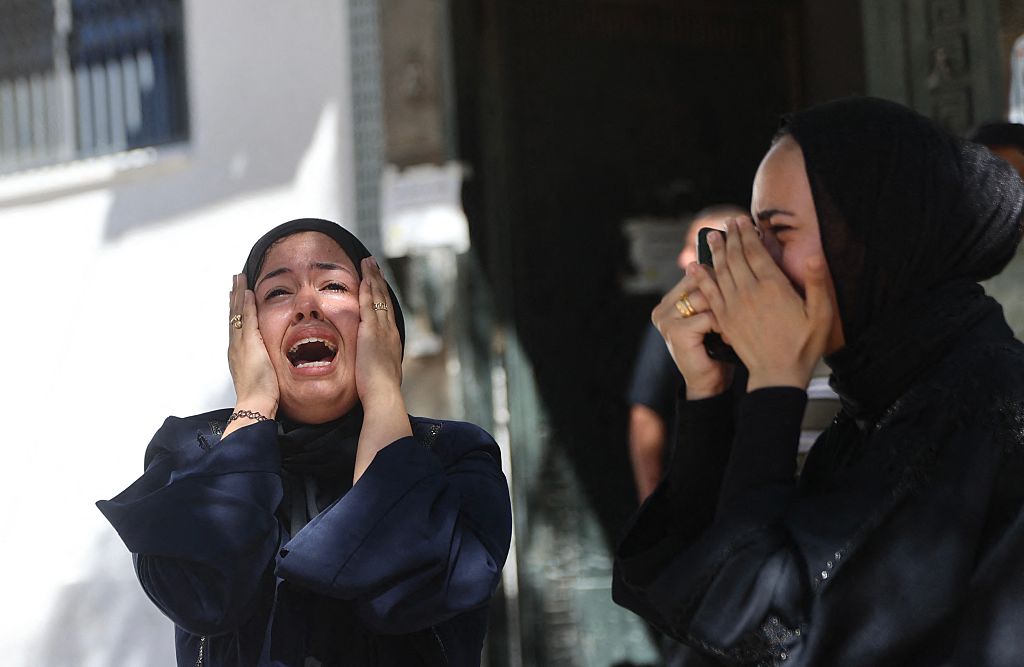
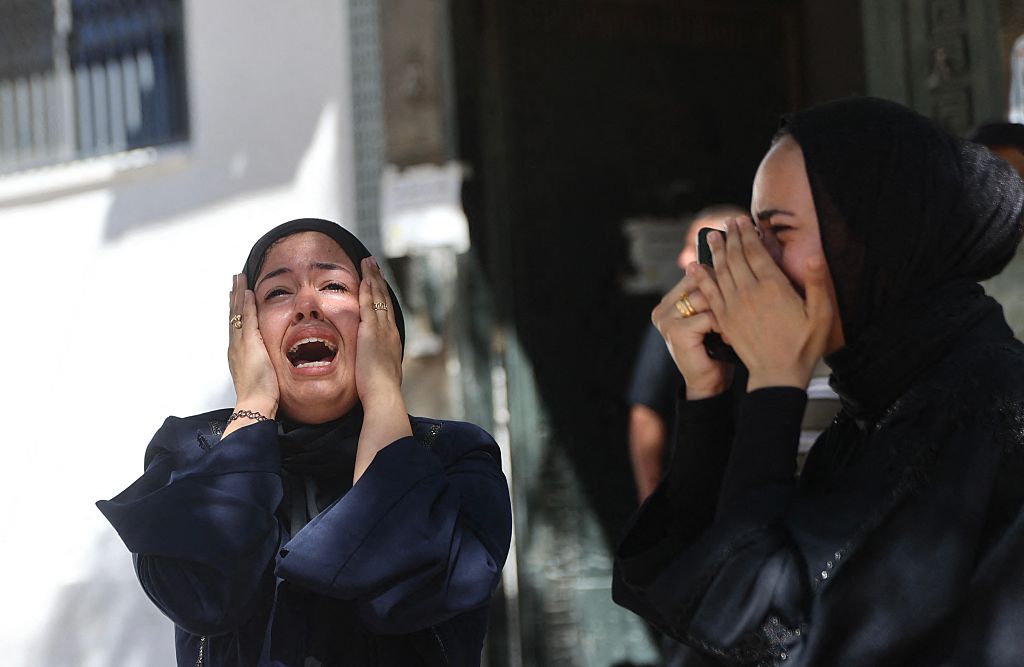
The Catholic Near East Welfare Association (CNEWA) reported emergency response crews were not able to immediately reach the struck building because responders feared a second strike.
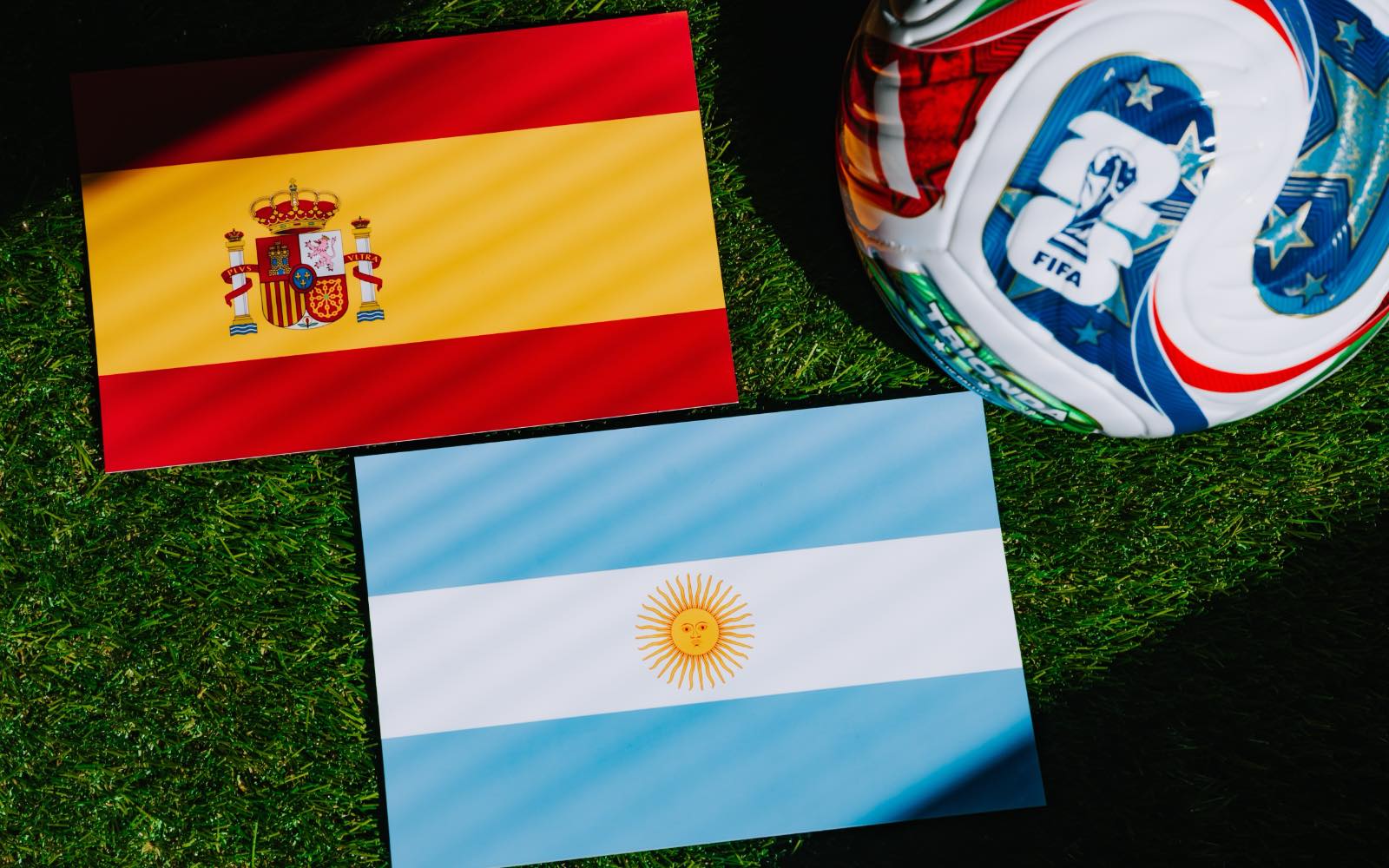
![Post-World Cup insults fly between Spaniards and Argentinans: ‘It’s idolatry,’ priest says #Catholic In response to the insults exchanged on social media between Argentinian and Spanish fans following the 2026 FIFA World Cup final, a priest questioned the amount of rage, warning that those behaving this way have “lost their bearings" and that "the way they’re acting isn’t about soccer; it’s idolatry." In a thread posted on X, Father Francisco Javier Bronchalo, a Spanish priest from the Diocese of Getafe, lamented having read “too many insults on social media between Argentinians and Spaniards” in recent days.“Someone posts something with the best of intentions, and people come down on them as if they had hit their mother,” he noted.The Spanish national team defeated Argentina 1-0 on Sunday, July 19, with a goal by Ferrán Torres and became world champion for the second time, following the title won in 2010.In his reflection, Bronchalo noted that “the human heart is made to worship” and warned that if it “does not worship God, it will worship something else: success, the body, money, or a soccer team.”This idolatry, he continued, replaces “liturgical chant with the team anthem, the worshipping assembly with the cheering section, and salvation with winning a title,” ultimately becoming “a religion without God.”The Spanish priest said “the insults and excesses seen in recent days” demonstrate that “people defend with violence and mockery something that, deep down, is devoid of both truth and meaning.”“The Gospel says that the mouth speaks from what overflows from the heart. Today, we would say: The fingers write from what overflows from the heart,” he remarked.However, Bronchalo clarified that “[soccer] is not the problem,” as the sport can bring about “healthy joy” and promote values such as effort, perseverance, loyalty, and teamwork.“But a means treated as an end becomes a tyrant. Soccer as an ultimate end turns into the opposite: a source of anger, anxiety, and emptiness,” he warned.“The question is not whether you are passionate about soccer. The question is what place it holds in your heart. If it is a means, it draws you closer to heaven. If it is an end, it traps you on earth,” he said.Bishop Munilla: Don’t turn soccer into ‘a religion’The Spanish priest’s reflection echoed the warning issued before the World Cup final by the bishop of Orihuela-Alicante in Spain, José Ignacio Munilla, who highlighted that soccer has values worth recognizing but noted that “it is one thing to enjoy the sport, and quite another to turn it into a religion.”The prelate further noted that “an inability to accept defeat is a sign of immaturity” but “those who need to humiliate others don’t know how to win, either.” “True sportsmanship lies in discovering that one’s rival is not an enemy but someone who makes the game possible,” he stated.‘Rivals for a day. Brothers forever’Amid verbal clashes on social media, Catholic priests from Argentina and Spain shared messages of goodwill and congratulations.Argentinian priest Father Tomás Agustín Beroch wrote on X: “Congratulations to Spain. They were far superior and won decisively. Long live Spain — our Motherland that evangelized us — and congratulations on this cup. It is well-deserved.”“As I’ve been saying throughout this World Cup, we must win heaven, and Christ must reign in our hearts above all else. A big hug to my Spanish friends and to all the people of that great nation,” he said.Hours before the final, Father Francisco Delgado of the Archdiocese of Toledo in Spain posted an image of two soccer players — one Spanish and the other Argentinian — walking across the playing field with their arms around each other. Above them, the words read: “Rivals for a day. Brothers forever.”Argentinian priest Father Javier Olivera Ravasi congratulated Spain on the championship on X, stating: “They deserve it. They were better.”He then posted a photo of his backpack featuring the flags of Argentina and Spain, which he has carried “for years” declaring “Long live Christ the King! Long live Catholic Spain and Catholic Argentina!”This story was first published by ACI Prensa, the Spanish-language sister service of EWTN News. It has been translated and adapted by EWTN News English.](http://unitedyam.com/wp-content/uploads/2026/07/post-world-cup-insults-fly-between-spaniards-and-argentinans-its-idolatry-priest-says-catholic-in-response-to-the-insults-exchanged-on-social-media-between-argentinian-an.jpg "Post-World Cup insults fly between Spaniards and Argentinans: ‘It’s idolatry,’ priest says #Catholic In response to the insults exchanged on social media between Argentinian and Spanish fans following the 2026 FIFA World Cup final, a priest questioned the amount of rage, warning that those behaving this way have “lost their bearings\" and that \"the way they’re acting isn’t about soccer; it’s idolatry.\" In a thread posted on X, Father Francisco Javier Bronchalo, a Spanish priest from the Diocese of Getafe, lamented having read “too many insults on social media between Argentinians and Spaniards” in recent days.“Someone posts something with the best of intentions, and people come down on them as if they had hit their mother,” he noted.The Spanish national team defeated Argentina 1-0 on Sunday, July 19, with a goal by Ferrán Torres and became world champion for the second time, following the title won in 2010.In his reflection, Bronchalo noted that “the human heart is made to worship” and warned that if it “does not worship God, it will worship something else: success, the body, money, or a soccer team.”This idolatry, he continued, replaces “liturgical chant with the team anthem, the worshipping assembly with the cheering section, and salvation with winning a title,” ultimately becoming “a religion without God.”The Spanish priest said “the insults and excesses seen in recent days” demonstrate that “people defend with violence and mockery something that, deep down, is devoid of both truth and meaning.”“The Gospel says that the mouth speaks from what overflows from the heart. Today, we would say: The fingers write from what overflows from the heart,” he remarked.However, Bronchalo clarified that “[soccer] is not the problem,” as the sport can bring about “healthy joy” and promote values such as effort, perseverance, loyalty, and teamwork.“But a means treated as an end becomes a tyrant. Soccer as an ultimate end turns into the opposite: a source of anger, anxiety, and emptiness,” he warned.“The question is not whether you are passionate about soccer. The question is what place it holds in your heart. If it is a means, it draws you closer to heaven. If it is an end, it traps you on earth,” he said.Bishop Munilla: Don’t turn soccer into ‘a religion’The Spanish priest’s reflection echoed the warning issued before the World Cup final by the bishop of Orihuela-Alicante in Spain, José Ignacio Munilla, who highlighted that soccer has values worth recognizing but noted that “it is one thing to enjoy the sport, and quite another to turn it into a religion.”The prelate further noted that “an inability to accept defeat is a sign of immaturity” but “those who need to humiliate others don’t know how to win, either.” “True sportsmanship lies in discovering that one’s rival is not an enemy but someone who makes the game possible,” he stated.‘Rivals for a day. Brothers forever’Amid verbal clashes on social media, Catholic priests from Argentina and Spain shared messages of goodwill and congratulations.Argentinian priest Father Tomás Agustín Beroch wrote on X: “Congratulations to Spain. They were far superior and won decisively. Long live Spain — our Motherland that evangelized us — and congratulations on this cup. It is well-deserved.”“As I’ve been saying throughout this World Cup, we must win heaven, and Christ must reign in our hearts above all else. A big hug to my Spanish friends and to all the people of that great nation,” he said.Hours before the final, Father Francisco Delgado of the Archdiocese of Toledo in Spain posted an image of two soccer players — one Spanish and the other Argentinian — walking across the playing field with their arms around each other. Above them, the words read: “Rivals for a day. Brothers forever.”Argentinian priest Father Javier Olivera Ravasi congratulated Spain on the championship on X, stating: “They deserve it. They were better.”He then posted a photo of his backpack featuring the flags of Argentina and Spain, which he has carried “for years” declaring “Long live Christ the King! Long live Catholic Spain and Catholic Argentina!”This story was first published by ACI Prensa, the Spanish-language sister service of EWTN News. It has been translated and adapted by EWTN News English.")
The priest said “the human heart is made to worship” and warned that if it “does not worship God, it will worship something else: success, the body, money, or a soccer team.”

“France is leading the way in Europe by becoming the first country to establish a ‘digital age of majority,’” said the country’s minister delegate for digital sovereignty.

![How papal prayer intentions are chosen, according to head of Pope’s Worldwide Prayer Network #Catholic More than 22 million Catholics across the globe make up a network dedicated to praying daily for the challenges facing humanity and the Church, uniting their prayers with Pope Leo XIV’s monthly intentions.The Popeʼs Worldwide Prayer Network is a pontifical foundation known for its Pray with the Pope campaign through which the Holy Father announces his monthʼs intention in a video message.While the pope “has an endless list” of prayer intentions, he chooses 12 to offer for each month of the year, Father Cristóbal Fones, SJ, the international director of the Pope’s Worldwide Prayer Network, explained in an interview with “EWTN News In Depth.”In order to do so, the network will “help the pope to discern the intentions a year ahead,” Fones explained. “So we ask many people — all the dicasteries and our national directors — to give us some proposals, and we offer to him lots of them … about 20 of them.”The Holy Father “takes some time to pray on these proposals” and then chooses the 12 intentions for the upcoming year in advance.“So we published, for instance, the 2027 monthly intentions last February. So you can already know what we are about to pray for next year too, so that we can have some time to make the translations, to create the materials in Indonesian, Hindi, Swahili, Guarani, and so on.”Pope Leo has continued the tradition of Pope Francis, who recorded the first video of the monthly intentions in 2016, but the current pontiff has put his own take on it.Pope Leo is “not only asking us to pray but praying himself for the monthly intention and inviting us to join him in prayer,” Fones said. “Thatʼs why we call this campaign ‘Pray with the Pope,’ because heʼs the first one interceding for the needs of humanity, and he is inviting us through this campaign to do it with him.”“Some people may watch the video and participate with him by praying. Others can do it [on] their own. But the important thing is to be united in this network of hearts — compassionate hearts for the needs of the world.”Pope Leo is also “constantly asking us to pray for contextual … prayer intentions, like a flood or an earthquake in Venezuela, for instance,” Fones said.All these prayer intentions are then updated “in what we call the popeʼs prayer profile,” Fones said. It consists of “all the requests for prayer that he normally does, whether on Sunday in the Angelus or on Wednesdays during the general audience.”In order to aid the Holy Father, the network is run by a team of an administrative council appointed by the Holy See, international coordinators, formation leaders, and communications teams. The network “is a participation in the mission of the Church by offering ourselves through prayer, service, and spiritual formation,” Fones said. Made up of Catholics in more than 90 countries, the Pope’s Worldwide Prayer Network is “a very old pontifical work with more than 180 years.” The network started in 1844 and was first called the Apostleship of Prayer. It was later renamed and established as a formal Vatican foundation in 2020 to support Christ’s mission of compassion for the world across continents and cultures.Call for prayers to respect lifePope Leo’s prayer intention for the month of July is for respect for human life in all circumstances.The Holy Father drew attention to the importance of the intention when he dined with 200 vulnerable people on July 11.“Having a lunch is just to show a sign [of] what we actually have to do with one another, to sit at the same table, to recognize our common dignity, because we are all sons and daughters of the same God. And when you understand that, you treat others as equal in dignity,” Fones said.“We may think differently. We may have different positions in life — opinions, backgrounds, stories — but we are all sons and daughters of God. So when you recognize that you can treat others as brothers and sisters, even if you disagree with them,” he said.](http://unitedyam.com/wp-content/uploads/2026/07/how-papal-prayer-intentions-are-chosen-according-to-head-of-popes-worldwide-prayer-network-catholic-more-than-22-million-catholics-across-the-globe-make-up-a-network-dedicated-to-praying-da-scaled.jpg "How papal prayer intentions are chosen, according to head of Pope’s Worldwide Prayer Network #Catholic More than 22 million Catholics across the globe make up a network dedicated to praying daily for the challenges facing humanity and the Church, uniting their prayers with Pope Leo XIV’s monthly intentions.The Popeʼs Worldwide Prayer Network is a pontifical foundation known for its Pray with the Pope campaign through which the Holy Father announces his monthʼs intention in a video message.While the pope “has an endless list” of prayer intentions, he chooses 12 to offer for each month of the year, Father Cristóbal Fones, SJ, the international director of the Pope’s Worldwide Prayer Network, explained in an interview with “EWTN News In Depth.”In order to do so, the network will “help the pope to discern the intentions a year ahead,” Fones explained. “So we ask many people — all the dicasteries and our national directors — to give us some proposals, and we offer to him lots of them … about 20 of them.”The Holy Father “takes some time to pray on these proposals” and then chooses the 12 intentions for the upcoming year in advance.“So we published, for instance, the 2027 monthly intentions last February. So you can already know what we are about to pray for next year too, so that we can have some time to make the translations, to create the materials in Indonesian, Hindi, Swahili, Guarani, and so on.”Pope Leo has continued the tradition of Pope Francis, who recorded the first video of the monthly intentions in 2016, but the current pontiff has put his own take on it.Pope Leo is “not only asking us to pray but praying himself for the monthly intention and inviting us to join him in prayer,” Fones said. “Thatʼs why we call this campaign ‘Pray with the Pope,’ because heʼs the first one interceding for the needs of humanity, and he is inviting us through this campaign to do it with him.”“Some people may watch the video and participate with him by praying. Others can do it [on] their own. But the important thing is to be united in this network of hearts — compassionate hearts for the needs of the world.”Pope Leo is also “constantly asking us to pray for contextual … prayer intentions, like a flood or an earthquake in Venezuela, for instance,” Fones said.All these prayer intentions are then updated “in what we call the popeʼs prayer profile,” Fones said. It consists of “all the requests for prayer that he normally does, whether on Sunday in the Angelus or on Wednesdays during the general audience.”In order to aid the Holy Father, the network is run by a team of an administrative council appointed by the Holy See, international coordinators, formation leaders, and communications teams. The network “is a participation in the mission of the Church by offering ourselves through prayer, service, and spiritual formation,” Fones said. Made up of Catholics in more than 90 countries, the Pope’s Worldwide Prayer Network is “a very old pontifical work with more than 180 years.” The network started in 1844 and was first called the Apostleship of Prayer. It was later renamed and established as a formal Vatican foundation in 2020 to support Christ’s mission of compassion for the world across continents and cultures.Call for prayers to respect lifePope Leo’s prayer intention for the month of July is for respect for human life in all circumstances.The Holy Father drew attention to the importance of the intention when he dined with 200 vulnerable people on July 11.“Having a lunch is just to show a sign [of] what we actually have to do with one another, to sit at the same table, to recognize our common dignity, because we are all sons and daughters of the same God. And when you understand that, you treat others as equal in dignity,” Fones said.“We may think differently. We may have different positions in life — opinions, backgrounds, stories — but we are all sons and daughters of God. So when you recognize that you can treat others as brothers and sisters, even if you disagree with them,” he said.")
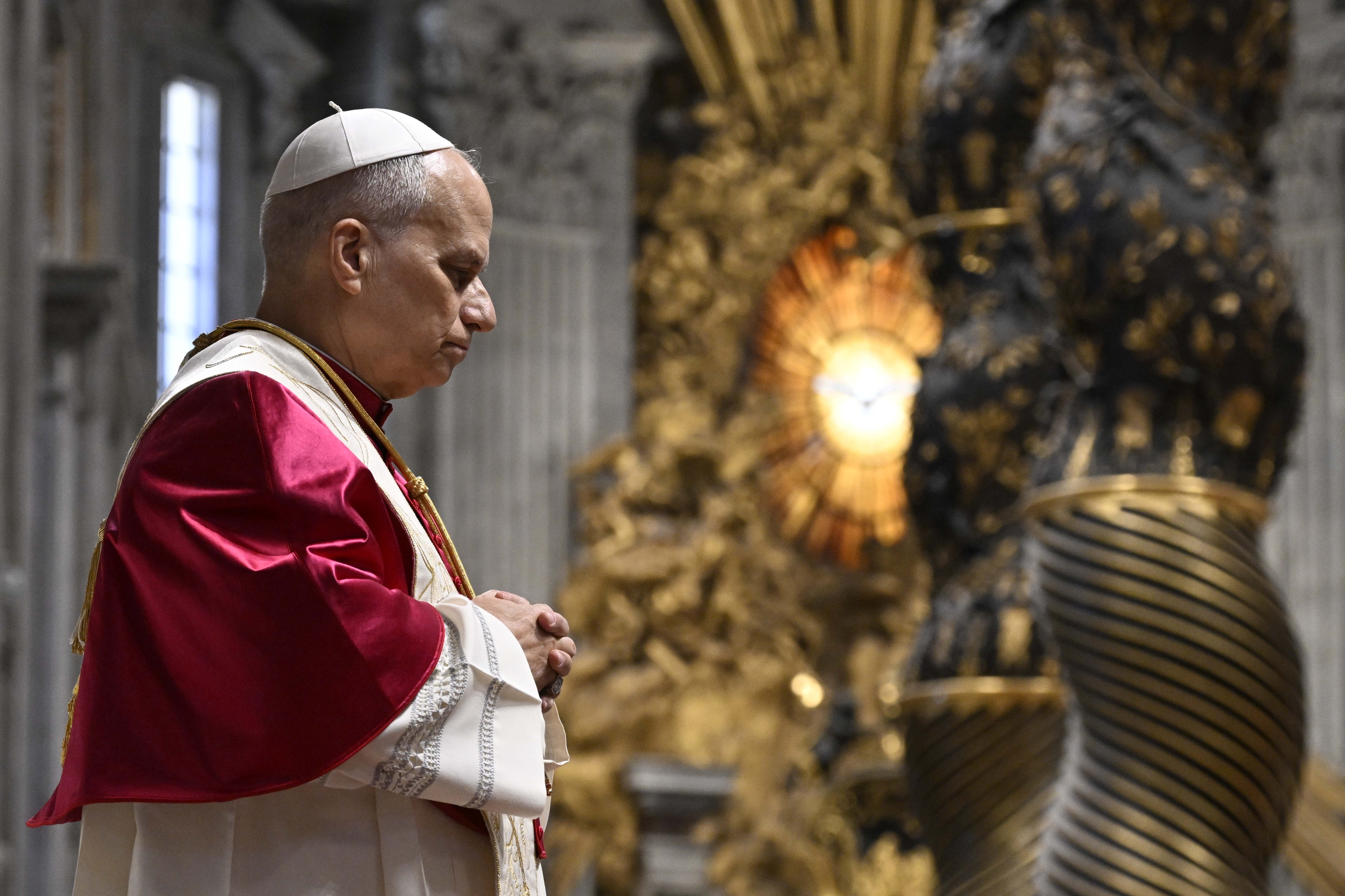
While Pope Leo “has an endless list” of prayer intentions, the Pope’s Worldwide Prayer Network helps him choose 12 to offer each month of the year, according to Father Cristóbal Fones, SJ.
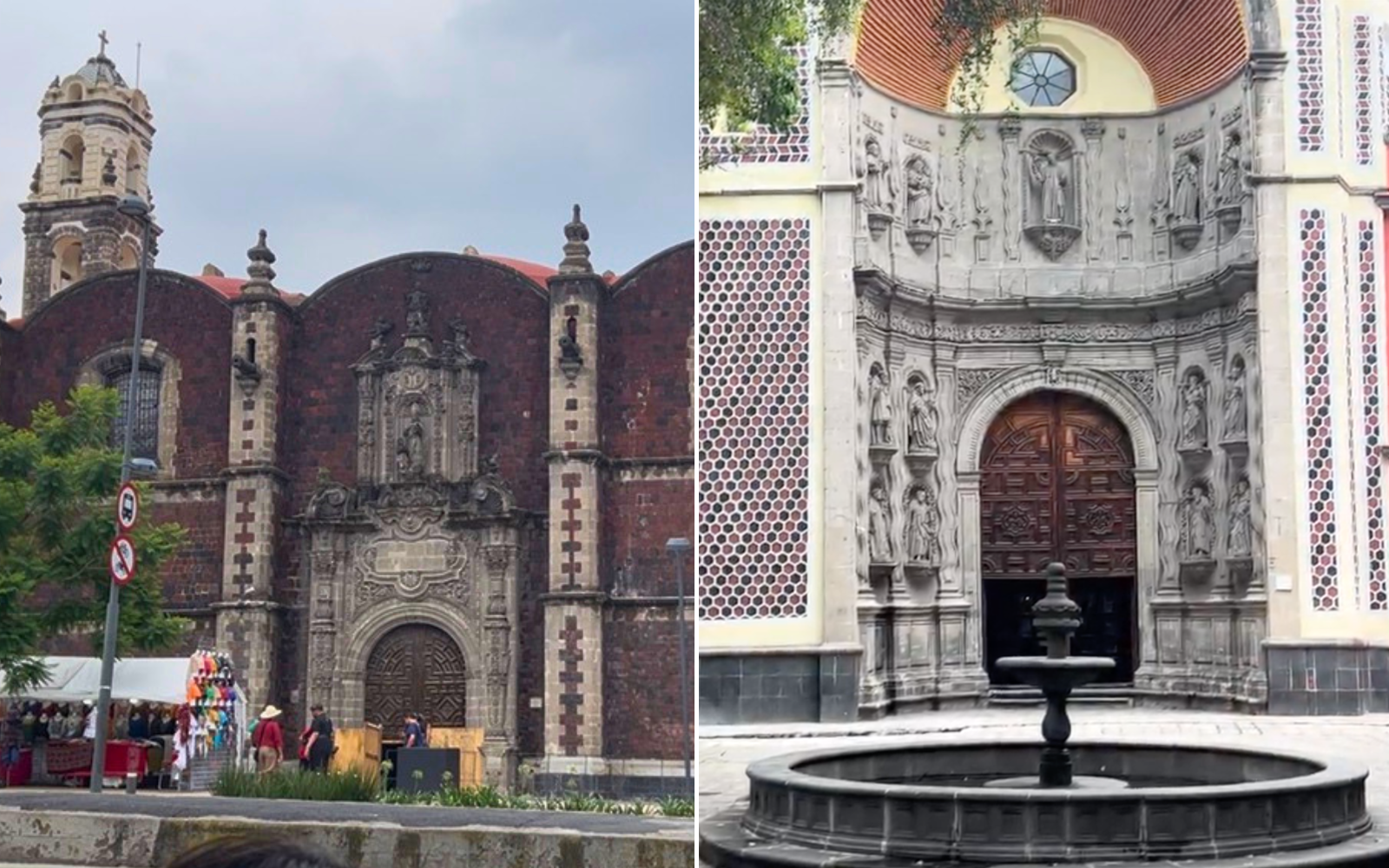
![2 historic churches in Mexico City reopen almost 9 years after earthquake damage #Catholic Almost nine years after the earthquakes that shook central and southwestern Mexico in September 2017, St. John of God Church and Holy True Cross Church, both located in Mexico City, have reopened their doors for worship.On July 8, a Mass was celebrated at Holy Cross Church, marking the communityʼs return to their church and concluding a lengthy restoration process.
Start of the reopening Mass at Holy Cross Parish. | Credit: Holy True Cross Parish, Mexico City
The earthquakes of Sept. 7 and 19, 2017, resulted in 468 deaths and caused damage to thousands of buildings.In Mexico City alone, around 160 Catholic churches suffered structural damage of varying severity such as these two churches located just a short distance apart.
Restoration work at the Holy True Cross Parish. | Credit: Holy True Cross Parish, Mexico City
5 centuries of historyHoly True Cross Church is considered one of the oldest churches in the country.According to tradition, the explorer and conquistador Hernán Cortés ordered the construction of a small chapel to commemorate the landing of the Spanish expedition at the port of what is now known as the state of Veracruz. Over time, that chapel gave rise to the parish as it is known today.Facebook postThe church also houses important works of sacred art, such as the Christ of the Seven Veils, which is said to have been a gift from Pope Paul III to King Carlos V of Spain. Additionally, a relic of the true cross is preserved there, considered by Christian tradition to be a fragment of the cross on which Jesus Christ died.
Reliquary containing a splinter of the true cross. | Credit: “EWTN Noticias”
In an interview with ACI Prensa, the Spanish-language sister service of EWTN News, Father Juan Carlos Guerrero Ugalde, the pastor of Holy True Cross and St. John of God, stated that restoring the churches was a priority of “not only ecclesiastical but also civic interest.”“This church [Holy True Cross] was the third parish established in the city and, therefore, holds a tradition of faith dating back to the 16th century,” he explained.9 years to returnGuerrero described the restoration process as “meticulous and slow” due to the complexity of the damage.Among other measures, the bell towers, which were at risk of collapse, were reinforced, cracks were repaired, the hydraulic piles supporting both structures were serviced, the roofs were waterproofed, and work was carried out to correct the effects of the ground settling.Facebook postThe work was overseen by the National Institute of Anthropology and History, as both buildings are part of the nationʼs historical heritage.In Mexico, religious buildings constructed prior to the 1992 constitutional reforms are state property, although they remain places of worship and are used by religious associations.The restoration of the Holy True Cross church faced an additional challenge: a fire in August 2020 caused by individuals living on the street. Reports indicate that a campfire spiraled out of control, damaging the choir loft, the dome, and sacred art.Today, those walking through the historic central part of Mexico City can once again enter the church. Marcela Eduardo, who works in the area and took a moment of free time to stop in and pray, did just that.“It brought me great joy to see it open and to see that repairs are underway,” she noted in an interview with ACI Prensa. She said that when she saw the parish church open, her first thought was to go in to see Christ and “greet him, make the sign of the cross, and ask him for something: that he give me more energy.” Much more than a churchThese churches are surrounded by some of Mexico’s most important cultural landmarks, such as the Franz Mayer Museum, the Palace of Fine Arts, and the Alameda Central, a large city park.
Visible in the background of the photo are the Torre Latinoamericana, the Palace of Fine Arts, and part of the Alameda Central. | Credit: “EWTN Noticias”
Although Holy True Cross and St. John of God churches might go unnoticed by some tourists amid so many other buildings, Guerrero noted that their value has been “significant for both the faith and the city.”He explained that, following the 1985 earthquake, the area welcomed numerous families from various places, necessitating the construction of a new community identity. Pastoral work at the time “consisted of gradually integrating the way of life of longtime residents and that of those who were newly arriving.”Over the years, he added, violence, drug trafficking, and social breakdown affected life in the neighborhood, making the Church’s presence even more necessary.Facebook postFor Betsabé Jara, who visited the church after touring the Franz Mayer Museum, the reopening represents an opportunity to regain a place for encountering God.“It brings peace of mind that the church is open, that one can enter and pray. Especially for people who couldnʼt go elsewhere because there wasnʼt a church nearby,” she said in an interview with ACI Prensa.Building the communityThe priest noted that reactivating community life will be the next challenge. He explained that a “call has already gone out to neighborhood residents to come for formation as pastoral workers.”
Interior of Holy True Cross Church. | Credit: “EWTN Noticias”
He also noted that they aim to develop social programs such as job training for individuals who did not complete their formal education as well as cultural initiatives in collaboration with nearby museums.“We want the spaces we have in both churches to be truly utilized and filled with formation programs,” Guerrero said.As the community gradually restores life to these churches, Masses are currently held regularly on Sundays, whereas weekday Masses take place only upon the request of the faithful.This story was first published by ACI Prensa, the Spanish-language sister service of EWTN News. It has been translated and adapted by EWTN News English.](http://unitedyam.com/wp-content/uploads/2026/07/2-historic-churches-in-mexico-city-reopen-almost-9-years-after-earthquake-damage-catholic-almost-nine-years-after-the-earthquakes-that-shook-central-and-southwestern-mexico-in-september-2017-st-joh.jpg "2 historic churches in Mexico City reopen almost 9 years after earthquake damage #Catholic Almost nine years after the earthquakes that shook central and southwestern Mexico in September 2017, St. John of God Church and Holy True Cross Church, both located in Mexico City, have reopened their doors for worship.On July 8, a Mass was celebrated at Holy Cross Church, marking the communityʼs return to their church and concluding a lengthy restoration process.
Start of the reopening Mass at Holy Cross Parish. | Credit: Holy True Cross Parish, Mexico City
The earthquakes of Sept. 7 and 19, 2017, resulted in 468 deaths and caused damage to thousands of buildings.In Mexico City alone, around 160 Catholic churches suffered structural damage of varying severity such as these two churches located just a short distance apart.
Restoration work at the Holy True Cross Parish. | Credit: Holy True Cross Parish, Mexico City
5 centuries of historyHoly True Cross Church is considered one of the oldest churches in the country.According to tradition, the explorer and conquistador Hernán Cortés ordered the construction of a small chapel to commemorate the landing of the Spanish expedition at the port of what is now known as the state of Veracruz. Over time, that chapel gave rise to the parish as it is known today.Facebook postThe church also houses important works of sacred art, such as the Christ of the Seven Veils, which is said to have been a gift from Pope Paul III to King Carlos V of Spain. Additionally, a relic of the true cross is preserved there, considered by Christian tradition to be a fragment of the cross on which Jesus Christ died.
Reliquary containing a splinter of the true cross. | Credit: “EWTN Noticias”
In an interview with ACI Prensa, the Spanish-language sister service of EWTN News, Father Juan Carlos Guerrero Ugalde, the pastor of Holy True Cross and St. John of God, stated that restoring the churches was a priority of “not only ecclesiastical but also civic interest.”“This church [Holy True Cross] was the third parish established in the city and, therefore, holds a tradition of faith dating back to the 16th century,” he explained.9 years to returnGuerrero described the restoration process as “meticulous and slow” due to the complexity of the damage.Among other measures, the bell towers, which were at risk of collapse, were reinforced, cracks were repaired, the hydraulic piles supporting both structures were serviced, the roofs were waterproofed, and work was carried out to correct the effects of the ground settling.Facebook postThe work was overseen by the National Institute of Anthropology and History, as both buildings are part of the nationʼs historical heritage.In Mexico, religious buildings constructed prior to the 1992 constitutional reforms are state property, although they remain places of worship and are used by religious associations.The restoration of the Holy True Cross church faced an additional challenge: a fire in August 2020 caused by individuals living on the street. Reports indicate that a campfire spiraled out of control, damaging the choir loft, the dome, and sacred art.Today, those walking through the historic central part of Mexico City can once again enter the church. Marcela Eduardo, who works in the area and took a moment of free time to stop in and pray, did just that.“It brought me great joy to see it open and to see that repairs are underway,” she noted in an interview with ACI Prensa. She said that when she saw the parish church open, her first thought was to go in to see Christ and “greet him, make the sign of the cross, and ask him for something: that he give me more energy.” Much more than a churchThese churches are surrounded by some of Mexico’s most important cultural landmarks, such as the Franz Mayer Museum, the Palace of Fine Arts, and the Alameda Central, a large city park.
Visible in the background of the photo are the Torre Latinoamericana, the Palace of Fine Arts, and part of the Alameda Central. | Credit: “EWTN Noticias”
Although Holy True Cross and St. John of God churches might go unnoticed by some tourists amid so many other buildings, Guerrero noted that their value has been “significant for both the faith and the city.”He explained that, following the 1985 earthquake, the area welcomed numerous families from various places, necessitating the construction of a new community identity. Pastoral work at the time “consisted of gradually integrating the way of life of longtime residents and that of those who were newly arriving.”Over the years, he added, violence, drug trafficking, and social breakdown affected life in the neighborhood, making the Church’s presence even more necessary.Facebook postFor Betsabé Jara, who visited the church after touring the Franz Mayer Museum, the reopening represents an opportunity to regain a place for encountering God.“It brings peace of mind that the church is open, that one can enter and pray. Especially for people who couldnʼt go elsewhere because there wasnʼt a church nearby,” she said in an interview with ACI Prensa.Building the communityThe priest noted that reactivating community life will be the next challenge. He explained that a “call has already gone out to neighborhood residents to come for formation as pastoral workers.”
Interior of Holy True Cross Church. | Credit: “EWTN Noticias”
He also noted that they aim to develop social programs such as job training for individuals who did not complete their formal education as well as cultural initiatives in collaboration with nearby museums.“We want the spaces we have in both churches to be truly utilized and filled with formation programs,” Guerrero said.As the community gradually restores life to these churches, Masses are currently held regularly on Sundays, whereas weekday Masses take place only upon the request of the faithful.This story was first published by ACI Prensa, the Spanish-language sister service of EWTN News. It has been translated and adapted by EWTN News English.")
Work was slow and meticulous due to the complexity of the damage, but the two churches in the historic city center of Mexico City are now open to the faithful.
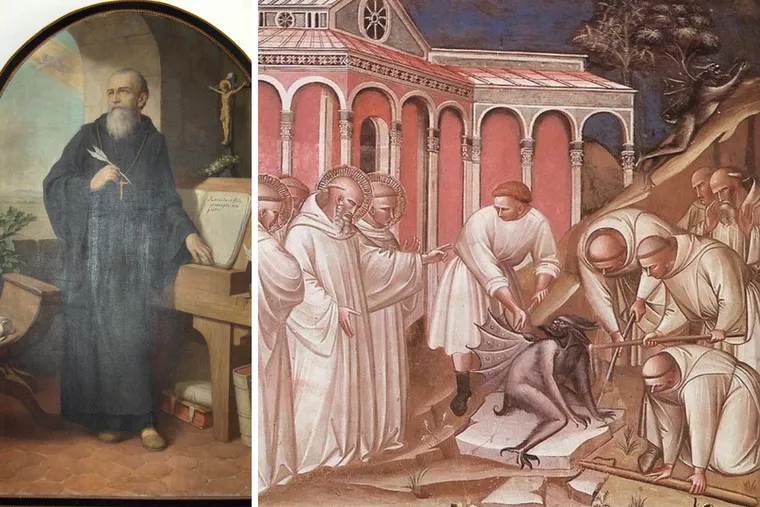
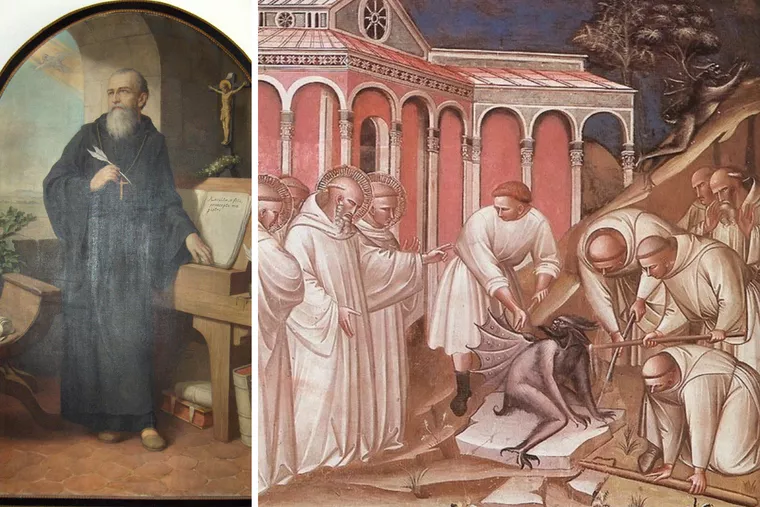
St. Benedict, whose feast the Catholic Church celebrates on July 11, endured constant attacks from the enemy throughout his life.
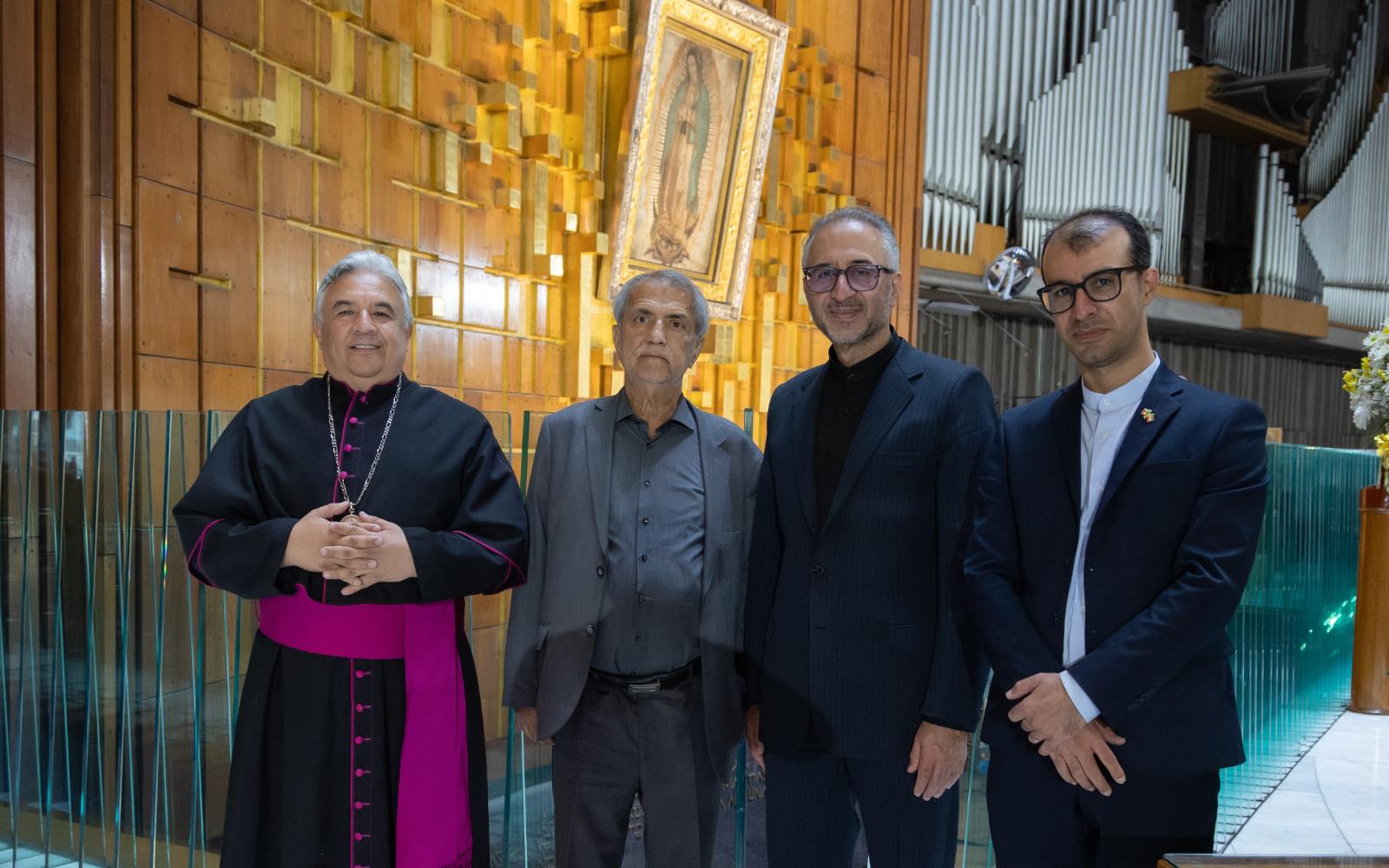
![Iranian delegation visits Our Lady of Guadalupe Basilica, engaging in ‘interfaith dialogue’ #Catholic An Iranian delegation recently visited Our Lady of Guadalupe Basilica in Mexico City, the Marian shrine that displays the original image of the Virgin Mary that miraculously appeared on the tilma of the Indigenous St. Juan Diego nearly 500 years ago.On July 8, the Iranian Embassy in Mexico shared on social media that “at the spiritual heart of Mexico, Our Lady of Guadalupe Basilica, we had the honor of sharing a fraternal meeting between representatives of Islam and Christianity.”The Iranian delegation consisted of Iranʼs ambassador to Mexico, Abolfazl Pasandideh; Ayatollah Dr. Emran Khanzadeh; and Mohammad Reza Gilani, the counselor of cultural affairs at the Iranian Embassy.
The Iranian delegation with Monsignor Edgar Alan Valtierra López during their visit to Our Lady of Guadalupe Basilica. | Credit: Our Lady of Guadalupe Basilica
The three were welcomed at the Marian shrine by Monsignor Edgar Alan Valtierra López, senior penitentiary canon and head of the Commission for Ecumenism and Interreligious Dialogue at the basilica.In its social media post, under the title “When respect opens the way, friendship is born,” the Iranian embassy highlighted that “during the conversation, Dr. Emran Khanzadeh recalled that the Virgin Mary (Maryam) occupies a unique place in Islam,” since “she is the only woman mentioned by name in the Quran and an eternal example of purity, faith, and dedication to God.”“We also share a little-known reality: In Iran, Muslims, Christians, Jews, and Zoroastrians have lived together for centuries with mutual respect. Because when people know each other, prejudices disappear,” the Iranian delegation said.“Religions may have different paths, but they all lead to peace,” the embassy wrote.The Virgin Mary and her ‘very important’ role in dialogue between Catholics and MuslimsSpeaking to ACI Prensa, the Spanish-language sister service of EWTN News, Valtierra said that “the role of the Blessed Virgin Mary in Catholic-Muslim dialogue is very important.”“Ambassador Abolfazl told us that in the Quran, their holy book, she is called Maryam, and she is the only woman to whom a surah, that is, a chapter of the Quran, is dedicated. Surah 3:42 states: ‘Oh Mary! God has chosen you, purified you, and selected you above the women of all worlds.’”“Although there are very profound differences regarding the figure of Jesus, Mary becomes a sign of rapprochement and respectful dialogue, as we discover shared values such as love for God, obedience, faith, humility, hope, and many others,” the Mexican priest said.Valtierra noted that the gathering took place in the context of the desire of the primatial archbishop of Mexico, Cardinal Carlos Aguiar Retes, for the shrine of Our Lady of Guadalupe to be a place where people of all faiths can learn about and draw closer to the message of Our Lady of Guadalupe and her son, Our Lord Jesus Christ.“Interfaith and ecumenical events are held in various areas of the shrine,” he said, noting that meetings have taken place with Lutheran, Anglican, and evangelical Christians as well as believers “from other religions such as Jews, Buddhists, and Hare Krishnas,” among others.“In this context, the Iranian embassy requested to visit the shrine on the occasion of a visit by a very important figure, Ayatollah Dr. Emran Khanzadeh, who wished to engage in interfaith dialogue,” he explained.
Monsignor Edgar Alan Valtierra López accompanies the Iranian delegation during a tour of Our Lady of Guadalupe Basilica. | Credit: Our Lady of Guadalupe Basilica
‘A testimony to the Church’s openness’Valtierra noted that during the visit, “we first toured the shrine, which included viewing the image head-on from the sanctuary. Afterward, we moved to a room where Ayatollah Emran spoke, drawing on profound Islamic theology, about the need for religions to work together.”The ayatollah, he said, “mentioned that in Iran there is a street where there is a Mazdean [Zoroastrian] temple, an Armenian Christian church, and a mosque,” and “noted that monotheistic religions share many common points, one of which is a merciful God who calls upon us to work in fraternity.”This meeting, the canon of the basilica noted, demonstrates “that the Church can welcome everyone with respect and without neglecting the proclamation of Our Lord Jesus Christ.”Visitors who were ‘very devoted to Our Lady of Guadalupe’According to Valtierra, the Iranian visitors “showed themselves to be very devoted to Our Lady of Guadalupe” and noted that “in the sacristy, we gave them some holy cards featuring the image of the Virgin, and they liked them very much.” The ambassador and the ayatollah shared with him that both men have daughters named Mary.Furthermore, “they also told us that they have an image of Our Lady of Guadalupe in their homes, and that in Iran there is even a metro station named ‘Holy Virgin Mary,’ which features a beautiful relief image of the Virgin on one of its walls.”“While the image in the station does not depict Guadalupe, it certainly speaks volumes about the respect held for Holy Mary,” the priest noted.Our Lady of Guadalupe Basilica and interreligious dialogueValtierra clarified that when receiving visits from believers of other religions, “the basilica does not stop being a Catholic shrine; rites blending beliefs are not performed,” but rather “each participant fully retains their own religious identity.”The aim, he emphasized, is “to promote mutual understanding, respect, and collaboration for peace and human dignity, as called for by the Second Vatican Council and the contemporary magisterium of the popes.”“Visits by people of other faiths to Our Lady of Guadalupe Basilica offer an opportunity to encounter the Catholic faith through its liturgy, devotion to the Virgin, and the witness of popular piety,” he said, noting that “interreligious dialogue does not promote relativism or syncretism; rather, it expresses the conviction that Christianity can bear witness to Christ with clarity while simultaneously listening to, learning from, and working alongside people of other religious traditions.”This story was first published by ACI Prensa, the Spanish-language sister service of EWTN News. It has been translated and adapted by EWTN News English.](http://unitedyam.com/wp-content/uploads/2026/07/iranian-delegation-visits-our-lady-of-guadalupe-basilica-engaging-in-interfaith-dialogue-catholic-an-iranian-delegation-recently-visited-our-lady-of-guadalupe-basilica-in-mexico-ci.jpg "Iranian delegation visits Our Lady of Guadalupe Basilica, engaging in ‘interfaith dialogue’ #Catholic An Iranian delegation recently visited Our Lady of Guadalupe Basilica in Mexico City, the Marian shrine that displays the original image of the Virgin Mary that miraculously appeared on the tilma of the Indigenous St. Juan Diego nearly 500 years ago.On July 8, the Iranian Embassy in Mexico shared on social media that “at the spiritual heart of Mexico, Our Lady of Guadalupe Basilica, we had the honor of sharing a fraternal meeting between representatives of Islam and Christianity.”The Iranian delegation consisted of Iranʼs ambassador to Mexico, Abolfazl Pasandideh; Ayatollah Dr. Emran Khanzadeh; and Mohammad Reza Gilani, the counselor of cultural affairs at the Iranian Embassy.
The Iranian delegation with Monsignor Edgar Alan Valtierra López during their visit to Our Lady of Guadalupe Basilica. | Credit: Our Lady of Guadalupe Basilica
The three were welcomed at the Marian shrine by Monsignor Edgar Alan Valtierra López, senior penitentiary canon and head of the Commission for Ecumenism and Interreligious Dialogue at the basilica.In its social media post, under the title “When respect opens the way, friendship is born,” the Iranian embassy highlighted that “during the conversation, Dr. Emran Khanzadeh recalled that the Virgin Mary (Maryam) occupies a unique place in Islam,” since “she is the only woman mentioned by name in the Quran and an eternal example of purity, faith, and dedication to God.”“We also share a little-known reality: In Iran, Muslims, Christians, Jews, and Zoroastrians have lived together for centuries with mutual respect. Because when people know each other, prejudices disappear,” the Iranian delegation said.“Religions may have different paths, but they all lead to peace,” the embassy wrote.The Virgin Mary and her ‘very important’ role in dialogue between Catholics and MuslimsSpeaking to ACI Prensa, the Spanish-language sister service of EWTN News, Valtierra said that “the role of the Blessed Virgin Mary in Catholic-Muslim dialogue is very important.”“Ambassador Abolfazl told us that in the Quran, their holy book, she is called Maryam, and she is the only woman to whom a surah, that is, a chapter of the Quran, is dedicated. Surah 3:42 states: ‘Oh Mary! God has chosen you, purified you, and selected you above the women of all worlds.’”“Although there are very profound differences regarding the figure of Jesus, Mary becomes a sign of rapprochement and respectful dialogue, as we discover shared values such as love for God, obedience, faith, humility, hope, and many others,” the Mexican priest said.Valtierra noted that the gathering took place in the context of the desire of the primatial archbishop of Mexico, Cardinal Carlos Aguiar Retes, for the shrine of Our Lady of Guadalupe to be a place where people of all faiths can learn about and draw closer to the message of Our Lady of Guadalupe and her son, Our Lord Jesus Christ.“Interfaith and ecumenical events are held in various areas of the shrine,” he said, noting that meetings have taken place with Lutheran, Anglican, and evangelical Christians as well as believers “from other religions such as Jews, Buddhists, and Hare Krishnas,” among others.“In this context, the Iranian embassy requested to visit the shrine on the occasion of a visit by a very important figure, Ayatollah Dr. Emran Khanzadeh, who wished to engage in interfaith dialogue,” he explained.
Monsignor Edgar Alan Valtierra López accompanies the Iranian delegation during a tour of Our Lady of Guadalupe Basilica. | Credit: Our Lady of Guadalupe Basilica
‘A testimony to the Church’s openness’Valtierra noted that during the visit, “we first toured the shrine, which included viewing the image head-on from the sanctuary. Afterward, we moved to a room where Ayatollah Emran spoke, drawing on profound Islamic theology, about the need for religions to work together.”The ayatollah, he said, “mentioned that in Iran there is a street where there is a Mazdean [Zoroastrian] temple, an Armenian Christian church, and a mosque,” and “noted that monotheistic religions share many common points, one of which is a merciful God who calls upon us to work in fraternity.”This meeting, the canon of the basilica noted, demonstrates “that the Church can welcome everyone with respect and without neglecting the proclamation of Our Lord Jesus Christ.”Visitors who were ‘very devoted to Our Lady of Guadalupe’According to Valtierra, the Iranian visitors “showed themselves to be very devoted to Our Lady of Guadalupe” and noted that “in the sacristy, we gave them some holy cards featuring the image of the Virgin, and they liked them very much.” The ambassador and the ayatollah shared with him that both men have daughters named Mary.Furthermore, “they also told us that they have an image of Our Lady of Guadalupe in their homes, and that in Iran there is even a metro station named ‘Holy Virgin Mary,’ which features a beautiful relief image of the Virgin on one of its walls.”“While the image in the station does not depict Guadalupe, it certainly speaks volumes about the respect held for Holy Mary,” the priest noted.Our Lady of Guadalupe Basilica and interreligious dialogueValtierra clarified that when receiving visits from believers of other religions, “the basilica does not stop being a Catholic shrine; rites blending beliefs are not performed,” but rather “each participant fully retains their own religious identity.”The aim, he emphasized, is “to promote mutual understanding, respect, and collaboration for peace and human dignity, as called for by the Second Vatican Council and the contemporary magisterium of the popes.”“Visits by people of other faiths to Our Lady of Guadalupe Basilica offer an opportunity to encounter the Catholic faith through its liturgy, devotion to the Virgin, and the witness of popular piety,” he said, noting that “interreligious dialogue does not promote relativism or syncretism; rather, it expresses the conviction that Christianity can bear witness to Christ with clarity while simultaneously listening to, learning from, and working alongside people of other religious traditions.”This story was first published by ACI Prensa, the Spanish-language sister service of EWTN News. It has been translated and adapted by EWTN News English.")
At their request, a delegation of the Iranian embassy in Mexico City was given a tour of the Marian shrine, highlighting the reverence for the Virgin Mary shared by both Islam and Christianity.

| Picture of the day |
|---|

|
|
Male lion (Panthera leo) in Maasai Mara National Park. The Leo astrological sign ends at this time of year.
|