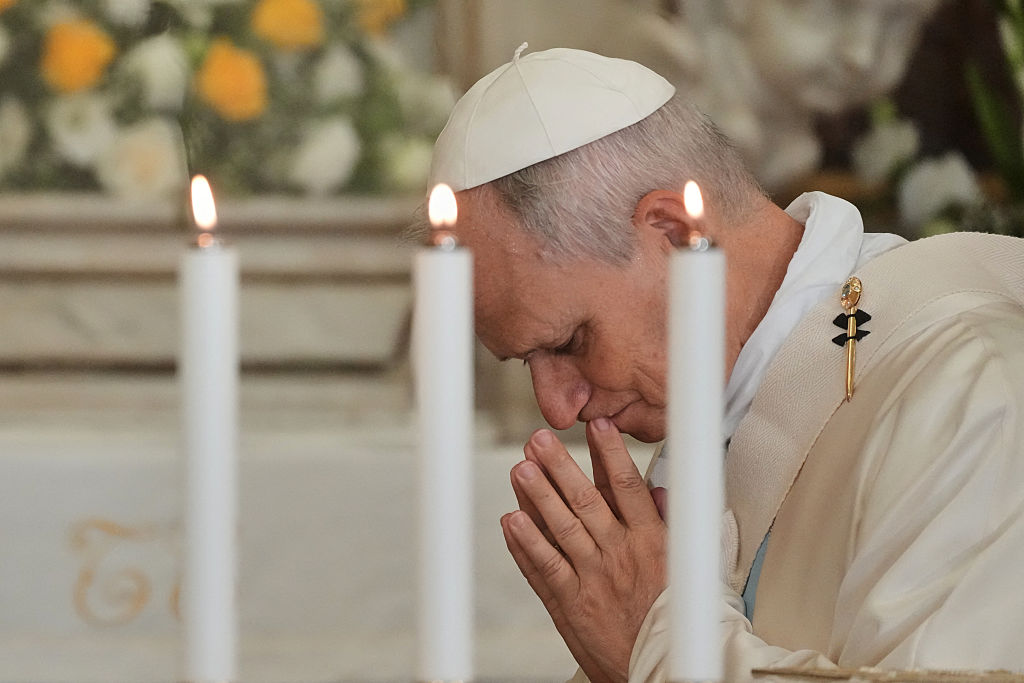

In a homily on the Solemnity of the Assumption of the Blessed Virgin Mary, the pope urged the faithful to reject “consumerist” standards in favor of love.
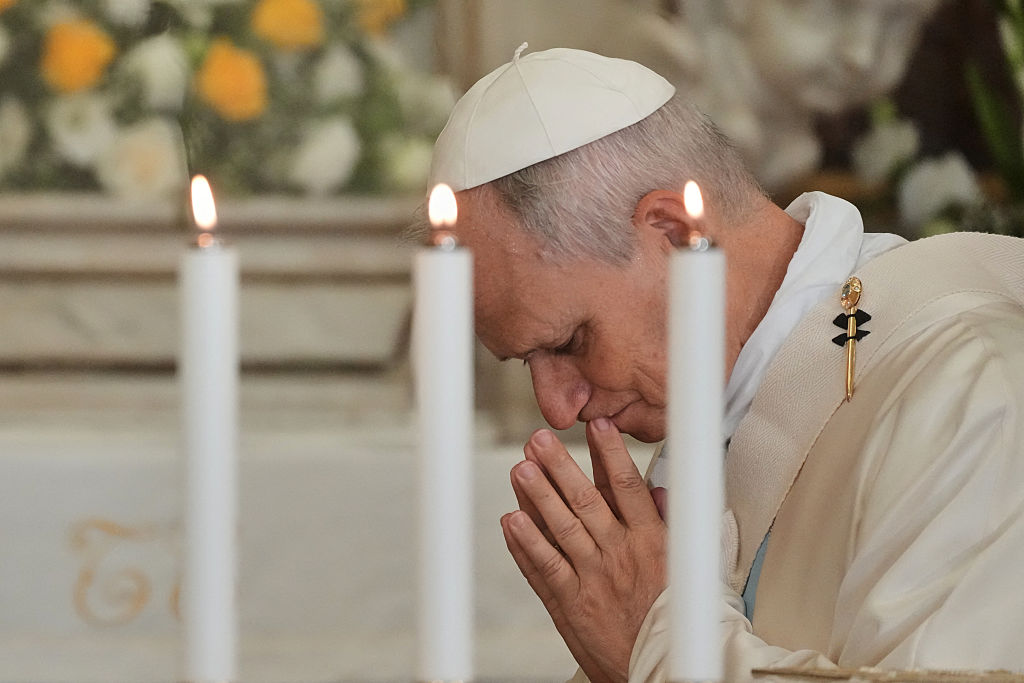
In a homily on the Solemnity of the Assumption of the Blessed Virgin Mary, the pope urged the faithful to reject “consumerist” standards in favor of love.
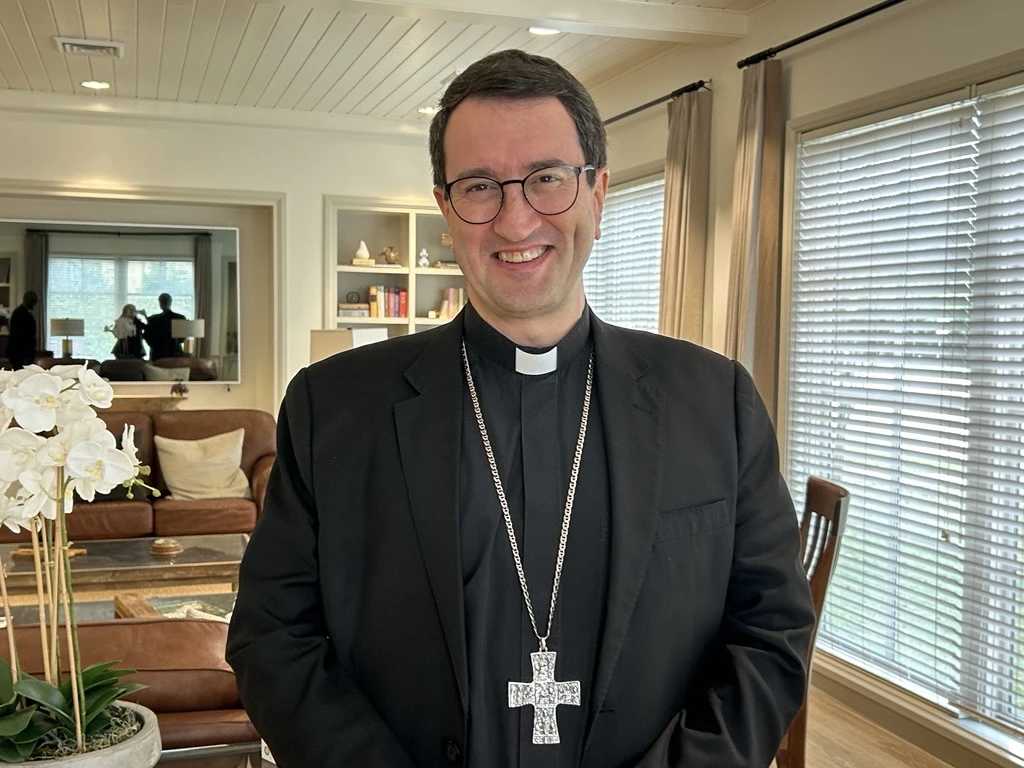
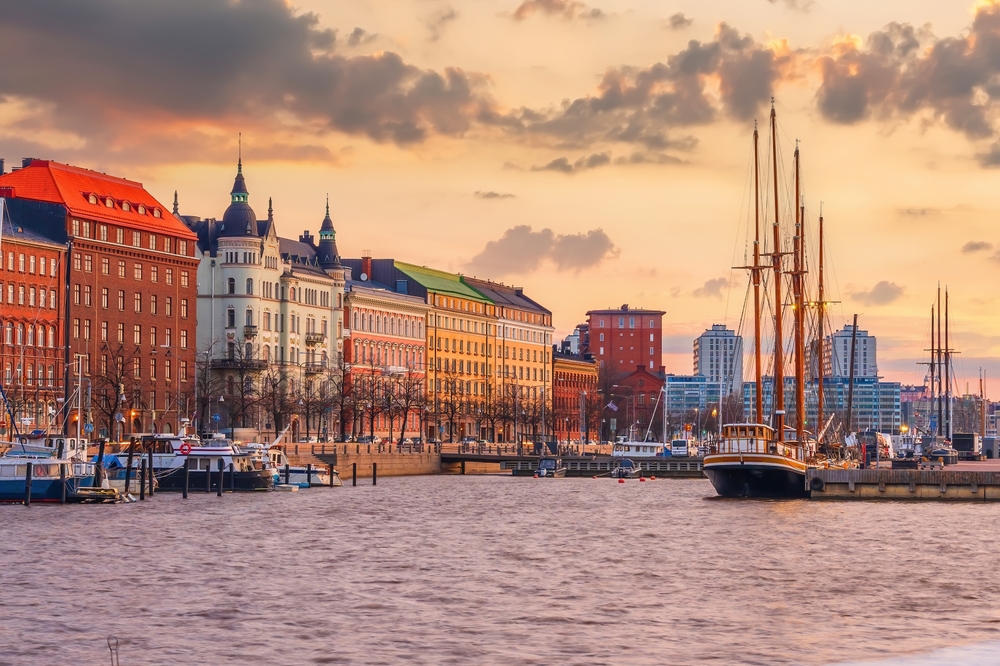
Bishop Raimo Goyarrola of Helsinki told EWTN News that the school will not open this August as planned and that the project has been pushed back to 2027.
![Study shows society’s religious norms can affect children’s anxiety #Catholic Religious faith in society may do more than provide spiritual comfort and moral guidance; it could also help protect against anxiety disorders, according to a recent study published in Developmental Science.The research published in March explored if there were links between what societies value — such as independence and community — and anxiety disorder rates among children and adolescents over three decades.The study by Leonard Konstantin Kulisch, Ana Lorena Domínguez Rojas, Silvia Schneider, and Babett Voigt analyzed preexisting records and data during the years 1989 to 2022 from the World Value Survey, Global Burden of Disease study, Human Development Report, and Future of Families and Child Wellbeing Study.The research found an emphasis on independence was linked to higher anxiety rates in “WEIRD” (Western, Educated, Industrialized, Rich, Democratic) nations, while a greater emphasis on religious faith and interdependence correlated with less anxiety disorders globally.It also found that the importance of religious faith in socialization, and its link to interdependence, was associated with fewer anxiety disorders across 70 of the countries examined.The study did not compare religious versus nonreligious people or compare specific countries. While the effect sizes were small, it did find that “in countries where emphasis on religious faith in childrearing declined, youth anxiety rose,” Brandon Vaidyanathan, professor of sociology at The Catholic University of America, told EWTN News.Country-based disparitiesIn WEIRD nations, the societies that have norms that are oriented toward independence were associated with more anxiety disorders, but the analyses found no significant association among the non-WEIRD countries.In “developing societies [a] shift toward independence accompanies gains in growth and quality of life that may offset its psychological costs, but in already developed societies, it may only intensify competition and achievement-pressure,” Vaidyanathan explained.“The difference between WEIRD and non-WEIRD societies on the independence finding is quite interesting, and the authors suggest that it is stage-dependent,” Vaidyanathan said.“But religion is universal in providing goods that do not depend on development stage” including “belonging, order, meaning, purpose, routine.”Family versus society predictorsThe study reports that religious socialization may serve as “a protective factor” against anxiety issues in children and adolescents, which “is at the communal level much more than the individual level,” Vaidyanathan said. So much so that the U.S. data suggested the societyʼs religious norms predicted childrenʼs anxiety better than the motherʼs own beliefs.“The religiosity of the surrounding social environment was a stronger predictor of childrenʼs anxiety level than the familyʼs own faith, suggesting the protection comes from the society more than family,” Vaidyanathan said. The global protective factor was not communal values in general but religious faith specifically, which Vaidyanathan called “textbook sociology” of religion.“Since Durkheim, sociologists have shown that integration into [a] shared moral community buffers individuals from anomie” or “normlessness,” he said.“Where the community has clear norms, attachments, obligations, limits … the individual doesnʼt have to shoulder the burden of ordering life themselves —which is where anxiety comes in.”“Thatʼs why the protection is at the group level more than individual or family level, and that is what gets eroded in a secularized society,” he said.Vaidyanathan also pointed to Peter Berger, a sociologist and Protestant theologian who coined the term “plausibility structures,” which are the social, cultural, and institutional environments that make certain values or religious beliefs seem believable and normal to a group of people.Bergerʼs “famous concept of ‘plausibility structures’ helps us understand that a religious framework reduces anxiety, only while the surrounding society keeps it plausible — when the surrounding community keeps talking and living as if it were true.”“When that fails, religion becomes one option among many and even a devout householdʼs commitment to their faith is not enough to shield a child in that society. So this is why community norms [or] religiosity matters much more than family belief,” Vaidyanathan said.](http://unitedyam.com/wp-content/uploads/2026/08/study-shows-societys-religious-norms-can-affect-childrens-anxiety-catholic-religious-faith-in-society-may-do-more-than-provide-spiritual-comfort-and-moral-guidance-it-could-also-he.jpg "Study shows society’s religious norms can affect children’s anxiety #Catholic Religious faith in society may do more than provide spiritual comfort and moral guidance; it could also help protect against anxiety disorders, according to a recent study published in Developmental Science.The research published in March explored if there were links between what societies value — such as independence and community — and anxiety disorder rates among children and adolescents over three decades.The study by Leonard Konstantin Kulisch, Ana Lorena Domínguez Rojas, Silvia Schneider, and Babett Voigt analyzed preexisting records and data during the years 1989 to 2022 from the World Value Survey, Global Burden of Disease study, Human Development Report, and Future of Families and Child Wellbeing Study.The research found an emphasis on independence was linked to higher anxiety rates in “WEIRD” (Western, Educated, Industrialized, Rich, Democratic) nations, while a greater emphasis on religious faith and interdependence correlated with less anxiety disorders globally.It also found that the importance of religious faith in socialization, and its link to interdependence, was associated with fewer anxiety disorders across 70 of the countries examined.The study did not compare religious versus nonreligious people or compare specific countries. While the effect sizes were small, it did find that “in countries where emphasis on religious faith in childrearing declined, youth anxiety rose,” Brandon Vaidyanathan, professor of sociology at The Catholic University of America, told EWTN News.Country-based disparitiesIn WEIRD nations, the societies that have norms that are oriented toward independence were associated with more anxiety disorders, but the analyses found no significant association among the non-WEIRD countries.In “developing societies [a] shift toward independence accompanies gains in growth and quality of life that may offset its psychological costs, but in already developed societies, it may only intensify competition and achievement-pressure,” Vaidyanathan explained.“The difference between WEIRD and non-WEIRD societies on the independence finding is quite interesting, and the authors suggest that it is stage-dependent,” Vaidyanathan said.“But religion is universal in providing goods that do not depend on development stage” including “belonging, order, meaning, purpose, routine.”Family versus society predictorsThe study reports that religious socialization may serve as “a protective factor” against anxiety issues in children and adolescents, which “is at the communal level much more than the individual level,” Vaidyanathan said. So much so that the U.S. data suggested the societyʼs religious norms predicted childrenʼs anxiety better than the motherʼs own beliefs.“The religiosity of the surrounding social environment was a stronger predictor of childrenʼs anxiety level than the familyʼs own faith, suggesting the protection comes from the society more than family,” Vaidyanathan said. The global protective factor was not communal values in general but religious faith specifically, which Vaidyanathan called “textbook sociology” of religion.“Since Durkheim, sociologists have shown that integration into [a] shared moral community buffers individuals from anomie” or “normlessness,” he said.“Where the community has clear norms, attachments, obligations, limits … the individual doesnʼt have to shoulder the burden of ordering life themselves —which is where anxiety comes in.”“Thatʼs why the protection is at the group level more than individual or family level, and that is what gets eroded in a secularized society,” he said.Vaidyanathan also pointed to Peter Berger, a sociologist and Protestant theologian who coined the term “plausibility structures,” which are the social, cultural, and institutional environments that make certain values or religious beliefs seem believable and normal to a group of people.Bergerʼs “famous concept of ‘plausibility structures’ helps us understand that a religious framework reduces anxiety, only while the surrounding society keeps it plausible — when the surrounding community keeps talking and living as if it were true.”“When that fails, religion becomes one option among many and even a devout householdʼs commitment to their faith is not enough to shield a child in that society. So this is why community norms [or] religiosity matters much more than family belief,” Vaidyanathan said.")
The study, which looked at data over three decades, reports that a country’s religious values may serve as “a protective factor” against anxiety issues in children and adolescents.

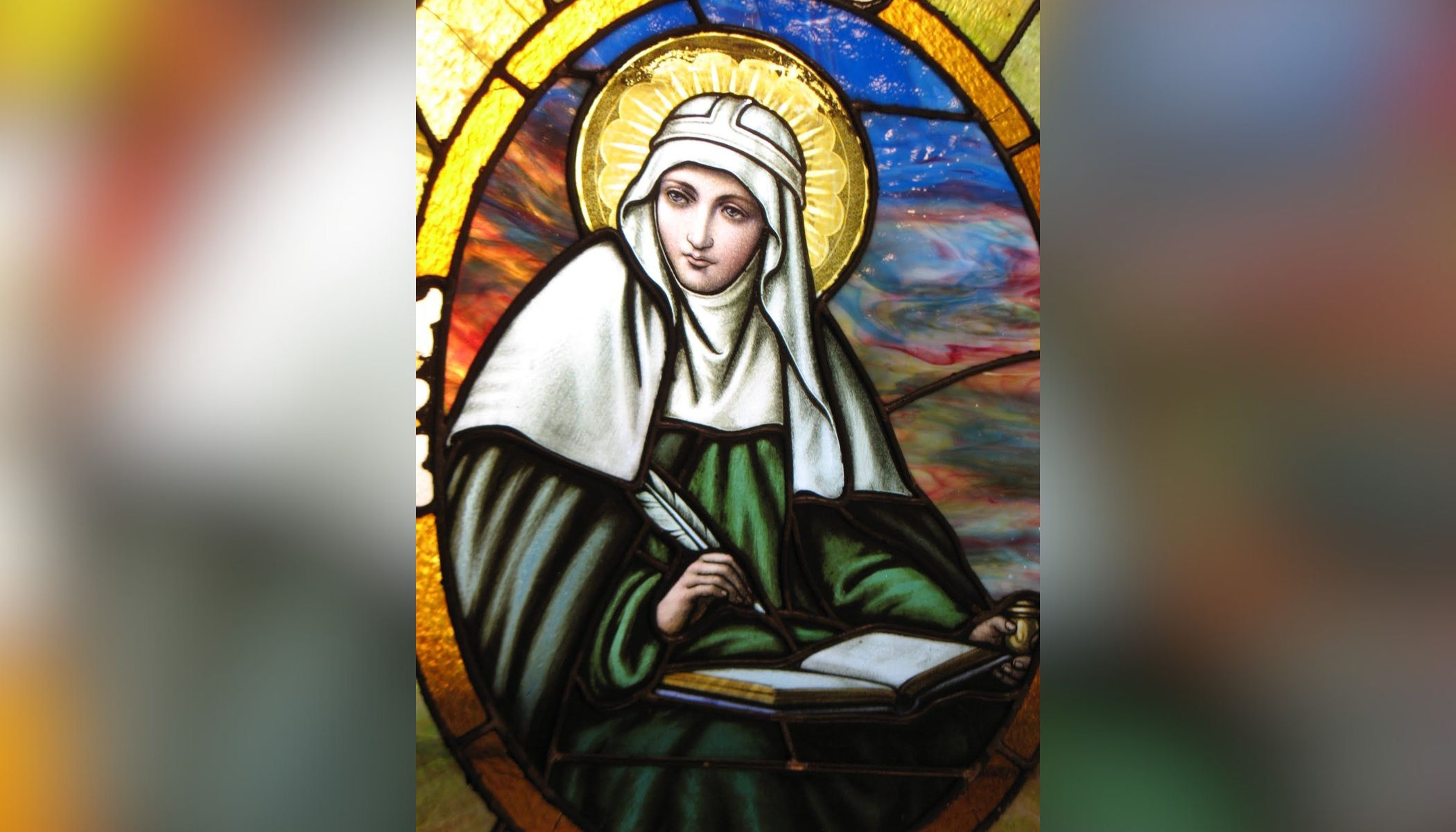
On July 23, the Catholic Church celebrates the feast day of St. Bridget of Sweden, a mystic of the Middle Ages who was a wife and mother of eight children.
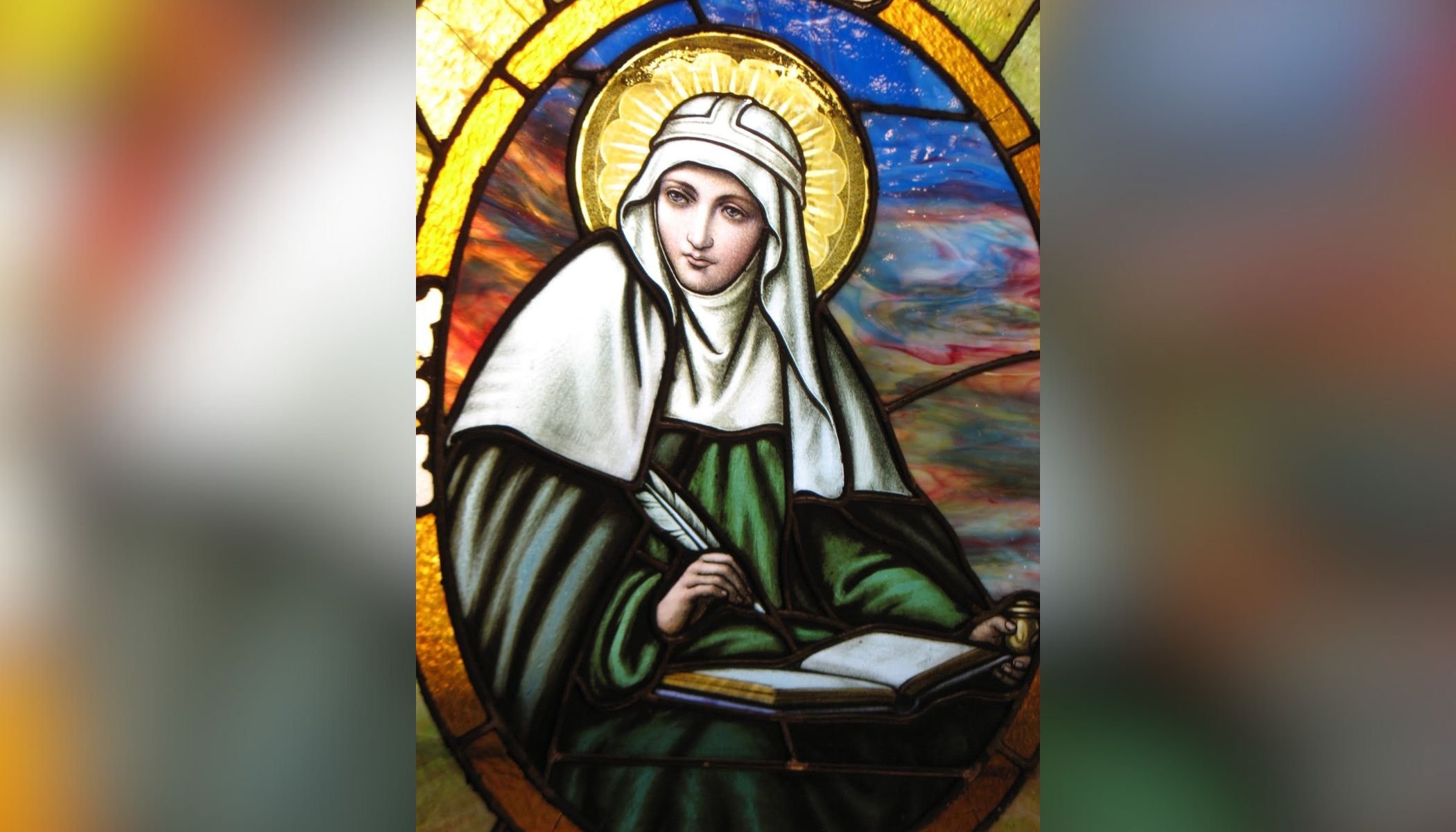

Through her own spiritual journey seeking God, Mother María Elena Martínez founded a community and a retreat movement that is touching the lives of thousands of young people in Latin America.
![Parishioners in western New York ask Vatican to let them save 160-year-old church #Catholic “[We] will not receive an extension or any second chances.” That’s the urgent message Catholics in western New York are telling the local faithful in their bid to preserve a Civil War-era parish in the small town of Auburn. The Diocese of Rochester is moving to permanently close and potentially sell Holy Family Church due to structural issues that officials say make it unsafe to use as a parish.
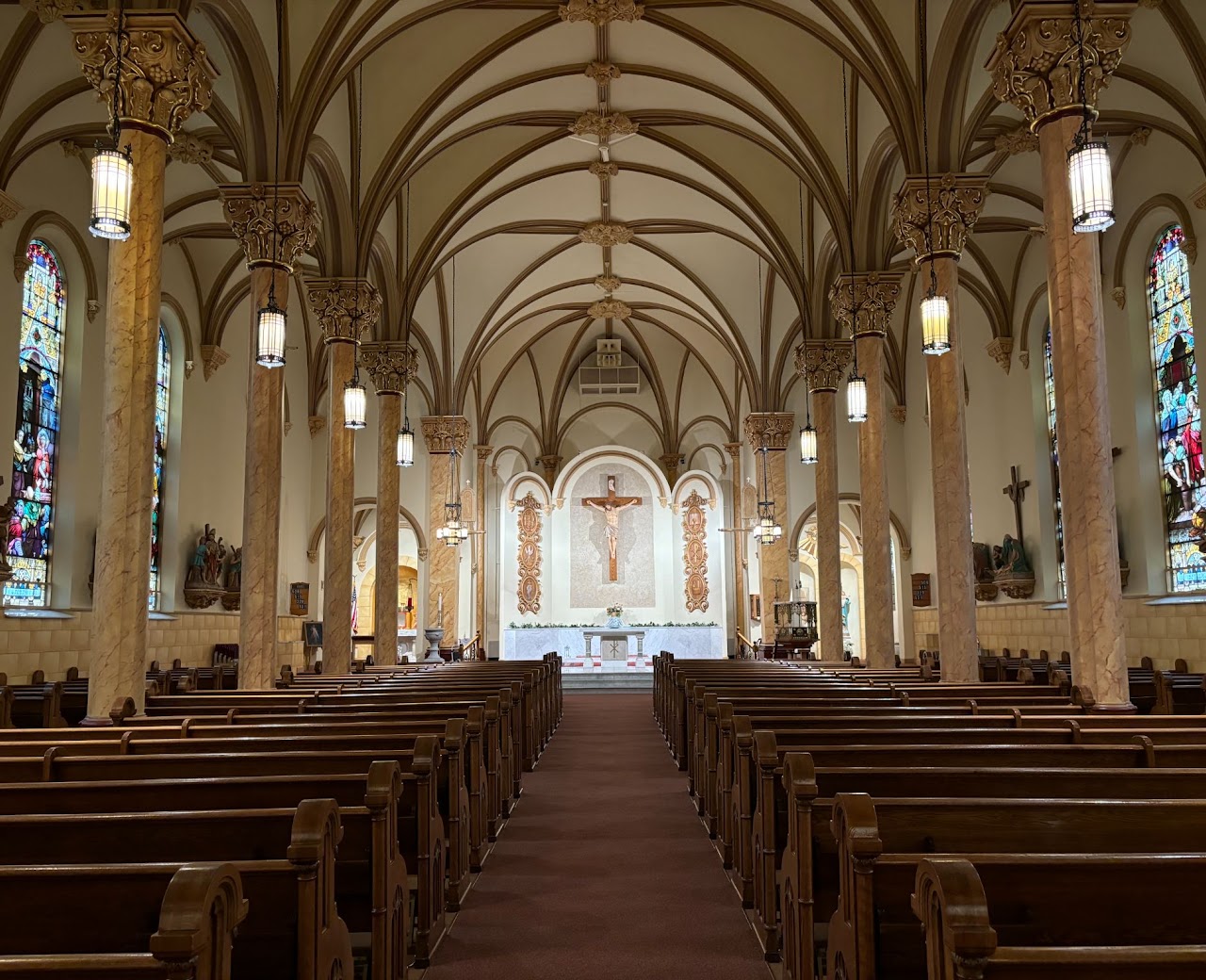
Interior details of Holy Family Catholic Church in Auburn, New York. | Credit: Photo courtesy of H.O.P.E.
The diocese shut down the church in June 2024, but parishioners of the parish in Auburn — located about 40 minutes outside of Syracuse — are petitioning the Vatican to keep the church an active holy site rather than allow it to be sold off to potential developers. On its website, Holy Family Organization to Preserve and Endure says the Vatican has requested that the group “demonstrate funding for the purchase, repair, and maintenance of the church.”The organizers say they are working to raise pledges to support the parish but there is a “narrow time window” and numbers “must be provided to the Vatican by mid-late summer 2026.”“If H.O.P.E. fails to demonstrate sufficient evidence to the Vatican by mid-late summer, then Holy Family Church could be sold to a secular buyer and could be destroyed,” the group said.Parish’s roots stretch back to early 1800sThe Auburn-based Roblee Historic Preservation said in a “statement of significance” report that Auburn was the site of the first Catholic Mass in the Western New York region in the early 1800s. The Roblee report was drafted in order to assist the city’s historic review board in potentially awarding a landmark designation to the parish. The New York Historic Preservation Office had previously said the property was eligible for listing on both the state and national historic registers.
Holy Family Church hosts the wedding of Joseph Paul Staehr Sr. and Jean Marie Hayes Staehr on Nov. 29, 1958. | Credit: Photo courtesy of Richard Staehr
The Church of the Holy Family was initially dedicated in 1830 in a chapel previously used by local Methodists. The current building was built in 1861 by local Dutch-born master builder John Vanderbosch.The report described the parish as the “mother church” of Auburn and “an iconic part of its downtown skyline.” On its website, the Catholic preservation group says it hopes to retain the parish for “Catholic religious activity,” including rosary groups and private prayer groups, “occasional worship,” sacred music concerts, sacred art displays, and architecture tours.Karen Odrzywolski, the president of the parish preservation group, said the church is also meant to preserve the memory and legacy of Bishop Patrick Byrne, an apostolic delegate to Korea who was martyred in 1950 during a four-month-long forced march while in the captivity of communist forces in North Korea. Born in Washington, D.C., Byrne spent his formative years in Auburn, living just a few blocks from the parish. His family attended Mass there and he attended the parochial school; he was confirmed at the parish in 1900.
A record from Holy Family Church shows the Sept. 2, 1900, date of Bishop Patrick Byrne’s confirmation. | Credit: Courtesy of H.O.P.E.
Odrzywolski told EWTN News the preservation group formed in July 2024, a month after the parish was officially shuttered by the diocese. “We initially put together a preservation plan, which we shared with our pastor and with the Diocese of Rochester,” she said. “We’ve also shared it with the Vatican.” “We’ve also worked on educating the community as to the significance of the church,” she said. “We’ve had events in honor of Bishop Byrne and of his family, and on the 75th anniversary of his martyrdom we had a prayer vigil.”In addition to the link with Byrne, Odrzywolski said the parish was also once host to another famous Catholic bishop, now-Venerable Archbishop Fulton Sheen. The prelate, at the time the bishop of the Diocese of Rochester, officiated the funeral Mass of Father William Davie at the parish in 1968. The Vatican has requested that the group demonstration its ability to fund the church’s upkeep, she said. “We’re very appreciative of this opportunity. We’re hopeful if we can demonstrate the funding they’ll allow us to proceed with preserving the church.”Thus far, Odrzywolski said, the group isn’t accepting cash donations; instead, it is collecting pledges “so we can demonstrate our ability to fund the maintenance, repair, and preservation of the church.” “We’ve received over 300 pledges,” she continued. “We’re extremely grateful to every single person who has pledged. Many people have pledged as much as they possibly can. Many who pledge in general may be of limited or fixed income.”Odrzywolski said the needed repairs are limited to the exterior facade. The interior, she said, has been well maintained over more than a century and a half. The Vatican, meanwhile, is expecting the group’s proof of viability by August. “We’re trying our best to aim for an Aug. 1 deadline in order to allow enough time to prepare the documents in a timely manner,” she said.“The truth is, we need the entire community to come together,” she said. “The closure of the church impacts the entire community, and we need individuals, families, and businesses to come together.” “It’s about the future of Auburn,” she continued. “but it’s also about honoring Bishop Byrne, and ultimately honoring God.”](http://unitedyam.com/wp-content/uploads/2026/07/parishioners-in-western-new-york-ask-vatican-to-let-them-save-160-year-old-church-catholic-we-will-not-receive-an-extension-or-any-second-chances-thats-the-urgent-messag-scaled.jpg "Parishioners in western New York ask Vatican to let them save 160-year-old church #Catholic “[We] will not receive an extension or any second chances.” That’s the urgent message Catholics in western New York are telling the local faithful in their bid to preserve a Civil War-era parish in the small town of Auburn. The Diocese of Rochester is moving to permanently close and potentially sell Holy Family Church due to structural issues that officials say make it unsafe to use as a parish.
Interior details of Holy Family Catholic Church in Auburn, New York. | Credit: Photo courtesy of H.O.P.E.
The diocese shut down the church in June 2024, but parishioners of the parish in Auburn — located about 40 minutes outside of Syracuse — are petitioning the Vatican to keep the church an active holy site rather than allow it to be sold off to potential developers. On its website, Holy Family Organization to Preserve and Endure says the Vatican has requested that the group “demonstrate funding for the purchase, repair, and maintenance of the church.”The organizers say they are working to raise pledges to support the parish but there is a “narrow time window” and numbers “must be provided to the Vatican by mid-late summer 2026.”“If H.O.P.E. fails to demonstrate sufficient evidence to the Vatican by mid-late summer, then Holy Family Church could be sold to a secular buyer and could be destroyed,” the group said.Parish’s roots stretch back to early 1800sThe Auburn-based Roblee Historic Preservation said in a “statement of significance” report that Auburn was the site of the first Catholic Mass in the Western New York region in the early 1800s. The Roblee report was drafted in order to assist the city’s historic review board in potentially awarding a landmark designation to the parish. The New York Historic Preservation Office had previously said the property was eligible for listing on both the state and national historic registers.
Holy Family Church hosts the wedding of Joseph Paul Staehr Sr. and Jean Marie Hayes Staehr on Nov. 29, 1958. | Credit: Photo courtesy of Richard Staehr
The Church of the Holy Family was initially dedicated in 1830 in a chapel previously used by local Methodists. The current building was built in 1861 by local Dutch-born master builder John Vanderbosch.The report described the parish as the “mother church” of Auburn and “an iconic part of its downtown skyline.” On its website, the Catholic preservation group says it hopes to retain the parish for “Catholic religious activity,” including rosary groups and private prayer groups, “occasional worship,” sacred music concerts, sacred art displays, and architecture tours.Karen Odrzywolski, the president of the parish preservation group, said the church is also meant to preserve the memory and legacy of Bishop Patrick Byrne, an apostolic delegate to Korea who was martyred in 1950 during a four-month-long forced march while in the captivity of communist forces in North Korea. Born in Washington, D.C., Byrne spent his formative years in Auburn, living just a few blocks from the parish. His family attended Mass there and he attended the parochial school; he was confirmed at the parish in 1900.
A record from Holy Family Church shows the Sept. 2, 1900, date of Bishop Patrick Byrne’s confirmation. | Credit: Courtesy of H.O.P.E.
Odrzywolski told EWTN News the preservation group formed in July 2024, a month after the parish was officially shuttered by the diocese. “We initially put together a preservation plan, which we shared with our pastor and with the Diocese of Rochester,” she said. “We’ve also shared it with the Vatican.” “We’ve also worked on educating the community as to the significance of the church,” she said. “We’ve had events in honor of Bishop Byrne and of his family, and on the 75th anniversary of his martyrdom we had a prayer vigil.”In addition to the link with Byrne, Odrzywolski said the parish was also once host to another famous Catholic bishop, now-Venerable Archbishop Fulton Sheen. The prelate, at the time the bishop of the Diocese of Rochester, officiated the funeral Mass of Father William Davie at the parish in 1968. The Vatican has requested that the group demonstration its ability to fund the church’s upkeep, she said. “We’re very appreciative of this opportunity. We’re hopeful if we can demonstrate the funding they’ll allow us to proceed with preserving the church.”Thus far, Odrzywolski said, the group isn’t accepting cash donations; instead, it is collecting pledges “so we can demonstrate our ability to fund the maintenance, repair, and preservation of the church.” “We’ve received over 300 pledges,” she continued. “We’re extremely grateful to every single person who has pledged. Many people have pledged as much as they possibly can. Many who pledge in general may be of limited or fixed income.”Odrzywolski said the needed repairs are limited to the exterior facade. The interior, she said, has been well maintained over more than a century and a half. The Vatican, meanwhile, is expecting the group’s proof of viability by August. “We’re trying our best to aim for an Aug. 1 deadline in order to allow enough time to prepare the documents in a timely manner,” she said.“The truth is, we need the entire community to come together,” she said. “The closure of the church impacts the entire community, and we need individuals, families, and businesses to come together.” “It’s about the future of Auburn,” she continued. “but it’s also about honoring Bishop Byrne, and ultimately honoring God.”")
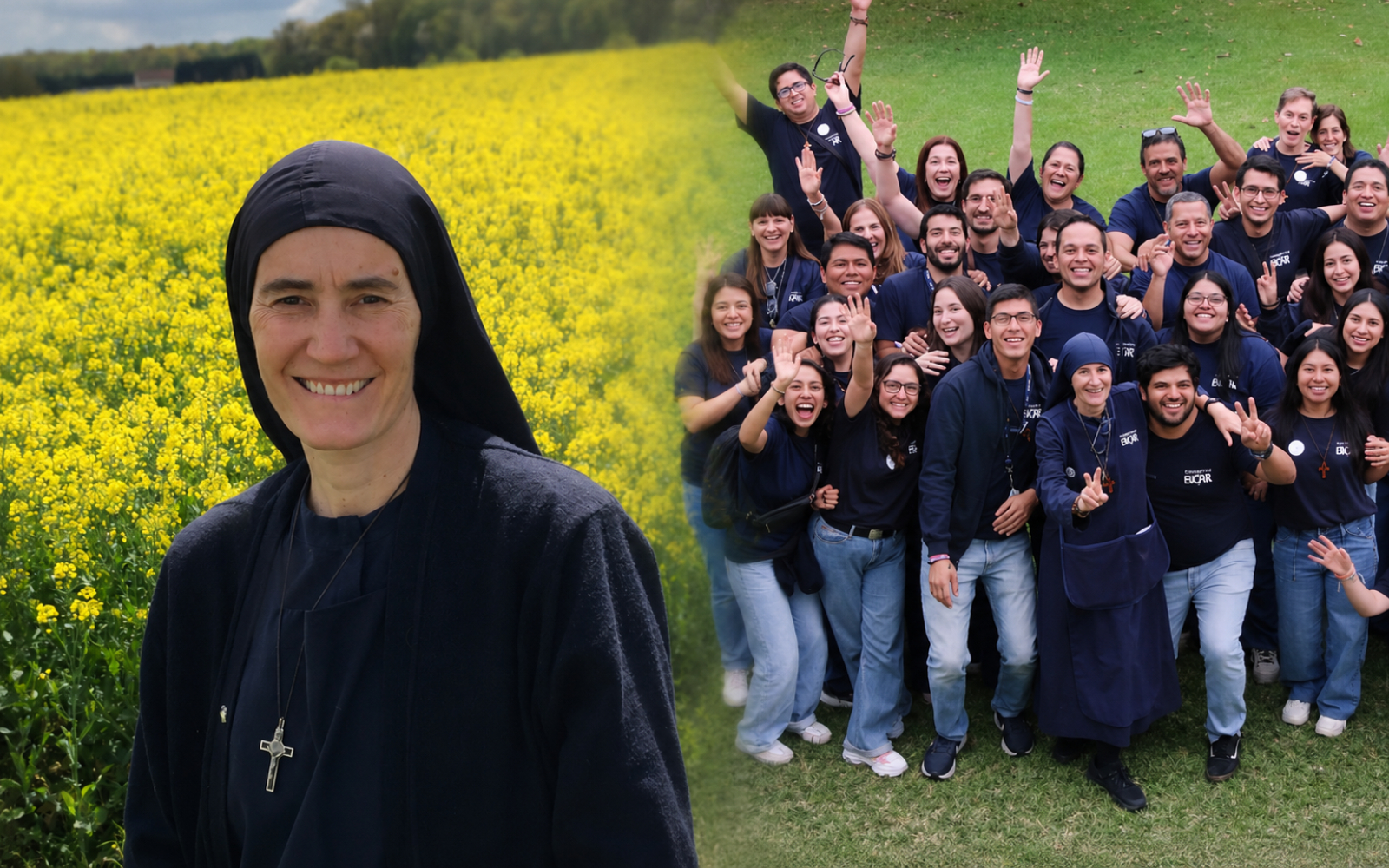
Holy Family Church in Auburn, New York, is facing a possible sale to developers if local Catholics cannot provide a financial plan to the Holy See.

Haiti climbed to No. 5 on the International Rescue Committee’s 2026 emergency watch list, which ranks the top 20 countries facing the world’s most severe humanitarian crises.

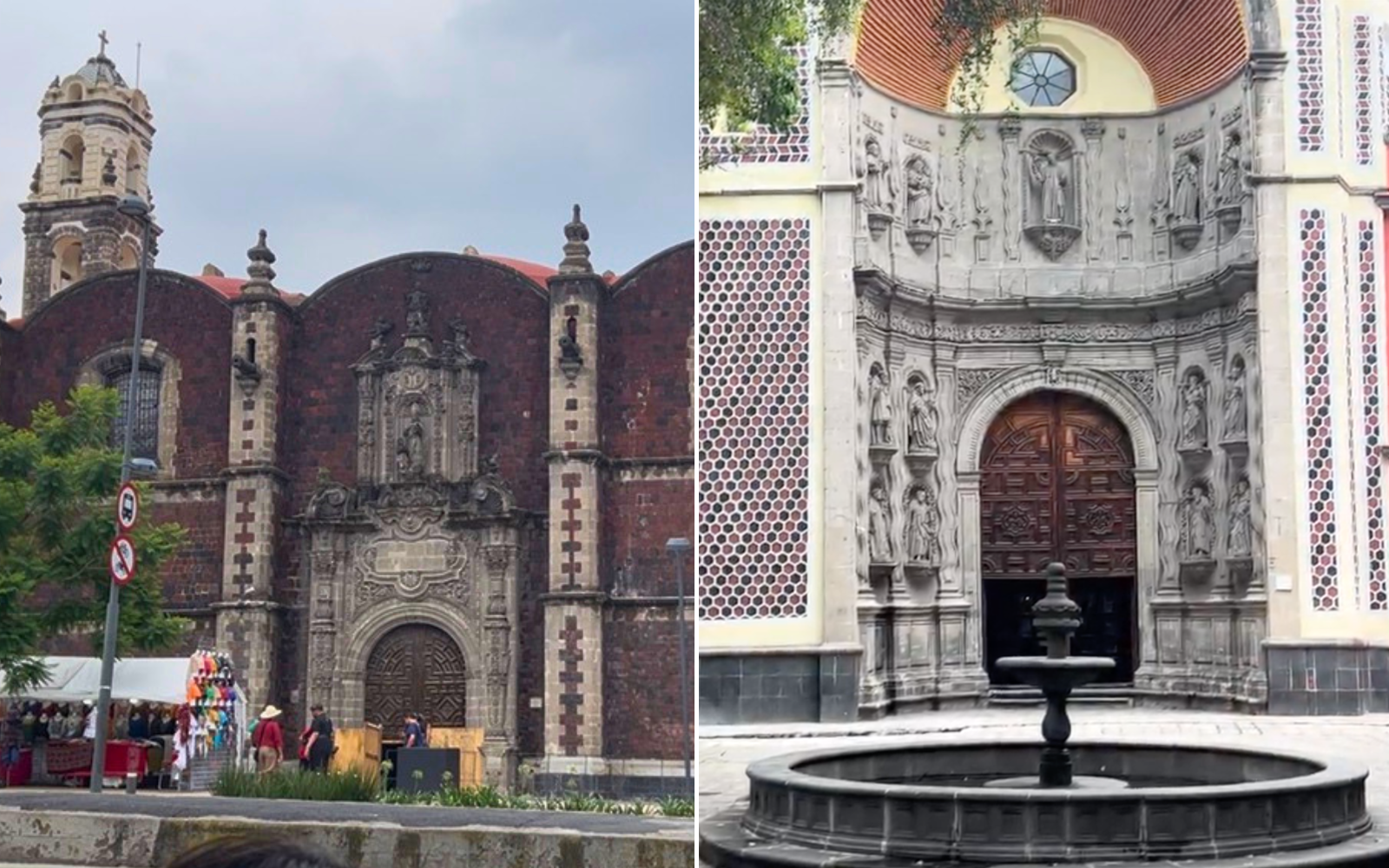
![2 historic churches in Mexico City reopen almost 9 years after earthquake damage #Catholic Almost nine years after the earthquakes that shook central and southwestern Mexico in September 2017, St. John of God Church and Holy True Cross Church, both located in Mexico City, have reopened their doors for worship.On July 8, a Mass was celebrated at Holy Cross Church, marking the communityʼs return to their church and concluding a lengthy restoration process.
Start of the reopening Mass at Holy Cross Parish. | Credit: Holy True Cross Parish, Mexico City
The earthquakes of Sept. 7 and 19, 2017, resulted in 468 deaths and caused damage to thousands of buildings.In Mexico City alone, around 160 Catholic churches suffered structural damage of varying severity such as these two churches located just a short distance apart.
Restoration work at the Holy True Cross Parish. | Credit: Holy True Cross Parish, Mexico City
5 centuries of historyHoly True Cross Church is considered one of the oldest churches in the country.According to tradition, the explorer and conquistador Hernán Cortés ordered the construction of a small chapel to commemorate the landing of the Spanish expedition at the port of what is now known as the state of Veracruz. Over time, that chapel gave rise to the parish as it is known today.Facebook postThe church also houses important works of sacred art, such as the Christ of the Seven Veils, which is said to have been a gift from Pope Paul III to King Carlos V of Spain. Additionally, a relic of the true cross is preserved there, considered by Christian tradition to be a fragment of the cross on which Jesus Christ died.
Reliquary containing a splinter of the true cross. | Credit: “EWTN Noticias”
In an interview with ACI Prensa, the Spanish-language sister service of EWTN News, Father Juan Carlos Guerrero Ugalde, the pastor of Holy True Cross and St. John of God, stated that restoring the churches was a priority of “not only ecclesiastical but also civic interest.”“This church [Holy True Cross] was the third parish established in the city and, therefore, holds a tradition of faith dating back to the 16th century,” he explained.9 years to returnGuerrero described the restoration process as “meticulous and slow” due to the complexity of the damage.Among other measures, the bell towers, which were at risk of collapse, were reinforced, cracks were repaired, the hydraulic piles supporting both structures were serviced, the roofs were waterproofed, and work was carried out to correct the effects of the ground settling.Facebook postThe work was overseen by the National Institute of Anthropology and History, as both buildings are part of the nationʼs historical heritage.In Mexico, religious buildings constructed prior to the 1992 constitutional reforms are state property, although they remain places of worship and are used by religious associations.The restoration of the Holy True Cross church faced an additional challenge: a fire in August 2020 caused by individuals living on the street. Reports indicate that a campfire spiraled out of control, damaging the choir loft, the dome, and sacred art.Today, those walking through the historic central part of Mexico City can once again enter the church. Marcela Eduardo, who works in the area and took a moment of free time to stop in and pray, did just that.“It brought me great joy to see it open and to see that repairs are underway,” she noted in an interview with ACI Prensa. She said that when she saw the parish church open, her first thought was to go in to see Christ and “greet him, make the sign of the cross, and ask him for something: that he give me more energy.” Much more than a churchThese churches are surrounded by some of Mexico’s most important cultural landmarks, such as the Franz Mayer Museum, the Palace of Fine Arts, and the Alameda Central, a large city park.
Visible in the background of the photo are the Torre Latinoamericana, the Palace of Fine Arts, and part of the Alameda Central. | Credit: “EWTN Noticias”
Although Holy True Cross and St. John of God churches might go unnoticed by some tourists amid so many other buildings, Guerrero noted that their value has been “significant for both the faith and the city.”He explained that, following the 1985 earthquake, the area welcomed numerous families from various places, necessitating the construction of a new community identity. Pastoral work at the time “consisted of gradually integrating the way of life of longtime residents and that of those who were newly arriving.”Over the years, he added, violence, drug trafficking, and social breakdown affected life in the neighborhood, making the Church’s presence even more necessary.Facebook postFor Betsabé Jara, who visited the church after touring the Franz Mayer Museum, the reopening represents an opportunity to regain a place for encountering God.“It brings peace of mind that the church is open, that one can enter and pray. Especially for people who couldnʼt go elsewhere because there wasnʼt a church nearby,” she said in an interview with ACI Prensa.Building the communityThe priest noted that reactivating community life will be the next challenge. He explained that a “call has already gone out to neighborhood residents to come for formation as pastoral workers.”
Interior of Holy True Cross Church. | Credit: “EWTN Noticias”
He also noted that they aim to develop social programs such as job training for individuals who did not complete their formal education as well as cultural initiatives in collaboration with nearby museums.“We want the spaces we have in both churches to be truly utilized and filled with formation programs,” Guerrero said.As the community gradually restores life to these churches, Masses are currently held regularly on Sundays, whereas weekday Masses take place only upon the request of the faithful.This story was first published by ACI Prensa, the Spanish-language sister service of EWTN News. It has been translated and adapted by EWTN News English.](http://unitedyam.com/wp-content/uploads/2026/07/2-historic-churches-in-mexico-city-reopen-almost-9-years-after-earthquake-damage-catholic-almost-nine-years-after-the-earthquakes-that-shook-central-and-southwestern-mexico-in-september-2017-st-joh.jpg "2 historic churches in Mexico City reopen almost 9 years after earthquake damage #Catholic Almost nine years after the earthquakes that shook central and southwestern Mexico in September 2017, St. John of God Church and Holy True Cross Church, both located in Mexico City, have reopened their doors for worship.On July 8, a Mass was celebrated at Holy Cross Church, marking the communityʼs return to their church and concluding a lengthy restoration process.
Start of the reopening Mass at Holy Cross Parish. | Credit: Holy True Cross Parish, Mexico City
The earthquakes of Sept. 7 and 19, 2017, resulted in 468 deaths and caused damage to thousands of buildings.In Mexico City alone, around 160 Catholic churches suffered structural damage of varying severity such as these two churches located just a short distance apart.
Restoration work at the Holy True Cross Parish. | Credit: Holy True Cross Parish, Mexico City
5 centuries of historyHoly True Cross Church is considered one of the oldest churches in the country.According to tradition, the explorer and conquistador Hernán Cortés ordered the construction of a small chapel to commemorate the landing of the Spanish expedition at the port of what is now known as the state of Veracruz. Over time, that chapel gave rise to the parish as it is known today.Facebook postThe church also houses important works of sacred art, such as the Christ of the Seven Veils, which is said to have been a gift from Pope Paul III to King Carlos V of Spain. Additionally, a relic of the true cross is preserved there, considered by Christian tradition to be a fragment of the cross on which Jesus Christ died.
Reliquary containing a splinter of the true cross. | Credit: “EWTN Noticias”
In an interview with ACI Prensa, the Spanish-language sister service of EWTN News, Father Juan Carlos Guerrero Ugalde, the pastor of Holy True Cross and St. John of God, stated that restoring the churches was a priority of “not only ecclesiastical but also civic interest.”“This church [Holy True Cross] was the third parish established in the city and, therefore, holds a tradition of faith dating back to the 16th century,” he explained.9 years to returnGuerrero described the restoration process as “meticulous and slow” due to the complexity of the damage.Among other measures, the bell towers, which were at risk of collapse, were reinforced, cracks were repaired, the hydraulic piles supporting both structures were serviced, the roofs were waterproofed, and work was carried out to correct the effects of the ground settling.Facebook postThe work was overseen by the National Institute of Anthropology and History, as both buildings are part of the nationʼs historical heritage.In Mexico, religious buildings constructed prior to the 1992 constitutional reforms are state property, although they remain places of worship and are used by religious associations.The restoration of the Holy True Cross church faced an additional challenge: a fire in August 2020 caused by individuals living on the street. Reports indicate that a campfire spiraled out of control, damaging the choir loft, the dome, and sacred art.Today, those walking through the historic central part of Mexico City can once again enter the church. Marcela Eduardo, who works in the area and took a moment of free time to stop in and pray, did just that.“It brought me great joy to see it open and to see that repairs are underway,” she noted in an interview with ACI Prensa. She said that when she saw the parish church open, her first thought was to go in to see Christ and “greet him, make the sign of the cross, and ask him for something: that he give me more energy.” Much more than a churchThese churches are surrounded by some of Mexico’s most important cultural landmarks, such as the Franz Mayer Museum, the Palace of Fine Arts, and the Alameda Central, a large city park.
Visible in the background of the photo are the Torre Latinoamericana, the Palace of Fine Arts, and part of the Alameda Central. | Credit: “EWTN Noticias”
Although Holy True Cross and St. John of God churches might go unnoticed by some tourists amid so many other buildings, Guerrero noted that their value has been “significant for both the faith and the city.”He explained that, following the 1985 earthquake, the area welcomed numerous families from various places, necessitating the construction of a new community identity. Pastoral work at the time “consisted of gradually integrating the way of life of longtime residents and that of those who were newly arriving.”Over the years, he added, violence, drug trafficking, and social breakdown affected life in the neighborhood, making the Church’s presence even more necessary.Facebook postFor Betsabé Jara, who visited the church after touring the Franz Mayer Museum, the reopening represents an opportunity to regain a place for encountering God.“It brings peace of mind that the church is open, that one can enter and pray. Especially for people who couldnʼt go elsewhere because there wasnʼt a church nearby,” she said in an interview with ACI Prensa.Building the communityThe priest noted that reactivating community life will be the next challenge. He explained that a “call has already gone out to neighborhood residents to come for formation as pastoral workers.”
Interior of Holy True Cross Church. | Credit: “EWTN Noticias”
He also noted that they aim to develop social programs such as job training for individuals who did not complete their formal education as well as cultural initiatives in collaboration with nearby museums.“We want the spaces we have in both churches to be truly utilized and filled with formation programs,” Guerrero said.As the community gradually restores life to these churches, Masses are currently held regularly on Sundays, whereas weekday Masses take place only upon the request of the faithful.This story was first published by ACI Prensa, the Spanish-language sister service of EWTN News. It has been translated and adapted by EWTN News English.")
Work was slow and meticulous due to the complexity of the damage, but the two churches in the historic city center of Mexico City are now open to the faithful.
| Picture of the day |
|---|

|
|
Small waterfall on Gunung Lambak, one of several along the stream that flows next to the main path up the mountain. This is a focus stack of 2 photographs, and a neutral density filter was used to allow a long exposure time of 2 seconds.
|

NASA’s Perseverance Mars rover recently took a self-portrait against a sweeping backdrop of ancient Martian terrain at a location the science team calls “Lac de Charmes.”
Read More| Picture of the day |
|---|
,_canal_Fayal-Pico,_islas_Azores,_Portugal,_2020-07-27,_DD_14.jpg)
|
|
Blue shark (Prionace glauca), Faial-Pico Channel, Azores Islands, Portugal. The blue shark is a species of requiem shark, in the family Carcharhinidae, that inhabits deep waters (images taken though between 5 and 10 meter below water) averaging around 3.1 m (10 ft) and preferring cooler waters. They can live up to 20 years, can move very quickly and feed primarily on small fish and squid, although they can take larger prey.
|

| Picture of the day |
|---|
,_Parque_natural_de_la_Arr%C3%A1bida,_Portugal,_2020-07-21,_DD_62.jpg)
|
|
Common cuttlefish (Sepia officinalis), Arrábida National Park, Portugal. The common cuttlefish is one of the largest and best-known cuttlefish species. They are a migratory species that spend the summer and spring inshore for spawning and then move to depths of 100 to 200m during autumn and winter. They only have a lifespan of 1–2 years and have many predators including sharks, dolphins, seals, fish, and cephalopods which includes other cuttlefish. During the day, most cuttlefish can be found buried below the substrate and fairly inactive. At night however, they are actively searching for prey and can ambush them from under the substrate. Cuttlefish are carnivorous and eat a variety of organisms including crustaceans (crabs and shrimp), small fish, molluscs (clams and snails), and sometimes other cuttlefish.
|


A pair of CubeSats designed by college students from around the world is deployed into Earth orbit from a small satellite orbital deployer on the outside of the International Space Station’s Kibo laboratory module. Students from Mexico, Italy, Thailand, Malaysia, and Japan designed the shoe-boxed sized satellites for a series of Earth observations and technology demonstrations.
Read More
NASA’s Pandora small satellite, and NASA-sponsored Star-Planet Activity Research CubeSat (SPARCS), and Black Hole Coded Aperture Telescope (BlackCAT) CubeSat, are ready to be encapsulated inside a SpaceX Falcon 9 payload fairing in this early January 2026 photo. Pandora and the CubeSats launched Sunday, Jan. 11, from Vandenberg Space Force Base located on California’s central coast.
Read More
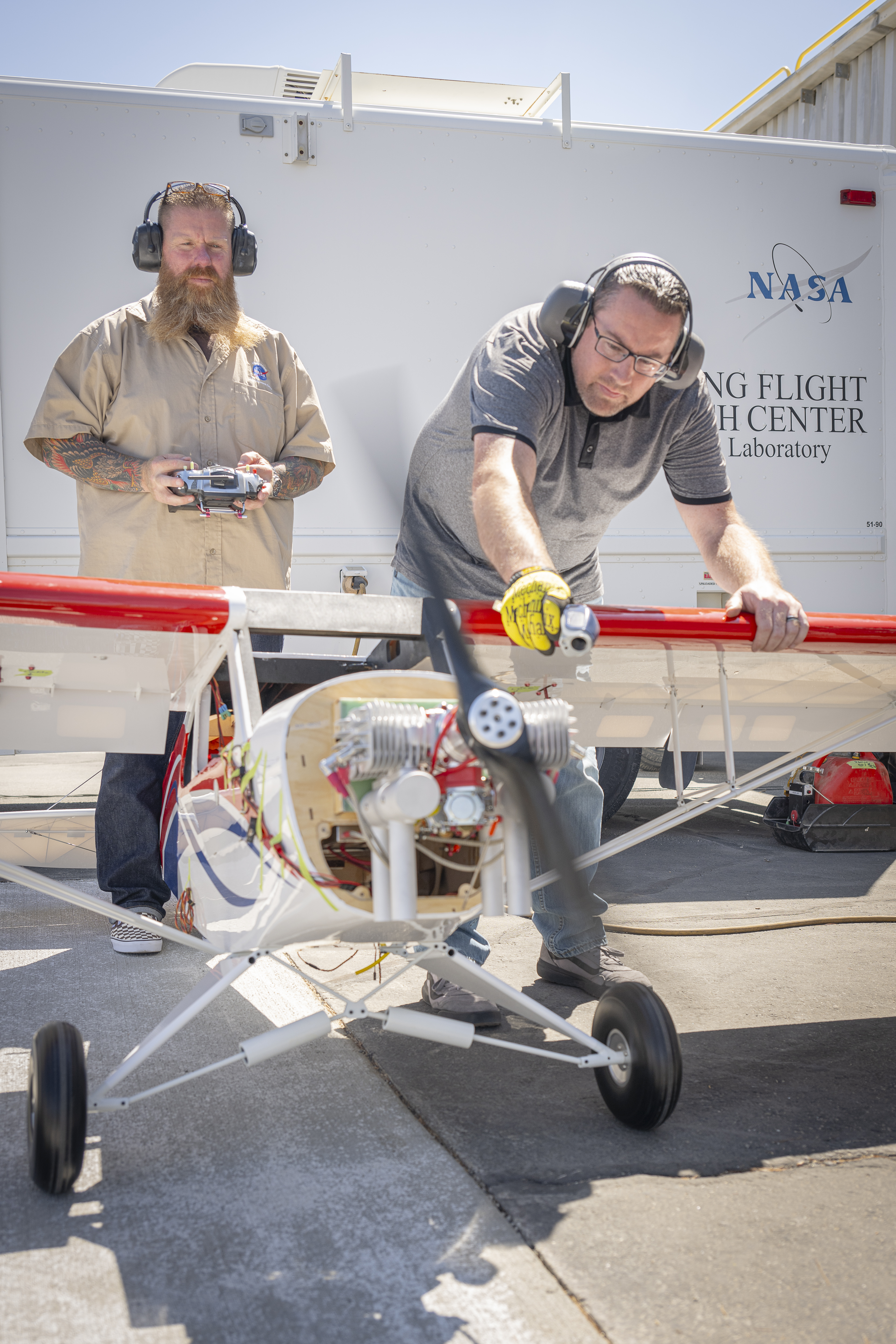
Justin Hall, left, controls a subscale aircraft as Justin Link holds the aircraft in place during preliminary engine tests on Friday, Sept. 12, 2025, at NASA’s Armstong Flight Research Center in Edwards, California. Hall is chief pilot at the center’s Dale Reed Subscale Flight Research Laboratory and Link is a pilot for small uncrewed aircraft systems.
Read More

NASA’s Cassini spacecraft captured dramatic plumes, both large and small, spray water ice out from many locations along the famed ‘tiger stripes’ near the south pole of Saturn’s moon Enceladus.
Read More
| Picture of the day |
|---|

|
|
Top view of grafted Gymnocalycium mihanovichii (chin cactus). The host cactus has been digitally blanked out. The red body is about 3.5 cm (1.4 in) diameter. The small “moons” are 0.5–0.8 cm (0.20–0.31 in) diameter. House plant in Ooty, The Nilgiris, Tamil Nadu, India. Focus stack of 89 images using PMax mode of ZereneStacker.
|
| Picture of the day |
|---|
,_parque_nacional_Ras_Muhammad,_Egipto,_2022-03-27,_DD_12.jpg)
|
|
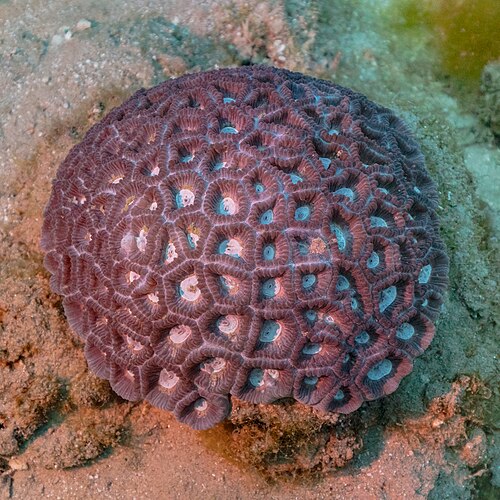
Coral (Favia favus), Ras Muhammad National Park, Red Sea, Egypt. This species of stony corals is massive and forms thickly encrusting dome-shaped colonial corals. There is a great diversity of form even among the same species. The corallites project slightly above the surface of the coral and each has its own wall. The septa and costae linked to the corallite wall are well developed and covered by fine teeth. The polyps only extend and feed during the night. Each one has a small number of tapering tentacles which often have a darker coloured tip; these are called stinger tentacles, or sweeper tentacles. They use these to sweep the water to see if any other coral is in its area; if so, then they begin to sting the other coral. This is commonly known as coral war. Each coral is trying to make sure it has enough room around it so it can continue to grow and have more surface area for its offspring.
|
| Picture of the day |
|---|
,_franja_marina_Teno-Rasca,_Tenerife,_Espa%C3%B1a,_2022-01-09,_DD_52.jpg)
|
|
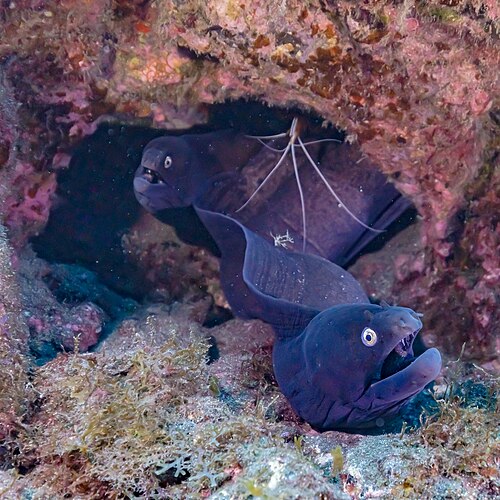
Moray eels (Muraena augusti) and a cleaner shrimp (Lysmata grabhami), Teno-Rasca marine strip, Tenerife, Spain. It belongs to the family of moray eel and is endemic of the Canary Islands, Madeira and Azores. It is non-migratory, and dwells at a depth range of 0 to 250 metres (0 to 820 ft), most often at around 0 to 50 metres (0 to 164 ft). Muraena augusti is active during the night and hides in holes or crevices during the day. It can reach up to 100 centimetres (39 in) length and is a carnivore that feeds on small fishes, shrimps and crabs. Like all other moray eels their vision is poor but their sense of smell extraordinary.
|

| Picture of the day |
|---|
.jpg)
|
|
A close-in image of a protoplanetary disc HH 30 around a newly formed star produced by NASA/ESA/CSA James Webb Space Telescope. It is surrounded by jets and a disc wind, and is located in the dark cloud LDN 1551 in the Taurus Molecular Cloud. Herbig-Haro objects are small nebulae found in star formation regions, marking the locations where gas outflowing from young stars is heated into luminescence by shockwaves. HH 30 is an example of where this outflowing gas takes the form of a narrow jet. The source star is located on one end of the jet, hidden behind an edge-on protoplanetary disc that the star is illuminating.
|