argument

Trump eases marijuana regulations amid industry backing, Catholic concerns #Catholic 
 
 President Donald Trump signed an executive order Dec. 18, 2025, that eases federal marijuana regulations amid support from the cannabis industry but opposition from some Catholic and conservative groups. / Credit: Justin Sullivan/Getty Images

Washington, D.C. Newsroom, Dec 18, 2025 / 17:18 pm (CNA).
President Donald Trump on Thursday signed an executive order to ease federal marijuana regulations amid support from the cannabis industry but opposition from some Catholic and conservative groups.Trump’s Dec. 18 executive order directs the attorney general to reclassify marijuana from a Schedule I drug to a Schedule III drug as quickly as federal law allows. This process began under President Joe Biden’s administration and is being continued under Trump.Schedule I, which includes marijuana, is reserved for drugs that have “no currently accepted medical use and a high potential for abuse,” according to the Drug Enforcement Agency (DEA). Schedule III is a lower classification, which is for drugs “with a moderate to low potential for physical and psychological dependence” and less abuse potential than Schedule I.Rescheduling marijuana does not end a federal ban on both recreational and medical use, which would still be in place. However, it would reduce criminal penalties, open the door for medical research, and potentially be a step toward further deregulation and normalization.Right now, 40 states have medical marijuana programs and 24 legalize recreational use, in contrast to the federal law.In a news conference, Trump said rescheduling marijuana will help patients who seek the drug for medical use “live a far better life.” He said the executive order “in no way sanctions its use as a recreational drug.”“Young Americans are especially at risk, so unless a drug is recommended by a doctor for medical reasons, just don’t do it,” the president said.“At the same time, the facts compel the federal government to recognize that marijuana can be legitimate in terms of medical applications when carefully administered,” he said. “In some cases, this may include the use as a substitute for addictive and potentially lethal opioid painkillers.”Kelsey Reinhardt, president and CEO of CatholicVote, criticized the decision. The group had launched a campaign to discourage the president from rescheduling the product. “Every argument pushed by the cannabis lobby has now been exposed as false by real-world data and medical science,” Reinhardt said in a statement.“We were told marijuana was safe, nonaddictive, and would reduce crime — none of that turned out to be true in my home state of Colorado or in other states that are now working to repeal,” she said. “Instead, we’re seeing higher addiction rates, emergency-room spikes, impaired driving, heart risks, mental-health damage, and lasting harm to young people,” Reinhardt said.Reinhardt called the executive order “disappointing” and said it “repeats the same reckless mistakes we made with Big Tobacco and puts ideology ahead of public health.” She said CatholicVote will work with federal agencies to “minimize the damage” and urged Congress to take action to reverse the executive order. The Catechism of the Catholic Church does not directly mention marijuana but teaches “the use of drugs inflicts very grave damage on human health and life.” It calls drug use a “grave offense” with the exception of drugs used on “strictly therapeutic grounds,” such as medical treatment.In spite of concerns from some Catholics, some Catholic hospitals have done research into medical marijuana. Some of that research has looked into medical marijuana as potentially a less risky and less addictive alternative to opioids for pain management.The United States Conference of Catholic Bishops has not taken a position on the matter. Pope Francis said he opposed the partial legalization of so-called “soft drugs,” stating in 2014 that “the problem of drug use is not solved with drugs.” In June, Pope Leo XIV referred to drugs as “an invisible prison” and encouraged law enforcement to focus on drug traffickers instead of addicts. 

Trump eases marijuana regulations amid industry backing, Catholic concerns #Catholic President Donald Trump signed an executive order Dec. 18, 2025, that eases federal marijuana regulations amid support from the cannabis industry but opposition from some Catholic and conservative groups. / Credit: Justin Sullivan/Getty Images Washington, D.C. Newsroom, Dec 18, 2025 / 17:18 pm (CNA). President Donald Trump on Thursday signed an executive order to ease federal marijuana regulations amid support from the cannabis industry but opposition from some Catholic and conservative groups.Trump’s Dec. 18 executive order directs the attorney general to reclassify marijuana from a Schedule I drug to a Schedule III drug as quickly as federal law allows. This process began under President Joe Biden’s administration and is being continued under Trump.Schedule I, which includes marijuana, is reserved for drugs that have “no currently accepted medical use and a high potential for abuse,” according to the Drug Enforcement Agency (DEA). Schedule III is a lower classification, which is for drugs “with a moderate to low potential for physical and psychological dependence” and less abuse potential than Schedule I.Rescheduling marijuana does not end a federal ban on both recreational and medical use, which would still be in place. However, it would reduce criminal penalties, open the door for medical research, and potentially be a step toward further deregulation and normalization.Right now, 40 states have medical marijuana programs and 24 legalize recreational use, in contrast to the federal law.In a news conference, Trump said rescheduling marijuana will help patients who seek the drug for medical use “live a far better life.” He said the executive order “in no way sanctions its use as a recreational drug.”“Young Americans are especially at risk, so unless a drug is recommended by a doctor for medical reasons, just don’t do it,” the president said.“At the same time, the facts compel the federal government to recognize that marijuana can be legitimate in terms of medical applications when carefully administered,” he said. “In some cases, this may include the use as a substitute for addictive and potentially lethal opioid painkillers.”Kelsey Reinhardt, president and CEO of CatholicVote, criticized the decision. The group had launched a campaign to discourage the president from rescheduling the product. “Every argument pushed by the cannabis lobby has now been exposed as false by real-world data and medical science,” Reinhardt said in a statement.“We were told marijuana was safe, nonaddictive, and would reduce crime — none of that turned out to be true in my home state of Colorado or in other states that are now working to repeal,” she said. “Instead, we’re seeing higher addiction rates, emergency-room spikes, impaired driving, heart risks, mental-health damage, and lasting harm to young people,” Reinhardt said.Reinhardt called the executive order “disappointing” and said it “repeats the same reckless mistakes we made with Big Tobacco and puts ideology ahead of public health.” She said CatholicVote will work with federal agencies to “minimize the damage” and urged Congress to take action to reverse the executive order. The Catechism of the Catholic Church does not directly mention marijuana but teaches “the use of drugs inflicts very grave damage on human health and life.” It calls drug use a “grave offense” with the exception of drugs used on “strictly therapeutic grounds,” such as medical treatment.In spite of concerns from some Catholics, some Catholic hospitals have done research into medical marijuana. Some of that research has looked into medical marijuana as potentially a less risky and less addictive alternative to opioids for pain management.The United States Conference of Catholic Bishops has not taken a position on the matter. Pope Francis said he opposed the partial legalization of so-called “soft drugs,” stating in 2014 that “the problem of drug use is not solved with drugs.” In June, Pope Leo XIV referred to drugs as “an invisible prison” and encouraged law enforcement to focus on drug traffickers instead of addicts. 


President Donald Trump signed an executive order Dec. 18, 2025, that eases federal marijuana regulations amid support from the cannabis industry but opposition from some Catholic and conservative groups. / Credit: Justin Sullivan/Getty Images

Washington, D.C. Newsroom, Dec 18, 2025 / 17:18 pm (CNA).

President Donald Trump on Thursday signed an executive order to ease federal marijuana regulations amid support from the cannabis industry but opposition from some Catholic and conservative groups.

Trump’s Dec. 18 executive order directs the attorney general to reclassify marijuana from a Schedule I drug to a Schedule III drug as quickly as federal law allows. This process began under President Joe Biden’s administration and is being continued under Trump.

Schedule I, which includes marijuana, is reserved for drugs that have “no currently accepted medical use and a high potential for abuse,” according to the Drug Enforcement Agency (DEA). Schedule III is a lower classification, which is for drugs “with a moderate to low potential for physical and psychological dependence” and less abuse potential than Schedule I.

Rescheduling marijuana does not end a federal ban on both recreational and medical use, which would still be in place. However, it would reduce criminal penalties, open the door for medical research, and potentially be a step toward further deregulation and normalization.

Right now, 40 states have medical marijuana programs and 24 legalize recreational use, in contrast to the federal law.

In a news conference, Trump said rescheduling marijuana will help patients who seek the drug for medical use “live a far better life.” He said the executive order “in no way sanctions its use as a recreational drug.”

“Young Americans are especially at risk, so unless a drug is recommended by a doctor for medical reasons, just don’t do it,” the president said.

“At the same time, the facts compel the federal government to recognize that marijuana can be legitimate in terms of medical applications when carefully administered,” he said. “In some cases, this may include the use as a substitute for addictive and potentially lethal opioid painkillers.”

Kelsey Reinhardt, president and CEO of CatholicVote, criticized the decision. The group had launched a campaign to discourage the president from rescheduling the product. 

“Every argument pushed by the cannabis lobby has now been exposed as false by real-world data and medical science,” Reinhardt said in a statement.

“We were told marijuana was safe, nonaddictive, and would reduce crime — none of that turned out to be true in my home state of Colorado or in other states that are now working to repeal,” she said. “Instead, we’re seeing higher addiction rates, emergency-room spikes, impaired driving, heart risks, mental-health damage, and lasting harm to young people,” Reinhardt said.

Reinhardt called the executive order “disappointing” and said it “repeats the same reckless mistakes we made with Big Tobacco and puts ideology ahead of public health.” She said CatholicVote will work with federal agencies to “minimize the damage” and urged Congress to take action to reverse the executive order. 

The Catechism of the Catholic Church does not directly mention marijuana but teaches “the use of drugs inflicts very grave damage on human health and life.” It calls drug use a “grave offense” with the exception of drugs used on “strictly therapeutic grounds,” such as medical treatment.

In spite of concerns from some Catholics, some Catholic hospitals have done research into medical marijuana. Some of that research has looked into medical marijuana as potentially a less risky and less addictive alternative to opioids for pain management.

The United States Conference of Catholic Bishops has not taken a position on the matter. Pope Francis said he opposed the partial legalization of so-called “soft drugs,” stating in 2014 that “the problem of drug use is not solved with drugs.” In June, Pope Leo XIV referred to drugs as “an invisible prison” and encouraged law enforcement to focus on drug traffickers instead of addicts. 

Read More
U.S. Supreme Court hears dispute over faith-based pregnancy centers #Catholic 
 
 null / Credit: Wolfgang Schaller/Shutterstock

Washington, D.C., Dec 2, 2025 / 17:04 pm (CNA).
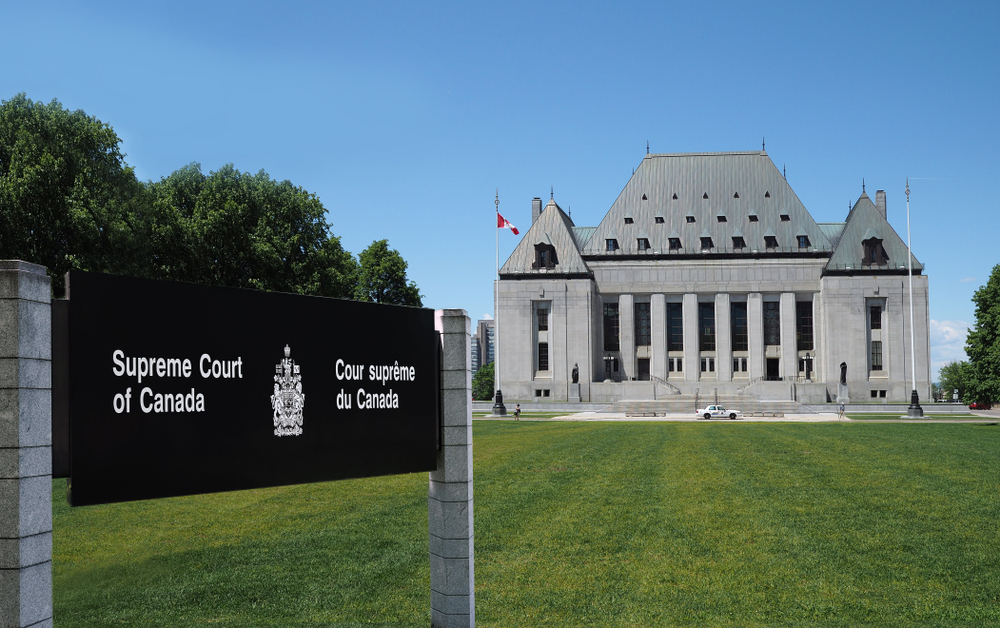
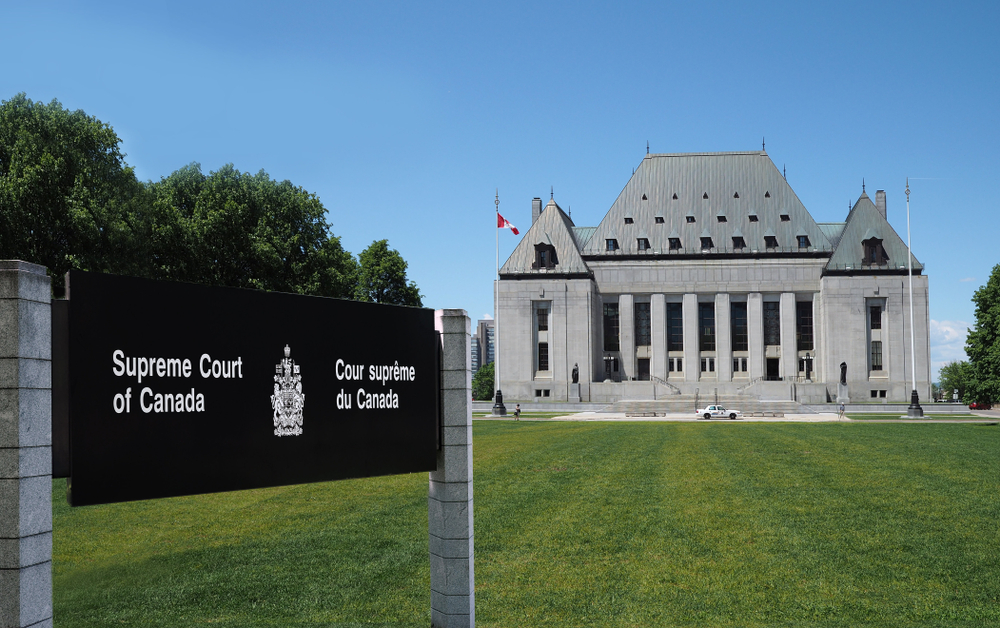
The U.S. Supreme Court heard oral arguments Tuesday on whether a New Jersey faith-based pregnancy center may immediately assert its First Amendment right to challenge a state subpoena demanding donor information — including names, addresses, and places of employment — in federal court, or whether it must first proceed through the state court system.The case, First Choice Women’s Resource Centers, Inc. v. Platkin, has drawn support from a diverse array of groups, including the U.S. Conference of Catholic Bishops, The Church of Jesus Christ of Latter-day Saints, members of Congress, the Trump administration, and the ACLU. All argue that First Choice should be able to challenge the subpoena in federal court without first litigating the issue in New Jersey state court.At the center of the dispute is a 2023 subpoena issued by New Jersey Attorney General Matthew J. Platkin seeking extensive donor information from First Choice. In 2022, Platkin created what he called a “reproductive rights strike force” to “protect access to abortion care,” and his office issued a “consumer alert” describing crisis pregnancy centers like First Choice as organizations that may provide “false or misleading information about the safety and legality of abortion.”In its Supreme Court brief, First Choice describes itself as a faith-based nonprofit serving women in New Jersey by providing material support and medical services such as ultrasounds and pregnancy tests under a licensed medical director. The organization does not provide or refer for abortions, a point it plainly and repeatedly states on its website.Platkin’s subpoena commanded First Choice to produce documents and information responsive to 28 separate demands, including the full names, phone numbers, addresses, and current or last known employers of every donor who contributed money by any means other than one specific website. It warned that failure to comply could result in contempt of court and other legal penalties.The attorney general’s office said it needed donor identities to determine whether contributors were “misled” into believing First Choice provided abortions. Platkin argued he needed donor contact information so he could “contact a representative sample and determine what they did or did not know about their donations.”First Choice quickly sued in federal court, arguing the subpoena violated its First Amendment rights by chilling its speech and freedom of association. The federal district court dismissed the case as “unripe,” ruling that the pregnancy center must wait until a New Jersey court seeks to enforce the subpoena. The Supreme Court later agreed to hear the case to determine whether First Choice may pursue its challenge in federal court now.At oral argument, First Choice’s attorney, Erin M. Hawley, told the justices that the court has “long safeguarded the freedom of association by protecting the membership and donor lists of nonprofit organizations.” Yet, she said, “the attorney general of New Jersey issued a sweeping subpoena commanding on pain of contempt that First Choice produce donor names, addresses, and phone numbers so his office could contact and question them. That violates the right of association.”Hawley urged the court to recognize that the subpoena was issued by “a hostile attorney general who has issued a consumer alert, urged New Jerseyans to beware of pregnancy centers, and assembled a strike force against them.”She also noted that the attorney general “has never identified a single complaint against First Choice” and that the threat of contempt and business dissolution is “a death knell for nonprofits like First Choice.”Arguing for New Jersey, Sundeep Iyer, the attorney general’s chief counsel, said First Choice had not demonstrated that the subpoena “objectively chilled” its First Amendment rights. He argued that the subpoena is “non-self-executing,” meaning it imposes no immediate obligation and cannot require compliance unless a court orders enforcement.Justice Neil Gorsuch appeared skeptical, noting that New Jersey law gives attorney general subpoenas the force of law and allows the attorney general to seek contempt orders against those who fail to comply. “I don’t know how to read that other than it’s pretty self-executing to me, counsel,” he said.Justice Elena Kagan questioned whether an “ordinary person” receiving such a subpoena would feel reassured by the claim that it required court approval before being enforced. A donor, she said, is unlikely “to take that as very reassuring.”In an amicus curiae brief, the U.S. Conference of Catholic Bishops urged the court to side with First Choice. “Compelling disclosure of a religious organization’s financial support violates the constitutional guarantee of freedom of religion,” the bishops wrote. Forced donor disclosure, they argued, interferes with a religious organization’s mission and burdens the free-exercise rights of donors who give anonymously in accordance with scriptural teachings.The Supreme Court is expected to issue a decision in the coming months.

U.S. Supreme Court hears dispute over faith-based pregnancy centers #Catholic null / Credit: Wolfgang Schaller/Shutterstock Washington, D.C., Dec 2, 2025 / 17:04 pm (CNA). The U.S. Supreme Court heard oral arguments Tuesday on whether a New Jersey faith-based pregnancy center may immediately assert its First Amendment right to challenge a state subpoena demanding donor information — including names, addresses, and places of employment — in federal court, or whether it must first proceed through the state court system.The case, First Choice Women’s Resource Centers, Inc. v. Platkin, has drawn support from a diverse array of groups, including the U.S. Conference of Catholic Bishops, The Church of Jesus Christ of Latter-day Saints, members of Congress, the Trump administration, and the ACLU. All argue that First Choice should be able to challenge the subpoena in federal court without first litigating the issue in New Jersey state court.At the center of the dispute is a 2023 subpoena issued by New Jersey Attorney General Matthew J. Platkin seeking extensive donor information from First Choice. In 2022, Platkin created what he called a “reproductive rights strike force” to “protect access to abortion care,” and his office issued a “consumer alert” describing crisis pregnancy centers like First Choice as organizations that may provide “false or misleading information about the safety and legality of abortion.”In its Supreme Court brief, First Choice describes itself as a faith-based nonprofit serving women in New Jersey by providing material support and medical services such as ultrasounds and pregnancy tests under a licensed medical director. The organization does not provide or refer for abortions, a point it plainly and repeatedly states on its website.Platkin’s subpoena commanded First Choice to produce documents and information responsive to 28 separate demands, including the full names, phone numbers, addresses, and current or last known employers of every donor who contributed money by any means other than one specific website. It warned that failure to comply could result in contempt of court and other legal penalties.The attorney general’s office said it needed donor identities to determine whether contributors were “misled” into believing First Choice provided abortions. Platkin argued he needed donor contact information so he could “contact a representative sample and determine what they did or did not know about their donations.”First Choice quickly sued in federal court, arguing the subpoena violated its First Amendment rights by chilling its speech and freedom of association. The federal district court dismissed the case as “unripe,” ruling that the pregnancy center must wait until a New Jersey court seeks to enforce the subpoena. The Supreme Court later agreed to hear the case to determine whether First Choice may pursue its challenge in federal court now.At oral argument, First Choice’s attorney, Erin M. Hawley, told the justices that the court has “long safeguarded the freedom of association by protecting the membership and donor lists of nonprofit organizations.” Yet, she said, “the attorney general of New Jersey issued a sweeping subpoena commanding on pain of contempt that First Choice produce donor names, addresses, and phone numbers so his office could contact and question them. That violates the right of association.”Hawley urged the court to recognize that the subpoena was issued by “a hostile attorney general who has issued a consumer alert, urged New Jerseyans to beware of pregnancy centers, and assembled a strike force against them.”She also noted that the attorney general “has never identified a single complaint against First Choice” and that the threat of contempt and business dissolution is “a death knell for nonprofits like First Choice.”Arguing for New Jersey, Sundeep Iyer, the attorney general’s chief counsel, said First Choice had not demonstrated that the subpoena “objectively chilled” its First Amendment rights. He argued that the subpoena is “non-self-executing,” meaning it imposes no immediate obligation and cannot require compliance unless a court orders enforcement.Justice Neil Gorsuch appeared skeptical, noting that New Jersey law gives attorney general subpoenas the force of law and allows the attorney general to seek contempt orders against those who fail to comply. “I don’t know how to read that other than it’s pretty self-executing to me, counsel,” he said.Justice Elena Kagan questioned whether an “ordinary person” receiving such a subpoena would feel reassured by the claim that it required court approval before being enforced. A donor, she said, is unlikely “to take that as very reassuring.”In an amicus curiae brief, the U.S. Conference of Catholic Bishops urged the court to side with First Choice. “Compelling disclosure of a religious organization’s financial support violates the constitutional guarantee of freedom of religion,” the bishops wrote. Forced donor disclosure, they argued, interferes with a religious organization’s mission and burdens the free-exercise rights of donors who give anonymously in accordance with scriptural teachings.The Supreme Court is expected to issue a decision in the coming months.


null / Credit: Wolfgang Schaller/Shutterstock

Washington, D.C., Dec 2, 2025 / 17:04 pm (CNA).

The U.S. Supreme Court heard oral arguments Tuesday on whether a New Jersey faith-based pregnancy center may immediately assert its First Amendment right to challenge a state subpoena demanding donor information — including names, addresses, and places of employment — in federal court, or whether it must first proceed through the state court system.

The case, First Choice Women’s Resource Centers, Inc. v. Platkin, has drawn support from a diverse array of groups, including the U.S. Conference of Catholic Bishops, The Church of Jesus Christ of Latter-day Saints, members of Congress, the Trump administration, and the ACLU. All argue that First Choice should be able to challenge the subpoena in federal court without first litigating the issue in New Jersey state court.

At the center of the dispute is a 2023 subpoena issued by New Jersey Attorney General Matthew J. Platkin seeking extensive donor information from First Choice. In 2022, Platkin created what he called a “reproductive rights strike force” to “protect access to abortion care,” and his office issued a “consumer alert” describing crisis pregnancy centers like First Choice as organizations that may provide “false or misleading information about the safety and legality of abortion.”

In its Supreme Court brief, First Choice describes itself as a faith-based nonprofit serving women in New Jersey by providing material support and medical services such as ultrasounds and pregnancy tests under a licensed medical director. The organization does not provide or refer for abortions, a point it plainly and repeatedly states on its website.

Platkin’s subpoena commanded First Choice to produce documents and information responsive to 28 separate demands, including the full names, phone numbers, addresses, and current or last known employers of every donor who contributed money by any means other than one specific website. It warned that failure to comply could result in contempt of court and other legal penalties.

The attorney general’s office said it needed donor identities to determine whether contributors were “misled” into believing First Choice provided abortions. Platkin argued he needed donor contact information so he could “contact a representative sample and determine what they did or did not know about their donations.”

First Choice quickly sued in federal court, arguing the subpoena violated its First Amendment rights by chilling its speech and freedom of association. The federal district court dismissed the case as “unripe,” ruling that the pregnancy center must wait until a New Jersey court seeks to enforce the subpoena. The Supreme Court later agreed to hear the case to determine whether First Choice may pursue its challenge in federal court now.

At oral argument, First Choice’s attorney, Erin M. Hawley, told the justices that the court has “long safeguarded the freedom of association by protecting the membership and donor lists of nonprofit organizations.” Yet, she said, “the attorney general of New Jersey issued a sweeping subpoena commanding on pain of contempt that First Choice produce donor names, addresses, and phone numbers so his office could contact and question them. That violates the right of association.”

Hawley urged the court to recognize that the subpoena was issued by “a hostile attorney general who has issued a consumer alert, urged New Jerseyans to beware of pregnancy centers, and assembled a strike force against them.”

She also noted that the attorney general “has never identified a single complaint against First Choice” and that the threat of contempt and business dissolution is “a death knell for nonprofits like First Choice.”

Arguing for New Jersey, Sundeep Iyer, the attorney general’s chief counsel, said First Choice had not demonstrated that the subpoena “objectively chilled” its First Amendment rights. He argued that the subpoena is “non-self-executing,” meaning it imposes no immediate obligation and cannot require compliance unless a court orders enforcement.

Justice Neil Gorsuch appeared skeptical, noting that New Jersey law gives attorney general subpoenas the force of law and allows the attorney general to seek contempt orders against those who fail to comply. “I don’t know how to read that other than it’s pretty self-executing to me, counsel,” he said.

Justice Elena Kagan questioned whether an “ordinary person” receiving such a subpoena would feel reassured by the claim that it required court approval before being enforced. A donor, she said, is unlikely “to take that as very reassuring.”

In an amicus curiae brief, the U.S. Conference of Catholic Bishops urged the court to side with First Choice. “Compelling disclosure of a religious organization’s financial support violates the constitutional guarantee of freedom of religion,” the bishops wrote. Forced donor disclosure, they argued, interferes with a religious organization’s mission and burdens the free-exercise rights of donors who give anonymously in accordance with scriptural teachings.

The Supreme Court is expected to issue a decision in the coming months.

Read More