baking

Where does the ‘Feast of the 7 Fishes’ Christmas Eve tradition come from? #Catholic 
 
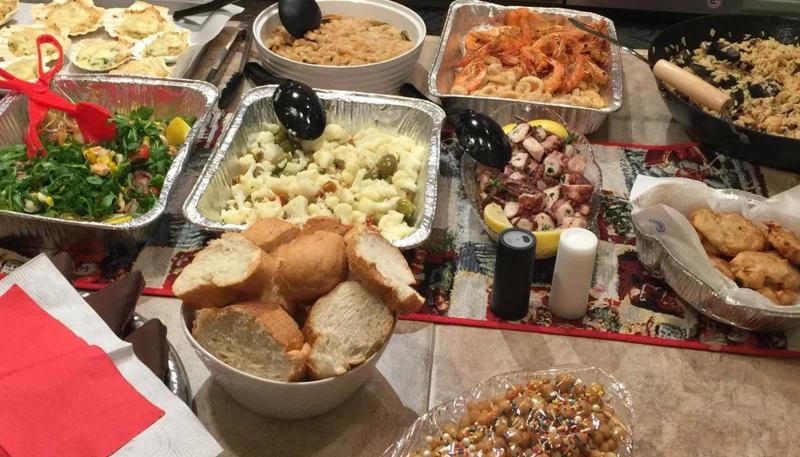
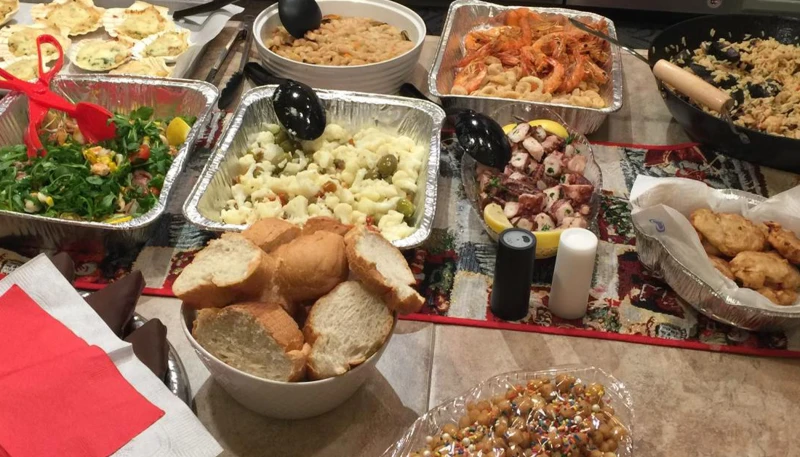
 A variety of fish dishes served on Christmas Eve. / Credit: Francesca Pollio Fenton/CNA

CNA Staff, Dec 24, 2025 / 04:00 am (CNA).
There are numerous Christmas Eve traditions families around the world take part in, whether it’s watching a certain movie together, baking cookies for Santa, opening one present before going to bed, or eating a specific meal for dinner. The Feast of the Seven Fishes — in Italian “La Vigilia,” which means “The Eve” — is one of these Christmas Eve traditions.So, where does this tradition come from?This feast stems from the southern part of Italy and spans generations. Before 1861, Italy was made up of different regions. Each had its own government, however, and the southern regions were the poorest. This remained true before and after the unification of the country. The new unified government allocated many of its resources to northern Italy, which caused poverty and organized crime in the south. The area, however, though poor, was plentiful in fish since it was so close to the ocean. The Feast of the Seven Fishes tradition is also tied to the Catholic Church’s practice of not eating meat during certain times of the year — for example, on Fridays during Lent and on the eve of some holidays. The number seven is also symbolic in that it is repeated more than 700 times in the Bible, and in Catholicism there are seven sacraments, seven days of creation, and seven deadly sins. Although it is not an actual feast day on the Catholic liturgical calendar, it is definitely a feast in terms of the amount of food on the table!A traditional pasta dish served on Christmas Eve for the Feast of the Seven Fishes. Credit: Francesca Pollio Fenton/CNAPut all these things together and that is how the Feast of the Seven Fishes began in the 1900s. Additionally, many Italians who fled the country due to poverty and immigrated to the United States brought this tradition with them, so the feast continued among many Italian Americans.So what is eaten during this seven-course meal?While there is no specific menu, there are some guidelines that are followed. The first being, of course, having seven different fish dishes. These dishes can include any type of seafood including shellfish. Based on the fish you plan to prepare, you can then determine the different courses that typically include appetizers, a soup, pasta, a side salad, and the main entrees.Many families may also include a palette cleanser, or a small fruit dish, before bringing out the highly-anticipated desserts!Some dishes include “insalata di mare” (“ocean salad”), which typically has shrimp and mussels; “insalata di polipo” (“salad with octopus”); “capestante,” which are clam shells filled with salmon, shrimp, and bechamel sauce; “linguine con frutti di mare,” which is a pasta with several different kinds of fish; and other dishes that include fried fish, eel, crab, and lobster.”Struffoli,” a traditional Neapolitan dessert eaten on Christmas Eve. Credit: Francesca Pollio Fenton/CNAAnd we can’t forget dessert! “Struffoli” are little balls of fried dough covered in honey and sprinkles and are considered a Neapolitan dessert. Others include “mostaccioli” and “roccocò,” which are types of cookies, and “pandoro” and “panettone” are sweet breads.This is just a glimpse into the variety of dishes southern Italian families will spend hours preparing ahead of Christmas Eve dinner. Each family has its own fish dishes and ways of cooking them; however, one thing is for sure: You can expect to be filled to the brim with delicious food before heading off to bed.This story was first published Dec. 23, 2022, and has been updated.

Where does the ‘Feast of the 7 Fishes’ Christmas Eve tradition come from? #Catholic A variety of fish dishes served on Christmas Eve. / Credit: Francesca Pollio Fenton/CNA CNA Staff, Dec 24, 2025 / 04:00 am (CNA). There are numerous Christmas Eve traditions families around the world take part in, whether it’s watching a certain movie together, baking cookies for Santa, opening one present before going to bed, or eating a specific meal for dinner. The Feast of the Seven Fishes — in Italian “La Vigilia,” which means “The Eve” — is one of these Christmas Eve traditions.So, where does this tradition come from?This feast stems from the southern part of Italy and spans generations. Before 1861, Italy was made up of different regions. Each had its own government, however, and the southern regions were the poorest. This remained true before and after the unification of the country. The new unified government allocated many of its resources to northern Italy, which caused poverty and organized crime in the south. The area, however, though poor, was plentiful in fish since it was so close to the ocean. The Feast of the Seven Fishes tradition is also tied to the Catholic Church’s practice of not eating meat during certain times of the year — for example, on Fridays during Lent and on the eve of some holidays. The number seven is also symbolic in that it is repeated more than 700 times in the Bible, and in Catholicism there are seven sacraments, seven days of creation, and seven deadly sins. Although it is not an actual feast day on the Catholic liturgical calendar, it is definitely a feast in terms of the amount of food on the table!A traditional pasta dish served on Christmas Eve for the Feast of the Seven Fishes. Credit: Francesca Pollio Fenton/CNAPut all these things together and that is how the Feast of the Seven Fishes began in the 1900s. Additionally, many Italians who fled the country due to poverty and immigrated to the United States brought this tradition with them, so the feast continued among many Italian Americans.So what is eaten during this seven-course meal?While there is no specific menu, there are some guidelines that are followed. The first being, of course, having seven different fish dishes. These dishes can include any type of seafood including shellfish. Based on the fish you plan to prepare, you can then determine the different courses that typically include appetizers, a soup, pasta, a side salad, and the main entrees.Many families may also include a palette cleanser, or a small fruit dish, before bringing out the highly-anticipated desserts!Some dishes include “insalata di mare” (“ocean salad”), which typically has shrimp and mussels; “insalata di polipo” (“salad with octopus”); “capestante,” which are clam shells filled with salmon, shrimp, and bechamel sauce; “linguine con frutti di mare,” which is a pasta with several different kinds of fish; and other dishes that include fried fish, eel, crab, and lobster.”Struffoli,” a traditional Neapolitan dessert eaten on Christmas Eve. Credit: Francesca Pollio Fenton/CNAAnd we can’t forget dessert! “Struffoli” are little balls of fried dough covered in honey and sprinkles and are considered a Neapolitan dessert. Others include “mostaccioli” and “roccocò,” which are types of cookies, and “pandoro” and “panettone” are sweet breads.This is just a glimpse into the variety of dishes southern Italian families will spend hours preparing ahead of Christmas Eve dinner. Each family has its own fish dishes and ways of cooking them; however, one thing is for sure: You can expect to be filled to the brim with delicious food before heading off to bed.This story was first published Dec. 23, 2022, and has been updated.


A variety of fish dishes served on Christmas Eve. / Credit: Francesca Pollio Fenton/CNA

CNA Staff, Dec 24, 2025 / 04:00 am (CNA).

There are numerous Christmas Eve traditions families around the world take part in, whether it’s watching a certain movie together, baking cookies for Santa, opening one present before going to bed, or eating a specific meal for dinner. The Feast of the Seven Fishes — in Italian “La Vigilia,” which means “The Eve” — is one of these Christmas Eve traditions.

So, where does this tradition come from?

This feast stems from the southern part of Italy and spans generations. Before 1861, Italy was made up of different regions. Each had its own government, however, and the southern regions were the poorest. This remained true before and after the unification of the country. The new unified government allocated many of its resources to northern Italy, which caused poverty and organized crime in the south. The area, however, though poor, was plentiful in fish since it was so close to the ocean.

The Feast of the Seven Fishes tradition is also tied to the Catholic Church’s practice of not eating meat during certain times of the year — for example, on Fridays during Lent and on the eve of some holidays.

The number seven is also symbolic in that it is repeated more than 700 times in the Bible, and in Catholicism there are seven sacraments, seven days of creation, and seven deadly sins.

Although it is not an actual feast day on the Catholic liturgical calendar, it is definitely a feast in terms of the amount of food on the table!
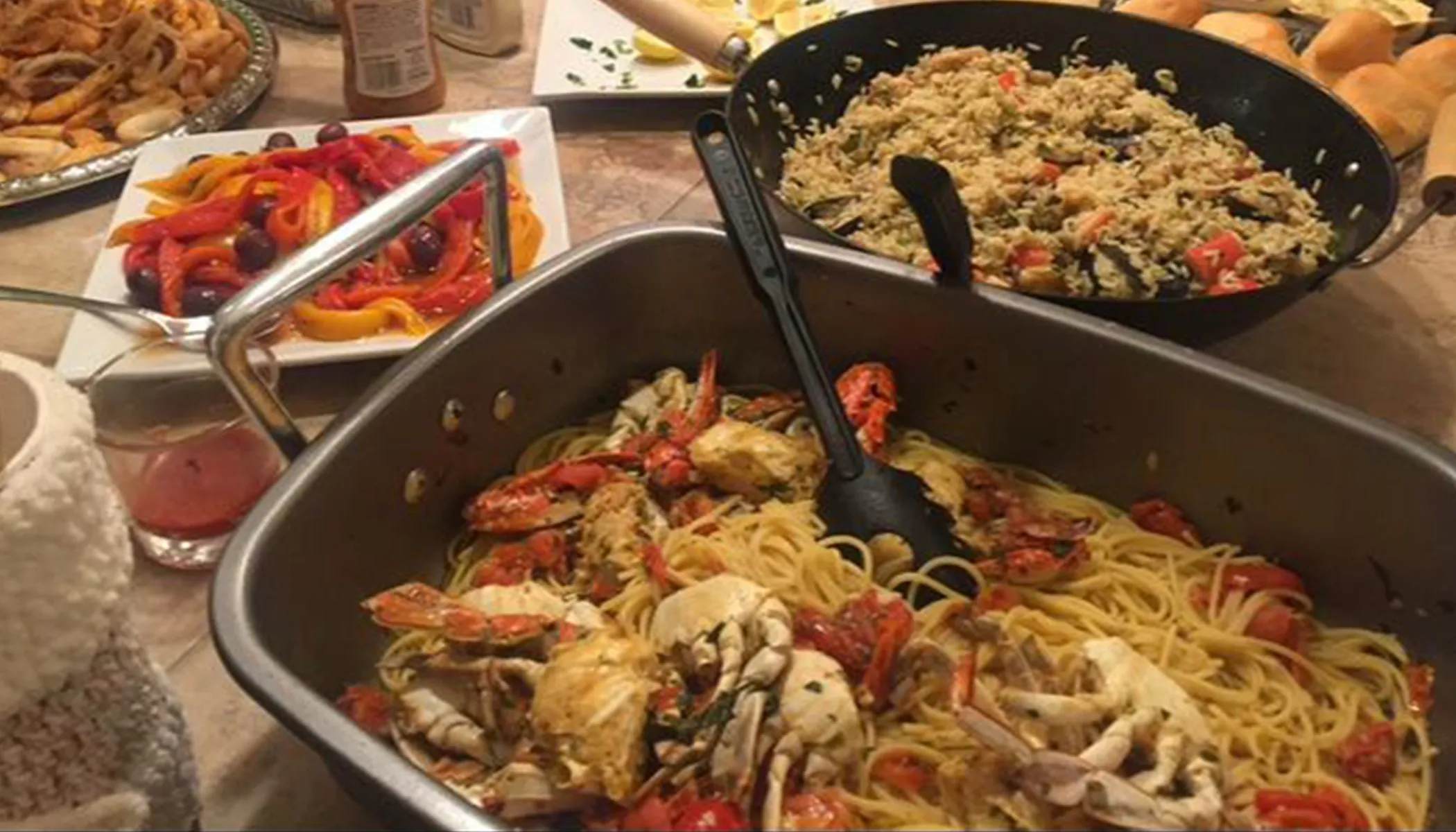
A traditional pasta dish served on Christmas Eve for the Feast of the Seven Fishes. Credit: Francesca Pollio Fenton/CNA

Put all these things together and that is how the Feast of the Seven Fishes began in the 1900s.

Additionally, many Italians who fled the country due to poverty and immigrated to the United States brought this tradition with them, so the feast continued among many Italian Americans.

So what is eaten during this seven-course meal?

While there is no specific menu, there are some guidelines that are followed. The first being, of course, having seven different fish dishes. These dishes can include any type of seafood including shellfish. Based on the fish you plan to prepare, you can then determine the different courses that typically include appetizers, a soup, pasta, a side salad, and the main entrees.

Many families may also include a palette cleanser, or a small fruit dish, before bringing out the highly-anticipated desserts!

Some dishes include “insalata di mare” (“ocean salad”), which typically has shrimp and mussels; “insalata di polipo” (“salad with octopus”); “capestante,” which are clam shells filled with salmon, shrimp, and bechamel sauce; “linguine con frutti di mare,” which is a pasta with several different kinds of fish; and other dishes that include fried fish, eel, crab, and lobster.

"Struffoli," a traditional Neapolitan dessert eaten on Christmas Eve. Credit: Francesca Pollio Fenton/CNA
“Struffoli,” a traditional Neapolitan dessert eaten on Christmas Eve. Credit: Francesca Pollio Fenton/CNA

And we can’t forget dessert! “Struffoli” are little balls of fried dough covered in honey and sprinkles and are considered a Neapolitan dessert. Others include “mostaccioli” and “roccocò,” which are types of cookies, and “pandoro” and “panettone” are sweet breads.

This is just a glimpse into the variety of dishes southern Italian families will spend hours preparing ahead of Christmas Eve dinner. Each family has its own fish dishes and ways of cooking them; however, one thing is for sure: You can expect to be filled to the brim with delicious food before heading off to bed.

This story was first published Dec. 23, 2022, and has been updated.

Read More
Christmas 2025: Handmade gifts from 14 Catholic monasteries #Catholic 
 
 The contemplative Sisters of the Monastery of Bethlehem in Livingston Manor, New York, support themselves by offering their hand-painted chinaware and other unique gifts for sale. / Credit: Monastery of Bethlehem

Washington, D.C. Newsroom, Dec 6, 2025 / 06:00 am (CNA).
Many monasteries and communities of religious brothers and sisters depend on proceeds from the sales of their products to sustain their lives of prayer and service throughout the year. These days, most have online gift shops that will ship your purchases to arrive before Christmas.Here’s a guide to some of our favorite handmade gifts to give and receive this year:Fudge and candyMonk Bakery Gifts, Monastery of the Holy Spirit: Monks in Conyers, Georgia, make their famous fudge with premium chocolate and real butter. Try a 12-ounce gift box for . And for a taste of Georgia, try their Southern Touch fudge, “made with real peach morsels, pecans, and a touch of peach brandy.”Monastery Candy, Our Lady of the Mississippi Abbey: These contemplative nuns in Dubuque, Iowa, are known for their delicious caramels, which they make by hand to support their way of life. A 9-ounce box of chocolate-covered caramels sells for .55.Monastery Creamed Honey, Holy Cross Abbey: The monks at Our Lady of the Holy Cross Abbey in Berryville, Virginia, support themselves financially through their own labor, a characteristic of the Cistercian order’s way of life. Their 100% natural Monastery Creamed Honey, locally sourced in the Shenandoah Valley of Virginia, makes a great gift. A set of four 10-ounce tubs includes natural-, cinnamon-, almond-, and brandy-flavored honey and sells for .95. Add some delicious chocolate truffles to the order for a sure-to-be-appreciated Christmas gift.CookiesClarisa Cookies, Capuchin Poor Clare Sisters: The Capuchin Poor Clare nuns make their famous butter cookies from their monastery in Denver. The “Clarisas” come in a beautiful gift box featuring an image of St. Clare and sell for  for a 1.5-pound box.Monks’ Biscotti, Abbey of the Genesee: The Trappist monks of the Abbey of the Genesee have been baking from their monastery in western New York since 1953. As their website explains: “The bakery supports the monastery’s primary mission, which is to pray for the world.” The twice-baked biscotti is a popular item, which makes a great gift basket when combined with monk-made coffee and a mug. A bundle of four boxes of biscotti in a variety of flavors sells for .99. Springerele Christmas cookies, Sisters of St. Benedict: The Benedictine religious sisters are known for their Springerele cookies, a traditional German treat with an “Old World” charm. A package of six cookies, each bearing a different, intricate design, sells for . CoffeeMystic Monk Coffee, Carmelites Monks of Wyoming Monastery: The Monks of the Most Blessed Virgin Mary of Mount Carmel live a cloistered life in the Rocky Mountains in the Diocese of Cheyenne, Wyoming. They help support themselves through Mystic Monk Coffee, which they roast in small batches. The website CoffeeReview.com ranks their coffee among the highest of the coffees it reviews. A 12-ounce bag of their most popular flavor, Jingle Bell Java, sells for .95 in the EWTN Religious Catalogue. Visit their website for more coffee selections.FruitcakeBrandy-dipped fruitcake, New Camaldoli Hermitage: With all due respect, this is not your grandmother’s fruitcake. The monks of New Camaldoli Hermitage in Big Sur, California, offer a fruitcake soaked in brandy and aged for three months. It “has converted many a fruitcake ‘atheist,’” according to its creators. Order a 1-pound fruitcake for .98.Kentucky Bourbon Fruitcake, Monks of the Abbey of Gethsemani: At their monastery in New Haven, Kentucky, Trappist monks offer a 20-ounce Kentucky Bourbon Fruitcake along with a jar of Trappist Apricot-Pineapple preserves and a jar of Trappist Quince Jelly, which makes a lovely Christmas gift for .50.BeerBirra Nursia, Benedictine Monks of Norcia: In 2012, a community of Benedictine monks revived the order’s ancient beer-making tradition at their 16th-century monastery in Nursia, the birthplace of St. Benedict. Tragically, four years later, a devastating earthquake struck, seriously damaging their monastery and threatening their way of life. Today, their monastery is open again thanks to money raised in part from the beer they make and sell and export to the United States and elsewhere. Beer in 750-milliliter (25-ounce) bottles is available at their U.S. online store for .99 each.Handmade Christmas-themed giftsChristmas Boutique, Monastery of Bethlehem: The contemplative Sisters of the Monastery of Bethlehem in Livingston Manor, New York, support themselves by offering their hand-painted chinaware and other unique gifts for sale. This Christmas their online shop features several Christmas-related items that would make wonderful gifts. A beautiful hand-carved Nativity, made in the sisters’ monastery in Mougères, France, includes Joseph, Mary, the baby Jesus, and a wooden manger, and sells for 0. This is a great value for a keepsake that is sure to be passed down from generation to generation. Or why not come bearing the gift of myrrh this Christmas with an attractive tin of imported incense ()? Also available: a pack of five Christmas greeting cards, hand-calligraphed by the sisters and duplicated on fine paper. Each card features a mystery of the lives of Jesus and Mary.Custom rosaries, Carmelite Monastery of the Sacred Hearts: The cloistered nuns of the Carmelite Monastery of the Sacred Hearts in Colorado also offer several handmade items that would make beautiful gifts including custom, handmade rosaries. Those interested can choose their own beads, crucifix, centerpiece, the option to add decorative caps and side medals, and whether you would like the rosary to be a one-decade, five-decade, or 15-decade rosary.Gifts from the Holy LandHoly Land gifts, Franciscan Monastery of the Holy Land in America: The Franciscan friars based at their monastery in Washington, D.C., are dedicated to supporting and protecting the sacred sites and people of the Holy Land. They sell products made by artisans in the Holy Land to help their businesses so they can continue to live in the land of their forefathers. Among the gifts at the Holy Land gift shop are hand-painted ceramic candleholders made by a young artist in Bethlehem; olive wood Nativity sets, crosses, and rosaries; and olive oil soap. Visit the Holy Land Gift Shop here. Soaps and candlesCloister Shoppe, Summit Dominicans: The nuns from the Dominican Monastery of Our Lady of the Rosary in Summit, New Jersey, live a life of prayer through Eucharistic adoration and dedication to the rosary. To support this way of life they create handmade candles and skin-care products, which they sell at their Cloister Shoppe. Create your own Christmas gift bag of two bars of soap, a hand cream, a jar candle, a face moisturizer, and a handmade rosary made from olive wood beads from the Holy Land for . Throw in a pair of Bayberry Christmas Eve Tapers for  to give your holiday table a festive glow.

Christmas 2025: Handmade gifts from 14 Catholic monasteries #Catholic The contemplative Sisters of the Monastery of Bethlehem in Livingston Manor, New York, support themselves by offering their hand-painted chinaware and other unique gifts for sale. / Credit: Monastery of Bethlehem Washington, D.C. Newsroom, Dec 6, 2025 / 06:00 am (CNA). Many monasteries and communities of religious brothers and sisters depend on proceeds from the sales of their products to sustain their lives of prayer and service throughout the year. These days, most have online gift shops that will ship your purchases to arrive before Christmas.Here’s a guide to some of our favorite handmade gifts to give and receive this year:Fudge and candyMonk Bakery Gifts, Monastery of the Holy Spirit: Monks in Conyers, Georgia, make their famous fudge with premium chocolate and real butter. Try a 12-ounce gift box for $15. And for a taste of Georgia, try their Southern Touch fudge, “made with real peach morsels, pecans, and a touch of peach brandy.”Monastery Candy, Our Lady of the Mississippi Abbey: These contemplative nuns in Dubuque, Iowa, are known for their delicious caramels, which they make by hand to support their way of life. A 9-ounce box of chocolate-covered caramels sells for $16.55.Monastery Creamed Honey, Holy Cross Abbey: The monks at Our Lady of the Holy Cross Abbey in Berryville, Virginia, support themselves financially through their own labor, a characteristic of the Cistercian order’s way of life. Their 100% natural Monastery Creamed Honey, locally sourced in the Shenandoah Valley of Virginia, makes a great gift. A set of four 10-ounce tubs includes natural-, cinnamon-, almond-, and brandy-flavored honey and sells for $35.95. Add some delicious chocolate truffles to the order for a sure-to-be-appreciated Christmas gift.CookiesClarisa Cookies, Capuchin Poor Clare Sisters: The Capuchin Poor Clare nuns make their famous butter cookies from their monastery in Denver. The “Clarisas” come in a beautiful gift box featuring an image of St. Clare and sell for $18 for a 1.5-pound box.Monks’ Biscotti, Abbey of the Genesee: The Trappist monks of the Abbey of the Genesee have been baking from their monastery in western New York since 1953. As their website explains: “The bakery supports the monastery’s primary mission, which is to pray for the world.” The twice-baked biscotti is a popular item, which makes a great gift basket when combined with monk-made coffee and a mug. A bundle of four boxes of biscotti in a variety of flavors sells for $33.99. Springerele Christmas cookies, Sisters of St. Benedict: The Benedictine religious sisters are known for their Springerele cookies, a traditional German treat with an “Old World” charm. A package of six cookies, each bearing a different, intricate design, sells for $11. CoffeeMystic Monk Coffee, Carmelites Monks of Wyoming Monastery: The Monks of the Most Blessed Virgin Mary of Mount Carmel live a cloistered life in the Rocky Mountains in the Diocese of Cheyenne, Wyoming. They help support themselves through Mystic Monk Coffee, which they roast in small batches. The website CoffeeReview.com ranks their coffee among the highest of the coffees it reviews. A 12-ounce bag of their most popular flavor, Jingle Bell Java, sells for $14.95 in the EWTN Religious Catalogue. Visit their website for more coffee selections.FruitcakeBrandy-dipped fruitcake, New Camaldoli Hermitage: With all due respect, this is not your grandmother’s fruitcake. The monks of New Camaldoli Hermitage in Big Sur, California, offer a fruitcake soaked in brandy and aged for three months. It “has converted many a fruitcake ‘atheist,’” according to its creators. Order a 1-pound fruitcake for $27.98.Kentucky Bourbon Fruitcake, Monks of the Abbey of Gethsemani: At their monastery in New Haven, Kentucky, Trappist monks offer a 20-ounce Kentucky Bourbon Fruitcake along with a jar of Trappist Apricot-Pineapple preserves and a jar of Trappist Quince Jelly, which makes a lovely Christmas gift for $33.50.BeerBirra Nursia, Benedictine Monks of Norcia: In 2012, a community of Benedictine monks revived the order’s ancient beer-making tradition at their 16th-century monastery in Nursia, the birthplace of St. Benedict. Tragically, four years later, a devastating earthquake struck, seriously damaging their monastery and threatening their way of life. Today, their monastery is open again thanks to money raised in part from the beer they make and sell and export to the United States and elsewhere. Beer in 750-milliliter (25-ounce) bottles is available at their U.S. online store for $15.99 each.Handmade Christmas-themed giftsChristmas Boutique, Monastery of Bethlehem: The contemplative Sisters of the Monastery of Bethlehem in Livingston Manor, New York, support themselves by offering their hand-painted chinaware and other unique gifts for sale. This Christmas their online shop features several Christmas-related items that would make wonderful gifts. A beautiful hand-carved Nativity, made in the sisters’ monastery in Mougères, France, includes Joseph, Mary, the baby Jesus, and a wooden manger, and sells for $180. This is a great value for a keepsake that is sure to be passed down from generation to generation. Or why not come bearing the gift of myrrh this Christmas with an attractive tin of imported incense ($56)? Also available: a pack of five Christmas greeting cards, hand-calligraphed by the sisters and duplicated on fine paper. Each card features a mystery of the lives of Jesus and Mary.Custom rosaries, Carmelite Monastery of the Sacred Hearts: The cloistered nuns of the Carmelite Monastery of the Sacred Hearts in Colorado also offer several handmade items that would make beautiful gifts including custom, handmade rosaries. Those interested can choose their own beads, crucifix, centerpiece, the option to add decorative caps and side medals, and whether you would like the rosary to be a one-decade, five-decade, or 15-decade rosary.Gifts from the Holy LandHoly Land gifts, Franciscan Monastery of the Holy Land in America: The Franciscan friars based at their monastery in Washington, D.C., are dedicated to supporting and protecting the sacred sites and people of the Holy Land. They sell products made by artisans in the Holy Land to help their businesses so they can continue to live in the land of their forefathers. Among the gifts at the Holy Land gift shop are hand-painted ceramic candleholders made by a young artist in Bethlehem; olive wood Nativity sets, crosses, and rosaries; and olive oil soap. Visit the Holy Land Gift Shop here. Soaps and candlesCloister Shoppe, Summit Dominicans: The nuns from the Dominican Monastery of Our Lady of the Rosary in Summit, New Jersey, live a life of prayer through Eucharistic adoration and dedication to the rosary. To support this way of life they create handmade candles and skin-care products, which they sell at their Cloister Shoppe. Create your own Christmas gift bag of two bars of soap, a hand cream, a jar candle, a face moisturizer, and a handmade rosary made from olive wood beads from the Holy Land for $50. Throw in a pair of Bayberry Christmas Eve Tapers for $18 to give your holiday table a festive glow.


The contemplative Sisters of the Monastery of Bethlehem in Livingston Manor, New York, support themselves by offering their hand-painted chinaware and other unique gifts for sale. / Credit: Monastery of Bethlehem

Washington, D.C. Newsroom, Dec 6, 2025 / 06:00 am (CNA).

Many monasteries and communities of religious brothers and sisters depend on proceeds from the sales of their products to sustain their lives of prayer and service throughout the year. These days, most have online gift shops that will ship your purchases to arrive before Christmas.

Here’s a guide to some of our favorite handmade gifts to give and receive this year:

Fudge and candy

Monk Bakery Gifts, Monastery of the Holy Spirit: Monks in Conyers, Georgia, make their famous fudge with premium chocolate and real butter. Try a 12-ounce gift box for $15. And for a taste of Georgia, try their Southern Touch fudge, “made with real peach morsels, pecans, and a touch of peach brandy.”

Monastery Candy, Our Lady of the Mississippi Abbey: These contemplative nuns in Dubuque, Iowa, are known for their delicious caramels, which they make by hand to support their way of life. A 9-ounce box of chocolate-covered caramels sells for $16.55.

Monastery Creamed Honey, Holy Cross Abbey: The monks at Our Lady of the Holy Cross Abbey in Berryville, Virginia, support themselves financially through their own labor, a characteristic of the Cistercian order’s way of life. Their 100% natural Monastery Creamed Honey, locally sourced in the Shenandoah Valley of Virginia, makes a great gift. A set of four 10-ounce tubs includes natural-, cinnamon-, almond-, and brandy-flavored honey and sells for $35.95. Add some delicious chocolate truffles to the order for a sure-to-be-appreciated Christmas gift.

Cookies

Clarisa Cookies, Capuchin Poor Clare Sisters: The Capuchin Poor Clare nuns make their famous butter cookies from their monastery in Denver. The “Clarisas” come in a beautiful gift box featuring an image of St. Clare and sell for $18 for a 1.5-pound box.

Monks’ Biscotti, Abbey of the Genesee: The Trappist monks of the Abbey of the Genesee have been baking from their monastery in western New York since 1953. As their website explains: “The bakery supports the monastery’s primary mission, which is to pray for the world.” The twice-baked biscotti is a popular item, which makes a great gift basket when combined with monk-made coffee and a mug. A bundle of four boxes of biscotti in a variety of flavors sells for $33.99

Springerele Christmas cookies, Sisters of St. Benedict: The Benedictine religious sisters are known for their Springerele cookies, a traditional German treat with an “Old World” charm. A package of six cookies, each bearing a different, intricate design, sells for $11. 

Coffee

Mystic Monk Coffee, Carmelites Monks of Wyoming Monastery: The Monks of the Most Blessed Virgin Mary of Mount Carmel live a cloistered life in the Rocky Mountains in the Diocese of Cheyenne, Wyoming. They help support themselves through Mystic Monk Coffee, which they roast in small batches. The website CoffeeReview.com ranks their coffee among the highest of the coffees it reviews. A 12-ounce bag of their most popular flavor, Jingle Bell Java, sells for $14.95 in the EWTN Religious Catalogue. Visit their website for more coffee selections.

Fruitcake

Brandy-dipped fruitcake, New Camaldoli Hermitage: With all due respect, this is not your grandmother’s fruitcake. The monks of New Camaldoli Hermitage in Big Sur, California, offer a fruitcake soaked in brandy and aged for three months. It “has converted many a fruitcake ‘atheist,’” according to its creators. Order a 1-pound fruitcake for $27.98.

Kentucky Bourbon Fruitcake, Monks of the Abbey of Gethsemani: At their monastery in New Haven, Kentucky, Trappist monks offer a 20-ounce Kentucky Bourbon Fruitcake along with a jar of Trappist Apricot-Pineapple preserves and a jar of Trappist Quince Jelly, which makes a lovely Christmas gift for $33.50.

Beer

Birra Nursia, Benedictine Monks of Norcia: In 2012, a community of Benedictine monks revived the order’s ancient beer-making tradition at their 16th-century monastery in Nursia, the birthplace of St. Benedict. Tragically, four years later, a devastating earthquake struck, seriously damaging their monastery and threatening their way of life. Today, their monastery is open again thanks to money raised in part from the beer they make and sell and export to the United States and elsewhere. Beer in 750-milliliter (25-ounce) bottles is available at their U.S. online store for $15.99 each.

Handmade Christmas-themed gifts

Christmas Boutique, Monastery of Bethlehem: The contemplative Sisters of the Monastery of Bethlehem in Livingston Manor, New York, support themselves by offering their hand-painted chinaware and other unique gifts for sale. This Christmas their online shop features several Christmas-related items that would make wonderful gifts. 

A beautiful hand-carved Nativity, made in the sisters’ monastery in Mougères, France, includes Joseph, Mary, the baby Jesus, and a wooden manger, and sells for $180. This is a great value for a keepsake that is sure to be passed down from generation to generation. Or why not come bearing the gift of myrrh this Christmas with an attractive tin of imported incense ($56)? Also available: a pack of five Christmas greeting cards, hand-calligraphed by the sisters and duplicated on fine paper. Each card features a mystery of the lives of Jesus and Mary.

Custom rosaries, Carmelite Monastery of the Sacred Hearts: The cloistered nuns of the Carmelite Monastery of the Sacred Hearts in Colorado also offer several handmade items that would make beautiful gifts including custom, handmade rosaries. Those interested can choose their own beads, crucifix, centerpiece, the option to add decorative caps and side medals, and whether you would like the rosary to be a one-decade, five-decade, or 15-decade rosary.

Gifts from the Holy Land

Holy Land gifts, Franciscan Monastery of the Holy Land in America: The Franciscan friars based at their monastery in Washington, D.C., are dedicated to supporting and protecting the sacred sites and people of the Holy Land. They sell products made by artisans in the Holy Land to help their businesses so they can continue to live in the land of their forefathers. Among the gifts at the Holy Land gift shop are hand-painted ceramic candleholders made by a young artist in Bethlehem; olive wood Nativity sets, crosses, and rosaries; and olive oil soap. Visit the Holy Land Gift Shop here

Soaps and candles

Cloister Shoppe, Summit Dominicans: The nuns from the Dominican Monastery of Our Lady of the Rosary in Summit, New Jersey, live a life of prayer through Eucharistic adoration and dedication to the rosary. To support this way of life they create handmade candles and skin-care products, which they sell at their Cloister Shoppe. Create your own Christmas gift bag of two bars of soap, a hand cream, a jar candle, a face moisturizer, and a handmade rosary made from olive wood beads from the Holy Land for $50. Throw in a pair of Bayberry Christmas Eve Tapers for $18 to give your holiday table a festive glow.

Read More