Day: December 18, 2025

Lord God, may we, your people, who look forward to the birthday of Christ experience the joy of salvation and celbrate that feast with love and thanksgiving. We ask this through our Lord Jesus Christ, your Son, who lives and reigns with you and the Holy Spirit, one God, for ever and ever. Amen.

Read More
Pope Leo XIV warns against destructive spiral of autonomous weapons and escalation – #Catholic – 
 
 Pope Leo XIV speaks to patients and caregivers at the De La Croix Hospital in Jal el Dib, Lebanon, on Dec. 2, 2025. / Credit: Vatican Media

Vatican City, Dec 18, 2025 / 18:28 pm (CNA).
Pope Leo XIV warned against the destructive spiral fueled by the arms race and the development of autonomous weapons, and called for an “unarmed and disarming” peace — one that springs from the resurrection of Christ — as the only answer to the world’s challenges.“The peace of the risen Jesus is unarmed, because his was an unarmed struggle in the midst of concrete historical, political, and social circumstances,” the pontiff wrote in his message for the 59th World Day of Peace, which will be celebrated on Jan. 1, 2026. Its text was released Dec. 18 by the Holy See Press Office.The four-page document is titled “Peace Be with You All: Towards an Unarmed and Disarming Peace,” an expression that directly echoes the first words spoken by Leo XIV after his election as the successor of Peter on May 8, when he appeared on the balcony of the Apostolic Palace to greet the faithful for the first time.In the text, the pope lamented that, in the face of global challenges, the predominant response is an “enormous economic investment in rearmament.” In this regard, he noted that in 2024, global military spending increased by 9.4% compared with the previous year, confirming “the trend of the last 10 years.” According to the data cited, total spending reached .718 trillion, equivalent to 2.5% of the world’s gross domestic product.Beyond the statistics, the pope warned of the cultural and educational consequences of this logic. He criticized the fact that schools and universities are not adequately preserving “a culture of memory” that remembers the “millions of victims” of wars ​​and lamented that, instead, educational programs are being promoted that are based on the “perception of threats,” promoting “only an armed notion of defense and security.”The Holy Father also emphasized how technological advancements and the incorporation of artificial intelligence in the military sphere have “worsened the tragedy” of armed conflicts. He therefore warned of the risk of a growing tendency to “shirk responsibility” by political and military leaders such that “decisions about life and death are increasingly “‘delegated’ to machines.” In his view, this is an “unprecedented destructive betrayal” of the “legal and philosophical principles of humanism” upon which any civilization is based and safeguarded.The pontiff did not shy away from denouncing “the enormous concentrations of private economic and financial interests” that are driving states in this direction, but emphasized that just criticizing this would not be enough “unless we also awakened conscience and critical thought” throughout society.In his reflection, Leo XIV included an explicit warning against the religious instrumentalization of violence. The pope observed that it is part of the contemporary landscape to “to drag the language of faith into political battles, to bless nationalism, and to justify violence and armed struggle in the name of religion.” In response, he urged believers to “actively refute this, above all by the witness of their lives,” because “these forms of blasphemy profane the holy name of God.”Therefore, he emphasized that, alongside concrete actions for peace, it is increasingly necessary to cultivate “prayer, spirituality, and ecumenical and interreligious dialogue” as authentic paths to peace and as languages ​​of encounter between traditions and cultures.The Holy Father also warned of the risk of treating peace as a “distant ideal” and “disconnected from the concrete experience of people and the political life of nations.”When peace is presented as something unattainable, the pope noted in the text, “we cease to be scandalized when it is denied, or even when war is waged in its name.”According to the pontiff, there is a real risk that this logic will end up seeping into both private and public life, fueling the perception that it is almost “a fault” not to be sufficiently prepared for war, “not to react to attacks,” even going “far beyond the principle of legitimate defense.”“It is no coincidence that repeated calls to increase military spending, and the choices that follow, are presented by many government leaders as a justified response to external threats,” Leo XIV lamented.Indeed, he continued, “the deterrent power of military might, especially nuclear deterrence, is based on the irrationality of relations between nations, built not on law, justice, and trust but on fear and domination by force.”Faced with this scenario, the pope proposed a different understanding of peace that “wants to dwell within us” and has the “gentle power to enlighten and expand our understanding; it resists and overcomes violence.”‘Peace is a breath of the eternal’“Peace is a breath of the eternal: while to evil we cry out ‘Enough,’ to peace we whisper ‘Forever,’” the pope emphasized.The reflection included a cultural critique of the modern world, which he called “realistic” in its narratives but “devoid of hope, blind to the beauty of others,” and that forgets that “God’s grace is always at work in human hearts, even those wounded by sin.”In this regard, the pope recalled that the path proposed by Jesus was already perplexing even for his own disciples: “The Gospels do not hide the fact that what troubled the disciples was his nonviolent response,” a path that everyone, starting with Peter, opposed, “yet the Master asked them to follow this path to the end. The way of Jesus continues to cause unease and fear.” The Holy Father acknowledged the discouragement experienced by people of goodwill who “have hearts ready for peace” and are overwhelmed by a feeling of “powerlessness” in the face of the increasingly uncertain course of events.The World Day of Peace was instituted by St. Paul VI, who proposed it on Dec. 8, 1967, the solemnity of the Immaculate Conception. It was celebrated for the first time on Jan. 1, 1968, coinciding with the solemnity of Mary, Mother of God, and since then it has become an annual occasion for the Church to reflect on the great challenges of human coexistence.This story was first published by ACI Prensa, CNA’s Spanish-language news partner. It has been translated and adapted by CNA.

Pope Leo XIV warns against destructive spiral of autonomous weapons and escalation – #Catholic – Pope Leo XIV speaks to patients and caregivers at the De La Croix Hospital in Jal el Dib, Lebanon, on Dec. 2, 2025. / Credit: Vatican Media Vatican City, Dec 18, 2025 / 18:28 pm (CNA). Pope Leo XIV warned against the destructive spiral fueled by the arms race and the development of autonomous weapons, and called for an “unarmed and disarming” peace — one that springs from the resurrection of Christ — as the only answer to the world’s challenges.“The peace of the risen Jesus is unarmed, because his was an unarmed struggle in the midst of concrete historical, political, and social circumstances,” the pontiff wrote in his message for the 59th World Day of Peace, which will be celebrated on Jan. 1, 2026. Its text was released Dec. 18 by the Holy See Press Office.The four-page document is titled “Peace Be with You All: Towards an Unarmed and Disarming Peace,” an expression that directly echoes the first words spoken by Leo XIV after his election as the successor of Peter on May 8, when he appeared on the balcony of the Apostolic Palace to greet the faithful for the first time.In the text, the pope lamented that, in the face of global challenges, the predominant response is an “enormous economic investment in rearmament.” In this regard, he noted that in 2024, global military spending increased by 9.4% compared with the previous year, confirming “the trend of the last 10 years.” According to the data cited, total spending reached $2.718 trillion, equivalent to 2.5% of the world’s gross domestic product.Beyond the statistics, the pope warned of the cultural and educational consequences of this logic. He criticized the fact that schools and universities are not adequately preserving “a culture of memory” that remembers the “millions of victims” of wars ​​and lamented that, instead, educational programs are being promoted that are based on the “perception of threats,” promoting “only an armed notion of defense and security.”The Holy Father also emphasized how technological advancements and the incorporation of artificial intelligence in the military sphere have “worsened the tragedy” of armed conflicts. He therefore warned of the risk of a growing tendency to “shirk responsibility” by political and military leaders such that “decisions about life and death are increasingly “‘delegated’ to machines.” In his view, this is an “unprecedented destructive betrayal” of the “legal and philosophical principles of humanism” upon which any civilization is based and safeguarded.The pontiff did not shy away from denouncing “the enormous concentrations of private economic and financial interests” that are driving states in this direction, but emphasized that just criticizing this would not be enough “unless we also awakened conscience and critical thought” throughout society.In his reflection, Leo XIV included an explicit warning against the religious instrumentalization of violence. The pope observed that it is part of the contemporary landscape to “to drag the language of faith into political battles, to bless nationalism, and to justify violence and armed struggle in the name of religion.” In response, he urged believers to “actively refute this, above all by the witness of their lives,” because “these forms of blasphemy profane the holy name of God.”Therefore, he emphasized that, alongside concrete actions for peace, it is increasingly necessary to cultivate “prayer, spirituality, and ecumenical and interreligious dialogue” as authentic paths to peace and as languages ​​of encounter between traditions and cultures.The Holy Father also warned of the risk of treating peace as a “distant ideal” and “disconnected from the concrete experience of people and the political life of nations.”When peace is presented as something unattainable, the pope noted in the text, “we cease to be scandalized when it is denied, or even when war is waged in its name.”According to the pontiff, there is a real risk that this logic will end up seeping into both private and public life, fueling the perception that it is almost “a fault” not to be sufficiently prepared for war, “not to react to attacks,” even going “far beyond the principle of legitimate defense.”“It is no coincidence that repeated calls to increase military spending, and the choices that follow, are presented by many government leaders as a justified response to external threats,” Leo XIV lamented.Indeed, he continued, “the deterrent power of military might, especially nuclear deterrence, is based on the irrationality of relations between nations, built not on law, justice, and trust but on fear and domination by force.”Faced with this scenario, the pope proposed a different understanding of peace that “wants to dwell within us” and has the “gentle power to enlighten and expand our understanding; it resists and overcomes violence.”‘Peace is a breath of the eternal’“Peace is a breath of the eternal: while to evil we cry out ‘Enough,’ to peace we whisper ‘Forever,’” the pope emphasized.The reflection included a cultural critique of the modern world, which he called “realistic” in its narratives but “devoid of hope, blind to the beauty of others,” and that forgets that “God’s grace is always at work in human hearts, even those wounded by sin.”In this regard, the pope recalled that the path proposed by Jesus was already perplexing even for his own disciples: “The Gospels do not hide the fact that what troubled the disciples was his nonviolent response,” a path that everyone, starting with Peter, opposed, “yet the Master asked them to follow this path to the end. The way of Jesus continues to cause unease and fear.” The Holy Father acknowledged the discouragement experienced by people of goodwill who “have hearts ready for peace” and are overwhelmed by a feeling of “powerlessness” in the face of the increasingly uncertain course of events.The World Day of Peace was instituted by St. Paul VI, who proposed it on Dec. 8, 1967, the solemnity of the Immaculate Conception. It was celebrated for the first time on Jan. 1, 1968, coinciding with the solemnity of Mary, Mother of God, and since then it has become an annual occasion for the Church to reflect on the great challenges of human coexistence.This story was first published by ACI Prensa, CNA’s Spanish-language news partner. It has been translated and adapted by CNA.


Pope Leo XIV speaks to patients and caregivers at the De La Croix Hospital in Jal el Dib, Lebanon, on Dec. 2, 2025. / Credit: Vatican Media

Vatican City, Dec 18, 2025 / 18:28 pm (CNA).

Pope Leo XIV warned against the destructive spiral fueled by the arms race and the development of autonomous weapons, and called for an “unarmed and disarming” peace — one that springs from the resurrection of Christ — as the only answer to the world’s challenges.

“The peace of the risen Jesus is unarmed, because his was an unarmed struggle in the midst of concrete historical, political, and social circumstances,” the pontiff wrote in his message for the 59th World Day of Peace, which will be celebrated on Jan. 1, 2026. Its text was released Dec. 18 by the Holy See Press Office.

The four-page document is titled “Peace Be with You All: Towards an Unarmed and Disarming Peace,” an expression that directly echoes the first words spoken by Leo XIV after his election as the successor of Peter on May 8, when he appeared on the balcony of the Apostolic Palace to greet the faithful for the first time.

In the text, the pope lamented that, in the face of global challenges, the predominant response is an “enormous economic investment in rearmament.” In this regard, he noted that in 2024, global military spending increased by 9.4% compared with the previous year, confirming “the trend of the last 10 years.” According to the data cited, total spending reached $2.718 trillion, equivalent to 2.5% of the world’s gross domestic product.

Beyond the statistics, the pope warned of the cultural and educational consequences of this logic. He criticized the fact that schools and universities are not adequately preserving “a culture of memory” that remembers the “millions of victims” of wars ​​and lamented that, instead, educational programs are being promoted that are based on the “perception of threats,” promoting “only an armed notion of defense and security.”

The Holy Father also emphasized how technological advancements and the incorporation of artificial intelligence in the military sphere have “worsened the tragedy” of armed conflicts. He therefore warned of the risk of a growing tendency to “shirk responsibility” by political and military leaders such that “decisions about life and death are increasingly “‘delegated’ to machines.” 

In his view, this is an “unprecedented destructive betrayal” of the “legal and philosophical principles of humanism” upon which any civilization is based and safeguarded.

The pontiff did not shy away from denouncing “the enormous concentrations of private economic and financial interests” that are driving states in this direction, but emphasized that just criticizing this would not be enough “unless we also awakened conscience and critical thought” throughout society.

In his reflection, Leo XIV included an explicit warning against the religious instrumentalization of violence. The pope observed that it is part of the contemporary landscape to “to drag the language of faith into political battles, to bless nationalism, and to justify violence and armed struggle in the name of religion.” In response, he urged believers to “actively refute this, above all by the witness of their lives,” because “these forms of blasphemy profane the holy name of God.”

Therefore, he emphasized that, alongside concrete actions for peace, it is increasingly necessary to cultivate “prayer, spirituality, and ecumenical and interreligious dialogue” as authentic paths to peace and as languages ​​of encounter between traditions and cultures.

The Holy Father also warned of the risk of treating peace as a “distant ideal” and “disconnected from the concrete experience of people and the political life of nations.”

When peace is presented as something unattainable, the pope noted in the text, “we cease to be scandalized when it is denied, or even when war is waged in its name.”

According to the pontiff, there is a real risk that this logic will end up seeping into both private and public life, fueling the perception that it is almost “a fault” not to be sufficiently prepared for war, “not to react to attacks,” even going “far beyond the principle of legitimate defense.”

“It is no coincidence that repeated calls to increase military spending, and the choices that follow, are presented by many government leaders as a justified response to external threats,” Leo XIV lamented.

Indeed, he continued, “the deterrent power of military might, especially nuclear deterrence, is based on the irrationality of relations between nations, built not on law, justice, and trust but on fear and domination by force.”

Faced with this scenario, the pope proposed a different understanding of peace that “wants to dwell within us” and has the “gentle power to enlighten and expand our understanding; it resists and overcomes violence.”

‘Peace is a breath of the eternal’

“Peace is a breath of the eternal: while to evil we cry out ‘Enough,’ to peace we whisper ‘Forever,’” the pope emphasized.

The reflection included a cultural critique of the modern world, which he called “realistic” in its narratives but “devoid of hope, blind to the beauty of others,” and that forgets that “God’s grace is always at work in human hearts, even those wounded by sin.”

In this regard, the pope recalled that the path proposed by Jesus was already perplexing even for his own disciples: “The Gospels do not hide the fact that what troubled the disciples was his nonviolent response,” a path that everyone, starting with Peter, opposed, “yet the Master asked them to follow this path to the end. The way of Jesus continues to cause unease and fear.” 

The Holy Father acknowledged the discouragement experienced by people of goodwill who “have hearts ready for peace” and are overwhelmed by a feeling of “powerlessness” in the face of the increasingly uncertain course of events.

The World Day of Peace was instituted by St. Paul VI, who proposed it on Dec. 8, 1967, the solemnity of the Immaculate Conception. It was celebrated for the first time on Jan. 1, 1968, coinciding with the solemnity of Mary, Mother of God, and since then it has become an annual occasion for the Church to reflect on the great challenges of human coexistence.

This story was first published by ACI Prensa, CNA’s Spanish-language news partner. It has been translated and adapted by CNA.

Read More
Pope Leo makes surprise visit to children’s Christmas concert at Castel Gandolfo school – #Catholic – 
 
 Pope Leo XIV holds up a tennis racket given to him by children of the Pope Paul VI Pontifical School in Castel Gandolfo on Dec. 16, 2025. / Credit: Vatican Media

ACI Prensa Staff, Dec 18, 2025 / 18:08 pm (CNA).
Pope Leo XIV enjoyed a special Christmas concert this week dedicated to him by students of the Paul VI Pontifical School in Castel Gandolfo.During his surprise visit to the school, which has about 300 students, the Holy Father listened attentively to the children and applauded enthusiastically at the end of their concert.Leo XIV applauds the children. Credit: Vatican MediaThe pontiff delivered an impromptu greeting to the children, who sang Christmas carols in several languages for him. “It was wonderful to hear the Christmas carols in Italian, Latin, English, and Spanish,” he said at the end of the concert, as reported by Vatican News.“Hearing these children sing like this in all these languages ​​helps us understand how Christmas awakens in the hearts of all of us a joy, a peace, a truly important message,” he said.The performance took place in the school gymnasium and was also attended by parents and teachers, as well as the bishop of Albano, Vincenzo Viva, and the president of the Administration of the Patrimony of the Apostolic See, Archbishop Giordano Piccinotti.The pope greets the children’s families. Credit: Vatican MediaThe pope thanked the school for the invitation and said the children “have brought love to everyone tonight with this beautiful music.” As is his custom, he referred to St. Augustine, noting that the saint from Hippo said that “‘he who loves, sings,’ because his heart truly knows what is important.”“And God has wanted to communicate to all of us the gift of love: This is Christmas, God who wanted to draw near to us, especially to the little ones. May this spirit that we are already celebrating tonight, and in the coming days and at Christmas, and perhaps throughout the entire year, allow us to feel and live this love of Christmas,” said the Holy Father, who concluded his brief address on Dec. 16 with an invitation to “proclaim peace, love, and unity in the world.”The pope enjoys the Christmas concert. Credit: Vatican MediaPope Leo XIV, who wore an enormous smile on his face, took a few moments to greet the children and their families. They gave him a tennis racket because he plays tennis, a sport he loves and has been playing for years.Before returning to the Vatican after his weekly visit to the papal residence in Castel Gandolfo, the pope toured the grounds of the Catholic elementary school, which was founded in 1968 by St. Paul VI and houses a relic of the saint.This story was first published by ACI Prensa, CNA’s Spanish-language news partner. It has been translated and adapted by CNA.

Pope Leo makes surprise visit to children’s Christmas concert at Castel Gandolfo school – #Catholic – Pope Leo XIV holds up a tennis racket given to him by children of the Pope Paul VI Pontifical School in Castel Gandolfo on Dec. 16, 2025. / Credit: Vatican Media ACI Prensa Staff, Dec 18, 2025 / 18:08 pm (CNA). Pope Leo XIV enjoyed a special Christmas concert this week dedicated to him by students of the Paul VI Pontifical School in Castel Gandolfo.During his surprise visit to the school, which has about 300 students, the Holy Father listened attentively to the children and applauded enthusiastically at the end of their concert.Leo XIV applauds the children. Credit: Vatican MediaThe pontiff delivered an impromptu greeting to the children, who sang Christmas carols in several languages for him. “It was wonderful to hear the Christmas carols in Italian, Latin, English, and Spanish,” he said at the end of the concert, as reported by Vatican News.“Hearing these children sing like this in all these languages ​​helps us understand how Christmas awakens in the hearts of all of us a joy, a peace, a truly important message,” he said.The performance took place in the school gymnasium and was also attended by parents and teachers, as well as the bishop of Albano, Vincenzo Viva, and the president of the Administration of the Patrimony of the Apostolic See, Archbishop Giordano Piccinotti.The pope greets the children’s families. Credit: Vatican MediaThe pope thanked the school for the invitation and said the children “have brought love to everyone tonight with this beautiful music.” As is his custom, he referred to St. Augustine, noting that the saint from Hippo said that “‘he who loves, sings,’ because his heart truly knows what is important.”“And God has wanted to communicate to all of us the gift of love: This is Christmas, God who wanted to draw near to us, especially to the little ones. May this spirit that we are already celebrating tonight, and in the coming days and at Christmas, and perhaps throughout the entire year, allow us to feel and live this love of Christmas,” said the Holy Father, who concluded his brief address on Dec. 16 with an invitation to “proclaim peace, love, and unity in the world.”The pope enjoys the Christmas concert. Credit: Vatican MediaPope Leo XIV, who wore an enormous smile on his face, took a few moments to greet the children and their families. They gave him a tennis racket because he plays tennis, a sport he loves and has been playing for years.Before returning to the Vatican after his weekly visit to the papal residence in Castel Gandolfo, the pope toured the grounds of the Catholic elementary school, which was founded in 1968 by St. Paul VI and houses a relic of the saint.This story was first published by ACI Prensa, CNA’s Spanish-language news partner. It has been translated and adapted by CNA.


Pope Leo XIV holds up a tennis racket given to him by children of the Pope Paul VI Pontifical School in Castel Gandolfo on Dec. 16, 2025. / Credit: Vatican Media

ACI Prensa Staff, Dec 18, 2025 / 18:08 pm (CNA).

Pope Leo XIV enjoyed a special Christmas concert this week dedicated to him by students of the Paul VI Pontifical School in Castel Gandolfo.

During his surprise visit to the school, which has about 300 students, the Holy Father listened attentively to the children and applauded enthusiastically at the end of their concert.

Leo XIV applauds the children. Credit: Vatican Media

The pontiff delivered an impromptu greeting to the children, who sang Christmas carols in several languages for him. “It was wonderful to hear the Christmas carols in Italian, Latin, English, and Spanish,” he said at the end of the concert, as reported by Vatican News.

“Hearing these children sing like this in all these languages ​​helps us understand how Christmas awakens in the hearts of all of us a joy, a peace, a truly important message,” he said.

The performance took place in the school gymnasium and was also attended by parents and teachers, as well as the bishop of Albano, Vincenzo Viva, and the president of the Administration of the Patrimony of the Apostolic See, Archbishop Giordano Piccinotti.

The pope greets the children's families. Credit: Vatican Media
The pope greets the children’s families. Credit: Vatican Media

The pope thanked the school for the invitation and said the children “have brought love to everyone tonight with this beautiful music.” 

As is his custom, he referred to St. Augustine, noting that the saint from Hippo said that “‘he who loves, sings,’ because his heart truly knows what is important.”

“And God has wanted to communicate to all of us the gift of love: This is Christmas, God who wanted to draw near to us, especially to the little ones. May this spirit that we are already celebrating tonight, and in the coming days and at Christmas, and perhaps throughout the entire year, allow us to feel and live this love of Christmas,” said the Holy Father, who concluded his brief address on Dec. 16 with an invitation to “proclaim peace, love, and unity in the world.”

The pope enjoys the Christmas concert. Credit: Vatican Media

Pope Leo XIV, who wore an enormous smile on his face, took a few moments to greet the children and their families. They gave him a tennis racket because he plays tennis, a sport he loves and has been playing for years.

Before returning to the Vatican after his weekly visit to the papal residence in Castel Gandolfo, the pope toured the grounds of the Catholic elementary school, which was founded in 1968 by St. Paul VI and houses a relic of the saint.

This story was first published by ACI Prensa, CNA’s Spanish-language news partner. It has been translated and adapted by CNA.

Read More

Gospel and Word of the Day – 19 December 2025 – A reading from the Book of Judges 13:2-7, 24-25a There was a certain man from Zorah, of the clan of the Danites, whose name was Manoah. His wife was barren and had borne no children. An angel of the LORD appeared to the woman and said to her, “Though you are barren and have had no children, yet you will conceive and bear a son. Now, then, be careful to take no wine or strong drink and to eat nothing unclean. As for the son you will conceive and bear, no razor shall touch his head, for this boy is to be consecrated to God from the womb. It is he who will begin the deliverance of Israel from the power of the Philistines.” The woman went and told her husband, “A man of God came to me; he had the appearance of an angel of God, terrible indeed. I did not ask him where he came from, nor did he tell me his name. But he said to me, ‘You will be with child and will bear a son. So take neither wine nor strong drink, and eat nothing unclean. For the boy shall be consecrated to God from the womb, until the day of his death.’” The woman bore a son and named him Samson. The boy grew up and the LORD blessed him; the Spirit of the LORD stirred him.From the Gospel according to Luke 1:5-25 In the days of Herod, King of Judea, there was a priest named Zechariah of the priestly division of Abijah; his wife was from the daughters of Aaron, and her name was Elizabeth. Both were righteous in the eyes of God, observing all the commandments and ordinances of the Lord blamelessly. But they had no child, because Elizabeth was barren and both were advanced in years. Once when he was serving as priest in his division’s turn before God, according to the practice of the priestly service, he was chosen by lot to enter the sanctuary of the Lord to burn incense. Then, when the whole assembly of the people was praying outside at the hour of the incense offering, the angel of the Lord appeared to him, standing at the right of the altar of incense. Zechariah was troubled by what he saw, and fear came upon him. But the angel said to him, “Do not be afraid, Zechariah, because your prayer has been heard. Your wife Elizabeth will bear you a son, and you shall name him John. And you will have joy and gladness, and many will rejoice at his birth, for he will be great in the sight of the Lord. He will drink neither wine nor strong drink. He will be filled with the Holy Spirit even from his mother’s womb, and he will turn many of the children of Israel to the Lord their God. He will go before him in the spirit and power of Elijah to turn the hearts of fathers toward children and the disobedient to the understanding of the righteous, to prepare a people fit for the Lord.” Then Zechariah said to the angel, “How shall I know this? For I am an old man, and my wife is advanced in years.” And the angel said to him in reply, “I am Gabriel, who stand before God. I was sent to speak to you and to announce to you this good news. But now you will be speechless and unable to talk until the day these things take place, because you did not believe my words, which will be fulfilled at their proper time.” Meanwhile the people were waiting for Zechariah and were amazed that he stayed so long in the sanctuary. But when he came out, he was unable to speak to them, and they realized that he had seen a vision in the sanctuary. He was gesturing to them but remained mute. Then, when his days of ministry were completed, he went home. After this time his wife Elizabeth conceived, and she went into seclusion for five months, saying, “So has the Lord done for me at a time when he has seen fit to take away my disgrace before others.”The contrast is obvious between Mary, who had faith, and Zechariah (…), who doubted, and did not believe the angel’s promise and therefore is left dumb until John’s birth. (…) This episode helps us to interpret the mystery of man’s encounter with God in a very special light. An encounter that is not characterized by astonishing miracles, but rather, is characterized by faith and charity: (…) without faith one remains inevitably deaf to the consoling voice of God; and incapable of speaking words of consolation and hope to our brothers and sisters. We see it every day: when people who have no faith, or who have very little faith, have to approach a person who is suffering, they speak words suited to the occasion, but they do not manage to touch the heart because they have no strength. (…) Faith, in its turn, is nourished by charity. (Pope Francis, Angelus, 23 December 2018)

A reading from the Book of Judges
13:2-7, 24-25a

There was a certain man from Zorah, of the clan of the Danites,
whose name was Manoah.
His wife was barren and had borne no children.
An angel of the LORD appeared to the woman and said to her,
“Though you are barren and have had no children,
yet you will conceive and bear a son.
Now, then, be careful to take no wine or strong drink
and to eat nothing unclean.
As for the son you will conceive and bear,
no razor shall touch his head,
for this boy is to be consecrated to God from the womb.
It is he who will begin the deliverance of Israel
from the power of the Philistines.”

The woman went and told her husband,
“A man of God came to me;
he had the appearance of an angel of God, terrible indeed.
I did not ask him where he came from, nor did he tell me his name.
But he said to me,
‘You will be with child and will bear a son.
So take neither wine nor strong drink, and eat nothing unclean.
For the boy shall be consecrated to God from the womb,
until the day of his death.’”

The woman bore a son and named him Samson.
The boy grew up and the LORD blessed him;
the Spirit of the LORD stirred him.

From the Gospel according to Luke
1:5-25

In the days of Herod, King of Judea,
there was a priest named Zechariah
of the priestly division of Abijah;
his wife was from the daughters of Aaron,
and her name was Elizabeth.
Both were righteous in the eyes of God,
observing all the commandments
and ordinances of the Lord blamelessly.
But they had no child, because Elizabeth was barren
and both were advanced in years.

Once when he was serving as priest
in his division’s turn before God,
according to the practice of the priestly service,
he was chosen by lot
to enter the sanctuary of the Lord to burn incense.
Then, when the whole assembly of the people was praying outside
at the hour of the incense offering,
the angel of the Lord appeared to him,
standing at the right of the altar of incense.
Zechariah was troubled by what he saw, and fear came upon him.

But the angel said to him, “Do not be afraid, Zechariah,
because your prayer has been heard.
Your wife Elizabeth will bear you a son,
and you shall name him John.
And you will have joy and gladness,
and many will rejoice at his birth,
for he will be great in the sight of the Lord.
He will drink neither wine nor strong drink.
He will be filled with the Holy Spirit even from his mother’s womb,
and he will turn many of the children of Israel
to the Lord their God.
He will go before him in the spirit and power of Elijah
to turn the hearts of fathers toward children
and the disobedient to the understanding of the righteous,
to prepare a people fit for the Lord.”

Then Zechariah said to the angel,
“How shall I know this?
For I am an old man, and my wife is advanced in years.”
And the angel said to him in reply,
“I am Gabriel, who stand before God.
I was sent to speak to you and to announce to you this good news.
But now you will be speechless and unable to talk
until the day these things take place,
because you did not believe my words,
which will be fulfilled at their proper time.”
Meanwhile the people were waiting for Zechariah
and were amazed that he stayed so long in the sanctuary.
But when he came out, he was unable to speak to them,
and they realized that he had seen a vision in the sanctuary.
He was gesturing to them but remained mute.

Then, when his days of ministry were completed, he went home.

After this time his wife Elizabeth conceived,
and she went into seclusion for five months, saying,
“So has the Lord done for me at a time when he has seen fit
to take away my disgrace before others.”

The contrast is obvious between Mary, who had faith, and Zechariah (…), who doubted, and did not believe the angel’s promise and therefore is left dumb until John’s birth. (…) This episode helps us to interpret the mystery of man’s encounter with God in a very special light. An encounter that is not characterized by astonishing miracles, but rather, is characterized by faith and charity: (…) without faith one remains inevitably deaf to the consoling voice of God; and incapable of speaking words of consolation and hope to our brothers and sisters. We see it every day: when people who have no faith, or who have very little faith, have to approach a person who is suffering, they speak words suited to the occasion, but they do not manage to touch the heart because they have no strength. (…) Faith, in its turn, is nourished by charity. (Pope Francis, Angelus, 23 December 2018)

Read More
Sacramental encounters will help people stay in Church, fulfill spiritual needs, apologist says – #Catholic – 
 
 Mass at Arizona State University’s Newman Center chapel. / Credit: Courtesy of Father Bill Clements, director of ASU Newman Center

Washington, D.C. Newsroom, Dec 18, 2025 / 17:48 pm (CNA).
Encouraging participation in Mass and making the sacraments more accessible can deepen fulfillment among Catholics and therefore help to keep Catholics in the faith, experts say.A recent Pew Research Center report, “Why Do Some Americans Leave Their Religion While Others Stay?”, examined the religious switching of U.S. adults. It looked into the reasons why people stay or leave their childhood faith.The report revealed many U.S. adults (35%) have left the religion they grew up in, but the majority of Americans (56%) still identify with their childhood religion. The survey reported that Catholics specifically continue to identify with the faith because “their religion fulfills their spiritual needs” (54%) and “they believe in the religion’s teachings” (53%).To better understand why Catholicism fulfills spiritual needs and which teachings are most important in that process, “it’s crucial that we pay attention to what’s working,” Tom Nash, a contributing apologist for Catholic Answers, told CNA.He highlighted a June Pew study that found practicing Catholics believe “having a personal relationship with Jesus Christ” (90%) and “receiving the Eucharist” (83%) are the most essential aspects of their faith.The study “tracks with the Church’s teaching that the sacrifice of the Mass is ‘the source and summit of the Christian life’ (Catechism of the Catholic Church, 1324), and provides insight regarding how the Church best fulfills someone’s spiritual needs and, relatedly, which teachings are most important,” Nash said.“Through his one paschal sacrifice of Calvary — which encompasses his passion, death, resurrection, and ascension into heaven — Jesus has redeemed the world. In addition, Jesus enables us to offer anew sacramentally and partake of his one sacrifice in the Mass, which is the New Covenant Passover Communion sacrifice,” Nash said.Receiving the sacramentsSince the majority of Catholics say the faith fulfills their spiritual needs and they believe in the religion’s teachings, it’s “best” to highlight what meets those aspects, Nash said. Specifically, he suggested making the sacraments accessible to Catholics.“When we make sacramental encounters more available with Our Lord Jesus Christ, an increase in Sunday Mass participation will follow accordingly,” Nash said. Not only is receiving the Eucharist at Mass “fundamental,” but so is “communing with our Eucharist Lord Jesus spiritually through Eucharistic adoration,” Nash said. This allows Catholics to have “a deep relationship with Our Lord; and they thus form the bedrock of Catholic belief, because they enable us to have increasing divine intimacy with Jesus, and through him with the Father and the Holy Spirit.”“For practicing Catholics, those who are not participating in weekly Mass, and people in general to whom Christ’s Great Commission is also addressed, we need to ‘Open the doors wide to Christ. To his saving power,’” as St. John Paul II said in his inauguration Mass.The best and most convenient way to “open the doors” is “to give Catholics and non-Catholics alike the opportunity to draw near to our Eucharistic Lord Jesus in Eucharistic adoration,” Nash said. “With the help of parish deacons and laymen, every parish in the country can open its doors for adoration several nights a week for two to three hours.”This will allow people to “draw near to the Lord in intimate spiritual communion, whether with our Eucharistic Lord exposed in a monstrance or reposed in the tabernacle. And also open the doors on a morning or two to accommodate those who work evenings.”“A lot of people — inactive Catholics and non-Catholics alike — are not likely to come to Mass. But if you give them an opportunity to quietly spend time with Jesus in the Blessed Sacrament when it’s more convenient for them, they will draw near,” he said.  The sacrament of confession is also necessary. Nash suggests making confession “available five to 10 hours every week at every parish.”“It’s not by accident that two of the most demonically oppressed priests in the last two centuries are renowned priest confessors: St. John Vianney and St. Padre Pio,” Nash said. “The devil knows the power of this great sacrament and acts accordingly in opposing it. In this way, we can ironically take a lesson from Lucifer, who despite his being ‘the father of lies’ (Jn 8:44) can’t help but tell the true in expressing his unvarnished hatred of Our Lord Jesus Christ and his Catholic Church.”Catholics must be ‘equipped’ and ‘formed’Among all former Catholics whom the new study looked at, it found “the most commonly cited reasons for leaving include no longer believing in the religion’s teachings, scandals involving clergy or religious leaders, or being unhappy about the religion’s teachings about social and political issues,” said Becka Alper, senior researcher at Pew Research Center, in a Dec. 17 interview with “EWTN News Nightly.”The study reported most former Catholics are now Protestants. They reported they switched because they stopped believing in the Church’s teachings (46%), “assuming they understand them well to begin with, and because they now believe in the distinctive teachings of Protestantism of one type or another,” Nash said.  If Catholics are equipped “to explain the faith well in a joyful manner, we can stanch the hemorrhaging from the Church,” Nash said. This will also help “remove stumbling blocks for former Catholics and never-Catholic Christians regarding the nature of the Mass, Christ’s real presence in the Eucharist, and that he also provides us to encounter him in his merciful love through the sacrament of confession.”

Sacramental encounters will help people stay in Church, fulfill spiritual needs, apologist says – #Catholic – Mass at Arizona State University’s Newman Center chapel. / Credit: Courtesy of Father Bill Clements, director of ASU Newman Center Washington, D.C. Newsroom, Dec 18, 2025 / 17:48 pm (CNA). Encouraging participation in Mass and making the sacraments more accessible can deepen fulfillment among Catholics and therefore help to keep Catholics in the faith, experts say.A recent Pew Research Center report, “Why Do Some Americans Leave Their Religion While Others Stay?”, examined the religious switching of U.S. adults. It looked into the reasons why people stay or leave their childhood faith.The report revealed many U.S. adults (35%) have left the religion they grew up in, but the majority of Americans (56%) still identify with their childhood religion. The survey reported that Catholics specifically continue to identify with the faith because “their religion fulfills their spiritual needs” (54%) and “they believe in the religion’s teachings” (53%).To better understand why Catholicism fulfills spiritual needs and which teachings are most important in that process, “it’s crucial that we pay attention to what’s working,” Tom Nash, a contributing apologist for Catholic Answers, told CNA.He highlighted a June Pew study that found practicing Catholics believe “having a personal relationship with Jesus Christ” (90%) and “receiving the Eucharist” (83%) are the most essential aspects of their faith.The study “tracks with the Church’s teaching that the sacrifice of the Mass is ‘the source and summit of the Christian life’ (Catechism of the Catholic Church, 1324), and provides insight regarding how the Church best fulfills someone’s spiritual needs and, relatedly, which teachings are most important,” Nash said.“Through his one paschal sacrifice of Calvary — which encompasses his passion, death, resurrection, and ascension into heaven — Jesus has redeemed the world. In addition, Jesus enables us to offer anew sacramentally and partake of his one sacrifice in the Mass, which is the New Covenant Passover Communion sacrifice,” Nash said.Receiving the sacramentsSince the majority of Catholics say the faith fulfills their spiritual needs and they believe in the religion’s teachings, it’s “best” to highlight what meets those aspects, Nash said. Specifically, he suggested making the sacraments accessible to Catholics.“When we make sacramental encounters more available with Our Lord Jesus Christ, an increase in Sunday Mass participation will follow accordingly,” Nash said. Not only is receiving the Eucharist at Mass “fundamental,” but so is “communing with our Eucharist Lord Jesus spiritually through Eucharistic adoration,” Nash said. This allows Catholics to have “a deep relationship with Our Lord; and they thus form the bedrock of Catholic belief, because they enable us to have increasing divine intimacy with Jesus, and through him with the Father and the Holy Spirit.”“For practicing Catholics, those who are not participating in weekly Mass, and people in general to whom Christ’s Great Commission is also addressed, we need to ‘Open the doors wide to Christ. To his saving power,’” as St. John Paul II said in his inauguration Mass.The best and most convenient way to “open the doors” is “to give Catholics and non-Catholics alike the opportunity to draw near to our Eucharistic Lord Jesus in Eucharistic adoration,” Nash said. “With the help of parish deacons and laymen, every parish in the country can open its doors for adoration several nights a week for two to three hours.”This will allow people to “draw near to the Lord in intimate spiritual communion, whether with our Eucharistic Lord exposed in a monstrance or reposed in the tabernacle. And also open the doors on a morning or two to accommodate those who work evenings.”“A lot of people — inactive Catholics and non-Catholics alike — are not likely to come to Mass. But if you give them an opportunity to quietly spend time with Jesus in the Blessed Sacrament when it’s more convenient for them, they will draw near,” he said.  The sacrament of confession is also necessary. Nash suggests making confession “available five to 10 hours every week at every parish.”“It’s not by accident that two of the most demonically oppressed priests in the last two centuries are renowned priest confessors: St. John Vianney and St. Padre Pio,” Nash said. “The devil knows the power of this great sacrament and acts accordingly in opposing it. In this way, we can ironically take a lesson from Lucifer, who despite his being ‘the father of lies’ (Jn 8:44) can’t help but tell the true in expressing his unvarnished hatred of Our Lord Jesus Christ and his Catholic Church.”Catholics must be ‘equipped’ and ‘formed’Among all former Catholics whom the new study looked at, it found “the most commonly cited reasons for leaving include no longer believing in the religion’s teachings, scandals involving clergy or religious leaders, or being unhappy about the religion’s teachings about social and political issues,” said Becka Alper, senior researcher at Pew Research Center, in a Dec. 17 interview with “EWTN News Nightly.”The study reported most former Catholics are now Protestants. They reported they switched because they stopped believing in the Church’s teachings (46%), “assuming they understand them well to begin with, and because they now believe in the distinctive teachings of Protestantism of one type or another,” Nash said.  If Catholics are equipped “to explain the faith well in a joyful manner, we can stanch the hemorrhaging from the Church,” Nash said. This will also help “remove stumbling blocks for former Catholics and never-Catholic Christians regarding the nature of the Mass, Christ’s real presence in the Eucharist, and that he also provides us to encounter him in his merciful love through the sacrament of confession.”


Mass at Arizona State University’s Newman Center chapel. / Credit: Courtesy of Father Bill Clements, director of ASU Newman Center

Washington, D.C. Newsroom, Dec 18, 2025 / 17:48 pm (CNA).

Encouraging participation in Mass and making the sacraments more accessible can deepen fulfillment among Catholics and therefore help to keep Catholics in the faith, experts say.

A recent Pew Research Center report, “Why Do Some Americans Leave Their Religion While Others Stay?”, examined the religious switching of U.S. adults. It looked into the reasons why people stay or leave their childhood faith.

The report revealed many U.S. adults (35%) have left the religion they grew up in, but the majority of Americans (56%) still identify with their childhood religion. The survey reported that Catholics specifically continue to identify with the faith because “their religion fulfills their spiritual needs” (54%) and “they believe in the religion’s teachings” (53%).

To better understand why Catholicism fulfills spiritual needs and which teachings are most important in that process, “it’s crucial that we pay attention to what’s working,” Tom Nash, a contributing apologist for Catholic Answers, told CNA.

He highlighted a June Pew study that found practicing Catholics believe “having a personal relationship with Jesus Christ” (90%) and “receiving the Eucharist” (83%) are the most essential aspects of their faith.

The study “tracks with the Church’s teaching that the sacrifice of the Mass is ‘the source and summit of the Christian life’ (Catechism of the Catholic Church, 1324), and provides insight regarding how the Church best fulfills someone’s spiritual needs and, relatedly, which teachings are most important,” Nash said.

“Through his one paschal sacrifice of Calvary — which encompasses his passion, death, resurrection, and ascension into heaven — Jesus has redeemed the world. In addition, Jesus enables us to offer anew sacramentally and partake of his one sacrifice in the Mass, which is the New Covenant Passover Communion sacrifice,” Nash said.

Receiving the sacraments

Since the majority of Catholics say the faith fulfills their spiritual needs and they believe in the religion’s teachings, it’s “best” to highlight what meets those aspects, Nash said. Specifically, he suggested making the sacraments accessible to Catholics.

“When we make sacramental encounters more available with Our Lord Jesus Christ, an increase in Sunday Mass participation will follow accordingly,” Nash said. 

Not only is receiving the Eucharist at Mass “fundamental,” but so is “communing with our Eucharist Lord Jesus spiritually through Eucharistic adoration,” Nash said. This allows Catholics to have “a deep relationship with Our Lord; and they thus form the bedrock of Catholic belief, because they enable us to have increasing divine intimacy with Jesus, and through him with the Father and the Holy Spirit.”

“For practicing Catholics, those who are not participating in weekly Mass, and people in general to whom Christ’s Great Commission is also addressed, we need to ‘Open the doors wide to Christ. To his saving power,’” as St. John Paul II said in his inauguration Mass.

The best and most convenient way to “open the doors” is “to give Catholics and non-Catholics alike the opportunity to draw near to our Eucharistic Lord Jesus in Eucharistic adoration,” Nash said. “With the help of parish deacons and laymen, every parish in the country can open its doors for adoration several nights a week for two to three hours.”

This will allow people to “draw near to the Lord in intimate spiritual communion, whether with our Eucharistic Lord exposed in a monstrance or reposed in the tabernacle. And also open the doors on a morning or two to accommodate those who work evenings.”

“A lot of people — inactive Catholics and non-Catholics alike — are not likely to come to Mass. But if you give them an opportunity to quietly spend time with Jesus in the Blessed Sacrament when it’s more convenient for them, they will draw near,” he said.  

The sacrament of confession is also necessary. Nash suggests making confession “available five to 10 hours every week at every parish.”

“It’s not by accident that two of the most demonically oppressed priests in the last two centuries are renowned priest confessors: St. John Vianney and St. Padre Pio,” Nash said. “The devil knows the power of this great sacrament and acts accordingly in opposing it. In this way, we can ironically take a lesson from Lucifer, who despite his being ‘the father of lies’ (Jn 8:44) can’t help but tell the true in expressing his unvarnished hatred of Our Lord Jesus Christ and his Catholic Church.”

Catholics must be ‘equipped’ and ‘formed’

Among all former Catholics whom the new study looked at, it found “the most commonly cited reasons for leaving include no longer believing in the religion’s teachings, scandals involving clergy or religious leaders, or being unhappy about the religion’s teachings about social and political issues,” said Becka Alper, senior researcher at Pew Research Center, in a Dec. 17 interview with “EWTN News Nightly.”

The study reported most former Catholics are now Protestants. They reported they switched because they stopped believing in the Church’s teachings (46%), “assuming they understand them well to begin with, and because they now believe in the distinctive teachings of Protestantism of one type or another,” Nash said.  

If Catholics are equipped “to explain the faith well in a joyful manner, we can stanch the hemorrhaging from the Church,” Nash said. This will also help “remove stumbling blocks for former Catholics and never-Catholic Christians regarding the nature of the Mass, Christ’s real presence in the Eucharist, and that he also provides us to encounter him in his merciful love through the sacrament of confession.”

Read More
Trump eases marijuana regulations amid industry backing, Catholic concerns #Catholic 
 
 President Donald Trump signed an executive order Dec. 18, 2025, that eases federal marijuana regulations amid support from the cannabis industry but opposition from some Catholic and conservative groups. / Credit: Justin Sullivan/Getty Images

Washington, D.C. Newsroom, Dec 18, 2025 / 17:18 pm (CNA).
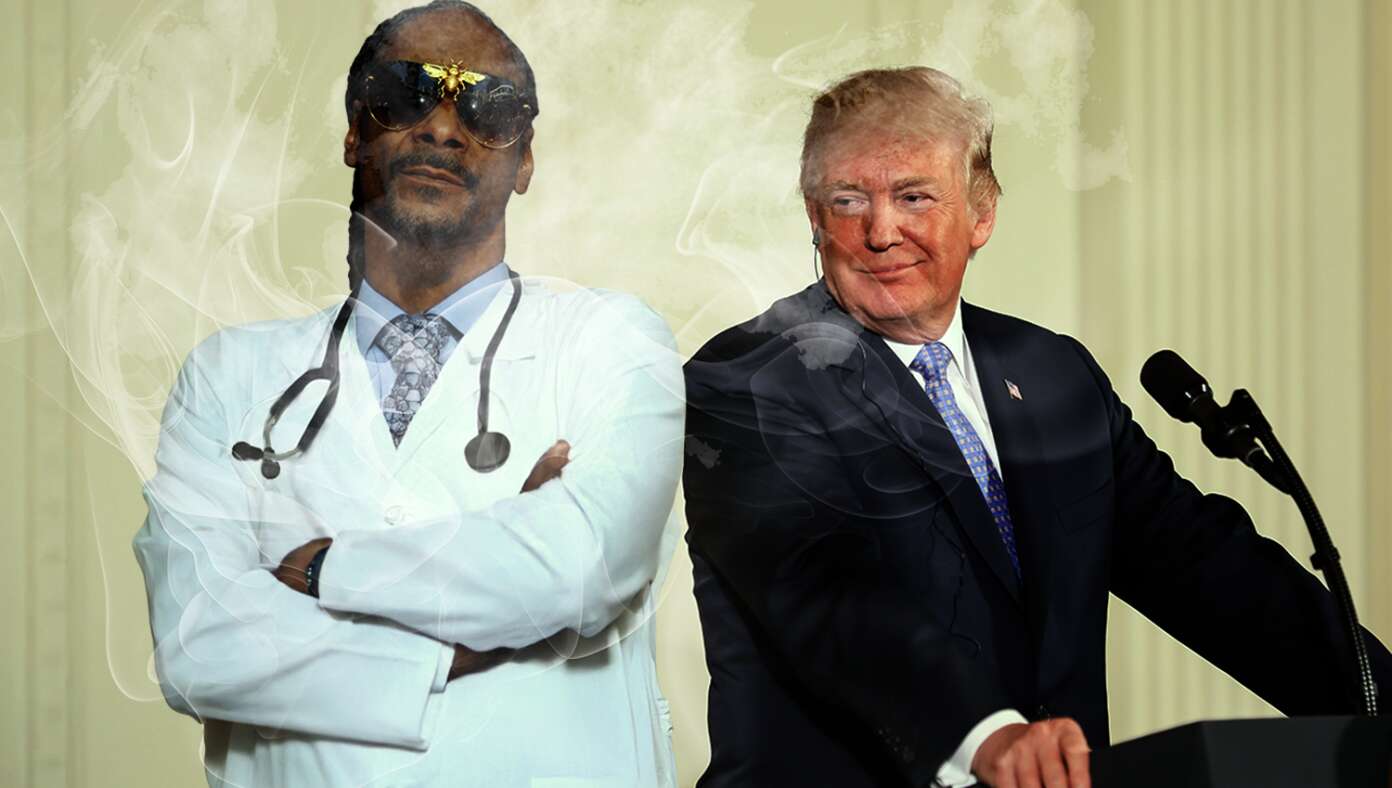
President Donald Trump on Thursday signed an executive order to ease federal marijuana regulations amid support from the cannabis industry but opposition from some Catholic and conservative groups.Trump’s Dec. 18 executive order directs the attorney general to reclassify marijuana from a Schedule I drug to a Schedule III drug as quickly as federal law allows. This process began under President Joe Biden’s administration and is being continued under Trump.Schedule I, which includes marijuana, is reserved for drugs that have “no currently accepted medical use and a high potential for abuse,” according to the Drug Enforcement Agency (DEA). Schedule III is a lower classification, which is for drugs “with a moderate to low potential for physical and psychological dependence” and less abuse potential than Schedule I.Rescheduling marijuana does not end a federal ban on both recreational and medical use, which would still be in place. However, it would reduce criminal penalties, open the door for medical research, and potentially be a step toward further deregulation and normalization.Right now, 40 states have medical marijuana programs and 24 legalize recreational use, in contrast to the federal law.In a news conference, Trump said rescheduling marijuana will help patients who seek the drug for medical use “live a far better life.” He said the executive order “in no way sanctions its use as a recreational drug.”“Young Americans are especially at risk, so unless a drug is recommended by a doctor for medical reasons, just don’t do it,” the president said.“At the same time, the facts compel the federal government to recognize that marijuana can be legitimate in terms of medical applications when carefully administered,” he said. “In some cases, this may include the use as a substitute for addictive and potentially lethal opioid painkillers.”Kelsey Reinhardt, president and CEO of CatholicVote, criticized the decision. The group had launched a campaign to discourage the president from rescheduling the product. “Every argument pushed by the cannabis lobby has now been exposed as false by real-world data and medical science,” Reinhardt said in a statement.“We were told marijuana was safe, nonaddictive, and would reduce crime — none of that turned out to be true in my home state of Colorado or in other states that are now working to repeal,” she said. “Instead, we’re seeing higher addiction rates, emergency-room spikes, impaired driving, heart risks, mental-health damage, and lasting harm to young people,” Reinhardt said.Reinhardt called the executive order “disappointing” and said it “repeats the same reckless mistakes we made with Big Tobacco and puts ideology ahead of public health.” She said CatholicVote will work with federal agencies to “minimize the damage” and urged Congress to take action to reverse the executive order. The Catechism of the Catholic Church does not directly mention marijuana but teaches “the use of drugs inflicts very grave damage on human health and life.” It calls drug use a “grave offense” with the exception of drugs used on “strictly therapeutic grounds,” such as medical treatment.In spite of concerns from some Catholics, some Catholic hospitals have done research into medical marijuana. Some of that research has looked into medical marijuana as potentially a less risky and less addictive alternative to opioids for pain management.The United States Conference of Catholic Bishops has not taken a position on the matter. Pope Francis said he opposed the partial legalization of so-called “soft drugs,” stating in 2014 that “the problem of drug use is not solved with drugs.” In June, Pope Leo XIV referred to drugs as “an invisible prison” and encouraged law enforcement to focus on drug traffickers instead of addicts. 

Trump eases marijuana regulations amid industry backing, Catholic concerns #Catholic President Donald Trump signed an executive order Dec. 18, 2025, that eases federal marijuana regulations amid support from the cannabis industry but opposition from some Catholic and conservative groups. / Credit: Justin Sullivan/Getty Images Washington, D.C. Newsroom, Dec 18, 2025 / 17:18 pm (CNA). President Donald Trump on Thursday signed an executive order to ease federal marijuana regulations amid support from the cannabis industry but opposition from some Catholic and conservative groups.Trump’s Dec. 18 executive order directs the attorney general to reclassify marijuana from a Schedule I drug to a Schedule III drug as quickly as federal law allows. This process began under President Joe Biden’s administration and is being continued under Trump.Schedule I, which includes marijuana, is reserved for drugs that have “no currently accepted medical use and a high potential for abuse,” according to the Drug Enforcement Agency (DEA). Schedule III is a lower classification, which is for drugs “with a moderate to low potential for physical and psychological dependence” and less abuse potential than Schedule I.Rescheduling marijuana does not end a federal ban on both recreational and medical use, which would still be in place. However, it would reduce criminal penalties, open the door for medical research, and potentially be a step toward further deregulation and normalization.Right now, 40 states have medical marijuana programs and 24 legalize recreational use, in contrast to the federal law.In a news conference, Trump said rescheduling marijuana will help patients who seek the drug for medical use “live a far better life.” He said the executive order “in no way sanctions its use as a recreational drug.”“Young Americans are especially at risk, so unless a drug is recommended by a doctor for medical reasons, just don’t do it,” the president said.“At the same time, the facts compel the federal government to recognize that marijuana can be legitimate in terms of medical applications when carefully administered,” he said. “In some cases, this may include the use as a substitute for addictive and potentially lethal opioid painkillers.”Kelsey Reinhardt, president and CEO of CatholicVote, criticized the decision. The group had launched a campaign to discourage the president from rescheduling the product. “Every argument pushed by the cannabis lobby has now been exposed as false by real-world data and medical science,” Reinhardt said in a statement.“We were told marijuana was safe, nonaddictive, and would reduce crime — none of that turned out to be true in my home state of Colorado or in other states that are now working to repeal,” she said. “Instead, we’re seeing higher addiction rates, emergency-room spikes, impaired driving, heart risks, mental-health damage, and lasting harm to young people,” Reinhardt said.Reinhardt called the executive order “disappointing” and said it “repeats the same reckless mistakes we made with Big Tobacco and puts ideology ahead of public health.” She said CatholicVote will work with federal agencies to “minimize the damage” and urged Congress to take action to reverse the executive order. The Catechism of the Catholic Church does not directly mention marijuana but teaches “the use of drugs inflicts very grave damage on human health and life.” It calls drug use a “grave offense” with the exception of drugs used on “strictly therapeutic grounds,” such as medical treatment.In spite of concerns from some Catholics, some Catholic hospitals have done research into medical marijuana. Some of that research has looked into medical marijuana as potentially a less risky and less addictive alternative to opioids for pain management.The United States Conference of Catholic Bishops has not taken a position on the matter. Pope Francis said he opposed the partial legalization of so-called “soft drugs,” stating in 2014 that “the problem of drug use is not solved with drugs.” In June, Pope Leo XIV referred to drugs as “an invisible prison” and encouraged law enforcement to focus on drug traffickers instead of addicts. 


President Donald Trump signed an executive order Dec. 18, 2025, that eases federal marijuana regulations amid support from the cannabis industry but opposition from some Catholic and conservative groups. / Credit: Justin Sullivan/Getty Images

Washington, D.C. Newsroom, Dec 18, 2025 / 17:18 pm (CNA).

President Donald Trump on Thursday signed an executive order to ease federal marijuana regulations amid support from the cannabis industry but opposition from some Catholic and conservative groups.

Trump’s Dec. 18 executive order directs the attorney general to reclassify marijuana from a Schedule I drug to a Schedule III drug as quickly as federal law allows. This process began under President Joe Biden’s administration and is being continued under Trump.

Schedule I, which includes marijuana, is reserved for drugs that have “no currently accepted medical use and a high potential for abuse,” according to the Drug Enforcement Agency (DEA). Schedule III is a lower classification, which is for drugs “with a moderate to low potential for physical and psychological dependence” and less abuse potential than Schedule I.

Rescheduling marijuana does not end a federal ban on both recreational and medical use, which would still be in place. However, it would reduce criminal penalties, open the door for medical research, and potentially be a step toward further deregulation and normalization.

Right now, 40 states have medical marijuana programs and 24 legalize recreational use, in contrast to the federal law.

In a news conference, Trump said rescheduling marijuana will help patients who seek the drug for medical use “live a far better life.” He said the executive order “in no way sanctions its use as a recreational drug.”

“Young Americans are especially at risk, so unless a drug is recommended by a doctor for medical reasons, just don’t do it,” the president said.

“At the same time, the facts compel the federal government to recognize that marijuana can be legitimate in terms of medical applications when carefully administered,” he said. “In some cases, this may include the use as a substitute for addictive and potentially lethal opioid painkillers.”

Kelsey Reinhardt, president and CEO of CatholicVote, criticized the decision. The group had launched a campaign to discourage the president from rescheduling the product. 

“Every argument pushed by the cannabis lobby has now been exposed as false by real-world data and medical science,” Reinhardt said in a statement.

“We were told marijuana was safe, nonaddictive, and would reduce crime — none of that turned out to be true in my home state of Colorado or in other states that are now working to repeal,” she said. “Instead, we’re seeing higher addiction rates, emergency-room spikes, impaired driving, heart risks, mental-health damage, and lasting harm to young people,” Reinhardt said.

Reinhardt called the executive order “disappointing” and said it “repeats the same reckless mistakes we made with Big Tobacco and puts ideology ahead of public health.” She said CatholicVote will work with federal agencies to “minimize the damage” and urged Congress to take action to reverse the executive order. 

The Catechism of the Catholic Church does not directly mention marijuana but teaches “the use of drugs inflicts very grave damage on human health and life.” It calls drug use a “grave offense” with the exception of drugs used on “strictly therapeutic grounds,” such as medical treatment.

In spite of concerns from some Catholics, some Catholic hospitals have done research into medical marijuana. Some of that research has looked into medical marijuana as potentially a less risky and less addictive alternative to opioids for pain management.

The United States Conference of Catholic Bishops has not taken a position on the matter. Pope Francis said he opposed the partial legalization of so-called “soft drugs,” stating in 2014 that “the problem of drug use is not solved with drugs.” In June, Pope Leo XIV referred to drugs as “an invisible prison” and encouraged law enforcement to focus on drug traffickers instead of addicts. 

Read More
Advocates push EPA to include abortion drugs on list of drinking water contaminants #Catholic 
 
 null / Credit: Carl DMaster/Shutterstock

Washington, D.C. Newsroom, Dec 18, 2025 / 16:48 pm (CNA).
Here is a roundup of recent pro-life and abortion-related news:Advocates push for EPA to include chemicals from abortion drugs on list of drinking water contaminantsStudents for Life of America (SFLA) is calling on the Environmental Protection Agency (EPA) to add the abortion drug mifepristone to a list of drinking water contaminants tracked by public utilities. “It’s a problem only the EPA can fully investigate,” SFLA reported.In two letters over the last several sessions of Congress, legislators have called on the EPA to find out the extent of the damage of abortion drug water pollution. Multiple pro-life and pro-family organizations joined together to ask the EPA to look into the chemicals.“The EPA has the regulatory authority and humane responsibility to determine the extent of abortion water pollution, caused by the reckless and negligent policies pushed by past administrations through the FDA [Food and Drug Administration],” said Kristan Hawkins, president of SFLA.“Take the word ‘abortion’ out of it and ask, should chemically tainted blood and placenta tissue, along with human remains, be flushed by the tons into America’s waterways? And since the federal government set that up, shouldn’t we know what’s in our water?” she said.Ireland votes not to restore bill that would remove three-day waiting period for abortionsThe Dáil, the lower house and main chamber of the Irish Parliament, has voted against restoring an abortion bill that would have decriminalized abortion up until birth and removed the three-day waiting period for an abortion. The legislation previously passed the second stage in the Dáil, but Parliament members decided in a 73 to 71 vote to reject it.The legislation would have allowed abortion on request before “viability” and on grounds of a fatal fetal abnormality that would likely lead to the death of the baby before birth or within a year of birth. Missouri senator launches new pro-life initiativeU.S. Sen. Josh Hawley of Missouri and his wife, Erin Hawley, announced they are launching a new effort to advocate for families and the unborn called the Love Life Initiative. The effort is intended to “remind Americans that life is sacred, life is good, and life is worth protecting.”The Love Life Initiative was “born out of the recognition that pro-life victories in the courtroom is not enough,” according to the initiative’s website. At the time of the Dobbs ruling, 49% of Americans identified as pro-choice and 46% as pro-life, Love Life reported. Today, 53% identify as pro-choice and only 39% identify as pro-life. The initiative plans to work to reverse this trend through “thoughtful, far-reaching advertising campaigns that promote the sanctity of life, advance referendums that protect life, and identify and defeat harmful proposals in statehouses across the nation.”

Advocates push EPA to include abortion drugs on list of drinking water contaminants #Catholic null / Credit: Carl DMaster/Shutterstock Washington, D.C. Newsroom, Dec 18, 2025 / 16:48 pm (CNA). Here is a roundup of recent pro-life and abortion-related news:Advocates push for EPA to include chemicals from abortion drugs on list of drinking water contaminantsStudents for Life of America (SFLA) is calling on the Environmental Protection Agency (EPA) to add the abortion drug mifepristone to a list of drinking water contaminants tracked by public utilities. “It’s a problem only the EPA can fully investigate,” SFLA reported.In two letters over the last several sessions of Congress, legislators have called on the EPA to find out the extent of the damage of abortion drug water pollution. Multiple pro-life and pro-family organizations joined together to ask the EPA to look into the chemicals.“The EPA has the regulatory authority and humane responsibility to determine the extent of abortion water pollution, caused by the reckless and negligent policies pushed by past administrations through the FDA [Food and Drug Administration],” said Kristan Hawkins, president of SFLA.“Take the word ‘abortion’ out of it and ask, should chemically tainted blood and placenta tissue, along with human remains, be flushed by the tons into America’s waterways? And since the federal government set that up, shouldn’t we know what’s in our water?” she said.Ireland votes not to restore bill that would remove three-day waiting period for abortionsThe Dáil, the lower house and main chamber of the Irish Parliament, has voted against restoring an abortion bill that would have decriminalized abortion up until birth and removed the three-day waiting period for an abortion. The legislation previously passed the second stage in the Dáil, but Parliament members decided in a 73 to 71 vote to reject it.The legislation would have allowed abortion on request before “viability” and on grounds of a fatal fetal abnormality that would likely lead to the death of the baby before birth or within a year of birth. Missouri senator launches new pro-life initiativeU.S. Sen. Josh Hawley of Missouri and his wife, Erin Hawley, announced they are launching a new effort to advocate for families and the unborn called the Love Life Initiative. The effort is intended to “remind Americans that life is sacred, life is good, and life is worth protecting.”The Love Life Initiative was “born out of the recognition that pro-life victories in the courtroom is not enough,” according to the initiative’s website. At the time of the Dobbs ruling, 49% of Americans identified as pro-choice and 46% as pro-life, Love Life reported. Today, 53% identify as pro-choice and only 39% identify as pro-life. The initiative plans to work to reverse this trend through “thoughtful, far-reaching advertising campaigns that promote the sanctity of life, advance referendums that protect life, and identify and defeat harmful proposals in statehouses across the nation.”


null / Credit: Carl DMaster/Shutterstock

Washington, D.C. Newsroom, Dec 18, 2025 / 16:48 pm (CNA).

Here is a roundup of recent pro-life and abortion-related news:

Advocates push for EPA to include chemicals from abortion drugs on list of drinking water contaminants

Students for Life of America (SFLA) is calling on the Environmental Protection Agency (EPA) to add the abortion drug mifepristone to a list of drinking water contaminants tracked by public utilities. “It’s a problem only the EPA can fully investigate,” SFLA reported.

In two letters over the last several sessions of Congress, legislators have called on the EPA to find out the extent of the damage of abortion drug water pollution. Multiple pro-life and pro-family organizations joined together to ask the EPA to look into the chemicals.

“The EPA has the regulatory authority and humane responsibility to determine the extent of abortion water pollution, caused by the reckless and negligent policies pushed by past administrations through the FDA [Food and Drug Administration],” said Kristan Hawkins, president of SFLA.

“Take the word ‘abortion’ out of it and ask, should chemically tainted blood and placenta tissue, along with human remains, be flushed by the tons into America’s waterways? And since the federal government set that up, shouldn’t we know what’s in our water?” she said.

Ireland votes not to restore bill that would remove three-day waiting period for abortions

The Dáil, the lower house and main chamber of the Irish Parliament, has voted against restoring an abortion bill that would have decriminalized abortion up until birth and removed the three-day waiting period for an abortion. The legislation previously passed the second stage in the Dáil, but Parliament members decided in a 73 to 71 vote to reject it.

The legislation would have allowed abortion on request before “viability” and on grounds of a fatal fetal abnormality that would likely lead to the death of the baby before birth or within a year of birth. 

Missouri senator launches new pro-life initiative

U.S. Sen. Josh Hawley of Missouri and his wife, Erin Hawley, announced they are launching a new effort to advocate for families and the unborn called the Love Life Initiative. The effort is intended to “remind Americans that life is sacred, life is good, and life is worth protecting.”

The Love Life Initiative was “born out of the recognition that pro-life victories in the courtroom is not enough,” according to the initiative’s website. 

At the time of the Dobbs ruling, 49% of Americans identified as pro-choice and 46% as pro-life, Love Life reported. Today, 53% identify as pro-choice and only 39% identify as pro-life. The initiative plans to work to reverse this trend through “thoughtful, far-reaching advertising campaigns that promote the sanctity of life, advance referendums that protect life, and identify and defeat harmful proposals in statehouses across the nation.”

Read More
Bishop Kevin J. Sweeney’s Schedule: January, 2026 #Catholic – 


1/1
Thu., 12:15 p.m. Mass – St. Margaret of Scotland Parish, Morristown.


1/3
Sat., 8 a.m. Mass for Life & Procession – St. Margaret of Scotland Parish, Morristown.


1/9
Fri., 6:30 p.m. Project Andrew – Our Lady Star of the Sea Parish, Lake Hopatcong.


1/10
Sat. All day men’s retreat – Newton.


1/12–16
Mon.–Fri. Bishop’s Region III Retreat – Bethany Center, Lutz, FL.


1/17
Sat., 9 a.m. Mass – Bethlehem Hermitage, Chester; 5 p.m. Installation Mass for Father Cesar Jaramillo – Holy Spirit Parish, Pequannock.


1/21
Wed., 7 p.m. Altagracia Mass – St. Stephen Parish, Paterson.


1/23
Fri., 8 a.m. Mass for Life – St. Patrick Church, Washington, DC, followed by the National March for Life.


1/25
Sun., 8:30 a.m. Mass celebrating Catholic Schools Week – St. Anthony Parish, Hawthorne; 11:30 a.m. Mass for the Feast of St. Agnes – St. Agnes Parish, Paterson; 1 p.m. Mass celebrating Nuestra Señora de La Altagracia – the Cathedral of St. John the Baptist, Paterson.


1/26
Mon., 9 a.m. Mass celebrating Catholic Schools Week – St. Philip the Apostle Parish, Clifton; 1 p.m. Presbyteral Council – the Chancery, Clifton.


1/27
Tue., 1 p.m. Vocations Board Meeting – the Chancery, Clifton.


1/30
Fri., 11 a.m. Mass celebrating Catholic Schools Week – St. Patrick Parish, Chatham; 5:30 p.m. Bishop’s Night Dinner – Knights of Columbus, Woodland Park; 8 p.m. Knights of Columbus Paterson Federation meeting – Our Lady of Holy Angels, Little Falls.


1/31
Sat., 11 a.m. Mass for World Day of Prayer for Consecrated Life – St. Gerard Majella, Paterson.

Bishop Kevin J. Sweeney’s Schedule: January, 2026 #Catholic – 1/1 Thu., 12:15 p.m. Mass – St. Margaret of Scotland Parish, Morristown. 1/3 Sat., 8 a.m. Mass for Life & Procession – St. Margaret of Scotland Parish, Morristown. 1/9 Fri., 6:30 p.m. Project Andrew – Our Lady Star of the Sea Parish, Lake Hopatcong. 1/10 Sat. All day men’s retreat – Newton. 1/12–16 Mon.–Fri. Bishop’s Region III Retreat – Bethany Center, Lutz, FL. 1/17 Sat., 9 a.m. Mass – Bethlehem Hermitage, Chester; 5 p.m. Installation Mass for Father Cesar Jaramillo – Holy Spirit Parish, Pequannock. 1/21 Wed., 7 p.m. Altagracia Mass – St. Stephen Parish, Paterson. 1/23 Fri., 8 a.m. Mass for Life – St. Patrick Church, Washington, DC, followed by the National March for Life. 1/25 Sun., 8:30 a.m. Mass celebrating Catholic Schools Week – St. Anthony Parish, Hawthorne; 11:30 a.m. Mass for the Feast of St. Agnes – St. Agnes Parish, Paterson; 1 p.m. Mass celebrating Nuestra Señora de La Altagracia – the Cathedral of St. John the Baptist, Paterson. 1/26 Mon., 9 a.m. Mass celebrating Catholic Schools Week – St. Philip the Apostle Parish, Clifton; 1 p.m. Presbyteral Council – the Chancery, Clifton. 1/27 Tue., 1 p.m. Vocations Board Meeting – the Chancery, Clifton. 1/30 Fri., 11 a.m. Mass celebrating Catholic Schools Week – St. Patrick Parish, Chatham; 5:30 p.m. Bishop’s Night Dinner – Knights of Columbus, Woodland Park; 8 p.m. Knights of Columbus Paterson Federation meeting – Our Lady of Holy Angels, Little Falls. 1/31 Sat., 11 a.m. Mass for World Day of Prayer for Consecrated Life – St. Gerard Majella, Paterson.

Bishop Kevin J. Sweeney’s Schedule: January, 2026 #Catholic –

1/1 Thu., 12:15 p.m. Mass – St. Margaret of Scotland Parish, Morristown.
1/3 Sat., 8 a.m. Mass for Life & Procession – St. Margaret of Scotland Parish, Morristown.
1/9 Fri., 6:30 p.m. Project Andrew – Our Lady Star of the Sea Parish, Lake Hopatcong.
1/10 Sat. All day men’s retreat – Newton.
1/12–16 Mon.–Fri. Bishop’s Region III Retreat – Bethany Center, Lutz, FL.
1/17 Sat., 9 a.m. Mass – Bethlehem Hermitage, Chester; 5 p.m. Installation Mass for Father Cesar Jaramillo – Holy Spirit Parish, Pequannock.
1/21 Wed., 7 p.m. Altagracia Mass – St. Stephen Parish, Paterson.
1/23 Fri., 8 a.m. Mass for Life – St. Patrick Church, Washington, DC, followed by the National March for Life.
1/25 Sun., 8:30 a.m. Mass celebrating Catholic Schools Week – St. Anthony Parish, Hawthorne; 11:30 a.m. Mass for the Feast of St. Agnes – St. Agnes Parish, Paterson; 1 p.m. Mass celebrating Nuestra Señora de La Altagracia – the Cathedral of St. John the Baptist, Paterson.
1/26 Mon., 9 a.m. Mass celebrating Catholic Schools Week – St. Philip the Apostle Parish, Clifton; 1 p.m. Presbyteral Council – the Chancery, Clifton.
1/27 Tue., 1 p.m. Vocations Board Meeting – the Chancery, Clifton.
1/30 Fri., 11 a.m. Mass celebrating Catholic Schools Week – St. Patrick Parish, Chatham; 5:30 p.m. Bishop’s Night Dinner – Knights of Columbus, Woodland Park; 8 p.m. Knights of Columbus Paterson Federation meeting – Our Lady of Holy Angels, Little Falls.
1/31 Sat., 11 a.m. Mass for World Day of Prayer for Consecrated Life – St. Gerard Majella, Paterson.

1/1 Thu., 12:15 p.m. Mass – St. Margaret of Scotland Parish, Morristown. 1/3 Sat., 8 a.m. Mass for Life & Procession – St. Margaret of Scotland Parish, Morristown. 1/9 Fri., 6:30 p.m. Project Andrew – Our Lady Star of the Sea Parish, Lake Hopatcong. 1/10 Sat. All day men’s retreat – Newton. 1/12–16 Mon.–Fri. Bishop’s Region III Retreat – Bethany Center, Lutz, FL. 1/17 Sat., 9 a.m. Mass – Bethlehem Hermitage, Chester; 5 p.m. Installation Mass for Father Cesar Jaramillo – Holy Spirit Parish, Pequannock. 1/21 Wed., 7 p.m. Altagracia Mass – St. Stephen Parish, Paterson. 1/23 Fri., 8 a.m.

Read More

The recent stranding of the Shenzhou-21 crew, caused by debris damage to the Shenzhou-20 return capsule, underscores the practical risks of an increasingly crowded low Earth orbit. With launch cadences nearly 12 times higher in 2024 than in 2014, the volume of debris in orbit traveling at dangerous speeds will only continue to grow, threateningContinue reading “Can game theory help declutter space? “

The post Can game theory help declutter space?  appeared first on Astronomy Magazine.

Read More
HHS announces actions to restrict ‘sex-rejecting procedures’ on minors #Catholic 
 
 President Donald J. Trump watches as Robert F. Kennedy Jr., Health and Human Services Secretary, speaks after being sworn in on Thursday, Feb. 13, 2025, in Washington, D.C. / Credit: Jabin Botsford/The Washington Post via Getty Images

Washington, D.C. Newsroom, Dec 18, 2025 / 13:31 pm (CNA).
The Department of Health and Human Services (HHS) proposed regulations today that would seek to end “sex-rejecting procedures” on anyone younger than 18 years old, which includes restrictions on hospitals and retailers.Under one proposal, the Centers for Medicare & Medicaid Services (CMS) would withhold all funding through Medicare and Medicaid to any hospital that offers surgeries or drugs to minors as a means to make them resemble the opposite sex. The proposed rules would prohibit federal Medicaid funding for “sex-rejecting procedures” on anyone under 18 and prohibit federal Children’s Health Insurance program (CHIP) funding for the procedures on anyone under 19.This includes surgical operations, such as the removal of healthy genitals to replace them with artificial genitals that resemble the opposite sex and chest procedures that remove the healthy breasts on girls or implant prosthetic breasts on boys.It also includes hormone treatments that attempt to masculinize girls with testosterone and feminize boys with estrogen and puberty blockers, which delay a child’s natural developments during puberty.HHS also announced that the Food and Drug Administration (FDA) is issuing warning letters to 12 manufacturers and retailers that they accuse of illegally marketing “breast binders” to girls under the age of 18 as a treatment for gender dysphoria. Breast binders compress breasts as a means to flatten them under their clothing.The news release said breast binders are Class 1 medical devices meant to help recover from cancer-related mastectomies, and the warning letters will “formally notify the companies of their significant regulatory violations and how they should take prompt corrective action.”Additionally, HHS is working to clarify the definition of a “disability” in civil rights regulations to exclude “gender dysphoria” that does not result from physical impairments. This ensures that discrimination laws are not interpreted in a way that would require “sex-rejecting procedures,” the statement said.HHS Secretary Robert F. Kennedy Jr. said in a news conference that “sex-rejecting procedures” on minors are “endangering the very lives that [doctors] are sworn to safeguard.”“So-called gender-affirming care has inflicted lasting physical and psychological damage on vulnerable young people,” he said. “This is not medicine — it is malpractice.” The proposals would conform HHS regulations to President Donald Trump’s Jan. 28 executive order to prohibit the “chemical and surgical mutilation” of children. The order instructed HHS to propose regulations to prevent these procedures on minors.In a news release, HHS repeatedly referred to the medical interventions as “sex-rejecting procedures” and warned they “cause irreversible damage, including infertility, impaired sexual function, diminished bone density, altered brain development, and other irreversible physiological effects.”HHS cited its own report from May, which found “deep uncertainty about the purported benefits of these interventions” for treating a minor with gender dysphoria. The report found that “these interventions carry risk of significant harms,” which can include infertility, sexual dysfunction, underdeveloped bone mass, cardiovascular disease, metabolic disorders, psychiatric disorders, and adverse cognitive impacts, among other complications.Stanley Goldfarb, chairman of Do No Harm, a medical advocacy group, said in a statement that the proposed regulation on hospitals is “another critical step to protect children from harmful gender ideology” and said he supports rules that ensure “American taxpayer dollars do not fund sex-change operations on minors.”“Many so-called gender clinics have already begun to close as the truth about the risks and long-term harms about these drugs and surgeries on minors have been exposed,” he said. “Now, hospitals that receive taxpayer funds from these federal programs must follow suit.”Mary Rice Hasson, director of the Person and Identity Project at the Ethics and Public Policy Center (EPPC), said she sees the proposed restriction on hospitals as “excellent.”“This proposed rule sends a powerful message to states and health care providers: It’s time to stop these unethical and dangerous procedures,” Hasson said. “Puberty is not a disease to be medicated away. All children have the right to grow and develop normally.”“Sex-rejecting procedures promise the impossible: that a child can escape the reality of being male or female,” she added. “In reality, these sex-rejecting procedures provide only the illusion of ‘changing sex’ by disabling healthy functions and altering the child’s healthy body through drugs and surgery that will cause lifelong harm.”In January, Bishop Robert Barron, chair of the United States Conference of Catholic Bishops’ (USCCB) Committee on Laity, Marriage, Family Life, and Youth, welcomed Trump’s executive action on these procedures, warning that they are “based on a false understanding of human nature, attempt to change a child’s sex.”“So many young people who have been victims of this ideological crusade have profound regrets over its life-altering consequences, such as infertility and lifelong dependence on costly hormone therapies that have significant side effects,” Barron said. “It is unacceptable that our children are encouraged to undergo destructive medical interventions instead of receiving access to authentic and bodily-unitive care.”

HHS announces actions to restrict ‘sex-rejecting procedures’ on minors #Catholic President Donald J. Trump watches as Robert F. Kennedy Jr., Health and Human Services Secretary, speaks after being sworn in on Thursday, Feb. 13, 2025, in Washington, D.C. / Credit: Jabin Botsford/The Washington Post via Getty Images Washington, D.C. Newsroom, Dec 18, 2025 / 13:31 pm (CNA). The Department of Health and Human Services (HHS) proposed regulations today that would seek to end “sex-rejecting procedures” on anyone younger than 18 years old, which includes restrictions on hospitals and retailers.Under one proposal, the Centers for Medicare & Medicaid Services (CMS) would withhold all funding through Medicare and Medicaid to any hospital that offers surgeries or drugs to minors as a means to make them resemble the opposite sex. The proposed rules would prohibit federal Medicaid funding for “sex-rejecting procedures” on anyone under 18 and prohibit federal Children’s Health Insurance program (CHIP) funding for the procedures on anyone under 19.This includes surgical operations, such as the removal of healthy genitals to replace them with artificial genitals that resemble the opposite sex and chest procedures that remove the healthy breasts on girls or implant prosthetic breasts on boys.It also includes hormone treatments that attempt to masculinize girls with testosterone and feminize boys with estrogen and puberty blockers, which delay a child’s natural developments during puberty.HHS also announced that the Food and Drug Administration (FDA) is issuing warning letters to 12 manufacturers and retailers that they accuse of illegally marketing “breast binders” to girls under the age of 18 as a treatment for gender dysphoria. Breast binders compress breasts as a means to flatten them under their clothing.The news release said breast binders are Class 1 medical devices meant to help recover from cancer-related mastectomies, and the warning letters will “formally notify the companies of their significant regulatory violations and how they should take prompt corrective action.”Additionally, HHS is working to clarify the definition of a “disability” in civil rights regulations to exclude “gender dysphoria” that does not result from physical impairments. This ensures that discrimination laws are not interpreted in a way that would require “sex-rejecting procedures,” the statement said.HHS Secretary Robert F. Kennedy Jr. said in a news conference that “sex-rejecting procedures” on minors are “endangering the very lives that [doctors] are sworn to safeguard.”“So-called gender-affirming care has inflicted lasting physical and psychological damage on vulnerable young people,” he said. “This is not medicine — it is malpractice.” The proposals would conform HHS regulations to President Donald Trump’s Jan. 28 executive order to prohibit the “chemical and surgical mutilation” of children. The order instructed HHS to propose regulations to prevent these procedures on minors.In a news release, HHS repeatedly referred to the medical interventions as “sex-rejecting procedures” and warned they “cause irreversible damage, including infertility, impaired sexual function, diminished bone density, altered brain development, and other irreversible physiological effects.”HHS cited its own report from May, which found “deep uncertainty about the purported benefits of these interventions” for treating a minor with gender dysphoria. The report found that “these interventions carry risk of significant harms,” which can include infertility, sexual dysfunction, underdeveloped bone mass, cardiovascular disease, metabolic disorders, psychiatric disorders, and adverse cognitive impacts, among other complications.Stanley Goldfarb, chairman of Do No Harm, a medical advocacy group, said in a statement that the proposed regulation on hospitals is “another critical step to protect children from harmful gender ideology” and said he supports rules that ensure “American taxpayer dollars do not fund sex-change operations on minors.”“Many so-called gender clinics have already begun to close as the truth about the risks and long-term harms about these drugs and surgeries on minors have been exposed,” he said. “Now, hospitals that receive taxpayer funds from these federal programs must follow suit.”Mary Rice Hasson, director of the Person and Identity Project at the Ethics and Public Policy Center (EPPC), said she sees the proposed restriction on hospitals as “excellent.”“This proposed rule sends a powerful message to states and health care providers: It’s time to stop these unethical and dangerous procedures,” Hasson said. “Puberty is not a disease to be medicated away. All children have the right to grow and develop normally.”“Sex-rejecting procedures promise the impossible: that a child can escape the reality of being male or female,” she added. “In reality, these sex-rejecting procedures provide only the illusion of ‘changing sex’ by disabling healthy functions and altering the child’s healthy body through drugs and surgery that will cause lifelong harm.”In January, Bishop Robert Barron, chair of the United States Conference of Catholic Bishops’ (USCCB) Committee on Laity, Marriage, Family Life, and Youth, welcomed Trump’s executive action on these procedures, warning that they are “based on a false understanding of human nature, attempt to change a child’s sex.”“So many young people who have been victims of this ideological crusade have profound regrets over its life-altering consequences, such as infertility and lifelong dependence on costly hormone therapies that have significant side effects,” Barron said. “It is unacceptable that our children are encouraged to undergo destructive medical interventions instead of receiving access to authentic and bodily-unitive care.”


President Donald J. Trump watches as Robert F. Kennedy Jr., Health and Human Services Secretary, speaks after being sworn in on Thursday, Feb. 13, 2025, in Washington, D.C. / Credit: Jabin Botsford/The Washington Post via Getty Images

Washington, D.C. Newsroom, Dec 18, 2025 / 13:31 pm (CNA).

The Department of Health and Human Services (HHS) proposed regulations today that would seek to end “sex-rejecting procedures” on anyone younger than 18 years old, which includes restrictions on hospitals and retailers.

Under one proposal, the Centers for Medicare & Medicaid Services (CMS) would withhold all funding through Medicare and Medicaid to any hospital that offers surgeries or drugs to minors as a means to make them resemble the opposite sex. The proposed rules would prohibit federal Medicaid funding for “sex-rejecting procedures” on anyone under 18 and prohibit federal Children’s Health Insurance program (CHIP) funding for the procedures on anyone under 19.

This includes surgical operations, such as the removal of healthy genitals to replace them with artificial genitals that resemble the opposite sex and chest procedures that remove the healthy breasts on girls or implant prosthetic breasts on boys.

It also includes hormone treatments that attempt to masculinize girls with testosterone and feminize boys with estrogen and puberty blockers, which delay a child’s natural developments during puberty.

HHS also announced that the Food and Drug Administration (FDA) is issuing warning letters to 12 manufacturers and retailers that they accuse of illegally marketing “breast binders” to girls under the age of 18 as a treatment for gender dysphoria. Breast binders compress breasts as a means to flatten them under their clothing.

The news release said breast binders are Class 1 medical devices meant to help recover from cancer-related mastectomies, and the warning letters will “formally notify the companies of their significant regulatory violations and how they should take prompt corrective action.”

Additionally, HHS is working to clarify the definition of a “disability” in civil rights regulations to exclude “gender dysphoria” that does not result from physical impairments. This ensures that discrimination laws are not interpreted in a way that would require “sex-rejecting procedures,” the statement said.

HHS Secretary Robert F. Kennedy Jr. said in a news conference that “sex-rejecting procedures” on minors are “endangering the very lives that [doctors] are sworn to safeguard.”

“So-called gender-affirming care has inflicted lasting physical and psychological damage on vulnerable young people,” he said. “This is not medicine — it is malpractice.” 

The proposals would conform HHS regulations to President Donald Trump’s Jan. 28 executive order to prohibit the “chemical and surgical mutilation” of children. The order instructed HHS to propose regulations to prevent these procedures on minors.

In a news release, HHS repeatedly referred to the medical interventions as “sex-rejecting procedures” and warned they “cause irreversible damage, including infertility, impaired sexual function, diminished bone density, altered brain development, and other irreversible physiological effects.”

HHS cited its own report from May, which found “deep uncertainty about the purported benefits of these interventions” for treating a minor with gender dysphoria. The report found that “these interventions carry risk of significant harms,” which can include infertility, sexual dysfunction, underdeveloped bone mass, cardiovascular disease, metabolic disorders, psychiatric disorders, and adverse cognitive impacts, among other complications.

Stanley Goldfarb, chairman of Do No Harm, a medical advocacy group, said in a statement that the proposed regulation on hospitals is “another critical step to protect children from harmful gender ideology” and said he supports rules that ensure “American taxpayer dollars do not fund sex-change operations on minors.”

“Many so-called gender clinics have already begun to close as the truth about the risks and long-term harms about these drugs and surgeries on minors have been exposed,” he said. “Now, hospitals that receive taxpayer funds from these federal programs must follow suit.”

Mary Rice Hasson, director of the Person and Identity Project at the Ethics and Public Policy Center (EPPC), said she sees the proposed restriction on hospitals as “excellent.”

“This proposed rule sends a powerful message to states and health care providers: It’s time to stop these unethical and dangerous procedures,” Hasson said. “Puberty is not a disease to be medicated away. All children have the right to grow and develop normally.”

“Sex-rejecting procedures promise the impossible: that a child can escape the reality of being male or female,” she added. “In reality, these sex-rejecting procedures provide only the illusion of ‘changing sex’ by disabling healthy functions and altering the child’s healthy body through drugs and surgery that will cause lifelong harm.”

In January, Bishop Robert Barron, chair of the United States Conference of Catholic Bishops’ (USCCB) Committee on Laity, Marriage, Family Life, and Youth, welcomed Trump’s executive action on these procedures, warning that they are “based on a false understanding of human nature, attempt to change a child’s sex.”

“So many young people who have been victims of this ideological crusade have profound regrets over its life-altering consequences, such as infertility and lifelong dependence on costly hormone therapies that have significant side effects,” Barron said. “It is unacceptable that our children are encouraged to undergo destructive medical interventions instead of receiving access to authentic and bodily-unitive care.”

Read More
Pope Leo XIV appoints Illinois bishop as next archbishop of New York #Catholic 
 
 New York Archbishop-elect Ronald Hicks meets people at St. Patrick’s Cathedral on Dec. 18, 2025, in New York City. / Credit: Adam Gray/Getty Images

Vatican City, Dec 18, 2025 / 06:00 am (CNA).
Pope Leo XIV has appointed Bishop Ronald Hicks of the Diocese of Joliet, Illinois, as the next archbishop of New York — the most consequential U.S. episcopal appointment of Leo’s pontificate thus far — the Vatican announced Thursday.The appointment was first reported by Spanish outlet Religión Digital on Dec. 15 and independently confirmed by EWTN News on Dec. 17.For more on the new leader of Catholics in the Archdiocese of New York, read Jonathan Liedl’s profile here.This is a developing story.

New York Archbishop-elect Ronald Hicks meets people at St. Patrick’s Cathedral on Dec. 18, 2025, in New York City. / Credit: Adam Gray/Getty Images

Vatican City, Dec 18, 2025 / 06:00 am (CNA).

Pope Leo XIV has appointed Bishop Ronald Hicks of the Diocese of Joliet, Illinois, as the next archbishop of New York — the most consequential U.S. episcopal appointment of Leo’s pontificate thus far — the Vatican announced Thursday.

The appointment was first reported by Spanish outlet Religión Digital on Dec. 15 and independently confirmed by EWTN News on Dec. 17.

For more on the new leader of Catholics in the Archdiocese of New York, read Jonathan Liedl’s profile here.

This is a developing story.

Read More