![Pope Leo XIV reunites with his eighth grade classmates #Catholic On the steps of St. Peter’s Basilica in Rome, Pope Leo XIV met last week with some of his eighth grade classmates from St. Mary of the Assumption lower school in south Chicago, where he grew up.Of the 82 eighth graders with whom he attended St. Mary’s in 1969, 10 greeted him after the general audience on March 18, exchanging laughs, gifts, and warm handshakes.During the meeting, his former classmates gave him a photograph of the class of 1969, which he held up as he posed for another group shot more than 50 years later.Jerome Clemens pointed out the young Robert Prevost standing among his classmates to the L’Osservatore Romano, the Vatican newspaper: “Here he is, our friend, the pope,” showing the back of the photo with Prevost’s old autograph and his new one, which he signed, “Leo XIV.”Another former classmate, Sherry Stone (née Blue), dropped a sign she held that read “God bless you Pope Leo” when the pope approached her.“Sorry! I’m nervous!” she said, laughing, as he shook her hand.Instagram postLast spring, Stone told the Lansing Journal: “When he was in the conclave, I thought, ‘Could it be him? Could Bob be the new pope? No, probably not.’ When I saw that it was him, I was just amazed. I was crying tears of joy.”“He was a super nice guy, but not nerdy,” she said.After finishing eighth grade at St. Mary’s, Prevost attended boarding school at St. Augustine Seminary High School in Michigan, graduating in 1973. He then attended another Augustinian school, Villanova University, where he earned a bachelor’s degree in mathematics in 1977 before entering the Augustinian novitiate that September. He was ordained a priest in 1982, earning a master of divinity degree from the Catholic Theological Union in Chicago that same year. He earned a licentiate in canon law (JCL) in 1984 and completed a doctorate in canon law (JCD) in 1987, both from the Pontifical University of St. Thomas Aquinas in Rome.St. Mary’s church and school on Chicago’s ‘most endangered list’St. Mary of the Assumption Church and School, where a young Prevost served as an altar boy and his mother, Mildred Prevost, worked as a librarian, was at the center of a vibrant Catholic community in the Riverdale neighborhood on Chicago’s South Side in the 1960s.The property, which has been vacant since 2011 and is now privately owned, is located just a few blocks from the pope’s childhood home in Dolton, Illinois, but within Chicago city limits.The neighborhood has seen significant decline since then. Ward Miller of Preservation Chicago told EWTN News that St. Mary’s, which has a hole in the roof of the church building, broken windows, graffiti, and many other issues, was listed on Preservation Chicago’s 2026 “7 Most Endangered List" as of March 4.
Broken windows and graffiti on St. Mary of the Assumption School, where Robert Prevost, now Pope Leo XIV, the first American pope, attended eighth grade in 1969. | Credit: Matthew Kaplan
“We at Preservation Chicago are of the opinion that the church and school buildings of St. Mary’s are in need of immediate attention in order to secure temporary repairs, with a long-term goal of a full restoration of the campus of buildings, before everything is lost to deterioration,” Miller said.The property’s current owner, Joel Hall, said last year he is open to a landmark designation by the city, according to Miller. Preservation Chicago, a nonprofit advocacy organization dedicated to preserving historic sites in Chicago and encouraging landmark designations in the city, presented its case to designate it as such at a meeting in May 2025 of the Commission of Chicago Landmarks.No decision has been made yet regarding the landmark designation, but Preservation Chicago has created an online petition to the city of Chicago to “Save the Pope’s Church!”“This complex should become a visitors site, an oratory or shrine, as this is our first American pope — a world leader, and from Chicago!” Miller told EWTN News.
The interior of the dilapidated St. Mary of the Assumption Church, showing water damage to the floor and graffiti behind where the altar once stood. Pope Leo XIV served as an altar boy there during his childhood. | Credit: Ward Miller/Preservation Chicago
“We would very much like to see a partnership form to save these buildings and tell the story of this world leader,” reads an article on Preservation Chicago’s website. “An initial step in this process would be to consider a Chicago landmark designation of the buildings of this campus, with a plan to methodically restore and repurpose each of the buildings.”
Close-up of St. Mary of the Assumption Church in Riverdale, Chicago, Pope Leo XIV’s childhood parish, which was recently added to Preservation Chicagoʼs “7 Most Endangered” list of historic structures in the city. | Credit: Cristen Brown
Miller told EWTN News he would like to see the property “prepared [in time] for the pope’s return visits to Chicago!”The pope does not yet have plans to visit the United States.](https://unitedyam.com/wp-content/uploads/2026/03/pope-leo-xiv-reunites-with-his-eighth-grade-classmates-catholic-on-the-steps-of-st-peters-basilica-in-rome-pope-leo-xiv-met-last-week-with-some-of-his-eighth-grade-classmates-from-st-mary.jpg)

Pope Leo XIV met with 10 of his eighth grade classmates in St. Peter’s Square at a recent general audience.
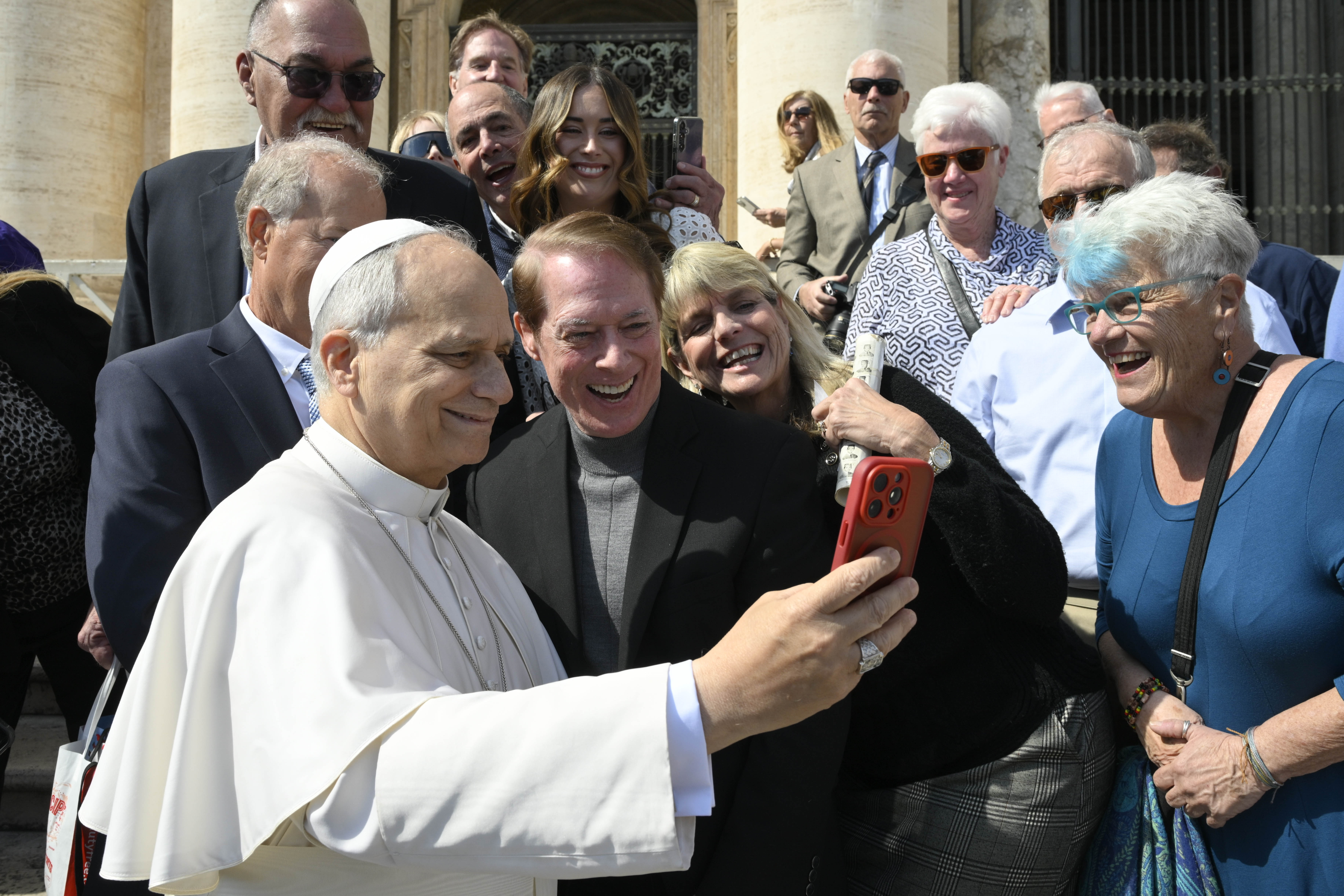
Pope Leo XIV met with 10 of his eighth grade classmates in St. Peter’s Square at a recent general audience.
![Georgia appeals court blocks abuse suit against Atlanta Archdiocese, cites statute of limitations #Catholic A dozen alleged abuse victims suffered a defeat at a Georgia appeals court this week when their lawsuit against the Archdiocese of Atlanta was dismissed on the grounds that the alleged abuse did not fall under an extended statute of limitations. The case turned on whether or not the archdiocese had covered up the alleged clergy sexual abuse, which if true could have “tolled” the time limit for filing abuse claims. “Tolling” occurs when a statute of limitations is extended beyond a normal window, allowing alleged victims to file abuse claims years after they normally would have been barred from doing so. In the Atlanta case, a dozen alleged victims had filed numerous suits against the Archdiocese of Atlanta and numerous churches, claiming that Fathers John Edwards and Jorge Cristancho had abused them over multiple decades from the 1960s to the early 2000s. A lower court had dismissed the cases. The Georgia Court of Appeals on March 9 upheld the dismissal, arguing that the statute of limitations for the filings had expired and that the archdiocese had not committed any malfeasance that could have extended the filing window. The plaintiffs “failed to point to any evidence that the [the archdioceseʼs] actions concealed the Plaintiffs’ claims and prevented or hindered them from filing their lawsuits,” the ruling held. The alleged victims failed to prove that they “ever requested information from the [archdiocese] about their knowledge and involvement in the abuse, or that the [archdiocese] refused” to provide it. The three-judge panel acknowledged that it was “certainly mindful of the grievous circumstances involving heinous conduct which led to the filing of these cases.”Edwards and Cristancho are both listed by the archdiocese as “credibly accused” of sexual abuse. Edwards died in 1997; Cristancho was laicized in 2003. Statutes of limitations have been a key component of disputes in the U.S. Church for years, with lawmakers in recent years advocating and often passing bills retroactively extending the window for filing abuse claims. In 2023 Maryland passed the state Child Victims Act, which abolished a 20-year statute of limitations for civil child abuse suits. The Maryland Supreme Court ruled in 2025 that the law did not violate the state constitution.Numerous states such as New York, North Carolina, New Jersey, Colorado and others have enacted similar laws allowing for abuse victims to seek restitution for alleged incidents that occurred in decades past. Such legal arrangements are not limited to the United States. In January the Spanish Bishops’ Conference and the national government agreed to a compensation plan for abuse victims that will allow victims to file for restitution even if the alleged abuse falls outside of the standard statute of limitations.](https://unitedyam.com/wp-content/uploads/2026/03/georgia-appeals-court-blocks-abuse-suit-against-atlanta-archdiocese-cites-statute-of-limitations-catholic-a-dozen-alleged-abuse-victims-suffered-a-defeat-at-a-georgia-appeals-court-this-week-when-th.jpg "Georgia appeals court blocks abuse suit against Atlanta Archdiocese, cites statute of limitations #Catholic A dozen alleged abuse victims suffered a defeat at a Georgia appeals court this week when their lawsuit against the Archdiocese of Atlanta was dismissed on the grounds that the alleged abuse did not fall under an extended statute of limitations. The case turned on whether or not the archdiocese had covered up the alleged clergy sexual abuse, which if true could have “tolled” the time limit for filing abuse claims. “Tolling” occurs when a statute of limitations is extended beyond a normal window, allowing alleged victims to file abuse claims years after they normally would have been barred from doing so. In the Atlanta case, a dozen alleged victims had filed numerous suits against the Archdiocese of Atlanta and numerous churches, claiming that Fathers John Edwards and Jorge Cristancho had abused them over multiple decades from the 1960s to the early 2000s. A lower court had dismissed the cases. The Georgia Court of Appeals on March 9 upheld the dismissal, arguing that the statute of limitations for the filings had expired and that the archdiocese had not committed any malfeasance that could have extended the filing window. The plaintiffs “failed to point to any evidence that the [the archdioceseʼs] actions concealed the Plaintiffs’ claims and prevented or hindered them from filing their lawsuits,” the ruling held. The alleged victims failed to prove that they “ever requested information from the [archdiocese] about their knowledge and involvement in the abuse, or that the [archdiocese] refused” to provide it. The three-judge panel acknowledged that it was “certainly mindful of the grievous circumstances involving heinous conduct which led to the filing of these cases.”Edwards and Cristancho are both listed by the archdiocese as “credibly accused” of sexual abuse. Edwards died in 1997; Cristancho was laicized in 2003. Statutes of limitations have been a key component of disputes in the U.S. Church for years, with lawmakers in recent years advocating and often passing bills retroactively extending the window for filing abuse claims. In 2023 Maryland passed the state Child Victims Act, which abolished a 20-year statute of limitations for civil child abuse suits. The Maryland Supreme Court ruled in 2025 that the law did not violate the state constitution.Numerous states such as New York, North Carolina, New Jersey, Colorado and others have enacted similar laws allowing for abuse victims to seek restitution for alleged incidents that occurred in decades past. Such legal arrangements are not limited to the United States. In January the Spanish Bishops’ Conference and the national government agreed to a compensation plan for abuse victims that will allow victims to file for restitution even if the alleged abuse falls outside of the standard statute of limitations.")
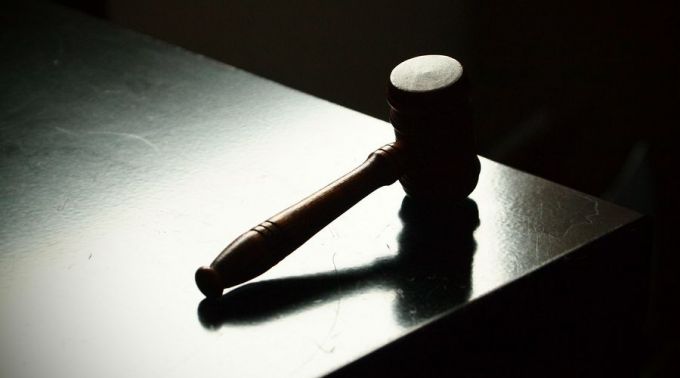
The statute of limitations could not be extended due to a lack of evidence of fraud by the archdiocese, the court said.