![Pope Leo XIV warns of wider Middle East conflict #Catholic Pope Leo XIV on Sunday appealed for peace as violence and fear continue to spread in Iran and across the Middle East, praying in particular for Lebanon and warning that the conflict could widen.Speaking after the Angelus on March 8, the pope said “deeply disturbing news continues to arrive from Iran and the entire Middle East.”“In addition to the episodes of violence and devastation as well as the widespread climate of hatred and fear, there is also the concern that the conflict will spread and that other countries in the region, including beloved Lebanon, may again sink back into instability,” he said.“We lift up our humble prayer to the Lord, so that the thunderous sound of bombs may cease, weapons may fall silent, and a space for dialogue may open up in which the voice of the people can be heard,” the pope said. He added that he was entrusting that intention to the Virgin Mary, “that she may intercede for those who suffer because of war and lead hearts along the paths of reconciliation and hope.”Before the Marian prayer in St. Peter’s Square, Leo reflected on the day’s Gospel and said that “since the first centuries of the Church’s history, the dialogue between Jesus and the Samaritan woman, the healing of the man born blind and the resurrection of Lazarus illuminate the path of those who, at Easter, will receive Baptism and begin a new life.”“These great Gospel passages, which we read beginning this Sunday, are intended for the catechumens to help them on their journey to become Christians,” he said. “At the same time, these passages are heard once again by the entire community of believers to help them to be more authentic and joyful Christians.”Referring to Jesus’ encounter with the Samaritan woman, the pope said: “Indeed, Jesus is the response to our thirst. As he suggested to the Samaritan woman, the encounter with him stirs in the depths of each person ‘a spring of water gushing up to eternal life.’”“How many people in the entire world are searching even today for this spiritual spring!” he said.Quoting the diary of Etty Hillesum, a Dutch Jewish writer who died in Auschwitz during World War II, Leo said: “‘Sometimes I am there too. But more often stones and grit block the well, and God is buried beneath. Then he must be dug out again.’”“Dear friends, there is no energy better spent than that dedicated to freeing our heart,” the pope said. “For this reason, Lent is a gift: we are starting the third week and now we are able to intensify the journey!”He went on to reflect on the disciples’ reaction in the Gospel: “His disciples came [and] they were astonished that he was speaking with a woman.” The Master, he said, had to prompt them: “‘Do you not say, “Four months more, then comes the harvest”? But I tell you, look around you, and see how the fields are ripe for harvesting.’”“The Lord still says to his Church: ‘Lift up your eyes and recognize God’s surprises!’” Leo said. “In the fields, four months prior to the harvest, one sees practically nothing. But there, where we see nothing, grace is already at work and its fruits are ready to be gathered.”“The harvest is great: perhaps the workers are few because they are distracted by other activities,” he continued. “Jesus, on the other hand, is attentive. According to custom, he ought to have simply ignored that Samaritan woman; instead, Jesus speaks with her, listens to her, and shows her respect — without a hidden agenda and without disdain.”“How many people seek in the Church this same sensitivity, this availability!” the pope said.“And how beautiful it is when we lose track of time in order to give attention to the person we are encountering, as we see in this passage,” he added. “Jesus was so spiritually nourished by God’s desire to reach people on the deepest levels that he even forgot to eat.”Leo said that “the Samaritan woman becomes the first of many female evangelizers.” Because of her testimony, “many from her village of despised and rejected people came to meet Jesus, and also in them faith bubbled forth like pure water.”The pope also marked International Women’s Day, observed March 8, saying: “We renew our commitment, which for us Christians is based on the Gospel, to recognize the equal dignity of man and woman.”“Unfortunately many women, from childhood onwards, are still discriminated against and suffer various forms of violence,” he said. “In a special way, I offer to them my solidarity and my prayers.”This article was originally published by ACI Stampa, CNA’s Italian-language news partner, and has been translated and adapted by EWTN News.](https://unitedyam.com/wp-content/uploads/2026/03/pope-leo-xiv-warns-of-wider-middle-east-conflict-catholic-pope-leo-xiv-on-sunday-appealed-for-peace-as-violence-and-fear-continue-to-spread-in-iran-and-across-the-middle-east-praying-in-particular-f-scaled.jpg "Pope Leo XIV warns of wider Middle East conflict #Catholic Pope Leo XIV on Sunday appealed for peace as violence and fear continue to spread in Iran and across the Middle East, praying in particular for Lebanon and warning that the conflict could widen.Speaking after the Angelus on March 8, the pope said “deeply disturbing news continues to arrive from Iran and the entire Middle East.”“In addition to the episodes of violence and devastation as well as the widespread climate of hatred and fear, there is also the concern that the conflict will spread and that other countries in the region, including beloved Lebanon, may again sink back into instability,” he said.“We lift up our humble prayer to the Lord, so that the thunderous sound of bombs may cease, weapons may fall silent, and a space for dialogue may open up in which the voice of the people can be heard,” the pope said. He added that he was entrusting that intention to the Virgin Mary, “that she may intercede for those who suffer because of war and lead hearts along the paths of reconciliation and hope.”Before the Marian prayer in St. Peter’s Square, Leo reflected on the day’s Gospel and said that “since the first centuries of the Church’s history, the dialogue between Jesus and the Samaritan woman, the healing of the man born blind and the resurrection of Lazarus illuminate the path of those who, at Easter, will receive Baptism and begin a new life.”“These great Gospel passages, which we read beginning this Sunday, are intended for the catechumens to help them on their journey to become Christians,” he said. “At the same time, these passages are heard once again by the entire community of believers to help them to be more authentic and joyful Christians.”Referring to Jesus’ encounter with the Samaritan woman, the pope said: “Indeed, Jesus is the response to our thirst. As he suggested to the Samaritan woman, the encounter with him stirs in the depths of each person ‘a spring of water gushing up to eternal life.’”“How many people in the entire world are searching even today for this spiritual spring!” he said.Quoting the diary of Etty Hillesum, a Dutch Jewish writer who died in Auschwitz during World War II, Leo said: “‘Sometimes I am there too. But more often stones and grit block the well, and God is buried beneath. Then he must be dug out again.’”“Dear friends, there is no energy better spent than that dedicated to freeing our heart,” the pope said. “For this reason, Lent is a gift: we are starting the third week and now we are able to intensify the journey!”He went on to reflect on the disciples’ reaction in the Gospel: “His disciples came [and] they were astonished that he was speaking with a woman.” The Master, he said, had to prompt them: “‘Do you not say, “Four months more, then comes the harvest”? But I tell you, look around you, and see how the fields are ripe for harvesting.’”“The Lord still says to his Church: ‘Lift up your eyes and recognize God’s surprises!’” Leo said. “In the fields, four months prior to the harvest, one sees practically nothing. But there, where we see nothing, grace is already at work and its fruits are ready to be gathered.”“The harvest is great: perhaps the workers are few because they are distracted by other activities,” he continued. “Jesus, on the other hand, is attentive. According to custom, he ought to have simply ignored that Samaritan woman; instead, Jesus speaks with her, listens to her, and shows her respect — without a hidden agenda and without disdain.”“How many people seek in the Church this same sensitivity, this availability!” the pope said.“And how beautiful it is when we lose track of time in order to give attention to the person we are encountering, as we see in this passage,” he added. “Jesus was so spiritually nourished by God’s desire to reach people on the deepest levels that he even forgot to eat.”Leo said that “the Samaritan woman becomes the first of many female evangelizers.” Because of her testimony, “many from her village of despised and rejected people came to meet Jesus, and also in them faith bubbled forth like pure water.”The pope also marked International Women’s Day, observed March 8, saying: “We renew our commitment, which for us Christians is based on the Gospel, to recognize the equal dignity of man and woman.”“Unfortunately many women, from childhood onwards, are still discriminated against and suffer various forms of violence,” he said. “In a special way, I offer to them my solidarity and my prayers.”This article was originally published by ACI Stampa, CNA’s Italian-language news partner, and has been translated and adapted by EWTN News.")

At his Sunday Angelus, the pope voiced alarm over violence and fear spreading from Iran across the region.
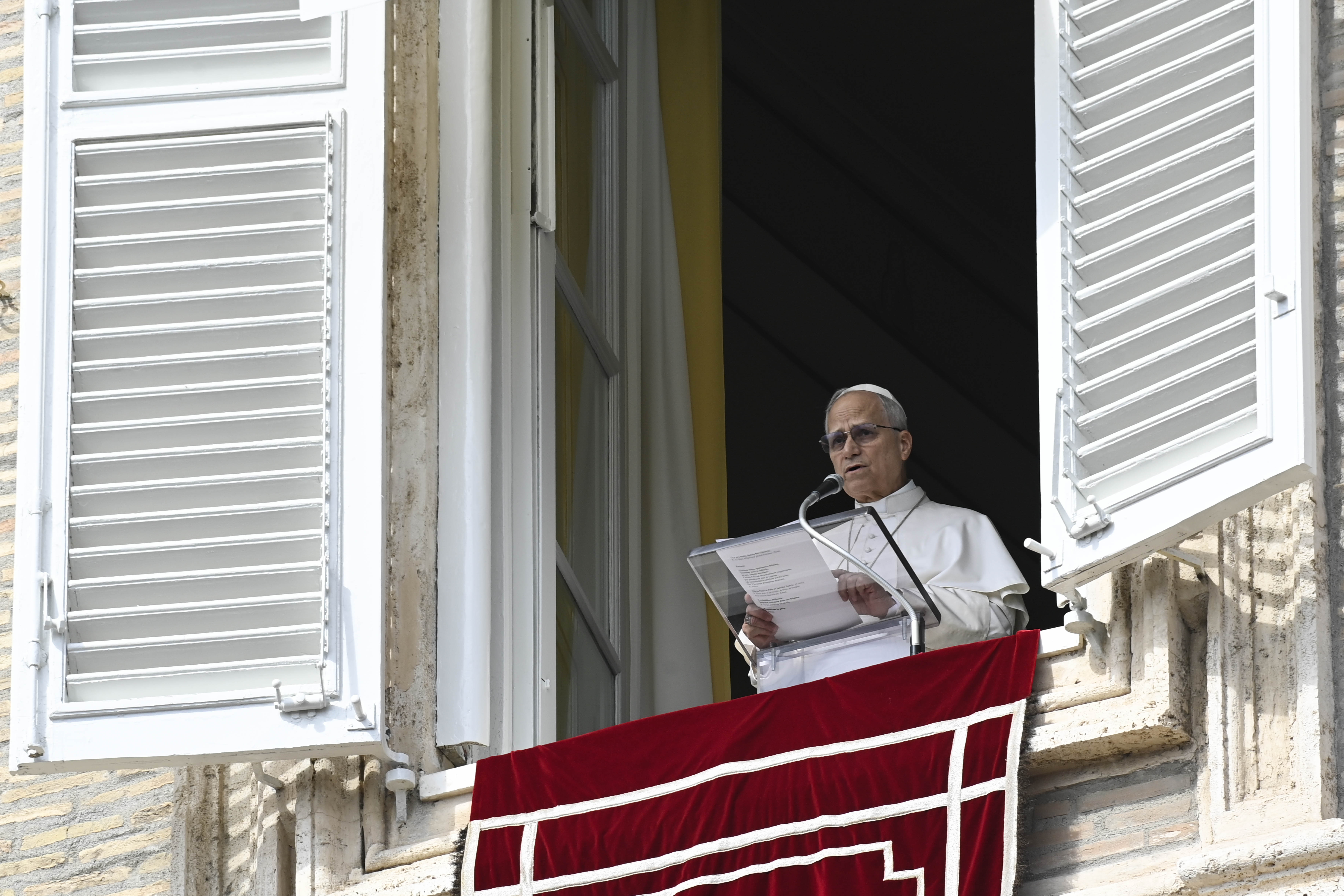
At his Sunday Angelus, the pope voiced alarm over violence and fear spreading from Iran across the region.
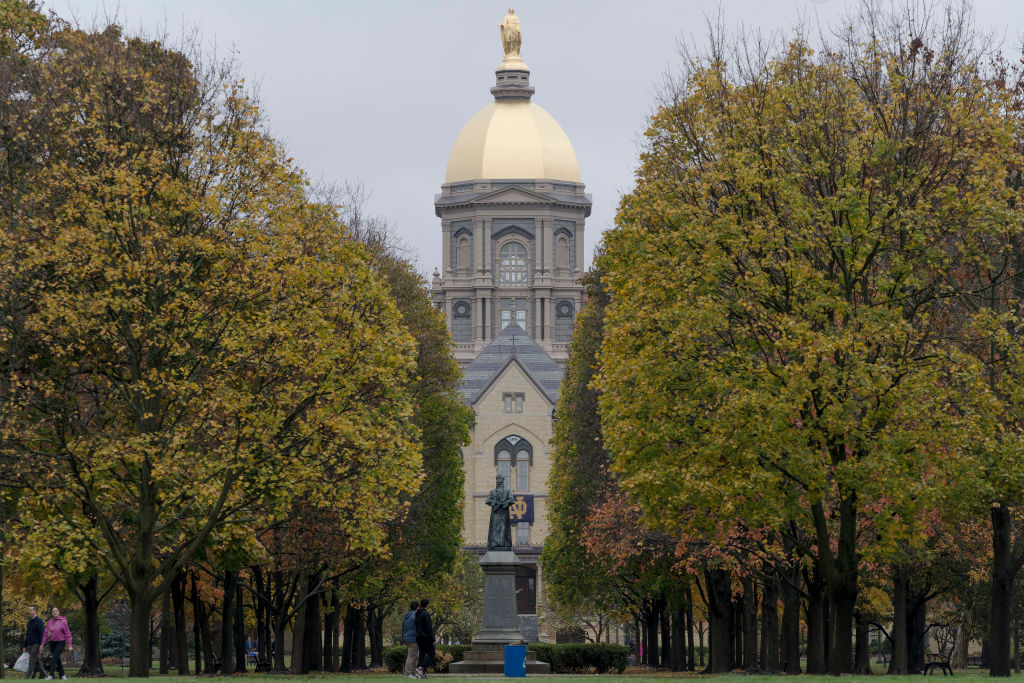
![Amid criticism by bishops, Notre Dame says pro-abortion professor ‘well prepared’ to lead institute #Catholic The University of Notre Dame is signaling that it will stick by its appointment of an outspoken pro-abortion advocate to lead a university institute even after bishops from around the U.S. have criticized the decision and urged the school to change course.Multiple bishops have lamented the school’s decision to appoint global affairs Professor Susan Ostermann as director of the school’s Liu Institute for Asia and Asian Studies. The school announced the appointment in January.On Feb. 11 Fort Wayne-South Bend, Indiana, Bishop Kevin Rhoades, whose diocesan territory includes the university, expressed “dismay” and “strong opposition” to the appointment and called on the school to rescind the assignment, citing Ostermann’s public support for abortion.Several of Rhoades’ brother bishops followed suit, commending Rhoades for his statement and similarly calling on the university to reverse course on Ostermann’s appointment.Yet in a Feb. 13 statement to EWTN News, the school indicated that it would not pull Ostermann’s nomination to the leadership post.Ostermann “is a highly regarded political scientist and legal scholar whose insightful research on regulatory compliance … demonstrates the rigorous, interdisciplinary expertise required to lead the Liu Institute,” the school said.Calling Ostermann a “deeply committed educator,” the school said she is “well prepared to expand the institute’s global partnerships and create impactful research opportunities that advance our dedication to serving as the preeminent global Catholic research institution.”The university stressed its “unwavering” commitment “to upholding the inherent dignity of the human person and the sanctity of life at every stage.”“Those who serve in leadership positions at Notre Dame do so with the clear understanding that their decision-making as leaders must be guided by and consistent with the university’s Catholic mission,” the school said.The school did not immediately respond when asked for direct confirmation that it was continuing with Ostermann’s appointment to lead the Liu Institute.But its statement suggested the school is not backing down from the controversial decision, one that has brought withering criticism from both U.S. bishops and pro-life advocates and has seen the departure of at least two academics from the storied Catholic institution.Robert Gimello, a research professor emeritus of theology who is an expert on Buddhism, told the National Catholic Register that his “continued formal association with a unit of the university led by such a person is, for me, simply unconscionable.”Diane Desierto, a professor of law and of global affairs, also told the Register that she had cut ties with the institute over the appointment.Ostermann’s outspoken abortion advocacy has included instances where she has linked the pro-life movement to white supremacy and misogyny.The professor told the National Catholic Register in January that she “respect[s] Notre Dame’s institutional position on the sanctity of life at every stage” and described herself as “inspired by the university’s focus on integral human development, which calls us to promote the dignity and flourishing of every person.”She told the Register that her role at the school “is to support the diverse research of our scholars and students, not to advance a personal political agenda.”Ostermann had no further comment beyond her earlier statement, according to a university spokesperson.](https://unitedyam.com/wp-content/uploads/2026/02/amid-criticism-by-bishops-notre-dame-says-pro-abortion-professor-well-prepared-to-lead-institute-catholic-the-university-of-notre-dame-is-signaling-that-it-will-stick-by-its-appoin.jpg "Amid criticism by bishops, Notre Dame says pro-abortion professor ‘well prepared’ to lead institute #Catholic The University of Notre Dame is signaling that it will stick by its appointment of an outspoken pro-abortion advocate to lead a university institute even after bishops from around the U.S. have criticized the decision and urged the school to change course.Multiple bishops have lamented the school’s decision to appoint global affairs Professor Susan Ostermann as director of the school’s Liu Institute for Asia and Asian Studies. The school announced the appointment in January.On Feb. 11 Fort Wayne-South Bend, Indiana, Bishop Kevin Rhoades, whose diocesan territory includes the university, expressed “dismay” and “strong opposition” to the appointment and called on the school to rescind the assignment, citing Ostermann’s public support for abortion.Several of Rhoades’ brother bishops followed suit, commending Rhoades for his statement and similarly calling on the university to reverse course on Ostermann’s appointment.Yet in a Feb. 13 statement to EWTN News, the school indicated that it would not pull Ostermann’s nomination to the leadership post.Ostermann “is a highly regarded political scientist and legal scholar whose insightful research on regulatory compliance … demonstrates the rigorous, interdisciplinary expertise required to lead the Liu Institute,” the school said.Calling Ostermann a “deeply committed educator,” the school said she is “well prepared to expand the institute’s global partnerships and create impactful research opportunities that advance our dedication to serving as the preeminent global Catholic research institution.”The university stressed its “unwavering” commitment “to upholding the inherent dignity of the human person and the sanctity of life at every stage.”“Those who serve in leadership positions at Notre Dame do so with the clear understanding that their decision-making as leaders must be guided by and consistent with the university’s Catholic mission,” the school said.The school did not immediately respond when asked for direct confirmation that it was continuing with Ostermann’s appointment to lead the Liu Institute.But its statement suggested the school is not backing down from the controversial decision, one that has brought withering criticism from both U.S. bishops and pro-life advocates and has seen the departure of at least two academics from the storied Catholic institution.Robert Gimello, a research professor emeritus of theology who is an expert on Buddhism, told the National Catholic Register that his “continued formal association with a unit of the university led by such a person is, for me, simply unconscionable.”Diane Desierto, a professor of law and of global affairs, also told the Register that she had cut ties with the institute over the appointment.Ostermann’s outspoken abortion advocacy has included instances where she has linked the pro-life movement to white supremacy and misogyny.The professor told the National Catholic Register in January that she “respect[s] Notre Dame’s institutional position on the sanctity of life at every stage” and described herself as “inspired by the university’s focus on integral human development, which calls us to promote the dignity and flourishing of every person.”She told the Register that her role at the school “is to support the diverse research of our scholars and students, not to advance a personal political agenda.”Ostermann had no further comment beyond her earlier statement, according to a university spokesperson.")
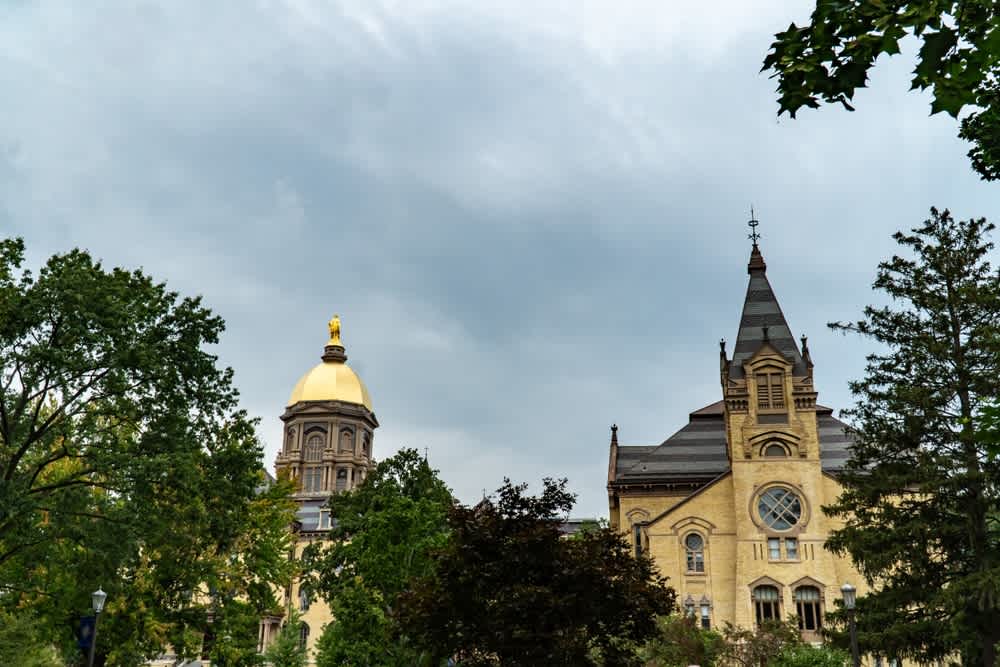
Multiple U.S. bishops have criticized the school’s decision and urged it to rescind the appointment.
![More bishops call for Notre Dame to drop appointment of pro-abortion professor #Catholic Nearly half a dozen more bishops have joined the growing backlash against the University of Notre Dame over its controversial appointment of an outspoken abortion advocate to lead a university department.Fort Wayne-South Bend, Indiana, Bishop Kevin Rhoades on Feb. 11 issued a statement criticizing the university for appointing global affairs Professor Susan Ostermann as director of the school’s Liu Institute for Asia and Asian Studies.Three of Rhoades’ fellow bishops quickly backed the prelate’s remarks, voicing support on social media and calling on the university to drop Ostermann’s nomination. On Feb. 12, five more bishops commended Rhoades for his statement and expressed hope that the historic Catholic university would rescind the appointment. Gallup, New Mexico, Bishop James Wall praised Rhoades for his stance, with the western U.S. prelate offering a quote attributed to Pope Leo XIV: “We cannot build a just society if we discard the weakest, whether the child in the womb or the old man in his fragility, for both are gifts from God.”TweetSan Francisco Archbishop Salvatore Cordileone also thanked Rhoades for “speaking up.” “Holy Mary, Mother of God and Our Lady, pray for the university that bears your name,” Cordileone said. TweetGreen Bay, Wisconsin, Bishop David Ricken, meanwhile, wrote: “I fully affirm and stand in solidarity with my brother bishop [Rhoades].” He said Rhoades spoke “with clarity, courage, and fidelity to the Church’s mission.”“[L]et us turn with confidence to our Blessed Mother. Our Lady, pray for us! You are our loving Mother — we love you and entrust this to your Immaculate Heart,” Ricken wrote.TweetMadison, Wisconsin, Bishop Donald Hying described Rhoades’ statement as “a profound reflection on human dignity and the culture of life.”Tweet“We pray that all of our educational institutions support Catholic teaching, especially regarding human life,” he said. Lincoln, Nebraska, Bishop James Conley said he “stand[s] in support of Bishop Rhoades” while sharing his concern over the appointment. “Catholic institutions must faithfully reflect the truth of the dignity of every human life in both their mission and their leadership,” he said. TweetThe University of Notre Dame has continued to stand by its appointment of Ostermann, whose post is scheduled to take effect July 1. Rhoades on Feb. 11 said there is “still time [for the university] to make things right.”Ostermann, meanwhile, told the National Catholic Register in January that her role at the school “is to support the diverse research of our scholars and students, not to advance a personal political agenda.”The professor said she “respect[s] Notre Dame’s institutional position on the sanctity of life at every stage” and described herself as “inspired by the university’s focus on integral human development, which calls us to promote the dignity and flourishing of every person.”](https://unitedyam.com/wp-content/uploads/2026/02/more-bishops-call-for-notre-dame-to-drop-appointment-of-pro-abortion-professor-catholic-nearly-half-a-dozen-more-bishops-have-joined-the-growing-backlash-against-the-university-of-notre-dame-over-its.jpg "More bishops call for Notre Dame to drop appointment of pro-abortion professor #Catholic Nearly half a dozen more bishops have joined the growing backlash against the University of Notre Dame over its controversial appointment of an outspoken abortion advocate to lead a university department.Fort Wayne-South Bend, Indiana, Bishop Kevin Rhoades on Feb. 11 issued a statement criticizing the university for appointing global affairs Professor Susan Ostermann as director of the school’s Liu Institute for Asia and Asian Studies.Three of Rhoades’ fellow bishops quickly backed the prelate’s remarks, voicing support on social media and calling on the university to drop Ostermann’s nomination. On Feb. 12, five more bishops commended Rhoades for his statement and expressed hope that the historic Catholic university would rescind the appointment. Gallup, New Mexico, Bishop James Wall praised Rhoades for his stance, with the western U.S. prelate offering a quote attributed to Pope Leo XIV: “We cannot build a just society if we discard the weakest, whether the child in the womb or the old man in his fragility, for both are gifts from God.”TweetSan Francisco Archbishop Salvatore Cordileone also thanked Rhoades for “speaking up.” “Holy Mary, Mother of God and Our Lady, pray for the university that bears your name,” Cordileone said. TweetGreen Bay, Wisconsin, Bishop David Ricken, meanwhile, wrote: “I fully affirm and stand in solidarity with my brother bishop [Rhoades].” He said Rhoades spoke “with clarity, courage, and fidelity to the Church’s mission.”“[L]et us turn with confidence to our Blessed Mother. Our Lady, pray for us! You are our loving Mother — we love you and entrust this to your Immaculate Heart,” Ricken wrote.TweetMadison, Wisconsin, Bishop Donald Hying described Rhoades’ statement as “a profound reflection on human dignity and the culture of life.”Tweet“We pray that all of our educational institutions support Catholic teaching, especially regarding human life,” he said. Lincoln, Nebraska, Bishop James Conley said he “stand[s] in support of Bishop Rhoades” while sharing his concern over the appointment. “Catholic institutions must faithfully reflect the truth of the dignity of every human life in both their mission and their leadership,” he said. TweetThe University of Notre Dame has continued to stand by its appointment of Ostermann, whose post is scheduled to take effect July 1. Rhoades on Feb. 11 said there is “still time [for the university] to make things right.”Ostermann, meanwhile, told the National Catholic Register in January that her role at the school “is to support the diverse research of our scholars and students, not to advance a personal political agenda.”The professor said she “respect[s] Notre Dame’s institutional position on the sanctity of life at every stage” and described herself as “inspired by the university’s focus on integral human development, which calls us to promote the dignity and flourishing of every person.”")
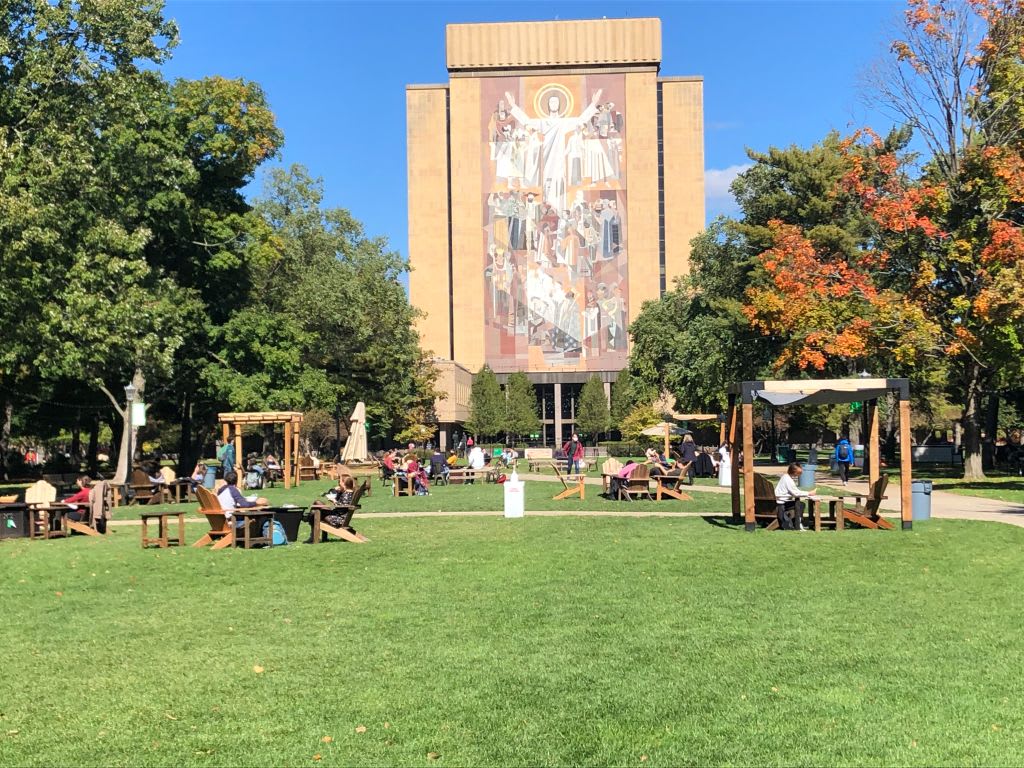
The university has endured sustained backlash for nominating the outspoken abortion advocate to lead an academic department.
![Multiple U.S. bishops join call for Notre Dame to rescind appointment of pro-abortion advocate #Catholic A growing chorus of U.S. bishops on Feb. 11 called on the University of Notre Dame to rescind the controversial appointment of a pro-abortion advocate to lead one of the revered Catholic institution’s academic departments. Earlier in the day Fort Wayne-South Bend, Indiana, Bishop Kevin Rhoades issued a statement criticizing the university for appointing global affairs Professor Susan Ostermann as director of the school’s Liu Institute for Asia and Asian Studies.Rhoades said the school’s appointment of Ostermann — in spite of her public and uncompromising support for abortion — had caused a scandal and threatened Notre Dame’s Catholic identity and mission. He urged the school to rescind the nomination before it goes into effect on July 1.Several of Rhoades’ fellow prelates subsequently joined the call for Notre Dame to reverse Ostermann’s appointment. Among them was Denver Archbishop Samuel Aquila, who in a post on X thanked Rhoades for his statement and said that the school’s decision “tarnishes Our Lady’s university and what it means to be Catholic.”“I pray that those who can rescind this terrible appointment will do so! Pray for the conversion of hearts!” the archbishop wrote.TweetWinona-Rochester, Minnesota, Bishop Robert Barron similarly offered his “strong support” for Rhoades’ statement, arguing that Ostermann is “not simply ‘pro-choice’” on the question of abortion. Rather, “she is a sharp critic of the pro-life position and those who advocate it,” Barron said, pointing out that Ostermann has “characterize[d] the anti-abortion stance as rooted in white supremacy and racism” and “insinuated that the Catholic commitment to integral human development implies the support of abortion rights.”TweetBarron said he has “strong connections to and deep affections” for the university. “I believe that going ahead with this appointment is repugnant to the identity and mission of that great center of Catholic learning,” he wrote. Fort Worth, Texas, Bishop Michael Olson also offered his support for Rhoades “in his carrying out of his pastoral responsibility.”TweetThe bishop called for prayers that the university might “reconsider this distressing decision.” Support for Rhoades did not just come from his brother bishops. Actress and outspoken Catholic pro-life advocate Patricia Heaton thanked both Barron and Rhoades for their statements on Feb. 11.Former U.S. Rep. Dan Lipinski, who was named as a Pope Leo XIII Fellow on Social Thought at the University of Dallas in 2023, also thanked Rhoades, writing on X: “Public witness is extremely powerful and must be used to point all to the truth.”Though backlash to the appointment has been growing for weeks, the university has not backed off the controversial decision. The school told the Irish Rover as recently as Feb. 8 that it had “not changed its position” on Ostermann’s leadership of the department. Ostermann herself told the National Catholic Register on Jan. 29 that her role at the school “is to support the diverse research of our scholars and students, not to advance a personal political agenda.”“I respect Notre Dame’s institutional position on the sanctity of life at every stage,” she told the Register, describing herself as “inspired by the university’s focus on integral human development, which calls us to promote the dignity and flourishing of every person.”](https://unitedyam.com/wp-content/uploads/2026/02/multiple-u-s-bishops-join-call-for-notre-dame-to-rescind-appointment-of-pro-abortion-advocate-catholic-a-growing-chorus-of-u-s-bishops-on-feb-11-called-on-the-university-of-notre-dame-to-rescind-t.jpg "Multiple U.S. bishops join call for Notre Dame to rescind appointment of pro-abortion advocate #Catholic A growing chorus of U.S. bishops on Feb. 11 called on the University of Notre Dame to rescind the controversial appointment of a pro-abortion advocate to lead one of the revered Catholic institution’s academic departments. Earlier in the day Fort Wayne-South Bend, Indiana, Bishop Kevin Rhoades issued a statement criticizing the university for appointing global affairs Professor Susan Ostermann as director of the school’s Liu Institute for Asia and Asian Studies.Rhoades said the school’s appointment of Ostermann — in spite of her public and uncompromising support for abortion — had caused a scandal and threatened Notre Dame’s Catholic identity and mission. He urged the school to rescind the nomination before it goes into effect on July 1.Several of Rhoades’ fellow prelates subsequently joined the call for Notre Dame to reverse Ostermann’s appointment. Among them was Denver Archbishop Samuel Aquila, who in a post on X thanked Rhoades for his statement and said that the school’s decision “tarnishes Our Lady’s university and what it means to be Catholic.”“I pray that those who can rescind this terrible appointment will do so! Pray for the conversion of hearts!” the archbishop wrote.TweetWinona-Rochester, Minnesota, Bishop Robert Barron similarly offered his “strong support” for Rhoades’ statement, arguing that Ostermann is “not simply ‘pro-choice’” on the question of abortion. Rather, “she is a sharp critic of the pro-life position and those who advocate it,” Barron said, pointing out that Ostermann has “characterize[d] the anti-abortion stance as rooted in white supremacy and racism” and “insinuated that the Catholic commitment to integral human development implies the support of abortion rights.”TweetBarron said he has “strong connections to and deep affections” for the university. “I believe that going ahead with this appointment is repugnant to the identity and mission of that great center of Catholic learning,” he wrote. Fort Worth, Texas, Bishop Michael Olson also offered his support for Rhoades “in his carrying out of his pastoral responsibility.”TweetThe bishop called for prayers that the university might “reconsider this distressing decision.” Support for Rhoades did not just come from his brother bishops. Actress and outspoken Catholic pro-life advocate Patricia Heaton thanked both Barron and Rhoades for their statements on Feb. 11.Former U.S. Rep. Dan Lipinski, who was named as a Pope Leo XIII Fellow on Social Thought at the University of Dallas in 2023, also thanked Rhoades, writing on X: “Public witness is extremely powerful and must be used to point all to the truth.”Though backlash to the appointment has been growing for weeks, the university has not backed off the controversial decision. The school told the Irish Rover as recently as Feb. 8 that it had “not changed its position” on Ostermann’s leadership of the department. Ostermann herself told the National Catholic Register on Jan. 29 that her role at the school “is to support the diverse research of our scholars and students, not to advance a personal political agenda.”“I respect Notre Dame’s institutional position on the sanctity of life at every stage,” she told the Register, describing herself as “inspired by the university’s focus on integral human development, which calls us to promote the dignity and flourishing of every person.”")
Though backlash to the appointment has been growing for weeks, the university has not backed off the controversial decision.
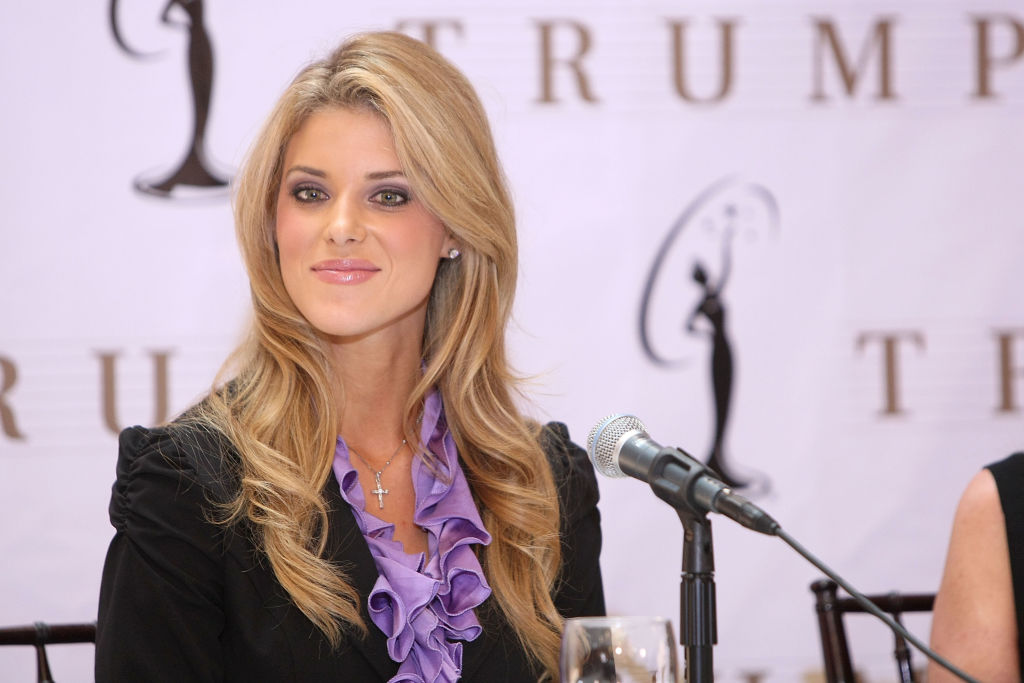
Former Miss California Carrie Prejean Boller has been removed from President Trump’s Religious Liberty Commission.
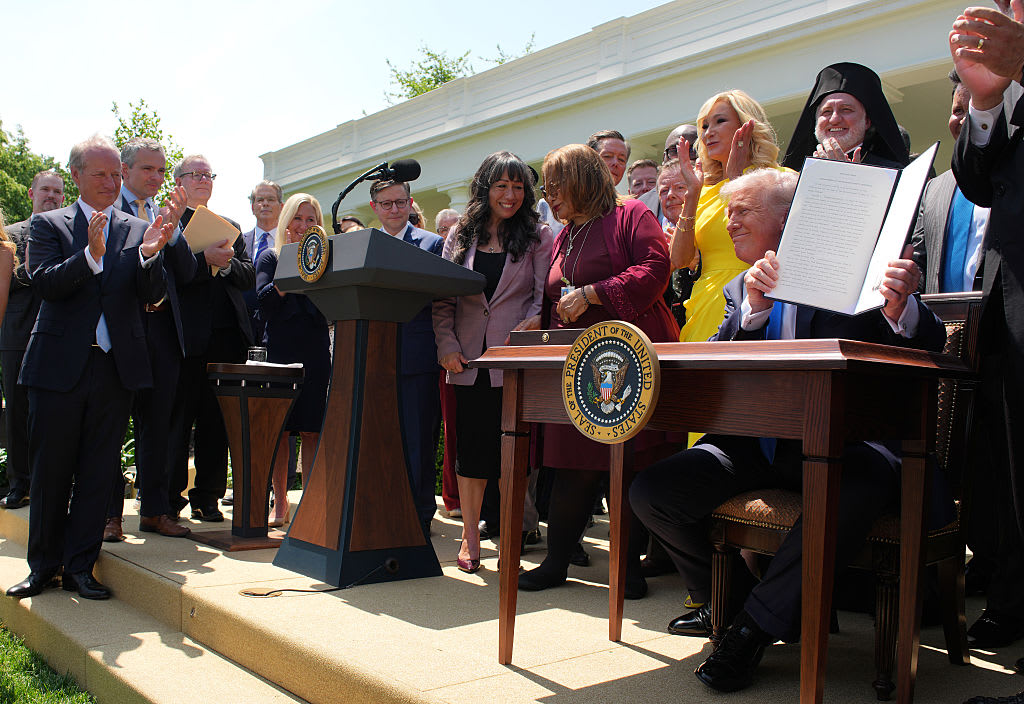
![Democratic lawmaker asks ICE director if he’s ‘going to hell’ in fiery hearing #Catholic A Democratic lawmaker asked U.S. Immigration and Customs Enforcement (ICE) Acting Director Todd Lyons whether he believes he is “going to hell” in a contentious hearing with the House Homeland Security Committee on Tuesday, Feb. 10.Lyons — along with U.S. Citizenship and Immigration Services Director Joseph Edlow and Customs and Border Protection Commissioner Rodney Scott — testified before the committee as Congress negotiates potential reforms and funding for the agencies.On Feb. 3, Congress voted to extend funding for the Department of Homeland Security (DHS), which operates the three agencies, until Feb. 13 to end a four-day partial government shutdown. A deal has not yet been reached to extend funding further.At the hearing, Democratic lawmakers accused ICE of terrorizing the streets, using excessive force, and lacking accountability. Republicans defended ICE and rebuked Democratic officials in certain states for refusing to cooperate with federal immigration enforcement.One of the fiercest exchanges came from Rep. LaMonica McIver, D-New Jersey, who praised protesters for “peacefully rejecting your cruel agenda in the streets.” She said ICE believes it is “the highest power who decides which people deserve dignity, protection, and due process” and said “you are wrong [and] we are here for answers.”“How do you think judgment day will work for you, with so much blood on your hands?” McIver asked Lyons, to which he responded that he would not entertain the question.“Do you think you’re going to hell?” she followed up, before being chastised by Committee Chair Andrew Garbarino, R-New York, who told her to avoid personal attacks on witnesses and maintain decorum.McIver said “you guys are always talking about religion here, and the Bible.” She changed the subject slightly and asked Lyons whether he could name agencies that “routinely kill American citizens and still get funding,” which he also said was a question he was “not going to entertain.”“Once again, questions that you cannot answer and that is exactly why … we should not be funding this agency,” McIver said. “The people are watching you; they are watching you. And this is why we need to abolish ICE.”Lawmakers debate ICE operations, future of agencyThe killings of two American citizens at ICE protests — Renée Good and Alex Pretti — were a focal point of the hearing, and two examples that Democrats used to accuse ICE of excessive force and lacking accountability.Democratic Rep. Eric Swalwell, D-California, referenced both killings and criticized DHS Secretary Kristi Noem for referring to those who died as “domestic terrorists.” He asked Lyons whether he would apologize to the families or reject that characterization.Lyons said he would not comment on an ongoing investigation but would welcome a private conversation with the families.Democrats are split on whether to reform ICE or abolish it altogether.Rep. Seth Magaziner, D-Rhode Island, brought up instances in which he believes ICE used excessive force and suggested reforms are necessary before Congress awards funding.“It’s not just the actions of the agents in the field,” he said. “It is the lack of accountability from the top that has caused public trust to erode, and there needs to be major reforms before we vote to give any of you any more funding.”Alternatively, Rep. Delia Ramirez, D-Illinois, called for abolishing ICE and the entire DHS, which Congress formed to address terrorism threats after the Sept. 11, 2001, attacks. Ramirez said DHS was created to “violate our rights under the pretense of securing our safety.”“I’m going to say it loud and clear and I’m proud to stand by what I say,” she said. “DHS cannot be reformed. It must be dismantled and something new must take its place.”Rep. Michael McCaul, R-Texas, commented during the hearing that Democratic lawmakers “have called to abolish ICE [and] now they’re trying to shut it down” amid the negotiations and discussion during the hearing.He criticized the lack of coordination from Democratic-led “sanctuary” states and cities, which do not cooperate with ICE, saying the policies in Minneapolis “created a perfect storm for our officers being thrown into this situation.”Rep. August Pfluger, R-Texas, similarly expressed concern about ICE funding moving forward, based on the debates between the two parties.“It seems like one side of the aisle is in favor of open borders and wants to abolish ICE … and the other side of the aisle wants to enforce laws that are on the books,” he said.During the question and answer, Lyons expressed worry about the rhetoric from Democrats and noted that threats and assaults against ICE agents are on the rise. He said agents are trying to “keep America safe, restore order to our communities, [and] return the rule of law to this country.”“Those who illegally enter our country must be held accountable,” he said.Scott also showed concerns about the ongoing debate and expressed hope that DHS could receive support from both Republicans and Democrats.“I believe consistency and seeing support from the leadership on both sides of this building and the president is very important for our security,” he said. “I think the rhetoric and the … politicizing of law enforcement in general detracts from the general morale of our personnel.”Andrew Arthur, a resident fellow in law and policy at the Center for Immigration Studies, told “EWTN News Nightly” that he sees “much of [the Democratic threats to halt funding] as political theater,” noting that ICE will continue to operate regardless of whether Congress passes the funding bill.He said Democrats hope to take away an issue that made Trump popular during the 2024 election “and turn it into a bad issue for Republicans” in the midterms.Arthur said there may be some shifts in ICE’s approach in Minneapolis now that Border Czar Tom Homan is involved in seeking the “cooperation of state and city governments” that have been “reluctant, if not hostile” to immigration enforcement over the past year.The United States Conference of Catholic Bishops (USCCB) in November 2025 approved a special message with a 216-5 vote that declared opposition to “the indiscriminate mass deportation of people.”Late last month, about 300 Catholic leaders — including 15 bishops — asked Congress to reject ICE funding if the legislation fails to include reforms that have protections for migrants.](https://unitedyam.com/wp-content/uploads/2026/02/democratic-lawmaker-asks-ice-director-if-hes-going-to-hell-in-fiery-hearing-catholic-a-democratic-lawmaker-asked-u-s-immigration-and-customs-enforcement-ice-acting-direc.jpg "Democratic lawmaker asks ICE director if he’s ‘going to hell’ in fiery hearing #Catholic A Democratic lawmaker asked U.S. Immigration and Customs Enforcement (ICE) Acting Director Todd Lyons whether he believes he is “going to hell” in a contentious hearing with the House Homeland Security Committee on Tuesday, Feb. 10.Lyons — along with U.S. Citizenship and Immigration Services Director Joseph Edlow and Customs and Border Protection Commissioner Rodney Scott — testified before the committee as Congress negotiates potential reforms and funding for the agencies.On Feb. 3, Congress voted to extend funding for the Department of Homeland Security (DHS), which operates the three agencies, until Feb. 13 to end a four-day partial government shutdown. A deal has not yet been reached to extend funding further.At the hearing, Democratic lawmakers accused ICE of terrorizing the streets, using excessive force, and lacking accountability. Republicans defended ICE and rebuked Democratic officials in certain states for refusing to cooperate with federal immigration enforcement.One of the fiercest exchanges came from Rep. LaMonica McIver, D-New Jersey, who praised protesters for “peacefully rejecting your cruel agenda in the streets.” She said ICE believes it is “the highest power who decides which people deserve dignity, protection, and due process” and said “you are wrong [and] we are here for answers.”“How do you think judgment day will work for you, with so much blood on your hands?” McIver asked Lyons, to which he responded that he would not entertain the question.“Do you think you’re going to hell?” she followed up, before being chastised by Committee Chair Andrew Garbarino, R-New York, who told her to avoid personal attacks on witnesses and maintain decorum.McIver said “you guys are always talking about religion here, and the Bible.” She changed the subject slightly and asked Lyons whether he could name agencies that “routinely kill American citizens and still get funding,” which he also said was a question he was “not going to entertain.”“Once again, questions that you cannot answer and that is exactly why … we should not be funding this agency,” McIver said. “The people are watching you; they are watching you. And this is why we need to abolish ICE.”Lawmakers debate ICE operations, future of agencyThe killings of two American citizens at ICE protests — Renée Good and Alex Pretti — were a focal point of the hearing, and two examples that Democrats used to accuse ICE of excessive force and lacking accountability.Democratic Rep. Eric Swalwell, D-California, referenced both killings and criticized DHS Secretary Kristi Noem for referring to those who died as “domestic terrorists.” He asked Lyons whether he would apologize to the families or reject that characterization.Lyons said he would not comment on an ongoing investigation but would welcome a private conversation with the families.Democrats are split on whether to reform ICE or abolish it altogether.Rep. Seth Magaziner, D-Rhode Island, brought up instances in which he believes ICE used excessive force and suggested reforms are necessary before Congress awards funding.“It’s not just the actions of the agents in the field,” he said. “It is the lack of accountability from the top that has caused public trust to erode, and there needs to be major reforms before we vote to give any of you any more funding.”Alternatively, Rep. Delia Ramirez, D-Illinois, called for abolishing ICE and the entire DHS, which Congress formed to address terrorism threats after the Sept. 11, 2001, attacks. Ramirez said DHS was created to “violate our rights under the pretense of securing our safety.”“I’m going to say it loud and clear and I’m proud to stand by what I say,” she said. “DHS cannot be reformed. It must be dismantled and something new must take its place.”Rep. Michael McCaul, R-Texas, commented during the hearing that Democratic lawmakers “have called to abolish ICE [and] now they’re trying to shut it down” amid the negotiations and discussion during the hearing.He criticized the lack of coordination from Democratic-led “sanctuary” states and cities, which do not cooperate with ICE, saying the policies in Minneapolis “created a perfect storm for our officers being thrown into this situation.”Rep. August Pfluger, R-Texas, similarly expressed concern about ICE funding moving forward, based on the debates between the two parties.“It seems like one side of the aisle is in favor of open borders and wants to abolish ICE … and the other side of the aisle wants to enforce laws that are on the books,” he said.During the question and answer, Lyons expressed worry about the rhetoric from Democrats and noted that threats and assaults against ICE agents are on the rise. He said agents are trying to “keep America safe, restore order to our communities, [and] return the rule of law to this country.”“Those who illegally enter our country must be held accountable,” he said.Scott also showed concerns about the ongoing debate and expressed hope that DHS could receive support from both Republicans and Democrats.“I believe consistency and seeing support from the leadership on both sides of this building and the president is very important for our security,” he said. “I think the rhetoric and the … politicizing of law enforcement in general detracts from the general morale of our personnel.”Andrew Arthur, a resident fellow in law and policy at the Center for Immigration Studies, told “EWTN News Nightly” that he sees “much of [the Democratic threats to halt funding] as political theater,” noting that ICE will continue to operate regardless of whether Congress passes the funding bill.He said Democrats hope to take away an issue that made Trump popular during the 2024 election “and turn it into a bad issue for Republicans” in the midterms.Arthur said there may be some shifts in ICE’s approach in Minneapolis now that Border Czar Tom Homan is involved in seeking the “cooperation of state and city governments” that have been “reluctant, if not hostile” to immigration enforcement over the past year.The United States Conference of Catholic Bishops (USCCB) in November 2025 approved a special message with a 216-5 vote that declared opposition to “the indiscriminate mass deportation of people.”Late last month, about 300 Catholic leaders — including 15 bishops — asked Congress to reject ICE funding if the legislation fails to include reforms that have protections for migrants.")
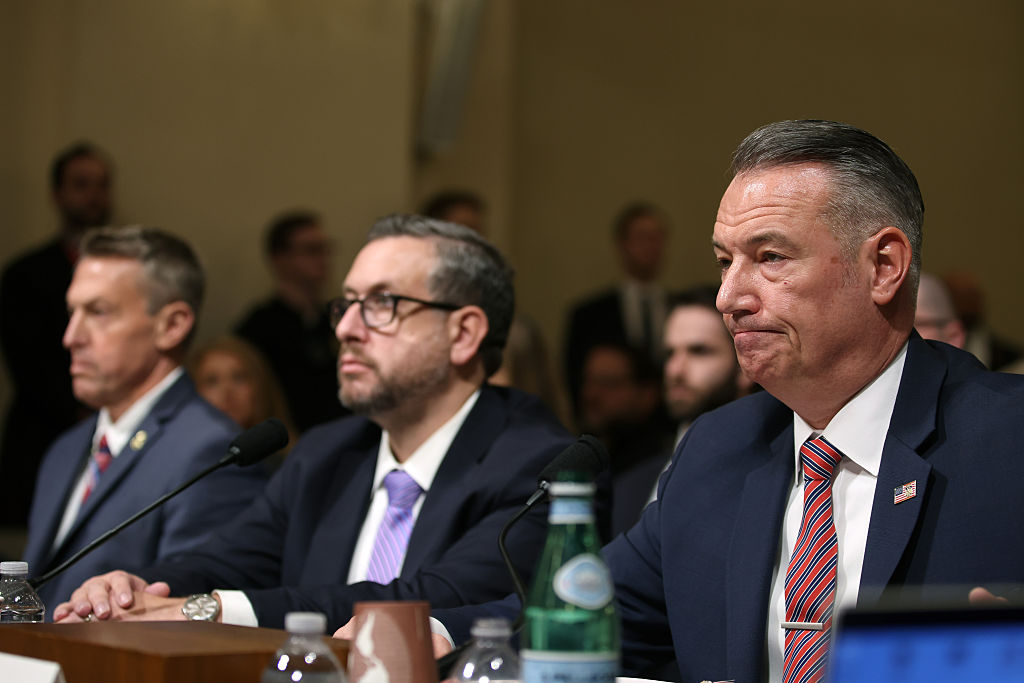
Top U.S. immigration officials defended their policies during a contentious hearing as lawmakers continue to negotiate potential ICE funding and reforms.
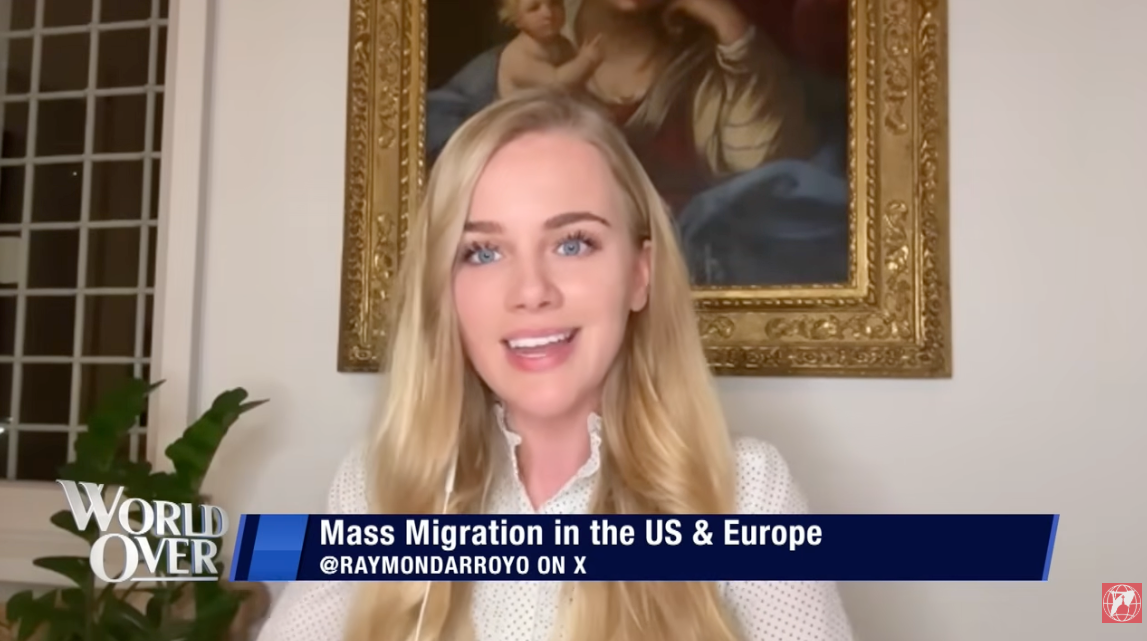
![Catholic convert Eva Vlaardingerbroek on censorship and immigration in Europe #Catholic Catholic Dutch political commentator and activist Eva Vlaardingerbroek said “the rule of law is dead” in Europe and detailed the issues of censorship and immigration on the continent.Vlaardingerbroek is an attorney and Catholic convert who has been outspoken about European immigration, national sovereignty, and free speech. Recently, the U.K. government banned her from entering the country due to her outspoken views.“Out of the blue, I saw that I had received an email from the U.K. government,” she told Raymond Arroyo on EWTN’s “The World Over with Raymond Arroyo.” It was “just a couple of sentences saying that my ETA, which is the travel authorization that Europeans need to travel to the U.K., had been revoked.”The reason they stated “was that I am ‘not conducive to the public good,’” she said. Vlaardingerbroek said she believes the ban occurred because she criticized the prime minister of the United Kingdom, Keir Starmer, on social media three days before receiving the email.The situation shows that “the rule of law is dead in Europe,” Vlaardingerbroek said. “Because if you get a notification like that out of the blue, you have no ability, no means to defend yourself … I don’t have a criminal record. I didn’t commit a crime.”“I got converted to Catholicism in the United Kingdom, so I have a couple of really dear friends there. Now, I’m no longer able to go because I say the wrong things, apparently. That is the state of Europe right now … They either throw you in jail or they make sure that you can’t enter the country. That’s what happens in the United Kingdom if you go against the grain,” she said.European immigrationVlaardingerbroek has also been outspoken about illegal immigration in Europe and said that mass immigration has destabilized Europe and led to spikes in violent crimes.“Anyone with two eyes can see that it’s true,” she said. Everyone who lives here, apart from maybe people living in ivory towers or in areas where there are no immigrants, everyone who lives in the real world knows that it’s true.”“I will continue speaking the truth about what I see happening to this beautiful continent of ours because it’s being destroyed,” she said. “We see churches burning down every week here in Europe, and that’s not a coincidence. That didn’t happen for hundreds of years, and suddenly now … they’re burning down faster than I can count.”“You can break the law coming here. It’s not being punished. In fact, it’s rewarded because people get to stay, people get free housing, people get free health care, and they’re able to just roam around even awaiting whether they are going to get their asylum approved or not.”“The governments and the legal system seem to be working hand in hand” and the “judges are complicit,” Vlaardingerbroek said. In Europe, the migrants that commit crimes are not held accountable because judges believe “they are traumatized because they come from a war zone” or due to their “their mental state.”“Then what ends up happening is these immigrants who rape, kill, and assault the native population, they just don’t get any real prison time, and they definitely do not get deported,” she said.“I think that this is a holdover from World War II,” she continued. Institutions including the European Union have “given evil one face and one face only” and “they refuse to see the difference between a Nazi and a conservative Christian.”“To them, it’s all the same, and that’s the way that they treat us,” she said. “I don’t think they’re afraid to acknowledge it. I think they honestly don’t care. I mean, the churches that are being burned down in France that we see, that’s a physical thing unfolding in front of our eyes.”The burning of churches “is powerful imagery that should wake people up to something else, something invisible, which is the agenda that is being carried out here to erode Christianity,” Vlaardingerbroek said.When the European Union discusses European culture, identity, and history, “they never mention Christianity,” Vlaardingerbroek said.“They actively removed it from their documents. They talk about the Enlightenment, but Christianity is never mentioned. They are actively eroding and erasing Christianity here in Europe because it threatens their agenda, because these people see [themselves] as God,” she said.U.S. immigrationAs debates over Immigration and Customs Enforcement (ICE) and law enforcement continue in the U.S, Vlaardingerbroek also discussed the status of immigration on this side of the pond.“As a Catholic, of course, we can be charitable. Nobody’s saying that we cannot allow some immigration or that we cannot help those in need. That is, of course, a Catholic ideal. That is a Catholic value … That’s what our legal system reflects,” she said.“That doesn’t mean, however, that when you come here illegally, which is what happens the majority of the time, and you break [the] laws, that we have to sit by and watch that happen.”ICE agents “are doing their job,” Vlaardingerbroek said. “They are enforcing the law. I think it’s a disgrace the way that they are being treated.”“I wish actually that here in Europe, we would have our version of ICE and that they would … send back home the people who come here illegally and who do not belong in these countries and who actively fight everything that we stand for, both in America and here in Europe,” Vlaardingerbroek said.](https://unitedyam.com/wp-content/uploads/2026/02/catholic-convert-eva-vlaardingerbroek-on-censorship-and-immigration-in-europe-catholic-catholic-dutch-political-commentator-and-activist-eva-vlaardingerbroek-said-the-rule-of-law-is-dead.png "Catholic convert Eva Vlaardingerbroek on censorship and immigration in Europe #Catholic Catholic Dutch political commentator and activist Eva Vlaardingerbroek said “the rule of law is dead” in Europe and detailed the issues of censorship and immigration on the continent.Vlaardingerbroek is an attorney and Catholic convert who has been outspoken about European immigration, national sovereignty, and free speech. Recently, the U.K. government banned her from entering the country due to her outspoken views.“Out of the blue, I saw that I had received an email from the U.K. government,” she told Raymond Arroyo on EWTN’s “The World Over with Raymond Arroyo.” It was “just a couple of sentences saying that my ETA, which is the travel authorization that Europeans need to travel to the U.K., had been revoked.”The reason they stated “was that I am ‘not conducive to the public good,’” she said. Vlaardingerbroek said she believes the ban occurred because she criticized the prime minister of the United Kingdom, Keir Starmer, on social media three days before receiving the email.The situation shows that “the rule of law is dead in Europe,” Vlaardingerbroek said. “Because if you get a notification like that out of the blue, you have no ability, no means to defend yourself … I don’t have a criminal record. I didn’t commit a crime.”“I got converted to Catholicism in the United Kingdom, so I have a couple of really dear friends there. Now, I’m no longer able to go because I say the wrong things, apparently. That is the state of Europe right now … They either throw you in jail or they make sure that you can’t enter the country. That’s what happens in the United Kingdom if you go against the grain,” she said.European immigrationVlaardingerbroek has also been outspoken about illegal immigration in Europe and said that mass immigration has destabilized Europe and led to spikes in violent crimes.“Anyone with two eyes can see that it’s true,” she said. Everyone who lives here, apart from maybe people living in ivory towers or in areas where there are no immigrants, everyone who lives in the real world knows that it’s true.”“I will continue speaking the truth about what I see happening to this beautiful continent of ours because it’s being destroyed,” she said. “We see churches burning down every week here in Europe, and that’s not a coincidence. That didn’t happen for hundreds of years, and suddenly now … they’re burning down faster than I can count.”“You can break the law coming here. It’s not being punished. In fact, it’s rewarded because people get to stay, people get free housing, people get free health care, and they’re able to just roam around even awaiting whether they are going to get their asylum approved or not.”“The governments and the legal system seem to be working hand in hand” and the “judges are complicit,” Vlaardingerbroek said. In Europe, the migrants that commit crimes are not held accountable because judges believe “they are traumatized because they come from a war zone” or due to their “their mental state.”“Then what ends up happening is these immigrants who rape, kill, and assault the native population, they just don’t get any real prison time, and they definitely do not get deported,” she said.“I think that this is a holdover from World War II,” she continued. Institutions including the European Union have “given evil one face and one face only” and “they refuse to see the difference between a Nazi and a conservative Christian.”“To them, it’s all the same, and that’s the way that they treat us,” she said. “I don’t think they’re afraid to acknowledge it. I think they honestly don’t care. I mean, the churches that are being burned down in France that we see, that’s a physical thing unfolding in front of our eyes.”The burning of churches “is powerful imagery that should wake people up to something else, something invisible, which is the agenda that is being carried out here to erode Christianity,” Vlaardingerbroek said.When the European Union discusses European culture, identity, and history, “they never mention Christianity,” Vlaardingerbroek said.“They actively removed it from their documents. They talk about the Enlightenment, but Christianity is never mentioned. They are actively eroding and erasing Christianity here in Europe because it threatens their agenda, because these people see [themselves] as God,” she said.U.S. immigrationAs debates over Immigration and Customs Enforcement (ICE) and law enforcement continue in the U.S, Vlaardingerbroek also discussed the status of immigration on this side of the pond.“As a Catholic, of course, we can be charitable. Nobody’s saying that we cannot allow some immigration or that we cannot help those in need. That is, of course, a Catholic ideal. That is a Catholic value … That’s what our legal system reflects,” she said.“That doesn’t mean, however, that when you come here illegally, which is what happens the majority of the time, and you break [the] laws, that we have to sit by and watch that happen.”ICE agents “are doing their job,” Vlaardingerbroek said. “They are enforcing the law. I think it’s a disgrace the way that they are being treated.”“I wish actually that here in Europe, we would have our version of ICE and that they would … send back home the people who come here illegally and who do not belong in these countries and who actively fight everything that we stand for, both in America and here in Europe,” Vlaardingerbroek said.")
Catholic convert Eva Vlaardingerbroek discussed immigration and the state of free speech in Europe on EWTN’s “The World Over with Raymond Arroyo.”