Arrest

CNA explains: How does ‘Mass dispensation’ work, and when is it used? #Catholic 
 
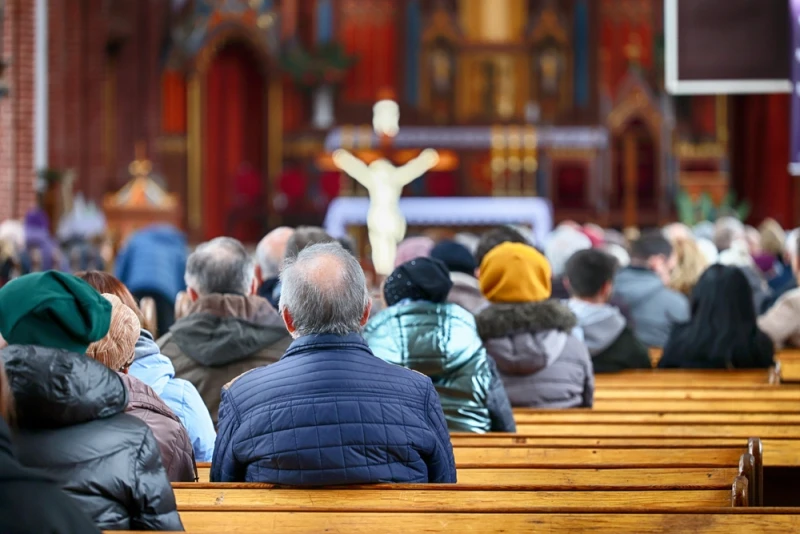
 null / Credit: FotoDax/Shutterstock

CNA Staff, Dec 26, 2025 / 06:00 am (CNA).
Amid heavy immigration enforcement by the Trump administration, several bishops in the U.S. have recently issued broad dispensations to Catholics in their dioceses, allowing them to refrain from attending Mass on Sundays if they fear arrest or deportation from federal officials.Bishops in North Carolina, California, and elsewhere have issued such dispensations, stating that those with legitimate concerns of being detained by immigration agents are free from the usual Sunday obligation.The Church’s canon law dictates that Sunday is considered the “primordial holy day of obligation,” one on which all Catholics are “obliged to participate in the Mass.” Several other holy days of obligation exist throughout the liturgical year, though Sunday (or the Saturday evening prior) is always considered obligatory for Mass attendance.The numerous dispensations issued recently in dioceses around the country have underscored, however, that bishops have some discretion in allowing Catholics to stay home from Mass for legitimate reasons.Dispensation must be ‘just,’ ‘reasonable’David Long, an assistant professor in the school of canon law at The Catholic University of America as well as the director of the school’s Institute for Policy Research and Catholic Studies, told CNA that bishops have the authority to dispense the faithful in their diocese with, as the Code of Canon Law puts it, a “just and reasonable cause.”“This generally applies when a holy day of obligation falls on a Saturday or Monday, during severe weather events (snowstorms, hurricanes, floods, etc.), when there is no reasonable access to Mass, or during public emergencies such as pandemics or plagues,” he said. Once such circumstances end, he noted, the dispensation itself would cease.By virtue of their office, diocesan administrators, vicars general, and episcopal vicars also have the power to issue dispensations, Long said.Priests, however, normally do not have that authority “unless expressly granted by a higher authority, such as their diocesan bishop,” he said.Canon law, he said, dictates that a dispensation can only be granted when a bishop “judges that it contributes to [the] spiritual good” of his flock, for a just cause, and “after taking into account the circumstances of the case and the gravity of the law from which dispensation is given.”The lay faithful themselves can determine, in some cases, when they can refrain from going to Mass, though Long stressed that such instances do not constitute “dispensation,” as the laity “does not have the power to dispense at any time” that authority being tied to “executive power in the Church” via ordination.Canon law dictates, however, that Catholics are not bound to attend Mass when “participation in the Eucharistic celebration becomes impossible.”Long said such scenarios include “when [the faithful] are sick, contagious, or housebound, when they are the primary caregiver for someone else and cannot arrange coverage for that person, when traveling to Mass is dangerous, when there is no realistic access to Mass, or for some other grave cause.”“This is not a dispensation,” he said, “but instead is a legal recognition of moral and physical impossibility at times.”The recent immigration-related controversy isn’t the only large-scale dispensation in recent memory. Virtually every Catholic in the world was dispensed from Mass in the earliest days of the COVID-19 crisis, when government authorities sharply limited public gatherings, including religious gatherings, all over the world.In 2024, on the other hand, the Vatican said that Catholics in the United States must still attend Mass on holy days of obligation even when they are transferred to Mondays or Saturdays, correcting a long-standing practice in the U.S. Church and ending a dispensation with which many Catholics were familiar.‘The most incredible privilege we could possibly imagine’Though the obligation to attend Mass is a major aspect of Church canon law, Father Daniel Brandenburg, LC, cautioned against interpreting it uncharitably.“This ‘obligation’ is sort of like the obligation of eating,” he said. “If you don’t eat, you’ll die. Similarly, the Church simply recognizes that if we don’t nourish our soul, it withers away and dies. The bare minimum to survive is Mass once a week on Sundays.”“Most people find the ‘obligation’ of eating to be quite pleasurable,” he continued, “and I think anyone with a modicum of spiritual awareness finds deep joy in attending Mass and receiving the Creator of the universe into their soul. At least I do.”Like Long, Brandenburg stressed that the lay faithful lack the authority to “dispense” themselves from Mass. Instead, they are directed to follow their consciences when determining if they are incapable of attending Mass, particularly by applying the principle of moral theology “ad impossibilia, nemo tenetur” “(no one is obliged to do what is impossible”).Being too sick, facing dangerous inclement weather, or lacking the ability to transport themselves are among the reasons the faithful might determine they are unable to attend Mass, he said.“Here, beware the lax conscience which gives easy excuses,” Brandenburg warned, “and remember that the saints became holy not through excuses, but through heroic love.”

CNA explains: How does ‘Mass dispensation’ work, and when is it used? #Catholic null / Credit: FotoDax/Shutterstock CNA Staff, Dec 26, 2025 / 06:00 am (CNA). Amid heavy immigration enforcement by the Trump administration, several bishops in the U.S. have recently issued broad dispensations to Catholics in their dioceses, allowing them to refrain from attending Mass on Sundays if they fear arrest or deportation from federal officials.Bishops in North Carolina, California, and elsewhere have issued such dispensations, stating that those with legitimate concerns of being detained by immigration agents are free from the usual Sunday obligation.The Church’s canon law dictates that Sunday is considered the “primordial holy day of obligation,” one on which all Catholics are “obliged to participate in the Mass.” Several other holy days of obligation exist throughout the liturgical year, though Sunday (or the Saturday evening prior) is always considered obligatory for Mass attendance.The numerous dispensations issued recently in dioceses around the country have underscored, however, that bishops have some discretion in allowing Catholics to stay home from Mass for legitimate reasons.Dispensation must be ‘just,’ ‘reasonable’David Long, an assistant professor in the school of canon law at The Catholic University of America as well as the director of the school’s Institute for Policy Research and Catholic Studies, told CNA that bishops have the authority to dispense the faithful in their diocese with, as the Code of Canon Law puts it, a “just and reasonable cause.”“This generally applies when a holy day of obligation falls on a Saturday or Monday, during severe weather events (snowstorms, hurricanes, floods, etc.), when there is no reasonable access to Mass, or during public emergencies such as pandemics or plagues,” he said. Once such circumstances end, he noted, the dispensation itself would cease.By virtue of their office, diocesan administrators, vicars general, and episcopal vicars also have the power to issue dispensations, Long said.Priests, however, normally do not have that authority “unless expressly granted by a higher authority, such as their diocesan bishop,” he said.Canon law, he said, dictates that a dispensation can only be granted when a bishop “judges that it contributes to [the] spiritual good” of his flock, for a just cause, and “after taking into account the circumstances of the case and the gravity of the law from which dispensation is given.”The lay faithful themselves can determine, in some cases, when they can refrain from going to Mass, though Long stressed that such instances do not constitute “dispensation,” as the laity “does not have the power to dispense at any time” that authority being tied to “executive power in the Church” via ordination.Canon law dictates, however, that Catholics are not bound to attend Mass when “participation in the Eucharistic celebration becomes impossible.”Long said such scenarios include “when [the faithful] are sick, contagious, or housebound, when they are the primary caregiver for someone else and cannot arrange coverage for that person, when traveling to Mass is dangerous, when there is no realistic access to Mass, or for some other grave cause.”“This is not a dispensation,” he said, “but instead is a legal recognition of moral and physical impossibility at times.”The recent immigration-related controversy isn’t the only large-scale dispensation in recent memory. Virtually every Catholic in the world was dispensed from Mass in the earliest days of the COVID-19 crisis, when government authorities sharply limited public gatherings, including religious gatherings, all over the world.In 2024, on the other hand, the Vatican said that Catholics in the United States must still attend Mass on holy days of obligation even when they are transferred to Mondays or Saturdays, correcting a long-standing practice in the U.S. Church and ending a dispensation with which many Catholics were familiar.‘The most incredible privilege we could possibly imagine’Though the obligation to attend Mass is a major aspect of Church canon law, Father Daniel Brandenburg, LC, cautioned against interpreting it uncharitably.“This ‘obligation’ is sort of like the obligation of eating,” he said. “If you don’t eat, you’ll die. Similarly, the Church simply recognizes that if we don’t nourish our soul, it withers away and dies. The bare minimum to survive is Mass once a week on Sundays.”“Most people find the ‘obligation’ of eating to be quite pleasurable,” he continued, “and I think anyone with a modicum of spiritual awareness finds deep joy in attending Mass and receiving the Creator of the universe into their soul. At least I do.”Like Long, Brandenburg stressed that the lay faithful lack the authority to “dispense” themselves from Mass. Instead, they are directed to follow their consciences when determining if they are incapable of attending Mass, particularly by applying the principle of moral theology “ad impossibilia, nemo tenetur” “(no one is obliged to do what is impossible”).Being too sick, facing dangerous inclement weather, or lacking the ability to transport themselves are among the reasons the faithful might determine they are unable to attend Mass, he said.“Here, beware the lax conscience which gives easy excuses,” Brandenburg warned, “and remember that the saints became holy not through excuses, but through heroic love.”


null / Credit: FotoDax/Shutterstock

CNA Staff, Dec 26, 2025 / 06:00 am (CNA).

Amid heavy immigration enforcement by the Trump administration, several bishops in the U.S. have recently issued broad dispensations to Catholics in their dioceses, allowing them to refrain from attending Mass on Sundays if they fear arrest or deportation from federal officials.

Bishops in North Carolina, California, and elsewhere have issued such dispensations, stating that those with legitimate concerns of being detained by immigration agents are free from the usual Sunday obligation.

The Church’s canon law dictates that Sunday is considered the “primordial holy day of obligation,” one on which all Catholics are “obliged to participate in the Mass.” Several other holy days of obligation exist throughout the liturgical year, though Sunday (or the Saturday evening prior) is always considered obligatory for Mass attendance.

The numerous dispensations issued recently in dioceses around the country have underscored, however, that bishops have some discretion in allowing Catholics to stay home from Mass for legitimate reasons.

Dispensation must be ‘just,’ ‘reasonable’

David Long, an assistant professor in the school of canon law at The Catholic University of America as well as the director of the school’s Institute for Policy Research and Catholic Studies, told CNA that bishops have the authority to dispense the faithful in their diocese with, as the Code of Canon Law puts it, a “just and reasonable cause.”

“This generally applies when a holy day of obligation falls on a Saturday or Monday, during severe weather events (snowstorms, hurricanes, floods, etc.), when there is no reasonable access to Mass, or during public emergencies such as pandemics or plagues,” he said. Once such circumstances end, he noted, the dispensation itself would cease.

By virtue of their office, diocesan administrators, vicars general, and episcopal vicars also have the power to issue dispensations, Long said.

Priests, however, normally do not have that authority “unless expressly granted by a higher authority, such as their diocesan bishop,” he said.

Canon law, he said, dictates that a dispensation can only be granted when a bishop “judges that it contributes to [the] spiritual good” of his flock, for a just cause, and “after taking into account the circumstances of the case and the gravity of the law from which dispensation is given.”

The lay faithful themselves can determine, in some cases, when they can refrain from going to Mass, though Long stressed that such instances do not constitute “dispensation,” as the laity “does not have the power to dispense at any time” that authority being tied to “executive power in the Church” via ordination.

Canon law dictates, however, that Catholics are not bound to attend Mass when “participation in the Eucharistic celebration becomes impossible.”

Long said such scenarios include “when [the faithful] are sick, contagious, or housebound, when they are the primary caregiver for someone else and cannot arrange coverage for that person, when traveling to Mass is dangerous, when there is no realistic access to Mass, or for some other grave cause.”

“This is not a dispensation,” he said, “but instead is a legal recognition of moral and physical impossibility at times.”

The recent immigration-related controversy isn’t the only large-scale dispensation in recent memory. Virtually every Catholic in the world was dispensed from Mass in the earliest days of the COVID-19 crisis, when government authorities sharply limited public gatherings, including religious gatherings, all over the world.

In 2024, on the other hand, the Vatican said that Catholics in the United States must still attend Mass on holy days of obligation even when they are transferred to Mondays or Saturdays, correcting a long-standing practice in the U.S. Church and ending a dispensation with which many Catholics were familiar.

‘The most incredible privilege we could possibly imagine’

Though the obligation to attend Mass is a major aspect of Church canon law, Father Daniel Brandenburg, LC, cautioned against interpreting it uncharitably.

“This ‘obligation’ is sort of like the obligation of eating,” he said. “If you don’t eat, you’ll die. Similarly, the Church simply recognizes that if we don’t nourish our soul, it withers away and dies. The bare minimum to survive is Mass once a week on Sundays.”

“Most people find the ‘obligation’ of eating to be quite pleasurable,” he continued, “and I think anyone with a modicum of spiritual awareness finds deep joy in attending Mass and receiving the Creator of the universe into their soul. At least I do.”

Like Long, Brandenburg stressed that the lay faithful lack the authority to “dispense” themselves from Mass. Instead, they are directed to follow their consciences when determining if they are incapable of attending Mass, particularly by applying the principle of moral theology “ad impossibilia, nemo tenetur” “(no one is obliged to do what is impossible”).

Being too sick, facing dangerous inclement weather, or lacking the ability to transport themselves are among the reasons the faithful might determine they are unable to attend Mass, he said.

“Here, beware the lax conscience which gives easy excuses,” Brandenburg warned, “and remember that the saints became holy not through excuses, but through heroic love.”

Read More
Border czar says Catholic leaders should ‘support’ safety #Catholic 
 
 Trump administration Border Czar Tom Homan interviewed on "The World Over with Raymond Arroyo" on Dec. 11, 2025. / Credit: EWTN News "The World Over with Raymond Arroyo"/Screenshot

Washington, D.C. Newsroom, Dec 12, 2025 / 07:00 am (CNA).
U.S. border czar Tom Homan said “the Catholic Church should support keeping the community safe” through a secure border and immigration enforcement. In an interview on “The World Over with Raymond Arroyo” on Thursday, Homan discussed President Donald Trump’s mass deportation policy and immigration enforcement.   “As President Trump promised on day one, we’re going to enforce immigration law,” Homan said. “That’s what he was voted into office to do, and that’s what we’re doing. We’re going to keep this promise to the American people.”“We’re going to prioritize public safety threats and national security threats,” Homan said. “The majority of people we arrest … have a criminal history. But also, like I’ve said from day one, if you’re in the country illegally, you’re not off the table.”Data on detainees’ criminal history is disputed. A Cato Institute report in November said 5% of people detained by ICE have violent convictions, and 73% had no convictions. Other analyses of deportation data also have shown a lower incidence of people arrested with prior criminal convictions.“Many people who’ve lived for years and years and years, never causing problems, have been deeply affected by what’s going on right now,” Pope Leo XIV said Nov. 4.Since President Trump began his second term, there have been about 600,000 deportations, Homan said. He added: The “results have been outstanding.”Family separationDuring the Biden administration, “just about a half a million children were smuggled into the country, separated from their families, put in the hands of criminal cartels,” Homan said. Homan said the administration has located tens of thousands of children during deportation operations.During the first two years of Trump’s first administration, U.S. authorities separated over 5,000 children from their parents at the U.S.-Mexico border, before ending the practice. In 2021, the Biden administration created a family reunification task force, and a federal judge ruled that border officials cannot use family separation as a deterrence tactic through 2031. Under the second Trump administration, enforcement actions have caused family separations through detentions.Homan told Arroyo: “President Trump promised from day one that we’re going to find these children because the last administration, even though half a million came across, they lost track of 300,000. They couldn’t find them. They weren’t responding to inquiries and their check-ins.”As of Dec. 5 there were 62,456 children “the Trump administration already found,” Homan reported.  “Some of these children were safe and with family. They’re just hiding out because they don’t want to be deported. But many of these children, and one is too many, we found were either in forced labor or forced sexual slavery. Some of these children are in really, really bad conditions,” Homan said.“About half that, 300,000, according to records, have already aged out, which means they’re over 18 already. But … we’re still going to try to locate them … We’re going to do everything we can till the last day of this administration to find these kids. Personally, I’ll do everything I can until I take my last breath on this Earth to find these kids,” Homan said.Carrying out deportations as a CatholicThe United States Conference of Catholic Bishops (USCCB) expressed concern “about the conditions in detention centers and the lack of access to pastoral care.” They wrote: “Human dignity and national security are not in conflict.” When asked how he reconciles bishops’ comments on immigration enforcement with his faith and duties, Homan said he is “willing to sit down with anybody in the Catholic Church and talk about it.”When Catholic leaders “talk about why these laws shouldn’t be enforced … they need to understand, if we don’t enforce laws, what message does that send to the world?” Homan said. He says it sends the message: “Cross the border. It’s illegal, but don’t worry about it.”People need to understand “a border wall saves lives,” Homan said. “I would ask the Catholic leadership, go talk to the hundreds of… moms and dads that have buried their children because their children were killed by someone that wasn’t supposed to be here.”During Biden’s presidency, Homan said “a record number of Americans died from fentanyl because that border was wide open … Hundreds of thousands of Americans died from a drug that came across an open border.”He said a “record number of people from terrorist-related countries” entered the country and said there was “historic increase in sex trafficking of women and children because enforcement was removed from the border.”“Over 4,000 aliens died making that journey, because we sent a message that there’s no consequences here,” Homan said. Response to Catholic leadershipThe USCCB through remarks and messages has called for humane treatment of migrants. In response, Homan said: “We treat everybody with dignity.” Bishops also stated their opposition to “the indiscriminate mass deportation of people.”Homan said: “When you come across the border illegally, not only is it a crime, but you’re cheating the system.”“There are millions of people, millions that are standing in line, taking their test, doing the background investigation, paying their fees to be part of the greatest nation on Earth,” Homan said.“The most humane thing you can do is enforce the law, secure the border, because it saves lives. The Catholic Church should support keeping the community safe again. But I’m saying this, if you’re in the country legally, it’s not OK. Illegal migration is not a victimless crime. I wish Catholic leadership would go with me. Take a border trip with me,” Homan said.“Look at some of the investigations I do. Wear my shoes … You may not agree with me 100% in the end, but you will certainly understand the importance of border security,” Homan said.

Border czar says Catholic leaders should ‘support’ safety #Catholic Trump administration Border Czar Tom Homan interviewed on "The World Over with Raymond Arroyo" on Dec. 11, 2025. / Credit: EWTN News "The World Over with Raymond Arroyo"/Screenshot Washington, D.C. Newsroom, Dec 12, 2025 / 07:00 am (CNA). U.S. border czar Tom Homan said “the Catholic Church should support keeping the community safe” through a secure border and immigration enforcement. In an interview on “The World Over with Raymond Arroyo” on Thursday, Homan discussed President Donald Trump’s mass deportation policy and immigration enforcement.   “As President Trump promised on day one, we’re going to enforce immigration law,” Homan said. “That’s what he was voted into office to do, and that’s what we’re doing. We’re going to keep this promise to the American people.”“We’re going to prioritize public safety threats and national security threats,” Homan said. “The majority of people we arrest … have a criminal history. But also, like I’ve said from day one, if you’re in the country illegally, you’re not off the table.”Data on detainees’ criminal history is disputed. A Cato Institute report in November said 5% of people detained by ICE have violent convictions, and 73% had no convictions. Other analyses of deportation data also have shown a lower incidence of people arrested with prior criminal convictions.“Many people who’ve lived for years and years and years, never causing problems, have been deeply affected by what’s going on right now,” Pope Leo XIV said Nov. 4.Since President Trump began his second term, there have been about 600,000 deportations, Homan said. He added: The “results have been outstanding.”Family separationDuring the Biden administration, “just about a half a million children were smuggled into the country, separated from their families, put in the hands of criminal cartels,” Homan said. Homan said the administration has located tens of thousands of children during deportation operations.During the first two years of Trump’s first administration, U.S. authorities separated over 5,000 children from their parents at the U.S.-Mexico border, before ending the practice. In 2021, the Biden administration created a family reunification task force, and a federal judge ruled that border officials cannot use family separation as a deterrence tactic through 2031. Under the second Trump administration, enforcement actions have caused family separations through detentions.Homan told Arroyo: “President Trump promised from day one that we’re going to find these children because the last administration, even though half a million came across, they lost track of 300,000. They couldn’t find them. They weren’t responding to inquiries and their check-ins.”As of Dec. 5 there were 62,456 children “the Trump administration already found,” Homan reported.  “Some of these children were safe and with family. They’re just hiding out because they don’t want to be deported. But many of these children, and one is too many, we found were either in forced labor or forced sexual slavery. Some of these children are in really, really bad conditions,” Homan said.“About half that, 300,000, according to records, have already aged out, which means they’re over 18 already. But … we’re still going to try to locate them … We’re going to do everything we can till the last day of this administration to find these kids. Personally, I’ll do everything I can until I take my last breath on this Earth to find these kids,” Homan said.Carrying out deportations as a CatholicThe United States Conference of Catholic Bishops (USCCB) expressed concern “about the conditions in detention centers and the lack of access to pastoral care.” They wrote: “Human dignity and national security are not in conflict.” When asked how he reconciles bishops’ comments on immigration enforcement with his faith and duties, Homan said he is “willing to sit down with anybody in the Catholic Church and talk about it.”When Catholic leaders “talk about why these laws shouldn’t be enforced … they need to understand, if we don’t enforce laws, what message does that send to the world?” Homan said. He says it sends the message: “Cross the border. It’s illegal, but don’t worry about it.”People need to understand “a border wall saves lives,” Homan said. “I would ask the Catholic leadership, go talk to the hundreds of… moms and dads that have buried their children because their children were killed by someone that wasn’t supposed to be here.”During Biden’s presidency, Homan said “a record number of Americans died from fentanyl because that border was wide open … Hundreds of thousands of Americans died from a drug that came across an open border.”He said a “record number of people from terrorist-related countries” entered the country and said there was “historic increase in sex trafficking of women and children because enforcement was removed from the border.”“Over 4,000 aliens died making that journey, because we sent a message that there’s no consequences here,” Homan said. Response to Catholic leadershipThe USCCB through remarks and messages has called for humane treatment of migrants. In response, Homan said: “We treat everybody with dignity.” Bishops also stated their opposition to “the indiscriminate mass deportation of people.”Homan said: “When you come across the border illegally, not only is it a crime, but you’re cheating the system.”“There are millions of people, millions that are standing in line, taking their test, doing the background investigation, paying their fees to be part of the greatest nation on Earth,” Homan said.“The most humane thing you can do is enforce the law, secure the border, because it saves lives. The Catholic Church should support keeping the community safe again. But I’m saying this, if you’re in the country legally, it’s not OK. Illegal migration is not a victimless crime. I wish Catholic leadership would go with me. Take a border trip with me,” Homan said.“Look at some of the investigations I do. Wear my shoes … You may not agree with me 100% in the end, but you will certainly understand the importance of border security,” Homan said.


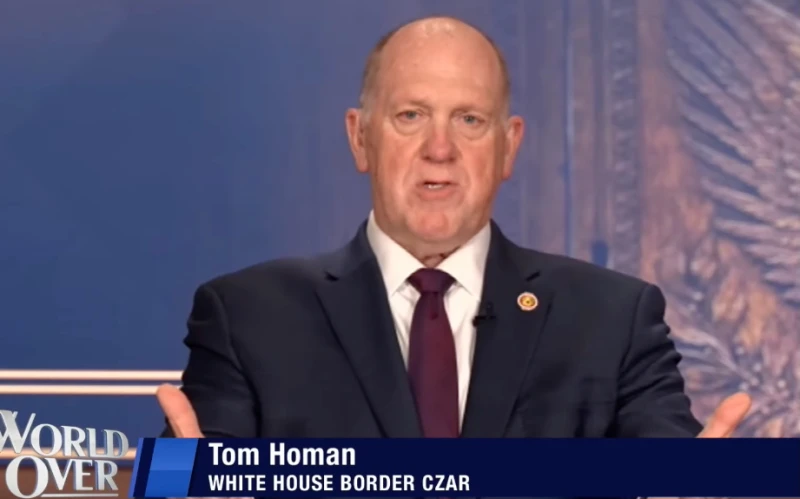
Trump administration Border Czar Tom Homan interviewed on "The World Over with Raymond Arroyo" on Dec. 11, 2025. / Credit: EWTN News "The World Over with Raymond Arroyo"/Screenshot

Washington, D.C. Newsroom, Dec 12, 2025 / 07:00 am (CNA).

U.S. border czar Tom Homan said “the Catholic Church should support keeping the community safe” through a secure border and immigration enforcement. 

In an interview on “The World Over with Raymond Arroyo” on Thursday, Homan discussed President Donald Trump’s mass deportation policy and immigration enforcement.   

“As President Trump promised on day one, we’re going to enforce immigration law,” Homan said. “That’s what he was voted into office to do, and that’s what we’re doing. We’re going to keep this promise to the American people.”

“We’re going to prioritize public safety threats and national security threats,” Homan said. “The majority of people we arrest … have a criminal history. But also, like I’ve said from day one, if you’re in the country illegally, you’re not off the table.”

Data on detainees’ criminal history is disputed. A Cato Institute report in November said 5% of people detained by ICE have violent convictions, and 73% had no convictions. Other analyses of deportation data also have shown a lower incidence of people arrested with prior criminal convictions.

“Many people who’ve lived for years and years and years, never causing problems, have been deeply affected by what’s going on right now,” Pope Leo XIV said Nov. 4.

Since President Trump began his second term, there have been about 600,000 deportations, Homan said. He added: The “results have been outstanding.”

Family separation

During the Biden administration, “just about a half a million children were smuggled into the country, separated from their families, put in the hands of criminal cartels,” Homan said. Homan said the administration has located tens of thousands of children during deportation operations.

During the first two years of Trump’s first administration, U.S. authorities separated over 5,000 children from their parents at the U.S.-Mexico border, before ending the practice. In 2021, the Biden administration created a family reunification task force, and a federal judge ruled that border officials cannot use family separation as a deterrence tactic through 2031. 

Under the second Trump administration, enforcement actions have caused family separations through detentions.

Homan told Arroyo: “President Trump promised from day one that we’re going to find these children because the last administration, even though half a million came across, they lost track of 300,000. They couldn’t find them. They weren’t responding to inquiries and their check-ins.”

As of Dec. 5 there were 62,456 children “the Trump administration already found,” Homan reported.  

“Some of these children were safe and with family. They’re just hiding out because they don’t want to be deported. But many of these children, and one is too many, we found were either in forced labor or forced sexual slavery. Some of these children are in really, really bad conditions,” Homan said.

“About half that, 300,000, according to records, have already aged out, which means they’re over 18 already. But … we’re still going to try to locate them … We’re going to do everything we can till the last day of this administration to find these kids. Personally, I’ll do everything I can until I take my last breath on this Earth to find these kids,” Homan said.

Carrying out deportations as a Catholic

The United States Conference of Catholic Bishops (USCCB) expressed concern “about the conditions in detention centers and the lack of access to pastoral care.” They wrote: “Human dignity and national security are not in conflict.” 

When asked how he reconciles bishops’ comments on immigration enforcement with his faith and duties, Homan said he is “willing to sit down with anybody in the Catholic Church and talk about it.”

When Catholic leaders “talk about why these laws shouldn’t be enforced … they need to understand, if we don’t enforce laws, what message does that send to the world?” Homan said. He says it sends the message: “Cross the border. It’s illegal, but don’t worry about it.”

People need to understand “a border wall saves lives,” Homan said. “I would ask the Catholic leadership, go talk to the hundreds of… moms and dads that have buried their children because their children were killed by someone that wasn’t supposed to be here.”

During Biden’s presidency, Homan said “a record number of Americans died from fentanyl because that border was wide open … Hundreds of thousands of Americans died from a drug that came across an open border.”

He said a “record number of people from terrorist-related countries” entered the country and said there was “historic increase in sex trafficking of women and children because enforcement was removed from the border.”

“Over 4,000 aliens died making that journey, because we sent a message that there’s no consequences here,” Homan said. 

Response to Catholic leadership

The USCCB through remarks and messages has called for humane treatment of migrants. In response, Homan said: “We treat everybody with dignity.” 

Bishops also stated their opposition to “the indiscriminate mass deportation of people.”

Homan said: “When you come across the border illegally, not only is it a crime, but you’re cheating the system.”

“There are millions of people, millions that are standing in line, taking their test, doing the background investigation, paying their fees to be part of the greatest nation on Earth,” Homan said.

“The most humane thing you can do is enforce the law, secure the border, because it saves lives. The Catholic Church should support keeping the community safe again. But I’m saying this, if you’re in the country legally, it’s not OK. Illegal migration is not a victimless crime. I wish Catholic leadership would go with me. Take a border trip with me,” Homan said.

“Look at some of the investigations I do. Wear my shoes … You may not agree with me 100% in the end, but you will certainly understand the importance of border security,” Homan said.

Read More