civil rights

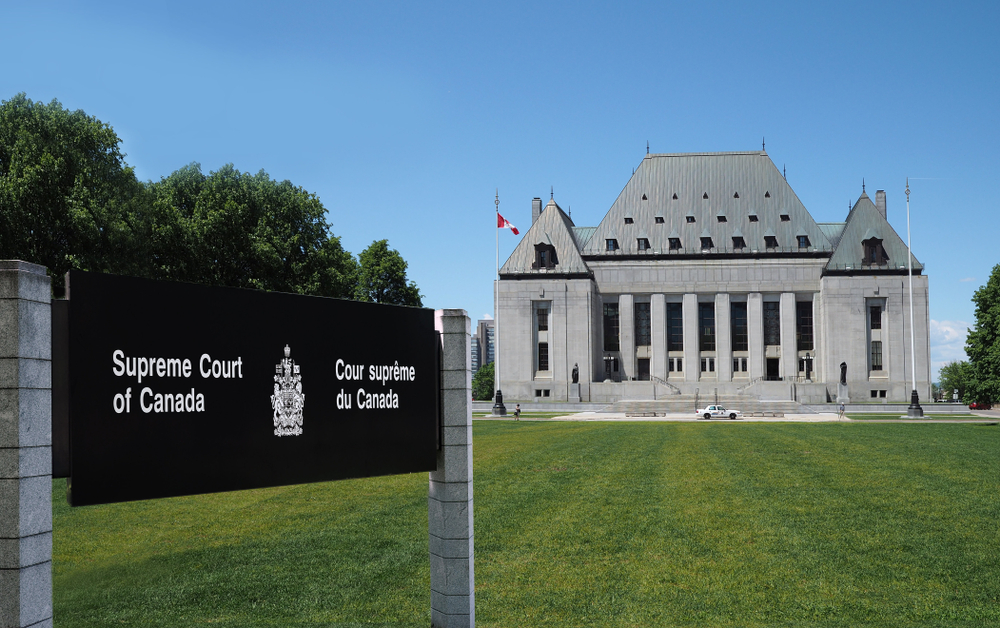
Quebec secularism law is ‘anti-religious ideology,’ bishops tell Canada Supreme Court #Catholic Canada’s bishops told the Supreme Court of Canada that Quebec’s secularism legislation Bill 21 “denies the divine” going well beyond provincial jurisdiction by imposing an anti-religious ideology on the province.The bishops were among more than 50 intervenors presenting arguments at a landmark Supreme Court of Canada hearing into the constitutionality of Quebec’s 2019 secularism law. The hearing, one of the longest in the court’s history, ran from March 23–26. The court reserved its decision, with a ruling expected later this year.The secularism law, which lower courts have twice upheld, prohibits certain public employees — such as teachers and police officers — from wearing religious symbols while at work.Toronto lawyer Phil Horgan, president and general counsel of the Catholic Civil Rights League (CCRL), argued on behalf of the Canadian Conference of Catholic Bishops (CCCB), summarizing a factum that argued the “purpose and effect” of Quebec’s legislation is to “amend Canada’s federal constitution by imposing an anti-religious, non-neutral ideology, which goes beyond Québec’s jurisdiction.”Such a “drastic” change can only be made by the federal government using its authority over criminal law or its constitutional “peace, order, and good government” powers, according to the bishops’ argument.Quebec preemptively invoked the notwithstanding clause of the Canadian Charter of Rights and Freedoms when it drafted Bill 21 to shield it from judicial review.Federal and provincial governments can invoke the notwithstanding clause of the Constitution to temporarily prevent courts from invalidating legislation as unconstitutional.The timing and impact of the use of Charter Section 33 became a significant issue during the four days of hearings and will likely be central in the court’s analysis, Horgan told The Catholic Register.The appellants challenging Bill 21 include individual teachers directly affected by it as well as advocacy groups including the National Council of Canadian Muslims (NCCM), the Canadian Civil Liberties Association (CCLA), and the Legal Committee of the Coalition Inclusion Québec. They argue Bill 21 is “ultra vires,” beyond the powers of provincial jurisdiction.In a five-minute oral argument, Horgan told the seven justices that “Canada’s existing federal constitution is pluralist and pro-religion.” Although “the doctrine of state neutrality is well established, Canada has never adopted laicity or an absolutist separation of church and state,” he said.Justice Malcolm Rowe questioned Horgan on the point, asking: “Other than the reference to the supremacy of God in the preamble to the Charter, would you direct me to the provision in the Constitution which is pro-religion?”Horgan cited Section 93 of the Constitution Act, 1867, which protects denominational school rights and privileges, and noted federal charity law recognizes religion as a public good.Horgan said he wasn’t concerned by the pushback, noting judges often ask questions “not so much to get the answers from counsel but to help … persuade other members of the bench on some of the merits of the argument.”In its factum, the CCCB said Bill 21 “turns the expression of religious belief, through the wearing of symbols, into something to be punished because such expression now conflicts with the dominant philosophical posture of laïcité.”Just as religious symbols are an illustration of underlying personal faith, “the prohibition of religious symbols manifests an outlook from the provincial government that denies the divine,” the bishops said.Quebec has argued the notwithstanding clause disqualifies courts from weighing in on matters deemed political debates. Isabelle Brunet, a lawyer for the Quebec government, told the justices: “It is not up to a court to answer a question that doesn’t concern the courts.”Quebec received support from the attorneys general of Alberta, Ontario, and Saskatchewan, who maintain the courts should not interfere once the notwithstanding clause is invoked.Alberta and Ontario take a contrary position, arguing there is nothing in the notwithstanding clause that precludes judicial scrutiny of legislation.Guy J. Pratte, a lawyer for the attorney general of Canada, said Section 33 gives legislatures the power to override Charter rights but does not nullify the rights altogether or prevent judges from issuing an opinion if freedoms are violated.‘Imposing an anti-religious, non-neutral ideology’The following excerpts are from the factum submitted to the Supreme Court of Canada by the Canadian bishops:“The purpose and effect of the act is unilaterally to amend Canada’s federal constitution by imposing an anti-religious, non-neutral ideology, which goes beyond Québec’s jurisdiction.”“When a province makes itself laïc, it is adopting a non-neutral stance on religion. The provinces do not have that power.”“Québec is attempting to impose an atheistic posture on religious believers.”“Our constitution is founded on a political theory that sees fundamental rights and freedoms as God-given. To adopt an expressly anti-religious viewpoint, as the act purports to do, is an amendment of our existing federal constitution.”“In the place of a genuinely neutral, pluralist, and pro-religious approach, the act substitutes an anti-religious constitutional settlement where symbols of religion worn by individuals are not permitted.”“Just as religious symbols manifest an underlying personal faith, the prohibition of religious symbols manifests an outlook … that denies the divine.”This story was first published by The B.C. Catholic and is reprinted here with permission.

Quebec secularism law is ‘anti-religious ideology,’ bishops tell Canada Supreme Court #Catholic Canada’s bishops told the Supreme Court of Canada that Quebec’s secularism legislation Bill 21 “denies the divine” going well beyond provincial jurisdiction by imposing an anti-religious ideology on the province.The bishops were among more than 50 intervenors presenting arguments at a landmark Supreme Court of Canada hearing into the constitutionality of Quebec’s 2019 secularism law. The hearing, one of the longest in the court’s history, ran from March 23–26. The court reserved its decision, with a ruling expected later this year.The secularism law, which lower courts have twice upheld, prohibits certain public employees — such as teachers and police officers — from wearing religious symbols while at work.Toronto lawyer Phil Horgan, president and general counsel of the Catholic Civil Rights League (CCRL), argued on behalf of the Canadian Conference of Catholic Bishops (CCCB), summarizing a factum that argued the “purpose and effect” of Quebec’s legislation is to “amend Canada’s federal constitution by imposing an anti-religious, non-neutral ideology, which goes beyond Québec’s jurisdiction.”Such a “drastic” change can only be made by the federal government using its authority over criminal law or its constitutional “peace, order, and good government” powers, according to the bishops’ argument.Quebec preemptively invoked the notwithstanding clause of the Canadian Charter of Rights and Freedoms when it drafted Bill 21 to shield it from judicial review.Federal and provincial governments can invoke the notwithstanding clause of the Constitution to temporarily prevent courts from invalidating legislation as unconstitutional.The timing and impact of the use of Charter Section 33 became a significant issue during the four days of hearings and will likely be central in the court’s analysis, Horgan told The Catholic Register.The appellants challenging Bill 21 include individual teachers directly affected by it as well as advocacy groups including the National Council of Canadian Muslims (NCCM), the Canadian Civil Liberties Association (CCLA), and the Legal Committee of the Coalition Inclusion Québec. They argue Bill 21 is “ultra vires,” beyond the powers of provincial jurisdiction.In a five-minute oral argument, Horgan told the seven justices that “Canada’s existing federal constitution is pluralist and pro-religion.” Although “the doctrine of state neutrality is well established, Canada has never adopted laicity or an absolutist separation of church and state,” he said.Justice Malcolm Rowe questioned Horgan on the point, asking: “Other than the reference to the supremacy of God in the preamble to the Charter, would you direct me to the provision in the Constitution which is pro-religion?”Horgan cited Section 93 of the Constitution Act, 1867, which protects denominational school rights and privileges, and noted federal charity law recognizes religion as a public good.Horgan said he wasn’t concerned by the pushback, noting judges often ask questions “not so much to get the answers from counsel but to help … persuade other members of the bench on some of the merits of the argument.”In its factum, the CCCB said Bill 21 “turns the expression of religious belief, through the wearing of symbols, into something to be punished because such expression now conflicts with the dominant philosophical posture of laïcité.”Just as religious symbols are an illustration of underlying personal faith, “the prohibition of religious symbols manifests an outlook from the provincial government that denies the divine,” the bishops said.Quebec has argued the notwithstanding clause disqualifies courts from weighing in on matters deemed political debates. Isabelle Brunet, a lawyer for the Quebec government, told the justices: “It is not up to a court to answer a question that doesn’t concern the courts.”Quebec received support from the attorneys general of Alberta, Ontario, and Saskatchewan, who maintain the courts should not interfere once the notwithstanding clause is invoked.Alberta and Ontario take a contrary position, arguing there is nothing in the notwithstanding clause that precludes judicial scrutiny of legislation.Guy J. Pratte, a lawyer for the attorney general of Canada, said Section 33 gives legislatures the power to override Charter rights but does not nullify the rights altogether or prevent judges from issuing an opinion if freedoms are violated.‘Imposing an anti-religious, non-neutral ideology’The following excerpts are from the factum submitted to the Supreme Court of Canada by the Canadian bishops:“The purpose and effect of the act is unilaterally to amend Canada’s federal constitution by imposing an anti-religious, non-neutral ideology, which goes beyond Québec’s jurisdiction.”“When a province makes itself laïc, it is adopting a non-neutral stance on religion. The provinces do not have that power.”“Québec is attempting to impose an atheistic posture on religious believers.”“Our constitution is founded on a political theory that sees fundamental rights and freedoms as God-given. To adopt an expressly anti-religious viewpoint, as the act purports to do, is an amendment of our existing federal constitution.”“In the place of a genuinely neutral, pluralist, and pro-religious approach, the act substitutes an anti-religious constitutional settlement where symbols of religion worn by individuals are not permitted.”“Just as religious symbols manifest an underlying personal faith, the prohibition of religious symbols manifests an outlook … that denies the divine.”This story was first published by The B.C. Catholic and is reprinted here with permission.

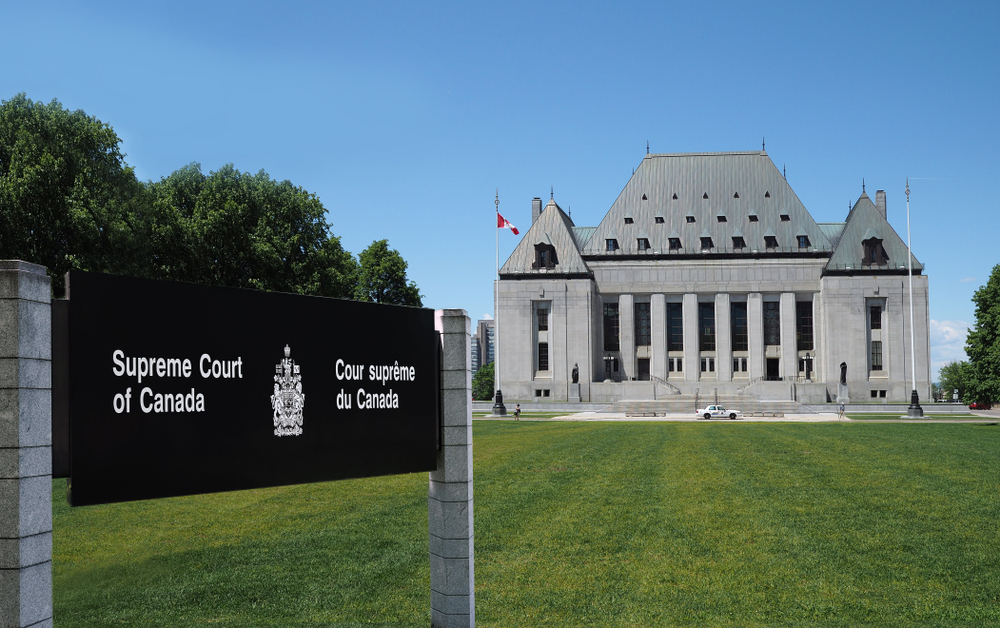
The Catholic bishops were among more than 50 intervenors presenting arguments at a landmark Supreme Court of Canada hearing into the constitutionality of Quebec’s 2019 secularism law.
Read More
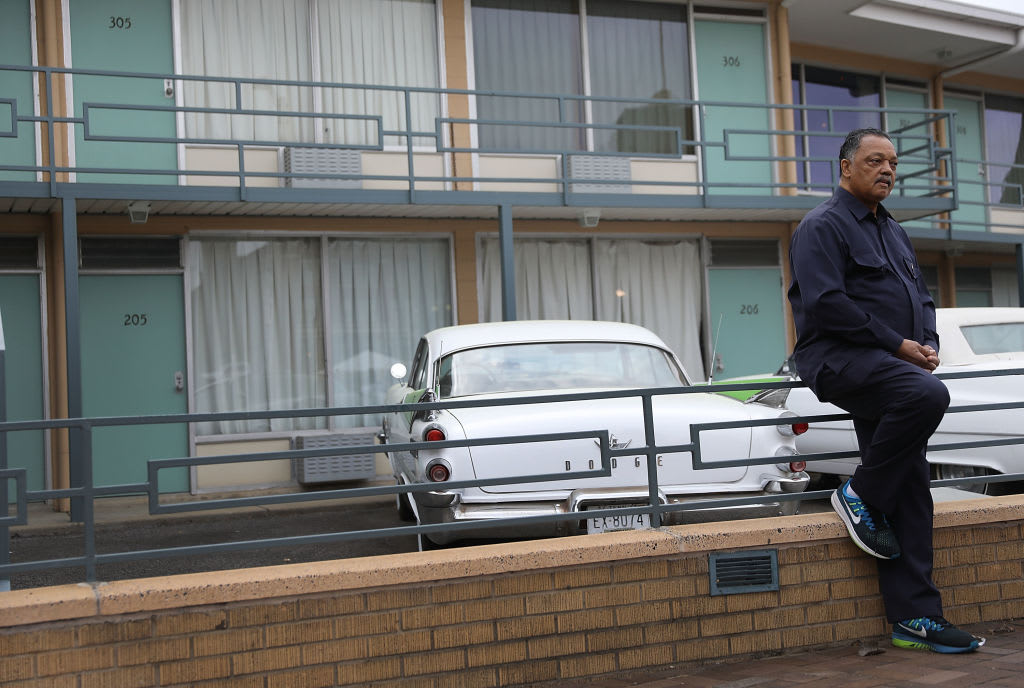
Jesse Jackson, civil rights activist who urged Vatican to address humanitarian crises, dies at 84 #Catholic Jesse Jackson, whose decades of activism included work in the Civil Rights Movement, two runs for the White House, and multiple meetings with Pope John Paul II, died on Feb. 17. He was 84 years old.His family announced his passing in a statement on social media. They described him as a “servant leader” with an “unwavering belief in justice, equality, and love.” Jackson had suffered health issues for several years, including a diagnosis of Parkinson’s disease in 2017.Born Jesse Burns in Greenville, South Carolina, on Oct. 8, 1941, Jackson was adopted by his mother Helen’s subsequent husband Charles Jackson, though he maintained a close relationship with his birth father, Noah Robinson.Taunts from local children about his out-of-wedlock birth reportedly instilled in Jackson a motive to succeed; he further cited his biological father’s example of a “strong healthy ego” and “sense of dignity” that led him to push for civil rights in what was then the heavily segregated Southern U.S.He was a member of the “Greenville Eight” who protested the city’s segregated library system in 1960. A protege of Martin Luther King Jr., he participated in the Selma-to-Montgomery marches and played early roles in the Southern Christian Leadership Conference. Jackson was present at King’s assassination at the Lorraine Motel in Memphis on April 4, 1968.He founded the social justice organization Operation PUSH — now Rainbow/PUSH — in 1971. He would eventually mount two campaigns for U.S. president, one in 1984 and one in 1988, both of which he lost.Earlier in his career Jackson had been an outspoken pro-life advocate, at one point even endorsing amending the U.S. Constitution to ban abortion, though in later decades he would pivot to aggressive support of abortion.He met with Pope John Paul II on three separate occasions in the 1980s and 1990s. In 1982 he urged the pontiff to advocate on behalf of Haitian refugees in the U.S., describing John Paul II as “the dominant force and moral authority in the world” at the time.He met with the pope again in 1985 and reportedly asked him to visit South Africa to protest apartheid, and again a third time in 1999 to urge the pontiff to advocate on behalf of three imprisoned CARE humanitarian workers in a Belgrade prison.Jackson is survived by his wife of 64 years, Jacqueline Lavinia Brown, and their five children. He is also survived by a daughter, Ashley, born to one of his former staffers in 1999.In a famed speech at the 1984 Democratic National Convention in San Francisco, Jackson reflected on his political career and acknowledged that he was “not a perfect servant” but “a public servant doing my best against the odds.” He told the crowd: “As I develop and serve, be patient: God is not finished with me yet.”“For leaders, the pain is often intense,” he said at the time. “But you must smile through your tears and keep moving with the faith that there is a brighter side somewhere.”

Jesse Jackson, civil rights activist who urged Vatican to address humanitarian crises, dies at 84 #Catholic Jesse Jackson, whose decades of activism included work in the Civil Rights Movement, two runs for the White House, and multiple meetings with Pope John Paul II, died on Feb. 17. He was 84 years old.His family announced his passing in a statement on social media. They described him as a “servant leader” with an “unwavering belief in justice, equality, and love.” Jackson had suffered health issues for several years, including a diagnosis of Parkinson’s disease in 2017.Born Jesse Burns in Greenville, South Carolina, on Oct. 8, 1941, Jackson was adopted by his mother Helen’s subsequent husband Charles Jackson, though he maintained a close relationship with his birth father, Noah Robinson.Taunts from local children about his out-of-wedlock birth reportedly instilled in Jackson a motive to succeed; he further cited his biological father’s example of a “strong healthy ego” and “sense of dignity” that led him to push for civil rights in what was then the heavily segregated Southern U.S.He was a member of the “Greenville Eight” who protested the city’s segregated library system in 1960. A protege of Martin Luther King Jr., he participated in the Selma-to-Montgomery marches and played early roles in the Southern Christian Leadership Conference. Jackson was present at King’s assassination at the Lorraine Motel in Memphis on April 4, 1968.He founded the social justice organization Operation PUSH — now Rainbow/PUSH — in 1971. He would eventually mount two campaigns for U.S. president, one in 1984 and one in 1988, both of which he lost.Earlier in his career Jackson had been an outspoken pro-life advocate, at one point even endorsing amending the U.S. Constitution to ban abortion, though in later decades he would pivot to aggressive support of abortion.He met with Pope John Paul II on three separate occasions in the 1980s and 1990s. In 1982 he urged the pontiff to advocate on behalf of Haitian refugees in the U.S., describing John Paul II as “the dominant force and moral authority in the world” at the time.He met with the pope again in 1985 and reportedly asked him to visit South Africa to protest apartheid, and again a third time in 1999 to urge the pontiff to advocate on behalf of three imprisoned CARE humanitarian workers in a Belgrade prison.Jackson is survived by his wife of 64 years, Jacqueline Lavinia Brown, and their five children. He is also survived by a daughter, Ashley, born to one of his former staffers in 1999.In a famed speech at the 1984 Democratic National Convention in San Francisco, Jackson reflected on his political career and acknowledged that he was “not a perfect servant” but “a public servant doing my best against the odds.” He told the crowd: “As I develop and serve, be patient: God is not finished with me yet.”“For leaders, the pain is often intense,” he said at the time. “But you must smile through your tears and keep moving with the faith that there is a brighter side somewhere.”

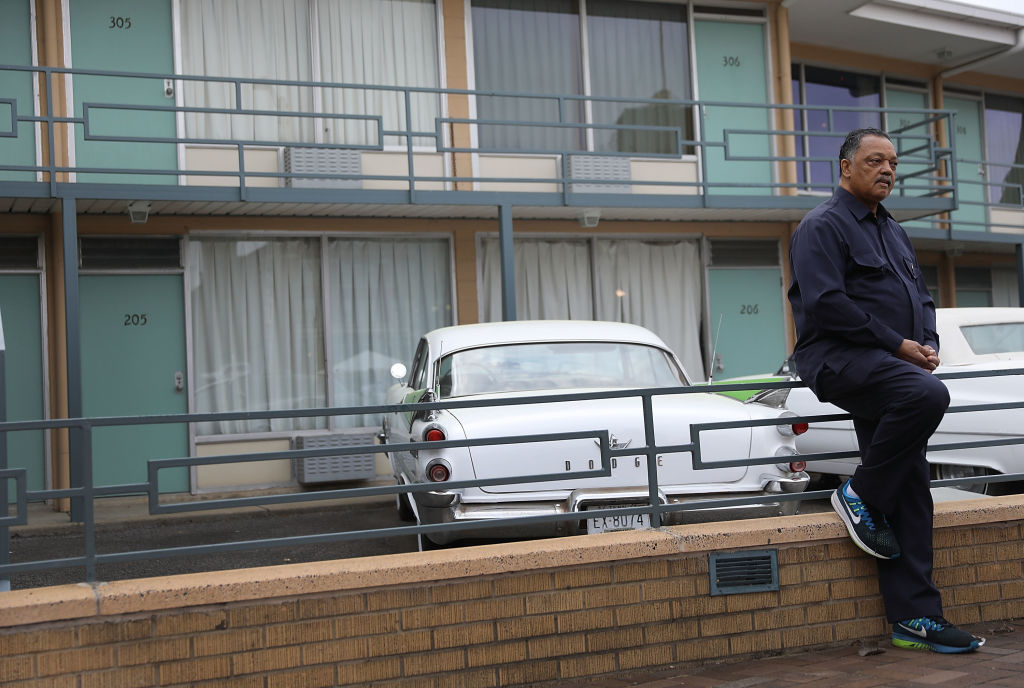
The longtime activist was a fixture in U.S. politics for decades, including two presidential runs.
Read More