![Cuban government to release 51 prisoners following Vatican talks #Catholic The Cuban government announced that it will release 51 people from prison because of its “smooth” relations with the Vatican — a move that coincides with the upcoming observance of Holy Week.“In the spirit of goodwill, and of the close and smooth relations between the Cuban state and the Vatican — with which communication regarding processes for the review and release of persons deprived of liberty has historically been maintained — the government of Cuba has decided to release, in the coming days, 51 individuals sentenced to deprivation of liberty [prison],” the Cuban Ministry of Foreign Affairs reported in a March 12 statement.The director of the Holy See Press Office, Matteo Bruni, confirmed to ACI Prensa, the Spanish-language sister service of EWTN News, on March 13 that “conversations regarding the release of prisoners have recently taken place.”The statement from the Cuban ministry notes that all these individuals “have served a significant portion of their sentences and have maintained good conduct in prison”; however, it does not indicate whether the group includes political prisoners.The communist regime states that since 2010, it “has granted pardons to 9,905 inmates, while — over the last three years, as part of Cuban practice and pursuant to the provisions of our legislation — another 10,000 individuals sentenced to deprivation of liberty were released based on certain conditions.”This announcement comes amid renewed tensions between Cuba and the United States, which began in January, and the recent meetings that representatives from both countries have held with Vatican officials.On Feb. 20, the U.S. chief of mission in Cuba, Mike Hammer, held a meeting at the Vatican with Archbishop Paul Richard Gallagher, the Holy See’s secretary for relations with states.Vatican Secretary of State Cardinal Pietro Parolin stated on March 9 that the Holy See has taken “the necessary steps” regarding the situation in Cuba, “always with a view to a solution to the existing problems through dialogue.”In January 2025, the Cuban regime also announced the release of 553 prisoners following mediation by Pope Francis and “in the spirit of the Ordinary Jubilee of 2025.”Victoria Cardiel, EWTN News correspondent in Rome, contributed to this report.This story was first published by ACI Prensa, the Spanish-language sister service of EWTN News. It has been translated and adapted by EWTN News English.](https://unitedyam.com/wp-content/uploads/2026/03/cuban-government-to-release-51-prisoners-following-vatican-talks-catholic-the-cuban-government-announced-that-it-will-release-51-people-from-prison-because-of-its-smooth-relations-w.webp "Cuban government to release 51 prisoners following Vatican talks #Catholic The Cuban government announced that it will release 51 people from prison because of its “smooth” relations with the Vatican — a move that coincides with the upcoming observance of Holy Week.“In the spirit of goodwill, and of the close and smooth relations between the Cuban state and the Vatican — with which communication regarding processes for the review and release of persons deprived of liberty has historically been maintained — the government of Cuba has decided to release, in the coming days, 51 individuals sentenced to deprivation of liberty [prison],” the Cuban Ministry of Foreign Affairs reported in a March 12 statement.The director of the Holy See Press Office, Matteo Bruni, confirmed to ACI Prensa, the Spanish-language sister service of EWTN News, on March 13 that “conversations regarding the release of prisoners have recently taken place.”The statement from the Cuban ministry notes that all these individuals “have served a significant portion of their sentences and have maintained good conduct in prison”; however, it does not indicate whether the group includes political prisoners.The communist regime states that since 2010, it “has granted pardons to 9,905 inmates, while — over the last three years, as part of Cuban practice and pursuant to the provisions of our legislation — another 10,000 individuals sentenced to deprivation of liberty were released based on certain conditions.”This announcement comes amid renewed tensions between Cuba and the United States, which began in January, and the recent meetings that representatives from both countries have held with Vatican officials.On Feb. 20, the U.S. chief of mission in Cuba, Mike Hammer, held a meeting at the Vatican with Archbishop Paul Richard Gallagher, the Holy See’s secretary for relations with states.Vatican Secretary of State Cardinal Pietro Parolin stated on March 9 that the Holy See has taken “the necessary steps” regarding the situation in Cuba, “always with a view to a solution to the existing problems through dialogue.”In January 2025, the Cuban regime also announced the release of 553 prisoners following mediation by Pope Francis and “in the spirit of the Ordinary Jubilee of 2025.”Victoria Cardiel, EWTN News correspondent in Rome, contributed to this report.This story was first published by ACI Prensa, the Spanish-language sister service of EWTN News. It has been translated and adapted by EWTN News English.")

The regime stated the decision was made in a “spirit of goodwill” and because of its good relations with the Holy See, but did not indicate if any of those to be released are political prisoners.
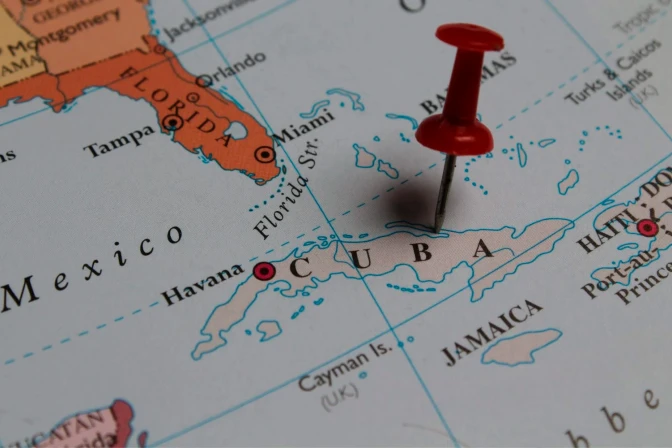
The regime stated the decision was made in a “spirit of goodwill” and because of its good relations with the Holy See, but did not indicate if any of those to be released are political prisoners.
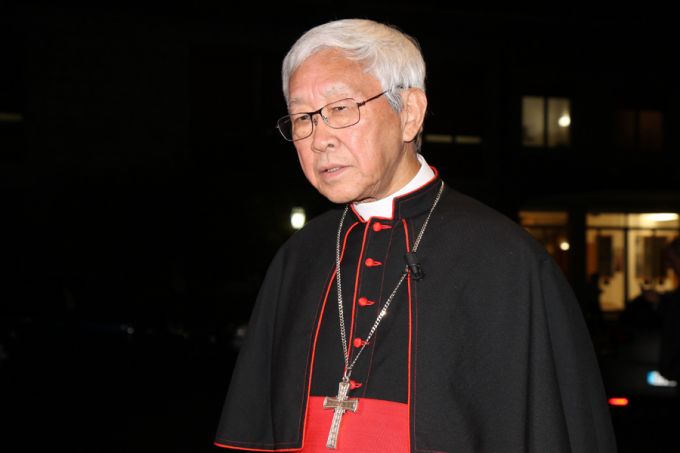
The 94-year-old Chinese prelate weighed in on the ongoing discussions between the Holy See and the Society of St. Pius X in a post on X.


Kennedy began sparring with Castro in April of 1961 by executing the Bay of Pigs Invasion. CIA-backed Cuban exiles were sent in to overthrow Castro’s regime. However, he reneged on promised US Air Force support, and the operation failed.
Read More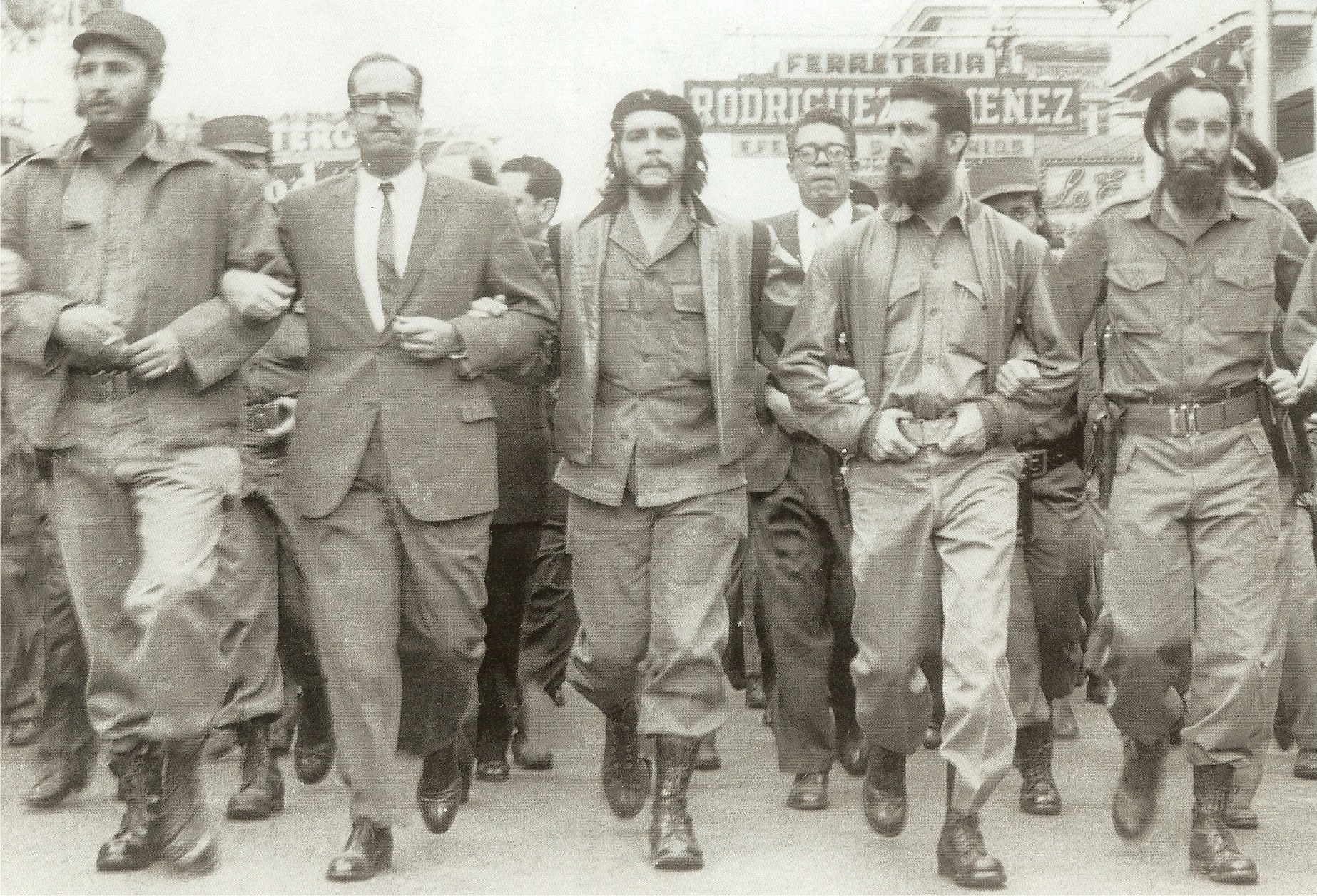
In November, Kennedy countered in a speech delivered to the Inter-American Press Association in Miami, where he called Cuba a pawn of Russia: “It is the fact that a small band of conspirators has stripped the Cuban people of their freedom and handed over the independence and sovereignty of the Cuban nation to forces beyond the hemisphere.” And went on to offer support if the Cuban people revolted, “For once Cuban sovereignty has been restored, we will extend the hand of friendship and assistance to a Cuba whose political and economic institutions have been shaped by the will of the Cuban people.”
Less than a week later, Kennedy was dead.
Read MoreThe tensions between Kennedy and Castro heightened, notably underscored by the failed Bay of Pigs Invasion in April 1961, where CIA-backed Cuban exiles attempted to overthrow Castro’s government. Castro’s decision to permit the Soviet Union to install nuclear launch pads in Cuba, uncovered during the Cuban Missile Crisis of 1962, further strained relations. His condemnation of US-led incursions into Cuban territory, combined with Kennedy’s portrayal of Cuba as a pawn of Russia, only exacerbated animosity between the two leaders. Less than a week after Kennedy’s address, he was tragically assassinated.
Read More
The tension between Kennedy and Castro escalated, notably with the failed Bay of Pigs Invasion in April 1961, where CIA-backed Cuban exiles attempted to overthrow Castro’s government. Castro’s allowance of the Soviet Union to install nuclear launch pads in Cuba, discovered during the Cuban Missile Crisis of 1962, further strained relations. His denouncement of US-led raids on Cuban soil, coupled with Kennedy’s portrayal of Cuba as a pawn of Russia, intensified animosity between the two leaders. Less than a week after Kennedy’s speech, he was tragically assassinated.
Read More
From the outset of his presidency, Kennedy had ambitions of overthrowing Castro’s regime. Adhering to the Domino Theory, Kennedy feared that the spread of communism in one country would inevitably lead to its expansion in neighboring nations. Moreover, Castro found solidarity with his communist ally, Nikita Khrushchev, the Premier of Russia.
Read MoreDuring the 1950s, Cuba found itself under the rule of the US-backed military dictator and president, Fulgencio Batista. However, in 1959, Fidel Castro, alongside his brother Raul Castro and comrade Che Guevara, led a successful revolution that ousted Batista and established Castro’s communist regime.
Read More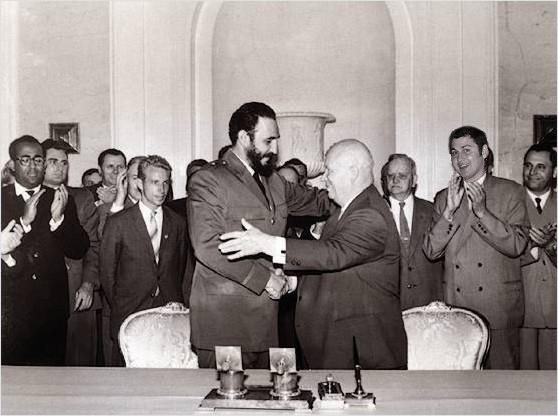
The Kennedy Assassination – In its exploration of the Kennedy Assassination, the acclaimed book Saving Jackie K delves into potential grievances held by various foreign leaders against JFK. Among these figures, considerable attention is directed towards Fidel Castro, Cuba’s entrenched dictator. Was Castro the architect behind Kennedy’s assassination?
Read MoreIn narrating the story of the Kennedy Assassination, blockbuster Saving Jackie K considers several foreign leaders with grudges against JFK. One of the most obvious is Cuba’s long-term dictator, Fidel Castro. Did Castro mastermind the plot to kill Kennedy?
Read MoreThe tensions between Kennedy and Castro intensified, notably highlighted by the failed Bay of Pigs Invasion in April 1961, where CIA-backed Cuban exiles attempted to overthrow Castro’s government. Castro’s agreement to allow the Soviet Union to install nuclear launch pads in Cuba, uncovered during the Cuban Missile Crisis of 1962, further strained relations. His condemnation of US-led intrusions into Cuban territory, coupled with Kennedy’s portrayal of Cuba as a pawn of Russia, only heightened animosity between the two leaders. Less than a week after Kennedy’s address, he was tragically assassinated.
Read More