custody

Why Pakistan’s bishops doubt government will act on minor’s forced marriage #Catholic LAHORE, Pakistan — The head of the Catholic Church in Pakistan has expressed a guarded response to government committees formed to review a recent ruling by the country’s top constitutional court that upheld the marriage and conversion of a Christian minor.Federal Minister for Information and Broadcasting Attaullah Tarar announced on Easter Sunday, April 5, that the government had constituted a committee to examine the March 25 judgment of the Federal Constitutional Court validating the marriage of 13-year-old Maria Shahbaz to 30-year-old Shaheryar Ahmad.
 
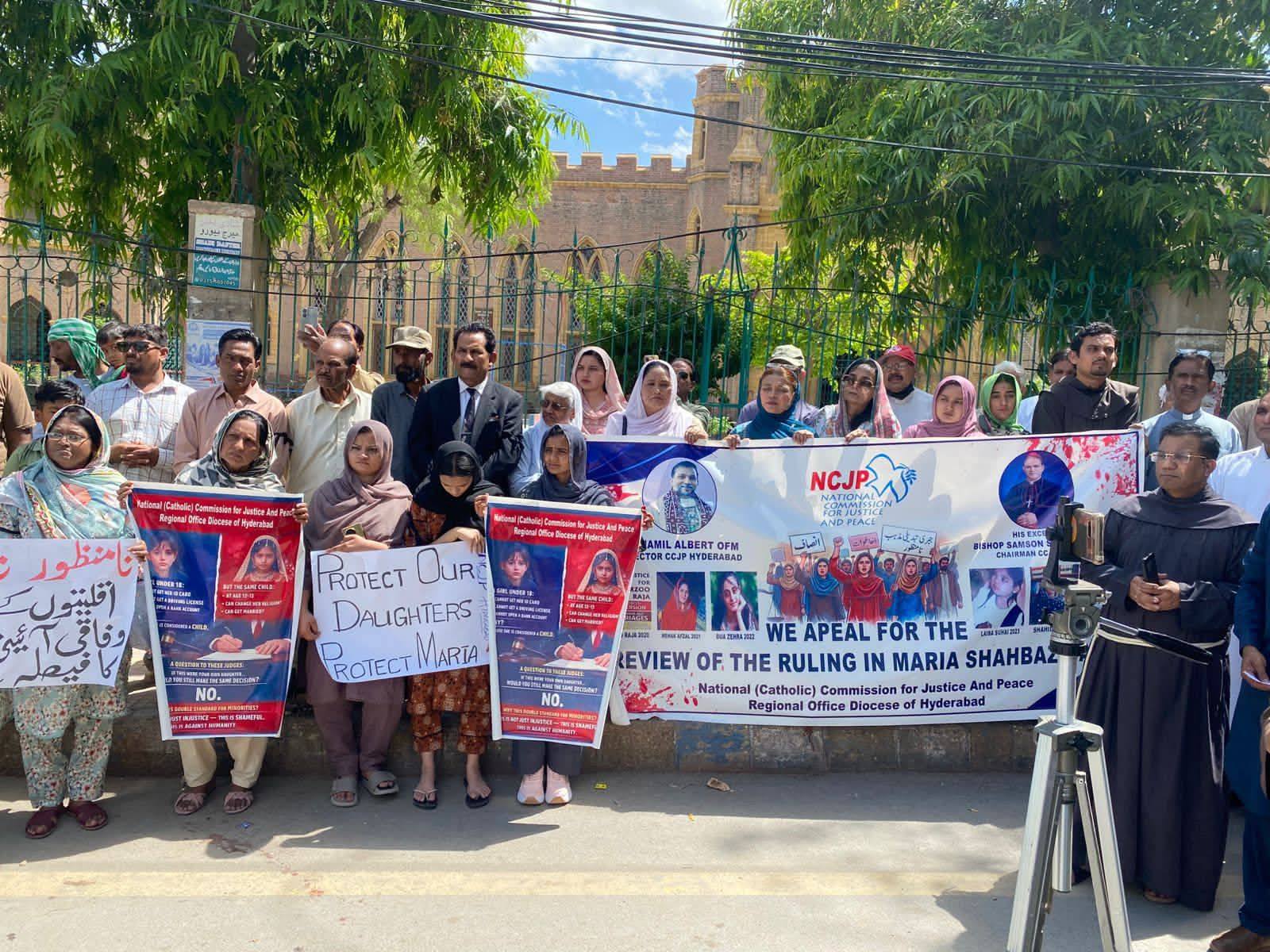
 A protest for Maria Shahbaz outside Hyderabad Press Club, organized by the Catholic Bishops’ National Commission for Justice and Peace, on April 4, 2026, in Pakistan. | Credit: Bishop Samson Shukardin
 
 Bishop Samson Shukardin of Hyderabad, president of the Pakistan Catholic Bishops’ Conference (PCBC), voiced skepticism about the initiative.“These issues often subside by the time such committees make their reports public. The process is deliberately delayed so that people forget,” he told EWTN News.“This is fundamentally a religious freedom issue. Consent is often coerced from minors. We await a genuine response from the government. Many Muslim clerics support us but have avoided joining public protests,” he added.A father’s accountAccording to Maria’s father, Shehbaz Masih, his daughter was abducted, forcibly converted to Islam, and married without consent.A certificate issued by the National Database and Registration Authority (NADRA) submitted by the family states that Maria was 13 at the time of the marriage — below the legal minimum age of 18. The family has since taken refuge in a shelter and was unavailable for comment.The case dates back to July 2025, when Masih, a resident of Lahore, reported that his daughter had been abducted by a Muslim man after stepping out to a nearby shop.Dismissing a petition filed by the father seeking custody, the court ruled that the marriage was valid under “Muhammadan law” and that the husband held lawful guardianship.Protests and backlashThe judgment triggered widespread reaction on social media, along with protests, press conferences, and conventions across the country. At least three Catholic bishops, along with the PCBC, issued statements urging authorities to review the ruling.The backlash prompted government engagement with the concerns of the country’s Christian minority, estimated at 1.37% (3.28 million people).Addressing an interfaith Easter gathering in Lahore, Tarar assured Christian leaders of his support, saying the committee’s recommendations would be submitted to the Ministry of Law and Justice within a week.
 
 Archbishop Azad Marshall, moderator/president bishop of the Church of Pakistan, a united Protestant denomination, meets with ecumenical leaders and Christian politicians following an April 6, 2026, consultation on the Maria Shahbaz case at Waris Road, Lahore. | Credit: Church of Pakistan
 
 Legal dimensionsMeanwhile, Punjab Minister for Minorities Affairs Ramesh Singh Arora said his department was forming a parallel committee to examine the legal dimensions of the case.Mary James Gill, a Christian lawyer, former lawmaker, and executive director of the Center for Law and Justice who serves on the committee, welcomed the move as a “genuine concern to find a way forward.”“It is highly encouraging that a state representative personally took up the issue. However, we are still in a consultative process,” she told EWTN News, noting shortcomings in both the lower courts and within the affected community.“The petition was filed under Section 491 of the Criminal Procedure Code, which pertains to habeas corpus, and not to determining the exact age of the girl — a question that remains disputed,” Gill said.“Regrettably, no such verification was carried out in the lower courts. In cases where documentation is ambiguous, magistrates and sessions judges tend to rely on in-person statements, consent, and their own observations.”She noted that the Christian Marriage Act of 1872 governs the solemnization of marriages involving one or more Christians.“Similarly, the personal laws of both Christianity and Islam in Pakistan remain silent on the age of conversion. Church leaders need to revisit and update these frameworks. At the same time, parents must place greater emphasis on the ideological and moral formation of their children,” she added.In an April 6 letter to the law ministry, Anthony Naveed, deputy speaker of the Sindh Assembly, urged the federal government to address “serious legal gaps” exposed by the ruling and called for uniform amendments aligning provincial laws with Balochistan’s legislation, which explicitly invalidates child marriages.A pattern of abuseFor decades, rights advocates have called for stronger legal and administrative measures to prevent the abduction and forced religious conversion of girls from minority communities.At least 515 cases of abduction and forced conversion of minority girls and women were reported between 2021 and 2025, according to the Center for Social Justice. Hindu girls accounted for 69% (353 cases), followed by Christian girls at 31% (160 cases). Most victims were under 18, with cases concentrated in Sindh and Punjab.Shukardin said courts in the Muslim-majority country are not consistently applying laws prohibiting marriage under 18.“The Church is not in favor of marriages involving conversion under such circumstances. We demand safety for our daughters and will continue to raise our voice for underage brides of any religion,” he said.

Why Pakistan’s bishops doubt government will act on minor’s forced marriage #Catholic LAHORE, Pakistan — The head of the Catholic Church in Pakistan has expressed a guarded response to government committees formed to review a recent ruling by the country’s top constitutional court that upheld the marriage and conversion of a Christian minor.Federal Minister for Information and Broadcasting Attaullah Tarar announced on Easter Sunday, April 5, that the government had constituted a committee to examine the March 25 judgment of the Federal Constitutional Court validating the marriage of 13-year-old Maria Shahbaz to 30-year-old Shaheryar Ahmad. A protest for Maria Shahbaz outside Hyderabad Press Club, organized by the Catholic Bishops’ National Commission for Justice and Peace, on April 4, 2026, in Pakistan. | Credit: Bishop Samson Shukardin Bishop Samson Shukardin of Hyderabad, president of the Pakistan Catholic Bishops’ Conference (PCBC), voiced skepticism about the initiative.“These issues often subside by the time such committees make their reports public. The process is deliberately delayed so that people forget,” he told EWTN News.“This is fundamentally a religious freedom issue. Consent is often coerced from minors. We await a genuine response from the government. Many Muslim clerics support us but have avoided joining public protests,” he added.A father’s accountAccording to Maria’s father, Shehbaz Masih, his daughter was abducted, forcibly converted to Islam, and married without consent.A certificate issued by the National Database and Registration Authority (NADRA) submitted by the family states that Maria was 13 at the time of the marriage — below the legal minimum age of 18. The family has since taken refuge in a shelter and was unavailable for comment.The case dates back to July 2025, when Masih, a resident of Lahore, reported that his daughter had been abducted by a Muslim man after stepping out to a nearby shop.Dismissing a petition filed by the father seeking custody, the court ruled that the marriage was valid under “Muhammadan law” and that the husband held lawful guardianship.Protests and backlashThe judgment triggered widespread reaction on social media, along with protests, press conferences, and conventions across the country. At least three Catholic bishops, along with the PCBC, issued statements urging authorities to review the ruling.The backlash prompted government engagement with the concerns of the country’s Christian minority, estimated at 1.37% (3.28 million people).Addressing an interfaith Easter gathering in Lahore, Tarar assured Christian leaders of his support, saying the committee’s recommendations would be submitted to the Ministry of Law and Justice within a week. Archbishop Azad Marshall, moderator/president bishop of the Church of Pakistan, a united Protestant denomination, meets with ecumenical leaders and Christian politicians following an April 6, 2026, consultation on the Maria Shahbaz case at Waris Road, Lahore. | Credit: Church of Pakistan Legal dimensionsMeanwhile, Punjab Minister for Minorities Affairs Ramesh Singh Arora said his department was forming a parallel committee to examine the legal dimensions of the case.Mary James Gill, a Christian lawyer, former lawmaker, and executive director of the Center for Law and Justice who serves on the committee, welcomed the move as a “genuine concern to find a way forward.”“It is highly encouraging that a state representative personally took up the issue. However, we are still in a consultative process,” she told EWTN News, noting shortcomings in both the lower courts and within the affected community.“The petition was filed under Section 491 of the Criminal Procedure Code, which pertains to habeas corpus, and not to determining the exact age of the girl — a question that remains disputed,” Gill said.“Regrettably, no such verification was carried out in the lower courts. In cases where documentation is ambiguous, magistrates and sessions judges tend to rely on in-person statements, consent, and their own observations.”She noted that the Christian Marriage Act of 1872 governs the solemnization of marriages involving one or more Christians.“Similarly, the personal laws of both Christianity and Islam in Pakistan remain silent on the age of conversion. Church leaders need to revisit and update these frameworks. At the same time, parents must place greater emphasis on the ideological and moral formation of their children,” she added.In an April 6 letter to the law ministry, Anthony Naveed, deputy speaker of the Sindh Assembly, urged the federal government to address “serious legal gaps” exposed by the ruling and called for uniform amendments aligning provincial laws with Balochistan’s legislation, which explicitly invalidates child marriages.A pattern of abuseFor decades, rights advocates have called for stronger legal and administrative measures to prevent the abduction and forced religious conversion of girls from minority communities.At least 515 cases of abduction and forced conversion of minority girls and women were reported between 2021 and 2025, according to the Center for Social Justice. Hindu girls accounted for 69% (353 cases), followed by Christian girls at 31% (160 cases). Most victims were under 18, with cases concentrated in Sindh and Punjab.Shukardin said courts in the Muslim-majority country are not consistently applying laws prohibiting marriage under 18.“The Church is not in favor of marriages involving conversion under such circumstances. We demand safety for our daughters and will continue to raise our voice for underage brides of any religion,” he said.

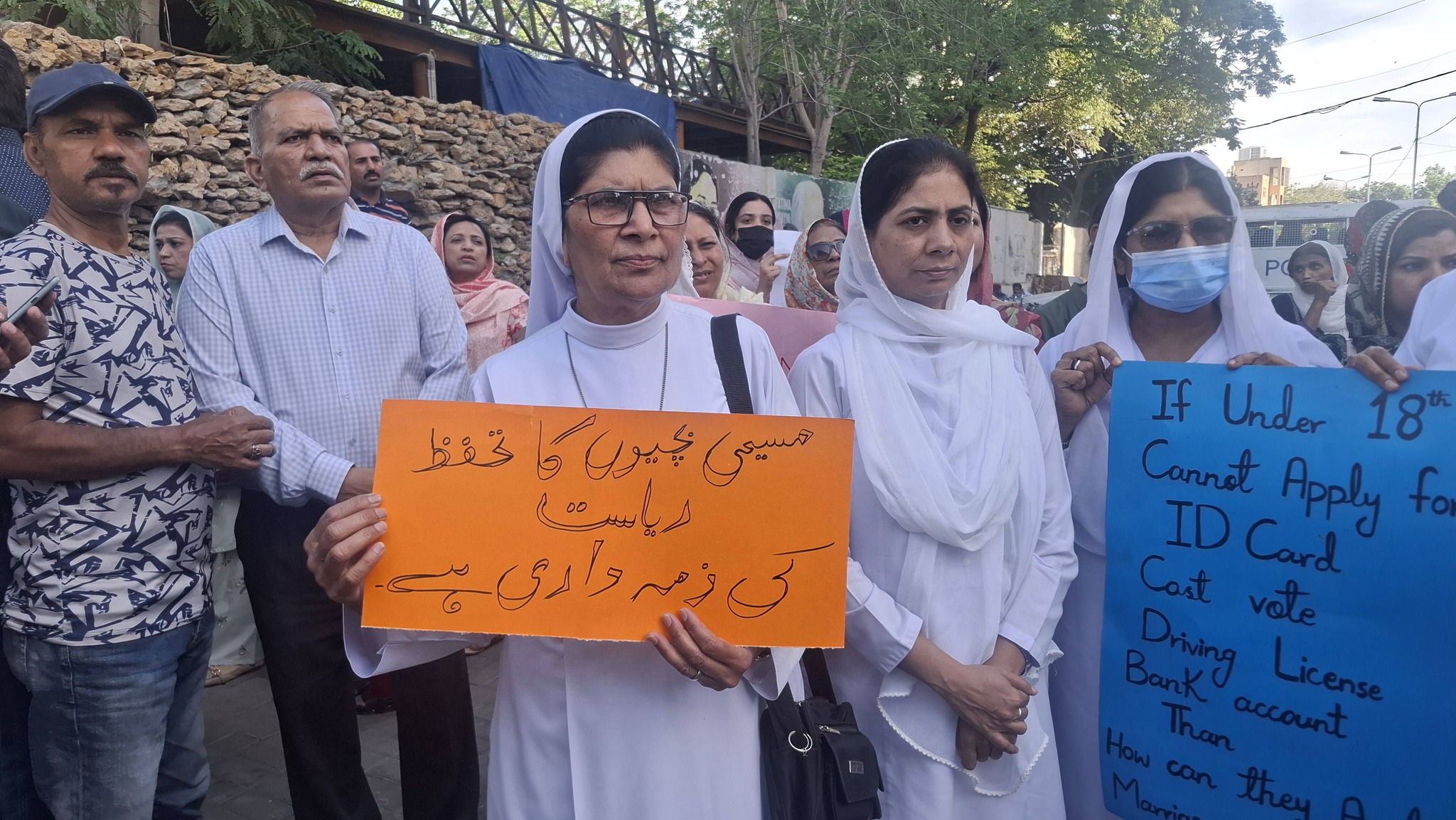
Bishop Samson Shukardin said government committees are often delayed so people forget, as protests continue over the marriage of 13-year-old Maria Shahbaz.
Read More
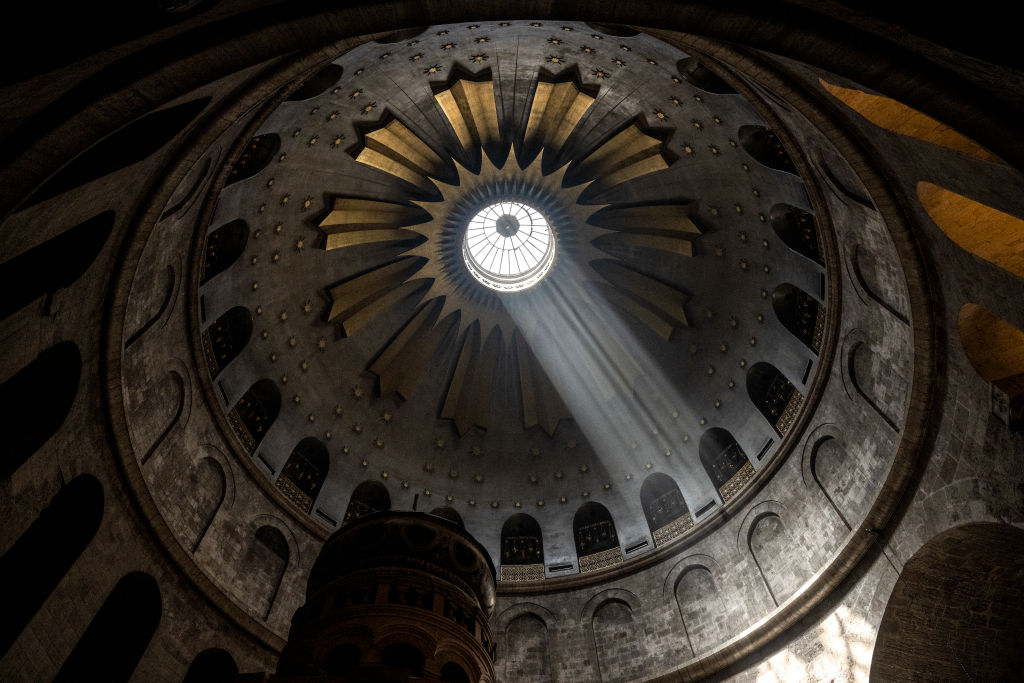
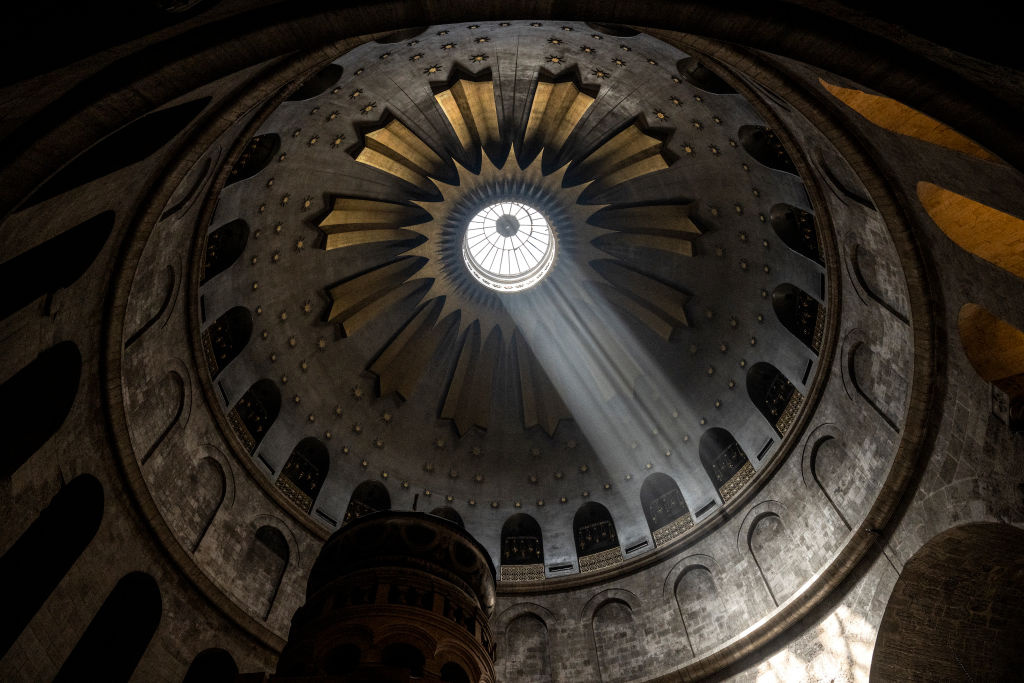
Israeli police block cardinal, custos from entering Church of the Holy Sepulchre #Catholic In an incident described as unprecedented, Israeli police prevented Cardinal Pierbattista Pizzaballa, Latin Patriarch of Jerusalem, along with Father Francesco Patton, Custos of the Holy Land and the official responsible for the Church of the Holy Sepulchre, from entering the church as they made their way to celebrate Palm Sunday Mass.According to a joint statement issued March 29 by the Latin Patriarchate of Jerusalem and the Custody of the Holy Land, police stopped the two church leaders on their way as they were proceeding privately “without any ceremonial or liturgical manifestations,” and forced them to turn back.The statement noted that, for the first time in centuries, this action prevented church leaders from celebrating Palm Sunday Mass at the Church of the Holy Sepulchre. It described the incident as a “serious and dangerous precedent,” adding that it “disregards the sentiments of millions of believers around the world whose eyes turn to Jerusalem during this week."Isaac Herzog, president of Israel, said in a statement on social media that he called Pizzaballa the Patton to express sorrow over the incident. “I clarified that the incident stemmed from security concerns due to the continuous threat of missile attacks from the Iranian terror regime against the civilian population in Israel, following previous incidents in which Iranian missiles fell in the area of the Old City of Jerusalem in recent days,” Herzog wrote. “I reaffirmed the State of Israelʼs unwavering commitment to freedom of religion for all faiths and to upholding the status quo at the holy sites of Jerusalem.”Mike Huckabee, U.S. ambassador to Israel, expressed gratitude for Herzogʼs “conciliatory” and “gracious” statement in a post on social media.TweetThe March 29 statement by the Latin Patriarchate of Jerusalem and the Custody of the Holy Land emphasized that church leaders had acted with full responsibility, noting that since the beginning of the war they had complied with all imposed restrictions, including canceling public gatherings and limiting attendance, while relying instead on broadcast celebrations reaching hundreds of millions of faithful worldwide during the Easter season. It further stressed that preventing the patriarch and the custos of the Holy Land—who represent the highest ecclesiastical authorities responsible for the Catholic Church and the holy sites—from entering the church constitutes a measure that is “clearly unreasonable and disproportionate.”The decision, the statement added, was “hasty and based on flawed grounds,” “tainted by inappropriate considerations,” and represents “a serious departure from the fundamental principles of reasonableness, freedom of worship, and respect for the status quo.” In conclusion, the two church leaders expressed their “deep regret” to Christians in the Holy Land and around the world after “prayer on one of the holiest days of the Christian calendar was prevented in this manner.” Celebrations under restrictionsOn the security front, Jerusalem and the wider Holy Land continue to experience heightened tensions amid the ongoing regional conflict, which has directly affected daily life and the practice of religious rites. According to media reports, preparations for religious celebrations such as Easter and Holy Saturday have been accompanied by strict security measures, with some traditional events canceled due to security threats and reports of rockets landing near religious sites in the Holy City. Authorities have imposed limits on gatherings and restricted access to certain holy places.Pizzaballa has repeatedly highlighted the deep suffering of Christians in the region amid the ongoing conflict, calling for prayer and support for Christian communities facing increasing challenges due to war and insecurity. In previous statements, he emphasized the importance of providing spiritual and moral support to Christians in the Holy Land, underscoring the need for them to remain in their homeland and affirming that the Church continues its mission and services despite ongoing risks.Reports from religious and community sources have also pointed to a rise in attacks against Christians and Christian properties in the West Bank and Jerusalem, including acts of violence by settlers. These developments, according to various reports, reflect the deteriorating security conditions for Palestinian Christian communities amid ongoing settlement expansion, increasing the risk of displacement and further diminishing their historic presence in the Holy Land.This story was updated at 1 p.m. ET on March 29, 2026, to include comments from Isaac Herzog, president of Israel, and Mike Huckabee, U.S. ambassador to Israel.

Israeli police block cardinal, custos from entering Church of the Holy Sepulchre #Catholic In an incident described as unprecedented, Israeli police prevented Cardinal Pierbattista Pizzaballa, Latin Patriarch of Jerusalem, along with Father Francesco Patton, Custos of the Holy Land and the official responsible for the Church of the Holy Sepulchre, from entering the church as they made their way to celebrate Palm Sunday Mass.According to a joint statement issued March 29 by the Latin Patriarchate of Jerusalem and the Custody of the Holy Land, police stopped the two church leaders on their way as they were proceeding privately “without any ceremonial or liturgical manifestations,” and forced them to turn back.The statement noted that, for the first time in centuries, this action prevented church leaders from celebrating Palm Sunday Mass at the Church of the Holy Sepulchre. It described the incident as a “serious and dangerous precedent,” adding that it “disregards the sentiments of millions of believers around the world whose eyes turn to Jerusalem during this week."Isaac Herzog, president of Israel, said in a statement on social media that he called Pizzaballa the Patton to express sorrow over the incident. “I clarified that the incident stemmed from security concerns due to the continuous threat of missile attacks from the Iranian terror regime against the civilian population in Israel, following previous incidents in which Iranian missiles fell in the area of the Old City of Jerusalem in recent days,” Herzog wrote. “I reaffirmed the State of Israelʼs unwavering commitment to freedom of religion for all faiths and to upholding the status quo at the holy sites of Jerusalem.”Mike Huckabee, U.S. ambassador to Israel, expressed gratitude for Herzogʼs “conciliatory” and “gracious” statement in a post on social media.TweetThe March 29 statement by the Latin Patriarchate of Jerusalem and the Custody of the Holy Land emphasized that church leaders had acted with full responsibility, noting that since the beginning of the war they had complied with all imposed restrictions, including canceling public gatherings and limiting attendance, while relying instead on broadcast celebrations reaching hundreds of millions of faithful worldwide during the Easter season. It further stressed that preventing the patriarch and the custos of the Holy Land—who represent the highest ecclesiastical authorities responsible for the Catholic Church and the holy sites—from entering the church constitutes a measure that is “clearly unreasonable and disproportionate.”The decision, the statement added, was “hasty and based on flawed grounds,” “tainted by inappropriate considerations,” and represents “a serious departure from the fundamental principles of reasonableness, freedom of worship, and respect for the status quo.” In conclusion, the two church leaders expressed their “deep regret” to Christians in the Holy Land and around the world after “prayer on one of the holiest days of the Christian calendar was prevented in this manner.” Celebrations under restrictionsOn the security front, Jerusalem and the wider Holy Land continue to experience heightened tensions amid the ongoing regional conflict, which has directly affected daily life and the practice of religious rites. According to media reports, preparations for religious celebrations such as Easter and Holy Saturday have been accompanied by strict security measures, with some traditional events canceled due to security threats and reports of rockets landing near religious sites in the Holy City. Authorities have imposed limits on gatherings and restricted access to certain holy places.Pizzaballa has repeatedly highlighted the deep suffering of Christians in the region amid the ongoing conflict, calling for prayer and support for Christian communities facing increasing challenges due to war and insecurity. In previous statements, he emphasized the importance of providing spiritual and moral support to Christians in the Holy Land, underscoring the need for them to remain in their homeland and affirming that the Church continues its mission and services despite ongoing risks.Reports from religious and community sources have also pointed to a rise in attacks against Christians and Christian properties in the West Bank and Jerusalem, including acts of violence by settlers. These developments, according to various reports, reflect the deteriorating security conditions for Palestinian Christian communities amid ongoing settlement expansion, increasing the risk of displacement and further diminishing their historic presence in the Holy Land.This story was updated at 1 p.m. ET on March 29, 2026, to include comments from Isaac Herzog, president of Israel, and Mike Huckabee, U.S. ambassador to Israel.

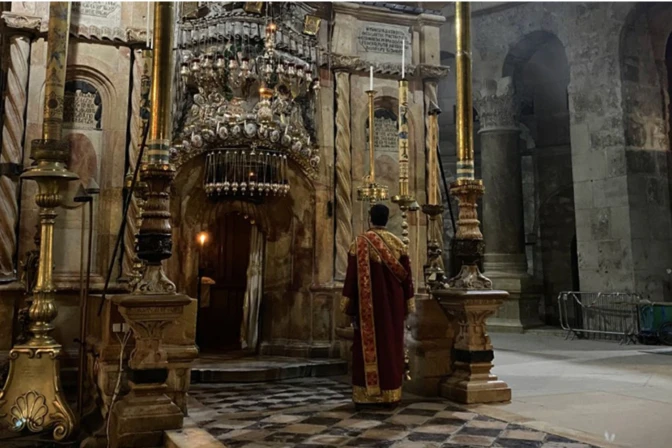
Police stopped the two church leaders on their way as they were proceeding privately “without any ceremonial or liturgical manifestations,” and forced them to turn back.
Read More
Pakistan Christian prisoners rebuild lives after church bombings #Catholic LAHORE, Pakistan — Every year during Lent, Sunil Masih remembers his elder brother as churches in Youhanabad — Lahore’s largest squatter settlement for poor Christians — mark the anniversary of the 2015 church bombings.The four Catholic brothers were among more than 150 Christians arrested by police days after twin suicide attacks on St. John’s Catholic Church and Christ Church on March 15, 2015, which killed at least 19 people and injured hundreds. The attacks were claimed by Jamaat-ul-Ahrar, an offshoot of Tehreek-e-Taliban Pakistan.The bombings sparked mob violence that mistakenly killed two Muslim men, who were later identified and detained through raids and video evidence.
 
 Sunil Masih stands beside his vegetable cart in front of his family’s former
milk shop in Youhanabad, Lahore, Pakistan, on March 15, 2025. | Credit:
Kamran Chaudhry
 
 Masih, now 28, said the trauma of prison changed him forever.“They hurled abuses at us, beat us with strips cut from vehicle tires, and in jail we were given old dried roti [flat bread],” he told EWTN News. “Water from the greasy toilet taps was served for drinking. Family meetings were allowed only after a month. It was a hellhole on earth.”He and his brother Sadaqat Perwaiz — popularly known as Monty — were released after six months in Central Jail Lahore. One brother, however, remained among 42 Christians and one Muslim charged in the lynching case.Devastation beyond prisonThe protracted court proceedings devastated the family’s four-decade-old milk business, saddled them with mounting debts, and forced the sale of their 680-square-foot home.Their worries deepened after two Christian inmates, Inderyas Masih, 36, and Usman Shaukat, 29, died in custody under suspicious circumstances during the trial. Police claimed tuberculosis and a heart attack, respectively, while families and the British Pakistani Christian Association reported bruises and unexplained injuries.
 
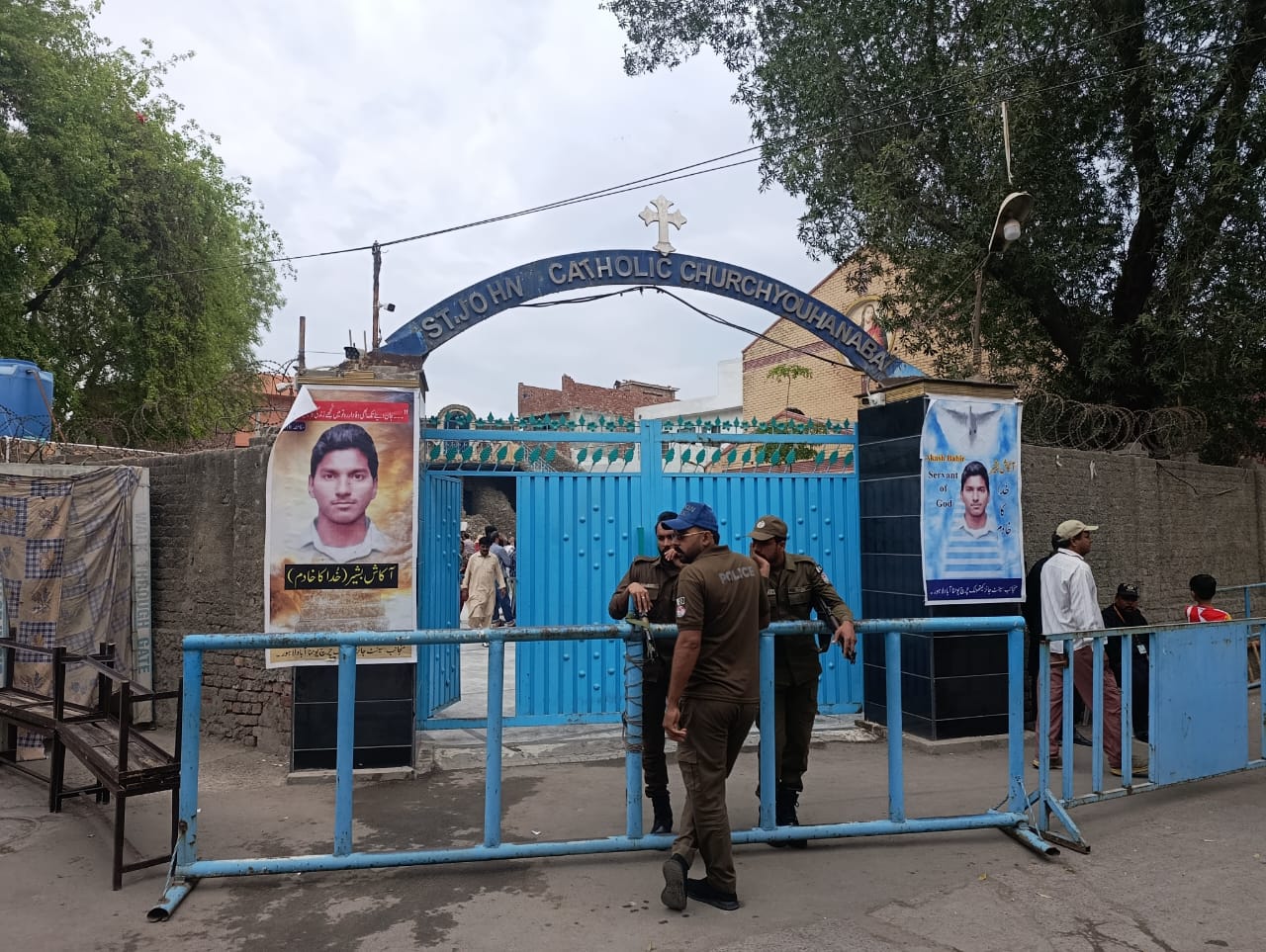
 Pakistani police stand guard outside St. John’s Catholic Church in
Youhanabad, Lahore, on March 15, 2025. Posters of Servant of God Akash Bashir flank the entrance gate on the 10th anniversary of twin suicide bombings that struck the neighborhood. | Credit: Kamran Chaudhry
 
 In January 2020, an anti-terrorism court acquitted the remaining 39 accused after blood money (Diyat) of 25 million rupees ($89,800) was paid to the victims’ families by Pastor Anwar Fazal, a prominent Christian televangelist.Under the Qisas and Diyat Ordinance 1990, introduced during Gen. Ziaul Haq’s Islamization process, courts calculate compensation based on the financial capacity of the convict and the victim’s heirs, with a minimum value linked to 30,630 grams of silver.Monty died of a heart attack in 2022, leaving behind two children aged 10 and 14. His faded poster still hangs in front of the family’s closed milk shop.“He was a stout man, known for his strong community ties and friendly nature in our neighborhood. Prison left him very lean and weakened by an infection that caused his legs to swell beneath the knees and bleed,” Masih said.Today, Sunil Masih sells vegetables from a wooden cart in front of the same shop, now leased to a real estate dealer. He hopes to marry once his new business stabilizes.‘The gift of a hero’On March 15, police guarded churches in Youhanabad, which houses more than 150,000 Christians, as the community observed the 11th bombing anniversary.At St. John’s, parishioners lit candles and placed flowers beneath a banner honoring Akash Bashir, the 20-year-old security volunteer who died preventing a suicide bomber from entering the church during that Sunday Mass.“Salute and gratitude to the martyrs of Youhanabad,” read the banner near the Marian grotto. In January 2022, the Vatican recognized Bashir as a servant of God, making him the first Pakistani Catholic on the path to canonization.
 
 Father Akram Javed (fifth from right), parish priest of St. John’s Catholic Church, lights a memorial candle for Servant of God Akash Bashir at a commemoration in Youhanabad, Lahore, Pakistan, on March 15, 2025. |
Credit: Kamran Chaudhry
 
 Father Akram Javed, parish priest of St. John’s, thanked police for security.“A group of 30 local volunteers carry on Akash’s mission, protecting the church and worshippers. The bombings were a terrible tragedy, but in that darkness, we received the gift of a hero,” he told EWTN News.‘The bombing was a national tragedy’Pentecostal politician Aslam Pervaiz Sahotra, who spent five years in prison, sees the anniversary as a moment of reflection for Pakistan’s 3.3 million Christians, many of whom continue to face discrimination, economic hardship, and lingering trauma.
 
 A man prays outside a church in Youhanabad, Lahore, Pakistan, on March 15, 2025, during commemorations marking the anniversary of the twin suicide bombings. Banners honoring Akash Bashir are visible in the background. | Credit: Kamran Chaudhry
 
 “The bombing was a national tragedy from which the authorities learnt nothing. We continue to suffer losses due to terrorism, with sporadic attacks targeting minority communities and security forces,” said the 65-year-old head of the Massiha Millat Party (Christian Nation Party).He alleged prison authorities tried to manipulate him, introducing Muslim prisoners to persuade him to stay passive.“Despite back pain from four displaced vertebrae, my time in prison strengthened my faith and resolve for activism. The trend of arresting Christians for alleged blasphemy to appease angry crowds will continue unless investigations are conducted on merit,” he added.
 
 Pakistani bishops demand probe into death of Christian farmworker
 
 The United States Commission on International Religious Freedom, in its 2025 annual report, said religious freedom in Pakistan continued to deteriorate, recommending it be designated a “country of particular concern,” citing blasphemy-related prosecutions, mob violence, and forced conversions targeting Christians and other minorities, and a growing climate of fear and impunity.

Pakistan Christian prisoners rebuild lives after church bombings #Catholic LAHORE, Pakistan — Every year during Lent, Sunil Masih remembers his elder brother as churches in Youhanabad — Lahore’s largest squatter settlement for poor Christians — mark the anniversary of the 2015 church bombings.The four Catholic brothers were among more than 150 Christians arrested by police days after twin suicide attacks on St. John’s Catholic Church and Christ Church on March 15, 2015, which killed at least 19 people and injured hundreds. The attacks were claimed by Jamaat-ul-Ahrar, an offshoot of Tehreek-e-Taliban Pakistan.The bombings sparked mob violence that mistakenly killed two Muslim men, who were later identified and detained through raids and video evidence. Sunil Masih stands beside his vegetable cart in front of his family’s former milk shop in Youhanabad, Lahore, Pakistan, on March 15, 2025. | Credit: Kamran Chaudhry Masih, now 28, said the trauma of prison changed him forever.“They hurled abuses at us, beat us with strips cut from vehicle tires, and in jail we were given old dried roti [flat bread],” he told EWTN News. “Water from the greasy toilet taps was served for drinking. Family meetings were allowed only after a month. It was a hellhole on earth.”He and his brother Sadaqat Perwaiz — popularly known as Monty — were released after six months in Central Jail Lahore. One brother, however, remained among 42 Christians and one Muslim charged in the lynching case.Devastation beyond prisonThe protracted court proceedings devastated the family’s four-decade-old milk business, saddled them with mounting debts, and forced the sale of their 680-square-foot home.Their worries deepened after two Christian inmates, Inderyas Masih, 36, and Usman Shaukat, 29, died in custody under suspicious circumstances during the trial. Police claimed tuberculosis and a heart attack, respectively, while families and the British Pakistani Christian Association reported bruises and unexplained injuries. Pakistani police stand guard outside St. John’s Catholic Church in Youhanabad, Lahore, on March 15, 2025. Posters of Servant of God Akash Bashir flank the entrance gate on the 10th anniversary of twin suicide bombings that struck the neighborhood. | Credit: Kamran Chaudhry In January 2020, an anti-terrorism court acquitted the remaining 39 accused after blood money (Diyat) of 25 million rupees ($89,800) was paid to the victims’ families by Pastor Anwar Fazal, a prominent Christian televangelist.Under the Qisas and Diyat Ordinance 1990, introduced during Gen. Ziaul Haq’s Islamization process, courts calculate compensation based on the financial capacity of the convict and the victim’s heirs, with a minimum value linked to 30,630 grams of silver.Monty died of a heart attack in 2022, leaving behind two children aged 10 and 14. His faded poster still hangs in front of the family’s closed milk shop.“He was a stout man, known for his strong community ties and friendly nature in our neighborhood. Prison left him very lean and weakened by an infection that caused his legs to swell beneath the knees and bleed,” Masih said.Today, Sunil Masih sells vegetables from a wooden cart in front of the same shop, now leased to a real estate dealer. He hopes to marry once his new business stabilizes.‘The gift of a hero’On March 15, police guarded churches in Youhanabad, which houses more than 150,000 Christians, as the community observed the 11th bombing anniversary.At St. John’s, parishioners lit candles and placed flowers beneath a banner honoring Akash Bashir, the 20-year-old security volunteer who died preventing a suicide bomber from entering the church during that Sunday Mass.“Salute and gratitude to the martyrs of Youhanabad,” read the banner near the Marian grotto. In January 2022, the Vatican recognized Bashir as a servant of God, making him the first Pakistani Catholic on the path to canonization. Father Akram Javed (fifth from right), parish priest of St. John’s Catholic Church, lights a memorial candle for Servant of God Akash Bashir at a commemoration in Youhanabad, Lahore, Pakistan, on March 15, 2025. | Credit: Kamran Chaudhry Father Akram Javed, parish priest of St. John’s, thanked police for security.“A group of 30 local volunteers carry on Akash’s mission, protecting the church and worshippers. The bombings were a terrible tragedy, but in that darkness, we received the gift of a hero,” he told EWTN News.‘The bombing was a national tragedy’Pentecostal politician Aslam Pervaiz Sahotra, who spent five years in prison, sees the anniversary as a moment of reflection for Pakistan’s 3.3 million Christians, many of whom continue to face discrimination, economic hardship, and lingering trauma. A man prays outside a church in Youhanabad, Lahore, Pakistan, on March 15, 2025, during commemorations marking the anniversary of the twin suicide bombings. Banners honoring Akash Bashir are visible in the background. | Credit: Kamran Chaudhry “The bombing was a national tragedy from which the authorities learnt nothing. We continue to suffer losses due to terrorism, with sporadic attacks targeting minority communities and security forces,” said the 65-year-old head of the Massiha Millat Party (Christian Nation Party).He alleged prison authorities tried to manipulate him, introducing Muslim prisoners to persuade him to stay passive.“Despite back pain from four displaced vertebrae, my time in prison strengthened my faith and resolve for activism. The trend of arresting Christians for alleged blasphemy to appease angry crowds will continue unless investigations are conducted on merit,” he added. Pakistani bishops demand probe into death of Christian farmworker The United States Commission on International Religious Freedom, in its 2025 annual report, said religious freedom in Pakistan continued to deteriorate, recommending it be designated a “country of particular concern,” citing blasphemy-related prosecutions, mob violence, and forced conversions targeting Christians and other minorities, and a growing climate of fear and impunity.

Eleven years after twin suicide bombings struck two Pakistan churches, survivors of mass arrests still bear the scars as a young martyr who died stopping the attack moves toward sainthood.
Read More
Collection for the Holy Land: Christians need concrete hope, not just consoling words #Catholic Cardinal Claudio Gugerotti, prefect of the Dicastery for the Eastern Churches, called upon the faithful worldwide to participate in the Good Friday collection aimed at assisting Christian communities in the Holy Land.The Good Friday collection is one of the primary sources of support for the Custody of the Holy Land — the Franciscan institution that for centuries has safeguarded the sites connected to the life of Jesus Christ and accompanied the Christian communities living in the region.The prefect called upon the faithful around the world to respond with a concrete gesture of solidarity. “I wish to propose a small gesture to you: to offer a little of our money to help our brothers and sisters who find themselves in extreme peril to live one more day, to find hope, and to find the possibility of starting anew.”“How many times have I personally visited those Christian minorities who wake up every morning facing the danger of no longer having a place to exist!” Gugerotti wrote in the March 18 letter, which was also signed by the dicastery’s secretary, Archbishop Michel Jalakh.“Help us to offer them concrete hope, not merely words of consolation — for we who visit them will leave, while they remain with their fears, even with the terror that, precisely because they are Christians, they may be eliminated,” the cardinal stated. The cardinal explained that the Good Friday donations hold a twofold significance: on the one hand, providing material aid to those living amid war and poverty, and on the other, challenging the conscience of the faithful.“It is also vital for us, because without sacrifice, without a real change in our way of living, we risk remaining inert before a world in flames — and thus complicit in its destruction,” he said. Gugerotti noted that many Christians in the Holy Land have lost their means of livelihood, especially those who depended on religious tourism, which historically sustained a large portion of the local economy. The conflict that began on Oct. 7, 2023, when Hamas attacked Israel, triggered a sharp decline in religious tourism.“A great many Christians in the Holy Land have lost everything, even the work that came from serving pilgrims,” he pointed out.In early 2025, Israel’s Ministry of Tourism characterized the year as a turning point, with 1.3 million international arrivals. However, 2026 has once again proven to be a highly problematic year for pilgrimages primarily due to the military escalation by the United States and Israel against Iran, which has thrown the entire region into crisis.The drastic reduction in pilgrimages and the current climate of insecurity have  exacerbated the situation. “Now, out of fear, almost everyone tends to avoid venturing into those lands,” he said.What is done with the money collected?In 2023 — the most recent year for which official data are available — the Holy Land collection raised 6,571,893 euros (.5 million). The Custody of the Holy Land typically receives 65% of the proceeds, while the remaining 35% goes to the Dicastery for the Eastern Churches, which uses it for the formation of priests and for subsidies to the various dioceses and eparchies in Palestine, Israel, Jordan, Lebanon, Syria, Turkey, and Iraq.Of the money it receives, the Custody of the Holy Land normally invests 20% in the upkeep of the sites where Jesus Christ walked, while the remainder goes to Christian families, who, in 1948, constituted 20% of the local population but now make up less than 1.4%.In the Gaza Strip, it collaborates with the Latin parish and the Atfa-Luna association to provide psycho-social support “to some 1,000 children and 300 adults,” as well as to distribute emergency kits and aid to families of people with disabilities.In Lebanon, the Church responded to the 2024 crisis (the fighting between Israel and Hezbollah) by providing “hot meals for some 500 beneficiaries every day” and ensuring “drinking water for about 250 people daily.” The Custody of the Holy Land also manages hundreds of housing units at nominal rents to prevent emigration.“It has been said that peace has been achieved; however, even though the media speak of it much less today than before, the shooting continues, people continue to die, lands remain disputed, and Christians continue to emigrate to save their lives,” the cardinal noted.According to the 2023 data released by the Dicastery for the Eastern Churches, 2,376,167 euros (.7 million) was donated to seminaries, houses of religious formation, and cultural institutions. The Franciscan Custody allocated more than 2 million euros (.3 million) to the education of young people in the Holy Land in 2023, funding scholarships at various universities in the region. Nearly 1 million euros (.15 million) were allocated to the Pontifical Oriental Institute, which now encompasses, at Pope Francis’ direction, the Pontifical Gregorian University.A portion was also invested in Bethlehem University, one of the prestigious foundations that underwrites the academic studies of 3,300 young people, both Muslim and Christian, with the aim of educating them to build a future of peace in the Holy Land.A concrete gesture: Giving is a ‘strong sign of faith’In his message, the cardinal invited bishops and pastoral leaders to raise awareness among the faithful regarding the importance of sustaining the Christian presence in the places where Christianity was born.“Let us ensure that our people approach the collection with the awareness that giving is a strong sign of faith,” he wrote. “A Holy Land without believers is a lost land, for the living memory of salvation is lost,” he added.“Pope Leo XIV never ceases to bring to our minds and hearts this commitment to be one, so that there may be peace — not a provisional truce, not perpetual hatred, not an immense expenditure on armaments, but a contribution to our common rebirth,” the cardinal wrote.The prelate concluded his letter by acknowledging that the collection would be merely “a drop in the ocean” but that “the ocean, as a result of losing its drops, is turning into a desert.”In addition to supporting the Franciscan mission in the Holy Land to safeguard the holy places, sustain local Christian communities, and foster peace in the region where Jesus lived, the cardinal said Christians can actively contribute by offering prayers to support this work and inspire new vocations, or by undertaking a pilgrimage to discover the roots of Christianity.This story was first published by ACI Prensa, the Spanish-language sister service of EWTN News. It has been translated and adapted by EWTN News English.

Collection for the Holy Land: Christians need concrete hope, not just consoling words #Catholic Cardinal Claudio Gugerotti, prefect of the Dicastery for the Eastern Churches, called upon the faithful worldwide to participate in the Good Friday collection aimed at assisting Christian communities in the Holy Land.The Good Friday collection is one of the primary sources of support for the Custody of the Holy Land — the Franciscan institution that for centuries has safeguarded the sites connected to the life of Jesus Christ and accompanied the Christian communities living in the region.The prefect called upon the faithful around the world to respond with a concrete gesture of solidarity. “I wish to propose a small gesture to you: to offer a little of our money to help our brothers and sisters who find themselves in extreme peril to live one more day, to find hope, and to find the possibility of starting anew.”“How many times have I personally visited those Christian minorities who wake up every morning facing the danger of no longer having a place to exist!” Gugerotti wrote in the March 18 letter, which was also signed by the dicastery’s secretary, Archbishop Michel Jalakh.“Help us to offer them concrete hope, not merely words of consolation — for we who visit them will leave, while they remain with their fears, even with the terror that, precisely because they are Christians, they may be eliminated,” the cardinal stated. The cardinal explained that the Good Friday donations hold a twofold significance: on the one hand, providing material aid to those living amid war and poverty, and on the other, challenging the conscience of the faithful.“It is also vital for us, because without sacrifice, without a real change in our way of living, we risk remaining inert before a world in flames — and thus complicit in its destruction,” he said. Gugerotti noted that many Christians in the Holy Land have lost their means of livelihood, especially those who depended on religious tourism, which historically sustained a large portion of the local economy. The conflict that began on Oct. 7, 2023, when Hamas attacked Israel, triggered a sharp decline in religious tourism.“A great many Christians in the Holy Land have lost everything, even the work that came from serving pilgrims,” he pointed out.In early 2025, Israel’s Ministry of Tourism characterized the year as a turning point, with 1.3 million international arrivals. However, 2026 has once again proven to be a highly problematic year for pilgrimages primarily due to the military escalation by the United States and Israel against Iran, which has thrown the entire region into crisis.The drastic reduction in pilgrimages and the current climate of insecurity have  exacerbated the situation. “Now, out of fear, almost everyone tends to avoid venturing into those lands,” he said.What is done with the money collected?In 2023 — the most recent year for which official data are available — the Holy Land collection raised 6,571,893 euros ($7.5 million). The Custody of the Holy Land typically receives 65% of the proceeds, while the remaining 35% goes to the Dicastery for the Eastern Churches, which uses it for the formation of priests and for subsidies to the various dioceses and eparchies in Palestine, Israel, Jordan, Lebanon, Syria, Turkey, and Iraq.Of the money it receives, the Custody of the Holy Land normally invests 20% in the upkeep of the sites where Jesus Christ walked, while the remainder goes to Christian families, who, in 1948, constituted 20% of the local population but now make up less than 1.4%.In the Gaza Strip, it collaborates with the Latin parish and the Atfa-Luna association to provide psycho-social support “to some 1,000 children and 300 adults,” as well as to distribute emergency kits and aid to families of people with disabilities.In Lebanon, the Church responded to the 2024 crisis (the fighting between Israel and Hezbollah) by providing “hot meals for some 500 beneficiaries every day” and ensuring “drinking water for about 250 people daily.” The Custody of the Holy Land also manages hundreds of housing units at nominal rents to prevent emigration.“It has been said that peace has been achieved; however, even though the media speak of it much less today than before, the shooting continues, people continue to die, lands remain disputed, and Christians continue to emigrate to save their lives,” the cardinal noted.According to the 2023 data released by the Dicastery for the Eastern Churches, 2,376,167 euros ($2.7 million) was donated to seminaries, houses of religious formation, and cultural institutions. The Franciscan Custody allocated more than 2 million euros ($2.3 million) to the education of young people in the Holy Land in 2023, funding scholarships at various universities in the region. Nearly 1 million euros ($1.15 million) were allocated to the Pontifical Oriental Institute, which now encompasses, at Pope Francis’ direction, the Pontifical Gregorian University.A portion was also invested in Bethlehem University, one of the prestigious foundations that underwrites the academic studies of 3,300 young people, both Muslim and Christian, with the aim of educating them to build a future of peace in the Holy Land.A concrete gesture: Giving is a ‘strong sign of faith’In his message, the cardinal invited bishops and pastoral leaders to raise awareness among the faithful regarding the importance of sustaining the Christian presence in the places where Christianity was born.“Let us ensure that our people approach the collection with the awareness that giving is a strong sign of faith,” he wrote. “A Holy Land without believers is a lost land, for the living memory of salvation is lost,” he added.“Pope Leo XIV never ceases to bring to our minds and hearts this commitment to be one, so that there may be peace — not a provisional truce, not perpetual hatred, not an immense expenditure on armaments, but a contribution to our common rebirth,” the cardinal wrote.The prelate concluded his letter by acknowledging that the collection would be merely “a drop in the ocean” but that “the ocean, as a result of losing its drops, is turning into a desert.”In addition to supporting the Franciscan mission in the Holy Land to safeguard the holy places, sustain local Christian communities, and foster peace in the region where Jesus lived, the cardinal said Christians can actively contribute by offering prayers to support this work and inspire new vocations, or by undertaking a pilgrimage to discover the roots of Christianity.This story was first published by ACI Prensa, the Spanish-language sister service of EWTN News. It has been translated and adapted by EWTN News English.

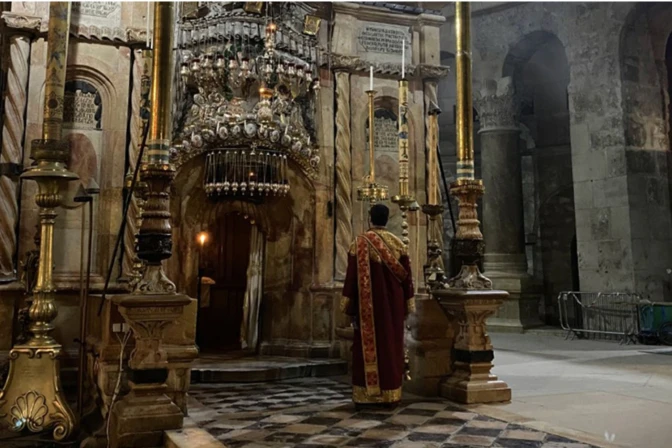
Now more than ever, the Christian minority in the Holy Land needs the support it receives through the annual Good Friday collection as ongoing violence in the Middle East has curtailed pilgrimages.

Read More
Suspect arrested after Nebraska deacon found murdered, police say #Catholic Local police have arrested a suspect in connection with the murder of a Catholic deacon in the Archdiocese of Omaha, Nebraska, this week. The Omaha Police Officers Association said in a March 13 Facebook post that a “person of interest” was taken into custody on March 12 after Deacon John Zak was reportedly murdered the previous night. Zak “was an active member of the community and a deacon at St. Peter’s Catholic Church” in the city’s Leavenworth neighborhood, the police association said. Father John Broheimer, the pastor of St. Peter’s, said in a statement on the parish website that Zak had been a member of the parish for more than 30 years and served as a deacon there for 25 years. “Through his ministry he touched countless lives, especially the young people of our parish, whom he served with generosity and sincere faith,” the pastor said. The priest urged parishioners to pray for Zak’s family and to “support them with your charity in the days ahead.”Police had not publicly identified a motive in the killing as of March 13, but local news reports said a “family member” named Martin Zak had been booked in local jail on homicide and felony theft charges.Jail records showed that an individual named Martin Zak was being held without bond.The Archdiocese of Omaha did not immediately respond to a request for comment on the tragedy.

Deacon John Zak was “an active member of the community” before he was killed on March 11, police said.

Read More