Division

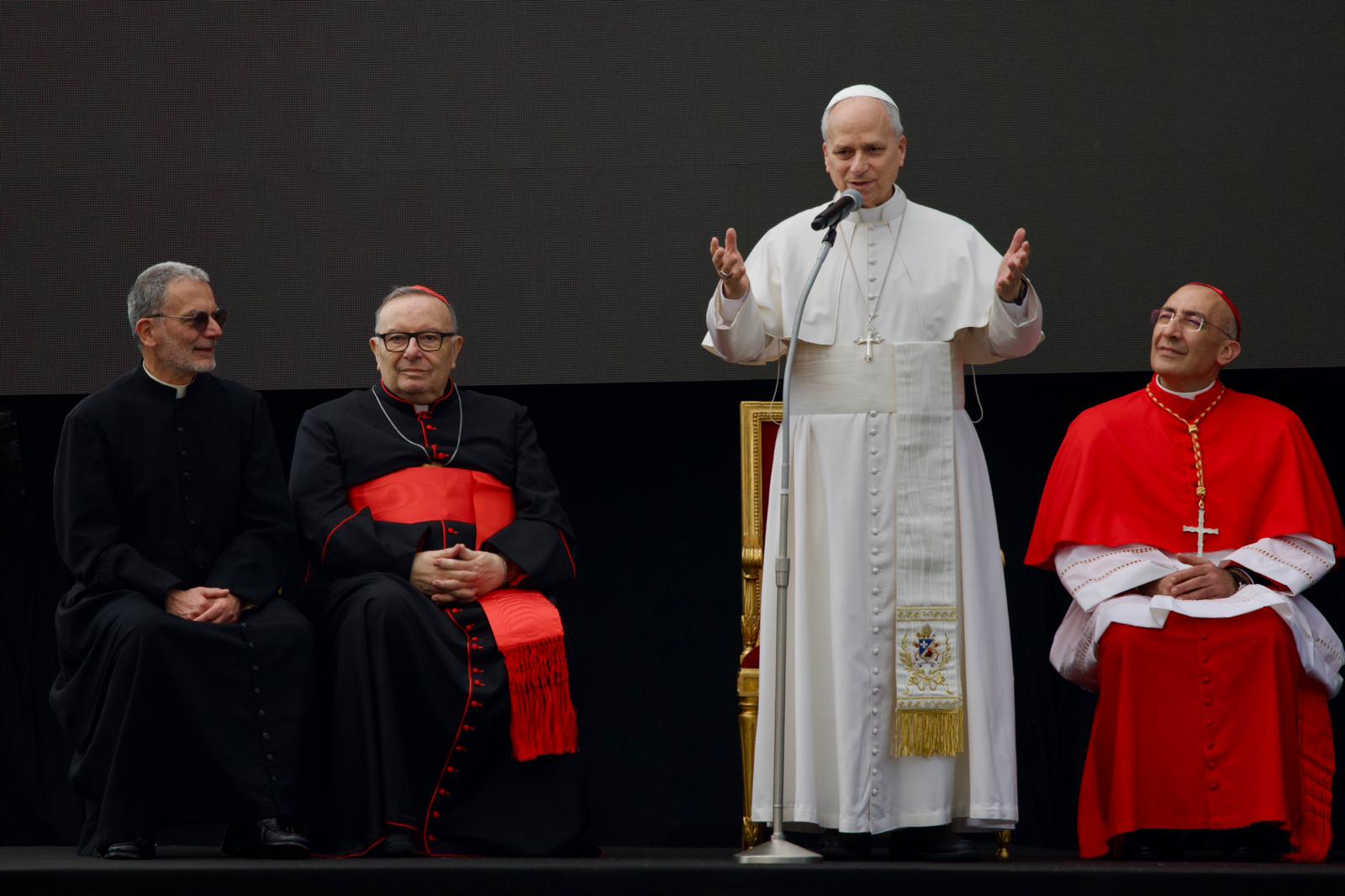
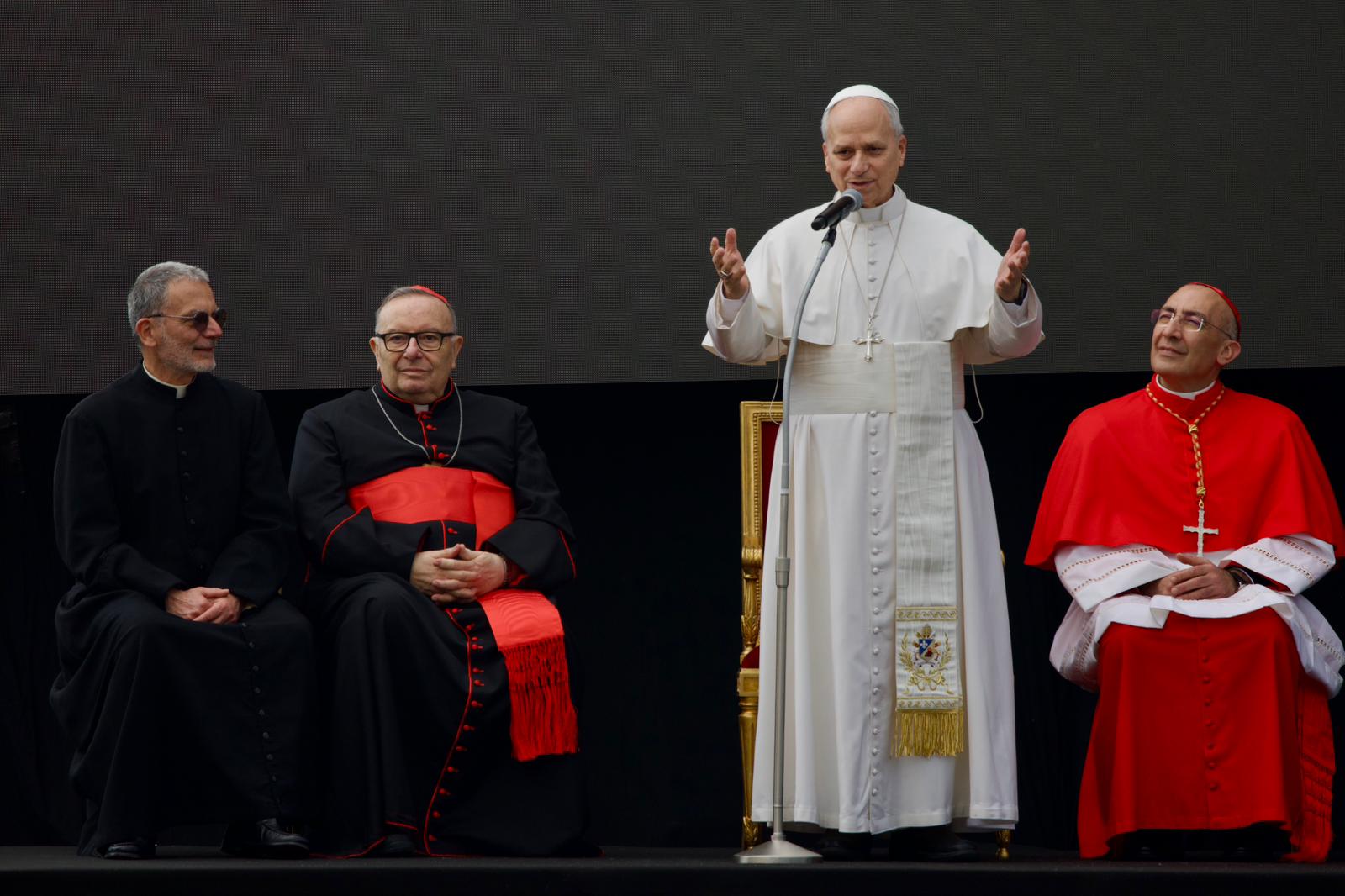
Pope Leo says parishes should reflect a Church that ‘cares for her children’ #Catholic Pope Leo XIV continued his pastoral visits to parishes on the outskirts of Rome Sunday, traveling to the Santa Maria della Presentazione parish in the Torrevecchia neighborhood, where he encouraged Catholics to ensure parish activities reflect a Church that “cares for her children.”The pope arrived at the parish at 4 p.m., when he was welcomed by Cardinal Vicar Baldo Reina and the pastor, Father Paolo Stacchiotti. The warmest welcome, however, came from catechism students, young people, and families from Rome’s 13th municipal district.It has been more than 40 years since a pope last visited Santa Maria della Presentazione parish. The previous papal visit was made by St. John Paul II in 1982.The pastor said the neighborhood faces significant challenges but is also marked by strong community bonds.“This is not an easy neighborhood,” Stacchiotti said. “But the crime reports do not do justice to the good that exists here. This is a united community, full of generous people who do not hold back in helping one another.”The visit marked Leo XIV’s fourth to a Roman parish since mid-February. Parishioners welcomed him with banners, songs, and warm handshakes.“We will give the pope an icon made by consecrated women who have lived in Bastogi for 30 years,” the pastor said. “It is a copy of the Madonna Pellegrina that travels around the neighborhood during the month of May. It is not a precious gift, but it is a symbol of our parish.”Before Mass, the pope stopped on the parish sports field to greet children and families amid banners reading “we give our hearts,” balloons, and a festive atmosphere.During his visit to the parish complex, Leo XIV also met with people with disabilities and the sick. In the parish hall he greeted about 60 people experiencing various forms of vulnerability before celebrating Mass at 5 p.m.In his homily, reflecting on the Gospel account of Jesus and the Samaritan woman, the pope emphasized the connection between God’s closeness and the life of faith.“In this journey, the closeness of God and our life of faith are deeply intertwined: by renewing in each of us the grace of Baptism, the Lord calls us to conversion, even as he purifies our hearts with his love and with the works of charity he invites us to perform,” the pope said.“The thirst for life and love of the Samaritan woman is our thirst: the thirst of the Church and of all humanity, wounded by sin but even more deeply inhabited by the desire for God,” he continued.Leo XIV noted that the Gospel narrative shows the woman’s gradual recognition of Jesus — first as a man, then a prophet, the Messiah, and finally the Savior — and how encountering Christ transforms her into a witness to others.“Standing beside him and enjoying his company, the Samaritan woman becomes in turn a source of truth,” he said. “The new water of God’s gift has begun to spring up in her heart, and she feels immediately driven to return to her village, finally free from shame and eager to make known to everyone her liberator, Jesus.”The pope also addressed the social difficulties facing the parish’s neighborhood.“I know well that your parish community lives in an area with many challenges,” he said. “Situations of marginalization are not lacking, nor material and moral poverty.”“Many are waiting for a home, a job that ensures a dignified life, and safe places where they can meet, play, and build something beautiful together,” he said.Encouraging the faithful to respond to these realities with pastoral charity, the pope pointed to the Eucharist as the heart of Christian community life.“Starting from the Eucharist, the beating heart of every Christian community, I encourage you to ensure that parish activities become a sign of a Church that — like a mother — cares for her children, without condemning them, but rather welcoming them, listening to them, and supporting them in the face of danger,” Leo XIV said.Before the Mass, the pope also spoke informally to young people and children gathered on the sports field, many of whom are preparing for their first Communion.“Jesus will come to your home, into your heart, into your life,” he told them. “We must all be ready to open the door to find Jesus who is waiting for us.”He also encouraged them to pray regularly and to speak to God about their worries and daily difficulties.Finally, the pope spoke to the children about the importance of peace and reconciliation.“Make peace with your friends when there are difficulties or differences of opinion,” he said. “Reject all forms of violence and hatred, things that cause division, and try to be promoters of peace and reconciliation in today’s world.”At the end of the celebration, the pope met with the parish pastoral council and priests before returning to the Vatican.This article was originally published by ACI Stampa, EWTN News’ Italian-language partner agency, and has been translated and adapted by EWTN News.

Pope Leo says parishes should reflect a Church that ‘cares for her children’ #Catholic Pope Leo XIV continued his pastoral visits to parishes on the outskirts of Rome Sunday, traveling to the Santa Maria della Presentazione parish in the Torrevecchia neighborhood, where he encouraged Catholics to ensure parish activities reflect a Church that “cares for her children.”The pope arrived at the parish at 4 p.m., when he was welcomed by Cardinal Vicar Baldo Reina and the pastor, Father Paolo Stacchiotti. The warmest welcome, however, came from catechism students, young people, and families from Rome’s 13th municipal district.It has been more than 40 years since a pope last visited Santa Maria della Presentazione parish. The previous papal visit was made by St. John Paul II in 1982.The pastor said the neighborhood faces significant challenges but is also marked by strong community bonds.“This is not an easy neighborhood,” Stacchiotti said. “But the crime reports do not do justice to the good that exists here. This is a united community, full of generous people who do not hold back in helping one another.”The visit marked Leo XIV’s fourth to a Roman parish since mid-February. Parishioners welcomed him with banners, songs, and warm handshakes.“We will give the pope an icon made by consecrated women who have lived in Bastogi for 30 years,” the pastor said. “It is a copy of the Madonna Pellegrina that travels around the neighborhood during the month of May. It is not a precious gift, but it is a symbol of our parish.”Before Mass, the pope stopped on the parish sports field to greet children and families amid banners reading “we give our hearts,” balloons, and a festive atmosphere.During his visit to the parish complex, Leo XIV also met with people with disabilities and the sick. In the parish hall he greeted about 60 people experiencing various forms of vulnerability before celebrating Mass at 5 p.m.In his homily, reflecting on the Gospel account of Jesus and the Samaritan woman, the pope emphasized the connection between God’s closeness and the life of faith.“In this journey, the closeness of God and our life of faith are deeply intertwined: by renewing in each of us the grace of Baptism, the Lord calls us to conversion, even as he purifies our hearts with his love and with the works of charity he invites us to perform,” the pope said.“The thirst for life and love of the Samaritan woman is our thirst: the thirst of the Church and of all humanity, wounded by sin but even more deeply inhabited by the desire for God,” he continued.Leo XIV noted that the Gospel narrative shows the woman’s gradual recognition of Jesus — first as a man, then a prophet, the Messiah, and finally the Savior — and how encountering Christ transforms her into a witness to others.“Standing beside him and enjoying his company, the Samaritan woman becomes in turn a source of truth,” he said. “The new water of God’s gift has begun to spring up in her heart, and she feels immediately driven to return to her village, finally free from shame and eager to make known to everyone her liberator, Jesus.”The pope also addressed the social difficulties facing the parish’s neighborhood.“I know well that your parish community lives in an area with many challenges,” he said. “Situations of marginalization are not lacking, nor material and moral poverty.”“Many are waiting for a home, a job that ensures a dignified life, and safe places where they can meet, play, and build something beautiful together,” he said.Encouraging the faithful to respond to these realities with pastoral charity, the pope pointed to the Eucharist as the heart of Christian community life.“Starting from the Eucharist, the beating heart of every Christian community, I encourage you to ensure that parish activities become a sign of a Church that — like a mother — cares for her children, without condemning them, but rather welcoming them, listening to them, and supporting them in the face of danger,” Leo XIV said.Before the Mass, the pope also spoke informally to young people and children gathered on the sports field, many of whom are preparing for their first Communion.“Jesus will come to your home, into your heart, into your life,” he told them. “We must all be ready to open the door to find Jesus who is waiting for us.”He also encouraged them to pray regularly and to speak to God about their worries and daily difficulties.Finally, the pope spoke to the children about the importance of peace and reconciliation.“Make peace with your friends when there are difficulties or differences of opinion,” he said. “Reject all forms of violence and hatred, things that cause division, and try to be promoters of peace and reconciliation in today’s world.”At the end of the celebration, the pope met with the parish pastoral council and priests before returning to the Vatican.This article was originally published by ACI Stampa, EWTN News’ Italian-language partner agency, and has been translated and adapted by EWTN News.

The pontiff encouraged a Rome parish facing poverty and social challenges to show its closeness to those wounded and searching for hope.
Read More
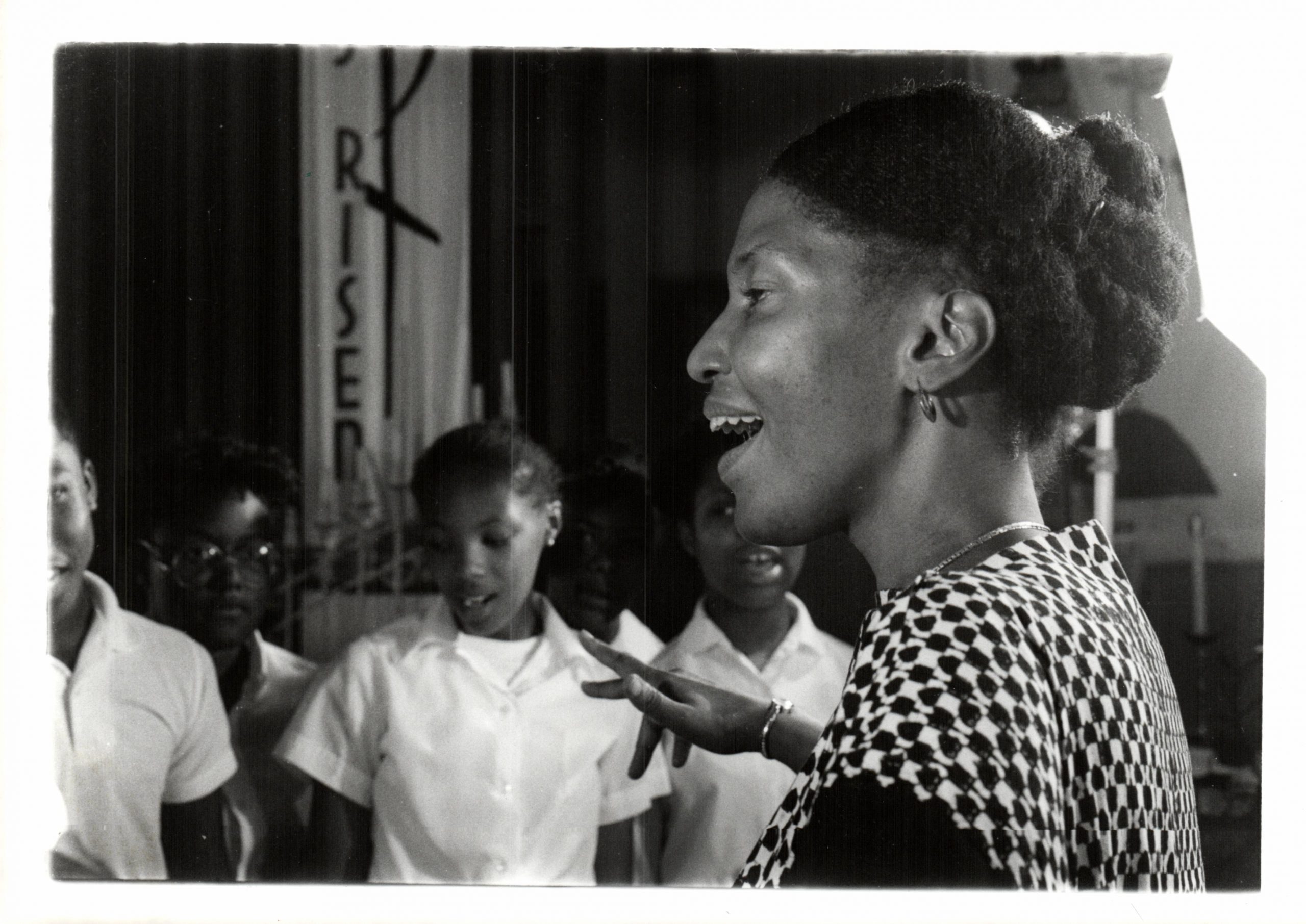
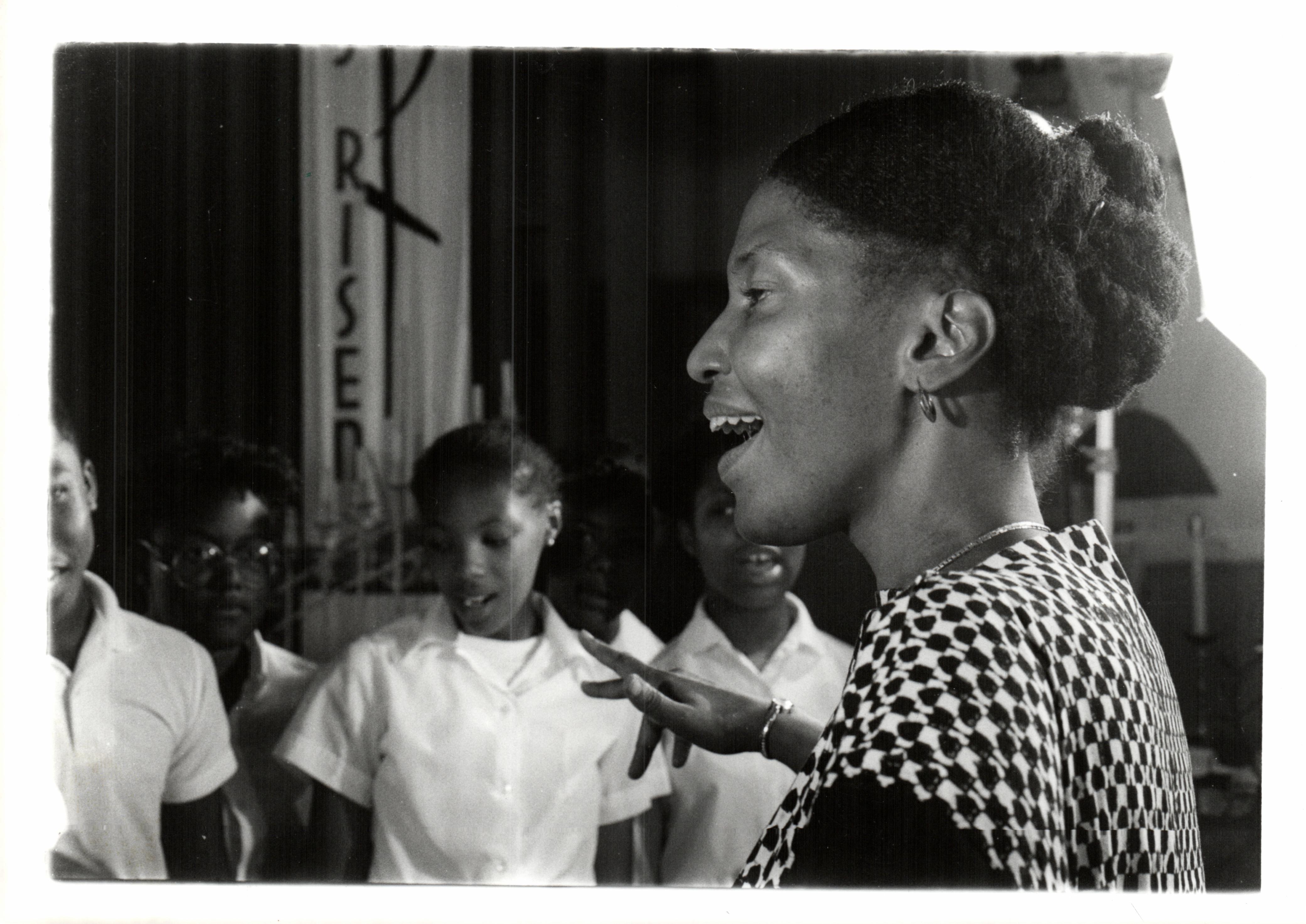
Servant of God Sister Thea Bowman’s voice needed ‘more than ever’ #Catholic African American Servant of God Sister Thea Bowman’s ability to bridge divides shines as a witness needed today, according to those who knew her, and her cause for canonization may create a pathway for other African Americans on their ways to sainthood.More than three decades after her death, Bowman should be remembered for “her charism, gifts, prophetic voice, charismatic personality, and real strong commitment to the Church — truly being Catholic,” Bishop Joseph Kopacz of the Diocese of Jackson, Mississippi, told EWTN News.Bowman, the granddaughter of a slave, challenged the Church in the 20th century to confront its history of racial exclusion and to embrace Black Catholics through her work as a scholar, teacher, and speaker.The Diocese of Jackson officially closed its proceedings regarding her potential sainthood on Feb. 9 after Kopacz opened her cause in November 2018. The records are now being sent to the Dicastery for the Causes of Saints at the Vatican.“People around the world will be very excited and will celebrate what we hope will be the occasion of her canonization. And that’s because people, Catholic and non-Catholics alike, are drawn to her story,” Veryl Miles, law professor and leader of the Sister Thea Bowman Committee at The Catholic University of America, told EWTN News.Sister Thea’s life and legacyBowman was born Dec. 29, 1937, in Yazoo City, Mississippi, and was given the name Bertha Elizabeth Bowman. While her family was Methodist, Bowman was called to the Catholic faith at a young age.“At 9 years old, she told her parents she wanted to be Catholic. The sisters who were teaching at the school, the parish where she was, had such an impact on her. Then six years later, she joined their religious community,” Kopacz said.She joined the Franciscan Sisters of Perpetual Adoration at age 15 and enrolled in Viterbo University, which was run by the Franciscan sisters. Three years into formation, she took the religious name Thea, which means “of God” and is a version of her father’s name, Theon.“She was so focused on serving the Lord as a religious, and in this community, because they loved her as a young child,” Kopaz said. Bowman knew: “This is who I know. This is who I love. This is where I want to be.”She was the first and only African American woman in her religious community, often facing racism both within and beyond the Church, leading her to become an advocate for the dignity of Black people, their culture, and Black Catholic spirituality.Bowman went on to study at The Catholic University of America, earning a doctorate in English in 1972. Bowman helped found the National Black Sisters’ Conference and taught the university’s first Black literature course.Bowman, who taught for many years, was “a master teacher,” Franciscan Sister of Perpetual Adoration Charlene Smith, a close friend of Bowman’s and co-author of her biography “Thea’s Song,” told EWTN News.Smith and Bowman met in 1954 in La Crosse, Wisconsin, at St. Rose Convent. “She was just like me. We both wanted to be Franciscans, we both wanted to teach, and we both wanted to major in English in college, and we did all three of those things,” Smith said.After having moved away for graduate school, Bowman returned to La Crosse to teach in the English Department at Viterbo University. Smith also returned to serve as the school’s dean of students.“When I got back to La Crosse, they told me that I should beware of Sister Thea Bowman because she was ‘the most powerful woman on campus.’ They didn’t know that we were really good friends,” Smith said.“Being the dean, I was able to go to any classroom. I would go to Thea’s classrooms, and she would always come bounding in with a song, and she would get everybody into a really good mood,” Smith said.Bowman would also teach at parishes about Black liturgy and music. Eventually she starting to speak at a national level, becoming the first African American woman to address the U.S. bishops’ conference.She often used music to help evangelize and bridge interracial divides, and became a major contributor to the development of “Lead Me, Guide Me,” the Black Catholic hymnal published in 1987.Smith reflected on Bowman’s “marvelous” and “magnetic” personality. “We were invited to a dinner at a hotel, and she was going to give a speech. We got there early, so we went to sit down in the lobby … a pianist from Argentina was playing songs from ‘Porgy and Bess,’ and Thea got up and started singing ‘Summertime.’”“She got a standing ovation and an encore,” Smith said. “I think one of the greatest gifts, graces, in my life was my friendship with her. She was very kind to me, and she was very kind to all the people that she met.”At age 54, on March 30, 1990, Bowman died of breast cancer. She was buried at Elmwood Cemetery in Memphis, Tennessee, alongside her parents.Impact of Bowman’s causeBowman’s journey toward sainthood could have an especially effective impact today with the present division in the nation, as she would preach how we are “all human beings, and we should love everybody,” Smith said.“She was not interested in the melting pot at all,” Smith said. “She was more interested in a salad bowl because she said: ‘In a salad, people keep their identity, whereas in a melting pot, they’re all mushed together.’”Bowman “welcomed all in the universal body of Christ” Kopacz said. “She said the Church needs to truly be actively universal, and embrace different cultures and all the gifts that people bring.”“So today, more than ever, that voice is needed in our society as we can get more divisive,” Kopacz said. “I just think it’s perfect for our time and our Church.”“Her message is so universal,” Miles said. Especially “understanding the relationship between faith and identity among its members.”“She really understood and articulated so beautifully that we are people of faith and we are people of identities. The Church is a global church. There’s so many different people who are part of this Church  — people of different races, different ethnicities, and nationalities.”‘An impetus’ for other African Americans on their way to sainthoodCurrently, there are no canonized African American saints, but the Church honors Black saints from other nations, including St. Josephine Bakhita, St. Martin de Porres, St. Monica of Hippo, and St. Augustine of Hippo, among others.Bowman is among seven African American Catholics with active canonization causes — dubbed the “Saintly Seven.” The group also includes Venerable Pierre Toussaint, Venerable Mother Mary Lange, Venerable Mother Henriette Delille, Venerable Father Augustus Tolton, Servant of God Julia Greeley, and Servant of God Friar Martin de Porres Maria Ward.Even before her potential canonization, Bowman will “draw attention” to the group, Kopacz said. If she becomes venerable, which the bishop expects she will, he believes Bowman “will be an impetus” for the causes of other African Americans to move forward. “She’s going to be an important part, and she’ll move the other causes along,” he said.Since people “can relate” to Bowman’s story as it “is so contemporary and so special,” Miles said she also hopes the other stories of the seven Catholics “will become highlighted” by her cause.“People will be more interested in finding out about the other African Americans who are in the process of canonization, because their stories are very special and very unique, too,” Miles said.

Servant of God Sister Thea Bowman’s voice needed ‘more than ever’ #Catholic African American Servant of God Sister Thea Bowman’s ability to bridge divides shines as a witness needed today, according to those who knew her, and her cause for canonization may create a pathway for other African Americans on their ways to sainthood.More than three decades after her death, Bowman should be remembered for “her charism, gifts, prophetic voice, charismatic personality, and real strong commitment to the Church — truly being Catholic,” Bishop Joseph Kopacz of the Diocese of Jackson, Mississippi, told EWTN News.Bowman, the granddaughter of a slave, challenged the Church in the 20th century to confront its history of racial exclusion and to embrace Black Catholics through her work as a scholar, teacher, and speaker.The Diocese of Jackson officially closed its proceedings regarding her potential sainthood on Feb. 9 after Kopacz opened her cause in November 2018. The records are now being sent to the Dicastery for the Causes of Saints at the Vatican.“People around the world will be very excited and will celebrate what we hope will be the occasion of her canonization. And that’s because people, Catholic and non-Catholics alike, are drawn to her story,” Veryl Miles, law professor and leader of the Sister Thea Bowman Committee at The Catholic University of America, told EWTN News.Sister Thea’s life and legacyBowman was born Dec. 29, 1937, in Yazoo City, Mississippi, and was given the name Bertha Elizabeth Bowman. While her family was Methodist, Bowman was called to the Catholic faith at a young age.“At 9 years old, she told her parents she wanted to be Catholic. The sisters who were teaching at the school, the parish where she was, had such an impact on her. Then six years later, she joined their religious community,” Kopacz said.She joined the Franciscan Sisters of Perpetual Adoration at age 15 and enrolled in Viterbo University, which was run by the Franciscan sisters. Three years into formation, she took the religious name Thea, which means “of God” and is a version of her father’s name, Theon.“She was so focused on serving the Lord as a religious, and in this community, because they loved her as a young child,” Kopaz said. Bowman knew: “This is who I know. This is who I love. This is where I want to be.”She was the first and only African American woman in her religious community, often facing racism both within and beyond the Church, leading her to become an advocate for the dignity of Black people, their culture, and Black Catholic spirituality.Bowman went on to study at The Catholic University of America, earning a doctorate in English in 1972. Bowman helped found the National Black Sisters’ Conference and taught the university’s first Black literature course.Bowman, who taught for many years, was “a master teacher,” Franciscan Sister of Perpetual Adoration Charlene Smith, a close friend of Bowman’s and co-author of her biography “Thea’s Song,” told EWTN News.Smith and Bowman met in 1954 in La Crosse, Wisconsin, at St. Rose Convent. “She was just like me. We both wanted to be Franciscans, we both wanted to teach, and we both wanted to major in English in college, and we did all three of those things,” Smith said.After having moved away for graduate school, Bowman returned to La Crosse to teach in the English Department at Viterbo University. Smith also returned to serve as the school’s dean of students.“When I got back to La Crosse, they told me that I should beware of Sister Thea Bowman because she was ‘the most powerful woman on campus.’ They didn’t know that we were really good friends,” Smith said.“Being the dean, I was able to go to any classroom. I would go to Thea’s classrooms, and she would always come bounding in with a song, and she would get everybody into a really good mood,” Smith said.Bowman would also teach at parishes about Black liturgy and music. Eventually she starting to speak at a national level, becoming the first African American woman to address the U.S. bishops’ conference.She often used music to help evangelize and bridge interracial divides, and became a major contributor to the development of “Lead Me, Guide Me,” the Black Catholic hymnal published in 1987.Smith reflected on Bowman’s “marvelous” and “magnetic” personality. “We were invited to a dinner at a hotel, and she was going to give a speech. We got there early, so we went to sit down in the lobby … a pianist from Argentina was playing songs from ‘Porgy and Bess,’ and Thea got up and started singing ‘Summertime.’”“She got a standing ovation and an encore,” Smith said. “I think one of the greatest gifts, graces, in my life was my friendship with her. She was very kind to me, and she was very kind to all the people that she met.”At age 54, on March 30, 1990, Bowman died of breast cancer. She was buried at Elmwood Cemetery in Memphis, Tennessee, alongside her parents.Impact of Bowman’s causeBowman’s journey toward sainthood could have an especially effective impact today with the present division in the nation, as she would preach how we are “all human beings, and we should love everybody,” Smith said.“She was not interested in the melting pot at all,” Smith said. “She was more interested in a salad bowl because she said: ‘In a salad, people keep their identity, whereas in a melting pot, they’re all mushed together.’”Bowman “welcomed all in the universal body of Christ” Kopacz said. “She said the Church needs to truly be actively universal, and embrace different cultures and all the gifts that people bring.”“So today, more than ever, that voice is needed in our society as we can get more divisive,” Kopacz said. “I just think it’s perfect for our time and our Church.”“Her message is so universal,” Miles said. Especially “understanding the relationship between faith and identity among its members.”“She really understood and articulated so beautifully that we are people of faith and we are people of identities. The Church is a global church. There’s so many different people who are part of this Church  — people of different races, different ethnicities, and nationalities.”‘An impetus’ for other African Americans on their way to sainthoodCurrently, there are no canonized African American saints, but the Church honors Black saints from other nations, including St. Josephine Bakhita, St. Martin de Porres, St. Monica of Hippo, and St. Augustine of Hippo, among others.Bowman is among seven African American Catholics with active canonization causes — dubbed the “Saintly Seven.” The group also includes Venerable Pierre Toussaint, Venerable Mother Mary Lange, Venerable Mother Henriette Delille, Venerable Father Augustus Tolton, Servant of God Julia Greeley, and Servant of God Friar Martin de Porres Maria Ward.Even before her potential canonization, Bowman will “draw attention” to the group, Kopacz said. If she becomes venerable, which the bishop expects she will, he believes Bowman “will be an impetus” for the causes of other African Americans to move forward. “She’s going to be an important part, and she’ll move the other causes along,” he said.Since people “can relate” to Bowman’s story as it “is so contemporary and so special,” Miles said she also hopes the other stories of the seven Catholics “will become highlighted” by her cause.“People will be more interested in finding out about the other African Americans who are in the process of canonization, because their stories are very special and very unique, too,” Miles said.

Bowman’s ability to see the dignity of each individual, and embrace all gifts and cultures, is an essential message for Catholics and non-Catholics alike.
Read More
Replica of Manila’s famed ‘Black Nazarene’ arrives in Los Angeles Archdiocese #Catholic The centuries-old devotion to Nuestro Padre Jesús Nazareno of Quiapo, Manila, in the Philippines has formally reached the U.S. West Coast as an official replica of the revered image was turned over to the Archdiocese of Los Angeles and entrusted to Holy Family Parish in Artesia and the archdiocese’s Filipino ministry.The replica, gifted by the Minor Basilica and National Shrine of Jesús Nazareno in Manila, will be enthroned at Holy Family Parish and serve as a pilgrim image, visiting parishes across the archdiocese’s five pastoral regions as part of a broader evangelization initiative.
 
 Father John Cordero displays the official replica of the Jesús Nazareno from Manila’s Quiapo Church in 2025. | Credit: Holy Family Catholic Church Artesia
 
 The arrival of the image marks the fruit of an evangelization effort spearheaded by then-rector of Quiapo Church, now Bishop Rufino Sescon of Balanga, Bataan. According to Father John Cordero of the Marian Missionaries of the Holy Cross, pastor of Holy Family Parish, the development unfolded providentially.“The real starting point of this development was the evangelization initiative of the National Shrine of Jesús Nazareno in Manila, spearheaded by then-rector and now bishop of Balanga, Rufino ‘Jun’ Sescon,” Cordero told EWTN News.The replica was initially offered to the Archdiocese of Los Angeles through Father Rodel Balagtas, priest liaison to the Filipino Ministry. Although another parish had first expressed willingness to host the image, no final arrangements had been made.Months later, Sescon personally contacted Cordero — a former graduate school classmate — to reestablish communication between Quiapo Church and a receiving parish. What seemed at first a closed matter reopened, and Cordero discerned that the parish could accommodate the image by converting a religious goods store in the vestibule into a shrine.“I noticed something that had slipped my attention: We have space,” Cordero said. After consultation with Filipino Ministry leaders, including its president and parishioner Noel Motus, the parish agreed to receive the image. “It is a gift from the national shrine, and our parish was merely chosen to be the caretakers.”Formal reception and MassSescon will celebrate the Mass marking the official arrival and reception of the replica in Los Angeles on Feb. 14. Later this year, the image will also be brought to the annual Religious Education Congress, further expanding its exposure to thousands of catechists and ministry leaders.Bishop Oscar Solis of Salt Lake City — the first Filipino-born bishop to lead a diocese in the United States — is also scheduled to celebrate a Mass in connection with the image’s visit.While there was no prior organized clamor among parishioners for a Nazareno image, Cordero said the parishioners’ response after learning that their parish will be the home of the replica has been one of “sheer joy,” with Filipino and Hispanic faithful alike rallying around the new shrine.“As a pastor explaining this new devotion to my multicultural parish, I would like to point to our mutual interconnectedness with this image,” he said. “This is primarily an image of Jesus, the focal point of our Christian unity.”Historical connectionsThe original image of the Jesús Nazareno, which arrived in Manila from Mexico in 1606, bears deep historical ties to both the Philippines and the Americas. California itself was once part of Mexico, and devotion to Jesús Nazareno has long-standing roots throughout Latin America.“The image, touched by hundreds of millions of pilgrims throughout its four centuries of devotional history, connects us with the everyday faith stories of all who identify with the suffering of Our Lord,” Cordero said.In a gesture underscoring that spiritual continuity, “like the Galileans who were content with touching the tassels of the cloak of Jesus for their healing,” Cordero requested Father Jade Licuanan, the current Quiapo Basilica rector, to have the replica be touched to the original image in Quiapo before being shipped to the United States. Cordero described this as an “intimate act of blessing and sending.”Mass devotion in ManilaThe devotion to the image once known as the “Black Nazarene” is among the largest Catholic expressions of popular piety in the world. Each January, millions of barefoot devotees join the Traslación procession in Manila, accompanying the dark wooden image of Christ carrying the cross through the streets of Quiapo.
 
 Manila’s feast of the Black Nazarene draws 9.6 million devotees
 
 Cordero, who recently visited the basilica, described the scale of devotion as “mind-boggling,” noting that even hourly Masses draw thousands of worshippers.Now, he believes, the image comes to Los Angeles at a providential moment.“Amid a sociopolitical climate marked by fear and division, this symbol of our connection in the Lord and with one another, embodied in this rustic image of Jesus carrying the cross, offers us consolation and mission,” he said.Citing the U.S. bishops’ pastoral letter “A Treasured Presence,” which describes Filipino Catholics as a vital but often unseen minority in the United States, Cordero said the Nazareno highlights the “prophetic resiliency and joy” they bring to the Church.“The Jesús Nazareno reassures us that we are not alone in bearing our crosses,” he said. “In this strange new world, our Catholic faith has been our familiar refuge of connection, support, and strength.”Revitalizing faithBalagtas said he hopes the popular Filipino icon that has a rich tradition in Latin America will help revitalize the faith of the people of the largest and most ethnically diverse archdiocese in the United States, thanks to the vibrant devotion of Filipino Catholics. 
 
 Father John Cordero, MMHC, signs the “Memorandum of Agreement” formalizing Holy Family Parish’s reception of the official replica of the Jesús Nazareno on behalf of the Filipino Ministry of the Archdiocese of Los Angeles, as Father Jade Licuanan, rector of the Basilica and National Shrine of Jesús Nazareno in Manila, looks on in 2025. | Credit: Holy Family Catholic Church Artesia
 
 “The people who are filling the pews of the churches in the Archdiocese of Los Angeles, as in other dioceses, are Filipino Catholics.”From Quiapo, Manila’s narrow streets, where millions gather each year for the Traslación, to the sprawling parishes of Southern California, the cross-bearing Christ now stands in a new land — inviting the faithful not only to venerate but also to follow him.

Replica of Manila’s famed ‘Black Nazarene’ arrives in Los Angeles Archdiocese #Catholic The centuries-old devotion to Nuestro Padre Jesús Nazareno of Quiapo, Manila, in the Philippines has formally reached the U.S. West Coast as an official replica of the revered image was turned over to the Archdiocese of Los Angeles and entrusted to Holy Family Parish in Artesia and the archdiocese’s Filipino ministry.The replica, gifted by the Minor Basilica and National Shrine of Jesús Nazareno in Manila, will be enthroned at Holy Family Parish and serve as a pilgrim image, visiting parishes across the archdiocese’s five pastoral regions as part of a broader evangelization initiative. Father John Cordero displays the official replica of the Jesús Nazareno from Manila’s Quiapo Church in 2025. | Credit: Holy Family Catholic Church Artesia The arrival of the image marks the fruit of an evangelization effort spearheaded by then-rector of Quiapo Church, now Bishop Rufino Sescon of Balanga, Bataan. According to Father John Cordero of the Marian Missionaries of the Holy Cross, pastor of Holy Family Parish, the development unfolded providentially.“The real starting point of this development was the evangelization initiative of the National Shrine of Jesús Nazareno in Manila, spearheaded by then-rector and now bishop of Balanga, Rufino ‘Jun’ Sescon,” Cordero told EWTN News.The replica was initially offered to the Archdiocese of Los Angeles through Father Rodel Balagtas, priest liaison to the Filipino Ministry. Although another parish had first expressed willingness to host the image, no final arrangements had been made.Months later, Sescon personally contacted Cordero — a former graduate school classmate — to reestablish communication between Quiapo Church and a receiving parish. What seemed at first a closed matter reopened, and Cordero discerned that the parish could accommodate the image by converting a religious goods store in the vestibule into a shrine.“I noticed something that had slipped my attention: We have space,” Cordero said. After consultation with Filipino Ministry leaders, including its president and parishioner Noel Motus, the parish agreed to receive the image. “It is a gift from the national shrine, and our parish was merely chosen to be the caretakers.”Formal reception and MassSescon will celebrate the Mass marking the official arrival and reception of the replica in Los Angeles on Feb. 14. Later this year, the image will also be brought to the annual Religious Education Congress, further expanding its exposure to thousands of catechists and ministry leaders.Bishop Oscar Solis of Salt Lake City — the first Filipino-born bishop to lead a diocese in the United States — is also scheduled to celebrate a Mass in connection with the image’s visit.While there was no prior organized clamor among parishioners for a Nazareno image, Cordero said the parishioners’ response after learning that their parish will be the home of the replica has been one of “sheer joy,” with Filipino and Hispanic faithful alike rallying around the new shrine.“As a pastor explaining this new devotion to my multicultural parish, I would like to point to our mutual interconnectedness with this image,” he said. “This is primarily an image of Jesus, the focal point of our Christian unity.”Historical connectionsThe original image of the Jesús Nazareno, which arrived in Manila from Mexico in 1606, bears deep historical ties to both the Philippines and the Americas. California itself was once part of Mexico, and devotion to Jesús Nazareno has long-standing roots throughout Latin America.“The image, touched by hundreds of millions of pilgrims throughout its four centuries of devotional history, connects us with the everyday faith stories of all who identify with the suffering of Our Lord,” Cordero said.In a gesture underscoring that spiritual continuity, “like the Galileans who were content with touching the tassels of the cloak of Jesus for their healing,” Cordero requested Father Jade Licuanan, the current Quiapo Basilica rector, to have the replica be touched to the original image in Quiapo before being shipped to the United States. Cordero described this as an “intimate act of blessing and sending.”Mass devotion in ManilaThe devotion to the image once known as the “Black Nazarene” is among the largest Catholic expressions of popular piety in the world. Each January, millions of barefoot devotees join the Traslación procession in Manila, accompanying the dark wooden image of Christ carrying the cross through the streets of Quiapo. Manila’s feast of the Black Nazarene draws 9.6 million devotees Cordero, who recently visited the basilica, described the scale of devotion as “mind-boggling,” noting that even hourly Masses draw thousands of worshippers.Now, he believes, the image comes to Los Angeles at a providential moment.“Amid a sociopolitical climate marked by fear and division, this symbol of our connection in the Lord and with one another, embodied in this rustic image of Jesus carrying the cross, offers us consolation and mission,” he said.Citing the U.S. bishops’ pastoral letter “A Treasured Presence,” which describes Filipino Catholics as a vital but often unseen minority in the United States, Cordero said the Nazareno highlights the “prophetic resiliency and joy” they bring to the Church.“The Jesús Nazareno reassures us that we are not alone in bearing our crosses,” he said. “In this strange new world, our Catholic faith has been our familiar refuge of connection, support, and strength.”Revitalizing faithBalagtas said he hopes the popular Filipino icon that has a rich tradition in Latin America will help revitalize the faith of the people of the largest and most ethnically diverse archdiocese in the United States, thanks to the vibrant devotion of Filipino Catholics. Father John Cordero, MMHC, signs the “Memorandum of Agreement” formalizing Holy Family Parish’s reception of the official replica of the Jesús Nazareno on behalf of the Filipino Ministry of the Archdiocese of Los Angeles, as Father Jade Licuanan, rector of the Basilica and National Shrine of Jesús Nazareno in Manila, looks on in 2025. | Credit: Holy Family Catholic Church Artesia “The people who are filling the pews of the churches in the Archdiocese of Los Angeles, as in other dioceses, are Filipino Catholics.”From Quiapo, Manila’s narrow streets, where millions gather each year for the Traslación, to the sprawling parishes of Southern California, the cross-bearing Christ now stands in a new land — inviting the faithful not only to venerate but also to follow him.

An official replica of Manila’s centuries-old Jesús Nazareno image has been entrusted to Holy Family Parish in Artesia, California, bringing one of the world’s largest Catholic devotions to the U.S.

Read More
Seattle, Boston archbishops make friendly wager ahead of 2026 Super Bowl #Catholic It’s become an annual tradition for the Catholic bishops from the two cities sending teams to the Super Bowl to make a friendly wager before the big game to benefit Catholic nonprofits in the teams’ cities.As the New England Patriots and the Seattle Seahawks prepare to play in the Super Bowl on Feb. 8, Archbishop Richard G. Henning of Boston and Archbishop Paul D. Etienne of Seattle discussed this year’s wager with EWTN News.The two archbishops said the weekend will be fun for fans across the nation but acknowledged it comes amid a tense time in the United States with ongoing debates and division surrounding immigration.“I think this is an important moment, obviously, of unity. This is a shared cultural moment, hopefully a moment for people to gather, be with friends and family, a joyful thing,” Henning said. “But at the same time, we don’t want to forget that there are other realities in our world and suffering; [we want to] be attentive to that as well.”“It’s a situation that requires attentiveness and sensitivity,” Etienne said. With the “tradition of a friendly wager between the bishops of the teams, Archbishop Henning and I just simply wanted to acknowledge that we do realize we got more important matters that we are being attentive to,” he said.“But at the same time, we recognize the great role that sports and relaxation play in the lives of our people, too.”The pair decided the wager this year would be a $500 donation to Catholic charities that have a particular focus on the care and support of immigrants.Preparing for a ‘joyful’ gameEtienne discussed how putting aside differences and coming together is an advantage that sports and recreation can bring.“Healthy competition is a part of so many aspects of human life, and it’s good for people to have something to take their minds off of other matters in their world and in their lives to just relax. And hopefully, the outcome of the game will still allow everybody watching it and participating to still be relaxed and joyful at the performance of their teams,” he said.The 60th Super Bowl marks the second time the Seahawks and Patriots will compete in the championship game. In 2015, the Patriots defeated the Seahawks at the 49th Super Bowl. Despite the loss, Etienne said “there is definitely a better performance on the way this year” for Seattle’s team.Etienne said Seattle players see it as a “good omen” that in the 21st century, every time a new pope has been elected, the Seahawks made it to the next Super Bowl.When Pope Benedict XVI was elected in April 2005, the Seahawks played in the Super Bowl in February 2006. Then Pope Francis was elected in March 2013, and the Seahawks played in the Super Bowl in 2014. In May 2025, Pope Leo XIV was elected and now Seattle’s team is once again in the championship game.While Henning has only been in Boston a little over a year after moving from New York, he said he is “absolutely a fan” of the New England Patriots and said they are “a great team.”“This is a team that unites New England and Boston. It’s a team that is committed to young people in our communities. They give a great example of hard work, resilience, discipline, and the team is very generous in going out into our communities among our young people, helping them with their sports programs,” Henning said.“It’s a great team, a great management, a great coach who’s a wonderful witness of Catholic faith, Coach [Mike] Vrabel. So, I’m very much a fan of them in every way,” Henning said.The teams are schedule to compete on Sunday, Feb. 8, at Levi’s Stadium in Santa Clara, California.

Seattle, Boston archbishops make friendly wager ahead of 2026 Super Bowl #Catholic It’s become an annual tradition for the Catholic bishops from the two cities sending teams to the Super Bowl to make a friendly wager before the big game to benefit Catholic nonprofits in the teams’ cities.As the New England Patriots and the Seattle Seahawks prepare to play in the Super Bowl on Feb. 8, Archbishop Richard G. Henning of Boston and Archbishop Paul D. Etienne of Seattle discussed this year’s wager with EWTN News.The two archbishops said the weekend will be fun for fans across the nation but acknowledged it comes amid a tense time in the United States with ongoing debates and division surrounding immigration.“I think this is an important moment, obviously, of unity. This is a shared cultural moment, hopefully a moment for people to gather, be with friends and family, a joyful thing,” Henning said. “But at the same time, we don’t want to forget that there are other realities in our world and suffering; [we want to] be attentive to that as well.”“It’s a situation that requires attentiveness and sensitivity,” Etienne said. With the “tradition of a friendly wager between the bishops of the teams, Archbishop Henning and I just simply wanted to acknowledge that we do realize we got more important matters that we are being attentive to,” he said.“But at the same time, we recognize the great role that sports and relaxation play in the lives of our people, too.”The pair decided the wager this year would be a $500 donation to Catholic charities that have a particular focus on the care and support of immigrants.Preparing for a ‘joyful’ gameEtienne discussed how putting aside differences and coming together is an advantage that sports and recreation can bring.“Healthy competition is a part of so many aspects of human life, and it’s good for people to have something to take their minds off of other matters in their world and in their lives to just relax. And hopefully, the outcome of the game will still allow everybody watching it and participating to still be relaxed and joyful at the performance of their teams,” he said.The 60th Super Bowl marks the second time the Seahawks and Patriots will compete in the championship game. In 2015, the Patriots defeated the Seahawks at the 49th Super Bowl. Despite the loss, Etienne said “there is definitely a better performance on the way this year” for Seattle’s team.Etienne said Seattle players see it as a “good omen” that in the 21st century, every time a new pope has been elected, the Seahawks made it to the next Super Bowl.When Pope Benedict XVI was elected in April 2005, the Seahawks played in the Super Bowl in February 2006. Then Pope Francis was elected in March 2013, and the Seahawks played in the Super Bowl in 2014. In May 2025, Pope Leo XIV was elected and now Seattle’s team is once again in the championship game.While Henning has only been in Boston a little over a year after moving from New York, he said he is “absolutely a fan” of the New England Patriots and said they are “a great team.”“This is a team that unites New England and Boston. It’s a team that is committed to young people in our communities. They give a great example of hard work, resilience, discipline, and the team is very generous in going out into our communities among our young people, helping them with their sports programs,” Henning said.“It’s a great team, a great management, a great coach who’s a wonderful witness of Catholic faith, Coach [Mike] Vrabel. So, I’m very much a fan of them in every way,” Henning said.The teams are schedule to compete on Sunday, Feb. 8, at Levi’s Stadium in Santa Clara, California.

Seattle and Boston archbishops place a wager ahead of the Super Bowl while also acknowledging the big game comes amid a difficult time for many across the nation.

Read More
Department of Justice investigates vandalism at California Catholic school #Catholic Federal officials are investigating after a Los Angeles-area Catholic school was targeted in a major act of vandalism that included the beheading of a statue of the Blessed Mother. Assistant Attorney General for Civil Rights Harmeet Dhillon said on X on Feb. 2 that the Department of Justice’s civil rights division “will open an investigation into [the] awful crime” against Holy Innocents Catholic School in Long Beach.TweetCyril Cruz, the principal of the school, told EWTN News that she came into the school early on the morning of Feb. 2 and discovered the vandalism in the hall where the school holds Mass. “Our statue of the Virgin Mary was smashed, and the tabernacle was removed and thrown to the floor in an apparent attempt to force it open,” she said. “The atrium lovingly prepared by the Carmelite Sisters for our scholars was completely destroyed.” “Audio equipment and lighting were ripped from the walls, speakers and instruments loaded onto carts, and the missals our students use daily were soaked and ruined.” Photos shared with EWTN News showed the vandalization in multiple rooms, including the destroyed statue, overturned shelves, scattered papers and Mass materials, and other scenes of destruction. 
 
 Destruction is seen at Holy Innocents Catholic School in Long Beach, California, Monday, Feb. 2, 2026. | Credit: Photo courtesy of Holy Innocents Catholic School
 
 Cruz said Los Angeles Auxiliary Bishop Marc Trudeau was scheduled to hold a reparation Mass at the school on Feb. 3. The pastor of Holy Innocents Catholic Church and School, Father Peter Irving, was also scheduled to lead a Eucharistic procession around the school “as we entrust our community to Christ and respond with prayer, faith, and hope.”Irving told EWTN News that the community was “very sad,” though they were “very grateful” that the Blessed Sacrament was “not violated,” he said. “The tabernacle was not breached although it was left damaged,” he said. “Investigators said that this was the worst desecration that they have seen.”
 
 Missals are tipped over and thrown around at Holy Innocents Catholic School in Long Beach, California, Monday, Feb. 2, 2026. | Credit: Photo courtesy of Holy Innocents Catholic School
 
 The vandalism has received national media coverage. A GoFundMe campaign, meanwhile, had raised nearly $76,000 by the morning of Feb. 3. That campaign said Trudeau described the incident as “the worst case of vandalism that he’s ever seen in the region.”Still, Cruz said, amid the destruction, “our community came together — scholars, families, and Knights of Columbus — to clean, restore, and prepare the hall so that Mass could once again be celebrated.” “Yesterday, our school community gathered in prayer to pray the rosary for healing and also for the conversion and mercy for those who committed this act,” she added. “We are grateful no one was physically harmed, and we are responding as a faith community with prayer, reparation, and trust in Christ,” she said.

Department of Justice investigates vandalism at California Catholic school #Catholic Federal officials are investigating after a Los Angeles-area Catholic school was targeted in a major act of vandalism that included the beheading of a statue of the Blessed Mother. Assistant Attorney General for Civil Rights Harmeet Dhillon said on X on Feb. 2 that the Department of Justice’s civil rights division “will open an investigation into [the] awful crime” against Holy Innocents Catholic School in Long Beach.TweetCyril Cruz, the principal of the school, told EWTN News that she came into the school early on the morning of Feb. 2 and discovered the vandalism in the hall where the school holds Mass. “Our statue of the Virgin Mary was smashed, and the tabernacle was removed and thrown to the floor in an apparent attempt to force it open,” she said. “The atrium lovingly prepared by the Carmelite Sisters for our scholars was completely destroyed.” “Audio equipment and lighting were ripped from the walls, speakers and instruments loaded onto carts, and the missals our students use daily were soaked and ruined.” Photos shared with EWTN News showed the vandalization in multiple rooms, including the destroyed statue, overturned shelves, scattered papers and Mass materials, and other scenes of destruction. Destruction is seen at Holy Innocents Catholic School in Long Beach, California, Monday, Feb. 2, 2026. | Credit: Photo courtesy of Holy Innocents Catholic School Cruz said Los Angeles Auxiliary Bishop Marc Trudeau was scheduled to hold a reparation Mass at the school on Feb. 3. The pastor of Holy Innocents Catholic Church and School, Father Peter Irving, was also scheduled to lead a Eucharistic procession around the school “as we entrust our community to Christ and respond with prayer, faith, and hope.”Irving told EWTN News that the community was “very sad,” though they were “very grateful” that the Blessed Sacrament was “not violated,” he said. “The tabernacle was not breached although it was left damaged,” he said. “Investigators said that this was the worst desecration that they have seen.” Missals are tipped over and thrown around at Holy Innocents Catholic School in Long Beach, California, Monday, Feb. 2, 2026. | Credit: Photo courtesy of Holy Innocents Catholic School The vandalism has received national media coverage. A GoFundMe campaign, meanwhile, had raised nearly $76,000 by the morning of Feb. 3. That campaign said Trudeau described the incident as “the worst case of vandalism that he’s ever seen in the region.”Still, Cruz said, amid the destruction, “our community came together — scholars, families, and Knights of Columbus — to clean, restore, and prepare the hall so that Mass could once again be celebrated.” “Yesterday, our school community gathered in prayer to pray the rosary for healing and also for the conversion and mercy for those who committed this act,” she added. “We are grateful no one was physically harmed, and we are responding as a faith community with prayer, reparation, and trust in Christ,” she said.

The DOJ’s civil rights division will investigate the “awful crime” at Holy Innocents Catholic School.

Read More